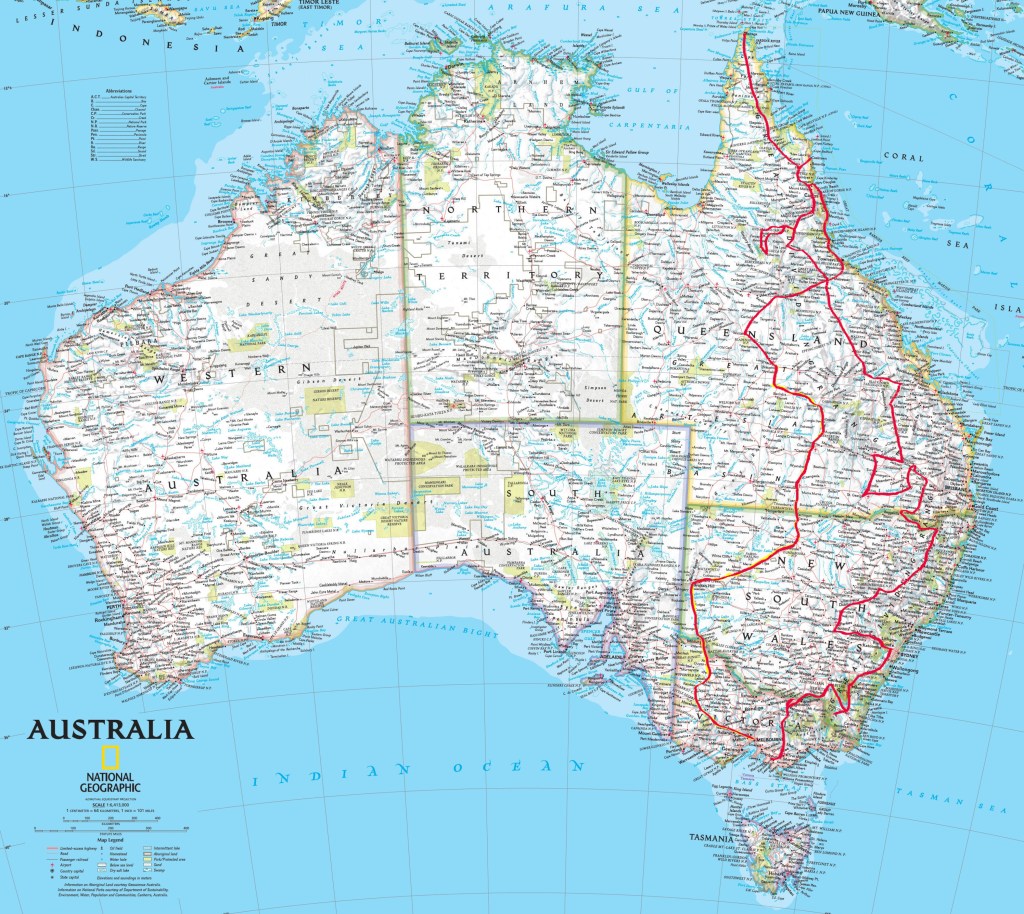
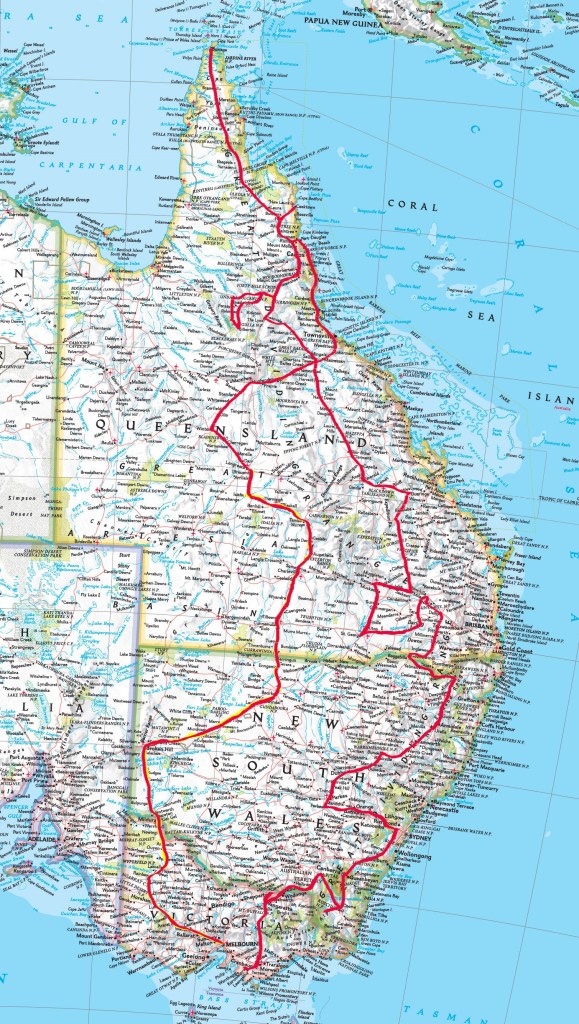
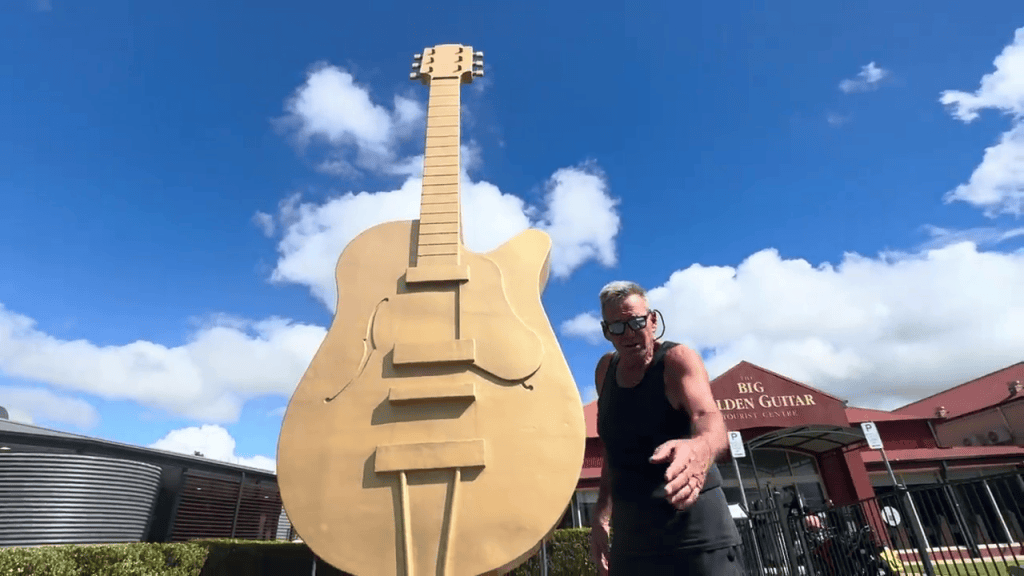
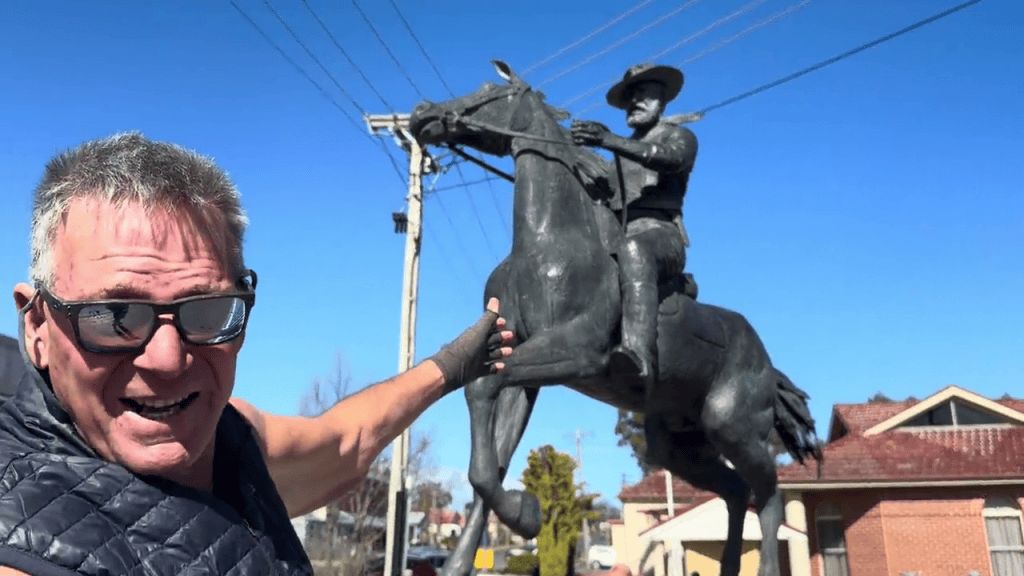
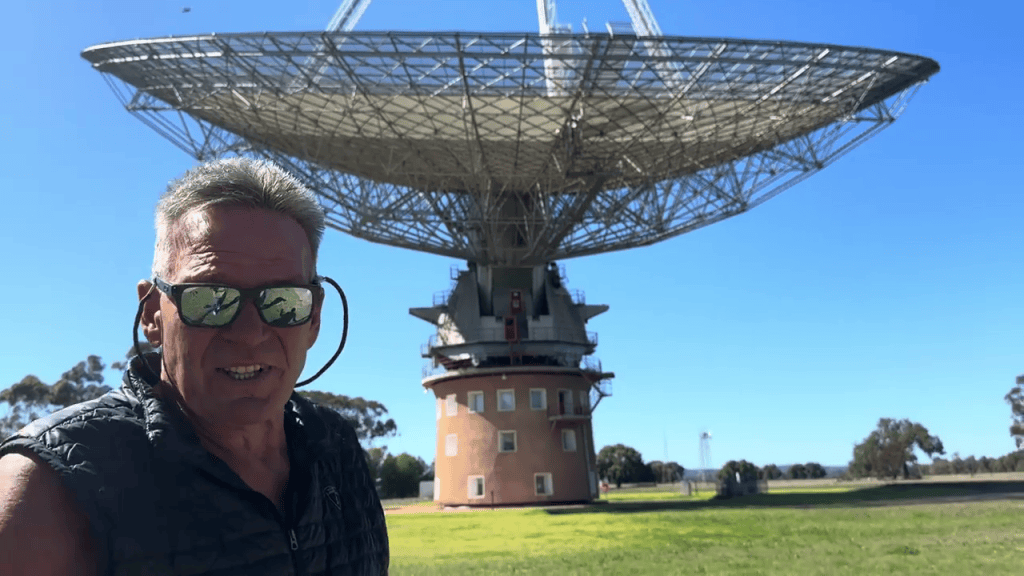
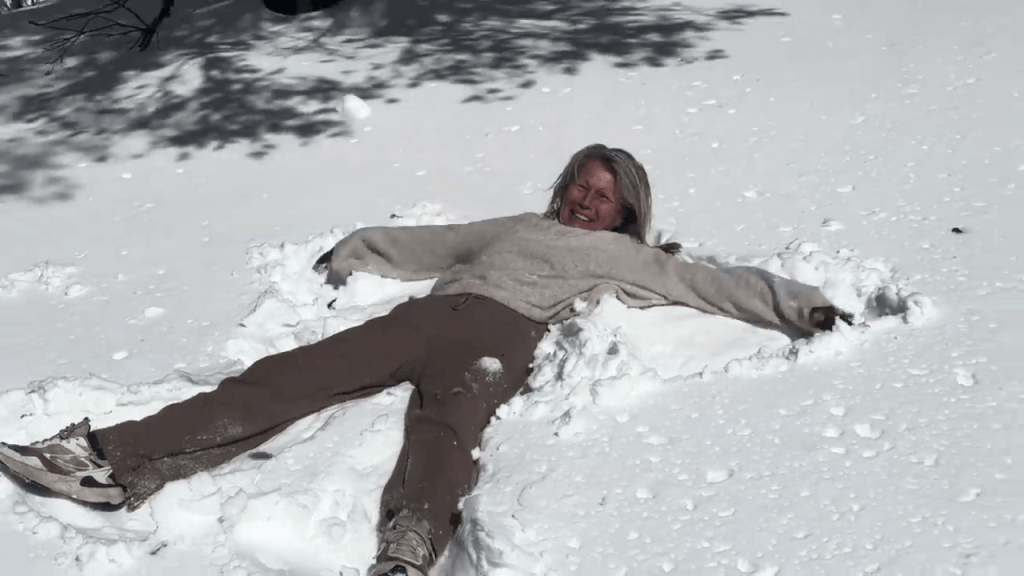
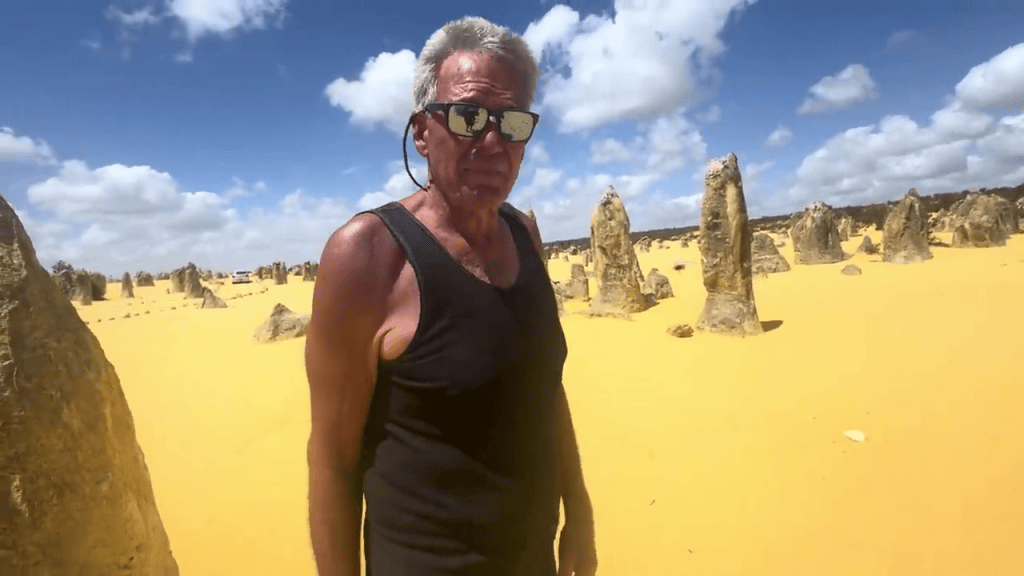
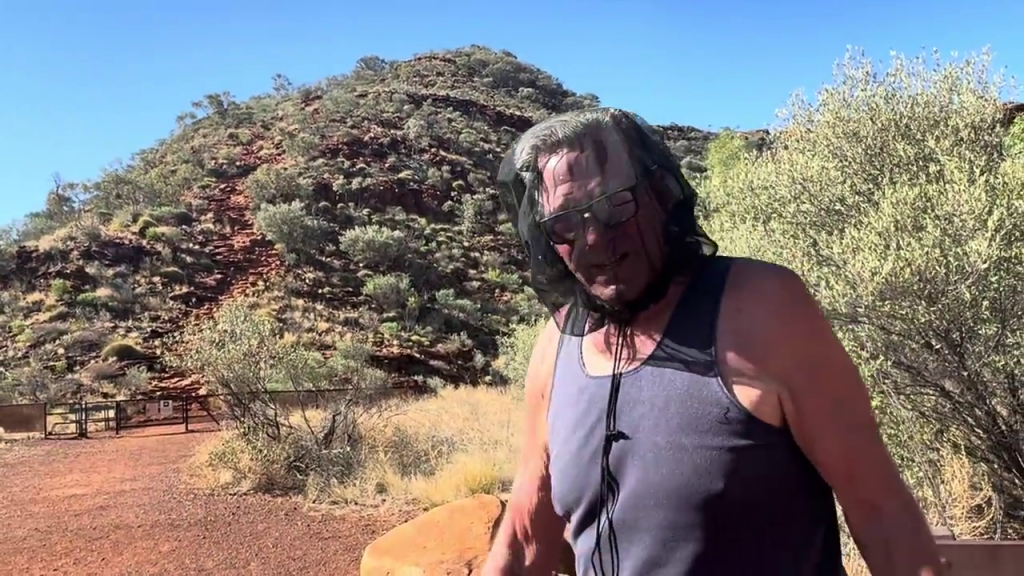
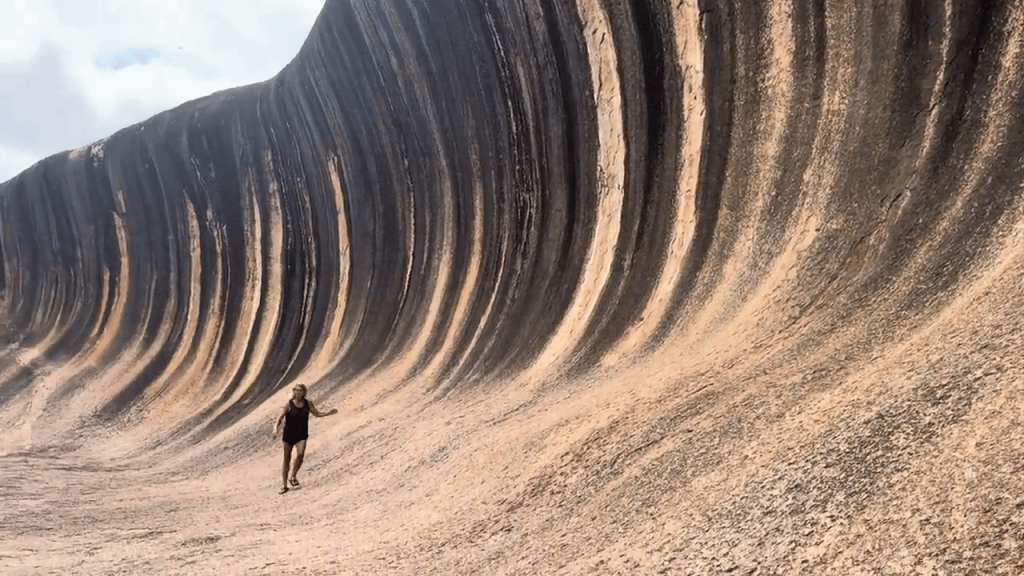
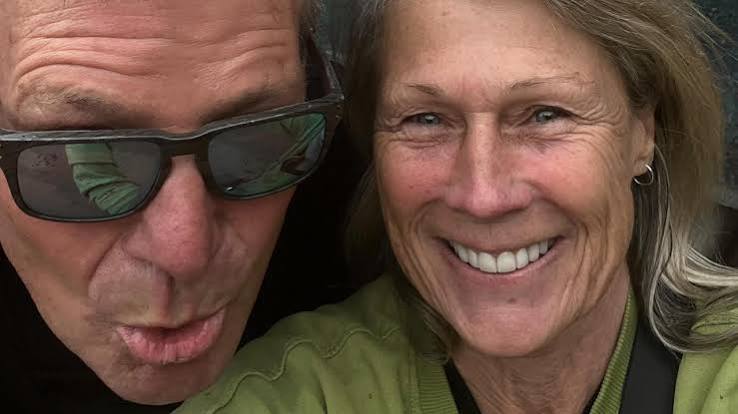
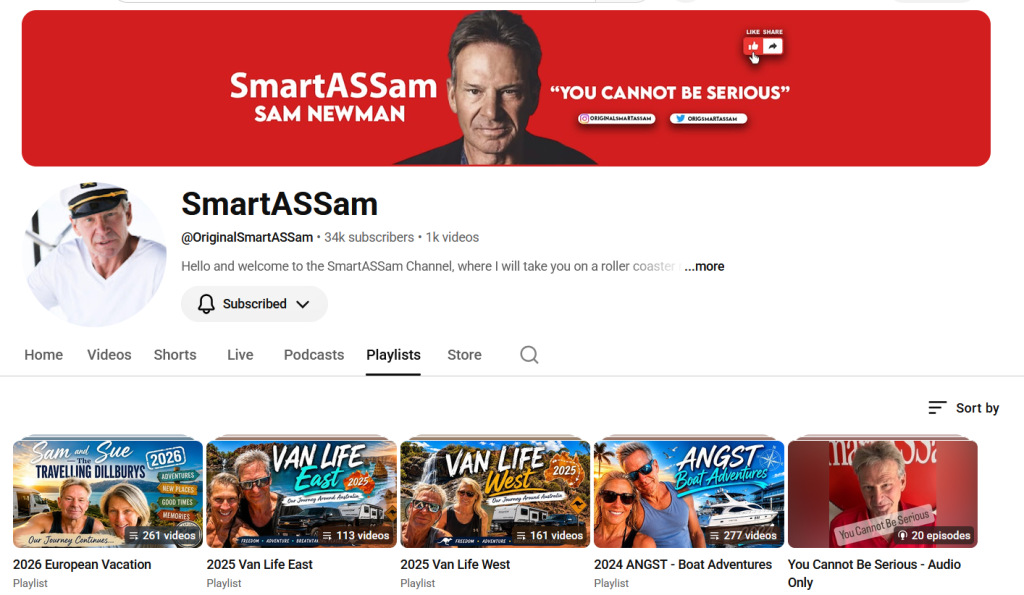
If travel videos are your thing – especially if you are interested in taking a road trip around Australia – then look no further than these two amazing playlists on the SmartASSam YouTube channel.
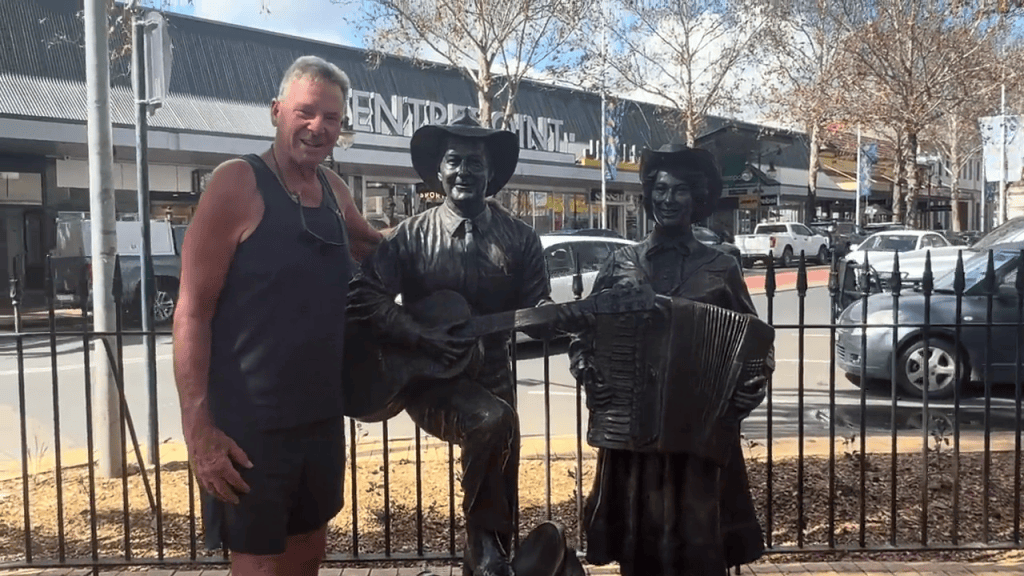
These incredible adventures are brought to us by Sam Newman and Sue Stanley, who take their audience to some truly fascinating places – and pretty much do all the filming, presenting and editing themselves. For those who are not acquainted with the hosts; Sam is a well-known Aussie Rules Football pundit and former player who rose to fame as a co-host on ‘The Footy Show’ for many years, whilst Sue is a former world aerobics champion, Olympian and public figure in her own right.
Last year, Sam and Sue embarked on two back-to-back trips around Australia in their Essential Highlander Caravan and uploaded daily videos from both journeys to YouTube. These amazing adventures are presented in such a down-to-earth and relatable fashion by our hosts, and with some spectacular scenery and quirky tourist attractions as their backdrop, it becomes an addictive experience – for once you start watching these episodes it is impossible to stop!
So, let’s break down both of these awe-inspiring trips, starting with Van Life East.
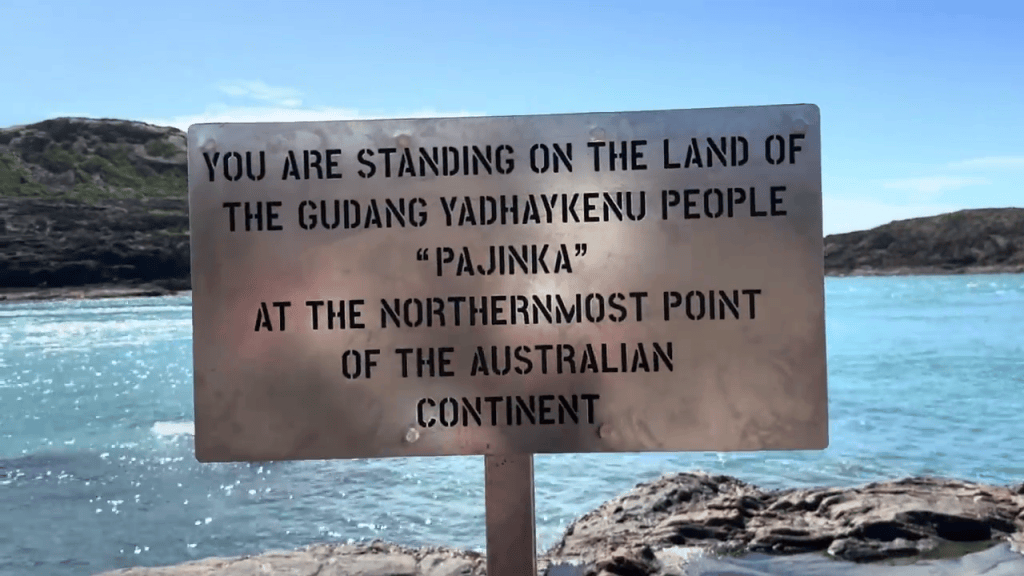
Van Life East starts in Melbourne, Victoria and winds its way north all the way to Cape York – the Northernmost point of the Australian mainland. It takes Sue and Sam twenty days to reach the top of Australia, with the entire round trip taking just shy of seventy days to complete, as they travel through outback NSW and Central Queensland, whilst skirting along the tropical coasts and taking the final legs of their journey through the Snowy Mountains.
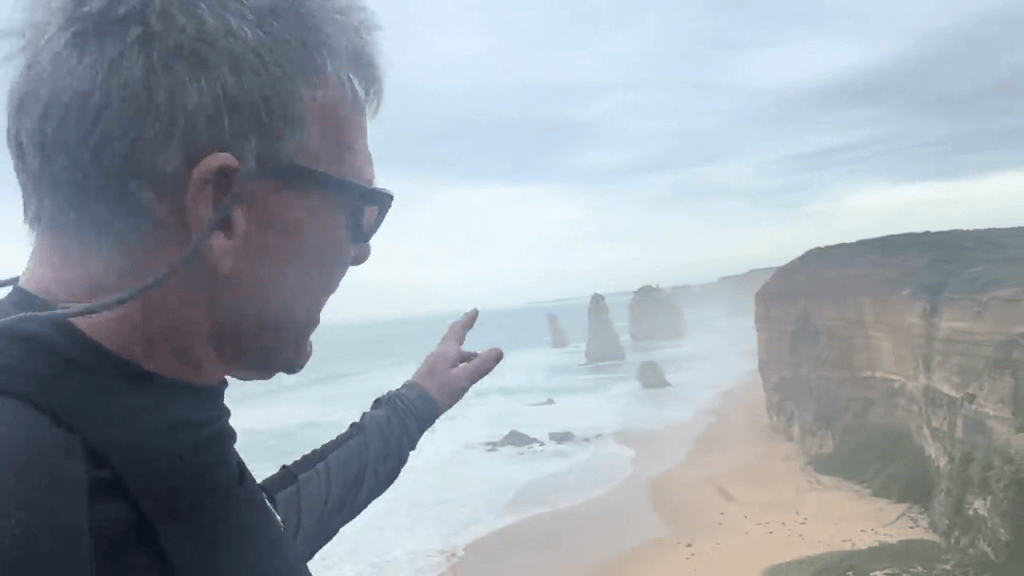
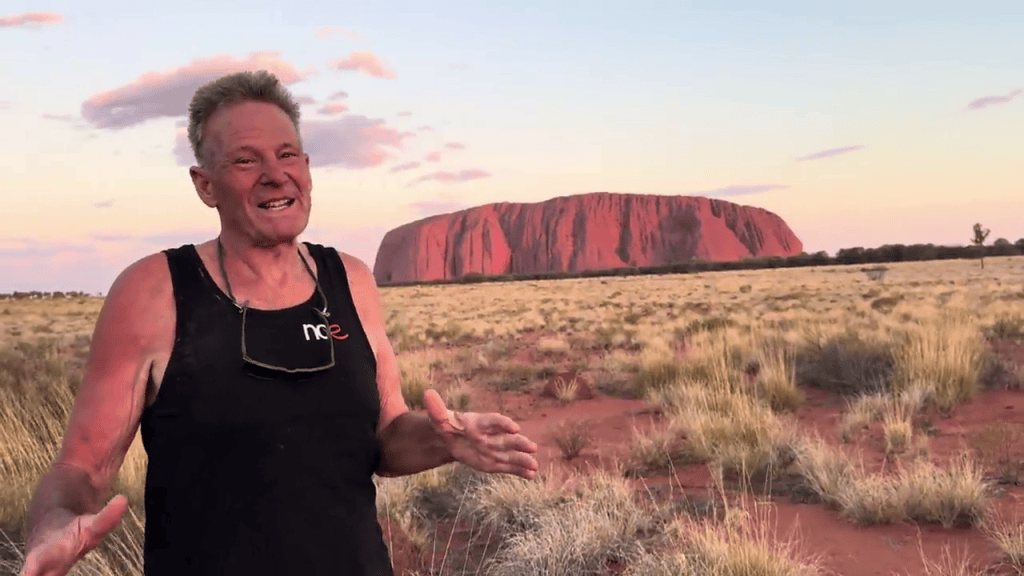
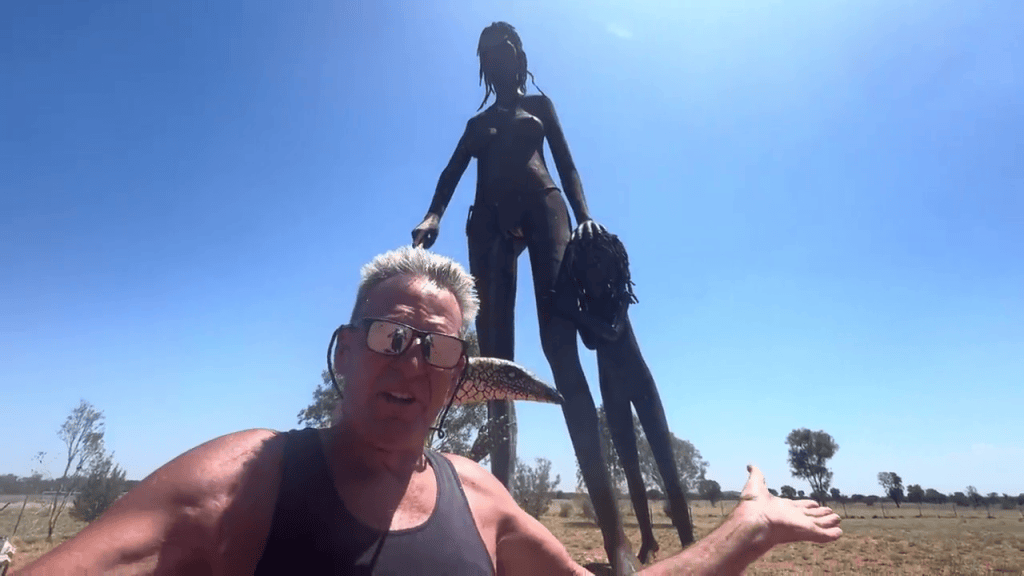
Here are some highlights below.
But if you think that Van Life East was an impressive feat, then wait until you see what Sam and Sue embarked upon with Van Life West. Ninety days on the road through some of harshest and most isolated terrain on Earth, with every step of their travels recorded and shared to YouTube for their audience to enjoy. An incredible effort!
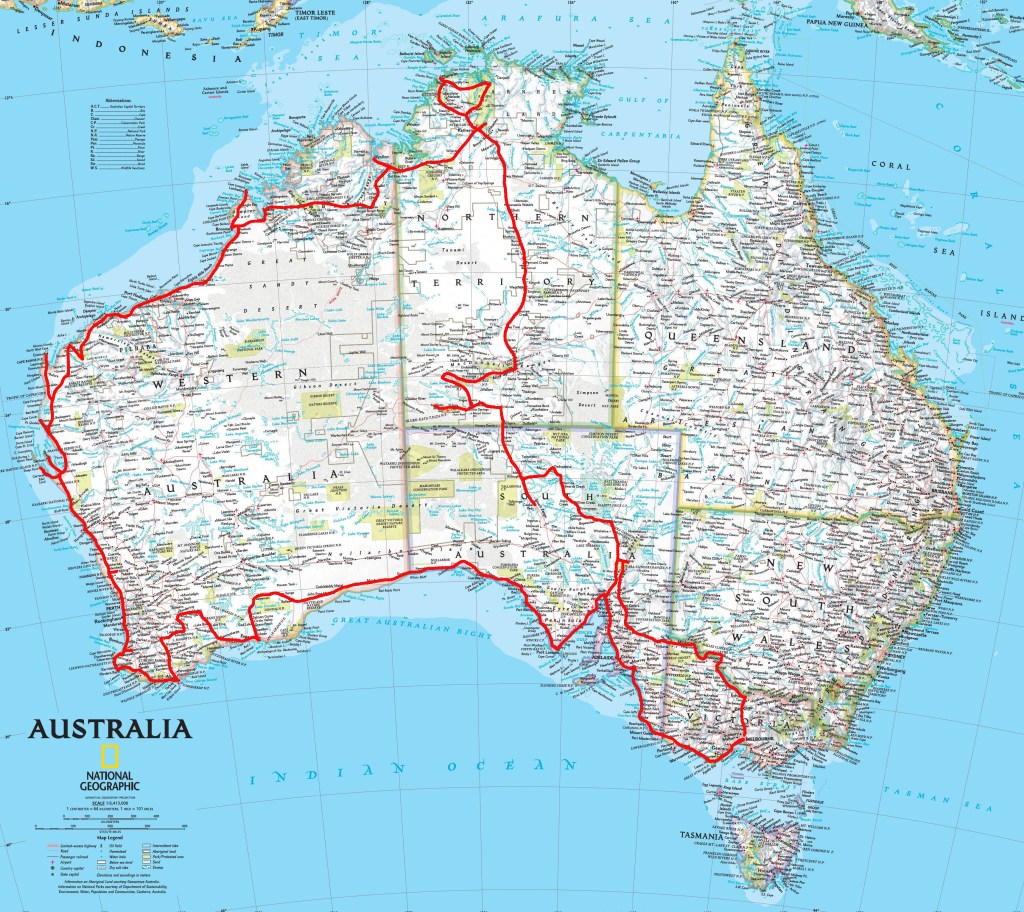
The screenshots below say it all…
Van Life West takes Sam and Sue on a route through Australia’s Red Centre, and then across the Northern Territory and onto the coast of Western Australia which they follow as far south as possible, before braving the desolate Nullarbor on their way back to Victoria.
Honestly, these are some of the best travel videos going around, and a lot of it has to do with the on-screen charisma of both Sue and Sam – whose original takes on both van life and the amazing places they come across make this essential viewing. These playlists have a broad appeal as well, and would be enjoyed by people of all ages – but to be fair are mostly aimed toward older Australians planning to explore the length and breadth of their country at their own pace.
I should also point out that Sam is pushing eighty years of age during these road trips, yet his rigour and showmanship in front of the camera plays a large role in the appeal of these travel episodes. Sue is a little younger, and her athletic background is clear for all to see – as she remains a bundle of energy throughout the trips. Frankly, I find them both inspirational – and chances are you will too!
You can find both Van Life East and Van Life West as playlists on the SmartASSam YouTube channel – and there are other travel adventures to be found there too, such as Sue and Sam’s voyages on their boat ‘Angst’, as well as their brilliant European Trip which is still ongoing at the moment. I will write a review of these playlists at a later date, perhaps once their Euro holiday has concluded.
It’s difficult to put into words just how much enjoyment, excitement and wonder I have found watching Sam and Sue’s videos, and I highly recommend anyone wishing to learn more about Australia to give this YouTube channel a go. Just click on the playlist and start at the very first episode – and I assure you there’s no turning back because it’s that damn good!
There are links to the SmartASSam YouTube Channel below…
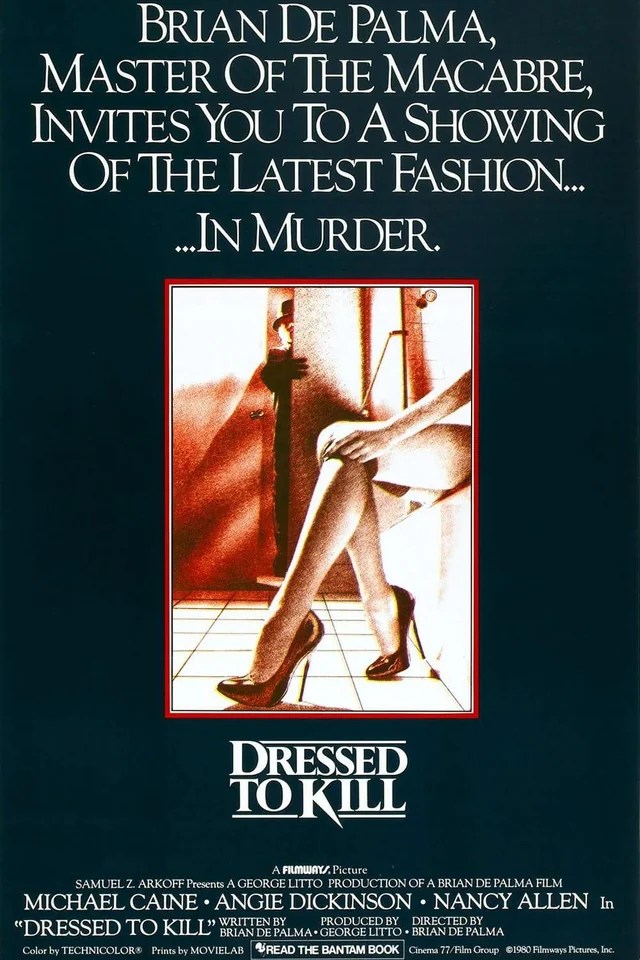
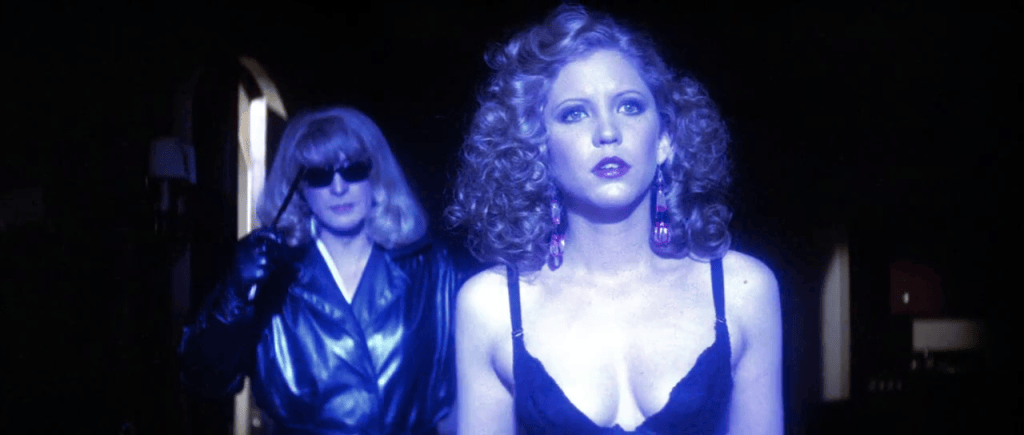
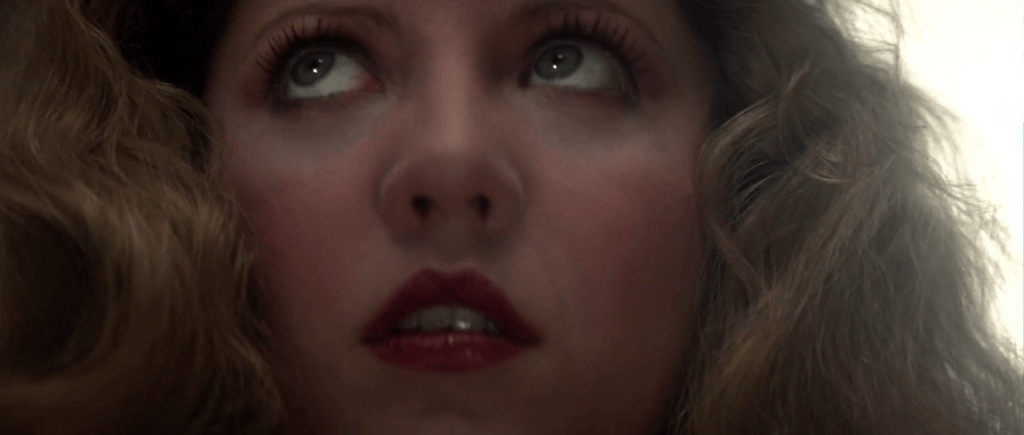
‘Dressed To Kill’ was released in July of 1980, and was a rather risky undertaking for the established writer/director Brian De Palma. The film was originally given an X-rating from the Motion Picture Association upon first reviews due to its gratuitous nudity and violence, which was later downgraded to an R-Rating after a few scenes were edited and/or cut out completely. The response from De Palma and his editors would pay dividends as the movie would be a box office success – perhaps due to its notoriety – and make over thirty million dollars from a budget of six million.
Following ‘Dressed To Kill’, Brian De Palma would go on to direct a number of classic movies such as ‘Scarface’, ‘The Untouchables’, ‘Carlito’s Way’ and the first installment of the ‘Mission:Impossible’ series; but his career would nosedive around the turn of the century with fizzers such as ‘Snake Eyes’ and ‘Mission To Mars.’
But before I go any further, I should point out that De Palma also directed the highly-acclaimed horror/supernatural films ‘Carrie’ and ‘The Fury’ as an up-and-coming filmmaker in the nineteen-seventies – which is why he is described as a ‘Master of the Macabre’ on the movie poster for ‘Dressed To Kill.’
The film features a very solid cast with Michael Caine, Angie Dickinson and Nancy Allen in the leading roles; but there is a slight caveat here: – for Caine was at arguably the lowest point of his career during the early to mid nineteen-eighties, and Dickinson was perhaps a little too old for such a sultry performance, for she was aged almost fifty when the movie was shot. Nancy Allen – who was married to De Palma at the time – was not as well-known as her more famous co-stars, and would not reach the top of her game until playing the tough female cop Lewis in 1987’s ‘Robocop.’
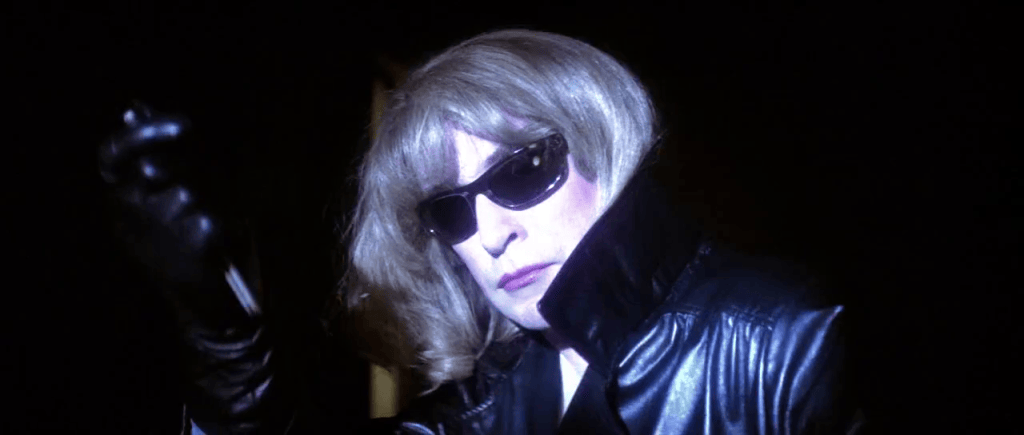
I’m not going to give a detailed blow-by-blow account of ‘Dressed To Kill’ as far as the story is concerned, but instead focus more on the aesthetics and specific scenes within the film that I think are worth pointing out. There’s a lot going on here; as what we are presented with is a movie that is heavily-inspired by Hitchcock whilst giving us shades of noir and strong doses of De Palma’s own unique style. This can be a little hit-and-miss at times – as I will point out later – but it is certainly never boring.
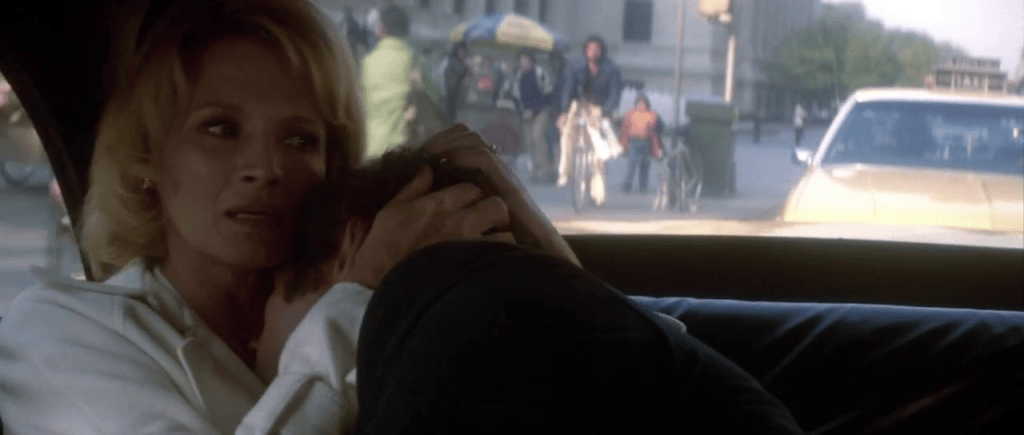
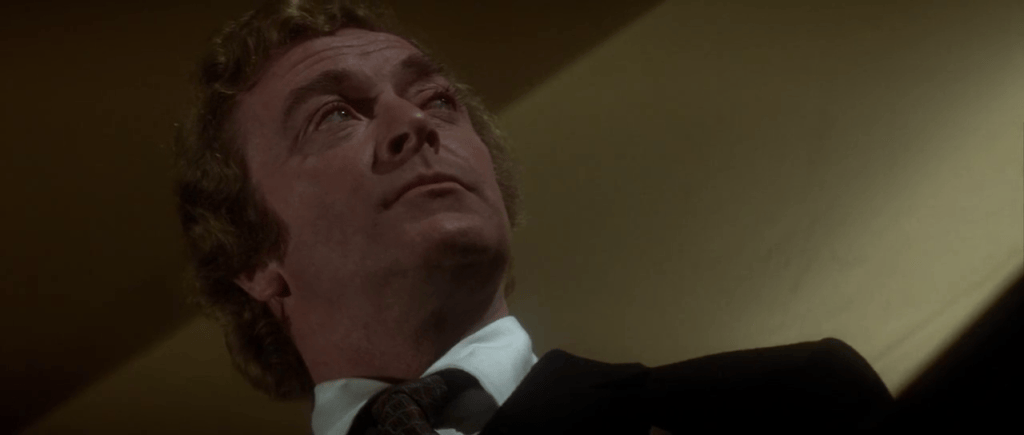
The premise of the film is straight-forward enough, with Caine playing psychiatrist Dr Robert Elliott who is helping a sexually-frustrated housewife Kate Miller (Dickinson) through therapy sessions. When Miller is later murdered by a razor blade-wielding maniac in an elevator, the crime is witnessed in-part by high-class call girl Liz Blake (Nancy Allen) and together with Miller’s grieving son Peter (Keith Gordon) the unlikely pair set about solving the crime, with limited assistance from Detective Marino from the NYPD (played by Dennis Franz.)
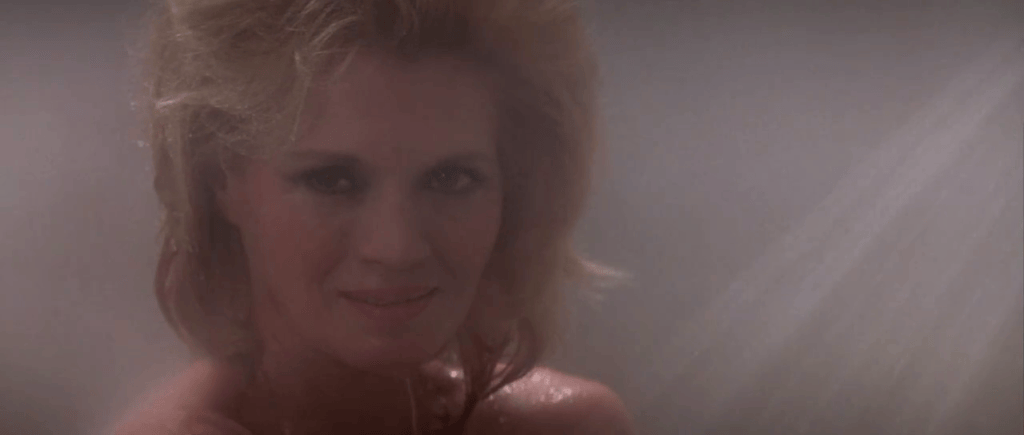
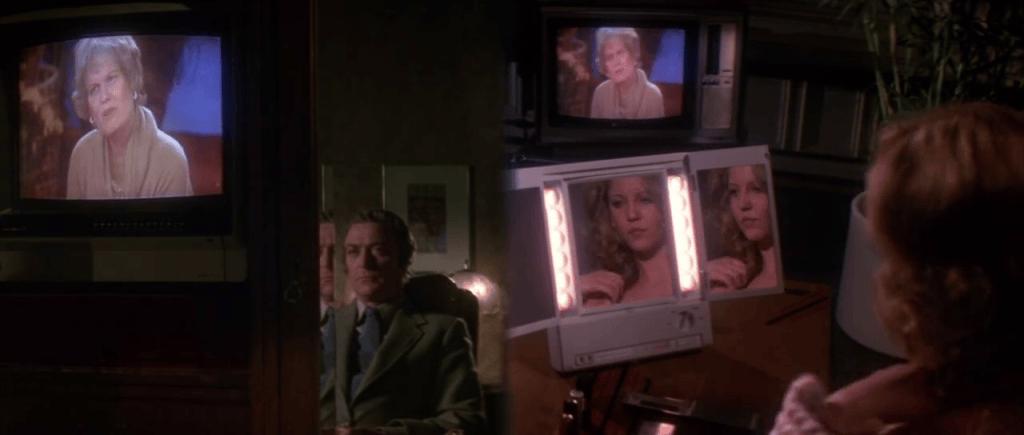
But despite the intriguing plot, it was the steamy and sensual elements of ‘Dressed To Kill’ that served as its major drawcard back in the day, and the film kicks off with literally exactly that in the opening scene where Dickinson’s character Kate Miller is experiencing an erotic dream sequence in the shower – and I think the screenshots below say it all…
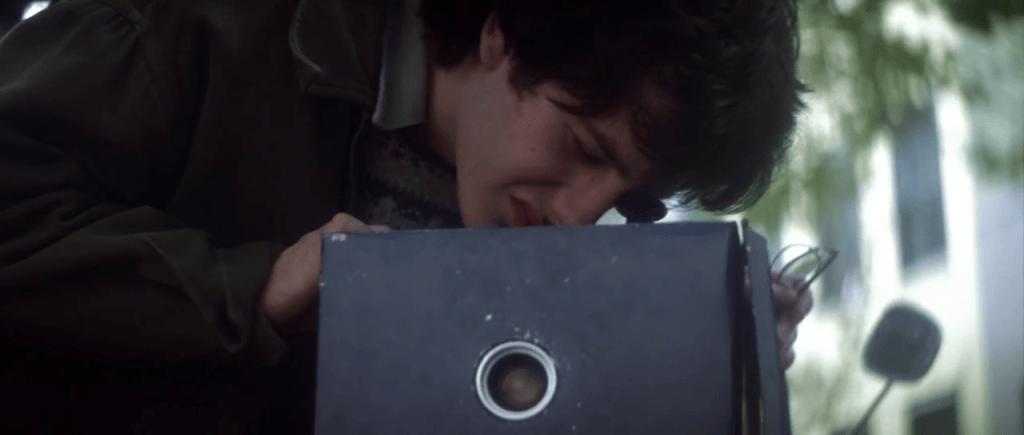
If one can set aside the over-played nudity and sexual imagery, you will find that there is actually a decent film here – with some clever direction and cinematography; stylish camera angles and first-person shots that make ‘Dressed To Kill’ a movie that is visually engaging and quite entertaining; even without the naked eye-candy and risque themes.
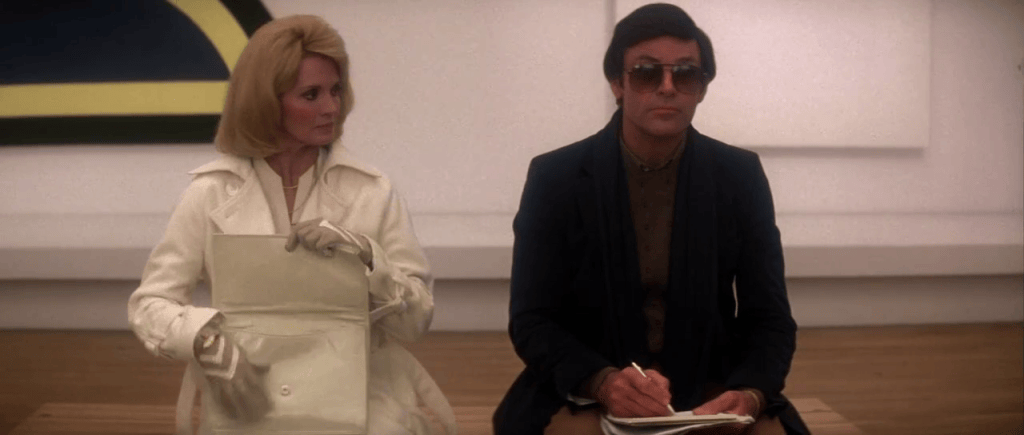
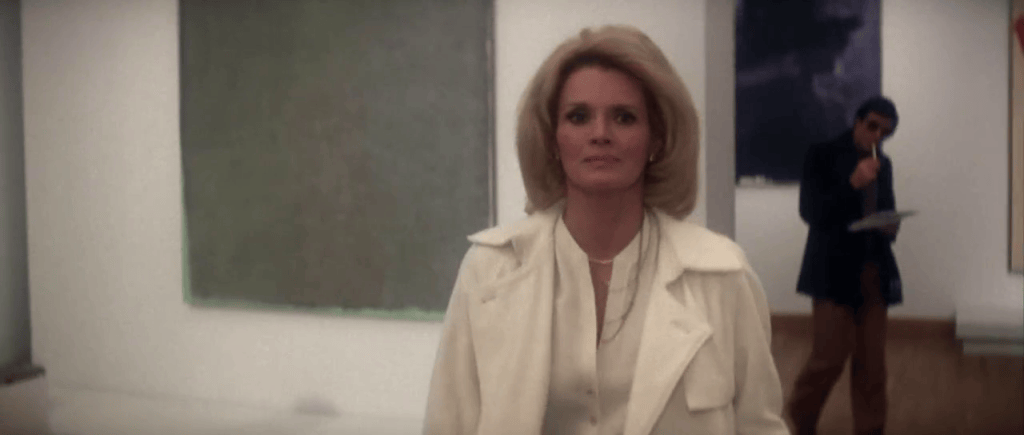
For instance, there is an early scene in the film where Kate Miller (Dickinson) plays a teasing game of cat-and-mouse with a stranger at an art gallery. While there is an argument to be made here that this drags out a little longer than needed, the constant changing of angles from a first-person view, to close-ups of an increasingly-desperate Miller trying to find the mystery man (who has actually taken one of her gloves), onto wider shots capturing the broader spaces and corridors to reveal other patrons – as well as the elusive gentleman slipping around corners – makes this entire sequence work incredibly well, and really draws the audience in.
Eventually, Kate Miller catches up with the stranger outside the gallery, having spotted her missing glove being waved out of the window of a parked taxi. Kate is then lured into the waiting cab, and the pair get right down to business – despite having never spoken a word to each other – before spending the rest of the day in the sack at the man’s apartment. Yikes!
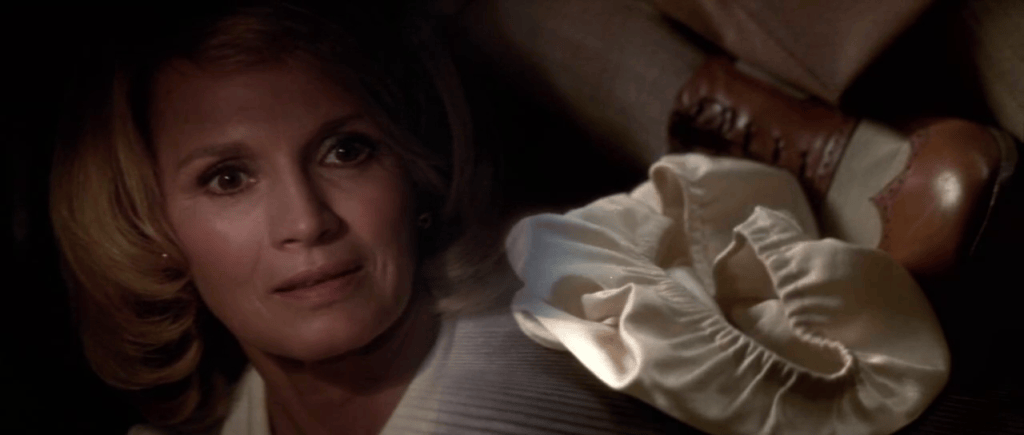
We are then treated to not one but two bizarre memory recall scenes; firstly when poor Kate wakes up in a darkened room after her sordid sexual encounter and can’t find her underpants anywhere – and then has a light-bulb moment when realising they were torn off during the taxi ride. It happens to the best of us, right?
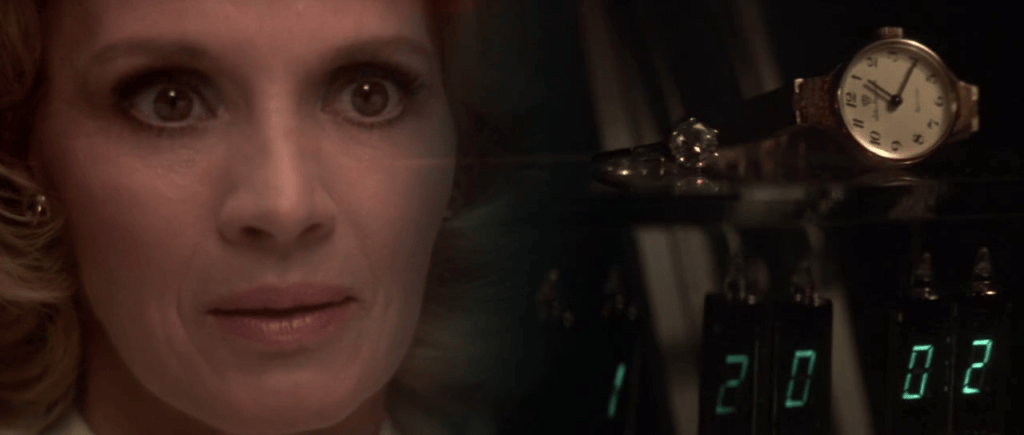
The second flashback involves Kate noticing that her wedding ring was missing – and then recalls that she left it on the table at the stranger’s apartment.
These shots come across as a little cheap and cheesy – especially when compared to the stylish and tension-building sequences at the art gallery that took place only minutes earlier. I might be being a little harsh here, but they could have got away with one of these flashbacks – but to present two near-identical shots in quick succession doesn’t quite work for me.
At this point it feels like the movie is trying to do too much and be too many things, but it is still quite enjoyable. However, I burst out laughing during both of these scenes – mostly because of the exact-same blank look on Angie Dickinson’s face whilst her lost items suddenly materialise on screen; more so when seeing the missing undies from the taxi. Pure cinematic gold!
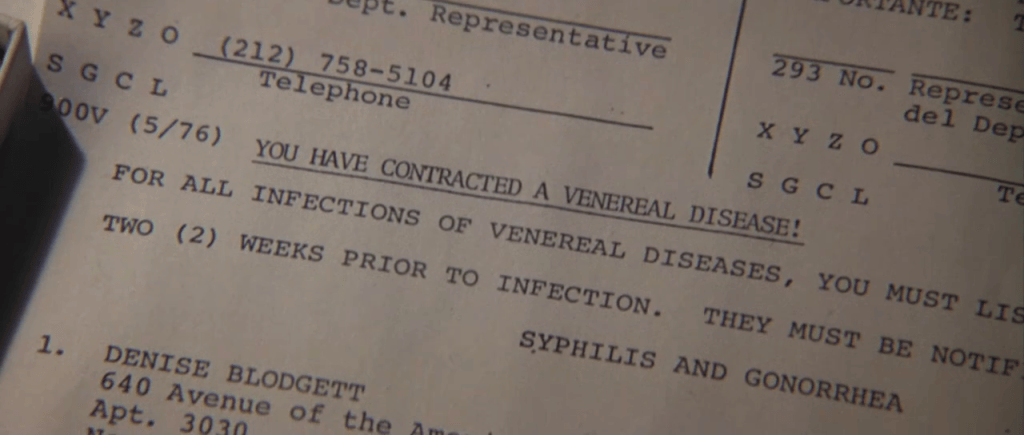
But here is an example of what I meant by ‘hit-and-miss’ – for within minutes of the two flashback scenes we are given a zoomed-in shot of some paperwork that is straight-forward yet highly effective film-making. The scene itself is little more than the foolish Kate opening a drawer at the stranger’s apartment and finding his medical records (see screenshot below) – yet the bluntness of the visuals hit hard because I instantly felt sorry for the woman – despite her questionable moral choices leading up to this moment.
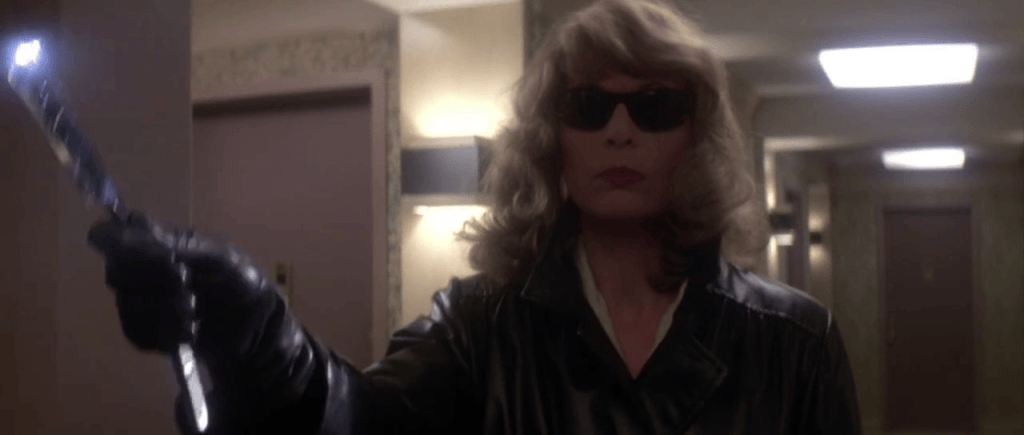
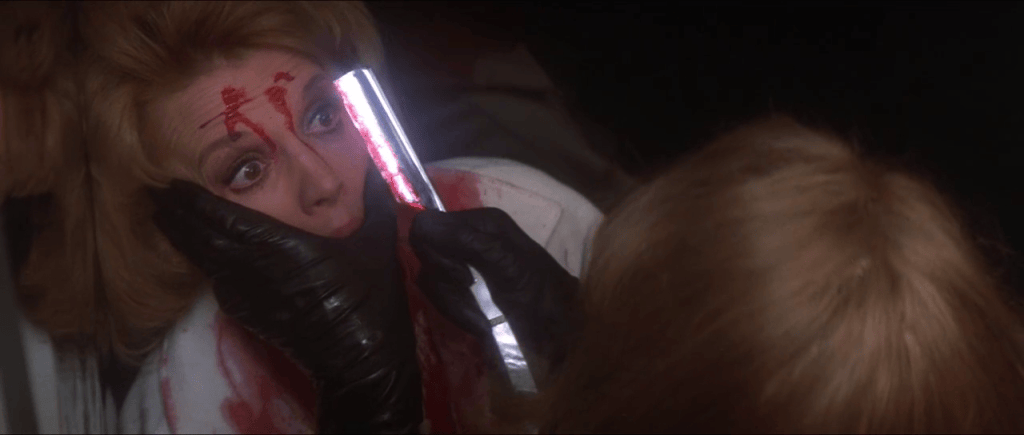
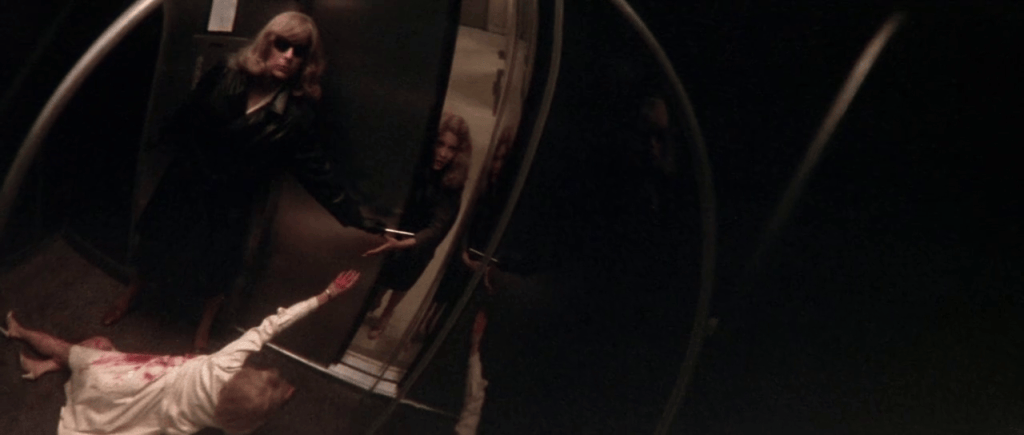
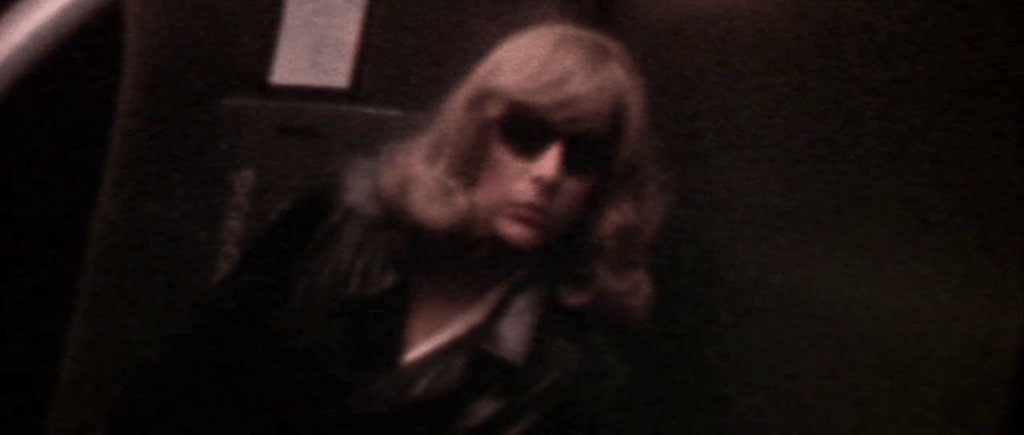
‘Dressed To Kill’ then takes things up a notch, for when the confused and distraught Kate Miller is forced to return to the man’s apartment to retrieve her wedding ring, she is violently attacked in the elevator by a woman wielding a razor blade.
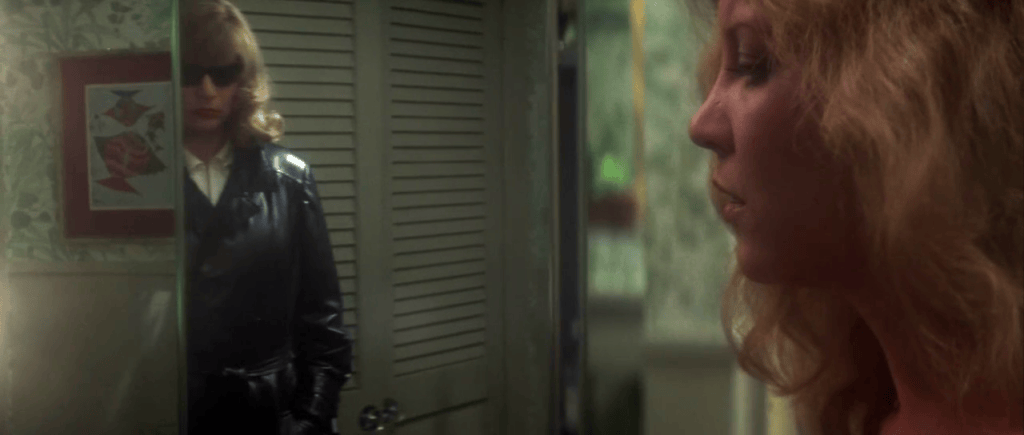
This is when Nancy Allen’s character Liz makes her first appearance, for she interrupts the killer when finding Kate barely alive in the elevator and pleading for help – and the close-up shots work very well here.
Liz then tries to reach out to the victim, but looks up at a convex mirror inside the lift and sees the killer hiding around the corner ready to strike with the razor. I thought this was a great scene!
The remainder of the film concentrates on Liz – who is now the killer’s next target – and Kate’s son Peter, who join forces in an effort to identify the villain before she (or he) strikes again. From this point ‘Dressed To Kill’ ticks all the boxes for a standard nineteen-eighties thriller, with a twist that most of us probably would have seen coming.
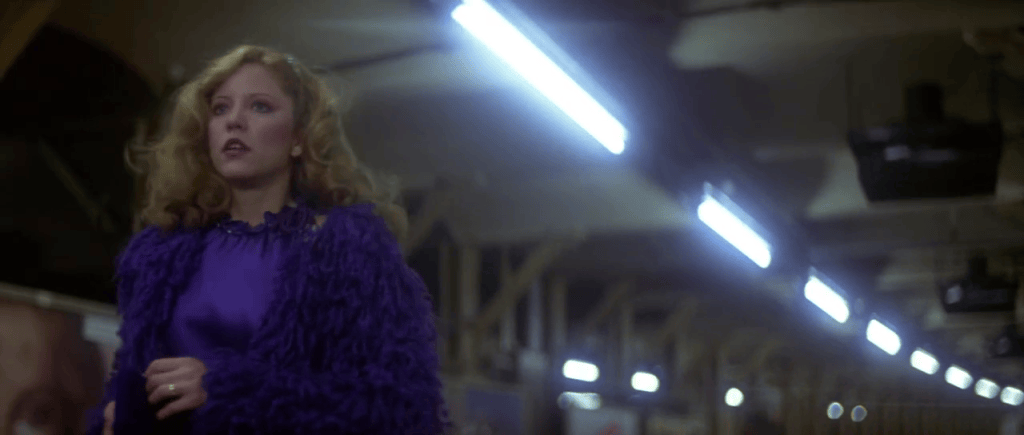
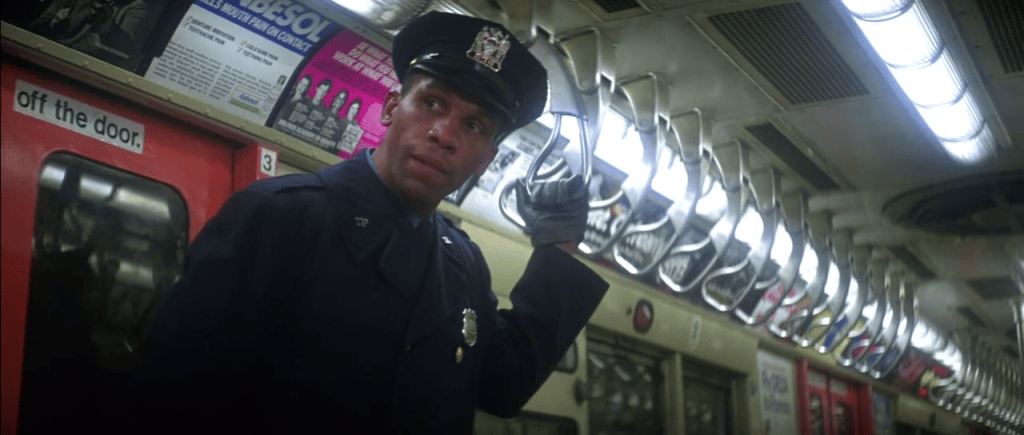
There were some great scenes in the second half of the film, and I thought the subway sequence was a stand-out with some interesting visuals and just the right amount of tension as the killer stalks Liz around the platforms and then onto a train; with a gang of thugs and a useless police officer thrown in for good measure.
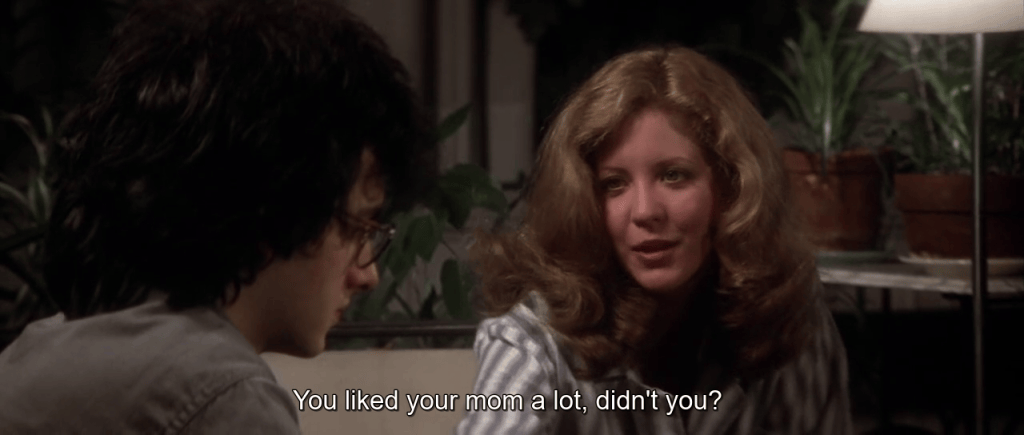
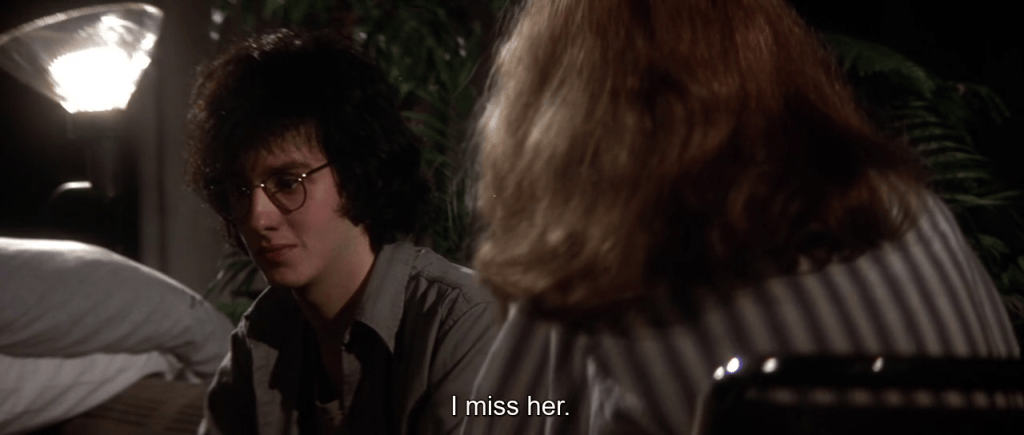
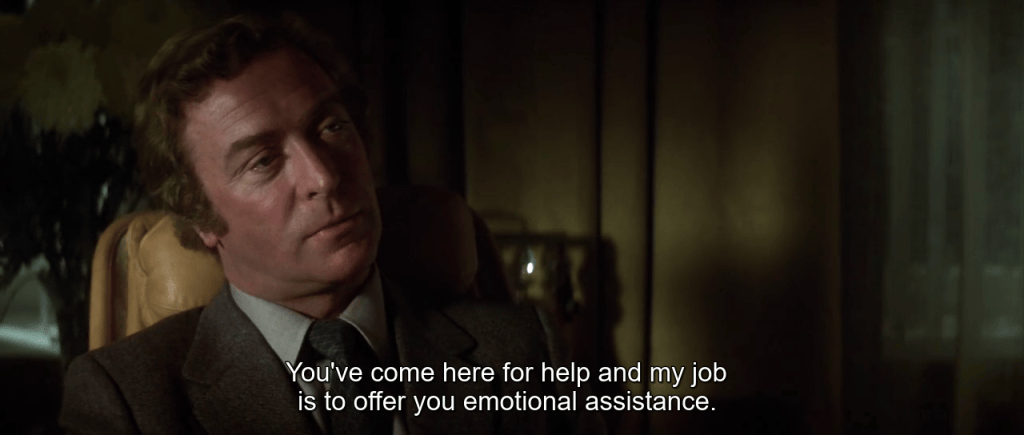
But whilst the film consistently looks good, my major gripe is that it is let down by some poor dialogue – and as a result, even the great Michael Caine comes across as wooden in a lot of his scenes. Honestly, that’s how bad some of it is!
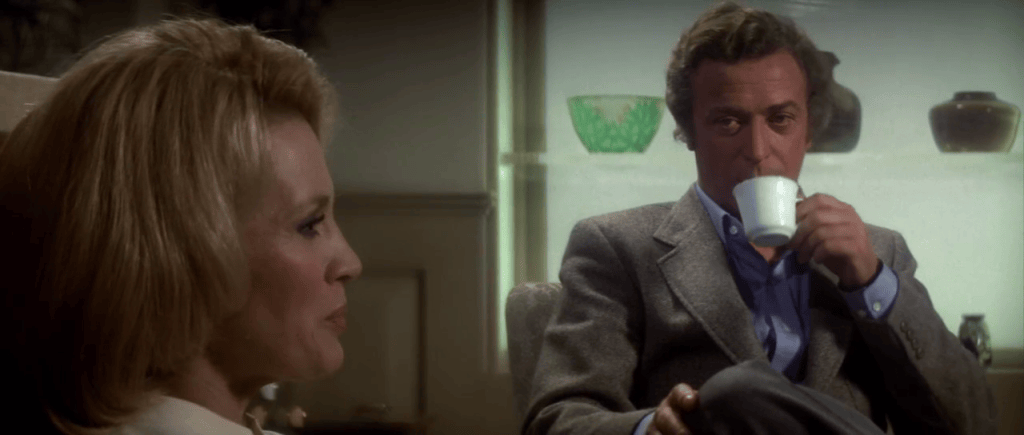
Look at the conversation below for example – taking place only a day or two after the poor lad’s mother is murdered. It’s not the worst writing I’ve seen – but it’s right up there!
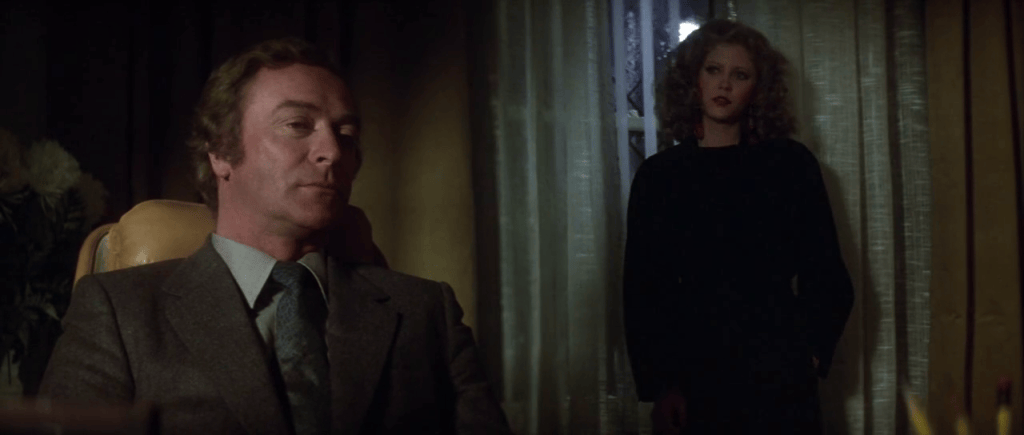
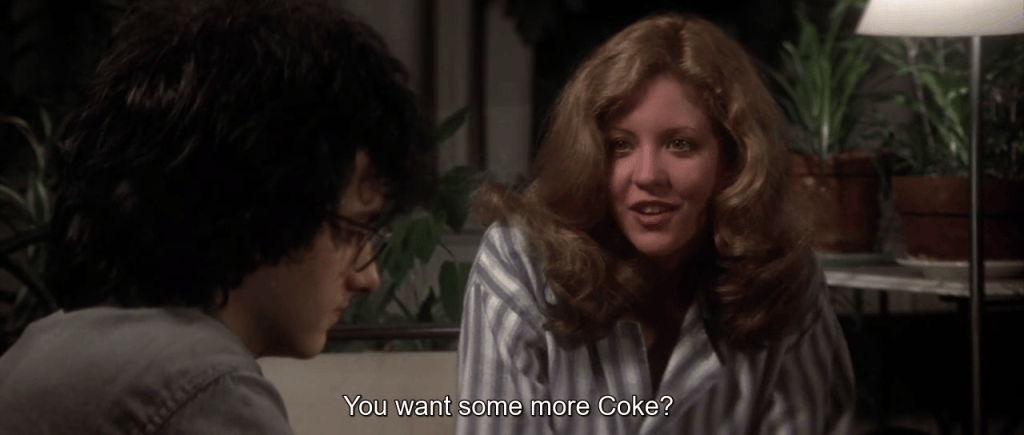
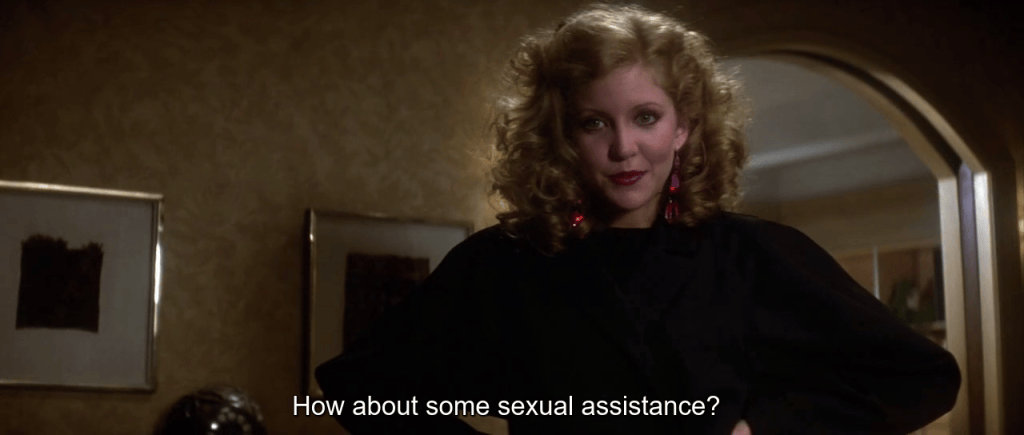
And then there is this classic exchange – taking place near the climax of the film.
This one had me in stitches!
See what I mean?
But bad dialogue and ham acting aside, I actually enjoyed this film – more so as a visual treat than anything else. The plot and character motivations are serviceable, and when combined with some really interesting and stimulating direction and cinematography, ‘Dressed To Kill’ ends up being a better-than-average entry into the thriller genre.
Before I give my final score, I should point out that there are a couple of versions of this film out there – as a result of the original censorship rating back in 1980. The cut that I watched was the ‘Unrated Version’ that only differs from the R-Rated edition by showing more nudity in the opening shower scene and splashing more blood about during the razor blade frenzy in the elevator.
In any case, ‘Dressed To Kill’ is a most enjoyable watch – and is a roller coaster ride of impressive highs and burst-out-laughing lows! I wouldn’t go as far as saying this is a ‘so bad it’s good’ movie, but there certainly are unintentional comedic elements at play here, and this is perhaps why it is considered a cult classic these days. On the whole – and leaning heavily into the film’s entertainment factor – I would recommend this to anyone looking for a bit of lightweight, cheesy nineteen-eighties fun.
‘Dressed To Kill’ gets a well-deserved seven out of ten from me!
Screenshots and poster courtesy of Cinema 77/Film Group and Filmways Pictures.
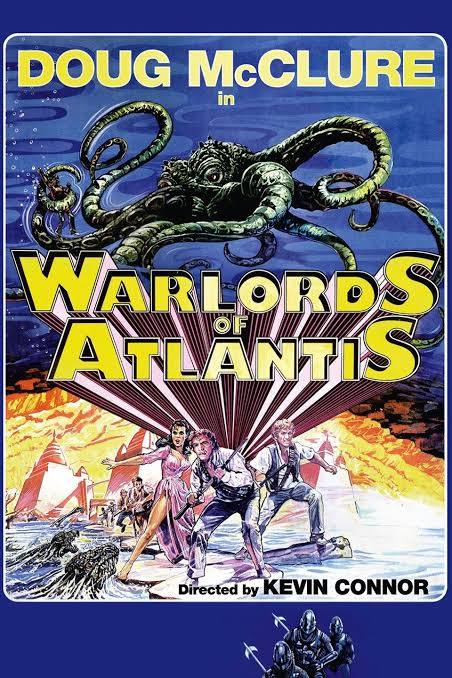
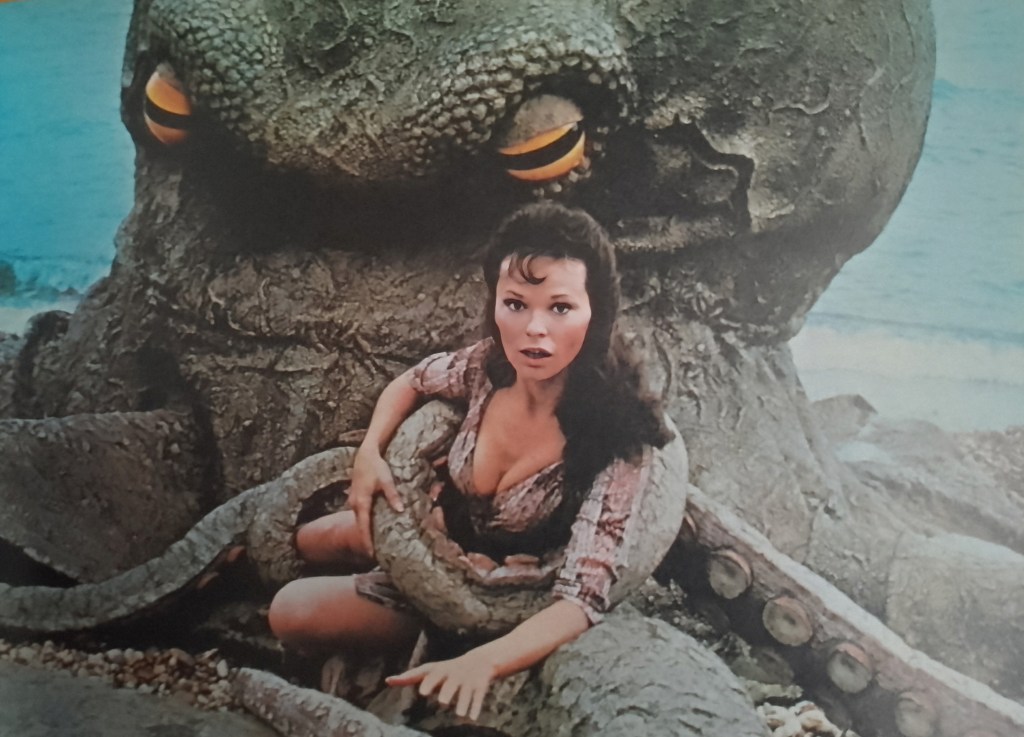
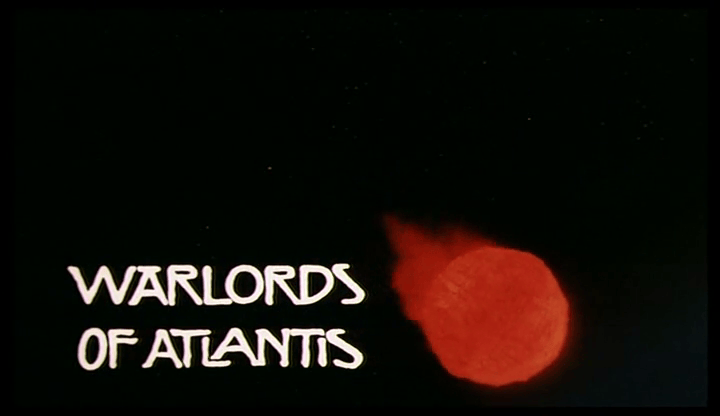
‘Warlords of Atlantis’ is a 1978 science-fiction adventure film directed by Kevin Connor and starring Doug McClure. This movie marked the fourth collaboration between both actor and director – as well as producer John Dark – with their most successful film up to this point being 1974’s ‘The Land That Time Forgot.’
The American actor McClure – perhaps best known for the 1960’s TV series ‘The Virginian’ – was considered to be a bit of an action man back in the day, and it’s interesting to note that they were really using his reputation to promote ‘Warlords of Atlantis’ – for his name is printed almost as large as the film’s title on the poster!
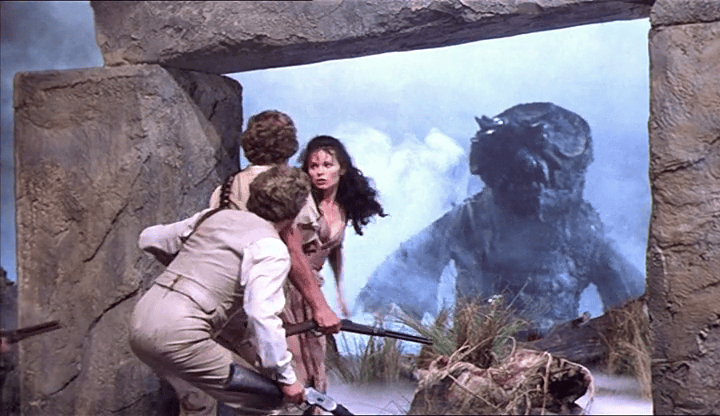
But it wasn’t McClure’s machismo that first drew my attention to this movie, but rather the above photo that was featured in a science-fiction book that I owned as a child. Funnily enough, I only recently managed to get hold of a copy of the same book and then – around fifty years after first laying eyes on this image – I sat down and actually watched ‘Warlords of Atlantis’ for the very first time!
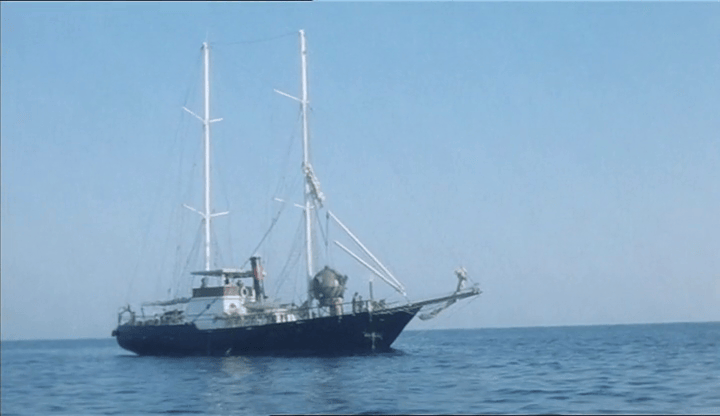
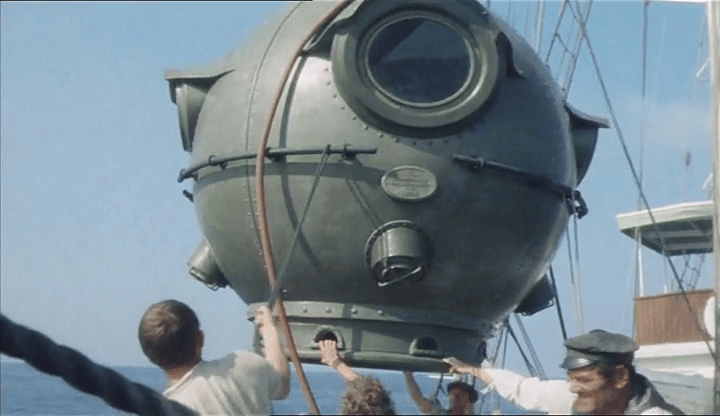
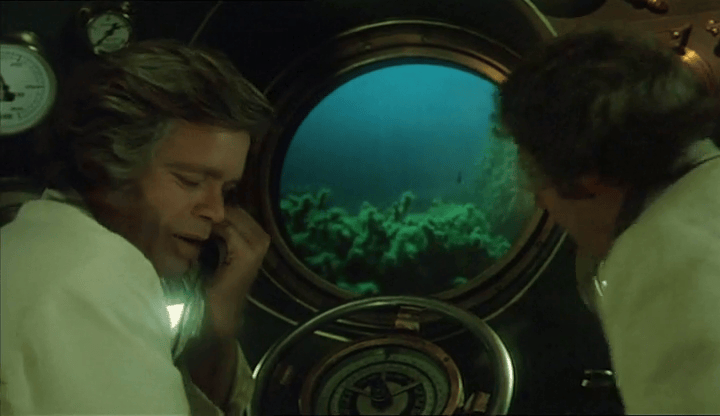
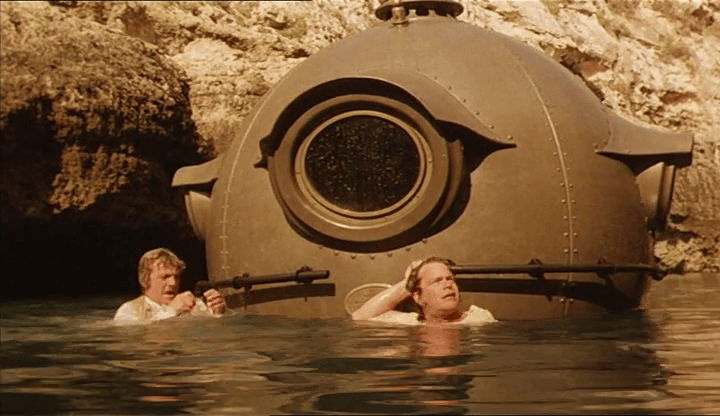
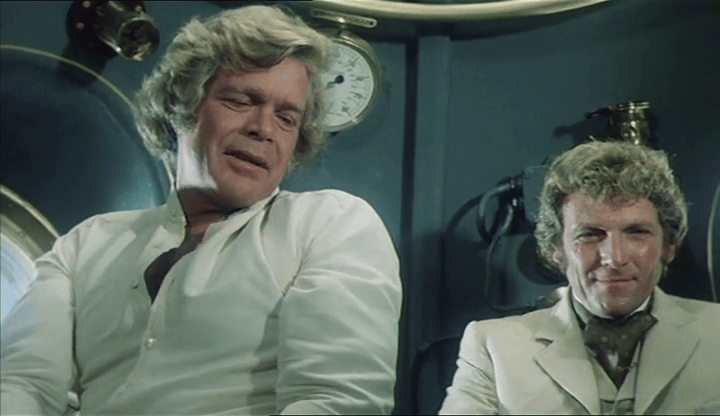
The movie gets right down to business, and takes us onboard the good ship Texas Rose somewhere in the middle of the Atlantic Ocean. There, our two main characters Greg Collinson (Doug McClure) and Charles Aitken (Peter Gilmore) man a specially-designed diving bell and are lowered into the depths; hoping to discover the lost city of Atlantis.
But it was never going to be that easy…
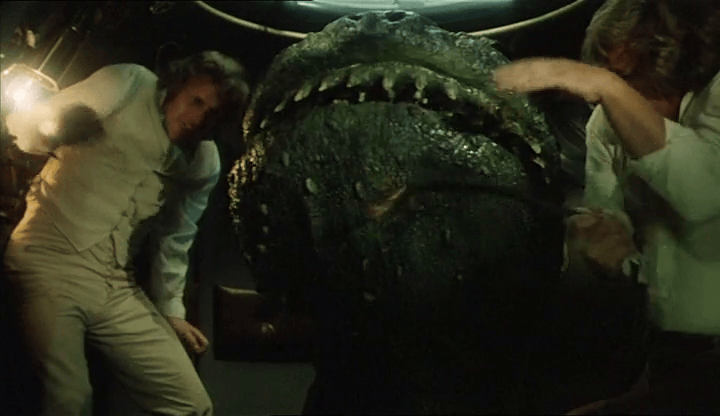
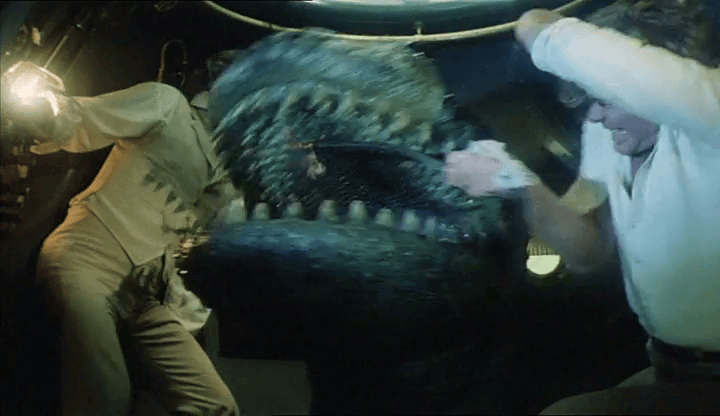
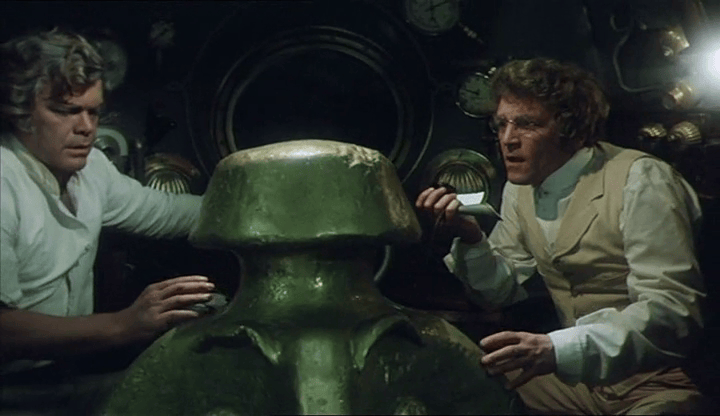
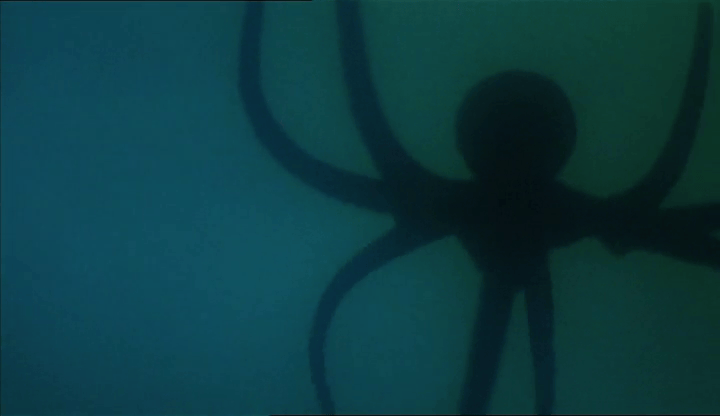
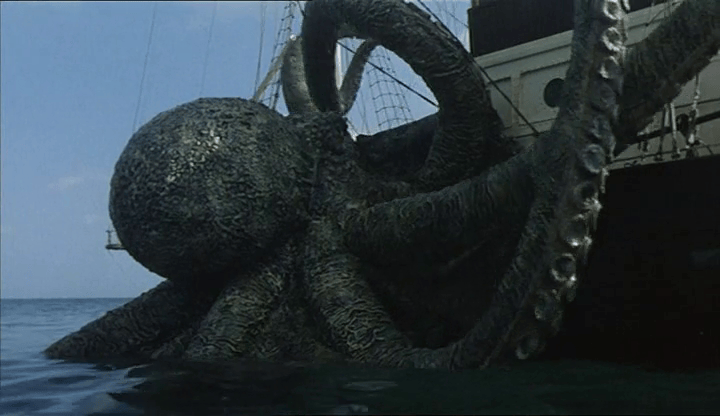
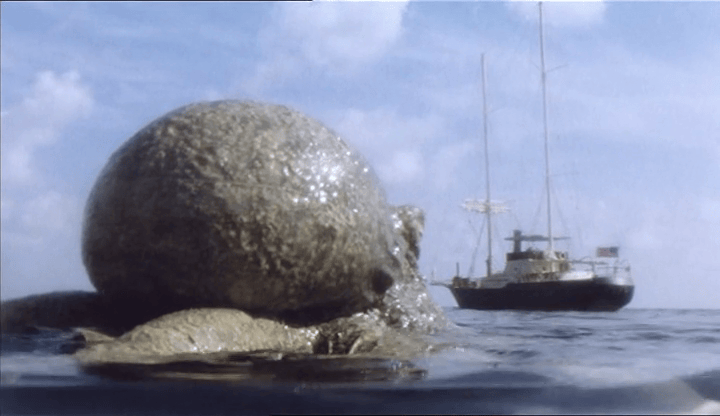
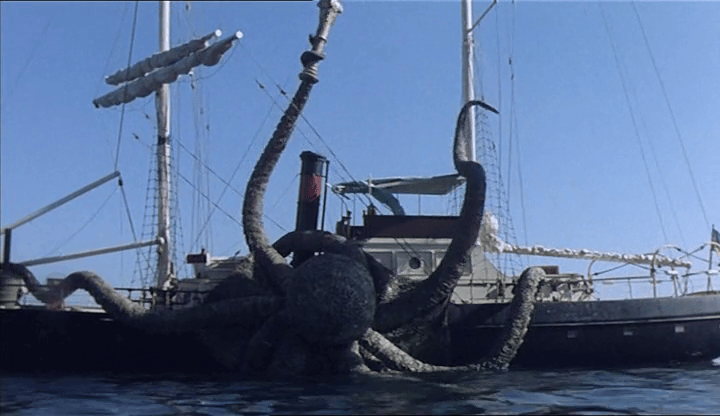
Having fought off a sea monster that stuck its head inside the bell, Collinson and Aitken then discover a gold statue at the bottom of the ocean. Taking this as evidence of finding Atlantis, they have their priceless bounty hauled up to the ship – only to create a nasty eight-tentacled problem!
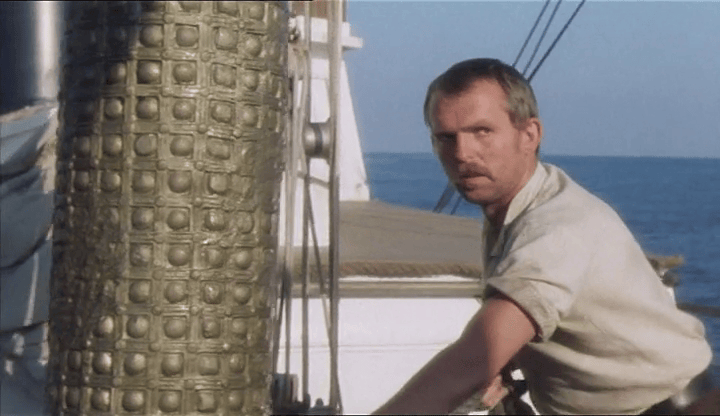
And yes! The deckhand in the above screenshot is none other than John Ratzenberger – who later became famous playing Cliff Clavin in ‘Cheers!’
The giant octopus proceeds to capture four crew members and take them all the way to Atlantis where they are reunited with Collinson and Aitken. Either that octopus was an extremely fast swimmer, or those men could hold their breaths for a very long time!
From here, ‘Warlords of Atlantis’ moves along at a brisk pace and introduces us to the various kingdoms of Atlantis, and throws in a Martian backstory just to add a little spice to proceedings, while the characters from the surface are trying to outsmart their captors and escape back to their ship.
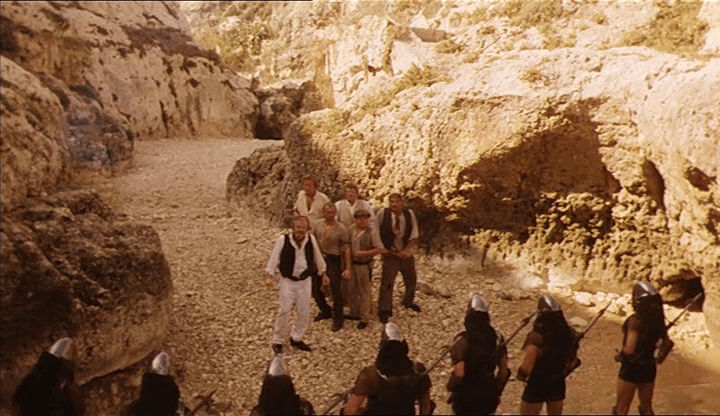
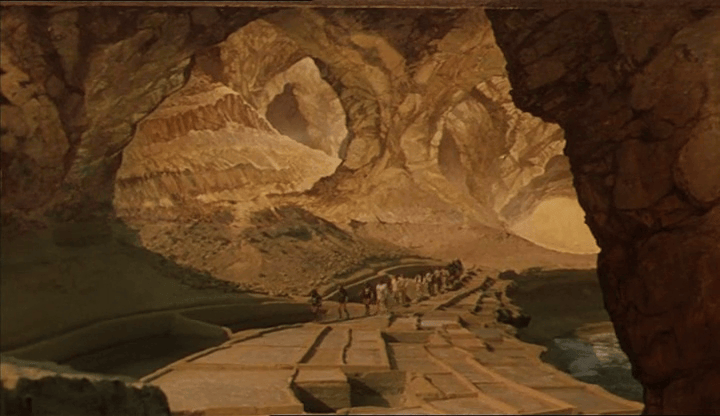
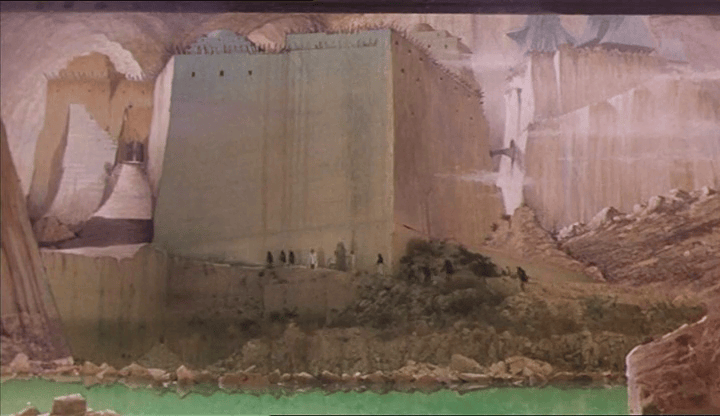
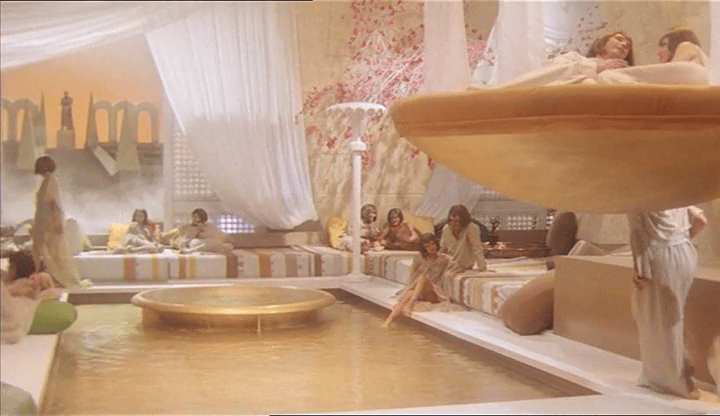
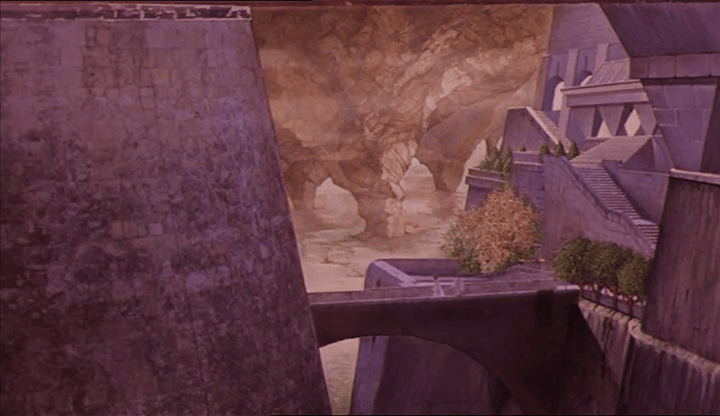
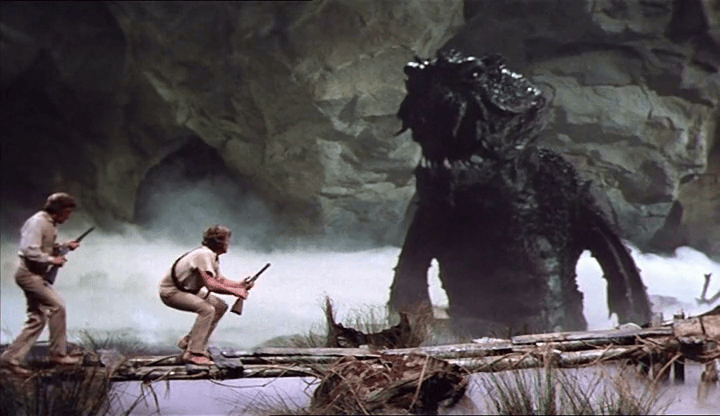
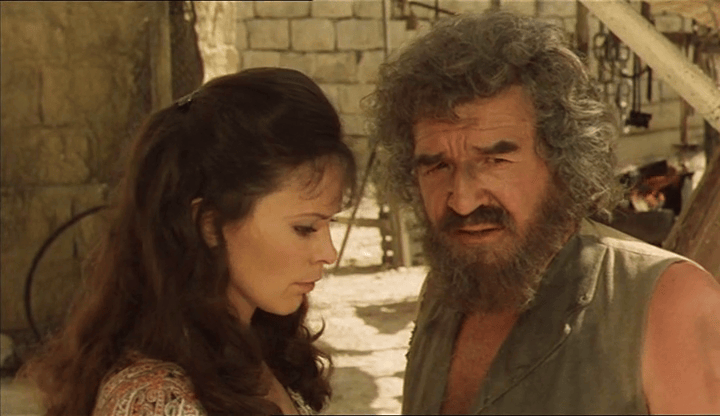
For the remainder of its running time, the film delivers everything it promised and more; serving up aliens, sea monsters, bad haircuts and is never short of a good action sequence! There is a lot to appreciate here, for the sets and matte paintings are incredible – and I think the best way to highlight this is to let the screenshots below speak for themselves.
And now, for the slightly weird…
Forgive me for going off on a slight tangent here, but did you know that ‘Warlords of Atlantis’ has a little something for James Bond aficionados.
Let’s dive into this, shall we?
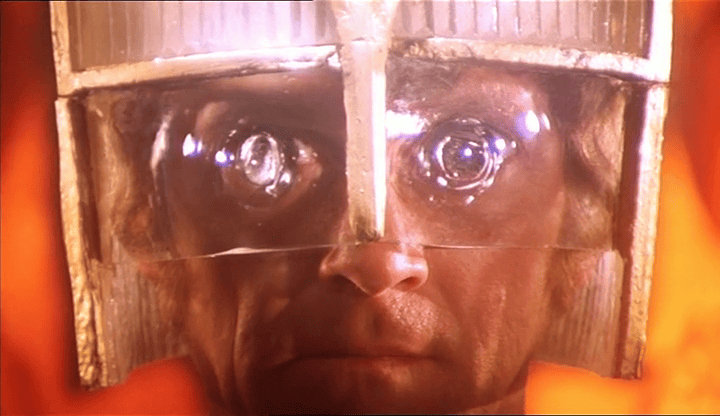
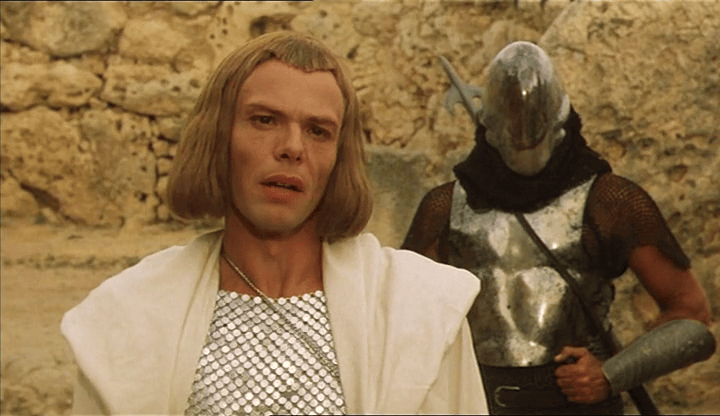
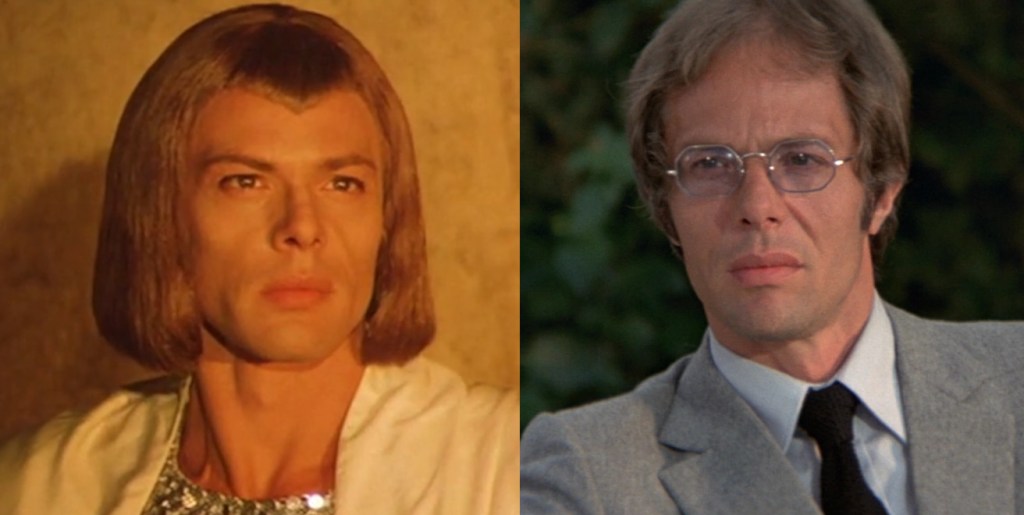
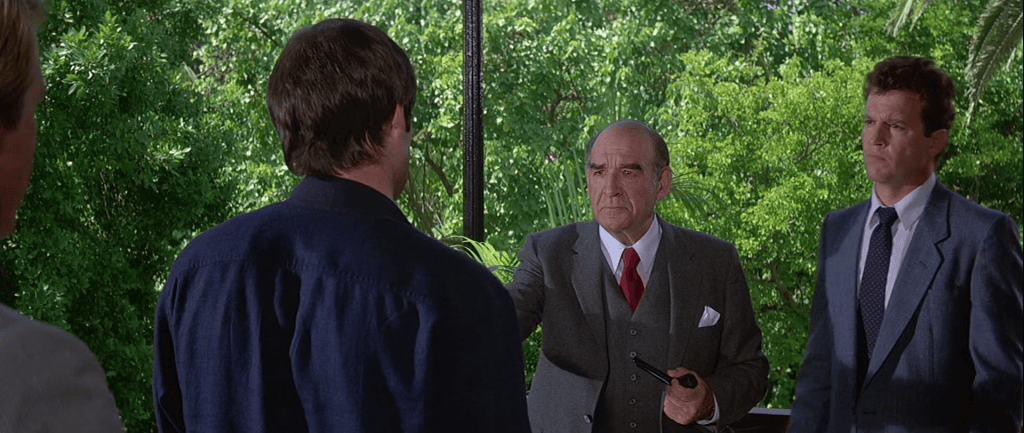
I was kicking myself when this actor first appeared on screen for I knew I’d seen him in something else – a film or TV show that I’d watched many times – and it took me some time to figure it out.
The actor’s name is Michael Gothard – who sadly died in 1992 at the age of 53 – and was best known for playing the villainous Emile Locque in 1981’s ‘For Your Eyes Only.’
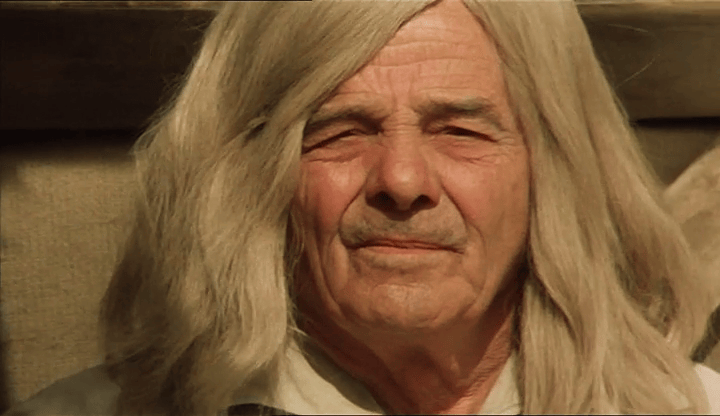
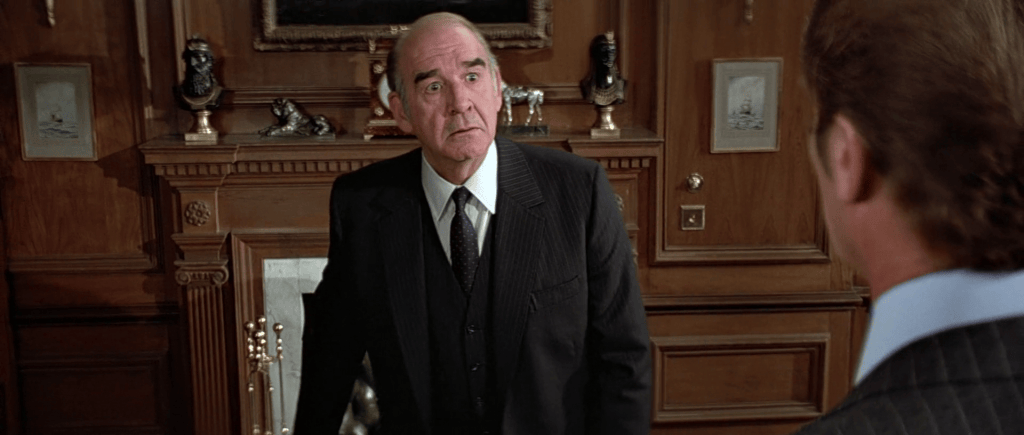
The other James Bond connection is the man in the above photo playing Briggs; the captain of the ill-fated Mary Celeste and now a prisoner in Atlantis.
The actor is Robert Brown, who played ‘M’ in four films – from ‘Octopussy’ in 1983 to ‘Licence to Kill’ in 1989. Brown passed away in 2003 – aged 82.
Now, back to ‘Warlords of Atlantis’ and how the story ends.
So, our heroes manage to escape Atlantis and scramble their way back to their ship – but they are followed by the giant octopus who returns for a final fight!
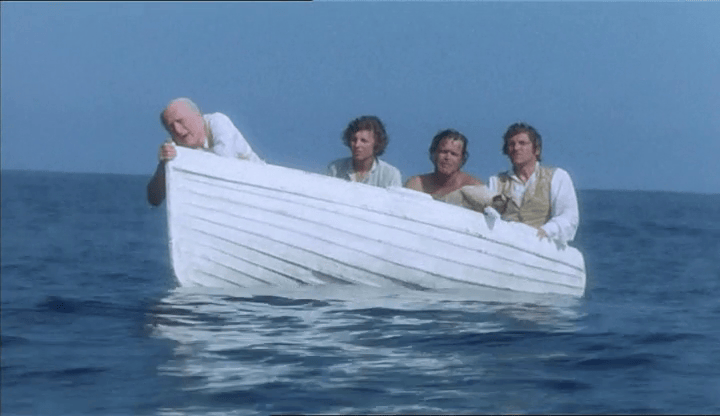
While the monster is tearing the Texas Rose to pieces – and killing some of the crew members who tried to steal the gold statue for themselves – the good guys manage to slip away from the carnage in a small dinghy, giving us a happy ending!
So, here is my final assessment.
I’m a bit of a sucker for these cheesy science-fiction adventures, and have a great appreciation for the craftsmanship and imagination that goes into making these movies. As I get older, I find myself connecting more with the over-the-hill and slightly out-of-shape leading men headlining projects such as these, so it’s hard for me not to give a decent review.
Look, I found this film to be quite enjoyable. It’s an honest, easy-to-follow adventure story with enough imagination and excitement to keep the audience engaged throughout.
As I mentioned before, I have a soft spot for these types of movies – but I don’t think I’m being overly-biased in giving ‘Warlords of Atlantis’ a solid seven out of ten!
‘Warlords of Atlantis’ screenshots and photos courtesy of EMI Productions.
‘For Your Eyes Only’, ‘Octopussy’ and ‘Licence to Kill’ screenshots courtesy of Eon Productions and MGM/United Artists.
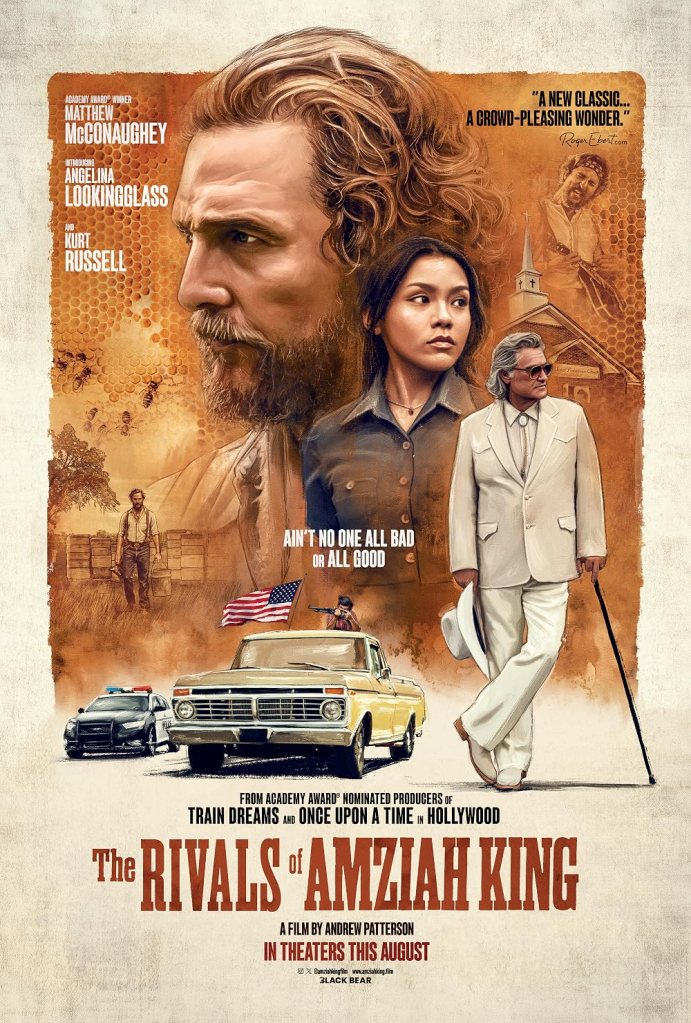
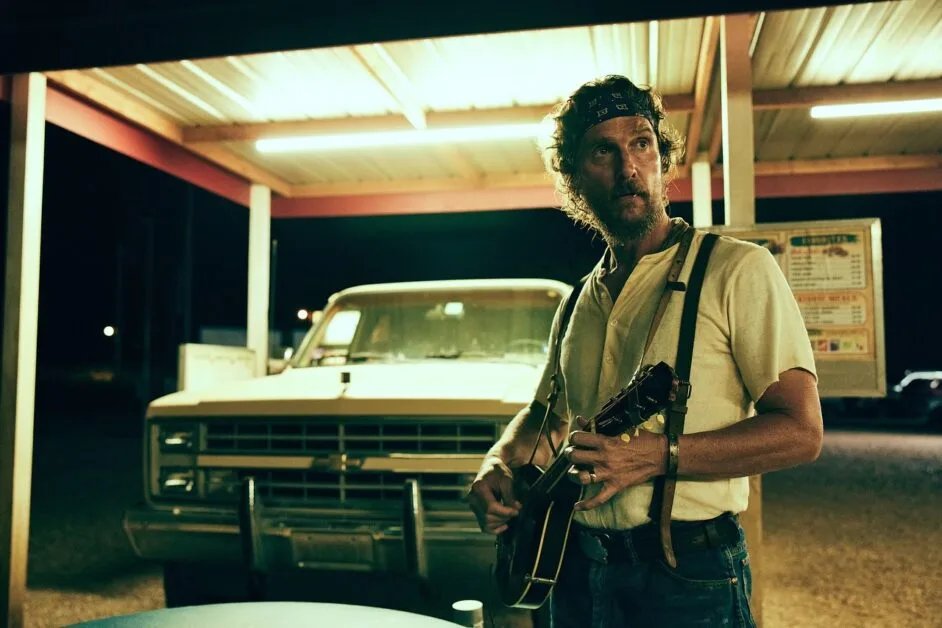
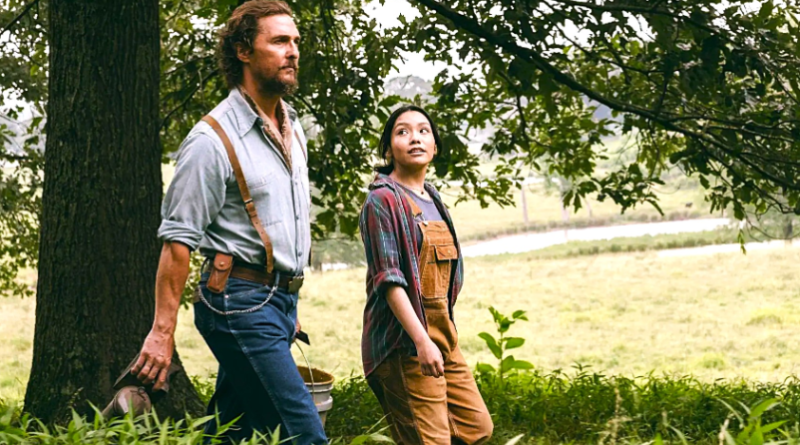
‘The Rivals of Amziah King’ is the second feature film from writer/director Andrew Patterson, and stars Matthew McConaughey as the titular character, with a solid supporting cast featuring Kurt Russell, Jake Horowitz and newcomer Angelina LookingGlass.
I’ve been looking forward to watching this film – ever since it was announced a couple of years back – as I really enjoyed Patterson’s debut movie ‘The Vast of Night’, which was a small budget production that was cleverly-written and masterfully shot. After a lengthy production process hindered by strikes and some creative issues, ‘The Rivals of Amziah King’ was finally given a theatrical release earlier this month, much to my great delight.
But here’s the thing: I suspect that this movie won’t go gangbusters in cinemas, but instead will find most of its audience on a streaming service between now and the end of the year. Therefore I am happy to offer an honest review of this film, but I will keep things short and sweet as I don’t want to give too much of the story away.
I will start by saying that Matthew McConaughey is on top of his game with his portrayal of Amziah King, who is a man best described as the pillar of his rural Oklahoma town. Not long into the film we are introduced to young Kateri – played by Angelina LookingGlass – who by chance stumbles her way back into Amziah’s life, having once been under his foster care when she was a younger girl. Here I will point out that the father-and-daughter chemistry between these two actors is incredible.
Whilst the film places a heavy focus on Amziah and Kateri, it also manages to expand seamlessly to bring the entire community into the fold; and through the townsfolk’s love of bluegrass music and ‘potlucks’ the audience is able to connect with these people and the manner in which they go about their daily lives. From the opening musical jam at the drive-in burger joint, to an outrageously weird accident scene in the honey factory, and then onto Amziah’s mentoring of Kateri and his way of welcoming her into the community – the first half of this movie is truly something special.
But then the main focus of the film shifts dramatically at the halfway mark, and having presented such a feel-good and inspirational story up to that point, it was always going to be difficult to maintain those high standards after turning everything upside-down. To be fair, the movie does play out quite well through to the end, with some eye-catching sequences and a real sense of the community all coming together for the greater good, but there is a feeling of lopsidedness to the story-telling that I just could not shake. Don’t get me wrong: it’s still a great film.
To date, ‘The Rivals of Amziah King’ has received very good reviews, and for the most part I don’t disagree there. It is a very enjoyable movie, but it is not the classic that some people are claiming it to be. However, this film is certainly unique and gives us an amazing snapshot of rural America, and is a real stand out for the way it presents the characters and connects the audience to them.
Again, I apologise for being so vague in this review, but I honestly don’t want to tarnish anyone’s enjoyment of this film by giving spoilers away. I don’t know what else to say other than I am still thinking about this movie a couple of days after watching it – and I can’t get some of the catchy bluegrass tunes out of my head! High praise indeed.
I would certainly recommend ‘The Rivals of Amziah King’ – happily giving it a score of eight out of ten – and I also suggest that you check out Andrew Patterson’s other movie ‘The Vast of Night.’
Screenshots and photos courtesy of Black Bear Pictures, Heyday Films and GED Media
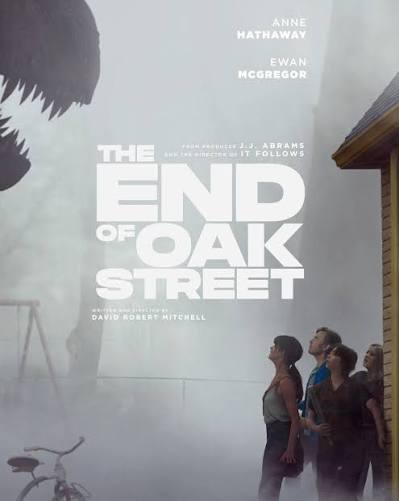
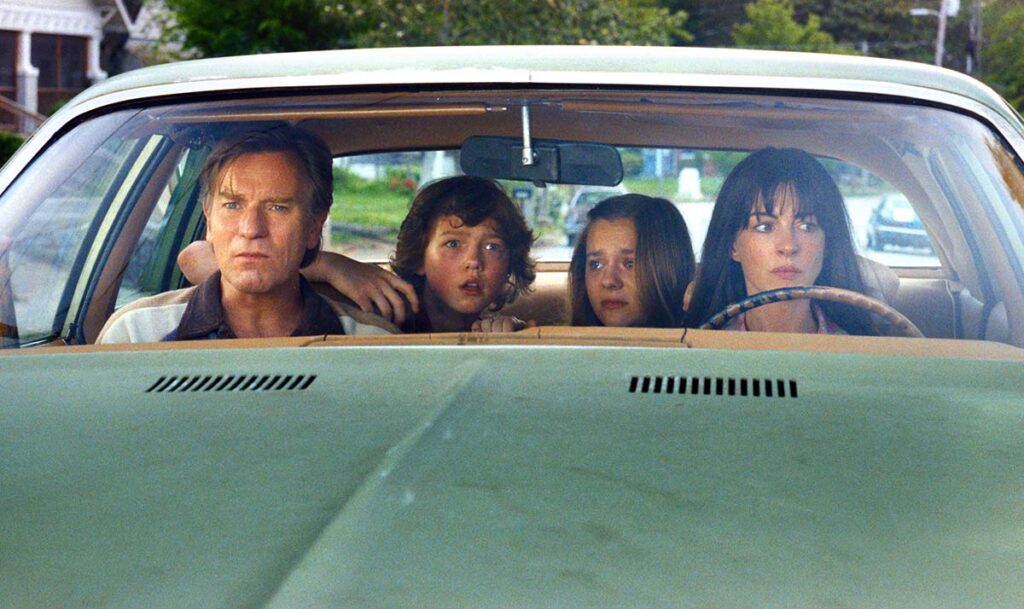
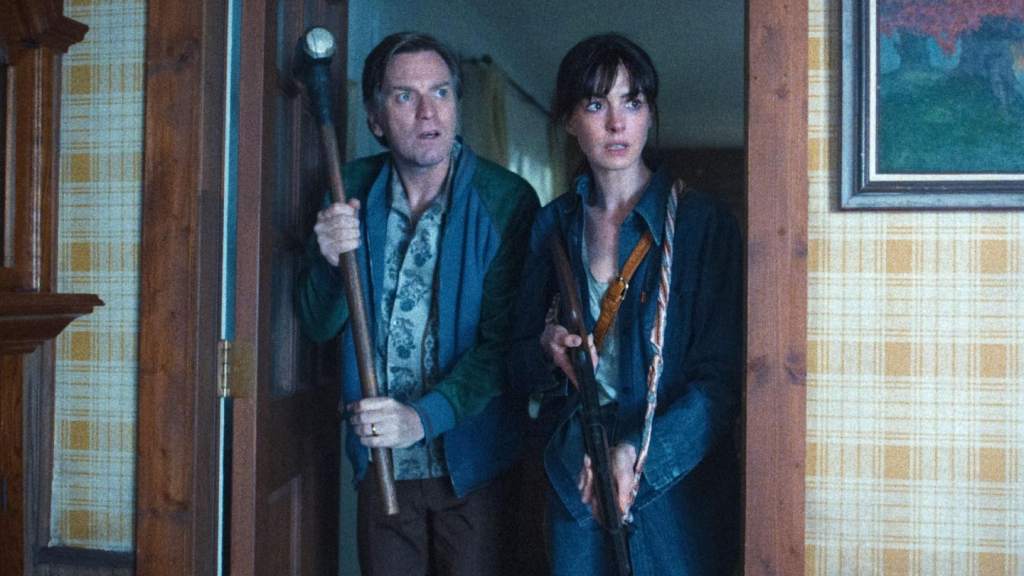
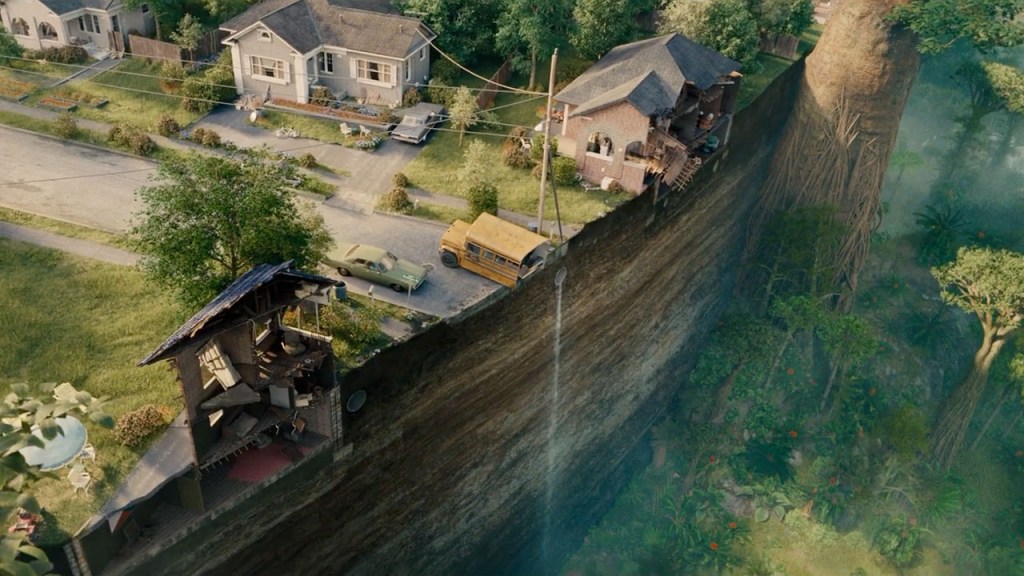
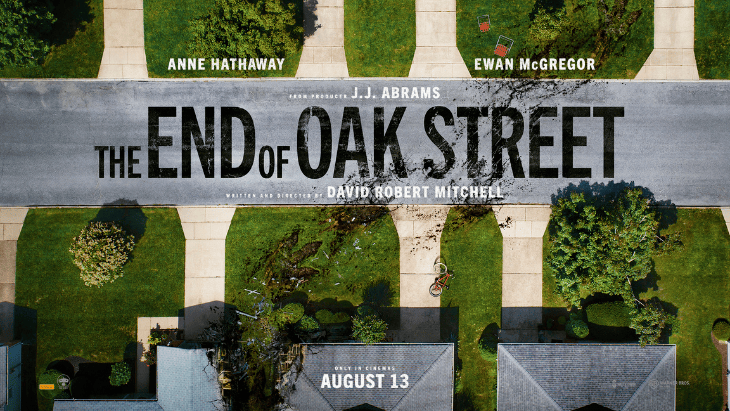
‘The End of Oak Street’ was released in cinemas last week and is a survival horror film written and directed by David Robert Mitchell. It stars Anne Hathaway and Ewan McGregor as married couple Denise and Greg Platt who, along with their two teenage children Audrey and Brian, are transported back in time to the Jurassic Period after a freak atmospheric event swallows up their entire suburb.
At the time of writing, ‘The End of Oak Street’ has received mostly positive reviews, and box office sales are okay but not knocking it out of the park – perhaps this is understandable as both ‘Spiderman: Brand New Day’ and ‘The Odyssey’ have not yet finished their cinema runs.
I should also point out that this film is co-produced by Bad Robot, and therefore I suspect that J J Abrams would have played a major role in getting this project off the ground. Fifteen years ago, if I saw the Bad Robot brand or J J Abrams’ name attached to a movie or TV show – I would have been all over it! With a CV that included ‘Lost’, ‘Fringe’, ‘Mission: Impossible III’ and ‘Cloverfield’ to name just a few – it was understandable back in those days to get excited over anything produced by these guys. But this is definitely not the case anymore, with Abrams’ work in recent years dropping away considerably – and hitting rock bottom with the diabolical ‘The Rise of Skywalker.’
So, with David Robert Mitchell at the helm having only directed three films previously – the last of which was eight years ago – and with J J Abrams chiming in with some lens flare and ‘mystery boxes’, will ‘The End of Oak Street’ turn out to be alright?
Well, the short answer is yes.
‘The End of Oak Street’ pretty much delivers on what it has set out to achieve: – presenting a family-oriented science-fiction survival adventure, with a solid cast helped along by some crafty cinematography and a suspenseful soundtrack. The film is reasonably well-written, and the character development and background is set up neatly within the first ten minutes, which allows the story to quickly get to where it needs to go.
There are some clever visuals used in the early setup, such as an old Polaroid camera in one of the opening scenes that informs the audience of roughly when the story is set – and this is later confirmed to be nineteen-eighty-two. The timestamp is also further established by the playing of catchy pop songs from this era – which was a nice hit of nostalgia. It is also revealed that there is some marital trouble between Greg and Denise, which remains a constant undertone during the film – yet despite this added drama, the pacing remains smooth and consistent and does not get bogged down to any worrying degree. In fact, ‘The End of Oak Street’ cruises along and is fairly coherent: – giving the audience a solid story that runs its course all the way to a satisfying conclusion.
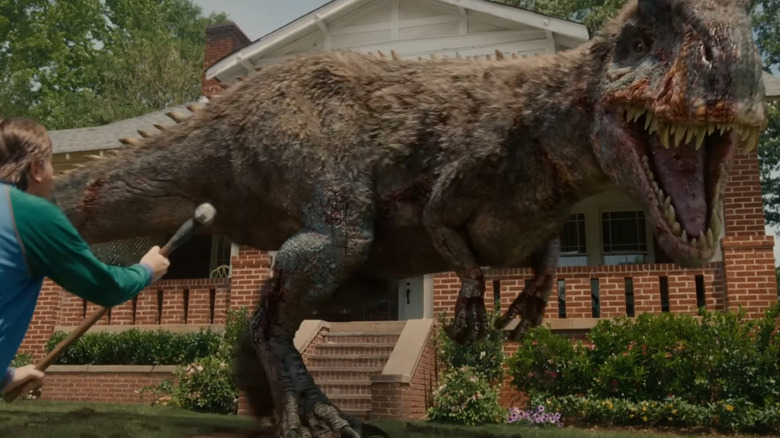
As far as the action is concerned, the dinosaurs were a constant threat and menace, and attacked anything that moved with ruthless savagery. Feathered velociraptor-type creatures and flying pterodactyls created the most havoc throughout the film, but the biggest villain was a larger spinosaurus monster that was constantly trying to eat the main characters. Not only would the Platt family have to survive against these aggressive foes, but also stay alive long enough to figure out a way back to their own time – and this is the basic premise of the movie.
To that end, ‘The End of Oak Street’ does all this very well.
However, there are a few weaker elements within that hinder what is a fairly good movie, making it fall short of becoming a top-shelf entry into the horror/adventure genre. In saying this, I accept that the film is a bit of escapism and in that sense it works very well, but there are a few scenes that spring up suddenly throughout that are nonsensical, and perhaps didn’t need to be there at all.
The first I will mention is when the neighbourhood bully literally jumps out of nowhere to settle a score with young Brian – deciding to beat him up even though dangerous dinosaurs were running rampant through the streets and tearing people to shreds. Surely the guy would have had more important things on his mind – such as staying alive? The sequence was pointless and illogical, and should have been left on the cutting room floor.
This point leads into another criticism I have of the story, where none of the neighbours even attempted to join forces in an effort to improve their chances of survival. I say this because the opening scene of the film showed the entire street getting together for a barbecue which established that everyone was close friends and got along very well. There was the initial panic with people trying to escape – which is granted – but surely there would have been a moment a day or two into this ordeal when the folks would have tried to reach out to their fellow residents.
Another moment that I found jarring was the dinosaur mating scene. No doubt this was put there to create a little levity, and might have worked as a ‘flash gag’ but it lingered on for a few minutes and showed the brontosaurus’ going at it from multiple angles. There was nothing lewd about it, for it comes across as a joke, but this did not work for me at all.
I have read other reviews that were a little more critical of ‘The End of Oak Street’, and these articles directed most of their angst toward the ‘girl-bossing.’ Look, we see this a lot these days and whilst some of the female bravado on show in this film was a little excessive, this did not bother me too much – and I’ve seen far worse in other movies. Personally, I thought that Ewan McGregor’s fake accent was more ridiculous and out-of-place than chicks kicking dinosaur butt!
I mentioned before that the film reached a satisfying conclusion, but in order to achieve this there was a ‘questionable’ time jump involved that I know many folks would describe as a plot hole. However, I did not see an issue here – and the paradox is consistent with J J Abrams and Bad Robot, as it is similar to the Spock/Kelvin time travel they used in ‘Star Trek‘ – and the co-existence of Spock Prime and the younger version of himself within the same dimension. Regardless of the theories and the science involved, I believe that some leeway can be given if it results in a happy ending and the good guys winning!
On a final note, it might be a good idea to keep an eye on other people’s observations of this film – for it had a ‘Cloverfield Universe’ feel to it, and perhaps there were a few clues within that I failed to notice. All the elements are there: – J J Abrams, time jumps and strange-looking creatures.
‘The End of Oak Street’ is a decent film that I enjoyed watching. Yes, I had a few gripes here and there, but it doesn’t take much away from the entertainment value – and I think most people who would go to watch this film would walk away reasonably satisfied.
I have not yet forgiven J J Abrams for his Star Wars debacle, and I don’t find Anne Hathaway physically intimidating and Ewan McGregor – despite working in Hollywood for decades – really needs to work on his American accent – but other than that, I’m giving this film a solid 7 out of 10!
‘The End of Oak Street’ is showing in cinemas now.
Screenshots and posters are courtesy of Bad Robot, Warner Bros Pictures and Jackson Pictures.
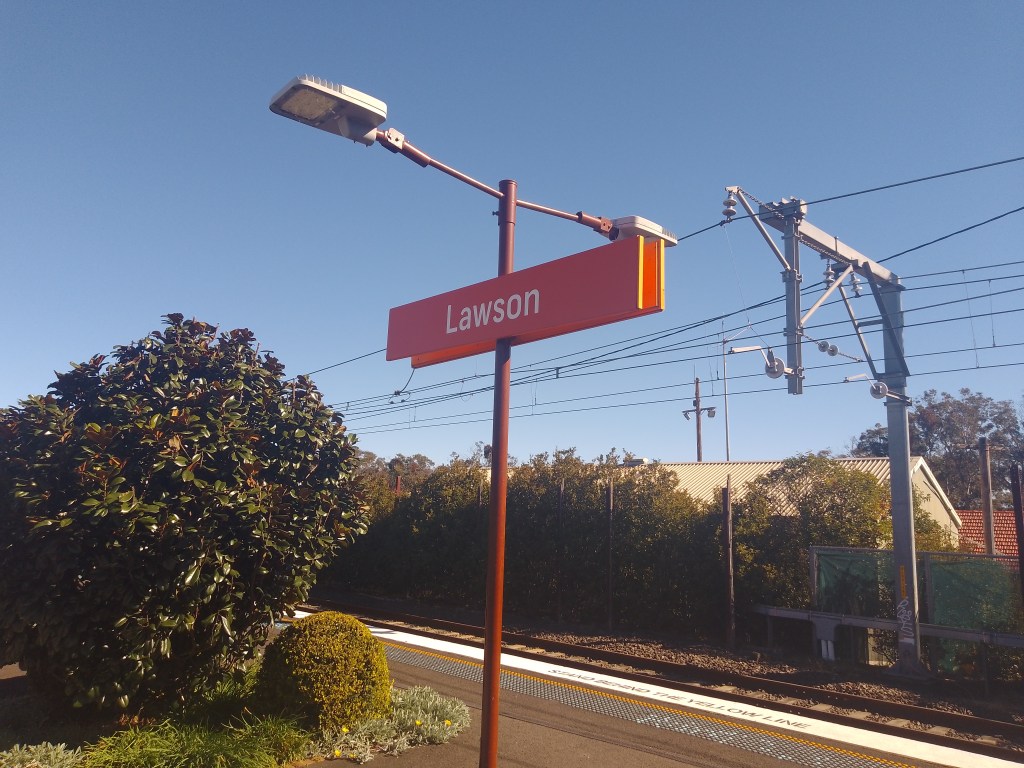
This small village in the Blue Mountains – west of Sydney – has a population of around 3,000 and is named after the explorer William Lawson – and not the poet Henry Lawson, as some might think.
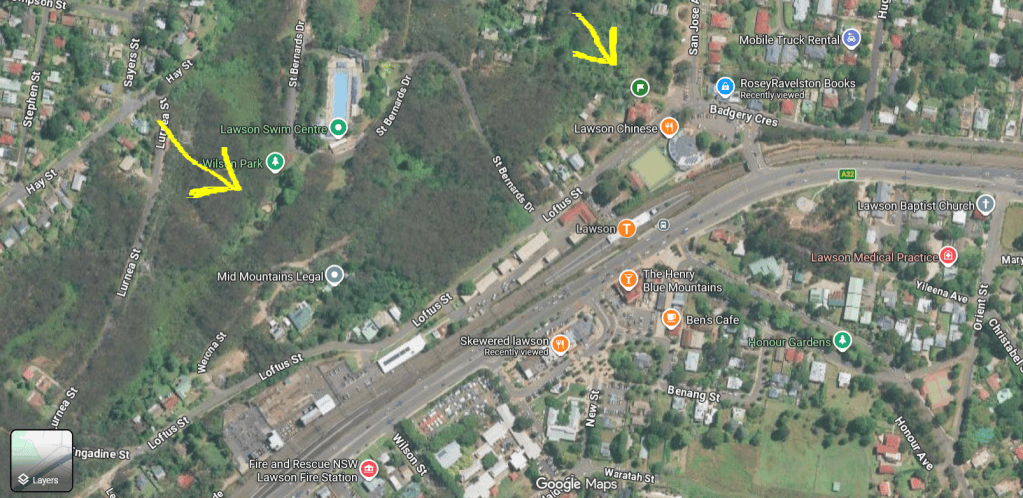
Now, I’ve driven past this town many times over the years but had never stopped there to look around. However, having found a couple of strange anomalies on Google Maps in this vicinity, I decided it was time to pay Lawson a visit – with the intention of unravelling these mysteries.
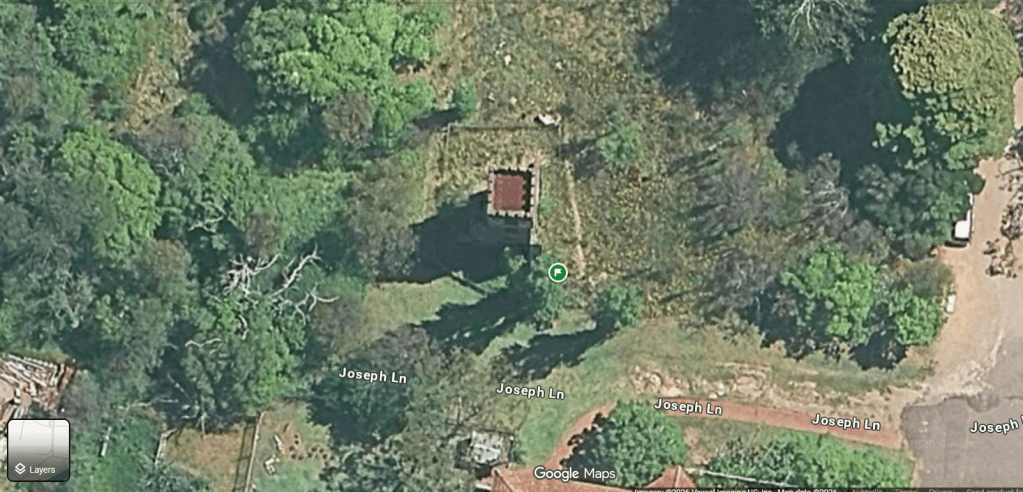
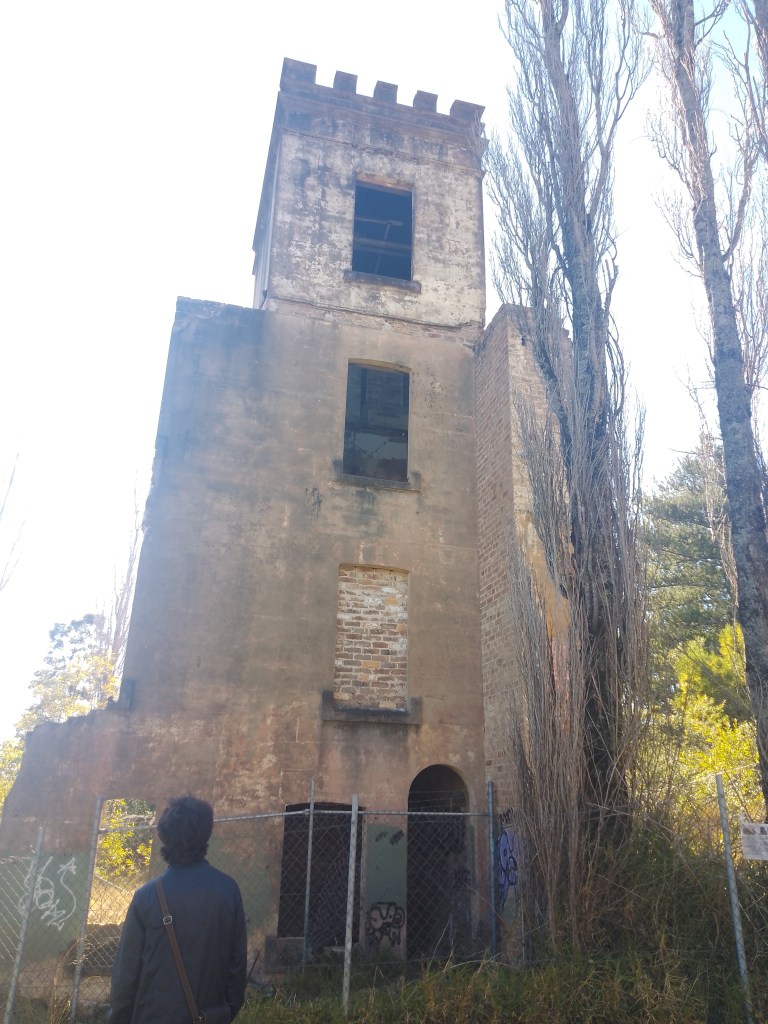
The first location is a tower-like object that from above resembles the last remaining section of an old castle.
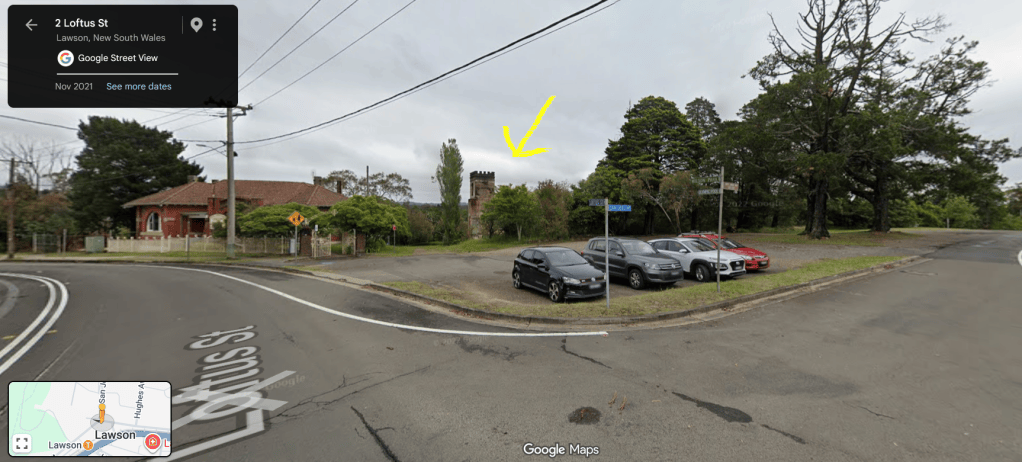
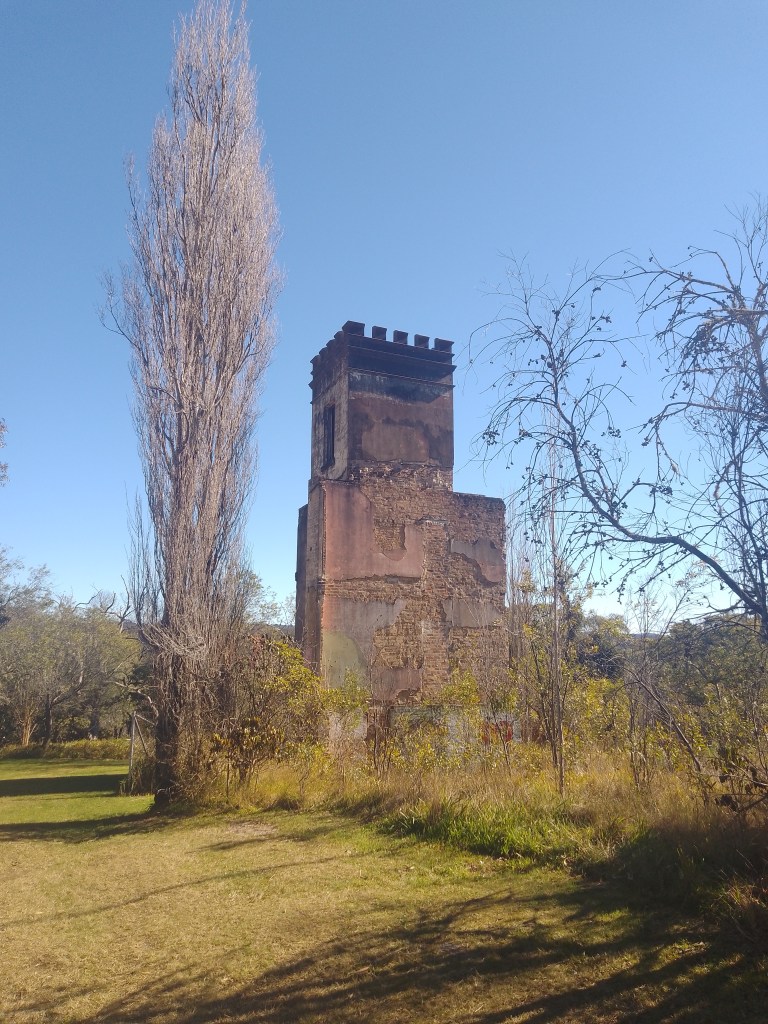
And here it is…
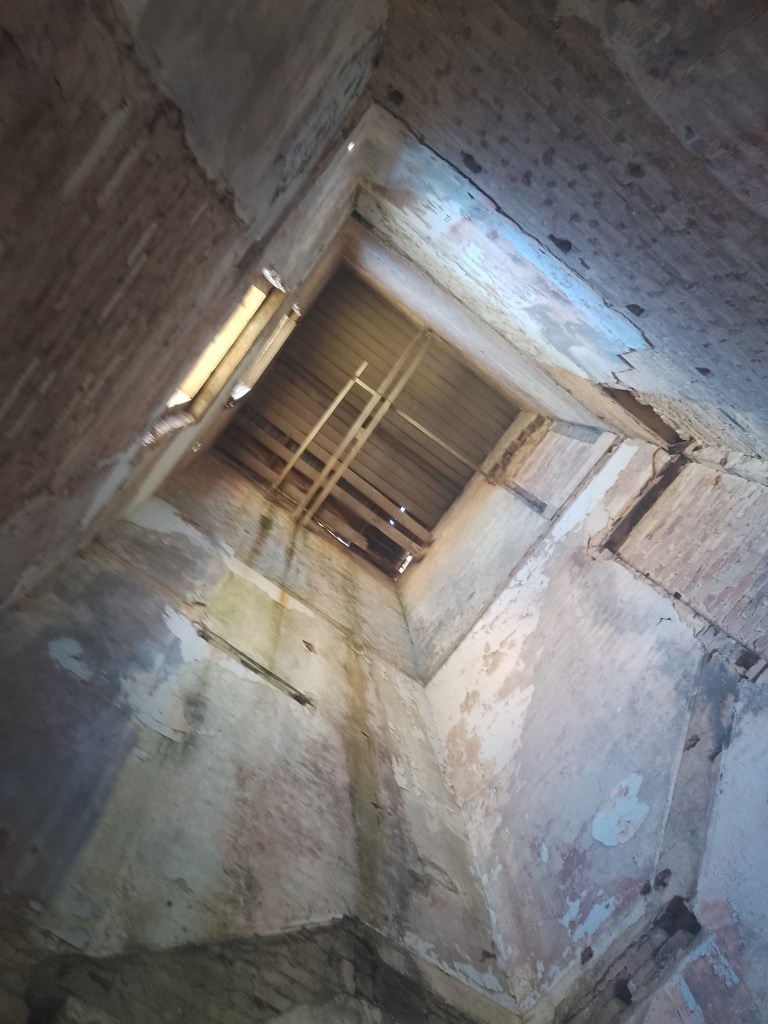
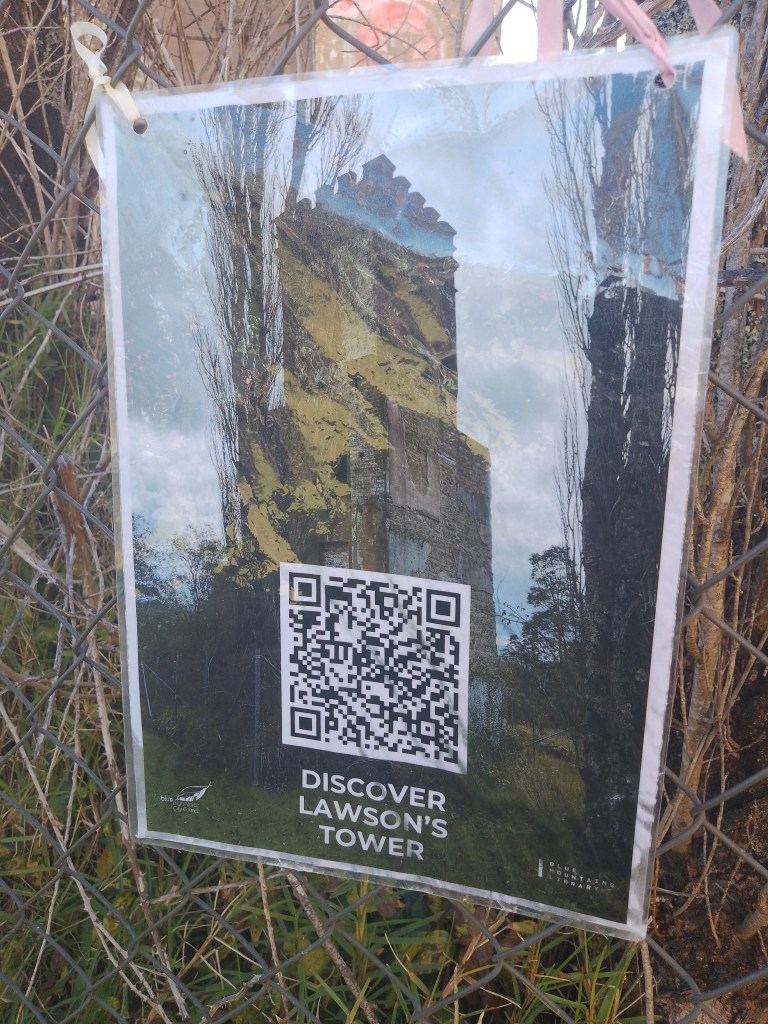
This is actually a well-known local landmark – and according to the sign (see photo below) is called ‘Lawson’s Tower.’ It was once part of a guesthouse called ‘San Jose’ which was built in 1879, before becoming the Stratford Girl’s School in 1915 and operated as such until the 1960’s. Sadly, the building was gutted by a major fire in June of 1980.
My understanding is that the burnt-out tower was to be demolished in the early 1990’s, but the locals rallied to save what was left of the historic school and as a result the tower is still standing today.
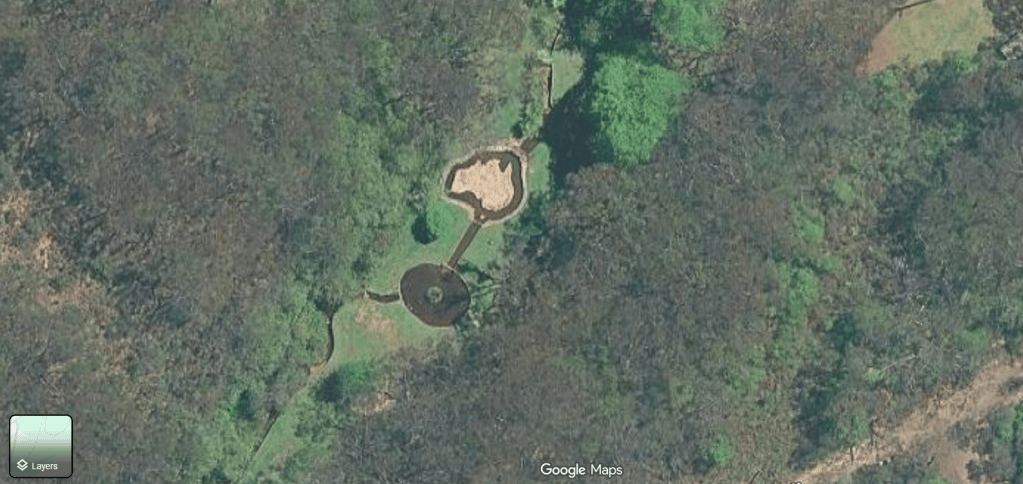
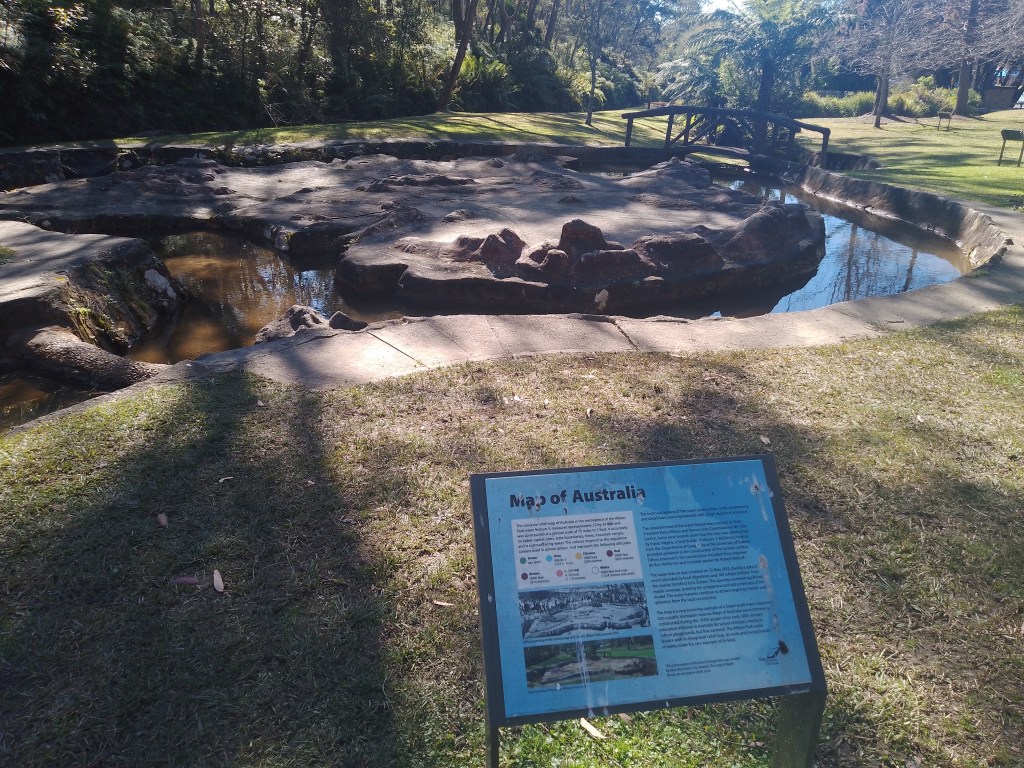
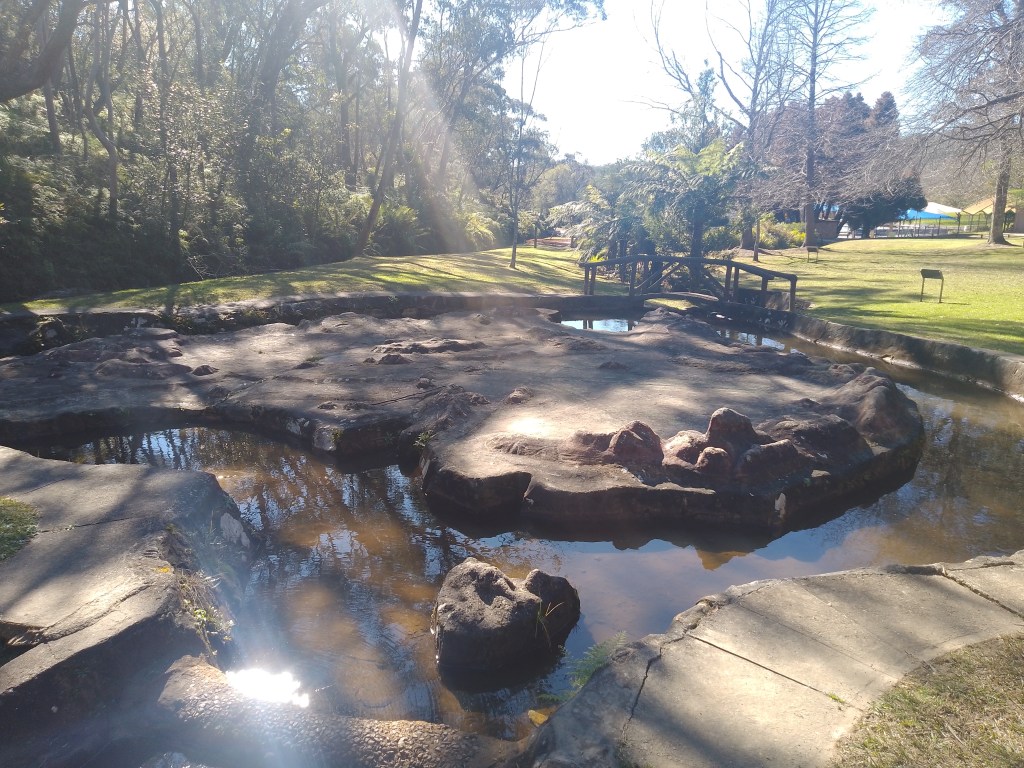
And now onto the other point of interest: – the shape of Australia located in one of the local parks.
And this is how it looks from ground level…
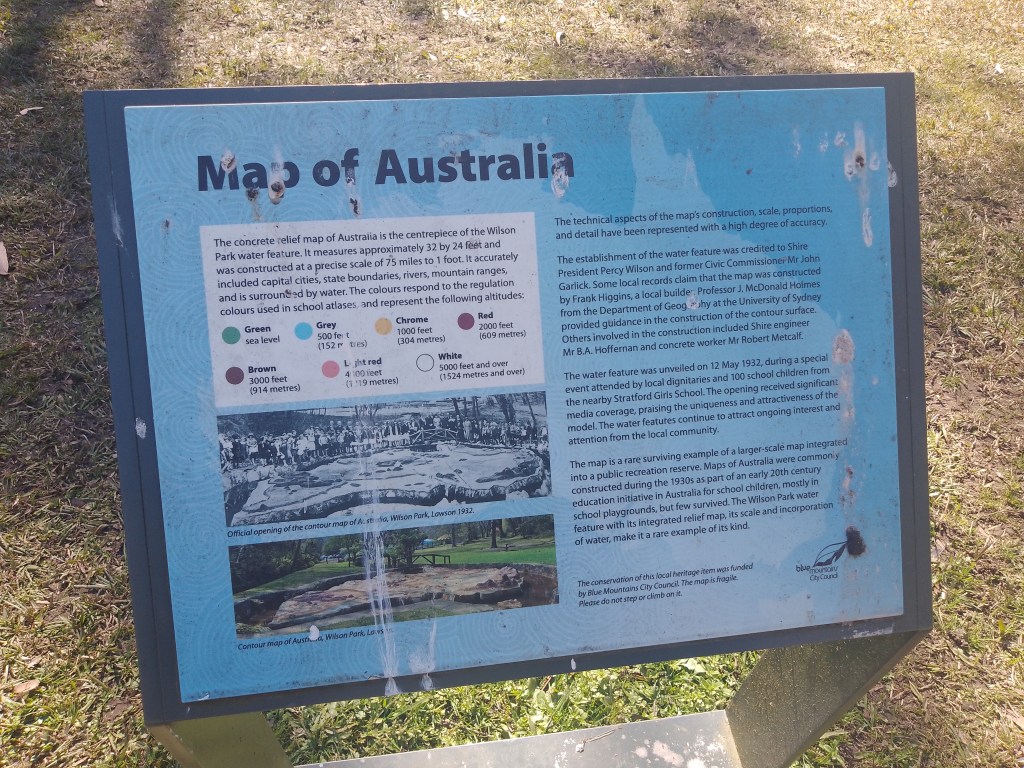
According to the sign, this map was built in 1932 – and apparently a lot of these were erected around the country in parks and public spaces, but only a few remain today. This one is still in pretty good nick, I have to say – and I’m glad I went to check it out!
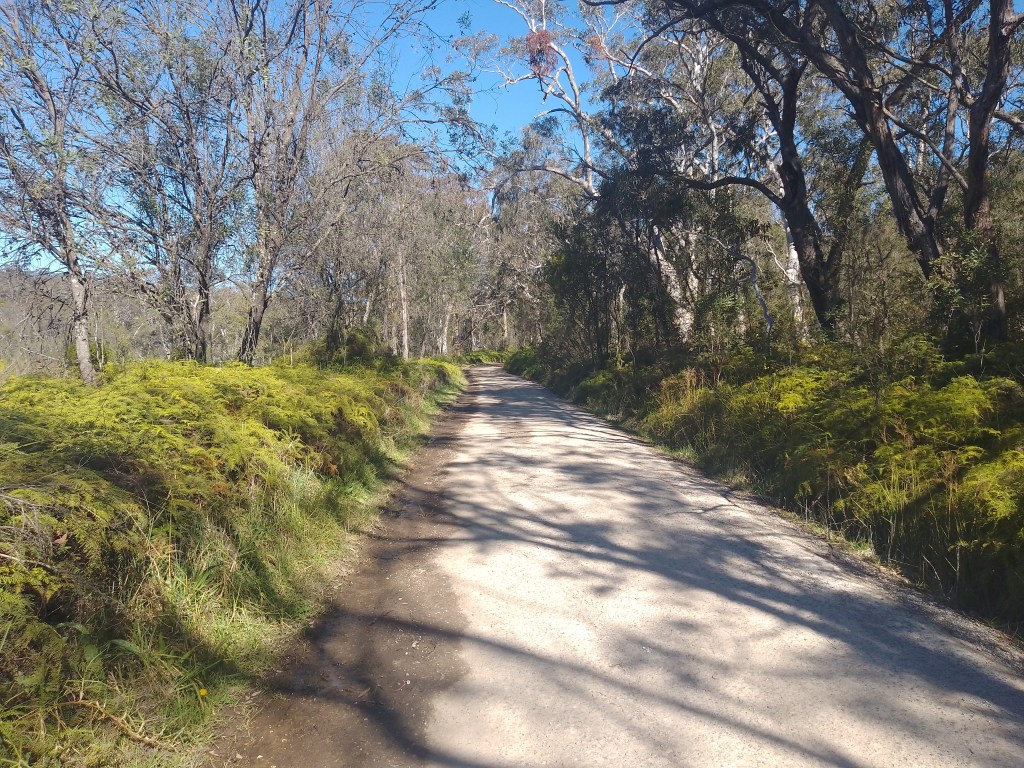
There’s a lot more to Lawson than the two odd attractions that lured me there, and I ended up spending a few hours in the town – browsing at the local bookstore and trying out a couple of the eateries. It’s a very nice place and well worth calling in to explore around – and catching a train there from Parramatta took just over an hour.
You can find out more information about Lawson at the link below.
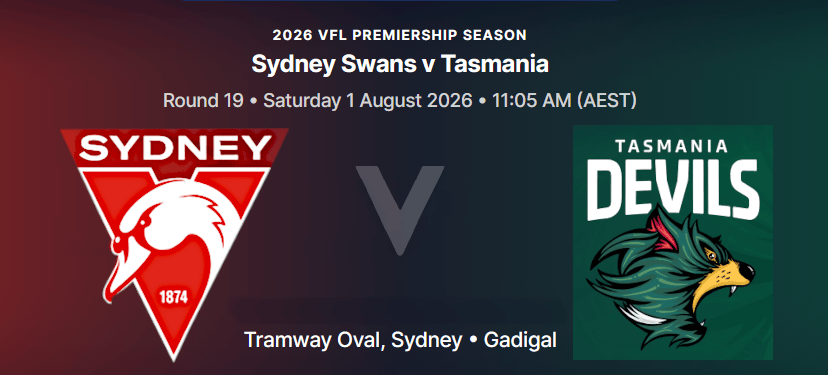
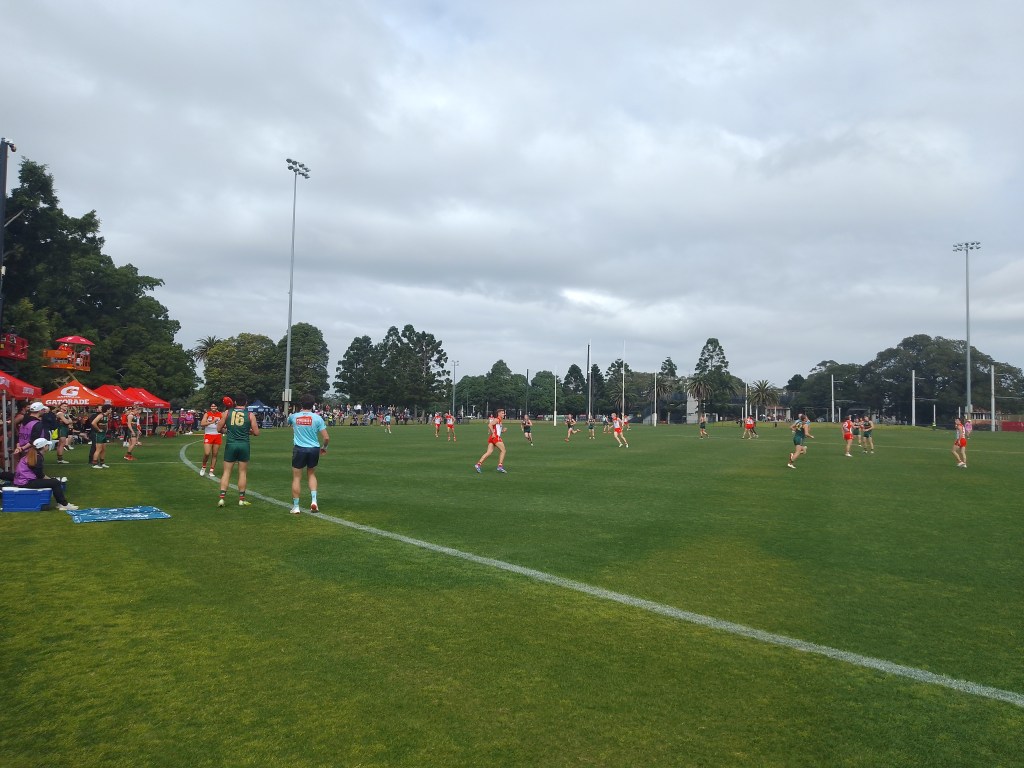
After eighteen rounds of VFL football – beginning all the way back in March – the Tasmania Devils finally made their long-awaited first appearance in Sydney – so how could I not turn up to cheer on the boys?
If I’m being honest, I didn’t give them much of a chance against a strong Swans reserves side, but the Devils played well from the opening bounce – and would blitz the home team in the third quarter by keeping them scoreless while piling on nine goals themselves.
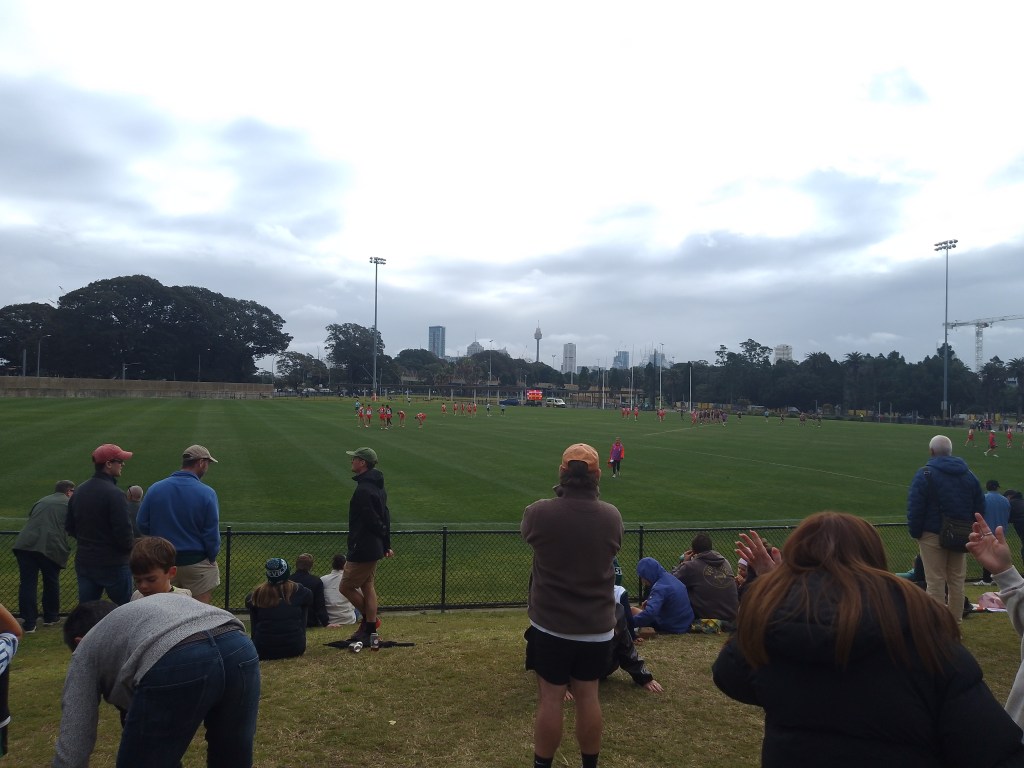
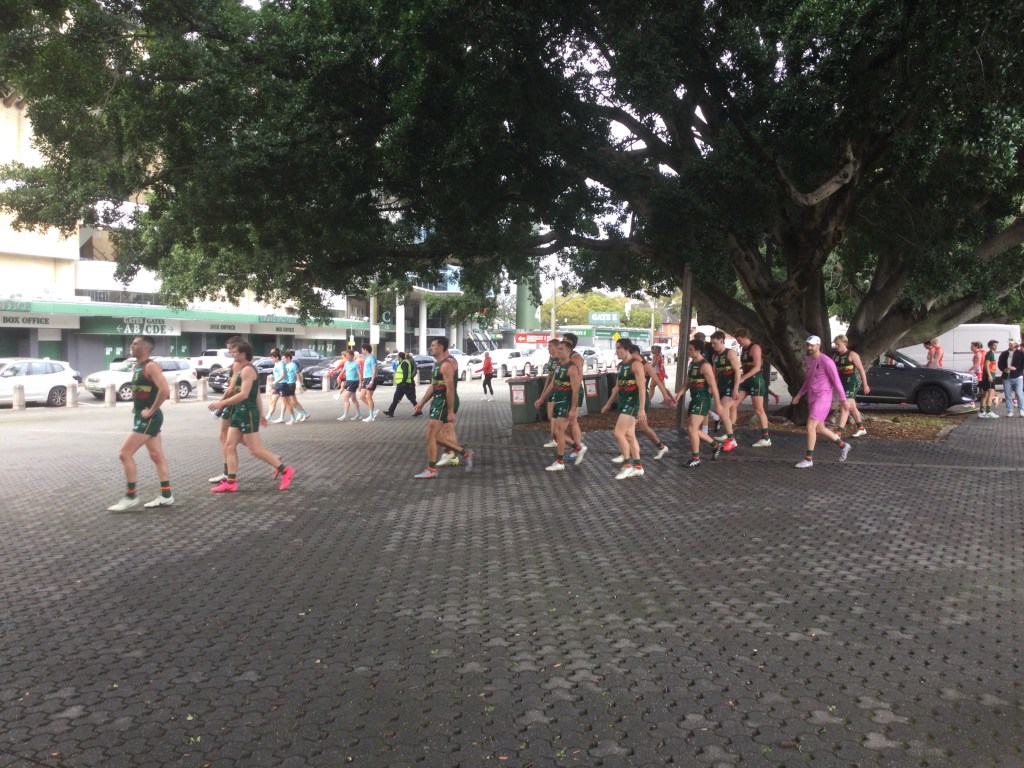
Besides a great pre-game function put on by the Devils management – where ex-pat Tasmanians (such as myself) and other club members were given the chance to meet and mingle – there isn’t much else to write about: only to mention the final score and to post a few photos from the big day.
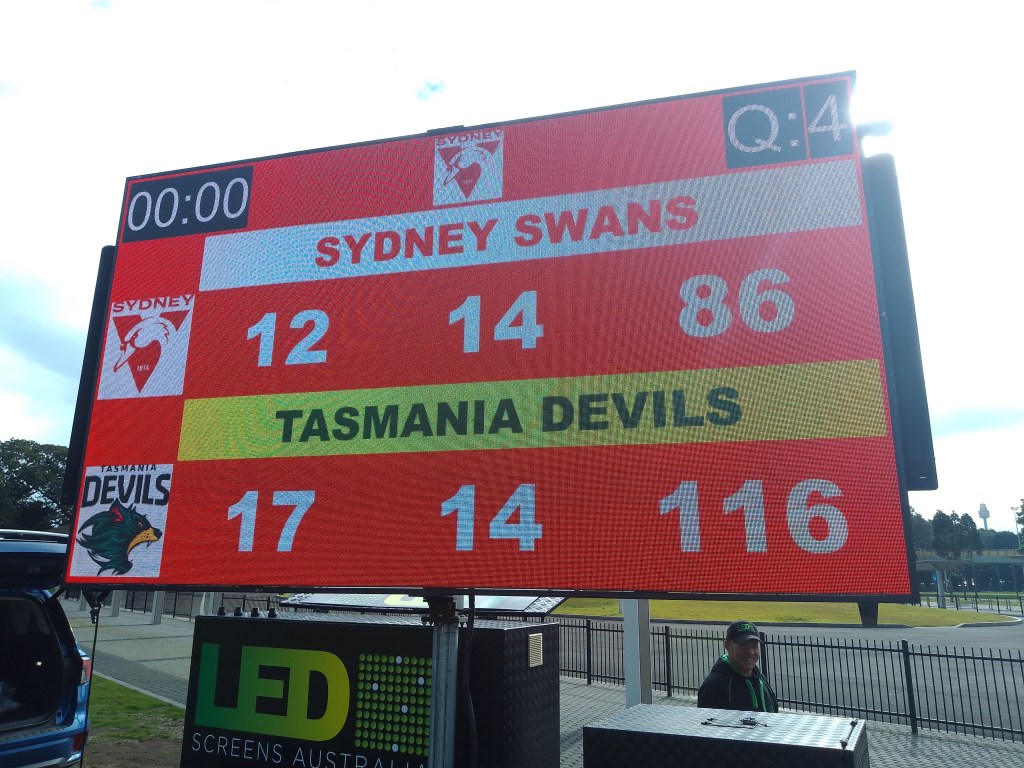
Here’s the full time result – a resounding 30 point win to the Devils.
The Tramway Oval – in the shadows of the famous SCG.
As luck would have it, the Devils will be back in town to play the Giants in the last round, so I’m looking forward to that one – especially with a chance to play finals football on the line!
My short video from the Devils v Swans game can be watched at the link below.
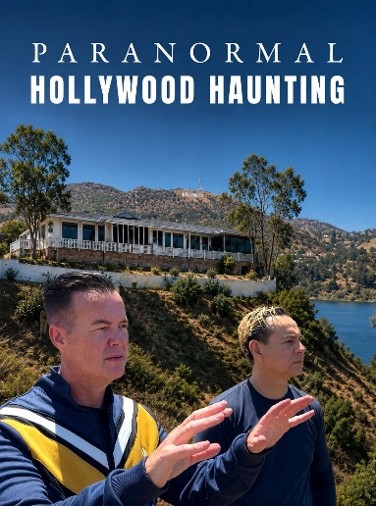
Having previously written a review for the ‘Paranormal Farm’ trilogy – a series of independent horror/documentary films by British actor and director Carl Medland – I was given the opportunity to share my thoughts on his latest supernatural entry: – ‘Paranormal: Hollywood Haunting.’
‘Hollywood Haunting’ has only just been released on Amazon Prime Video, but at the time of writing is not yet available in the UK, so I will keep this article spoiler-free as best I can – but will put a warning in places where I may delve into plot areas and potential giveaways.
So, let’s get into it…
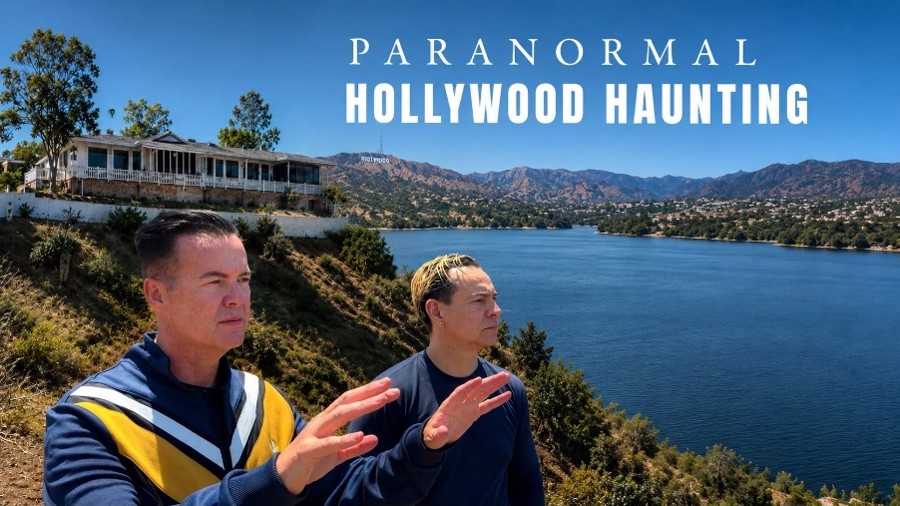
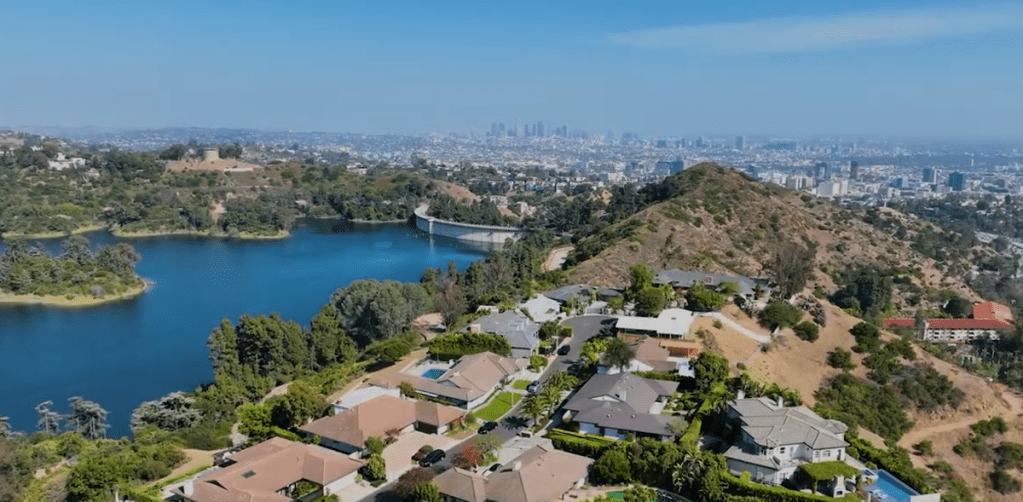
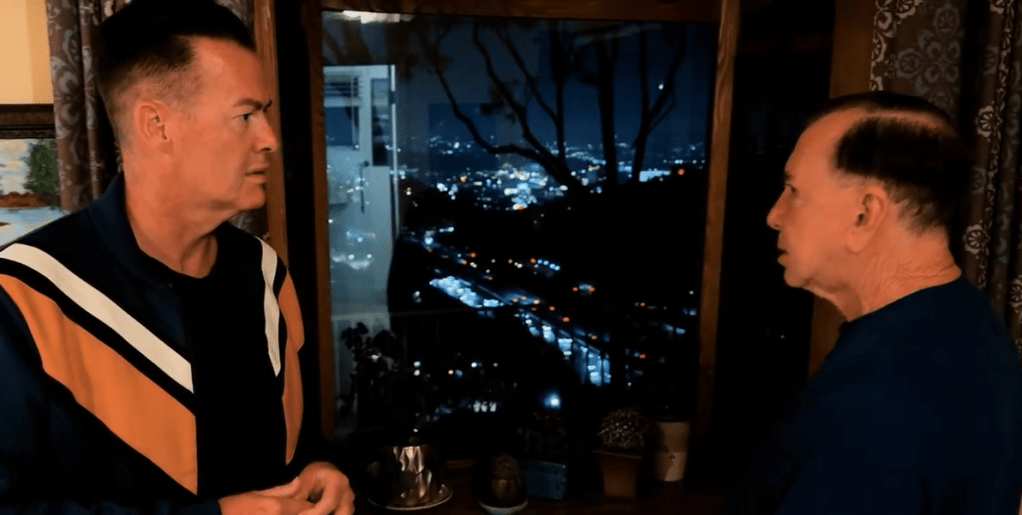
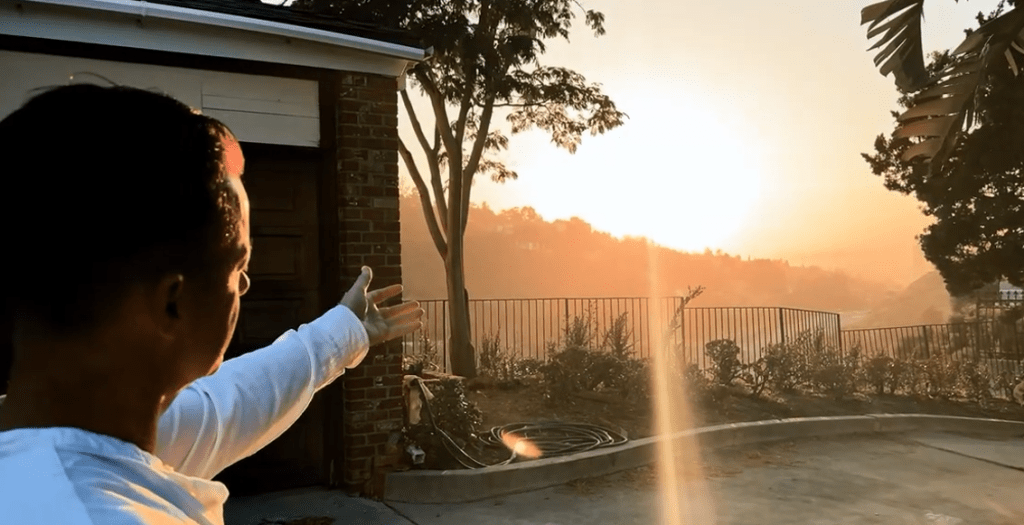
From the opening shot panning alongside the Hollywood Reservoir with the city skyline in the distance, complemented by haunting theme music – I knew immediately that this was a major step-up in presentation when compared to the previous films.
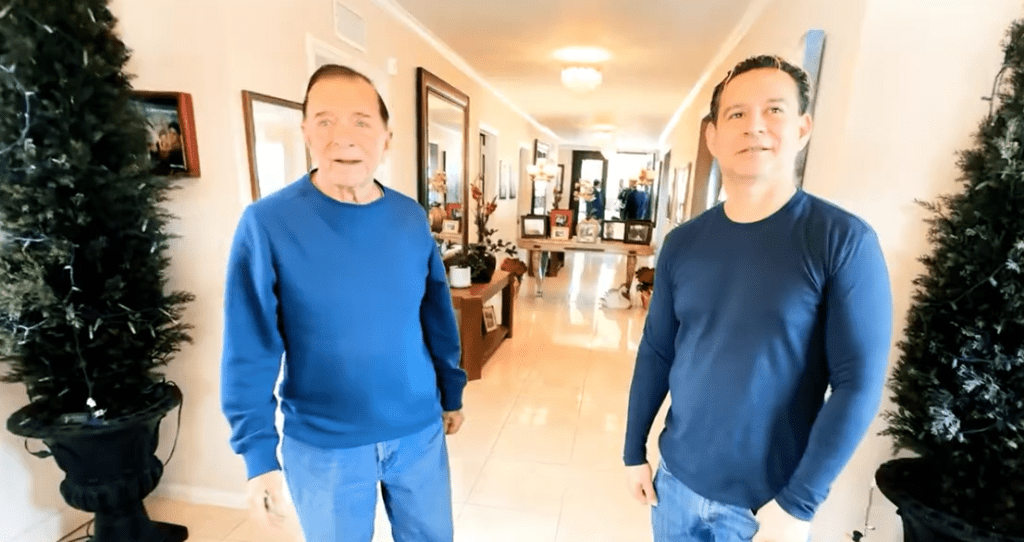
Medland then wastes little time in setting up the story and introducing us to married couple Arthur and Daniel – who are experiencing some paranormal issues in and around their spacious home, and have reached out to Carl to help them with their otherworldly troubles. Of course, this challenge is accepted and Carl – along with cameraman Taz – fly to Los Angeles to hopefully sort things out.
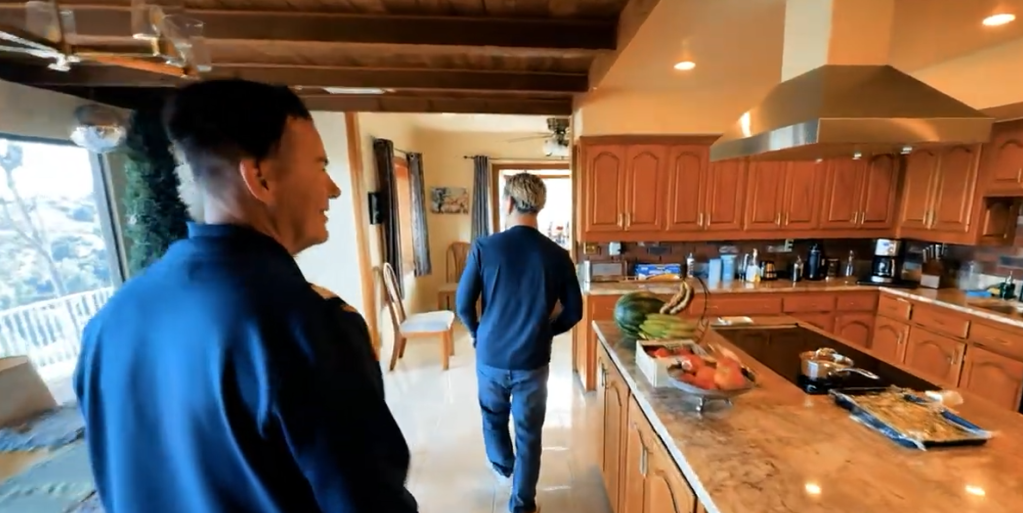
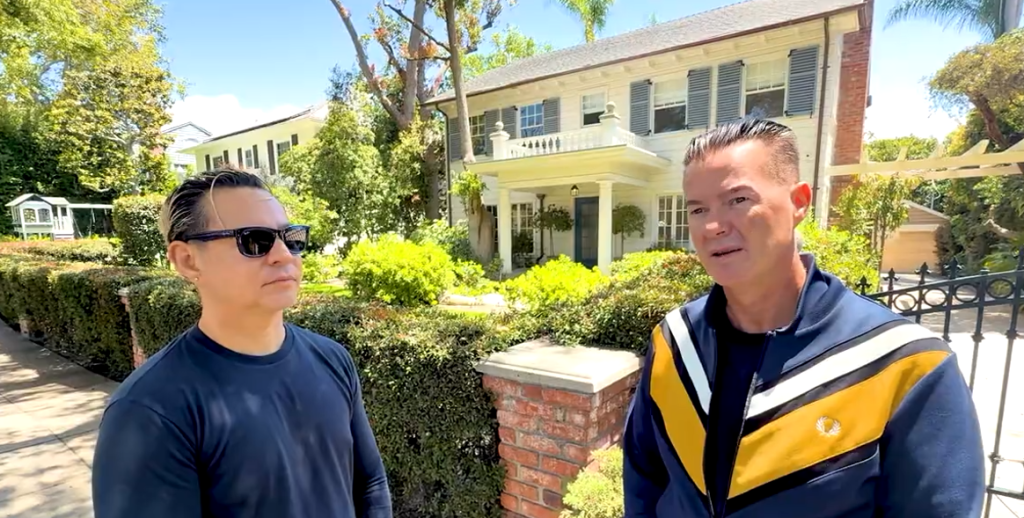
Side note: I can’t get my head around the fact that Arthur – on the left in the screenshot above – is ninety-two years old! The guy looks great and is both nimble and mentally sharp. What a legend!
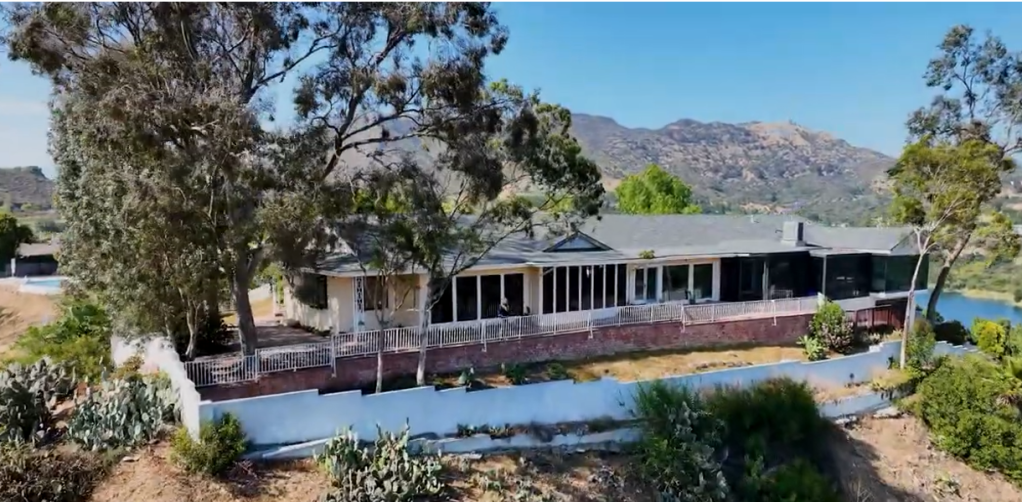
One of the things that impressed me about the ‘Paranormal Farm’ trilogy – particularly the first film – was Medland’s talent in making the location come alive and become a real part of the movie. That creepy farm and the way it was captured and presented on screen was a credit to the film-makers, but on this occasion we have almost the opposite as far as the setting is concerned: – a multi-million dollar house in the Hollywood Hills.
So does this dynamic work?
The short answer is ‘yes’ – for this amazing home plays a huge part in the film – but in a very different way to how the farm was used in the previous entries. I will go into this in a little more detail later, as it involves the plot and tone of the movie, but without spoiling anything I would say that this incredible location is embraced and shown-off to its fullest here; immersing the audience into every scene that was filmed within.
The main positive that stood out for me with ‘Hollywood Haunting’ was the writing – in particular the tightness of the script – which to be honest I found surprising, for I was expecting some inconsistencies here and there. A huge effort has been made by Medland to make this film as credible and serious as possible, and this comes across evidently with both the plot and pacing of the movie.
Of course, the downside of this is that a lot of the goofiness and quirkiness of the first three films are gone or have been reduced significantly – as well as the cheap jump scares – all of which I enjoyed personally, but I completely understand the direction in which this film has taken.
It’s not just the storyline and creative elements that have improved so dramatically, for the camerawork has also stepped up a level or two – and perhaps more importantly so too has the editing – for this film looked good and the transitions were slick. What we end up with is a well-paced movie that does not fall into some of the traps that its predecessors did – but in order to explore this a little deeper, there may be mild spoilers ahead…
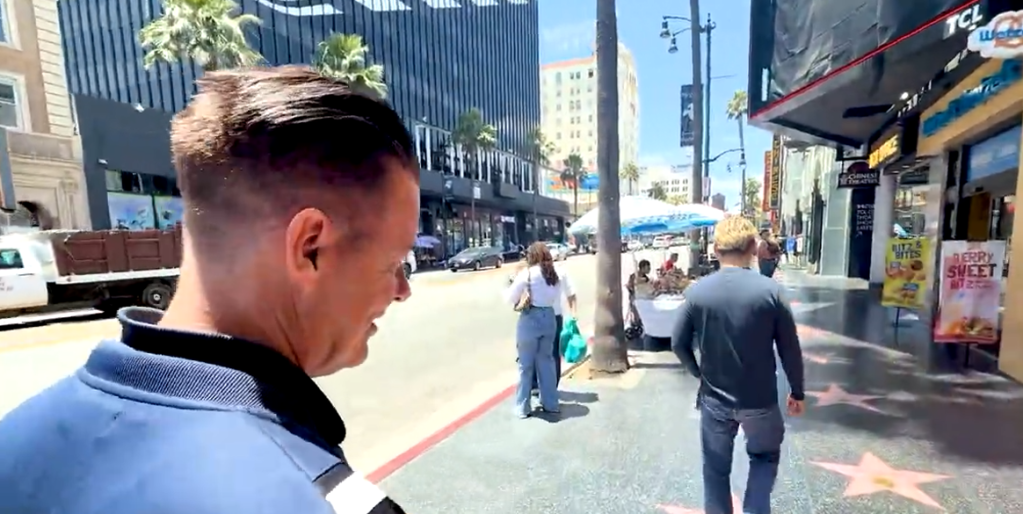
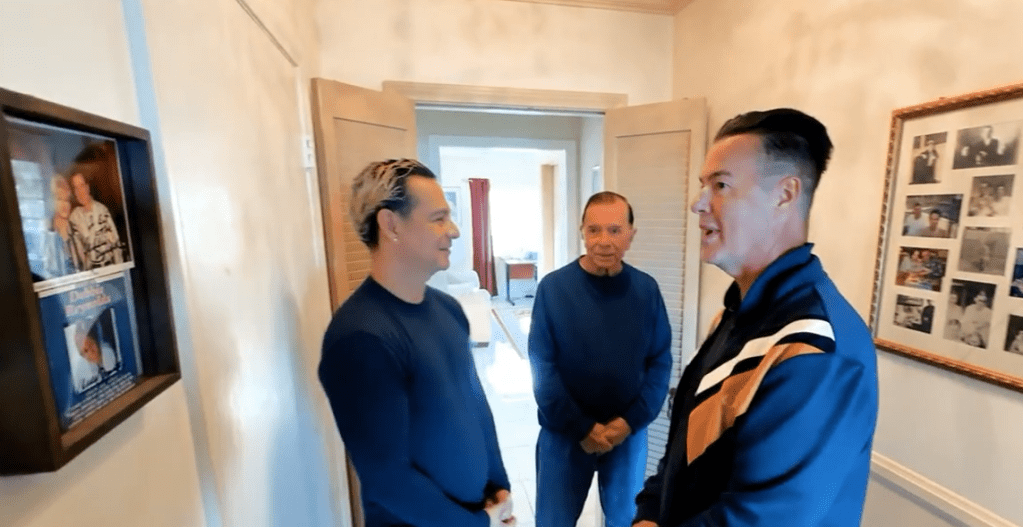
Here is an example of good pacing: – there is a sequence in the film where Carl is given a tour of Hollywood by his hosts, and they visit the filming locations for ‘Halloween’ and ‘A Nightmare On Elm Street’ – which was an interesting and relatable tangent. What impressed me here was that we did not linger for long at these iconic places, and the focus of the film quickly shifted back onto the paranormal investigation at the house. I felt there was a concerted effort when it came to editing the film to not allow these scenes – as good as they were – to drag and take the audience’s attention away from the main plot.
Further to this point, ‘Hollywood Haunting’ has a smooth running time of eighty-five minutes, and pretty much does everything it needs to do within this time frame. I will mention the pacing again here, and say that the plot purred along nicely and there were no moments of lag nor the story being bogged down in dialogue-heavy scenes. In fact, the improvements in these areas are so great that this feels like a standalone film when compared to the farm trilogy.
*** POTENTIAL SPOILERS AHEAD ***
Going by what I have already written, it can be safely ascertained that I enjoyed ‘Hollywood Haunting’, and considered it to be technically superior to the ‘Paranormal Farm’ trilogy. The step-up in quality and execution is evident – and I’m going to give this film a very good score.
But that being said, this is a very different movie to what we experienced with the farm trilogy. Medland has clearly moved away from in-your-face horror and cheesy stunts to instead present a very mature and grounded story where the supernatural elements exist alongside the emotional tale of the main characters – particularly the younger partner Daniel. We still get to see Carl doing his clairvoyant things, and Taz is back behind the camera – and the documentary style of filming is consistent with their previous work, but a drastic change in scenery has no doubt brought about a new approach.
I’ll be honest here and say that I enjoyed the first ‘Paranormal Farm’ movie more. This is of course my own personal view, and I base this solely on the fact that I had a lot more fun with it. However, when I take a step back and compare both projects from a film-making perspective, it is clear that ‘Hollywood Haunting’ is a far more polished product.
As I mentioned earlier, the strength and consistency of the writing is to be commended, and the screenplay managed to avoid plot holes and incoherent narratives – which is a rare feat these days. For instance, the crawlspace in the mansion was mentioned very early in the film as a potential hotspot for the paranormal activity – and the film continued on for some time without referring back to it. However, this creepy part of the house was eventually addressed – and not conveniently forgotten like a J J Abrams plot device – when Carl and Taz returned to check it out later on and didn’t really find anything there. This may sound like a minor or insignificant observation – but I assure you it is not – for how many Hollywood and Netflix movies are riddled with lazy writing when setting up an early hook only to never mention it again?
I also thought the references to the water were a clever touch; forming a connection between the reservoir lake and the house – and it therefore made sense that the most ‘violent’ supernatural attacks took place in the swimming pool. This is logical writing.
But I can’t write a proper review of ‘Hollywood Haunting’ without mentioning the strong LGBTQ themes throughout the movie. Clearly these are talking points that are very near and dear to Carl Medland – and the message he incorporates into his script is both valid and relevant. For what it is worth, these issues and ideas are presented very well in the finished product; it’s just that they don’t always resonate as strongly with some people as they do with others – and if you play your hand too hard you risk isolating part of your audience.
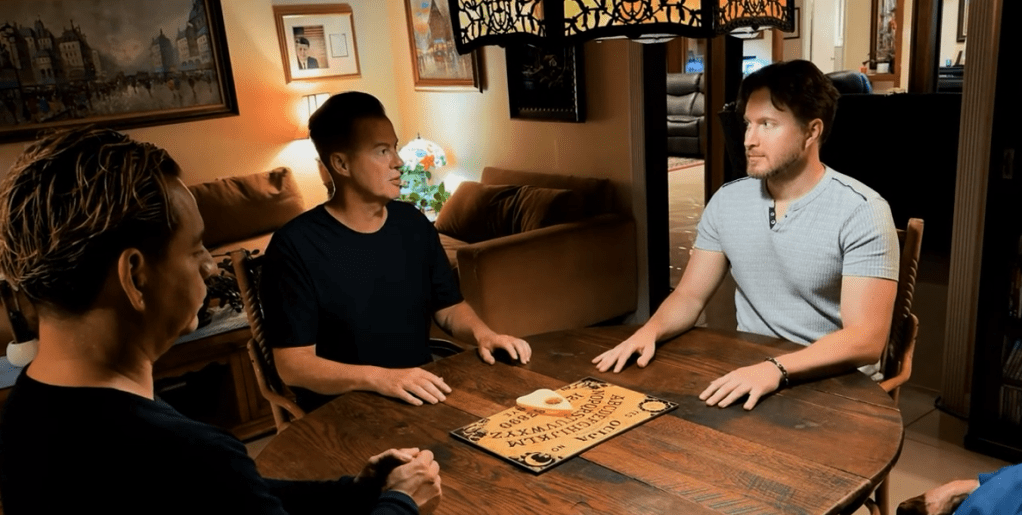
There was only one moment in the film when I thought it came close to doing just that: – during the discussion around the table near the end of the movie – right after the mystery was solved. To me, this exchange felt forced and out of place – with the dialogue a little jarring and it was the only part of the film that struck me this way, but to be fair – just when I thought it was about to get a little preachy and continue for a while longer, the scene did cut and move on.
But this is a film driven by raw human emotions, with the paranormal and spiritual elements serving as a lesser theme – but still an important part of the storytelling. There is a lot of dramatic weight here; from the tragic tale of the restless entity, to the great losses and difficulties suffered over the years by the couple living in the house. This is heavy stuff – a long way from watching a guy being chased by clowns on a farm – which is perhaps the best way of describing just how far Carl Medland has come as a film maker.
Before I give ‘Hollywood Haunting’ a final score, I must take into consideration that Medland and his team were working with a small budget – with very little equipment and no special effects department or a team of writers to fall back on. There are no ‘professional’ actors on show either – but everyone who starred in the film really stepped up to the plate, and this is important to note.
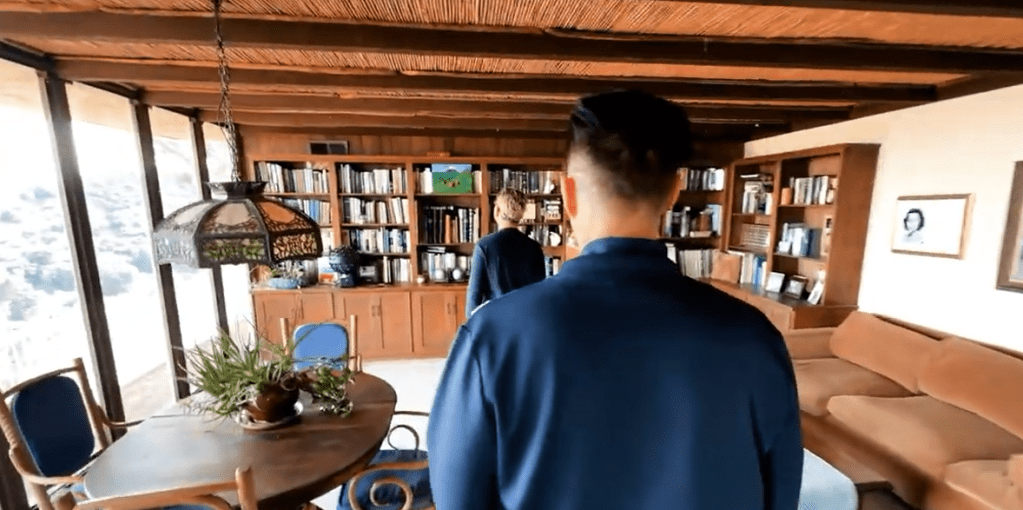
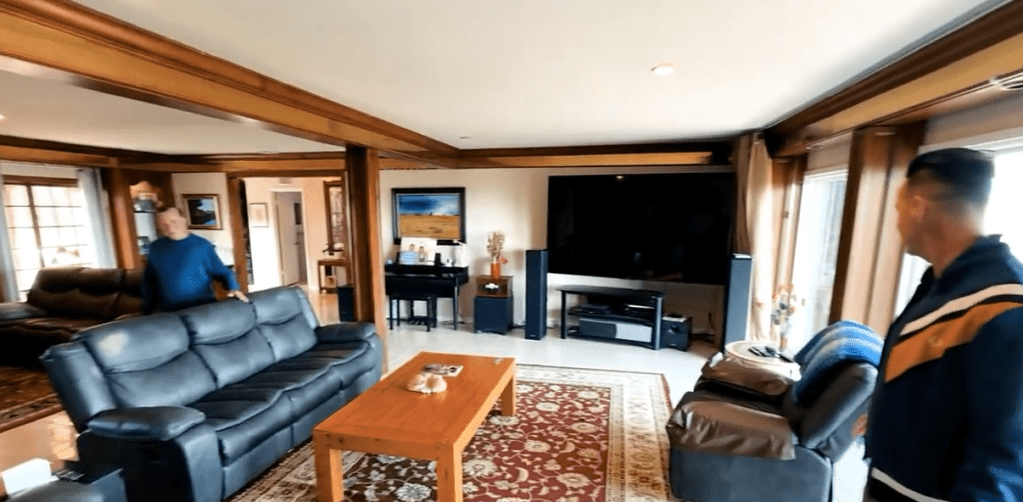
As I’ve already mentioned, the solid writing and sharp editing are two of this film’s greatest strengths – but in some ways it is the location that steals the show. The house on top of the hill overlooking the reservoir was an inspired choice, and the interior scenes were executed so well – particularly the many continuous shots gliding through from one luxurious room to the next. The expensive decor of the home leans in to the serious tones of the movie, and gives the story a grounded base – and the small library where a few scenes were filmed looked amazing.
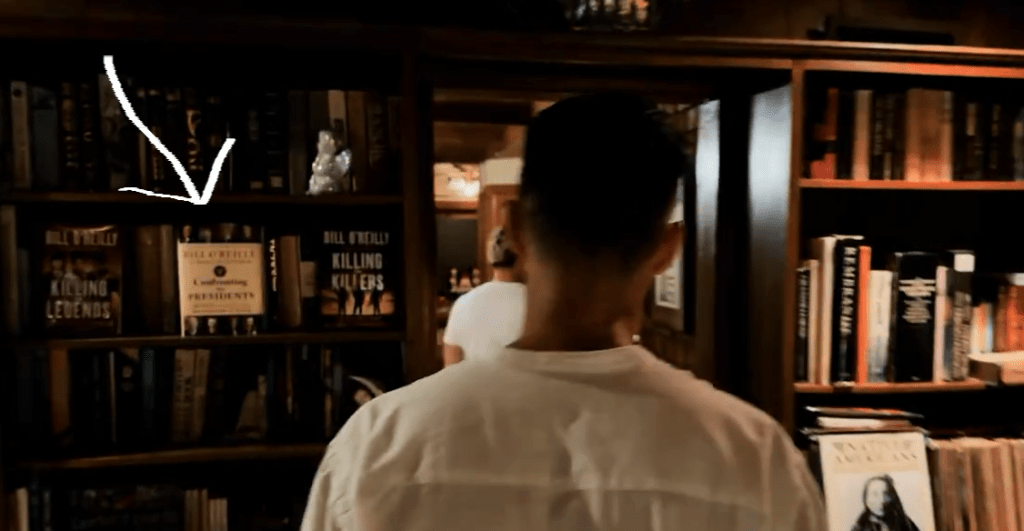
And I must point out that I loved seeing Bill O’Reilly’s book ‘Confronting The Presidents’ featuring prominently on one of the bookshelves. I bet it belonged to Arthur.
‘Hollywood Haunting’ is a good, solid film – and those who can connect personally with the issues and messages within would definitely say it was a great film. Carl Medland has shelved the outrageous antics of the farm trilogy and deftly shifted the supernatural tones and themes into a more serious and firmly-based presentation. The emotional undercurrents that were crafted into the film – relationships, identity, acceptance, love and loss – will resonate deeply with a lot of people.
But for me personally – being a typical Aussie bloke looking for some crazy action and a few laughs – I did miss some of the mucking about and diabolical storylines seen in the farm movies. However, I watched ‘Hollywood Haunting’ all the way through and enjoyed it – and hopefully this will lead in to future installments of the ‘Paranormal’ series!
‘Paranormal: Hollywood Haunting’ gets four stars out of five from me!
‘Paranormal: Hollywood Haunting’ is available to rent or buy on Amazon Prime Video.
Photos and screenshots are courtesy of MY Production Limited and MY Spotlight Independent.
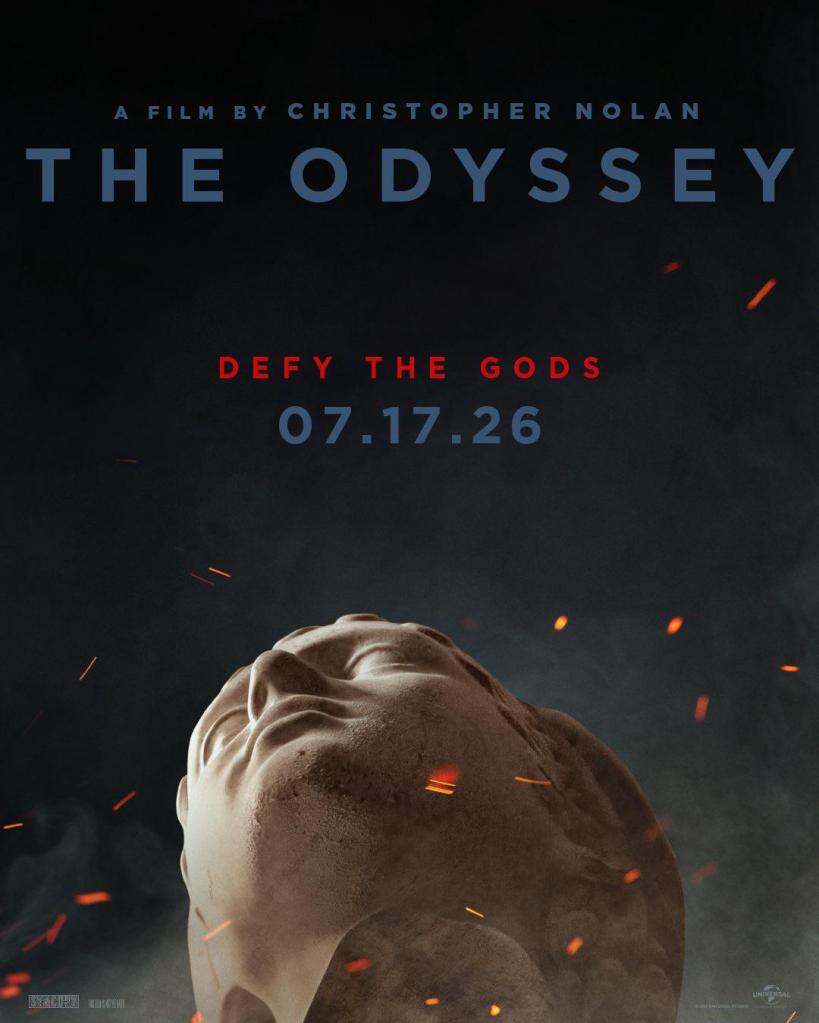
‘The Odyssey’ is arguably the biggest film of 2026 and arrived in theatres last week, propelled by a fan-made tidal wave of speculation and expectation. With questionable casting decisions and using a modern interpretation of Homer’s ancient poem as inspiration, could Christopher Nolan’s most excessive film to date become a critical hit and smash box office records around the world?
Well, I visited the local cinema to find out for myself…
Firstly, I’m going to say that I enjoyed this film. I felt that it was respectful to the original story and it truly was a visual spectacle – like all of Nolan’s movies. Did I agree with the modern tones and interpretations? Not really – and I will touch on some of this later in the article – but nor was I bothered by such tweaks and changes.
Was it better than ‘Tenet?’ – Yes. Was it better than ‘Oppenheimer?’ – No.
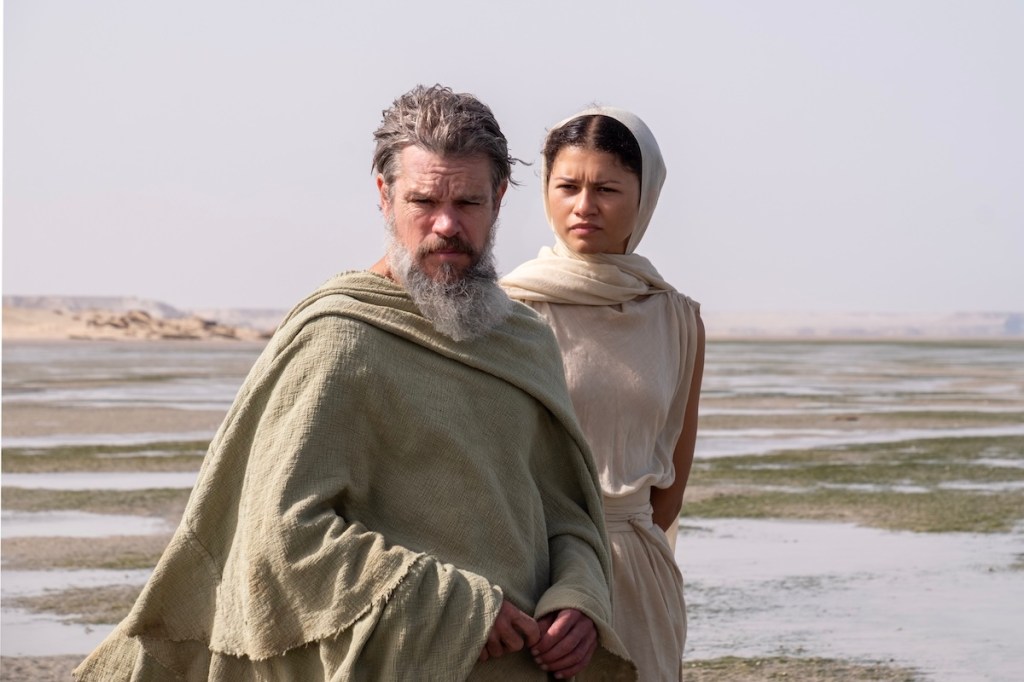
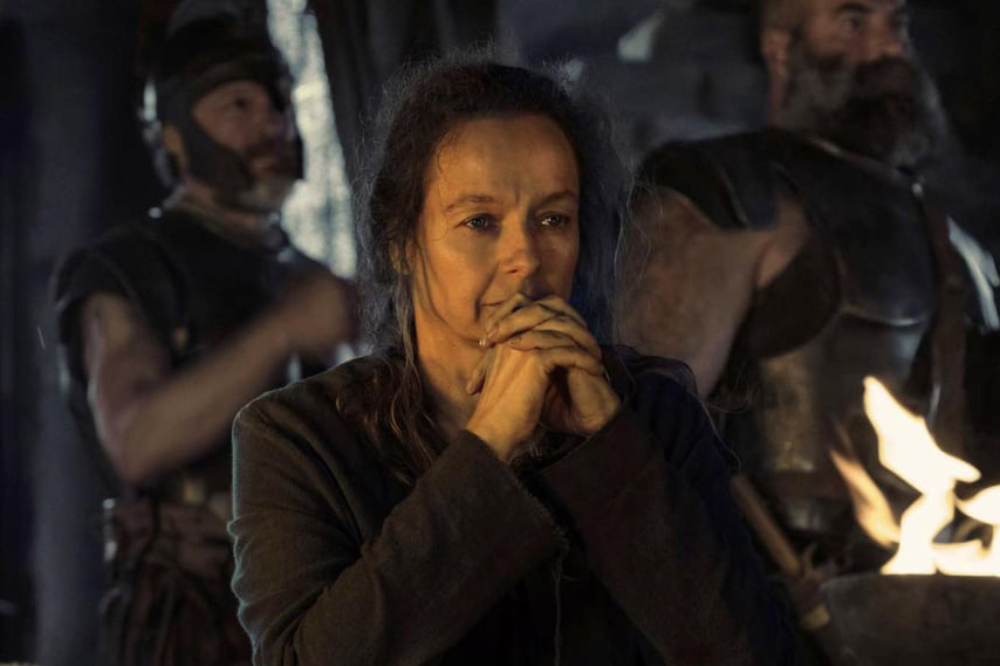
Before I get into the review, I will mention the casting choices and the various performances delivered in this film. Whilst Matt Damon plays the lead role of Odysseus, the movie did have more of an ensemble feel to it and as a whole every actor played their part well. There were no standout performances as such; but if I had to choose one I would echo many other critics and say Samantha Morton as Circe.
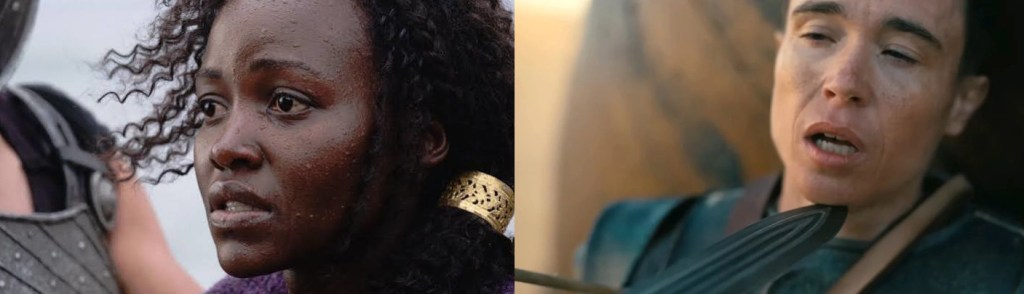
Note: I have just stated that every actor in this film did a commendable job, so what I am about to write next is my honest opinion about the casting of both Lupita Nyong’o as Helen of Troy and Elliot Page as the Greek soldier Sinon. I disagree with both – purely from a logical and believable point of view – and I question Christopher Nolan’s reasoning here for such odd casting decisions. But having now watched ‘The Odyssey’ where some context and rationale are offered, I can confirm that Nyong’o and Page were solid and not detrimental to the film in any way – but my original opinion still stands.
Now that the main casting issues are out of the way, I will stay on the topic of authenticity and realism as I shift my focus onto other aspects of the film where inconsistencies and the need to present a ‘modern take’ were difficult to ignore.
The word ‘verisimilitude’ has been thrown around a bit this week by those critical of the movie, with their various targets ranging from the Viking ship used in the film to inaccuracies with the armour worn by the soldiers. One could also add the diverse supporting cast, ranging from Asians to Indians and African-Americans seemingly wandering around Ancient Greece as if it were modern day Los Angeles. However, the most common criticism has been the dialogue, and I found that there were moments when the modern phrases came across as jarring and completely out-of-place. The other problem this caused was making every actor feel like they were playing a version of themselves – and I know other critics have pointed this out too – for it is a legitimate gripe, and once again calls into question some of the studio’s artistic directions.
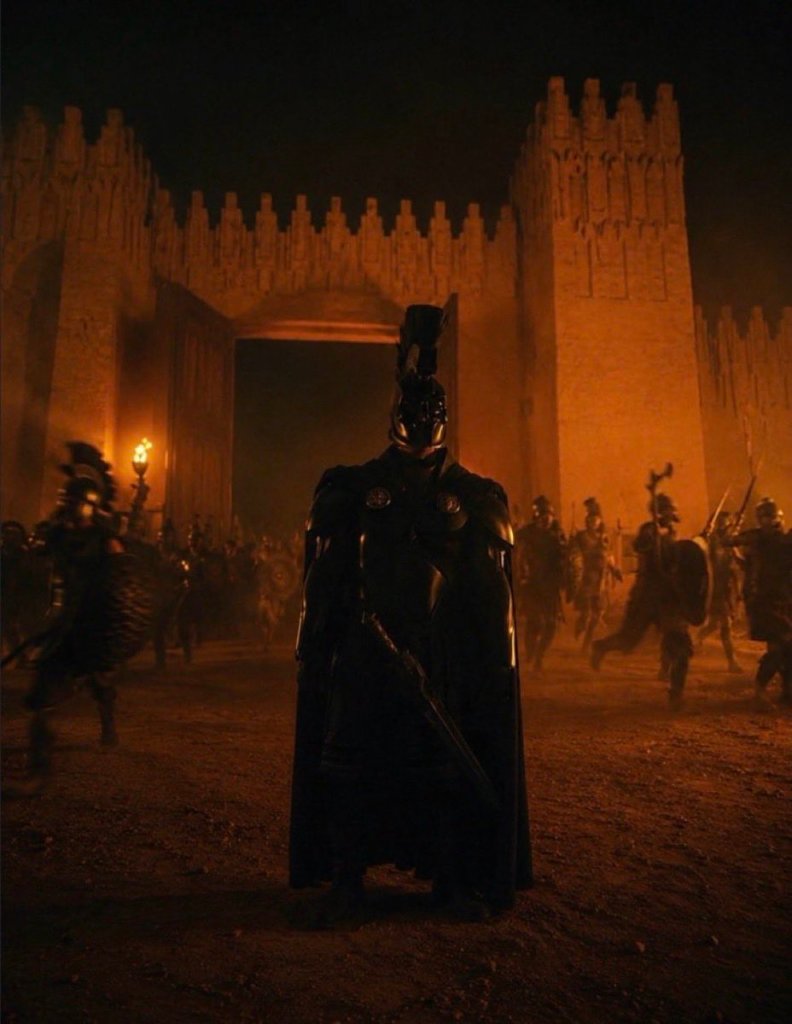
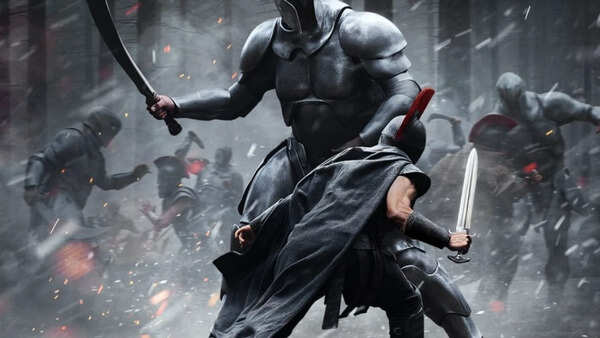
But a film-maker should not be pulled up and criticised for minor things, and instead be allowed some creative leeway in order to setup an iconic payoff. For example, the screenshot below is Nolan through-and-through, and this is the scene where the gates of Troy are opened to reveal the hulking figure of Agamemnon wearing his menacing black armour while dozens of his soldiers rush past him into battle. But look closer and you will see the wafer-thin gates and less-than-imposing walls being hardly ‘impenetrable.’ In fact, there were sections of the wall that stood only around three metres high, and would probably collapse if a few blokes leaned hard enough against it. Yes – it’s not entirely accurate or realistic, but if the end result is what we see below then I’m happy to go with the flow!
It goes without saying that Christopher Nolan’s films are a visual feast, with incredible shots and amazing cinematography, so I don’t need to go into too much detail here – other than to say that ‘The Odyssey’ is an absolute spectacle. Nolan may have outdone himself here with the shooting locations, as some of the most breathtaking coastlines and beaches are a constant backdrop to the action – and there are distinct changes in the scenery whenever Odysseus’ crew land on a new island, for even the beaches are all vastly different from one place to the next. I believe a number of countries were used for filming; from Morocco to Sicily (Italy) – and from Greece to Scotland, and the results are first class.
Simply outstanding!
But there is a lot more to a movie than impressive visuals and mastery of the camera lens.
When a source material is so well-known and revered as Homer’s ‘The Odyssey’, one can choose to play it safe and present a simplistic, adventure-oriented feature and with modern technology be able to deliver a guaranteed cinematic masterpiece. However, you can also choose one of many interpretations of the same classic work and explore some deeper themes in order to create a new and wholesome take on the epic poem. In this case, Nolan has chosen the latter – basing his screenplay on numerous translations, but by all accounts leaning heavily into Emily Wilson’s 2017 version.
As I mentioned earlier, I believe that Nolan has remained true to the story for the most part.
Personally, I would have preferred a version that begins immediately after the fall of Troy, and runs in chronological order – remaining with Odysseus and his crew during their adventures, but also cutting back to Ithaca to show Penelope’s struggle with the suitors and the decline of the court without the King. Nolan’s film does all this, but instead uses ‘time jumps’ – both forward and backward – prompted by lines of dialogue that allow a clever and smooth transition between scenes. It is very well constructed and easy to follow, but this non-linear approach is where a lot of the modern themes and the constant narrative ofZeus’ Law are introduced – and I would suggest that the film was designed this way to accommodate these elements.
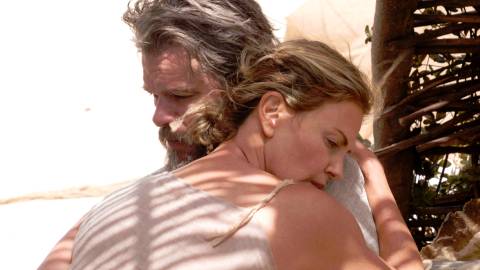
My main criticism of placing too much emphasis on these ideals – and they did waste a lot of time on hammering Zeus’ Law (essentially ‘be kind to strangers’) into us over and over again – is that a lot of great scenes from the poem were either omitted from the film or cut down completely. For instance, The Lotus Eaters are left out – but they merge these themes with Odysseus being held captive by Calypso (played by Charlize Theron) who feeds him the flowers to numb his memory. Also, the iconic Sirens encounter is over and done with in about two minutes – which was a shame, but it looked good, though.
Another pitfall with flashbacks and constantly moving away from the linear story line – regardless of how clever and seamless the transitions are – is the potential to create some pacing issues, and this is certainly the case here. It’s not the worst I’ve ever seen, and at no point did I feel bored or as though nothing was happening, but things did lag during the second half of the film – and if anything, some of the action sequences felt rushed through whilst dramatic dialogue-heavy scenes were allowed to run their course.
It’s an interesting dynamic that is the result of editing decisions during post-production, but this also indicates that there is probably a five-hour cut of ‘The Odyssey’ out there somewhere.
Before I give my final assessment and overall score, there are a few scenes that I would like to highlight on their own and share my thoughts on.
Firstly, the encounter with Cyclops takes place around half an hour into the film, and as a standalone sequence it was very well done. In the poem, Odysseus pulls a trick on the monster but this is not used here, and Christopher Nolan has already addressed this – with his logic behind the omission being reasonably sound. Regardless, this is still a great piece of theatre – and the appearance of Cyclops is both disgusting and disturbing. There is a decent amount of time spent in Cyclops’ cave – and the tension is allowed to build for just the right amount of time before the violent and terrifying climax.
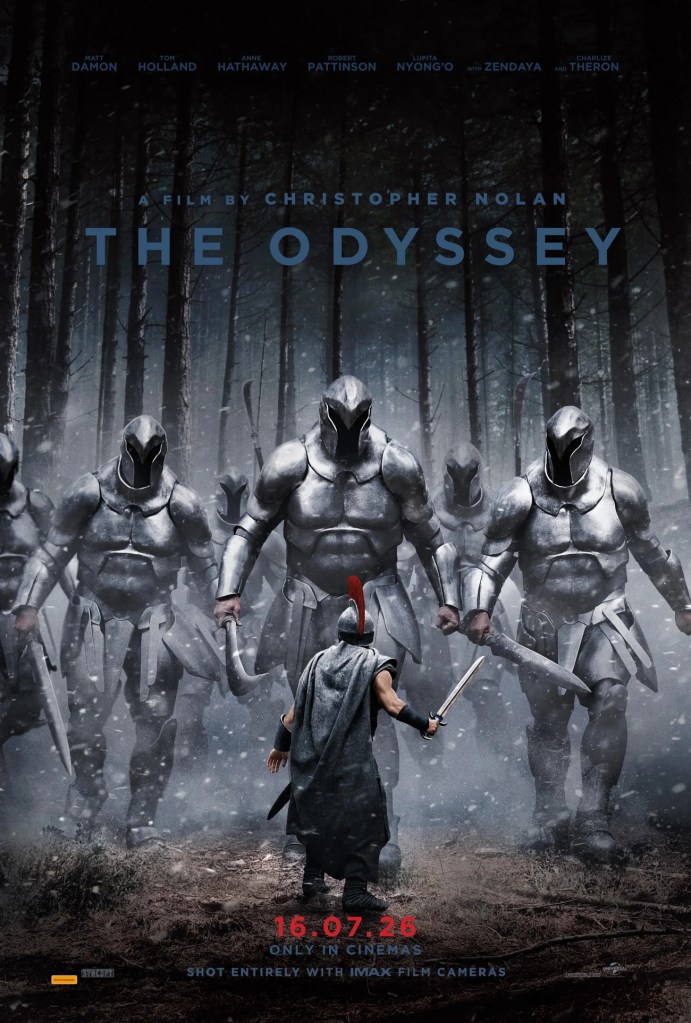
The battle with the silver-armoured giants – known as Laestrygonians – was featured in the trailer as well as on a few movie posters, yet was a very short detour for Odysseus and his men that only took up a few minutes of screen time. The scene served little purpose other than to show where our hero lost most of his men, and was no more than an ill-fated side quest – yet the imagery was a large part of the film’s marketing.
Immediately after escaping the giant Laestrygonians, Odysseus and his depleted crew land on another beach which leads into the Circe scene. Most critics agree that this is a major highlight of the movie, with some calling this a genuine horror sequence – which would be a first for Nolan. I have to admit, the way this was put together was brilliant and as mentioned earlier, if there was a top performance in the film then it would have to be Samantha Morton as the cunning (man-hating) witch.
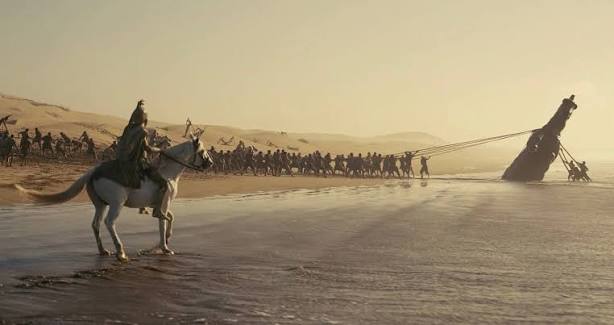
I also thought that the scene where the Trojans dragged the wooden horse from the beach toward the city walls was incredible: – visually superb and yet gritty and gut-wrenching!
So, there are some amazing things happening in ‘The Odyssey’, but it doesn’t quite come together as smoothly or consistently as it should have. It’s a little like a roller coaster ride, travelling at vastly different speeds: – lingering longer than it should in some places and then racing through important action sequences within a minute or two. Amongst these time jumps and transitions are some moments that are perfectly-paced such as the Cyclops cave and the bizarre encounter with Circe – and that makes this film a bit of an enigma and difficult to assess.
‘The Odyssey’ might be all over the place at times, but none of it is bad. There was not a single part of this movie that I didn’t appreciate – but I was disappointed when some important scenes felt rushed and were over quicker than I would have liked.
I have seen a few other reviews where the term ‘flawed masterpiece’ was used, and whilst I don’t want to steal anyone’s headlines – I have to go along with this verdict.
‘The Odyssey’ looked amazing and was very good for the most part. I won’t go as far as to call this film a tour-de-force, but perhaps it should have been. To me, I think the film-makers tried a little too hard to implant various emotional elements along with a little dose of modernity, and it didn’t quite stick the landing. If I was to be a little more critical of Nolan, I would suggest that he has tried to be too clever at times here – as was the case with ‘Tenet.’
Ultimately, I would have preferred a more mainstream, action-and-adventure-based telling of the story.
That being said, I really did enjoy the movie. But for the above reasons I cannot give it top marks – but there was enough craft and cinematic genius on show for me to give it a seven and a half out of ten.
‘The Odyssey’ is now showing at cinemas.
Screenshots are courtesy of Universal Pictures and Syncopy.
This film was an interesting one for me personally, as I fondly recall the boxing career of Prince Naseem Hamed from almost thirty years ago – often buying his fights on pay-per-view and loving his extravagant ring entrances, sharp wit and outrageous antics.
This was always going to be a difficult movie to get right, as Hamed was a larger-than-life character whose one-liners and Ali-like cockiness would be near-impossible to replicate. However, the filmmakers gave it their best shot – but did they pull it off?
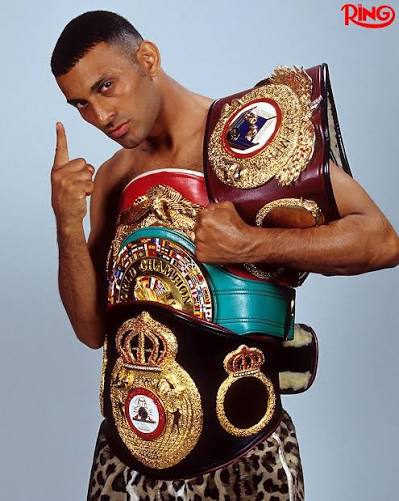
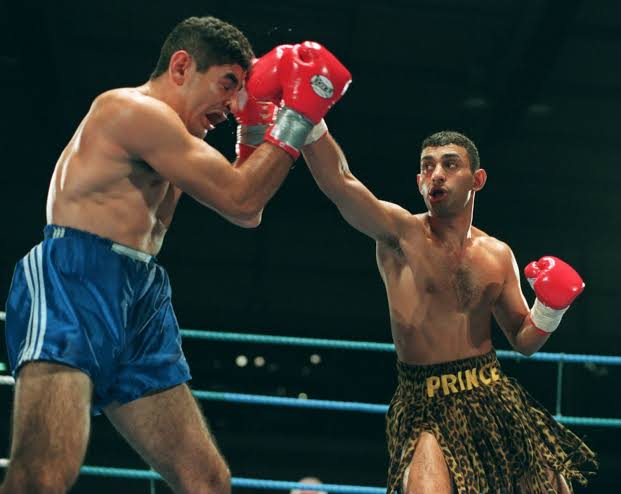
But before I answer that question, let’s take a quick look at the real Prince Naseem Hamed…
Hamed hails from Sheffield in the UK and is the son of Yemeni migrants. He took up boxing at a very young age, and as a teenager began plowing his way through the British flyweight ranks before moving up to bantamweight and claiming the European title at the age of twenty.
He won the WBO world featherweight title from Steve Robinson in 1995 – putting on one of the most entertaining displays ever seen in a boxing ring – and would successfully defend the title fifteen times over the next five years. Hamed would also claim both the WBC and IBF belts during this winning run, and by the late nineteen-nineties had well and truly cracked the US market.
So, let’s move on to the film and break down what worked and what did not.
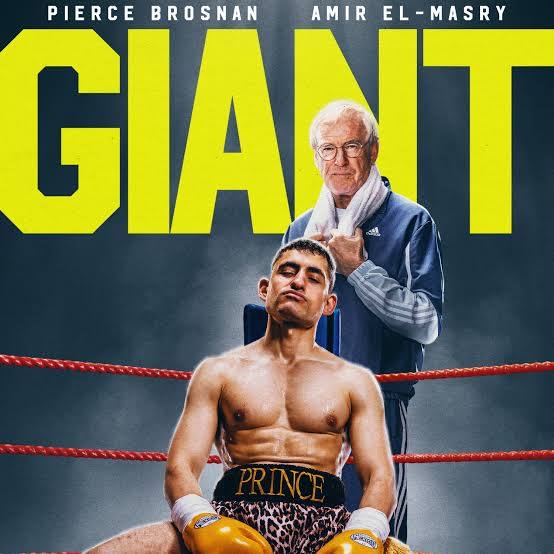
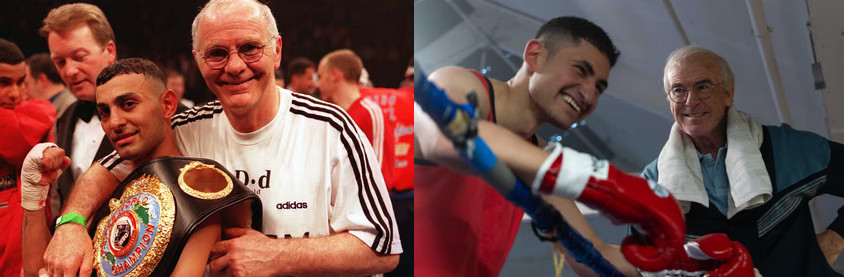
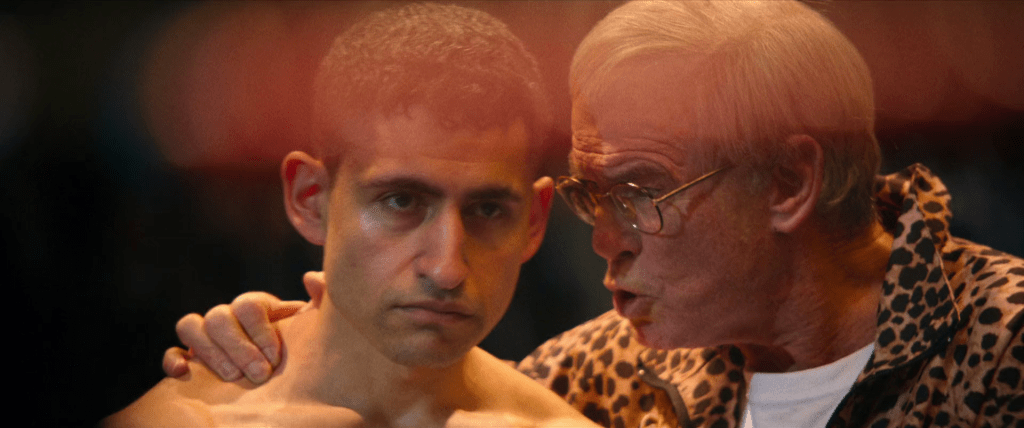
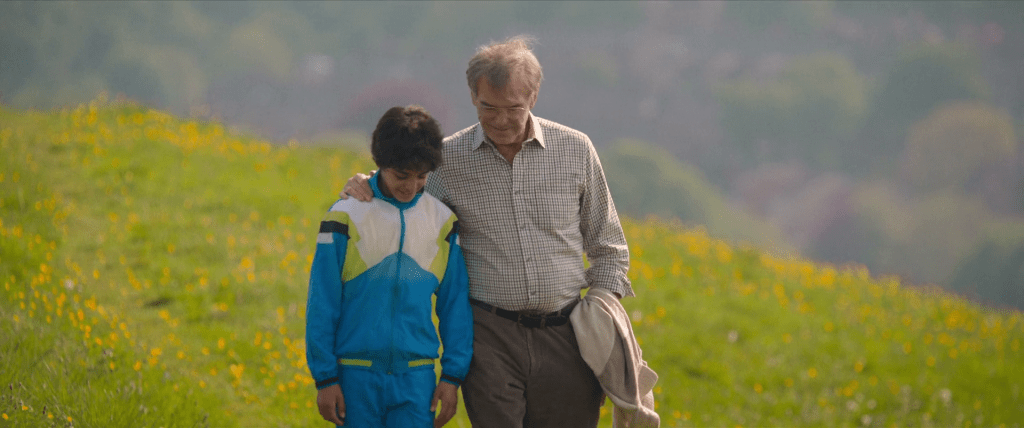
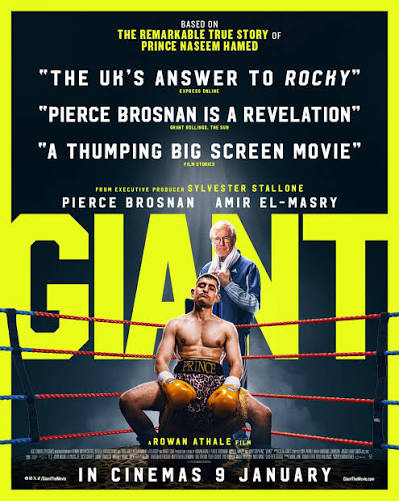
Let’s start with the main premise of ‘Giant’ – that being the relationship between Hamed and his mentor and long-time trainer Brendan Ingle. In the film, Ingle is played by Pierce Brosnan whilst Amir El-Masry is given the difficult job of bringing ‘The Prince’ to the big screen – and both actors do a pretty good job.
For me, there are no complaints about any of the performances throughout the movie; and El-Masry had a lot of Hamed’s quirks and mannerisms spot on – but physically I don’t think he was quite there – he was close, though.
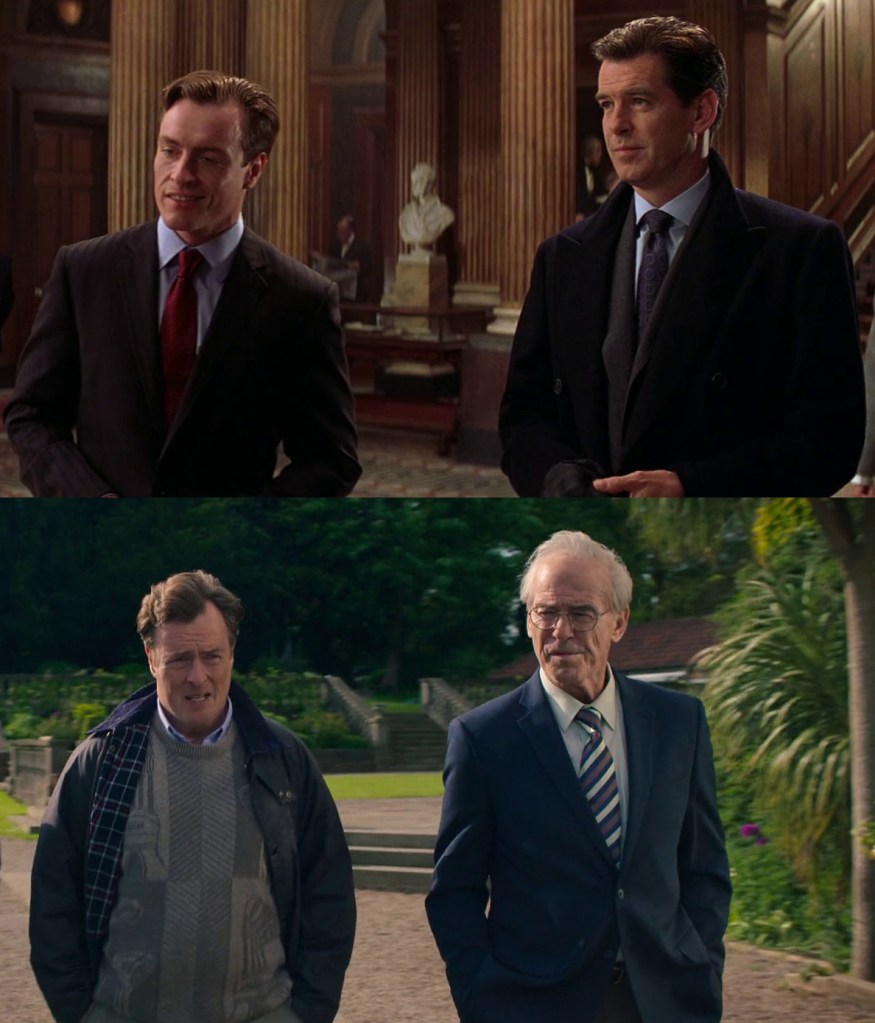
Another great casting choice was Toby Stephens as boxing promoter Frank Warren – and James Bond aficionados like myself had a field day with this one; seeing him and Brosnan together again on-screen more than twenty years after ‘Die Another Day.‘
Pacing-wise, ‘Giant’ does a reasonable job; beginning with Hamed as a seven-year-old joining Ingle’s gym and within a short period taking us to when ‘Naz’ becomes world champion in his early twenties. None of the essential character-building was skimmed over in the earlier parts of the film, but I felt that a lot of great moments throughout Hamed’s career were overlooked as the story progressed. Perhaps a mid-movie montage – like the one at the beginning of ‘Rocky III’ – may have worked better in highlighting just how many good fighters Hamed knocked out on his journey.
For instance, I remember the Tom ‘Boom Boom’ Johnson fight being a huge event but it was not mentioned in the film, and most of Hamed’s later contests – such as Vasquez, McCullough, Ingle and Sanchez – were also passed over. I felt this was a missed opportunity as Hamed was becoming sloppier in these bouts leading up to the infamous defeat to Marco Antonio Barrera, which ultimately ended Naz’s career. Again, could there have been a montage inserted at this point hinting that Hamed’s performances were dropping?
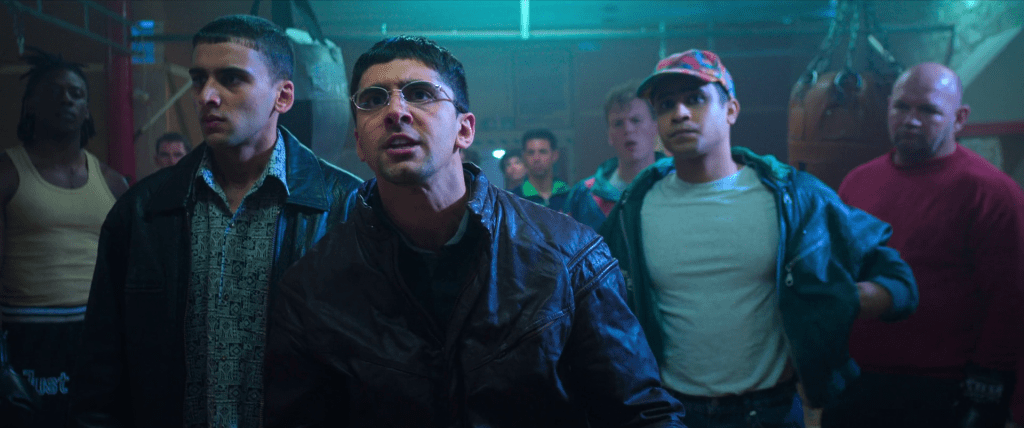
There were moments in this film that I did not like, perhaps because I was such a fan of Hamed back in the day. Whilst I was not privy to what happened behind the scenes in real life, I found the many moments of disrespect and rudeness – even belittlement at times – directed at Ingle by both Naseem and his brother Riath during the film to be hard to swallow. Maybe it’s true – who knows? But from what I remember seeing in dozens of Naz’s fights and watching countless interviews and documentaries involving all parties – I’m happy to write this off as a little creative screenwriting.
I still didn’t like it, as I thought it was overplayed – and this was a major bummer for me.
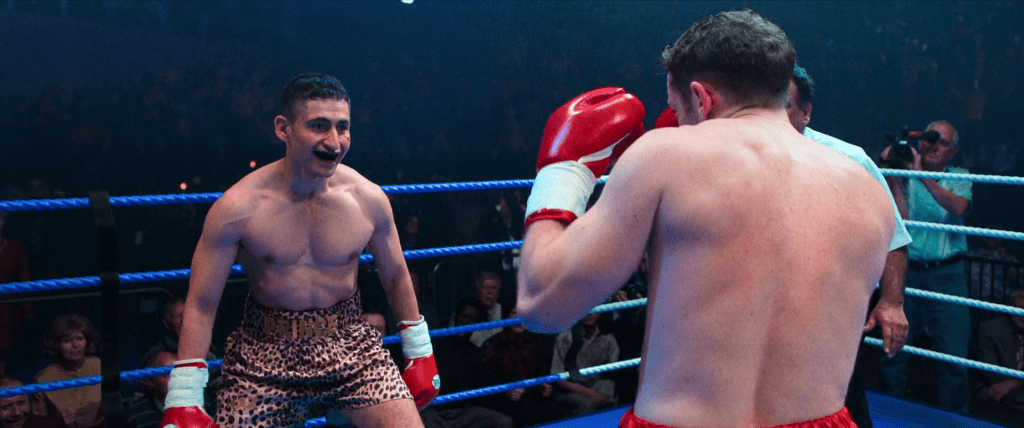
Despite some good performances and decent fight sequences, ‘Giant’ failed to live up to the great movie it could have been. In saying that – and to be fair – I think that bringing Naseem Hamed’s story to the big screen was always going to be a challenge; and a near-impossible task to impress those who followed Naz’s amazing career all those years ago.
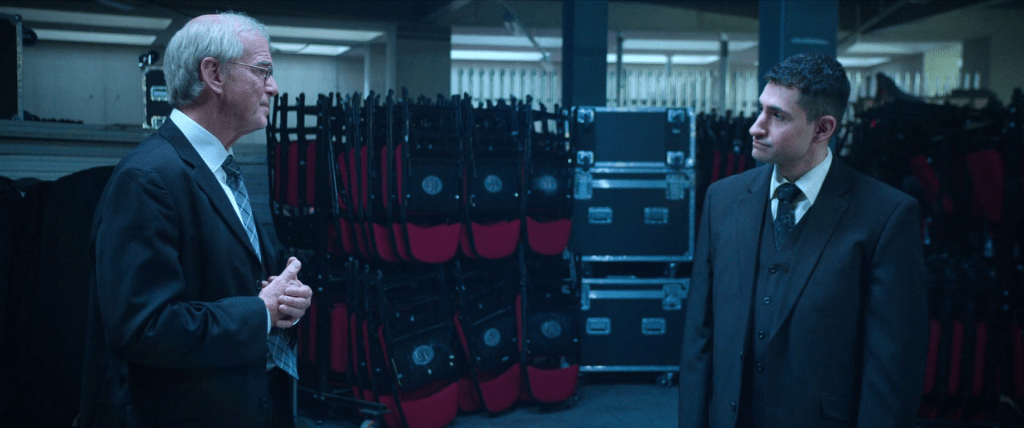
Perhaps this was why the film zeroed in on the relationship between Hamed and Ingle – amplifying the tension and drama – before taking us into the falling out between the pair and Naz’s loss to Barrera. Personally, I think the movie would have worked better focusing more on the highs, with a lot more action inside the ring, than to be as Brendan Ingle-centric as it was; especially toward the end of the film. To be honest, things did get a bit depressing during the final half hour, but the backstage scene between the main characters was a nice touch.
It still should have been a lot more upbeat and fun though.
‘Giant’ has its moments – and there are some really good things happening in the film. But ultimately this movie suffers from taking a true underdog story – that a lot of people my age still have fond memories toward – and dumping a bucket of ice over it.
It’s a decent movie that could have been a classic – and in my view would have worked better as an out-and-out sports comedy rather than a light drama.
‘Giant’ just did enough to get a pass mark from me, so I give it six out of ten.
Photos and screenshots are from various online sources; including Balboa Productions, AGC Studios, Tea Shop Productions and White Star Productions.
‘Die Another Day’ screenshot courtesy of Eon Productions.