The North Parramatta to North Rocks bushwalk

Combining an exciting mix of leafy suburban streets with the grit of an Aussie bushwalk, the 4km course from North Parramatta to North Rocks Shopping Centre – via Lake Parramatta – is a satisfying challenge that isn’t too hard to conquer.

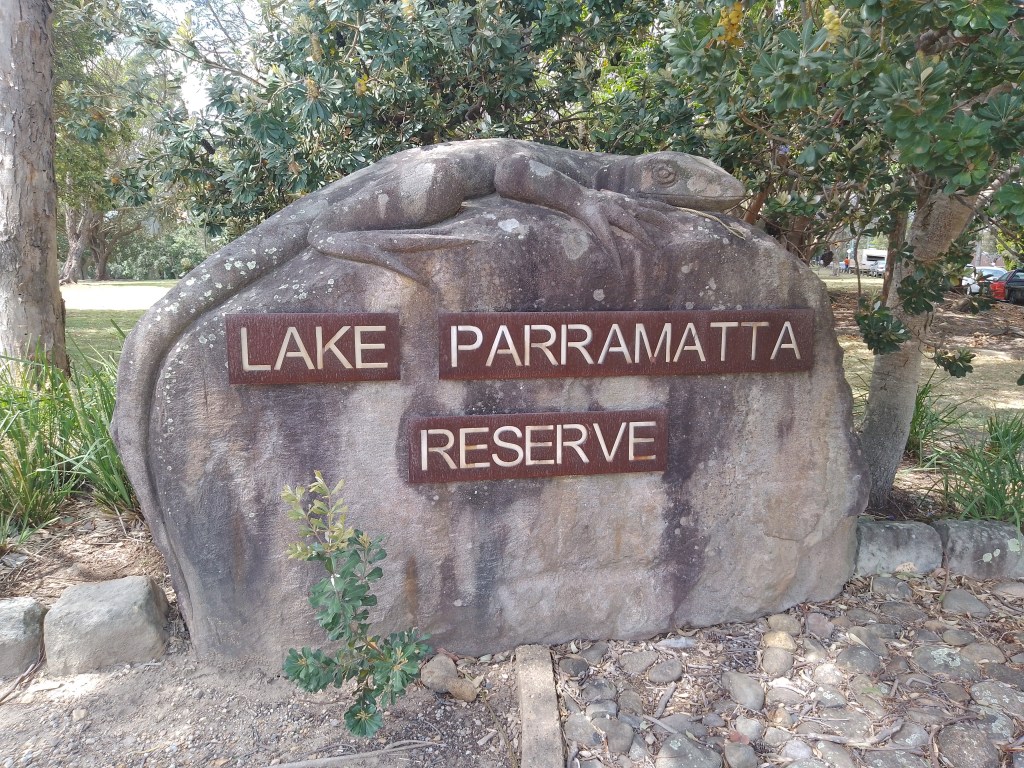
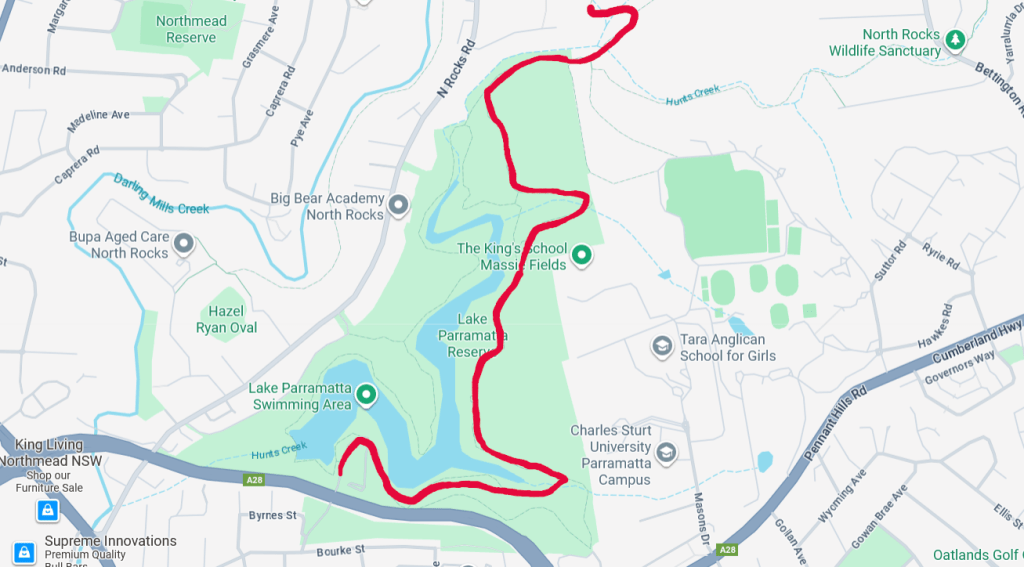
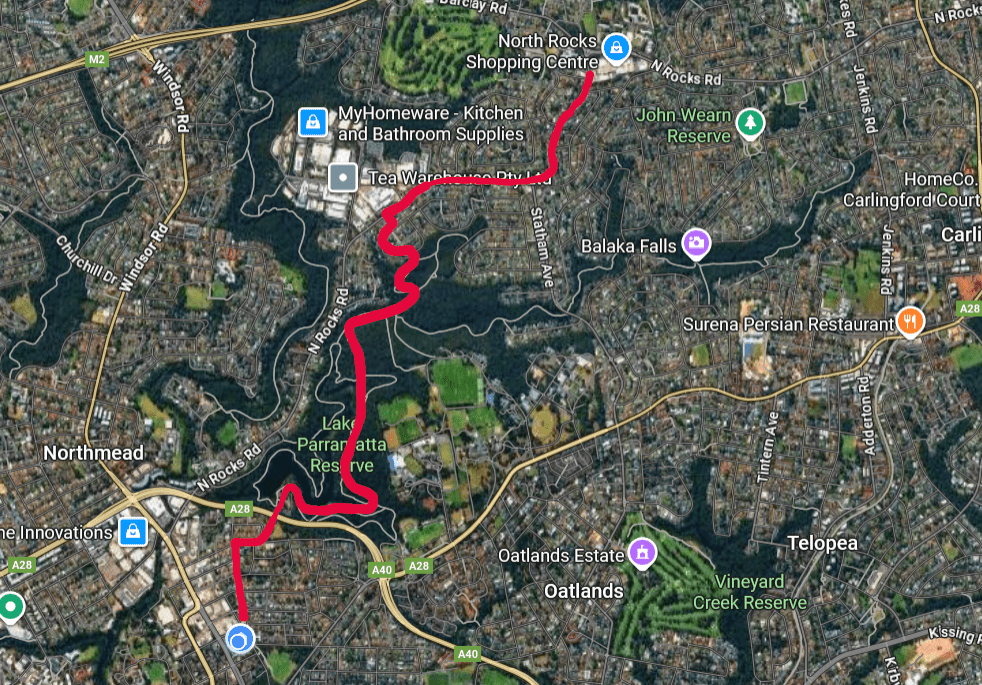
Beginning at the Iron Street shops at North Parramatta, the first part of the journey is a slightly uphill ten-minute walk to the lake reserve, as seen on the map below.

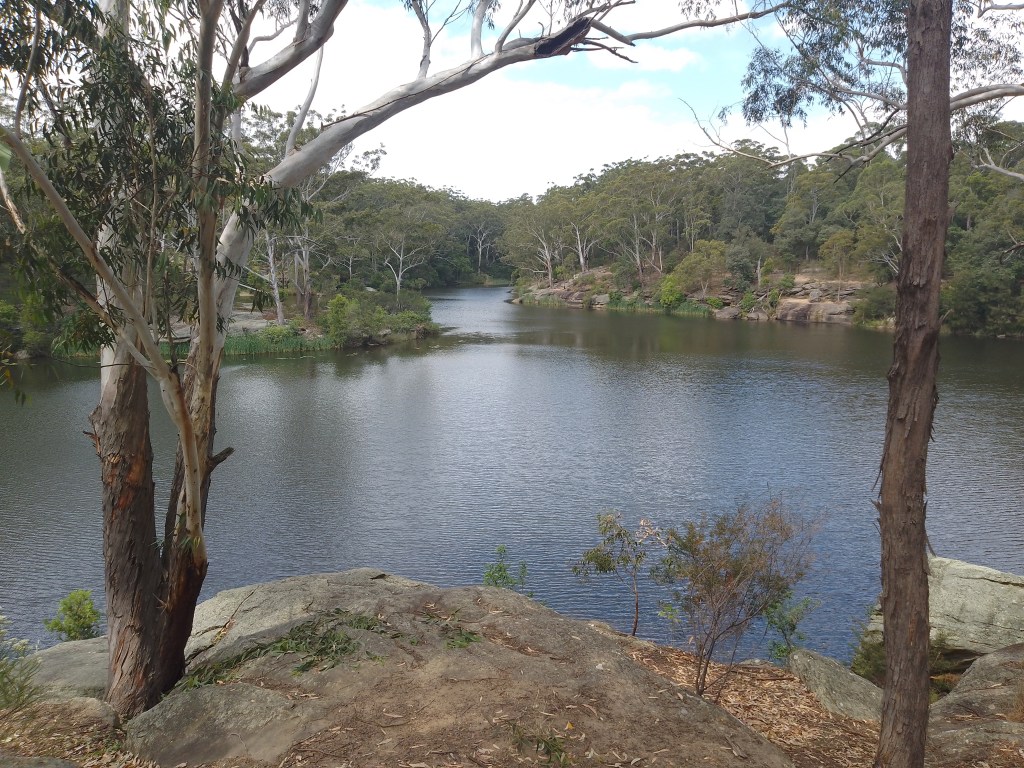
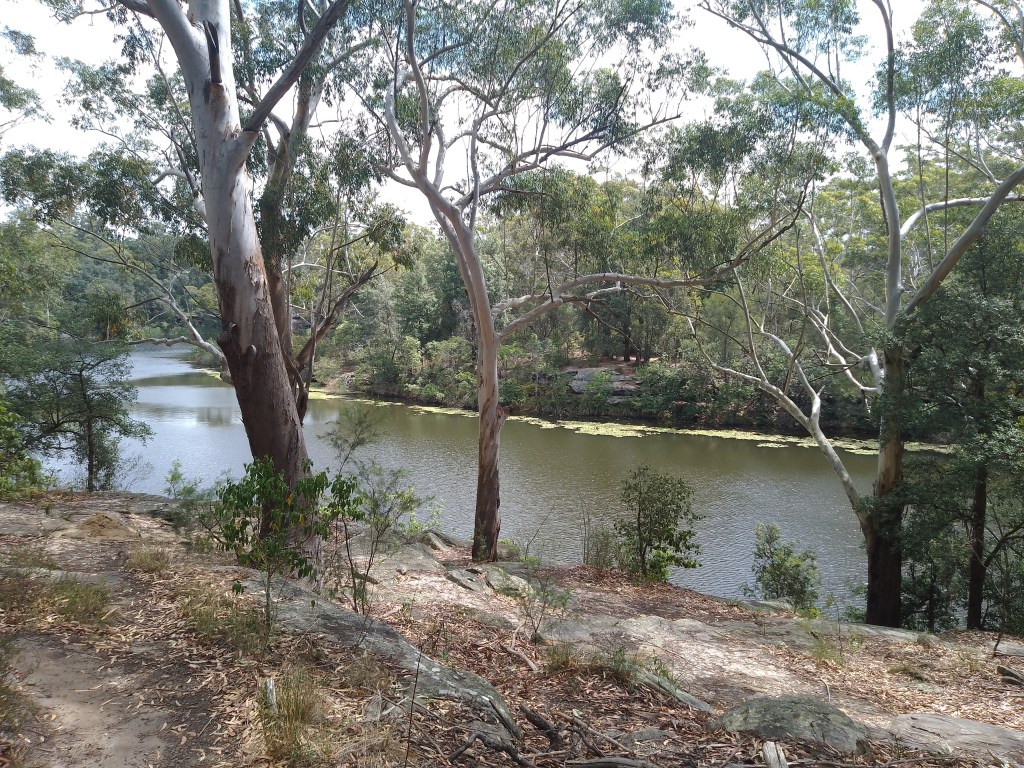
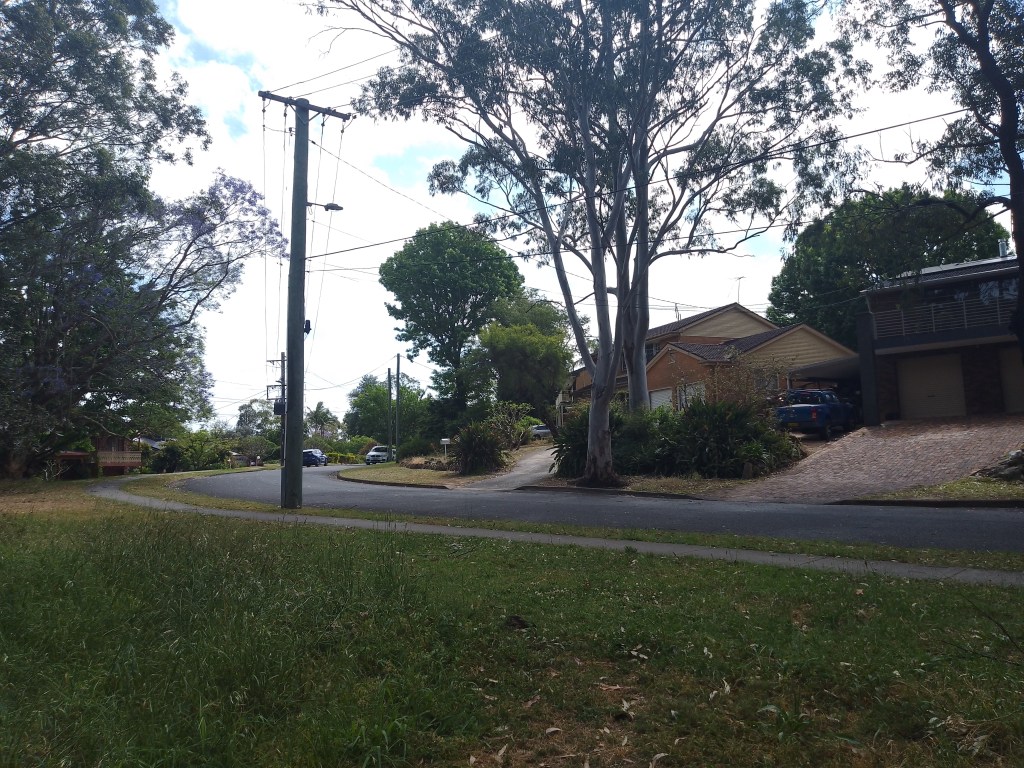
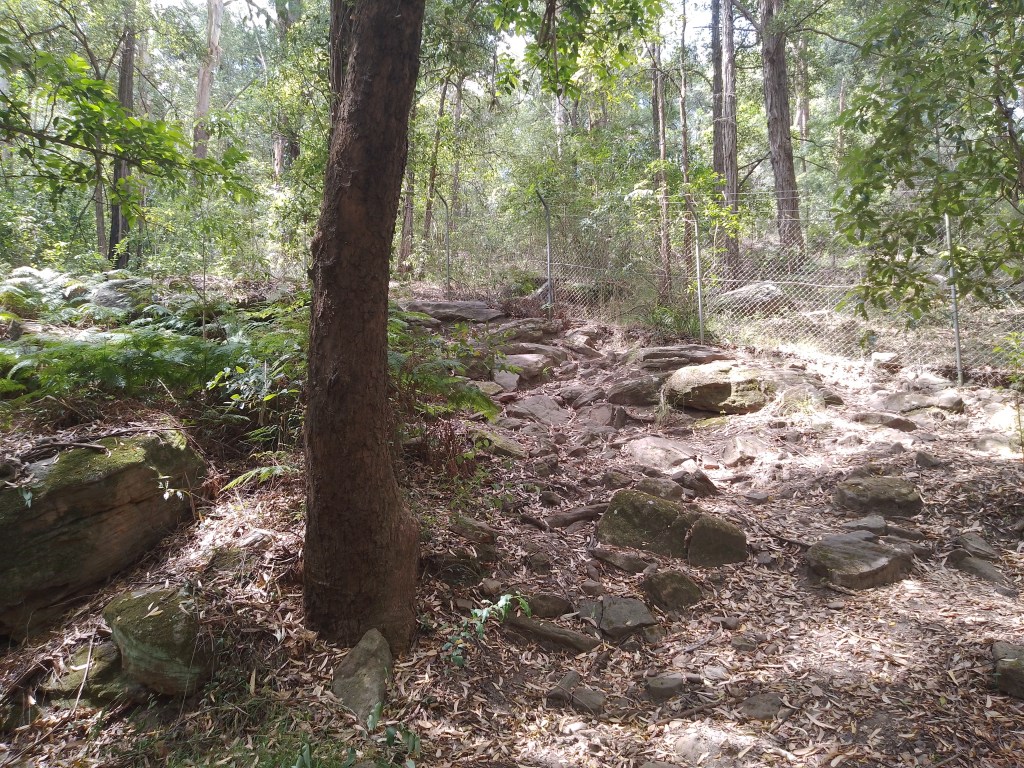
Taking the bush tracks around the eastern side of the lake, this next section of the walk is by far the most picturesque, but can be a little rough underfoot at times. The path becomes more rugged once you pass the northern end of the reserve as it winds its way through part of The King’s School grounds until eventually re-entering suburbia at Tallwood Drive, North Rocks.

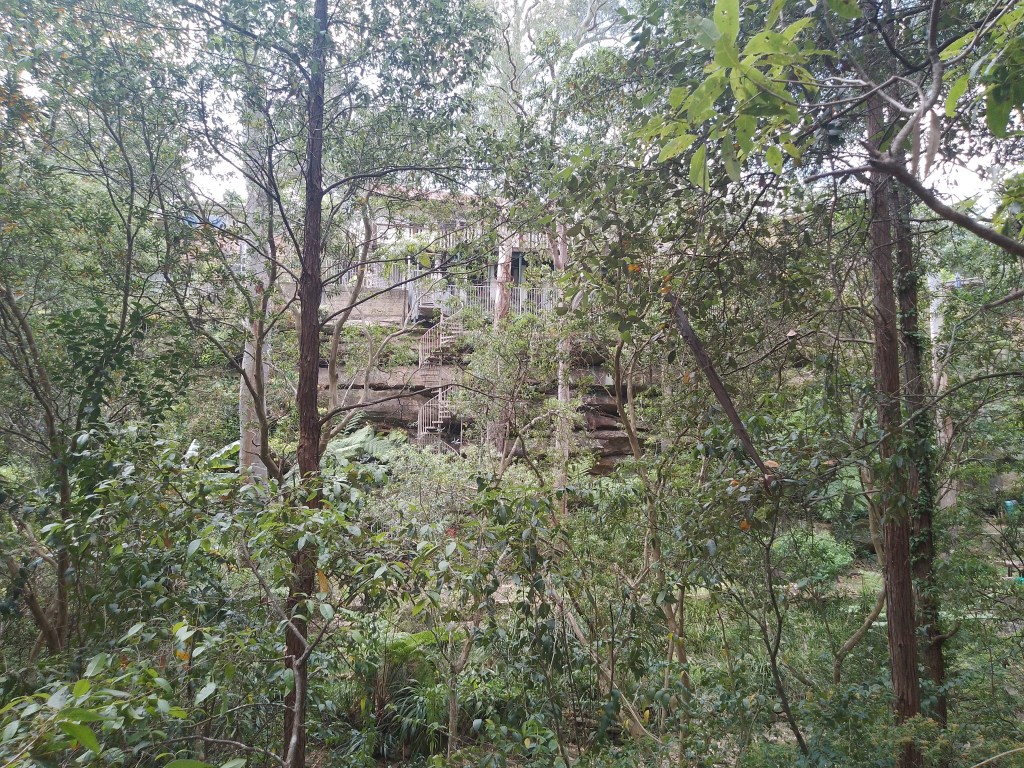
There is an interesting marker at around the halfway point of the walk, and that is a unique spiral staircase belonging to one of the houses near North Rocks Road. The lengthy stairs wind their way down from the rear patio of the home to the creek bed at the base of a cliff, yet one could easily walk by without noticing it.

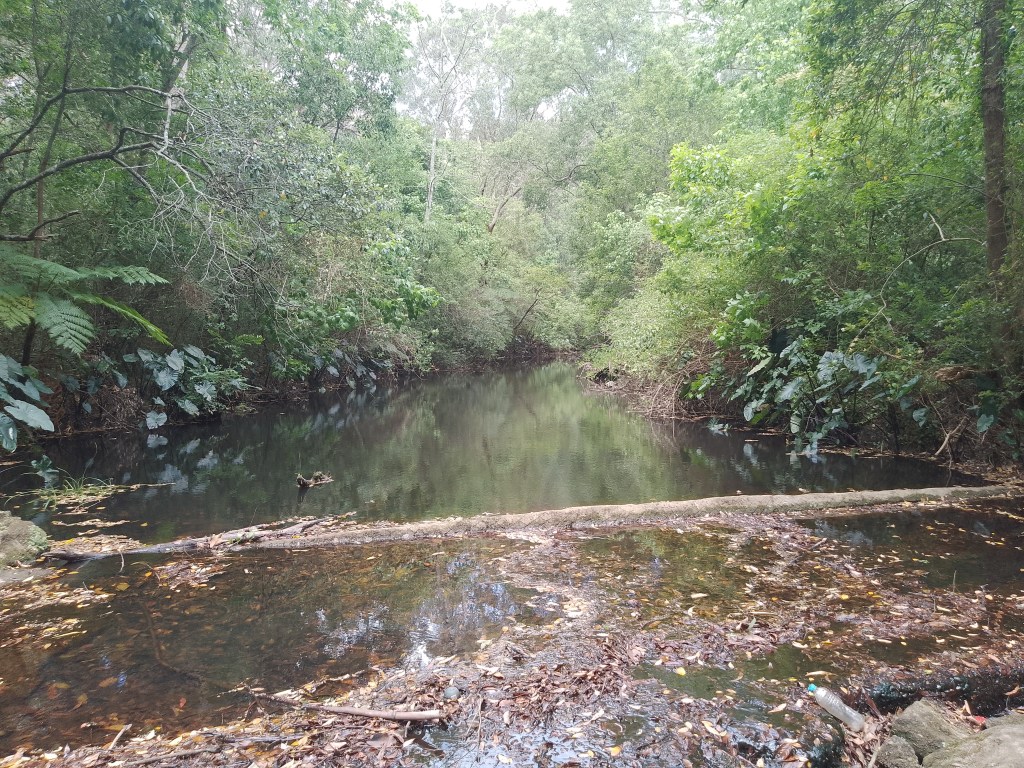
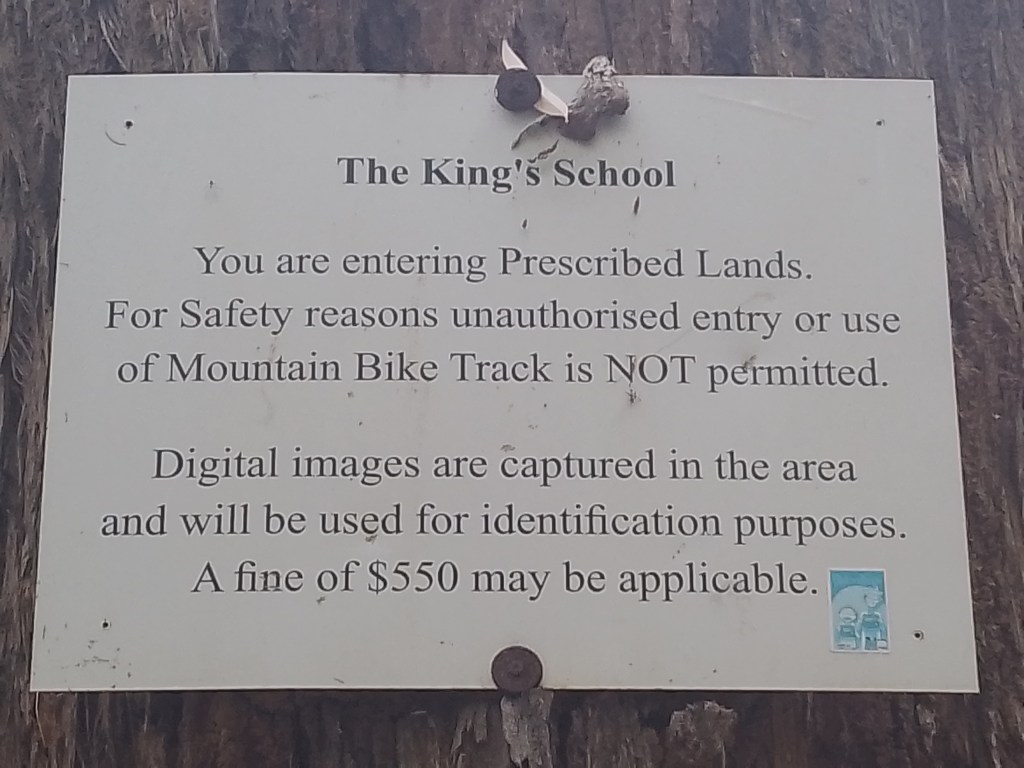
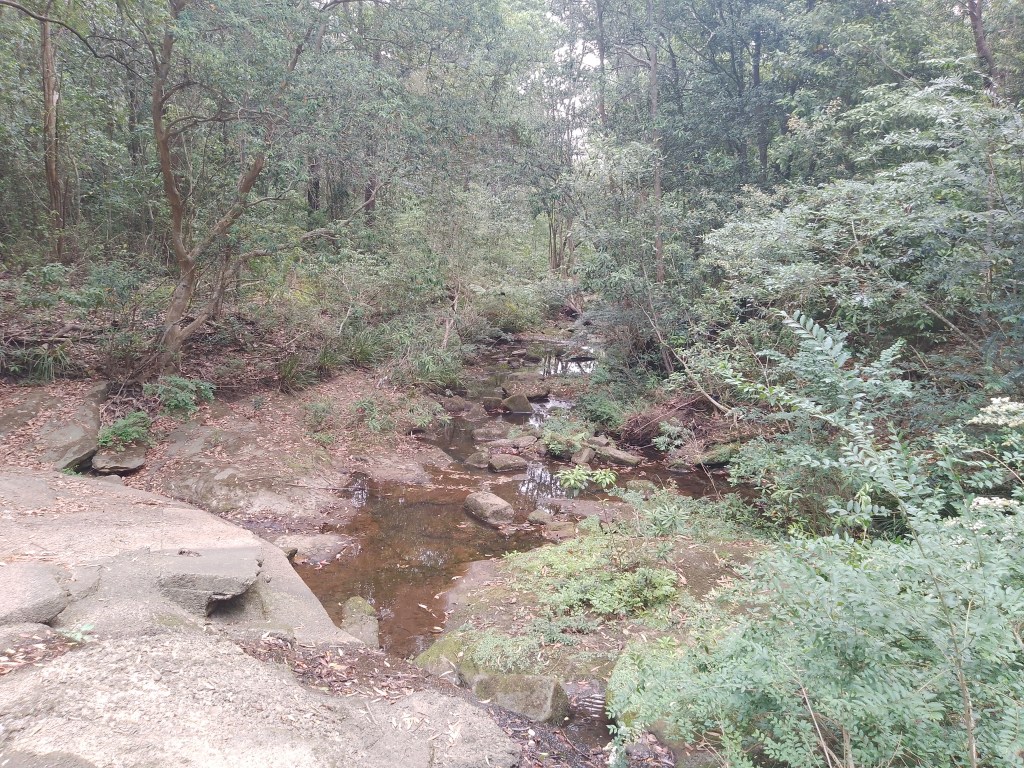
The last part of the bushwalk is an uphill hike through The King’s School property and onto Seville Reserve at North Rocks. I should point out that the route is not entirely clear here, and it’s best to use the map on your phone to guide you in the right direction, and locate where the path crosses the creek (see photo below). From here, it’s a simple matter of hiking up to where the trail ends at Tallwood Drive: – but watch out for the hidden cameras!

Alas, the Fun Police strike again: – but these rules won’t affect you if you are simply walking through. That being said, if I earned a dollar for every mountain bike that rocketed past me whilst enjoying this peaceful walk…

Anyway, once back among the suburban streets, the final stretch of the journey is a mostly flat walk along North Rocks Road, all the way to the shopping centre.

It all ends at North Rocks, and if you’ve kept up a decent pace – even allowing a few breaks to enjoy the scenery – the adventure should have taken just over an hour to complete.

Back at the starting point, there is plenty of available parking (not ticketed) around the streets near the Lake Reserve at North Parramatta, so it’s possible to perform a round trip to North Rocks and back within three hours. The return walk would be mostly downhill, and you can always grab a bite to eat or something to drink at the shopping centre while you are there.

Again, make sure you use the map on your phone to navigate through some of the trickier sections; remembering that there are many paths that will take you safely out of the bushland and back to suburbia if you happen to lose your way.

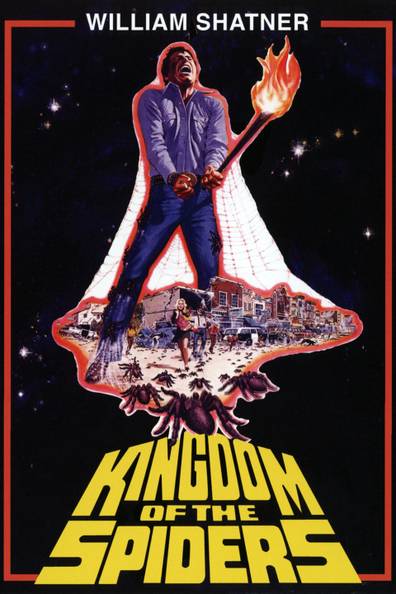
‘Kingdom of the Spiders’ is a cool movie!

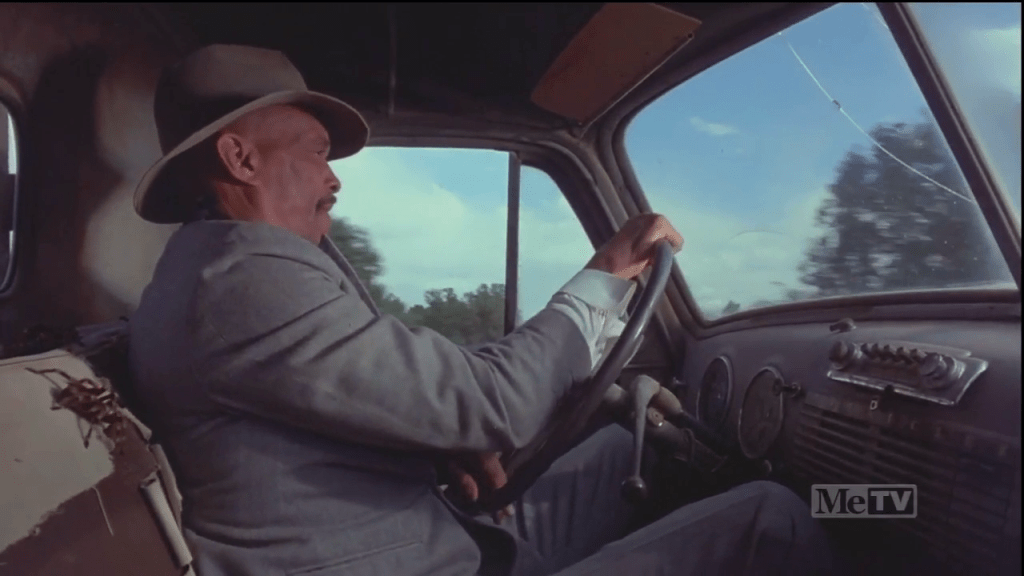
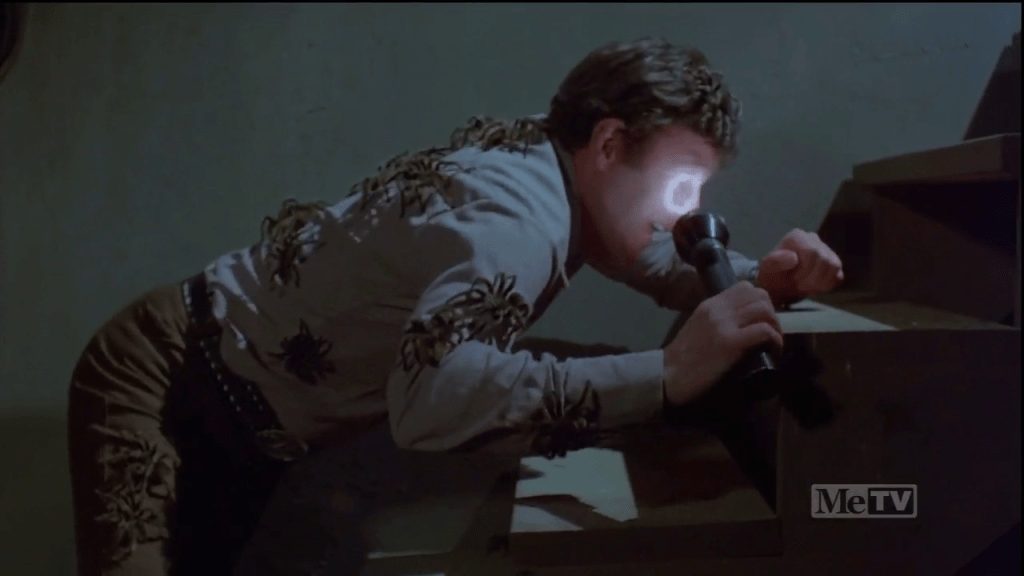
Headlined by the legendary William Shatner, this 1977 horror flick is surprisingly good: – with a decent story line and impressive use of thousands of live tarantulas. In fact, around one-tenth of the entire film’s budget was spent on handling so many spiders, which is an incredible statistic.

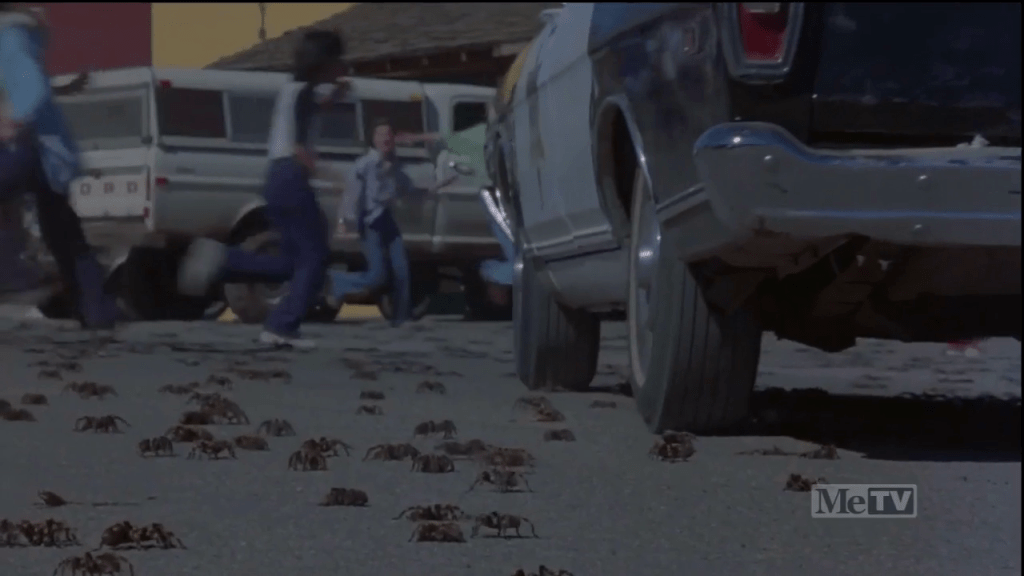
My understanding is that tarantulas are fairly docile creatures – especially around humans – so it was quite an achievement for the film-makers to have the spiders appear to chase or attack people in this movie. The use of off-screen fans were utilised to great effect to have the arachnids move in the direction and manner desired, and it certainly paid dividends with some wonderful yet frightening sequences being brought to the big screen.

The story is set in the town of Camp Verde, Arizona where livestock are suddenly dropping dead, and tests later reveal that this is due to lethal amounts of spider venom. The local vet ‘Rack’ Hansen (played by William Shatner) along with an arachnologist soon discover a massive spider hill on a local farm, and the decision is made to set it on fire. Big mistake!

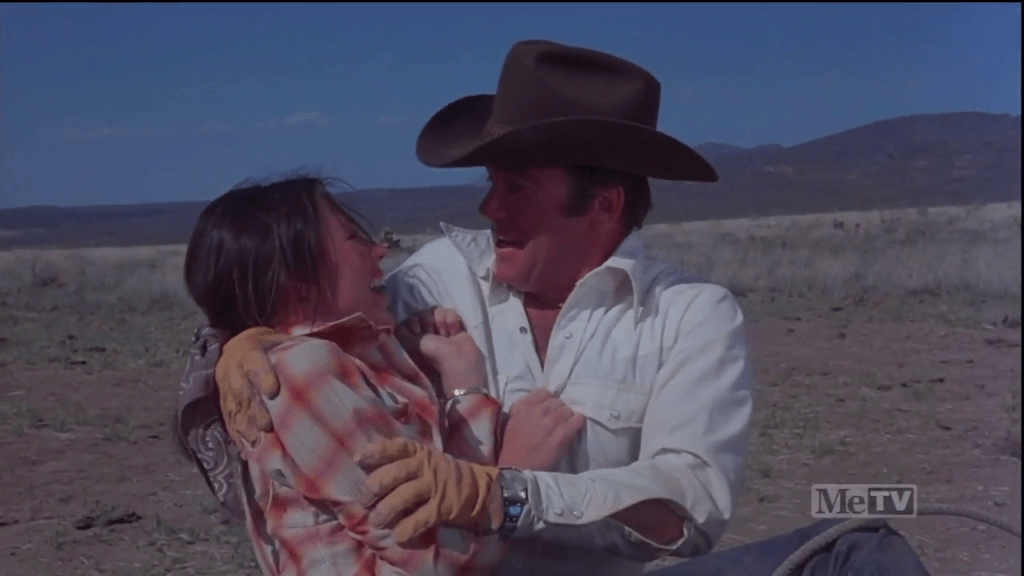
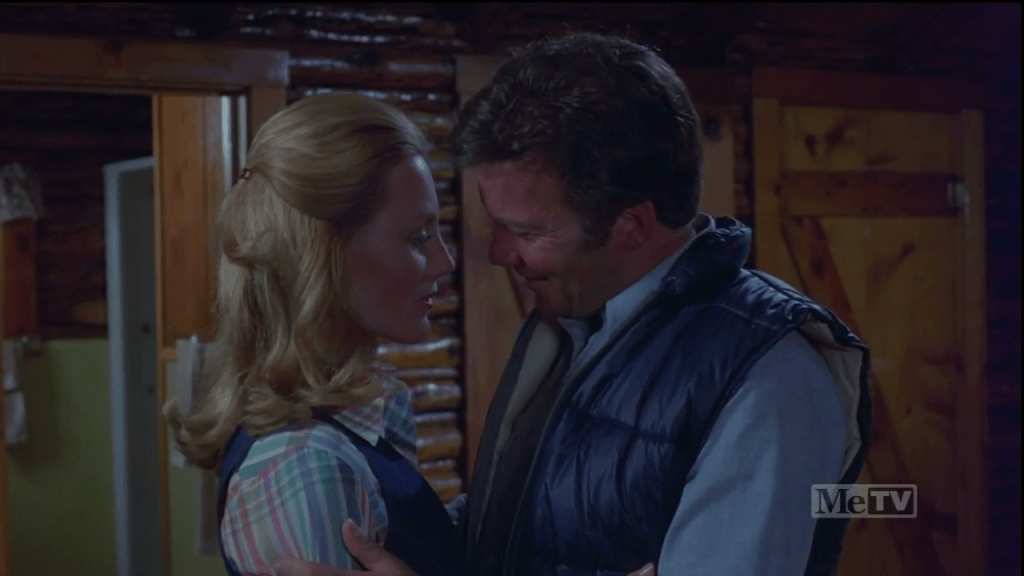
But before we explore the consequences of upsetting thousands of spiders, I should point out that it wouldn’t be a William Shatner movie without a little romance – and the great man is in fine form here!

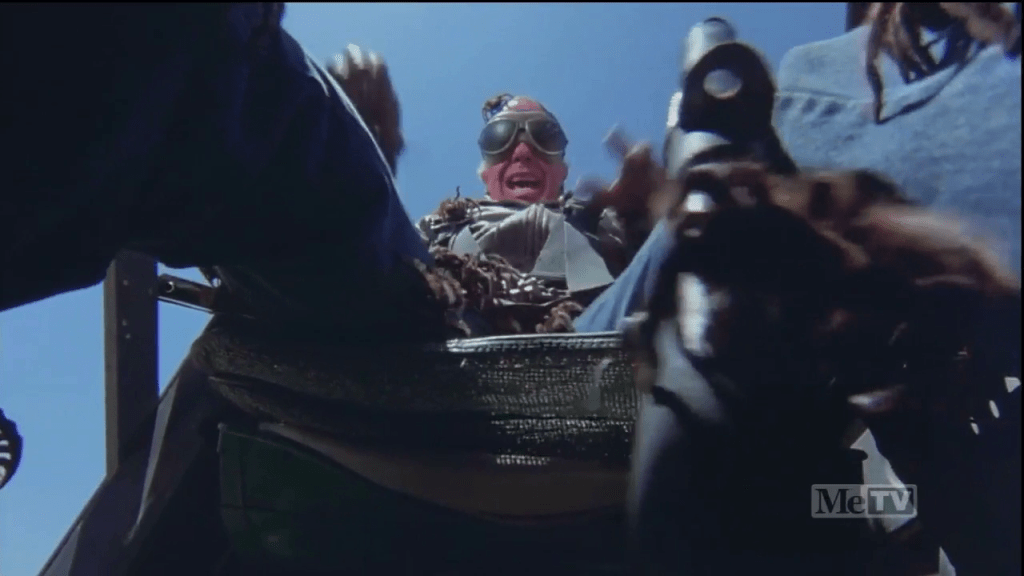
Anyway, the locals would pay a heavy price for attempting to destroy the spiders’ nest, as a swarm of angry tarantulas descend upon the town; even ambushing some of the folks by crawling into trucks and planes as part of their ultimate revenge!

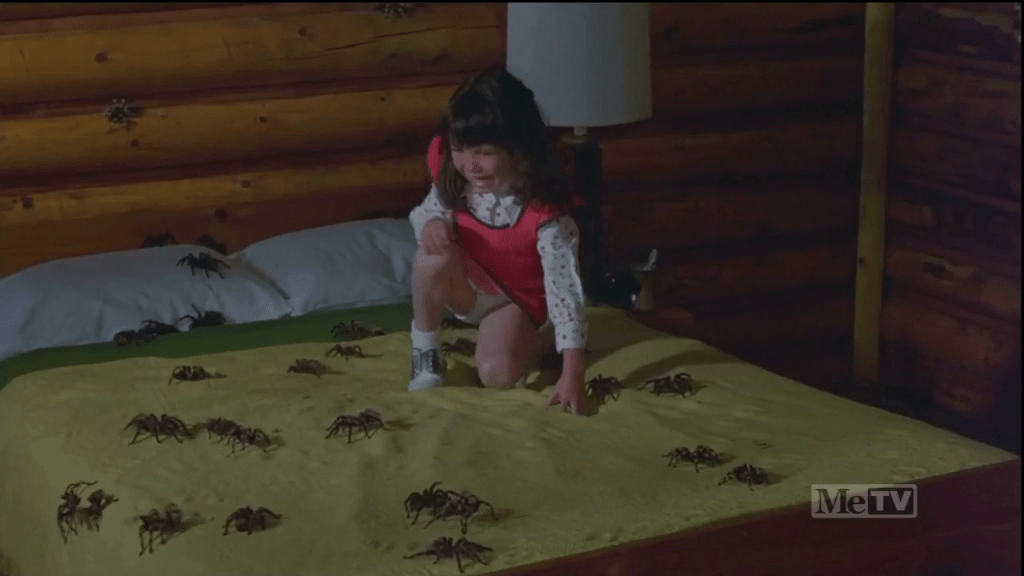
But the most unnerving moments were saved for the film’s final act, and you have to appreciate how difficult it would have been to pull off some of these scenes. Remember: No CGI involved – only real tarantulas with the odd rubber spider thrown in.

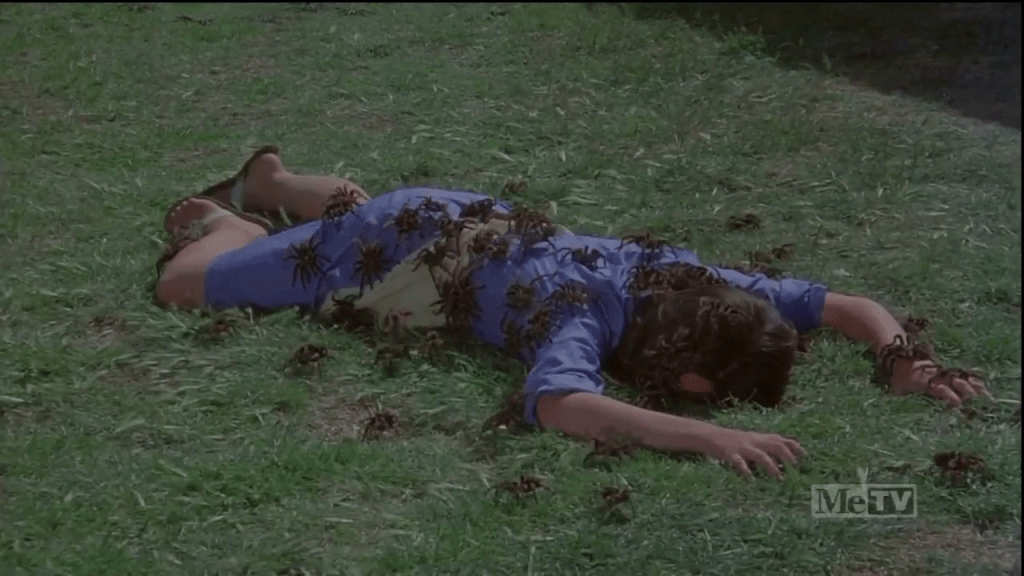
Now as creepy as some of these screenshots are, the following sequence is perhaps the most disturbing in the entire movie. Credit goes to the very young actress here!

‘Kingdom of the Spiders’ is a solid film that builds suspense nicely throughout and goes out of its way to explain the aggressive – and rather unscientific – behaviour of the tarantulas, before delivering a truly exceptional ending that I will not spoil here.

The charismatic but serviceable performance of William Shatner helps the movie along, with second-billing going to the ridiculous number of hairy arachnids that share the screen with him. In summary, this is a movie worth watching, and despite being a low-budget production, I would still rate it seven out of ten!

Screenshots courtesy of Dimension Pictures and MeTV.

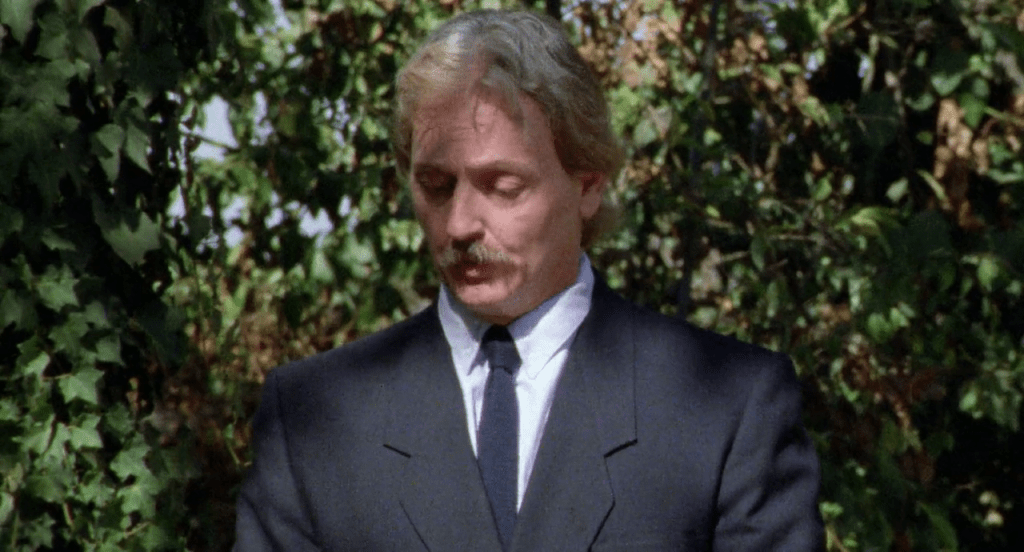
When David Warner lost his head

I’m referring to the late, great English actor – not the Australian cricketer.

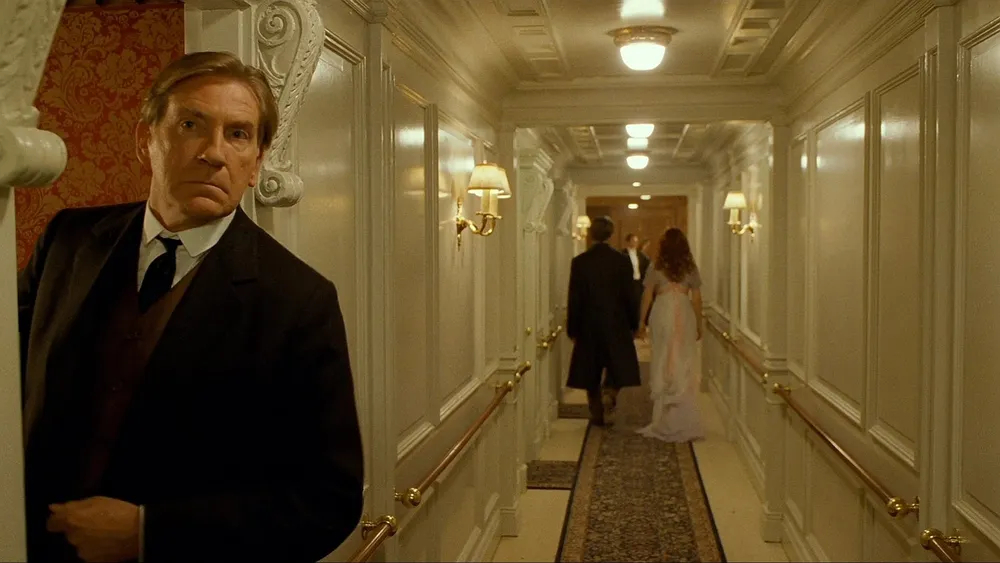
David Warner, who sadly passed away in 2022, was an English actor who popped up in many films and TV shows over the decades. Perhaps his most famous roles would be the villainous Dillinger in ‘Tron’ (1982) and the overly-suspicious bodyguard Lovejoy in ‘Titanic’ (1997). Most movie buffs would probably recognise Warner – and say “Oh, that guy” – but wouldn’t know much else about him, which is unfortunate because he truly was a master of his craft.

However, it is Warner’s performance in the 1976 horror classic ‘The Omen’ that I wish to focus on, and in particular his character’s unforgettable demise.

*** BLOOD AND GORE ALERT ***

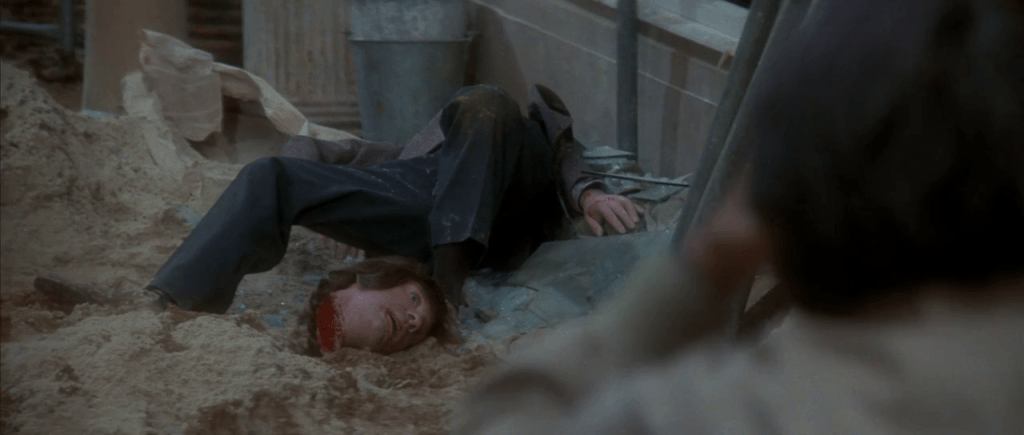
I’m about to show some rather spicy screenshots of a decapitation scene that is incredibly realistic, despite these practical effects being filmed almost fifty years ago.

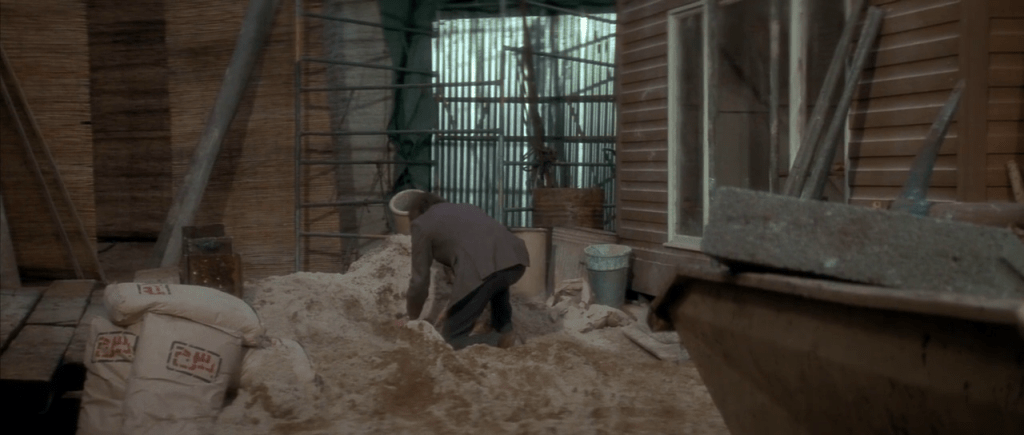
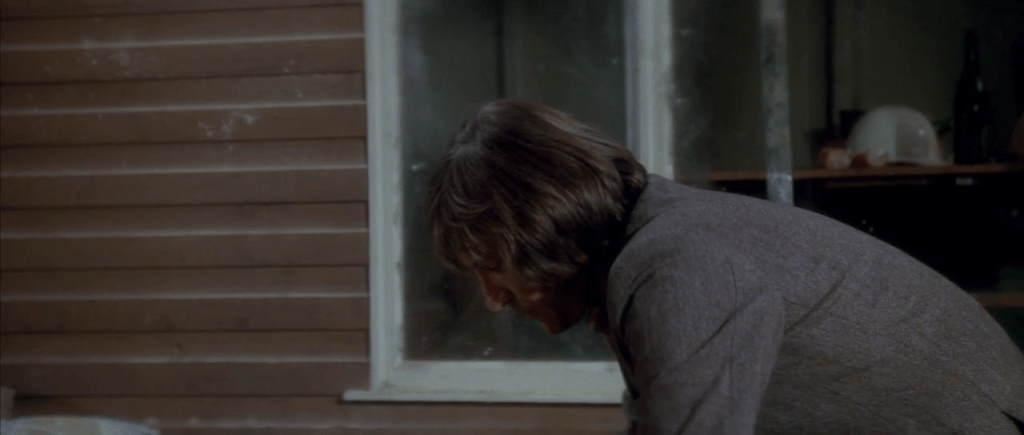
So, let’s set the stage: – Robert Thorn (played by Gregory Peck) throws a mystical set of daggers away in a fit of rage, forcing his colleague Keith Jennings (David Warner) to walk along an alleyway and into a construction site to retrieve them. Of course, as soon as Jennings bends down to pick up the knives, we all know he’s in serious trouble.

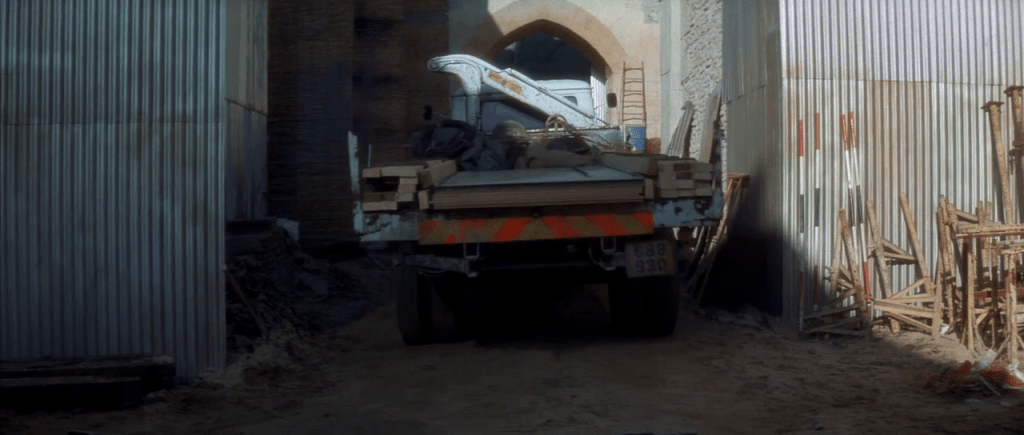
The handbrake on a parked truck then slips, and the vehicle begins rolling toward the unsuspecting Jennings – who I have to say is in no hurry at all to pick up the sacred daggers.

Did you see the sheet of glass on the back of the truck? Well, that’s about to come into play…

*** LAST CHANCE TO LOOK AWAY ***

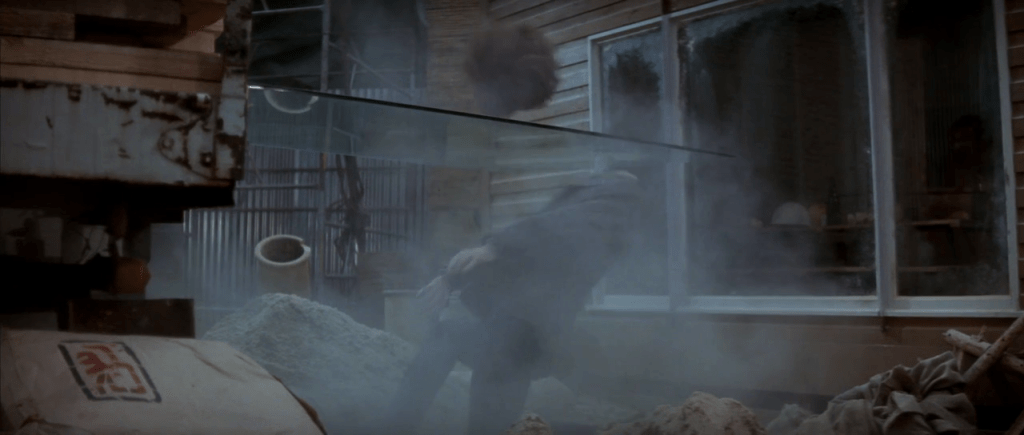
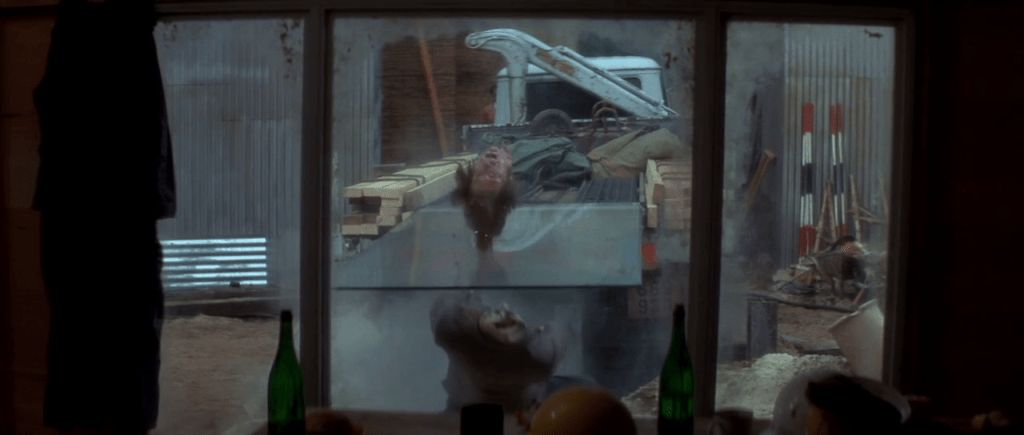
The director of ‘The Omen’ was Richard Donner, who would later helm ‘Superman’ in 1978, ‘The Goonies’ in 1985 and ‘Lethal Weapon’ in 1987, to name but a few of his works. To say that Donner knows a thing or two about camera angles and special effects would be a vast understatement, and this incredible death scene was shot from multiple sides – top, bottom, left and right – and most likely completed over a number of takes.

In the final cut of the movie, some of these sequences are even slowed down a little – a strong indication of how happy the editors were with both the realistic dummy of David Warner and the way these incredible shots turned out.

Even by today’s standards of film-making, I think this holds up pretty well.

I should also point out that the corresponding scene in the 2006 remake is also quite gruesome, with David Thewlis being the actor on the receiving end of a freak accident.

I have added a link below to the 1976 scene – courtesy of La Casita del Horror de Pipendorf YouTube channel.

To end on a brighter note, it was great to see David Warner’s likeness appear in ‘Tron: Ares’.

Shame about the rest of the movie.

Screenshots are courtesy of 20th Century Fox, The Walt Disney Company and Paramount Pictures.

David Warner’s portrait is courtesy of Rory Lewis Photography.

There’s an Australian painting in ‘Tomb Raider: The Angel of Darkness’

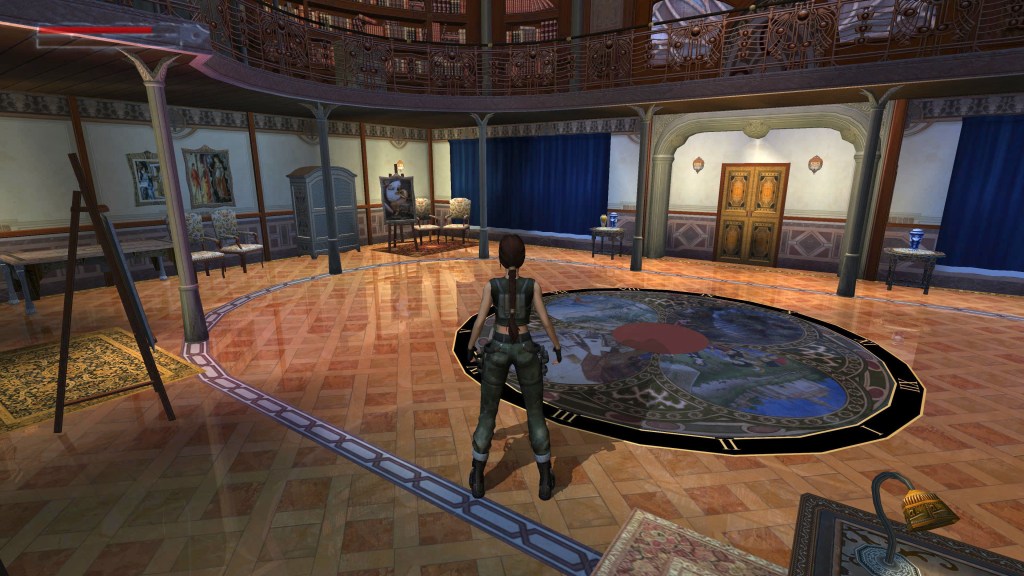
While this game is widely-regarded as one of the worst Tomb Raider adventures ever, there are locations within that are quite interesting and worth exploring in a little more detail. One such place is Vasiley’s apartment located in Prague, and you will encounter this eye-catching locale during the ‘Monstrum Crime Scene’ level.

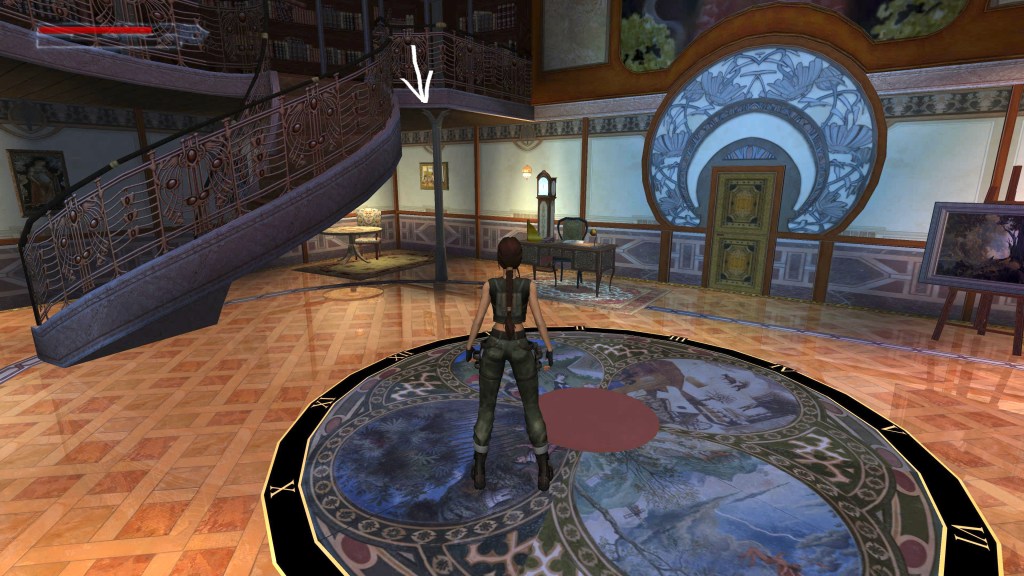
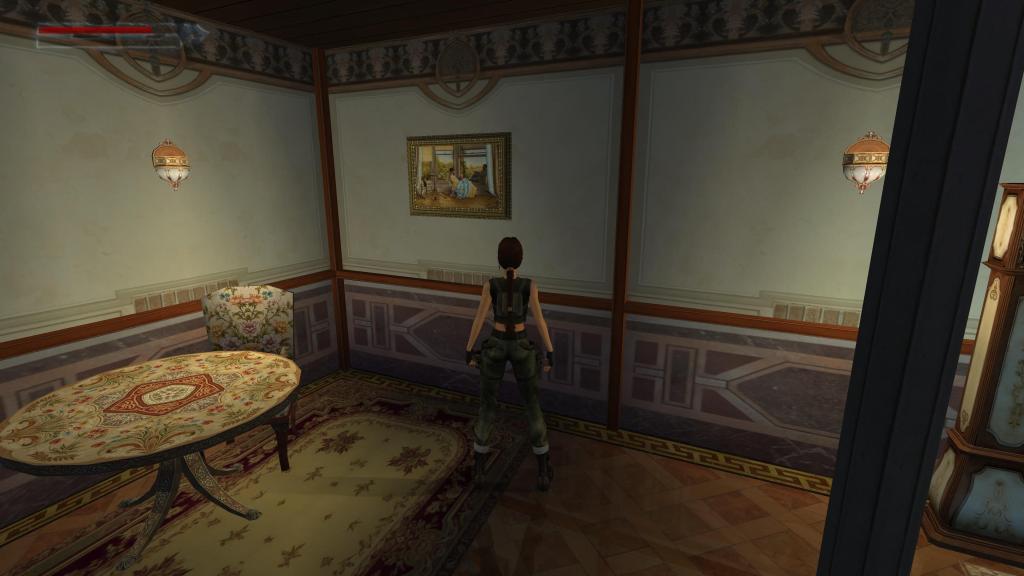
It was just as well that I allowed a few minutes to approach every piece of art to discover what was on show, for located in a corner of this large room – and tucked away behind the spiral staircase – was an unexpected surprise.

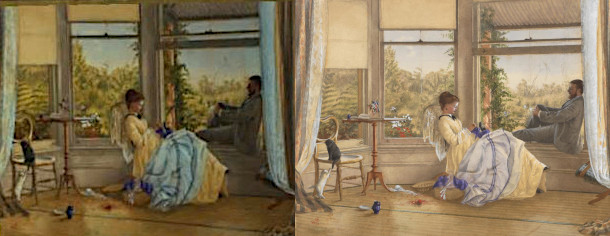
In the image above, the Tomb Raider reproduction is on the left, with the real painting on the right – and there is no doubt that they are meant to be one and the same.

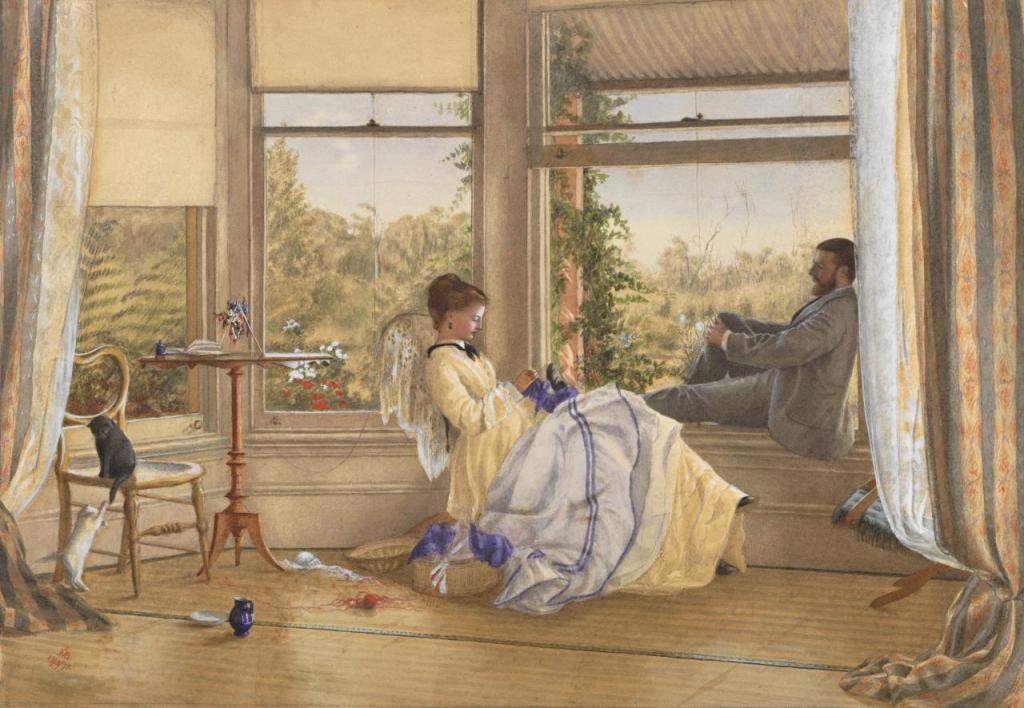
As for the painting itself, it is titled ‘Interior with figures, The Grange’ by Emma Minnie Boyd (1858-1936), who was an Australian artist based in Melbourne. It is worth noting that this particular piece of art was painted in 1875 – which meant that Boyd would have been sixteen or seventeen years of age at the time.

‘Interior with figures, The Grange’ is currently on display at the National Gallery of Victoria, Melbourne.

Usborne’s ‘The World of the Unknown’

These three books were essential reading for kids back in the 1970’s and 1980’s. Whether they were constantly borrowed from school libraries or purchased from book clubs, thousands of children all around the world loved these masterpieces.

And the good news for anyone seeking a nostalgia rush or trip down memory lane is that these titles have been reissued (as of a couple of years back, so I am slow off the mark) and can be ordered online from Amazon and eBay.

I won’t go into too much of a review here, as I will focus instead on the artwork featured within; some of which terrified me when I was young. These amazing illustrations were a major feature of these books, and simply by looking at them again all these years later still triggers a response – but this time around as a fond memory, rather than scaring the wits out of me.

So, let’s begin with the ‘Monsters’ book.

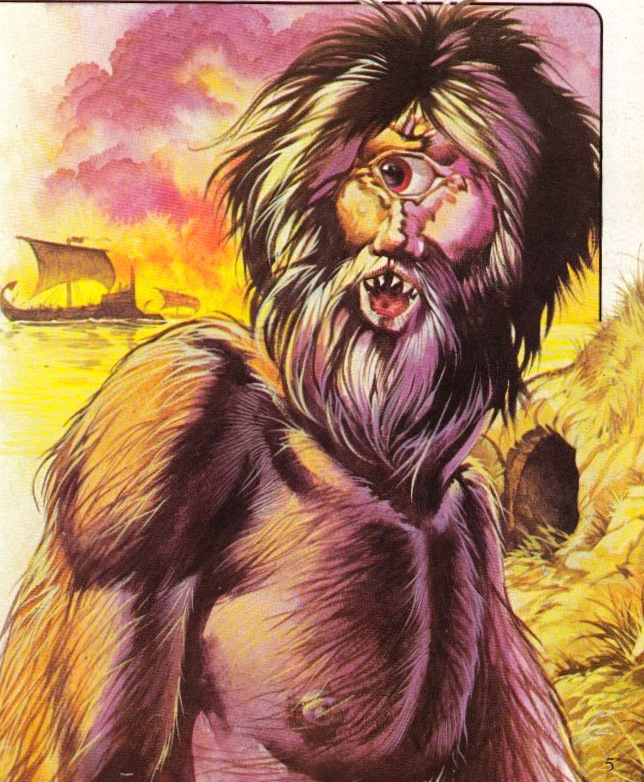
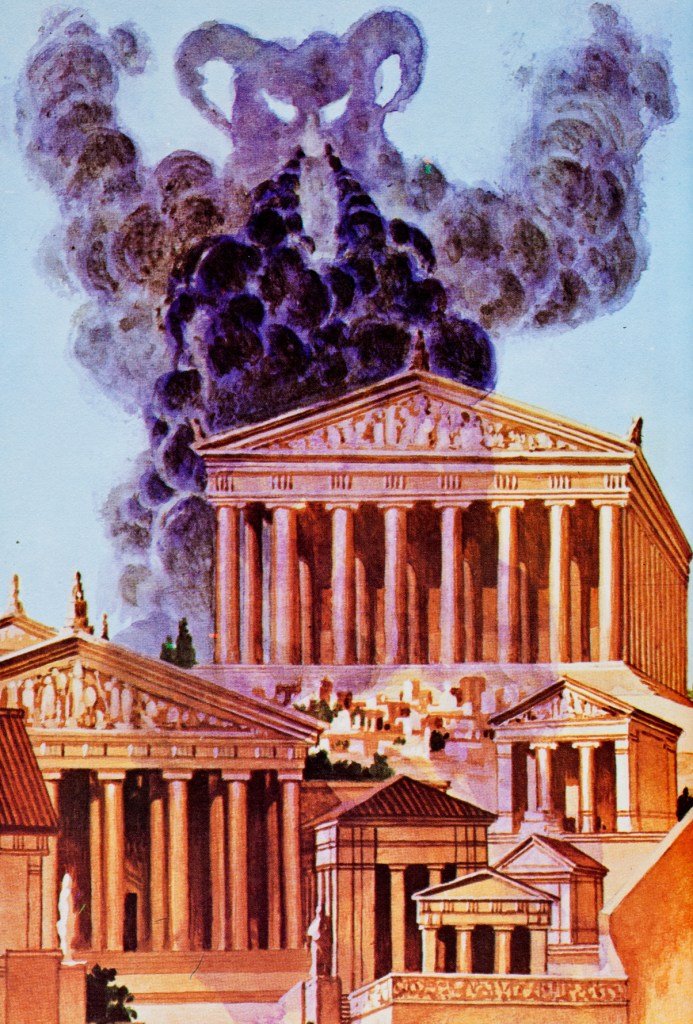
These first eye-catching samples feature monsters from Greek Mythology: – Cyclops, Medusa and The Minotaur.

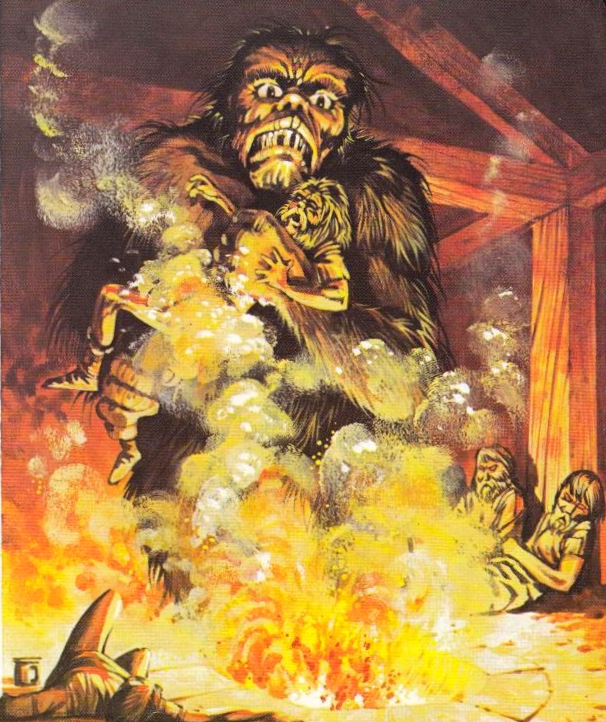
This illustration is from ‘Beowulf’ and shows Grendel attacking the Feast Hall.

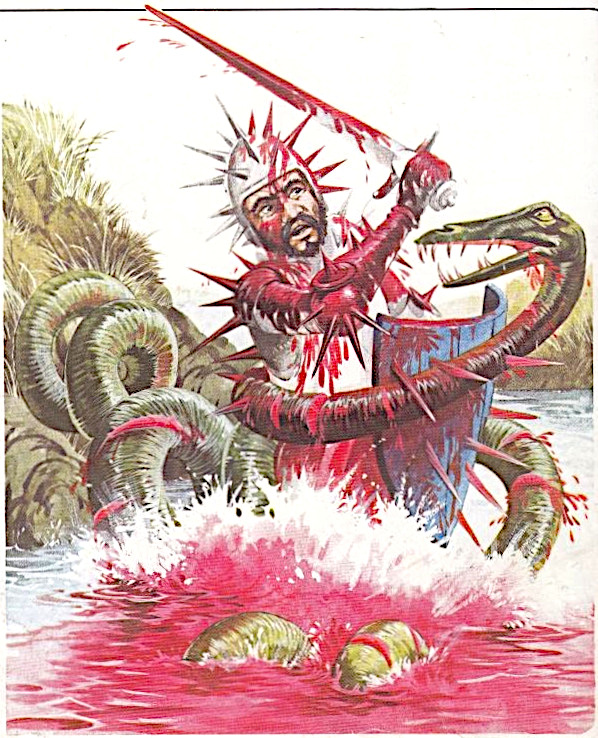
Of all the pictures in these books, this would be the one that I remembered most from my childhood, probably due to its gruesomeness. I believe it is a depiction of the Lambton Worm, an old English folk tale.

The book does cover a wide range of deadly creatures, from sea monsters to those seen in modern cinema, which is more than enough content to satisfy most readers. I should also point out how similar some of the artwork is to that of ‘Dungeons and Dragons’ and ‘Fighting Fantasy’ – especially the larger standalone illustrations.

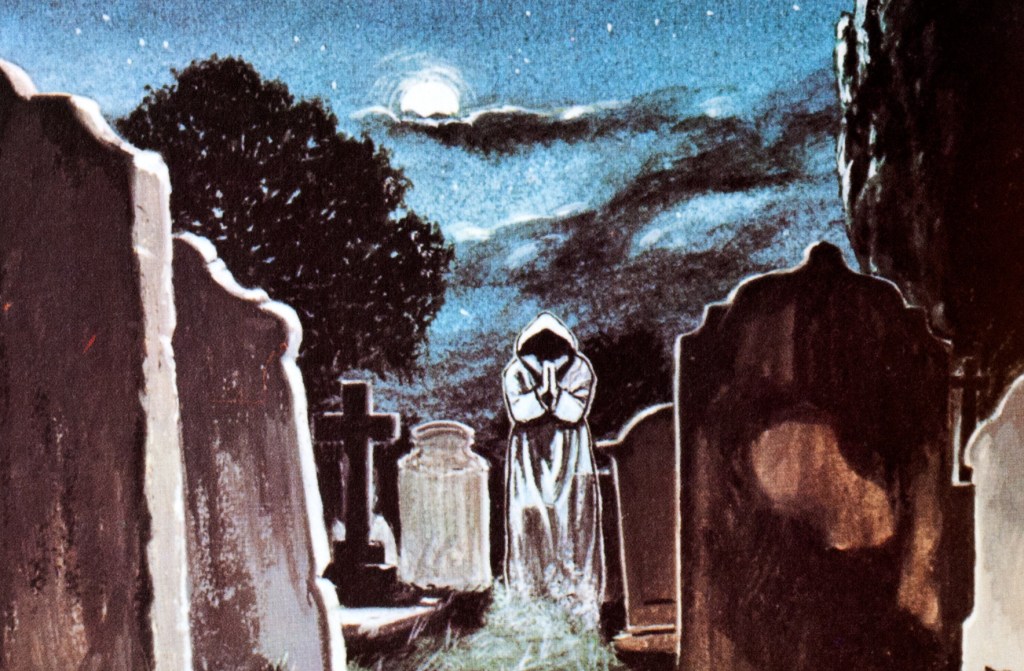
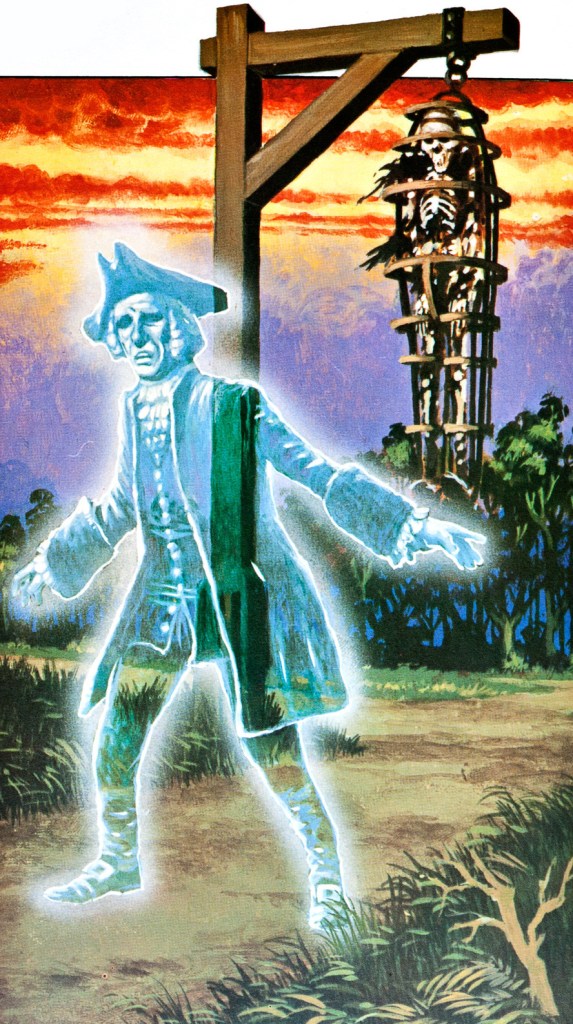
Now let’s take a look at some of the best pictures from the ‘Ghosts’ book.

Again, the illustrations are of a very high standard, but I always felt that the stronger artwork was seen in the ‘Monsters’ book, perhaps due to the subject matter: – sharp teeth, blood and guts and so forth. That being said, perhaps the best feature of ‘Ghosts’ would be the ghost stories themselves, and there are a few cracking tales within these pages!

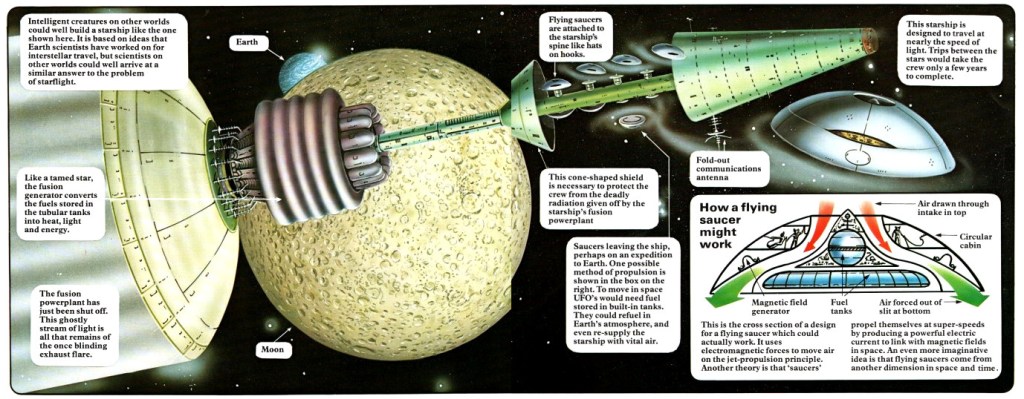
‘UFOs’ is the final book in the series, and whilst the pictures were great, the content was less frightening and based more upon science and speculation.

See what I mean? You’re not going to have any nightmares over these pictures – although I wouldn’t want to encounter that glowing orange UFO.

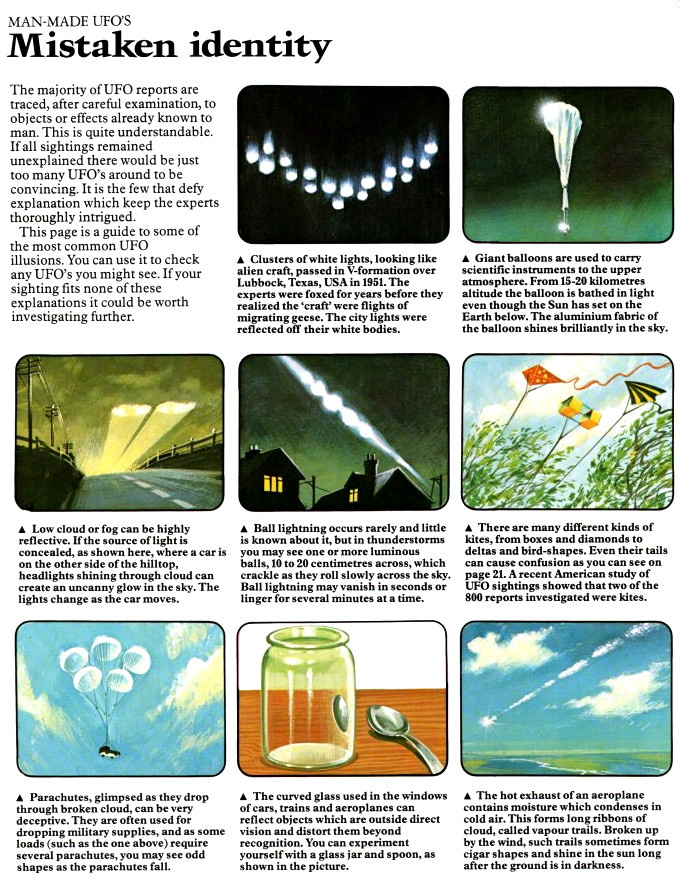
It’s still an interesting and informative book, especially if you’re into aliens and flying saucers – including hoaxes – with the photos below being a great example.

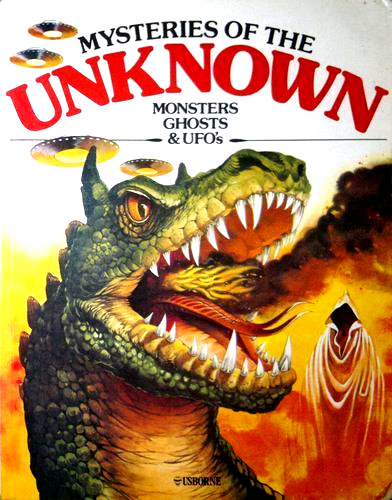
Back in the day, there was also a larger book released that combined all three volumes into one, and was titled ‘Mysteries of the Unknown.’ To my knowledge, this has not yet been re-released, and the only available versions are second-hand copies from various online dealers such as eBay.

As I mentioned earlier, all three books can be purchased individually on eBay or Amazon – and in brand-new condition for a very decent price.

I also have to mention Usborne Publishing, and thank them not only for the use of their images, but for re-releasing these wonderful books for a new generation to enjoy!

I found some new coins – but only a few

As far as my coin collection is concerned, the Coles self-serve checkouts did not deliver the goods over the past couple of months, with only a handful of special coins being issued randomly amongst my change.

But despite luck not going my way, here are some of the collectables – both uncirculated and commonly issued – that I managed to pick up.

Two uncirculated AFL $1 coins, with the Western Bulldogs (top photo) belonging to the 2023 collection, and the West Coast Eagles (bottom photo) coming from the 2024 series. You can tell the difference between the two collections by the shape of the grandstand surrounding the team emblem.

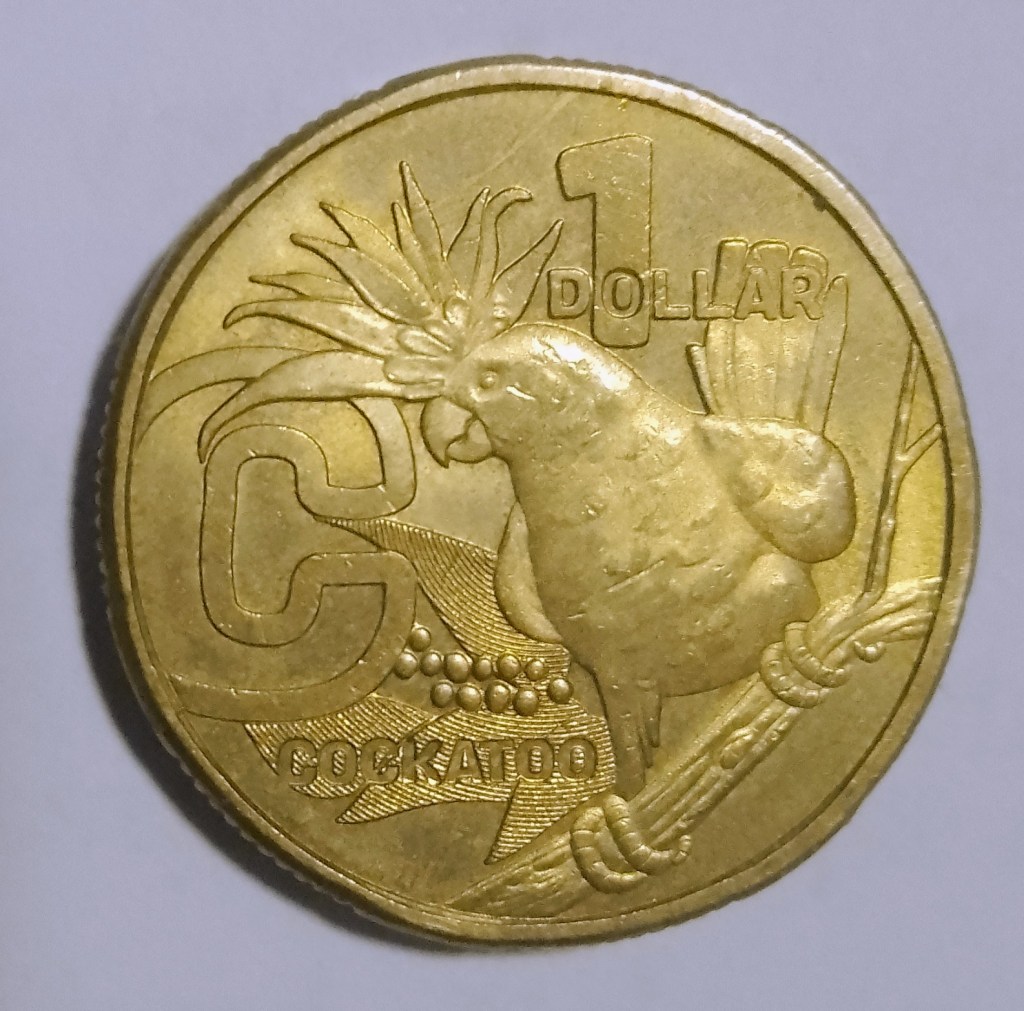
Both of these limited-circulation $1 coins originate from the 2022 A-Z Great Aussie Coin Hunt. I have found many of these coins in my change – across all three series that were released in 2019, 2021 and 2022 – and they are easily mistaken for regular coins unless you are paying close attention.

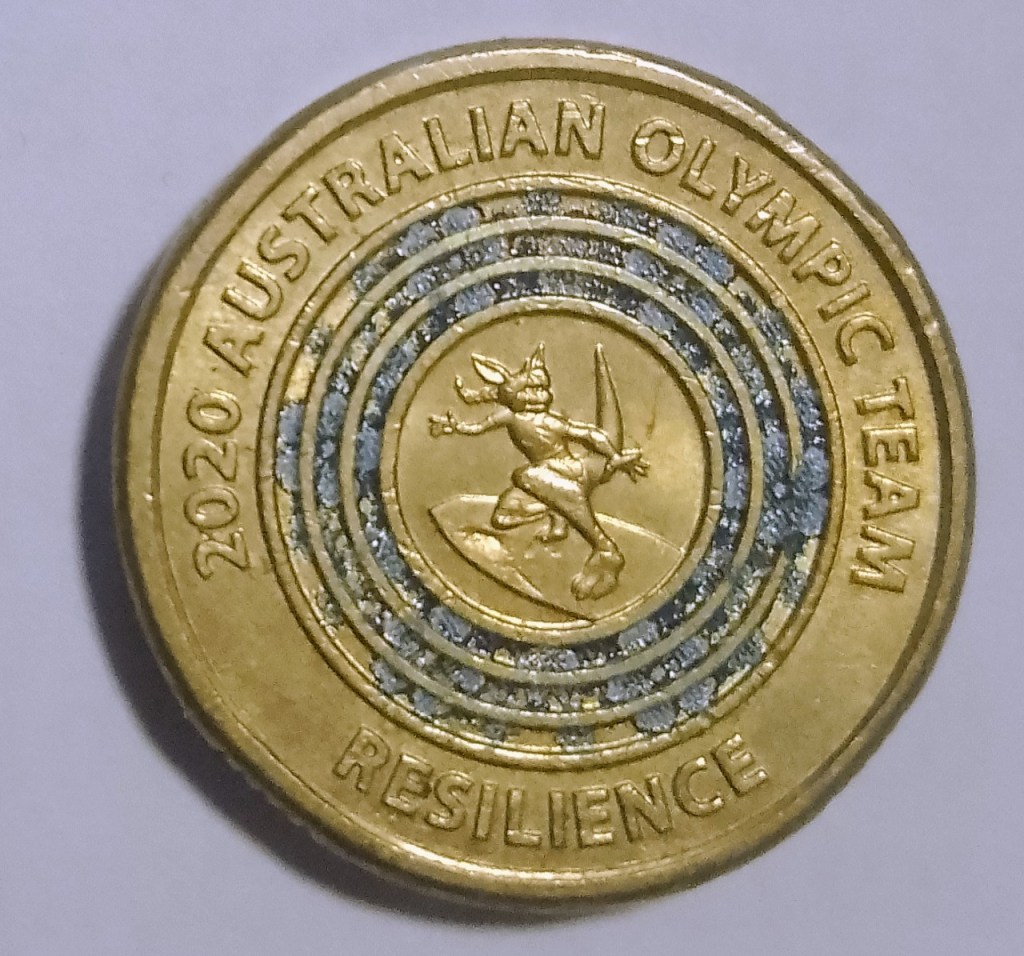
I am scraping the bottom of the barrel here by including this worse-for-wear $2 coin commemorating the 2020 Tokyo Olympics, but I did say that it was a quiet month.

The next couple of coins are not rare or collectable in any way, but they are ‘new’ in the sense that we are now seeing shiny 50c and 20c denominations featuring King Charles III enter circulation. To date, I have not come across any 10c or 5c coins displaying the change of monarch – but they can’t be too far away.

I strongly recommend to anyone who either collects coins or is considering dabbling into this pastime to check your change at the Coles or Woolworths self-serve registers, as there are great treasures to be found!

I was too harsh on John De Hart

A couple of years ago, I wrote a scathing (but accurate) article about the 1993 B-Movie ‘Champagne and Bullets’ – starring the amazing John De Hart.

For those not aware of this brilliant film, ‘Champagne and Bullets’ is an action/romance/revenge flick that was fully funded by Mr De Hart out of his own pocket. Not only was John the director, but he cast himself as the main star, and also sang most of the songs on the soundtrack. Needless to say, the end product was a masterpiece of poor cinema, and is regarded by fans of bad movies to be one of the all-time greats – with Wikipedia describing De Hart’s performance as “amateur and inexplicable.”

Anyway, I’m not sure what the reasons are, but my John De Hart write-up from 2023 has seen an increase in views over the past few days. With this in mind, perhaps it is time to share a few more thoughts about this one-time action star; focusing more on the man himself and being a little ‘nicer’ this time around.

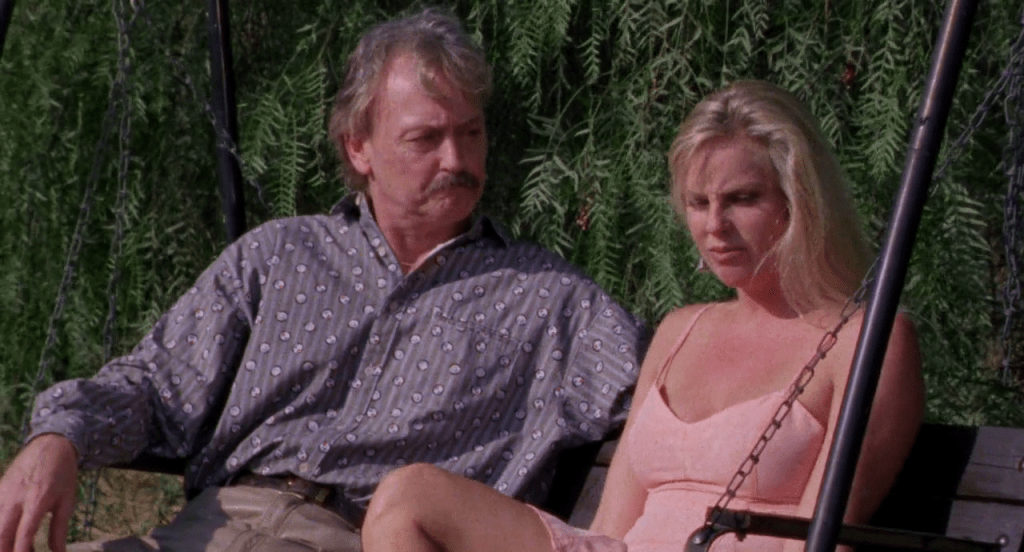
So, let’s break down the indomitable screen presence of John De Hart – action star, romantic leading man and overall legend – beginning with how smooth this guy is with the ladies.

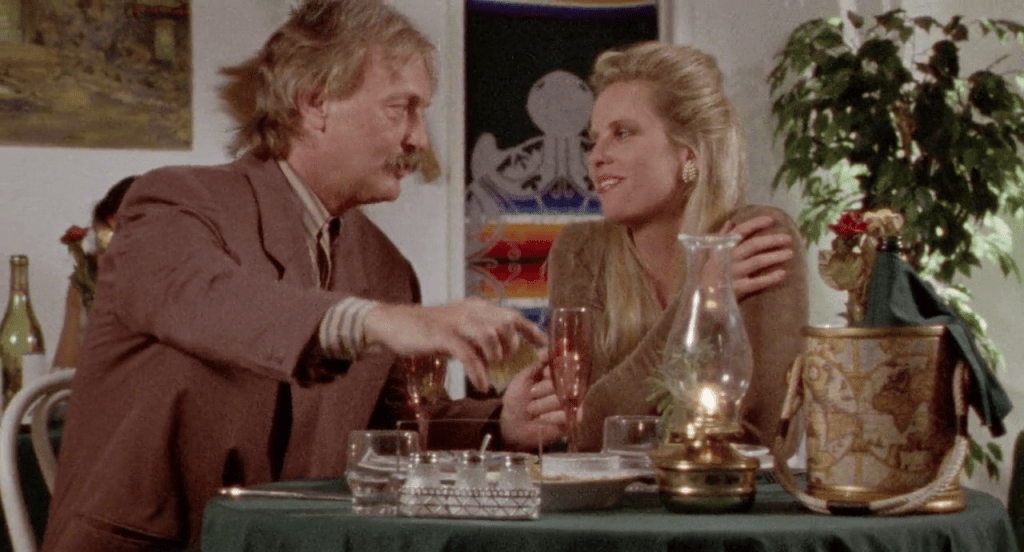
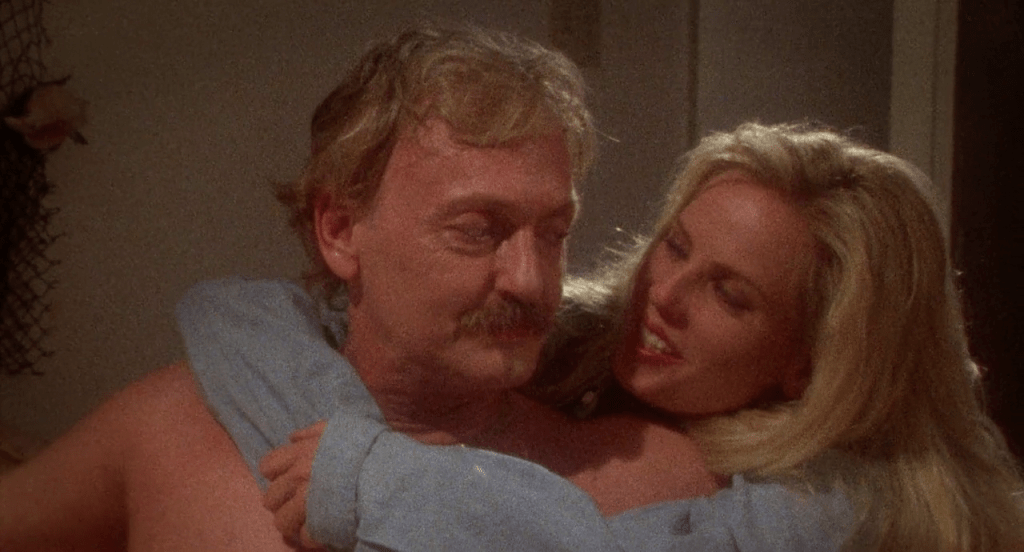
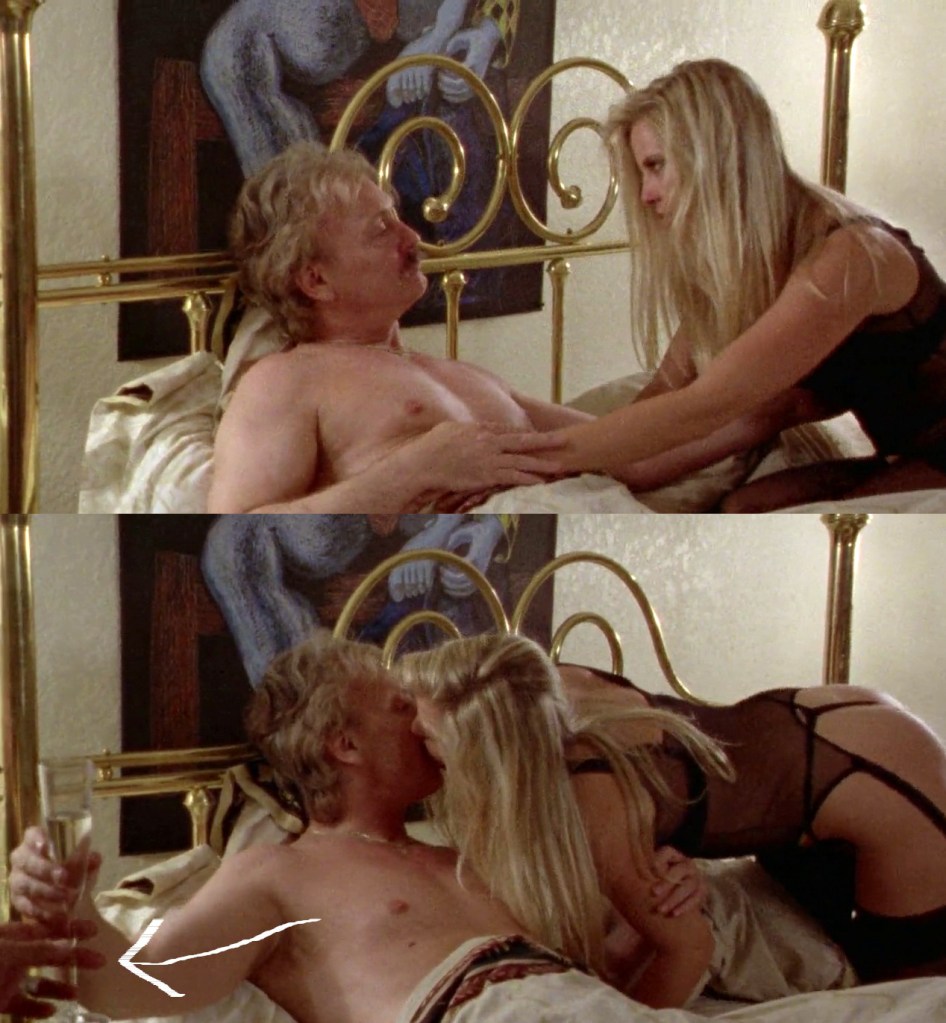
Romance is clearly one of John’s strongest suits, and he is well-known for punching above his weight. De Hart always follows the same successful routine; kicking things off with a classy dinner – as seen in the photo above – before moving on to more ‘comfortable surroundings.’

It’s all too easy for a man of such talents…

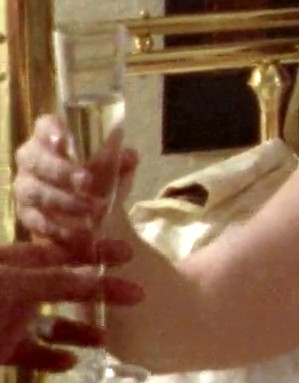
But even a superstar like John De Hart needs a little help sometimes – and it’s great to have a friend close by to hold your champagne flute just as things start to heat up!

I love your work, John – but that extra hand is creepy!

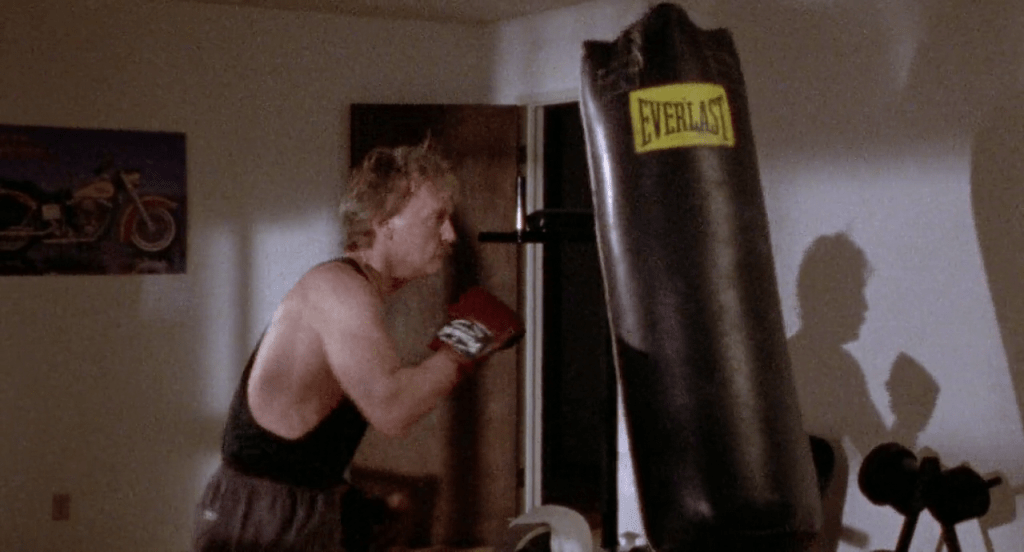
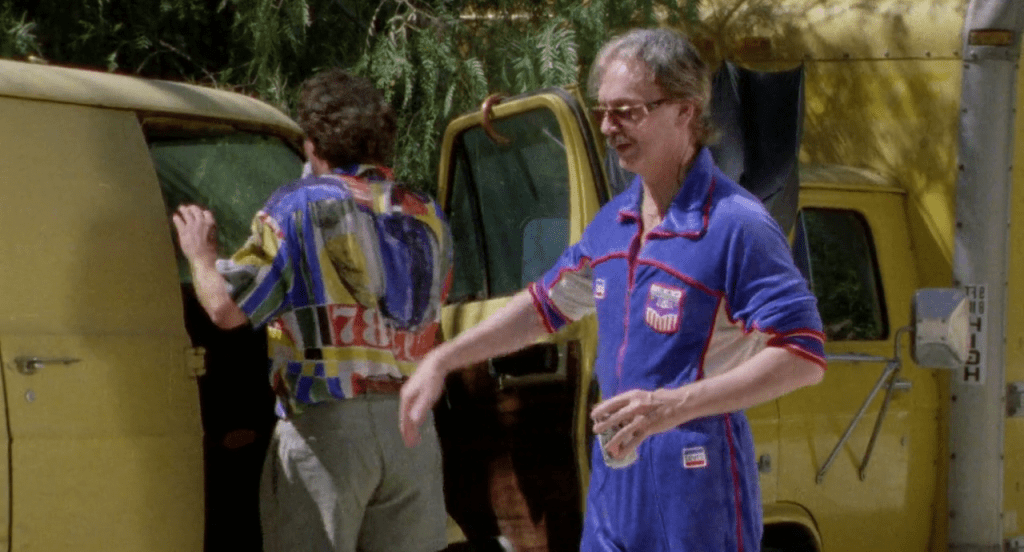
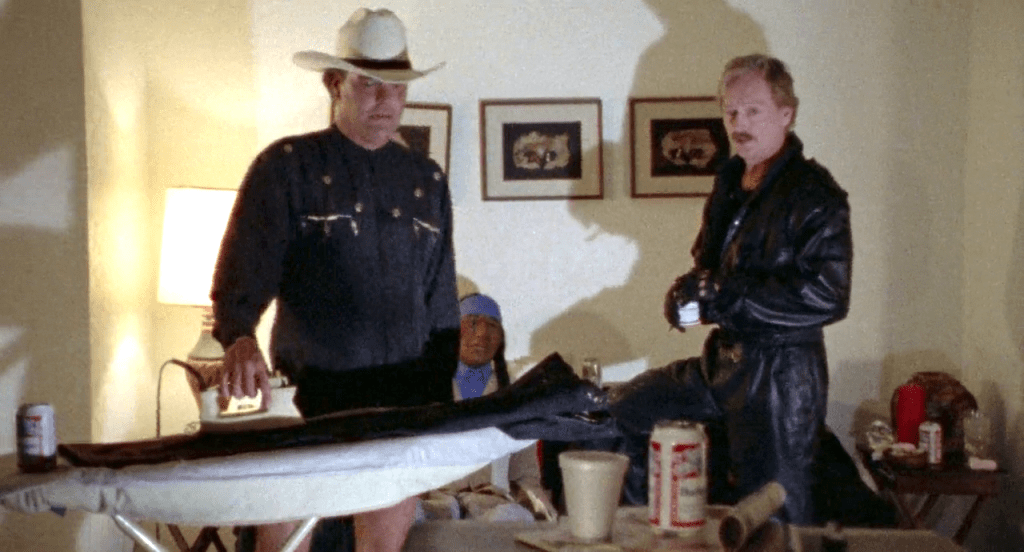
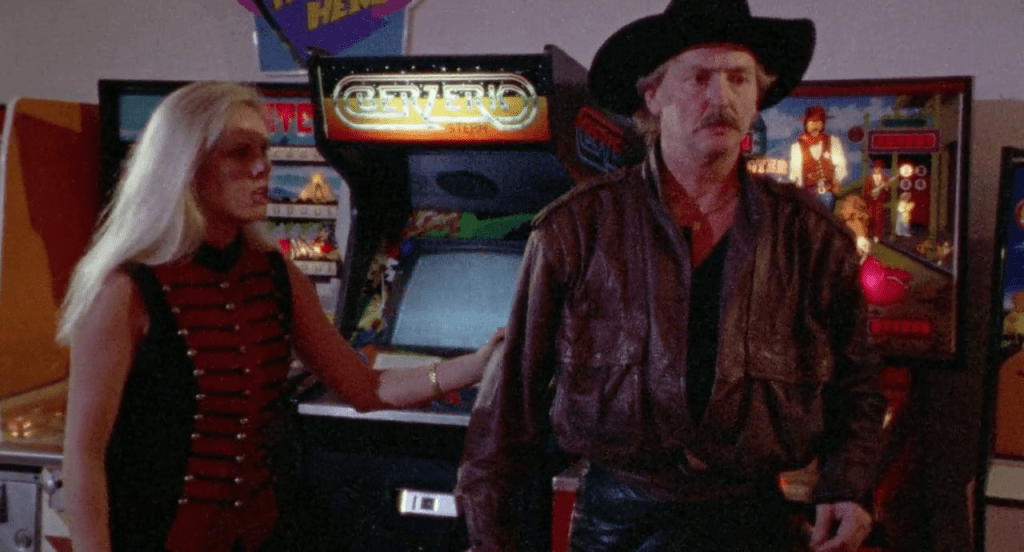
John De Hart is also a certified fashion icon, and throughout ‘Champagne and Bullets’ he graces our screens with some remarkable outfits. It’s best to simply let the pictures below do the talking, but I must say that his black leather costume – as seen in the second photo – is out of this world!

But perhaps the most impressive combination John wears in the movie would be his white and navy blue-striped wedding tracksuit.

Despite his many talents, John De Hart is first and foremost an action man – whether it be fighting the forces of evil or taking to the stage to perform his signature hit song – ‘The Shimmy Slide.’ This man can do it all – hot damn!

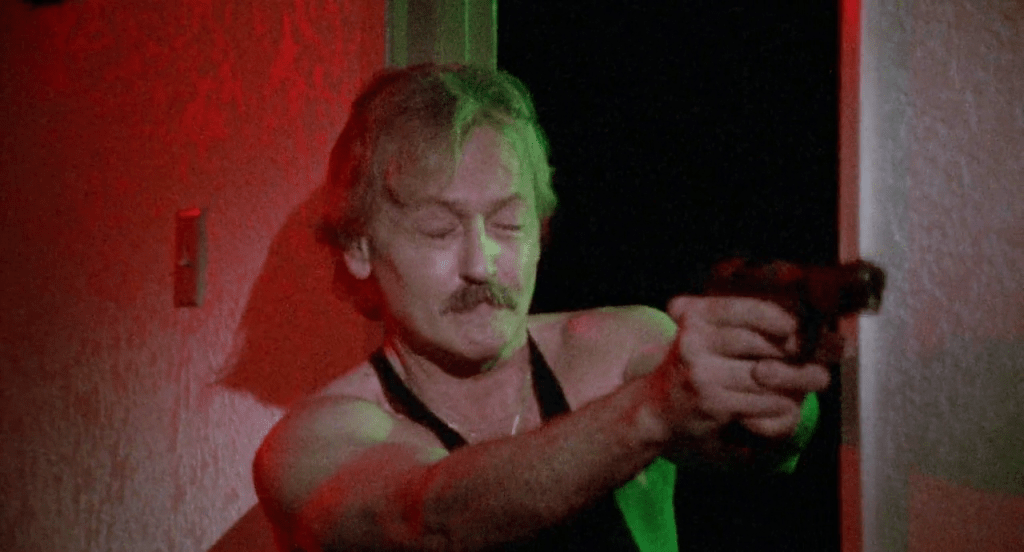
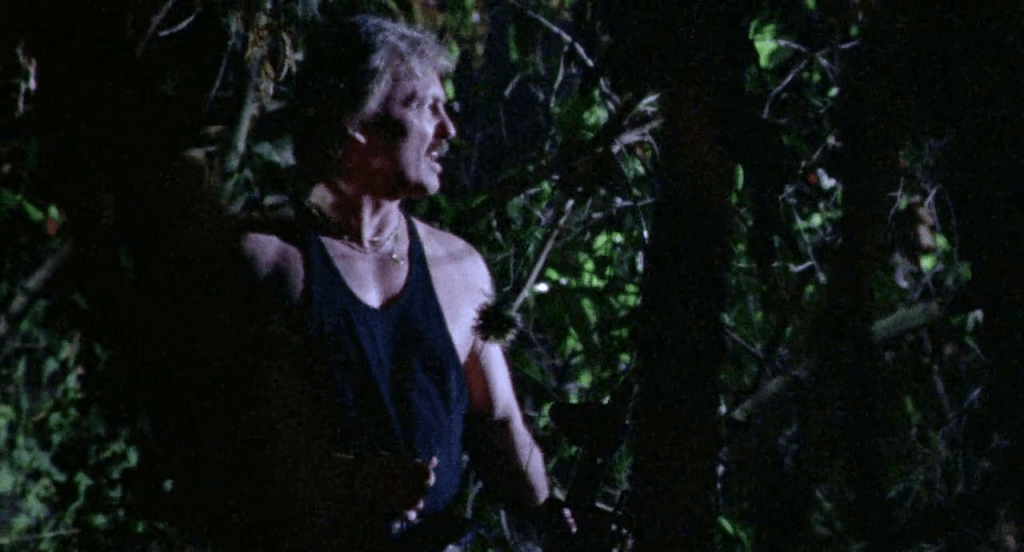
When it comes to eliminating the villains, De Hart has a ‘particular set of skills’ at his disposal to get the job done. Be it a crossbow, a gun, or simply his lethal martial arts powers – John De Hart excels in all disciplines and the bad guys should know better than to mess with him!

I will finish off this glowing tribute to one of Hollywood’s quiet achievers by touching on his remarkable acting ability. With a range on par with Pacino or Brando, John De Hart delivers a broad spectrum of emotions – and has been known to recite Shakespeare so flawlessly that even Sir Laurence Olivier would feel belittled by such raw power.

If you haven’t seen ‘Champagne and Bullets’ – which sadly turned out to be the only film John De Hart ever made* – then I strongly recommend that you do. It’s bad – really bad – yet has a magnetic appeal that makes it almost impossible to stop watching. De Hart himself is front-and-centre throughout most of this insanity, yet strangely enough comes across as a likeable guy who just seems to be ‘having a go’ – an attribute that we Aussies appreciate.

I happened to find the full movie on YouTube that has all the nudity blurred out, and trust me – that’s not a bad thing. I have added the link below, courtesy of DDF: Movie Day – but as it is age restricted, you might have to sign in to view it.

*Note: John De Hart made a cameo appearance in the 2006 film ‘The Champagne Gang.’

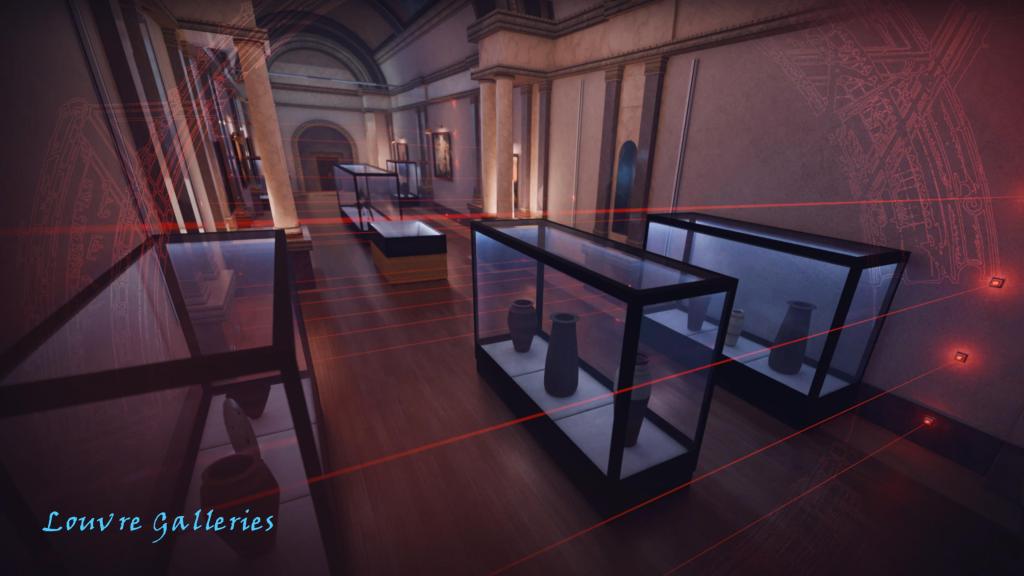
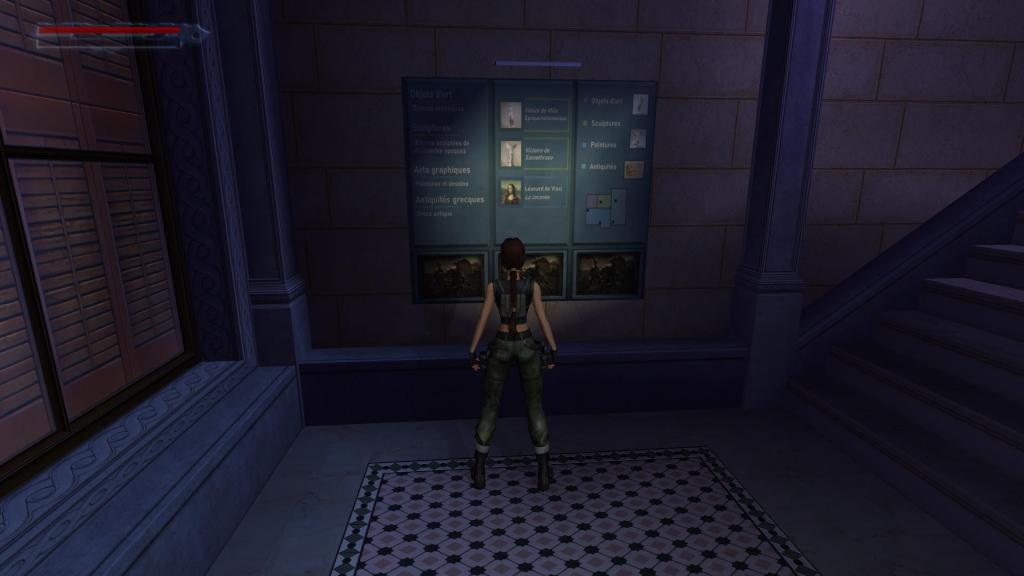
How accurate is The Louvre in Tomb Raider: The Angel of Darkness?

One of the more interesting capers in ‘Tomb Raider – The Angel of Darkness’ would have to be Lara Croft’s break-and-enter into the world’s most famous art gallery.

Having just completed the Paris levels in the 2025 remastered version of this game – and been lucky enough to visit The Louvre a couple of times in person – I thought it would be interesting to check the accuracy and attention-to-detail within this replica of such an iconic location.

I can say right away that a pretty good job was done here, keeping in mind that there is only a small area of the galleries to explore in the game. Whilst the fictional layout of the museum is not correct, the designers have certainly captured the vibe of the place, and in some areas have really nailed it!

A good example would be The Louvre’s medieval-looking basement that appears more like a castle or barricade, and in the story this is where Lara breaks into the building. Below is a comparison shot between the game’s depiction of this area and a photo that I took back in 2018 – and I think you will agree that the creators have got this just about right.

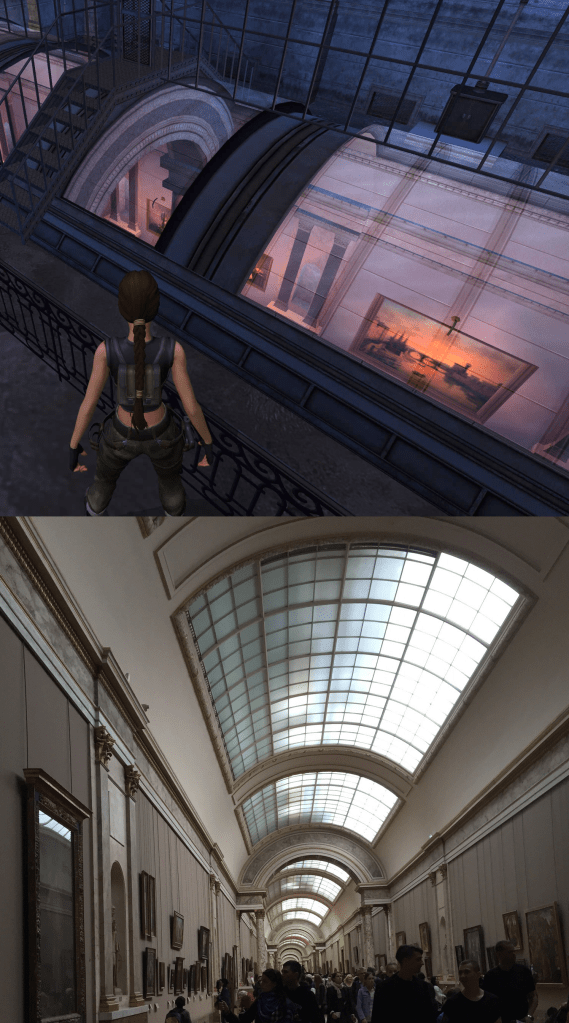
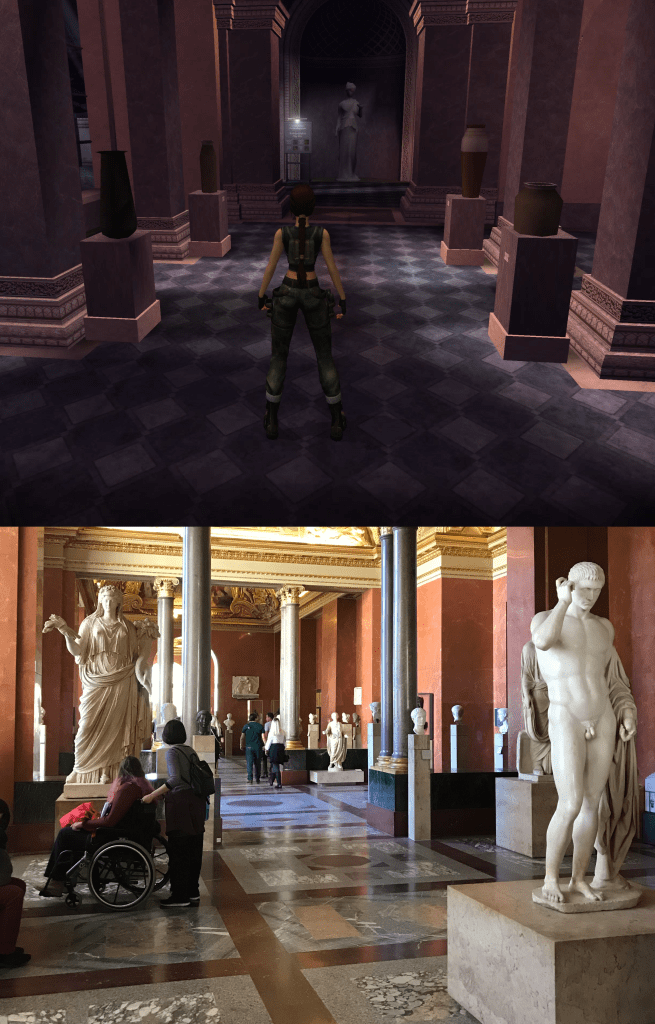
The architecture has been faithfully recreated for the game as well, and a good example of this is the curved glass ceilings that run along the lengths of the corridors, although the hallways in the game are considerably shorter than those at the real location.

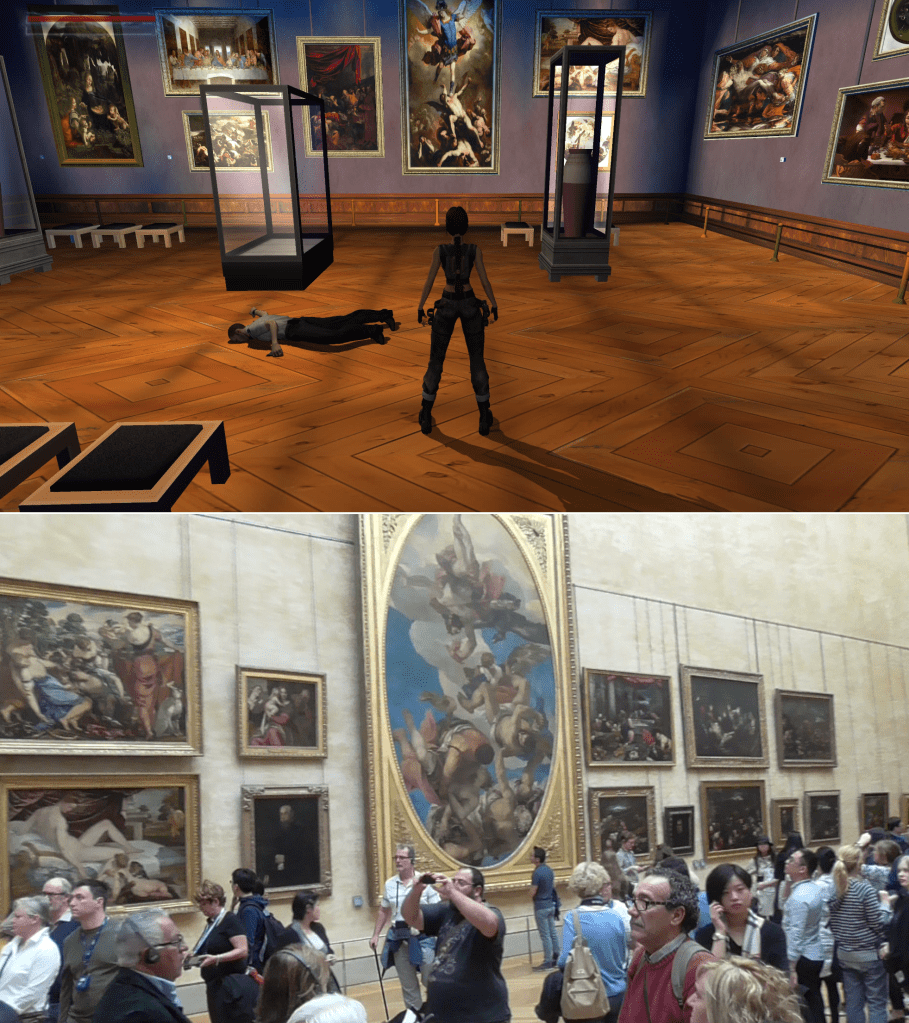
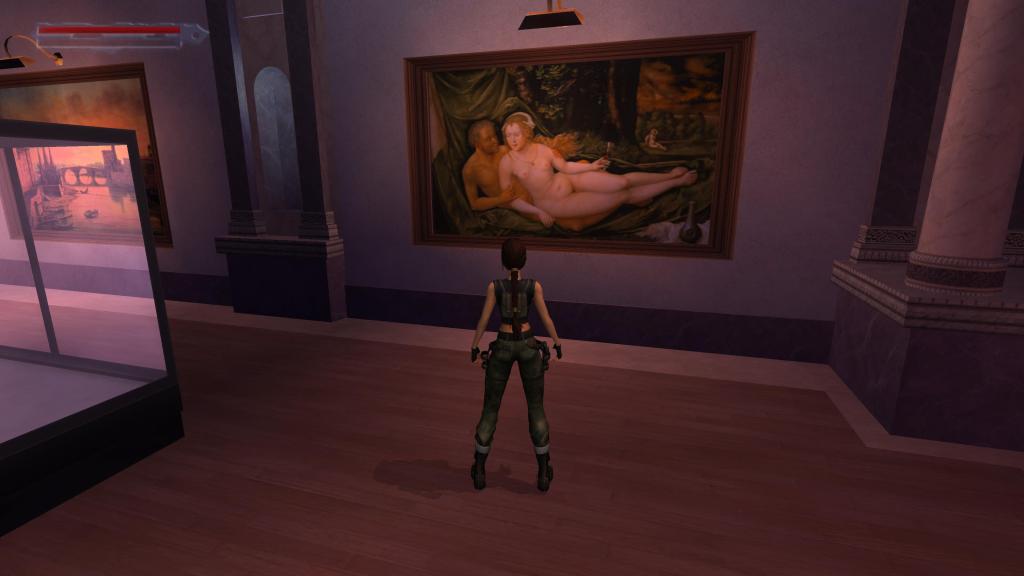
Perhaps the most accurate representation inside the museum would be of this painting below – despite the artwork being inverted or reversed for the game – as the designers have got both its size and positioning close to the mark.

This masterpiece is known as ‘The Wedding Feast at Cana’ by Paolo Veronese and in real life is hanging on the wall opposite the ‘Mona Lisa’ across a very wide gallery.

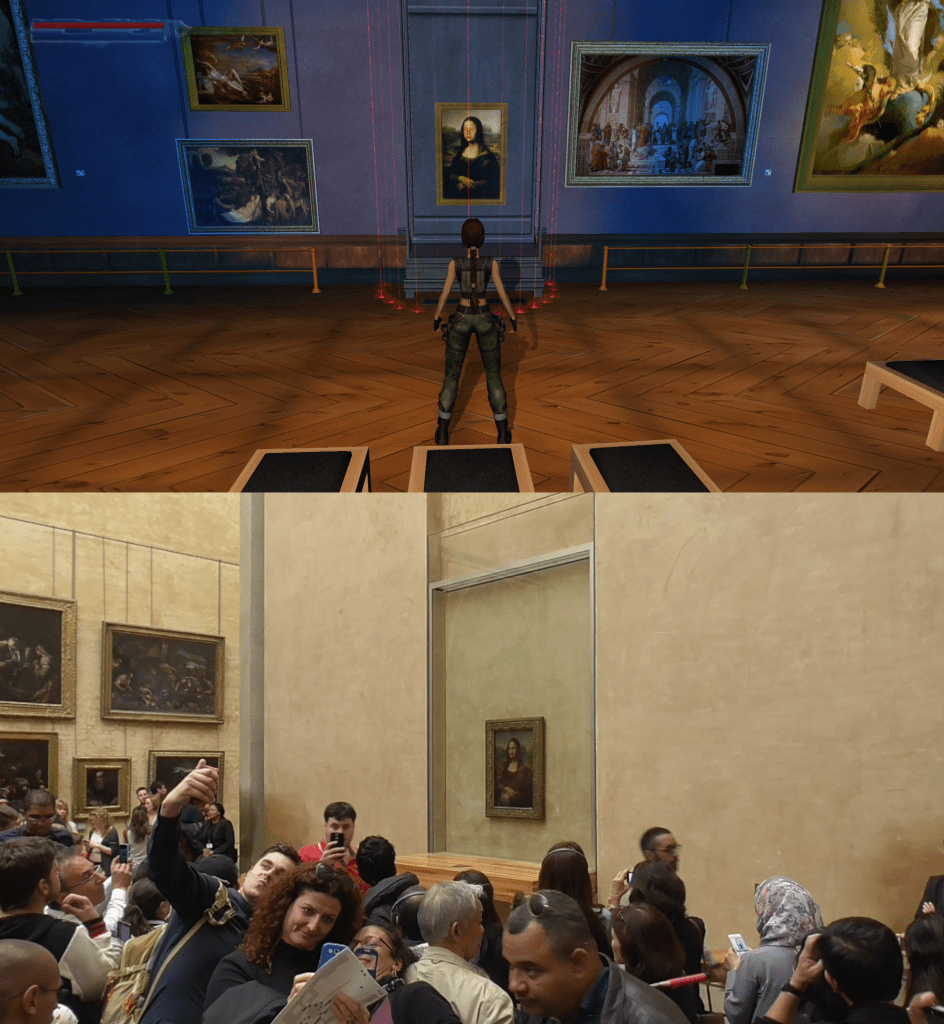
As for the main attraction itself, the Tomb Raider version of the world’s most famous work of art is very different from how it really appears. Whilst the game shows the ‘Mona Lisa’ hanging on a side wall, in reality it is the only painting on display at the farthest end of the gallery – and is protected by bomb-proof glass and sliding wall panels.

I have put together a few more comparison photos, just so you can see how well – or not so well, depending on your opinion – the creative minds behind this game have fared in bringing The Louvre to life.

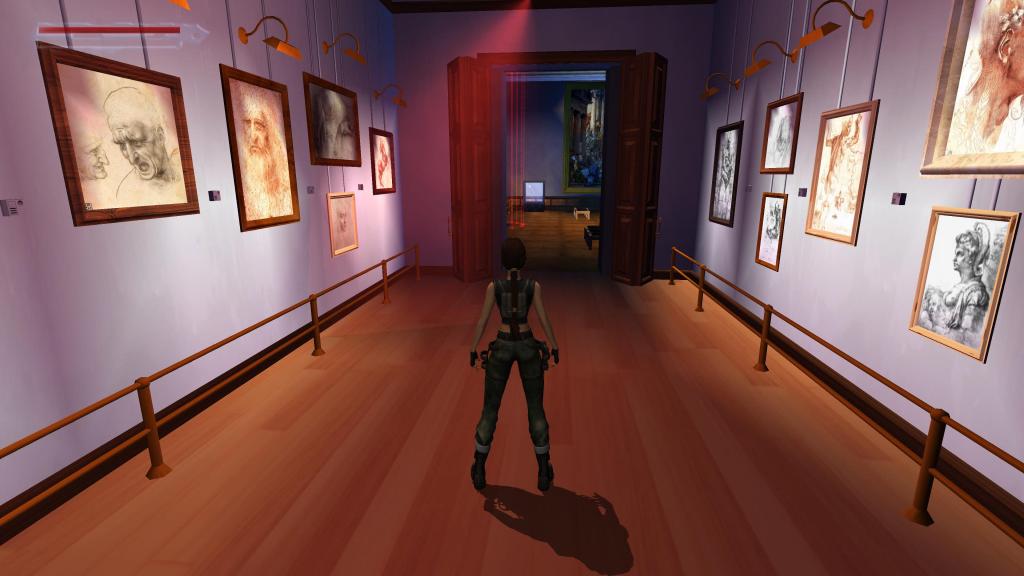
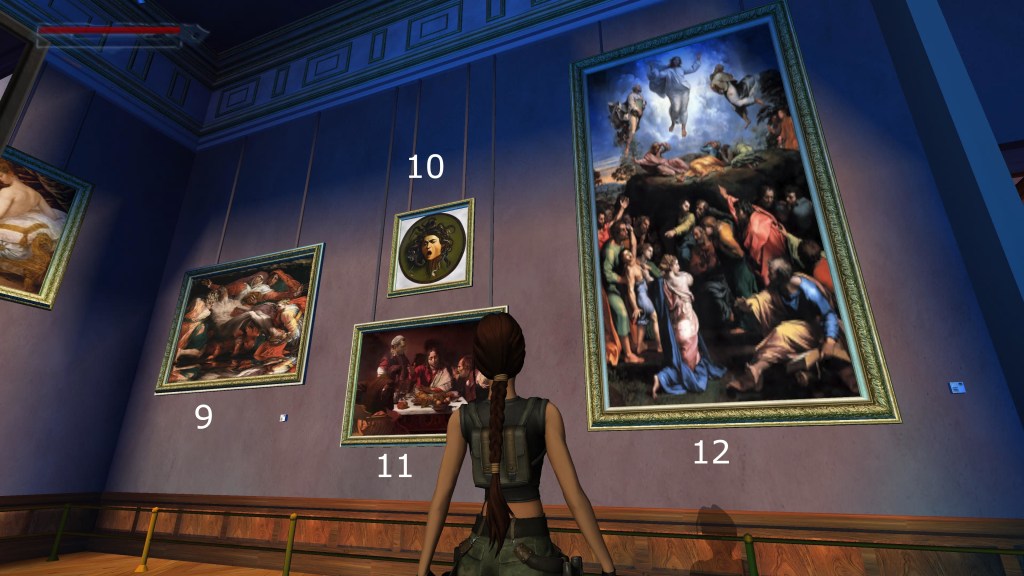
Now it’s time to dive a little deeper into the individual artworks that are seen on the walls throughout the game, and I shall identify each painting and reveal to you which works are actually on display at The Louvre, and those that are housed elsewhere around the world. I should also point out that the game has reverse-imaged much of the artwork they have replicated, but nevertheless they are fairly easy to identify.

Painting #1 is ‘The Rape of Europa’ by Peter Paul Rubens. (Museo del Prado – Madrid, Spain.)

Painting #2 is ‘Jupiter and Antiope’ aka ‘Pardo Venus’ – Titian. (The Louvre, Paris.)

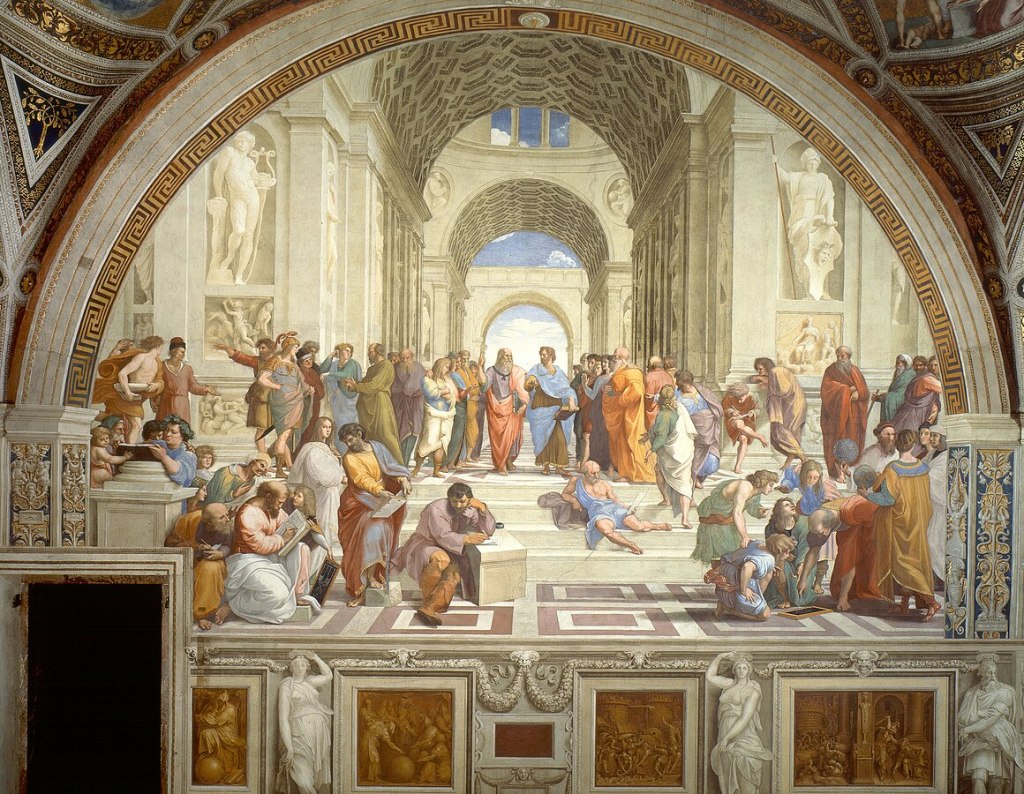
Painting #3 is ‘The School of Athens’ – Raphael. (Vatican Museums.)

We now move onto the next section in the gallery…

Painting #4 is ‘Virgin of The Rocks’ by Leonardo Da Vinci. (Two versions: One at The Louvre and another at The National Gallery, London.)

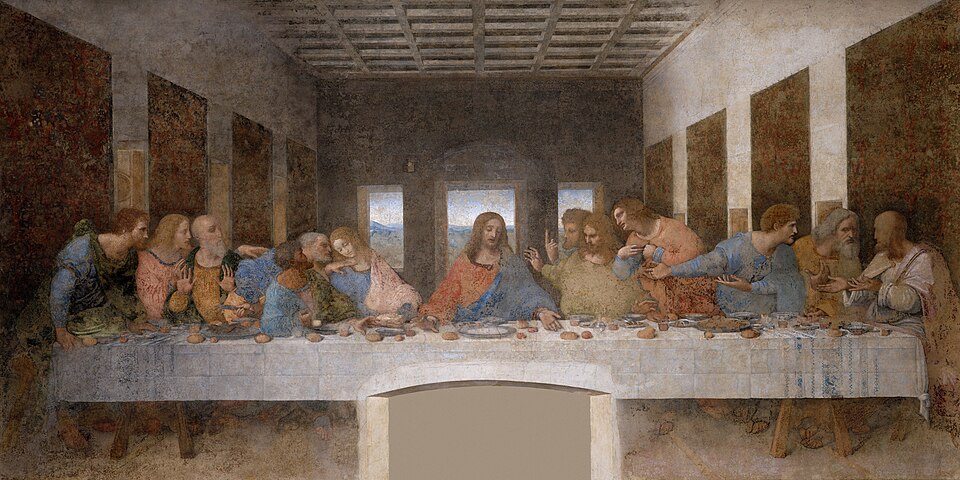
Painting #5 is ‘The Last Supper’ by Leonardo Da Vinci. (Santa Maria delle Grazie – Milan, Italy.)

Painting #6 is ‘The Battle between the Israelites and the Amalekites, Aaron and Hur supporting Moses’ arms on a hilltop beyond.’ by Luca Giordano. (Museum of Fine Arts – Houston, USA.)

Painting #7 is ‘The Death of the Virgin’ by Caravaggio. (The Louvre, Paris.)

Painting #8 is ‘The Fall of the Rebel Angels’ by Luca Giordano. (Kunsthistorisches Museum – Vienna, Austria.)

Here are the next four paintings…

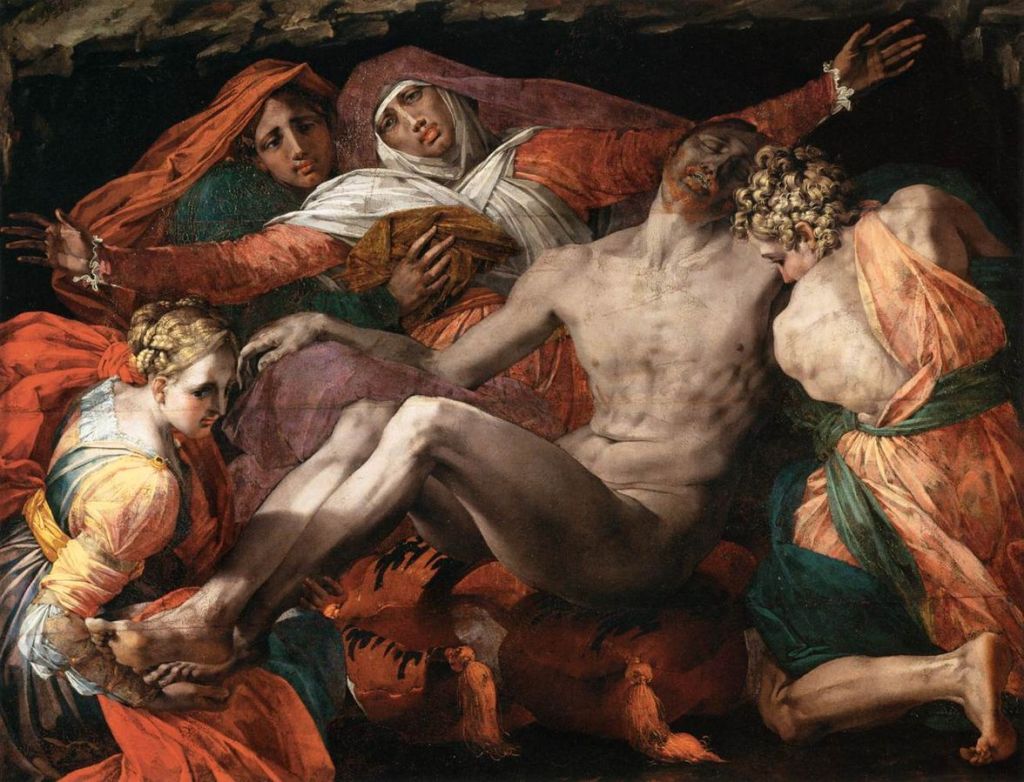
Painting #9 is ‘Pieta’ by Rosso Fiorentino. (The Louvre, Paris.)

Painting #10 is ‘Medusa’ by Caravaggio. (Uffizi Museum, Florence.)

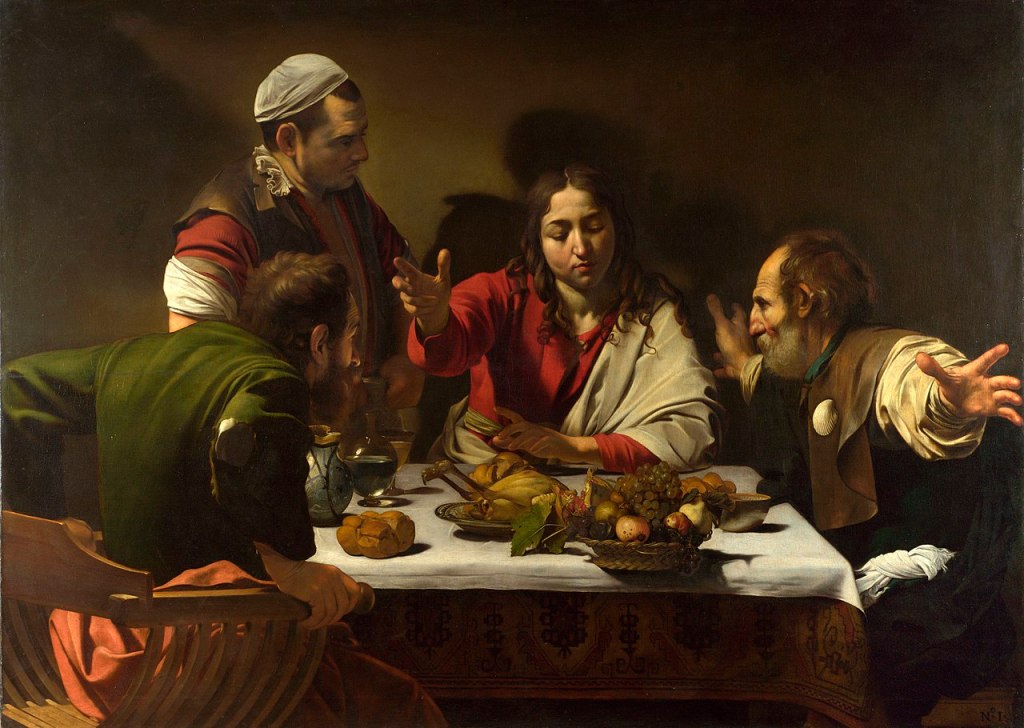
Painting #11 is ‘Supper at Emmaus’ by Caravaggio. (National Gallery, London.)

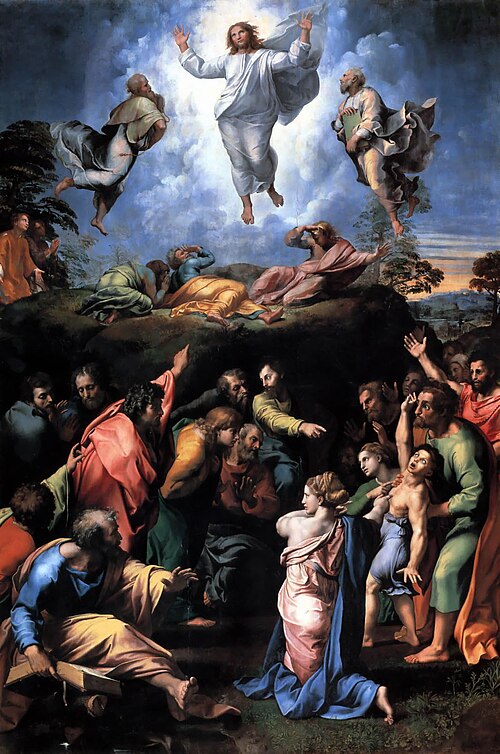
Painting #12 is ‘Transfiguration’ by Raphael. (Vatican Museums.)

These are all of the paintings on show in the main gallery area in the game, but there are three more large works on the corridor walls that can also be identified.

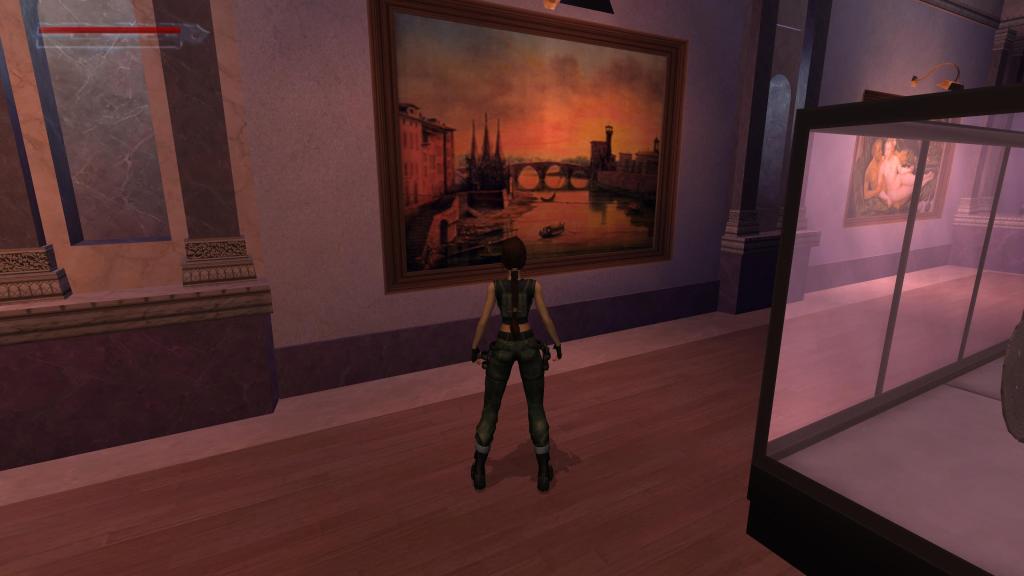
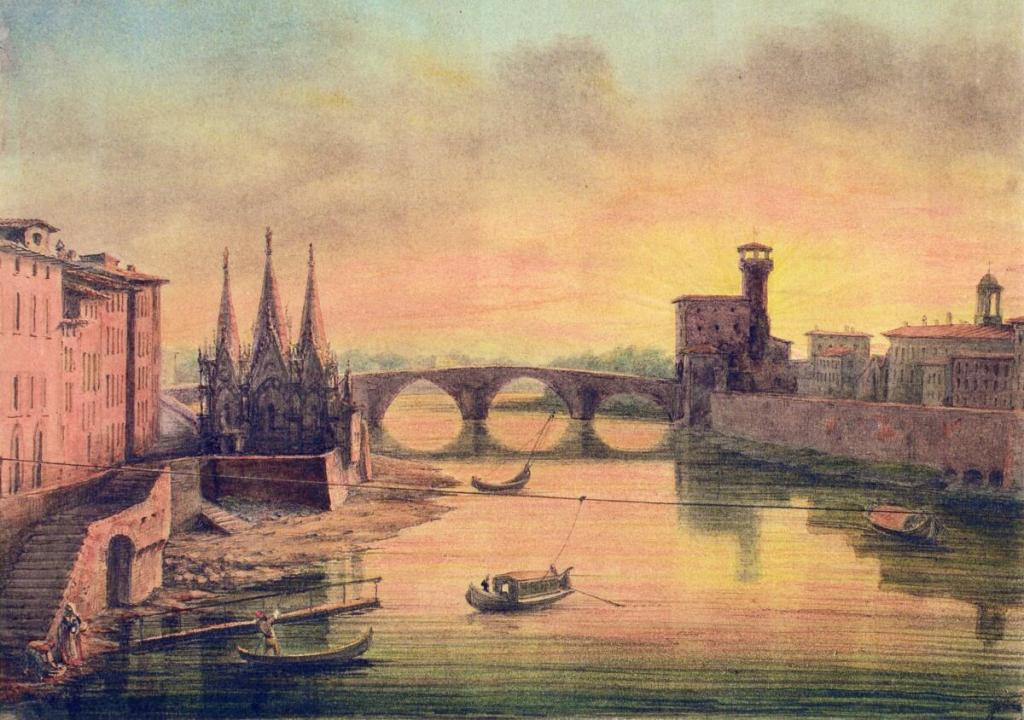
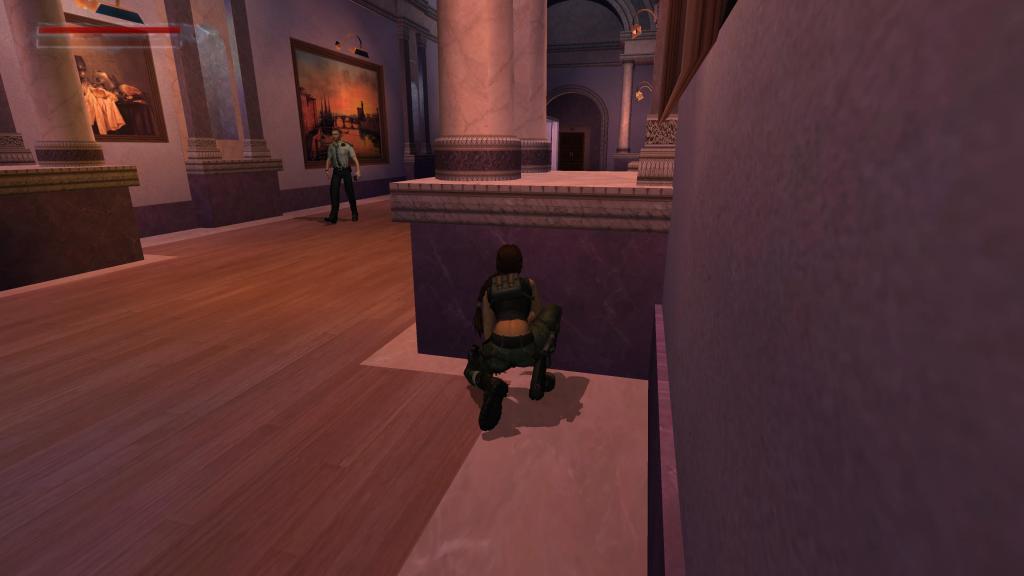
This one was a little hard to find, as I don’t believe it was officially given a name. As far as I know, it is on display at Palazzo Blu in Pisa – and might be called ‘Sunset on the River Arno.’

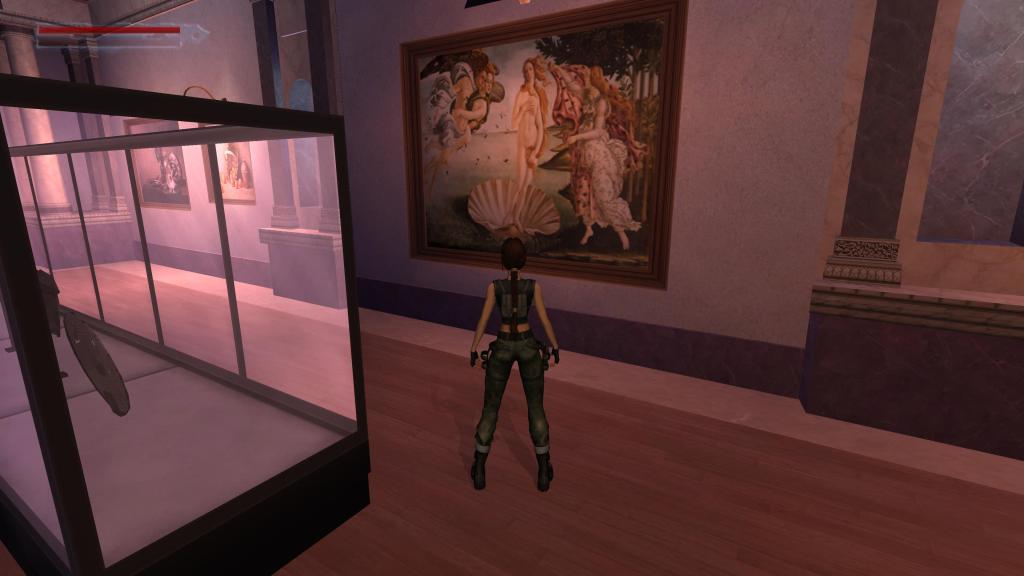
This painting is titled ‘The Birth of Venus’ by Botticelli and can be found at the Uffizi Gallery in Florence, Italy. 

And finally, this piece is titled ‘Loth and his Daughters’ by Albrecht Altdorfer. It is on display at the Kunsthistorisches Museum – Vienna, Austria.

I must say that the great detail undertaken in recreating this artwork was noteworthy, but there were a couple of other moments during this adventure at The Louvre that are also worth pointing out.

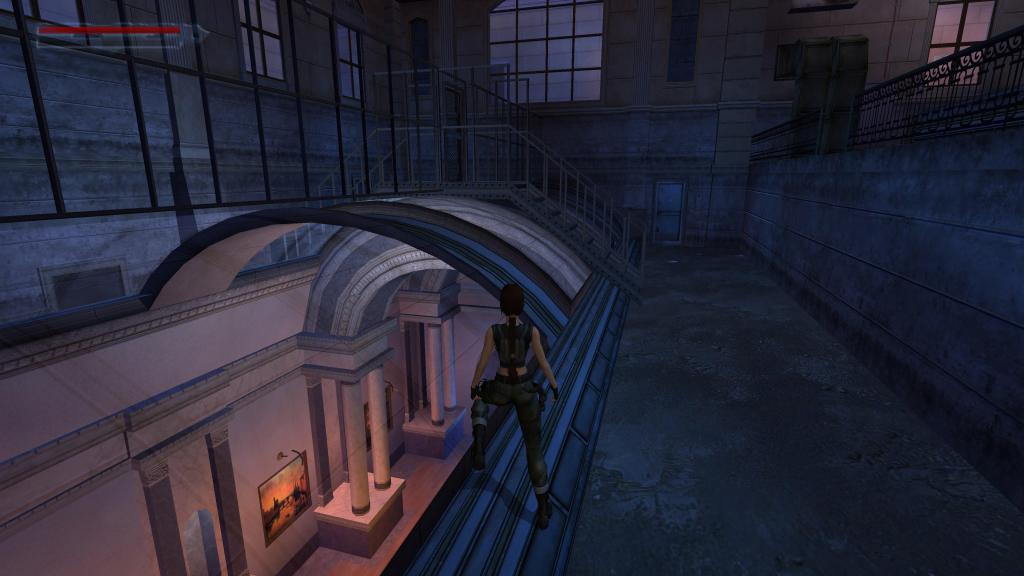
Firstly, there is a brief scene when Lara makes her way onto the museum roof. This setting comes across as another honest reproduction of a real-life location – by this I mean the accurate design of the architecture and building exteriors. Being able to look down through the glass and identify corridors where you have previously explored was a nice touch as well.

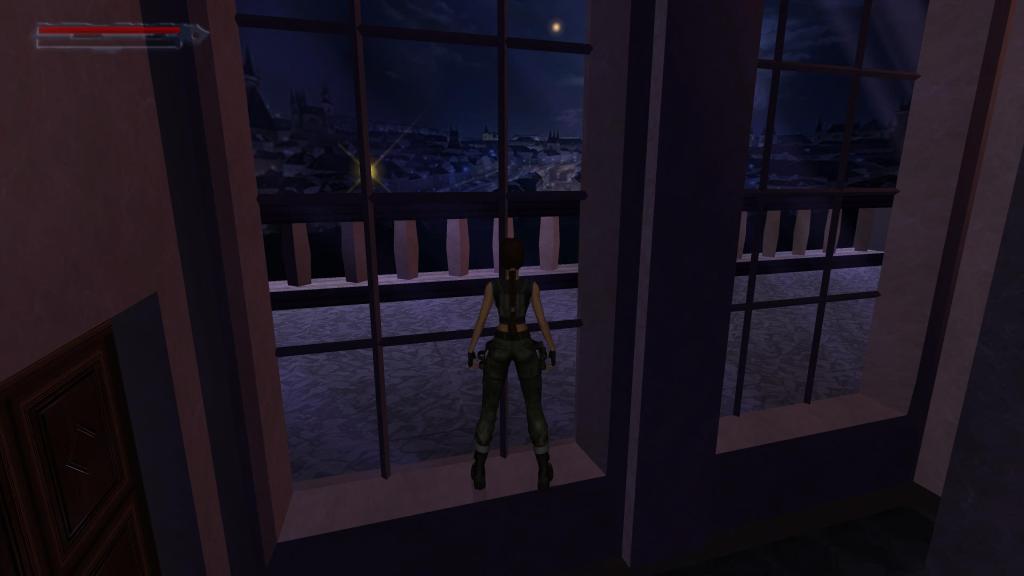
However, a not-so-great moment is when Lara can be positioned close to a large window, where you can use the viewing angles to see what is outside. I was hoping to catch a glimpse of the glass pyramid all lit up, but sadly all that was on offer is a lame blurry skyline – as seen in the image below. This was a missed opportunity in my opinion.

Overall, The Louvre adventure in ‘Tomb Raider – The Angel of Darkness’ was a bit of a treat, and faithfully recreated the essence of this famous museum. Investigating the artwork that was on display was interesting, as well as learning that most of the paintings in the game don’t actually belong in The Louvre – but this is only a trivial side note and takes nothing away from how good this looked.

Despite the many flaws of this game, I have enjoyed the Paris levels and would recommend any Tomb Raider fan to put aside any reservations you might have about this title and give the new remastered version a chance.

Tomb Raider Remastered – Vol II is available at the PlayStation store.

All screenshots are courtesy of PlayStation, Aspyr, Crystal Dynamics and various online museum sites.
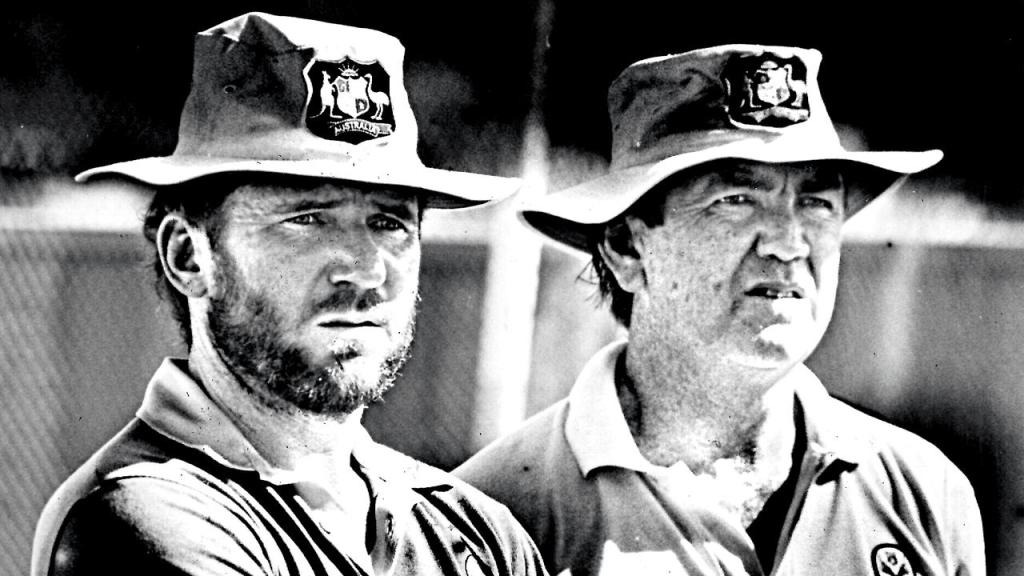
Bob Simpson – an Australian legend

Australia lost one of its greats yesterday, with the passing of cricketing icon Bob Simpson.

Simpson played in 62 test matches and compiled 4,869 runs at an average of 46.81 – which are incredible figures, even by today’s standards. His highest score was an epic 311 against England at Old Trafford in 1964, which incidentally was his first test century.

Bob Simpson would form a famous opening partnership with Bill Lawry throughout the nineteen-sixties, and would go on to captain his country in the 1963/64 series vs South Africa in the absence of Richie Benaud. Following Benaud’s retirement at the end of the season, Simpson was appointed the captaincy permanently ahead of the 1964 Ashes tour.

Simpson retired from test cricket after the 1967/68 home series against India, but would make a famous comeback at the age of 41 to captain his country following the World Series Cricket rebellion in 1977.

In 1986, Simpson was appointed coach of the struggling national team under Allan Border, and together both men would turn the fortunes of Australian cricket around; to such an effect that the groundwork laid would reap the rewards for decades to come.

Bringing a new level of professionalism and mental toughness to the job, Simpson’s influence on the young team brought about immediate results; with winning the 1987 World Cup and destroying England 4-0 in the 1989 Ashes perhaps the two greatest examples. He would remain in the job – despite a few health issues – until the 1996 World Cup where Australia were beaten by Sri Lanka in the final.

On a personal note, I was fortunate enough to meet Bob Simpson around ten years ago. I was on my lunch break from work and noticed an old fellow sitting on a bench outside a newsagency at the Newington shops in Western Sydney. I knew it was Simpson, but politely had to ask the man as this was a once-in-a-lifetime chance to meet an Aussie legend – and quite frankly, I could not believe my luck!

What an absolute gentleman he turned out to be, and the pair of us chatted candidly about cricket for around ten minutes. We could have continued our conversation for a little longer, but sadly I had to return to work. This was an encounter that has stayed with me until this day, and I was saddened to hear of this great man’s passing yesterday.

Vale Bob Simpson (1936-2025)

Tomb Raider and the Parisian Ghetto

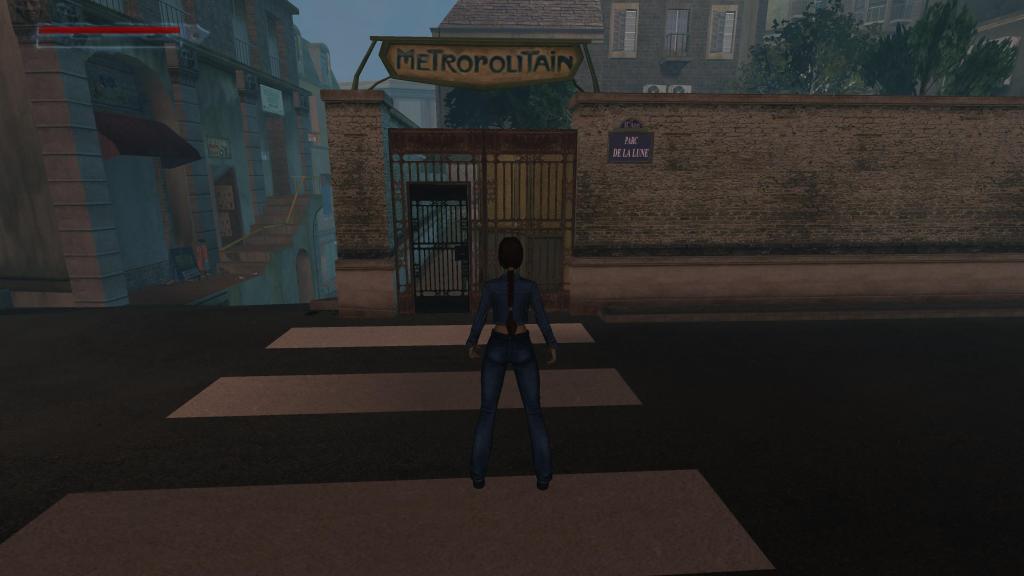
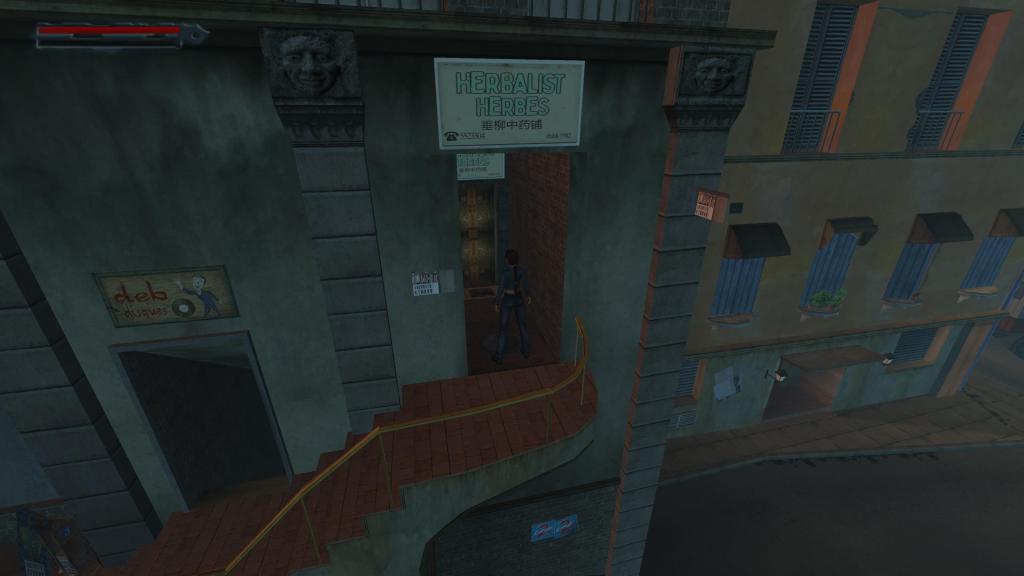
Yes, ‘Parisian Ghetto’ is the name of an actual Tomb Raider level; or rather a series of interconnecting areas in the 2003 game ‘Tomb Raider – The Angel of Darkness.’

I am currently working through the new remastered edition – having not played it since taking on the PlayStation 2 version twenty years ago – and despite being polished up, it still remains the worst Tomb Raider release of all time. But that being said, there is still a lot to like about this often-criticised game, particularly the moody and atmospheric notes that it constantly hits; especially in the above-mentioned level set in Paris.

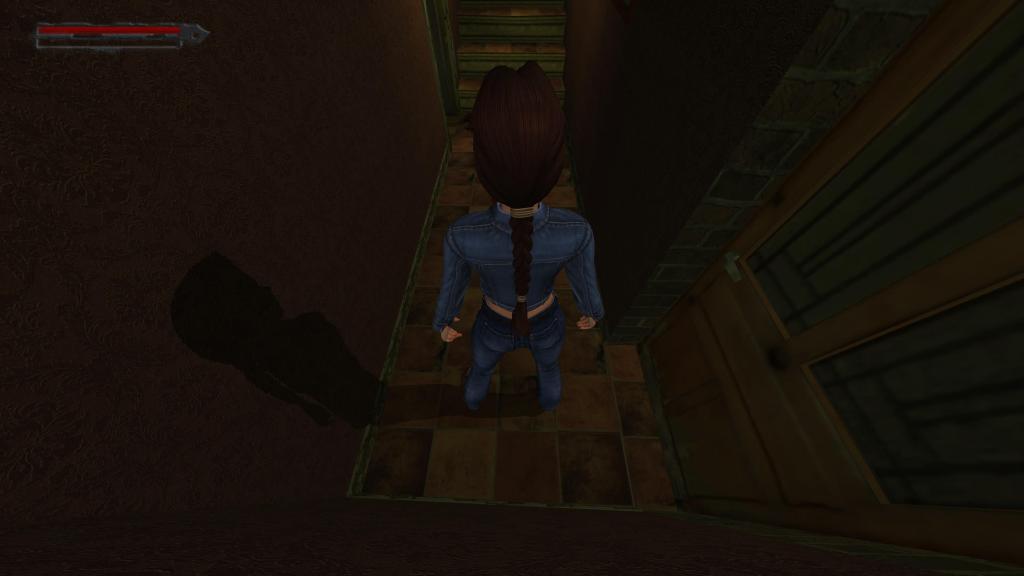
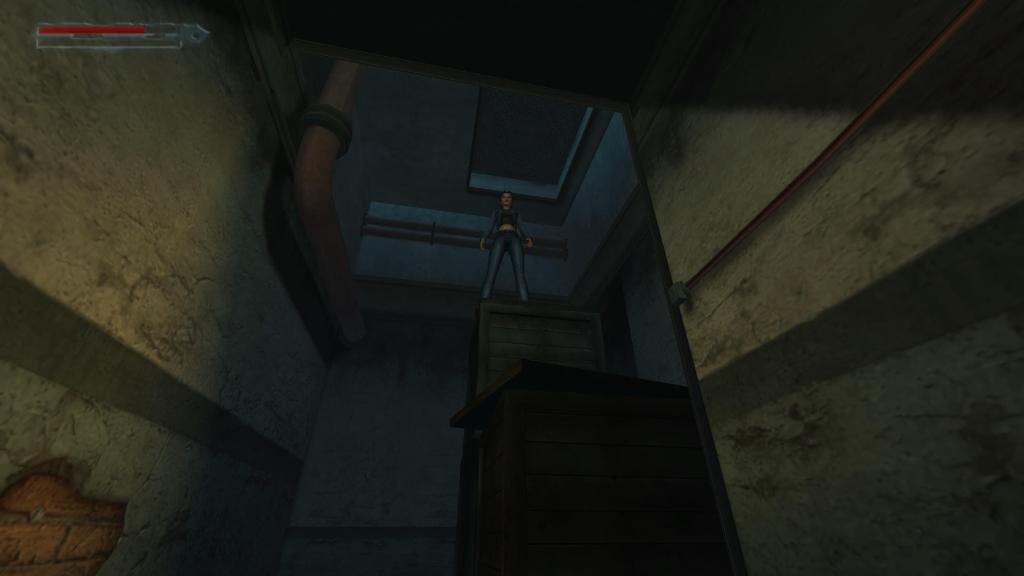
A lot of the negativity surrounding this game centred on the clunky controls, which was immediately apparent as soon as you started playing. The first few minutes of gameplay served as a tutorial of sorts, but the running, jumping and turning were made difficult by the camera angles that were all over the place; looking more like a Resident Evil game at times – with the screenshots below being prime examples.

The good news is that by the time you reach the Ghetto area, most of the issues with the controls should be ironed out as you have become accustomed to them, but unfortunately some camera-panning problems do remain.

I suppose the only other major grievance is that this appears to be a Tomb Raider game without any tombs or ancient sites to explore. Instead of jumping into an awe-inspiring setting, we are given the seedy and near-deserted back streets of Paris to work with. In fact, you have to play almost half the game before you come across any underground temple action, which I imagine would have annoyed many fans.
Added to this are the numerous dialogue scenes that play into the murder-mystery elements of the story, where Lara speaks with the locals in order to gain clues and be pointed in the right direction. These discussions are quite interesting, although some of Lara’s ‘tough talk’ doesn’t work for me, as she threatens most people she comes across with cheesy girl boss lines.
Now that the glaring criticisms are out of the way, I can focus on the more enjoyable aspects of the Parisian chapters of this adventure – and there is a lot to appreciate here. This includes the utterly bizarre and bat shit crazy things that have been added to this game; some of which are beyond comprehension.

So, with that being said, I think the best place to start would be the nightclub!

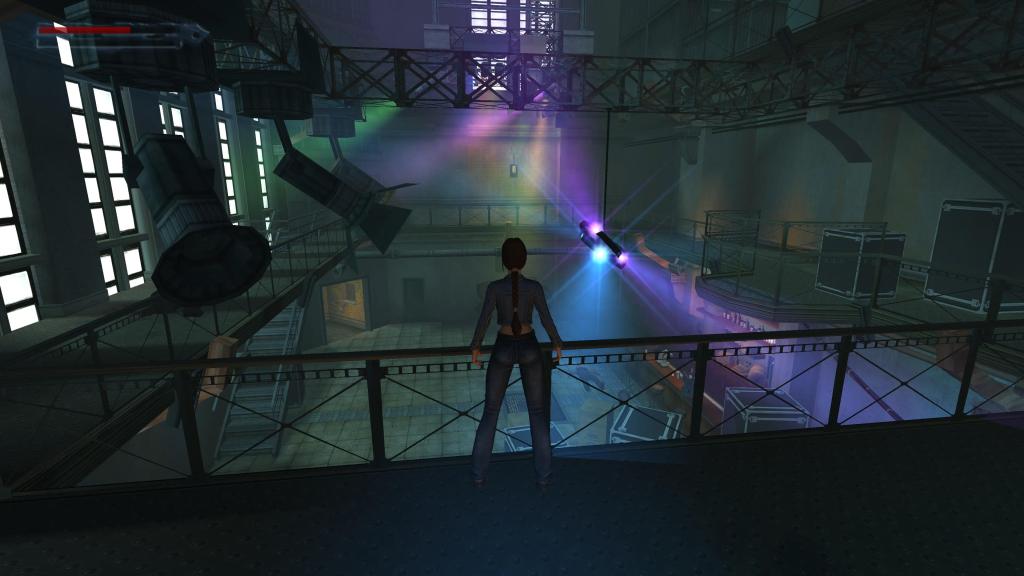
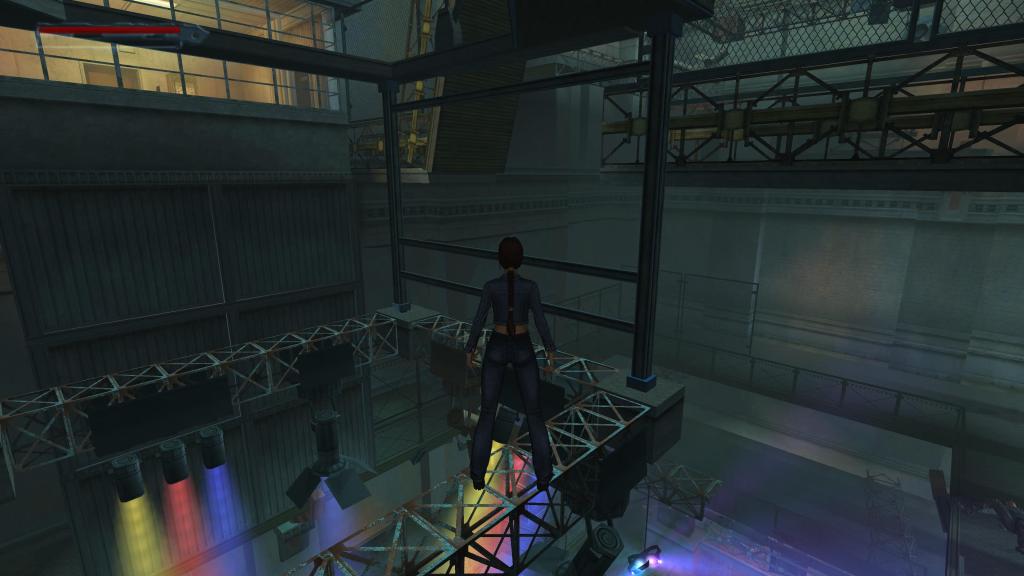
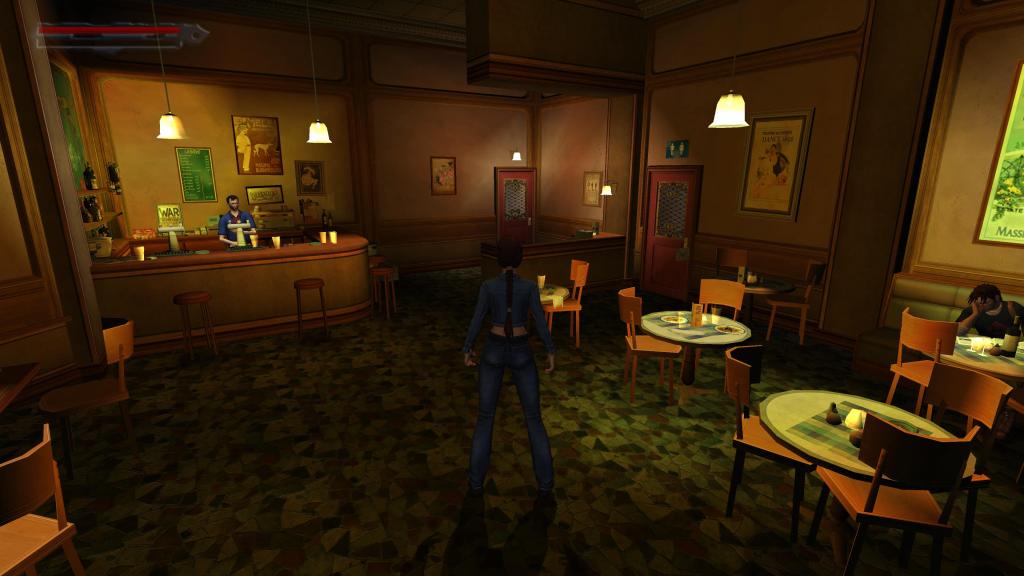
Pumping disco beats and pulsating lights are not usually associated with Tomb Raider games, so the Serpent Rouge nightclub is perhaps top of the list when it comes to the oddities experienced in this title. Lara’s reasons for breaking into the club during daytime hours depends on whom she speaks to in the neighbourhood and which local she agrees to run an errand for.

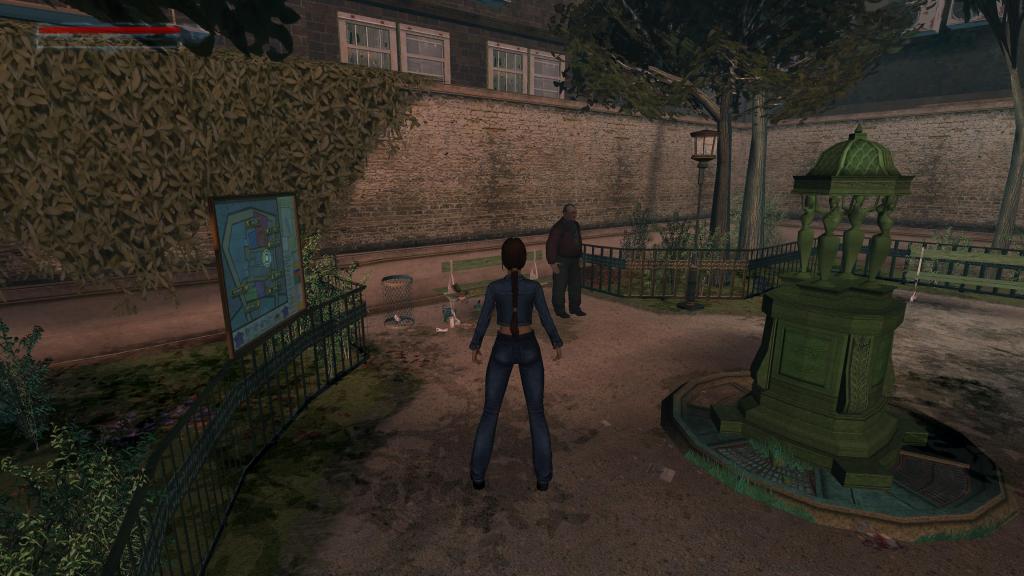
In my case, I decided to help out Pierre – the owner of the nearby cafe – who asks Lara to retrieve some items he hid inside one of the light boxes. I believe the alternate mission involves entering the club via the auto workshop nextdoor, at the request of an old man feeding the pigeons at the park. If I remember correctly, there was also a creepy guy loitering around the church that asks Lara to perform a task for her, so I might have my wires crossed here.

I told you this was a weird game!

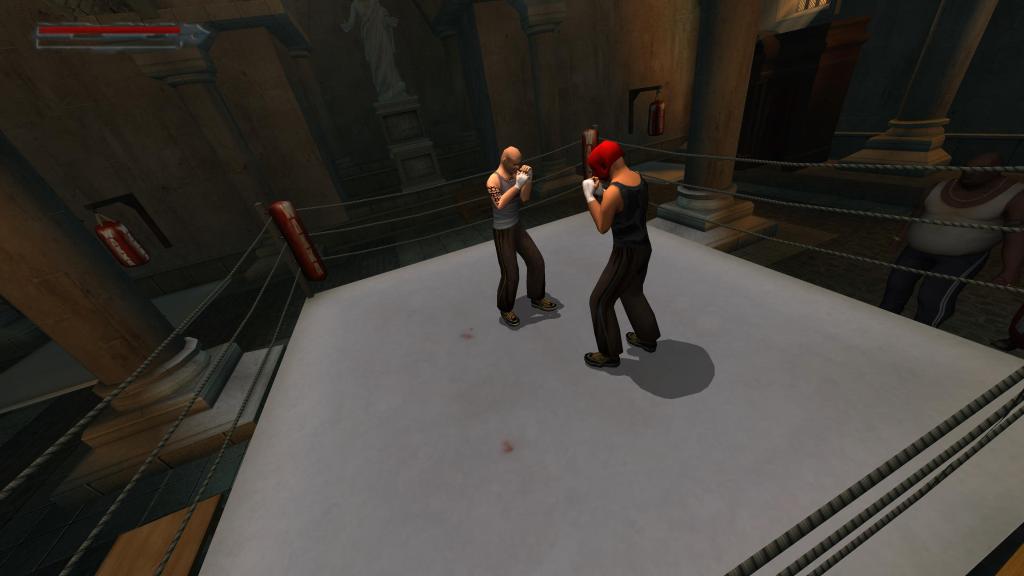
Next up is the boxing match taking place in St Aicard’s Church. Not only can Lara work out on the heavy bags, but she can place a bet with the head coach on which boxer will win the fight. If you happen to pick the winner, the trainer will hand over his expensive watch.

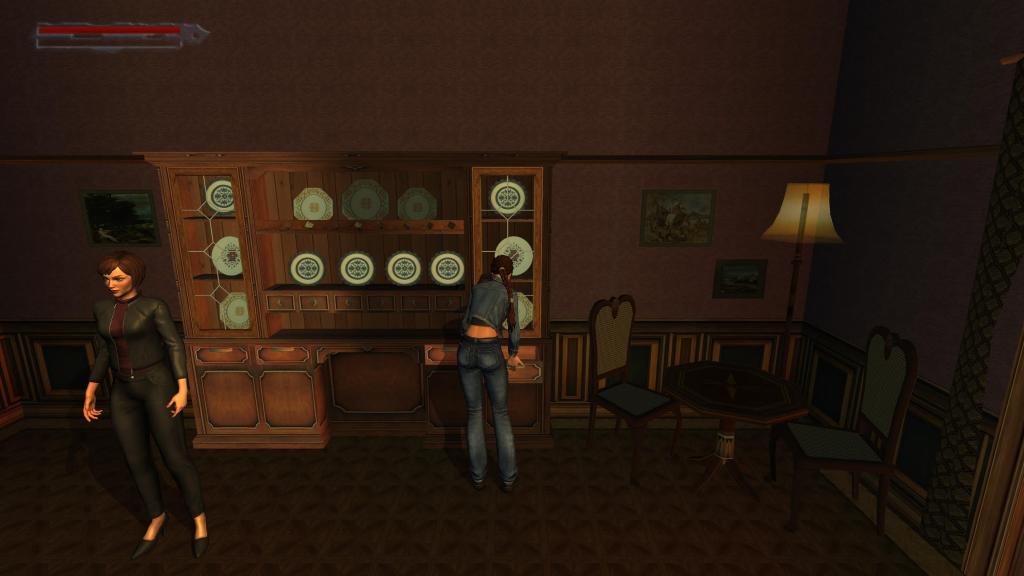
Then there is Lara’s odd foray into burglary, where she visits a woman named Francine at her apartment to obtain some important information. Having received the clues she needs, Lara can then rustle through the cabinet drawers while her host stands frozen only a few feet away. The reward for such a brazen thieving spree is an expensive sports watch – and a PlayStation achievement trophy titled ‘Kleptomaniac.’

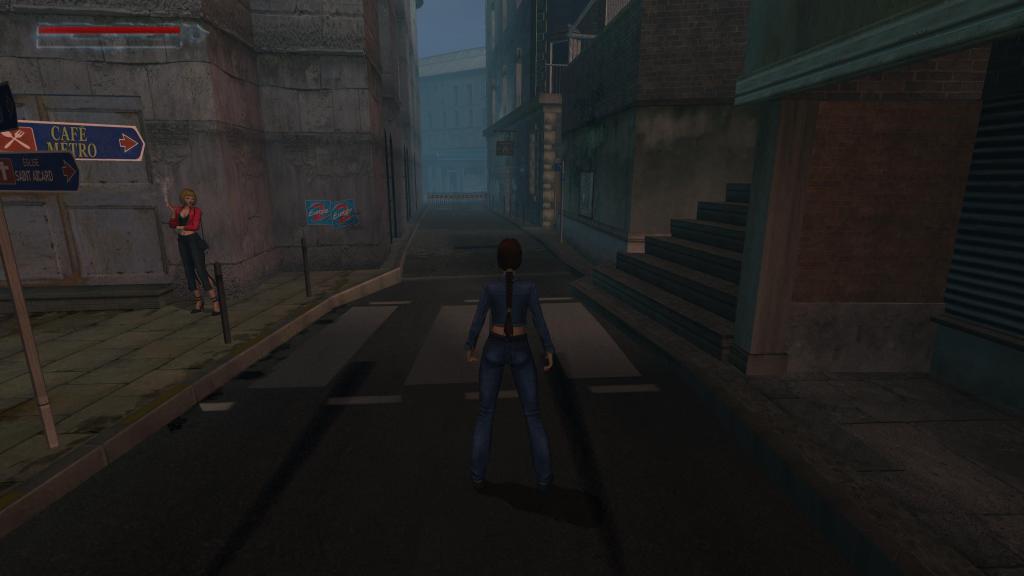
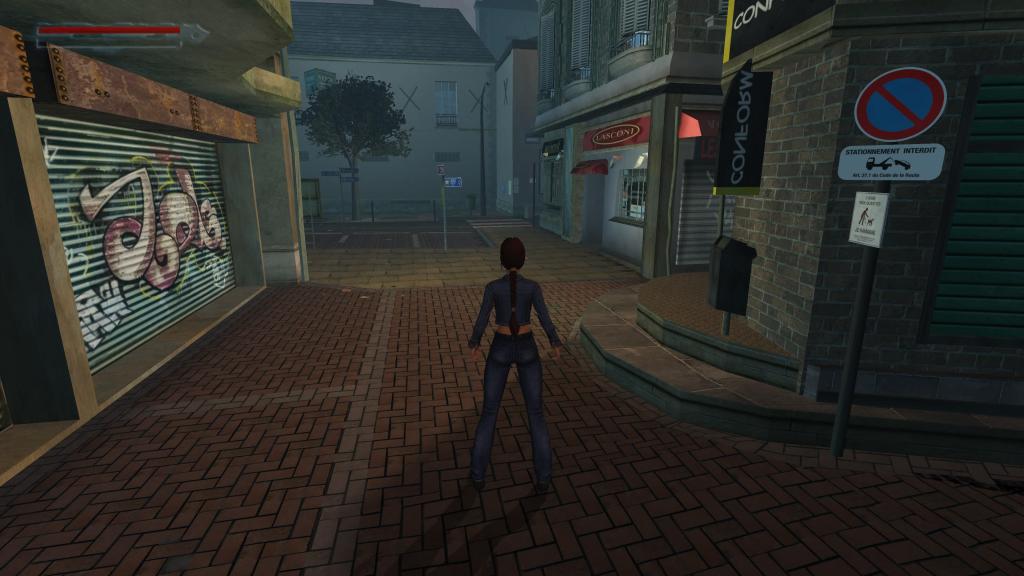
The deserted streets were also a bit odd, reminding me a little of the Rome levels in ‘Tomb Raider Chronicles’ – with no passing cars, no sounds of the city or even the odd stray dog running about. Despite this, the settings looked good and there was definitely a moody vibe to the rundown lanes and alleyways. I actually enjoyed exploring these parts and appreciated the detail and design that went into creating this location.

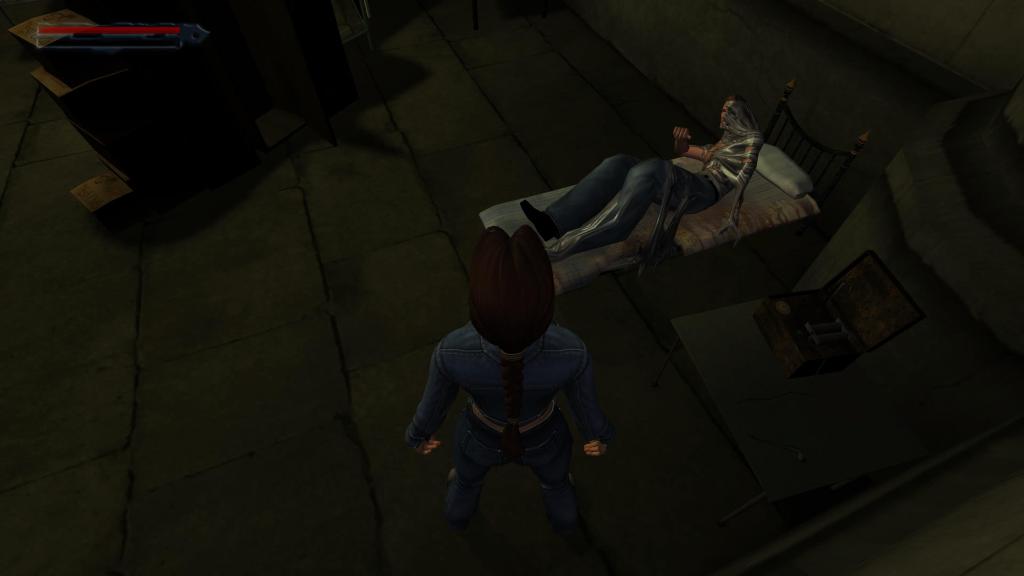
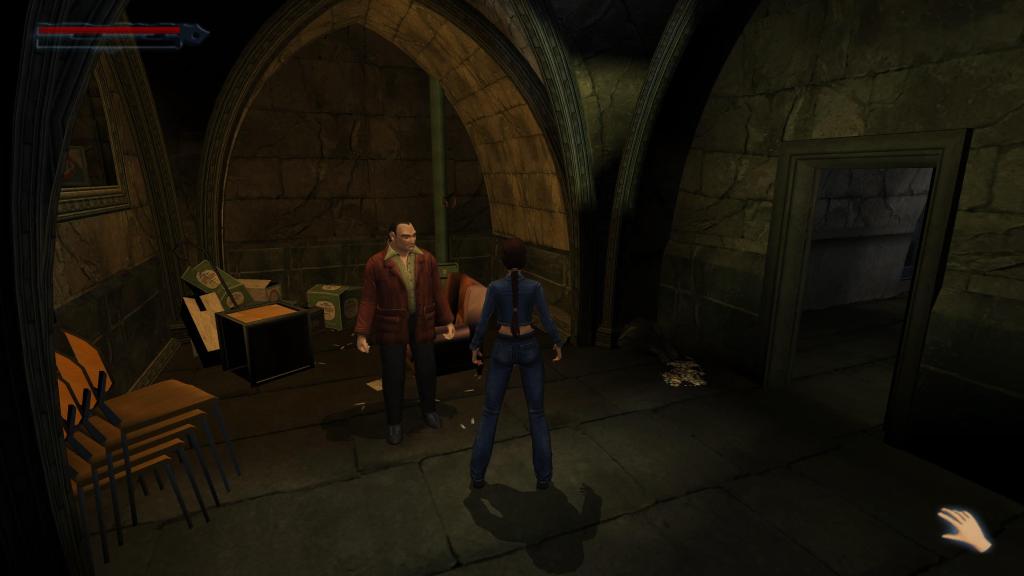
The overall objective of this level is to interact with the locals and receive clues as to the whereabouts of a character named Bouchard. Eventually you acquire the information you need and this leads into the sewers to find this elusive individual. Once you locate his hideout, the weird dial gets turned up even higher, as the first person you come across is a man lying on a bed suffering from some kind of metallic skin infection. Bizarre!

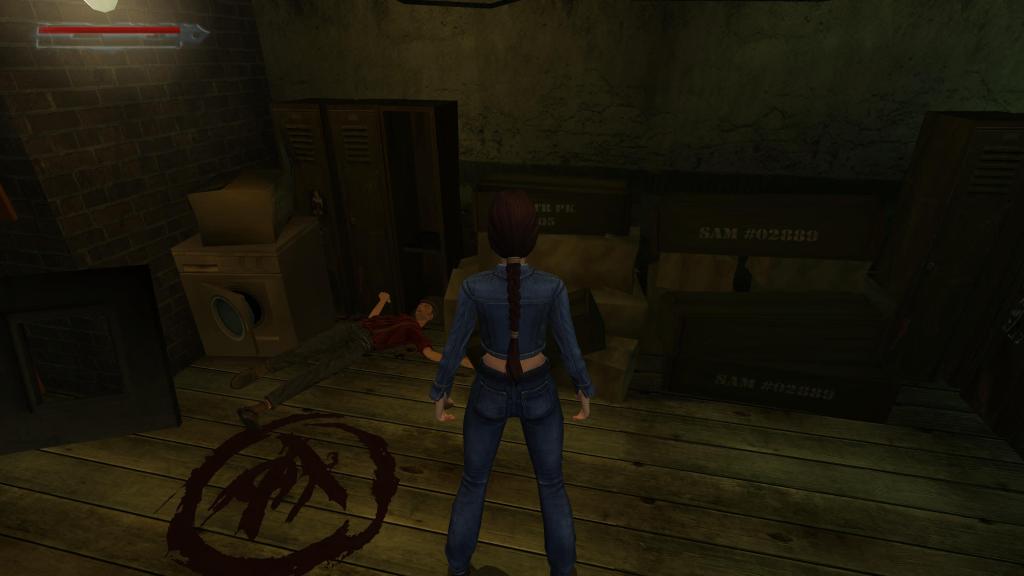
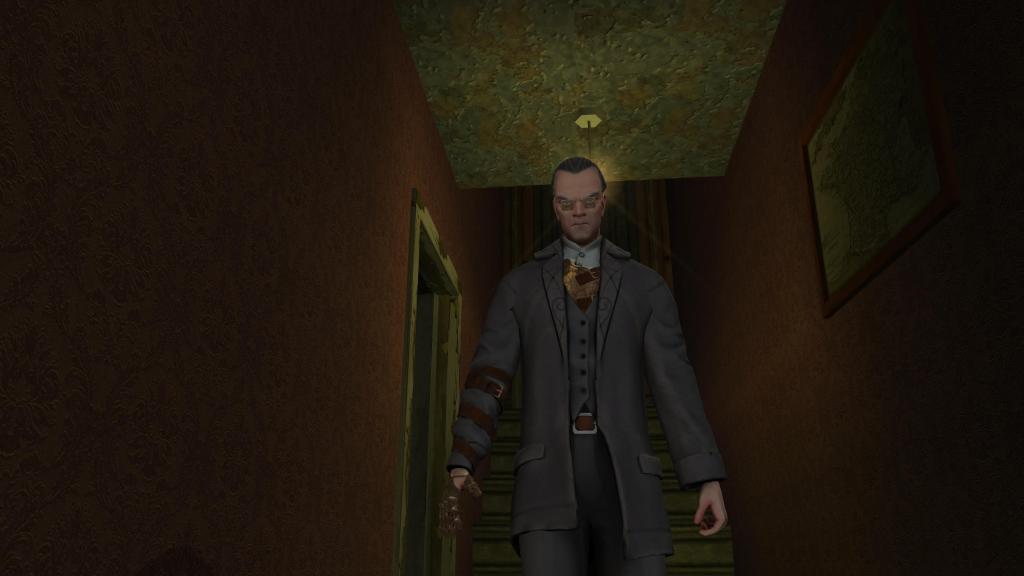
Following this crazy scene, Lara eventually meets Bouchard and is directed to the local pawnshop, where – surprise, surprise – the poor shop owner is discovered murdered, with symbols written in blood on the floor. I guess the prime suspect would be the creepy guy Lara passes in the hallway, but it would be a waste of time explaining this to the local Gendarmes.

These events lead into a timed explosion, where Lara is forced to move quickly to escape the building through the tunnels below. Having survived, the mission then moves onto The Louvre – which I will write about in greater detail at a later date.

Overall, as far as an adventure/mystery game goes, these levels set in the backstreets of Paris are engaging enough. The only question is: – should a Tomb Raider game be spending so much time in an urban area? To be fair, we’ve seen these types of settings before with Venice in ‘Tomb Raider II’ and Rome in ‘Tomb Raider Chronicles’, but there was a sense of history in those levels – as opposed to the sleazy surroundings featured in this game.

I’m ‘on the fence’ here – as I enjoyed the grimy Paris setting and appreciated the effort and detail that helped build this fictional world, and would recommend any fan of the series to be patient and give this game a chance. However, on the other hand I would prefer a Tomb Raider game to be more about exploring ancient temples and ruins.

More Indiana Jones and less Jason Bourne, if that makes sense.

Tomb Raider Trilogy Remastered – Vol II is available at the PlayStation store.

All screenshots are courtesy of PlayStation, Crystal Dynamics and Aspyr.