Tomb Raider Remastered – The Khamoon Levels.

I have already posted several articles about the remastered version of ‘Tomb Raider’ that was released last year – and I have not held back with my glowing reviews of this game.

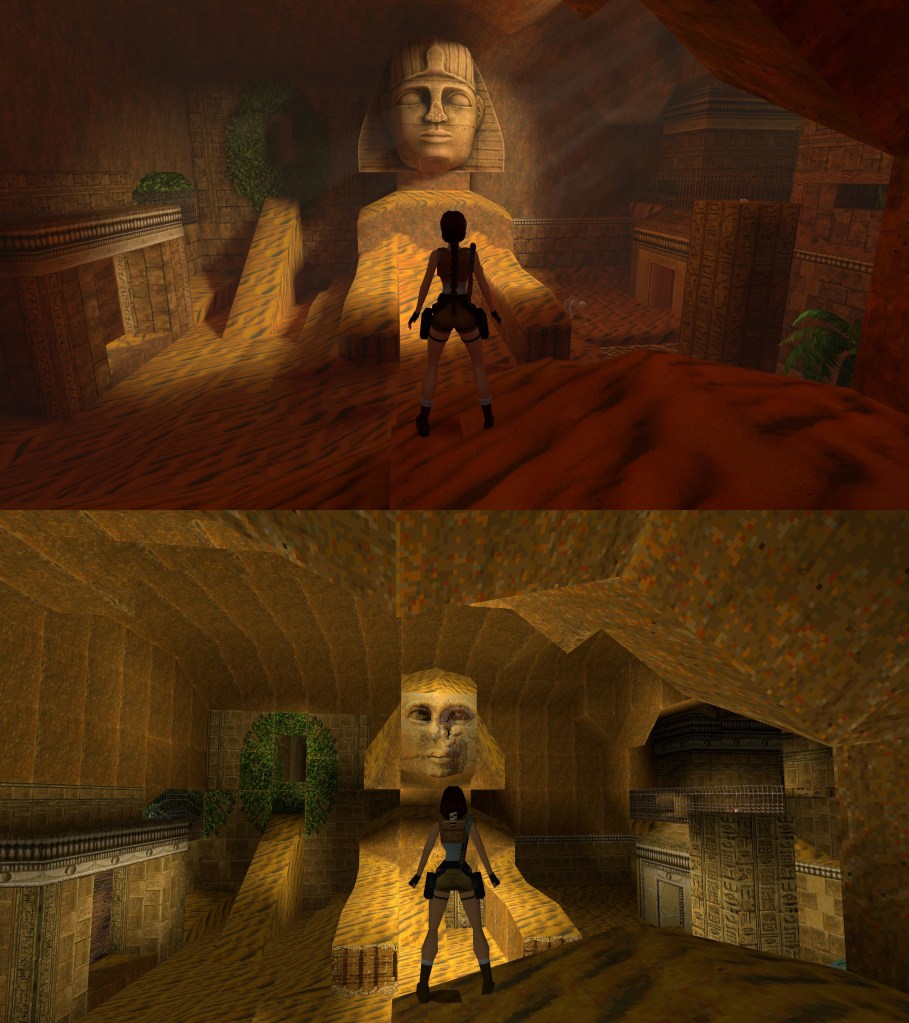
Most of my admiration has been based upon the improved visuals and graphics, and having now played through into the Egypt stages I can safely say that the game designers continue to exceed all expectations.

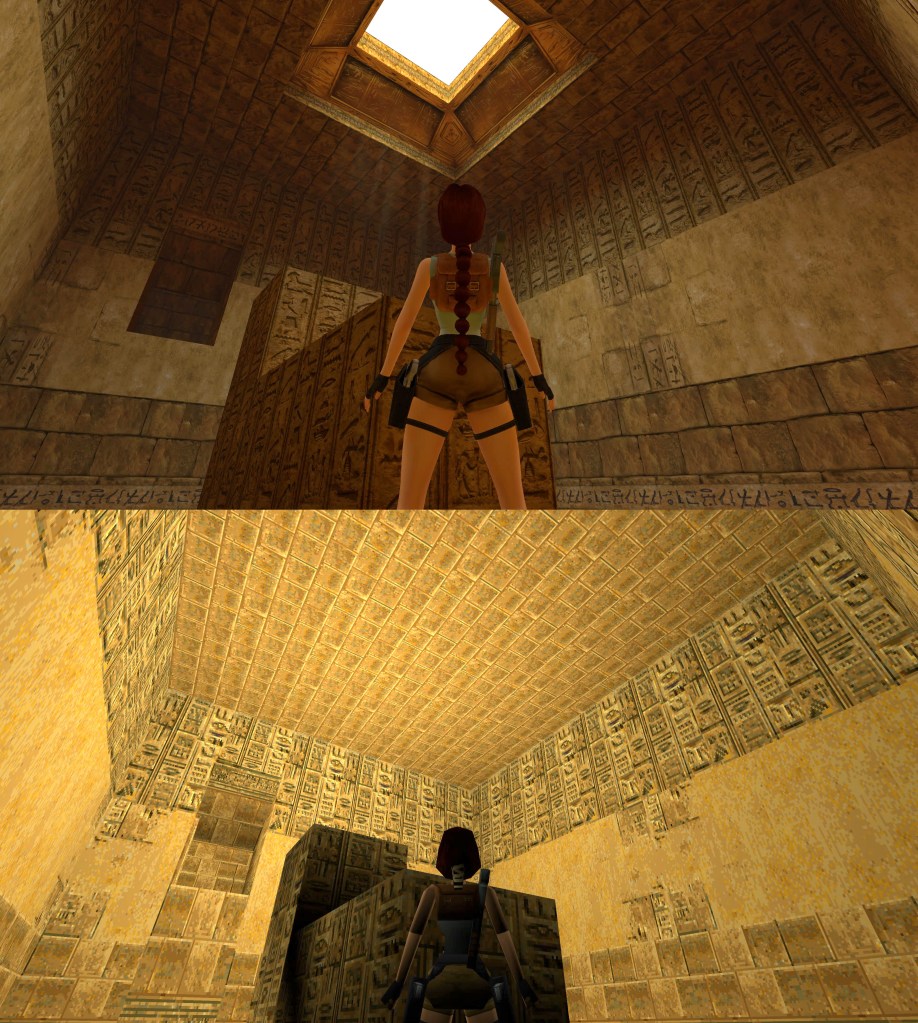
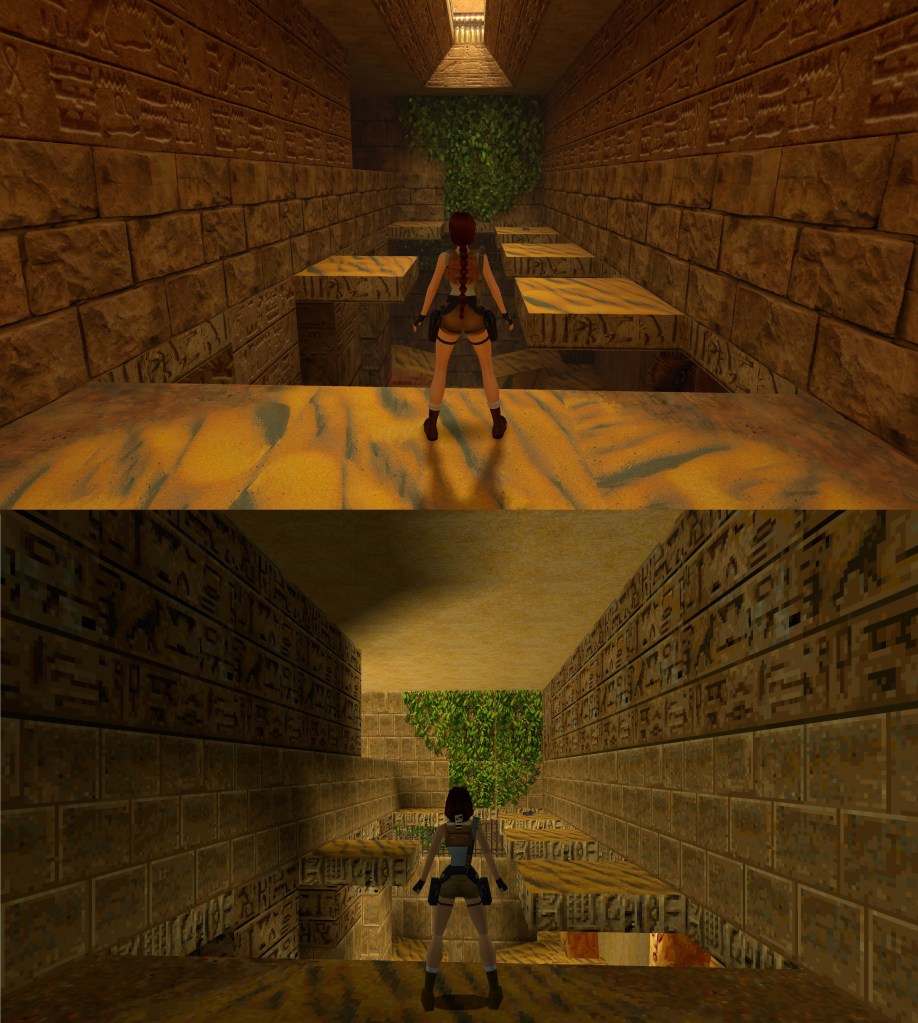
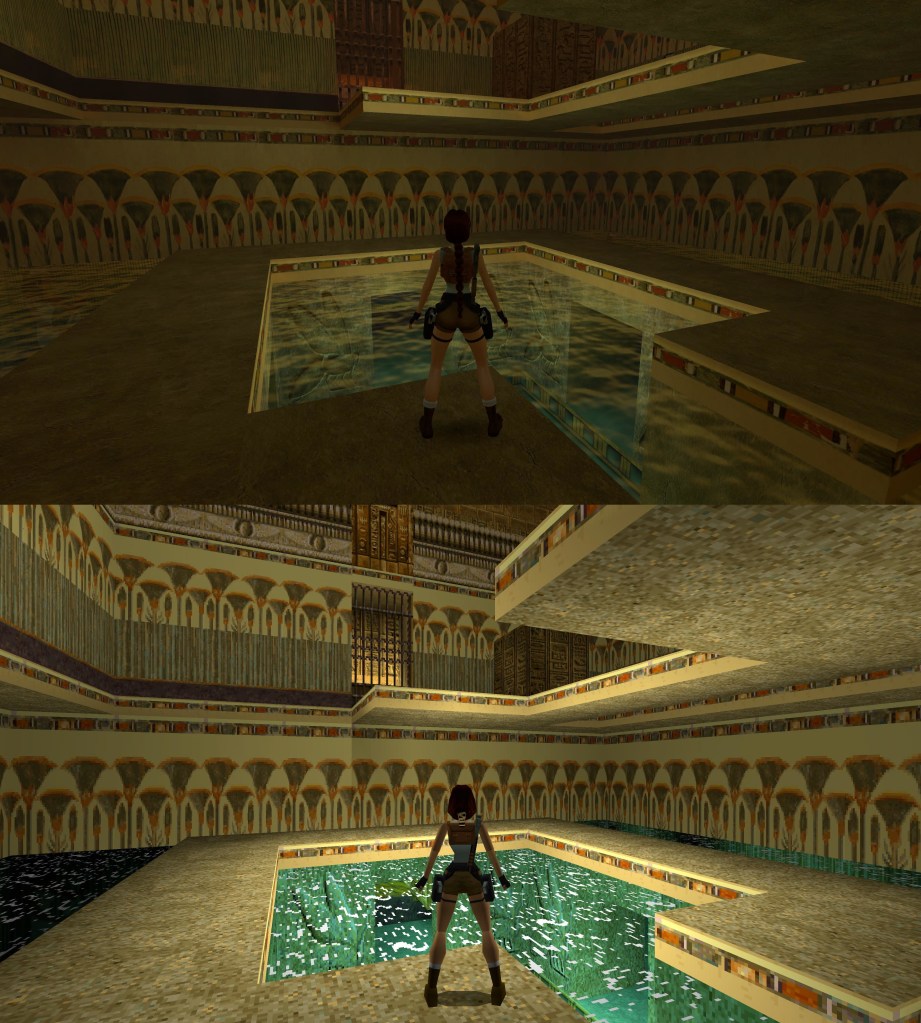
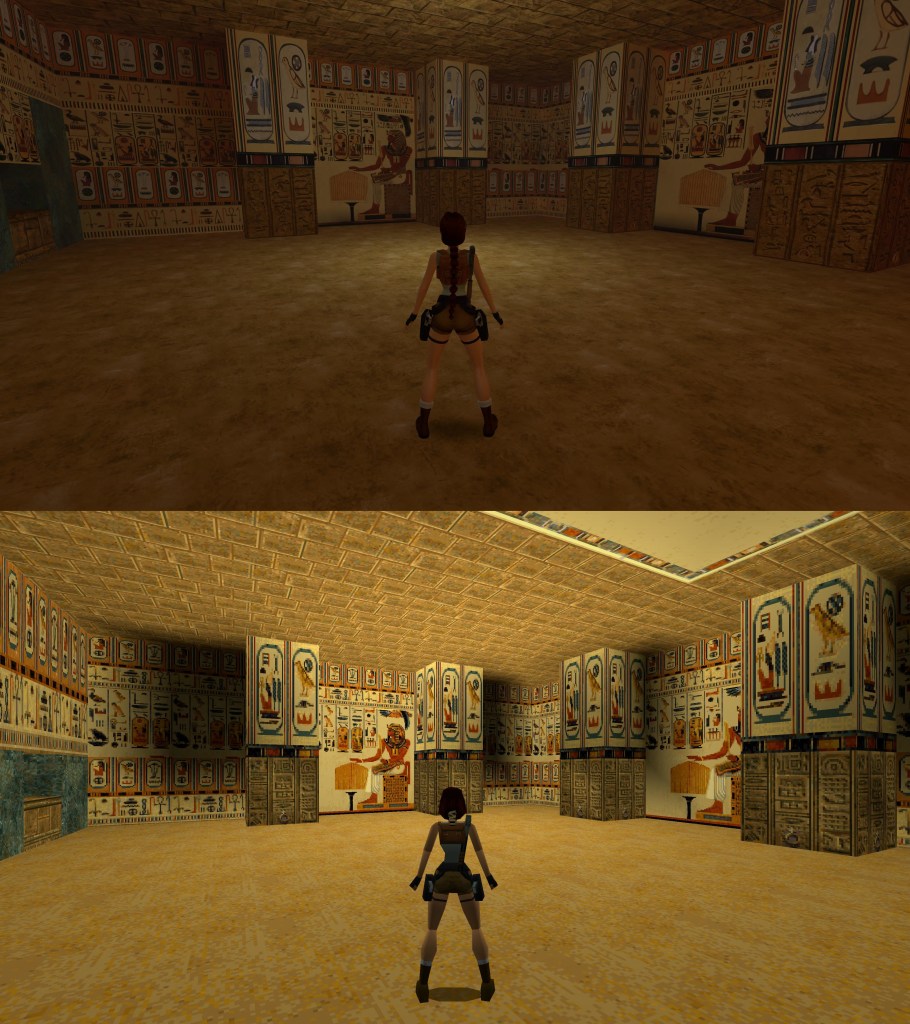
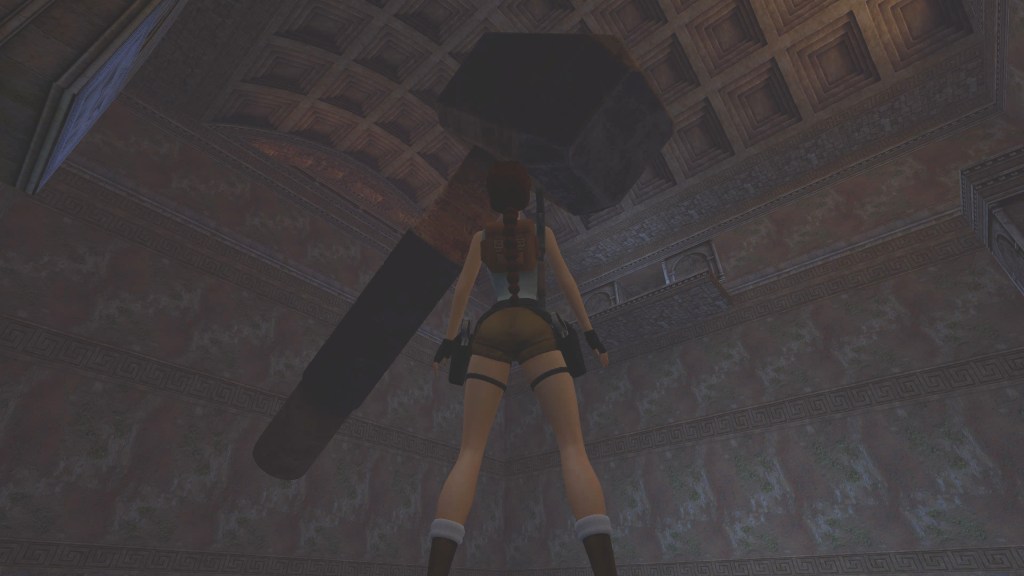
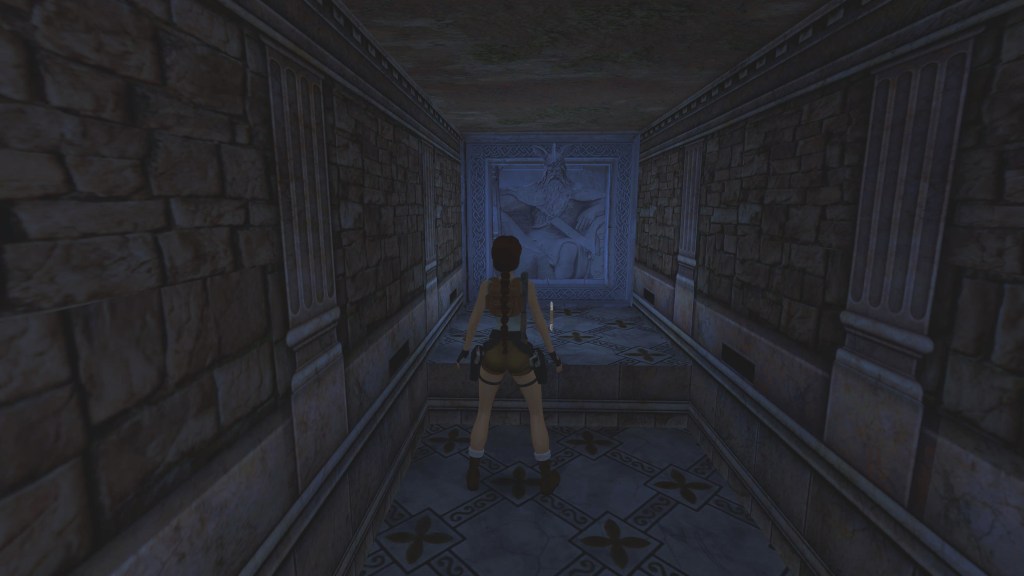
As usual, I will place screenshots from both the original 1996 game and the 2024 upgrade together, and the differences should become apparent immediately. The greatest example of this would be the Sphinx Room (below), where the improvement is immeasurable.

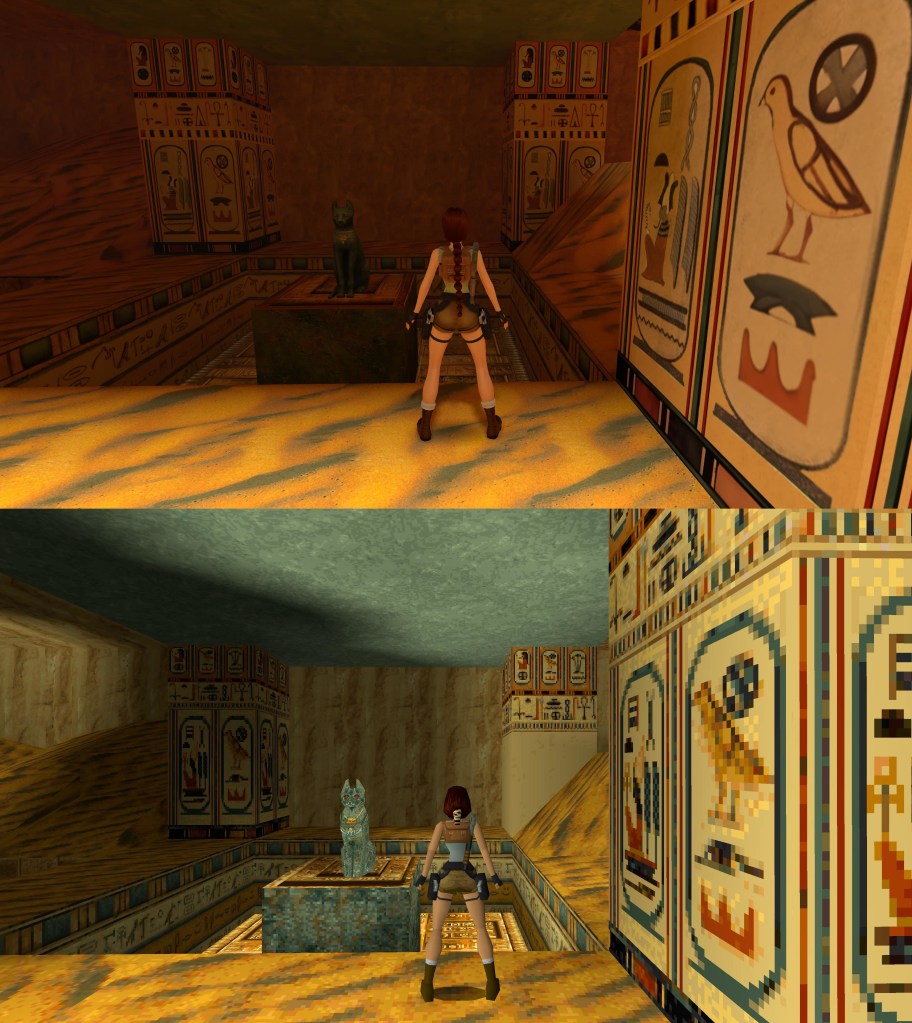
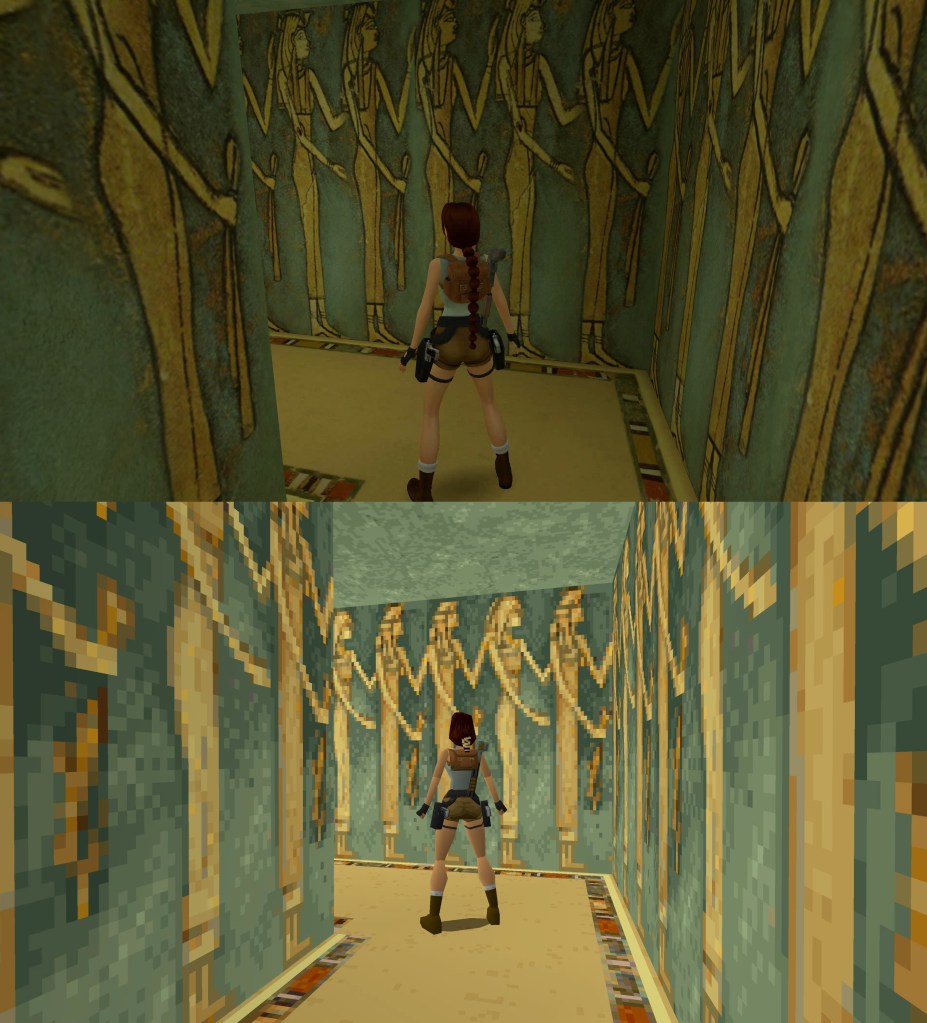
And look how the hieroglyphs have been sharpened and improved in the following shots.

The next two comparisons are interesting, as the designers have added a skylight or opening in both ceilings to justify the well-lit chambers. I think it’s a great touch.

The scope and imagination of this title continues to blow me away, and I am looking forward to powering through to the end and then continuing on with ‘Tomb Raider II’.

However, before I start the next Lara Croft adventure, I will post a report on the final Atlantis levels, and will definitely be looking at the ‘Unfinished Business’ expansion that is included in the PS5 version of the game.

But until then, here are a few more 1996/2024 captures from the Khamoon stages.

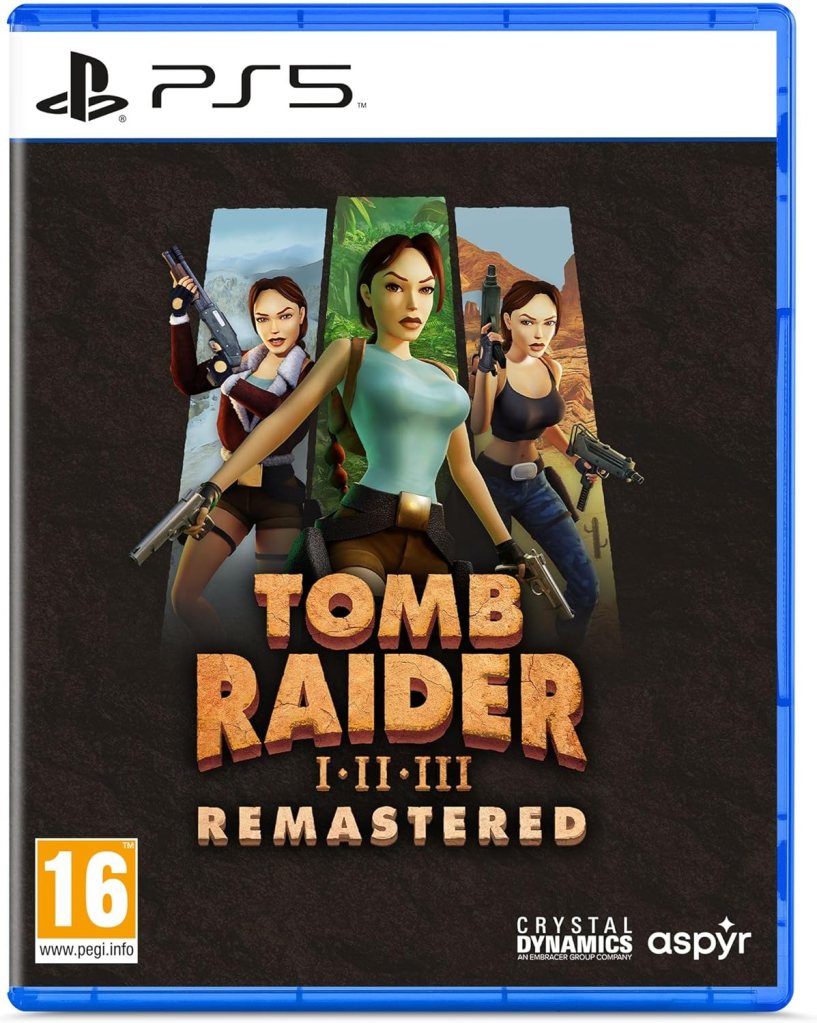
All screenshots were taken from ‘Tomb Raider Trilogy – Remastered’ on PlayStation 5.

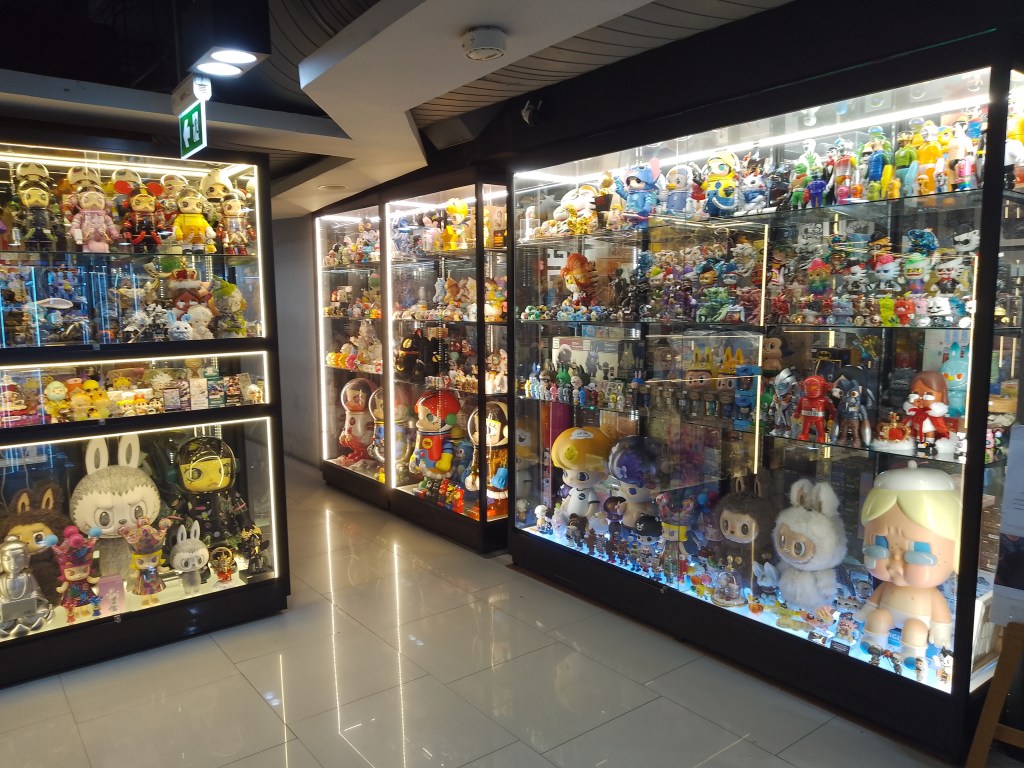
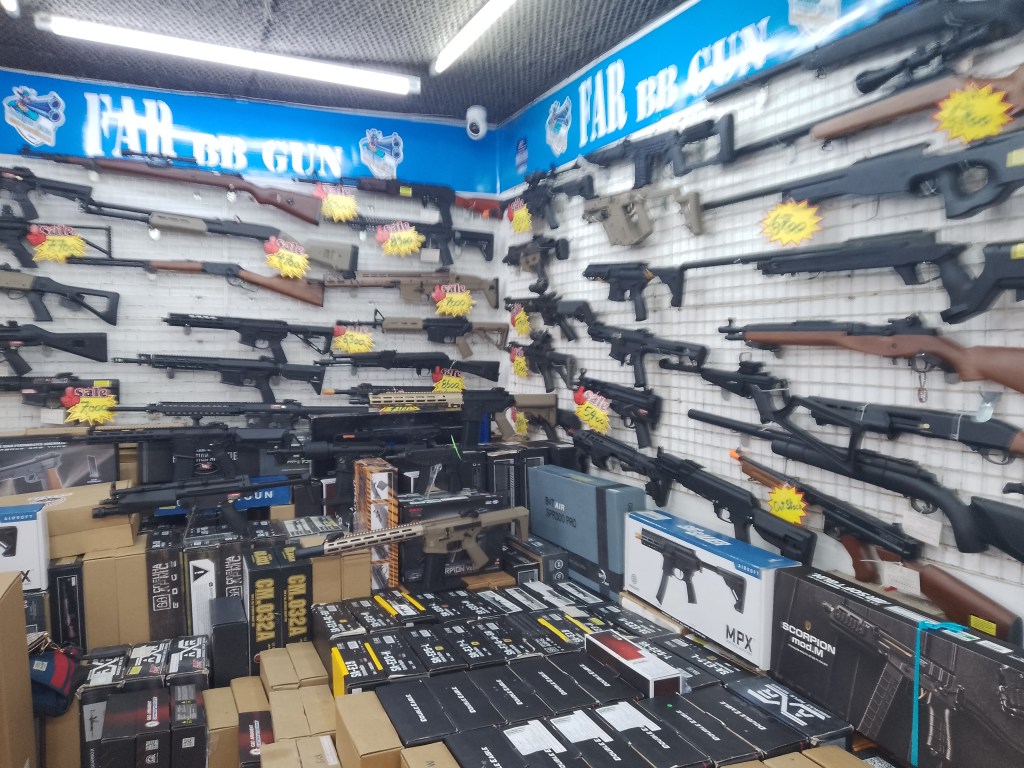
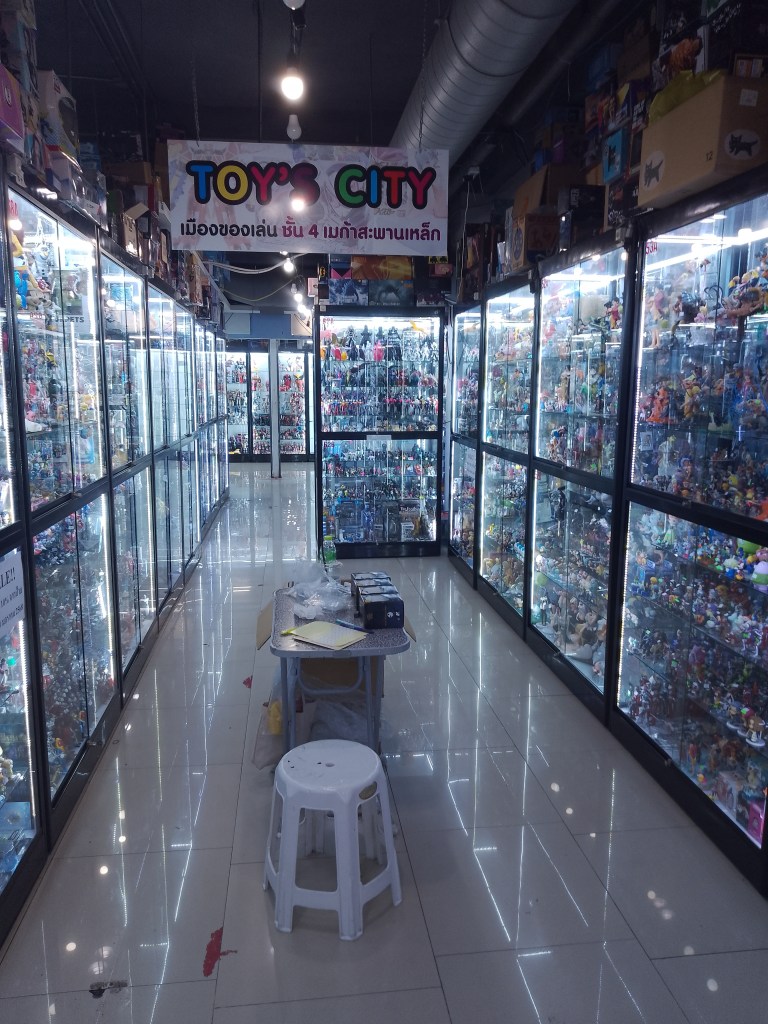
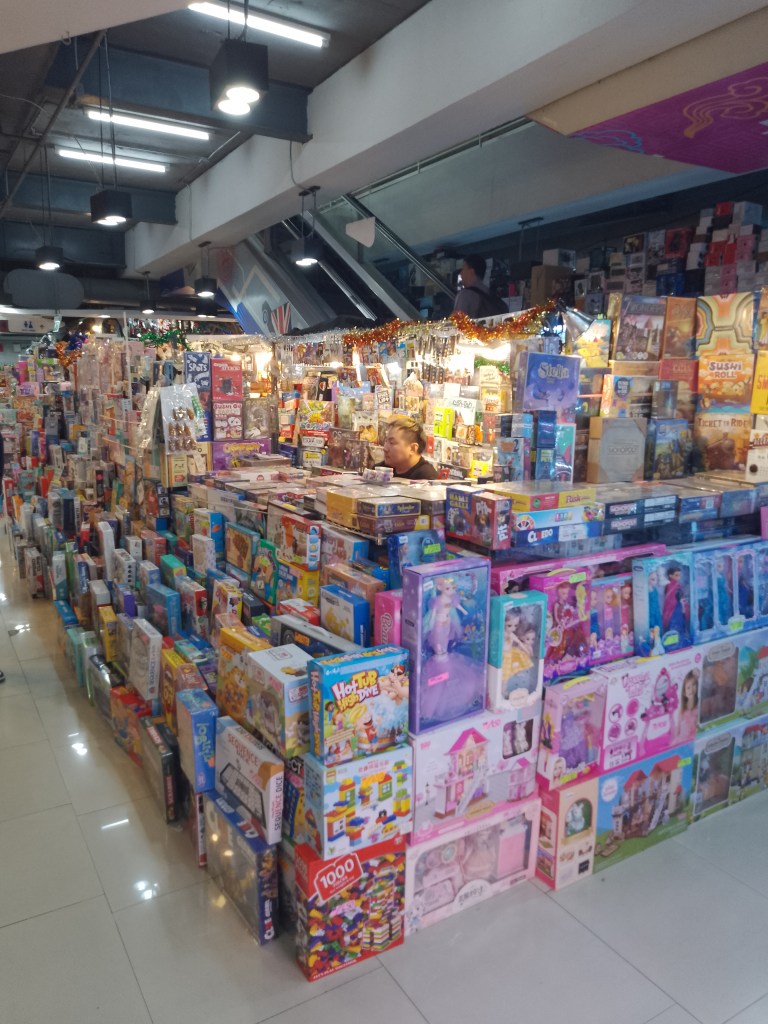
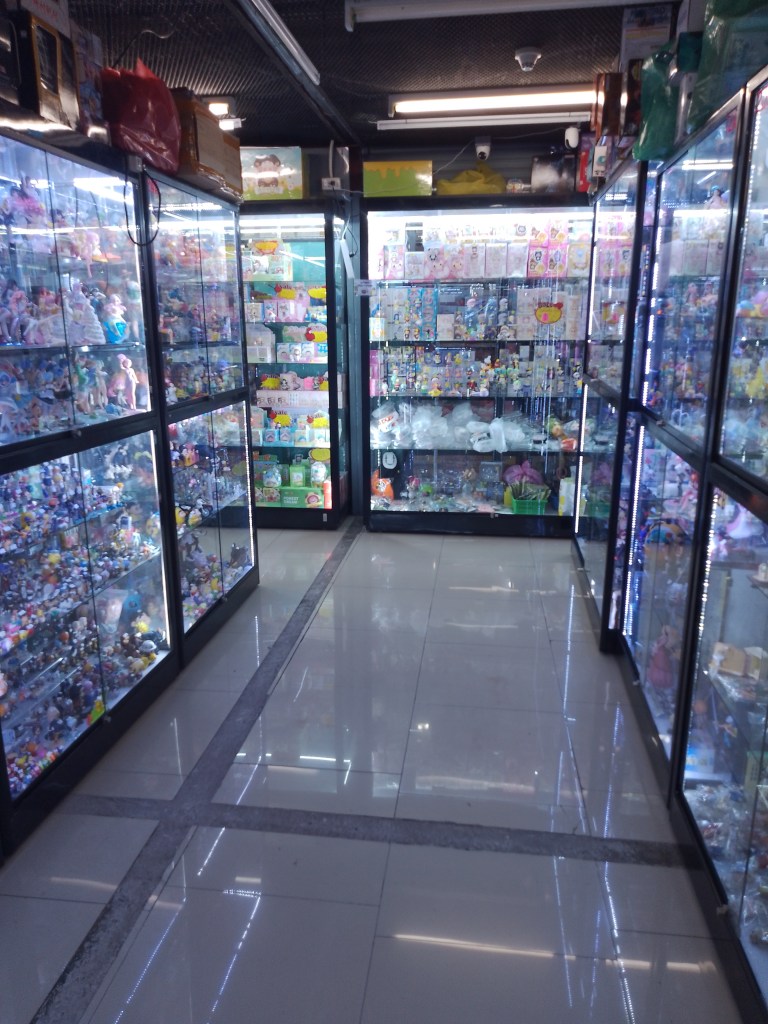
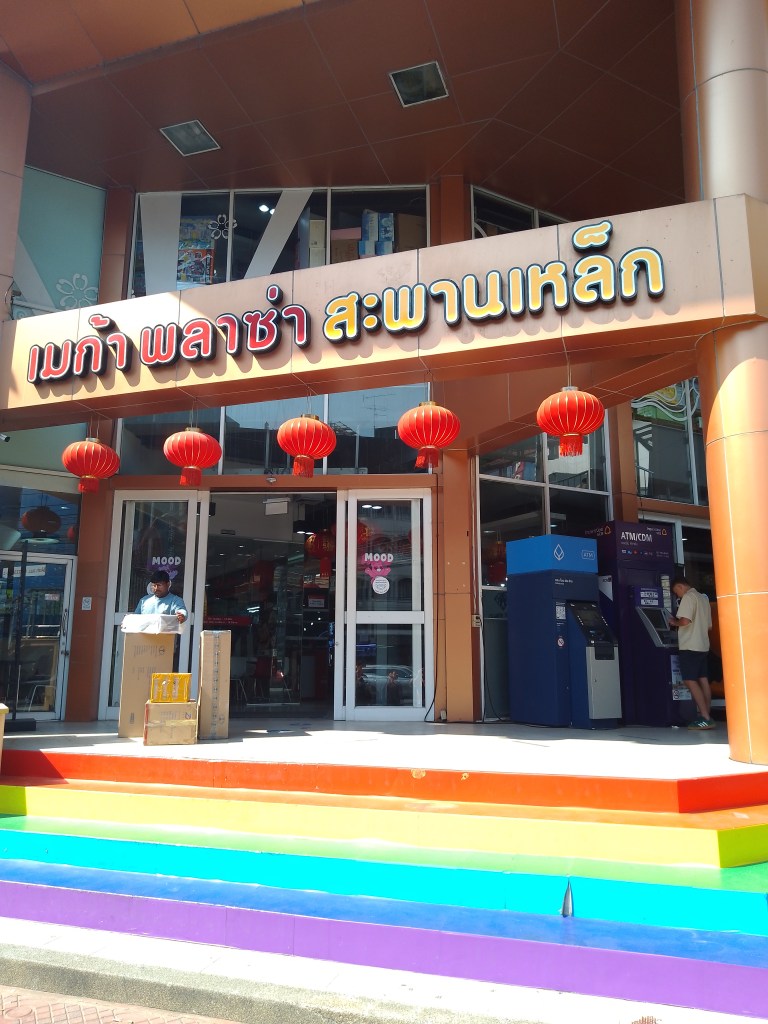
The amazing Mega Plaza in Bangkok.

I first heard about this place through YouTube videos, and as a result the Mega Plaza ended up high on my list of things-to-do when planning my trip to Thailand.

There is nothing like it in Australia – nor in most other countries – for this is an entire shopping mall dedicated to toys, collectibles and video games (both current and retro).

I would have taken a lot more photos and videos, but some of the vendors aren’t too keen on tourists snapping away and have large signs on display stating exactly that. As a result, I respected their wishes (for the most part).

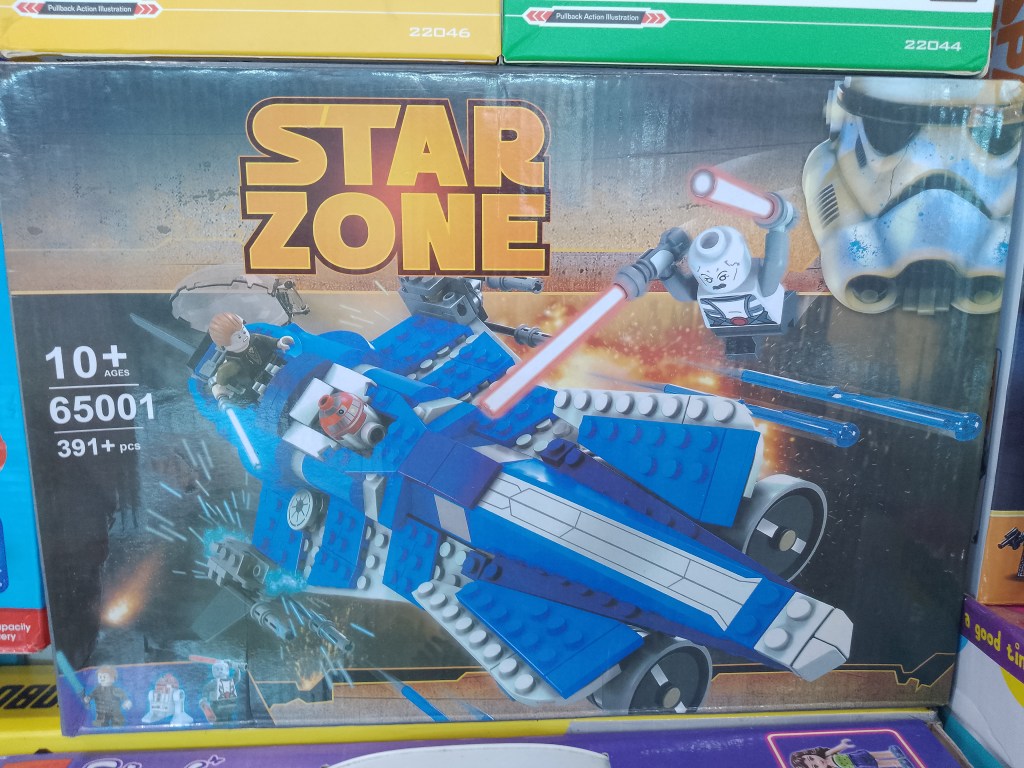
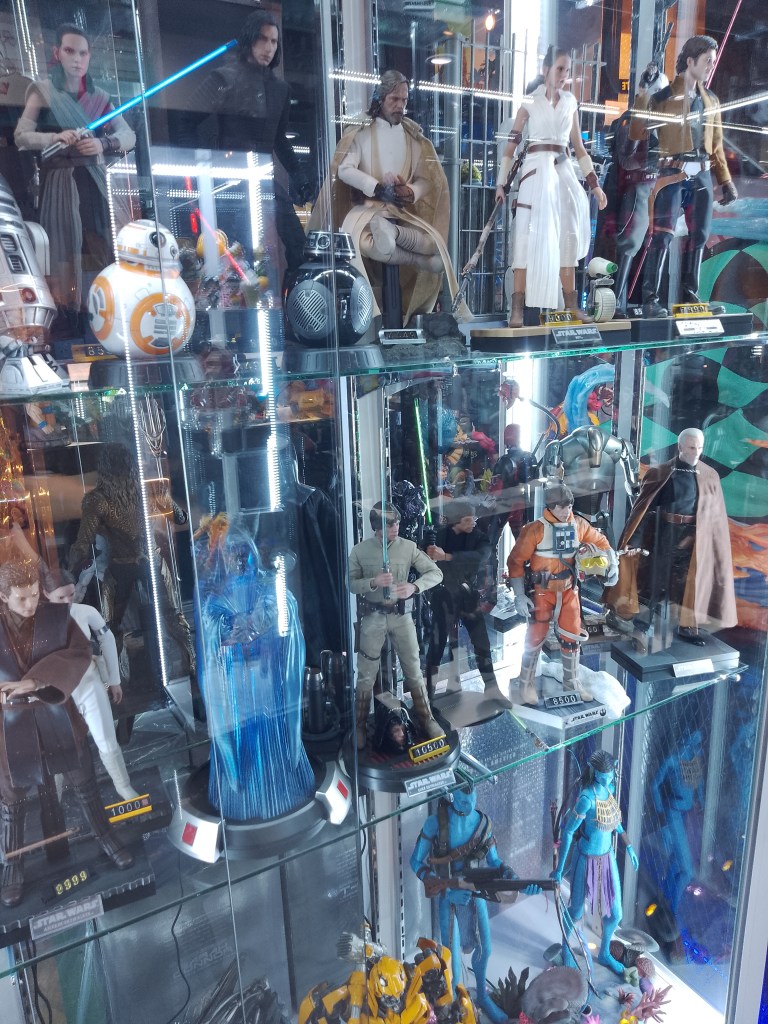
I found plenty of ‘Star Wars’ action figures and merchandise – some authentic and very expensive – and others perhaps not so much…

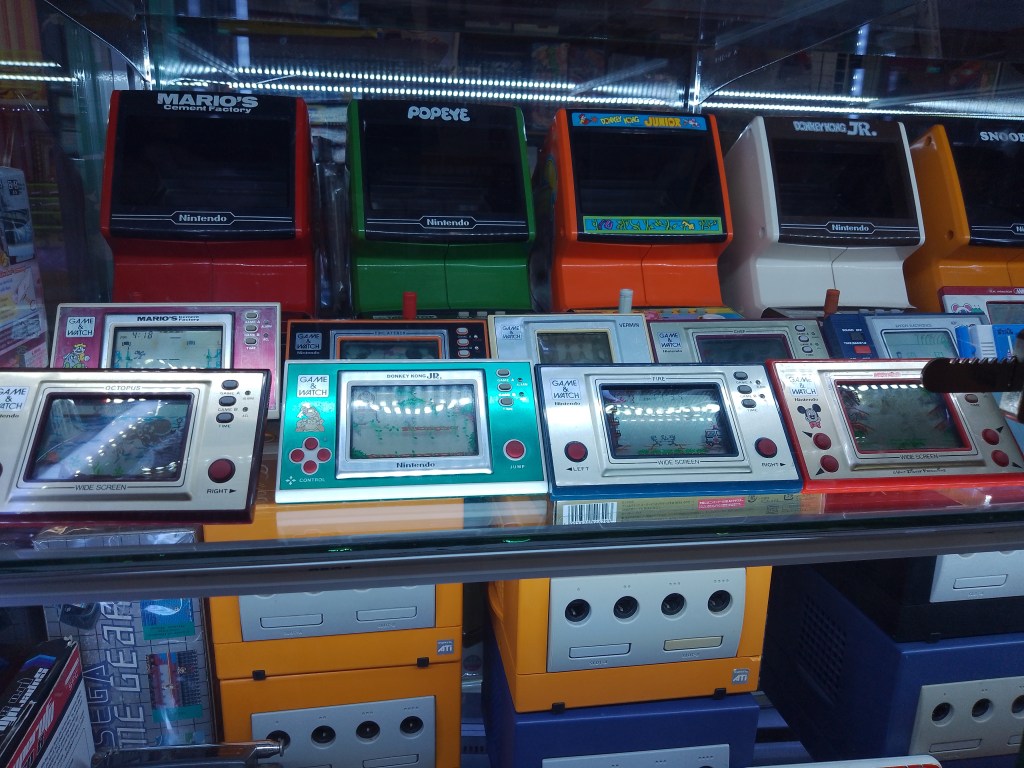
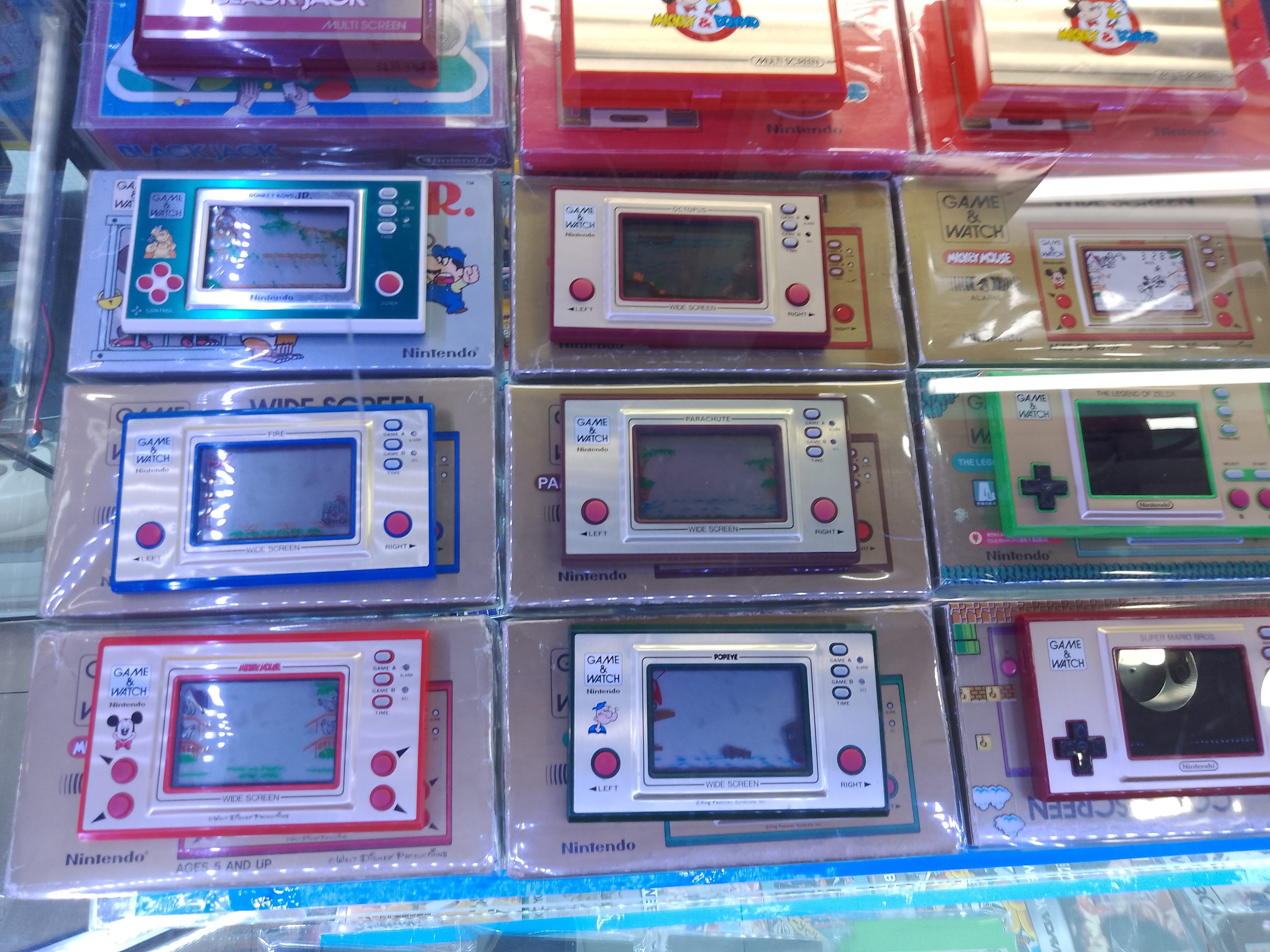
The gaming stalls were quite impressive and covered almost every system and game title released over the past few decades. In other words, there is a good chance you will find whatever retro game or console you are looking for, but it all boils down to how much you are prepared to pay. To give you an example, I did take a couple of ‘forbidden’ photos of what these guys are selling – just to show you how far back they go.

The size of this place is outrageous – six levels featuring hundreds of shops and stalls crammed from one end to the other – with a decent food court on the top floor and a McDonald’s restaurant down at street level.

I could go on and on, but instead I will wrap things up by posting a few more photos.

The Mega Plaza is located in Bangkok’s Chinatown district – at the western end of Yaowarat Road to be precise – with the nearest train station being Sam Yot (Blue line) only a couple of blocks away.

Clever and artistic – or just bonkers?

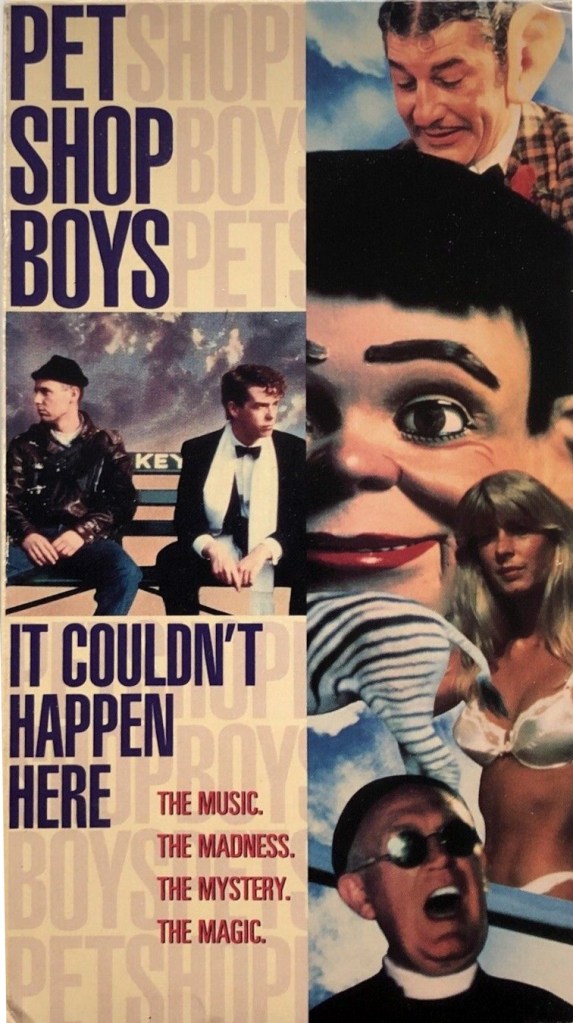
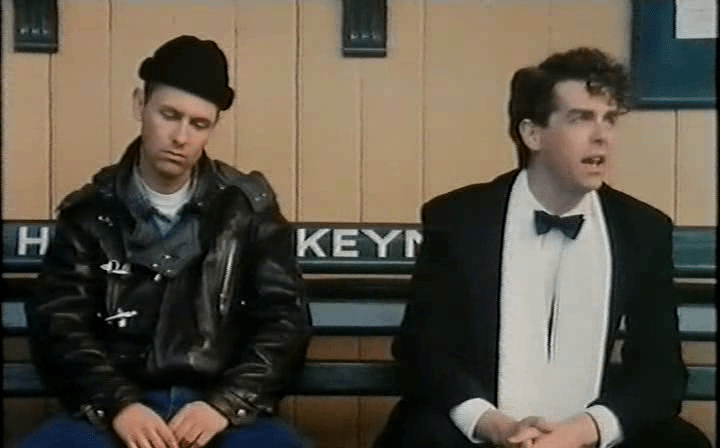
For those who do not know, a feature film was released in 1987 based upon the UK pop duo Pet Shop Boys – and the end product was fascinating to say the least.

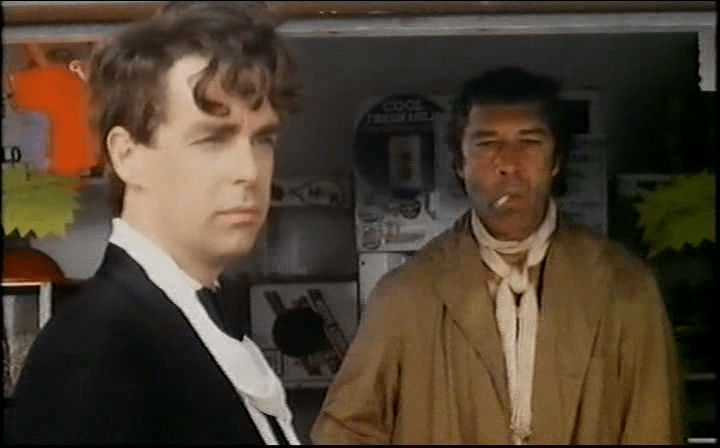
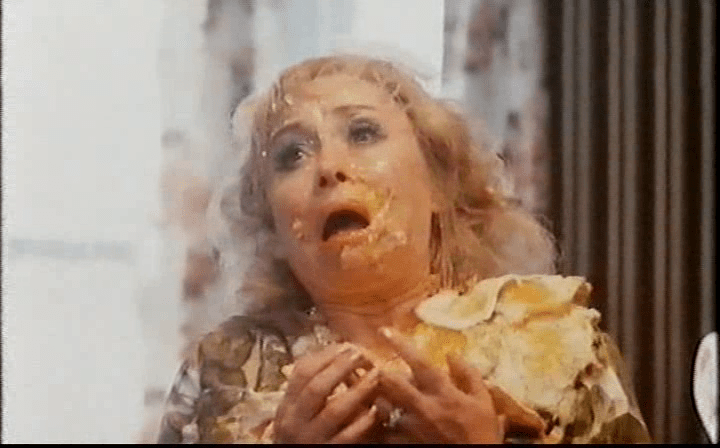
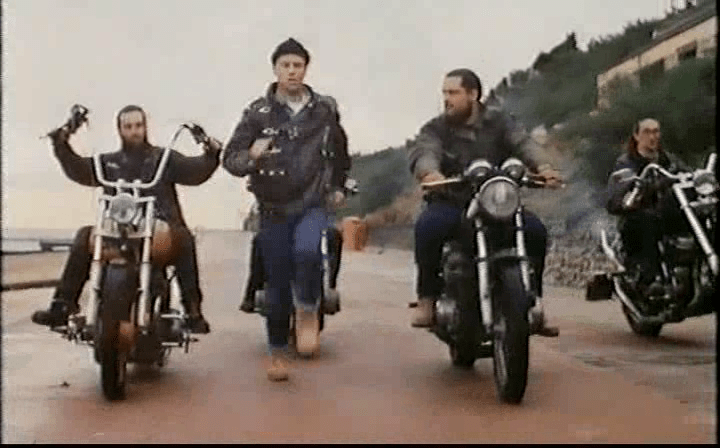
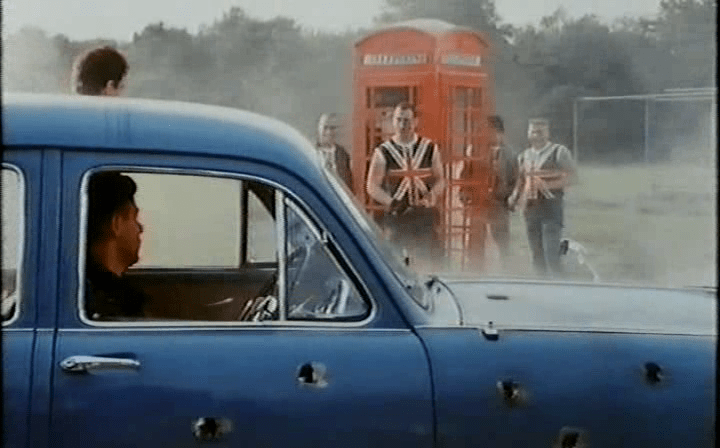
Directed by Jack Bond and starring both members of the band, Neil Tennant and Chris Lowe, ‘It Couldn’t Happen Here’ is essentially a long music video with some truly bizarre sequences, weird characters and even stranger dialogue taking place in and around the constant playing of Pet Shop Boys songs.

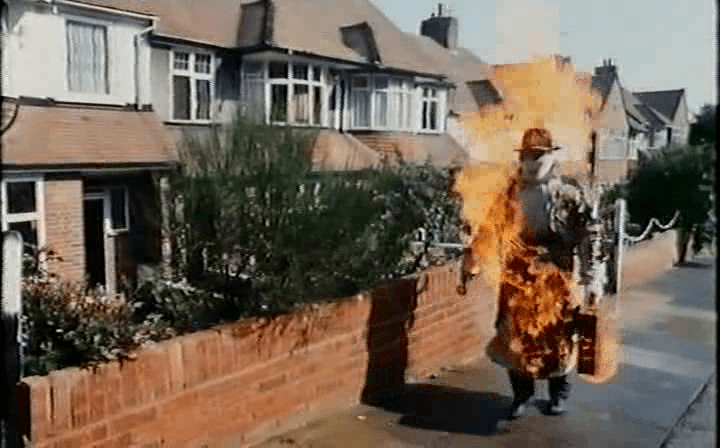
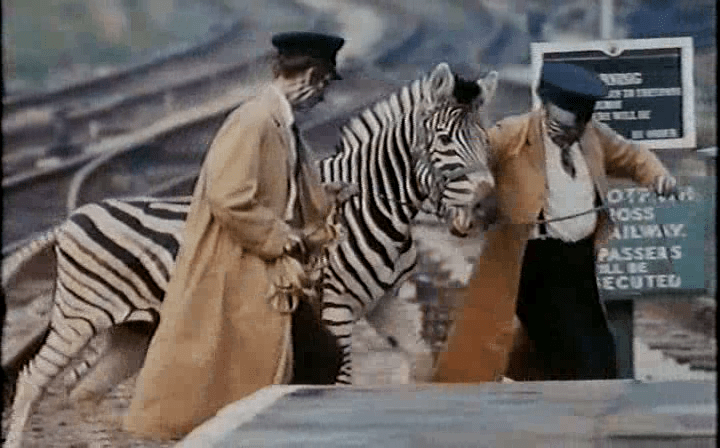
This film is completely nuts, however various Thatcher-related allegory and other critiques of British society can be interpreted within the show’s gloomy imagery and themes.

As clever as this may be, I felt that the film was just ‘weird for the sake of being weird’ at times and often went overboard with the craziness – some of which could have been left out.

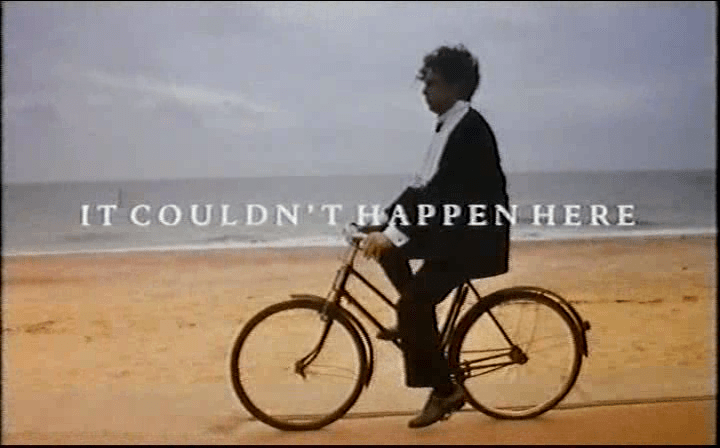
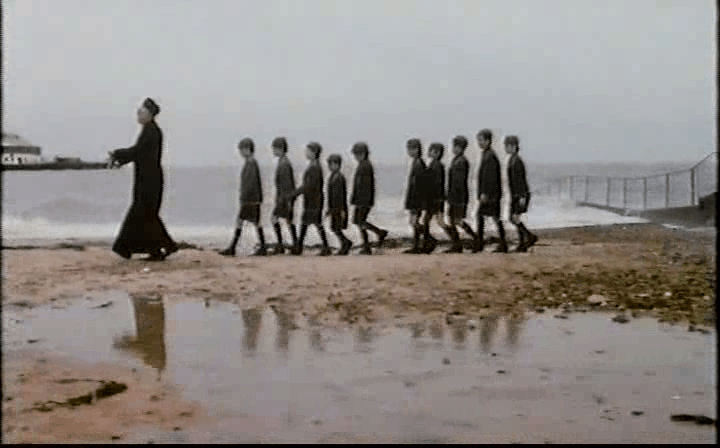
However, the one redeeming quality of this movie is the cinematography and surrealism, particularly when focusing less on the wacky characters and more on the wider settings and well-chosen locations. Most of the film was shot around Clacton-on-Sea on days when the weather was poor and the North Sea rather angry, and this added to the dreary, miserable tone that the filmmakers intended.

The Pet Shop Boys would have been experiencing near-peak popularity when this film was made, yet the project flopped and ended up being a box-office bomb.

I used to enjoy their music back in the day, but I wouldn’t have been too excited to see these guys star in their own movie – and perhaps this was the overall sentiment at the time.

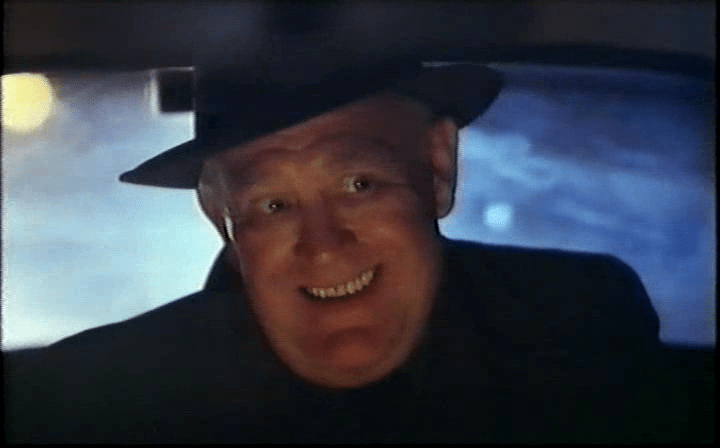
One actor that people might recognise in this film is Joss Ackland – who played the creepy priest chasing two boys around at the beginning of the film, as well as the psycho hitchhiker – but I’m not sure if they are meant to be the same character.

Ackland is perhaps best-known for playing the villain Arjen Rudd in ‘Lethal Weapon II’.

If you are into strange, surreal art house films, and enjoy the music of the Pet Shop Boys, then perhaps ‘It Couldn’t Happen Here’ is worth checking out. However, this is a weird show – much like a Ken Russell movie – so it really is an acquired taste and being a fan of the band might not be enough to cut it here.

I should point out that ‘It Couldn’t Happen Here’ has a rating of 71% on Rotten Tomatoes, and the surrealism and artistic direction are mentioned glowingly in many reviews on that site. I’m not sure about the high score, but I do agree with a lot of the positive comments there.

Overall, this is a very interesting film – but I would rate it somewhere around 50%.

On a final note, Jack Bond – who sadly passed away late last year – directed the music video for the Pet Shop Boys’ hit song ‘Heart’. This truly was a work of art – easily one of the best clips from the 1980’s – and starred Ian McKellen as a vampire out to spoil a young couples’ honeymoon. An absolute classic!

Link to the ‘Heart’ music video is below, courtesy of Pet Shop Boys YouTube channel.

Photos and screenshots courtesy of EMI Films.

Jeff Fenech v Samart Payakarun – A memorable chapter in Australian boxing history.

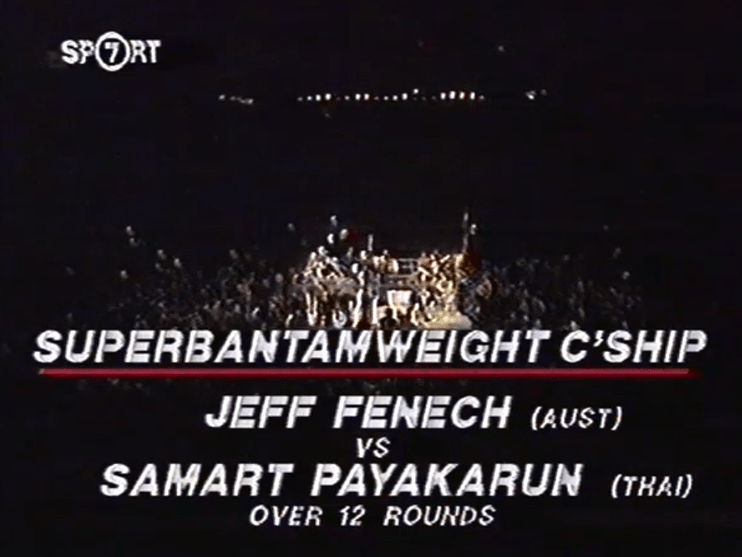
On the 8th of May 1987, an eagerly-anticipated and much-hyped boxing match took place in Sydney, Australia.

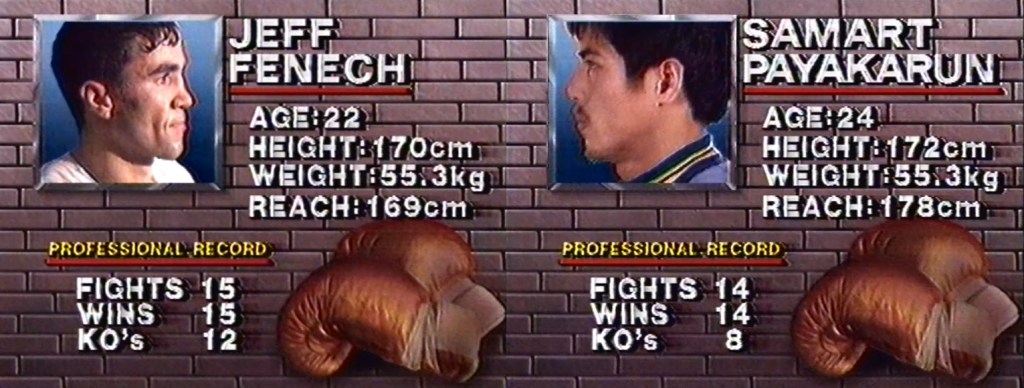
The bout was for the WBC Super-Bantamweight title between the local fighter Jeff Fenech and the reigning champion Samart Payakarun (often spelled ‘Payakaroon’) from Thailand.

While Fenech was already a sporting hero in Australia – having come close to an Olympic medal in Los Angeles before turning pro and winning the IBF Bantamweight title a year later – his Thai opponent was highly regarded and most pundits had the Aussie as an underdog, despite the fight taking place in his hometown.

The fact that the event was held in Sydney and not Bangkok would indicate that somehow the Australian promoters were able to scrap together enough money to lure the Thai champion to fight outside of his own country. This is where the story became outrageous, because as soon as Payakarun was paid, he and his entire team placed a ‘double-or-nothing’ bet on him winning the fight. Not only that, but to appease the disappointed crowd come fight night, the Thai boxer was prepared to put on a Muay Thai kickboxing show following his victory – presumably after a defeated Fenech was stretchered out of the ring.

Samart Payakarun certainly did come into the fight with a reputation that preceded him, for he was the biggest star in Thai martial arts before turning to professional boxing. Since making the switch, his most impressive performance was a fifth round knockout of Mexican champion Lupe Pintor in a chaotic Bangkok stadium, claiming the WBC Super-Bantamweight title.

I remember there being reports at the time that Payakarun had been given the ‘Ring Magazine Fighter of the Year’ award – perhaps as a ploy by the promoters and local media to build-up the fight – but this was incorrect. Instead, the Thai had been awarded a far lesser accolade; something along the lines of an ’emerging talent’ recognition, following his upset win over Pintor. Either way, Payakarun had successfully defended his title twice and had been champion for over a year, so he meant business when he came to Sydney.

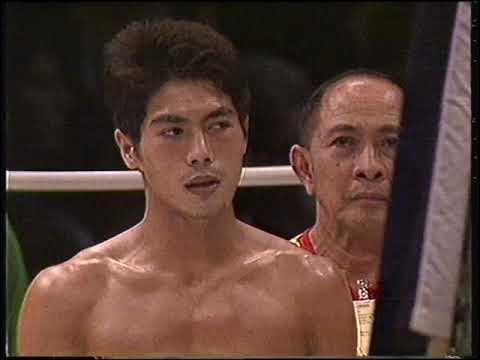
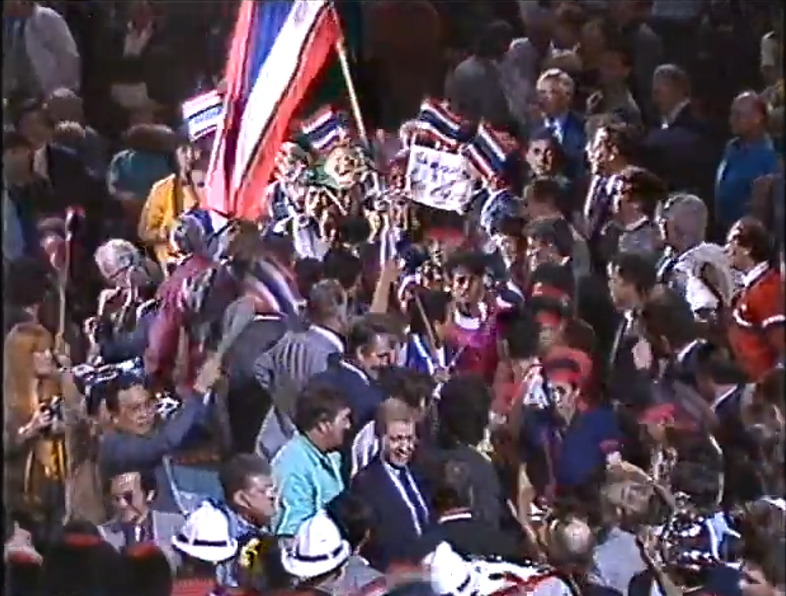
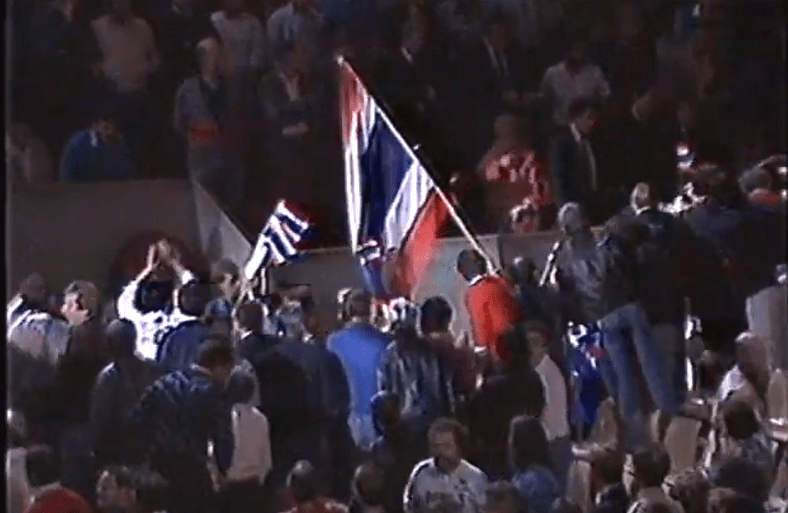
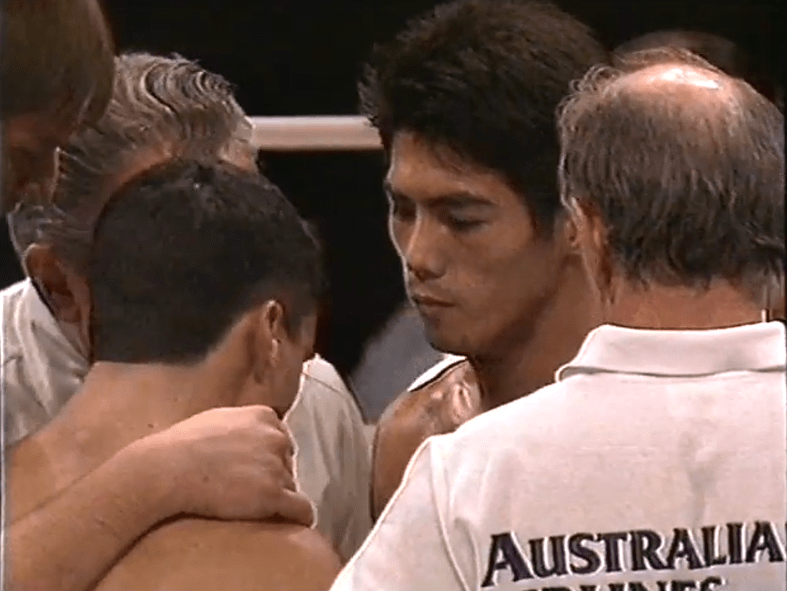
There was a large (and vocal) Thai contingent at the fight, and once Payakarun entered the ring he hardly took his eyes off Fenech, and this was clear when the two boxers received their final instructions from the referee.

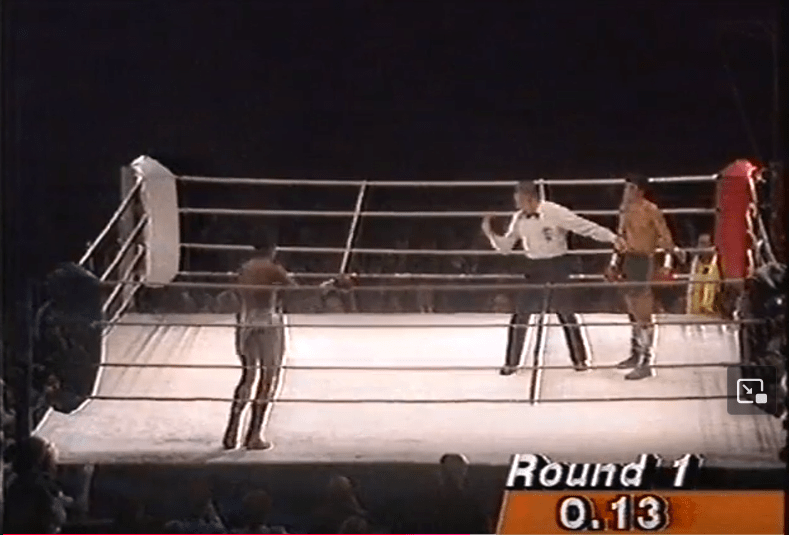
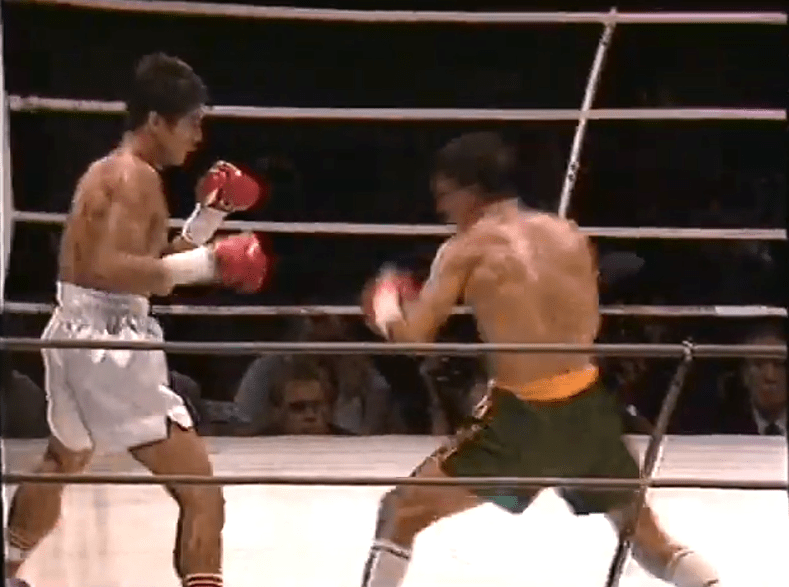
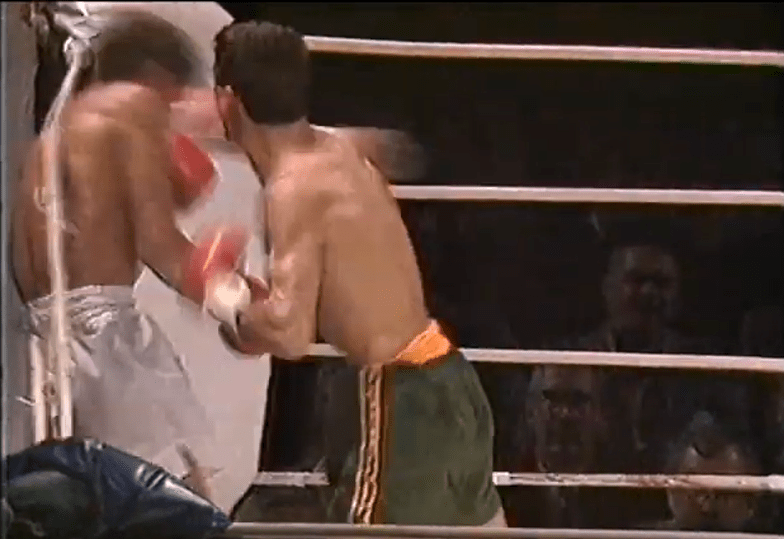
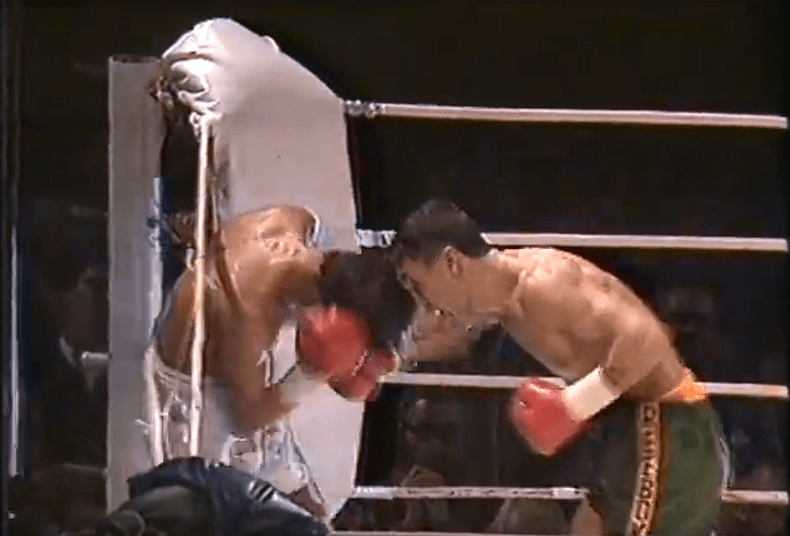
The fight started with Fenech as the aggressor, with the Thai cleverly using his speed and reach advantage to keep out of trouble. Nearing the end of the first round, the Australian walked into a straight right from Payakarun and suffered a flash knockdown – but this would prove to be the champion’s only highlight of the bout.

From the second round onward it was all Jeff Fenech, as Payakarun struggled to keep a comfortable fighting distance, and slowly but surely ‘The Marrickville Mauler’ began to wear his opponent down.

To give credit to Payakarun – he came to fight and stood right in front of Fenech the entire time – but this would prove to be his undoing. After copping a great amount of punishment in the second and third rounds, the Thai would ultimately collapse into unconsciousness late in the fourth, handing Fenech his second world title.

There were stories after the fight claiming that a humiliated Payakarun returned to Thailand and became a monk. If this was true, then it did not happen immediately after losing to Fenech as the rumours suggested, for the Thai boxer returned to the ring two more times – winning both fights by knockout – before ‘retiring’ in early 1988.

Payakarun made a comeback five years later, culminating in a title fight for the WBA Featherweight belt where he was stopped in the eighth round. Following this, Samart Payakarun changed career paths entirely and became a successful singer and actor in Thailand.

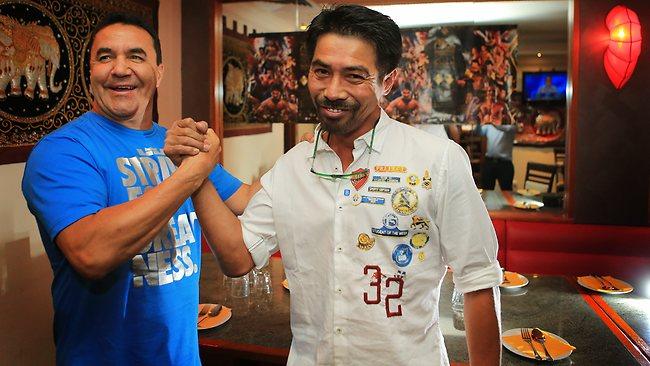
To end the story on a friendlier note, the above photo was taken in 2013 when Fenech and Payakarun came face-to-face again – but on this occasion the Thai master was in Australia promoting a kickboxing event.

I should also point out that the legendary Gus Mercurio (facing the camera) was part of the Seven Sports commentary team – and was a brilliant boxing pundit – not to mention the father of Paul Mercurio from ‘Strictly Ballroom’ fame.

Jeff Fenech vs Samart Payakarun can be watched on YouTube, and there is a link below to the full fight – courtesy of Rewind YouTube channel.

Note: The fight starts at around 25 minutes into the video.

Photos courtesy of Seven Sport, Fox Sports and Rewind YouTube Channel.

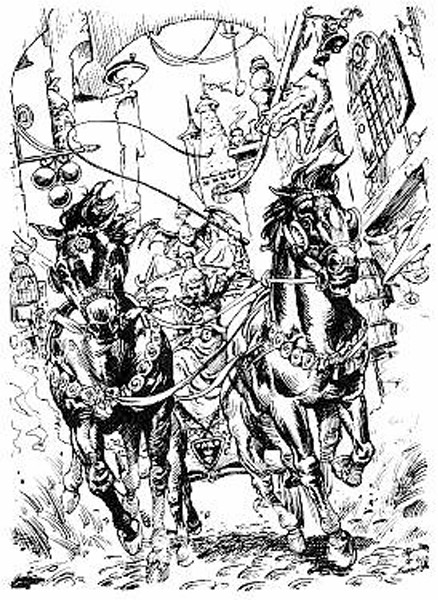
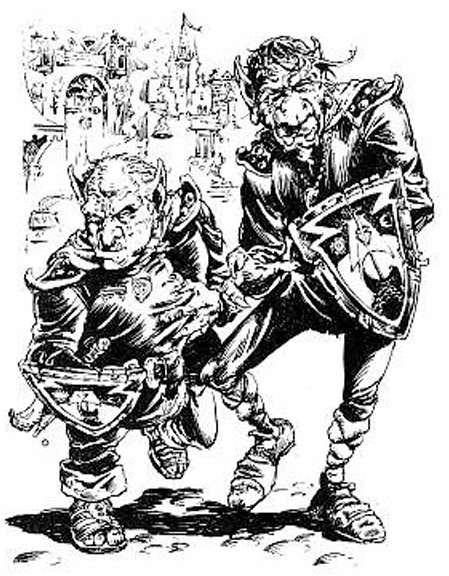
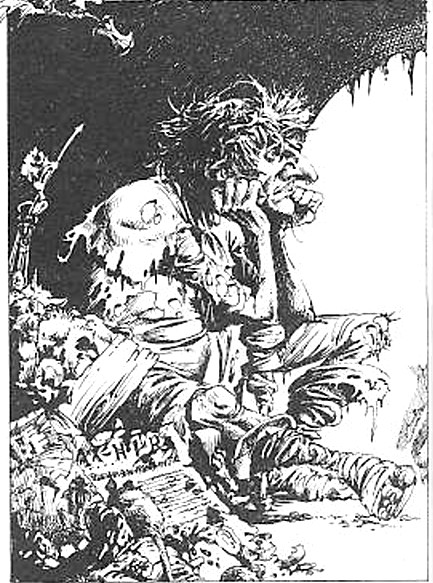
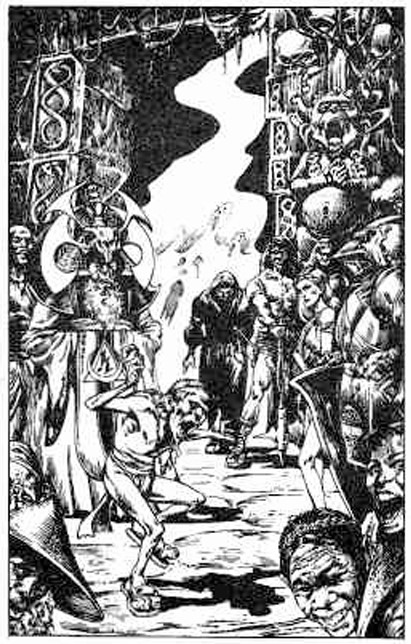
‘City of Thieves’ and ‘Deathtrap Dungeon’.

Having already covered the illustrations from the previous four books in the ‘Fighting Fantasy’ series, it is now time to appreciate the artwork from the next two classic adventures.

For me personally, I felt that these two titles marked the peak of the franchise – with ‘Deathtrap Dungeon’ in particular elevating the popularity of the collection to new heights.

The covers and inside artwork for both books were created by the same person: – American artist Iain McCaig, who is perhaps best known for his work at Lucasfilm with the ‘Star Wars’ prequels. According to what I have read across numerous sites, McCaig played a major role in designing the characters Darth Maul and Queen Amidala.

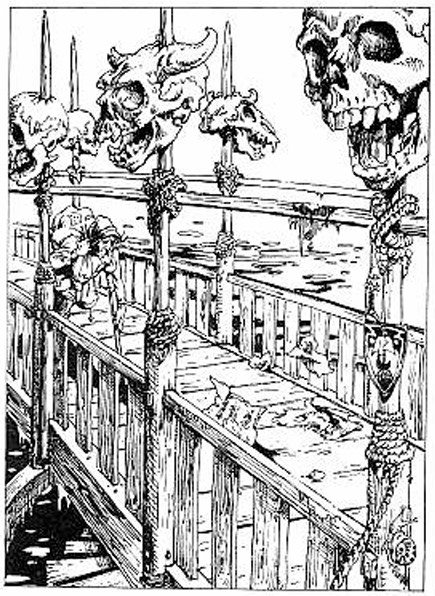
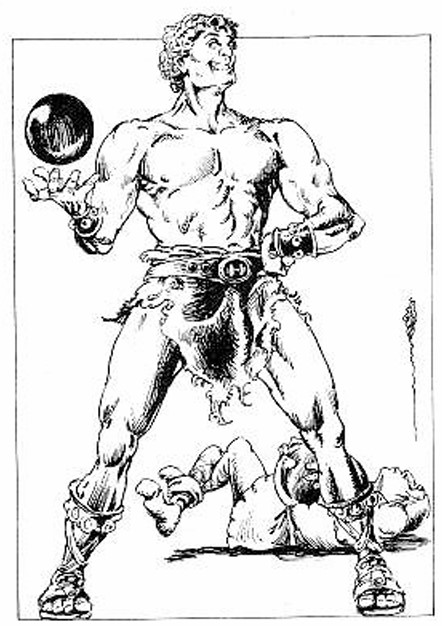
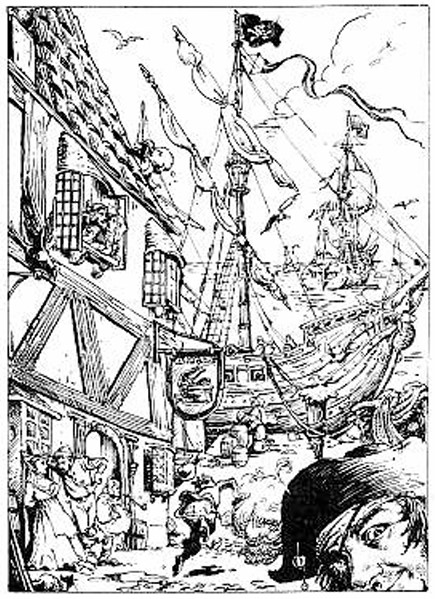
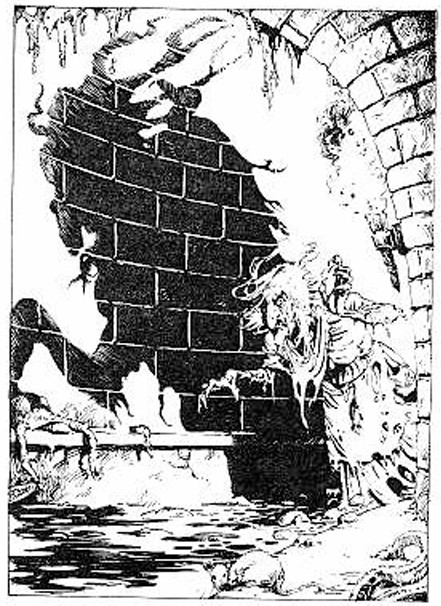
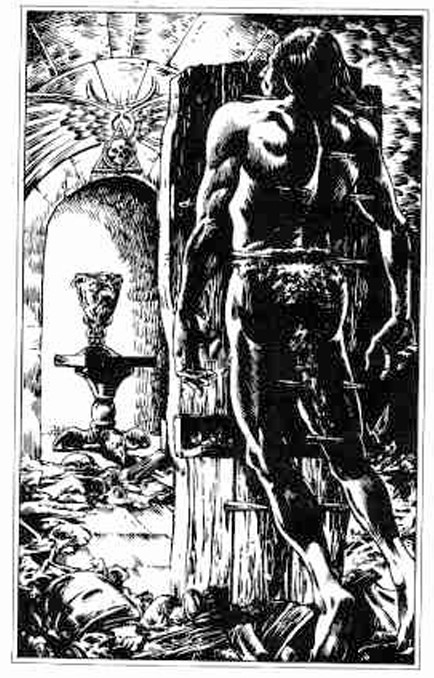
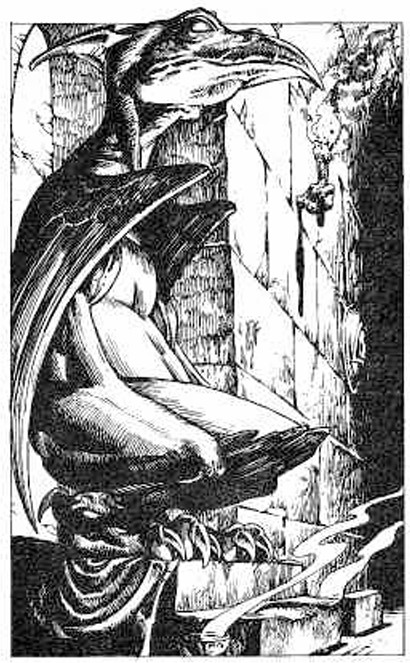
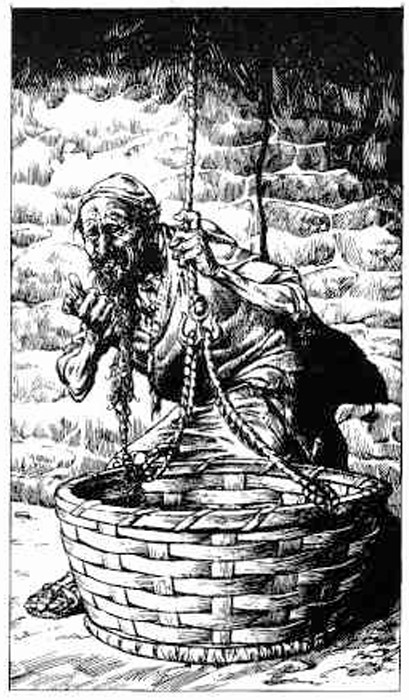
McCaig is a brilliant artist, and you will note throughout the following drawings that he often has the subjects ‘stepping outside the frame’, so to speak. It’s a fantastic effect and made the artwork for these books stand out and added both weight and atmosphere to the exceptional writing and storytelling.

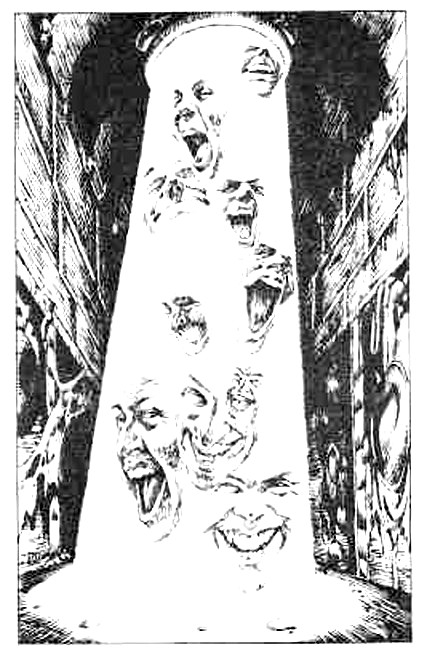
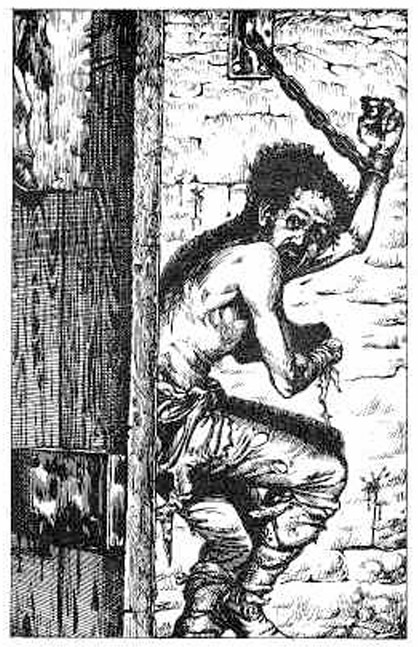
Let’s start with ‘The City of Thieves’ – where the story is set in a dirty, crime-riddled and violent town called Port Blacksand. Within the city walls are countless foes and villains wanting to kill you, and McCaig’s illustrations reflected these perils perfectly.

Is it just me, or does the person in the last drawing look like Barry Manilow?

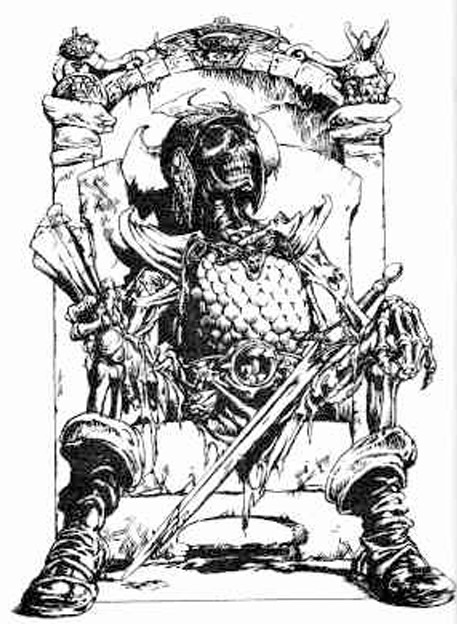
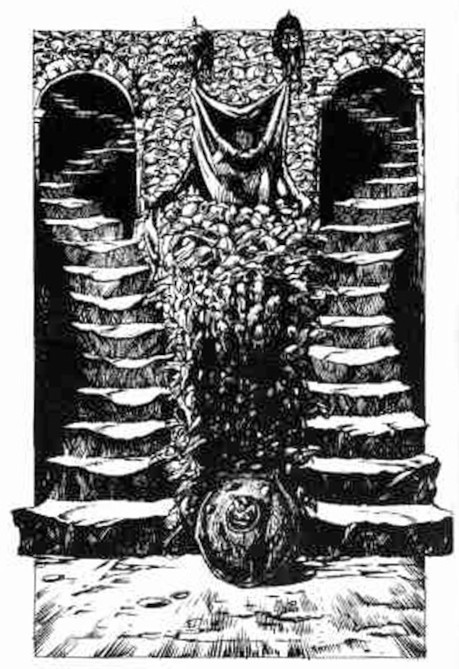
All jokes aside, we now continue with ‘Deathtrap Dungeon’, where I have selected more of McCaig’s exceptional work to be admired. As with the previous book, it is difficult to filter out the illustrations into a ‘greatest hits collection’, but I will do my best.

For more information about Iain McCaig, please follow the link below to his IMDB profile.

https://www.imdb.com/name/nm0564572/

McCaig’s only other contributions to the ‘Fighting Fantasy’ series were designing the covers for ‘The Forest of Doom’ – which I covered in the previous review – and ‘Island of the Lizard King’, which I will focus on next time.

Covers and illustrations courtesy of Fighting Fantasy, Iain McCaig and Ian Livingstone.

‘Never Say Never Again’ – The unofficial Bond film.

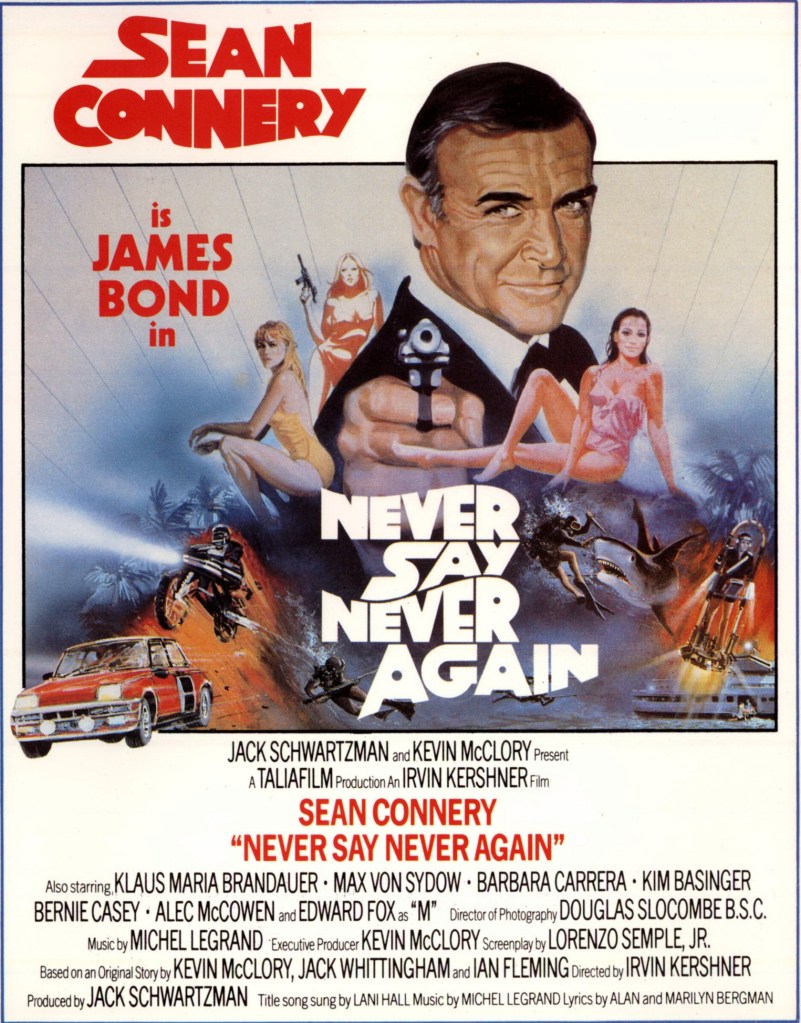
If you combine an ageing Sean Connery coaxed into returning one last time as agent 007, with the director of ‘The Empire Strikes Back’ and a legal loophole over the rights to the Ian Fleming novel ‘Thunderball’ – we end up with the 1983 James Bond movie ‘Never Say Never Again’.

It was an interesting time, as on the ‘official’ side of things Roger Moore had pretty much hung up his boots and American actor James Brolin was set to star in the next Bond film ‘Octopussy’. However, the folks at Eon Productions reacted nervously to Connery’s comeback, and sensing some serious competition quickly pushed Brolin aside and convinced the ever-reliable and established Moore to return to the role.

As it turned out, both ‘Octopussy’ and ‘Never Say Never Again’ were released in 1983, with the Roger Moore film coming out four months earlier and narrowly beating its rival at the box office. However, a number of critics at the time gave slightly higher reviews to the Connery flick, but for me both films are about on par.

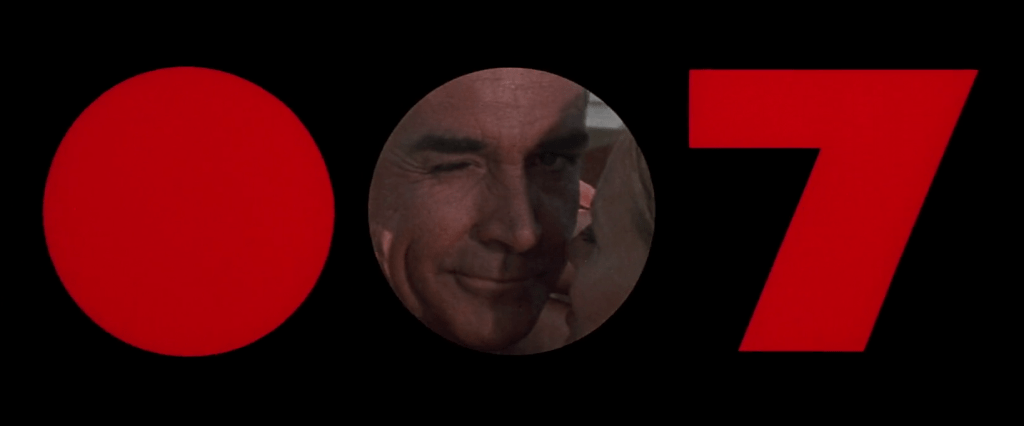
‘Never Say Never Again’ was essentially a remake of the 1965 film ‘Thunderball’, but due to legal reasons could not use the opening gun barrel sequence nor famous guitar theme – however, the producers were allowed to use the number 007 as well as the names of characters created in the original work.

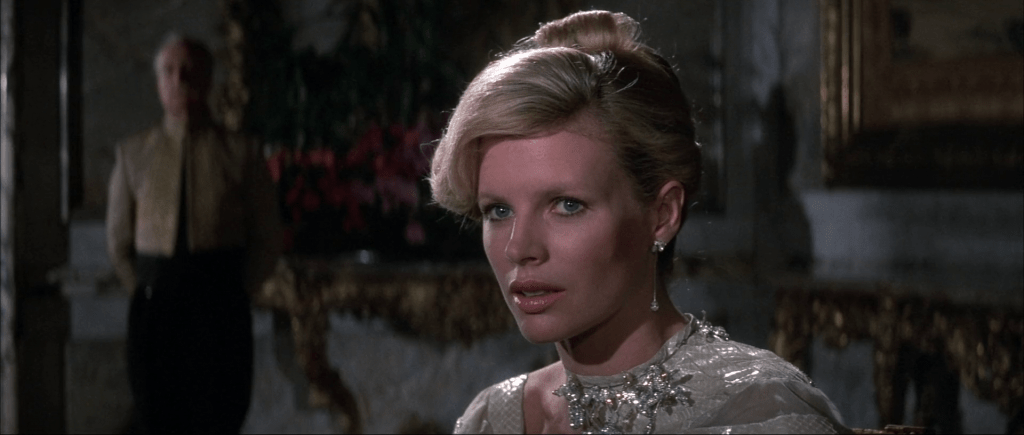
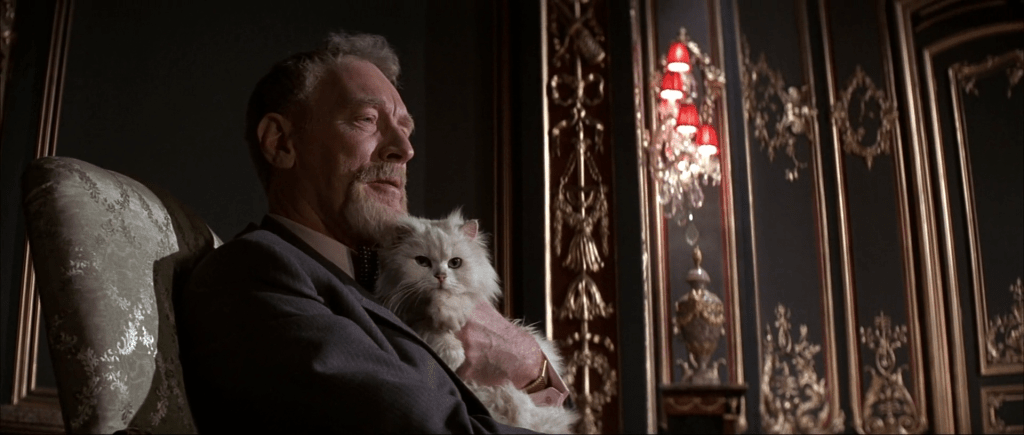
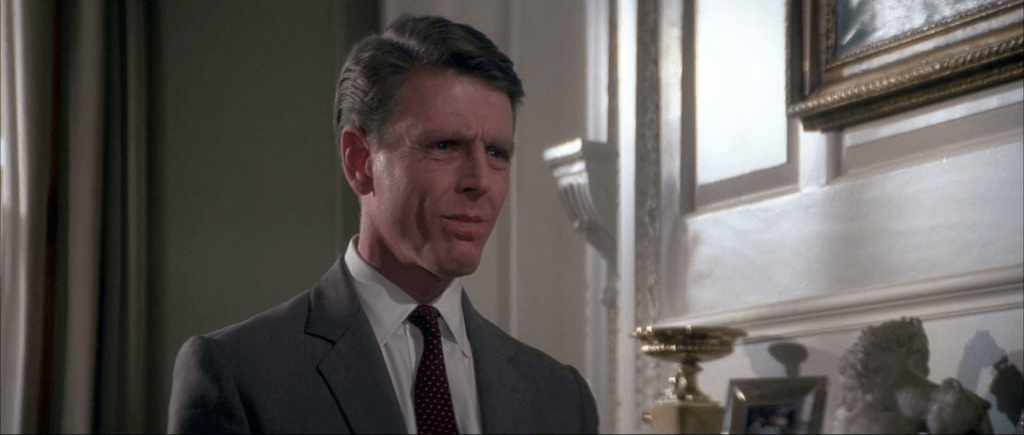
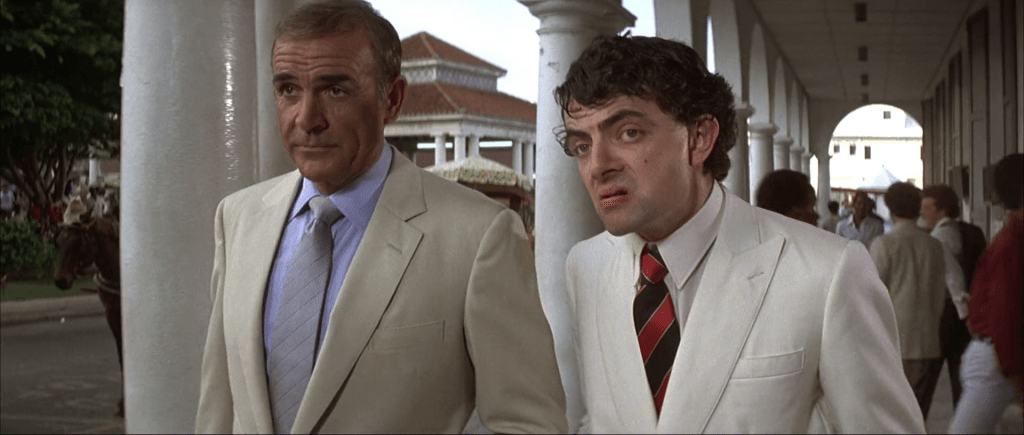
Casting-wise, it beat ‘Octopussy’ hands down – with Kim Basinger, Max Von Sydow, Edward Fox, Barbara Carrera and Rowan Atkinson starring.

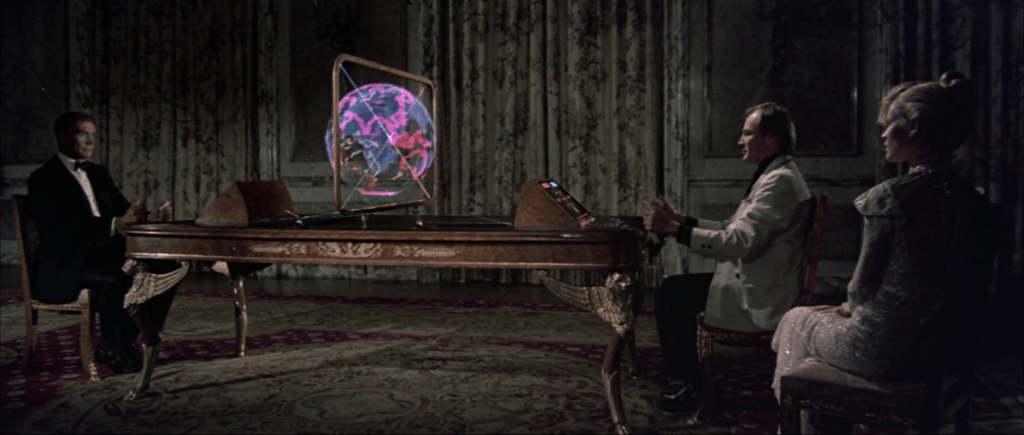
With the master director Irvin Kershner calling the shots, the action scenes were impressive and eye-catching, including a strange video game sequence between Bond and the main villain Largo (played brilliantly by Klaus Maria Brandauer).

Overall, ‘Never Say Never Again’ is a good piece of lightweight entertainment, featuring plenty of thrills and spills – with a mature Connery in decent shape for the role. Incidentally, he was actually three years younger than rival 007 Roger Moore.

I’m not sure if anyone else picked up on this, but I always found the music to ‘Never Say Never Again’ a little odd – even comical at times – although the theme song performed by Lani Hall was certainly Bond-esque, albeit a little high-pitched.

The legal decision that allowed this movie to be made is an interesting story in itself, but one that I won’t go into too much detail here – as it is quite complicated and involves a ten-year statute and exclusive rights to ‘SPECTRE’ and the evil Ernst Stavro Blofeld – which explains their absence in the Roger Moore films, not counting the parody scene in ‘For Your Eyes Only’.

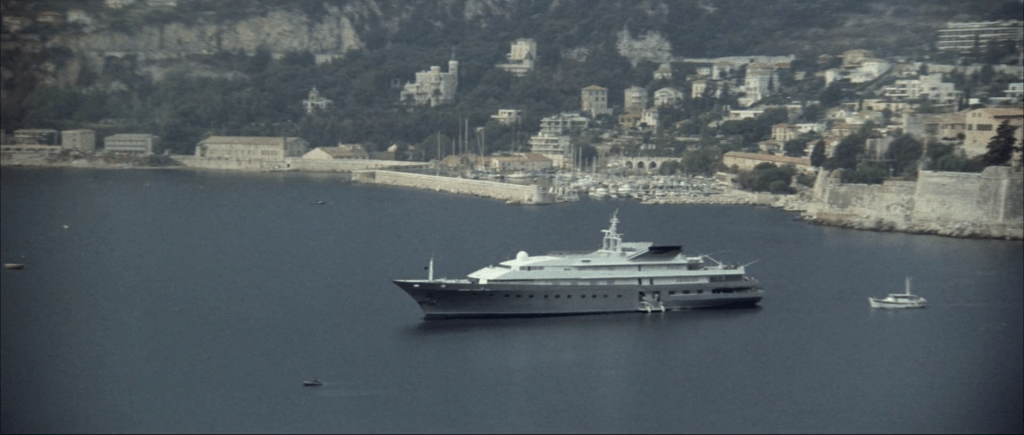
Interestingly, Largo’s yacht – called ‘Flying Saucer’ in the film – was actually the infamous ‘Nabila’ owned by Saudi arms dealer Adnan Khashoggi. The same boat would later be purchased by Donald Trump and renamed ‘Trump Princess’.

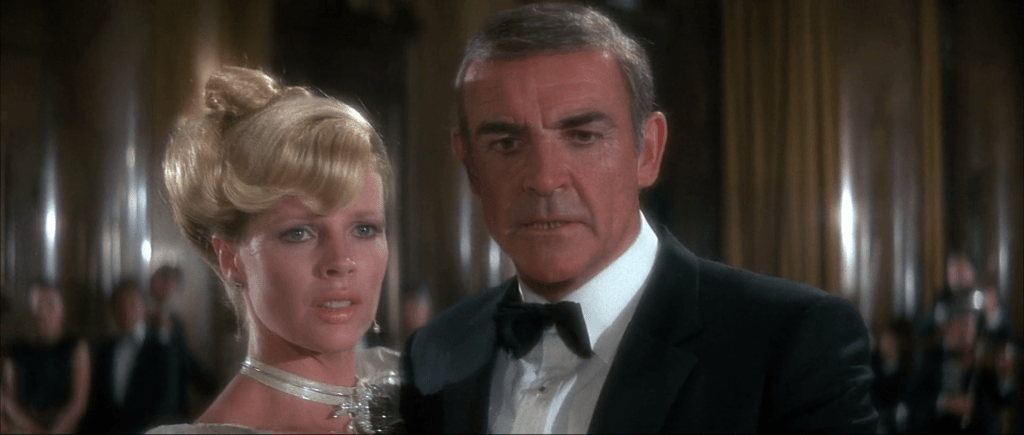
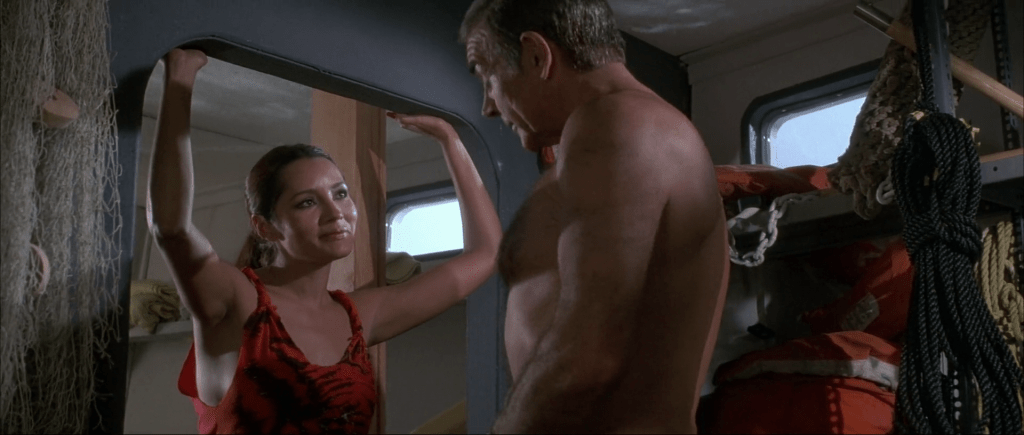
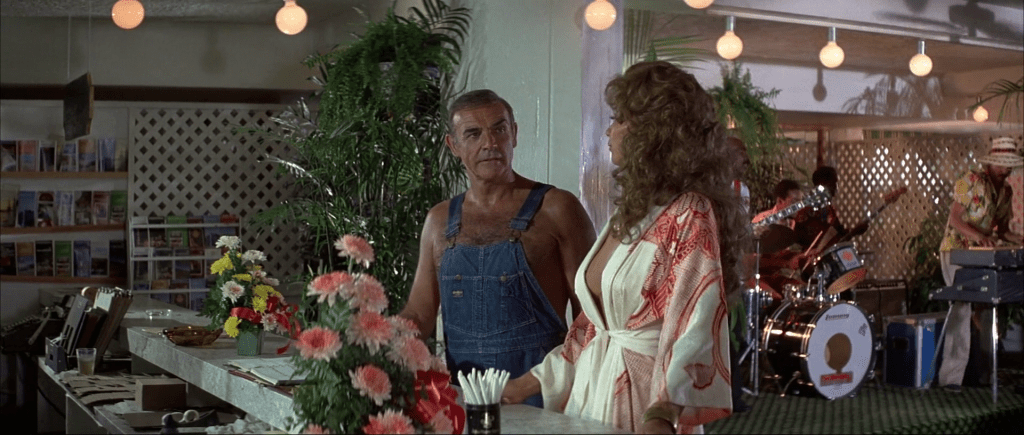
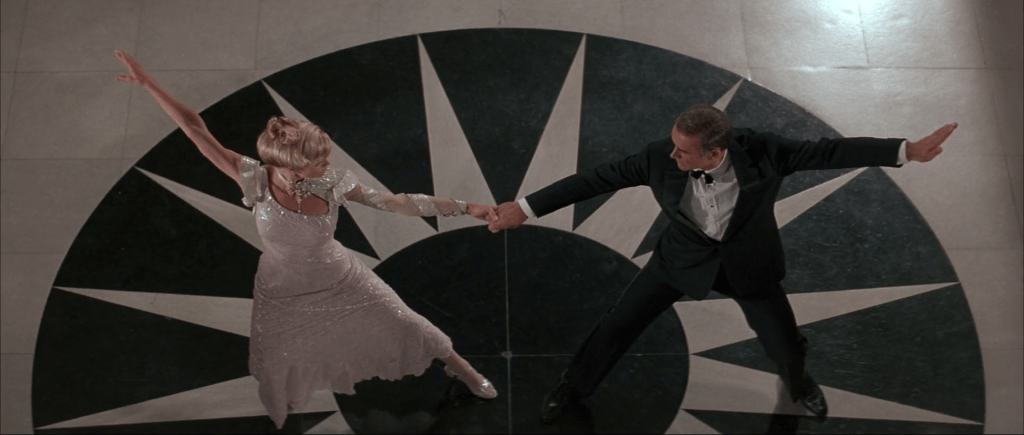
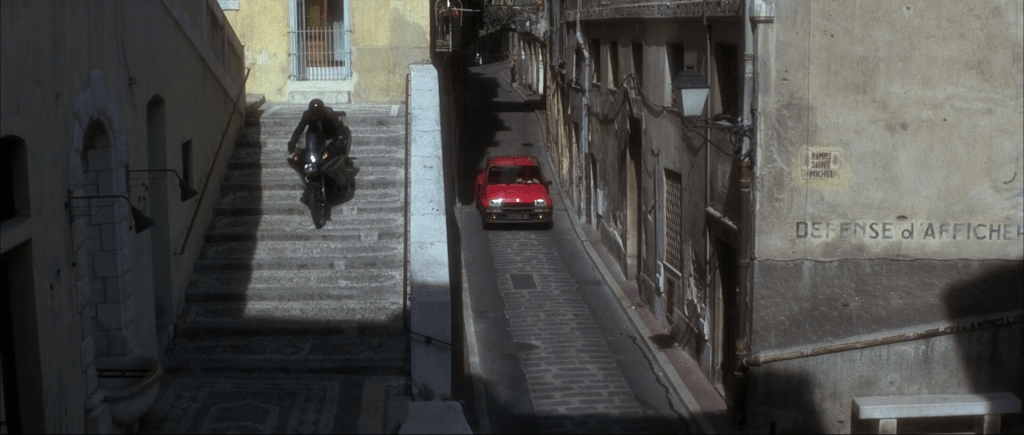
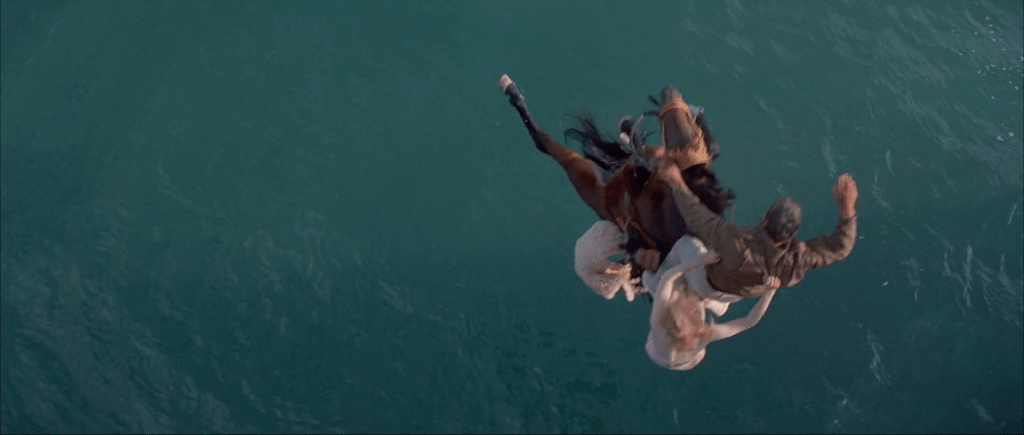
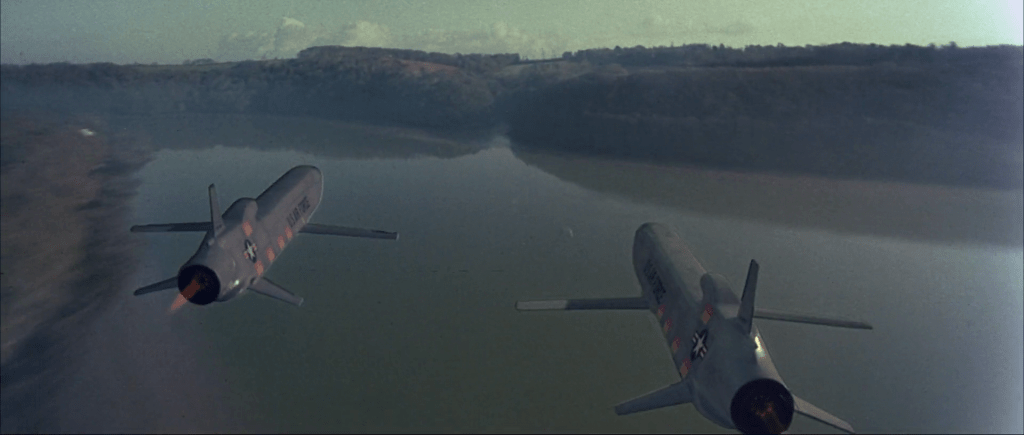
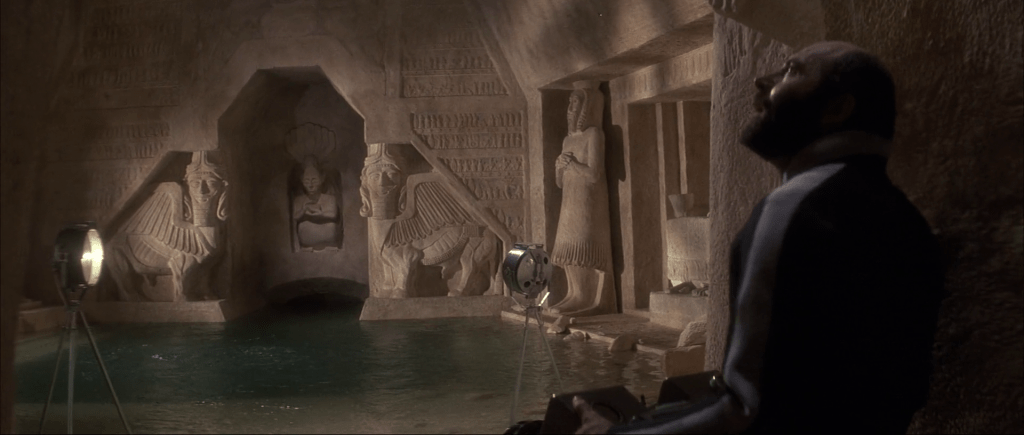
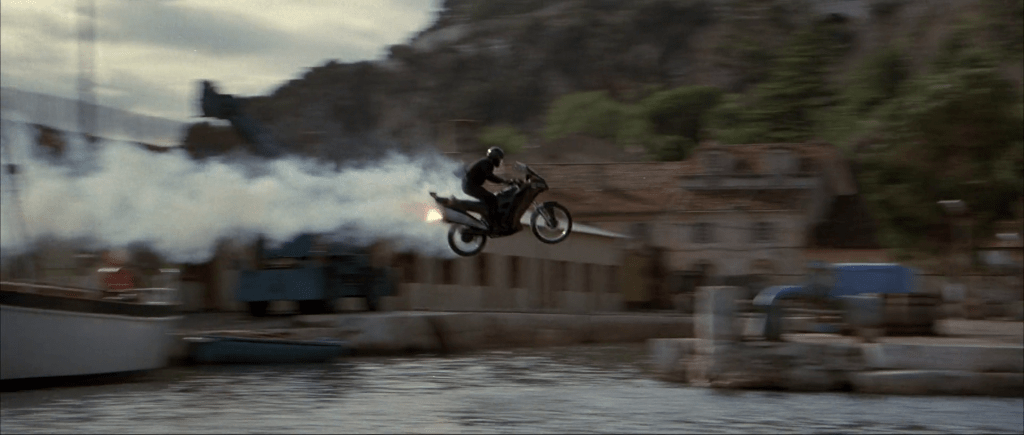
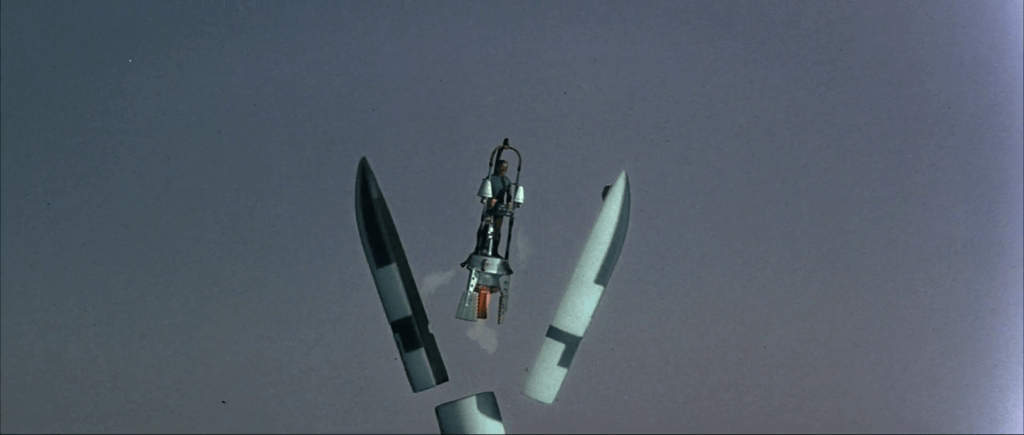
Below is a collection of screenshots from the movie – and yes, 007 is wearing overalls.

This would be the last time Sean Connery played James Bond, whereas Roger Moore – aged 57 at the time – would make his final appearance as 007 in ‘A View to a Kill’ in 1985.

Connery’s film career would go on to reach new heights throughout the late eighties with ‘Highlander’, ‘Indiana Jones and the Last Crusade’ and his Oscar-winning performance in ‘The Untouchables’. He would continue to find success over the next decade with hits such as ‘The Hunt for Red October’, ‘The Rock’ and ‘Entrapment’ – to name but a few.

Screenshots and images courtesy of Warner Bros and Taliafilm.

Top 5 Australian sporting fails of 2024.

Before we get into this, I should point out that these shockers are my personal top five. I don’t keep a close eye on sports such as basketball, rugby or golf – and I’m sure they would have provided a few dud performances over the past year – so my list does have a limited scope.

However, I’m confident that we will all agree on who claimed the number one spot for 2024 – but we’ll get to that disaster later…

So, let’s count them down.

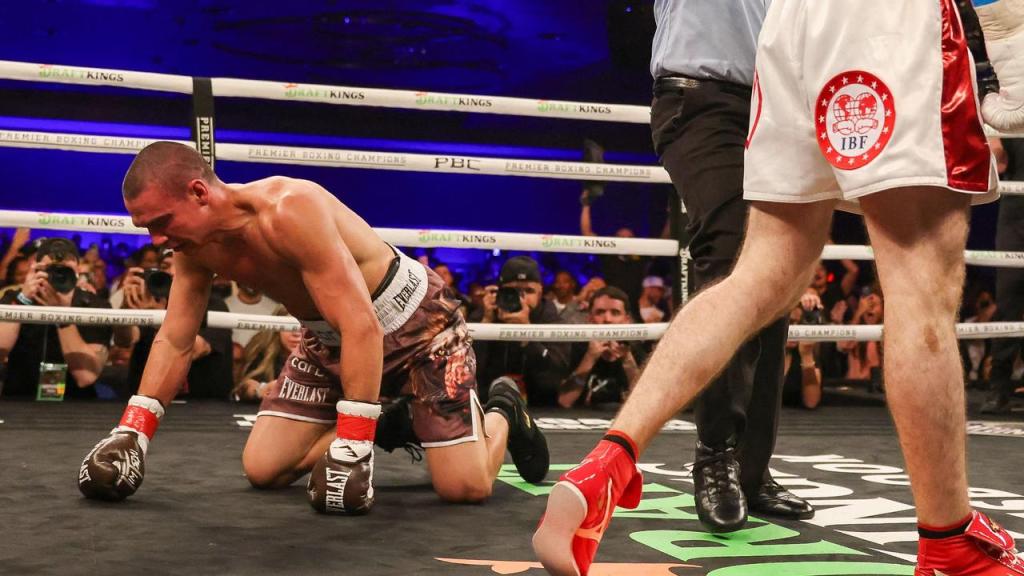
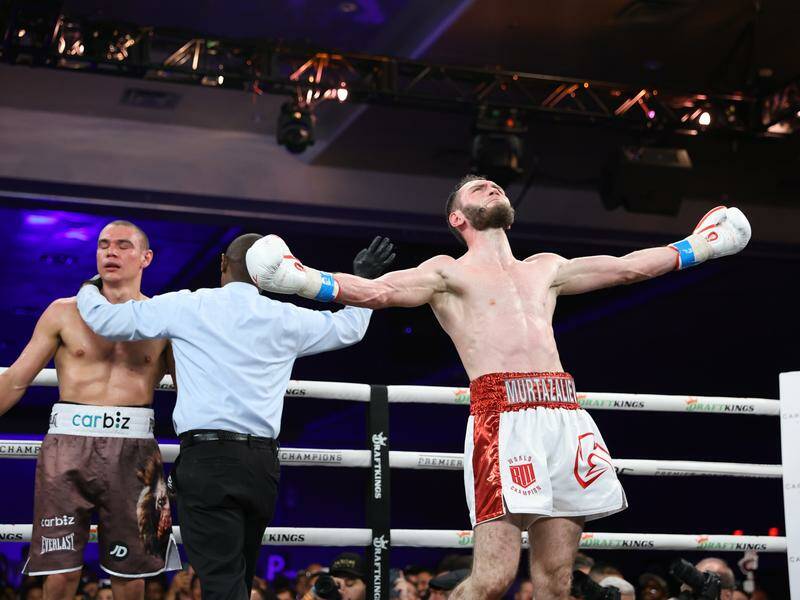
5. Tim Tszyu vs Bakhram Murtazaliev.

This was a really weird fight, and the result of poor preparation and management, rather than any fault of Tszyu himself. It was evident after only a couple of rounds that Tim might have bitten off more than he could chew – and the powerful Russian ended up making short work of the Australian.

It actually pains me to include this in my top five, as I have a soft spot for Aussie boxing – but in all fairness this non-event had to be squeezed in somewhere.

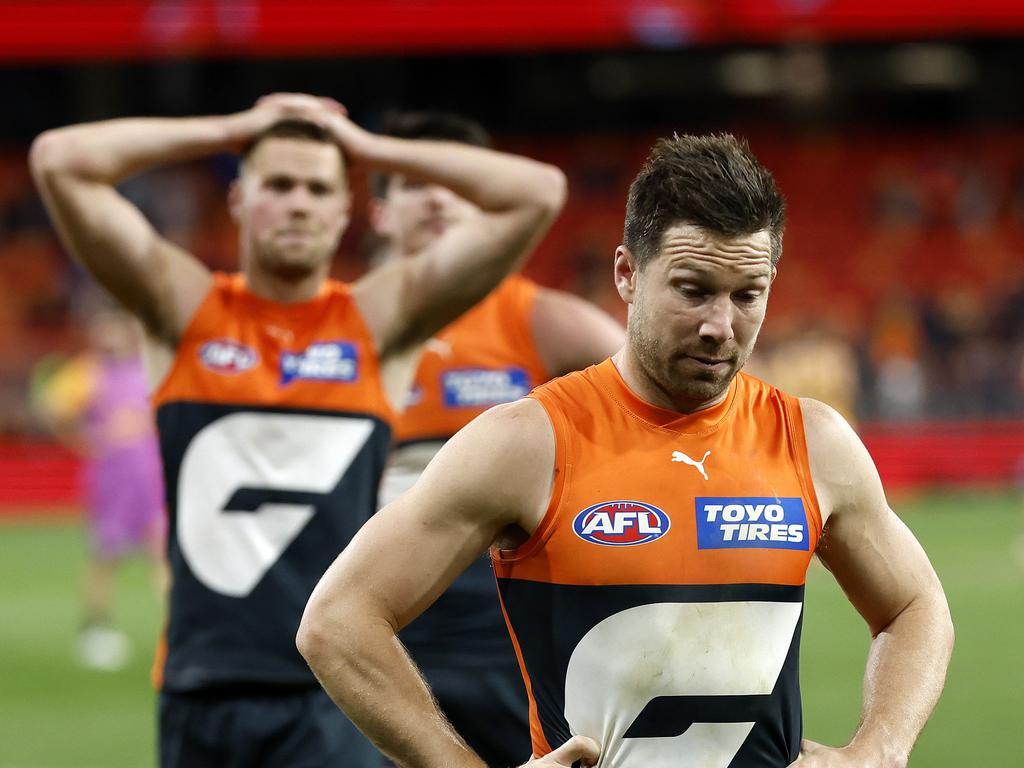
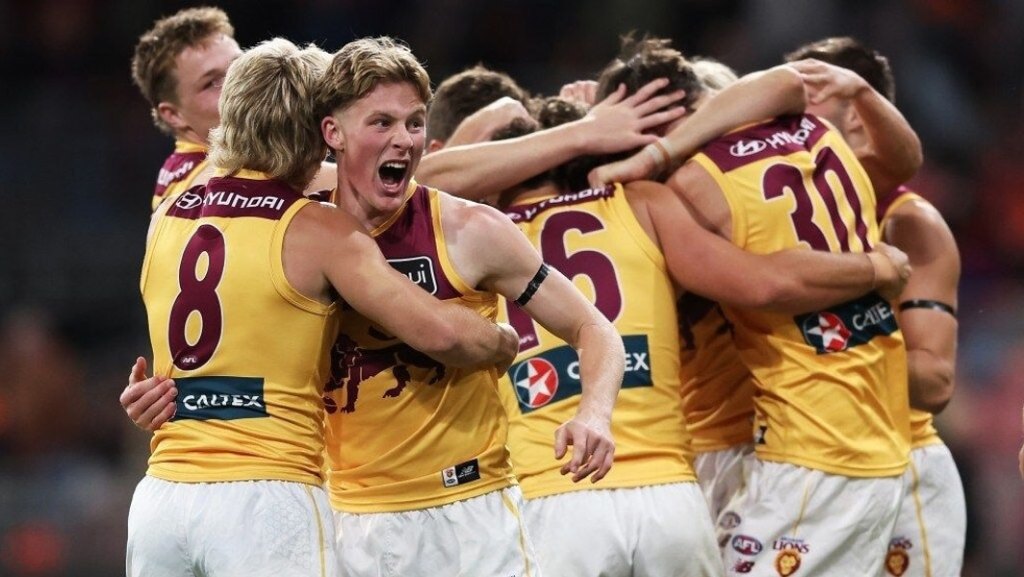
4. GWS Giantsenormous choke in the AFL finals.

This should make everyone’s list of sporting failures for 2024, because the Giants actually fell asleep two weeks in a row – and during their most important matches of the season!

In week one of the finals, GWS blew a 28 point lead against cross-town rivals Sydney, but to be fair here – the dangerous Swans were hanging on and always looked like making a rush towards the end of the game – and did so to win by four points.

That being said, there can be no excuses for the following week.

With home ground advantage against Brisbane in a knockout semi-final, the Giants amassed a 44 point lead at one stage in the third quarter – only to allow the Lions to kick eleven out of the next twelve goals in the game and run out five point winners.

Their social media post after the match said it all…

3. Socceroos 0 – Bahrain 1

This should have been a certain three points on the way to the 2026 World Cup, but instead set the Socceroos on a much longer and shakier path to qualification.

The match was a home game – being played on the Gold Coast – and it was an abysmal spectacle with the Bahrain players constantly faking injury and time-wasting in an effort to secure a 0-0 draw.

As fate would have it, they went one better than that and managed to score via an own goal very late in the game, presenting the tiny gulf nation with arguably their greatest footballing moment – and marking the beginning of the end for Australian coach Graham Arnold.

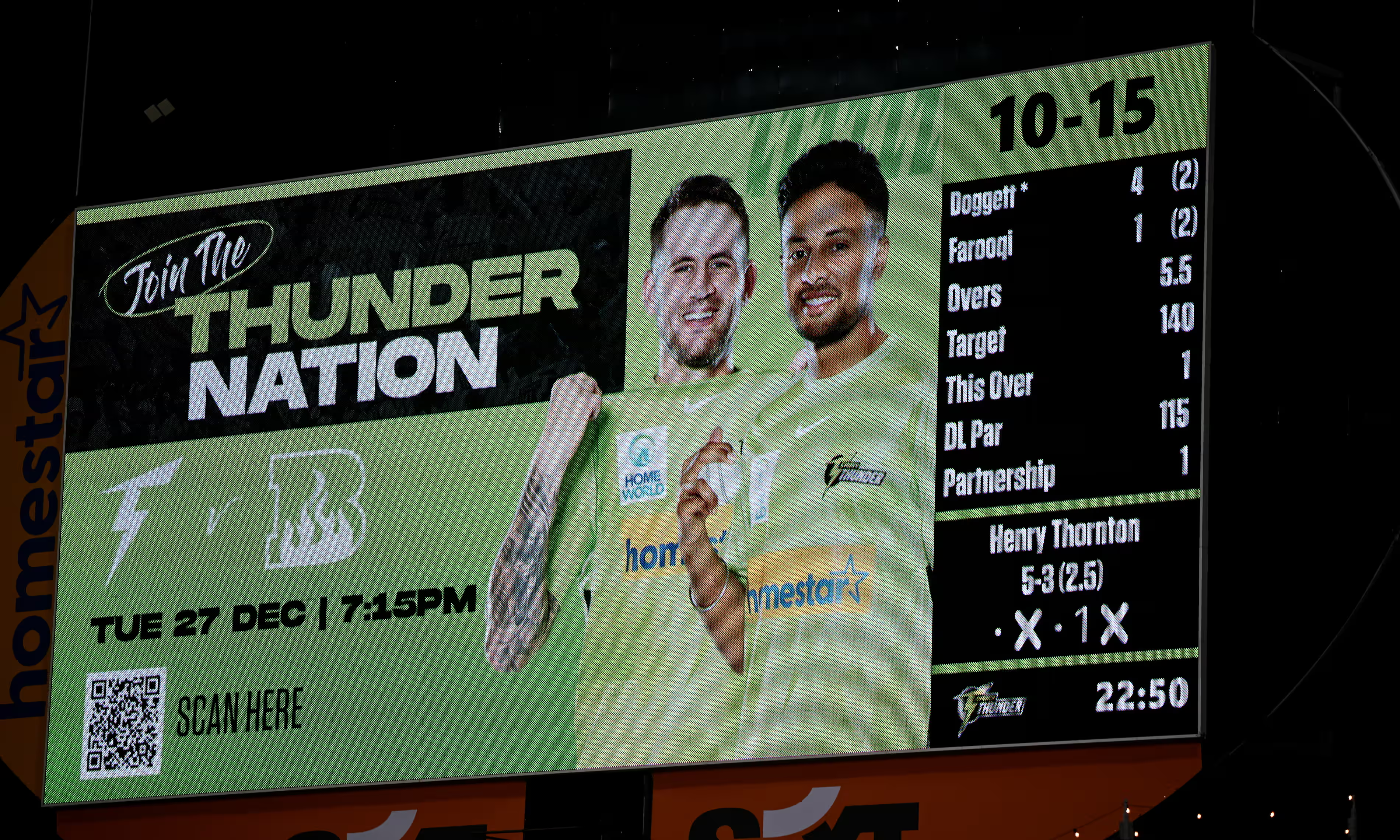
2. Sydney Thunder bowled out for 15.

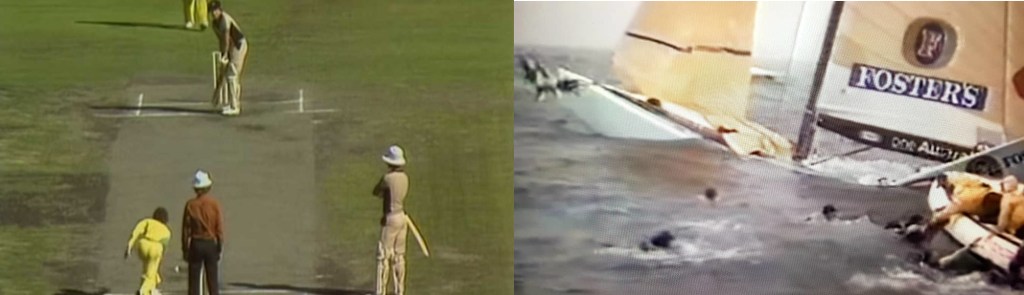
For those who do not follow or understand cricket; believe me when I tell you that this is a massive sporting disaster – about as bad as it gets! I can’t really give too much perspective by comparing it to other sports – only to suggest that it may equate to an NBA team scoring less than 30 points in a game or a pro golfer hitting a round of 200.

Being bowled out for such a low score at this level of cricket is a once-in-a-decade moment, and in any other year the Sydney Thunder would have clinched the number one spot.

However, Australian ‘sport’ produced something else truly extraordinary in 2024 – at the Olympic Games no less – and there’s no prize for guessing who it is!

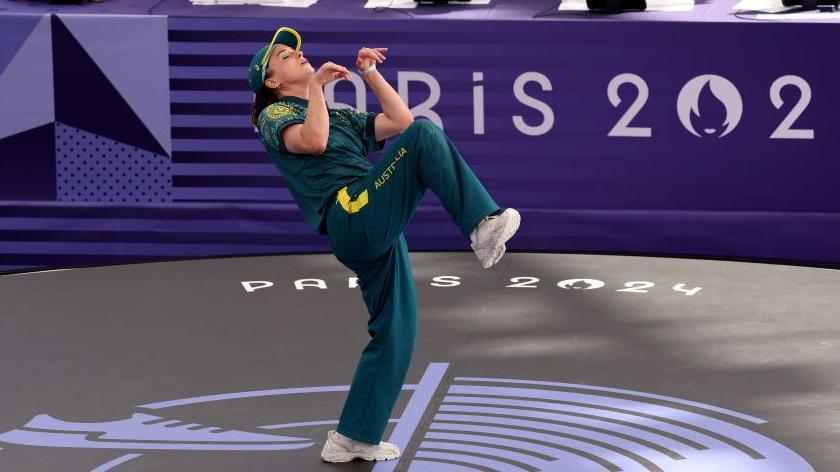
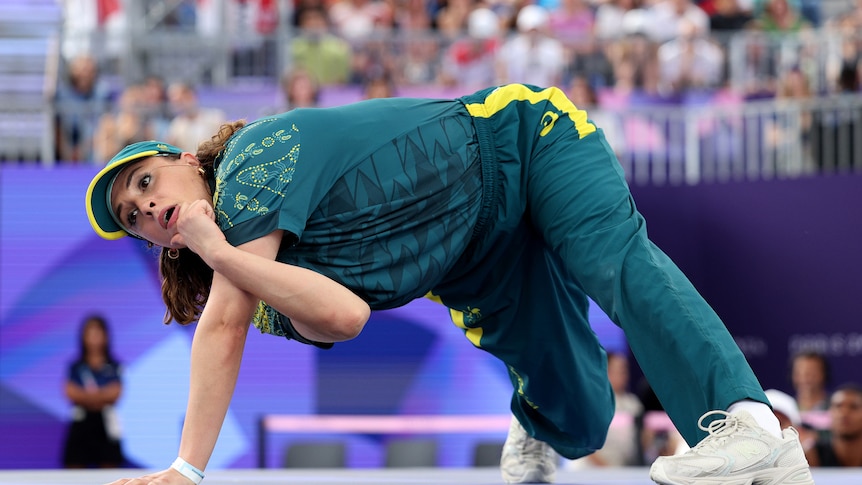
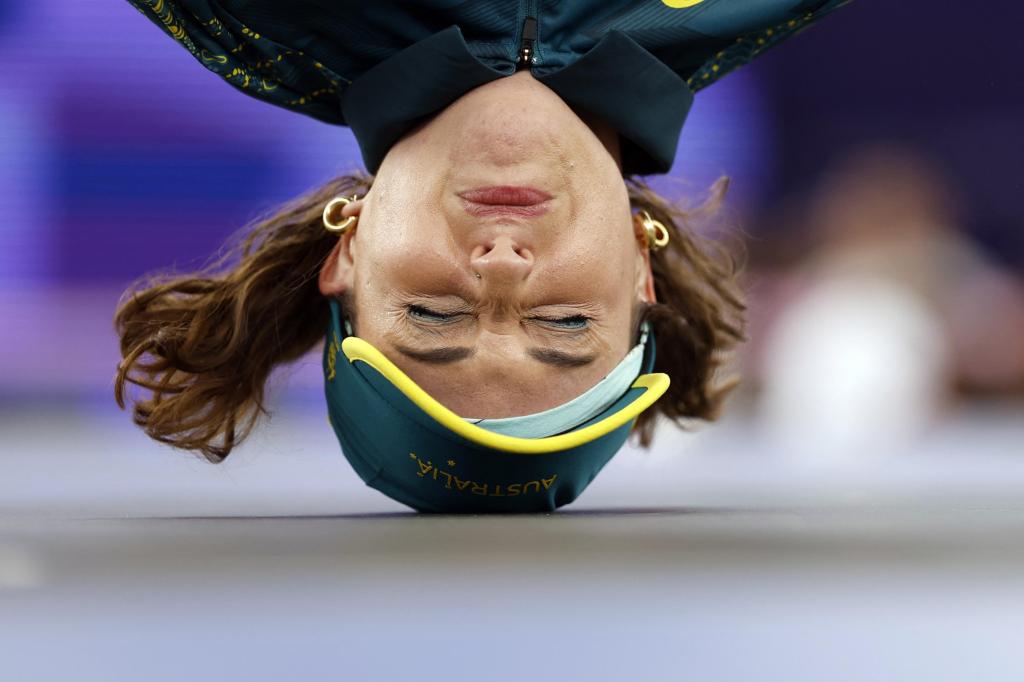
1. Raygun

I’m going to leave this here, as Raygun has put together a legal team who are very protective of her image and ‘special’ dance moves.

All I can do is offer my own opinion and say that her performance was a national embarrassment – worse than the 1981 underarm incident and our America’s Cup yacht sinking in 1995.

************************************

I’m sure most Aussies would agree with at least three of my picks belonging in the top five. I did try and keep it as high-profile and mainstream as possible, choosing efforts that made back page headlines in most newspapers around the country.

Let’s hope 2025 is a great year for Aussie sport!

Photos courtesy of Code Sports, Daily Mail, The Guardian, Cricinfo, BBC, ABC and CNN.
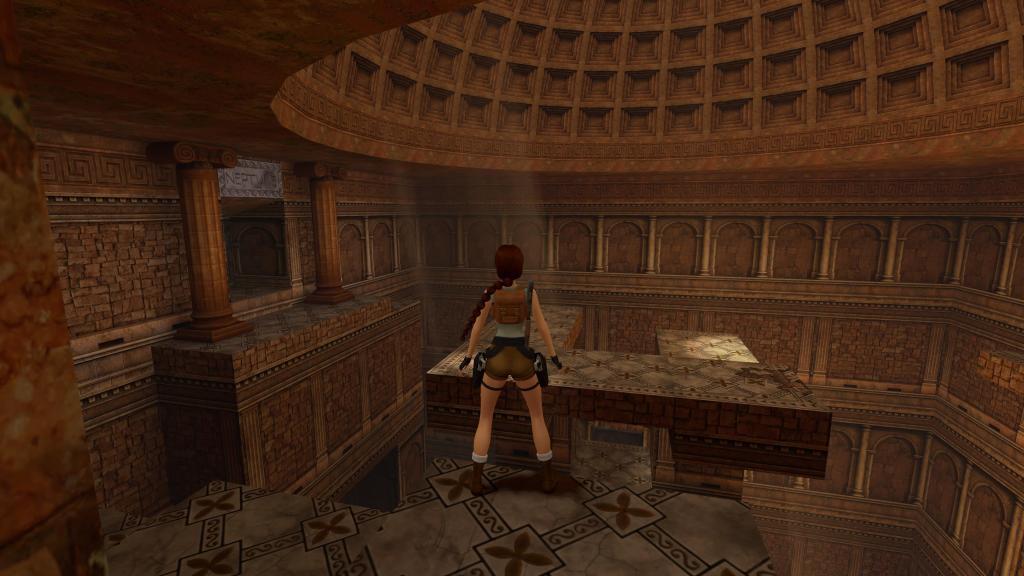
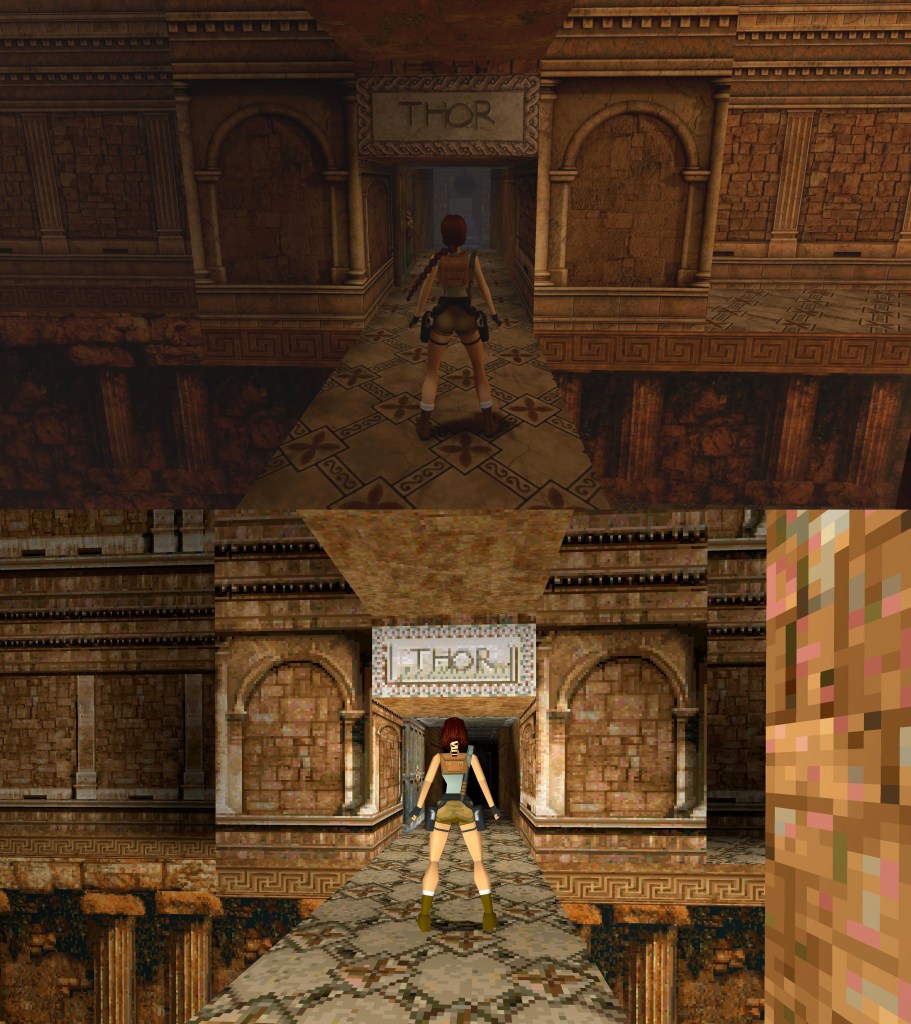
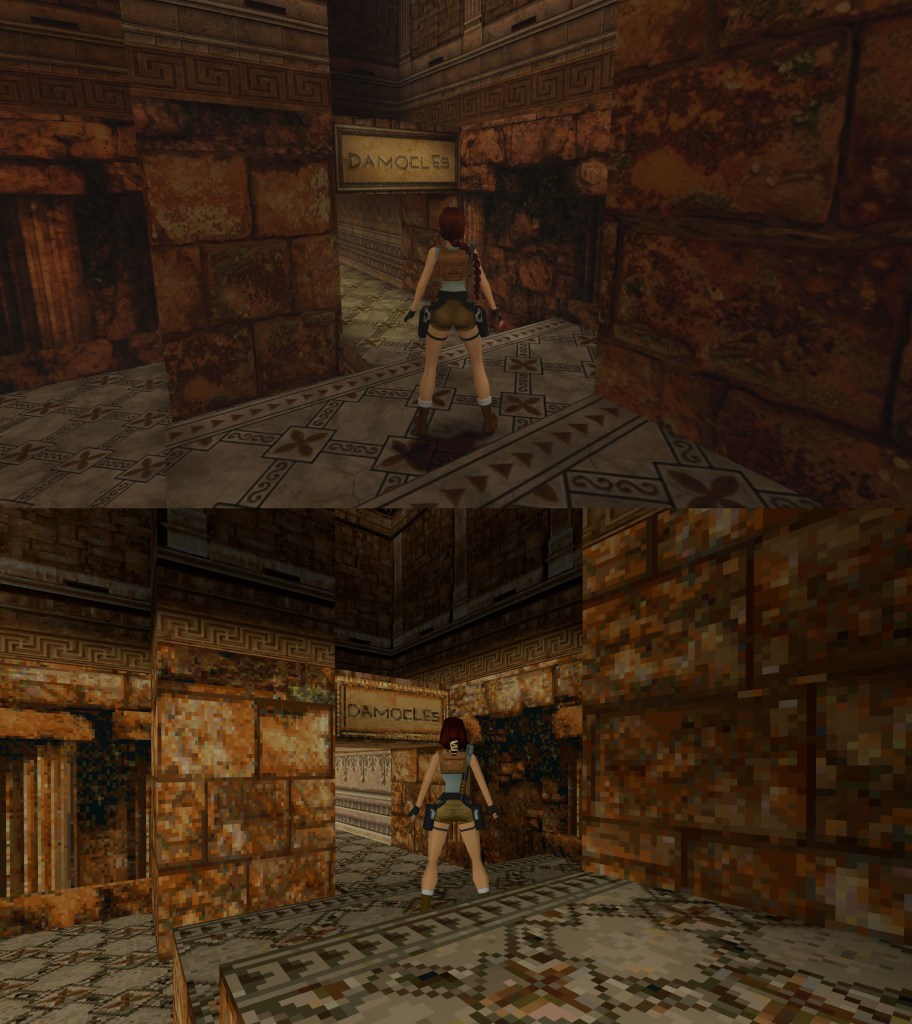
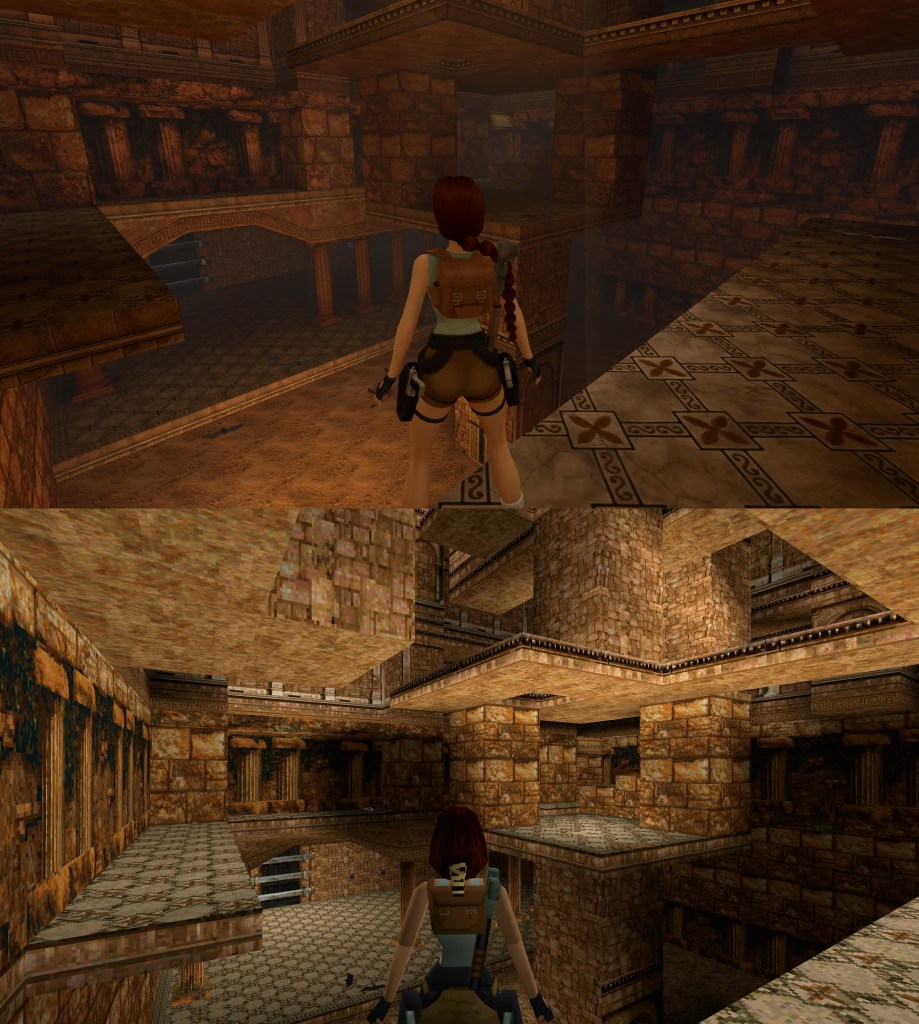
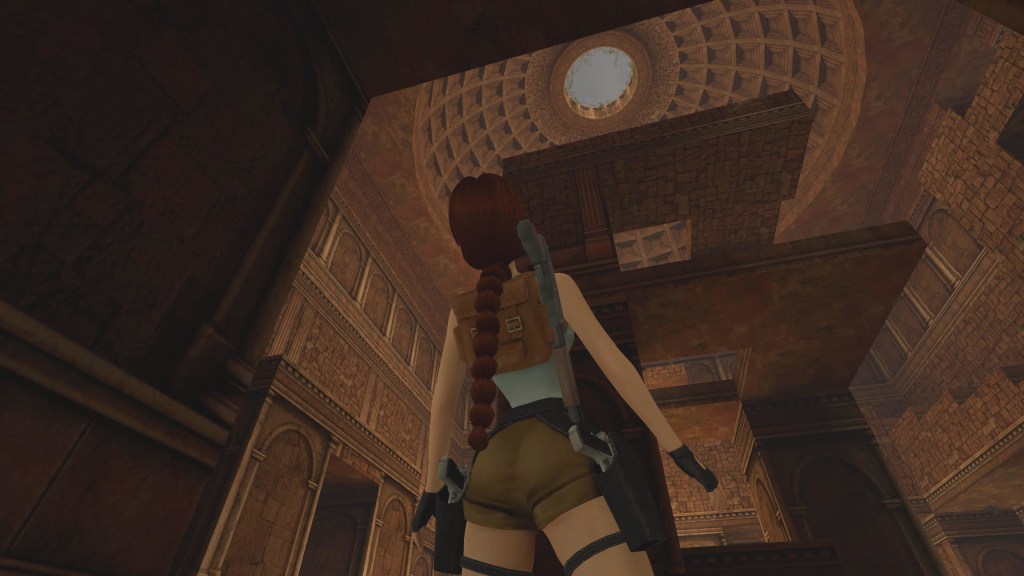
St Francis’ Folly: Is this the greatest ‘Tomb Raider’ level ever?

I can remember the amazing scale and haunting music of this incredible level back in 1996 when I first played ‘Tomb Raider’ on the original PlayStation. Up until then I had never experienced anything like this in a video game, and almost thirty years later I had the pleasure of doing it all over again – with ‘Tomb Raider Trilogy: Remastered’ on PS5.
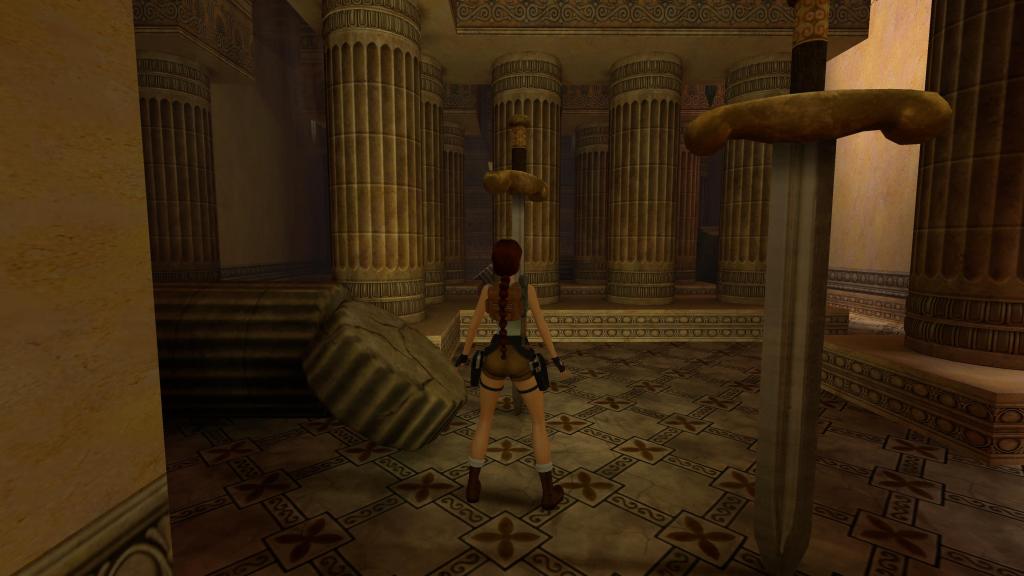
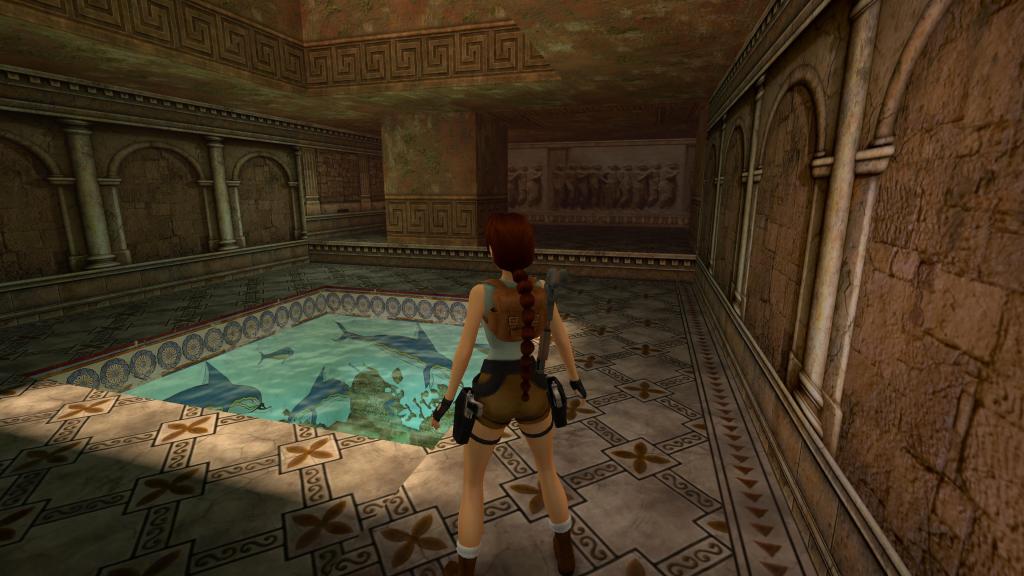
To complete this area – where one slip from any of the ledges is certain death – Lara Croft has to access four chambers named after mythological figures: – Thor, Atlas, Damocles and Neptune. Each room contains a puzzle – one relevant to each character – that must be solved in order to gain a special key.

The ‘Thor’ room involves lightning and a large hammer – but no Chris Hemsworth. ‘Damocles’ features an array of over-sized swords that drop from the ceiling at random. ‘Neptune’ involves pulling an underwater switch and claiming the key before running out of breath. ‘Atlas’ contains an aggressive gorilla and a rolling boulder trap a la Indiana Jones.

My reflexes aren’t what they were all those years ago, but this older and slower version of myself still managed to complete the level without too much bother.

I’ve already put up a few posts on social media featuring screenshots of my progress through the game, as the work done in remastering this classic is simply blowing me away. Below are a series of captures placing both the updated version and the 1996 original together for a comparison – with snaps from the newer game on top.

As you may be able to tell, the 2024 version of ‘Tomb Raider’ is a shade darker than the original game, which would be my only criticism – as sometimes I have found it hard to explore and see where I am going. Not only that, but it is easy to miss secrets and pickups, especially if they are tucked away in a dark corner. That tiny gripe aside, the effort put into the design of this game is second-to-none – resulting in a visually spectacular adventure.

If I recall correctly, the next couple of levels – ‘The Colosseum’ and ‘The Cistern’ – were also amazing, so I might put together some more screenshots once I have completed those challenges. However, this might take a few weeks as I cannot somersault and flip about whilst shooting lions and gorillas like I could back in the 1990’s.

‘Tomb Raider Trilogy: Remastered’ is available at the PlayStation store or at any good video game retailer for anywhere between $40-$60 Australian dollars.

Vale Wayne Northrop and Drake Hogestyn.

I only heard about the passing of these two actors last night after watching a YouTube video featuring famous people who died in 2024.

Coincidentally, both men played the role of Roman Brady on ‘Days Of Our Lives’, although I believe that Hogestyn was really a character called John Black all along – who was brainwashed into thinking he ‘might’ be Brady when he was first introduced onto the show – correct me if I’m wrong, but we all know how the plots of these soap operas work.

If I’m being honest here, I only remember these characters because my friends and I used to mock this show relentlessly back in the late eighties/early nineties – if only to annoy our mothers who were passionate fans of the serial – with John Black (Hogestyn) perhaps receiving the most ridicule.

I can even recall a friend secretly video-recording an episode of ‘Days’ while his mum was watching, where John Black was entertaining an attractive woman for dinner – yet for some reason had forgotten to wear a shirt. Naturally, when my mate brought the VHS tape around for us all to watch we ended up in hysterics, as Black posed around half-dressed whilst slowly lighting the candles after dimming the room – as well as somehow conjuring up a sumptuous meal – much to the satisfaction of his guest.

But all that aside, I was shocked and saddened when I saw Drake Hogestyn’s face show up on my screen during the obituaries show, and it immediately brought back memories. I then began thinking about some of the other cast members, in particular the ‘real’ Roman Brady – and only a few minutes later Northrop himself was featured on the same video – having passed away only two months after his co-star.

Drake Hogestyn (John Black) died from pancreatic cancer on September 28th, 2024.

Wayne Northrop (Roman Brady) died from Alzheimer’s Disease on November 29th, 2024.

Magazine covers and images courtesy of Soap Opera Times and Soap Opera Digest.

More artwork from the ‘Fighting Fantasy’ book series.

Following on from my article about the first two entries in the series, we now move on to appreciate the art from books three and four: – ‘The Forest of Doom’ and ‘Starship Traveller’.

These were two very different editions, with ‘Forest of Doom’ continuing on with the fantasy/sorcery genre, whilst ‘Starship Traveller’ veered off on a science-fiction trajectory and introduced a more complex system of game play.

‘The Forest of Doom’ was illustrated by Malcolm Barter, and his style is similar to Russ Nicholson – who provided the artwork for the previous two books.

Not only did ‘Starship Traveller’ go in a different direction plot-wise, but the illustrations were also on an alternate wavelength. I’ll be honest here and say that I did not like this change, and never read/played this book as a result.

Examples of the artwork from Peter Andrew Jones are below.

To me, there is something about the sword and sorcery art that gives it an edge – perhaps there is more imagination and menace immersed into the illustrations – who knows?

I am not being overly critical of the designs from ‘Starship Traveller’ as they are stylish and futuristic, but I just find the artwork from ‘The Forest of Doom’ – as well as ‘The Warlock of Firetop Mountain’ and ‘The Citadel of Chaos’ – vastly superior.

Cover art and illustrations courtesy of Fighting Fantasy and Puffin Books.