A must-see video for fans of ‘A Clockwork Orange’

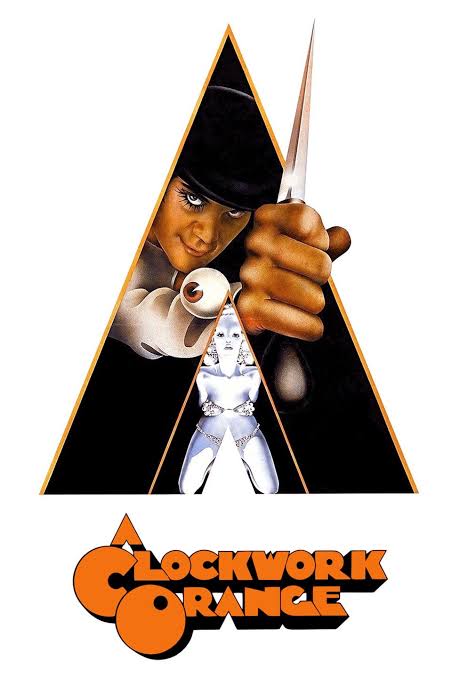
For many years I have been strangely fascinated with the filming locations for Stanley Kubrick’s 1971 masterpiece ‘A Clockwork Orange.’ There are a few spots that I can recall instantly, such as Thamesmead, Tagg’s Island and Brunel University, but most are scattered about London and its surrounds – and it takes a keen researcher to track each and every one of them down.
A year ago I discovered a YouTube video from Sean Clark – who does outstanding work with finding movie locations – and his ‘A Clockwork Orange’ presentation is so good that it’s off the charts! With a run time of around an hour, this guy finds just about every place Kubrick and his crew filmed – even the areas that have since been demolished or drastically remodelled.

There are a few other videos on this same topic out there, but Clark’s effort is by far the best and most concise. If you love ‘A Clockwork Orange’ then I strongly recommend that you watch his video – and I have provided a link below.

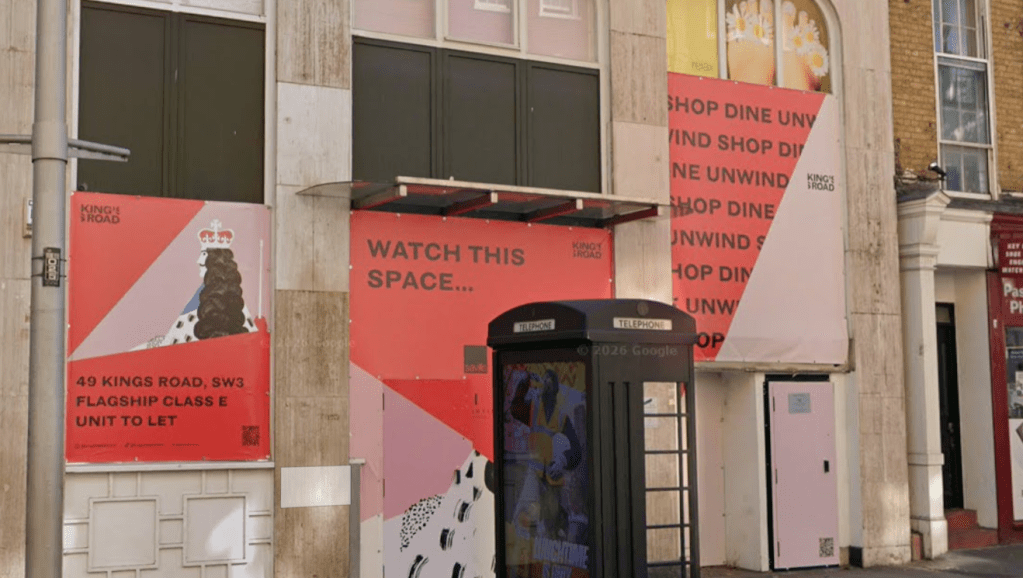
Footnote: In the video, the McDonald’s restaurant where the Chelsea Drugstore once stood has since closed – see photo below.

Special thanks to Sean Clark’s YouTube Channel.

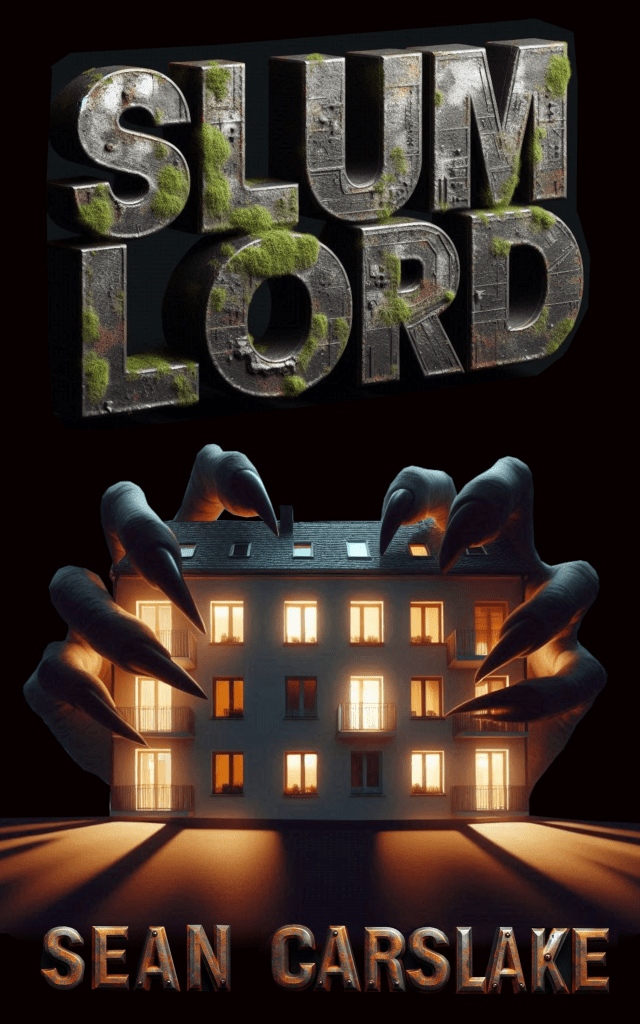
‘Slumlord’ – Coming out in June/July 2026

The first draft of my latest novel is now complete and a rough version of the cover art has been created, which means that the book will be ready for publishing around the middle of the year.

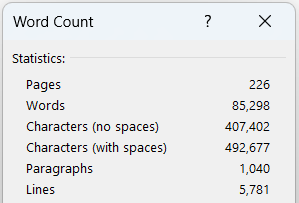
The story is a decent size, coming in at 85,000 words – which is a larger haul than any of my previous works. This also means that the editing process has a lot more ground to cover.

‘Slumlord’ takes a much darker turn if compared to some of my recent novels, and focuses on the elderly residents of a modern apartment block set in a prosperous suburb of Hobart, Tasmania. When a fellow property owner decides to turn rogue and rents out his unit without performing any background checks, the end result would be hordes of drug dealers and shady characters taking over the neighbourhood, and needless to say – hi-jinks ensue!

I can expect the book to be released in late June or early July 2026.

Facebook vs YouTube – 30,000 views vs 4

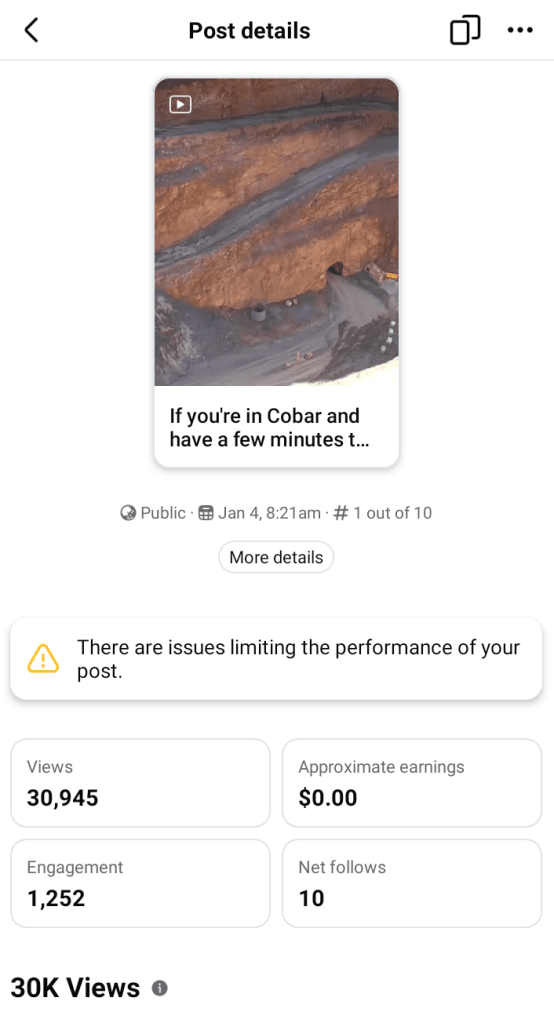
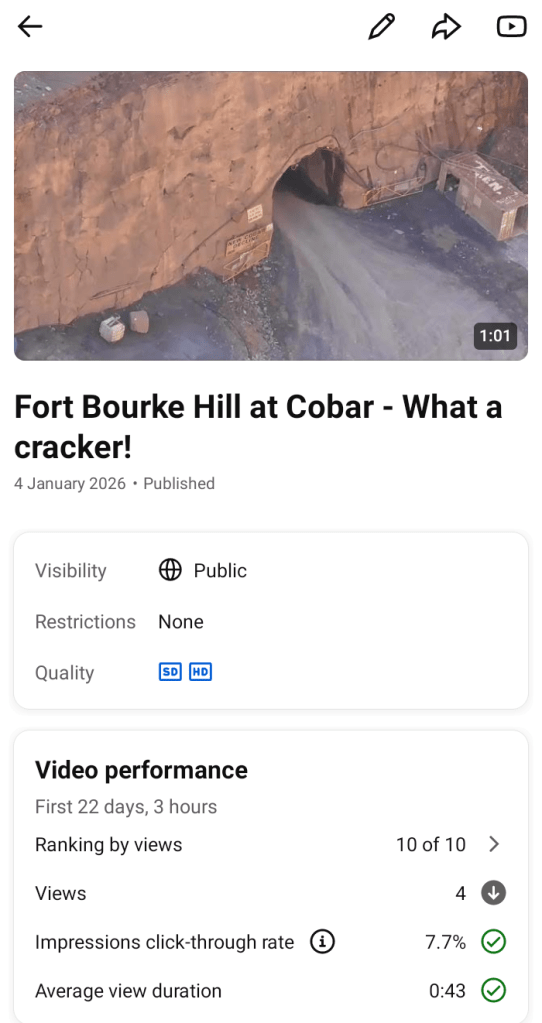
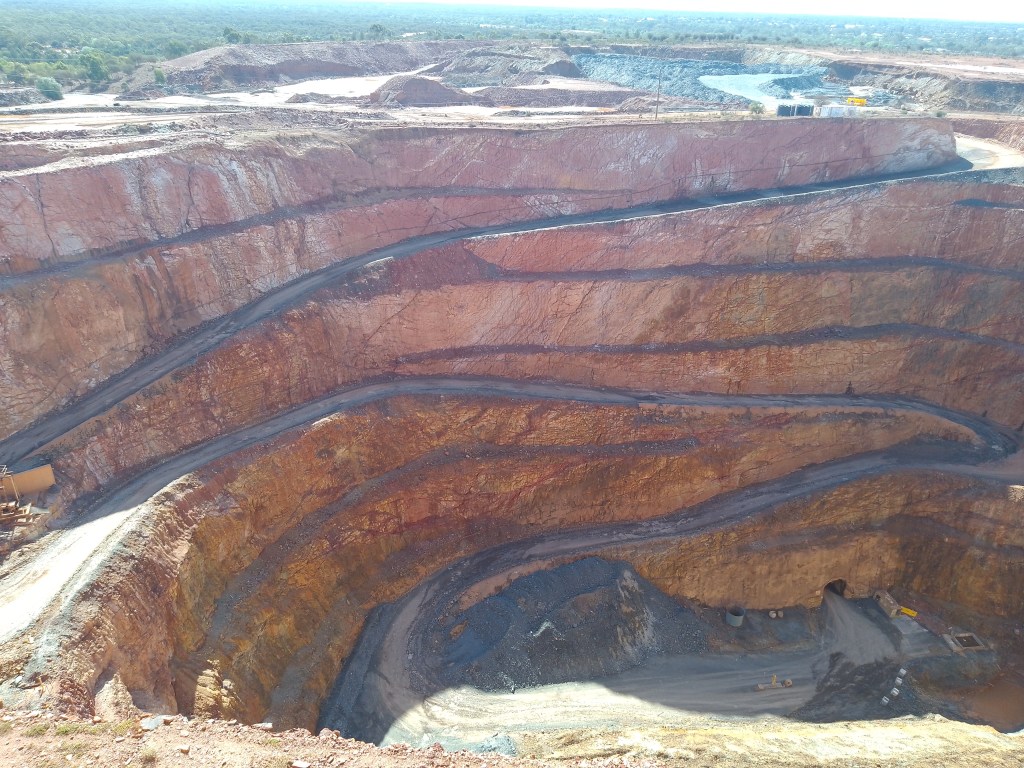
A few weeks ago I uploaded an identical video to both Facebook (as a reel) and YouTube at the same time. It was a pretty cool clip as well, featuring a large open cut mine in Cobar, NSW – as seen from a popular lookout.

Almost immediately on Facebook, the video was watched and shared by dozens of people, and the view count rose quickly – reaching 10,000 and then 20,000 within days before rolling slowly toward 31,000, as seen in the screenshot above.

YouTube was a different story altogether…

Granted, I have titled the video a different name – but I don’t think this can explain having only four views throughout the same period, compared to over 30,000 on the other platform. Also, when you consider that Facebook advised me that there were issues limiting the reach of my video – it doesn’t make sense. Note: I have 35 followers on Facebook, and 320 subscribers on YouTube.

Algorithms are fascinating tools, aren’t they?

Anyway, for those interested I have linked the YouTube video below.

Narromine’s Glenn McGrath statue

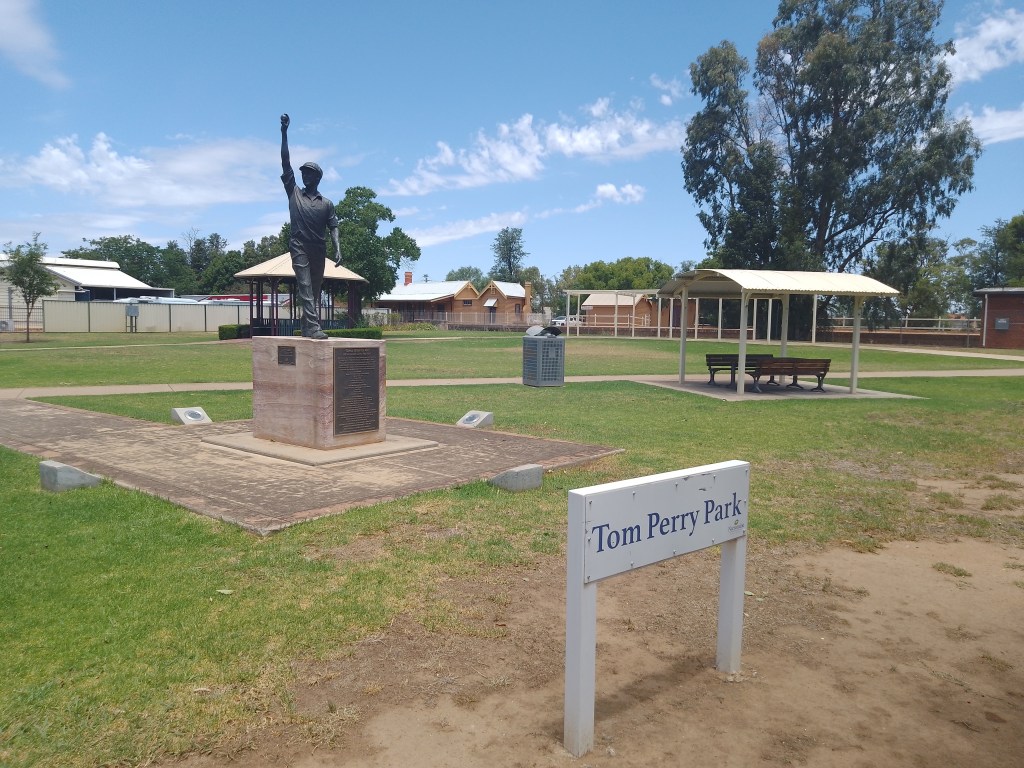
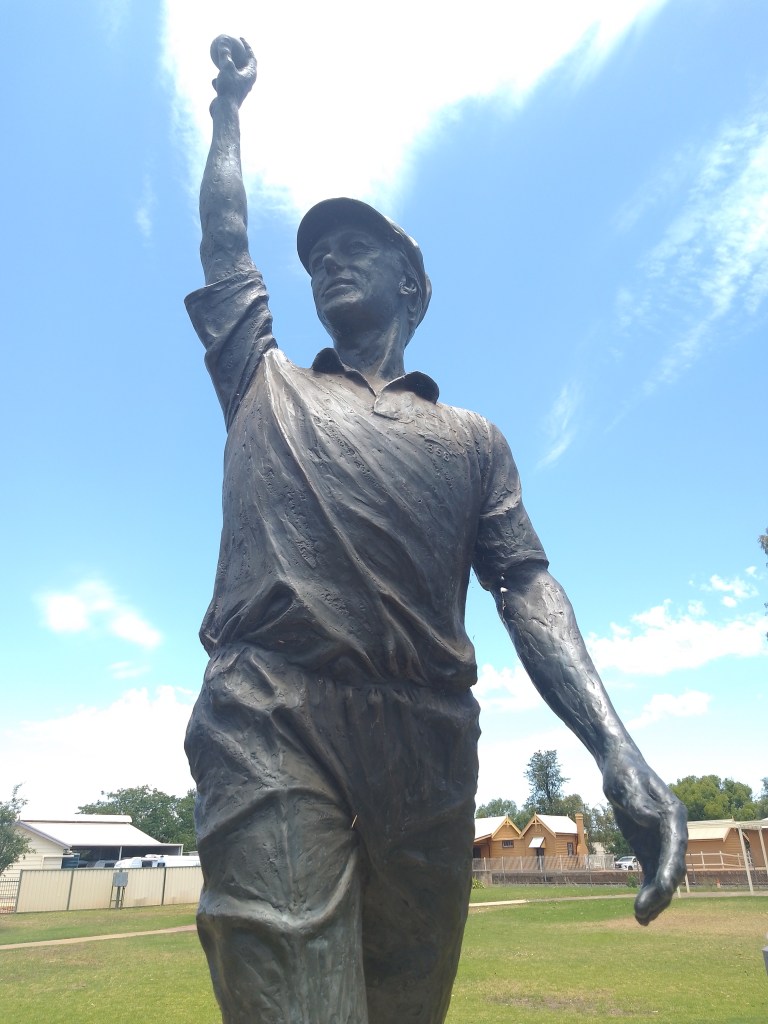
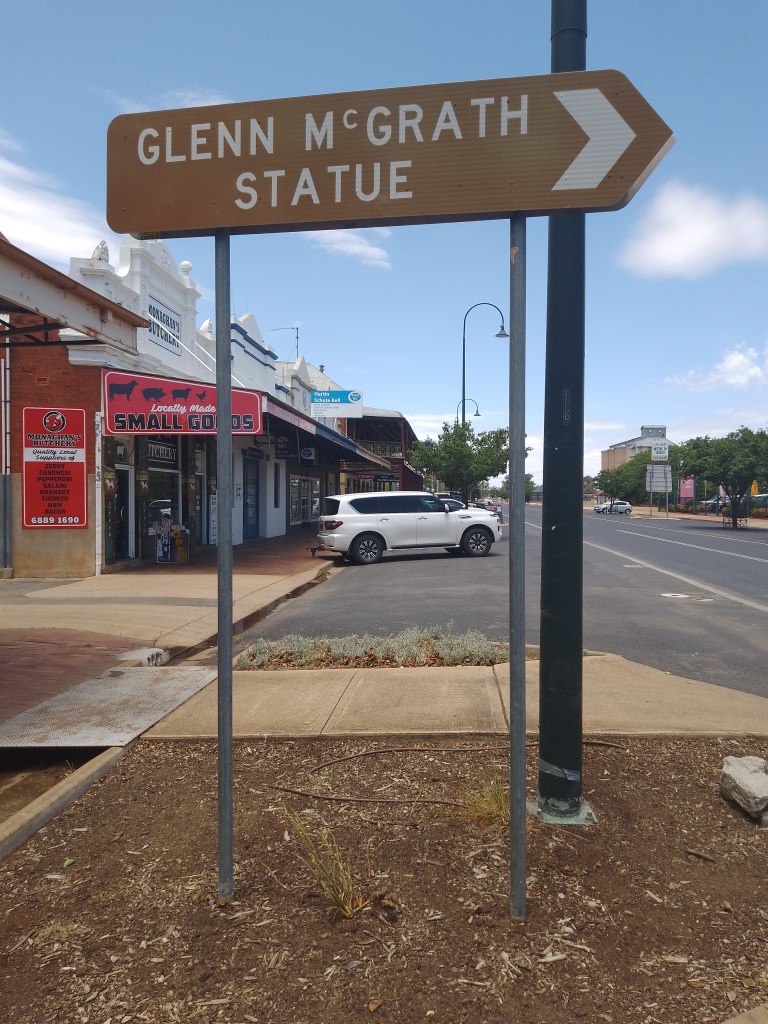
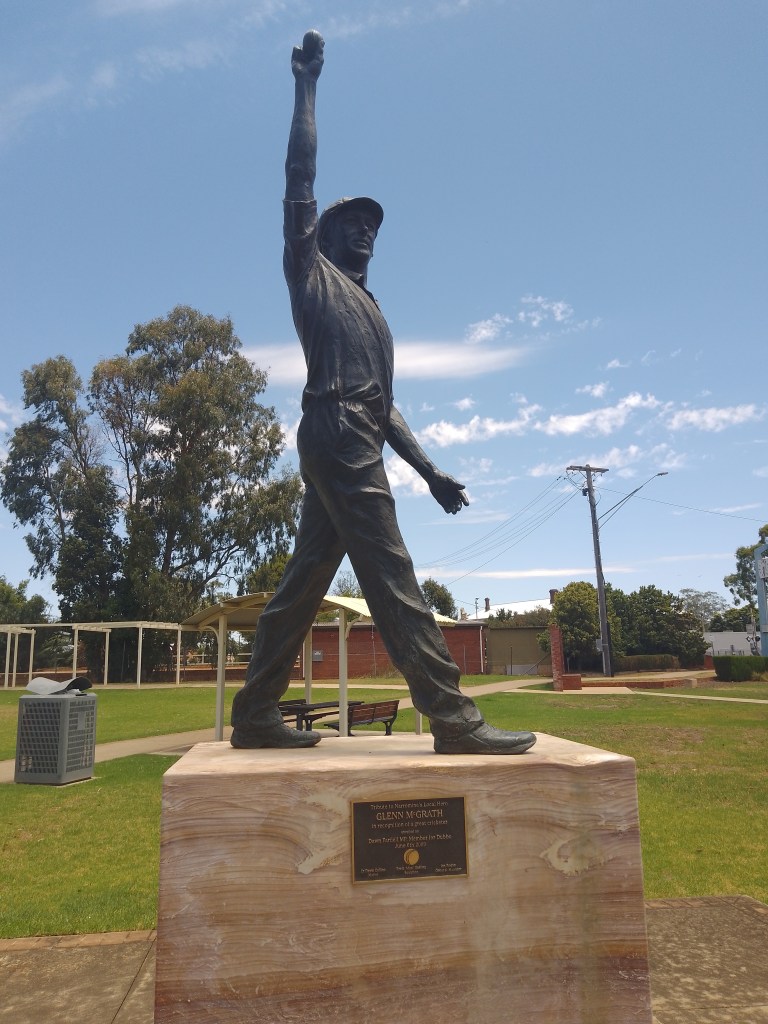
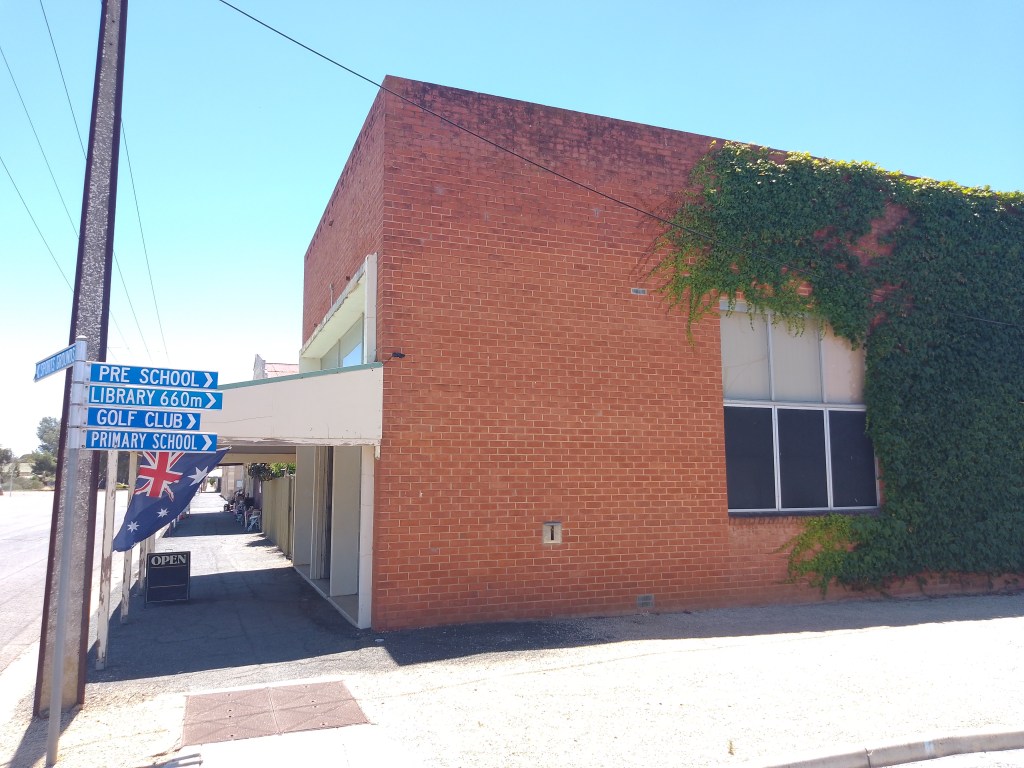
During my recent drive from Sydney to Adelaide – via Broken Hill – I stopped by Narromine in Western NSW, where right in the middle of town stands a proud tribute to one of the region’s finest exports: – Australian cricketing legend Glenn McGrath.

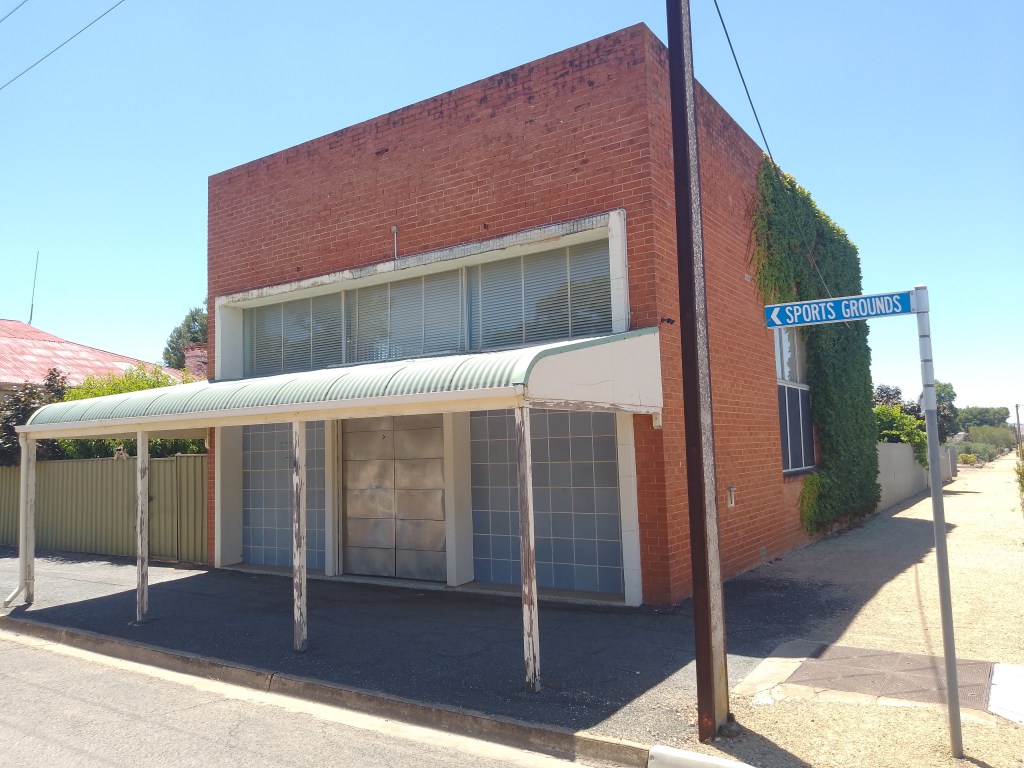
In fact, the statue is so famous that they have street signs pointing toward it.

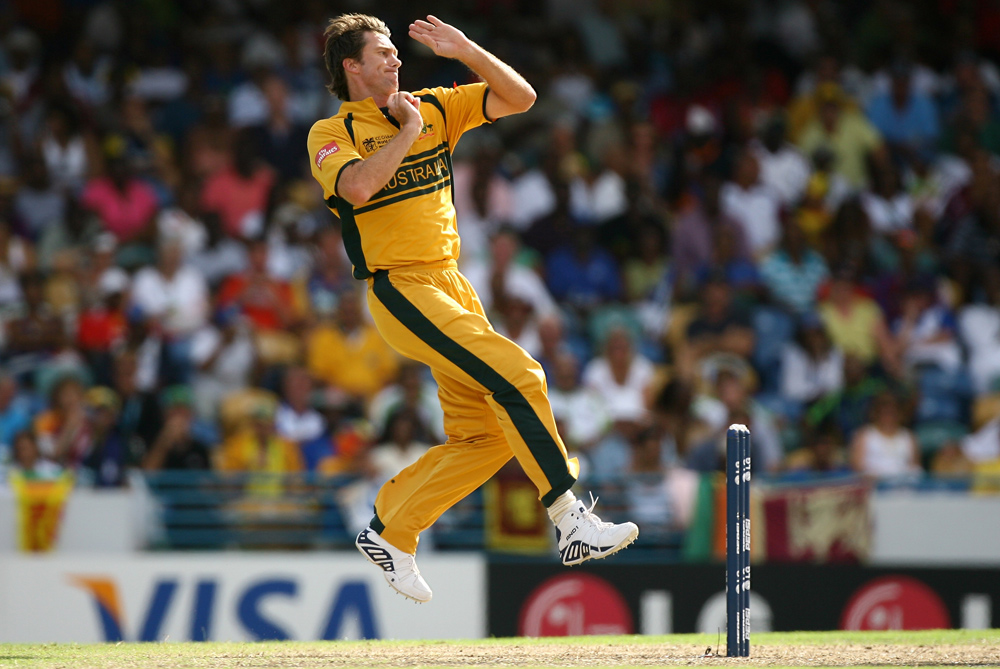
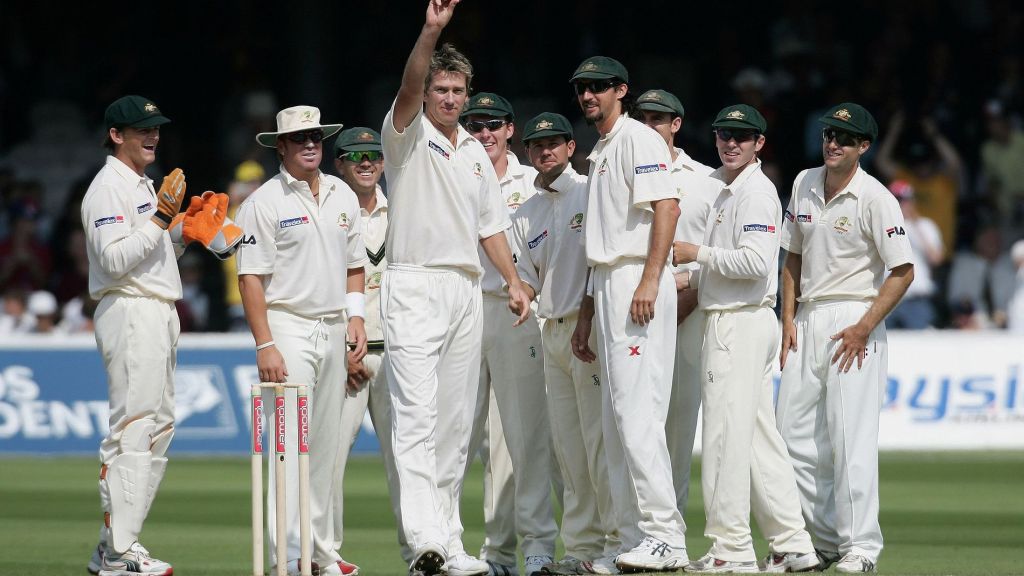
For those unaware of who this incredible sportsman is, Glenn McGrath played 124 tests for Australia as an opening seam bowler – taking 563 wickets at an average of 21.64. McGrath was also part of the Australian World Cup winning teams of 1999, 2003 and 2007.

In a nutshell, Glenn McGrath is widely considered to be among the greatest bowlers ever to have played international cricket. Even our Indian friends would concede that Jasprit Bumrah is only a marginally better bowler than ‘Pigeon’ McGrath, right?

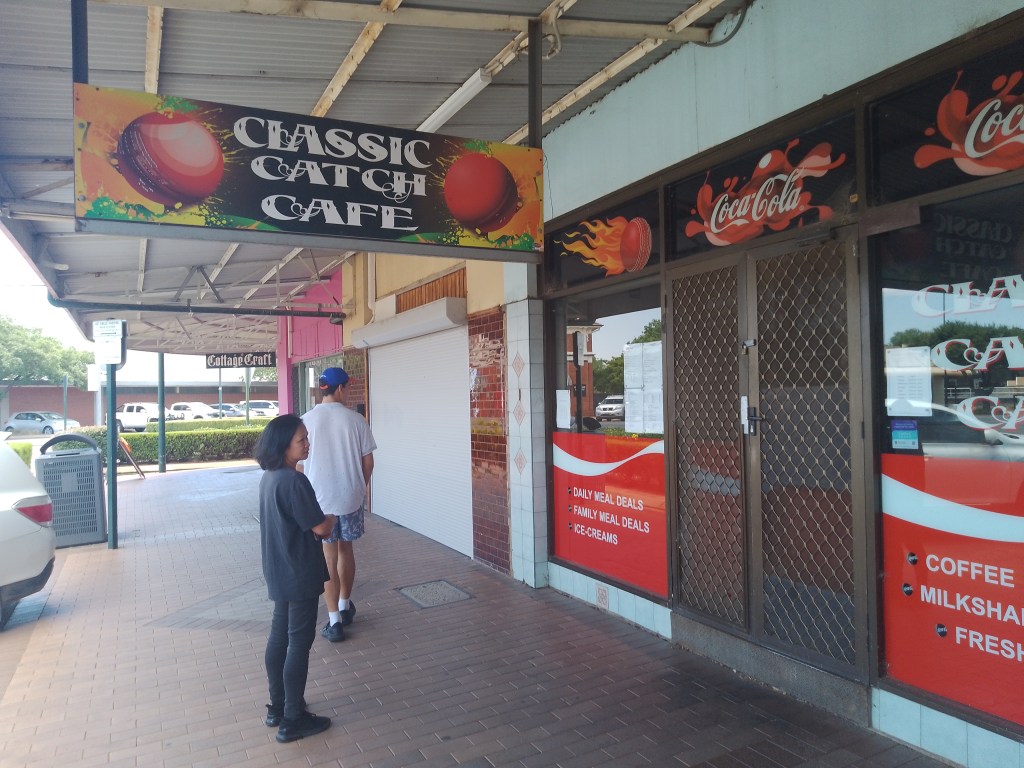
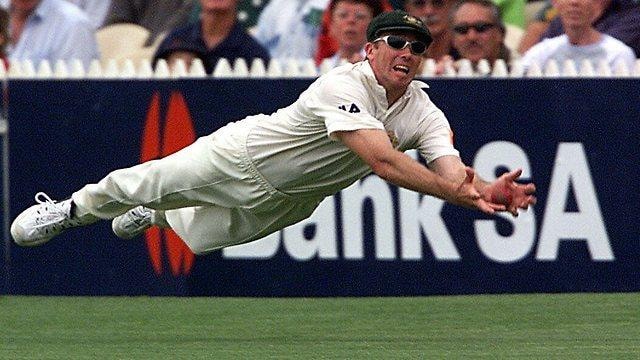
Consistent with the cricketing vibe around Narromine, the cafe across the street from the statue is named in honour of McGrath’s freakish outfield catch against England in 2002.

For those who don’t know what all the fuss is about, there is a YouTube link below to Glenn McGrath’s classic catch from all those years ago, courtesy of Cricket Network.

If I’m being completely honest, there is not a lot to do in Narromine, but if you are passing through make sure to check out the statue – and the ‘Classic Catch Cafe.’

Photos courtesy of CricInfo and Cricket Australia.

My favourite movie scene from 2025

With 2026 now upon us, it is time to reflect back on the cinematic year that was 2025 and recall a little piece of movie magic that I found quite memorable. Well, not so much memorable – as in awesome – but rather a scene so dumb that it made me laugh uncontrollably when I first watched it.

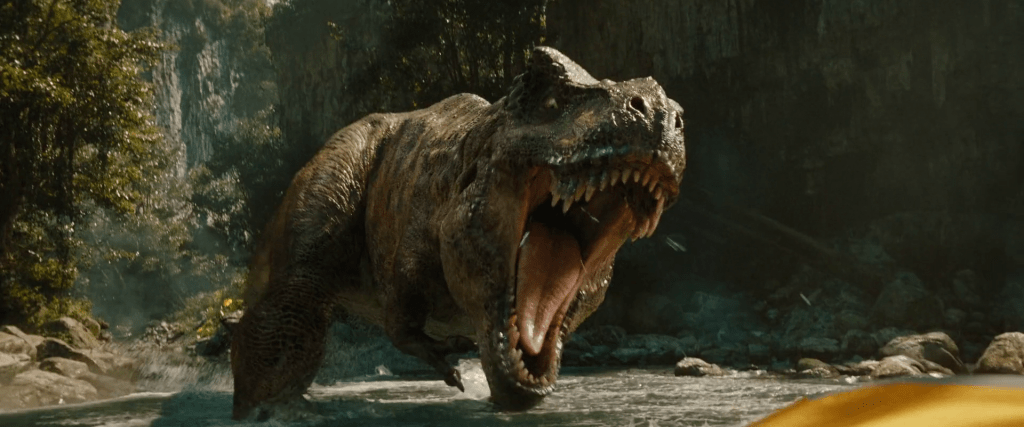
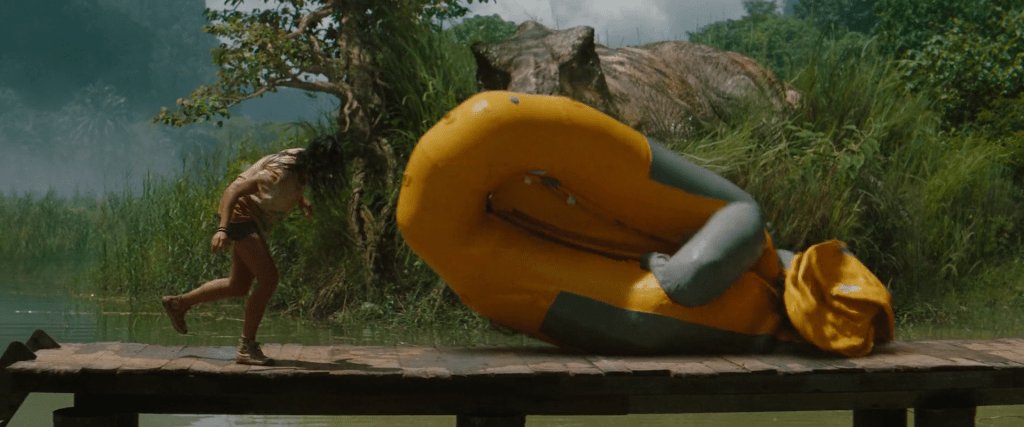
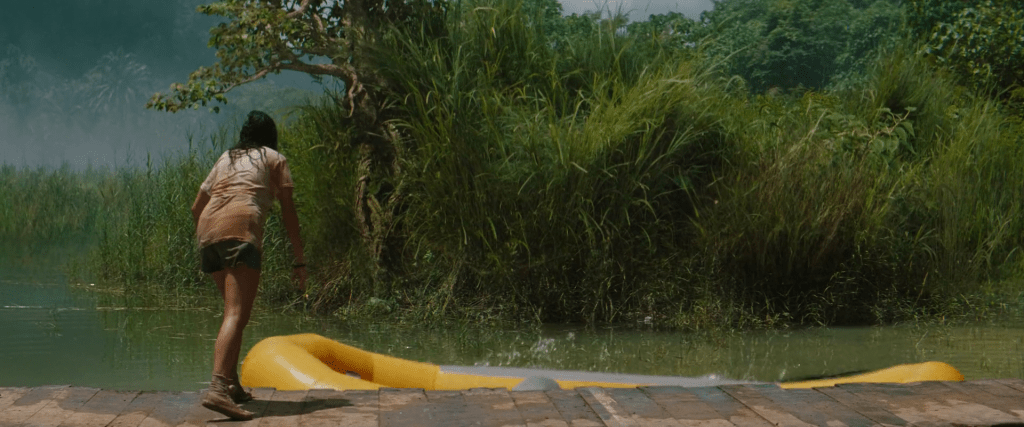
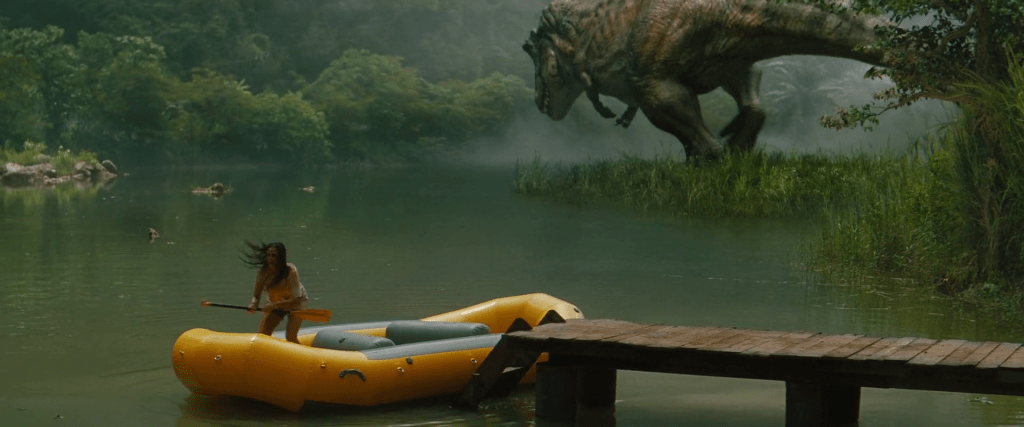
If you haven’t already guessed; I’m referring to the ‘disappearing T-Rex’ sequence in ‘Jurassic World Rebirth’ – a trick that would make David Copperfield blush with envy. What is most impressive is that the scene itself lasts only as long as it takes for a rubber dinghy to self-inflate; so we are talking about four to five seconds.

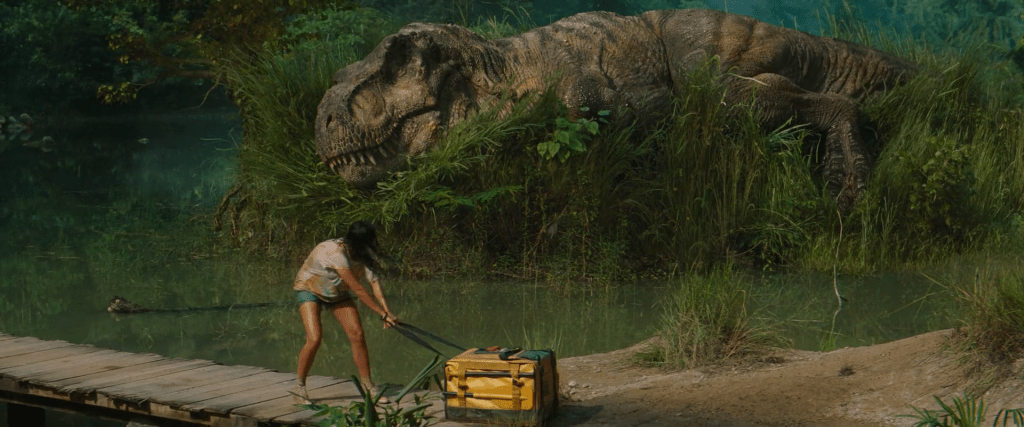
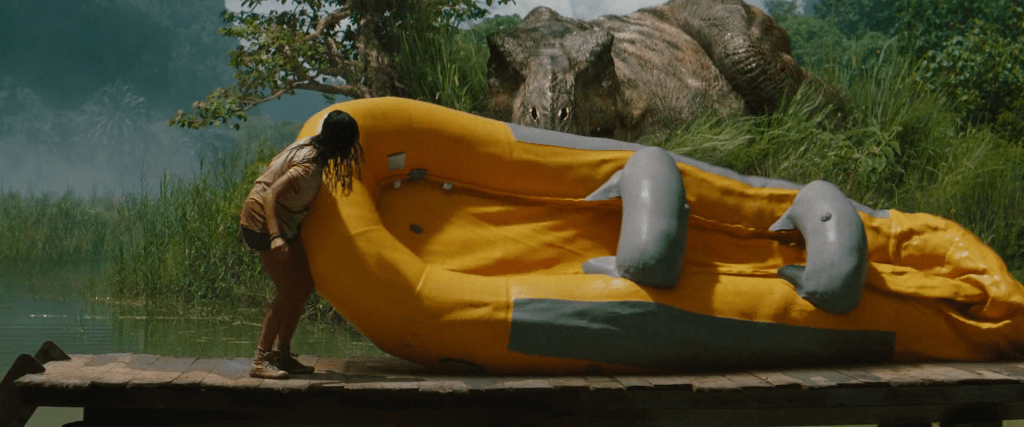
As I work through the key moments, keep in mind a couple of things; the size of the Tyrannosaurus and its close proximity to the jetty – which stands only a few metres away. With that being said, I shall now present my case using selected frames in chronological order: – and remember, this entire sequence goes for only a few seconds.

T-Rex is asleep only a few feet away from where the girl is dragging the package.

She lets it rip! There’s an almighty hissing sound and the dinosaur is now awake.

The dinghy expands as the T-Rex watches on.

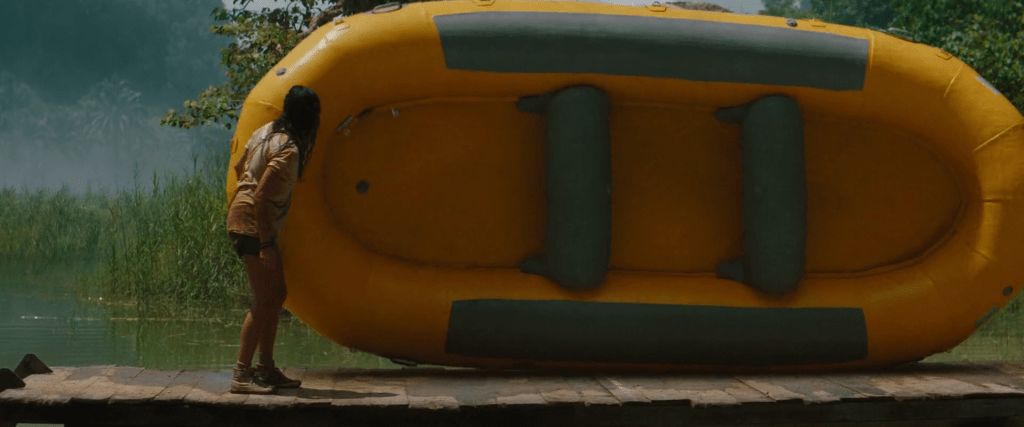
The rubber boat stands on its side for no more than a second as it inflates fully, momentarily obscuring the dinosaur from the frame.

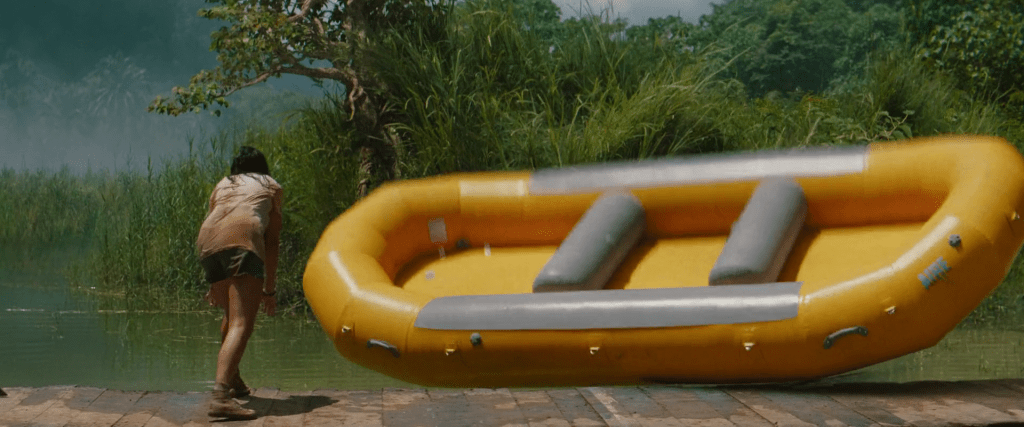
Girl pushes the dinghy into the water, but hang on!…

…the Tyrannosaurus Rex is gone!

In most cases, I’m happy to just keep eating my popcorn and go with the flow in order for some Hollywood trickery to work, but that was ridiculous!

And then after the view switches to the girl’s family urging her on, it quickly pans back and now the T-Rex has reappeared further down the river – and look at the bloody size of it! How can something so big vanish in the blink of an eye with only a small tree and some long grass to use as cover?

I must give the film editors some credit, as they have managed to ‘jump the shark’ and create something that is ‘so bad it’s good’ at the same time!

Despite ‘Jurassic World Rebirth’ being a forgettable movie overall, this outrageous scene was easily my cinematic highlight from 2025 – and still cracks me up whenever I replay it.

Screenshots are courtesy of Universal Pictures.

Sydney to Adelaide road trip

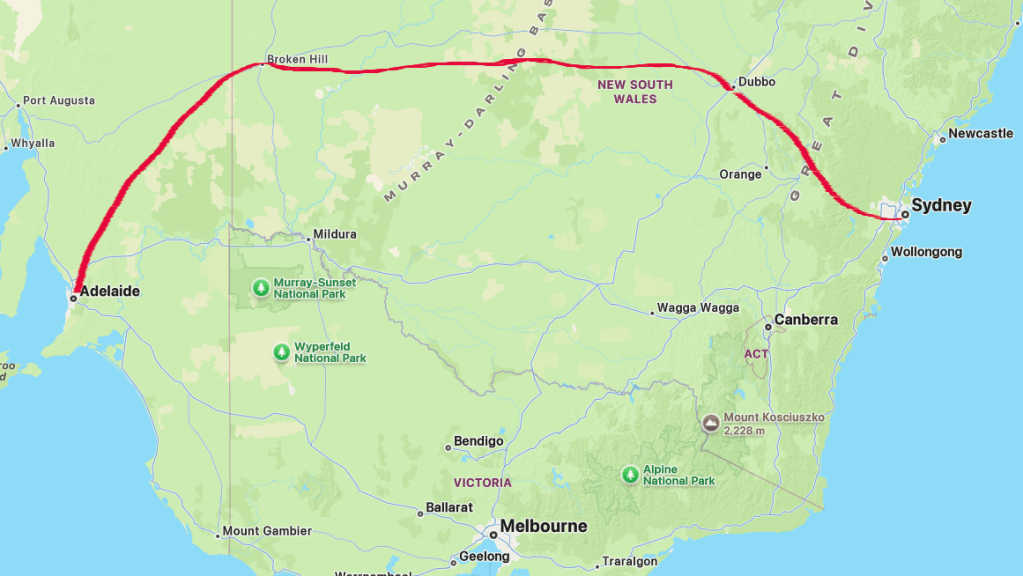
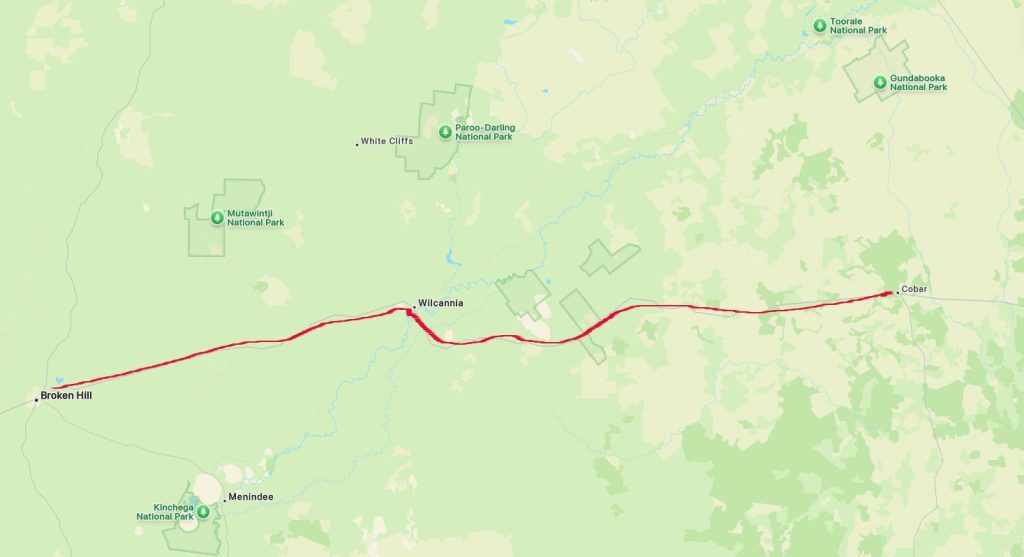
Driving from Sydney to Adelaide is an interesting choice for a family holiday, and is usually undertaken via both the Sturt and Mallee Highways – with the Southern NSW town of Hay considered to be the halfway point of this fourteen hour journey. However, there is another way – a northerly route marked in red on the map – passing through Broken Hill and the outback areas of NSW and South Australia.

The longer and rougher road was too much of a challenge to pass up, and we began our trip by heading west out of Sydney and toward the remote regions of the state, with overnight stops at the mining towns of Cobar and Broken Hill, before crossing the border into South Australia. We would eventually arrive in Adelaide three days after leaving home; having completed eighteen grueling hours of driving.

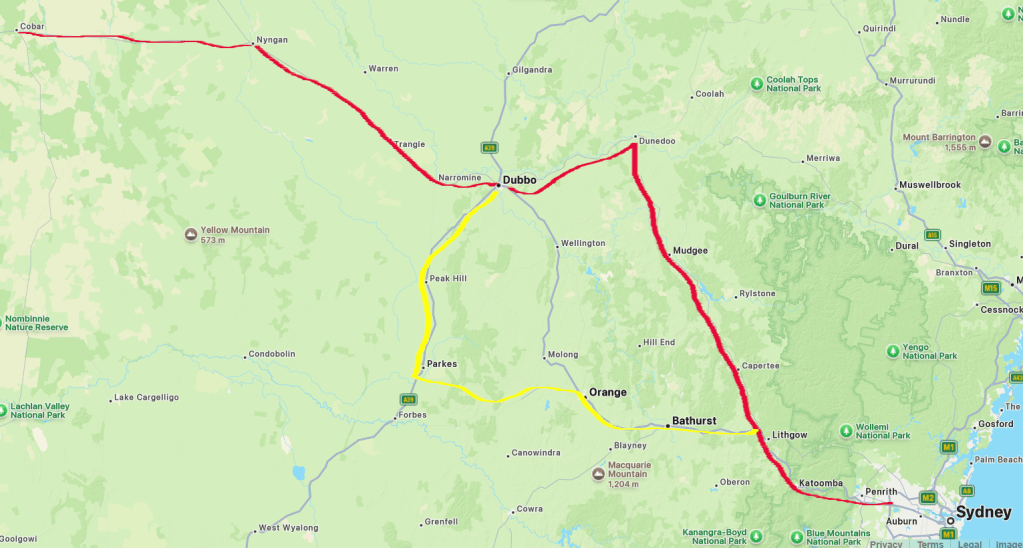
The first day required us to travel for eight hours from Sydney to Cobar, following the red route marked on the above map. In hindsight, the much easier drive would have been to take the section marked in yellow – driving through the larger towns of Bathurst, Orange and Parkes – instead of the ‘faster’ way via Mudgee.

Once you pass Dubbo in regional NSW – six hours from Sydney – the driving conditions change considerably, as decent-sized towns are now fair distances apart, with nothing but a two-lane highway stretching for miles in between. But there were plenty of highlights from these parts, as seen in the photos below.

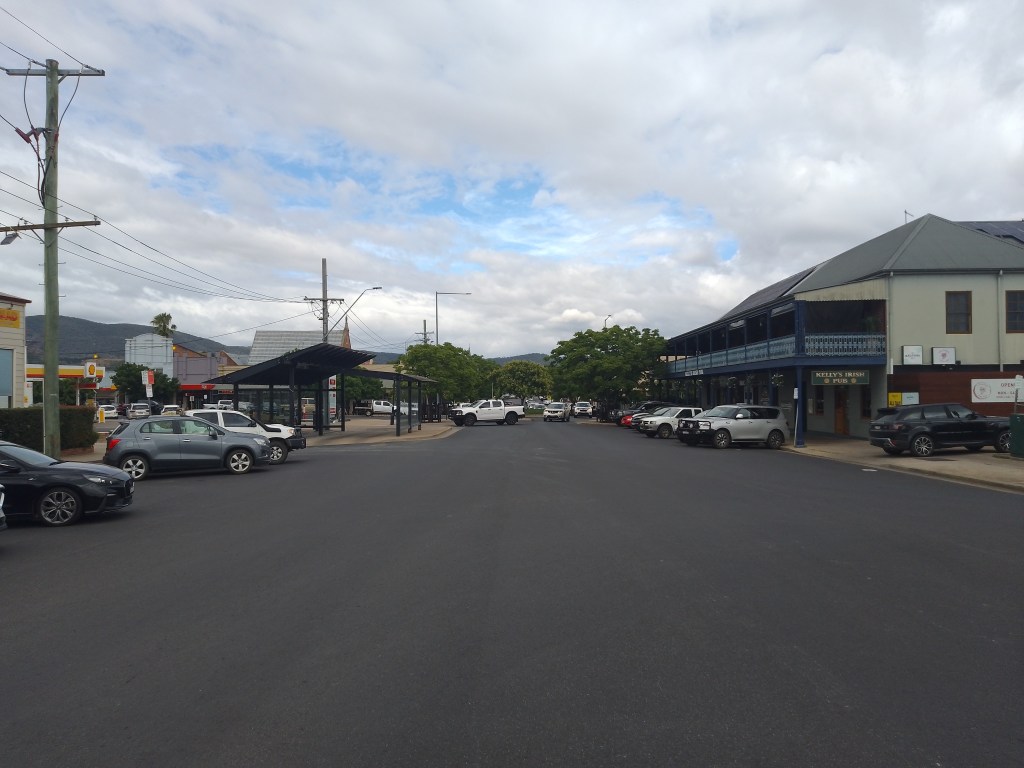
Our first stop was at Mudgee – three hours from Sydney.
Glenn McGrath statue at Narromine.
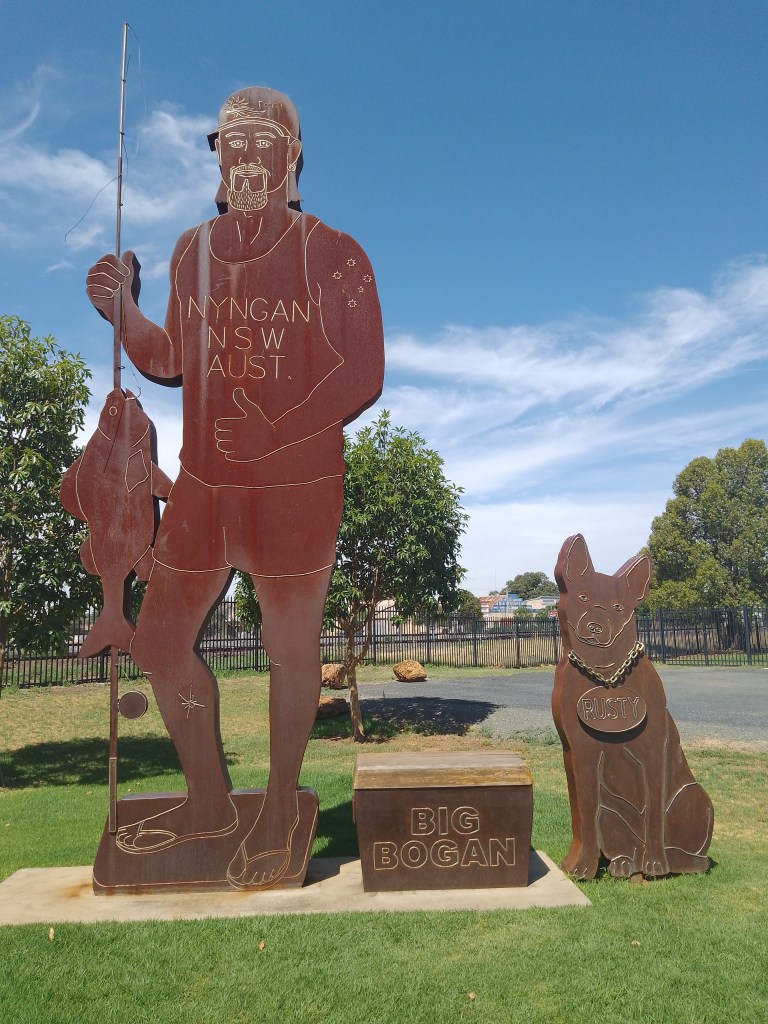
The Big Bogan at Nyngan.
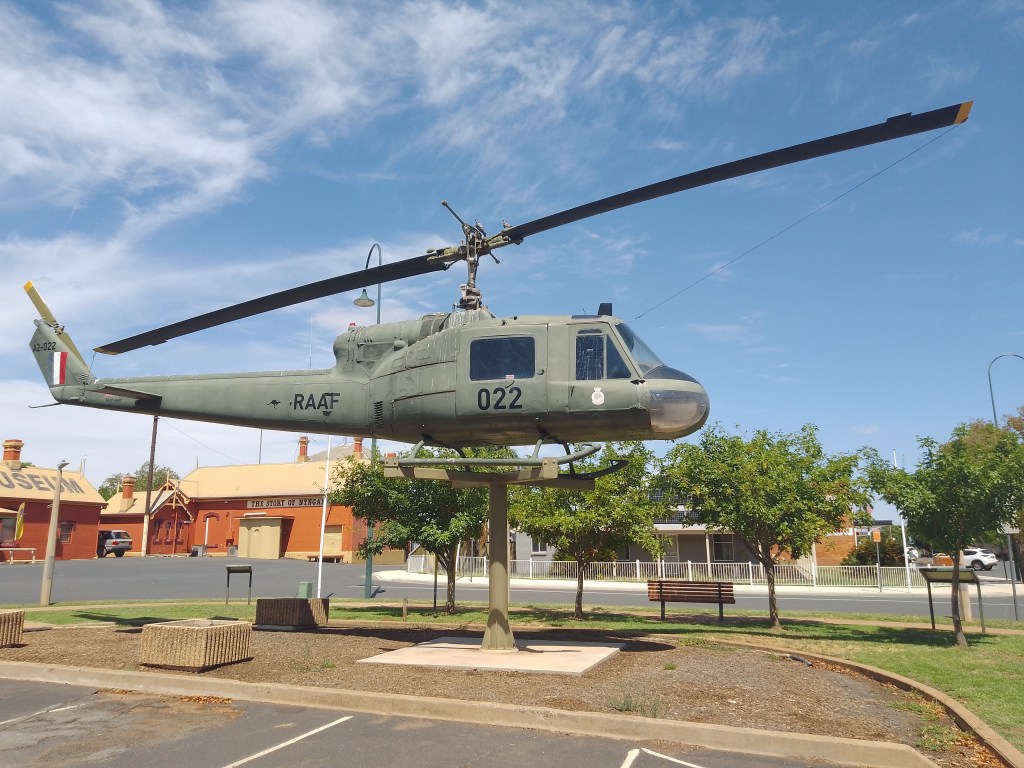
A mounted RAAF helicopter – also at Nyngan.
Fort Bourke Hill lookout – Cobar.

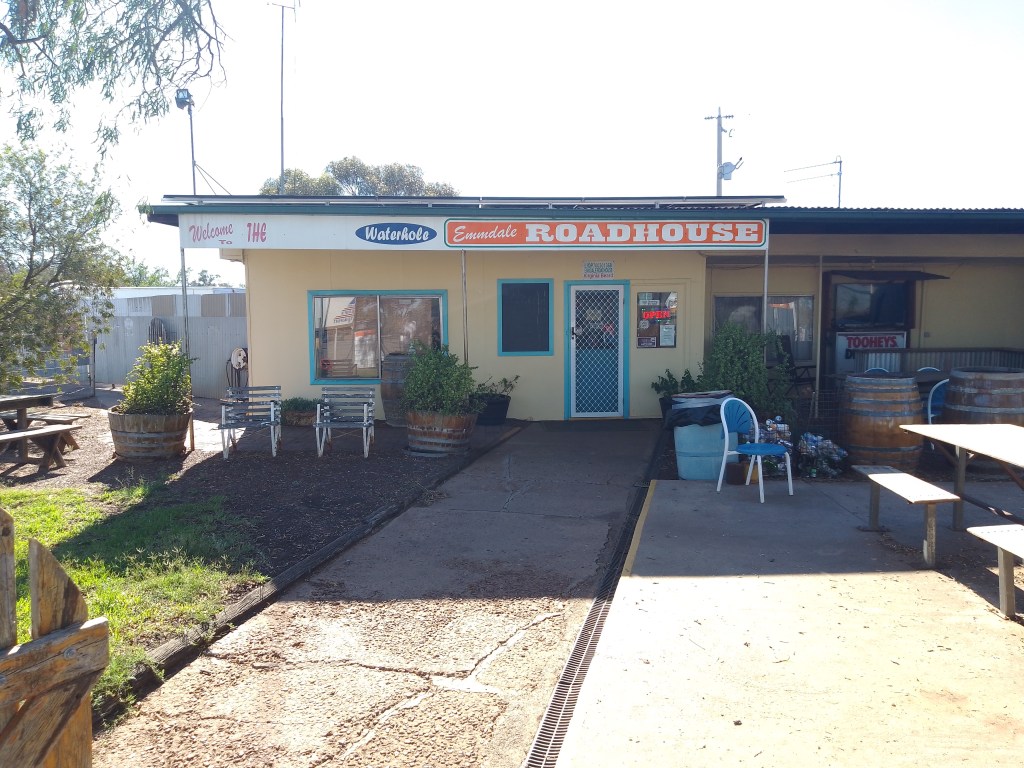
The second stage was a four-hour straight run from Cobar to Broken Hill, with only the town of Wilcannia and a remote rest stop positioned in between. I should point out to anyone planning a similar trip that the wildlife in these parts are ever-present; roaming very close to the highway – and sometimes wandering across – adding a little jeopardy to what is otherwise a route consisting of endless straights dissecting a rugged countryside.

There are literally thousands of wild goats lining both sides of the road, and they are often joined by kangaroos and emus – and even large pigs. Often I had to reduce my speed down from 110 km/h to 80, just in case any of these animals stepped out in front of the car. The holiday would have been instantly over had there been any collisions, so please keep this in mind if you are using the Barrier Highway between Cobar and Broken Hill.

The very remote Emmdale Roadhouse.
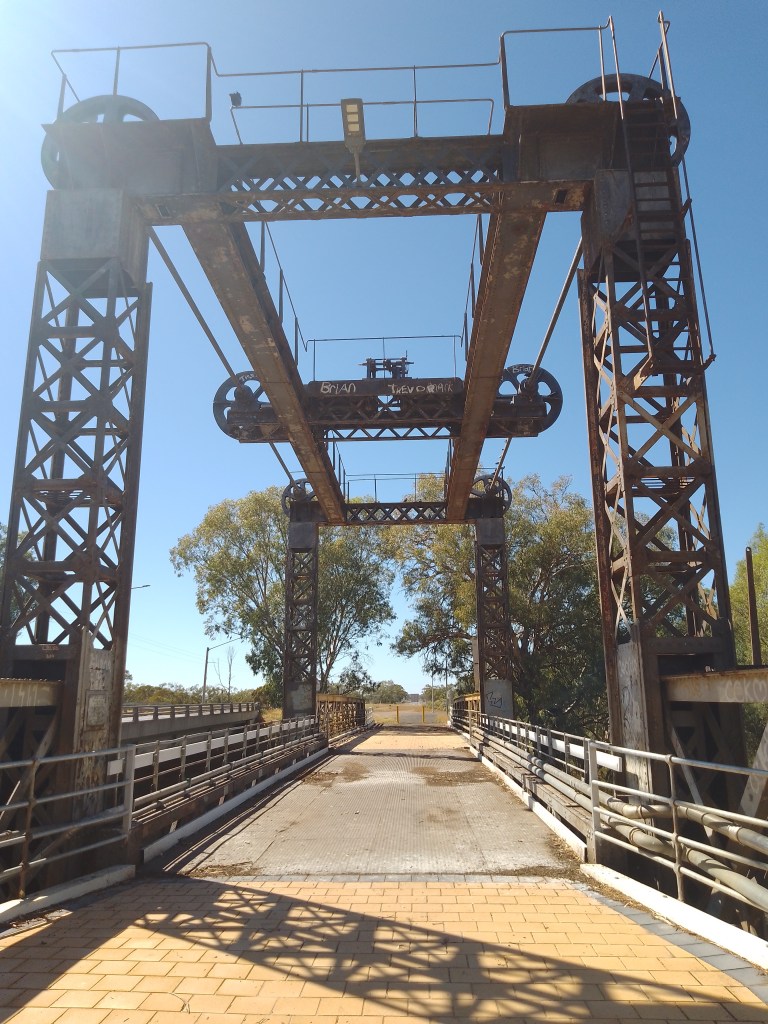
The old bridge – Wilcannia.
Emus crossing the road – forcing us to stop on a 110 km/h highway.
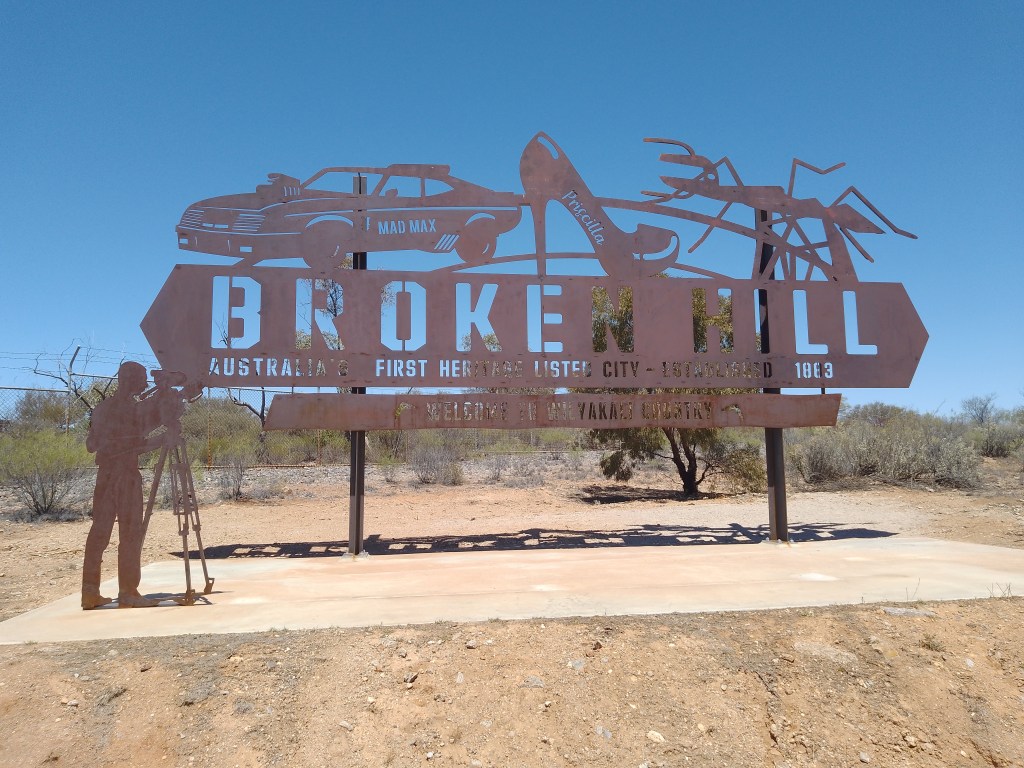
Welcome to Broken Hill sign.
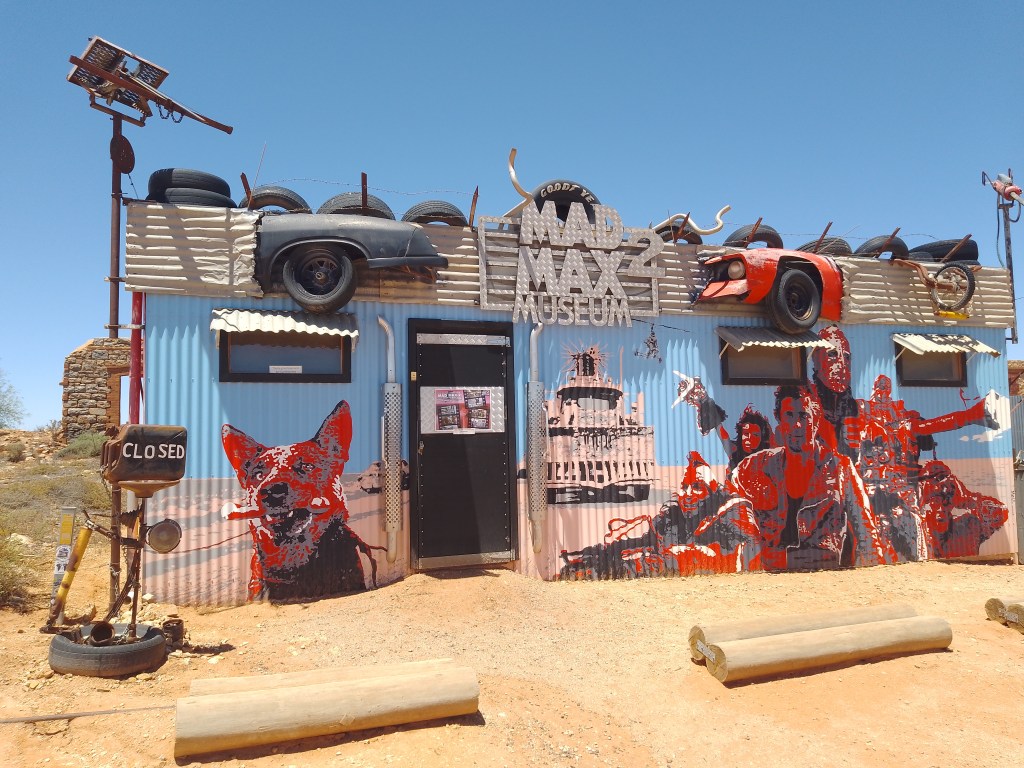
Mad Max 2 Museum, Silverton.
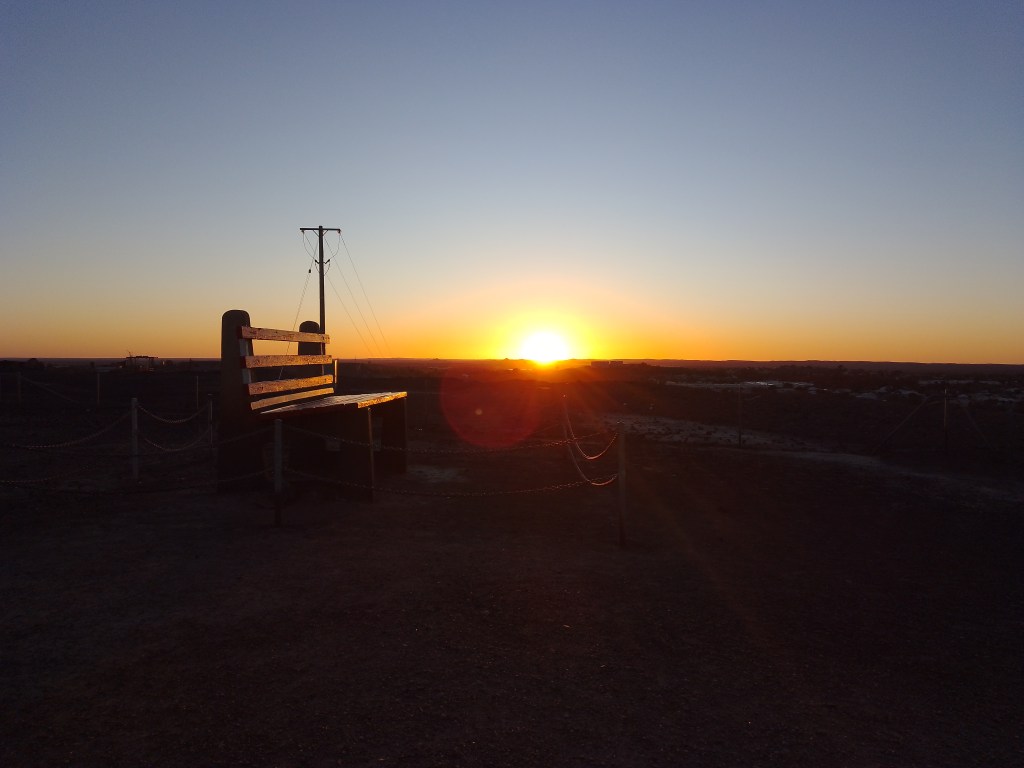
Broken Hill sunset.

The final part of the journey was a six-hour drive from The Silver City to Adelaide, but making sure to pass through Snowtown on the way. There were a couple of decent roadhouses and petrol stations along the remote highway areas of South Australia, so it’s a good idea to take a break at these places as there is not much else around.

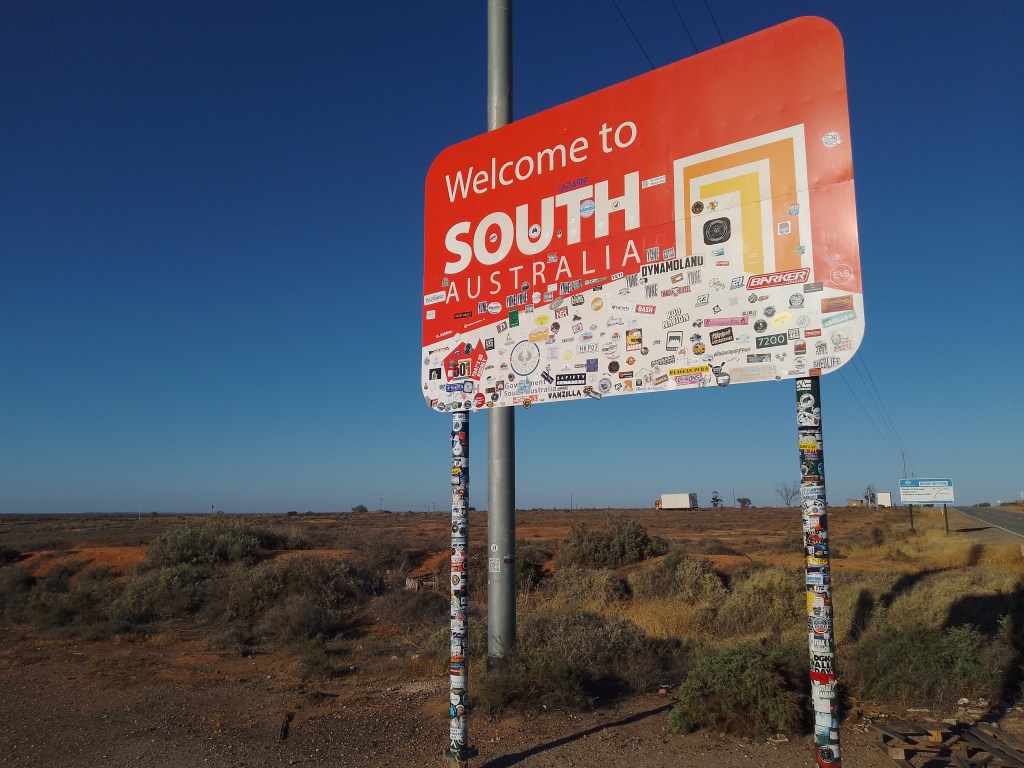
Outback border crossing at Cockburn.
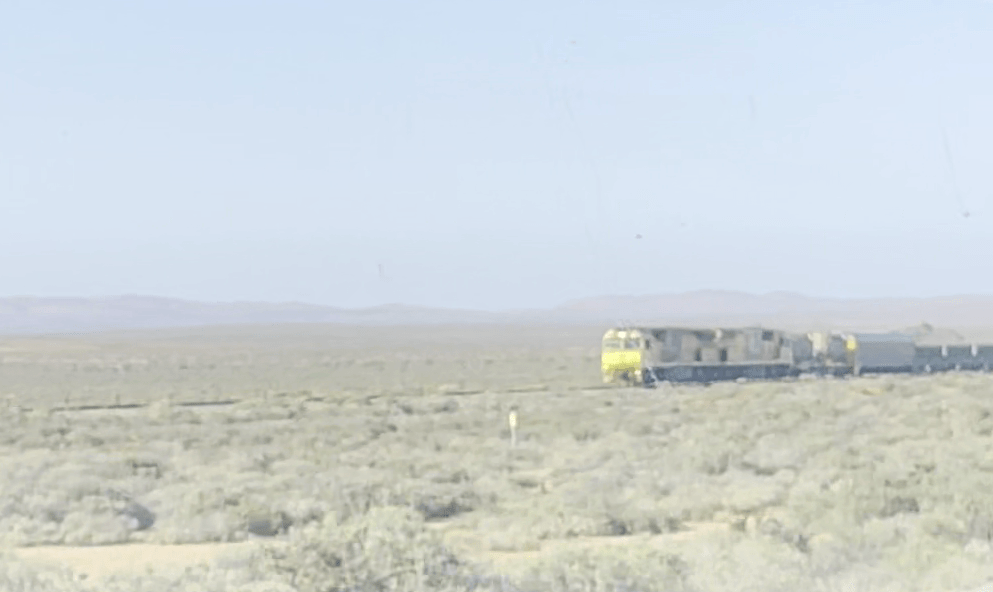
Passing an Outback Train.
The infamous Snowtown Bank.

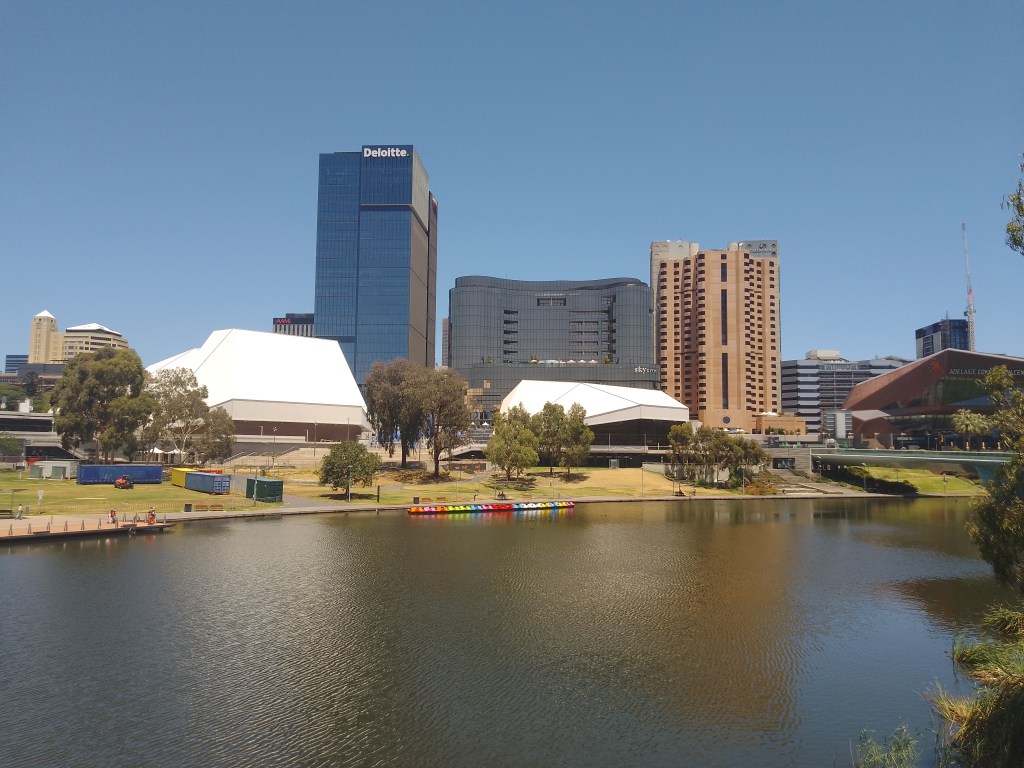
And after a three-day journey, we finally arrived in Adelaide.

Of course the quicker and easier option is to fly here from Sydney, as it only takes an hour and a half, but doing it the long way certainly was a rewarding experience. Driving to Adelaide via Broken Hill is more of a once-in-a-lifetime trip, requiring a lot of planning and time management, but I would highly recommend it to anyone who has a sense of adventure.

For those not sure if their vehicles are up to the challenge; there is always the option of hiring a car from Sydney and returning it at Adelaide airport before flying back.

Stay tuned for my report on the return journey from Adelaide to Sydney via Victoria.

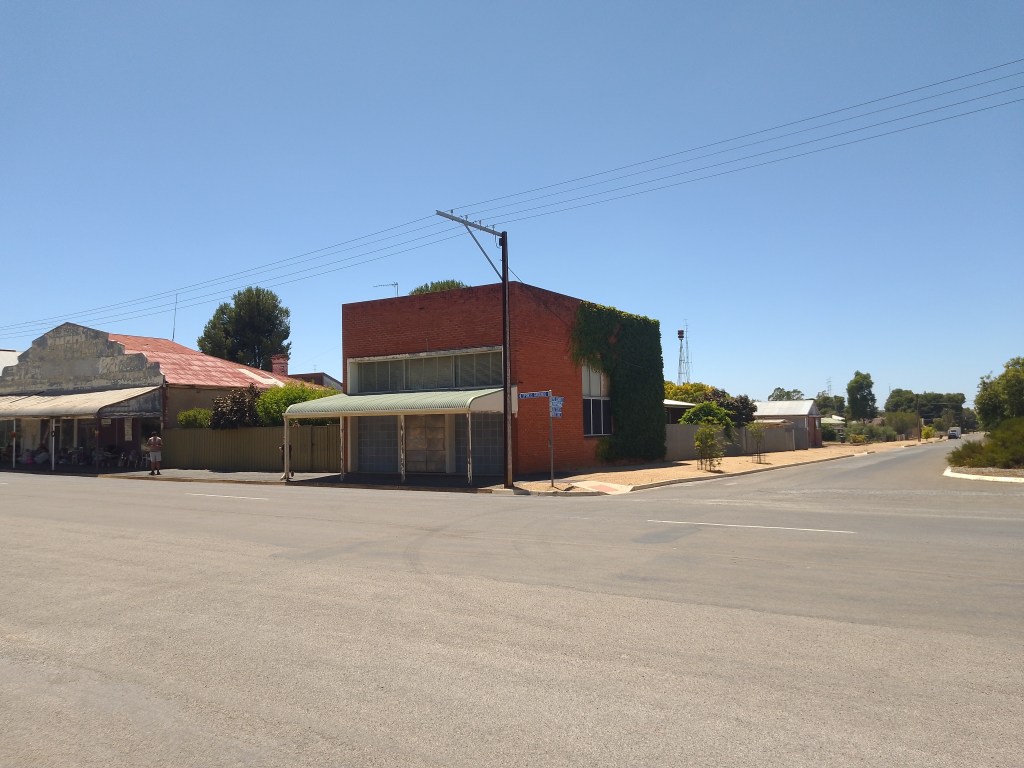
Snowtown, South Australia

While driving from Sydney to Adelaide – via Broken Hill – I could not help but take a detour and visit the town forever etched in the pages of Australian history.

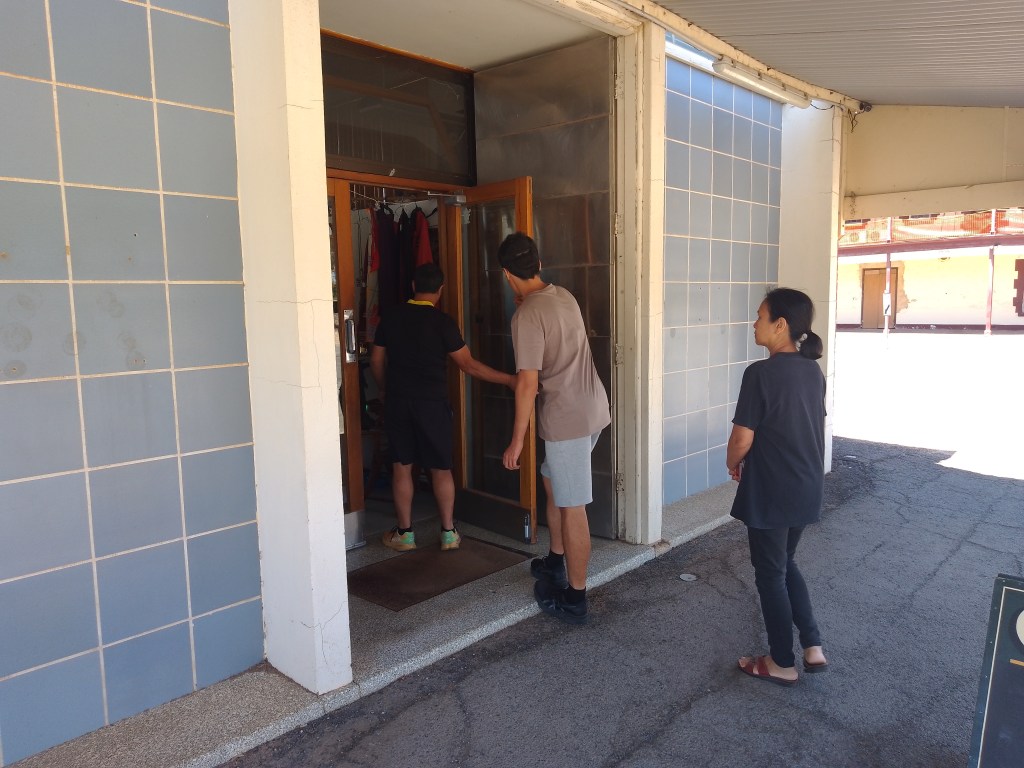
Just seeing the old bank building with my own eyes brought shivers down my spine, so imagine my surprise when the doors suddenly opened!

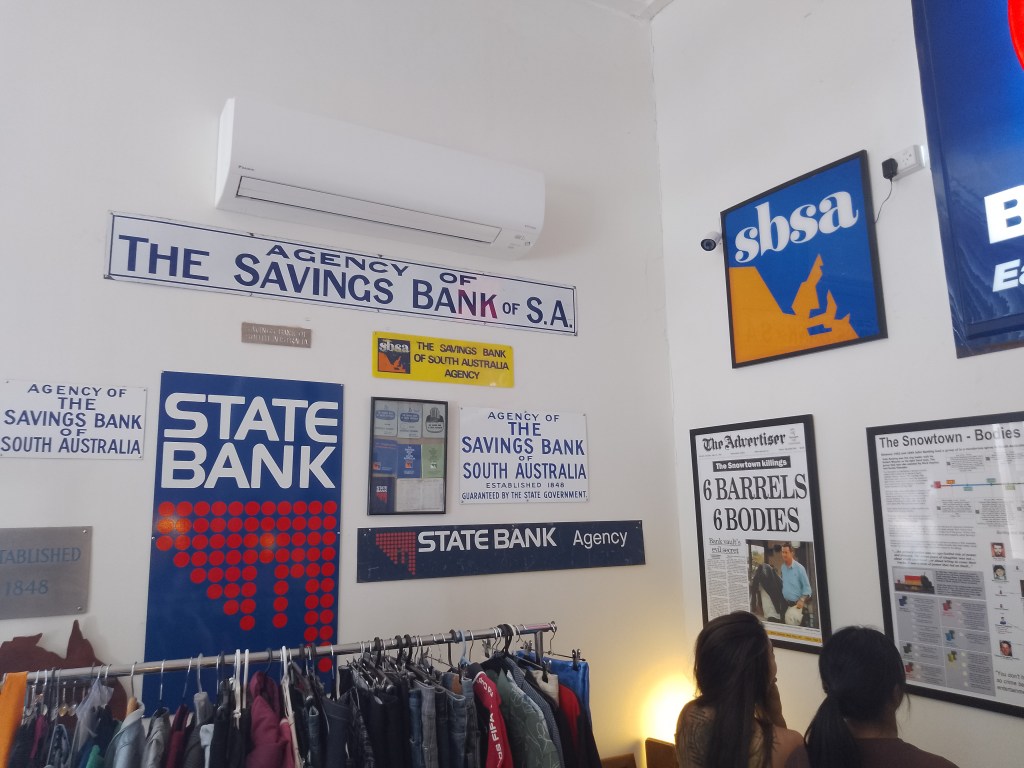
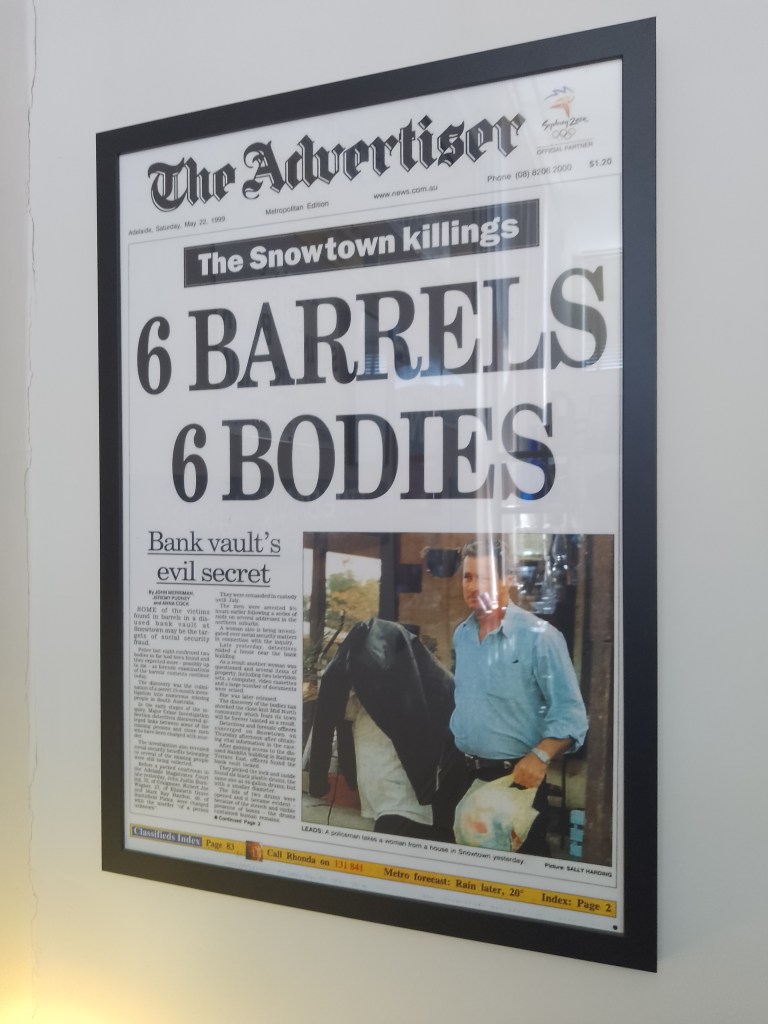
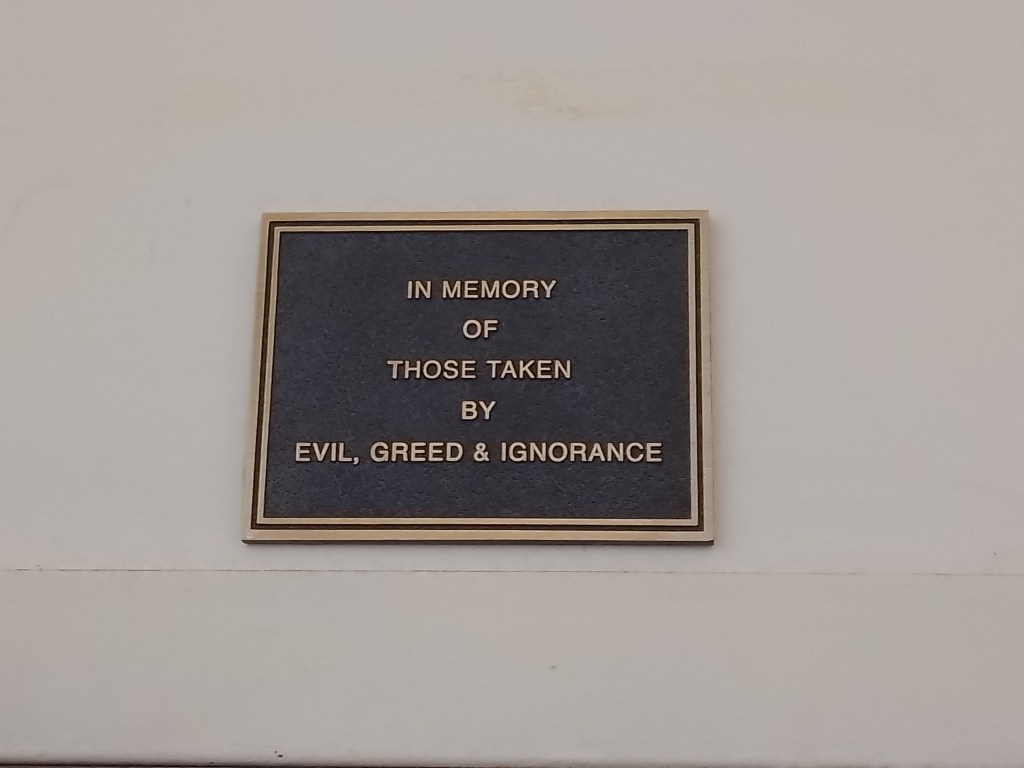
Decades after the horrific crime scene made international news, the old bank building is now a second-hand shop; with tributes and memorials featured within to those who suffered here all those years ago.

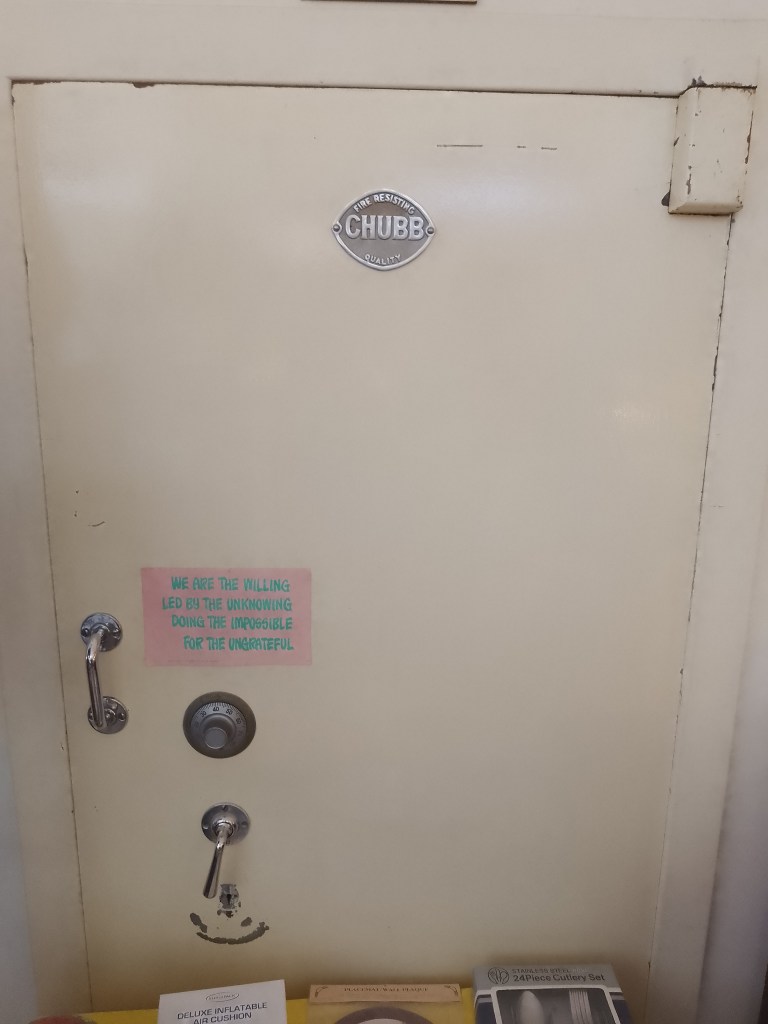
Being able to stand in front of the vault door was an unnerving experience, and according to the owner, many tourists are prepared to pay top dollar to have this heavy door opened just so they can walk inside. Apparently, some of the people who made this request were ghost hunters and true crime aficionados, with foreigners making up a large number of those seeking the ‘extra tour.’ My fascination with the macabre does not stretch that far, so I was more than content just to see it from the outside – and that was creepy enough.

In all honesty, my original plan was to drive to Snowtown and take a few photos of the bank – just to say ‘I was there’, but I never expected to be able to enter the building. I’m not exactly sure but I think the place opens at midday, because there were other people waiting around at this time as well – and when the doors opened they were inside in a flash!

The old Snowtown bank is worth a visit – especially if you are interested in crime stories – and there are a lot of interesting things to see inside, not to mention being a great second-hand store. Don’t forget to support the other local businesses there, such as the larger bric-a-brac shop next door – as well as a pub across the road and a local supermarket a few doors down.

Franko TV – An unnerving YouTube channel!

This amazing channel is the creation of an intrepid guy named Franko, and armed with an assortment of cameras and paranormal equipment, this dude goes into places where very few people would dare to tread. With almost 400,000 subscribers watching his every move, this certified legend strolls into cemeteries and abandoned buildings at night, and often alone. What could possibly go wrong?

Whatever screenshots I post here will not give Franko’s work justice, as one really needs to watch his videos to appreciate some of the outrageous things he picks up on his lenses. It’s not just the live footage that is so impressive, but Franko’s steady zooming and skill when switching cameras – all within a split second – add a lot of value to the viewing experience. When you add the creator’s live commentary into the mix – that is both informative and emotional – the end result is a brilliant final product.

With all that being said, I will post some photos below from some of Franko’s videos and do my best to explain what you are looking at.

This creepy dude turned up at a cemetery in the middle of the night, and was picked up by Franko on his IR night vision camera.

While it is not evident by looking at this picture, there is someone standing in the window of a derelict building watching Franko – for in the video, you can see this person’s eyes blinking.

These two shots were taken from one of Franko’s night time explorations at a cemetery in Florida. He asks the old lady if she needs help, but she only stares at him in silence.

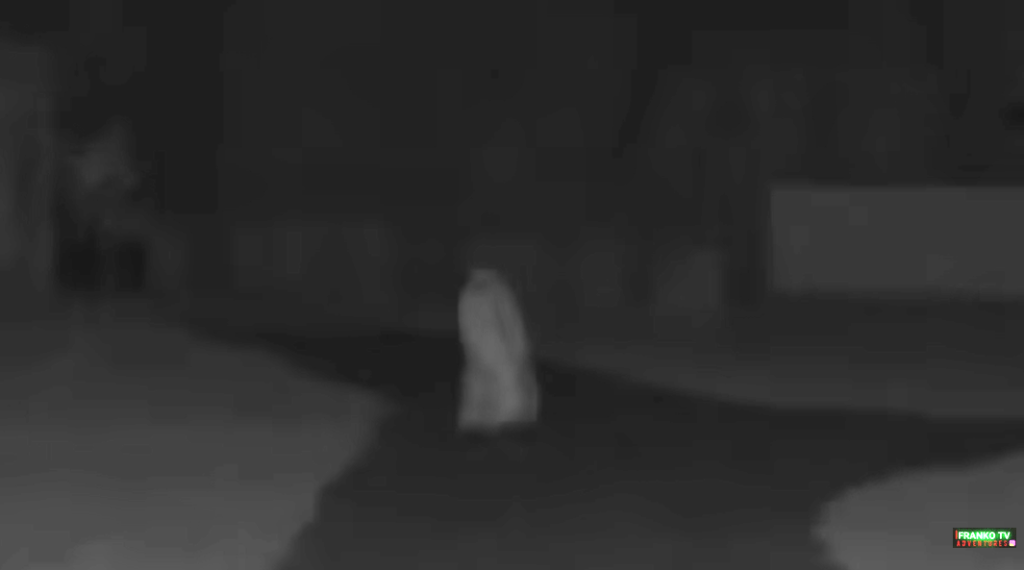
This shot is from another of Franko’s videos – and this time he is tracking a robed weirdo as it slowly walks around a cemetery late at night.

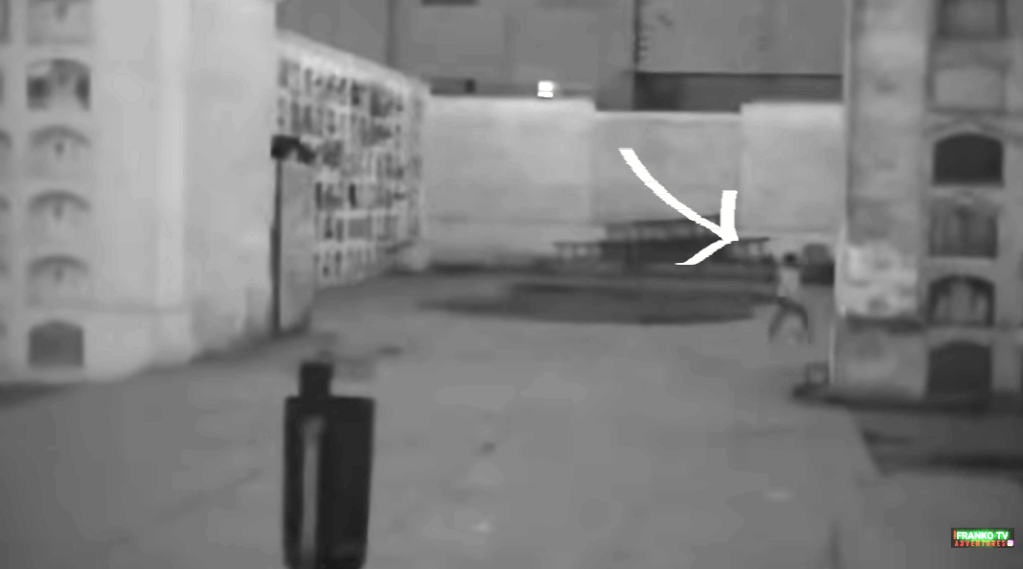
And there is this incident filmed at an enormous burial complex in Lima, Peru – where a little girl suddenly skips across the screen. This is in the middle of the night, mind you!

Franko does some incredible work, but what he catches on camera are more likely to be druggos, criminals and other nutcases – rather than anything paranormal. If I was to play Devil’s Advocate here, I could say that these videos may have been staged by Franko having some associates run off ahead and set these scenes up, but I honestly don’t think this is the case – and that his videos are for real.

The only criticism I have with this channel are the clickbait thumbnails, with Franko often shown as bleeding or injured and featuring exaggerated demonic faces. You know, he really doesn’t need to do this as his videos are excellent, and all this does is make it hard to find the actual clips you want to see. For instance, there were a few more screencaps that I wanted to show here – such as when Franko stumbled across witches – but because all the thumbnails are hyped-up and look so alike, it would have taken me ages to locate the right episode.

So, what I will do is create a YouTube link below to Franko’s video of the weird robed figure he encountered at a cemetery. This would be a great place to start if you have not experienced this channel before.

Franko TV is a great channel, and I tune in once or twice a week for some great entertainment. Franko’s episodes can drag out a little as they are a slow burn, but when something happens it’s worth the wait and suspense – as everything goes crazy at once. As a special mention, some of the places he visits are incredible – especially the necropolis-like cemeteries in Latin America – and some insane stuff is guaranteed to happen there every time!

There is a link to the Franko TV YouTube Channel below.

https://www.youtube.com/@FRANKOTVADVENTURES

All screenshots courtesy of Franko TV YouTube Channel.

Aussie Big Things – Collection 2

If you don’t know what an ‘Aussie Big Thing’ is – these are large sculptures (or structures) of Australian flora and fauna, as well as iconic local symbols, that are positioned by major roads and highways to serve as tourist attractions.

Despite the term ‘kitsch’ often being used to describe them, a number of these roadside gems are featured on one-dollar coins; with the first ‘Aussie Big Things’ collection being released back in 2023. The latest series – which I am going to show in detail shortly – came out in September 2025.

There are ten different ‘big things’ featured in the newest edition; and were chosen to represent every state and territory – except the ACT. To be honest, I think a couple of these attractions are a little lame, but nevertheless I have presented the photos of all ten places below – using Google Street View for consistency and showing the real location alongside the $1 coin for comparison.

THE BIG GALAH – Kimba, South Australia.

This attraction is positioned at the halfway point across Australia – from east to west.

THE BIG MANGO – Bowen, Queensland.

Some pranksters actually stole this entire mango a couple of years ago – if you want a good laugh then I suggest you look up the story.

THE BIG PRAWN – Exmouth, Western Australia.

This is a weak entry to be honest, as there is a ‘bigger’ Big Prawn in Ballina, NSW – as seen in the photo below.

THE BIG ROCKING HORSE – Gumeracha, South Australia.

It’s weird, but it’s BIG – I will give them that!

THE BIG STRAWBERRY – Koonoomoo, Victoria.

This is not big – compared to some of the others – but it’s big for a strawberry, I suppose.

THE BIG PENGUIN – Penguin, Tasmania.

According to the local tourism websites, this stands three metres high. Hmm…

THE BIG MERINO – Goulburn, NSW.

Now this is BIG! There’s also an awesome bakery across the street.

THE BIG GOLDEN GUITAR – Tamworth, NSW

For those unaware, Tamworth is Australia’s country music capital – our equivalent of Nashville.

THE BIG BARRAMUNDI – Wanguri, Northern Territory.

Be careful with this one, as I think it is on the property of a primary school – note the fence.

THE BIG WHEELBARROW – Wedgefield, Western Australia.

This is positioned in a remote mining town, so I guess it makes sense.

The Aussie Big Things – Collection 2 is available to purchase from post offices and coin dealers, and there’s a one-in-ten chance to find a coloured Big Strawberry coin. The set comes with a folder and sealed tube of uncirculated coins – and will set you back $34.

Screenshots courtesy of Google Maps.

Crocs Cave: – Real or Fantasy?

The enigmatic Crocs Cave was brought to my attention a week ago, having noticed it for the first time on Google Maps – which was odd because I study these areas regularly and had not seen this marker before.

With Google, Apple and Randonautica all showing this location on their maps, I felt compelled to take on the bush trails around North Parramatta to solve this mystery once and for all.

I began my quest at Lake Parramatta, and made my way to the northern tip of the water (see photo below) before heading east into the King’s School Grounds.

At this point, it is the same route that I took on my previous walk to North Rocks, but a different path would be needed once having reached the private school’s property.

As you can see in the above shots, this ended up being a well-worn path – not a battle through thick bushland as I expected. And with such a flat and easy track to walk on, it did not take long to reach the mysterious Crocs Cave*.

*Note: For the sake of consistency, I will spell the location as ‘Crocs Cave’ – and not ‘Croc’s Cave’ – as this is how it is represented across multiple maps.

And as simple as that, I can confirm that this is a real place.

To be fair, there are caves – and then there are caves, right? Most of the bushwalks around Parramatta do feature small caverns where the lower part of a rock face has been hollowed out, but these are not ‘caves’ – so I wasn’t expecting to find The Mines of Moria.

However, Crocs Cave was better than I expected, and would be a great place to take a rest before continuing on with the track – but be mindful that a large pool of water takes up most of the area here, so one would need to jump across to reach the drier spots.

I continued along the path towards the lower part of North Rocks, and there were no major difficulties here – although it may have been fenced off at one point, but those barriers now have gaps wide enough to drive a car through.

The trail is also littered with these colourful plants, which at first glance I thought were Sturt’s Desert Pea – until closer examination. They are in fact Ochna thomasiana – better known as Mickey Mouse Plant – and are native to parts of Africa but considered an invasive weed here.

If you do want to go off-track in these parts, please be wary of snakes because the foliage was thick and tall – and some were bound to be present. Make sure you create enough noise – stamping your feet and so forth – to frighten any of these buggers away.

The Crocs Cave track ends at the base of the big dipper on Bettington Road, North Rocks – where Pennywise the Clown might feel at home.

Directly across the street is the beginning of a new walking path – North Rocks Wildlife Sanctuary – which can link up to the Balaka Falls track before making its way to Carlingford.

There’s a good chance this will be my next assignment.

The Crocs Cave track is a good walk – and not too physically challenging – and can be accessed at either the northern end of Lake Parramatta Reserve or on Bettington Road at the bottom of the steep dip.

All map screenshots are courtesy of Google, Apple and Randonautica.