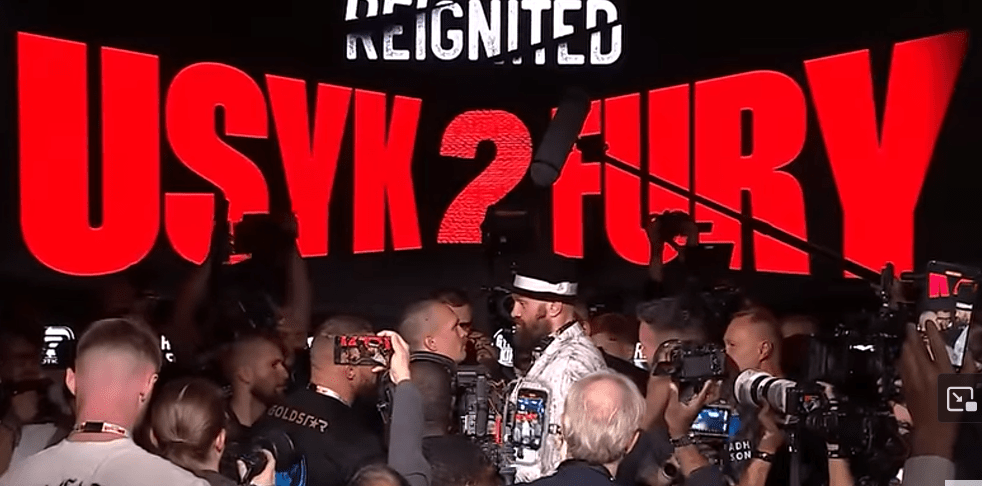
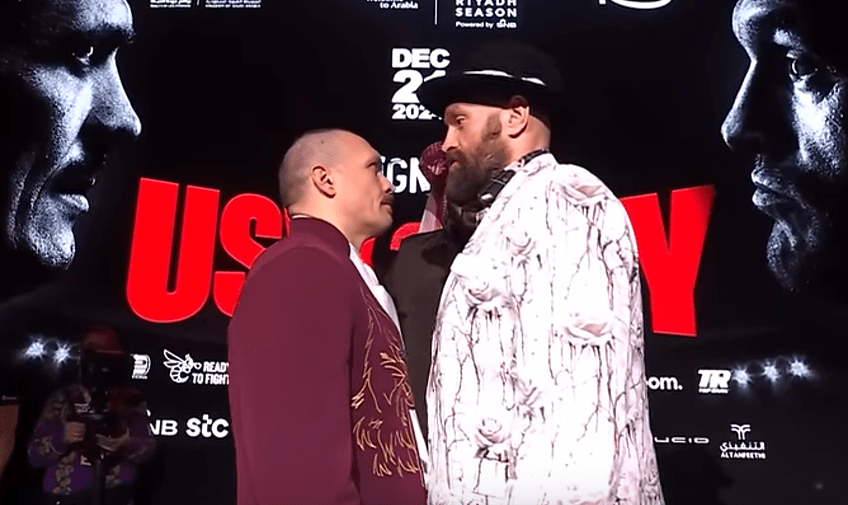
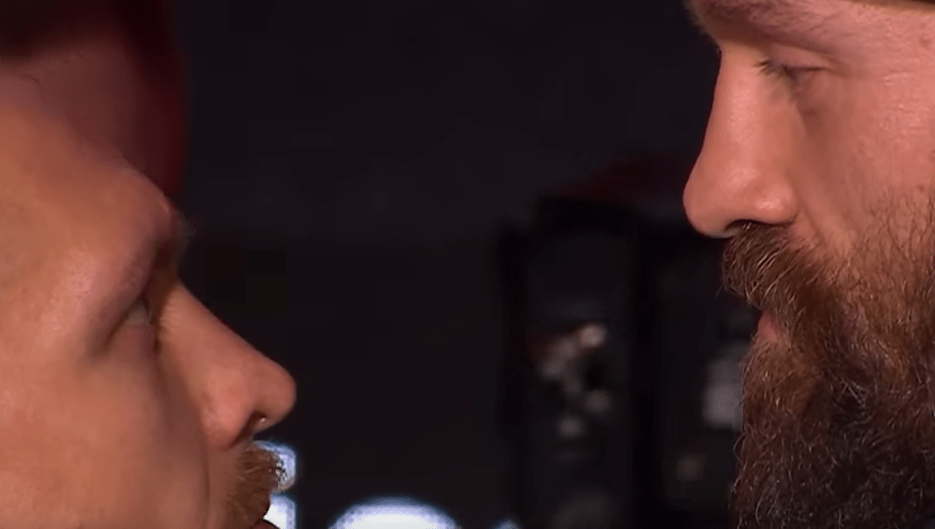
The longest – and most bizarre – staring contest ever!

In the lead-up to Sunday’s big heavyweight fight, the two combatants – Tyson Fury and Oleksandr Usyk – engaged in the longest stare-down I have ever seen.

That is quite an achievement, as I have followed boxing for over forty years, and have not seen anything like this before.
Experts and commentators alike were perplexed by the duration of this psychological battle, where neither man was prepared to give an inch – until concerned event organisers and members of their entourages stepped in before anything stupid could happen.

I have added a link below – courtesy of TNT Sports Boxing YouTube Channel – where the strange scene can be watched in its entirety.

Usyk v Fury II is expected to begin at around 9am Sunday morning. (Australian time)

Photos and video courtesy of TNT Sports Boxing.

The Parramatta Light Rail is here – at long last!

In what can truly be described as a Christmas miracle, the first passenger services commenced this morning – bringing a five-year period of confusion and delays to a sudden end.

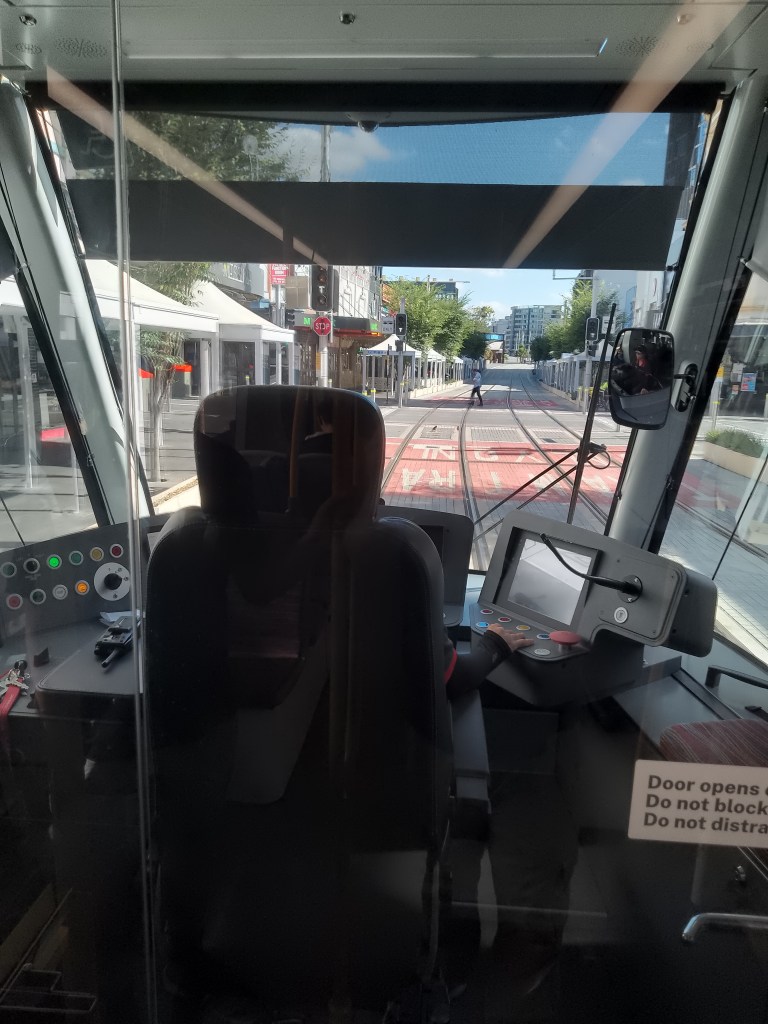
Although I have been an outspoken critic of how long it took to complete this important project, my mission for today was to be one of the first people to ride on the new service and give an honest and fair assessment.

I will get straight to the point: – This was an excellent experience!

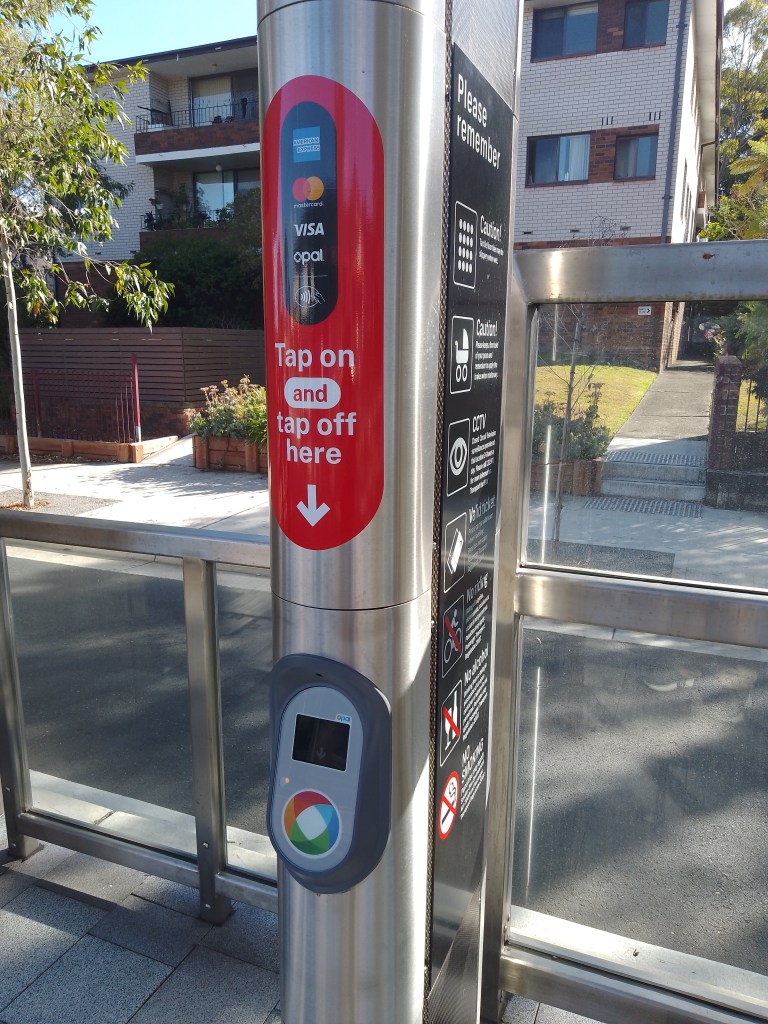
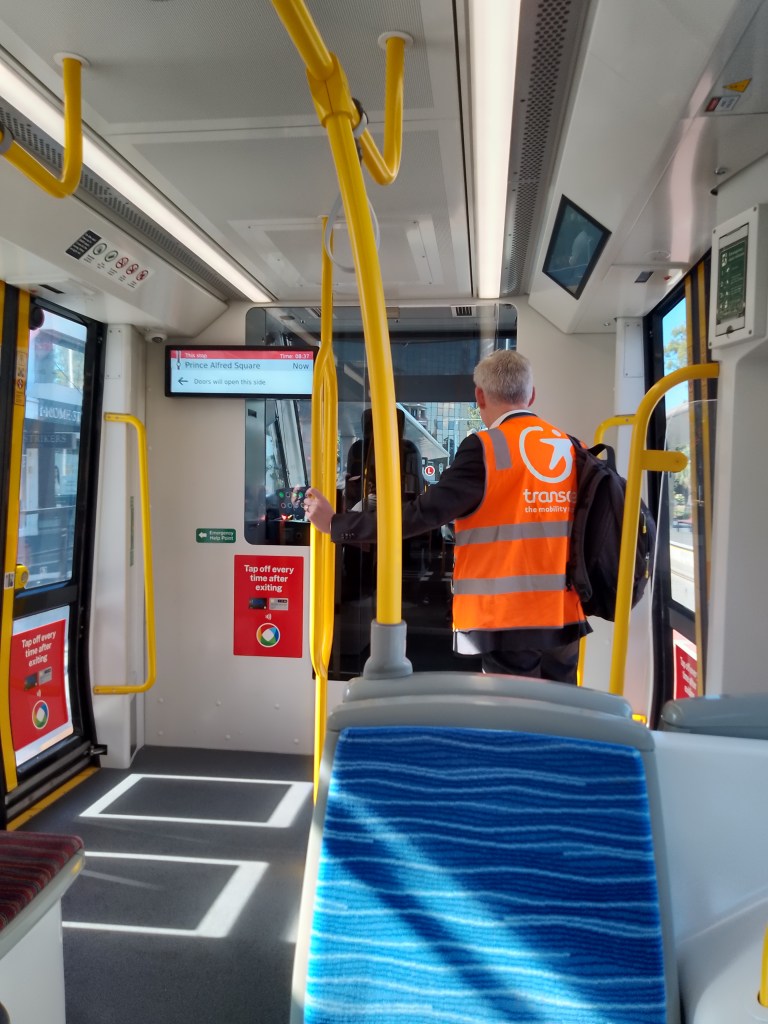
The stations were simple yet slick and stylish – and all the Opal tap-on machines were working – with plenty of staff around to answer any questions. Trams were running on time, with one arriving every seven minutes on average as per the timetable.

As a proud Parramatta local – it’s a big ‘thumbs up’ from me!

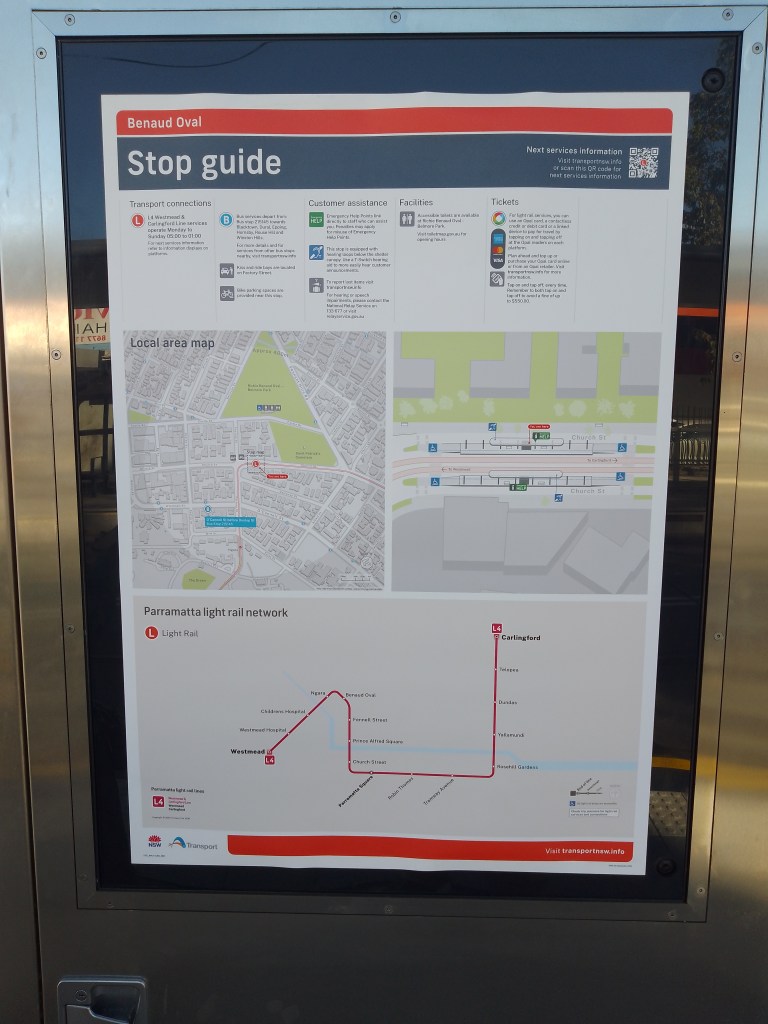
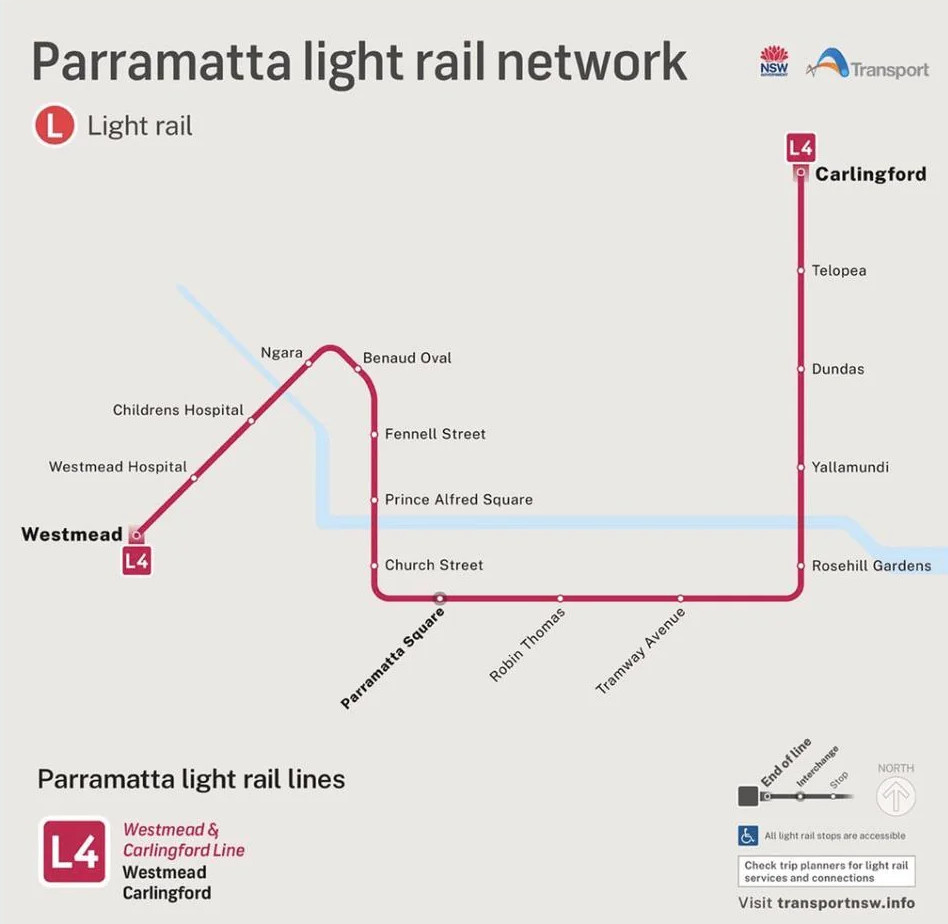
For those not familiar with this new tram line, it runs from Westmead to Carlingford (in the Western Suburbs of Sydney) – through the Parramatta CBD – as outlined in the map below.

To wrap up this glowing report on the Parramatta Light Rail, I did create two videos of my inaugural ride on the new trams and they can be watched via the YouTube links below.

I tried Randonautica for the first time.

Having watched some disturbing YouTube videos about the Randonautica app, I couldn’t help myself and decided to try it out first-hand.

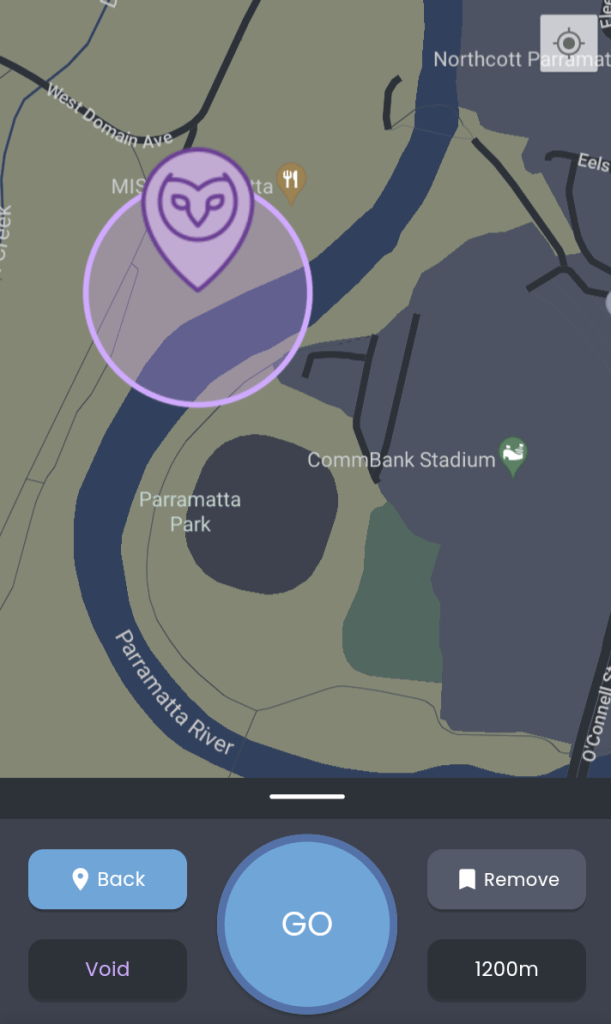
Selecting a small radius on the map around Parramatta in Western Sydney, the app managed to give me three random locations to investigate.

The first marker was situated within the boundaries of Parramatta Park, on the opposite side of the river from the stadium.

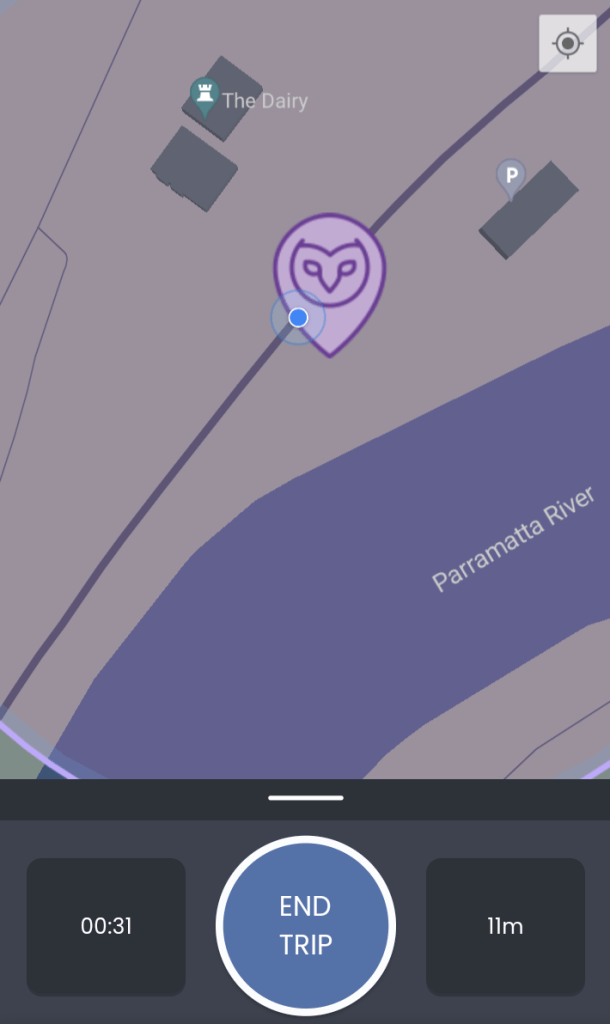
Accessing the park via a pedestrian bridge, I then followed the map on my phone until the target was within only a few metres.

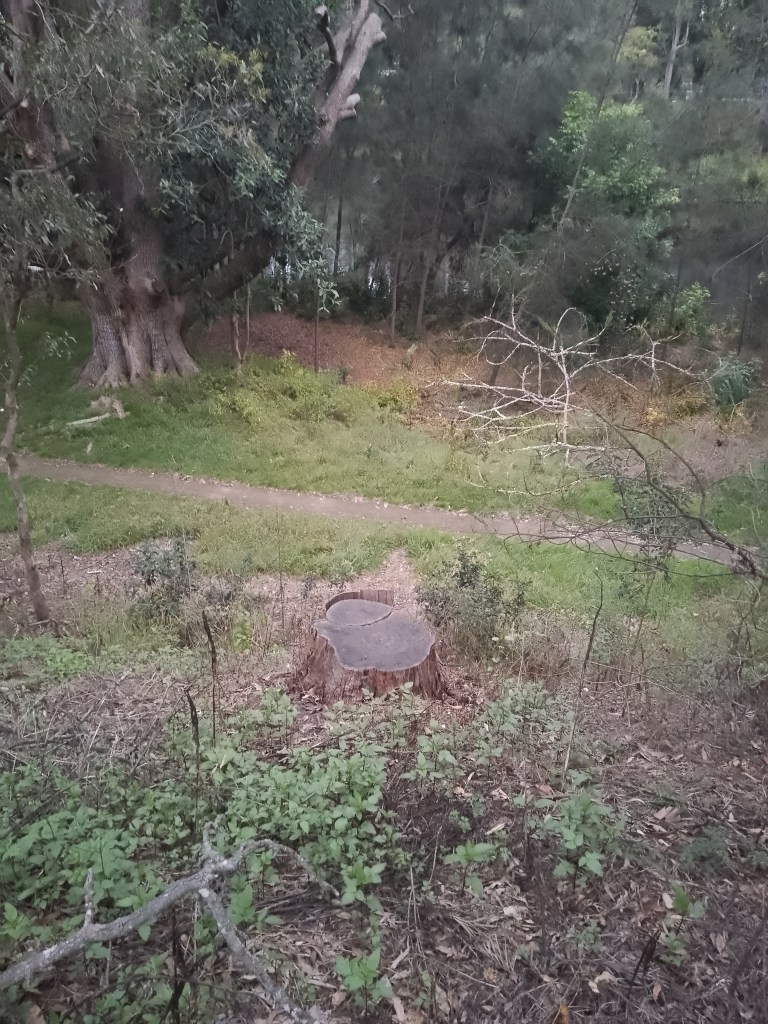
Unfortunately there was nothing obvious or out of place when I reached the spot, and I came to the conclusion that the anomaly was most likely a tree stump. Perhaps there was something unusual attached to this location at some point?

I did create a short YouTube video about this adventure into Parramatta Park, which gives a decent insight as to how Randonautica works and can be watched via the link below.

My second and third missions took me to two different addresses in Parramatta.

As the map above indicates, one was on the fence of two private properties on Victoria Road – most likely the garage or shed underneath the marker, and shown in the photo below.

The other was an address on nearby Morton Street, and seemingly once again on the boundary of two private properties.

Of course, the footpaths outside these addresses were the closest I was able to go, but the Morton Street marker did appear to be on the nature strip adjacent to the house, but again there was nothing there that was either mysterious or noteworthy.

My YouTube video of these adventures is in the link below.

My overall impression of Randonautica is that at the very least the concept is intriguing. To be fair, I only operated within a very limited radius (only 1 to 2 km) and I am certain that if I expand on that at a later date then I might come across something of interest.

Watch this space!

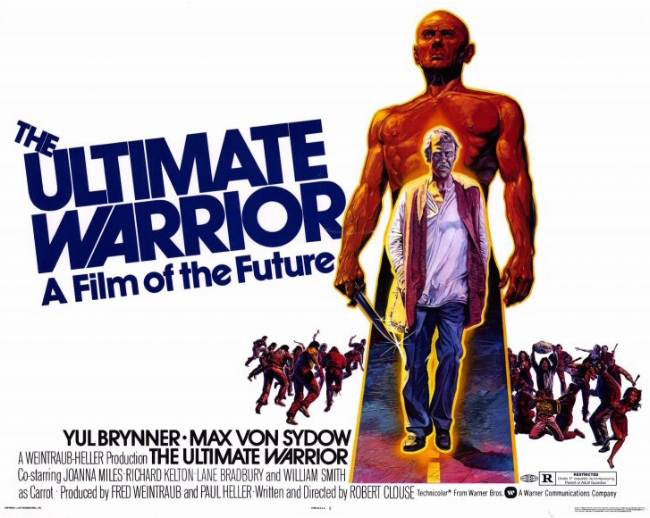
‘The Ultimate Warrior’ – a 1975 post-apocalyptic classic!

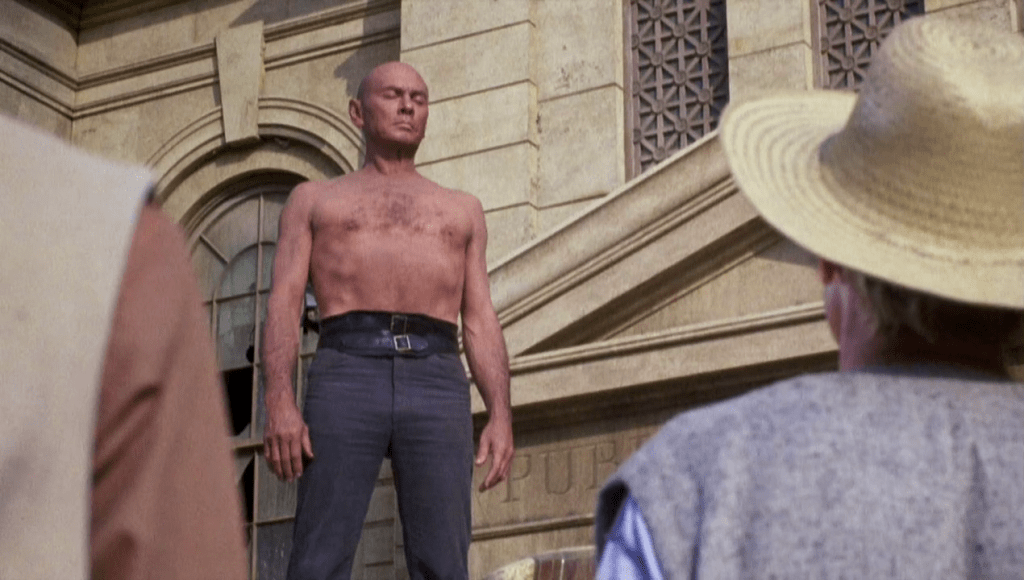
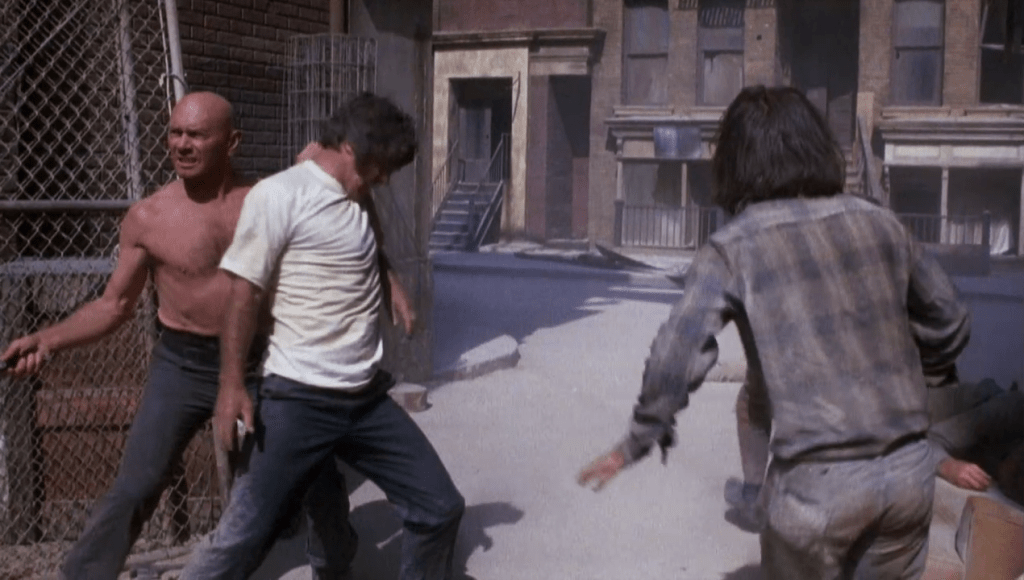
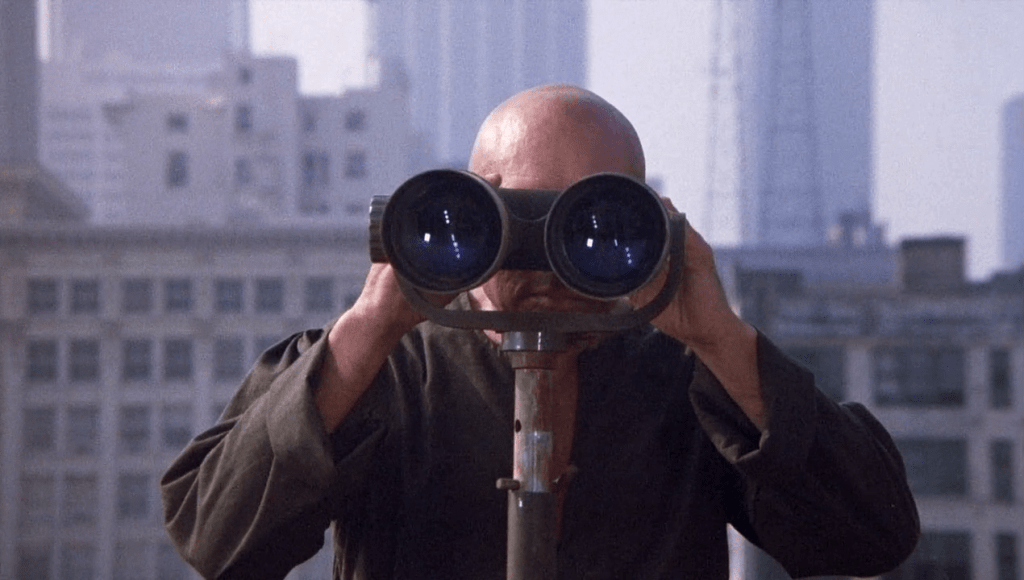
Starring the legendary Yul Brynner and Max Von Sydow, ‘The Ultimate Warrior’ is set in a futuristic New York City after a series of epidemics have decimated the world’s population.

The story revolves around a mysterious warrior named Carson (Brynner) who is offered a place to live inside a safe compound by their leader Baron (Von Sydow) in return for him escorting some of the occupants to a safe haven outside of the city.

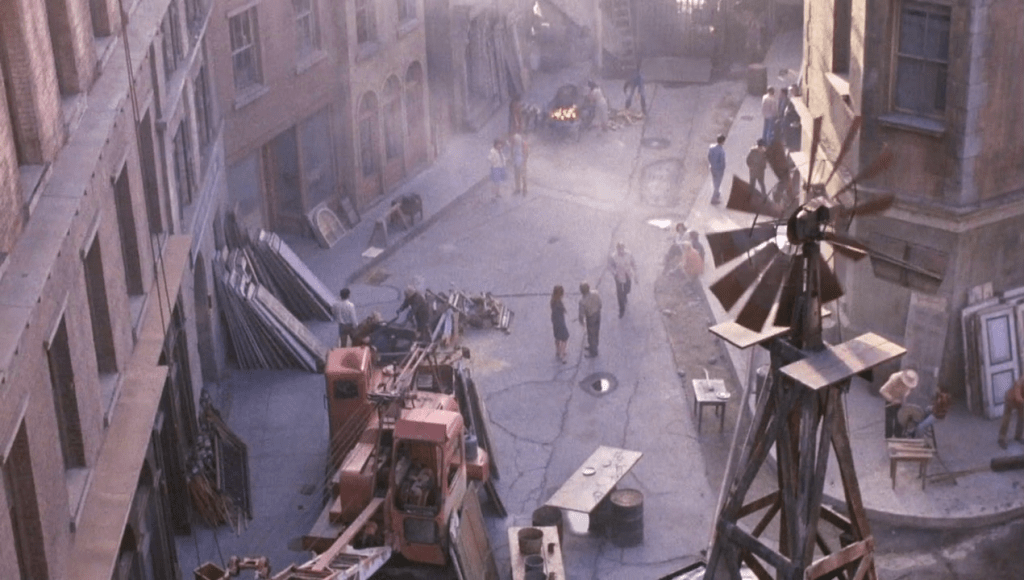
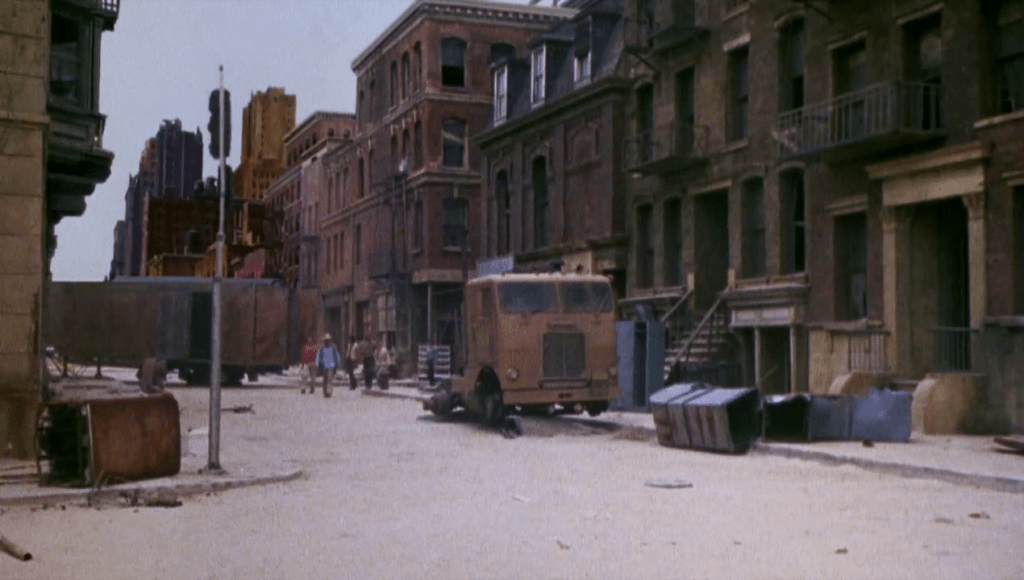
The movie is straight-forward enough and follows the typical plot and formula of other similar films of that era. It’s not one of the better known sci-fi efforts from this decade, but certainly stands up in terms of set design and cinematography.

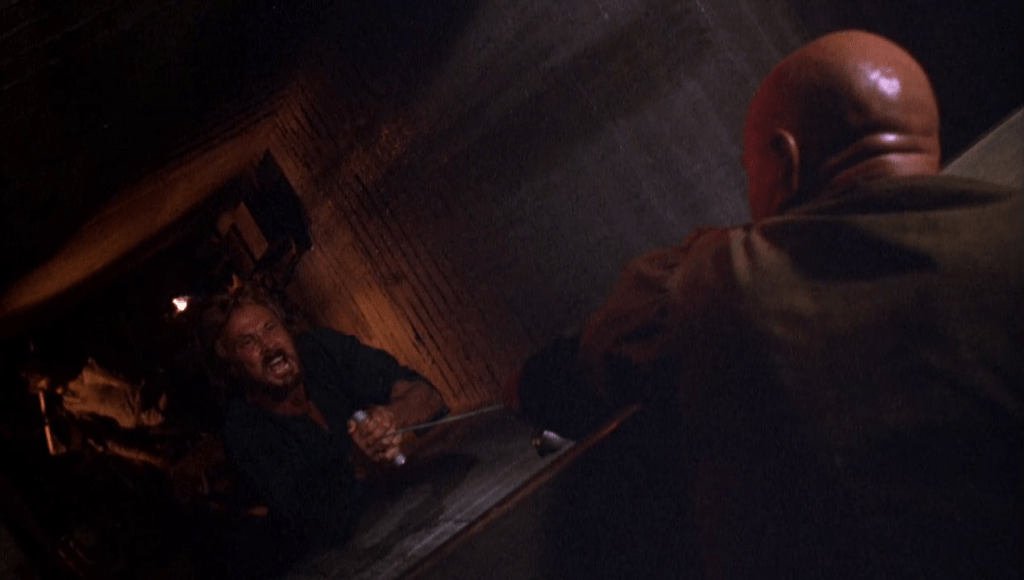
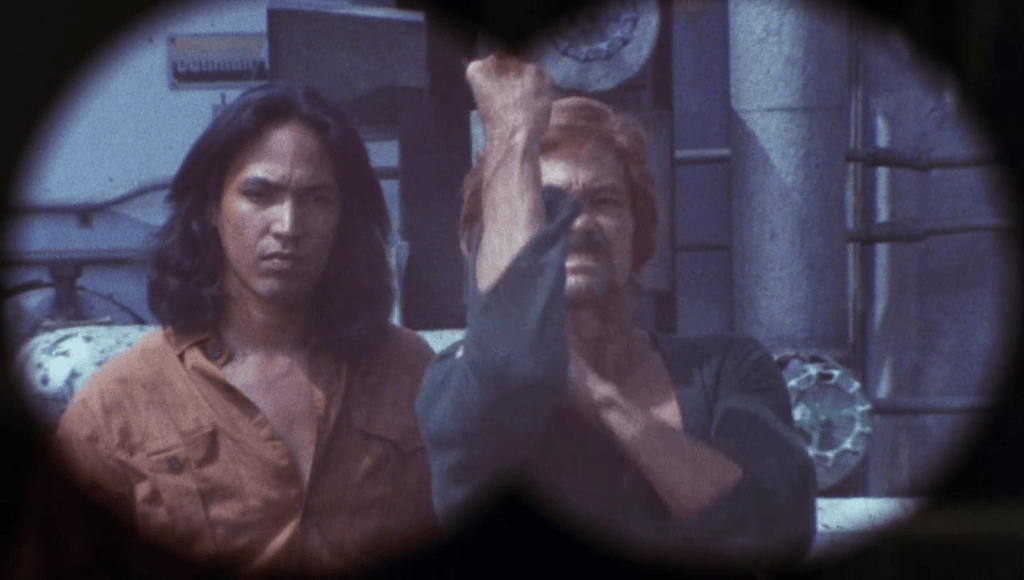
There are lots of action scenes – particularly fighting – as the title suggests, with an ageing Brynner holding his own. I should also point out that the main antagonist in the film, ‘Carrot’ is played by William Smith – the gravelly-voiced bad guy starring in a number of movies and TV shows over the years.

This film may have slipped under the radar of most sci-fi fans, as it would have been overshadowed by some of the more famous movies released during the same period. However, it did make $9 million at the box office from a budget of around $800,000 – which is a pretty good return and perhaps an indication of Brynner’s star power.

If you enjoyed films such as ‘Soylent Green’ and ‘Escape from New York’ – with some knife fighting and red paint splashed about – then ‘The Ultimate Warrior’ is well worth checking out.

Screenshots courtesy of Warner Bros and Columbia Pictures.

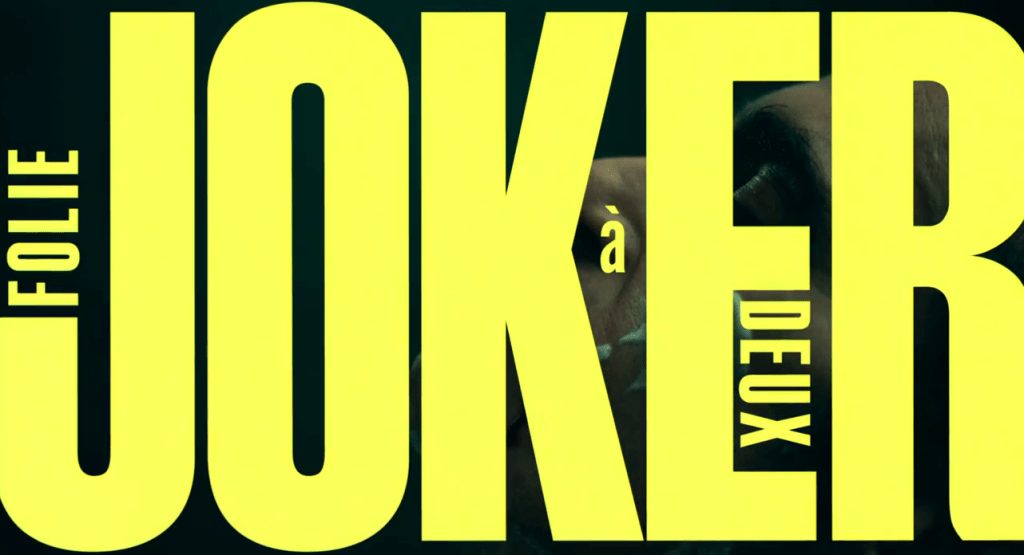
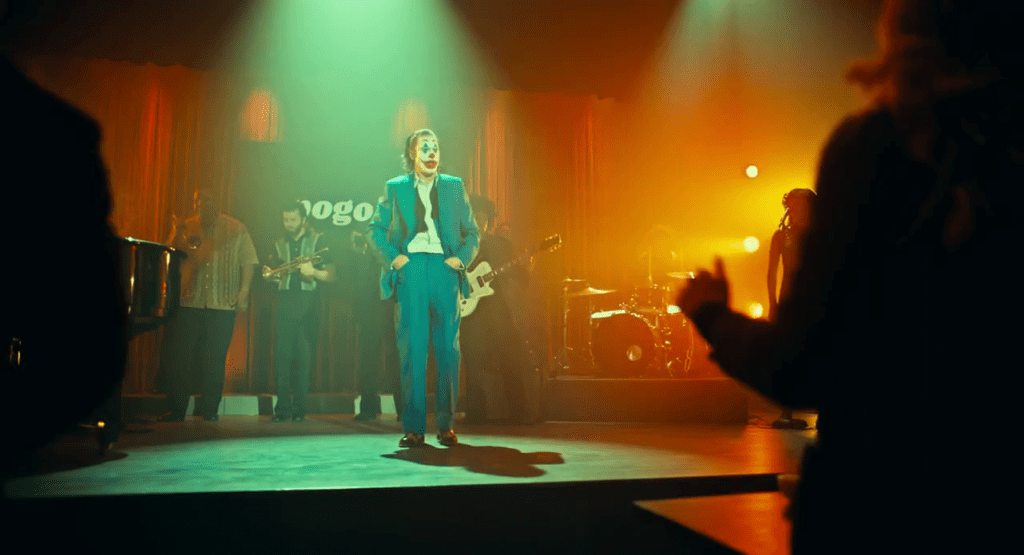
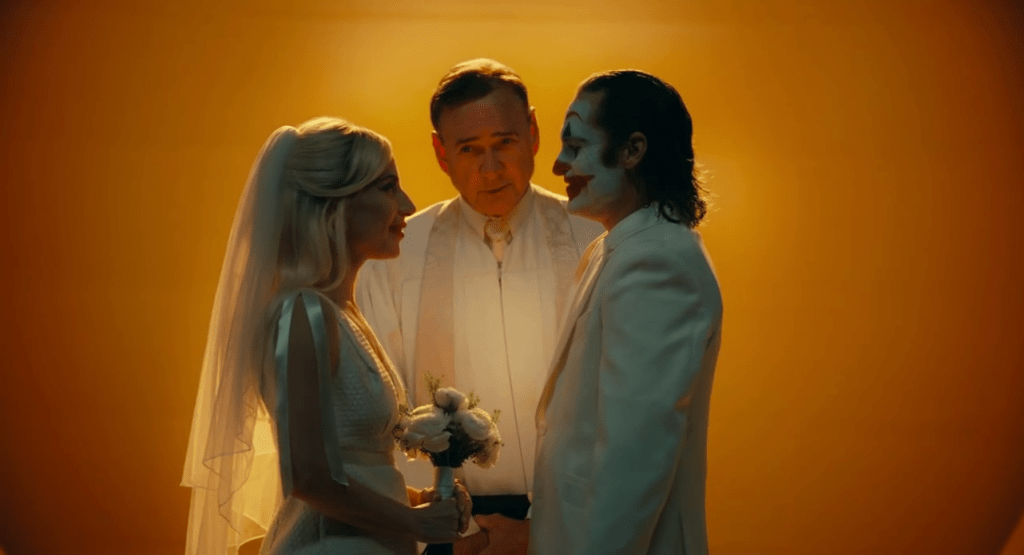
I finally watched ‘Joker: Folie à Deux’

Having heard that this sequel took a sharp turn away from the brilliant 2019 film, I decided to stay away from the cinema and wait until it was available to stream before watching it.

Now that I have seen ‘Joker II’, to say that it deviates from the winning formula of the first film is an understatement. It wasn’t the disaster that some are claiming it to be; the mood and style were still there, the song and dance routines gave the audience a clever insight into the mental state of the main characters, and it was well designed and directed.

However, this is not what the average fan wanted to see.

Without spoiling anything for those who still want to see this movie, all I will say is that for the first twenty minutes it looked like we were in for a film similar to the first one – but then the musical numbers kicked in. Quite simply, there were way too many!

There were good moments in the film that were more in line with the original ‘Joker’, but these were few and far between – with the standout for me being the courtroom scene between Arthur and Gary Puddles – and needless to say, all the performances in the movie were solid.

But the flaws easily outweighed the positives, and I was very disappointed in this movie.

I loved the first film and must have watched it four or five times – in fact, I could put it on right now and be glued to the screen from start to end. Watching the sequel had the opposite effect on me, and I could not digest it all in one sitting – it took me four sessions to complete over a couple of days. This is important to note, as one of the reasons why the first film did so well at the box office was through people returning to the cinema to watch it a second time.

For the record, I gave this film two stars (out of five) on Rotten Tomatoes.

All screenshots courtesy of Warner Bros

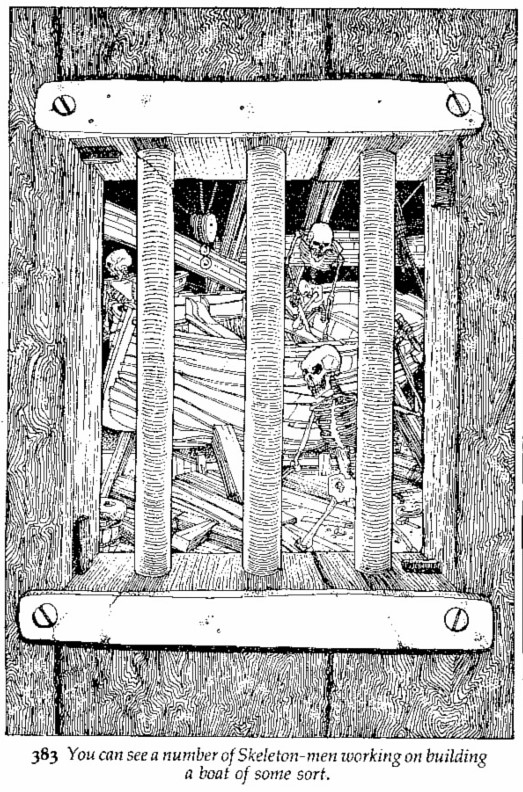
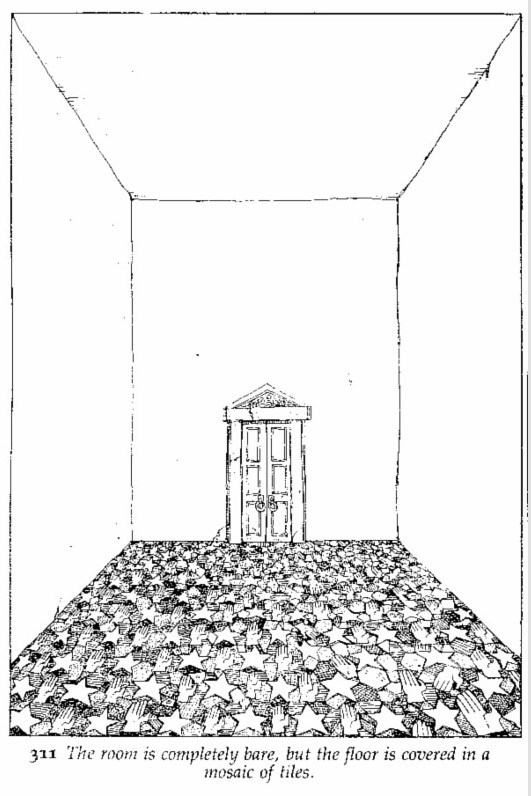
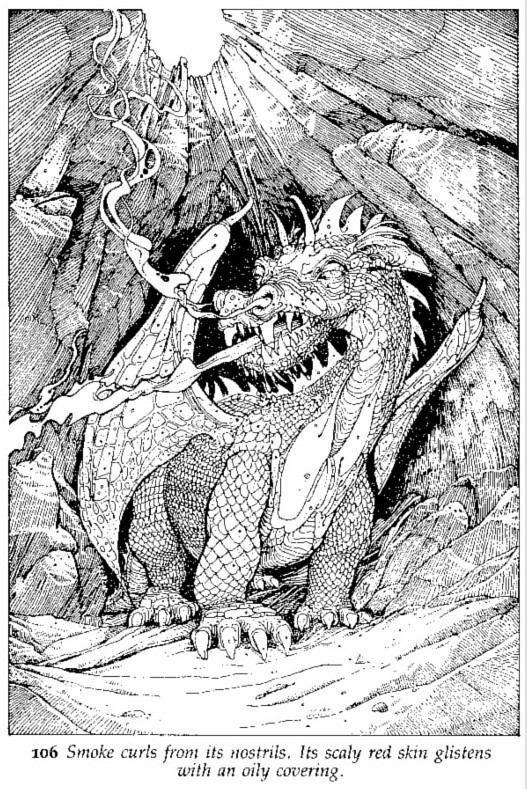
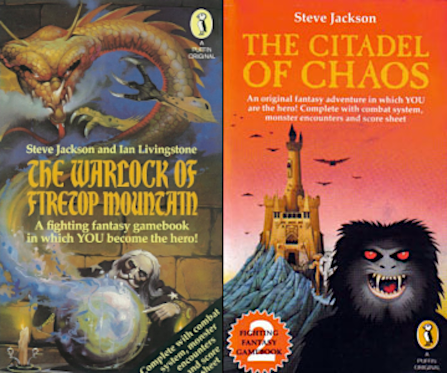
Artwork from the ‘Fighting Fantasy’ book series.

‘Fighting Fantasy’ is a series of books that was first released in the early 1980’s and were written (mostly) by Steve Jackson and Ian Livingstone. I loved reading these (or playing them) back when I was in school, and can recall just how awesome the opening ten to twelve books were – so much so that I can still remember the plots and characters.

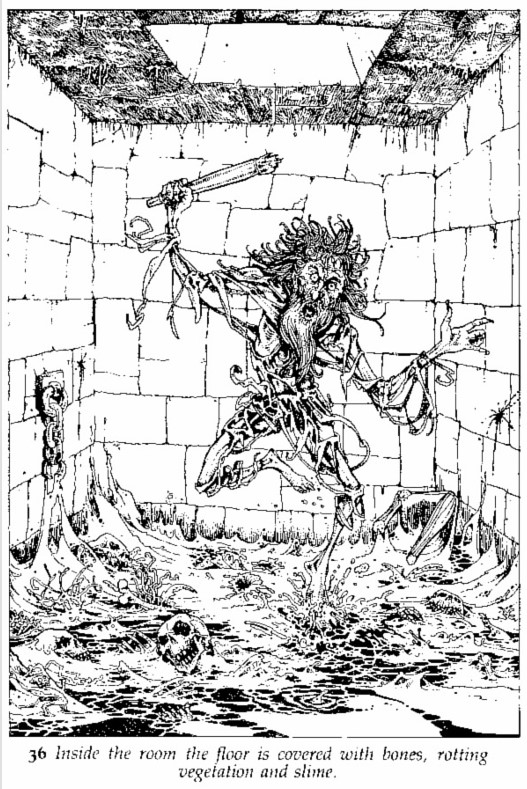
The illustrations scattered throughout the pages would bring to life many scenes within the adventures, and were drawn in a style that created a both a sense of dread and wonder. Although the artwork for every book in this series was first class, I always felt that the pictures in the first two publications – ‘The Warlock of Firetop Mountain’ and ‘Citadel of Chaos’ – created by Russ Nicholson had a little something extra about them.

I will post a follow-up article about the other artists involved in the series at a later date and showcase their excellent work, but for now the focus shall be on Nicholson’s illustrations.

These are from ‘The Warlock of Firetop Mountain’.

And the pictures below are from ‘The Citadel of Chaos’.

Fighting Fantasy books can be purchased online, with sellers such as Amazon offering a brand-new boxed set of the first dozen books. Of course, there are many second-hand titles available through eBay, but the books are now forty years old and probably played through many times – and are therefore a little worse for wear.

Russ Nicholson sadly passed away in 2023, and will be remembered for his legendary fantasy art that can be appreciated across many projects including ‘White Dwarf’ and ‘Warhammer’.

All images courtesy of Fighting Fantasy, Puffin Books and Russ Nicholson.

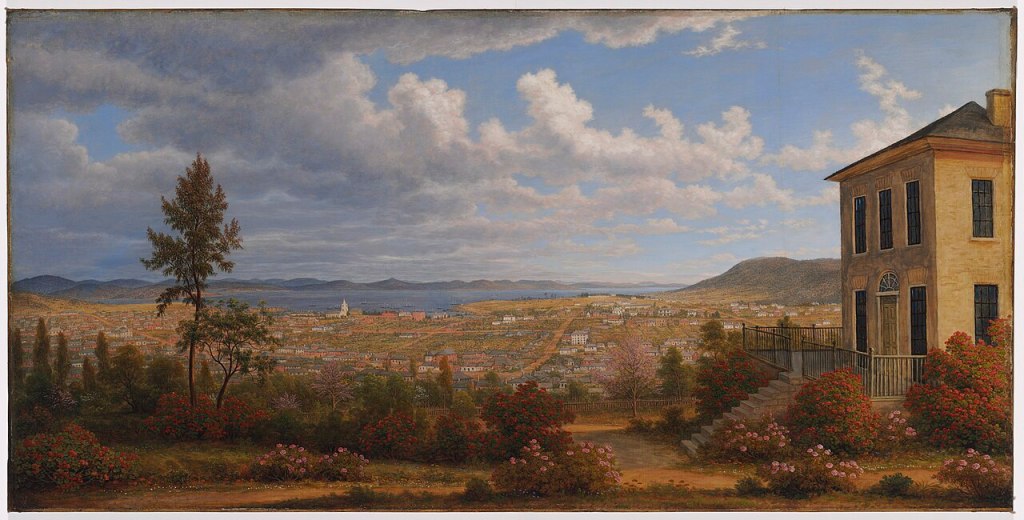
Van Diemen’s Land artwork by John Glover

John Glover was born in England in 1767 and migrated to Van Diemen’s Land (Tasmania) in 1831. Glover was already an established painter before moving to Tasmania, and would go on to create some of his most famous works during his later years there.
Glover’s paintings can be found in a number of museums and art galleries across Australia. There is an annual art competition named in his honour that takes place in the Tasmanian town of Evandale, near to where he lived, as well as a statue of the artist in one of the local parks.

I have highlighted four of his most famous works; a couple of which should be familiar to anyone from the Apple Isle.
‘Hobart Town taken from the garden where I used to live.’ (1832) – State Library of NSW.

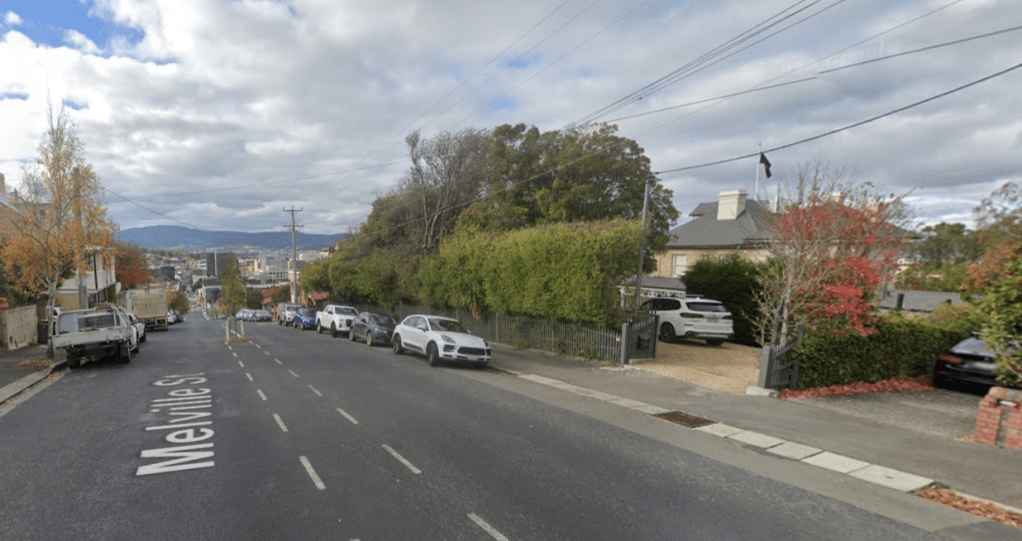
This is the modern day view of Glover’s home – known as Stanwell Hall – situated on Melville Street, West Hobart. It is the building with the flag flying and you can still see the sandstone walls, although it has undergone some renovations over the years.

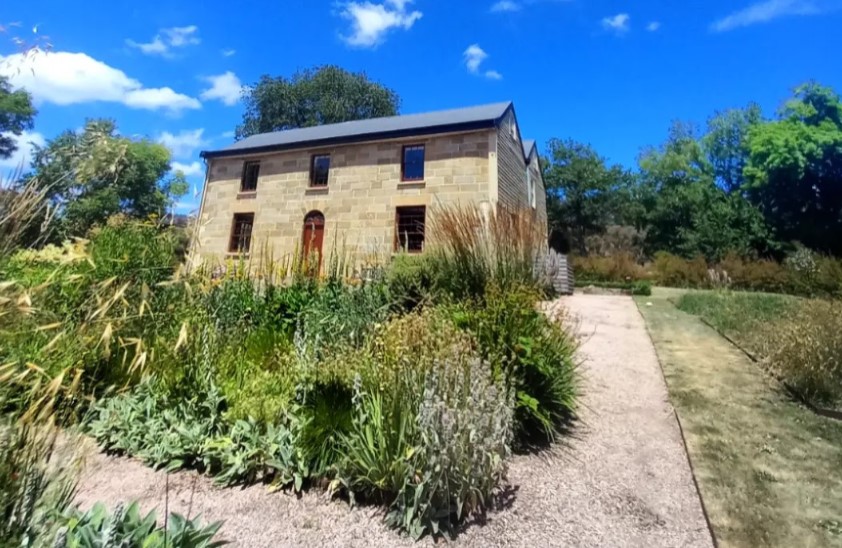
‘A view of the artist’s house and garden, in Mills Plains, Van Diemen’s Land.’ (1835) – Art Gallery of South Australia.

Here is a recent photo of Glover’s homestead at Deddington, Tasmania.

‘Natives on the Ouse River, Van Diemen’s Land.’ (1838) – Art Gallery of NSW.
‘Mount Wellington and Hobart Town from Kangaroo Point.‘ (1831-33) – National Gallery of Australia.

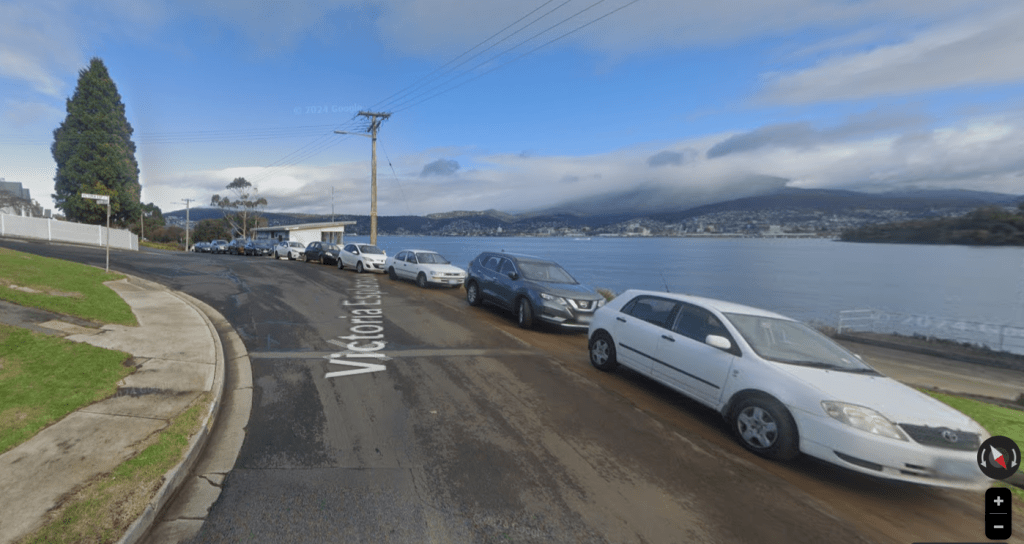
This location at Bellerive is near to where Glover would have found his inspiration. Any local would tell you that his interpretation of Mount Wellington (kunanyi) is slightly exaggerated and it seems he has taken some liberty with elevation as well – but these factors make this painting all the more impressive.

There is a lot more information about John Glover available online, including a decent Wikipedia biography and a website for ‘Glover Country’ in Deddington, Tasmania.

See links below.

https://en.wikipedia.org/wiki/John_Glover_(artist)

https://www.glovercountry.com.au/

Photos courtesy of Wikipedia, Google Maps and other online sources.

Perth Kangaroos – Australia’s footballing trailblazers.

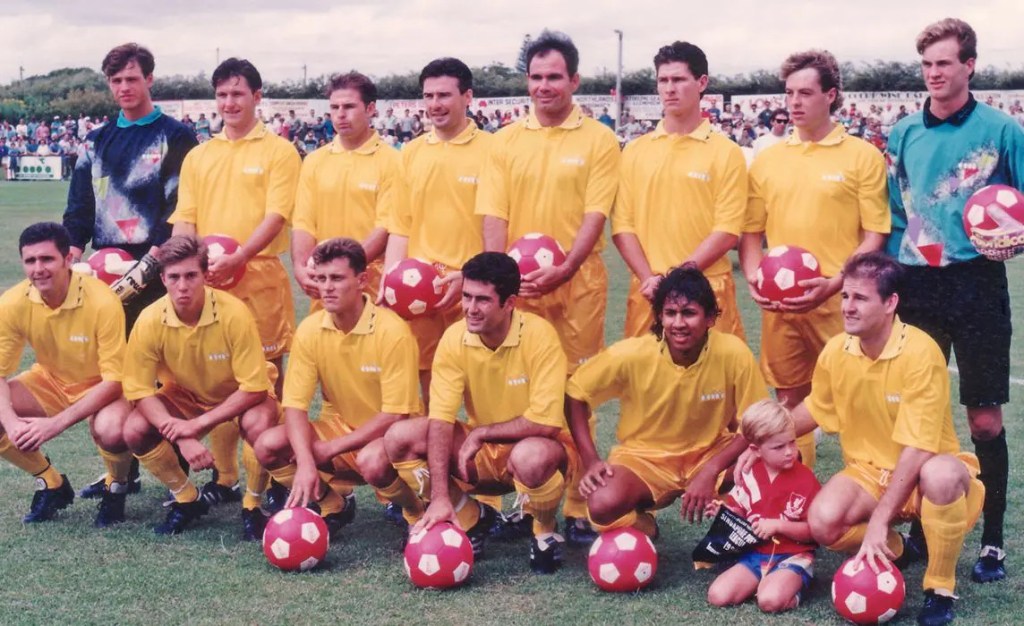
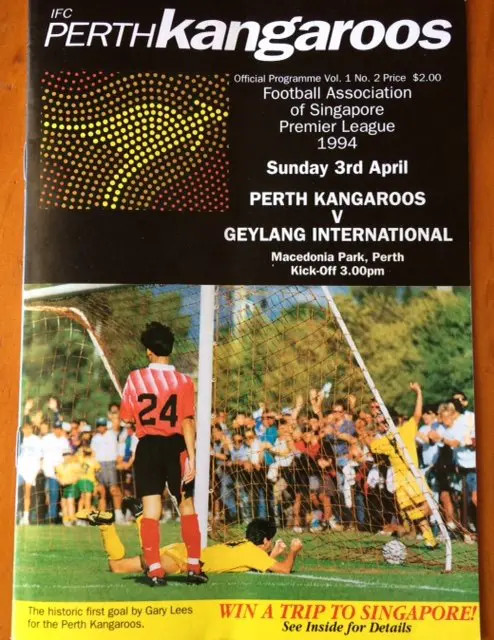
In 1994, an unusual chapter in Australian sporting history was written when football (soccer) teams from both Perth and Darwin entered the Singapore National League – known as the FAS Premier League.

At the time, it was near impossible for a team from Perth to gain entry into the National Soccer League, with high costs and logistics surrounding travel being the main reasons. With this being the case, a business consortium called Global Football Australia created the Perth Kangaroos and entered them into the Singapore competition – with a long-term aim of joining the Australian NSL.

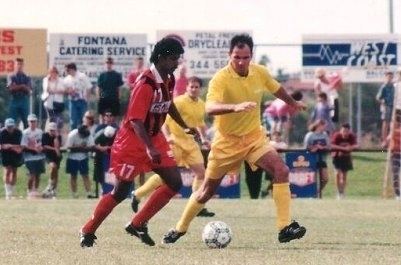
On the field, the team was a tremendous success and easily won the league while remaining undefeated, with the Darwin Cubs finishing in second place. However, despite giving free tickets away to home games, the crowds did not come in the numbers the club owners would have hoped, and the venture ended up being a financial disaster.

The Perth Kangaroos were disbanded after one season and control of the club was handed over to the state’s governing body. However, all was not lost as the Kangaroos had laid the ground work for a Perth team to be admitted into the National Soccer League in 1996. From the ashes of this groundbreaking club rose the Perth Glory, who would find great success in the twilight years of the NSL before becoming a foundation club of the A-League.

There are some great articles about the Perth Kangaroos that go into a lot more detail about the history of this unique sporting team and its legacy.

Links are below…

https://www.theguardian.com/sport/blog/2014/mar/27/the-forgotten-story-of-perth-kangaroos

https://www.footballwa.net/perthkan.html

Photos are courtesy of The Guardian, alchetron.com and Football Australia.

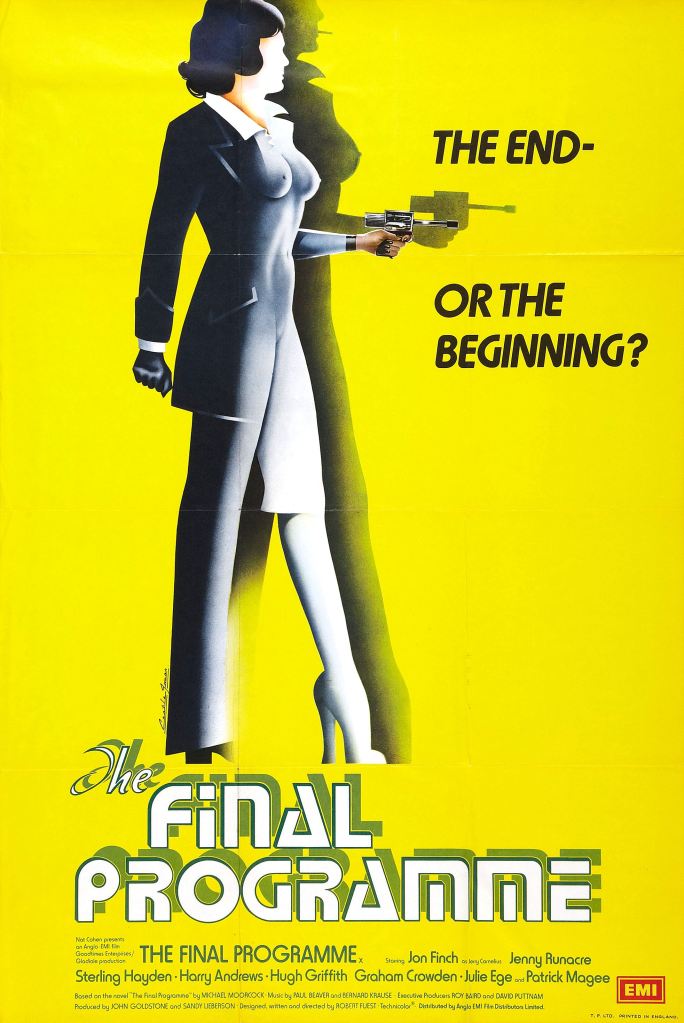
‘The Final Programme’ – Mind-bending 1970’s Sci-Fi.

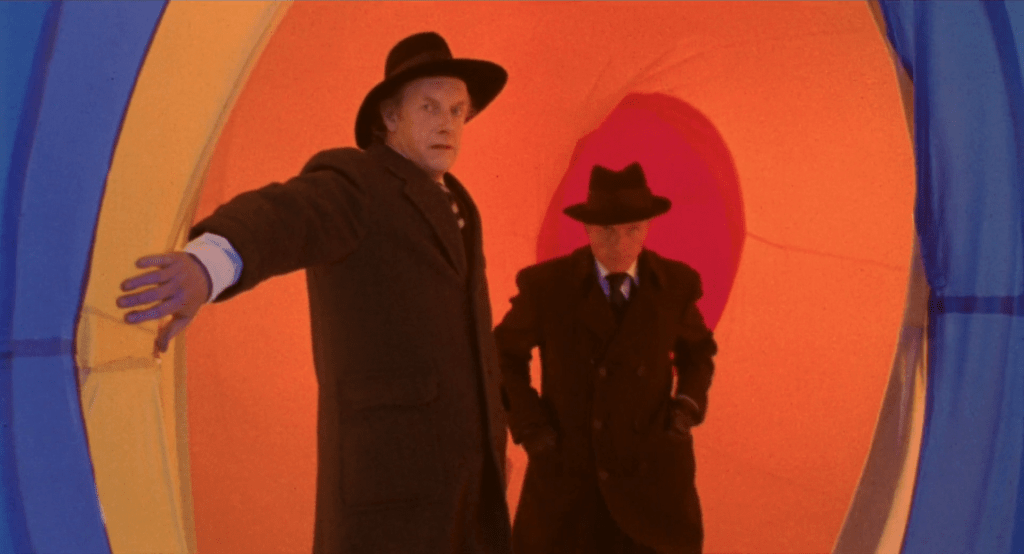
‘The Final Programme’ is a 1973 British science fiction film based on the 1968 novel of the same name by Michael Moorcock. It follows the story of scientist/playboy Jerry Cornelius at a time when the world is about to end, and the race is on to prevent the apocalypse by creating a new Messiah in a laboratory using a super computer.

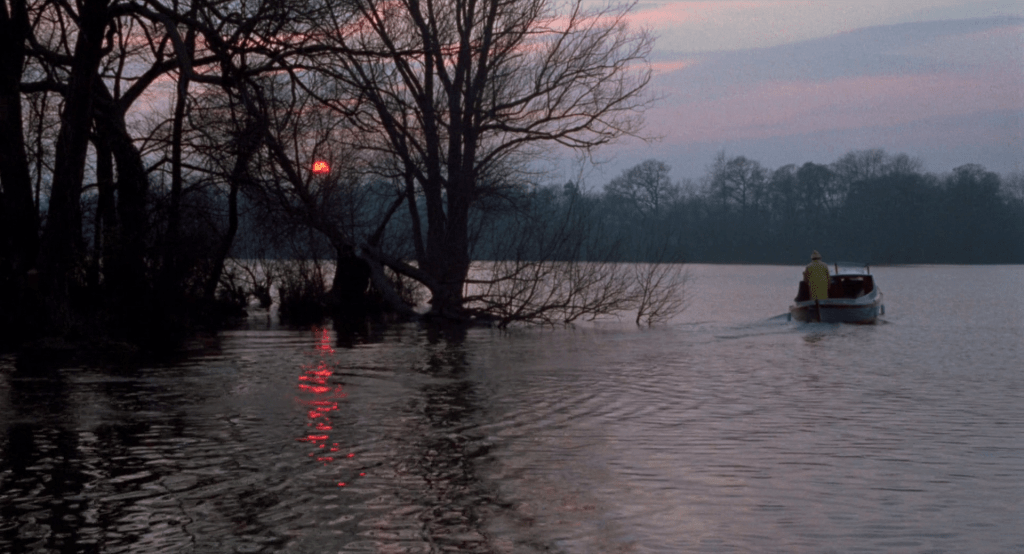
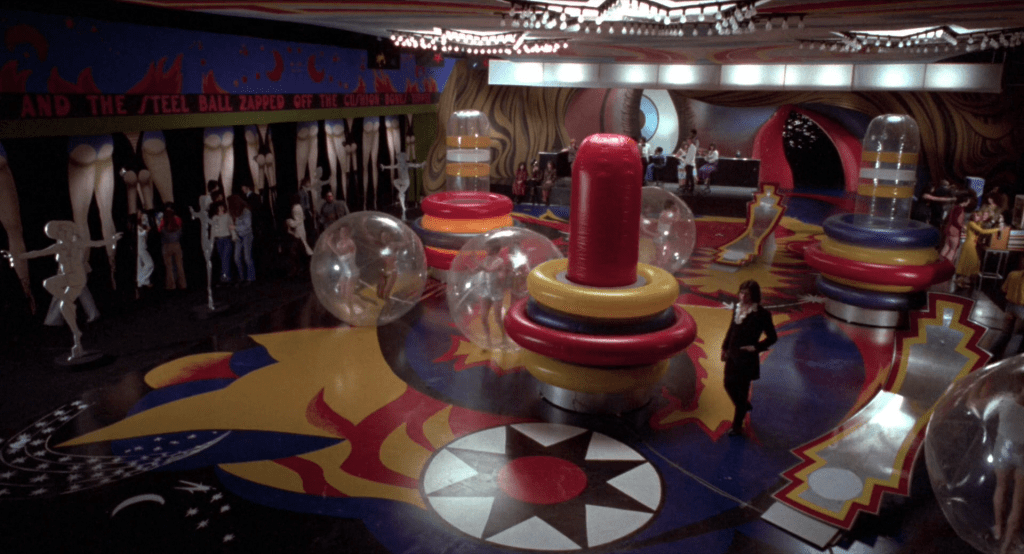
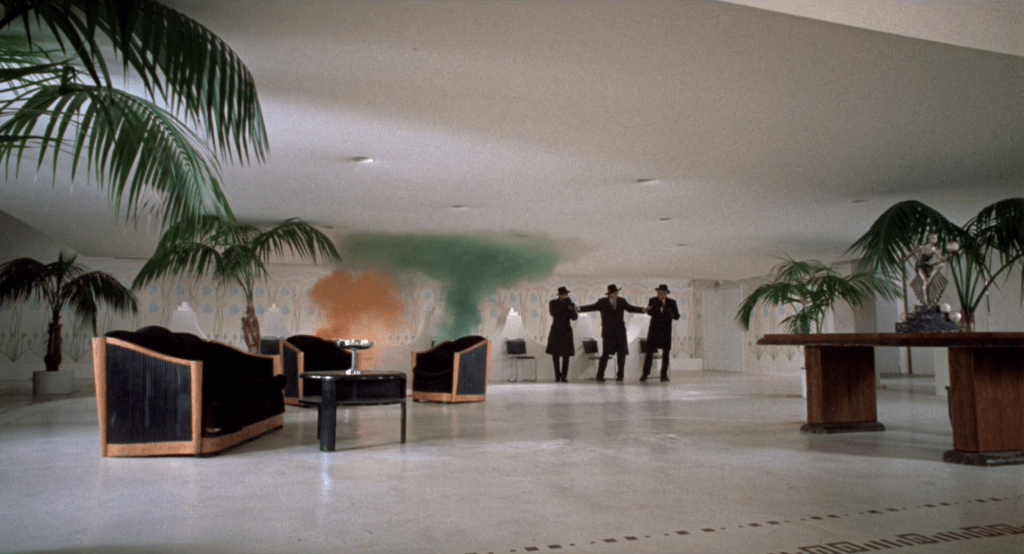
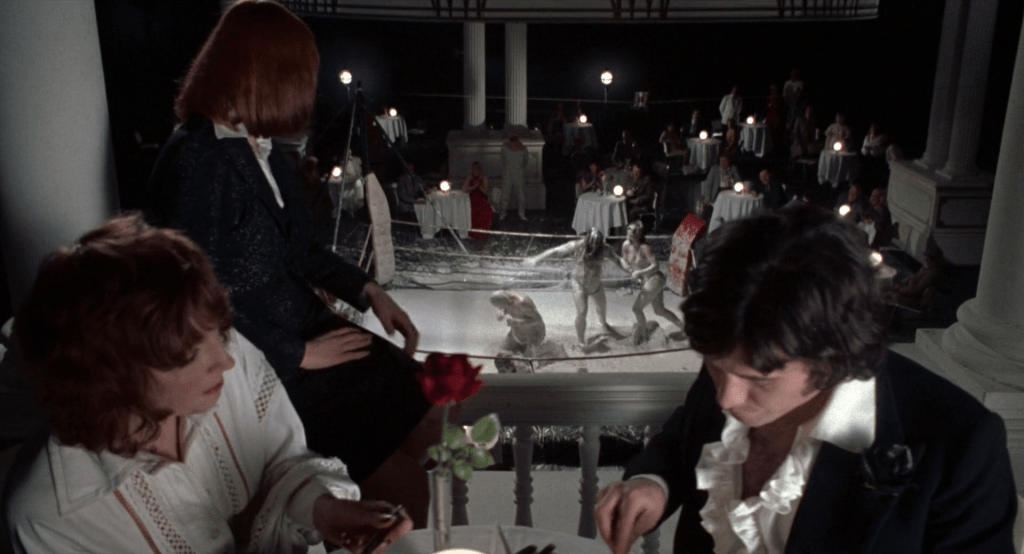
While the movie is crazy and nonsensical at times, the cinematography – location shoots and studio sets – is of a very high quality and the imagery throughout the film is quite unique.

The movie stars Jon Finch as the main character Jerry Cornelius and was directed by Robert Fuest. You may recognise a few other actors in the film such as Sterling Hayden, Sarah Douglas (who would later star as Ursa in ‘Superman II’), Patrick Magee (who portrayed the writer in ‘A Clockwork Orange’) and Derrick O’Connor (who played the South African henchman Pieter Vorstedt in ‘Lethal Weapon II’).

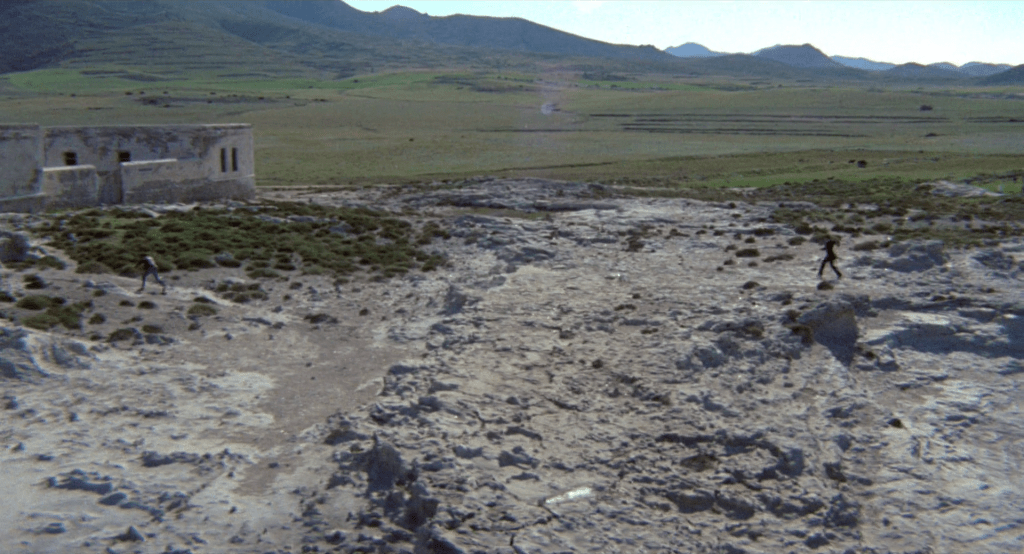
Without spoiling the film, I will simply show a few screenshots highlighting the weird yet impressive locations and camera work. Note the incredible sets for both the bizarre pinball parlour and the snazzy interior of the Cornelius mansion.

The third act of the film takes place in Turkey and then in a secret lab in Lapland. Again, the visuals are outstanding, even if the plot is a little wacky!

This movie is not everyone’s cup of tea, but if you appreciate quirky early seventies British fantasy/science fiction then you will take a lot of enjoyment from this film.

Screenshots courtesy of Goodtimes Enterprises.

More remastered Tomb Raider is coming!

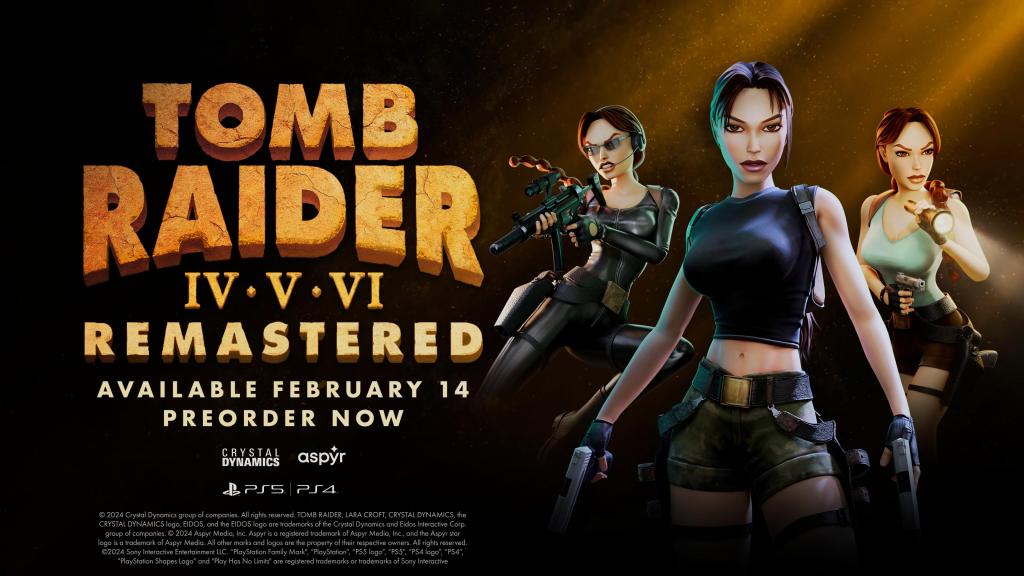
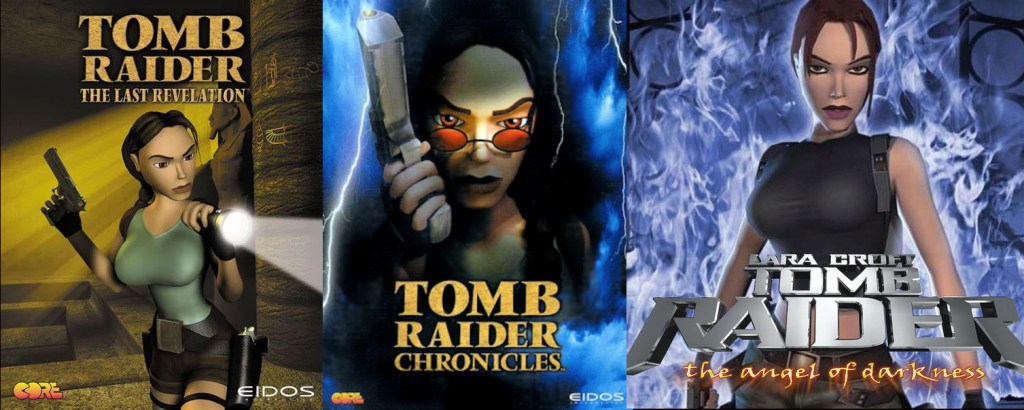
Following on from the release of the first Tomb Raider trilogy earlier this year – all remastered and updated for the modern PlayStation – it has been announced that the next three games in the series are to get the same treatment early in 2025.

These games are interesting and differ from the earlier titles, and most critics did not take too kindly to them, especially ‘Chronicles’ and ‘The Angel of Darkness’.

‘Tomb Raider – The Last Revelation’ was a real grind, and I recall having a hard time completing it. This game was unique as well, for it was set entirely in one country – Egypt.

(Note – there is a short flashback level at Angkor Wat.)

This was the first Tomb Raider game that beat me up so badly that I had to purchase a walk-through guide in order to complete it. The puzzles were cryptic and difficult to say the least, with some areas of the game being impossible to progress through without receiving some form of assistance.

There were a couple of levels that stood out; namely The Coastal Ruins and The City of the Dead, and even after twenty years I remember them well – and for all the wrong reasons. Boy, these levels were rough – especially the weird abandoned town rigged with automatic machine gun turrets!

‘Tomb Raider Chronicles’ was an interesting game, and was perhaps best remembered for a bug that prevented further progress during the very last level. For this reason alone, this is the only Tomb Raider game (of the first six) that I did not complete.

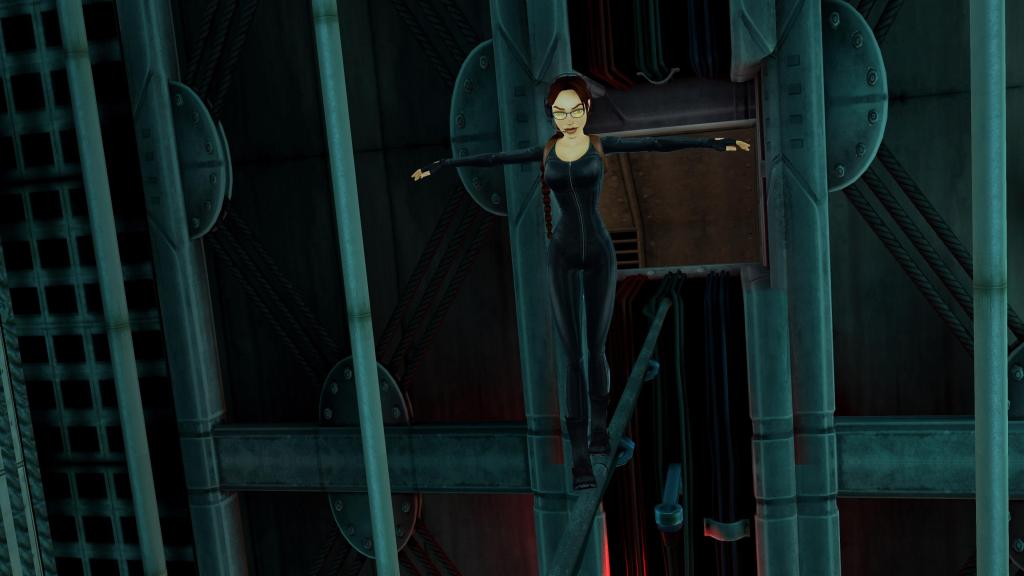
The levels were pretty good though, with one story line being a flashback to a young Lara Croft battling ghosts and demons on an island off the coast of Ireland. Other stages include stowing away onboard a Russian submarine and infiltrating a modern skyscraper in New York City.

‘Tomb Raider – The Angel of Darkness’ was Lara Croft’s debut adventure on the PS2.

I remember the controls being a little different (not as good) compared to the PS1 games, but I enjoyed it nonetheless, and unlike ‘Chronicles’ was able to play through to the end.

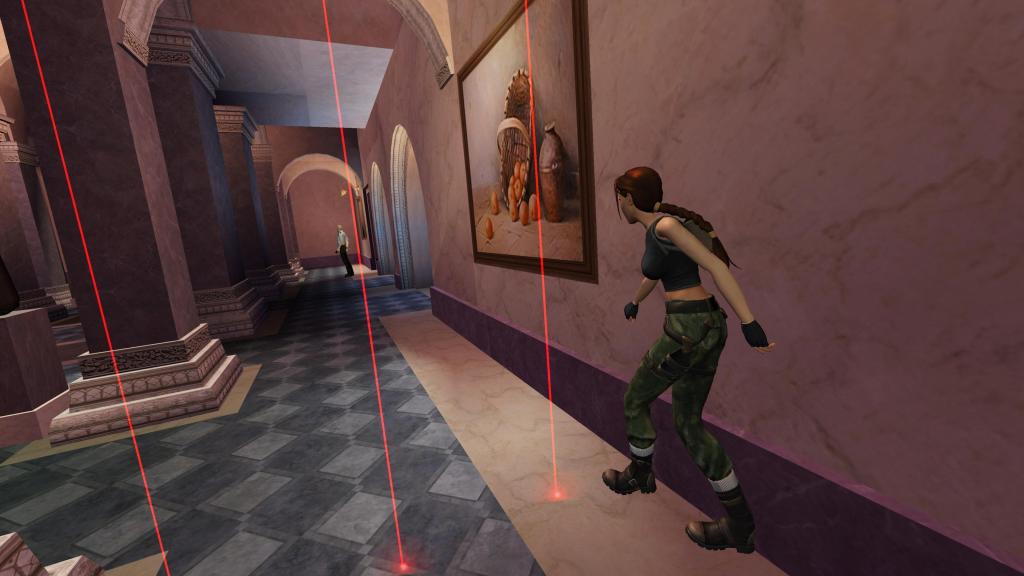
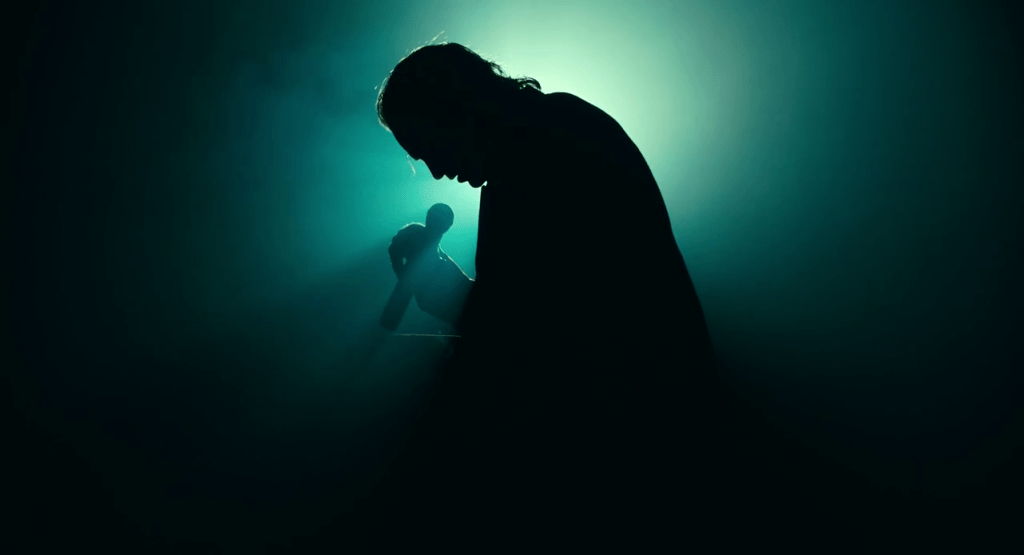
The Paris Ghetto and Louvre levels were the stand-outs for me, with the nightclub scene featuring insane techno beats also rating a mention.

‘Tomb Raider IV, V and VI Remastered’ is coming out on PlayStation in February 2025.

The price will be A$44.95

Screenshots courtesy of the PlayStation store.