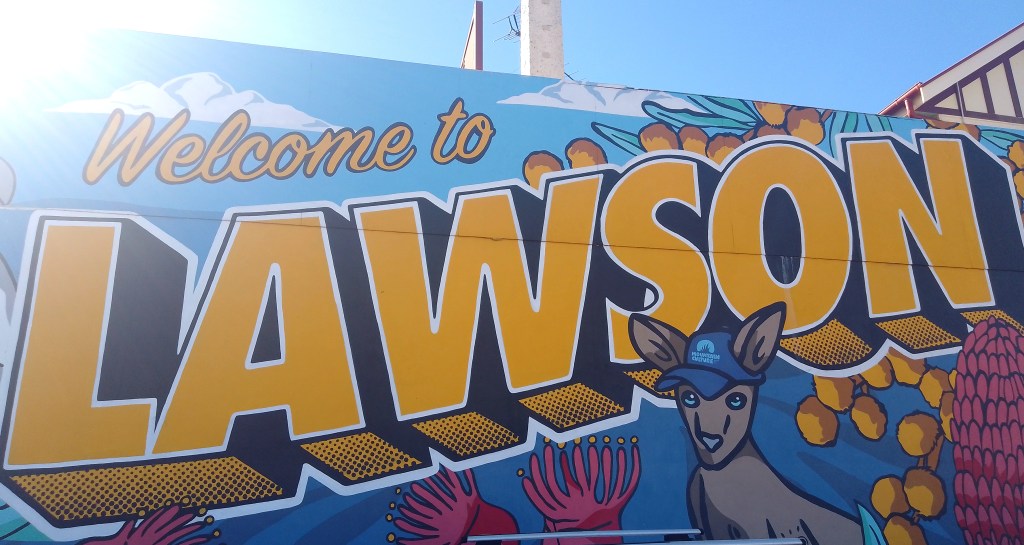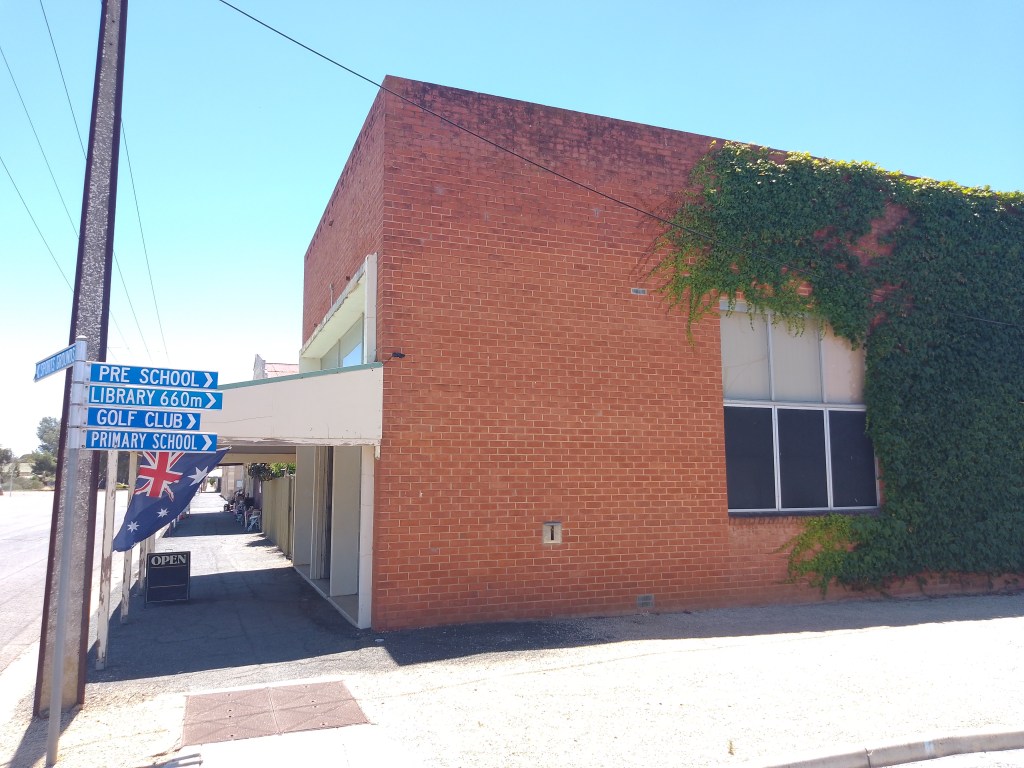
Welcome to Lawson!

This small village in the Blue Mountains – west of Sydney – has a population of around 3,000 and is named after the explorer William Lawson – and not the poet Henry Lawson, as some might think.

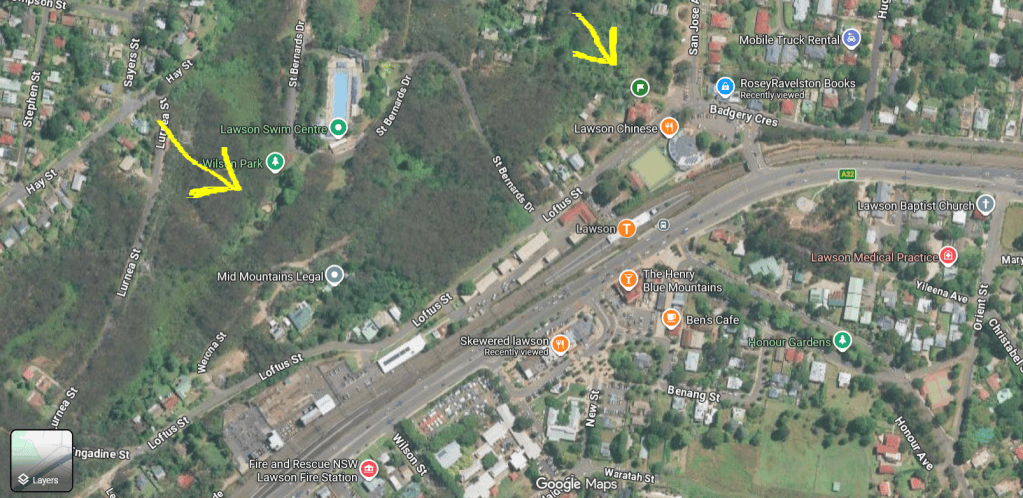
Now, I’ve driven past this town many times over the years but had never stopped there to look around. However, having found a couple of strange anomalies on Google Maps in this vicinity, I decided it was time to pay Lawson a visit – with the intention of unravelling these mysteries.

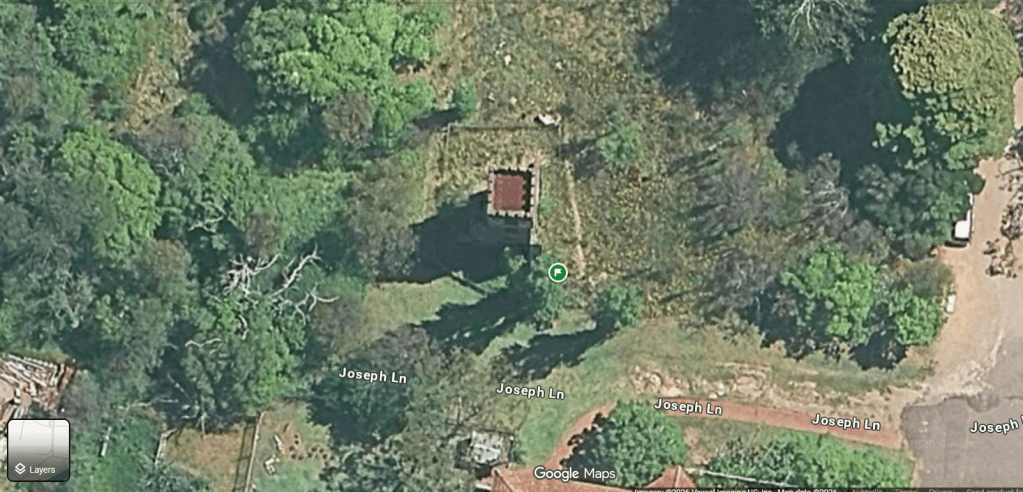
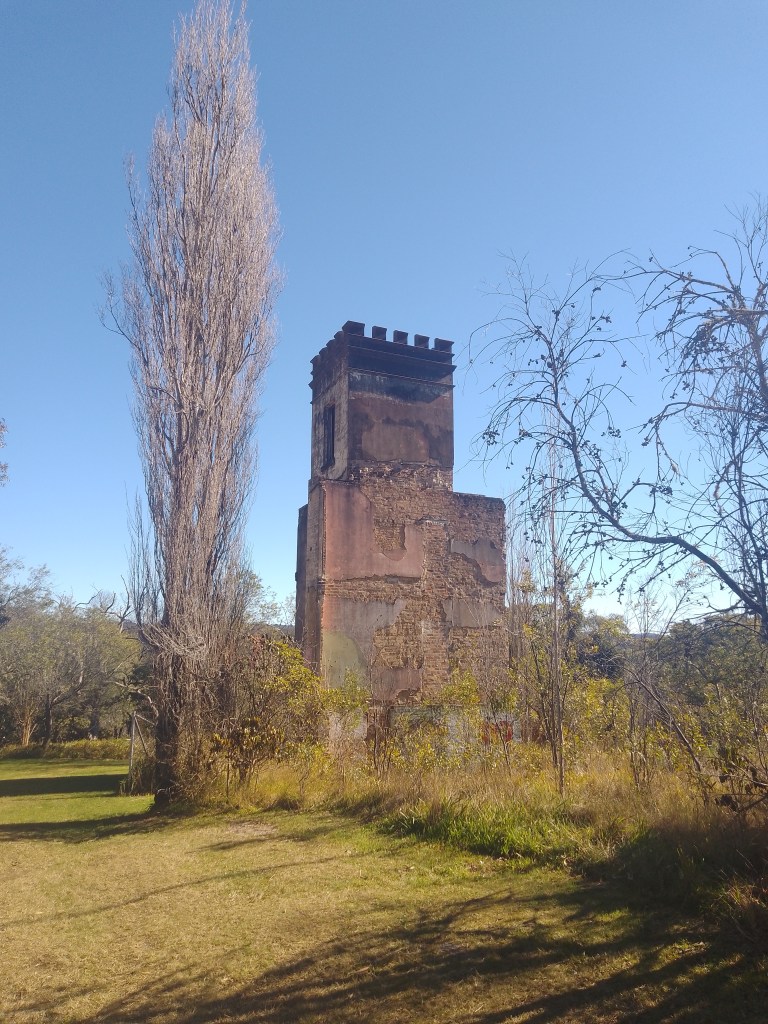
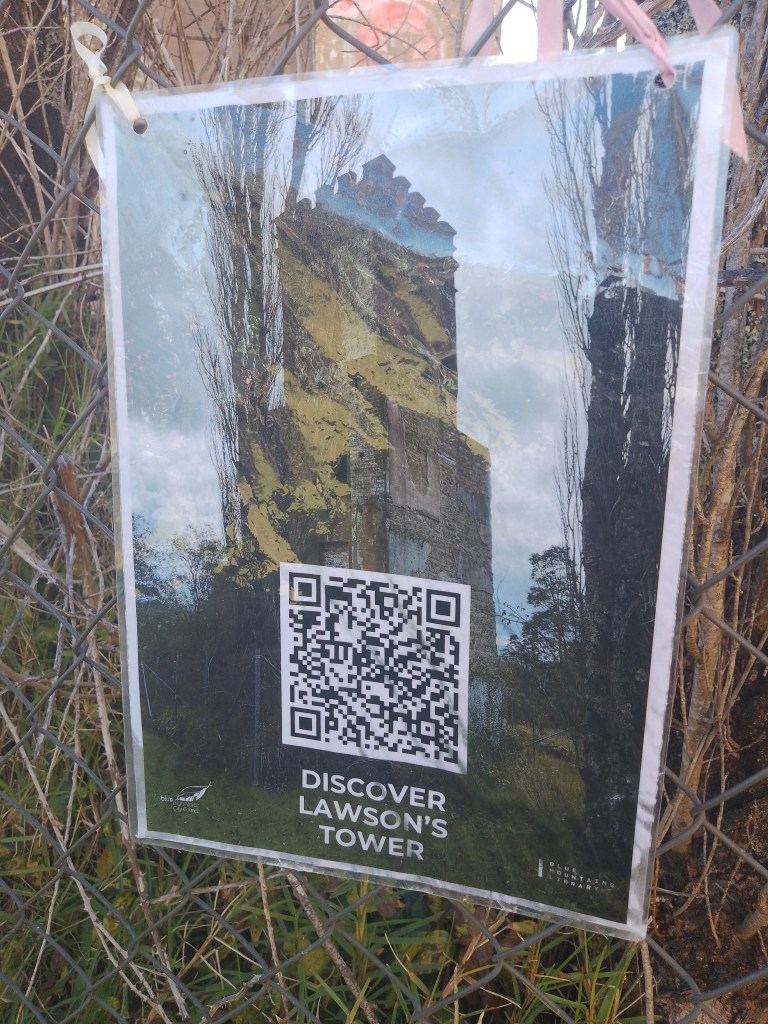
The first location is a tower-like object that from above resembles the last remaining section of an old castle.

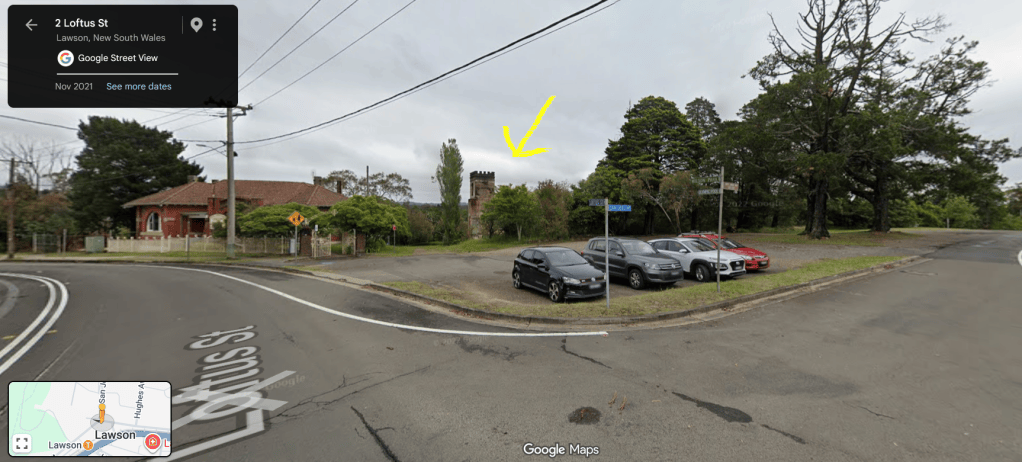
And here it is…

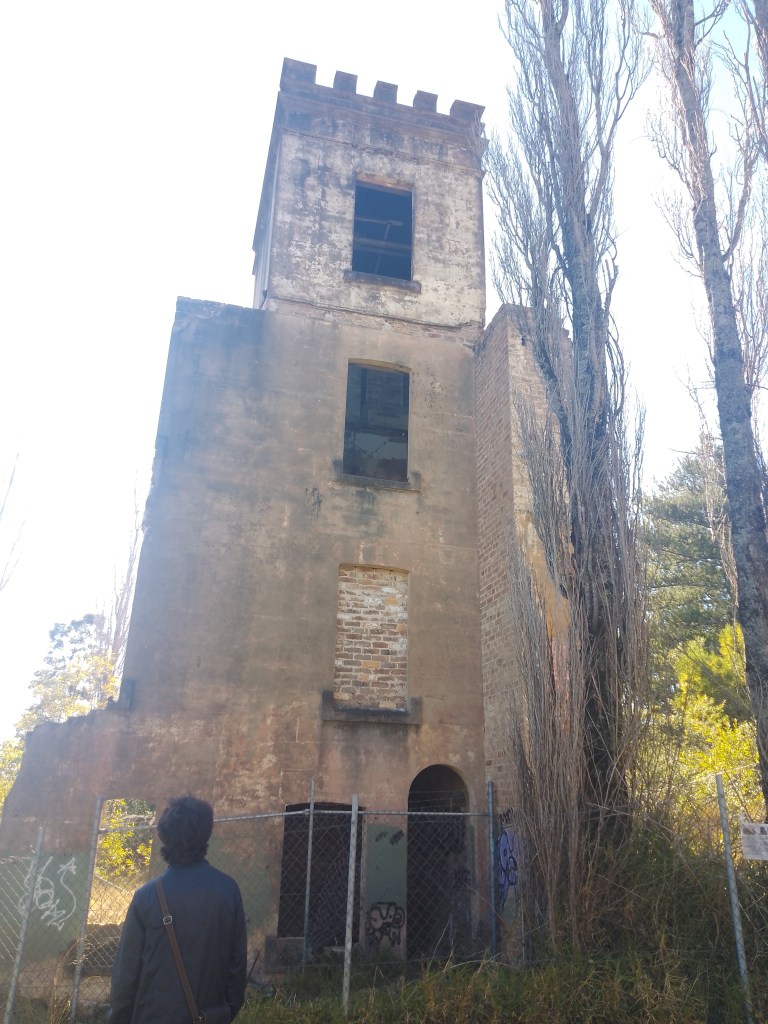
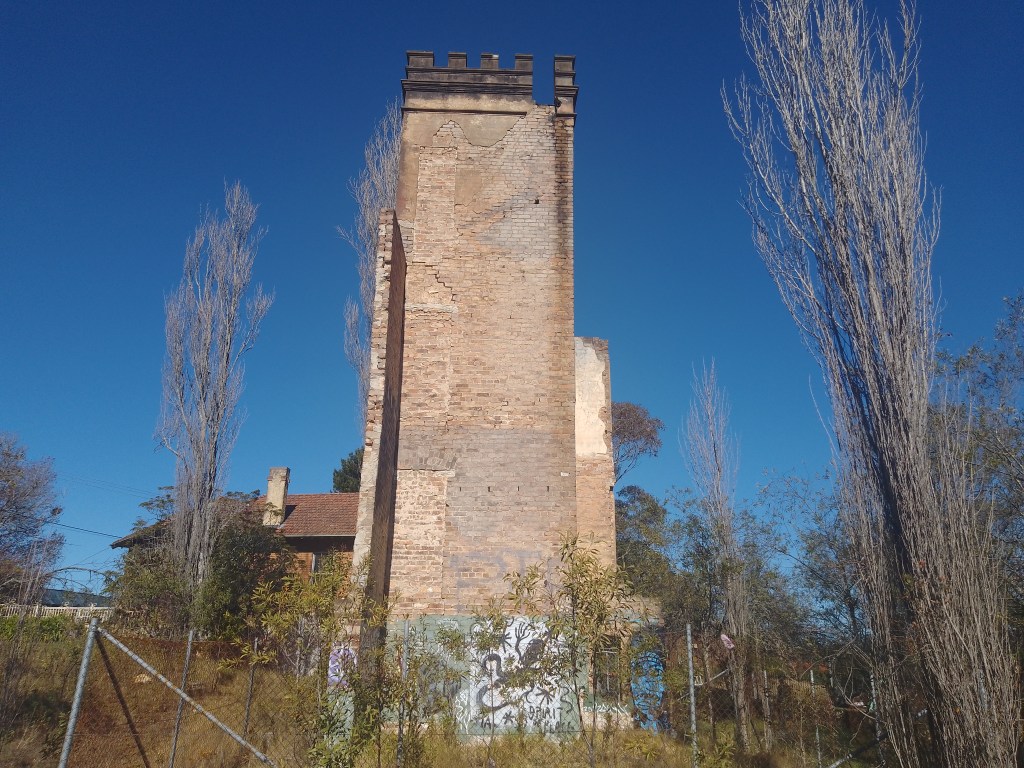
This is actually a well-known local landmark – and according to the sign (see photo below) is called ‘Lawson’s Tower.’ It was once part of a guesthouse called ‘San Jose’ which was built in 1879, before becoming the Stratford Girl’s School in 1915 and operated as such until the 1960’s. Sadly, the building was gutted by a major fire in June of 1980.

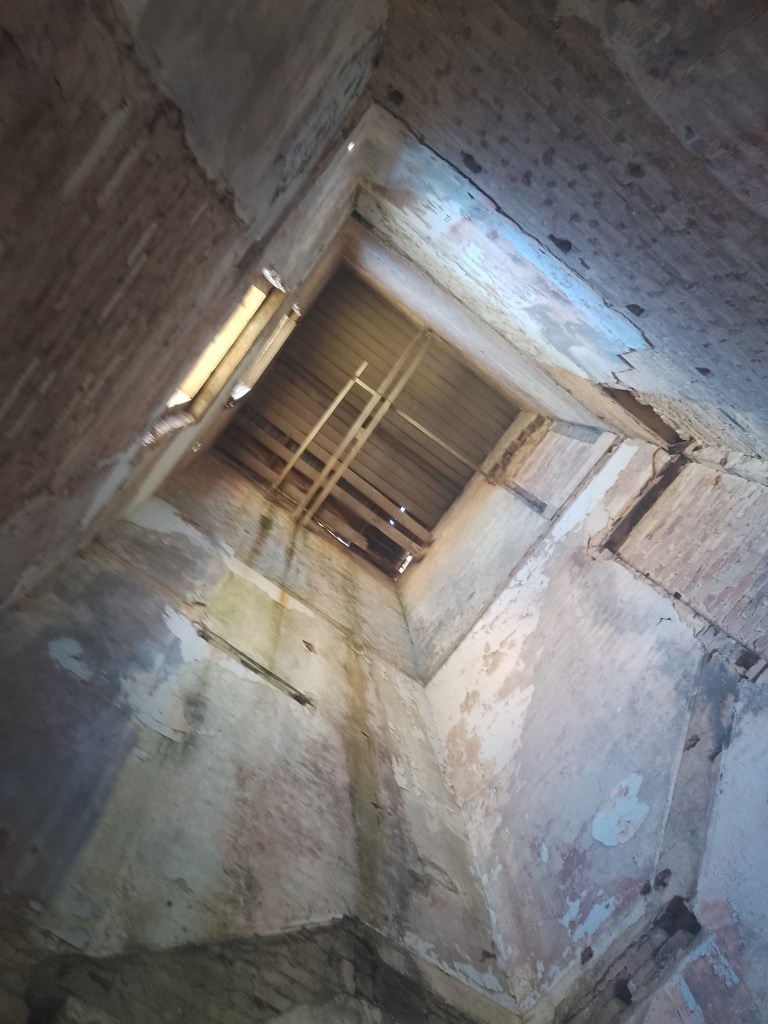
My understanding is that the burnt-out tower was to be demolished in the early 1990’s, but the locals rallied to save what was left of the historic school and as a result the tower is still standing today.
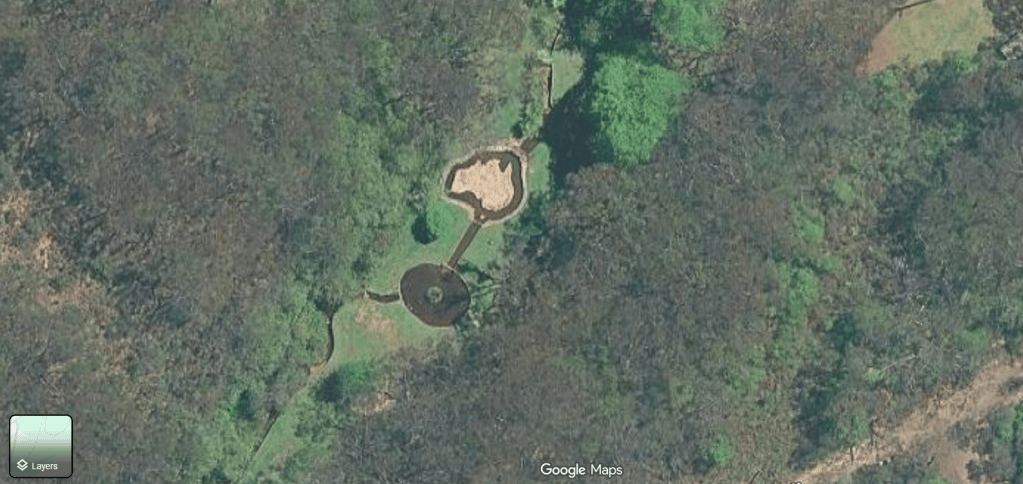
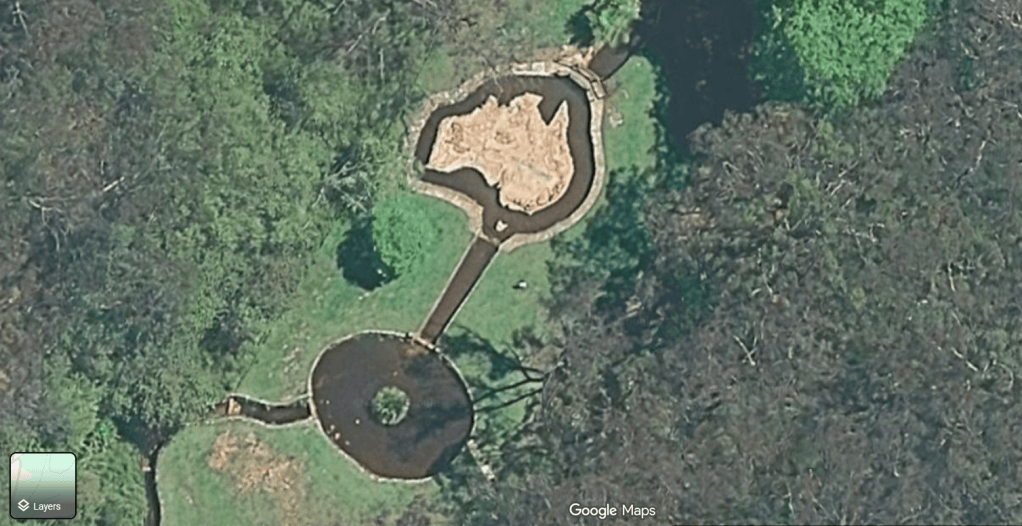
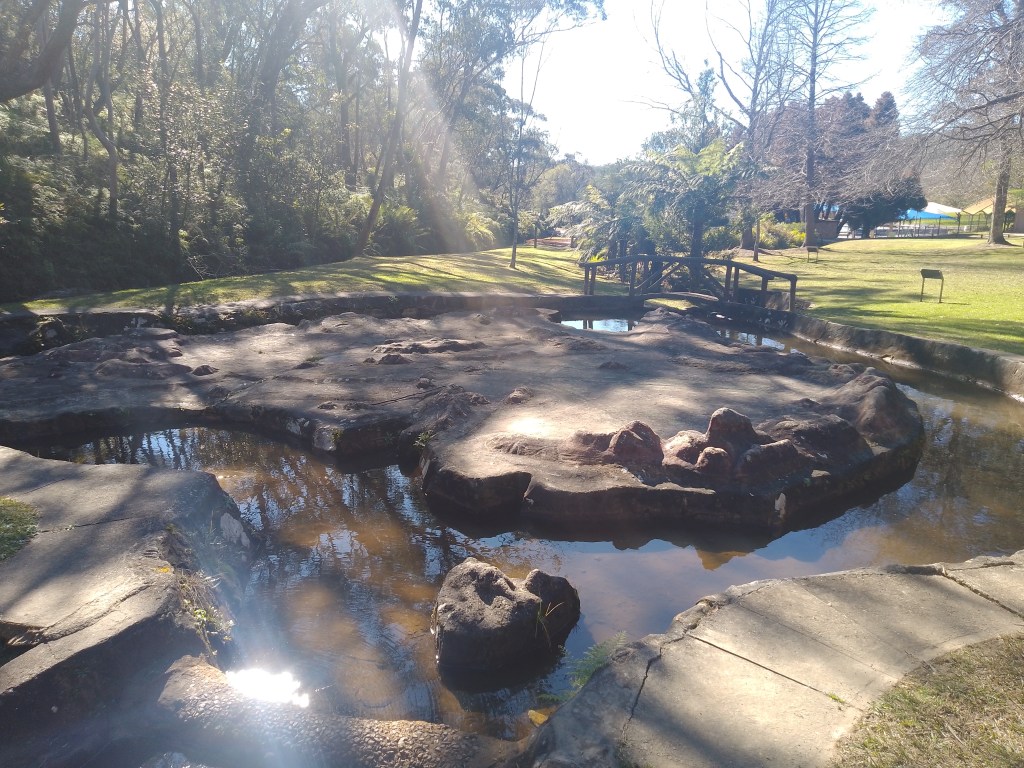
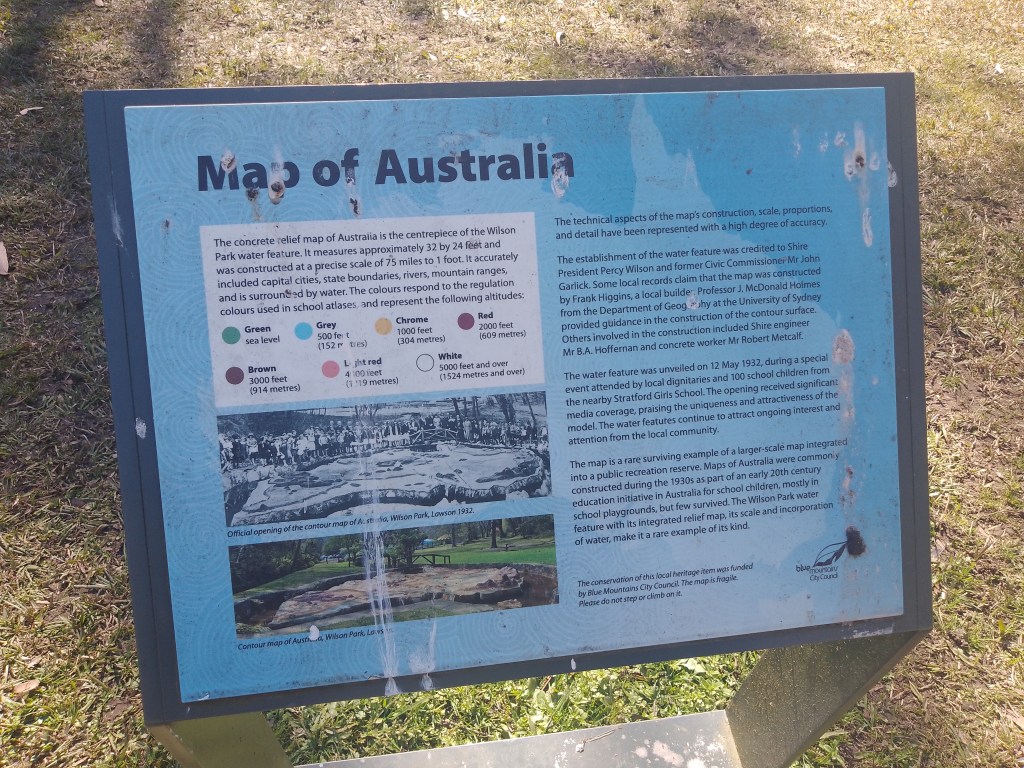
And now onto the other point of interest: – the shape of Australia located in one of the local parks.

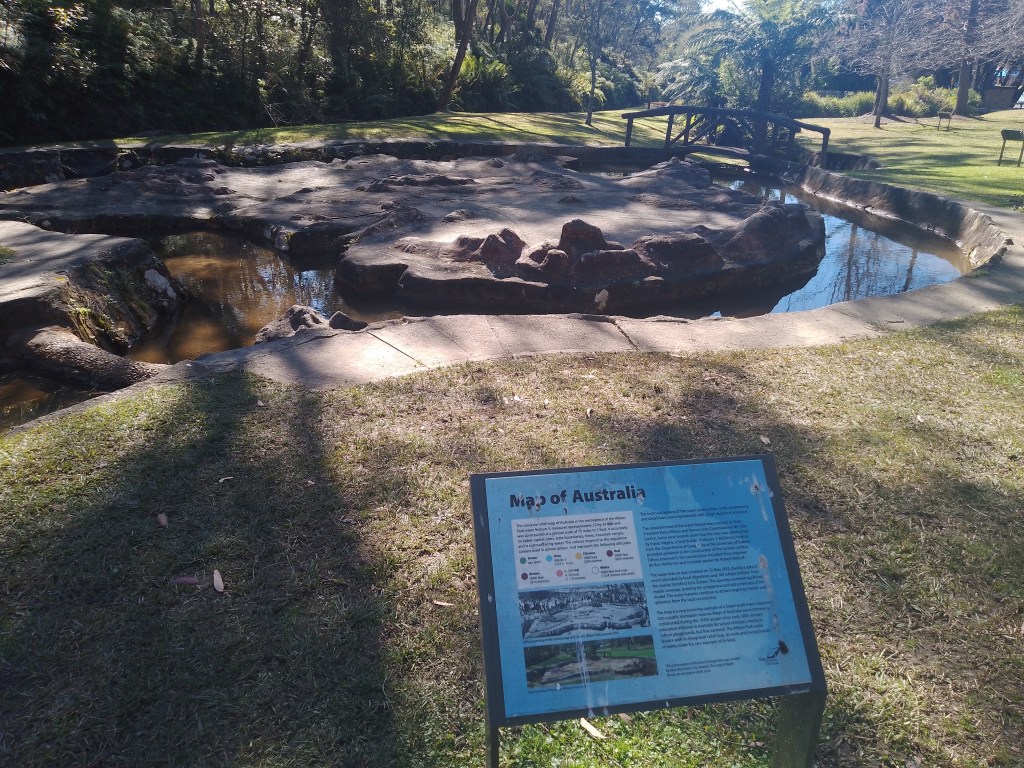
And this is how it looks from ground level…

According to the sign, this map was built in 1932 – and apparently a lot of these were erected around the country in parks and public spaces, but only a few remain today. This one is still in pretty good nick, I have to say – and I’m glad I went to check it out!
There’s a lot more to Lawson than the two odd attractions that lured me there, and I ended up spending a few hours in the town – browsing at the local bookstore and trying out a couple of the eateries. It’s a very nice place and well worth calling in to explore around – and catching a train there from Parramatta took just over an hour.

You can find out more information about Lawson at the link below.

https://www.visitnsw.com/destinations/blue-mountains/katoomba-area/wentworth-falls/destination-information/lawson

Screenshots courtesy of Google Maps

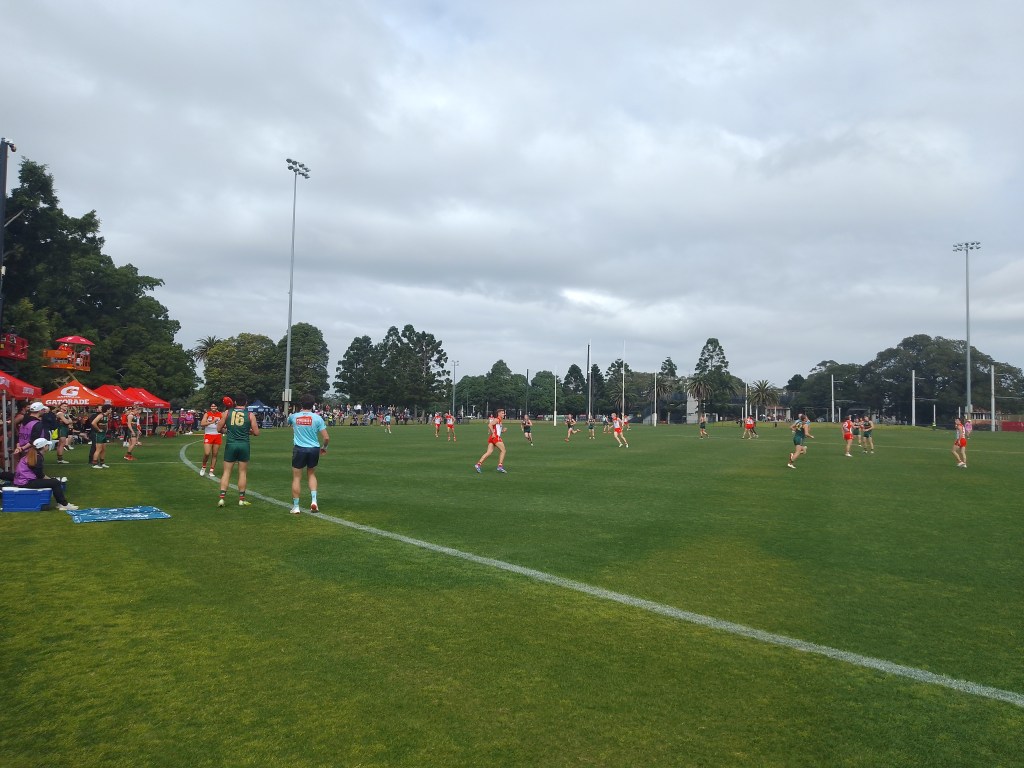
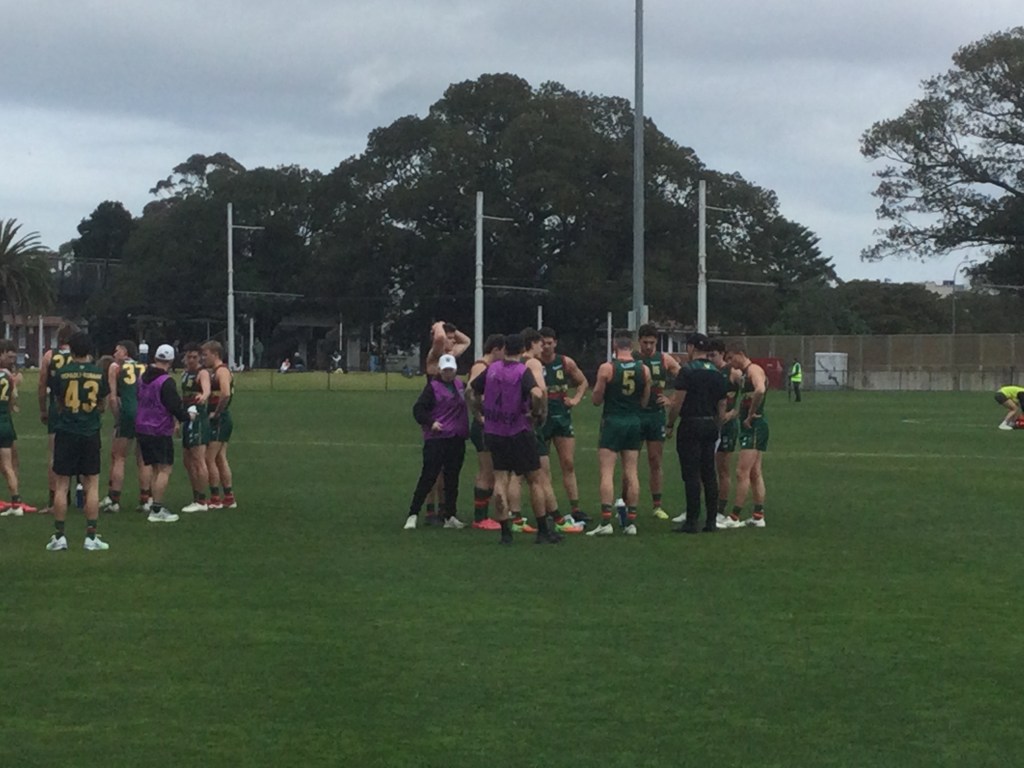
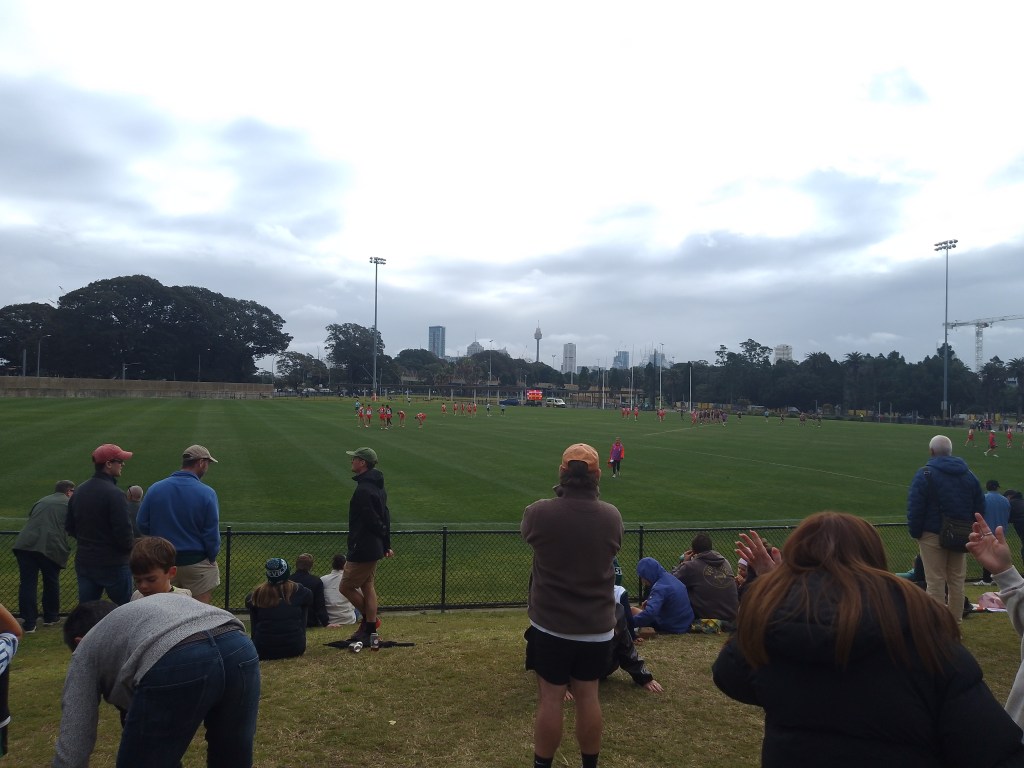
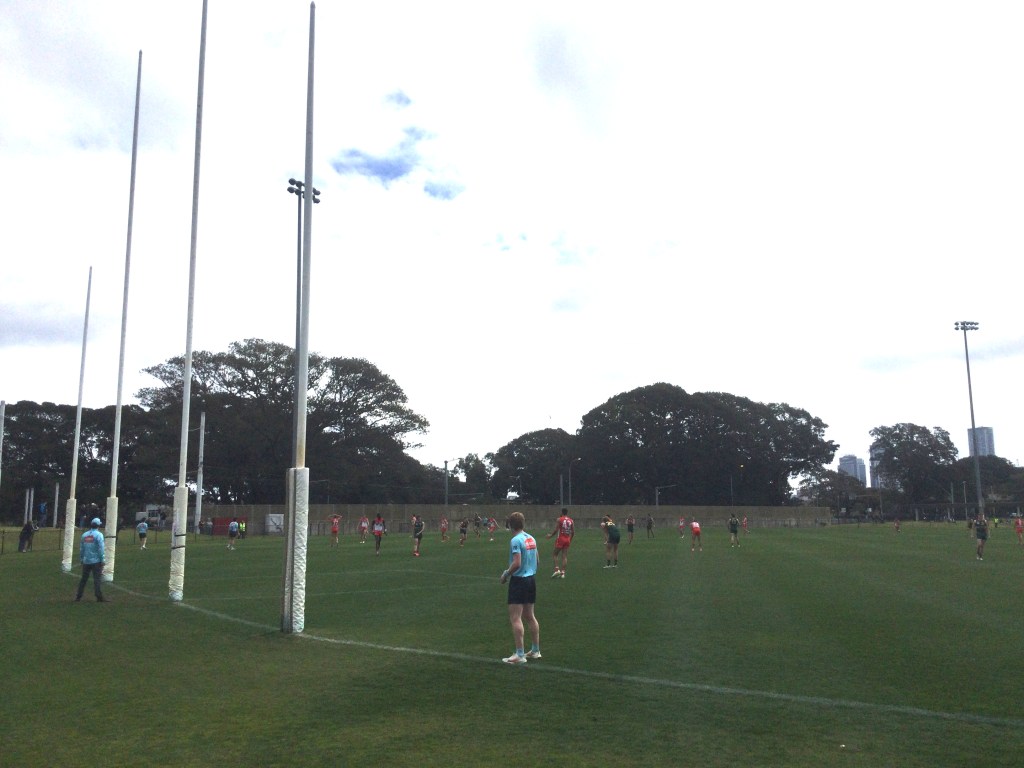
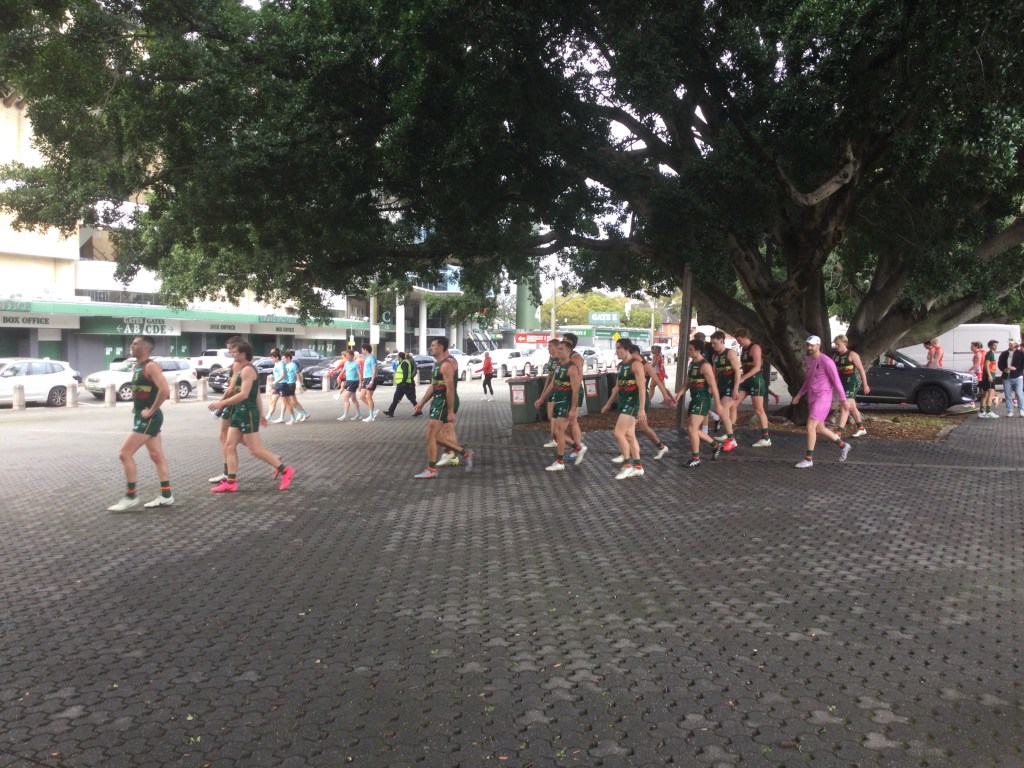
I went to my first Tasmania Devils game!

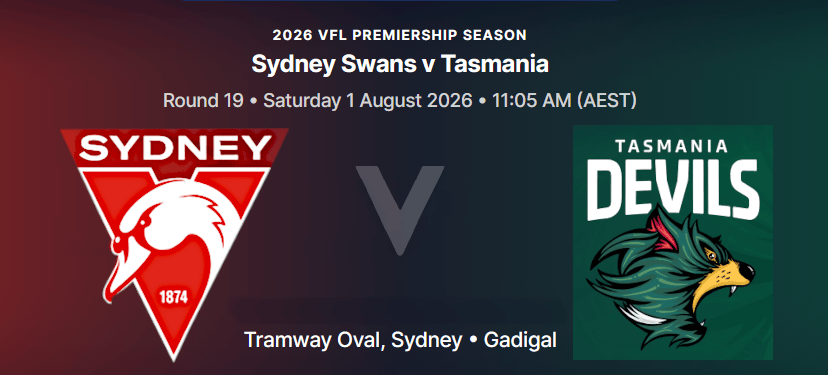
After eighteen rounds of VFL football – beginning all the way back in March – the Tasmania Devils finally made their long-awaited first appearance in Sydney – so how could I not turn up to cheer on the boys?

If I’m being honest, I didn’t give them much of a chance against a strong Swans reserves side, but the Devils played well from the opening bounce – and would blitz the home team in the third quarter by keeping them scoreless while piling on nine goals themselves.

Besides a great pre-game function put on by the Devils management – where ex-pat Tasmanians (such as myself) and other club members were given the chance to meet and mingle – there isn’t much else to write about: only to mention the final score and to post a few photos from the big day.

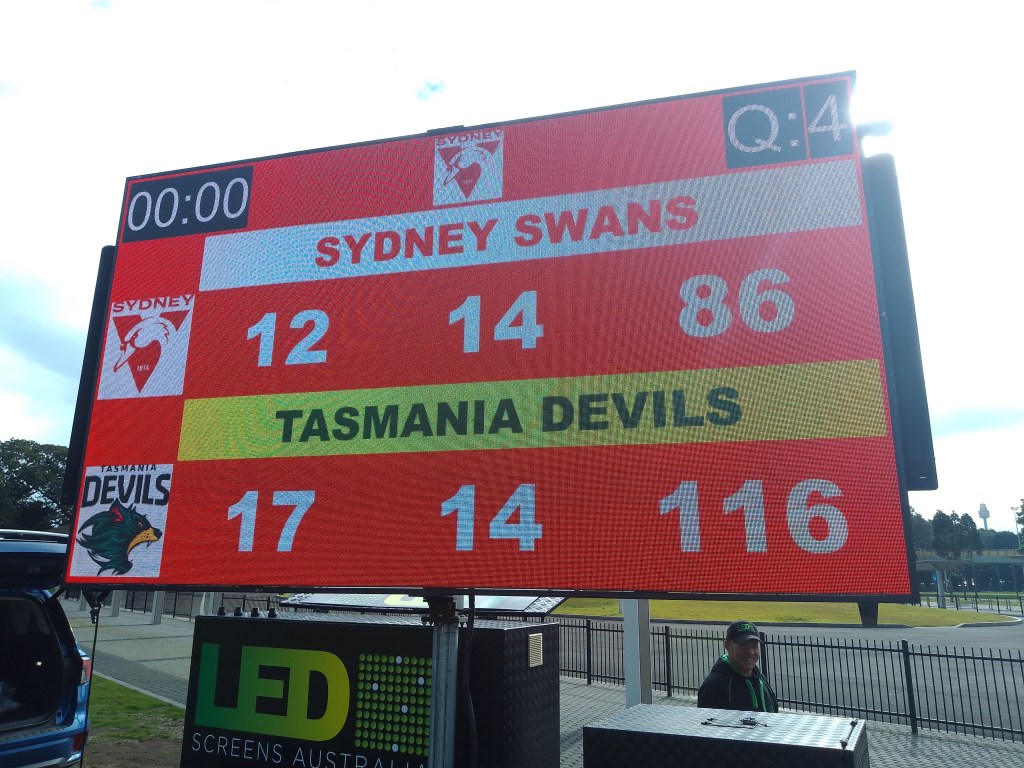
Here’s the full time result – a resounding 30 point win to the Devils.
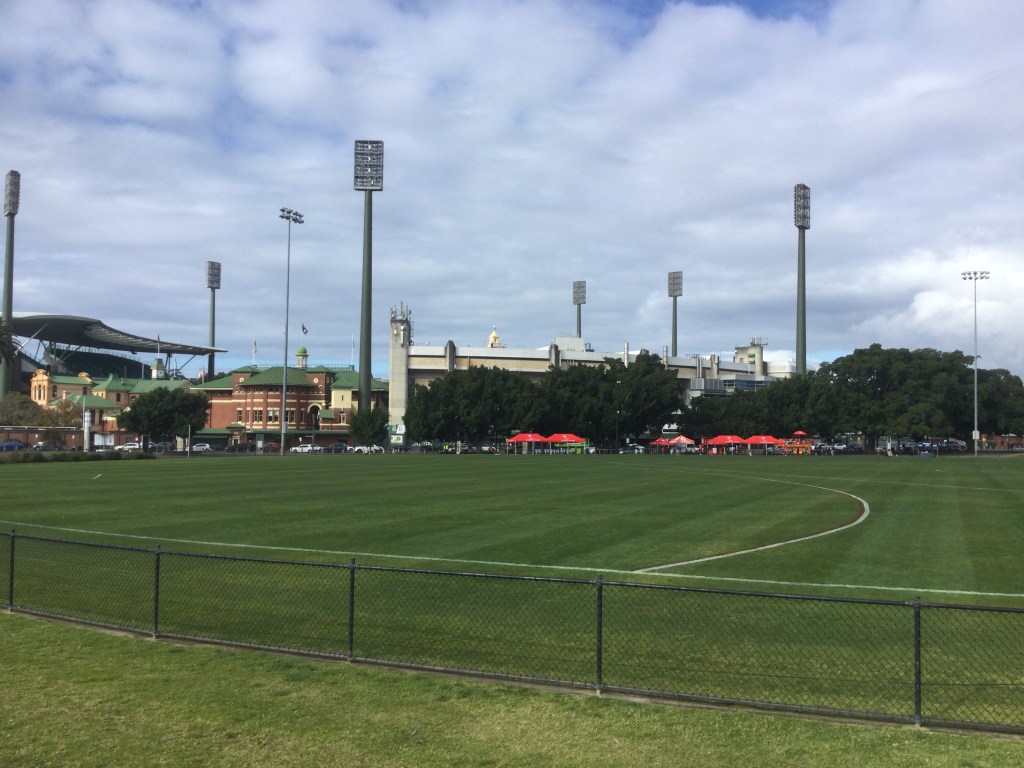
The Tramway Oval – in the shadows of the famous SCG.

As luck would have it, the Devils will be back in town to play the Giants in the last round, so I’m looking forward to that one – especially with a chance to play finals football on the line!

My short video from the Devils v Swans game can be watched at the link below.

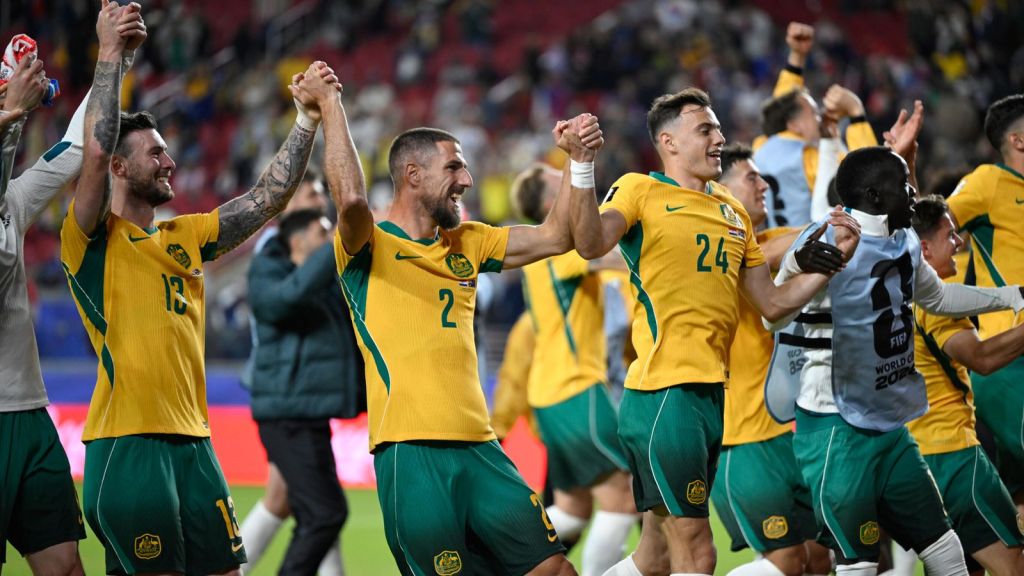
Australia – The 2026 World Cup Report Card

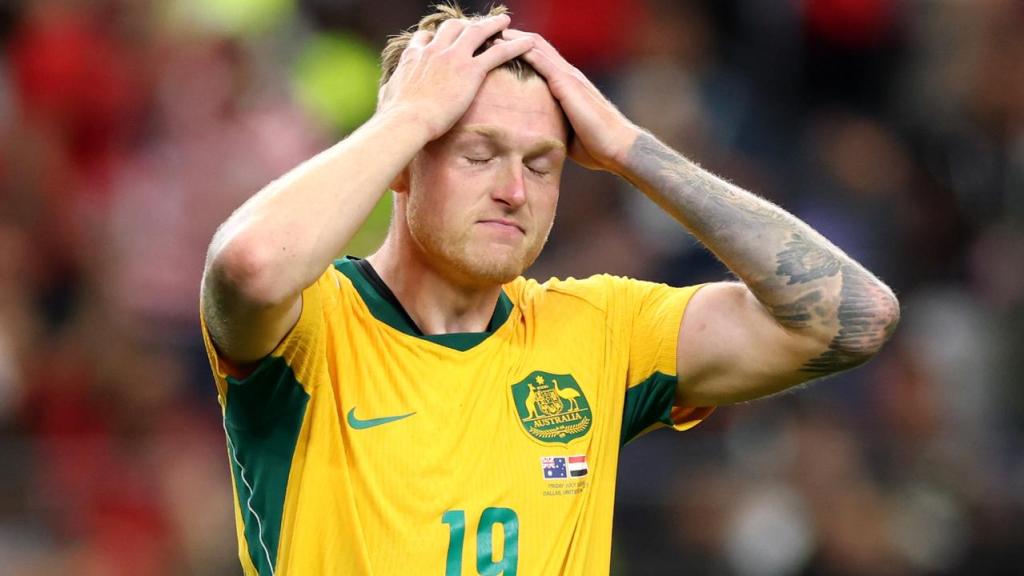
After finishing second in a very tough group, our beloved Socceroos could not overcome a solid Egypt side in the round of 32, bringing their 2026 FIFA World Cup to an end. But was this campaign a success? Overall, I think it was – and I would give the lads a strong rating of B+. However, alongside the incredible highs came lingering questions of what could have been; and did result-driven football take precedence over playing an attractive game?

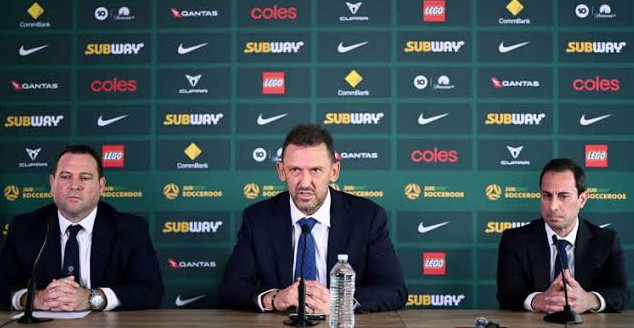
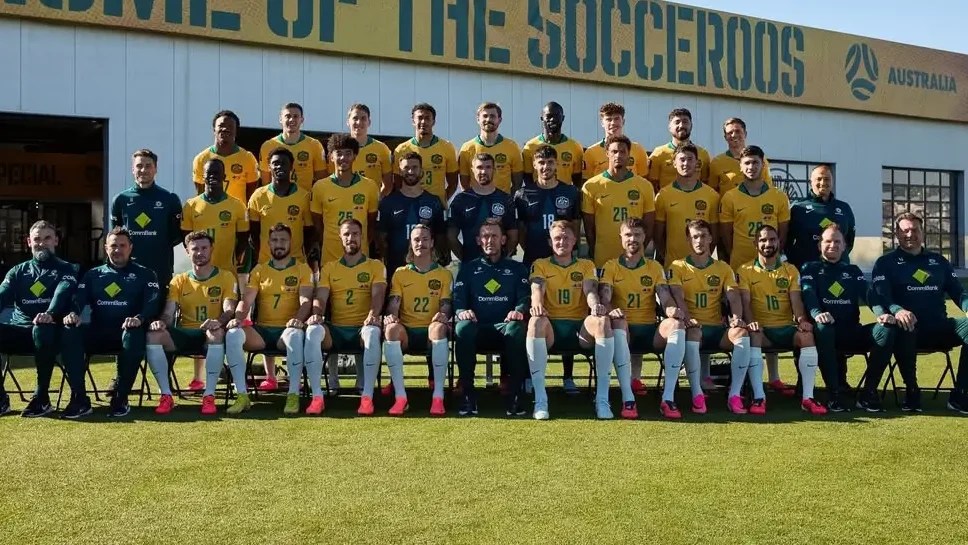
But before reviewing all four of Australia’s fixtures at the World Cup, we need to add some context by going back to the appointment of Tony Popovic as coach in September 2024.
After being kept goalless in the opening two matches of the final round of Asian qualifiers, including a diabolical 1-0 loss at home to Bahrain, the panic button was pressed and the experienced Graham Arnold made way for Popovic: – a no-nonsense manager with a strong coaching record in the A-League.

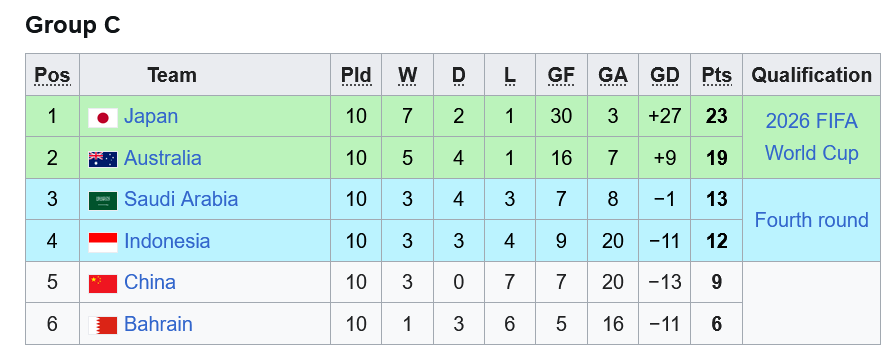
The decision to appoint Popovic would be justified, as the Socceroos quickly turned their fortunes around and easily qualified for the World Cup.

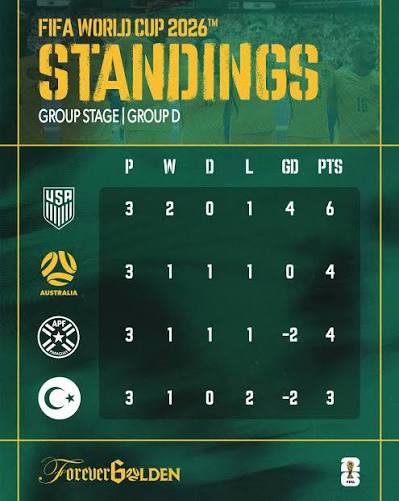
Then came the draw itself, and Australia found themselves in Group D against the home nation USA and two very good opponents in Paraguay and Turkiye (Turkey.)

Written off as the weakest team in the group, with one American pundit referring to the Socceroos as a ‘lay-up’; the stage would be set once again for the Green and Gold to prove their doubters wrong!

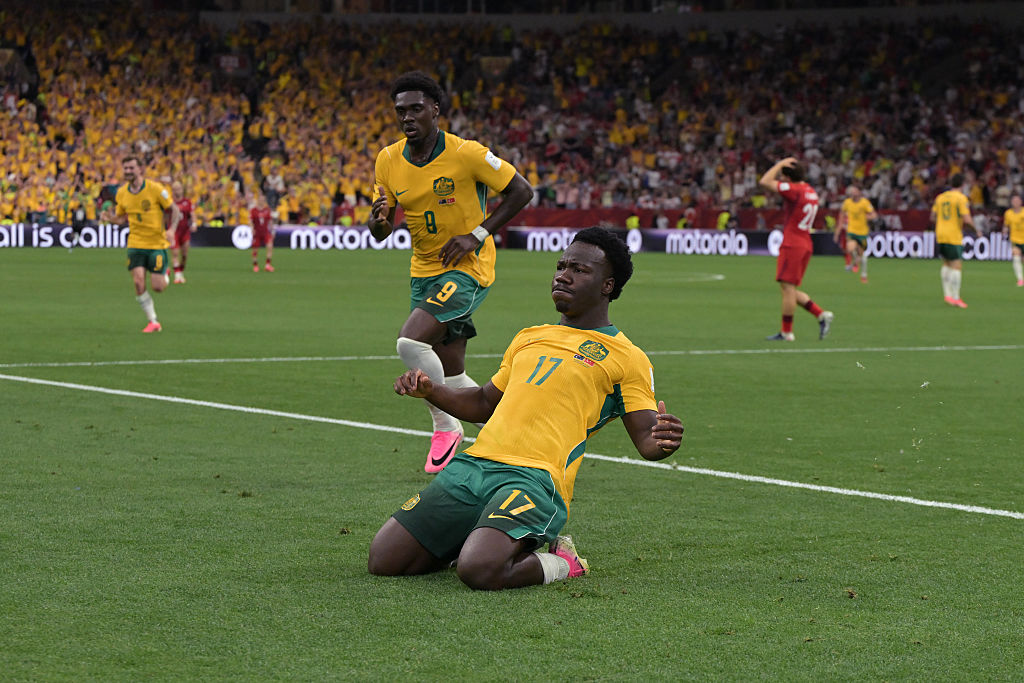
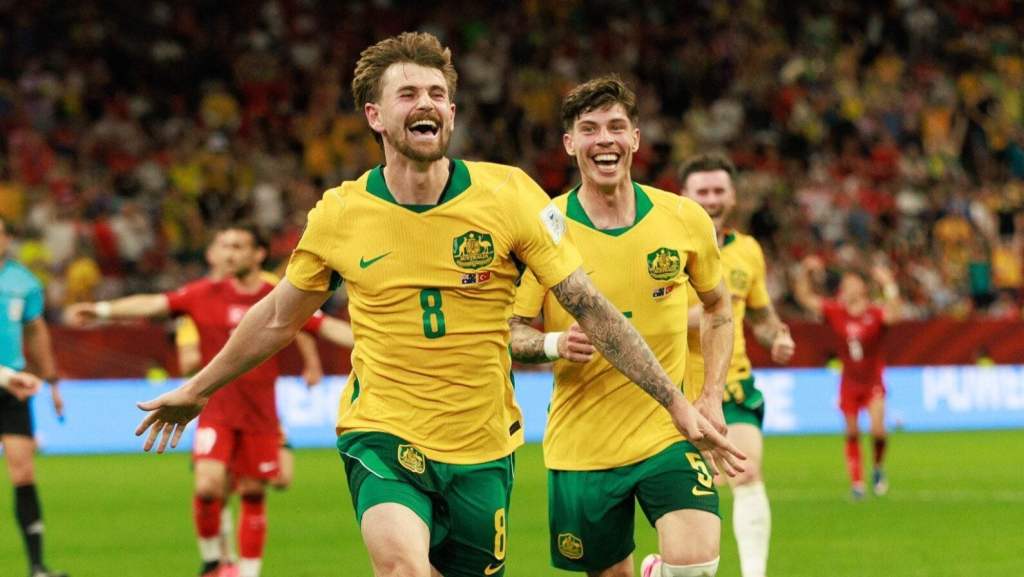
Breakaway goals from Nestory Irankunda and Connor Metcalfe – one in each half – would stun the highly-fancied Turks in their opening game in Vancouver. A combination of Aussie grit, a little luck and an amazing performance from goalkeeper Patrick Beach would get the job done – and just about secure a place in the knockout round.

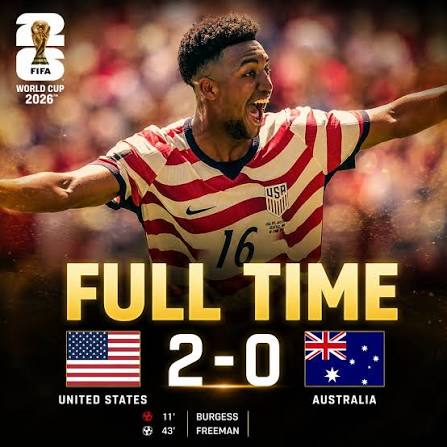
Expectations were high for the second match against the USA in Seattle, but the Americans would apply a ton of attacking pressure from the start which the boys were unable to counter. Down 2-0 at the break, the contest was effectively over – despite a stronger second half performance that could not make inroads into the two goal deficit.

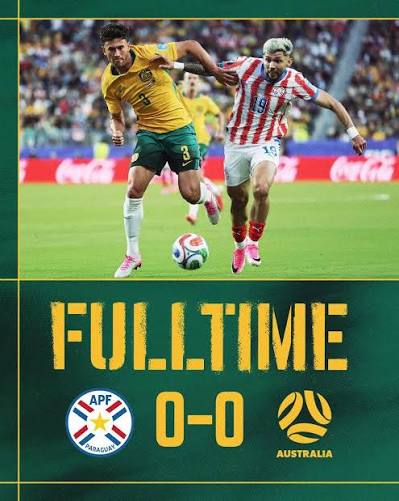
It would all come down to the final group match against Paraguay – who had defeated Turkey in their second game – and a draw would be enough to see both sides progress further into the tournament. The Socceroos were arguably the more enterprising team throughout the game; settling quickly into the match and although chances were few and far between, Paraguay would not offer too much of a threat and things would end 0-0.

This was enough to finish second on the table and progress through to the round of 32!

Going into the tournament, making it out of this group would have been the main objective for the Australian players and coaching staff – so to that end it was mission accomplished and anything on top of this would be a bonus. However, as great as this achievement was, the football being played was very workmanlike and – if I’m being completely honest – frustrating to watch at times. With only two goals scored – both against the run of play – across three games, as well as seeing vastly different team line-ups for each match – it was hoped that for the do-or-die (but winnable) clash against Egypt that we might see some fluent, attacking football…

But alas, it was not meant to be and having sat back and defended for most of the game against the Egyptians; only showing a bit of spark at times during the second half – the Socceroos would grimly hang on only to be knocked out in a penalty shootout.

Now, there’s no way I am going to be critical of the Socceroos – as my generation grew up during the thirty-two years of heartbreak in not qualifying for the World Cup Finals. I remember the strange games against Israel and Taiwan back in the 1980’s, and the odd occasion New Zealand would beat us and throw a spanner in the works; not to mention those unfair playoffs against Scotland (1985) and a Maradona-inspired Argentina (1993) – and the Iran disaster at the MCG in 1997.

The only thing I would question about this World Cup campaign is whether or not we just should have gone out with a settled line-up and played football – especially against the USA and even more so in the Egypt game. We should have seen more of Cristian Volpato for starters, and not played Nestory Irankunda in what was essentially a number nine position in the knockout match. I actually believe we could have beaten Egypt and gone on to play Argentina in the next round – where in all likelihood our cup run would have progressed no further.

So with all things being considered, I would still rate this campaign highly. For me to give top marks, we would have needed to break new ground and make it past our first knockout match. I am also factoring in that it was not a great tournament for AFC nations, with only Australia and Japan progressing beyond the group stage before being eliminated.

Therefore, I think that a B+ grade is a fair assessment.

Further to this point, I am certain that Tony Popovic is playing a long game with this very young squad, and hopefully we will see more adventurous football played in the upcoming Asian Cup in early 2027!

Photos and screenshots are from various online sources.

QED – The Aussie One-Hit Wonder

I had completely forgotten about this song until I heard it playing today at my local shopping centre – and if I were to guess, I’d say I had not encountered this classic track in over thirty years!

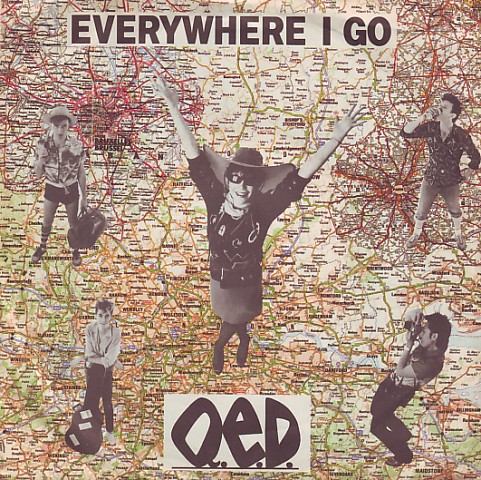
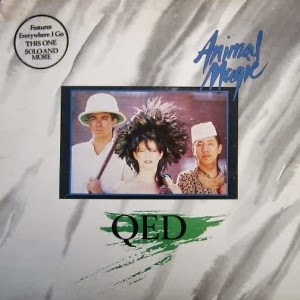
The tune itself dates back to 1983, and I recall that it was given a lot of airtime on the radio when it first came out. It’s certainly a catchy number, and was performed by the short-lived band QED – featuring a young Jenny Morris on lead vocals, who would later go on to have a successful solo career in Australia.

‘Everywhere I Go’ peaked at number 19 on the Australian music charts in April 1984, but the band’s two follow-up singles would hardly make an impact. Their album ‘Animal Magic’ was to be their one and only release and performed poorly, and the group disbanded in 1985.

That being said, ‘Everywhere I Go’ remains an underappreciated song, and is typical of that great Australian sound from the early 1980’s – and I must add that Jenny Morris is smoking hot in the music video!

And speaking of the video, there is a link below courtesy of Austech YouTube Channel – and hopefully you enjoy the nostalgia rush as much as I did!

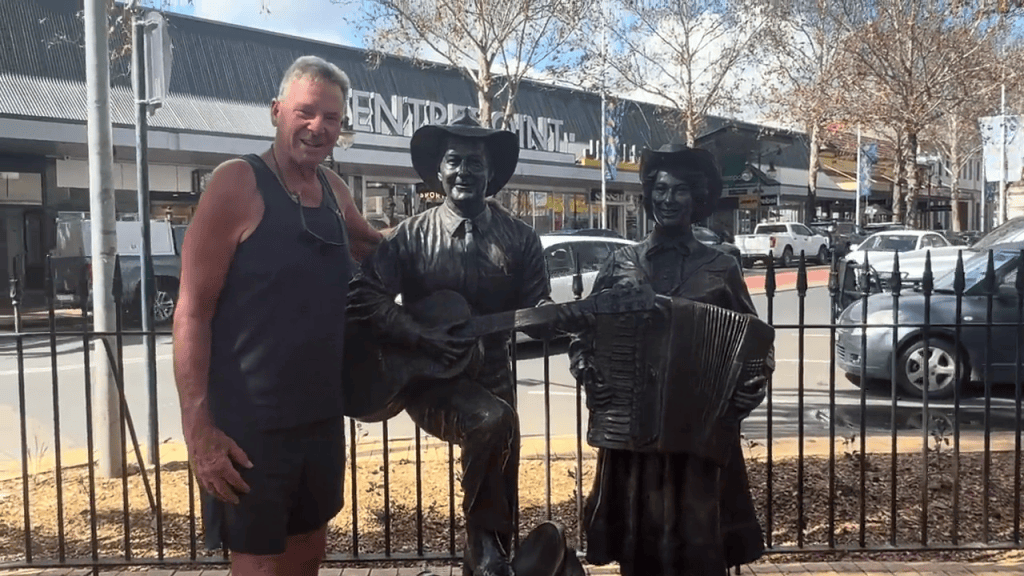
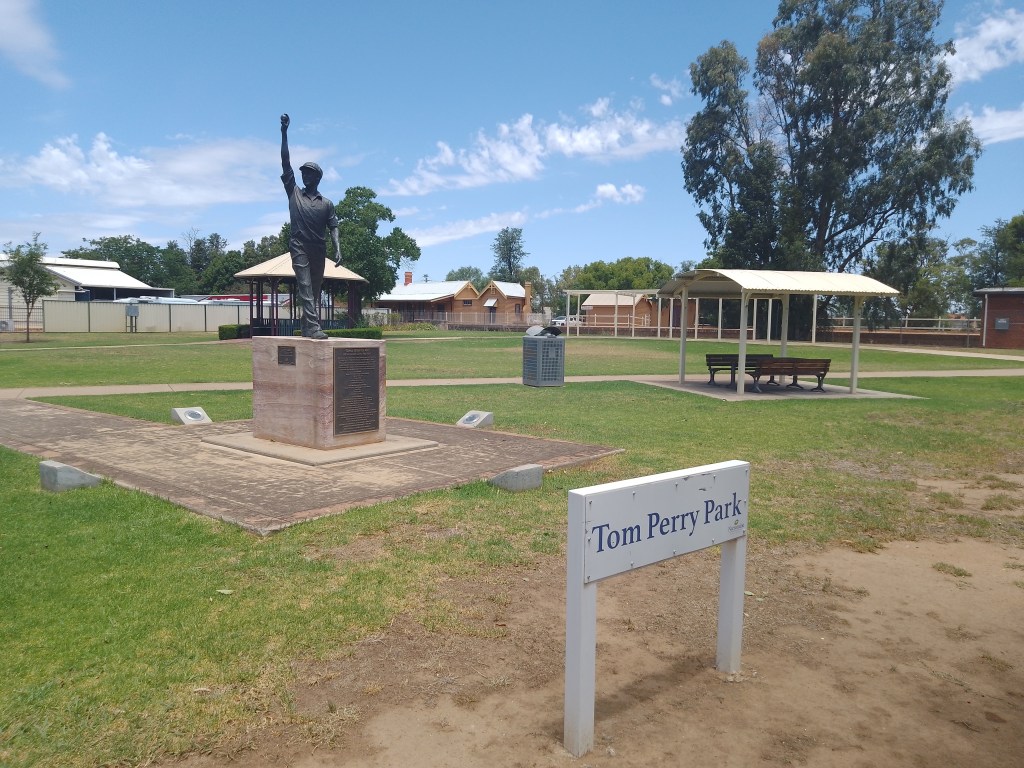
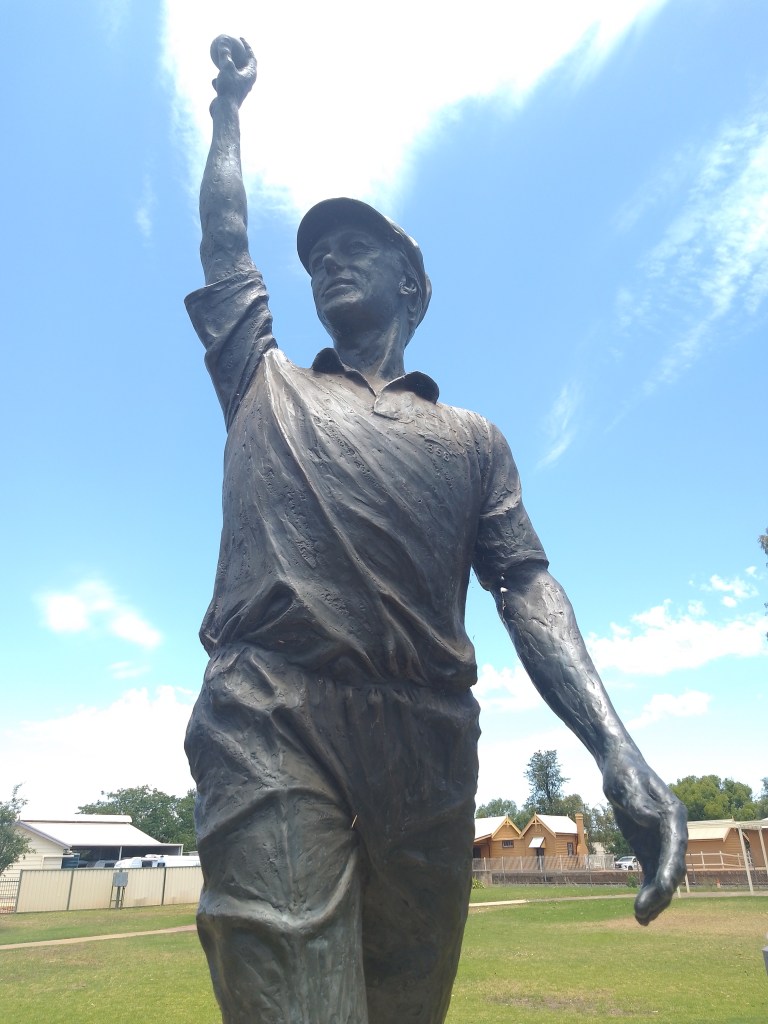
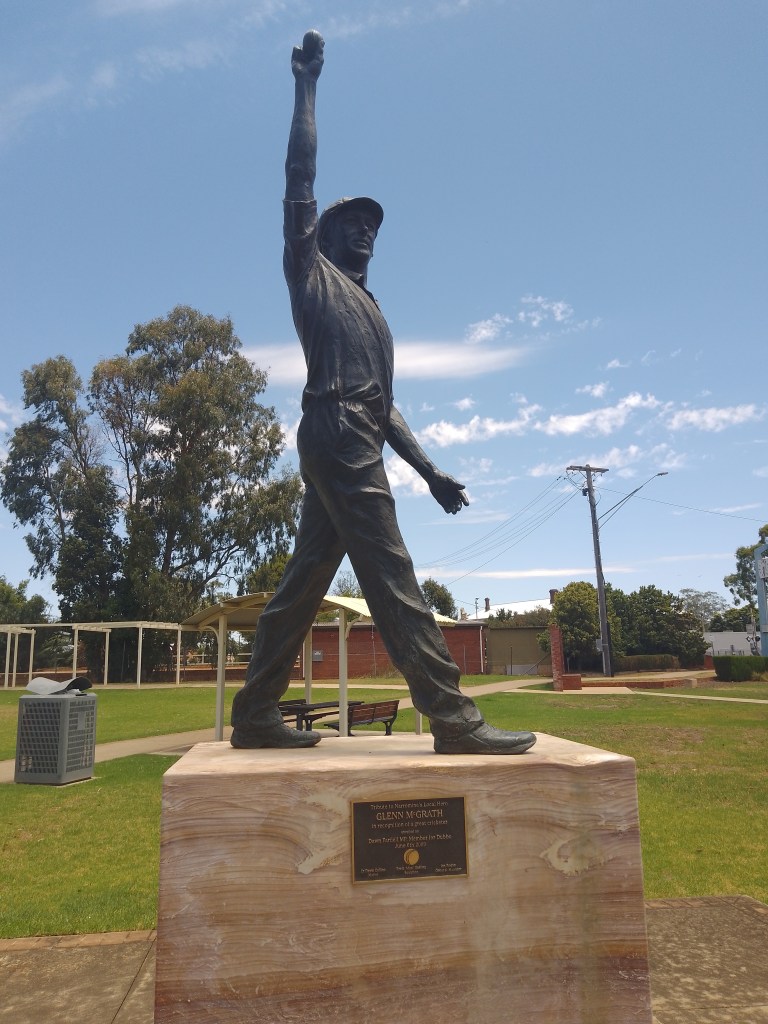
Narromine’s Glenn McGrath statue

During my recent drive from Sydney to Adelaide – via Broken Hill – I stopped by Narromine in Western NSW, where right in the middle of town stands a proud tribute to one of the region’s finest exports: – Australian cricketing legend Glenn McGrath.

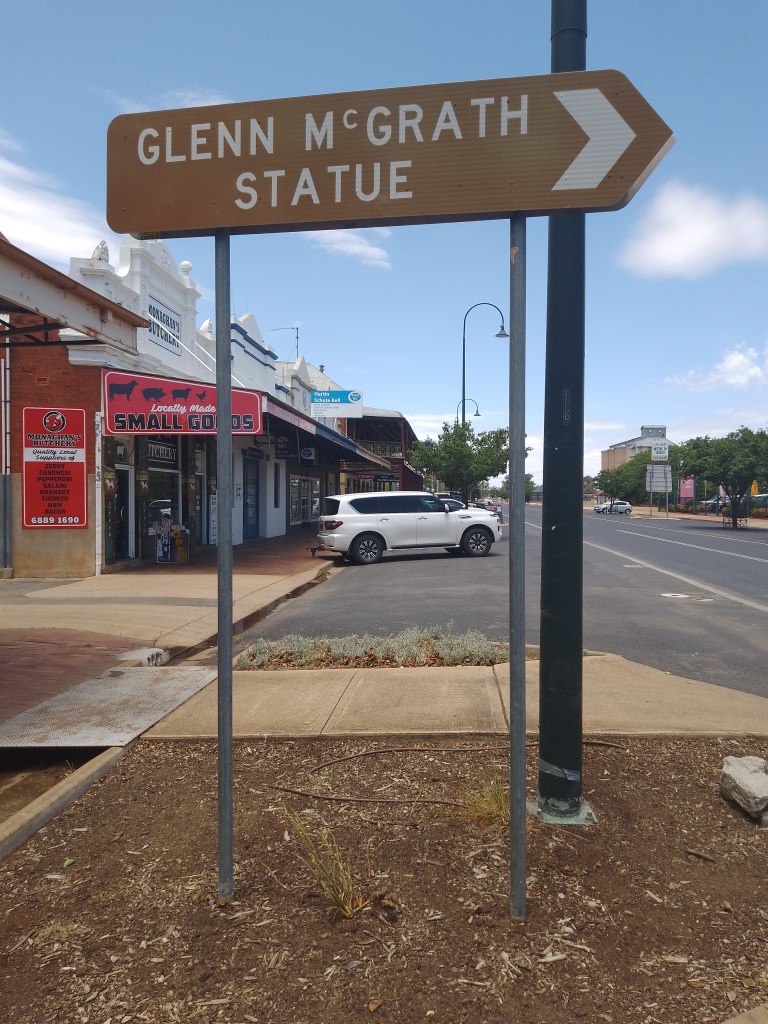
In fact, the statue is so famous that they have street signs pointing toward it.

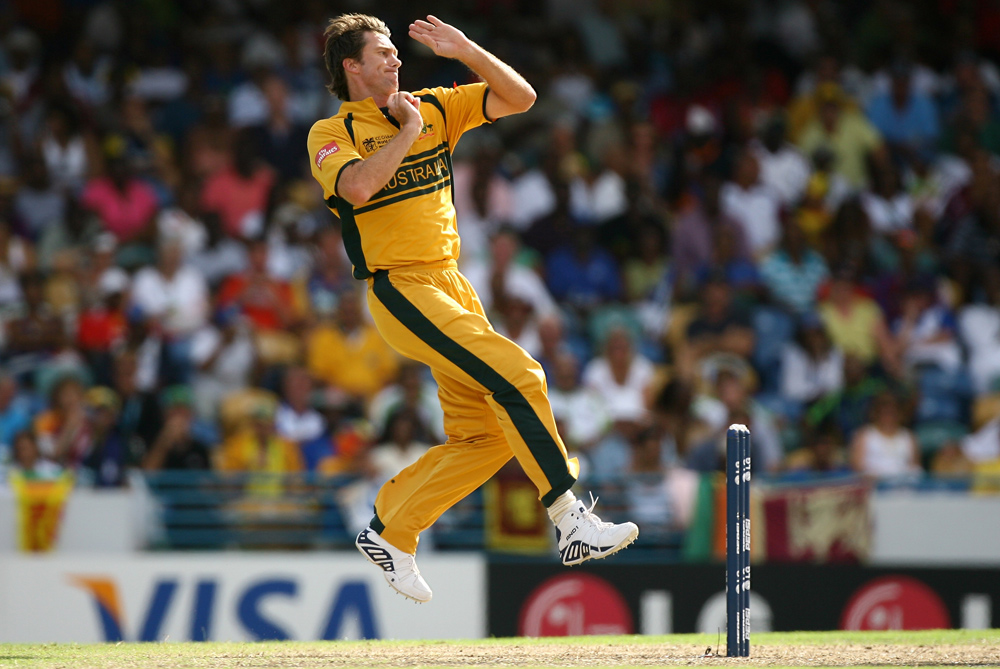
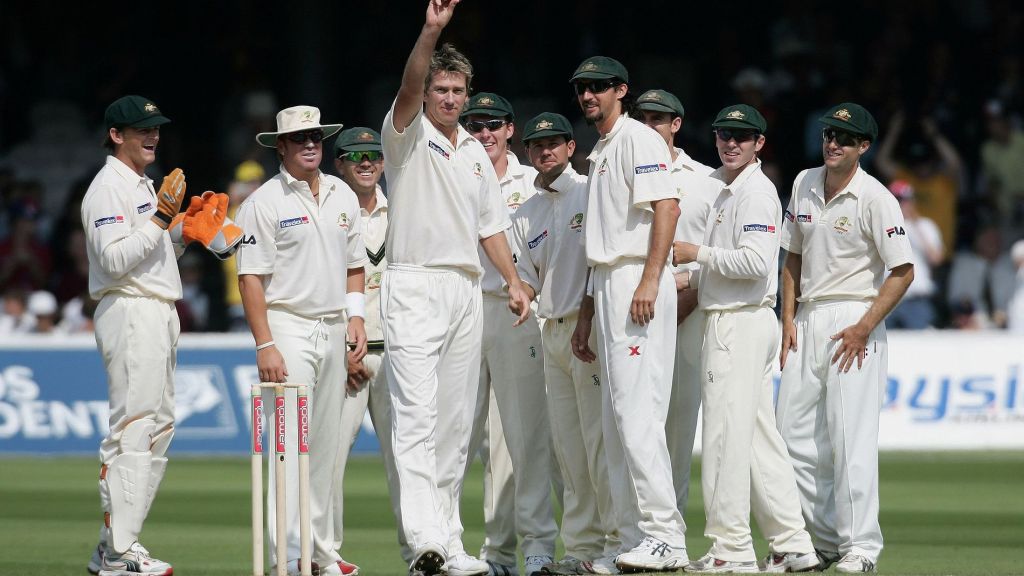
For those unaware of who this incredible sportsman is, Glenn McGrath played 124 tests for Australia as an opening seam bowler – taking 563 wickets at an average of 21.64. McGrath was also part of the Australian World Cup winning teams of 1999, 2003 and 2007.

In a nutshell, Glenn McGrath is widely considered to be among the greatest bowlers ever to have played international cricket. Even our Indian friends would concede that Jasprit Bumrah is only a marginally better bowler than ‘Pigeon’ McGrath, right?

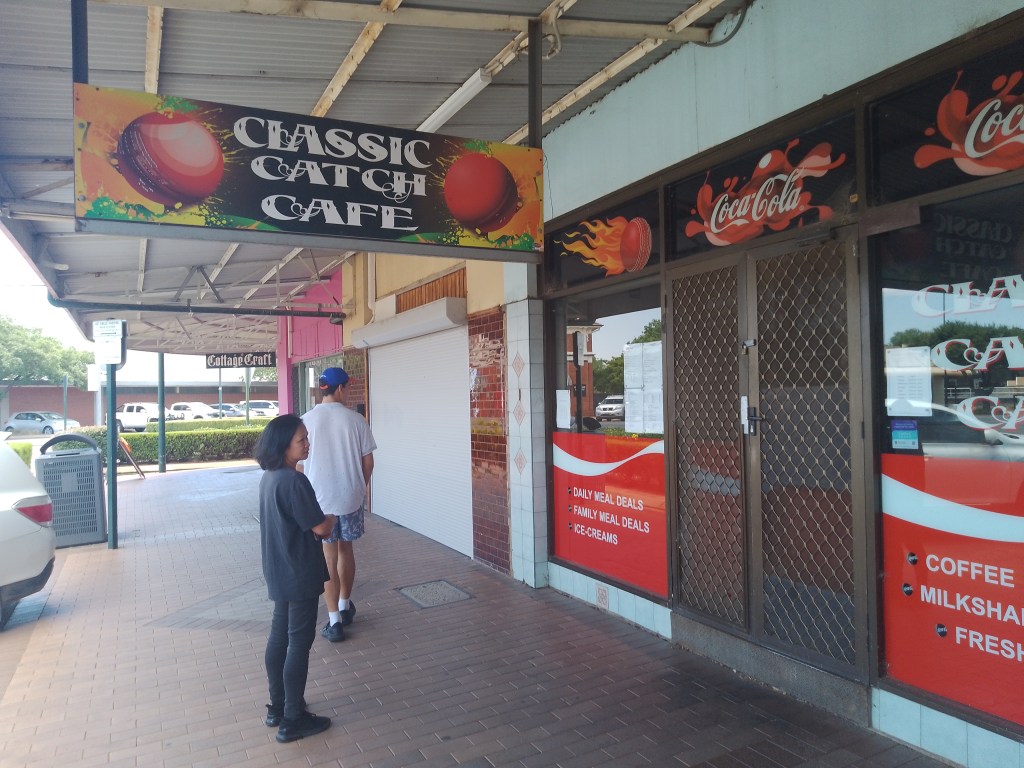
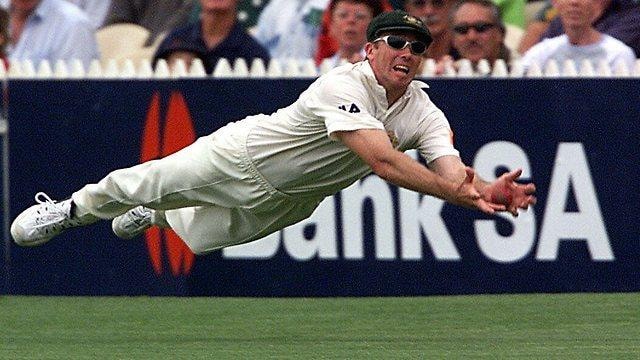
Consistent with the cricketing vibe around Narromine, the cafe across the street from the statue is named in honour of McGrath’s freakish outfield catch against England in 2002.

For those who don’t know what all the fuss is about, there is a YouTube link below to Glenn McGrath’s classic catch from all those years ago, courtesy of Cricket Network.

If I’m being completely honest, there is not a lot to do in Narromine, but if you are passing through make sure to check out the statue – and the ‘Classic Catch Cafe.’

Photos courtesy of CricInfo and Cricket Australia.

Sydney to Adelaide road trip

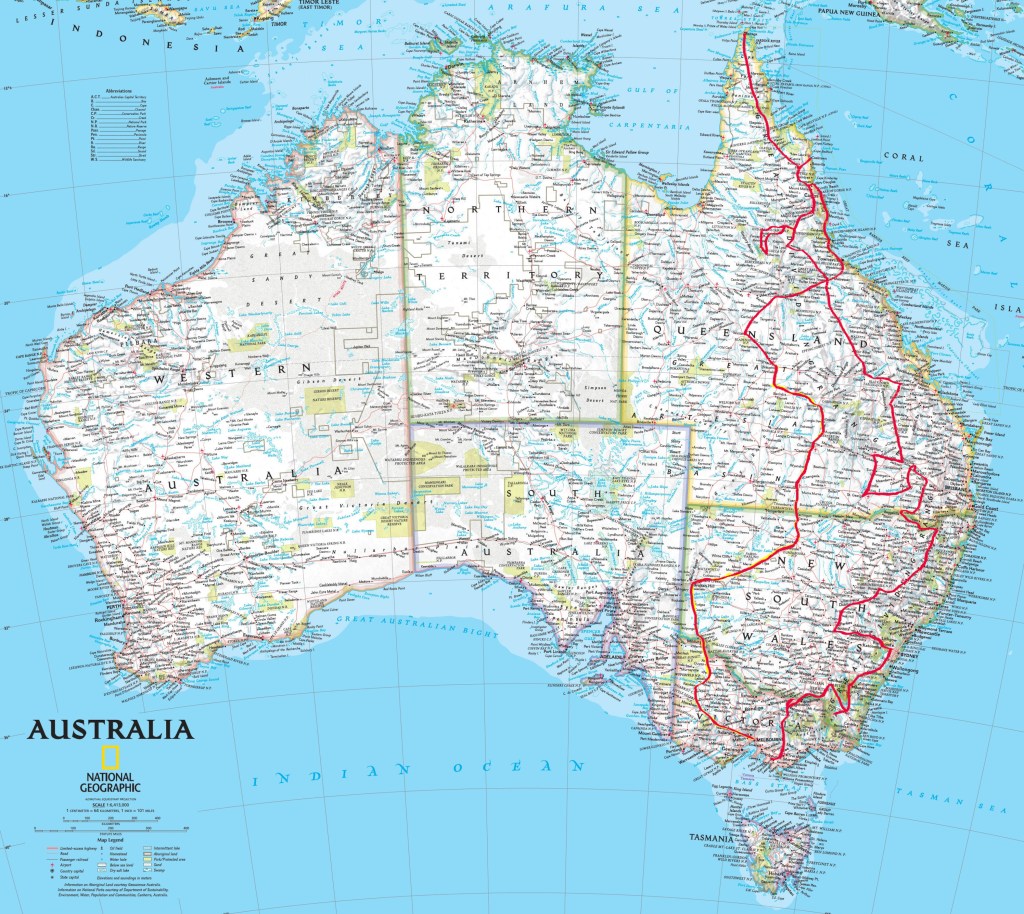
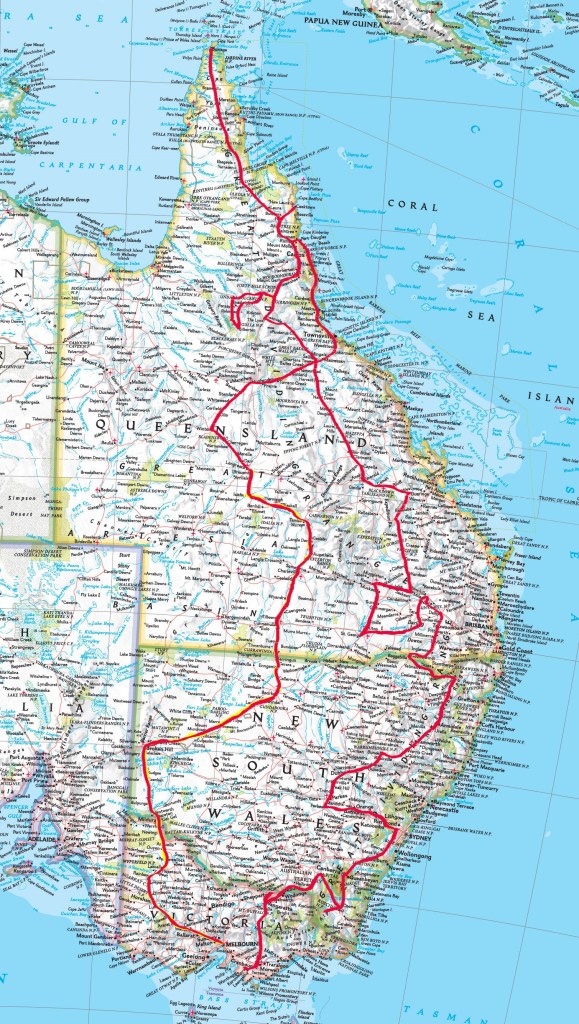
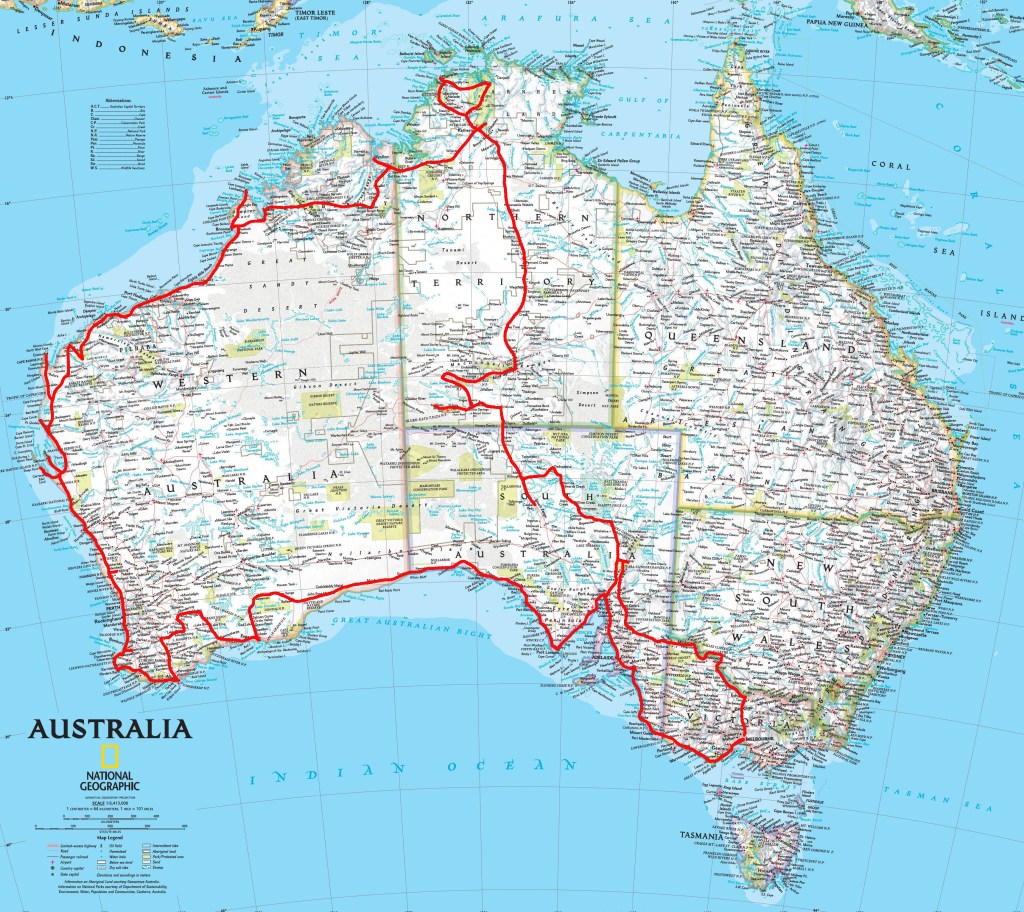
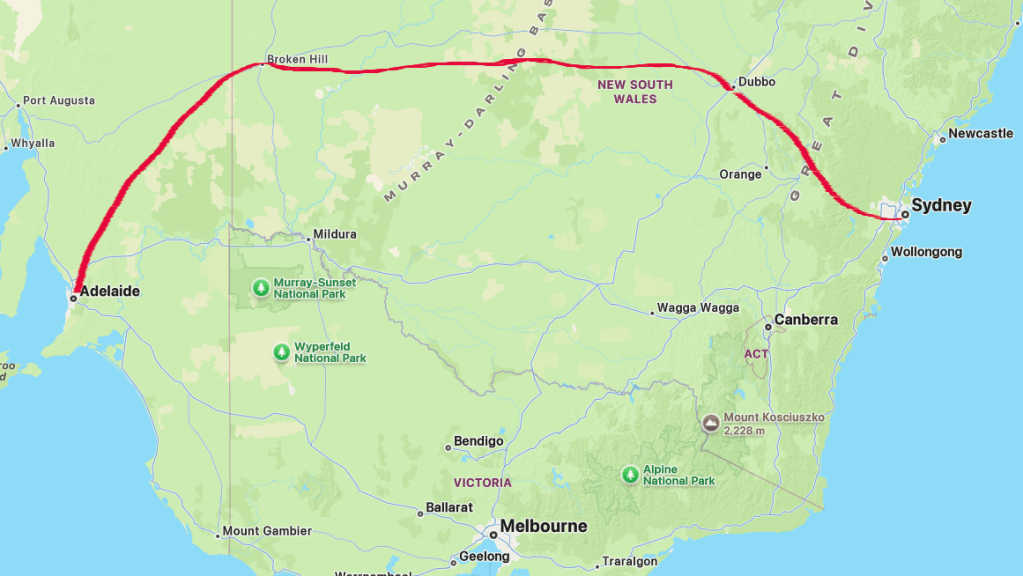
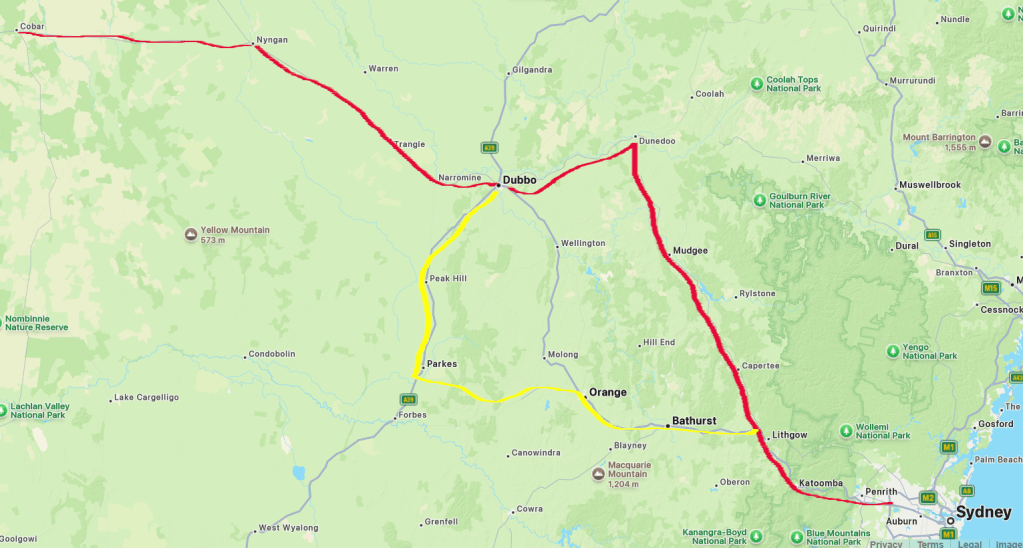
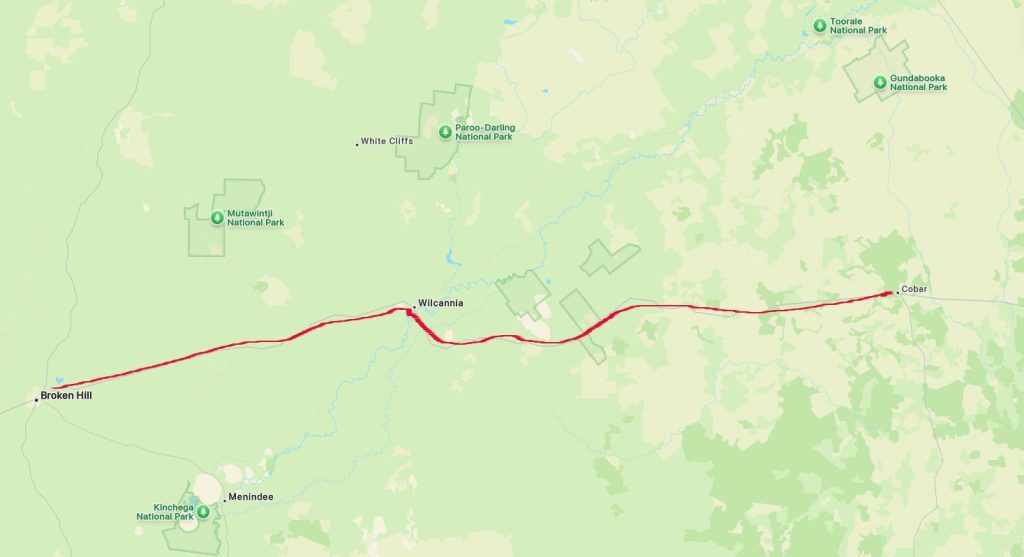
Driving from Sydney to Adelaide is an interesting choice for a family holiday, and is usually undertaken via both the Sturt and Mallee Highways – with the Southern NSW town of Hay considered to be the halfway point of this fourteen hour journey. However, there is another way – a northerly route marked in red on the map – passing through Broken Hill and the outback areas of NSW and South Australia.

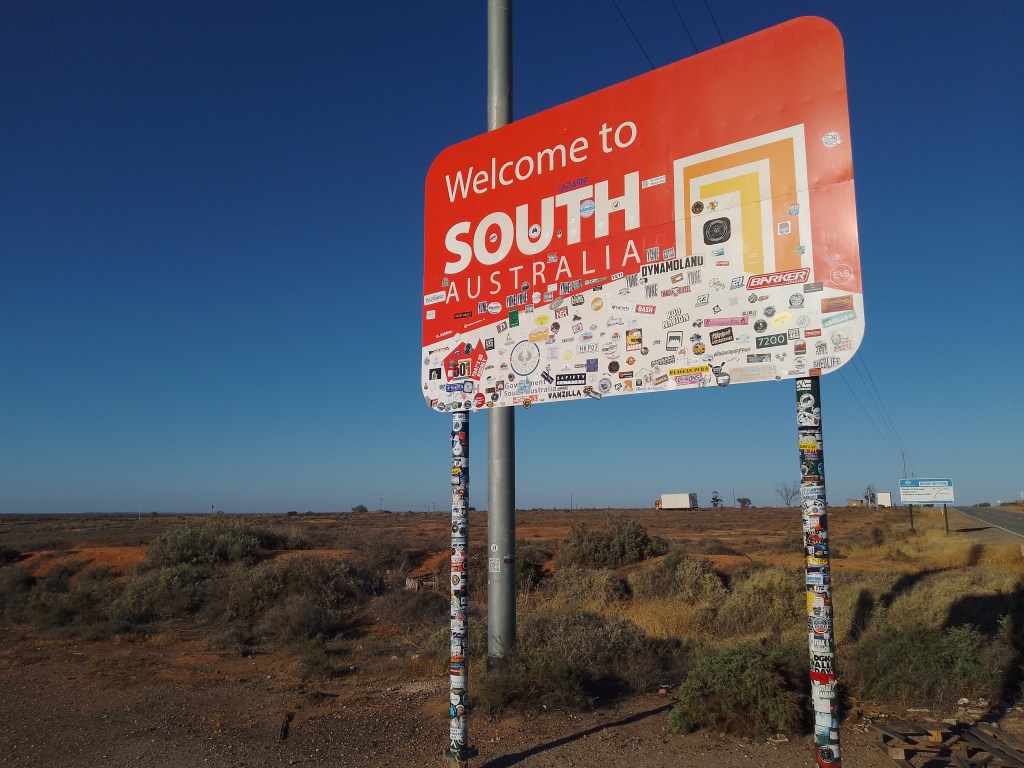
The longer and rougher road was too much of a challenge to pass up, and we began our trip by heading west out of Sydney and toward the remote regions of the state, with overnight stops at the mining towns of Cobar and Broken Hill, before crossing the border into South Australia. We would eventually arrive in Adelaide three days after leaving home; having completed eighteen grueling hours of driving.

The first day required us to travel for eight hours from Sydney to Cobar, following the red route marked on the above map. In hindsight, the much easier drive would have been to take the section marked in yellow – driving through the larger towns of Bathurst, Orange and Parkes – instead of the ‘faster’ way via Mudgee.

Once you pass Dubbo in regional NSW – six hours from Sydney – the driving conditions change considerably, as decent-sized towns are now fair distances apart, with nothing but a two-lane highway stretching for miles in between. But there were plenty of highlights from these parts, as seen in the photos below.

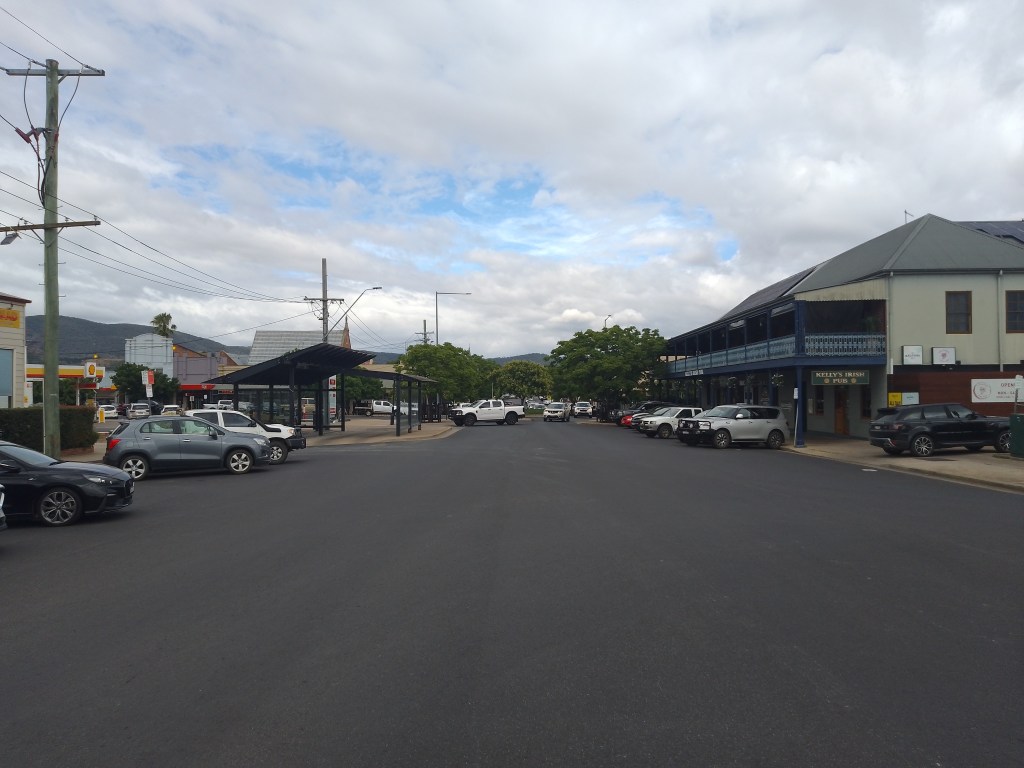
Our first stop was at Mudgee – three hours from Sydney.
Glenn McGrath statue at Narromine.
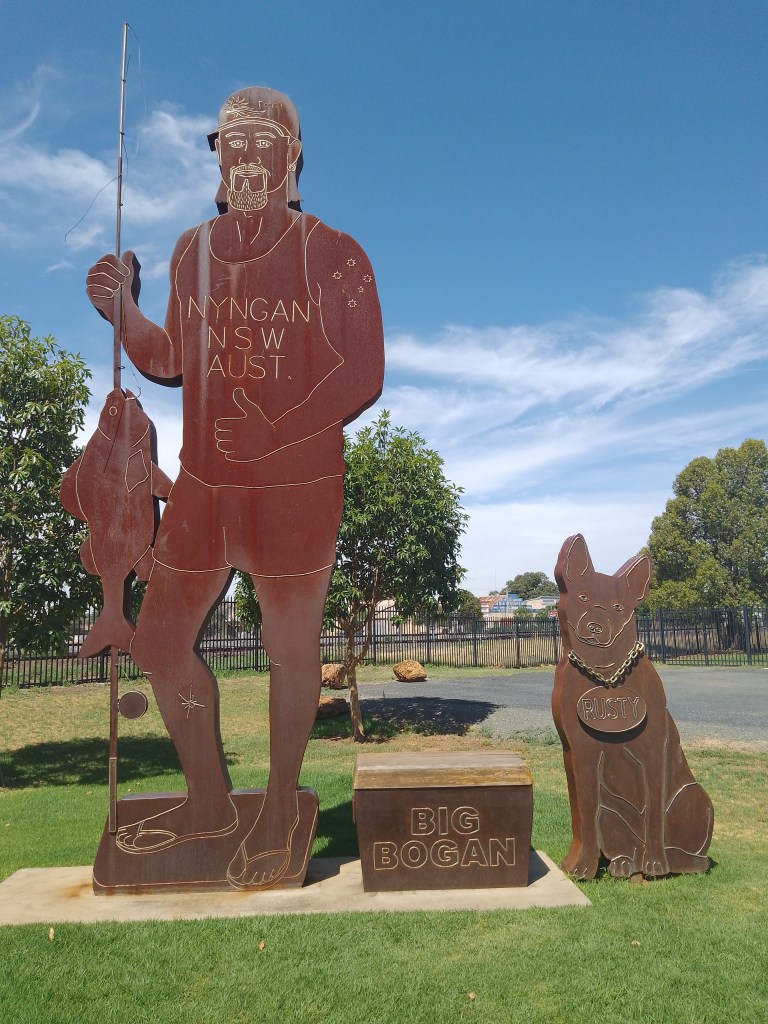
The Big Bogan at Nyngan.
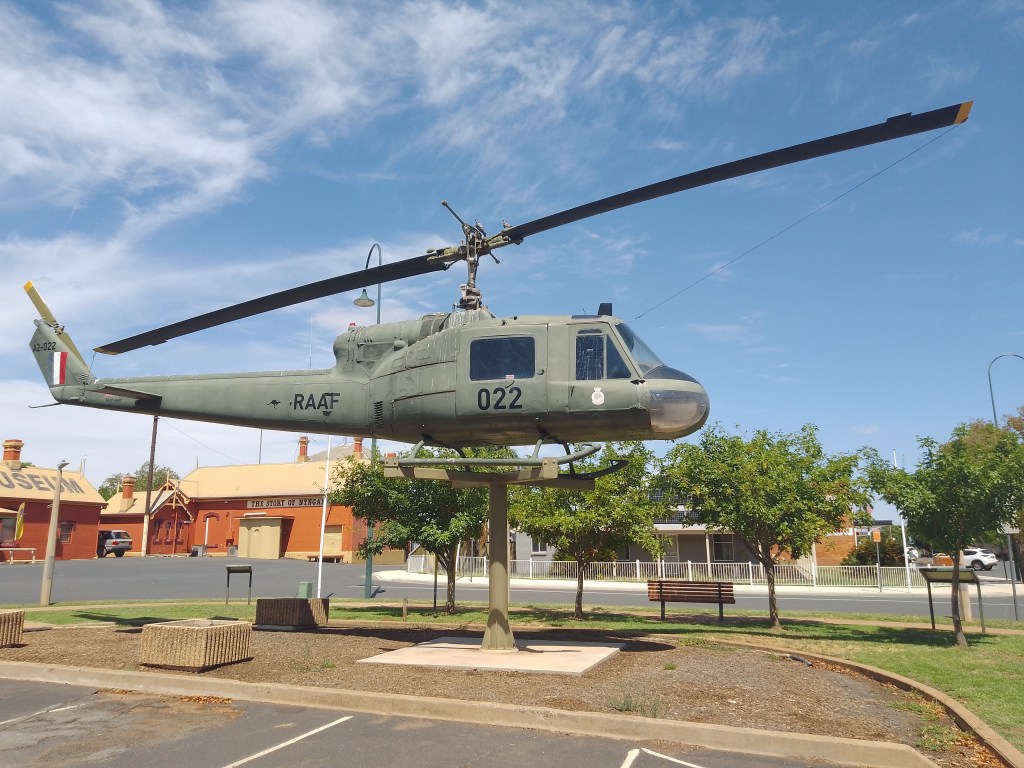
A mounted RAAF helicopter – also at Nyngan.
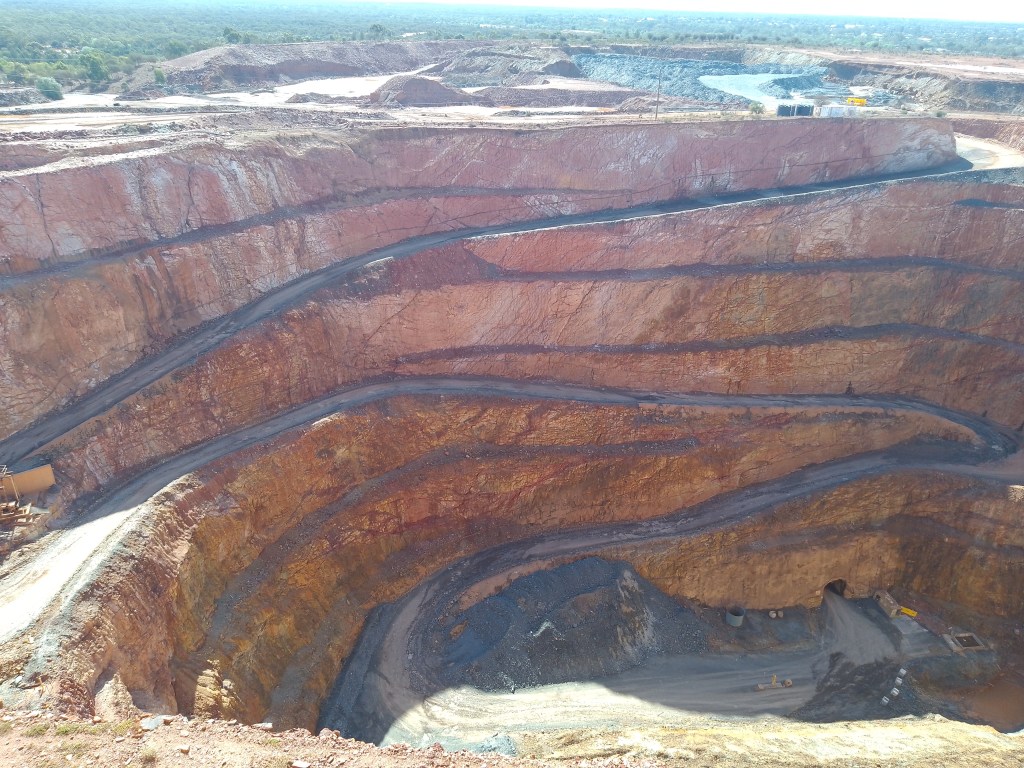
Fort Bourke Hill lookout – Cobar.

The second stage was a four-hour straight run from Cobar to Broken Hill, with only the town of Wilcannia and a remote rest stop positioned in between. I should point out to anyone planning a similar trip that the wildlife in these parts are ever-present; roaming very close to the highway – and sometimes wandering across – adding a little jeopardy to what is otherwise a route consisting of endless straights dissecting a rugged countryside.

There are literally thousands of wild goats lining both sides of the road, and they are often joined by kangaroos and emus – and even large pigs. Often I had to reduce my speed down from 110 km/h to 80, just in case any of these animals stepped out in front of the car. The holiday would have been instantly over had there been any collisions, so please keep this in mind if you are using the Barrier Highway between Cobar and Broken Hill.

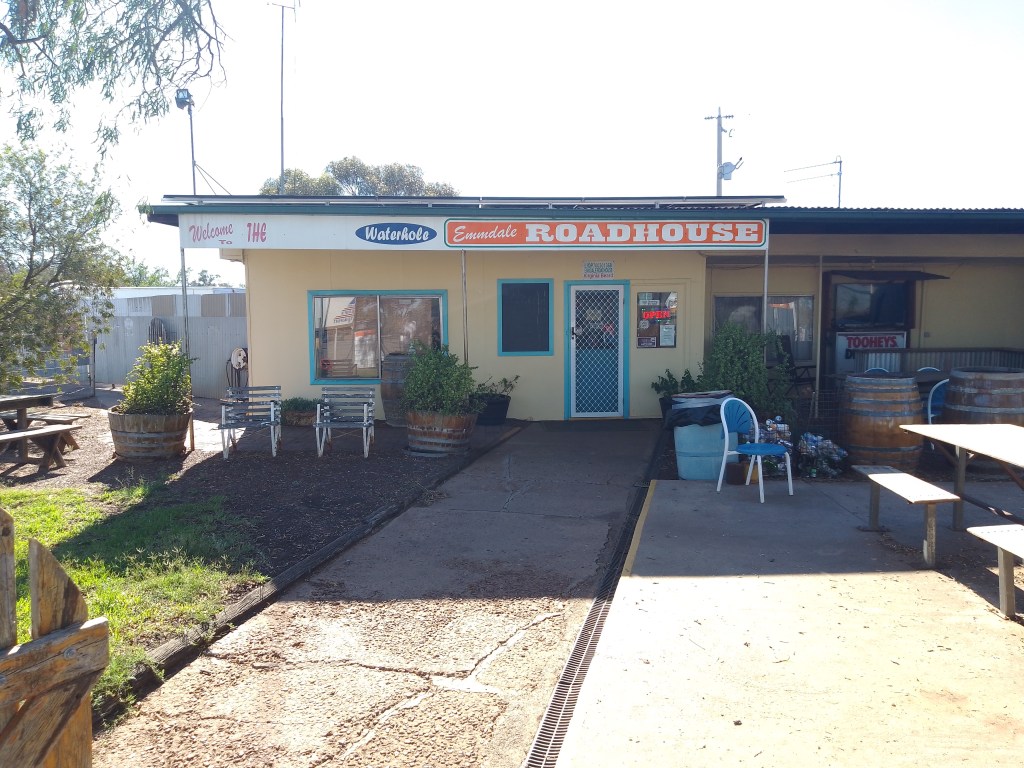
The very remote Emmdale Roadhouse.
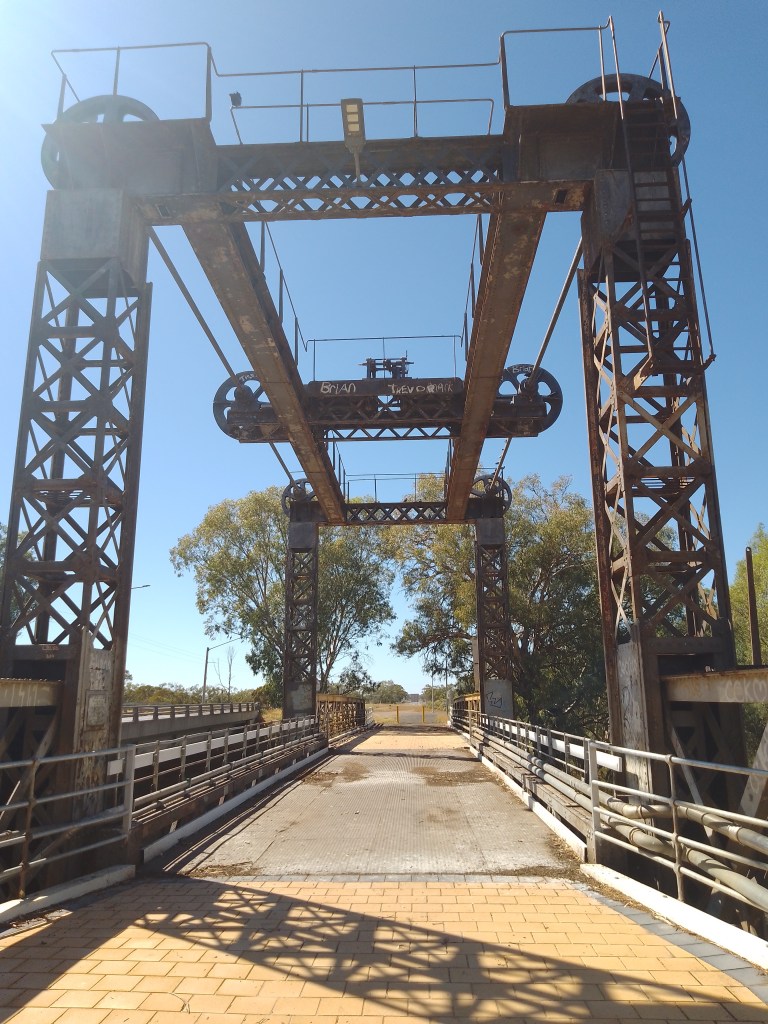
The old bridge – Wilcannia.
Emus crossing the road – forcing us to stop on a 110 km/h highway.
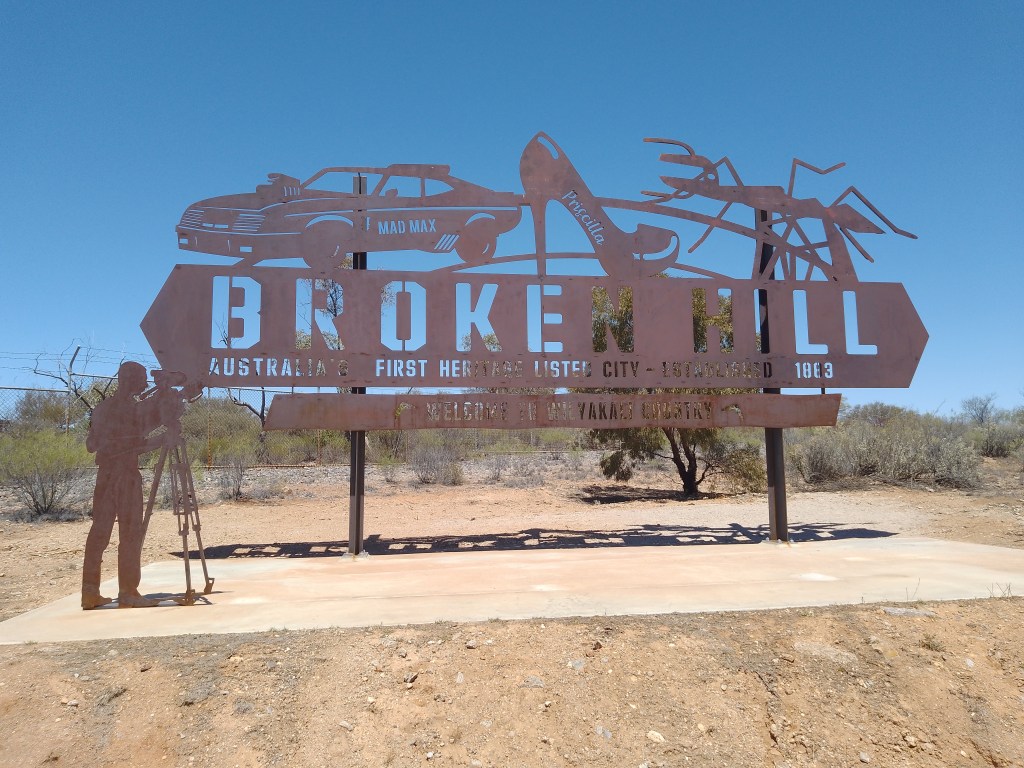
Welcome to Broken Hill sign.
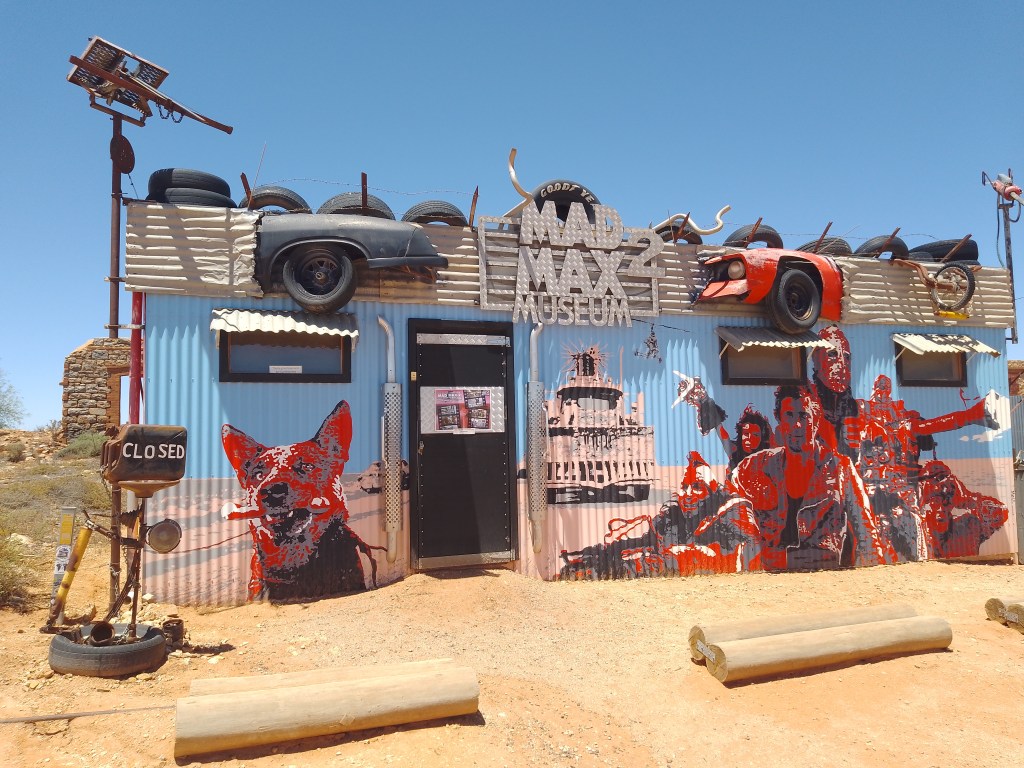
Mad Max 2 Museum, Silverton.
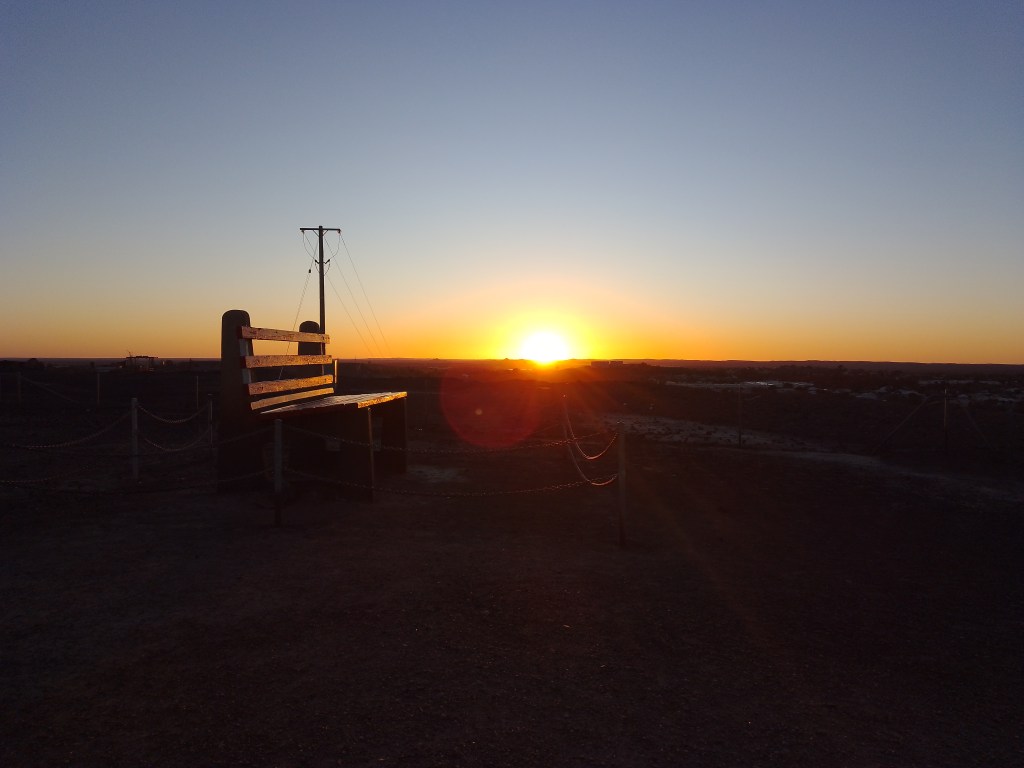
Broken Hill sunset.

The final part of the journey was a six-hour drive from The Silver City to Adelaide, but making sure to pass through Snowtown on the way. There were a couple of decent roadhouses and petrol stations along the remote highway areas of South Australia, so it’s a good idea to take a break at these places as there is not much else around.

Outback border crossing at Cockburn.
Passing an Outback Train.
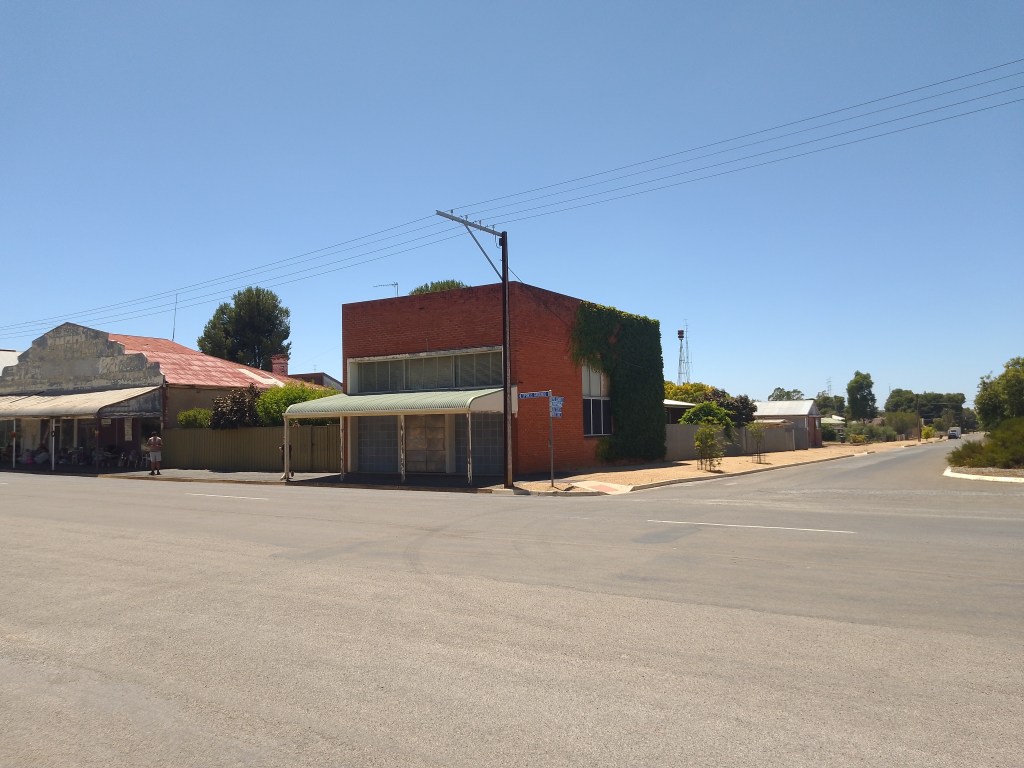
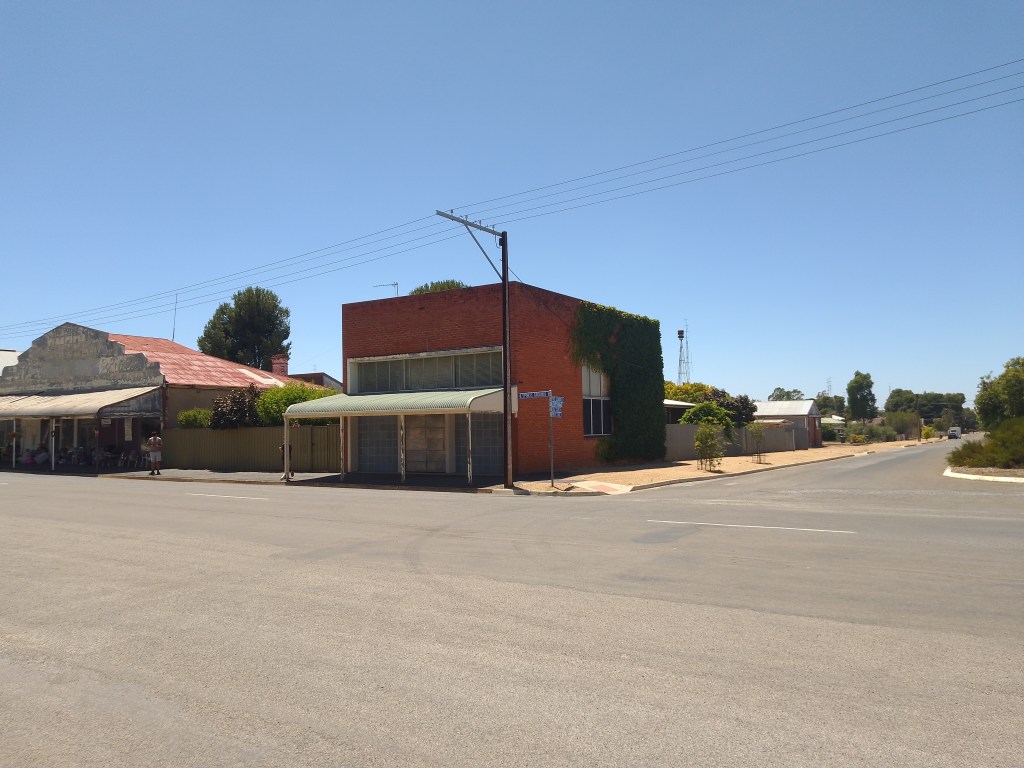
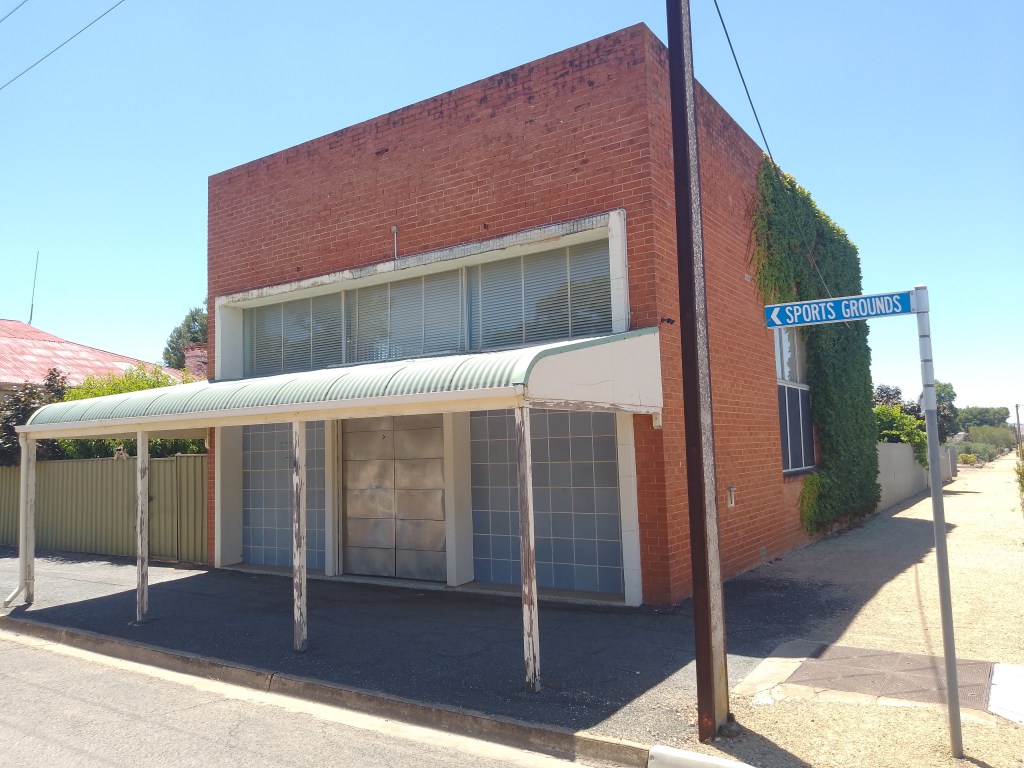
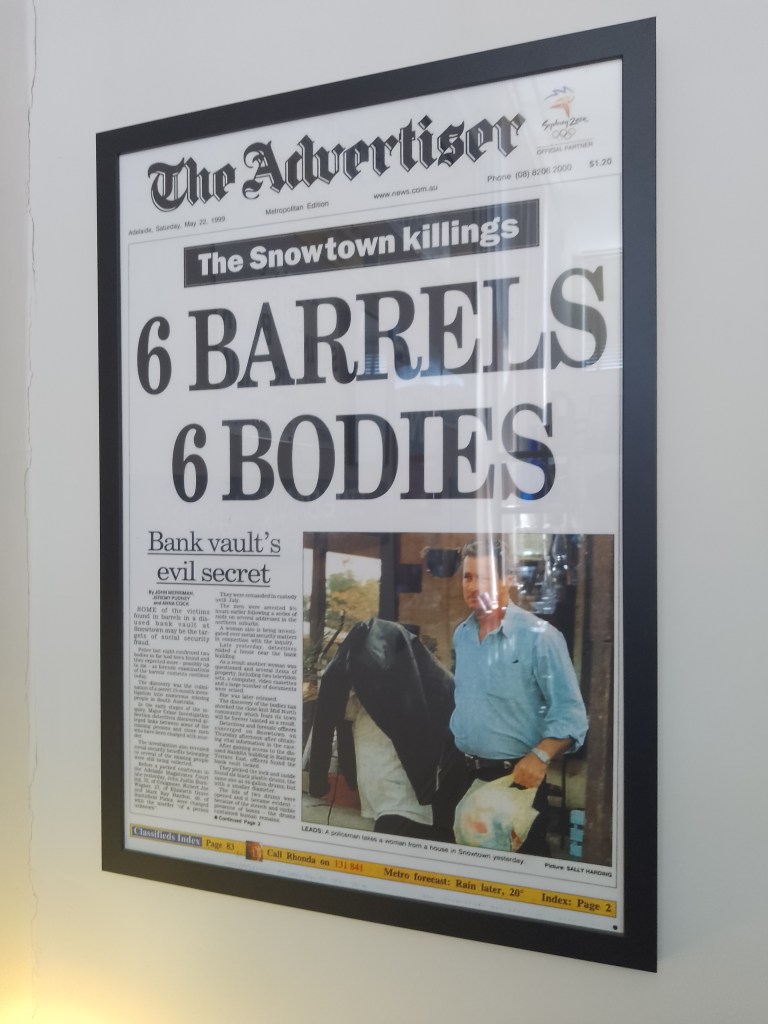
The infamous Snowtown Bank.

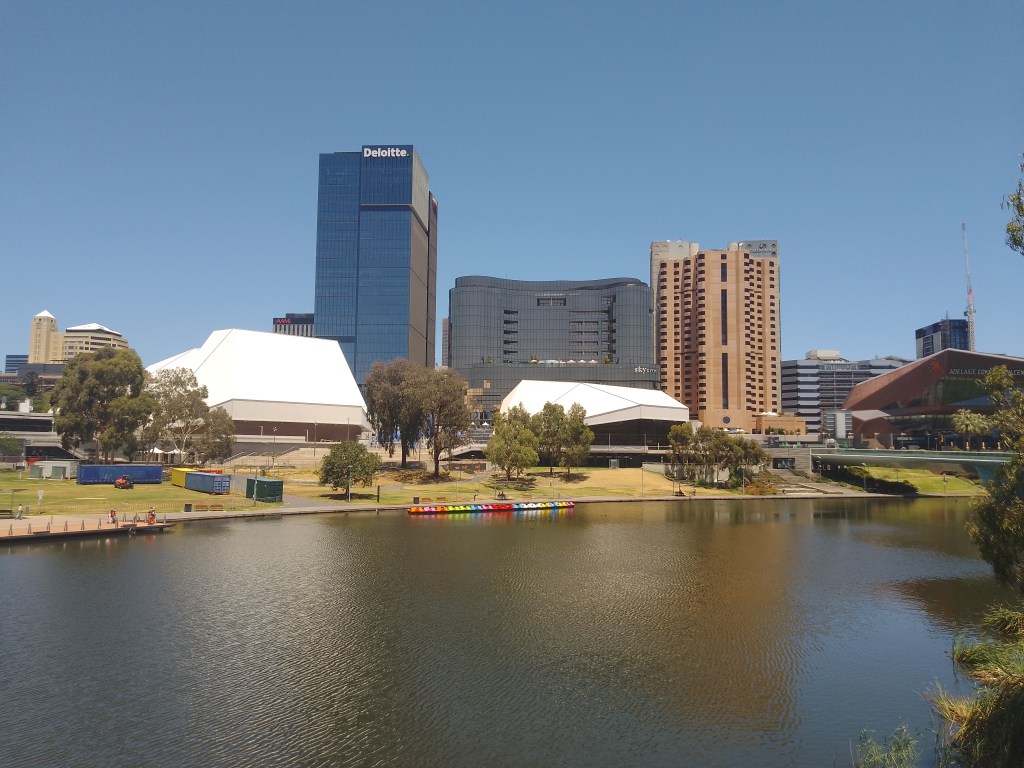
And after a three-day journey, we finally arrived in Adelaide.

Of course the quicker and easier option is to fly here from Sydney, as it only takes an hour and a half, but doing it the long way certainly was a rewarding experience. Driving to Adelaide via Broken Hill is more of a once-in-a-lifetime trip, requiring a lot of planning and time management, but I would highly recommend it to anyone who has a sense of adventure.

For those not sure if their vehicles are up to the challenge; there is always the option of hiring a car from Sydney and returning it at Adelaide airport before flying back.

Stay tuned for my report on the return journey from Adelaide to Sydney via Victoria.

Snowtown, South Australia

While driving from Sydney to Adelaide – via Broken Hill – I could not help but take a detour and visit the town forever etched in the pages of Australian history.

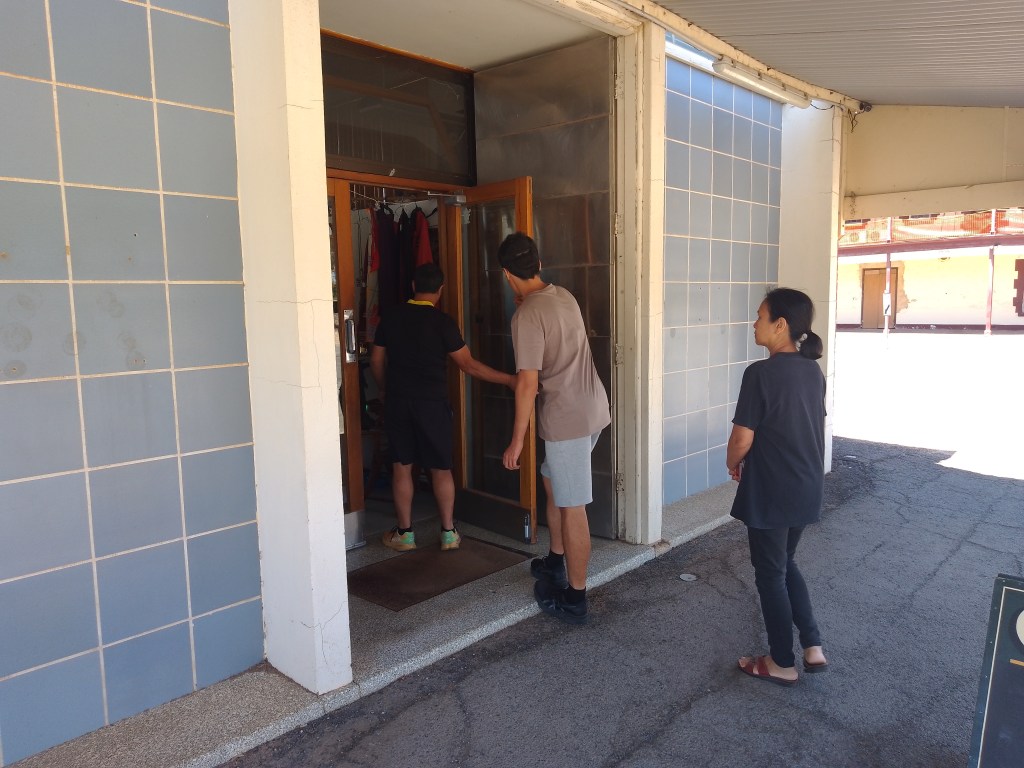
Just seeing the old bank building with my own eyes brought shivers down my spine, so imagine my surprise when the doors suddenly opened!

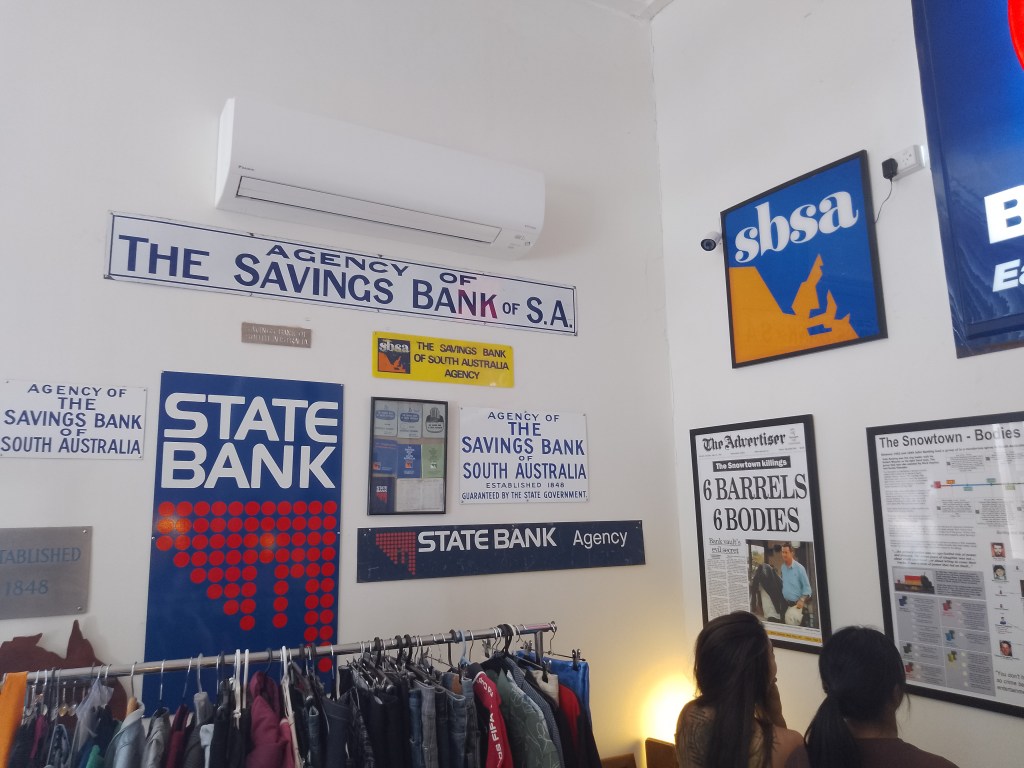
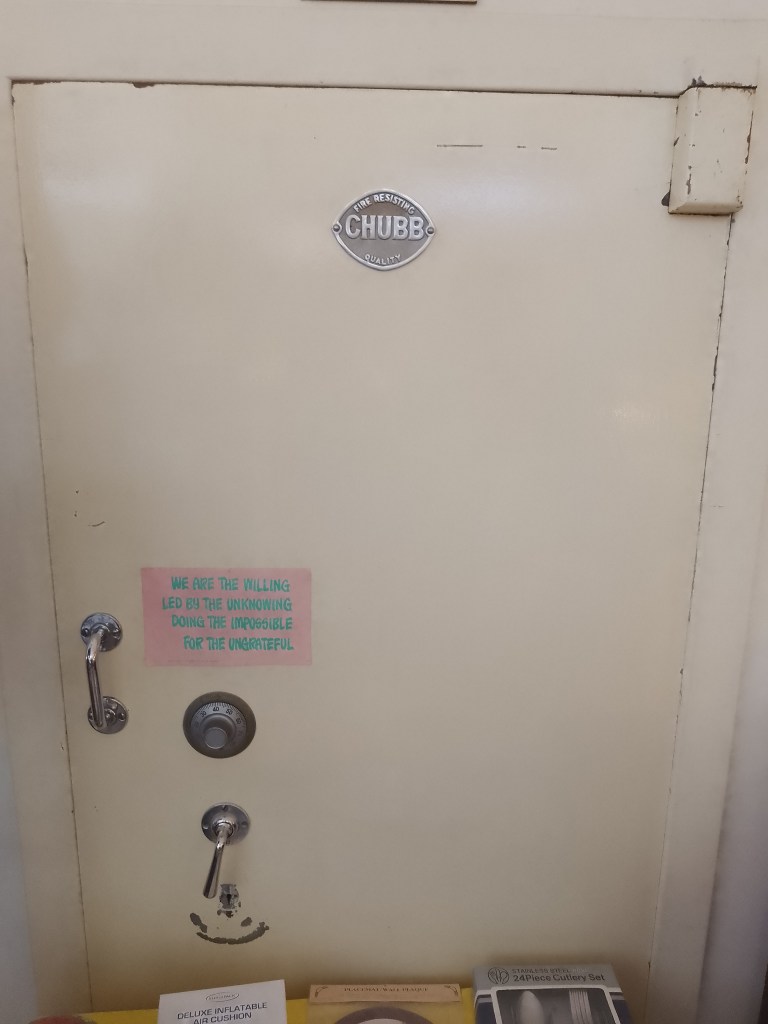
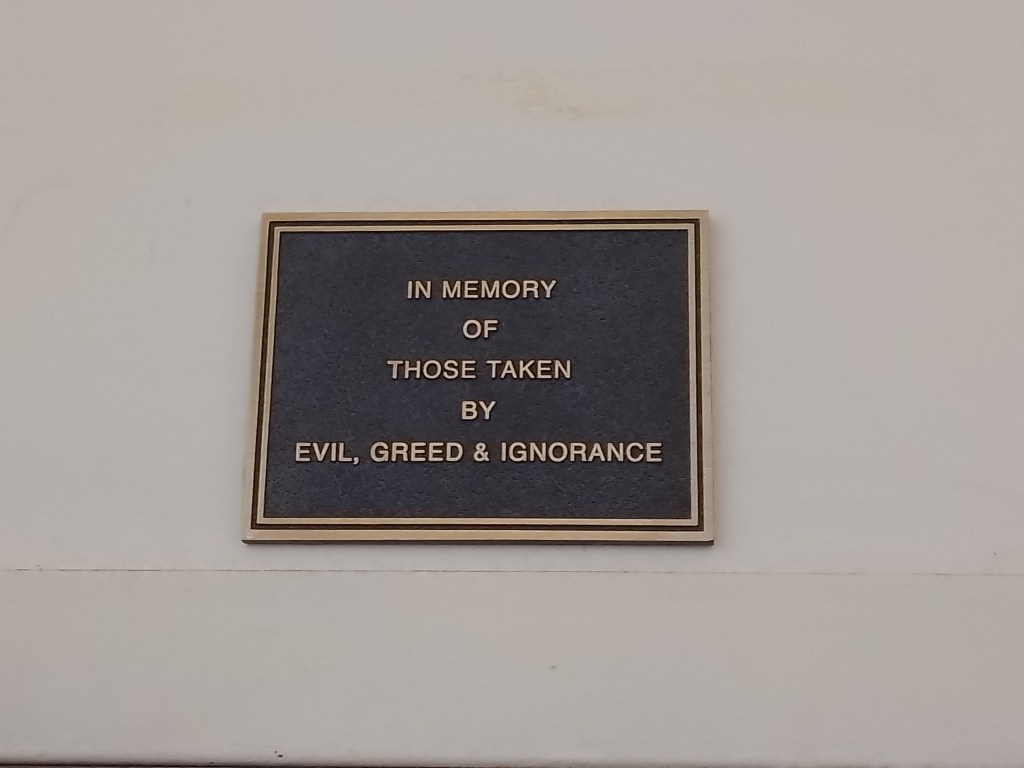
Decades after the horrific crime scene made international news, the old bank building is now a second-hand shop; with tributes and memorials featured within to those who suffered here all those years ago.

Being able to stand in front of the vault door was an unnerving experience, and according to the owner, many tourists are prepared to pay top dollar to have this heavy door opened just so they can walk inside. Apparently, some of the people who made this request were ghost hunters and true crime aficionados, with foreigners making up a large number of those seeking the ‘extra tour.’ My fascination with the macabre does not stretch that far, so I was more than content just to see it from the outside – and that was creepy enough.

In all honesty, my original plan was to drive to Snowtown and take a few photos of the bank – just to say ‘I was there’, but I never expected to be able to enter the building. I’m not exactly sure but I think the place opens at midday, because there were other people waiting around at this time as well – and when the doors opened they were inside in a flash!

The old Snowtown bank is worth a visit – especially if you are interested in crime stories – and there are a lot of interesting things to see inside, not to mention being a great second-hand store. Don’t forget to support the other local businesses there, such as the larger bric-a-brac shop next door – as well as a pub across the road and a local supermarket a few doors down.

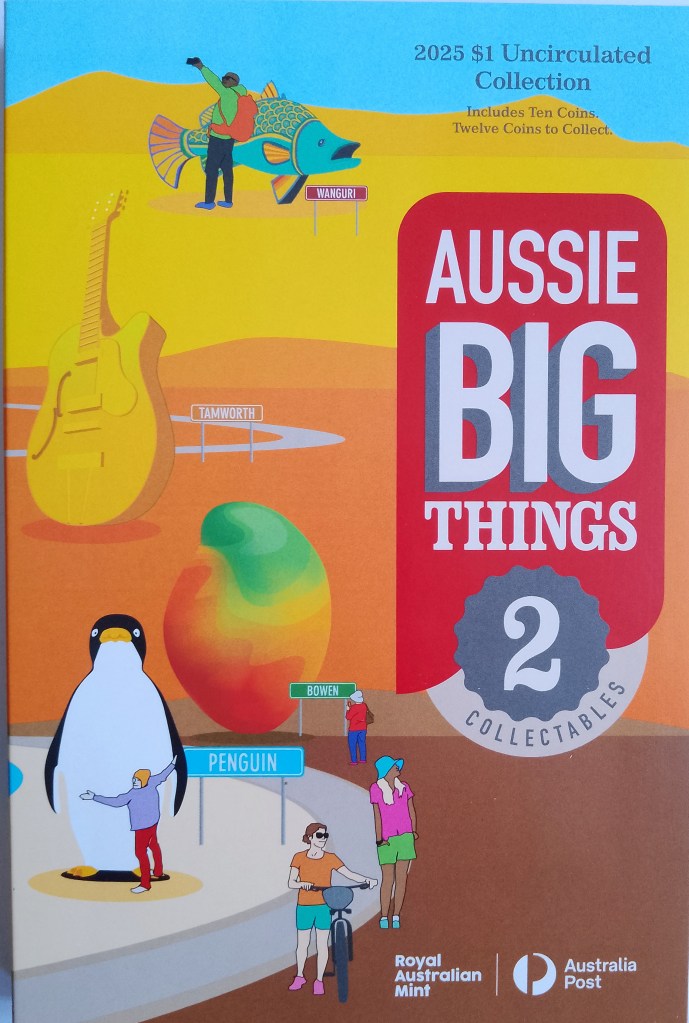
Aussie Big Things – Collection 2

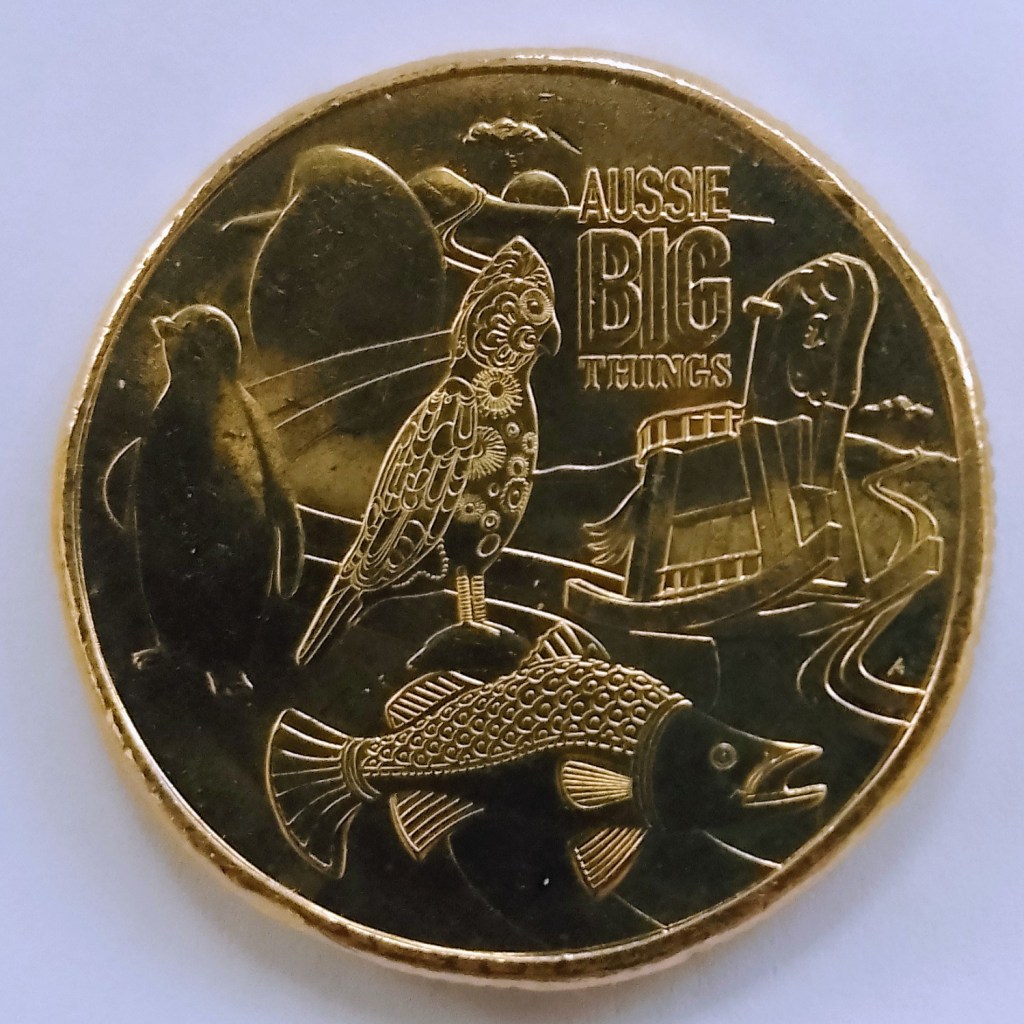
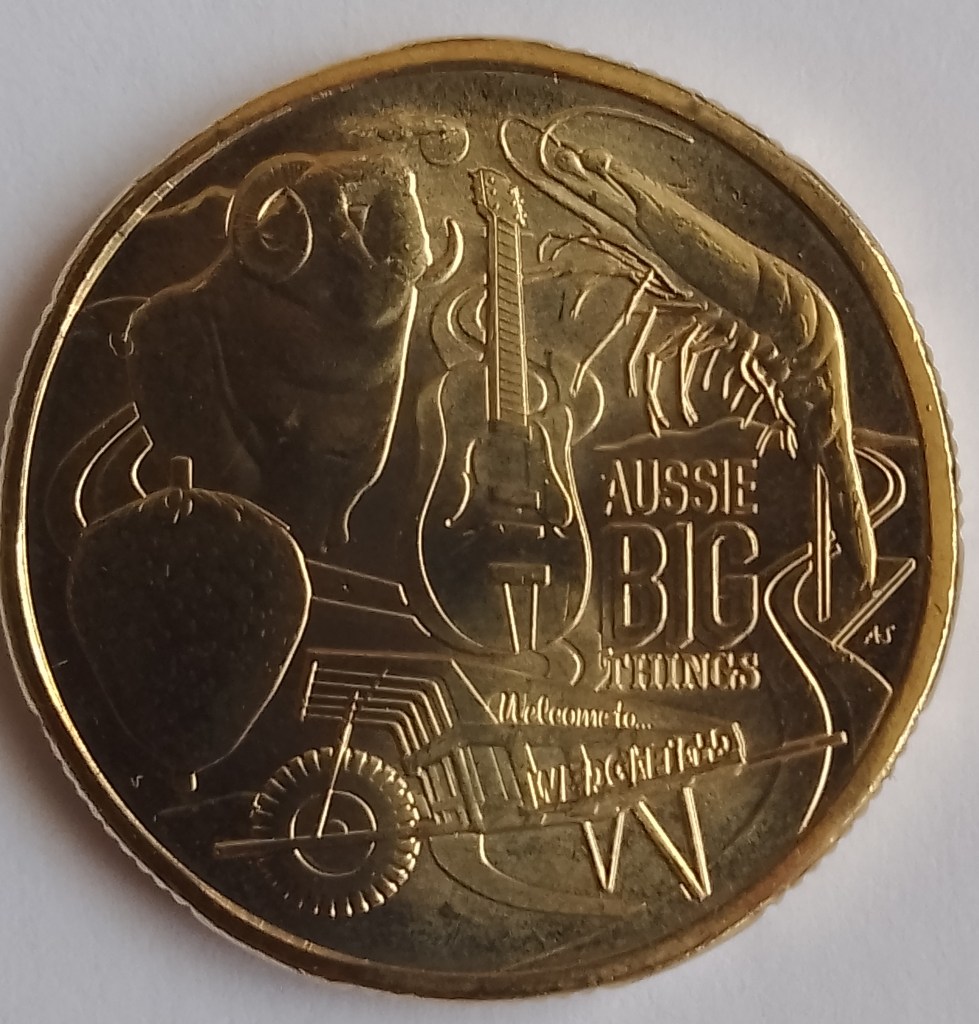
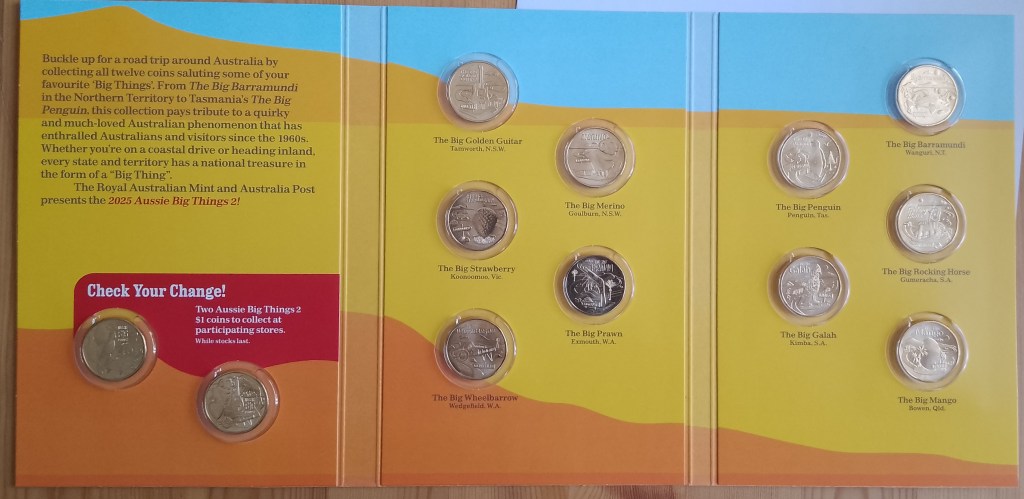
If you don’t know what an ‘Aussie Big Thing’ is – these are large sculptures (or structures) of Australian flora and fauna, as well as iconic local symbols, that are positioned by major roads and highways to serve as tourist attractions.

Despite the term ‘kitsch’ often being used to describe them, a number of these roadside gems are featured on one-dollar coins; with the first ‘Aussie Big Things’ collection being released back in 2023. The latest series – which I am going to show in detail shortly – came out in September 2025.

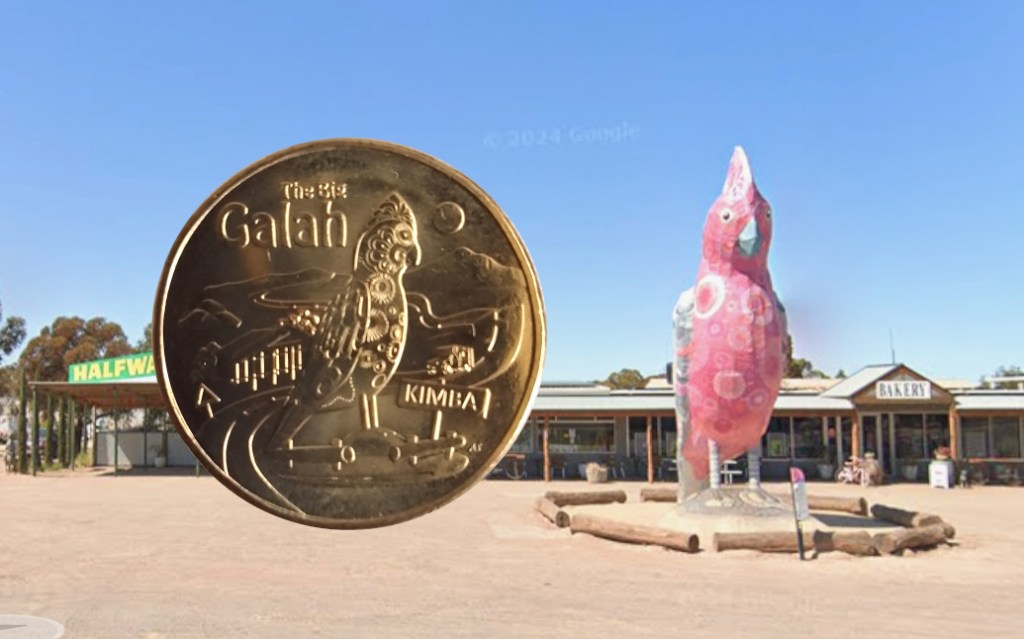
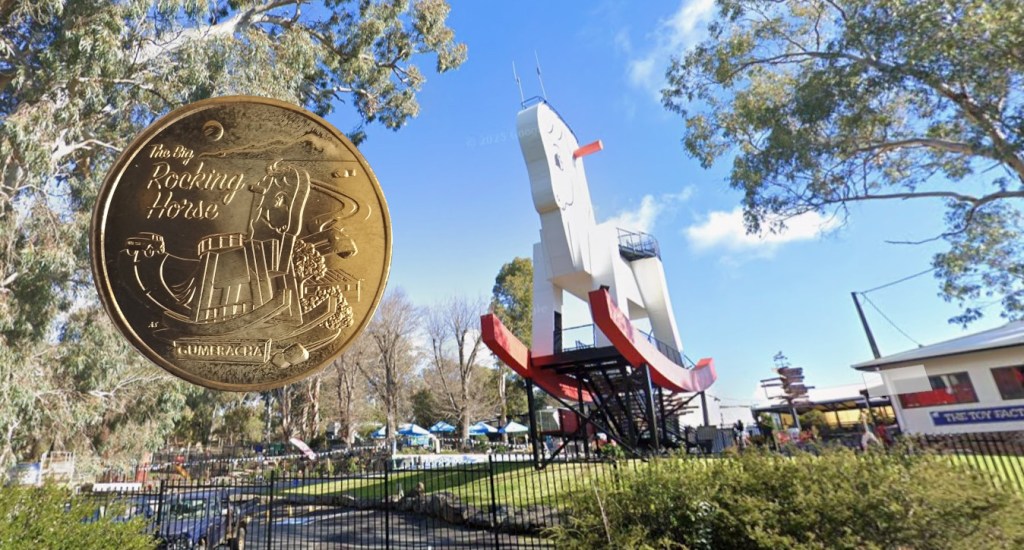
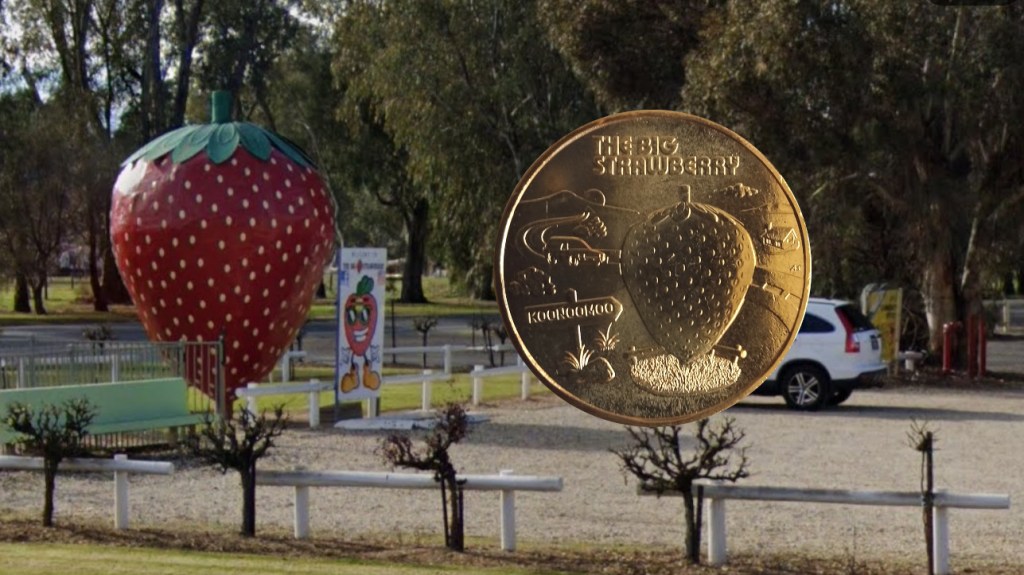
There are ten different ‘big things’ featured in the newest edition; and were chosen to represent every state and territory – except the ACT. To be honest, I think a couple of these attractions are a little lame, but nevertheless I have presented the photos of all ten places below – using Google Street View for consistency and showing the real location alongside the $1 coin for comparison.

THE BIG GALAH – Kimba, South Australia.

This attraction is positioned at the halfway point across Australia – from east to west.

THE BIG MANGO – Bowen, Queensland.

Some pranksters actually stole this entire mango a couple of years ago – if you want a good laugh then I suggest you look up the story.

THE BIG PRAWN – Exmouth, Western Australia.

This is a weak entry to be honest, as there is a ‘bigger’ Big Prawn in Ballina, NSW – as seen in the photo below.

THE BIG ROCKING HORSE – Gumeracha, South Australia.

It’s weird, but it’s BIG – I will give them that!

THE BIG STRAWBERRY – Koonoomoo, Victoria.

This is not big – compared to some of the others – but it’s big for a strawberry, I suppose.

THE BIG PENGUIN – Penguin, Tasmania.

According to the local tourism websites, this stands three metres high. Hmm…

THE BIG MERINO – Goulburn, NSW.

Now this is BIG! There’s also an awesome bakery across the street.

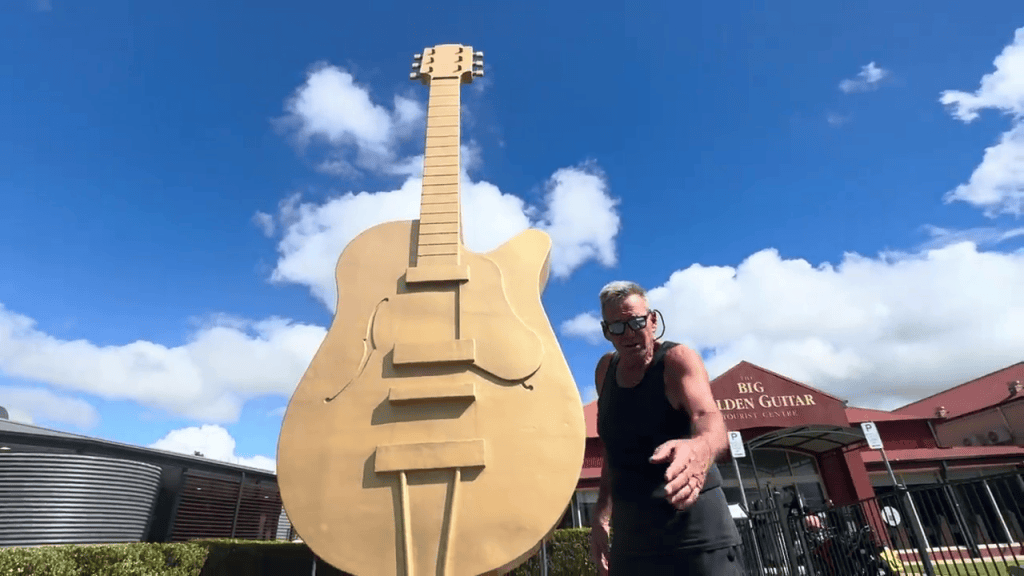
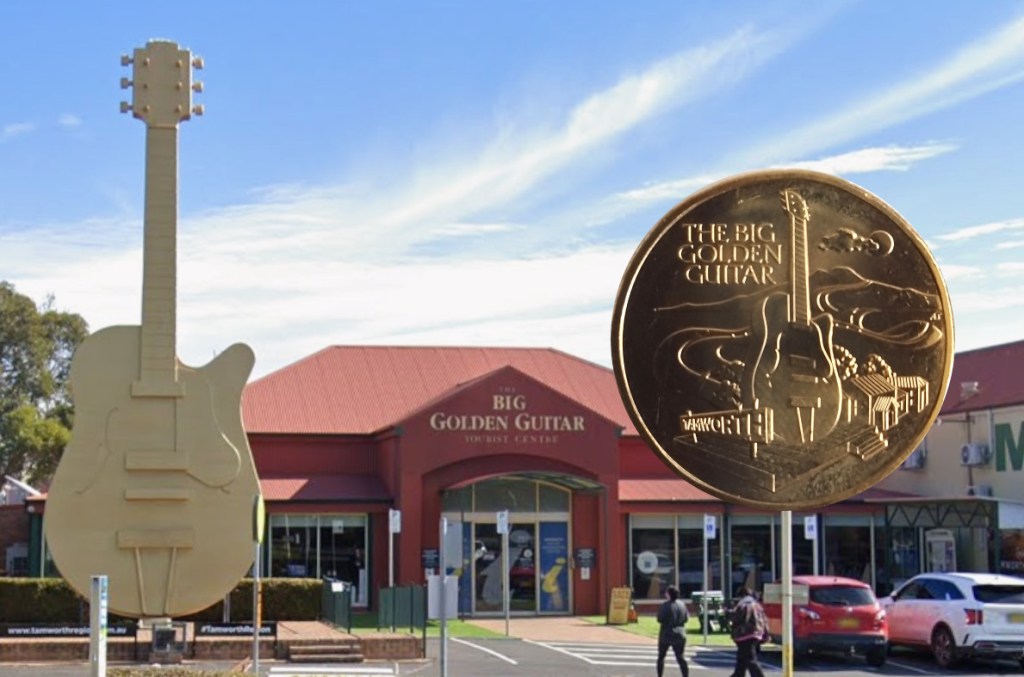
THE BIG GOLDEN GUITAR – Tamworth, NSW

For those unaware, Tamworth is Australia’s country music capital – our equivalent of Nashville.

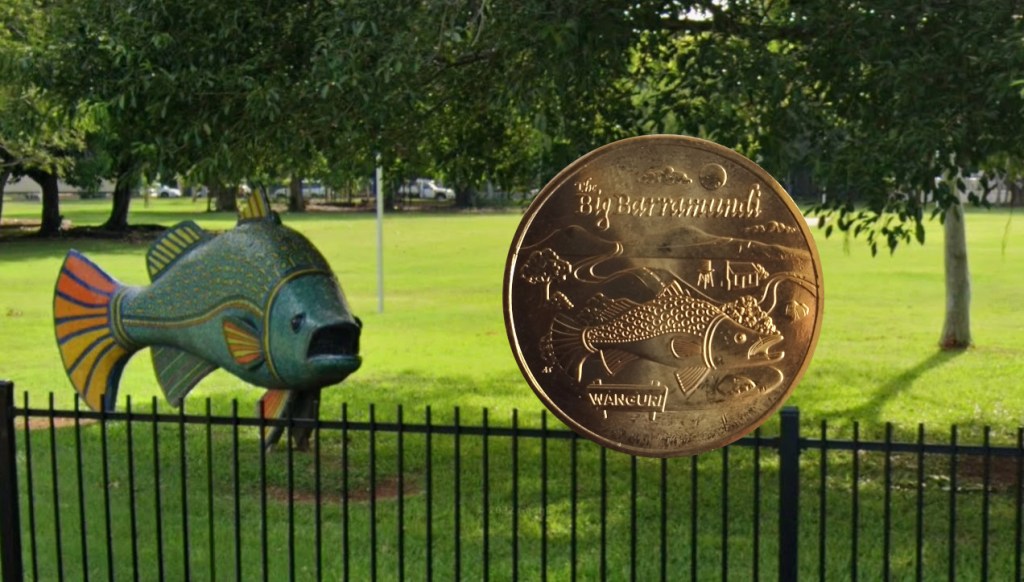
THE BIG BARRAMUNDI – Wanguri, Northern Territory.

Be careful with this one, as I think it is on the property of a primary school – note the fence.

THE BIG WHEELBARROW – Wedgefield, Western Australia.

This is positioned in a remote mining town, so I guess it makes sense.

The Aussie Big Things – Collection 2 is available to purchase from post offices and coin dealers, and there’s a one-in-ten chance to find a coloured Big Strawberry coin. The set comes with a folder and sealed tube of uncirculated coins – and will set you back $34.

Screenshots courtesy of Google Maps.

I found some new coins – but only a few

As far as my coin collection is concerned, the Coles self-serve checkouts did not deliver the goods over the past couple of months, with only a handful of special coins being issued randomly amongst my change.

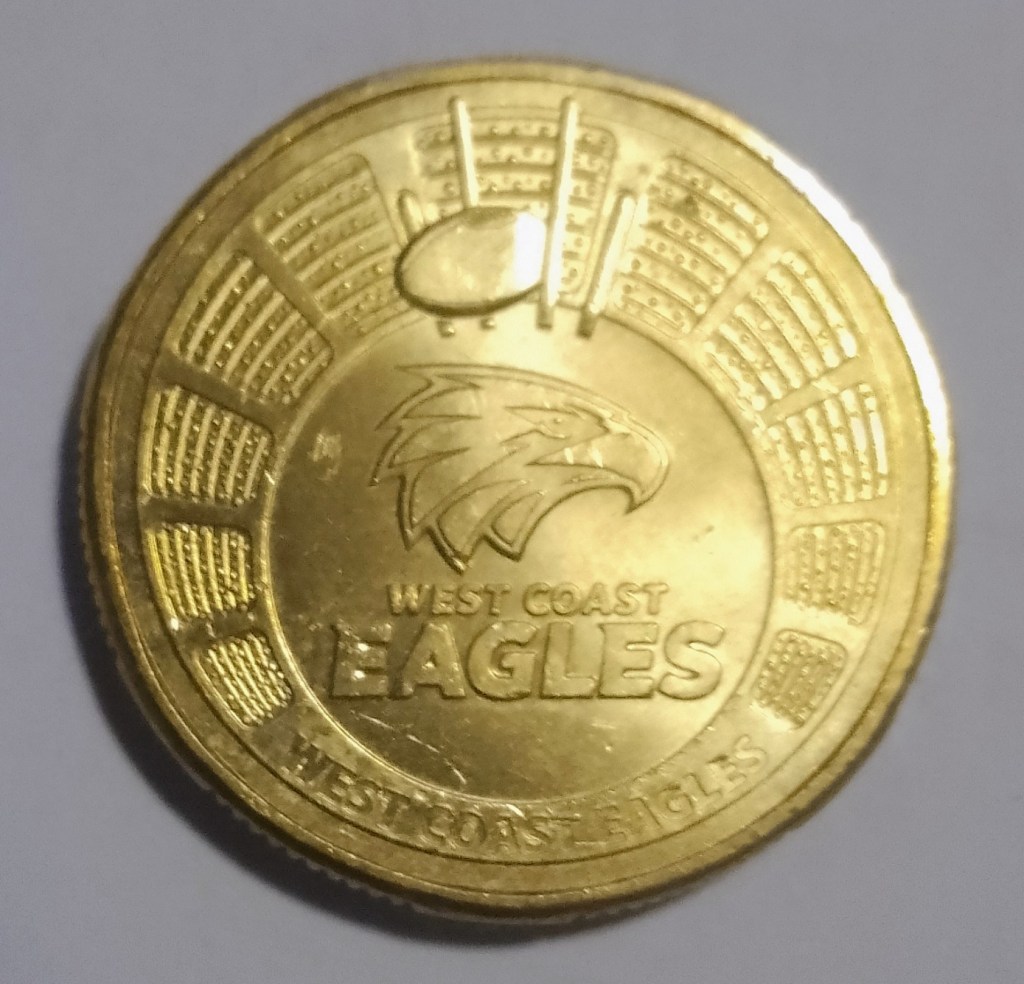
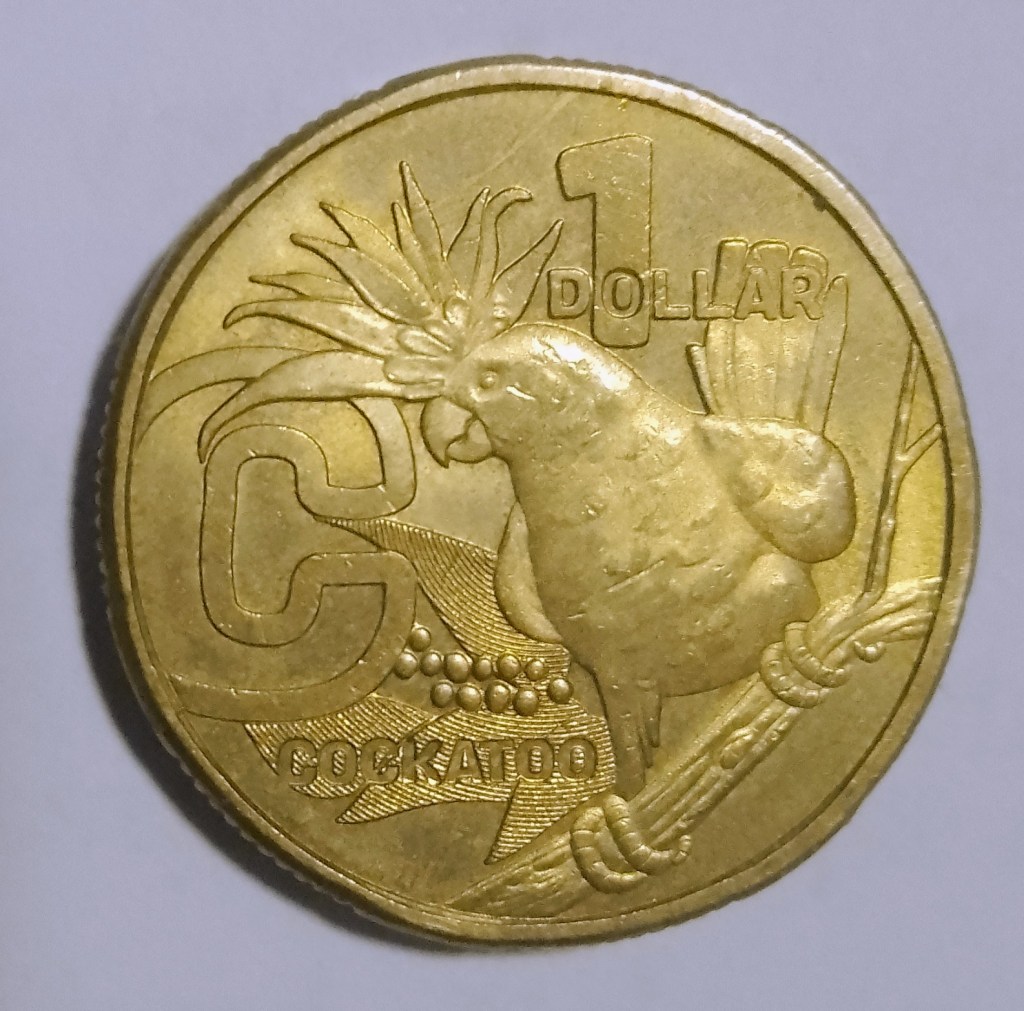
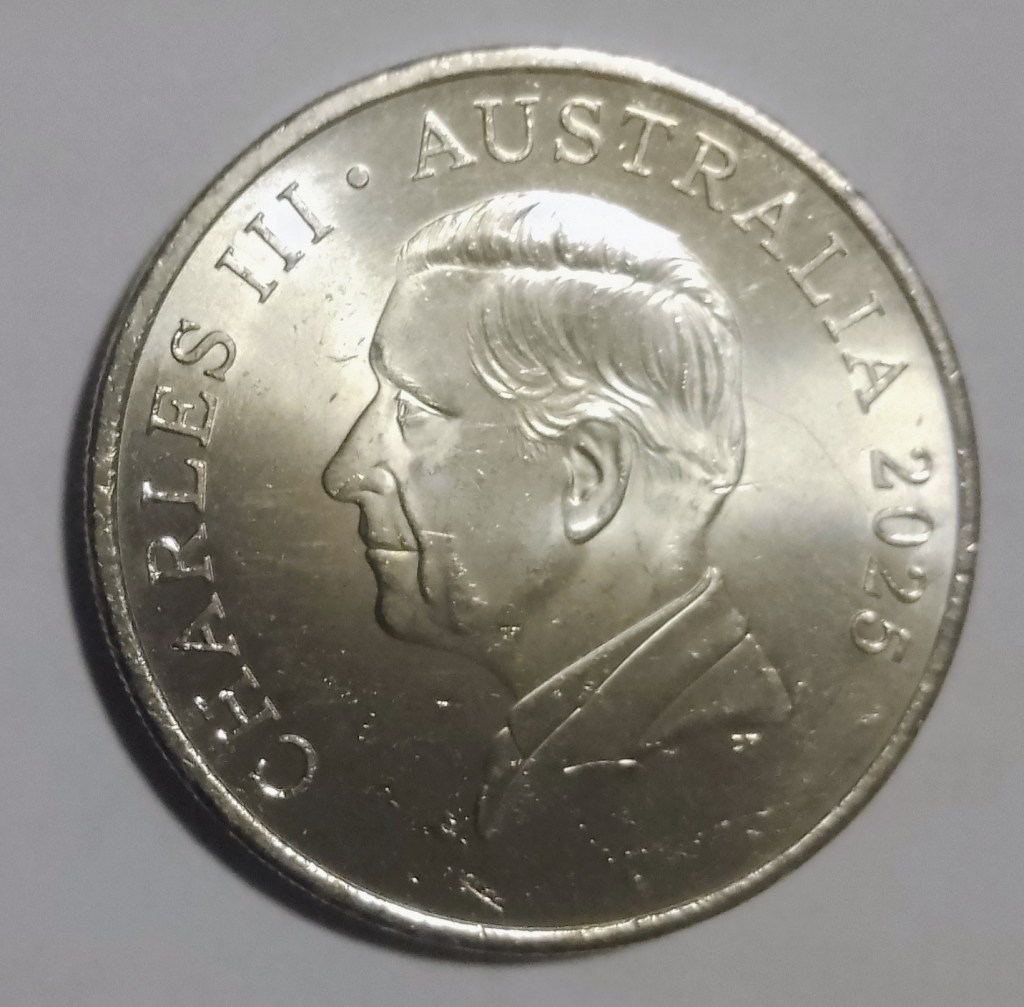
But despite luck not going my way, here are some of the collectables – both uncirculated and commonly issued – that I managed to pick up.

Two uncirculated AFL $1 coins, with the Western Bulldogs (top photo) belonging to the 2023 collection, and the West Coast Eagles (bottom photo) coming from the 2024 series. You can tell the difference between the two collections by the shape of the grandstand surrounding the team emblem.

Both of these limited-circulation $1 coins originate from the 2022 A-Z Great Aussie Coin Hunt. I have found many of these coins in my change – across all three series that were released in 2019, 2021 and 2022 – and they are easily mistaken for regular coins unless you are paying close attention.

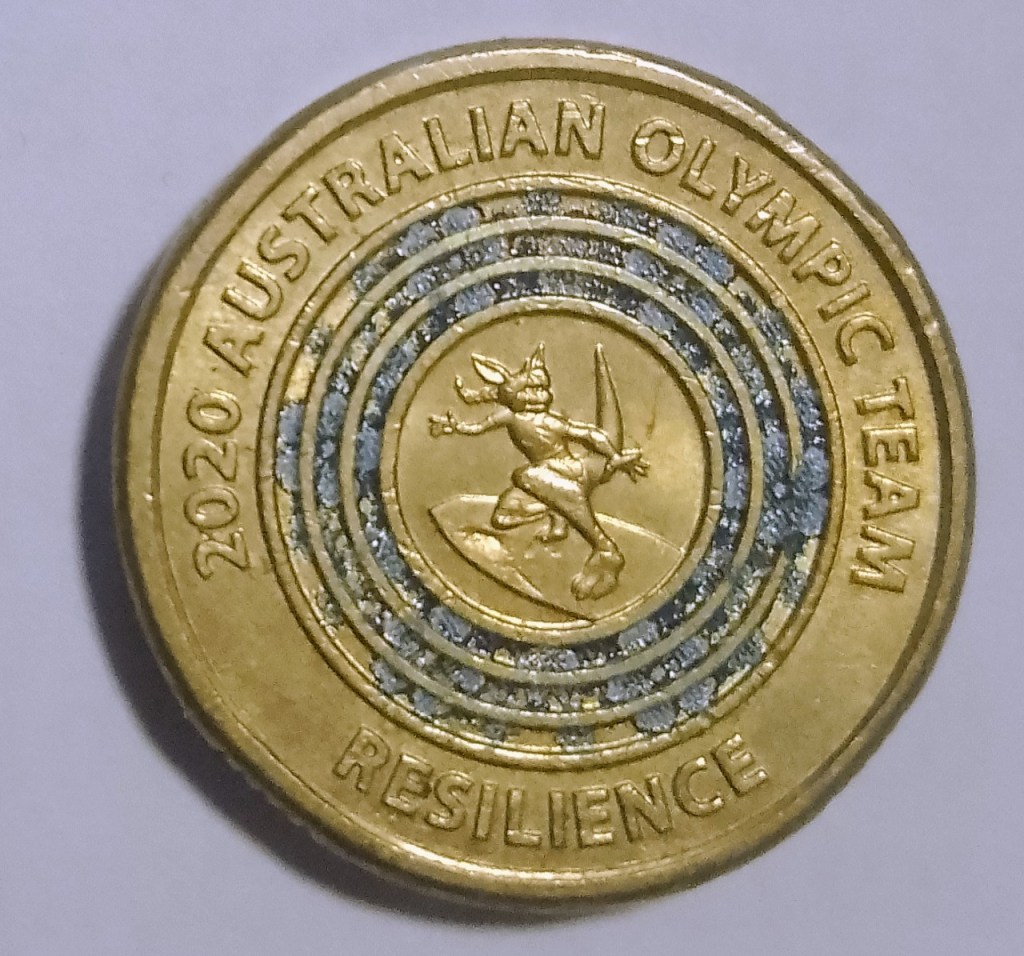
I am scraping the bottom of the barrel here by including this worse-for-wear $2 coin commemorating the 2020 Tokyo Olympics, but I did say that it was a quiet month.

The next couple of coins are not rare or collectable in any way, but they are ‘new’ in the sense that we are now seeing shiny 50c and 20c denominations featuring King Charles III enter circulation. To date, I have not come across any 10c or 5c coins displaying the change of monarch – but they can’t be too far away.

I strongly recommend to anyone who either collects coins or is considering dabbling into this pastime to check your change at the Coles or Woolworths self-serve registers, as there are great treasures to be found!

Bob Simpson – an Australian legend

Australia lost one of its greats yesterday, with the passing of cricketing icon Bob Simpson.

Simpson played in 62 test matches and compiled 4,869 runs at an average of 46.81 – which are incredible figures, even by today’s standards. His highest score was an epic 311 against England at Old Trafford in 1964, which incidentally was his first test century.

Bob Simpson would form a famous opening partnership with Bill Lawry throughout the nineteen-sixties, and would go on to captain his country in the 1963/64 series vs South Africa in the absence of Richie Benaud. Following Benaud’s retirement at the end of the season, Simpson was appointed the captaincy permanently ahead of the 1964 Ashes tour.

Simpson retired from test cricket after the 1967/68 home series against India, but would make a famous comeback at the age of 41 to captain his country following the World Series Cricket rebellion in 1977.

In 1986, Simpson was appointed coach of the struggling national team under Allan Border, and together both men would turn the fortunes of Australian cricket around; to such an effect that the groundwork laid would reap the rewards for decades to come.

Bringing a new level of professionalism and mental toughness to the job, Simpson’s influence on the young team brought about immediate results; with winning the 1987 World Cup and destroying England 4-0 in the 1989 Ashes perhaps the two greatest examples. He would remain in the job – despite a few health issues – until the 1996 World Cup where Australia were beaten by Sri Lanka in the final.

On a personal note, I was fortunate enough to meet Bob Simpson around ten years ago. I was on my lunch break from work and noticed an old fellow sitting on a bench outside a newsagency at the Newington shops in Western Sydney. I knew it was Simpson, but politely had to ask the man as this was a once-in-a-lifetime chance to meet an Aussie legend – and quite frankly, I could not believe my luck!

What an absolute gentleman he turned out to be, and the pair of us chatted candidly about cricket for around ten minutes. We could have continued our conversation for a little longer, but sadly I had to return to work. This was an encounter that has stayed with me until this day, and I was saddened to hear of this great man’s passing yesterday.

Vale Bob Simpson (1936-2025)