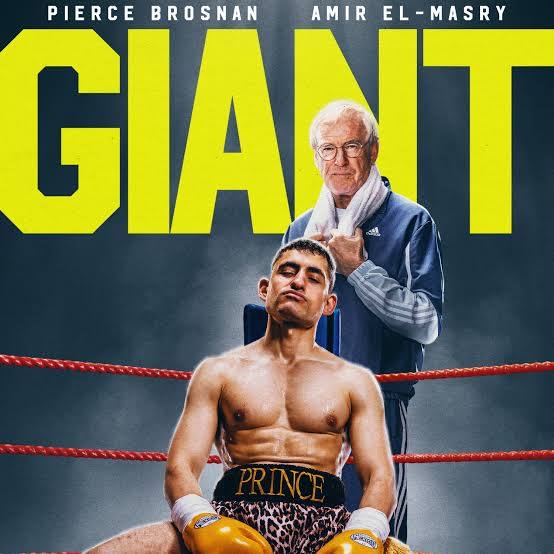
This film was an interesting one for me personally, as I fondly recall the boxing career of Prince Naseem Hamed from almost thirty years ago – often buying his fights on pay-per-view and loving his extravagant ring entrances, sharp wit and outrageous antics.
This was always going to be a difficult movie to get right, as Hamed was a larger-than-life character whose one-liners and Ali-like cockiness would be near-impossible to replicate. However, the filmmakers gave it their best shot – but did they pull it off?
But before I answer that question, let’s take a quick look at the real Prince Naseem Hamed…
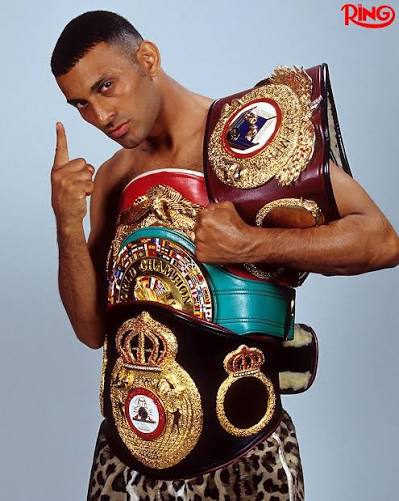
Hamed hails from Sheffield in the UK and is the son of Yemeni migrants. He took up boxing at a very young age, and as a teenager began plowing his way through the British flyweight ranks before moving up to bantamweight and claiming the European title at the age of twenty.
He won the WBO world featherweight title from Steve Robinson in 1995 – putting on one of the most entertaining displays ever seen in a boxing ring – and would successfully defend the title fifteen times over the next five years. Hamed would also claim both the WBC and IBF belts during this winning run, and by the late nineteen-nineties had well and truly cracked the US market.
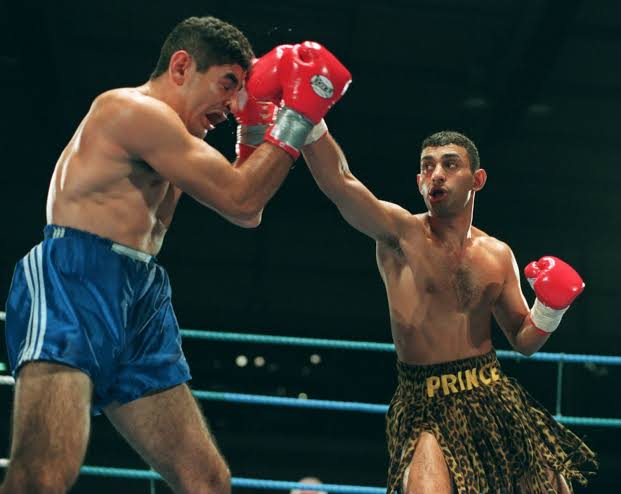
So, let’s move on to the film and break down what worked and what did not.
Let’s start with the main premise of ‘Giant’ – that being the relationship between Hamed and his mentor and long-time trainer Brendan Ingle. In the film, Ingle is played by Pierce Brosnan whilst Amir El-Masry is given the difficult job of bringing ‘The Prince’ to the big screen – and both actors do a pretty good job.
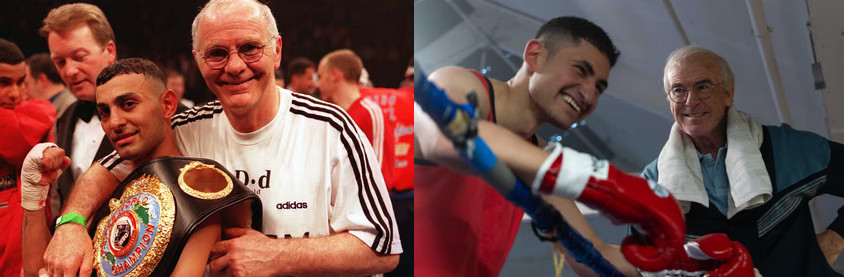
For me, there are no complaints about any of the performances throughout the movie; and El-Masry had a lot of Hamed’s quirks and mannerisms spot on – but physically I don’t think he was quite there – he was close, though.
Another great casting choice was Toby Stephens as boxing promoter Frank Warren – and James Bond aficionados like myself had a field day with this one; seeing him and Brosnan together again on-screen more than twenty years after ‘Die Another Day.‘
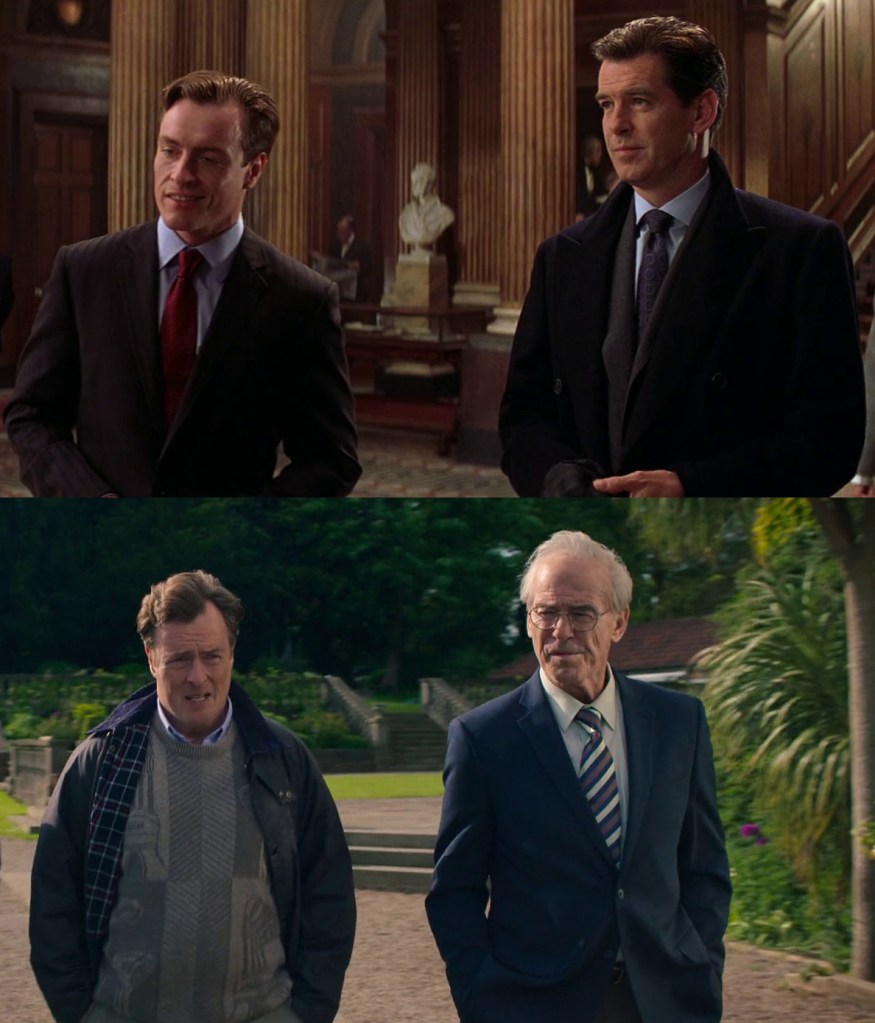
Pacing-wise, ‘Giant’ does a reasonable job; beginning with Hamed as a seven-year-old joining Ingle’s gym and within a short period taking us to when ‘Naz’ becomes world champion in his early twenties. None of the essential character-building was skimmed over in the earlier parts of the film, but I felt that a lot of great moments throughout Hamed’s career were overlooked as the story progressed. Perhaps a mid-movie montage – like the one at the beginning of ‘Rocky III’ – may have worked better in highlighting just how many good fighters Hamed knocked out on his journey.
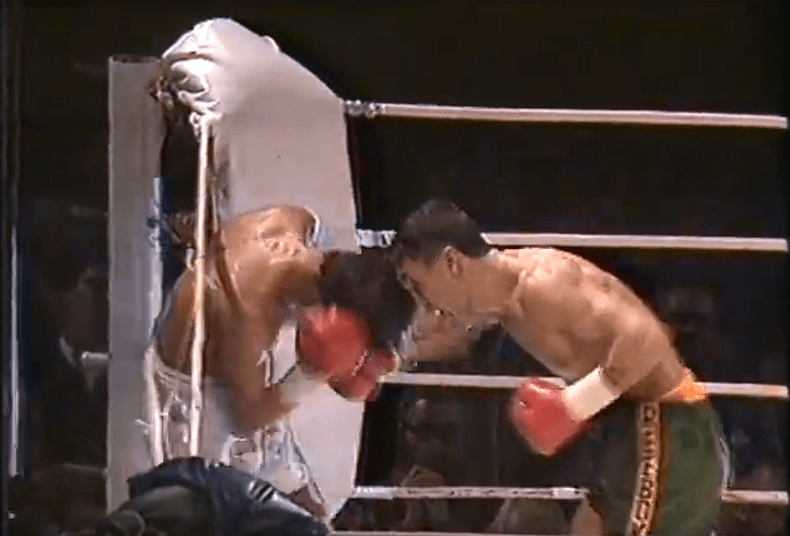
For instance, I remember the Tom ‘Boom Boom’ Johnson fight being a huge event but it was not mentioned in the film, and most of Hamed’s later contests – such as Vasquez, McCullough, Ingle and Sanchez – were also passed over. I felt this was a missed opportunity as Hamed was becoming sloppier in these bouts leading up to the infamous defeat to Marco Antonio Barrera, which ultimately ended Naz’s career. Again, could there have been a montage inserted at this point hinting that Hamed’s performances were dropping?
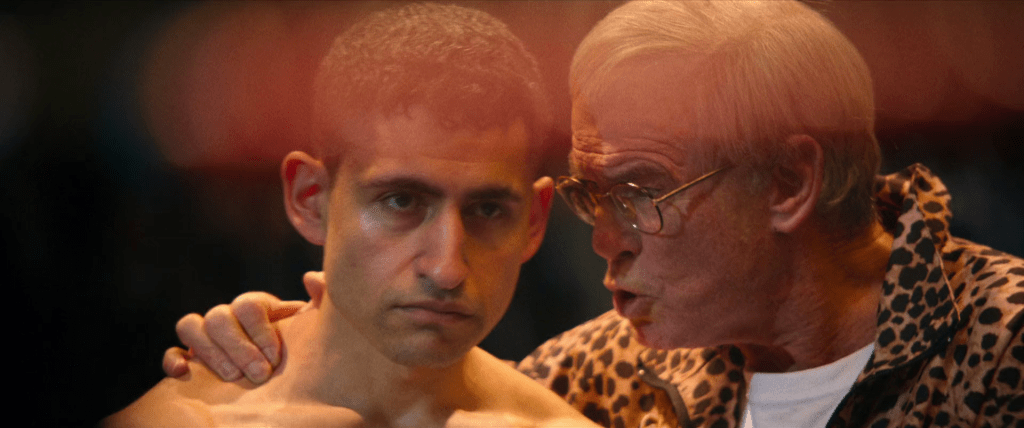
There were moments in this film that I did not like, perhaps because I was such a fan of Hamed back in the day. Whilst I was not privy to what happened behind the scenes in real life, I found the many moments of disrespect and rudeness – even belittlement at times – directed at Ingle by both Naseem and his brother Riath during the film to be hard to swallow. Maybe it’s true – who knows? But from what I remember seeing in dozens of Naz’s fights and watching countless interviews and documentaries involving all parties – I’m happy to write this off as a little creative screenwriting.
I still didn’t like it, as I thought it was overplayed – and this was a major bummer for me.
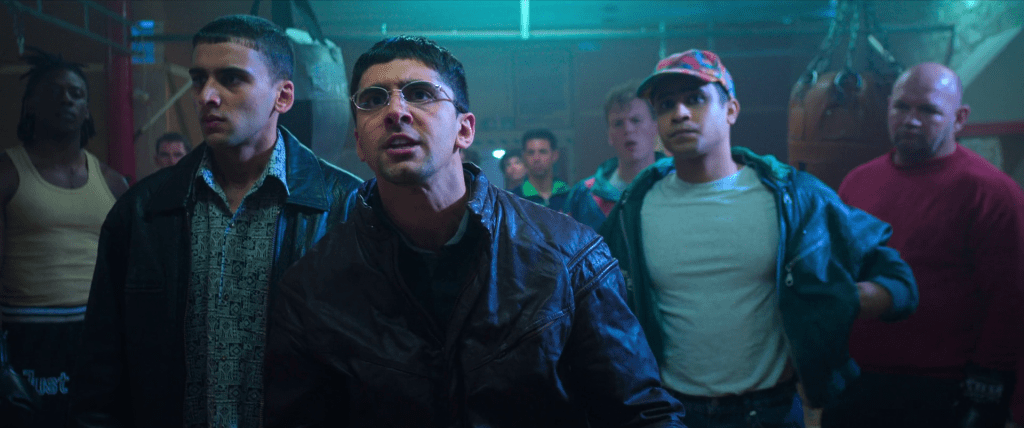
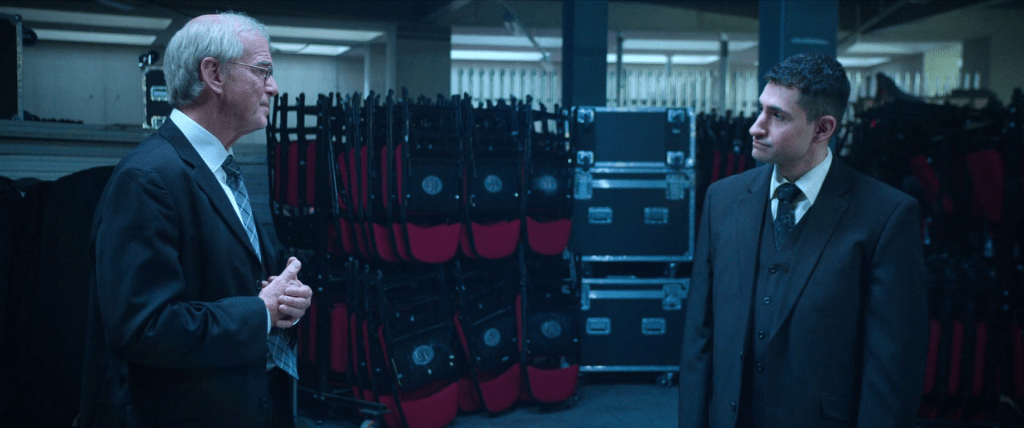
Despite some good performances and decent fight sequences, ‘Giant’ failed to live up to the great movie it could have been. In saying that – and to be fair – I think that bringing Naseem Hamed’s story to the big screen was always going to be a challenge; and a near-impossible task to impress those who followed Naz’s amazing career all those years ago.
Perhaps this was why the film zeroed in on the relationship between Hamed and Ingle – amplifying the tension and drama – before taking us into the falling out between the pair and Naz’s loss to Barrera. Personally, I think the movie would have worked better focusing more on the highs, with a lot more action inside the ring, than to be as Brendan Ingle-centric as it was; especially toward the end of the film. To be honest, things did get a bit depressing during the final half hour, but the backstage scene between the main characters was a nice touch.
It still should have been a lot more upbeat and fun though.
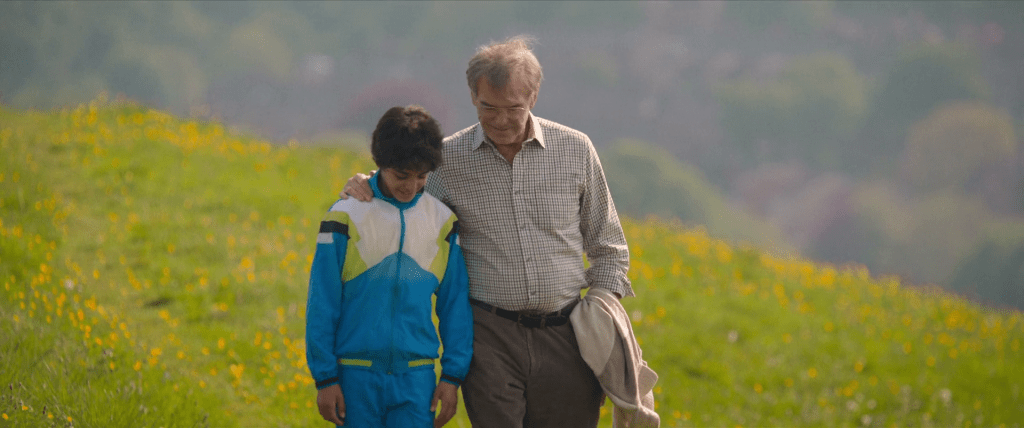
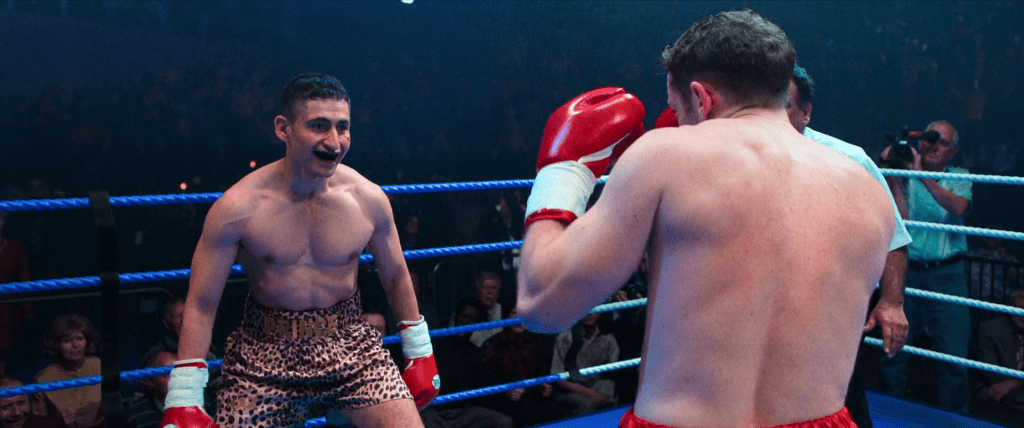
‘Giant’ has its moments – and there are some really good things happening in the film. But ultimately this movie suffers from taking a true underdog story – that a lot of people my age still have fond memories toward – and dumping a bucket of ice over it.
It’s a decent movie that could have been a classic – and in my view would have worked better as an out-and-out sports comedy rather than a light drama.
‘Giant’ just did enough to get a pass mark from me, so I give it six out of ten.
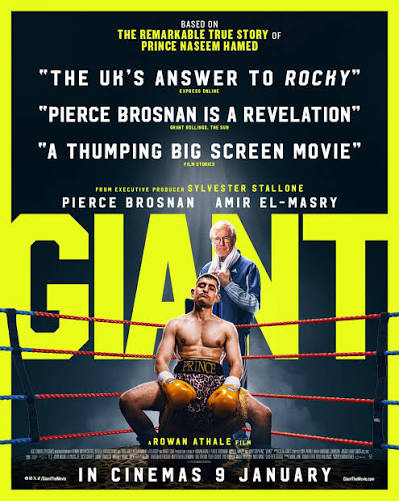
Photos and screenshots are from various online sources; including Balboa Productions, AGC Studios, Tea Shop Productions and White Star Productions.
‘Die Another Day’ screenshot courtesy of Eon Productions.





 Sean Carslake