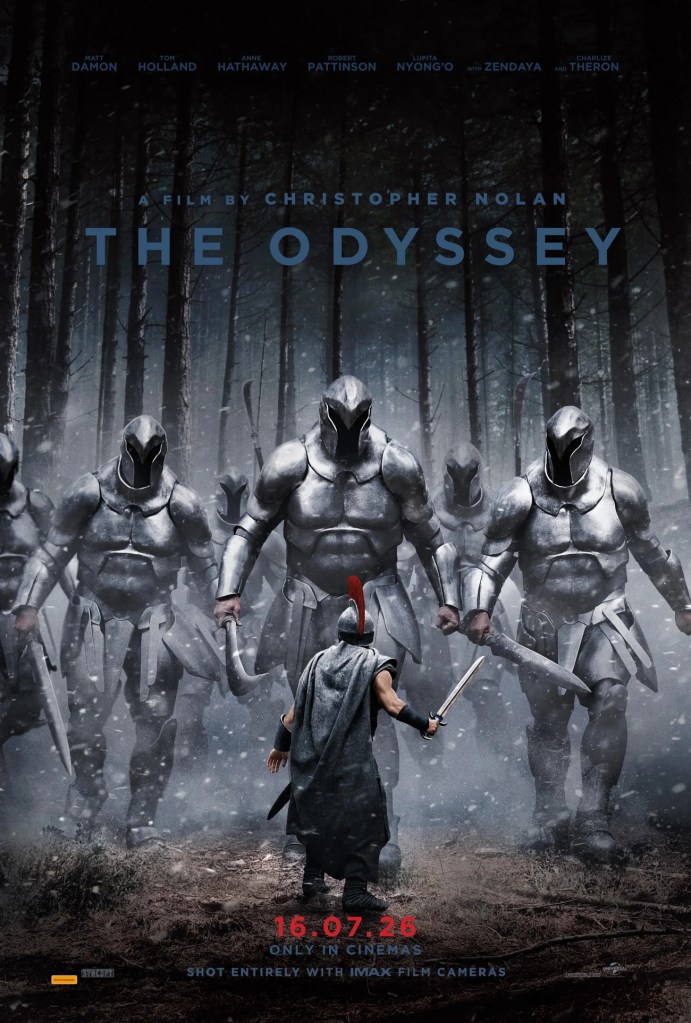
‘The Odyssey’ is arguably the biggest film of 2026 and arrived in theatres last week, propelled by a fan-made tidal wave of speculation and expectation. With questionable casting decisions and using a modern interpretation of Homer’s ancient poem as inspiration, could Christopher Nolan’s most excessive film to date become a critical hit and smash box office records around the world?
Well, I visited the local cinema to find out for myself…
Firstly, I’m going to say that I enjoyed this film. I felt that it was respectful to the original story and it truly was a visual spectacle – like all of Nolan’s movies. Did I agree with the modern tones and interpretations? Not really – and I will touch on some of this later in the article – but nor was I bothered by such tweaks and changes.
Was it better than ‘Tenet?’ – Yes. Was it better than ‘Oppenheimer?’ – No.
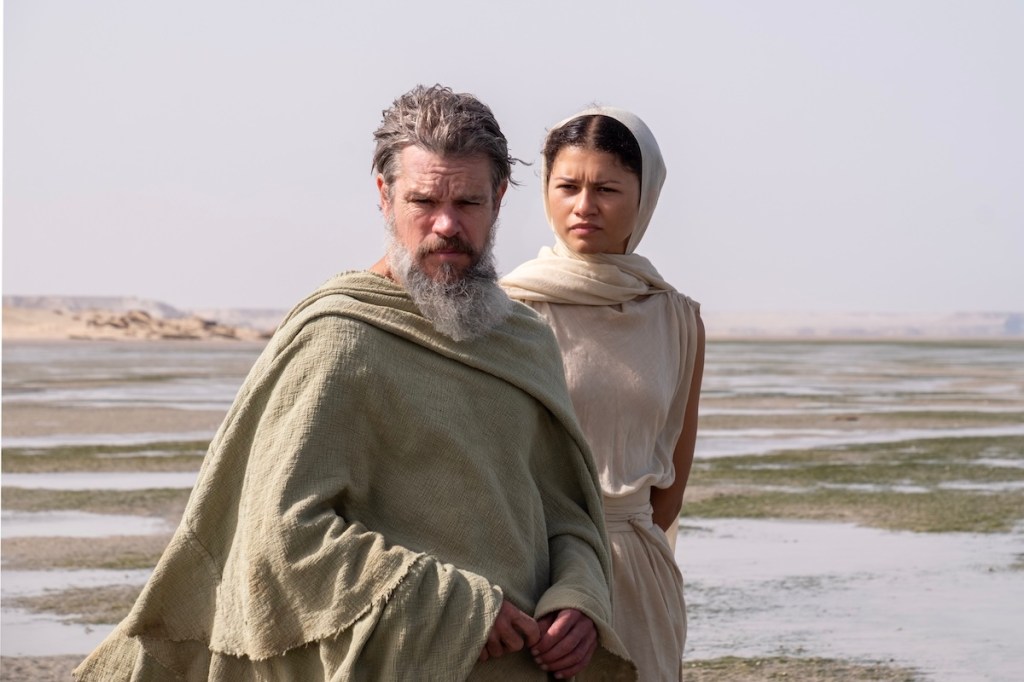
Before I get into the review, I will mention the casting choices and the various performances delivered in this film. Whilst Matt Damon plays the lead role of Odysseus, the movie did have more of an ensemble feel to it and as a whole every actor played their part well. There were no standout performances as such; but if I had to choose one I would echo many other critics and say Samantha Morton as Circe.
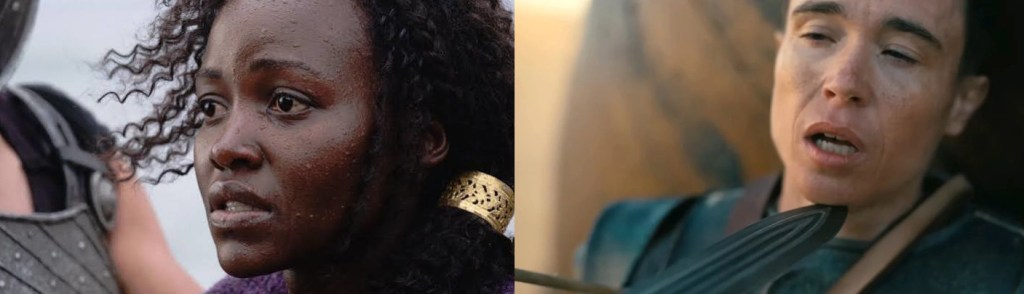
Note: I have just stated that every actor in this film did a commendable job, so what I am about to write next is my honest opinion about the casting of both Lupita Nyong’o as Helen of Troy and Elliot Page as the Greek soldier Sinon. I disagree with both – purely from a logical and believable point of view – and I question Christopher Nolan’s reasoning here for such odd casting decisions. But having now watched ‘The Odyssey’ where some context and rationale are offered, I can confirm that Nyong’o and Page were solid and not detrimental to the film in any way – but my original opinion still stands.
Now that the main casting issues are out of the way, I will stay on the topic of authenticity and realism as I shift my focus onto other aspects of the film where inconsistencies and the need to present a ‘modern take’ were difficult to ignore.
The word ‘verisimilitude’ has been thrown around a bit this week by those critical of the movie, with their various targets ranging from the Viking ship used in the film to inaccuracies with the armour worn by the soldiers. One could also add the diverse supporting cast, ranging from Asians to Indians and African-Americans seemingly wandering around Ancient Greece as if it were modern day Los Angeles. However, the most common criticism has been the dialogue, and I found that there were moments when the modern phrases came across as jarring and completely out-of-place. The other problem this caused was making every actor feel like they were playing a version of themselves – and I know other critics have pointed this out too – for it is a legitimate gripe, and once again calls into question some of the studio’s artistic directions.
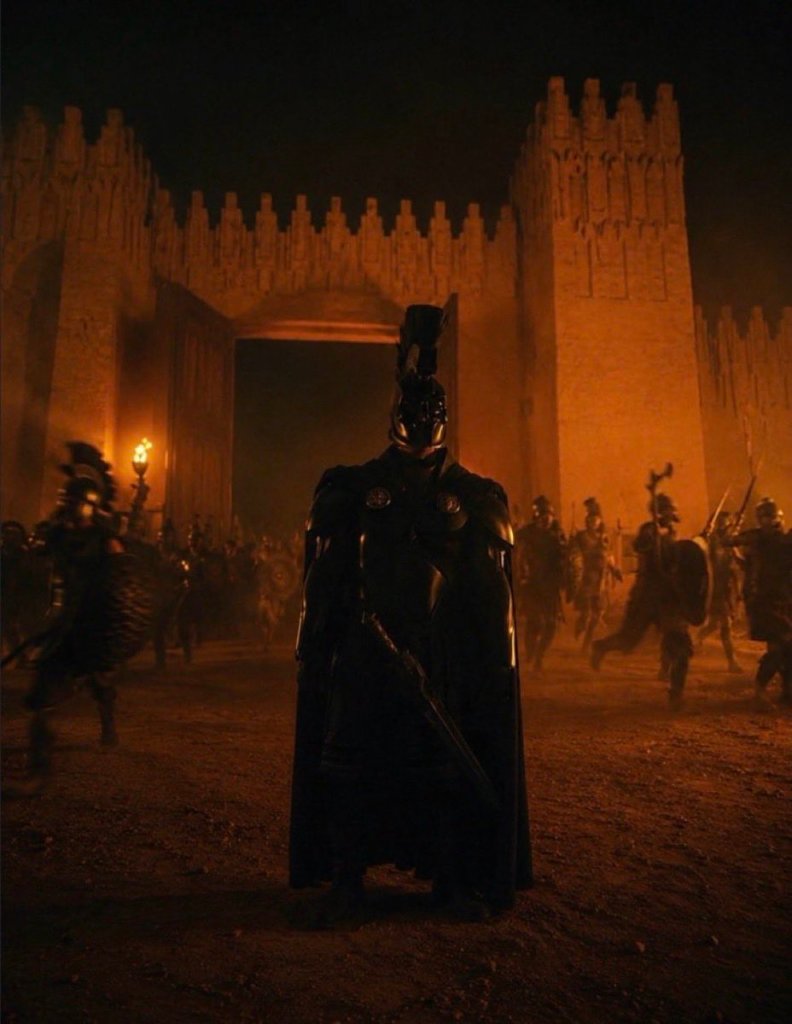
But a film-maker should not be pulled up and criticised for minor things, and instead be allowed some creative leeway in order to setup an iconic payoff. For example, the screenshot below is Nolan through-and-through, and this is the scene where the gates of Troy are opened to reveal the hulking figure of Agamemnon wearing his menacing black armour while dozens of his soldiers rush past him into battle. But look closer and you will see the wafer-thin gates and less-than-imposing walls being hardly ‘impenetrable.’ In fact, there were sections of the wall that stood only around three metres high, and would probably collapse if a few blokes leaned hard enough against it. Yes – it’s not entirely accurate or realistic, but if the end result is what we see below then I’m happy to go with the flow!
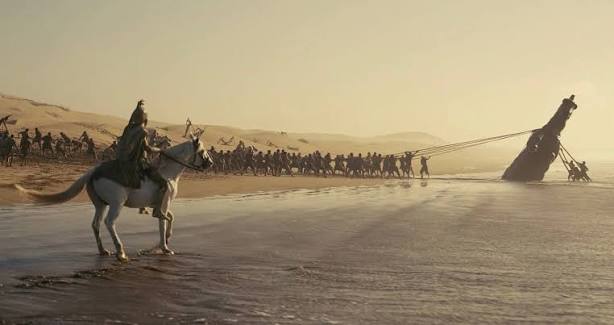
It goes without saying that Christopher Nolan’s films are a visual feast, with incredible shots and amazing cinematography, so I don’t need to go into too much detail here – other than to say that ‘The Odyssey’ is an absolute spectacle. Nolan may have outdone himself here with the shooting locations, as some of the most breathtaking coastlines and beaches are a constant backdrop to the action – and there are distinct changes in the scenery whenever Odysseus’ crew land on a new island, for even the beaches are all vastly different from one place to the next. I believe a number of countries were used for filming; from Morocco to Sicily (Italy) – and from Greece to Scotland, and the results are first class.
Simply outstanding!
But there is a lot more to a movie than impressive visuals and mastery of the camera lens.
When a source material is so well-known and revered as Homer’s ‘The Odyssey’, one can choose to play it safe and present a simplistic, adventure-oriented feature and with modern technology be able to deliver a guaranteed cinematic masterpiece. However, you can also choose one of many interpretations of the same classic work and explore some deeper themes in order to create a new and wholesome take on the epic poem. In this case, Nolan has chosen the latter – basing his screenplay on numerous translations, but by all accounts leaning heavily into Emily Wilson’s 2017 version.
As I mentioned earlier, I believe that Nolan has remained true to the story for the most part.
Personally, I would have preferred a version that begins immediately after the fall of Troy, and runs in chronological order – remaining with Odysseus and his crew during their adventures, but also cutting back to Ithaca to show Penelope’s struggle with the suitors and the decline of the court without the King. Nolan’s film does all this, but instead uses ‘time jumps’ – both forward and backward – prompted by lines of dialogue that allow a clever and smooth transition between scenes. It is very well constructed and easy to follow, but this non-linear approach is where a lot of the modern themes and the constant narrative of Zeus’ Law are introduced – and I would suggest that the film was designed this way to accommodate these elements.
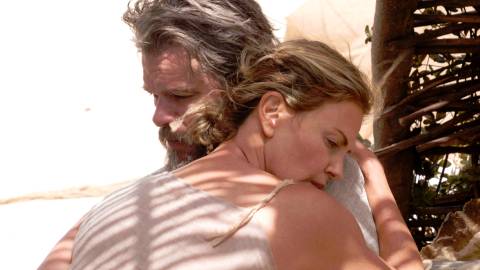
My main criticism of placing too much emphasis on these ideals – and they did waste a lot of time on hammering Zeus’ Law (essentially ‘be kind to strangers’) into us over and over again – is that a lot of great scenes from the poem were either omitted from the film or cut down completely. For instance, The Lotus Eaters are left out – but they merge these themes with Odysseus being held captive by Calypso (played by Charlize Theron) who feeds him the flowers to numb his memory. Also, the iconic Sirens encounter is over and done with in about two minutes – which was a shame, but it looked good, though.
Another pitfall with flashbacks and constantly moving away from the linear story line – regardless of how clever and seamless the transitions are – is the potential to create some pacing issues, and this is certainly the case here. It’s not the worst I’ve ever seen, and at no point did I feel bored or as though nothing was happening, but things did lag during the second half of the film – and if anything, some of the action sequences felt rushed through whilst dramatic dialogue-heavy scenes were allowed to run their course.
It’s an interesting dynamic that is the result of editing decisions during post-production, but this also indicates that there is probably a five-hour cut of ‘The Odyssey’ out there somewhere.
Before I give my final assessment and overall score, there are a few scenes that I would like to highlight on their own and share my thoughts on.
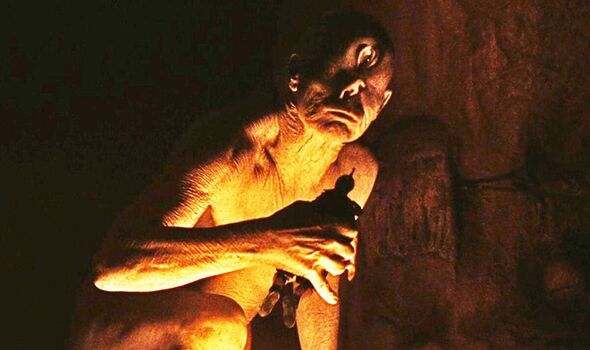
Firstly, the encounter with Cyclops takes place around half an hour into the film, and as a standalone sequence it was very well done. In the poem, Odysseus pulls a trick on the monster but this is not used here, and Christopher Nolan has already addressed this – with his logic behind the omission being reasonably sound. Regardless, this is still a great piece of theatre – and the appearance of Cyclops is both disgusting and disturbing. There is a decent amount of time spent in Cyclops’ cave – and the tension is allowed to build for just the right amount of time before the violent and terrifying climax.
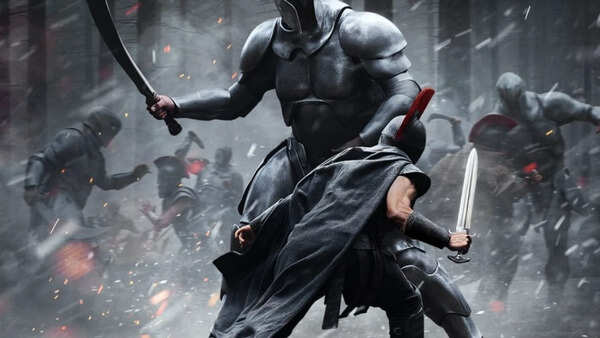
The battle with the silver-armoured giants – known as Laestrygonians – was featured in the trailer as well as on a few movie posters, yet was a very short detour for Odysseus and his men that only took up a few minutes of screen time. The scene served little purpose other than to show where our hero lost most of his men, and was no more than an ill-fated side quest – yet the imagery was a large part of the film’s marketing.
Immediately after escaping the giant Laestrygonians, Odysseus and his depleted crew land on another beach which leads into the Circe scene. Most critics agree that this is a major highlight of the movie, with some calling this a genuine horror sequence – which would be a first for Nolan. I have to admit, the way this was put together was brilliant and as mentioned earlier, if there was a top performance in the film then it would have to be Samantha Morton as the cunning (man-hating) witch.
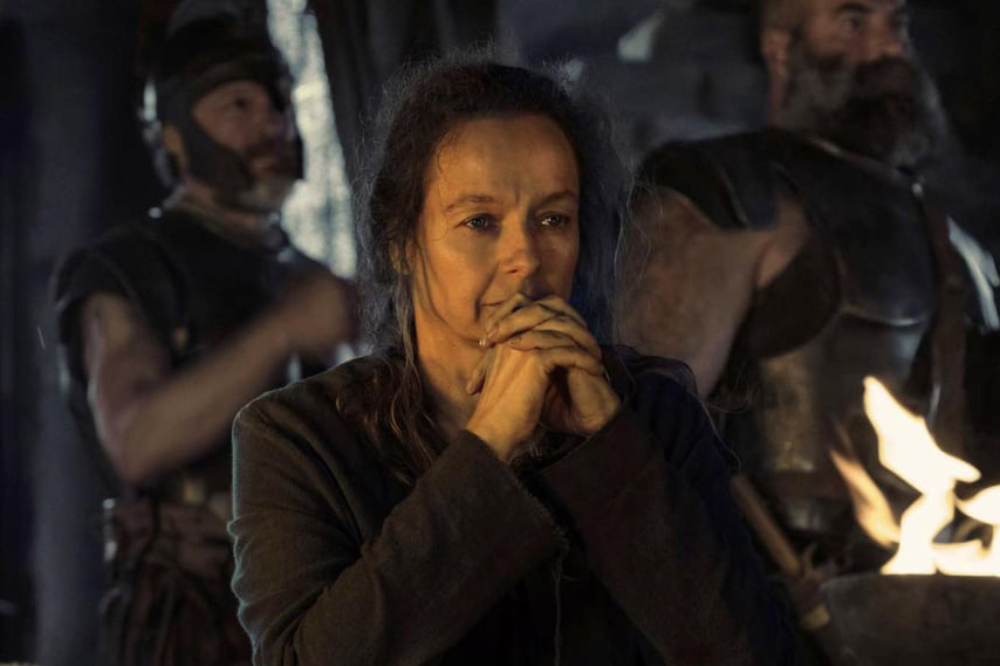
I also thought that the scene where the Trojans dragged the wooden horse from the beach toward the city walls was incredible: – visually superb and yet gritty and gut-wrenching!
So, there are some amazing things happening in ‘The Odyssey’, but it doesn’t quite come together as smoothly or consistently as it should have. It’s a little like a roller coaster ride, travelling at vastly different speeds: – lingering longer than it should in some places and then racing through important action sequences within a minute or two. Amongst these time jumps and transitions are some moments that are perfectly-paced such as the Cyclops cave and the bizarre encounter with Circe – and that makes this film a bit of an enigma and difficult to assess.
‘The Odyssey’ might be all over the place at times, but none of it is bad. There was not a single part of this movie that I didn’t appreciate – but I was disappointed when some important scenes felt rushed and were over quicker than I would have liked.
I have seen a few other reviews where the term ‘flawed masterpiece’ was used, and whilst I don’t want to steal anyone’s headlines – I have to go along with this verdict.
‘The Odyssey’ looked amazing and was very good for the most part. I won’t go as far as to call this film a tour-de-force, but perhaps it should have been. To me, I think the film-makers tried a little too hard to implant various emotional elements along with a little dose of modernity, and it didn’t quite stick the landing. If I was to be a little more critical of Nolan, I would suggest that he has tried to be too clever at times here – as was the case with ‘Tenet.’
Ultimately, I would have preferred a more mainstream, action-and-adventure-based telling of the story.
That being said, I really did enjoy the movie. But for the above reasons I cannot give it top marks – but there was enough craft and cinematic genius on show for me to give it a seven and a half out of ten.
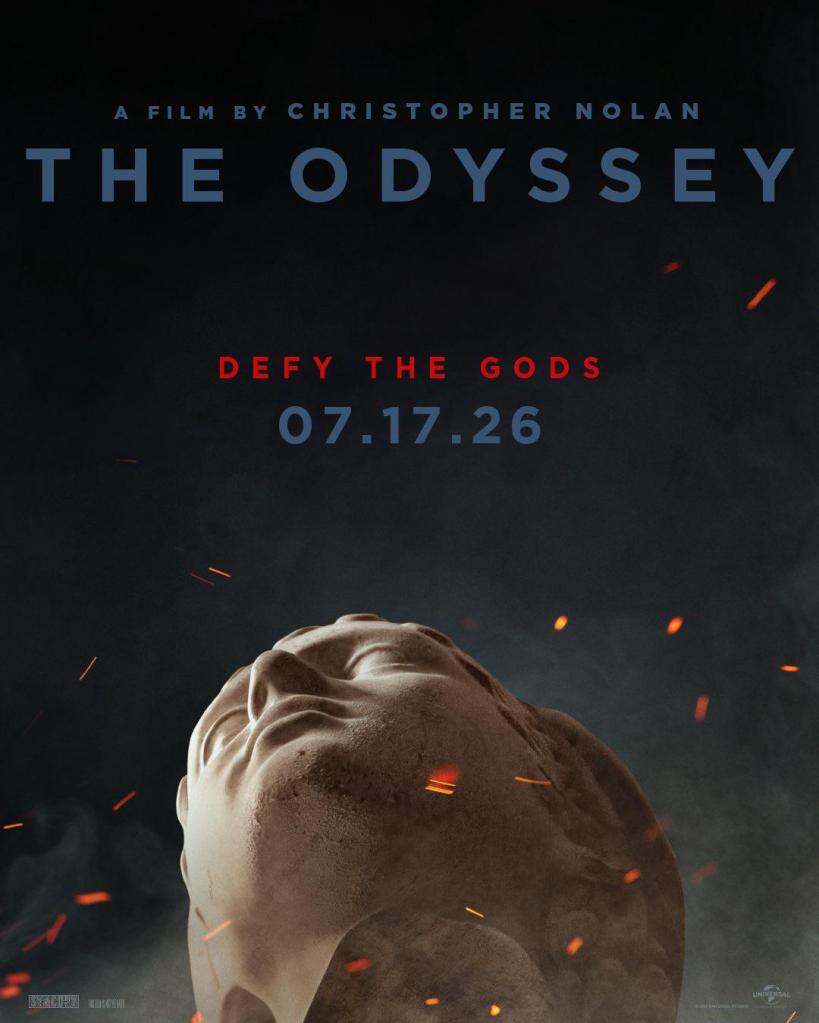
‘The Odyssey’ is now showing at cinemas.
Screenshots are courtesy of Universal Pictures and Syncopy.

