‘The End of Oak Street’ ticks enough boxes

‘The End of Oak Street’ was released in cinemas last week and is a survival horror film written and directed by David Robert Mitchell. It stars Anne Hathaway and Ewan McGregor as married couple Denise and Greg Platt who, along with their two teenage children Audrey and Brian, are transported back in time to the Jurassic Period after a freak atmospheric event swallows up their entire suburb.

At the time of writing, ‘The End of Oak Street’ has received mostly positive reviews, and box office sales are okay but not knocking it out of the park – perhaps this is understandable as both ‘Spiderman: Brand New Day’ and ‘The Odyssey’ have not yet finished their cinema runs.

I should also point out that this film is co-produced by Bad Robot, and therefore I suspect that J J Abrams would have played a major role in getting this project off the ground. Fifteen years ago, if I saw the Bad Robot brand or J J Abrams’ name attached to a movie or TV show – I would have been all over it! With a CV that included ‘Lost’, ‘Fringe’, ‘Mission: Impossible III’ and ‘Cloverfield’ to name just a few – it was understandable back in those days to get excited over anything produced by these guys. But this is definitely not the case anymore, with Abrams’ work in recent years dropping away considerably – and hitting rock bottom with the diabolical ‘The Rise of Skywalker.’

So, with David Robert Mitchell at the helm having only directed three films previously – the last of which was eight years ago – and with J J Abrams chiming in with some lens flare and ‘mystery boxes’, will ‘The End of Oak Street’ turn out to be alright?

Well, the short answer is yes.

‘The End of Oak Street’ pretty much delivers on what it has set out to achieve: – presenting a family-oriented science-fiction survival adventure, with a solid cast helped along by some crafty cinematography and a suspenseful soundtrack. The film is reasonably well-written, and the character development and background is set up neatly within the first ten minutes, which allows the story to quickly get to where it needs to go.

There are some clever visuals used in the early setup, such as an old Polaroid camera in one of the opening scenes that informs the audience of roughly when the story is set – and this is later confirmed to be nineteen-eighty-two. The timestamp is also further established by the playing of catchy pop songs from this era – which was a nice hit of nostalgia. It is also revealed that there is some marital trouble between Greg and Denise, which remains a constant undertone during the film – yet despite this added drama, the pacing remains smooth and consistent and does not get bogged down to any worrying degree. In fact, ‘The End of Oak Street’ cruises along and is fairly coherent: – giving the audience a solid story that runs its course all the way to a satisfying conclusion.

As far as the action is concerned, the dinosaurs were a constant threat and menace, and attacked anything that moved with ruthless savagery. Feathered velociraptor-type creatures and flying pterodactyls created the most havoc throughout the film, but the biggest villain was a larger spinosaurus monster that was constantly trying to eat the main characters. Not only would the Platt family have to survive against these aggressive foes, but also stay alive long enough to figure out a way back to their own time – and this is the basic premise of the movie.

To that end, ‘The End of Oak Street’ does all this very well.

However, there are a few weaker elements within that hinder what is a fairly good movie, making it fall short of becoming a top-shelf entry into the horror/adventure genre. In saying this, I accept that the film is a bit of escapism and in that sense it works very well, but there are a few scenes that spring up suddenly throughout that are nonsensical, and perhaps didn’t need to be there at all.

The first I will mention is when the neighbourhood bully literally jumps out of nowhere to settle a score with young Brian – deciding to beat him up even though dangerous dinosaurs were running rampant through the streets and tearing people to shreds. Surely the guy would have had more important things on his mind – such as staying alive? The sequence was pointless and illogical, and should have been left on the cutting room floor.

This point leads into another criticism I have of the story, where none of the neighbours even attempted to join forces in an effort to improve their chances of survival. I say this because the opening scene of the film showed the entire street getting together for a barbecue which established that everyone was close friends and got along very well. There was the initial panic with people trying to escape – which is granted – but surely there would have been a moment a day or two into this ordeal when the folks would have tried to reach out to their fellow residents.

Another moment that I found jarring was the dinosaur mating scene. No doubt this was put there to create a little levity, and might have worked as a ‘flash gag’ but it lingered on for a few minutes and showed the brontosaurus’ going at it from multiple angles. There was nothing lewd about it, for it comes across as a joke, but this did not work for me at all.

I have read other reviews that were a little more critical of ‘The End of Oak Street’, and these articles directed most of their angst toward the ‘girl-bossing.’ Look, we see this a lot these days and whilst some of the female bravado on show in this film was a little excessive, this did not bother me too much – and I’ve seen far worse in other movies. Personally, I thought that Ewan McGregor’s fake accent was more ridiculous and out-of-place than chicks kicking dinosaur butt!

I mentioned before that the film reached a satisfying conclusion, but in order to achieve this there was a ‘questionable’ time jump involved that I know many folks would describe as a plot hole. However, I did not see an issue here – and the paradox is consistent with J J Abrams and Bad Robot, as it is similar to the Spock/Kelvin time travel they used in ‘Star Trek‘ – and the co-existence of Spock Prime and the younger version of himself within the same dimension. Regardless of the theories and the science involved, I believe that some leeway can be given if it results in a happy ending and the good guys winning!

On a final note, it might be a good idea to keep an eye on other people’s observations of this film – for it had a ‘Cloverfield Universe’ feel to it, and perhaps there were a few clues within that I failed to notice. All the elements are there: – J J Abrams, time jumps and strange-looking creatures.

‘The End of Oak Street’ is a decent film that I enjoyed watching. Yes, I had a few gripes here and there, but it doesn’t take much away from the entertainment value – and I think most people who would go to watch this film would walk away reasonably satisfied.

I have not yet forgiven J J Abrams for his Star Wars debacle, and I don’t find Anne Hathaway physically intimidating and Ewan McGregor – despite working in Hollywood for decades – really needs to work on his American accent – but other than that, I’m giving this film a solid 7 out of 10!

‘The End of Oak Street’ is showing in cinemas now.

Screenshots and posters are courtesy of Bad Robot, Warner Bros Pictures and Jackson Pictures.

‘Paranormal: Hollywood Haunting’ – New Chapter: New Direction

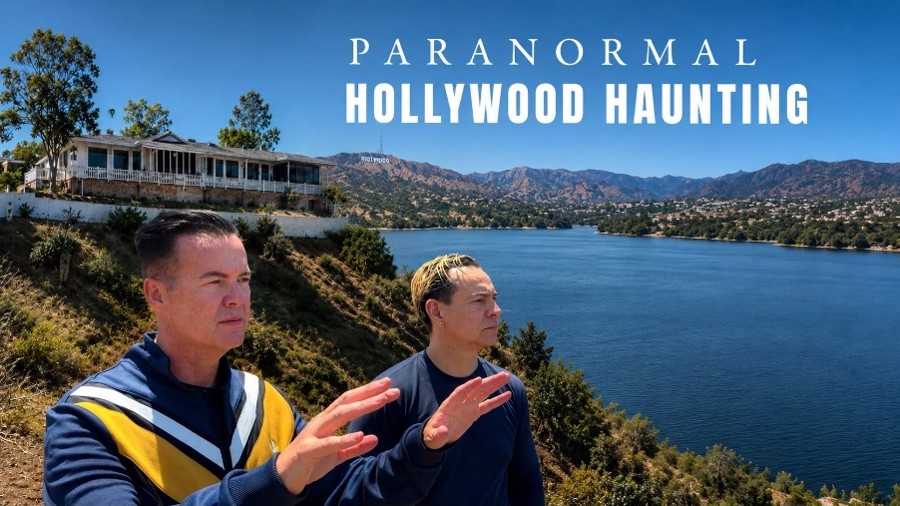
Having previously written a review for the ‘Paranormal Farm’ trilogy – a series of independent horror/documentary films by British actor and director Carl Medland – I was given the opportunity to share my thoughts on his latest supernatural entry: – ‘Paranormal: Hollywood Haunting.’

‘Hollywood Haunting’ has only just been released on Amazon Prime Video, but at the time of writing is not yet available in the UK, so I will keep this article spoiler-free as best I can – but will put a warning in places where I may delve into plot areas and potential giveaways.

So, let’s get into it…
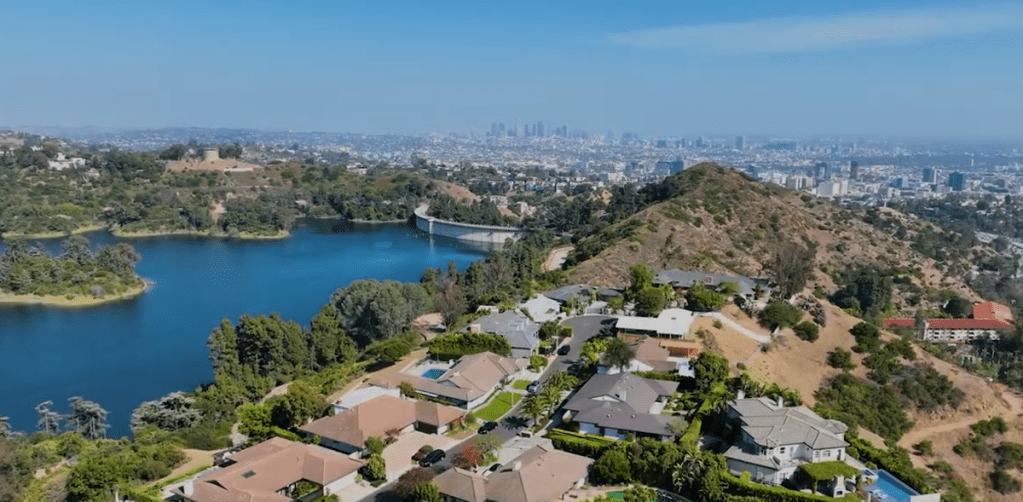
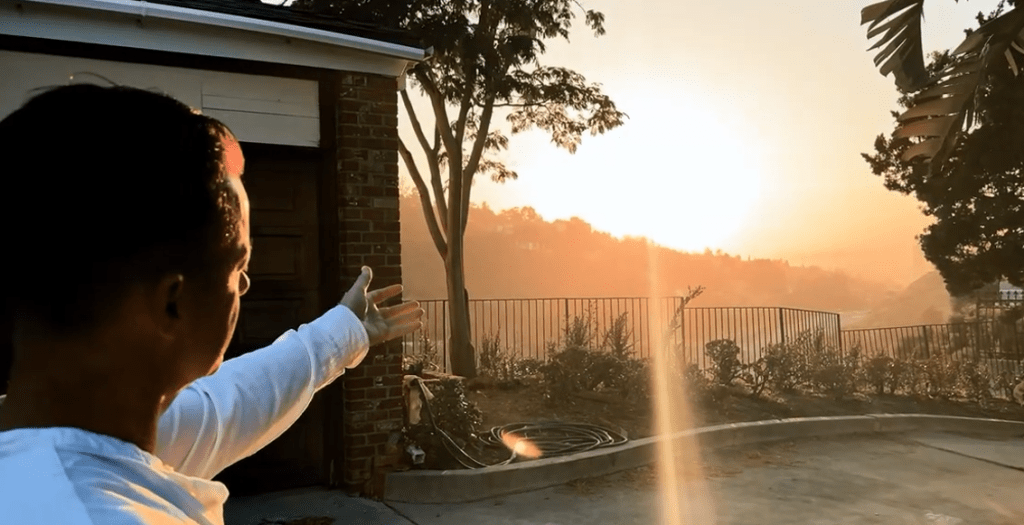
From the opening shot panning alongside the Hollywood Reservoir with the city skyline in the distance, complemented by haunting theme music – I knew immediately that this was a major step-up in presentation when compared to the previous films.

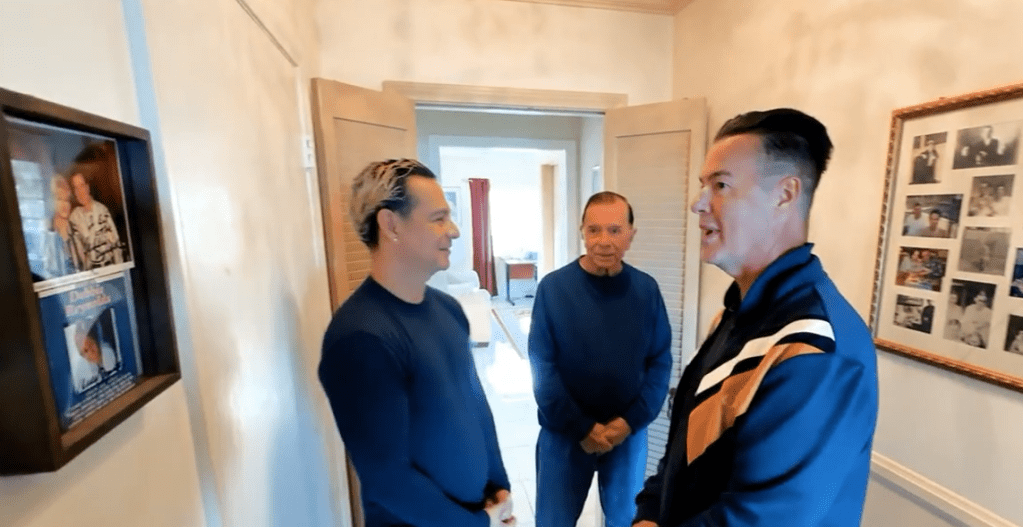
Medland then wastes little time in setting up the story and introducing us to married couple Arthur and Daniel – who are experiencing some paranormal issues in and around their spacious home, and have reached out to Carl to help them with their otherworldly troubles. Of course, this challenge is accepted and Carl – along with cameraman Taz – fly to Los Angeles to hopefully sort things out.

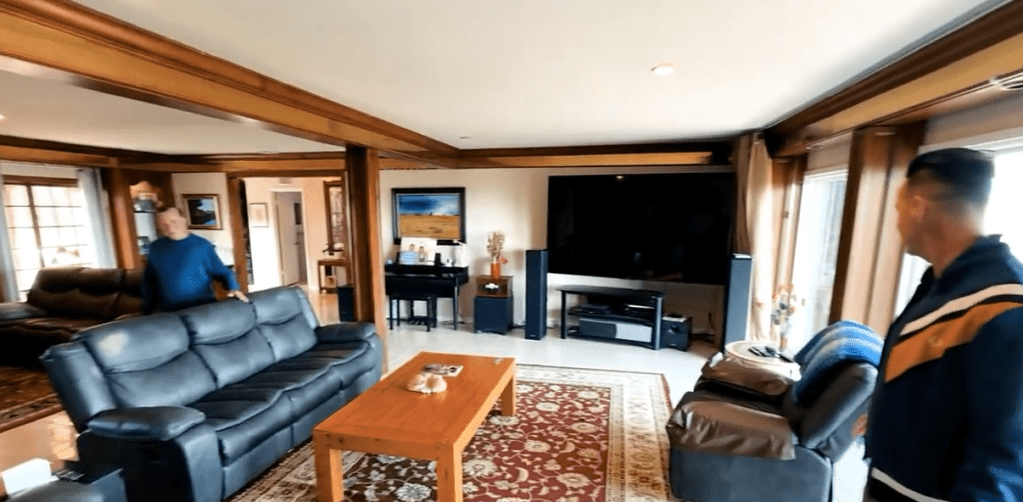
Side note: I can’t get my head around the fact that Arthur – on the left in the screenshot above – is ninety-two years old! The guy looks great and is both nimble and mentally sharp. What a legend!

One of the things that impressed me about the ‘Paranormal Farm’ trilogy – particularly the first film – was Medland’s talent in making the location come alive and become a real part of the movie. That creepy farm and the way it was captured and presented on screen was a credit to the film-makers, but on this occasion we have almost the opposite as far as the setting is concerned: – a multi-million dollar house in the Hollywood Hills.

So does this dynamic work?
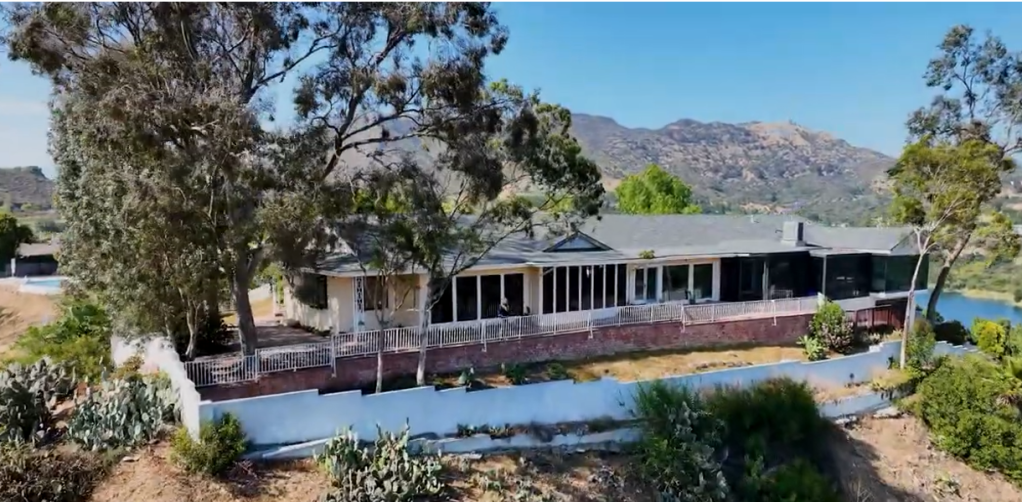
The short answer is ‘yes’ – for this amazing home plays a huge part in the film – but in a very different way to how the farm was used in the previous entries. I will go into this in a little more detail later, as it involves the plot and tone of the movie, but without spoiling anything I would say that this incredible location is embraced and shown-off to its fullest here; immersing the audience into every scene that was filmed within.
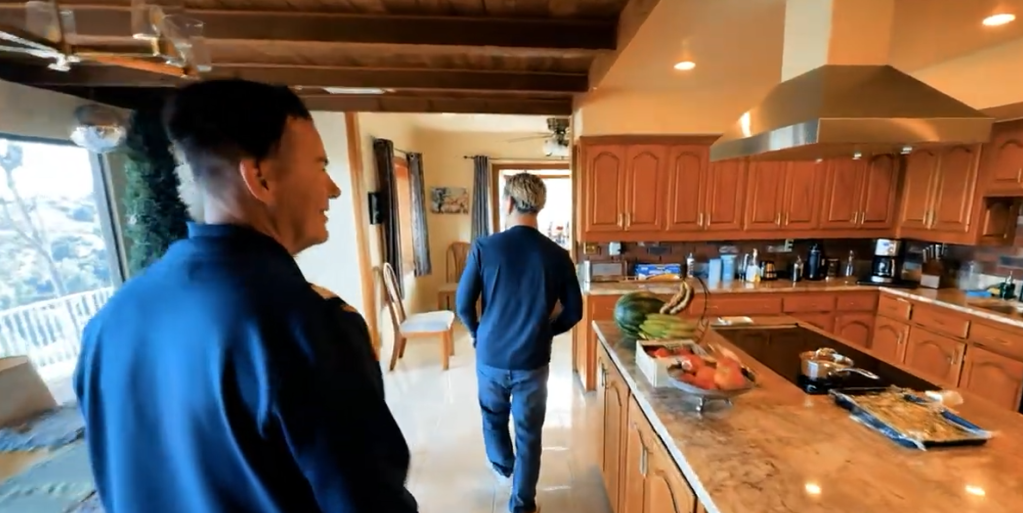
The main positive that stood out for me with ‘Hollywood Haunting’ was the writing – in particular the tightness of the script – which to be honest I found surprising, for I was expecting some inconsistencies here and there. A huge effort has been made by Medland to make this film as credible and serious as possible, and this comes across evidently with both the plot and pacing of the movie.

Of course, the downside of this is that a lot of the goofiness and quirkiness of the first three films are gone or have been reduced significantly – as well as the cheap jump scares – all of which I enjoyed personally, but I completely understand the direction in which this film has taken.

It’s not just the storyline and creative elements that have improved so dramatically, for the camerawork has also stepped up a level or two – and perhaps more importantly so too has the editing – for this film looked good and the transitions were slick. What we end up with is a well-paced movie that does not fall into some of the traps that its predecessors did – but in order to explore this a little deeper, there may be mild spoilers ahead…
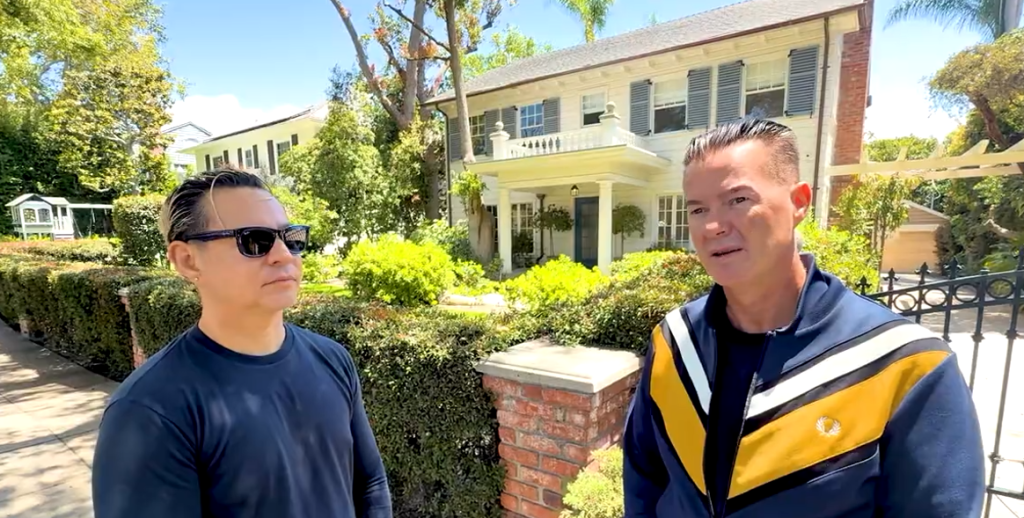
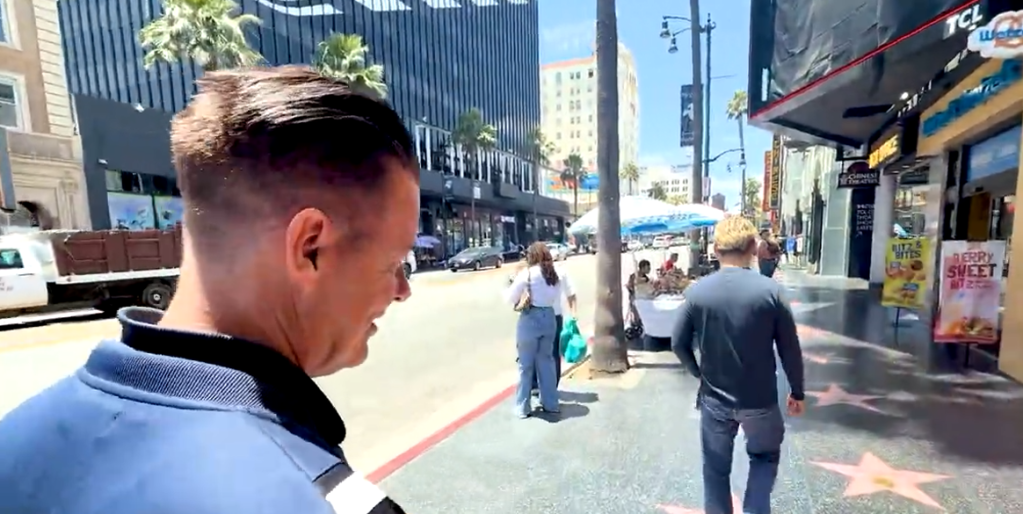
Here is an example of good pacing: – there is a sequence in the film where Carl is given a tour of Hollywood by his hosts, and they visit the filming locations for ‘Halloween’ and ‘A Nightmare On Elm Street’ – which was an interesting and relatable tangent. What impressed me here was that we did not linger for long at these iconic places, and the focus of the film quickly shifted back onto the paranormal investigation at the house. I felt there was a concerted effort when it came to editing the film to not allow these scenes – as good as they were – to drag and take the audience’s attention away from the main plot.

Further to this point, ‘Hollywood Haunting’ has a smooth running time of eighty-five minutes, and pretty much does everything it needs to do within this time frame. I will mention the pacing again here, and say that the plot purred along nicely and there were no moments of lag nor the story being bogged down in dialogue-heavy scenes. In fact, the improvements in these areas are so great that this feels like a standalone film when compared to the farm trilogy.
*** POTENTIAL SPOILERS AHEAD ***

Going by what I have already written, it can be safely ascertained that I enjoyed ‘Hollywood Haunting’, and considered it to be technically superior to the ‘Paranormal Farm’ trilogy. The step-up in quality and execution is evident – and I’m going to give this film a very good score.

But that being said, this is a very different movie to what we experienced with the farm trilogy. Medland has clearly moved away from in-your-face horror and cheesy stunts to instead present a very mature and grounded story where the supernatural elements exist alongside the emotional tale of the main characters – particularly the younger partner Daniel. We still get to see Carl doing his clairvoyant things, and Taz is back behind the camera – and the documentary style of filming is consistent with their previous work, but a drastic change in scenery has no doubt brought about a new approach.
I’ll be honest here and say that I enjoyed the first ‘Paranormal Farm’ movie more. This is of course my own personal view, and I base this solely on the fact that I had a lot more fun with it. However, when I take a step back and compare both projects from a film-making perspective, it is clear that ‘Hollywood Haunting’ is a far more polished product.

As I mentioned earlier, the strength and consistency of the writing is to be commended, and the screenplay managed to avoid plot holes and incoherent narratives – which is a rare feat these days. For instance, the crawlspace in the mansion was mentioned very early in the film as a potential hotspot for the paranormal activity – and the film continued on for some time without referring back to it. However, this creepy part of the house was eventually addressed – and not conveniently forgotten like a J J Abrams plot device – when Carl and Taz returned to check it out later on and didn’t really find anything there. This may sound like a minor or insignificant observation – but I assure you it is not – for how many Hollywood and Netflix movies are riddled with lazy writing when setting up an early hook only to never mention it again?

I also thought the references to the water were a clever touch; forming a connection between the reservoir lake and the house – and it therefore made sense that the most ‘violent’ supernatural attacks took place in the swimming pool. This is logical writing.
But I can’t write a proper review of ‘Hollywood Haunting’ without mentioning the strong LGBTQ themes throughout the movie. Clearly these are talking points that are very near and dear to Carl Medland – and the message he incorporates into his script is both valid and relevant. For what it is worth, these issues and ideas are presented very well in the finished product; it’s just that they don’t always resonate as strongly with some people as they do with others – and if you play your hand too hard you risk isolating part of your audience.

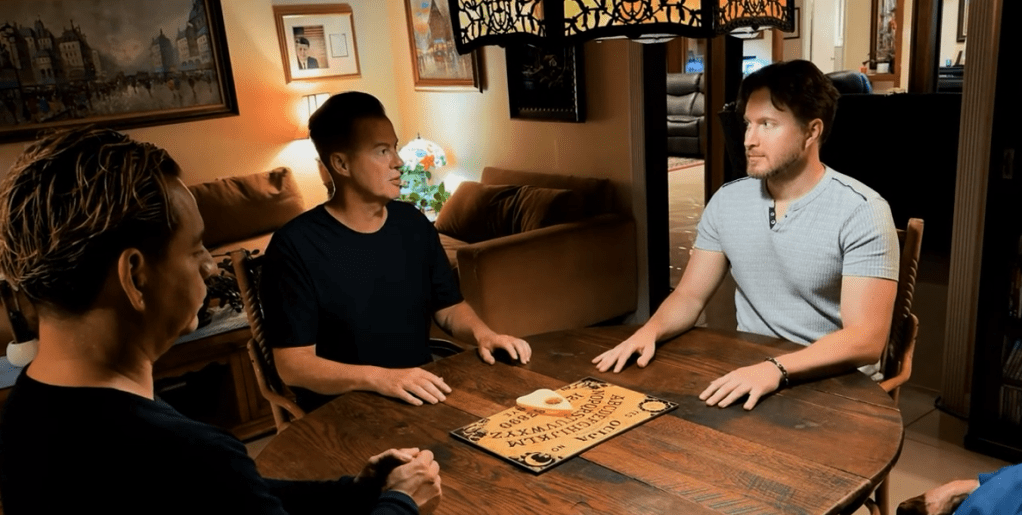
There was only one moment in the film when I thought it came close to doing just that: – during the discussion around the table near the end of the movie – right after the mystery was solved. To me, this exchange felt forced and out of place – with the dialogue a little jarring and it was the only part of the film that struck me this way, but to be fair – just when I thought it was about to get a little preachy and continue for a while longer, the scene did cut and move on.

But this is a film driven by raw human emotions, with the paranormal and spiritual elements serving as a lesser theme – but still an important part of the storytelling. There is a lot of dramatic weight here; from the tragic tale of the restless entity, to the great losses and difficulties suffered over the years by the couple living in the house. This is heavy stuff – a long way from watching a guy being chased by clowns on a farm – which is perhaps the best way of describing just how far Carl Medland has come as a film maker.
Before I give ‘Hollywood Haunting’ a final score, I must take into consideration that Medland and his team were working with a small budget – with very little equipment and no special effects department or a team of writers to fall back on. There are no ‘professional’ actors on show either – but everyone who starred in the film really stepped up to the plate, and this is important to note.

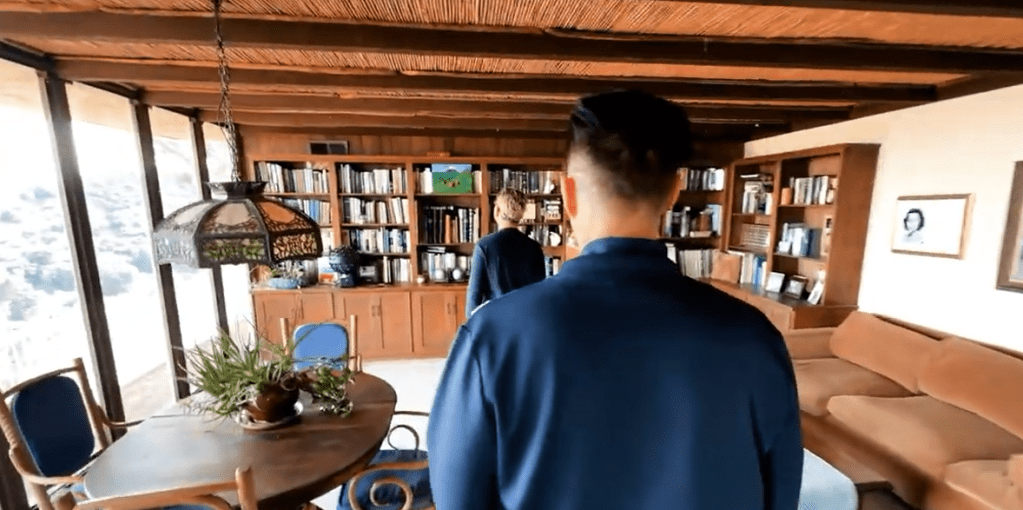
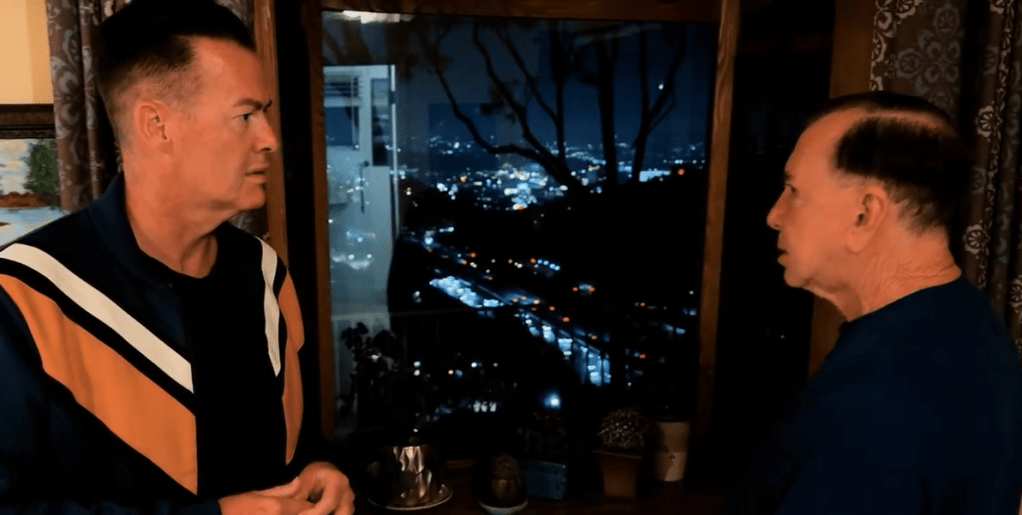
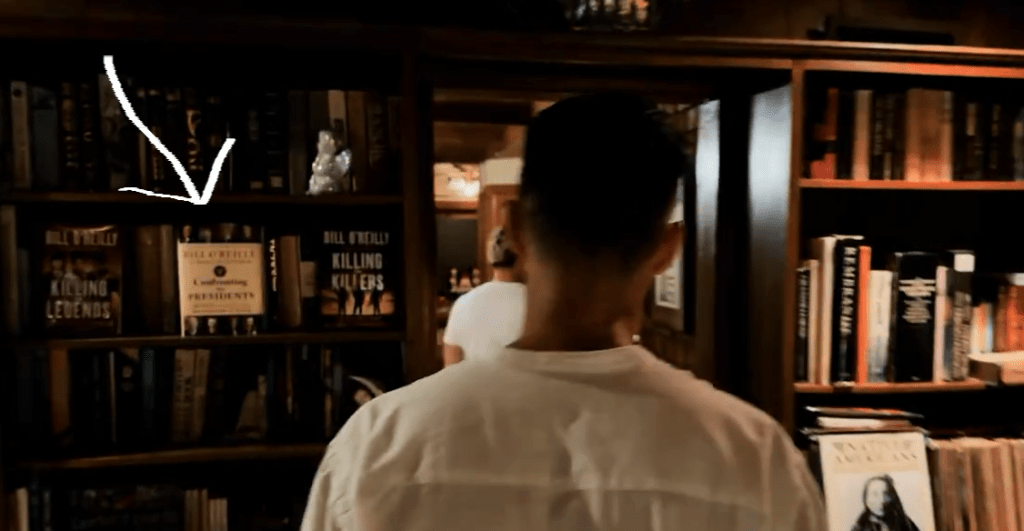
As I’ve already mentioned, the solid writing and sharp editing are two of this film’s greatest strengths – but in some ways it is the location that steals the show. The house on top of the hill overlooking the reservoir was an inspired choice, and the interior scenes were executed so well – particularly the many continuous shots gliding through from one luxurious room to the next. The expensive decor of the home leans in to the serious tones of the movie, and gives the story a grounded base – and the small library where a few scenes were filmed looked amazing.

And I must point out that I loved seeing Bill O’Reilly’s book ‘Confronting The Presidents’ featuring prominently on one of the bookshelves. I bet it belonged to Arthur.
‘Hollywood Haunting’ is a good, solid film – and those who can connect personally with the issues and messages within would definitely say it was a great film. Carl Medland has shelved the outrageous antics of the farm trilogy and deftly shifted the supernatural tones and themes into a more serious and firmly-based presentation. The emotional undercurrents that were crafted into the film – relationships, identity, acceptance, love and loss – will resonate deeply with a lot of people.

But for me personally – being a typical Aussie bloke looking for some crazy action and a few laughs – I did miss some of the mucking about and diabolical storylines seen in the farm movies. However, I watched ‘Hollywood Haunting’ all the way through and enjoyed it – and hopefully this will lead in to future installments of the ‘Paranormal’ series!

‘Paranormal: Hollywood Haunting’ gets four stars out of five from me!
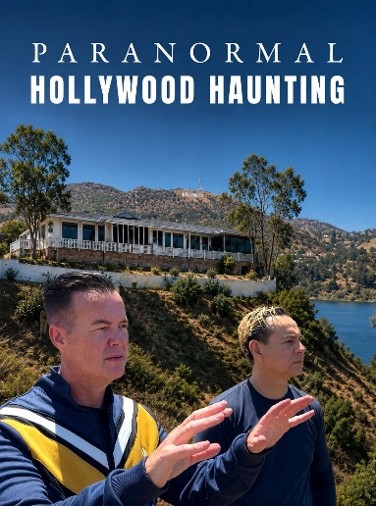
‘Paranormal: Hollywood Haunting’ is available to rent or buy on Amazon Prime Video.

Photos and screenshots are courtesy of MY Production Limited and MY Spotlight Independent.
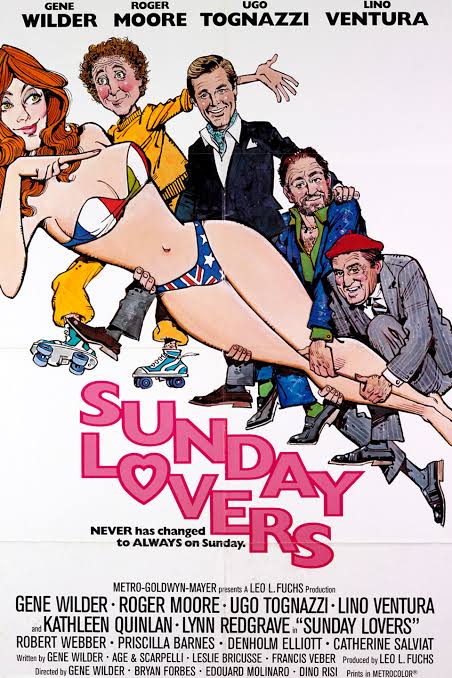
‘Sunday Lovers’ – The Roger Moore and Gene Wilder flop

Released in 1980 and featuring two leading men at the peak of their powers – with Roger Moore being the current James Bond and Gene Wilder arguably still in the prime of his career – this little-known film somehow ended up flopping heavily at the box office before vanishing without a trace.

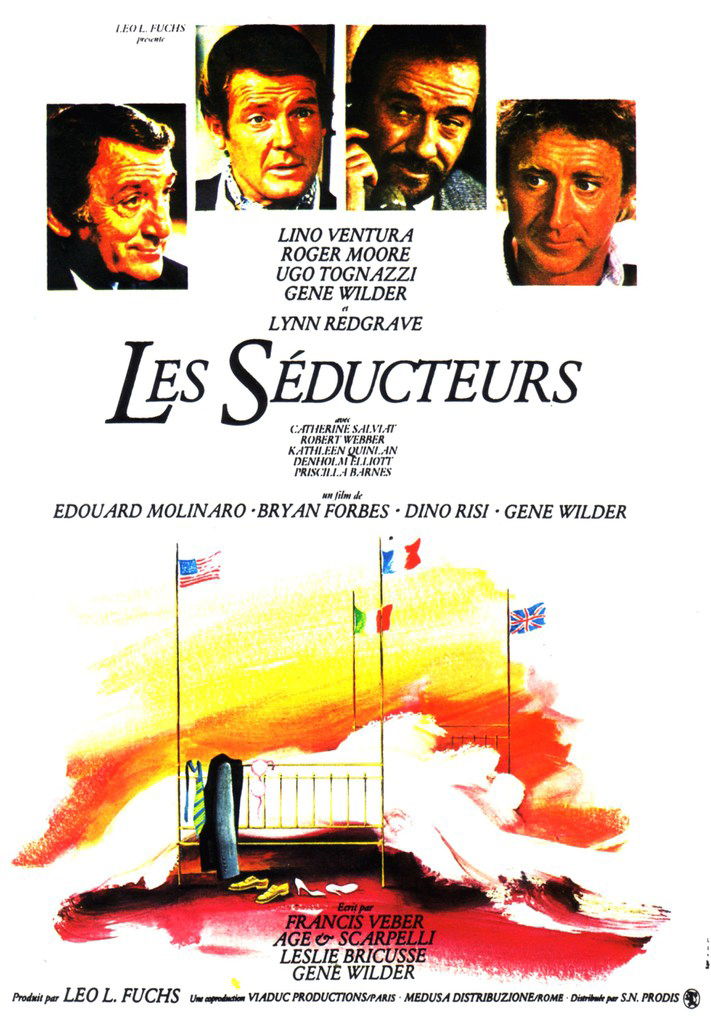
‘Sunday Lovers’ was co-produced internationally, and is best described as an anthology of four separate romantic comedies, with the episodes set in various locations: – England, Paris, Los Angeles and Rome. Because the film was structured this way, Roger Moore and Gene Wilder did not share any screen time together – which may have impacted negatively upon the movie; perhaps not helped by a slightly misleading poster.

Overall, the film was savaged by critics, with a couple of the episodes in particular coming under heavy fire. With this in mind, the best way to explore ‘Sunday Lovers’ would be to separate it into the four different stories, beginning with the opening chapter starring Roger Moore.

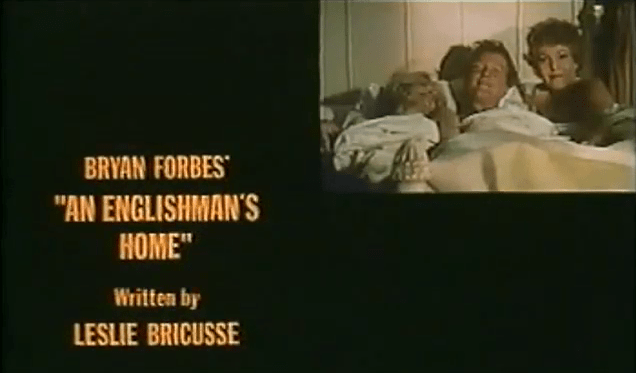
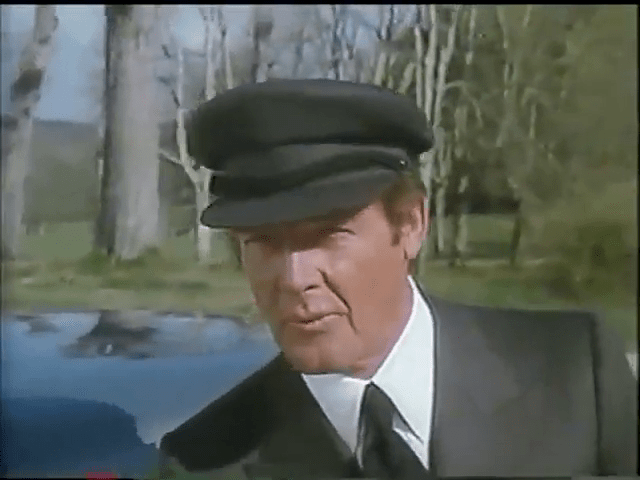
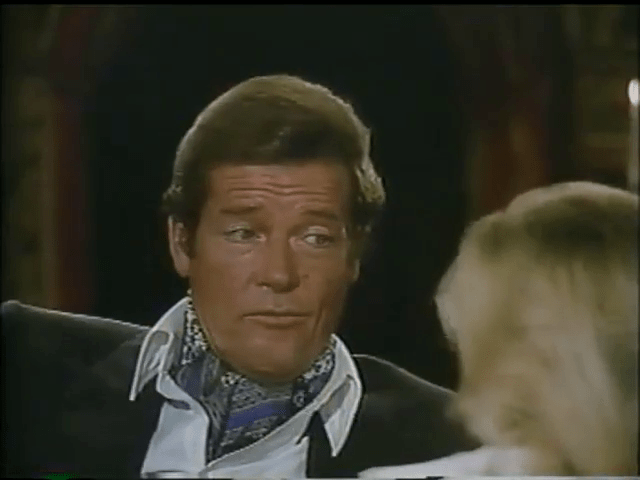
‘An Englishman’s Home’ features Moore as a chauffeur named Harry, who would assume the role of his aristocrat employer whenever he was out of town as a pretense to seduce young and impressionable air hostesses. Actually, impersonating his employer would be a more accurate description. Aided by his work colleague Parker – a complicit butler played by Denholm Elliott – Harry convinces an American stewardess named Donna back to ‘his’ castle for a little romance, only for the weekend to be thrown into disarray by an unexpected visitor.

Thanks to Roger Moore’s performance as Roger Moore, this story – despite its lecherous premise – can be easily passed off as lightweight and harmless – and is easily the best of the four episodes.

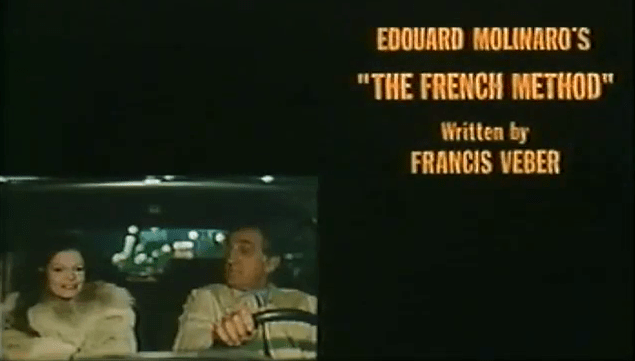
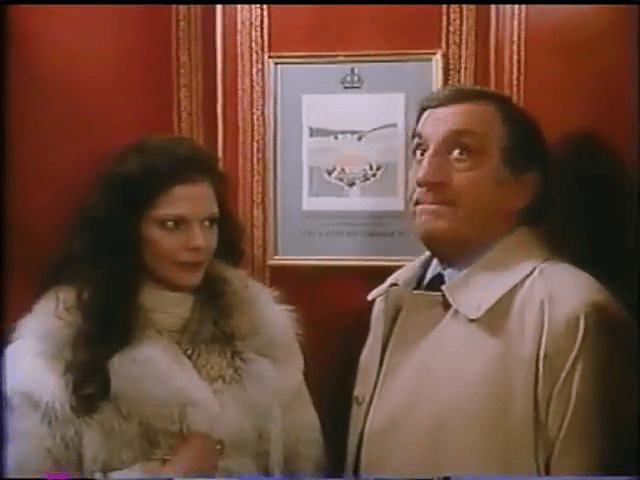
The film then moves on to the second story – ‘The French Method’ starring Italian actor Lino Ventura as a Parisian businessman who agrees to hook up his secretary with an American client in order to close an important deal.

Honestly, the misogynistic themes throughout this episode were too heavy – even for me – with an all-too-willing young woman adding to the overall discomfort. Despite the performances being solid and the story ending with the main character redeeming himself, the distinct lack of humour here – in contrast to the previous chapter – leaves it well short of a pass mark.

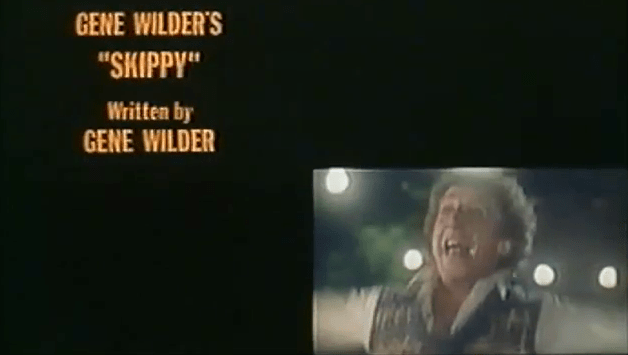
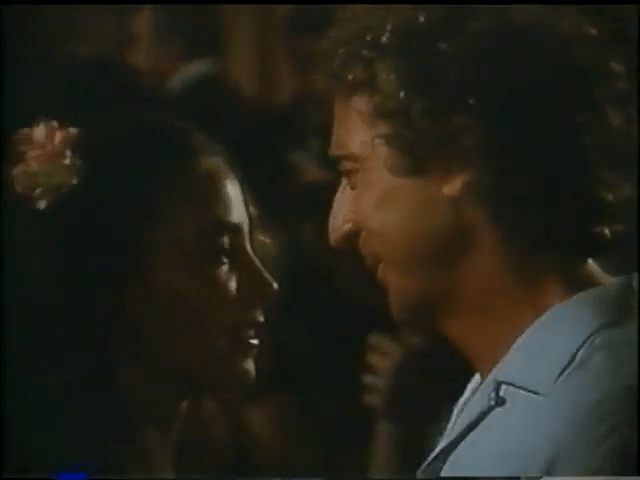
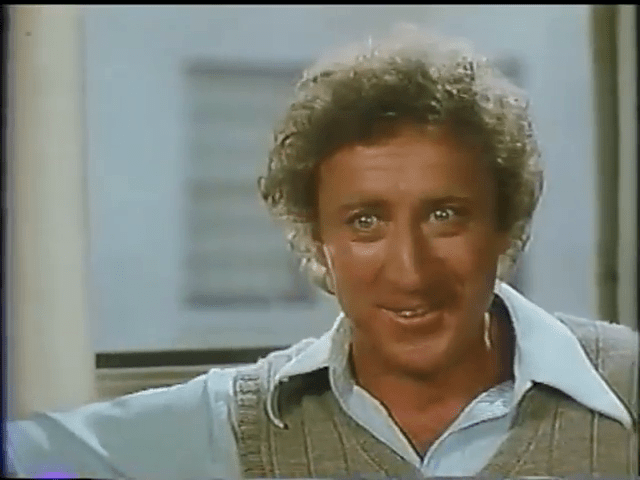
The third story is titled ‘Skippy’ and was written and directed by Gene Wilder, who also plays the titular character – a mentally-troubled middle-aged man named Skippy.

I actually watched this episode twice, and still can’t quite get a read on it. This is a strange one, for out of the four chapters featured in ‘Sunday Lovers’, I suppose this would be the closest to a love story, and yet so much of this tale is ambiguous and open to interpretation. My suspicion is that Gene Wilder wrote this as a feature-length screenplay, and having offered it up to this project needed to cut it down dramatically into a twenty-minute piece. As a result, I sense there is a lot of exposition missing.

The story itself centres on Skippy – a man aged in his forties who has checked himself into a mental health facility – and his romantic escapades with a much younger woman named Laurie (played by Kathleen Quinlan) during a weekend release from the hospital. There are some trademark Wilder moments, such as his crazy dancing to Bee Gees songs, but seeing him naked throughout extended love scenes was definitely not on my bingo card. This story really was a mixed bag!

I enjoyed ‘Skippy’ to a degree, as there was just enough depth to get me invested in the characters; helped along by the madcap antics of Wilder, but brought down a peg or two by the excessive nudity. However, most reviewers and online commentators rate this story as a dumpster fire, with many saying it is the worst episode out of the four, but I did not quite see it that way.

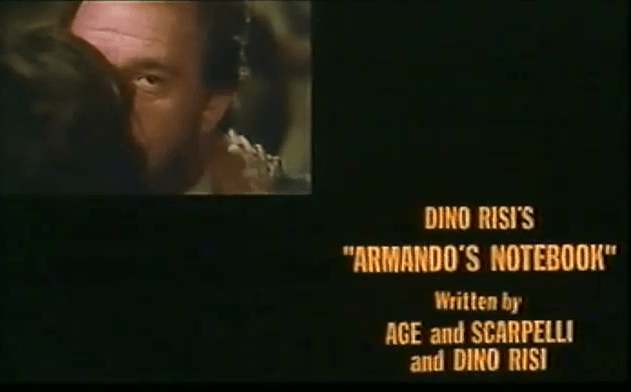
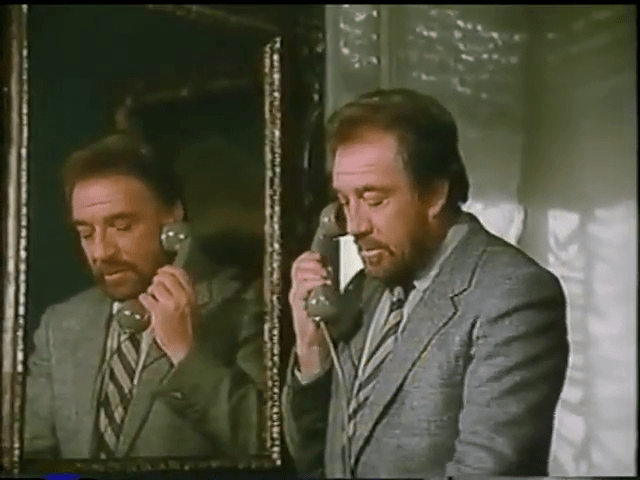
The fourth and final chapter is titled ‘Armando’s Notebook’ and stars Ugo Tognazzi, who plays an Italian man named Armando who discovers an old notebook containing the telephone numbers of his former girlfriends. As his wife is away for the weekend, a bored Armando begins calling the names listed in the book, and of course – hi-jinks ensue!

Setting aside the willingness of the main character to cheat on his wife so easily, this story is really nothing more than a typical Italian romantic comedy/romp. Tognazzi’s performance is serviceable and there are a number of funny scenes; most notably a bizarre encounter with a woman possessing supernatural powers.

I would give this episode a pass mark, as it is quite entertaining yet mindless on so many levels.

Overall, ‘Sunday Lovers’ is a watchable film but will not have aged well with most modern audiences. Having Roger Moore and Gene Wilder attached to this project is what initially piqued my interest, and their respective stories are definitely worth watching. I maintain that Moore’s ‘An Englishman’s Home’ is the better of the four episodes, with Wilder’s ‘Skippy’ coming in second place. The Italian romp ‘Armando’s Notebook’ is next best – thanks to its comedic tones – with the Parisian tale ‘The French Method’ being the least enjoyable chapter.

‘Sunday Lovers’ or ‘Les Seducteurs’ used to be almost impossible to find, but fortunately – thanks to the wonders of the internet – the entire film can now be watched on YouTube.

I have added a link below to Don Alex’s YouTube Channel where not only can you watch the movie, but you can read some of the host’s insightful comments about the film – some of which differ from my own opinions. Regardless, if you are a fan of Roger Moore or Gene Wilder – or both – then I highly recommend you check out the film, even if you only watch their particular segments.

Again, the link is below – courtesy of Don Alex on YouTube.

Screenshots courtesy of Cinema International Corporation, United Artists and MGM.