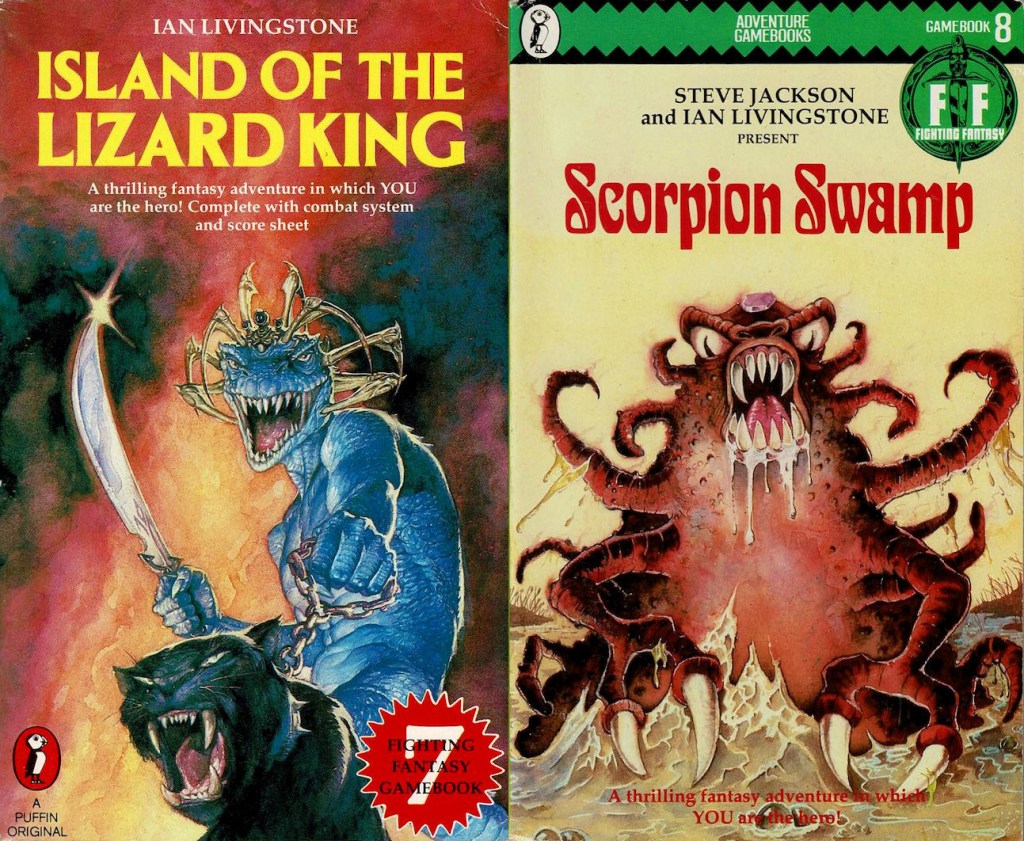
It’s been a while since I showcased (and critiqued) any artwork from the Fighting Fantasy book series, so let’s now check out entries seven and eight: – ‘Island of the Lizard King’ and ‘Scorpion Swamp,’ which were both released way back in 1984.
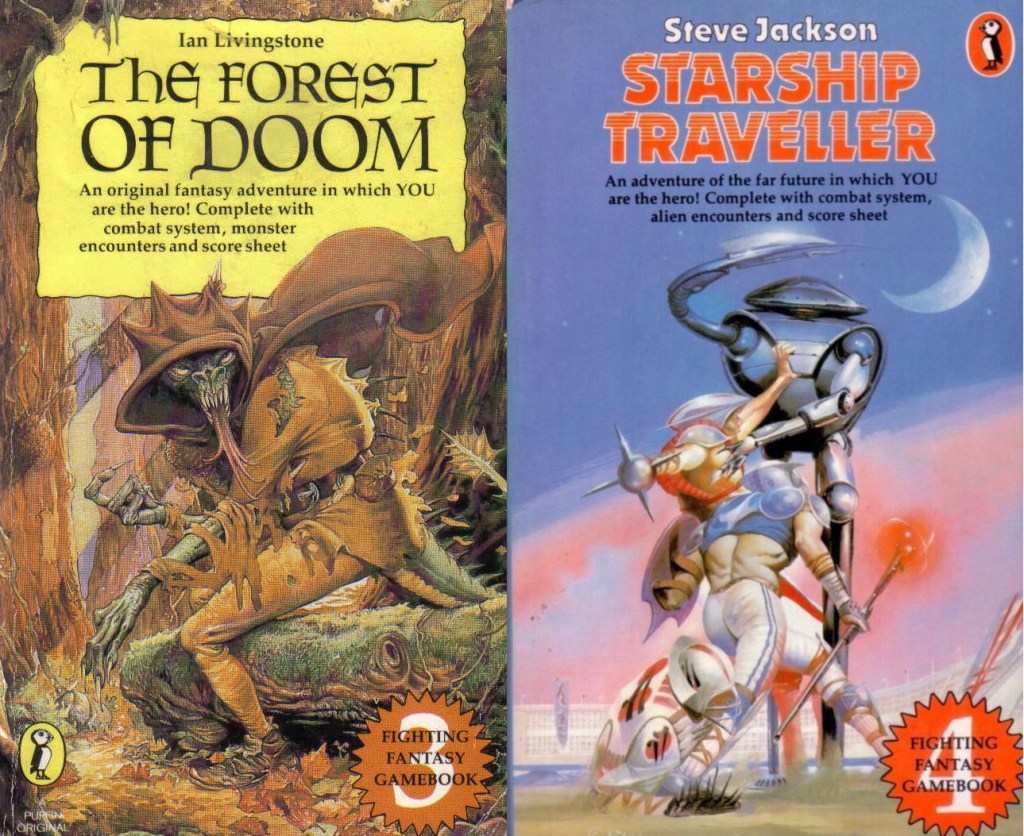
For me personally, I remember when I was twelve years old and feeling that these classics were beginning to drop away a little at this point, having peaked with earlier stories such as ‘City of Thieves’ and ‘Deathtrap Dungeon’. In fact, to this day I consider ‘Island of the Lizard King’ to be the last title in a brilliant sequence of fantasy adventures (not counting ‘Starship Traveller’) from books one through to seven.
Anyway, let’s get on with giving each story a quick overview before diving into the artwork that played such an important role in enhancing these iconic and imaginative tales.
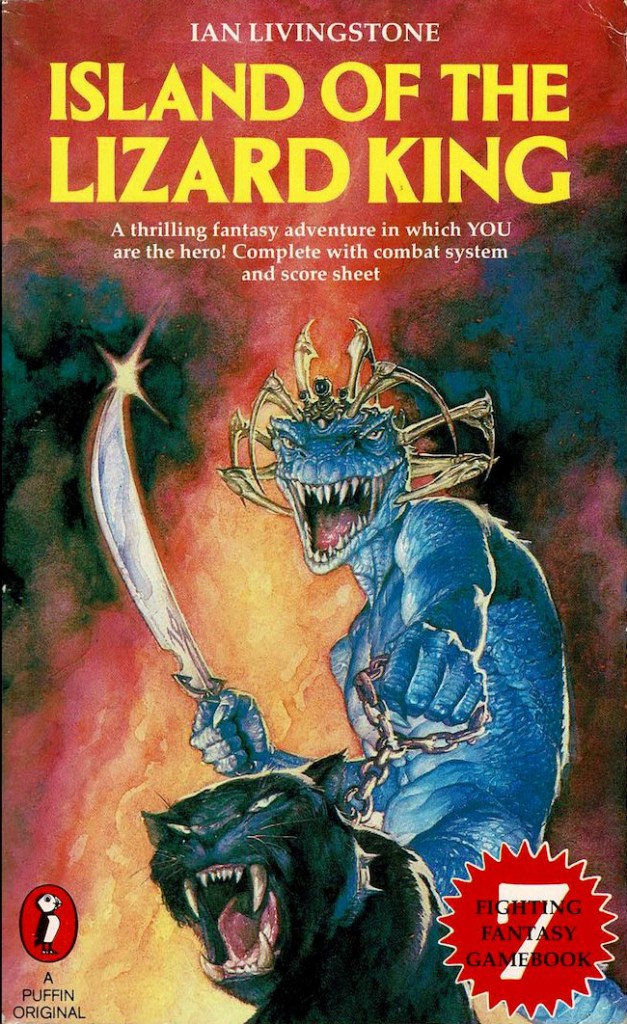
‘Island of the Lizard King’ by Ian Livingstone is set in the same fantasy universe as ‘City of Thieves’ and ‘Deathtrap Dungeon’ – with the events of the story taking place not far from Port Blacksand and Fang – two locations that are well-known to fans of the series.
As the story goes, Lizard Men have been raiding towns and villages, kidnapping young men to be put to work as slaves in the brutal mines of Fire Island – which is under the merciless rule of The Lizard King. Of course, it falls to you – the great adventurer – to set sail and sort this slave-driving bastard out once and for all!
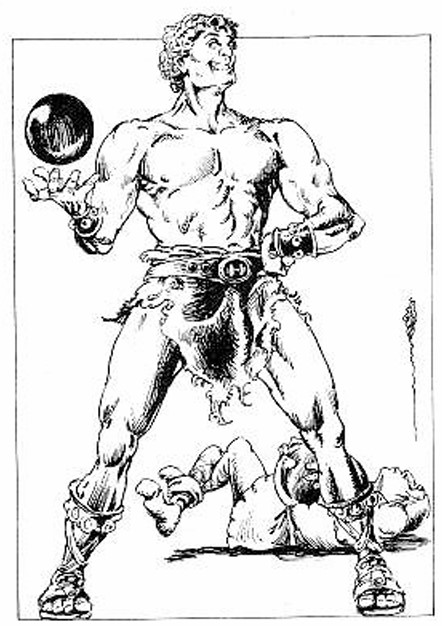
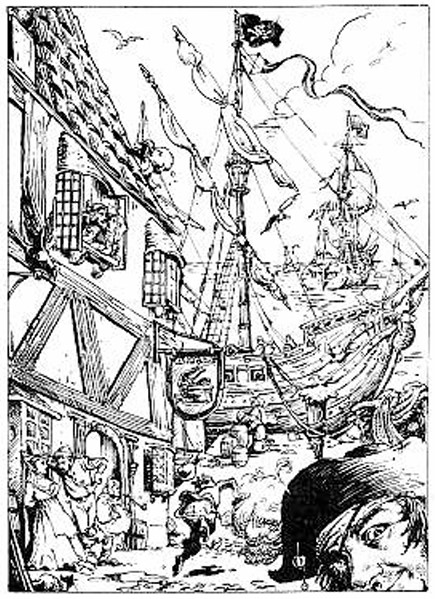
The cover art for this book is by Iain McCaig, who provided the artwork for the previous two entries into the series – the highly regarded and aforementioned ‘City of Thieves’ and ‘Deathtrap Dungeon.’ The illustrations within the pages of ‘Island of the Lizard King’ are from Alan Langford, and we shall now focus on some of his amazing drawings.

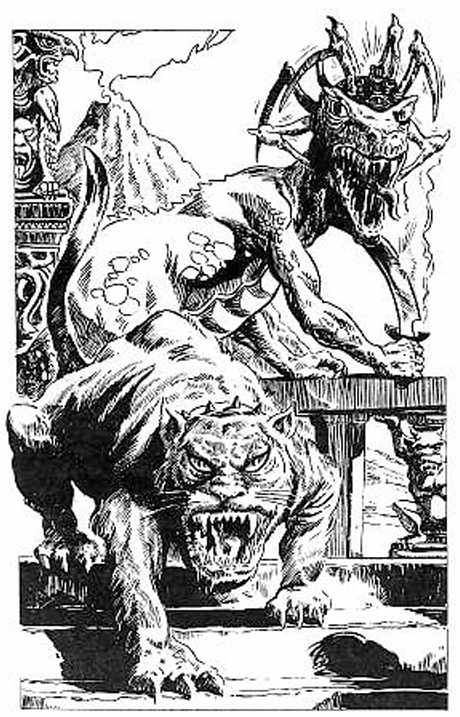
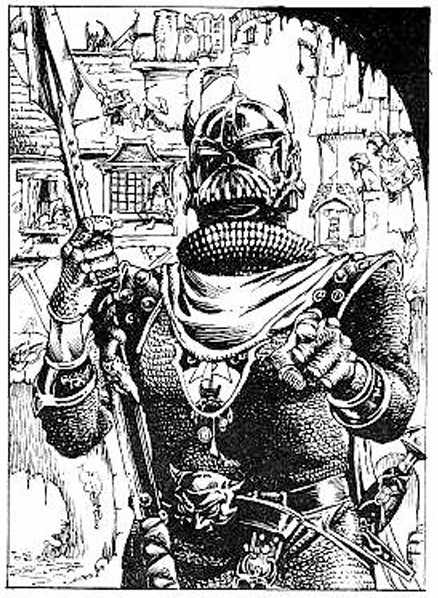
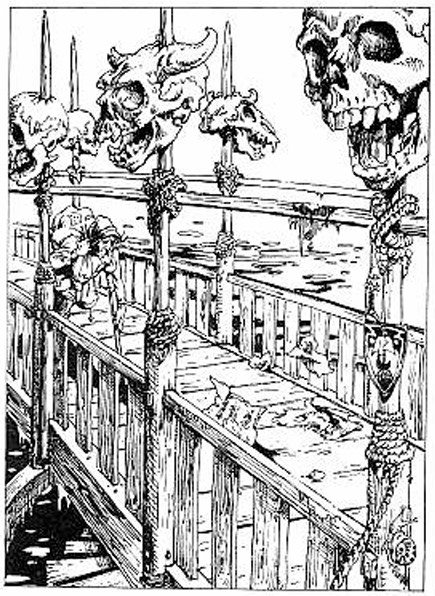
From these opening two pictures alone, one must conclude that Langford is an artist of immense talent – in fact, his work does bear resemblance to Iain McCaig’s contributions from those earlier books.

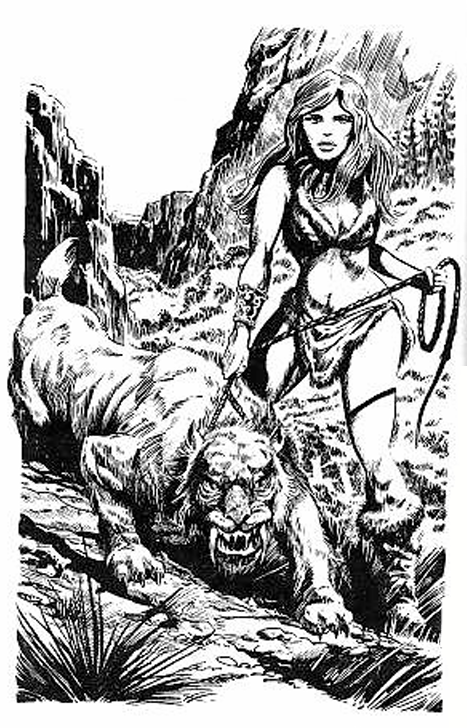
And respect to the guy for treating teenage fan-boys with some hot chicks!
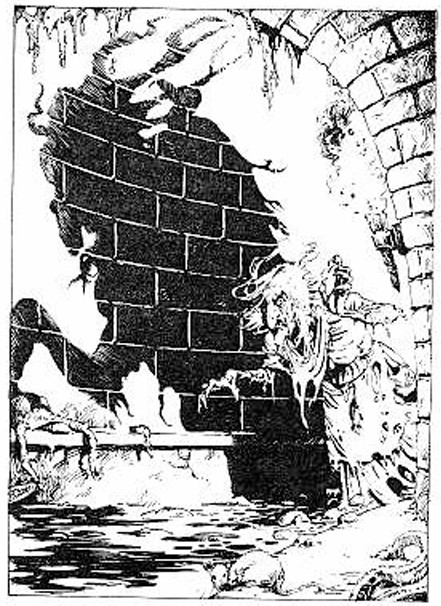
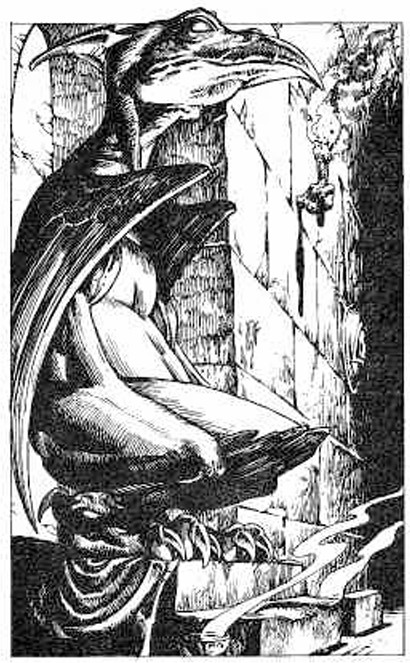
That being said, Langford’s drawings of monsters are not too shabby either.

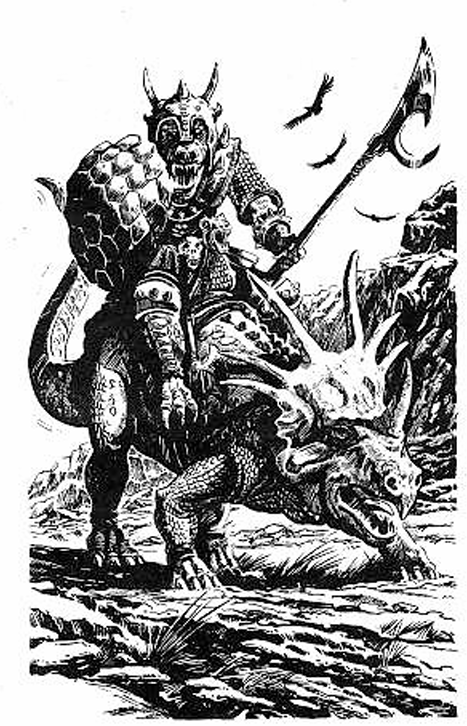
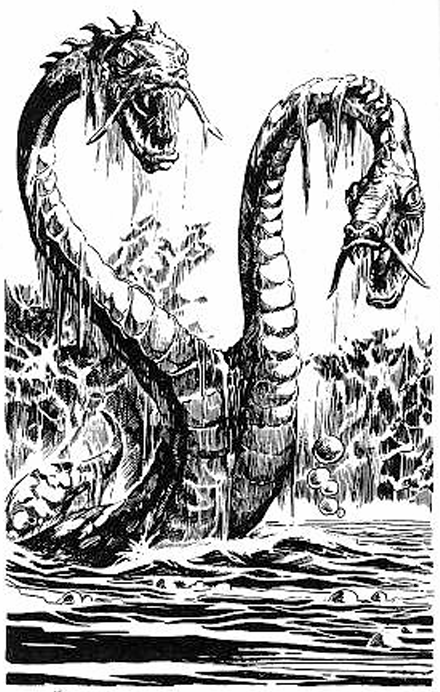
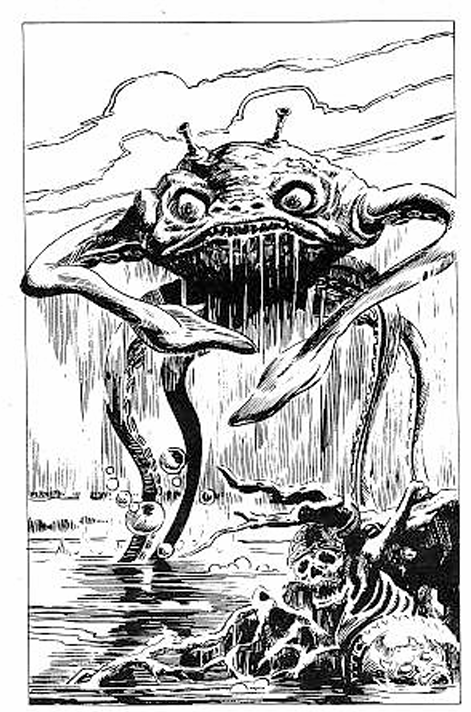

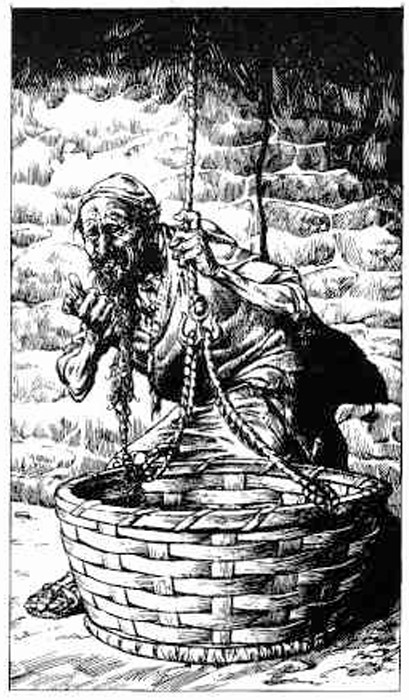
I remember ‘Island of the Lizard King’ as being a difficult adventure to defeat, with countless foes – both man and beast – trying to kill you from all angles. Not only that but success depended too highly upon pivotal moments in the story, such as deciding to take a chained monkey with you or not: – the one seen in the picture below.

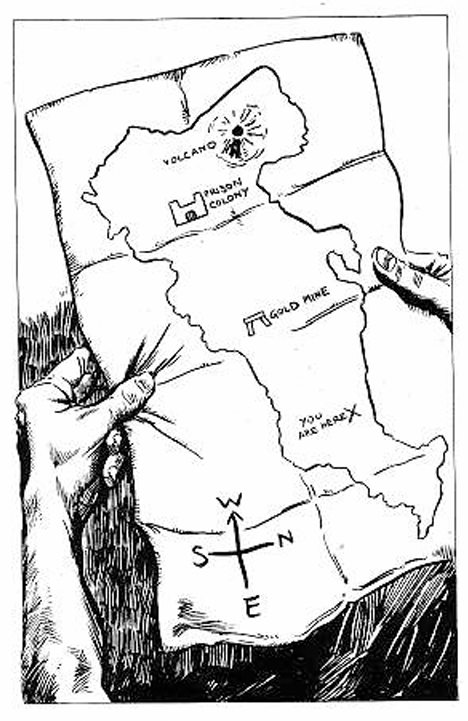

Overall, Alan Langford’s artwork is right up there among the best in the Fighting Fantasy series. From what I have seen so far, only Russ Nicholson and Iain McCaig have done it better.
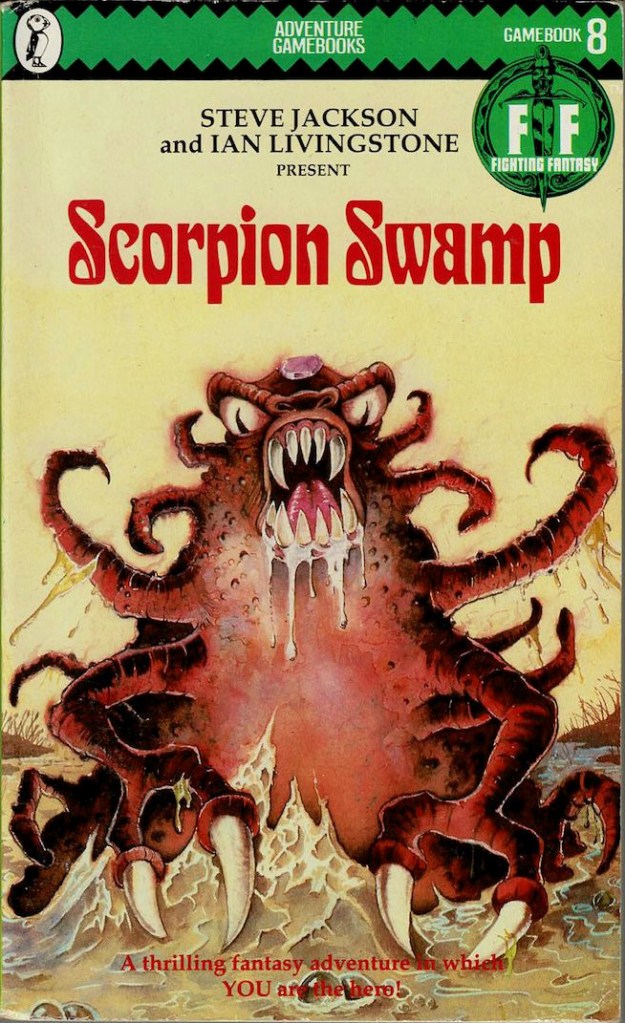
We now move onto ‘Scorpion Swamp’ from Steve Jackson, which to be honest was a book that I couldn’t really get into back in the day. Taking a look at it again all these years later, I think my lack of enthusiasm could have had something to do with the illustrations.
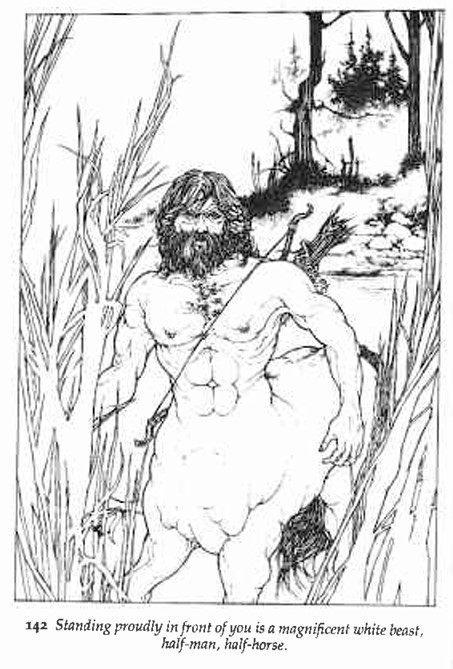
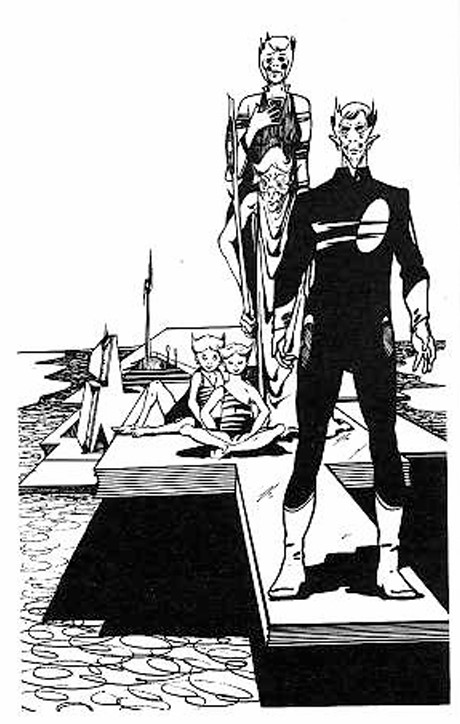
Before I continue – and to be fair to the artist Duncan Smith – my scanned copy was not of the highest resolution, but even with this concession the artwork in this book is nowhere near the quality seen in the previous title. Not only that, but if you want to engage with a predominantly male reading group, I would keep the wimpy stuff out: – note the following examples.
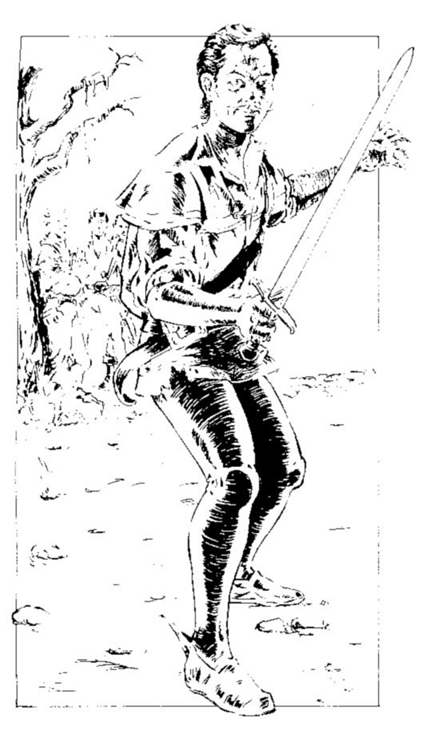
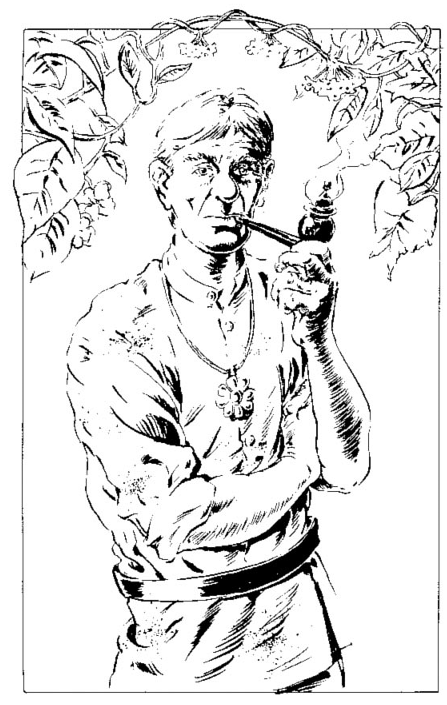

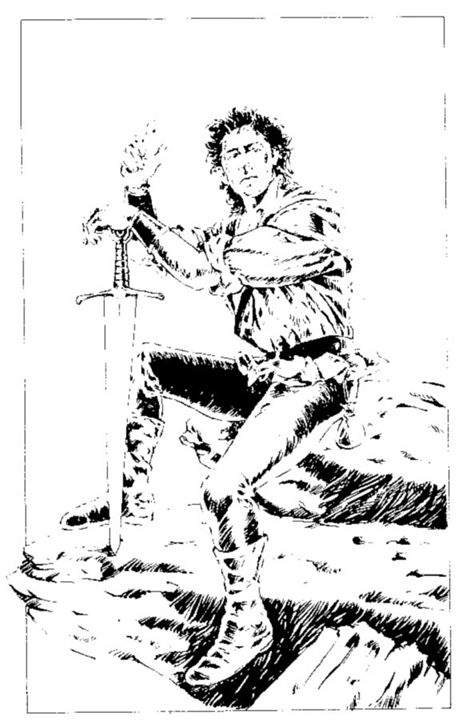
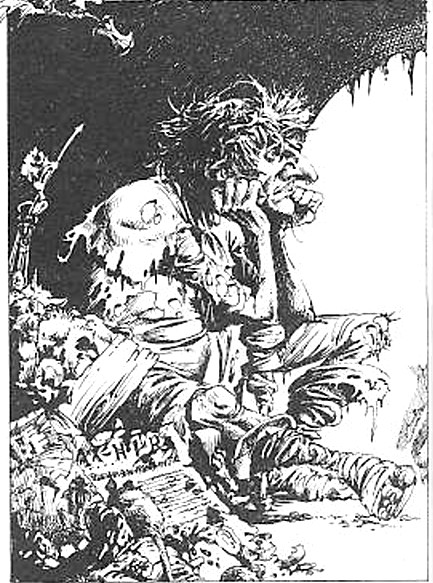
What the heck was going on at Scorpion Swamp?
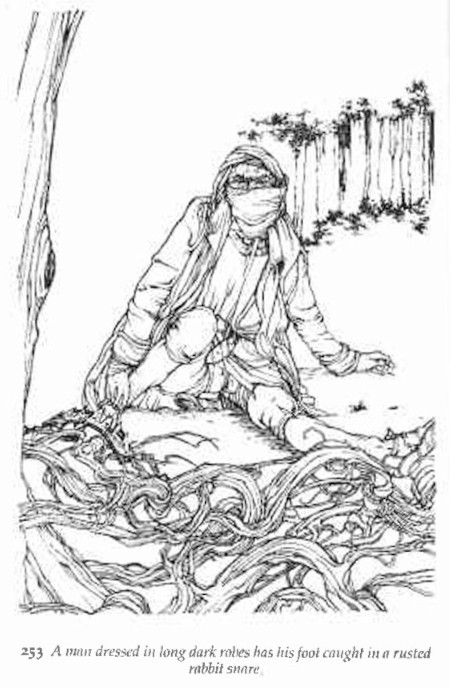
It wasn’t only these illustrations that were seriously undermining whatever menace and excitement may have been in the story – I mean, check out the following efforts…
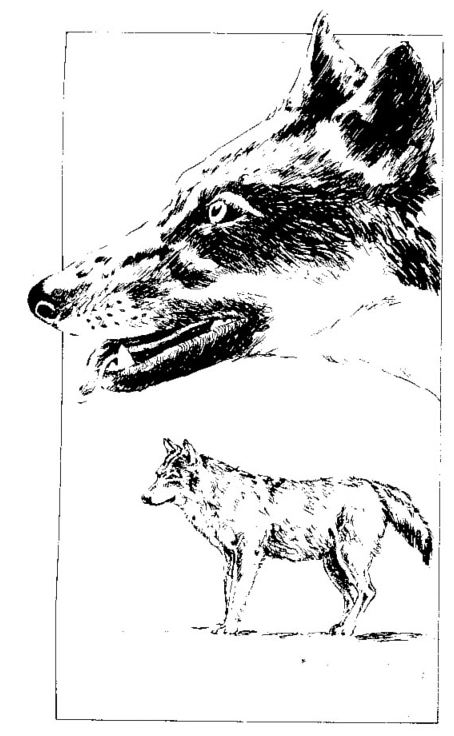
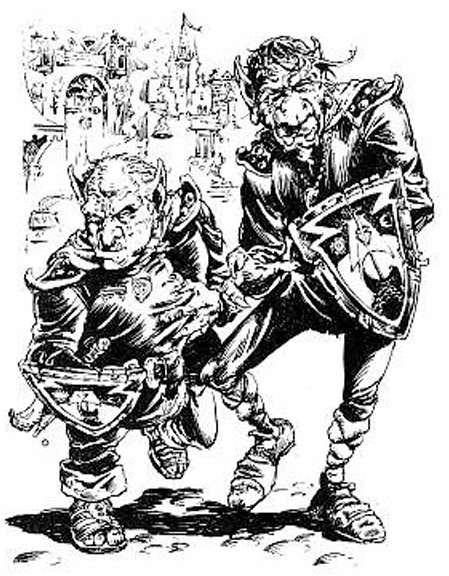
This could be a sketch drawn by a member of The Dog Lover’s Society.

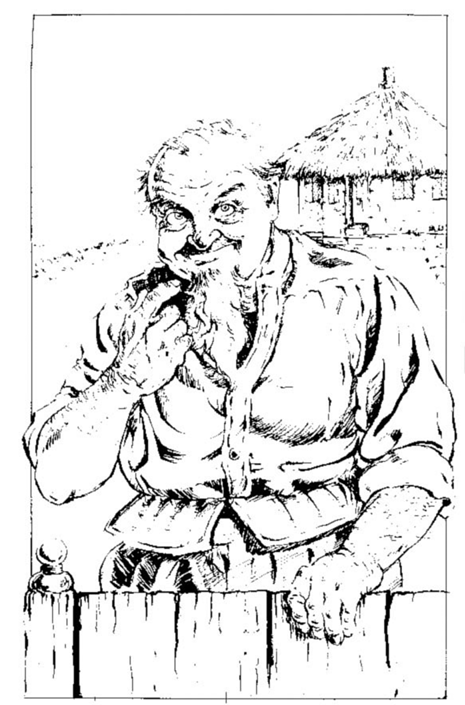
And why do I feel like singing the theme song from ‘Cheers!’ when I look at this picture?
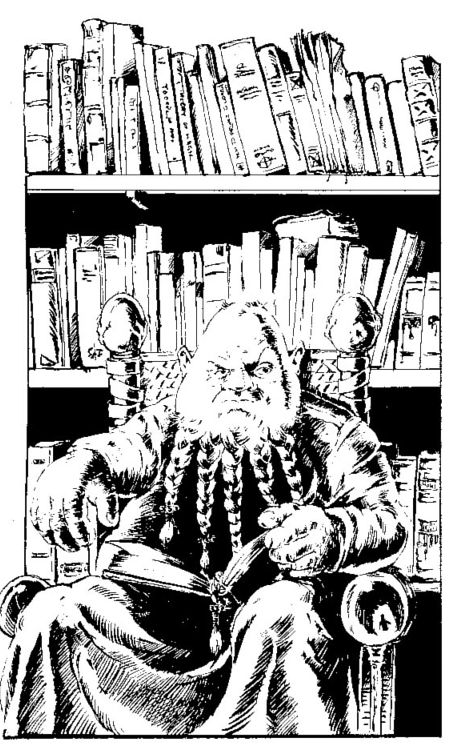
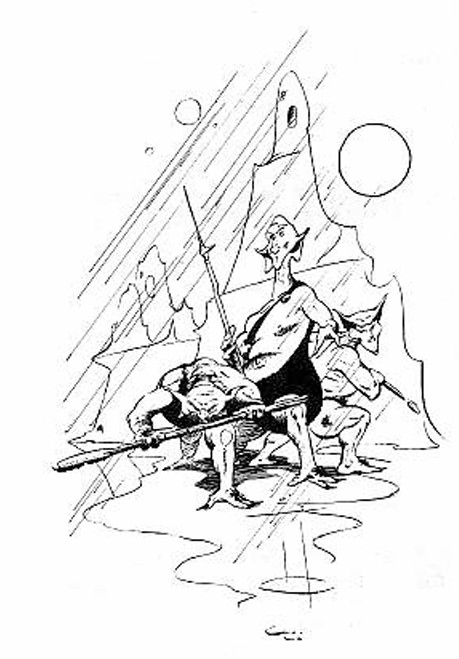
And these two blokes look like English cricket selectors.
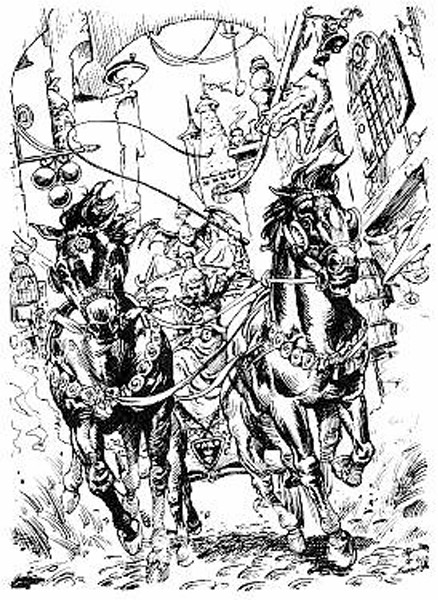
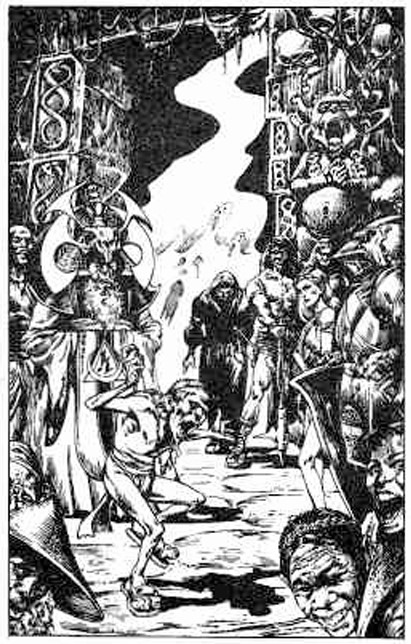
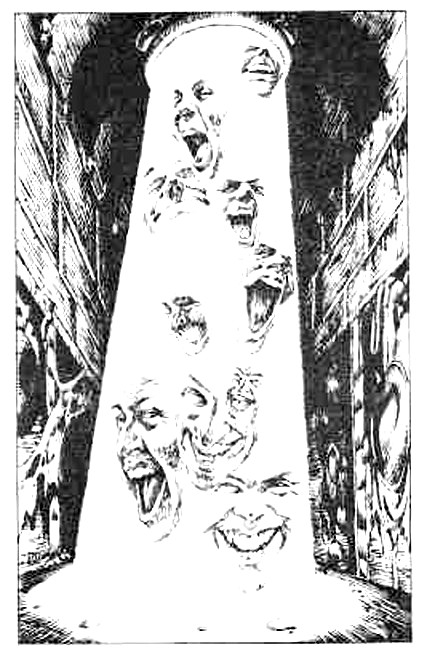
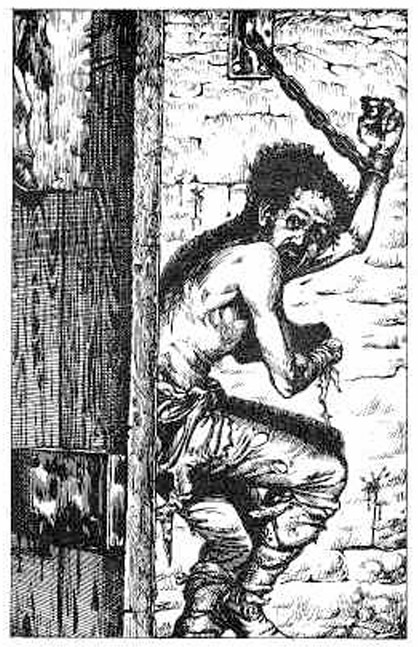
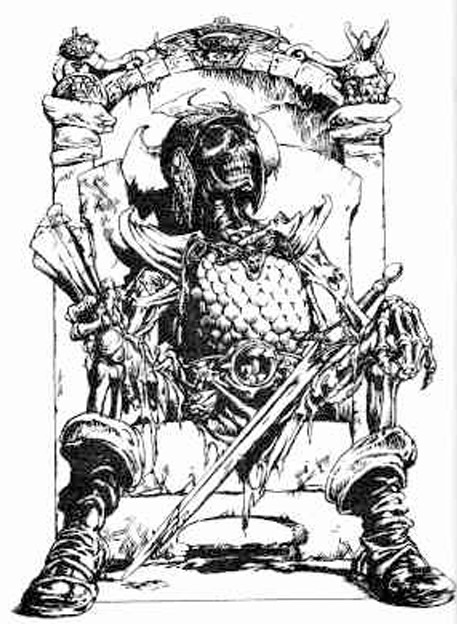
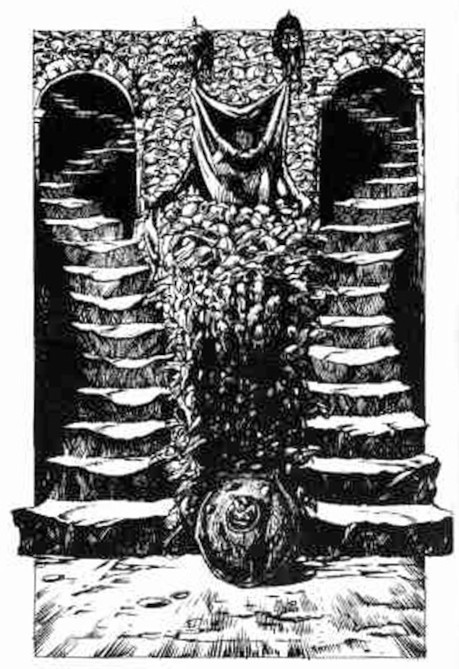
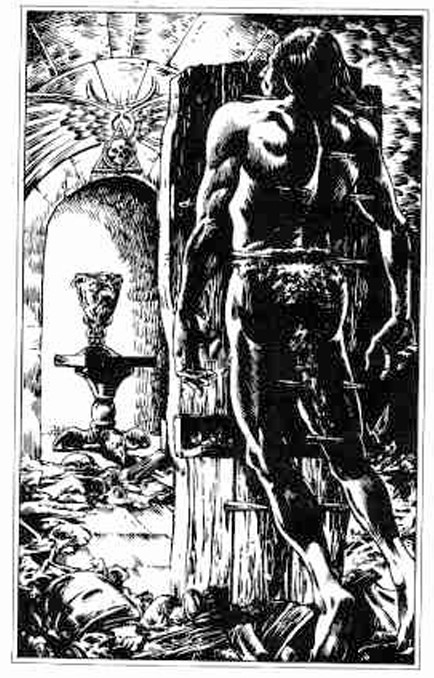
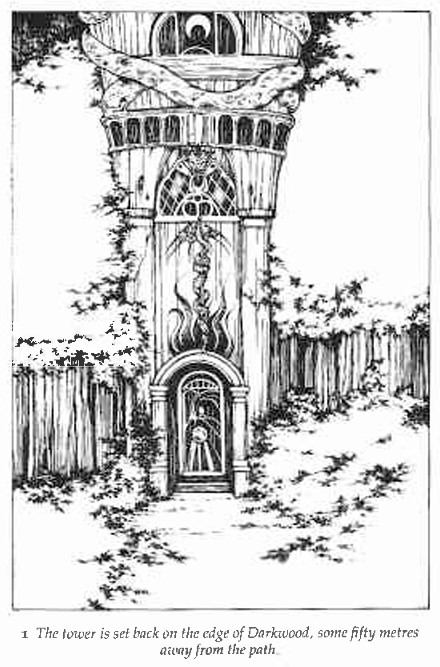
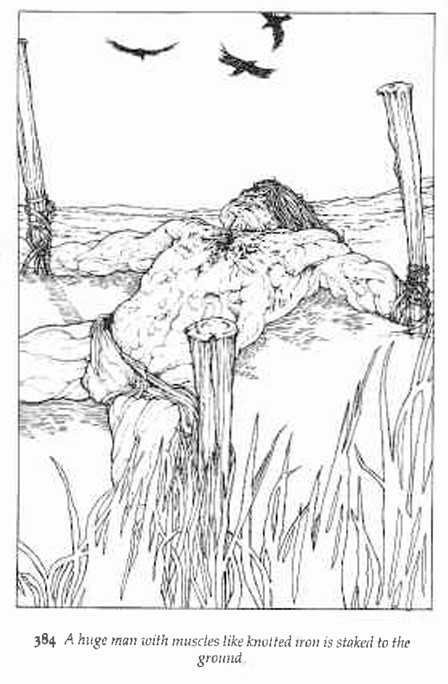
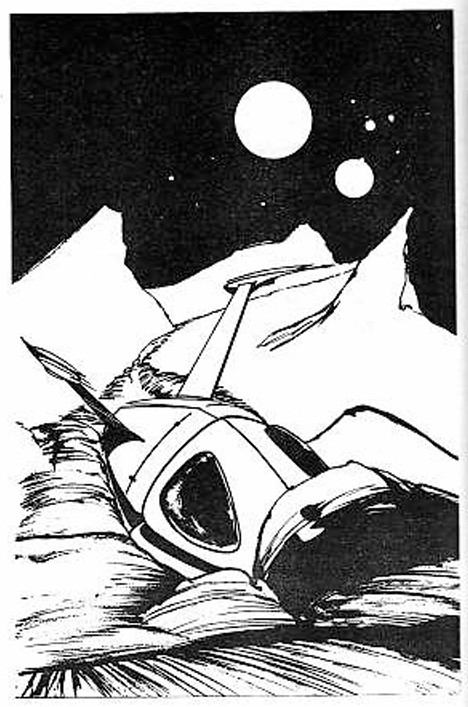
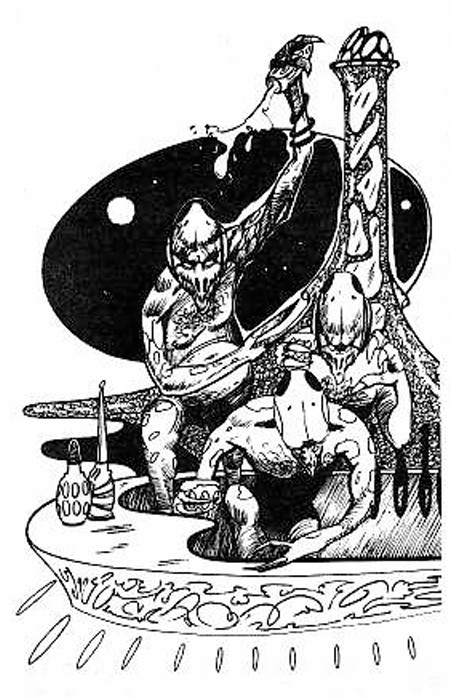
But all jokes aside, there were a few standout pieces from Duncan Smith, and I would prefer to finish on a high note – so here they are.
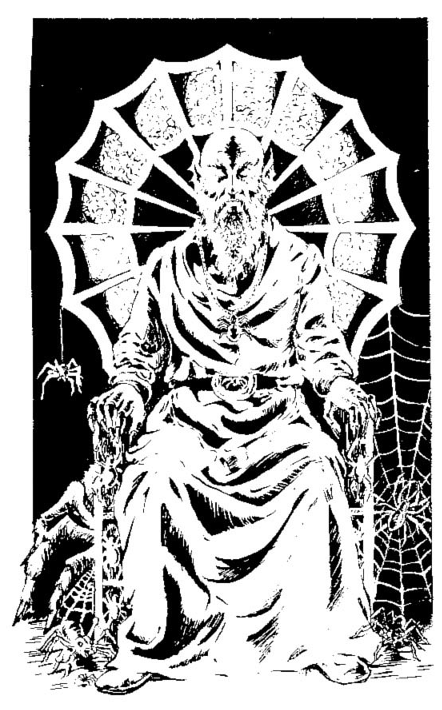

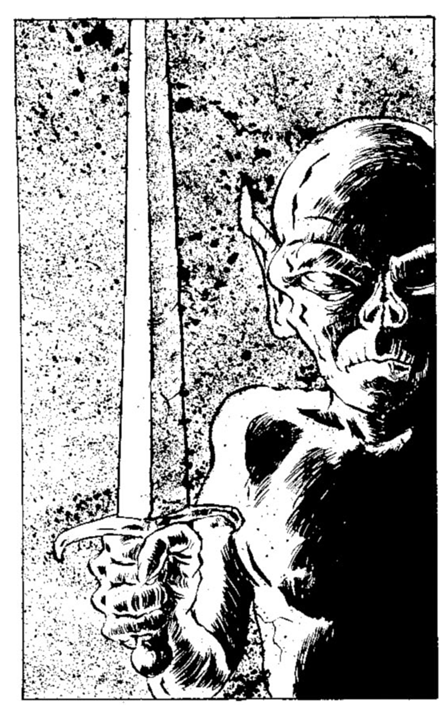

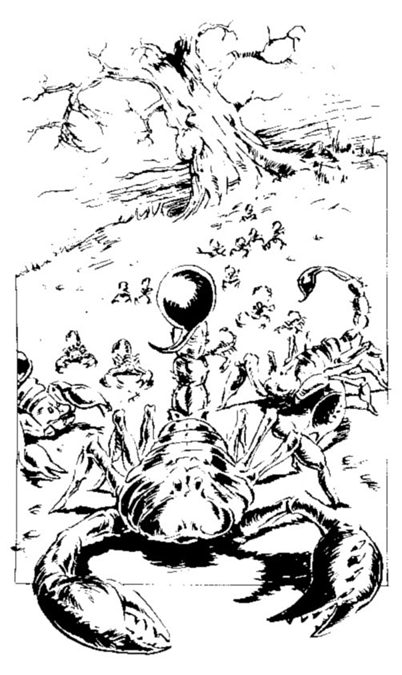
Overall, the seventh and eighth entries into the Fighting Fantasy series – ‘Island of the Lizard King’ and ‘Scorpion Swamp’ – are two books that in terms of visual quality could not be any further apart.
While every illustration in ‘Lizard King’ oozed danger and captured perfectly the chaotic elements of the story, the more light-hearted offerings from ‘Swamp’ might have you believing that the adventure was one big picnic – with a couple of bad guys thrown in here and there. But let me finish by saying that Duncan Smith is a top artist – not as good as Alan Langford in my view – but perhaps his style was not as well-suited to blood and guts fantasy books.
Anyway, that’s a wrap for these two titles and next on the list are ‘Caverns of the Snow Witch’ and ‘House of Hell’ – both released in 1984.
Artwork courtesy of Fighting Fantasy, Alan Langford and Duncan Smith.







 Sean Carslake