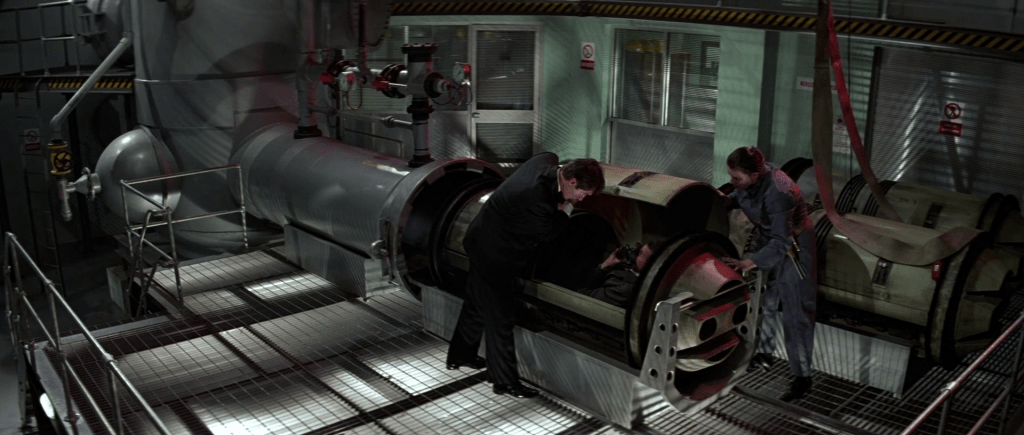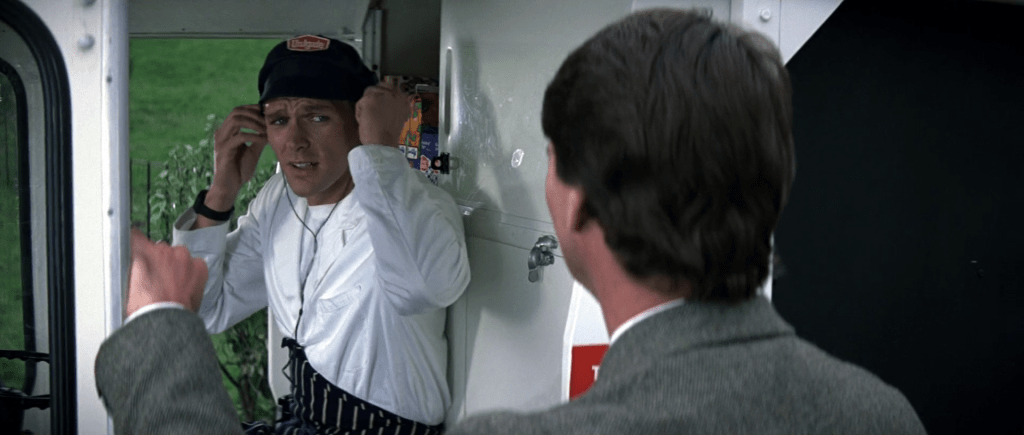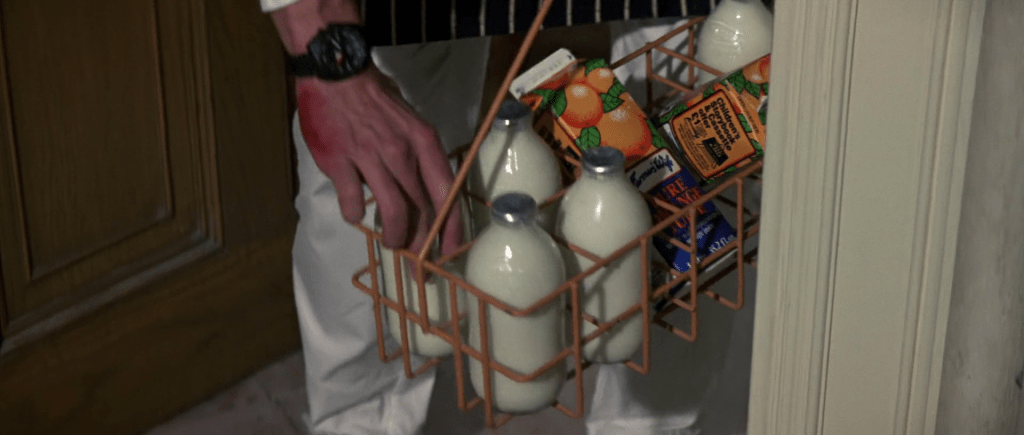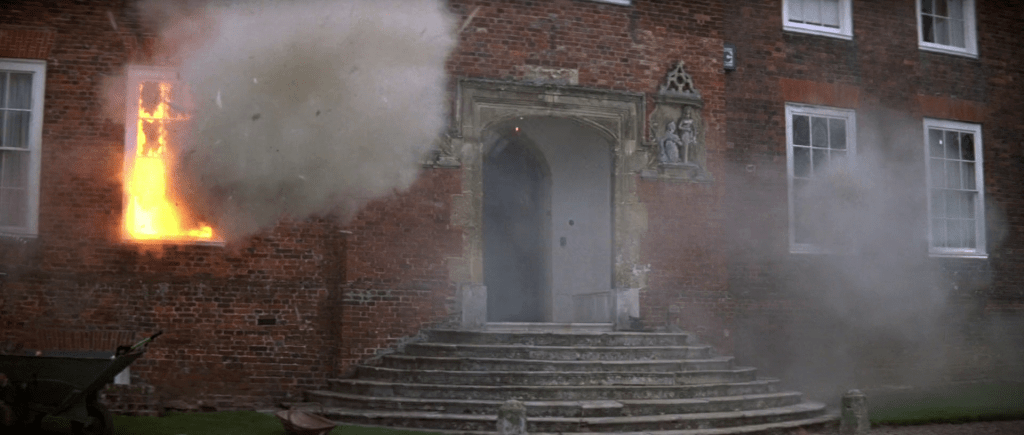
Clever and artistic – or just bonkers?

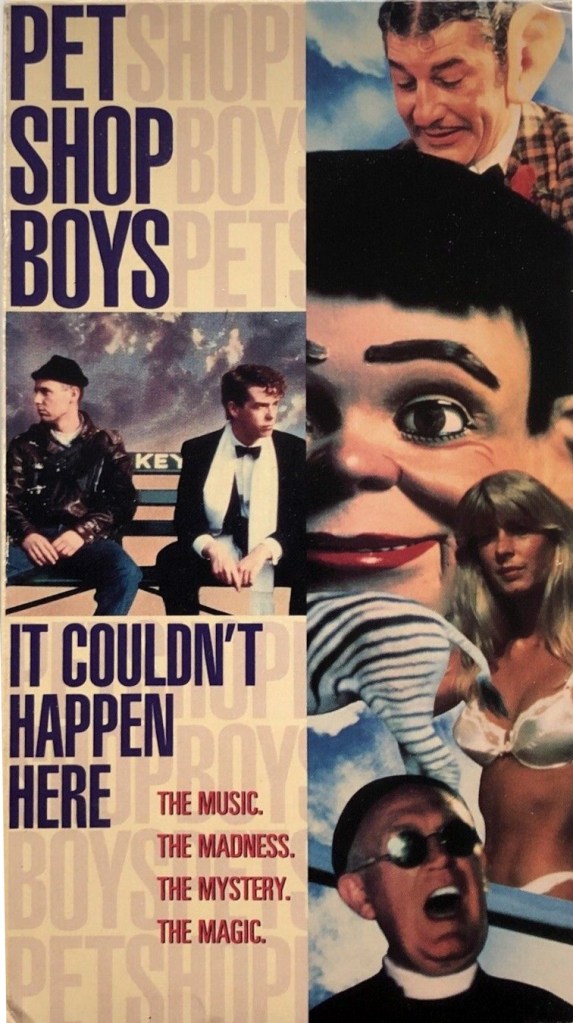
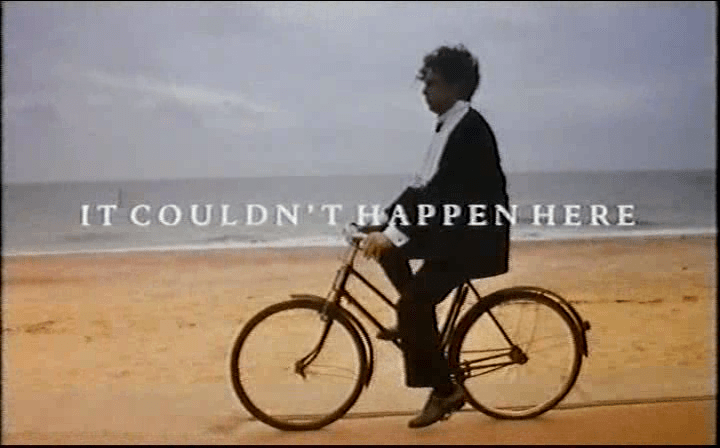
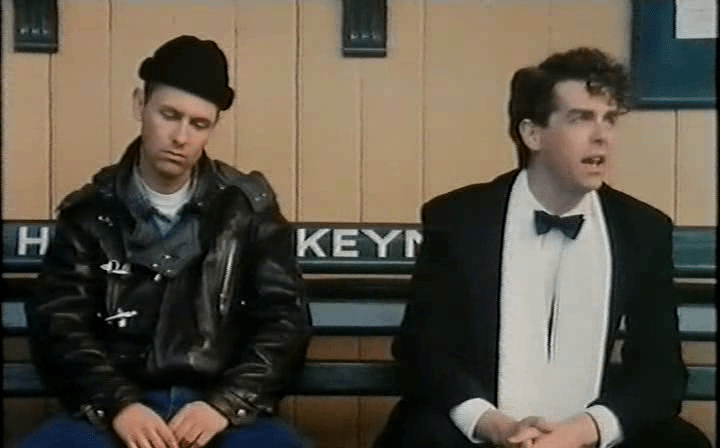
For those who do not know, a feature film was released in 1987 based upon the UK pop duo Pet Shop Boys – and the end product was fascinating to say the least.

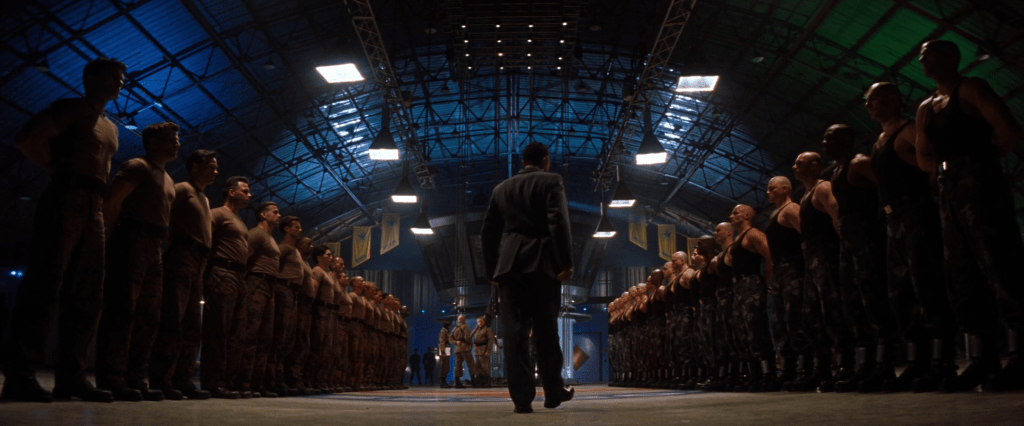
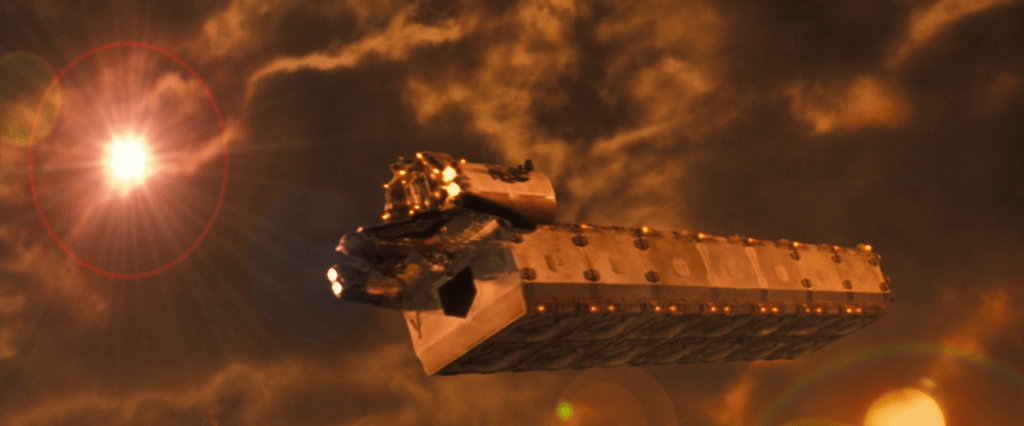
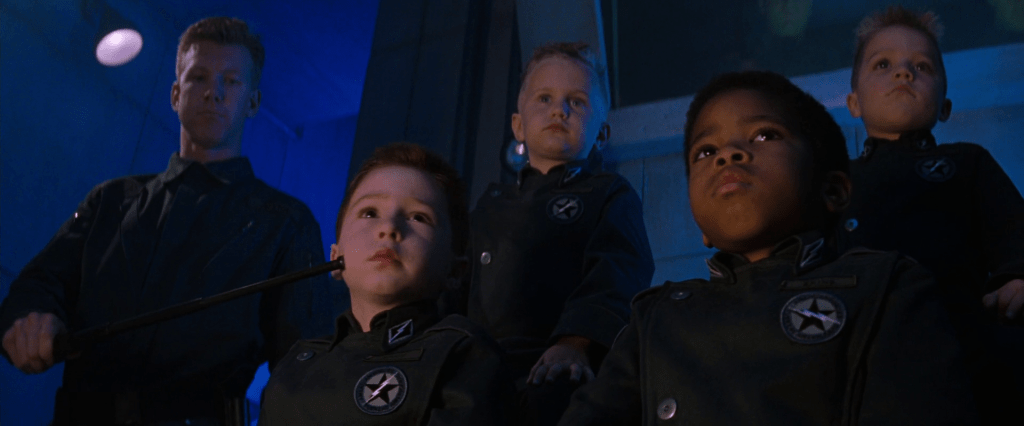
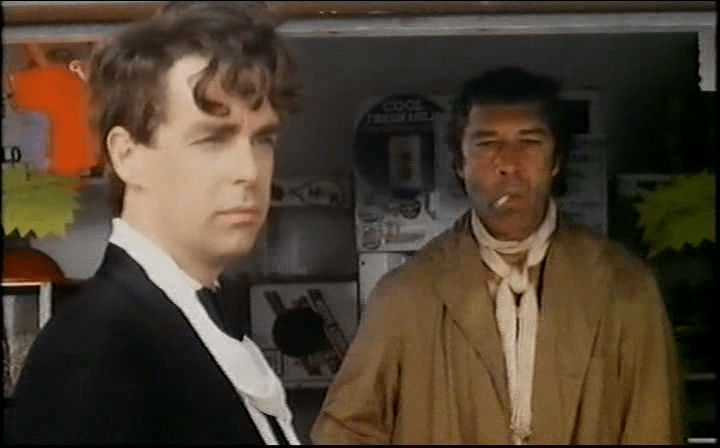
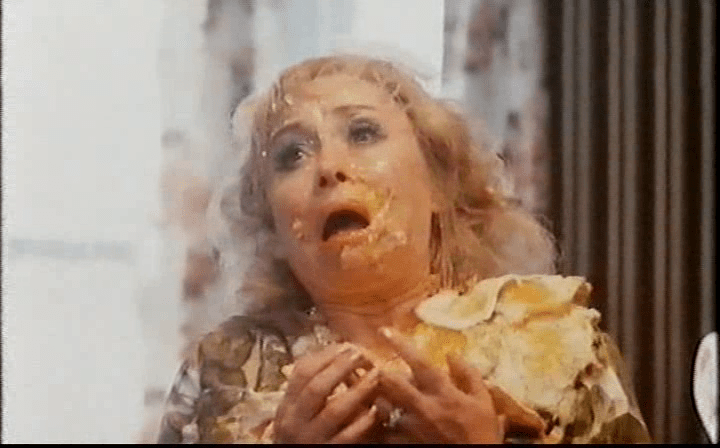
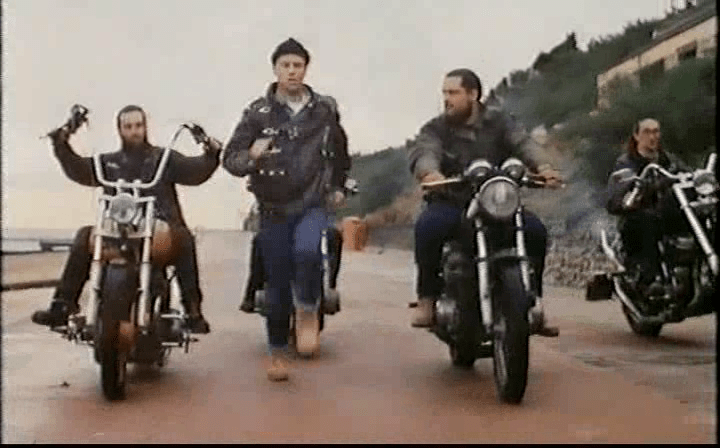
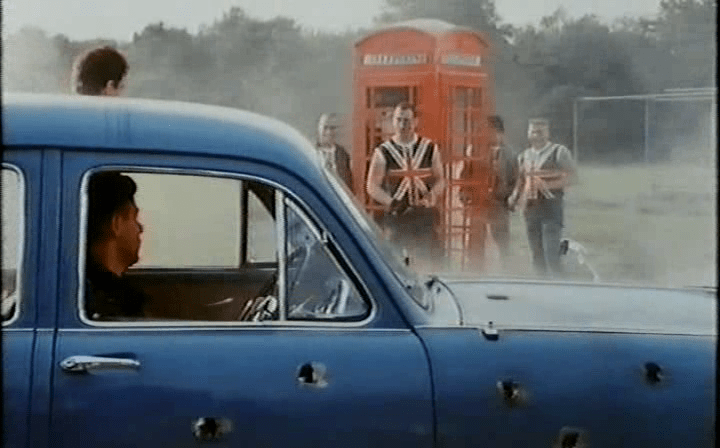
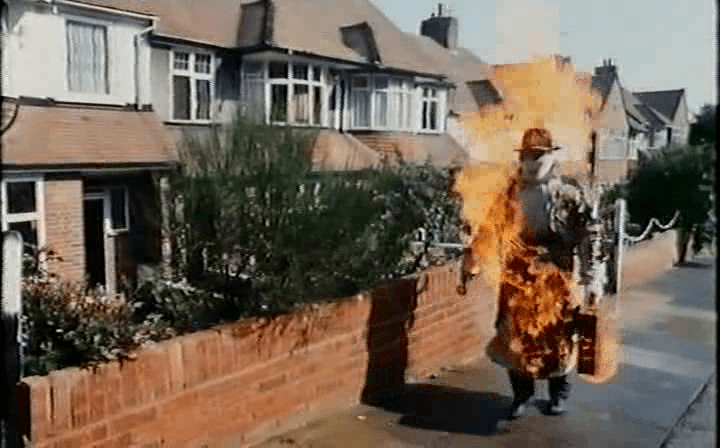
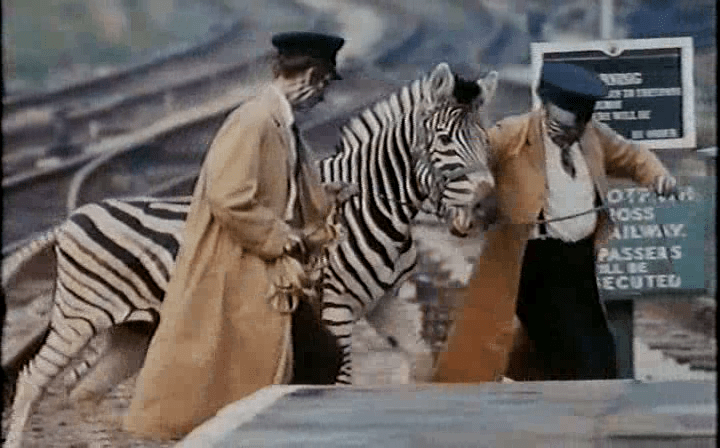
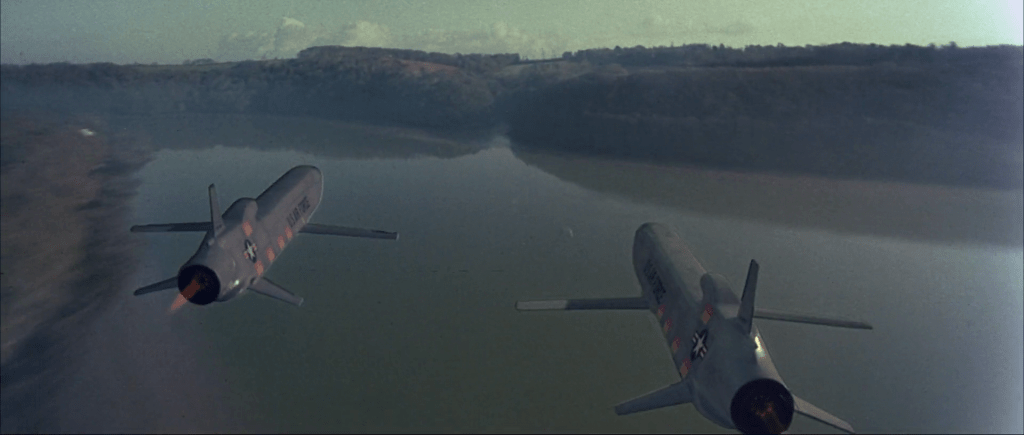
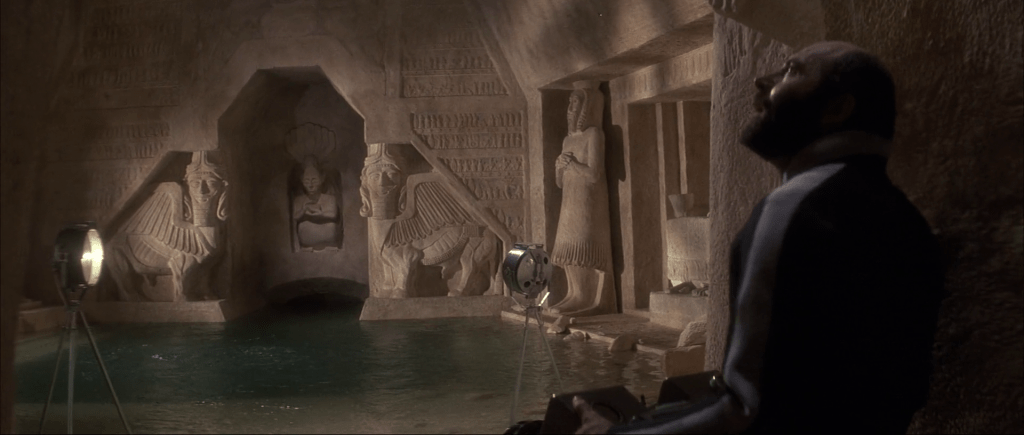
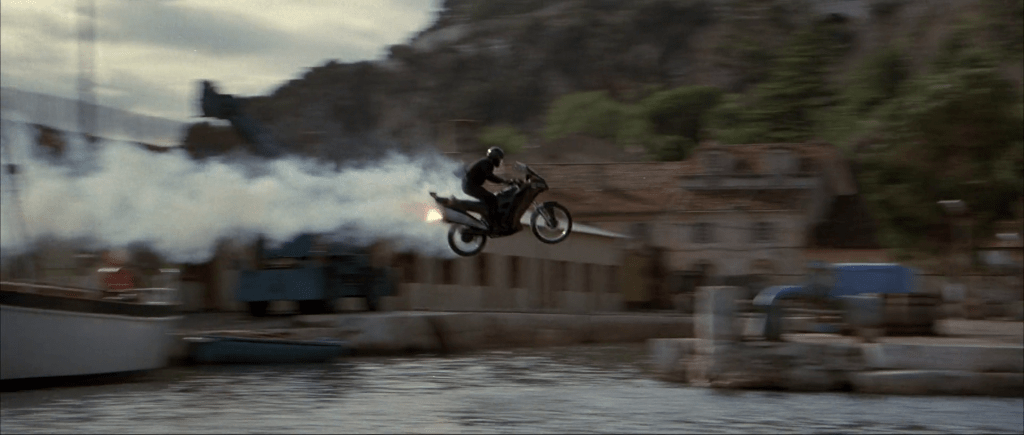
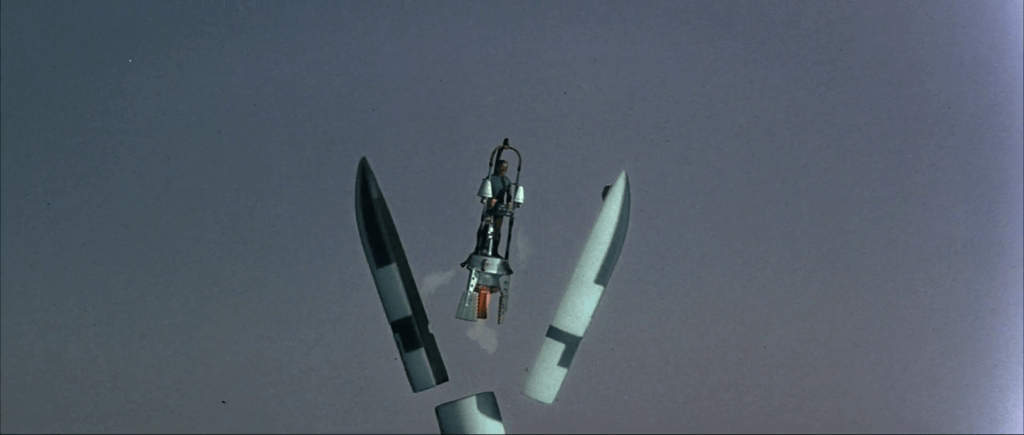
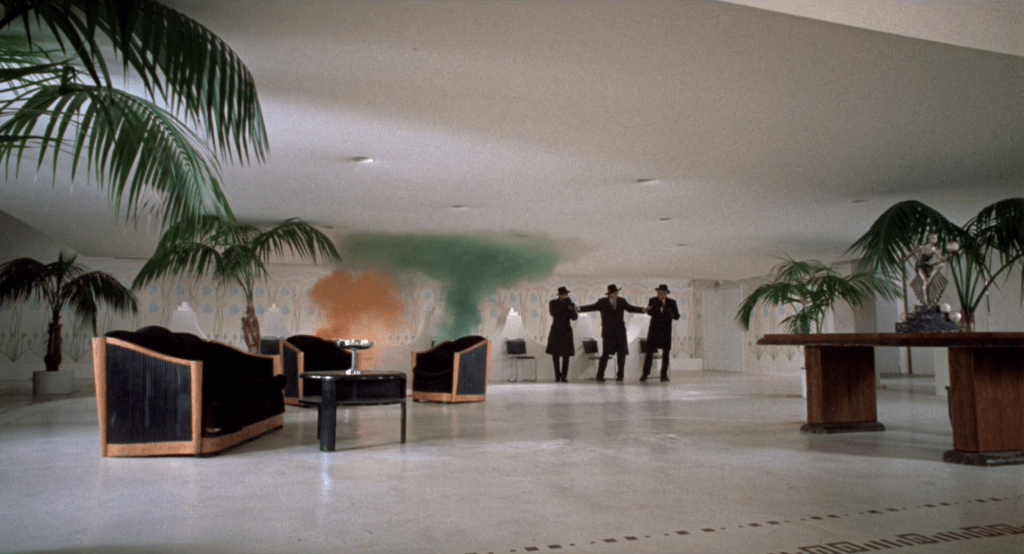
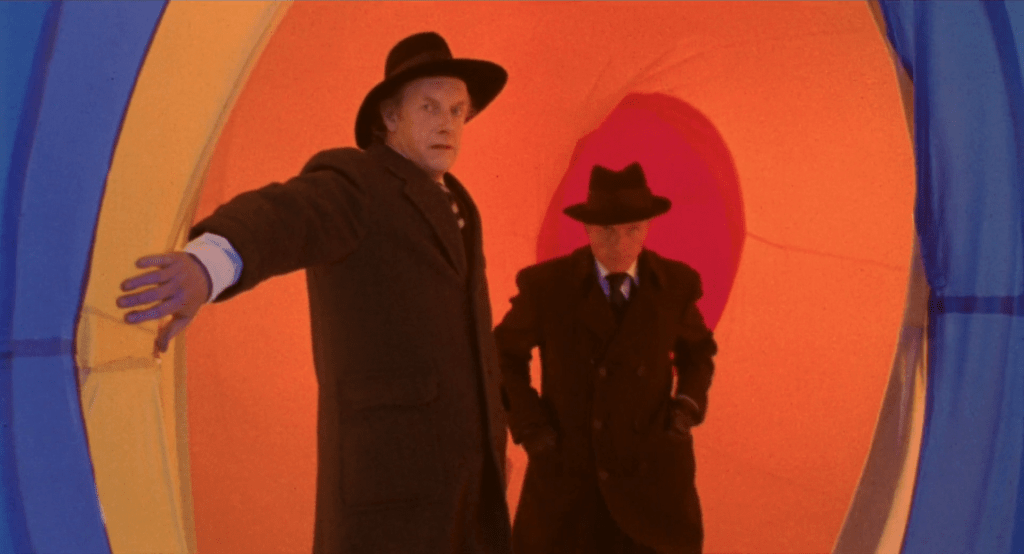
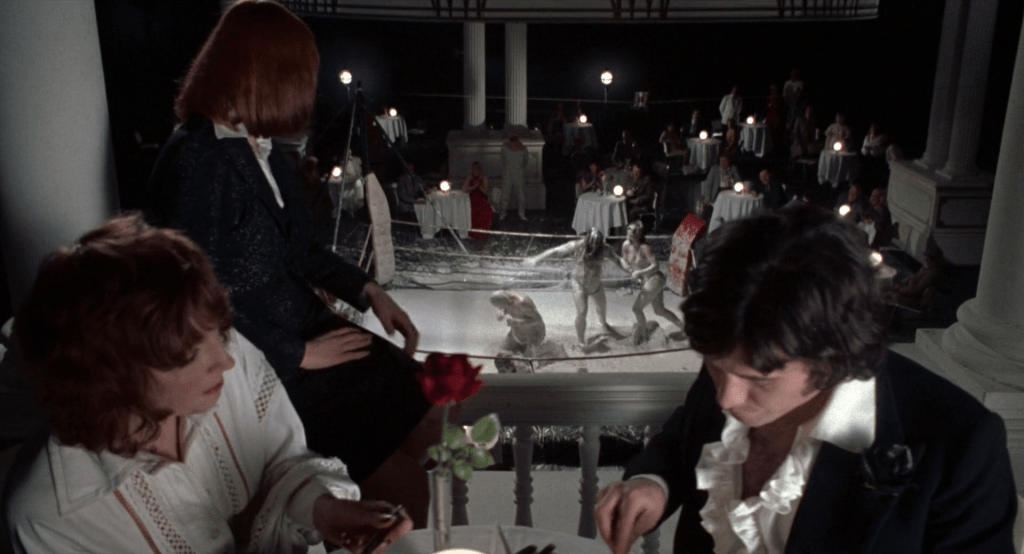
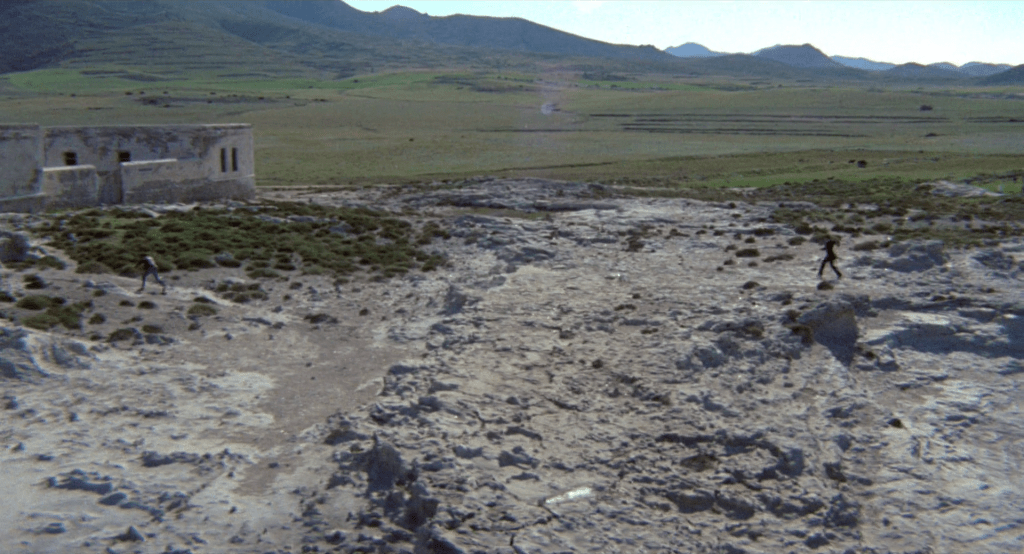
Directed by Jack Bond and starring both members of the band, Neil Tennant and Chris Lowe, ‘It Couldn’t Happen Here’ is essentially a long music video with some truly bizarre sequences, weird characters and even stranger dialogue taking place in and around the constant playing of Pet Shop Boys songs.

This film is completely nuts, however various Thatcher-related allegory and other critiques of British society can be interpreted within the show’s gloomy imagery and themes.

As clever as this may be, I felt that the film was just ‘weird for the sake of being weird’ at times and often went overboard with the craziness – some of which could have been left out.

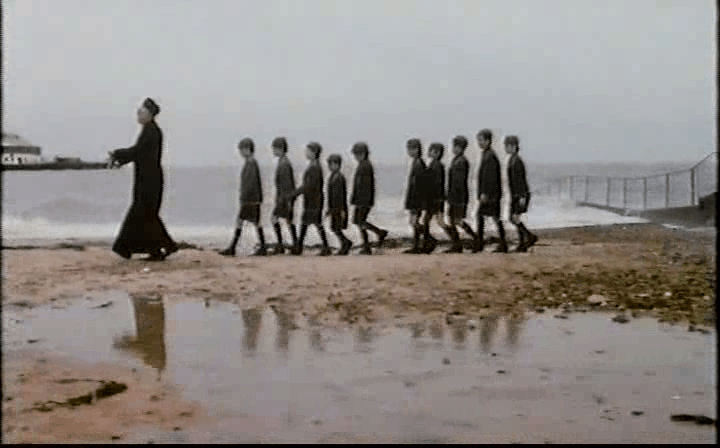
However, the one redeeming quality of this movie is the cinematography and surrealism, particularly when focusing less on the wacky characters and more on the wider settings and well-chosen locations. Most of the film was shot around Clacton-on-Sea on days when the weather was poor and the North Sea rather angry, and this added to the dreary, miserable tone that the filmmakers intended.
The Pet Shop Boys would have been experiencing near-peak popularity when this film was made, yet the project flopped and ended up being a box-office bomb.

I used to enjoy their music back in the day, but I wouldn’t have been too excited to see these guys star in their own movie – and perhaps this was the overall sentiment at the time.

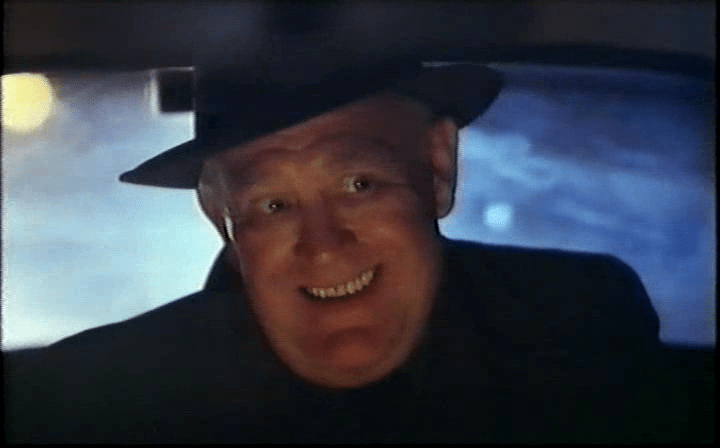
One actor that people might recognise in this film is Joss Ackland – who played the creepy priest chasing two boys around at the beginning of the film, as well as the psycho hitchhiker – but I’m not sure if they are meant to be the same character.

Ackland is perhaps best-known for playing the villain Arjen Rudd in ‘Lethal Weapon II’.

If you are into strange, surreal art house films, and enjoy the music of the Pet Shop Boys, then perhaps ‘It Couldn’t Happen Here’ is worth checking out. However, this is a weird show – much like a Ken Russell movie – so it really is an acquired taste and being a fan of the band might not be enough to cut it here.

I should point out that ‘It Couldn’t Happen Here’ has a rating of 71% on Rotten Tomatoes, and the surrealism and artistic direction are mentioned glowingly in many reviews on that site. I’m not sure about the high score, but I do agree with a lot of the positive comments there.

Overall, this is a very interesting film – but I would rate it somewhere around 50%.

On a final note, Jack Bond – who sadly passed away late last year – directed the music video for the Pet Shop Boys’ hit song ‘Heart’. This truly was a work of art – easily one of the best clips from the 1980’s – and starred Ian McKellen as a vampire out to spoil a young couples’ honeymoon. An absolute classic!

Link to the ‘Heart’ music video is below, courtesy of Pet Shop Boys YouTube channel.

Photos and screenshots courtesy of EMI Films.
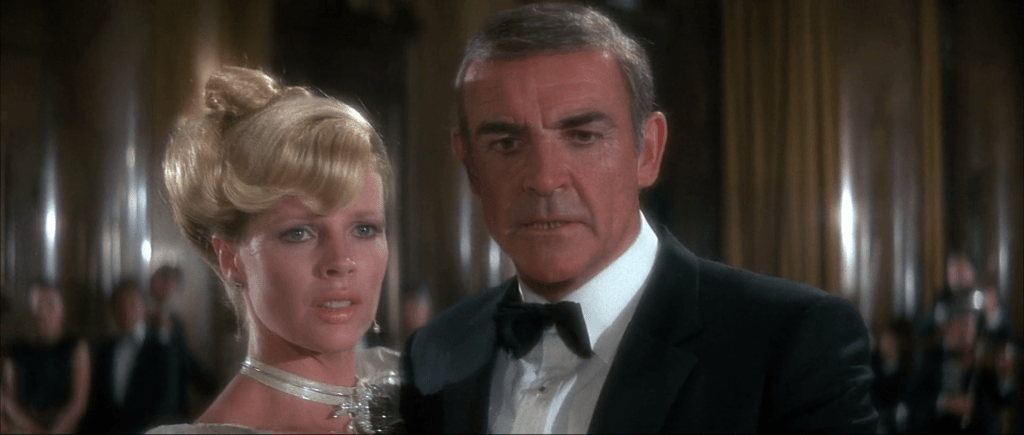
‘Never Say Never Again’ – The unofficial Bond film.
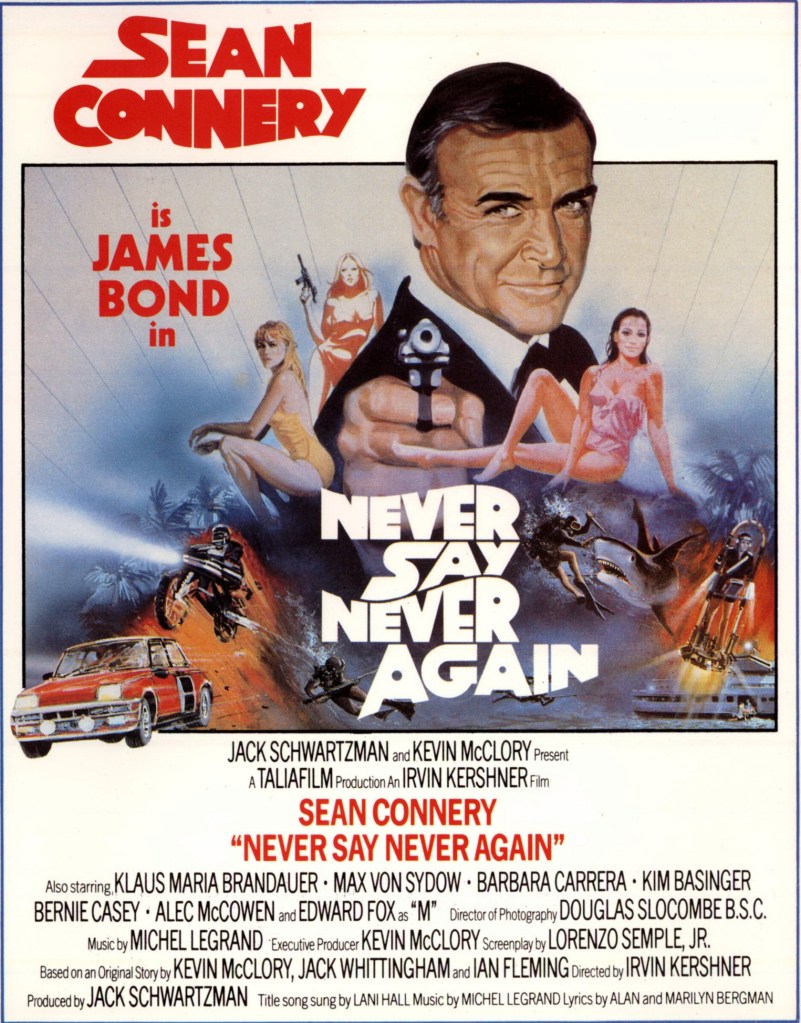
If you combine an ageing Sean Connery coaxed into returning one last time as agent 007, with the director of ‘The Empire Strikes Back’ and a legal loophole over the rights to the Ian Fleming novel ‘Thunderball’ – we end up with the 1983 James Bond movie ‘Never Say Never Again’.

It was an interesting time, as on the ‘official’ side of things Roger Moore had pretty much hung up his boots and American actor James Brolin was set to star in the next Bond film ‘Octopussy’. However, the folks at Eon Productions reacted nervously to Connery’s comeback, and sensing some serious competition quickly pushed Brolin aside and convinced the ever-reliable and established Moore to return to the role.

As it turned out, both ‘Octopussy’ and ‘Never Say Never Again’ were released in 1983, with the Roger Moore film coming out four months earlier and narrowly beating its rival at the box office. However, a number of critics at the time gave slightly higher reviews to the Connery flick, but for me both films are about on par.

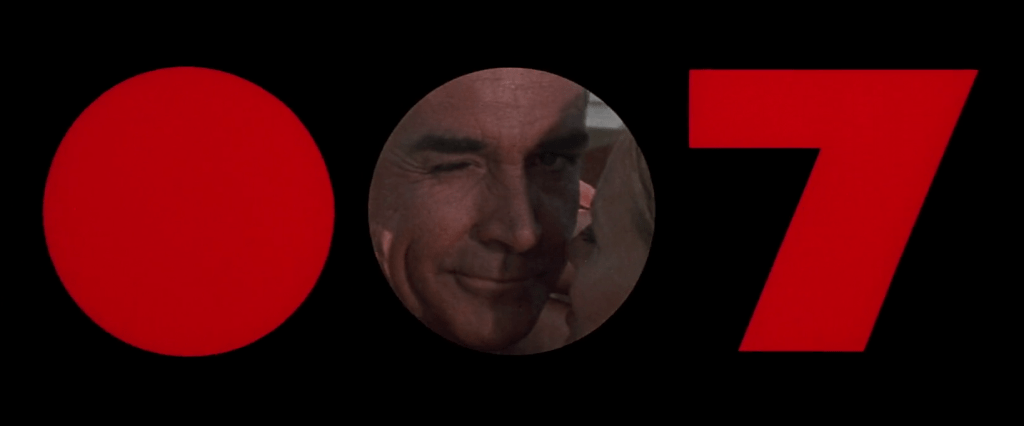
‘Never Say Never Again’ was essentially a remake of the 1965 film ‘Thunderball’, but due to legal reasons could not use the opening gun barrel sequence nor famous guitar theme – however, the producers were allowed to use the number 007 as well as the names of characters created in the original work.

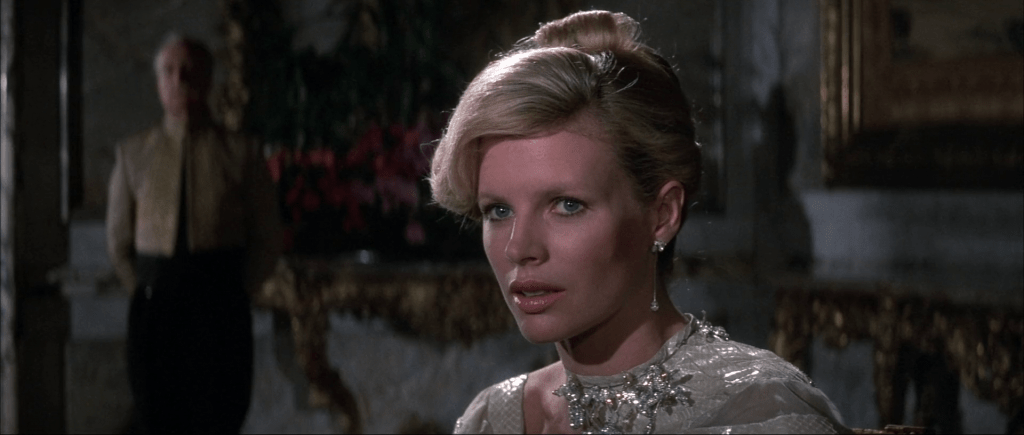
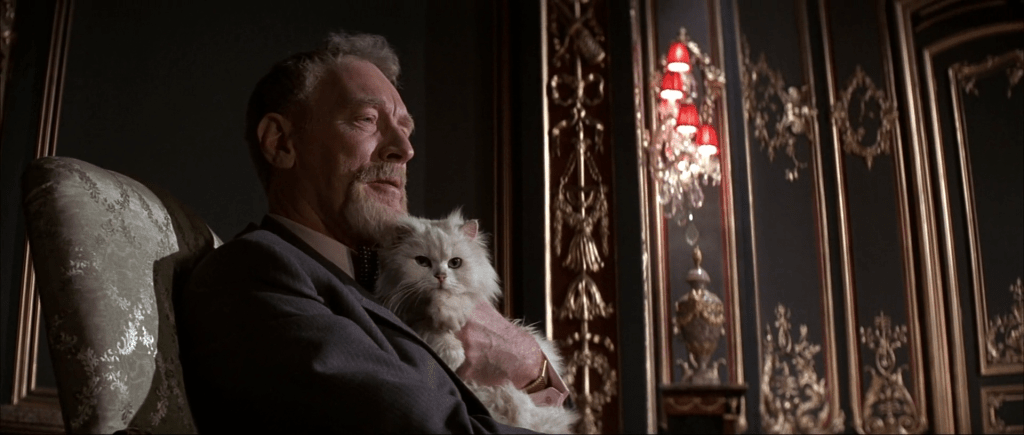
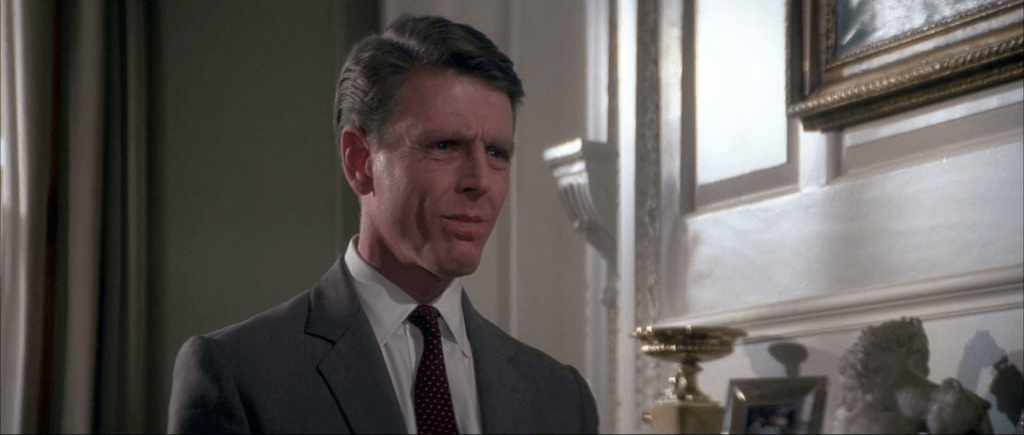
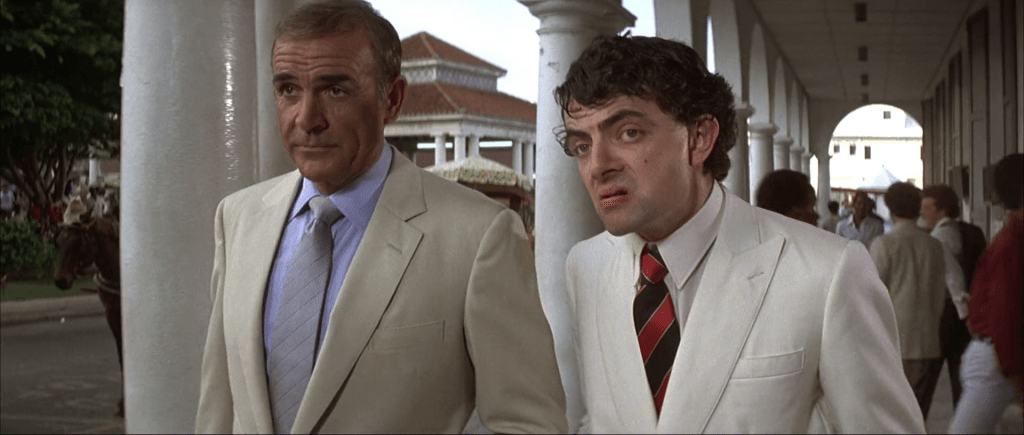
Casting-wise, it beat ‘Octopussy’ hands down – with Kim Basinger, Max Von Sydow, Edward Fox, Barbara Carrera and Rowan Atkinson starring.

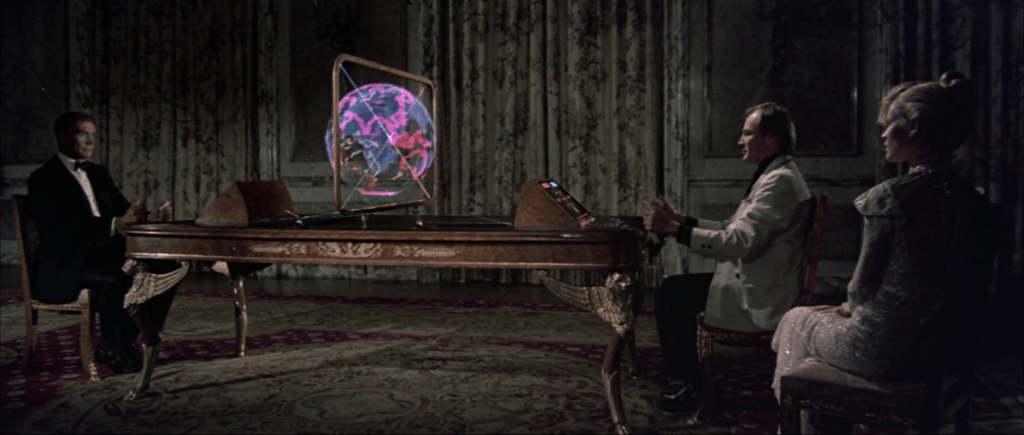
With the master director Irvin Kershner calling the shots, the action scenes were impressive and eye-catching, including a strange video game sequence between Bond and the main villain Largo (played brilliantly by Klaus Maria Brandauer).

Overall, ‘Never Say Never Again’ is a good piece of lightweight entertainment, featuring plenty of thrills and spills – with a mature Connery in decent shape for the role. Incidentally, he was actually three years younger than rival 007 Roger Moore.

I’m not sure if anyone else picked up on this, but I always found the music to ‘Never Say Never Again’ a little odd – even comical at times – although the theme song performed by Lani Hall was certainly Bond-esque, albeit a little high-pitched.

The legal decision that allowed this movie to be made is an interesting story in itself, but one that I won’t go into too much detail here – as it is quite complicated and involves a ten-year statute and exclusive rights to ‘SPECTRE’ and the evil Ernst Stavro Blofeld – which explains their absence in the Roger Moore films, not counting the parody scene in ‘For Your Eyes Only’.

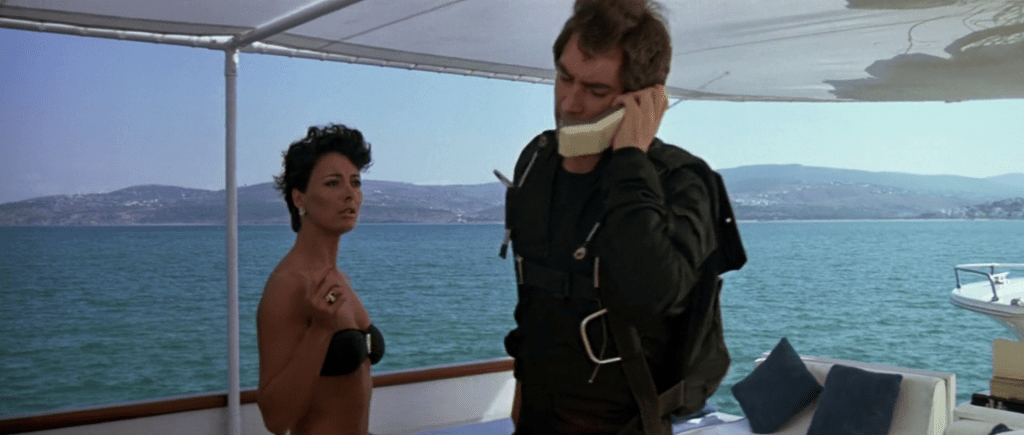
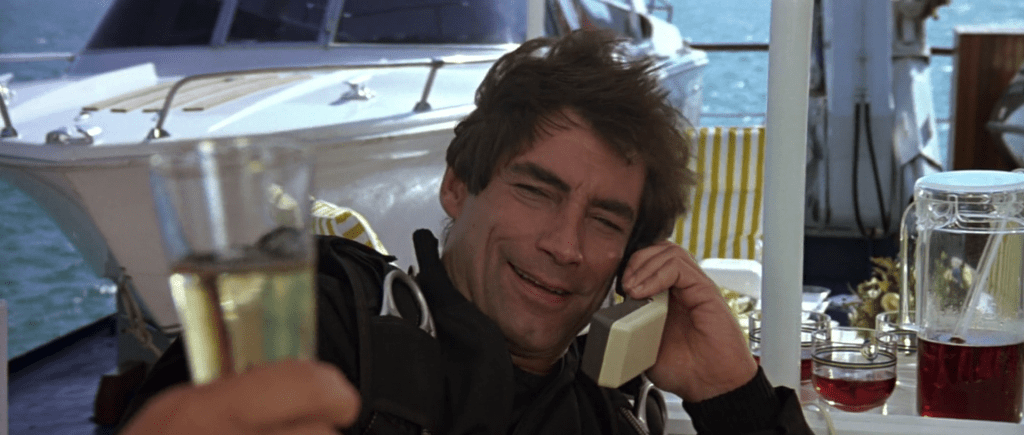
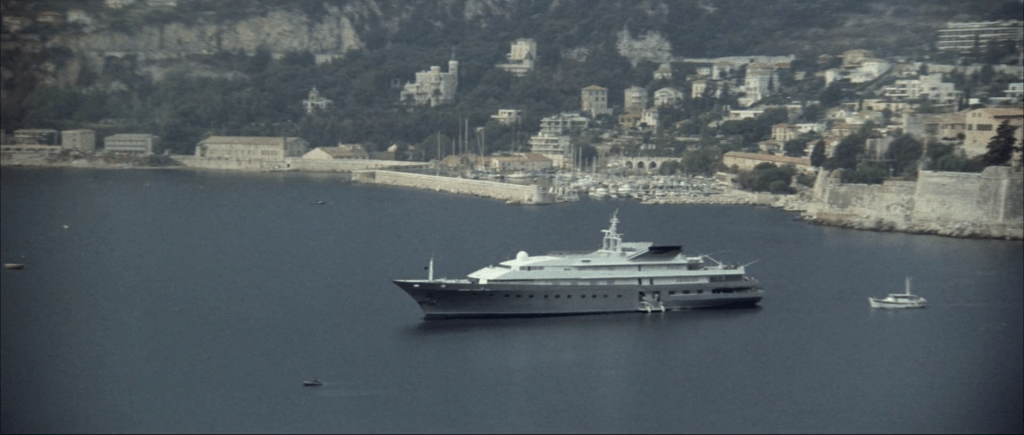
Interestingly, Largo’s yacht – called ‘Flying Saucer’ in the film – was actually the infamous ‘Nabila’ owned by Saudi arms dealer Adnan Khashoggi. The same boat would later be purchased by Donald Trump and renamed ‘Trump Princess’.

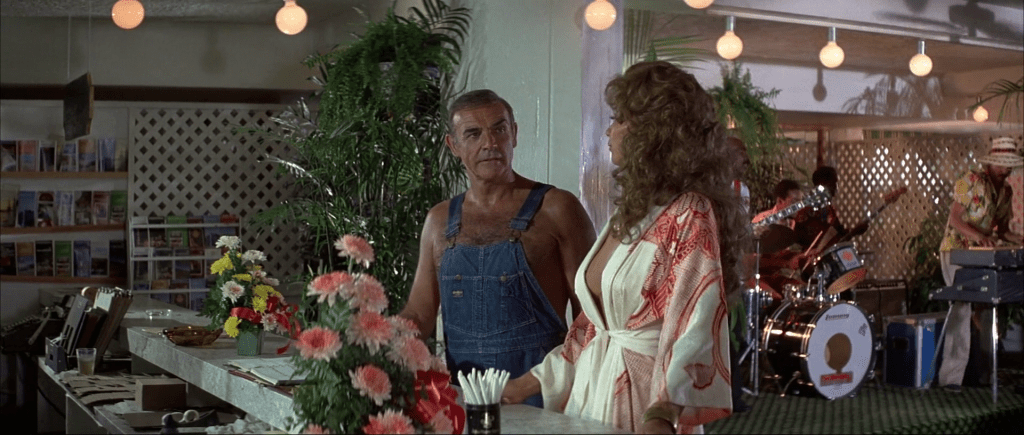
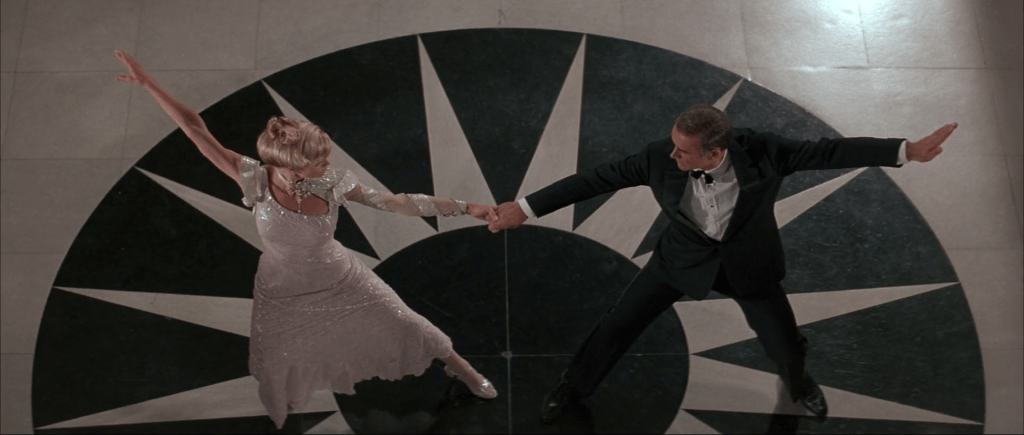
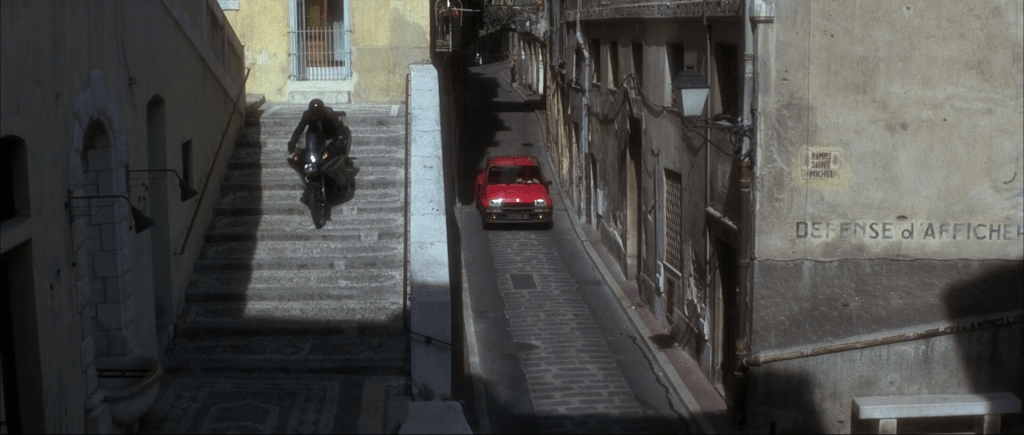
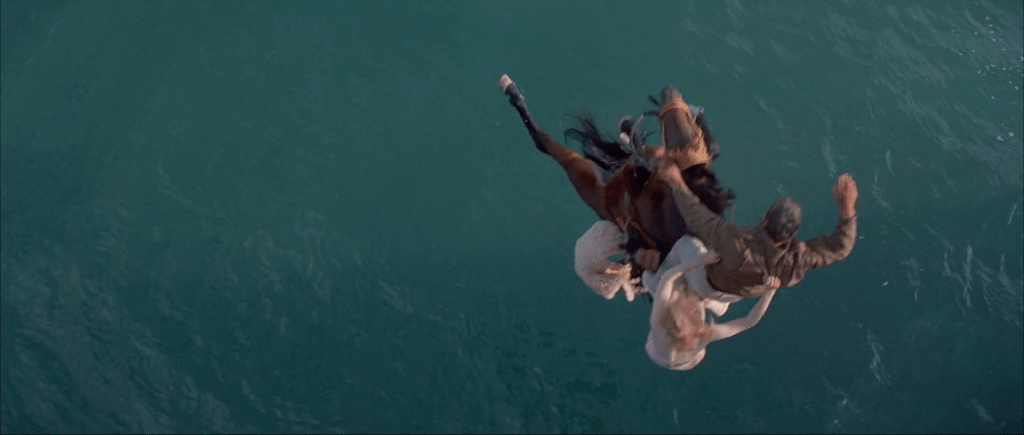
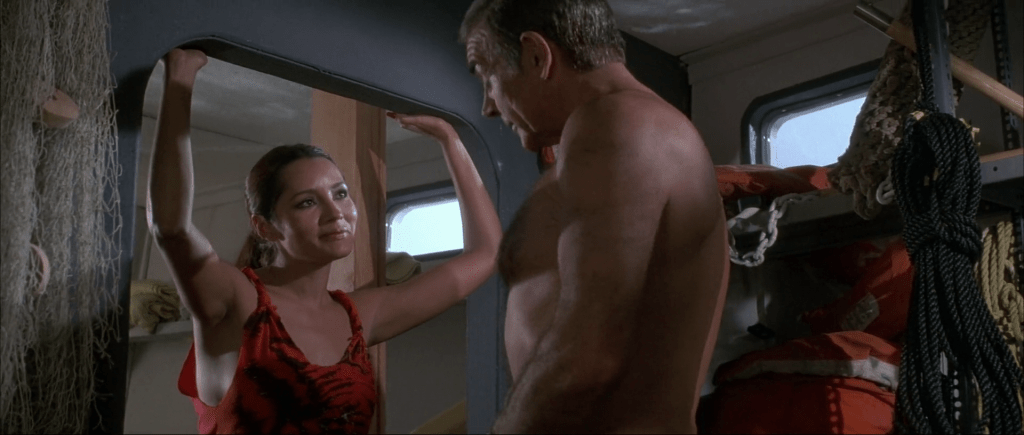
Below is a collection of screenshots from the movie – and yes, 007 is wearing overalls.

This would be the last time Sean Connery played James Bond, whereas Roger Moore – aged 57 at the time – would make his final appearance as 007 in ‘A View to a Kill’ in 1985.

Connery’s film career would go on to reach new heights throughout the late eighties with ‘Highlander’, ‘Indiana Jones and the Last Crusade’ and his Oscar-winning performance in ‘The Untouchables’. He would continue to find success over the next decade with hits such as ‘The Hunt for Red October’, ‘The Rock’ and ‘Entrapment’ – to name but a few.

Screenshots and images courtesy of Warner Bros and Taliafilm.

‘The Ultimate Warrior’ – a 1975 post-apocalyptic classic!

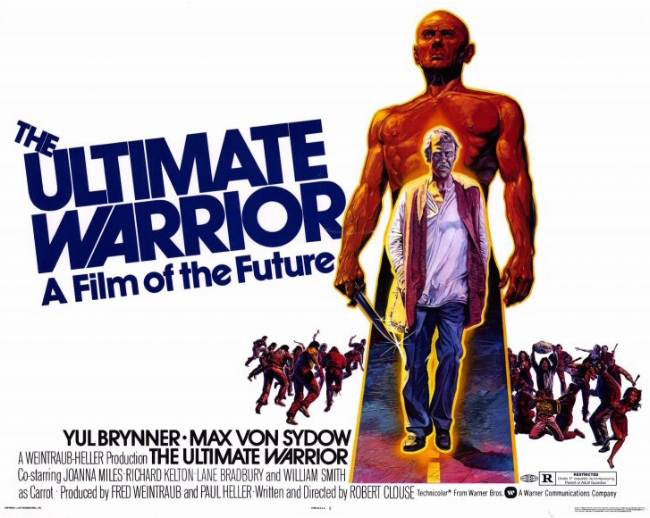
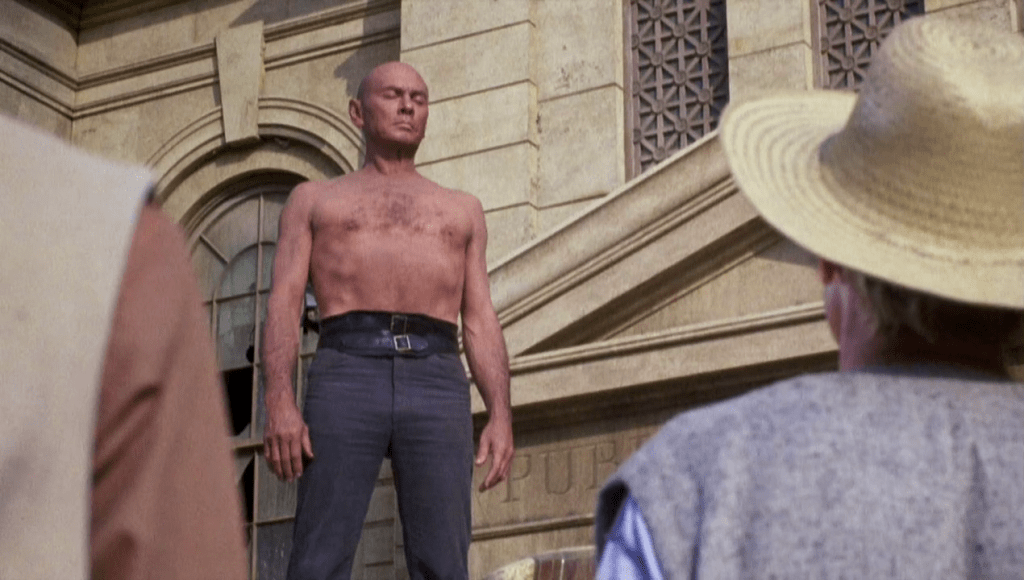
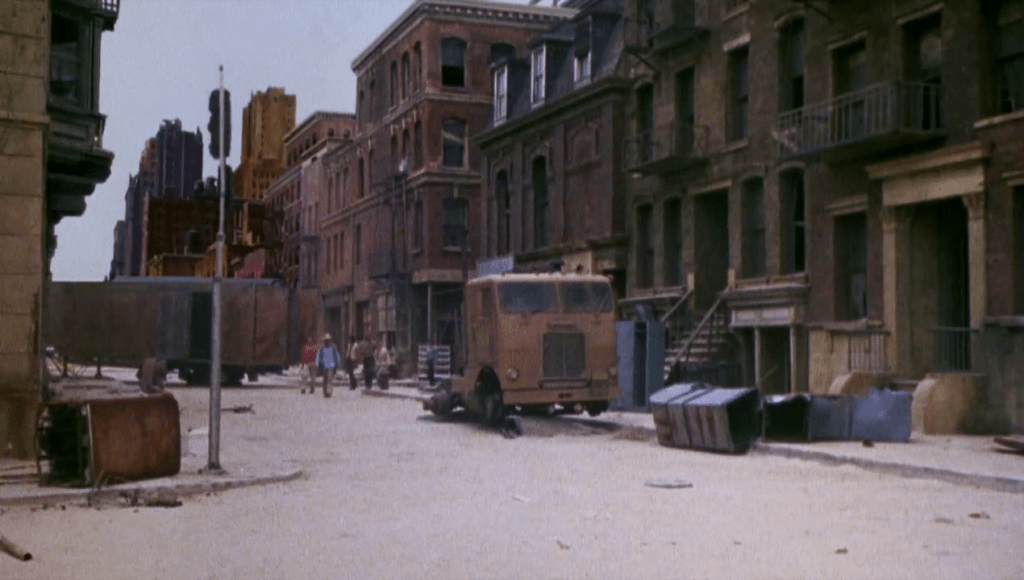
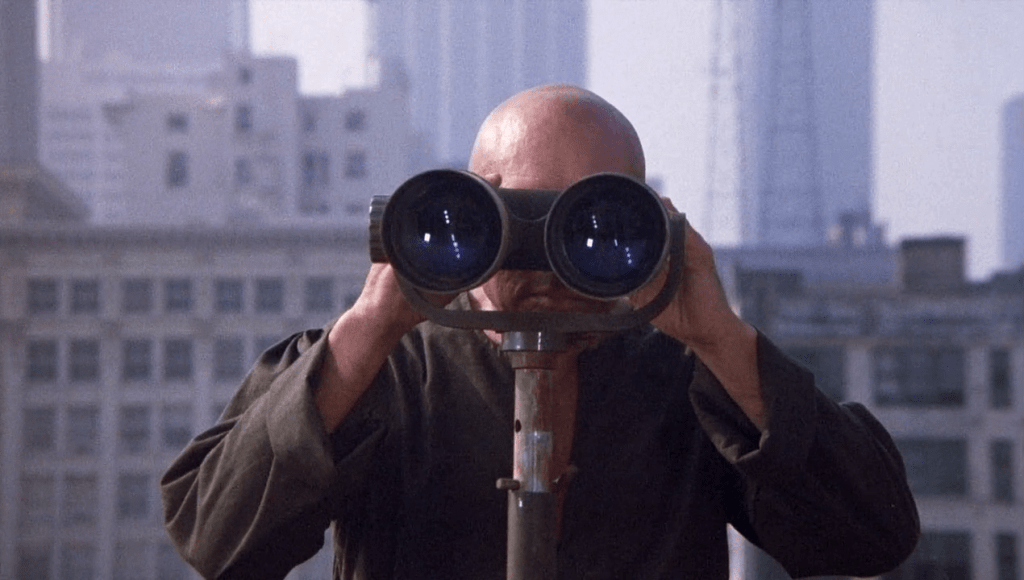
Starring the legendary Yul Brynner and Max Von Sydow, ‘The Ultimate Warrior’ is set in a futuristic New York City after a series of epidemics have decimated the world’s population.

The story revolves around a mysterious warrior named Carson (Brynner) who is offered a place to live inside a safe compound by their leader Baron (Von Sydow) in return for him escorting some of the occupants to a safe haven outside of the city.

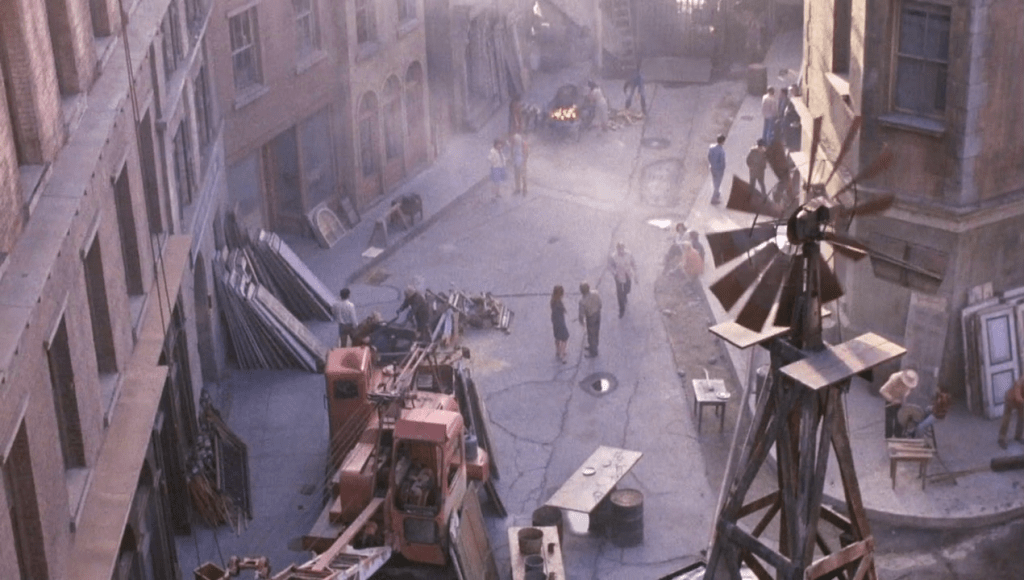
The movie is straight-forward enough and follows the typical plot and formula of other similar films of that era. It’s not one of the better known sci-fi efforts from this decade, but certainly stands up in terms of set design and cinematography.

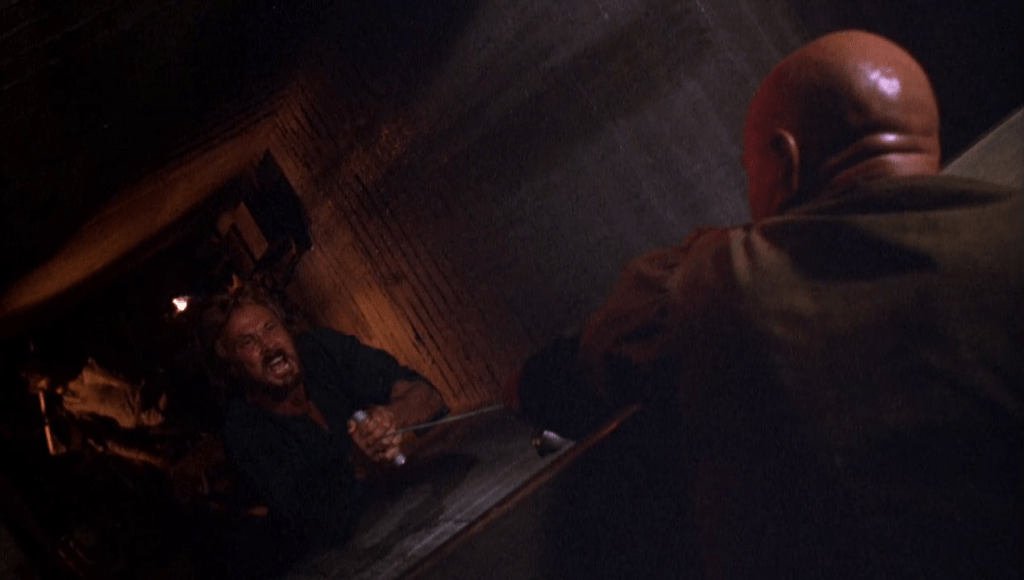
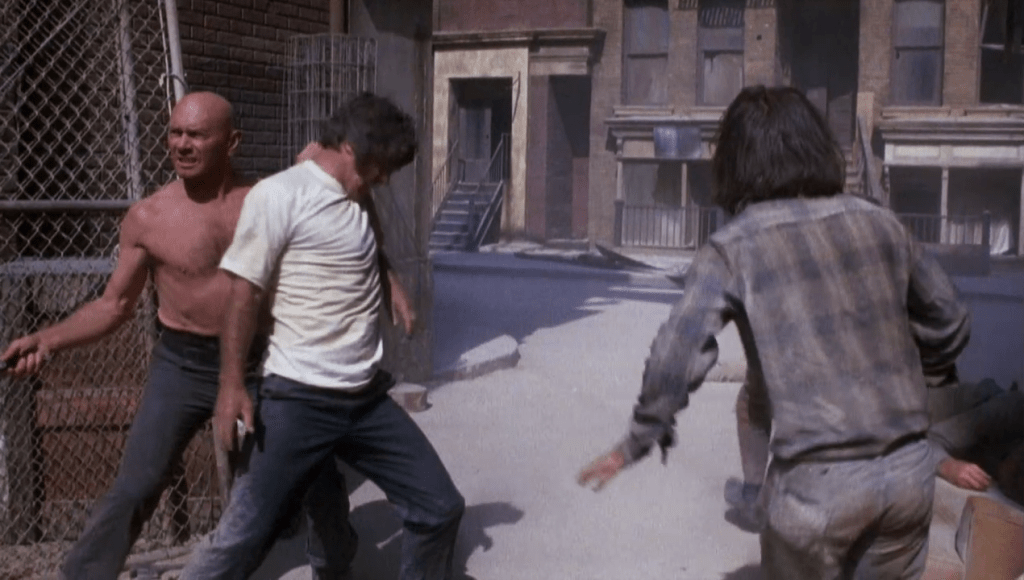
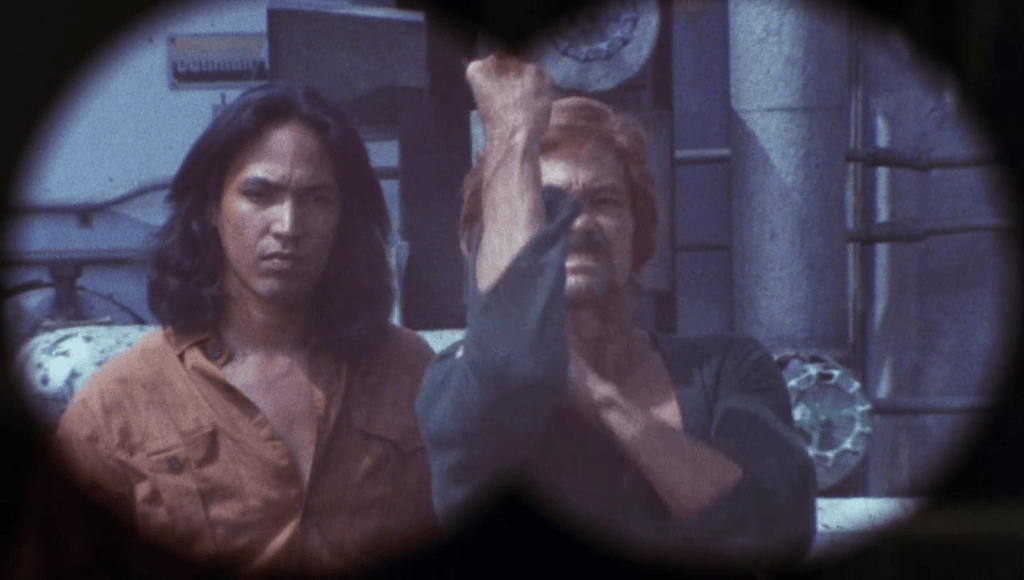
There are lots of action scenes – particularly fighting – as the title suggests, with an ageing Brynner holding his own. I should also point out that the main antagonist in the film, ‘Carrot’ is played by William Smith – the gravelly-voiced bad guy starring in a number of movies and TV shows over the years.

This film may have slipped under the radar of most sci-fi fans, as it would have been overshadowed by some of the more famous movies released during the same period. However, it did make $9 million at the box office from a budget of around $800,000 – which is a pretty good return and perhaps an indication of Brynner’s star power.

If you enjoyed films such as ‘Soylent Green’ and ‘Escape from New York’ – with some knife fighting and red paint splashed about – then ‘The Ultimate Warrior’ is well worth checking out.

Screenshots courtesy of Warner Bros and Columbia Pictures.

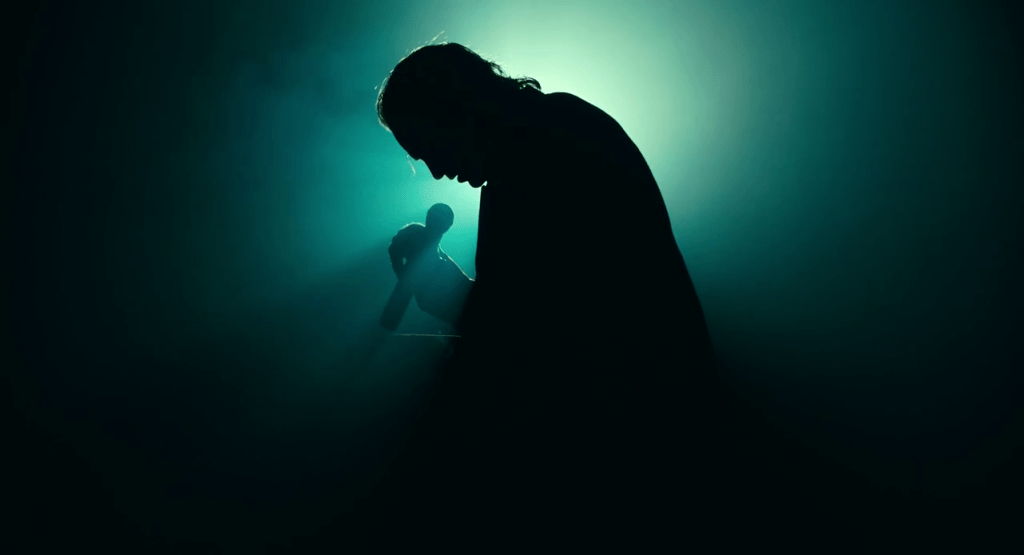
I finally watched ‘Joker: Folie à Deux’

Having heard that this sequel took a sharp turn away from the brilliant 2019 film, I decided to stay away from the cinema and wait until it was available to stream before watching it.

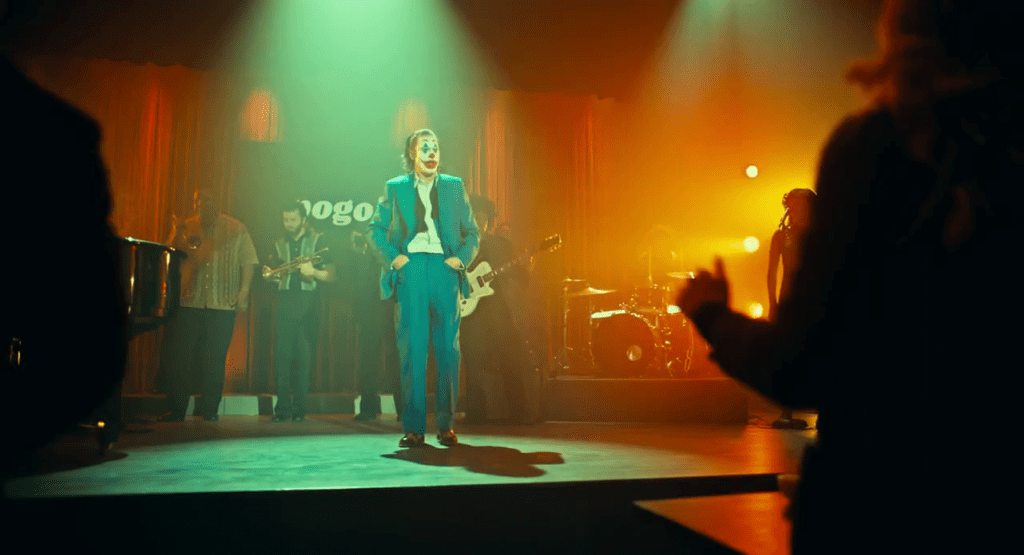
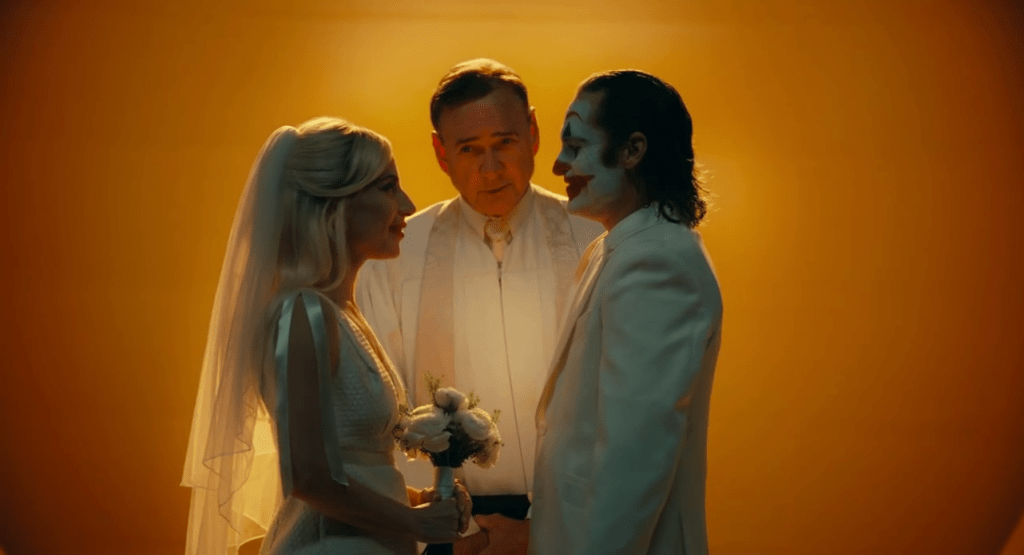
Now that I have seen ‘Joker II’, to say that it deviates from the winning formula of the first film is an understatement. It wasn’t the disaster that some are claiming it to be; the mood and style were still there, the song and dance routines gave the audience a clever insight into the mental state of the main characters, and it was well designed and directed.

However, this is not what the average fan wanted to see.

Without spoiling anything for those who still want to see this movie, all I will say is that for the first twenty minutes it looked like we were in for a film similar to the first one – but then the musical numbers kicked in. Quite simply, there were way too many!

There were good moments in the film that were more in line with the original ‘Joker’, but these were few and far between – with the standout for me being the courtroom scene between Arthur and Gary Puddles – and needless to say, all the performances in the movie were solid.

But the flaws easily outweighed the positives, and I was very disappointed in this movie.

I loved the first film and must have watched it four or five times – in fact, I could put it on right now and be glued to the screen from start to end. Watching the sequel had the opposite effect on me, and I could not digest it all in one sitting – it took me four sessions to complete over a couple of days. This is important to note, as one of the reasons why the first film did so well at the box office was through people returning to the cinema to watch it a second time.

For the record, I gave this film two stars (out of five) on Rotten Tomatoes.

All screenshots courtesy of Warner Bros

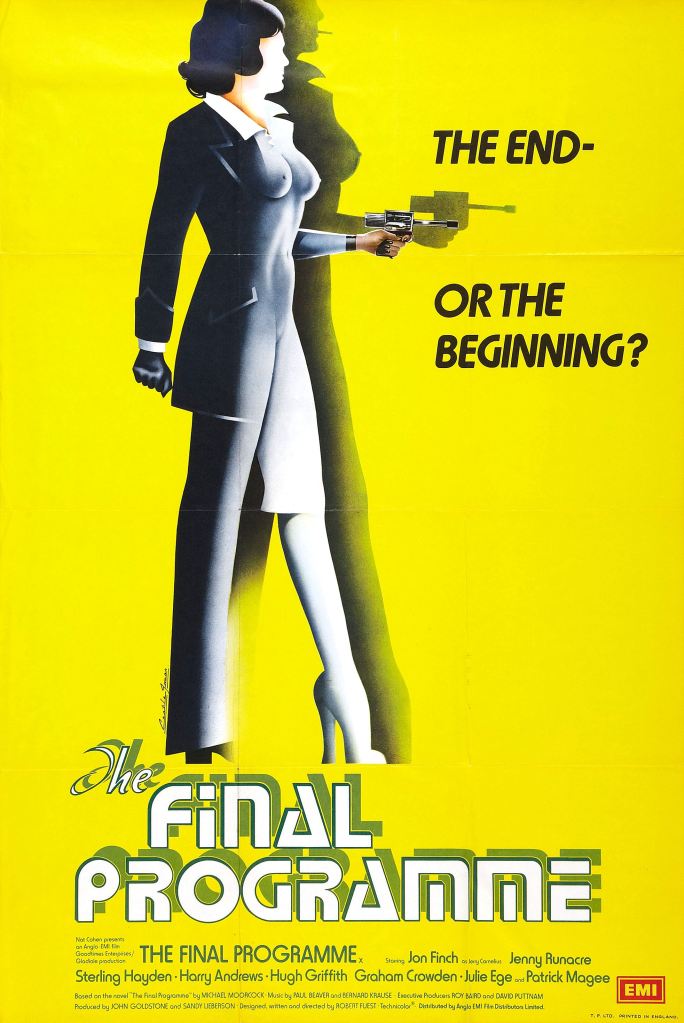
‘The Final Programme’ – Mind-bending 1970’s Sci-Fi.

‘The Final Programme’ is a 1973 British science fiction film based on the 1968 novel of the same name by Michael Moorcock. It follows the story of scientist/playboy Jerry Cornelius at a time when the world is about to end, and the race is on to prevent the apocalypse by creating a new Messiah in a laboratory using a super computer.

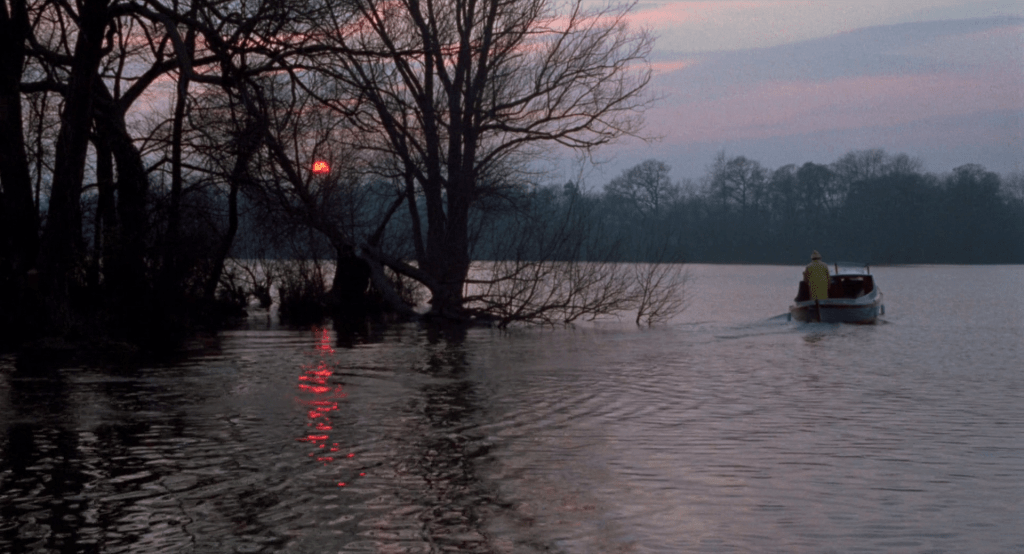
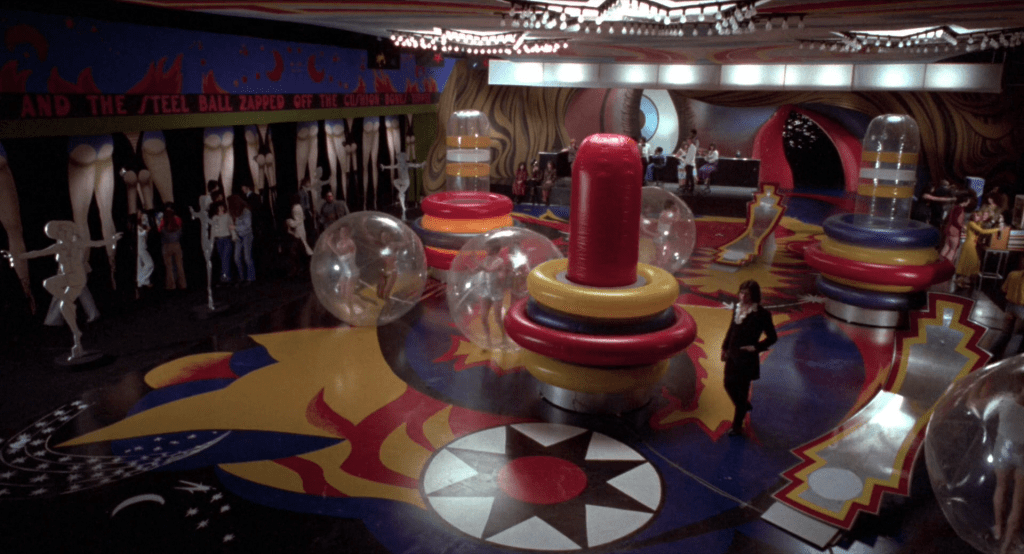
While the movie is crazy and nonsensical at times, the cinematography – location shoots and studio sets – is of a very high quality and the imagery throughout the film is quite unique.

The movie stars Jon Finch as the main character Jerry Cornelius and was directed by Robert Fuest. You may recognise a few other actors in the film such as Sterling Hayden, Sarah Douglas (who would later star as Ursa in ‘Superman II’), Patrick Magee (who portrayed the writer in ‘A Clockwork Orange’) and Derrick O’Connor (who played the South African henchman Pieter Vorstedt in ‘Lethal Weapon II’).

Without spoiling the film, I will simply show a few screenshots highlighting the weird yet impressive locations and camera work. Note the incredible sets for both the bizarre pinball parlour and the snazzy interior of the Cornelius mansion.

The third act of the film takes place in Turkey and then in a secret lab in Lapland. Again, the visuals are outstanding, even if the plot is a little wacky!

This movie is not everyone’s cup of tea, but if you appreciate quirky early seventies British fantasy/science fiction then you will take a lot of enjoyment from this film.

Screenshots courtesy of Goodtimes Enterprises.