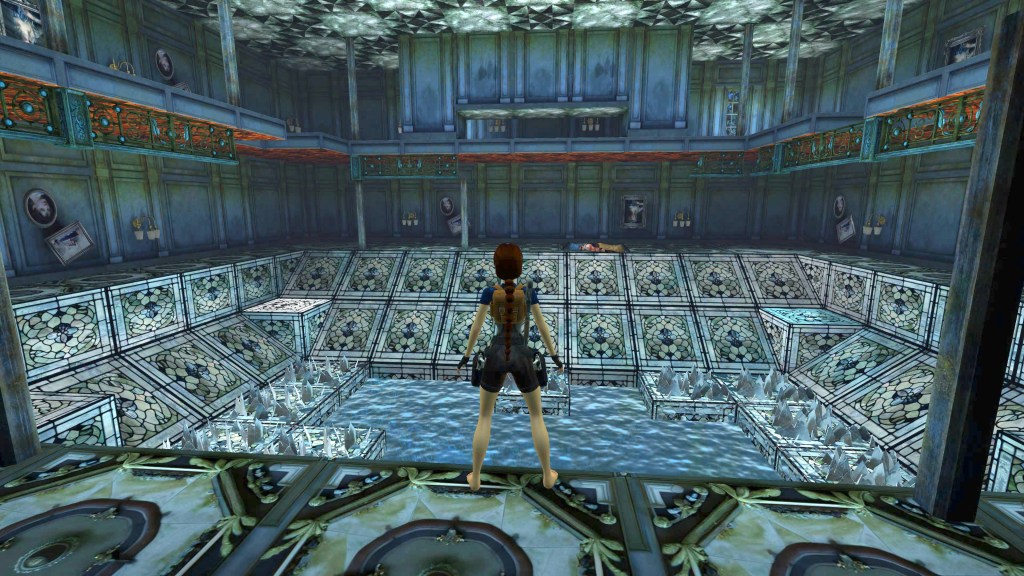
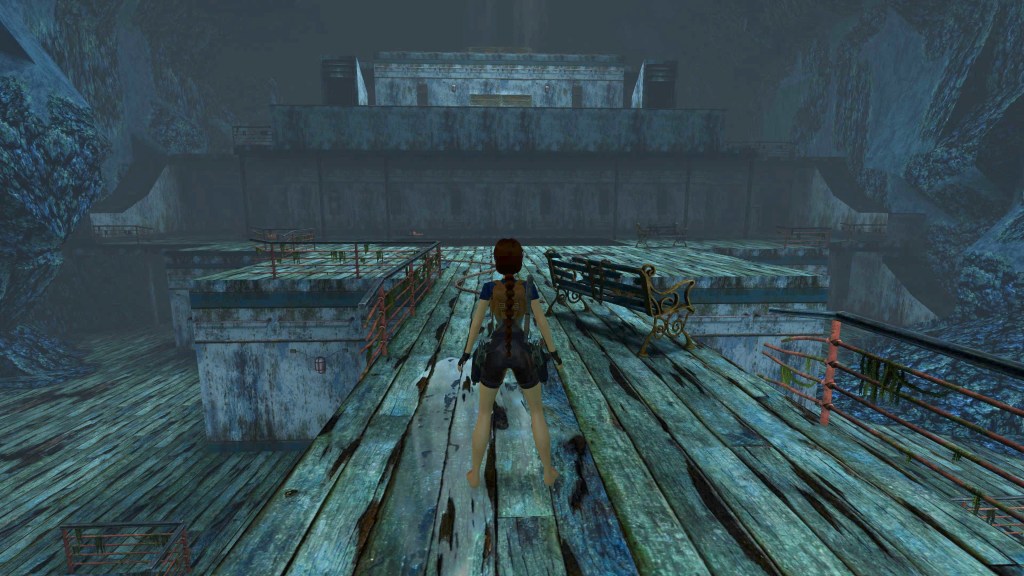
Tomb Raider Chronicles – The New York Levels

The whirlwind adventure that is ‘Tomb Raider Chronicles’ comes to a dramatic finale as Lara Croft dons a leather catsuit and infiltrates the high-security Von Croy Enterprises building in New York City, or rather Jersey City – if the positioning of the Manhattan skyline in the distance can be used as a marker.

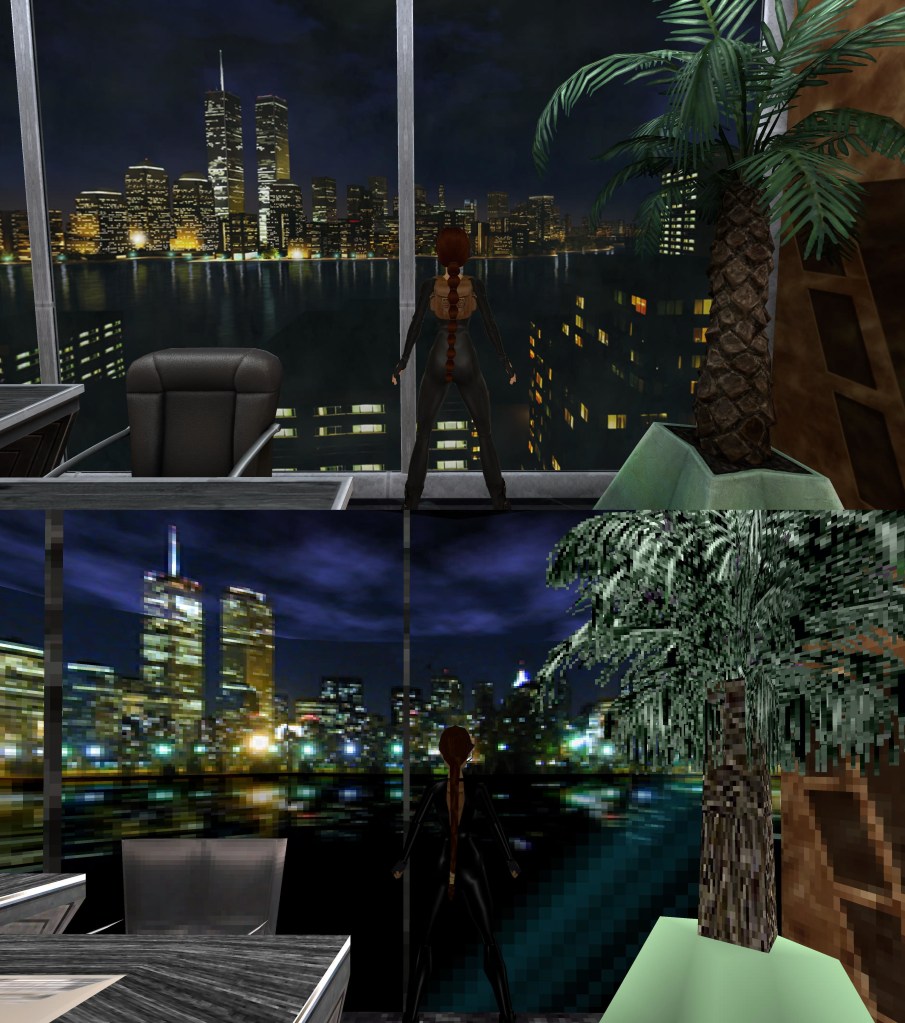
I should explain the geography a little here, as I was quite keen to learn the exact location of where this adventure was taking place. With the World Trade Centre featuring prominently in the background whenever our heroine positioned herself close to a window overlooking the river, I thought it would be interesting to use this view to pinpoint where this fictional building was supposed to be.

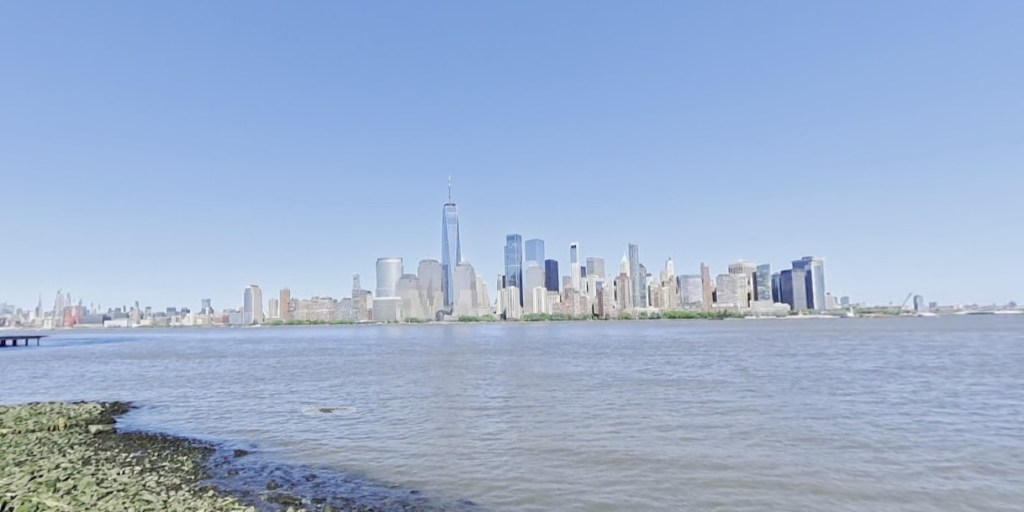
Now, I’ve never been to New York City so correct me if I am wrong here. If you logically follow the three photos above – factoring in that the building Lara is standing in is a little further back from the river – then I think a reasonably accurate location for the Von Croy headquarters would be somewhere within the yellow circle on the map.
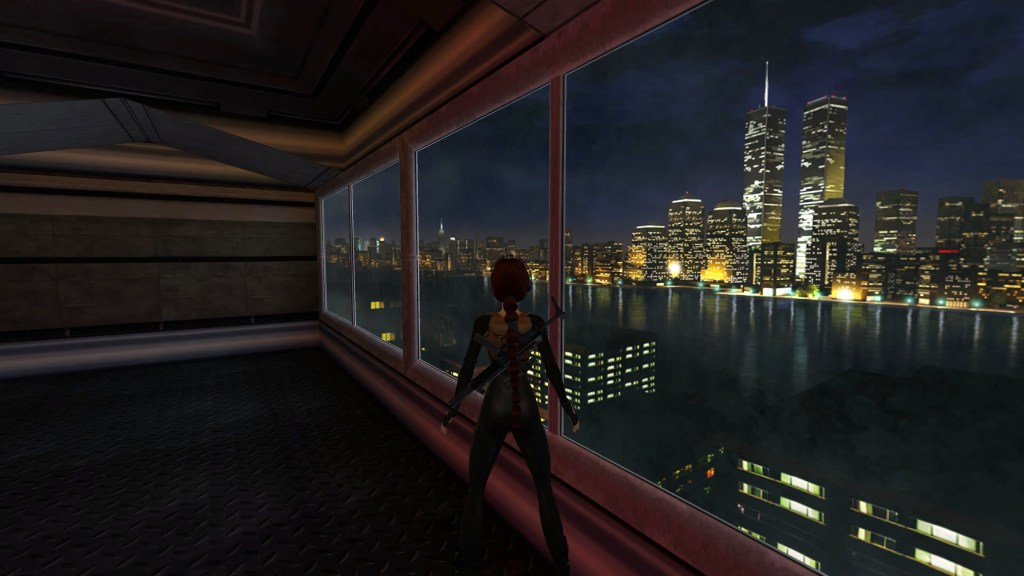
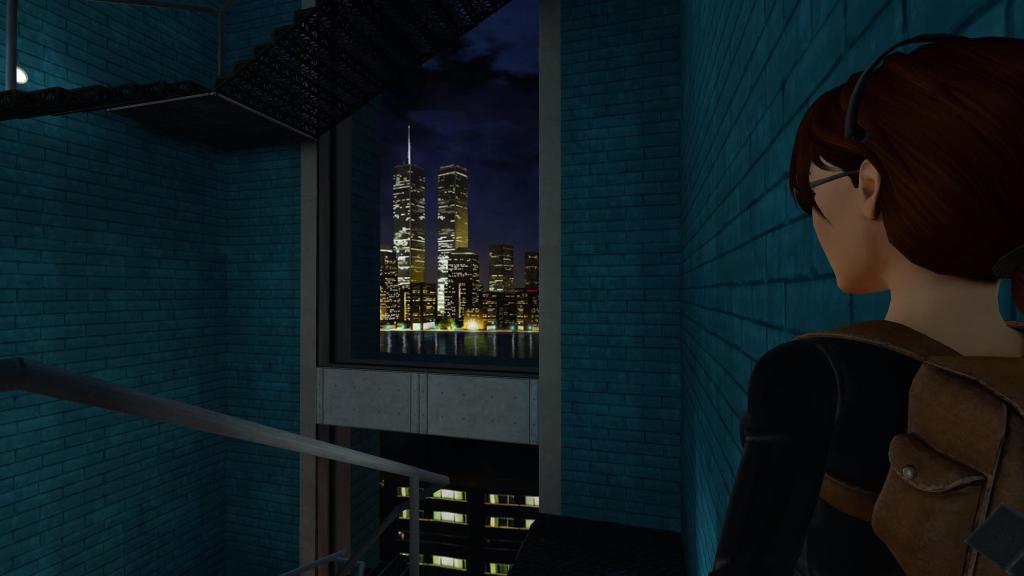
I was pleasantly surprised to find that not only did the developers keep the World Trade Centre in the remastered version of the game, but actually enhanced the view to a considerable degree. Whenever I entered a room with a window, I often stayed there for a while to admire the scenery; and sometimes would use the zoom to scan up and down the skyline.

But I should now move onto the story itself, where Lara’s mission is to break into the high-tech building and steal the powerful Iris artifact. Easier said than done!
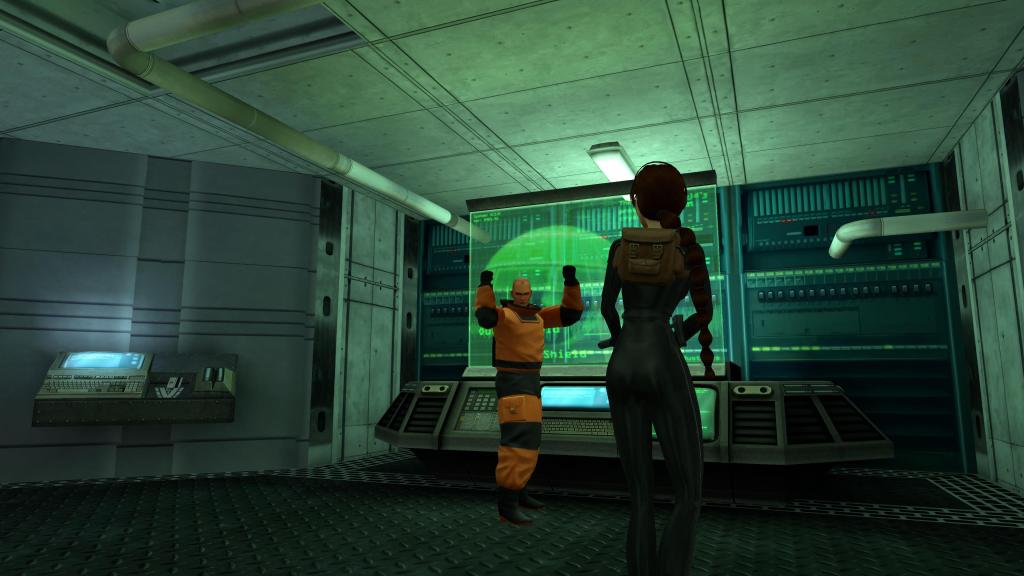
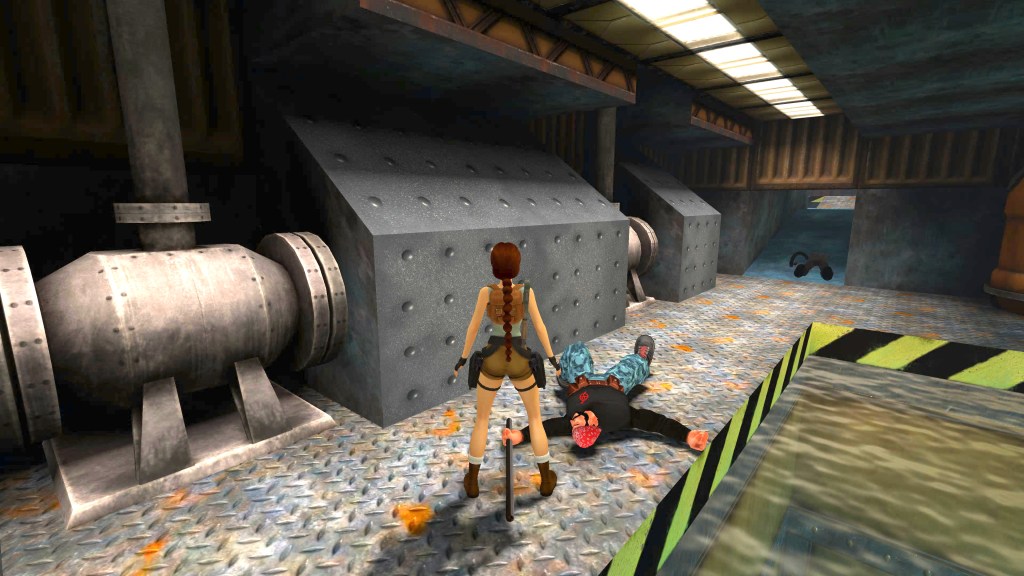
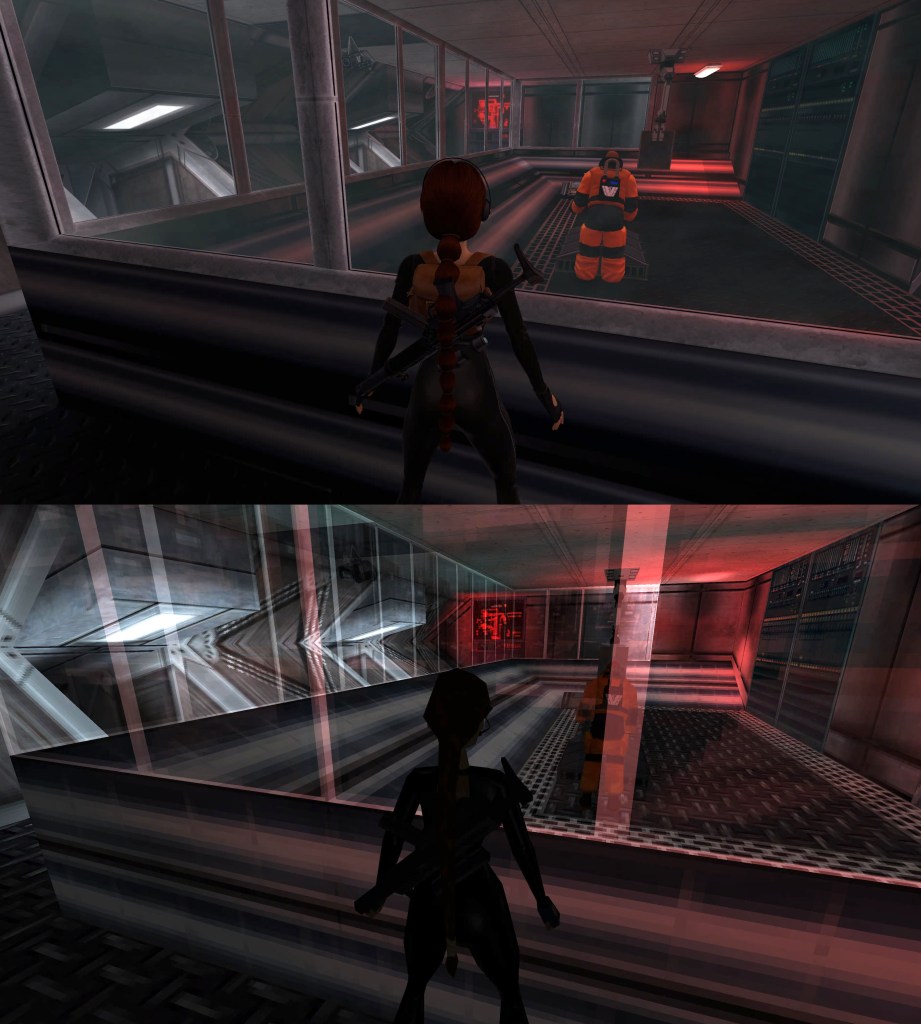
Standing in Lara’s way are dozens of armed security guards, laser traps and machine gun turrets that are motion sensor activated. Fortunately, there are a few employees who are not as good at their jobs as some of their more trigger-happy colleagues – like old mate in the screenshot below.

Like every other level in this game, these chapters play out more along the lines of vignettes rather than expansive, complicated missions as seen in previous Tomb Raider titles. However, keeping the areas brief and the pace moving at a decent speed does have its advantages – and there were more than enough tricky puzzles, dangerous opponents and difficult stunts in these levels to satisfy most fans.
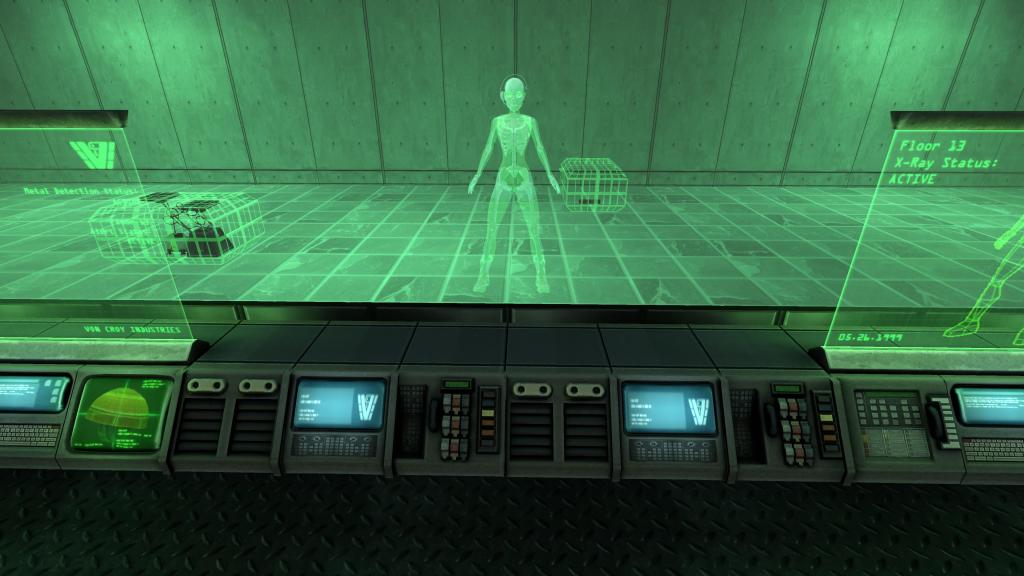
Having stolen the Iris at the end of the first chapter titled ‘The 13th Floor’, the next stage is the aptly-named ‘Escape With The Iris’ and begins with Lara having to disarm herself in order not to set off the deadly sensors in a scene reminiscent of ‘Total Recall‘ – see photo below.
Having to deal with armed guards without any weapons to fire back at them was a little testy at times, but some of the cloths and bottles of chloroform left lying around the place certainly came in handy. Exactly why these items would be found in the executive’s offices is a little beyond me, but I’ll take any help where I can get it!

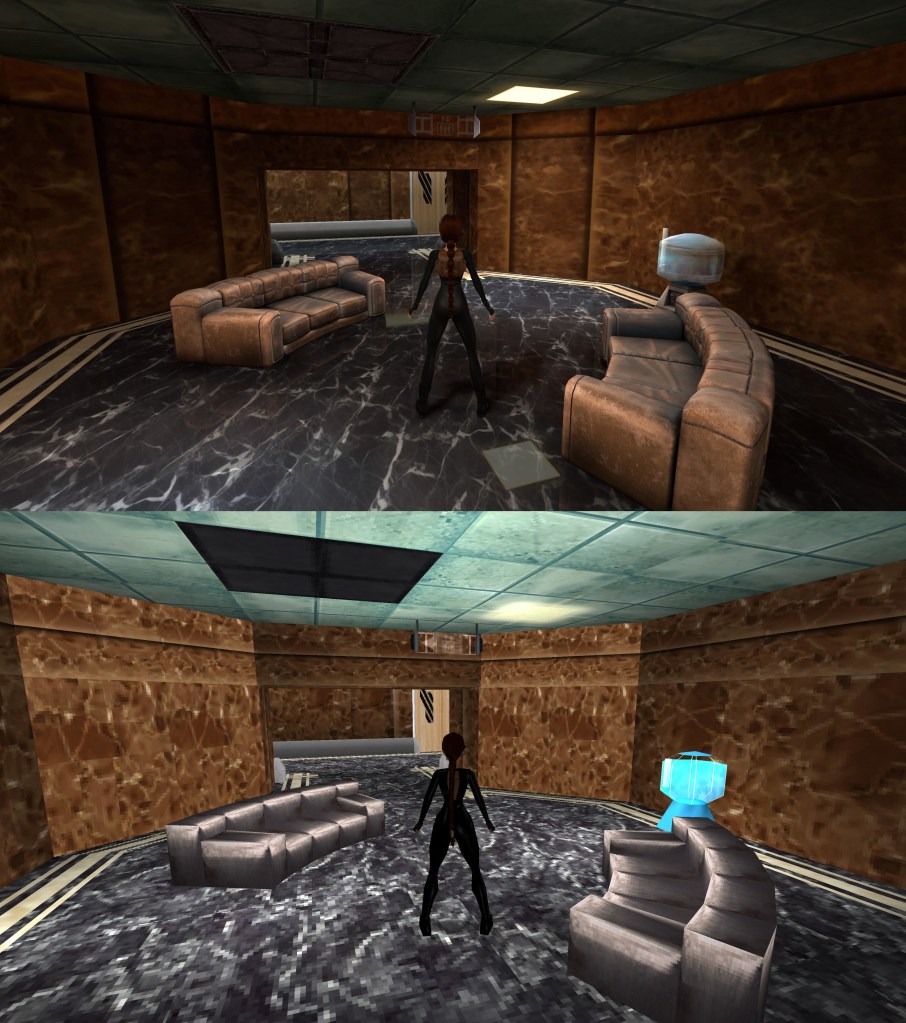
I should also point out that the decor of the building reminded me of Nakatomi Plaza in ‘Die Hard’, and I suspect the game designers were heavily-inspired by this film – and that includes when Lara is crawling through the ventilation shafts.
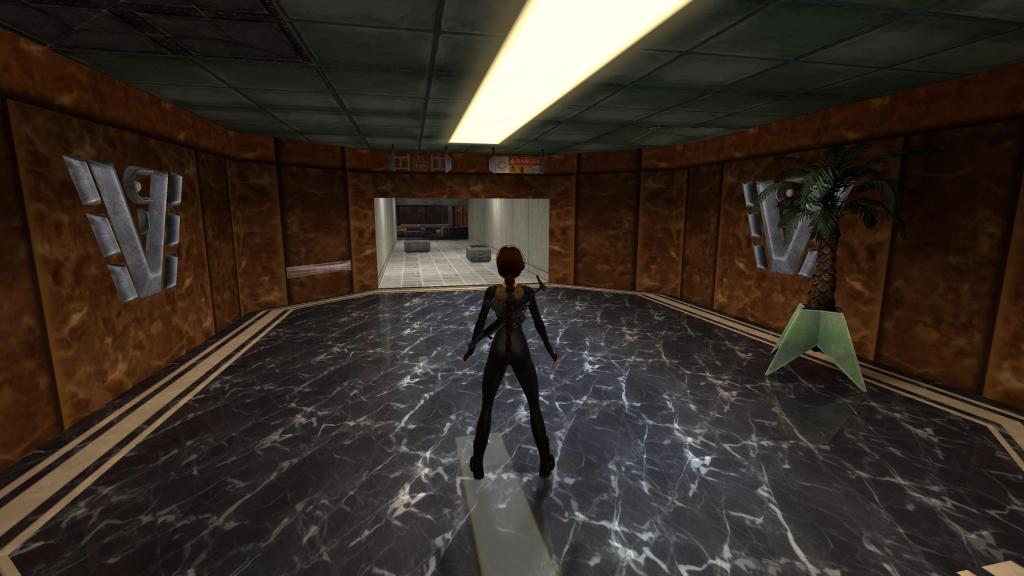
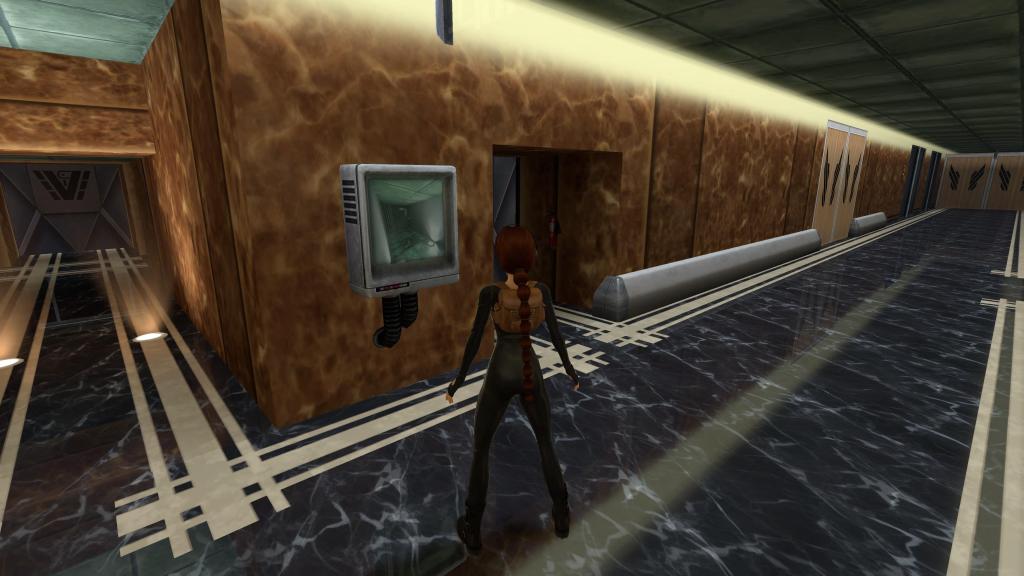
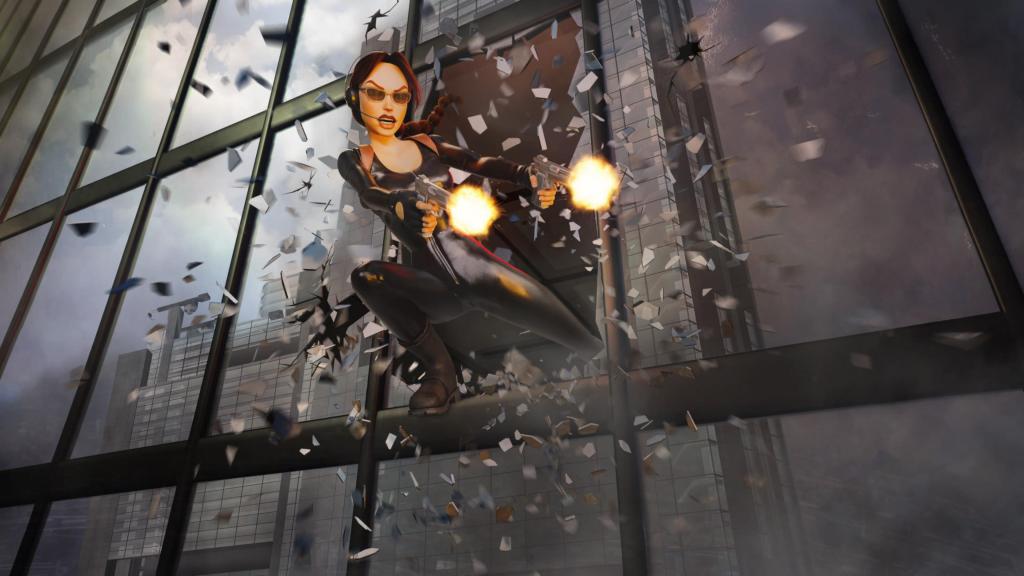
The final level of the game is titled ‘Red Alert’ – and is all about Lara’s quest to gain access to the rooftop helipad in order to escape the building. This time around, there are some truly formidable foes – including a crazy helicopter that blasts machine gun rounds through the windows whenever Lara comes into view (see photo below).

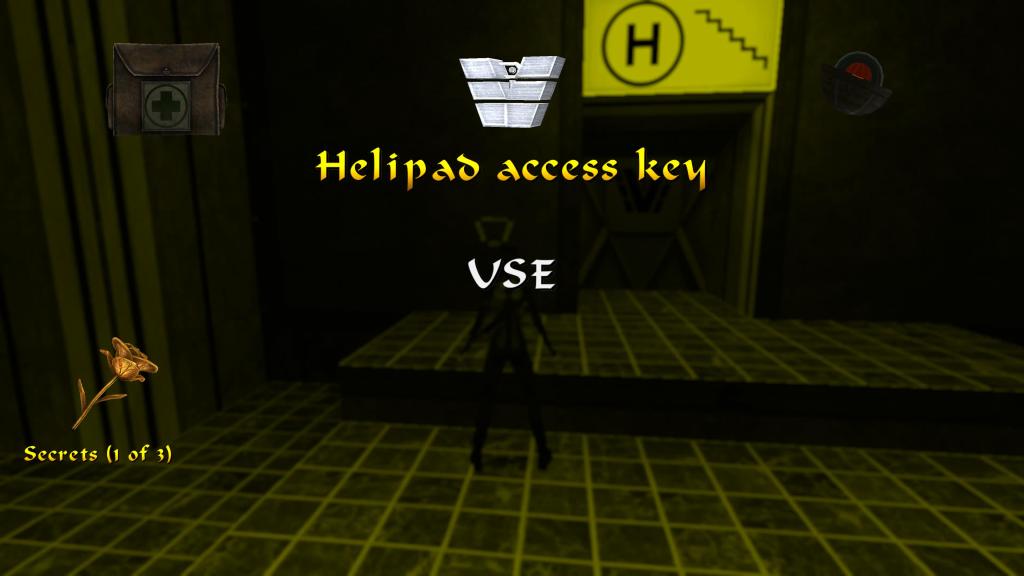
There are two cyborgs hunting Lara down as well, and both are extremely difficult to kill. The first one needs to be electrocuted by flooding a room with water and then shot up a few times, with the second cyborg needing to be trapped and then gassed. Both mechanical men hold one half of the escape key, so Lara cannot get away until these villains have been dealt with.
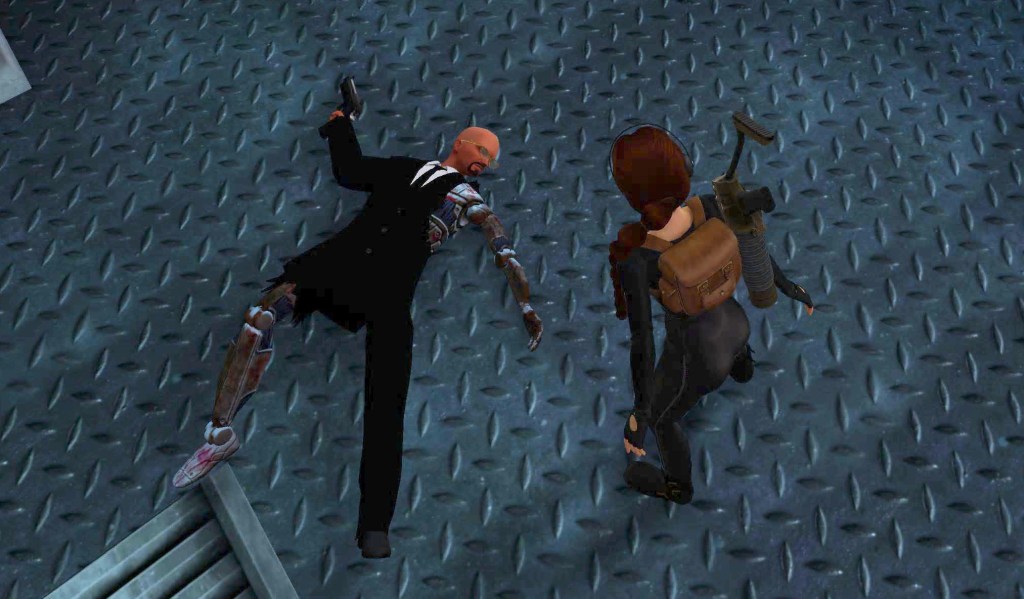
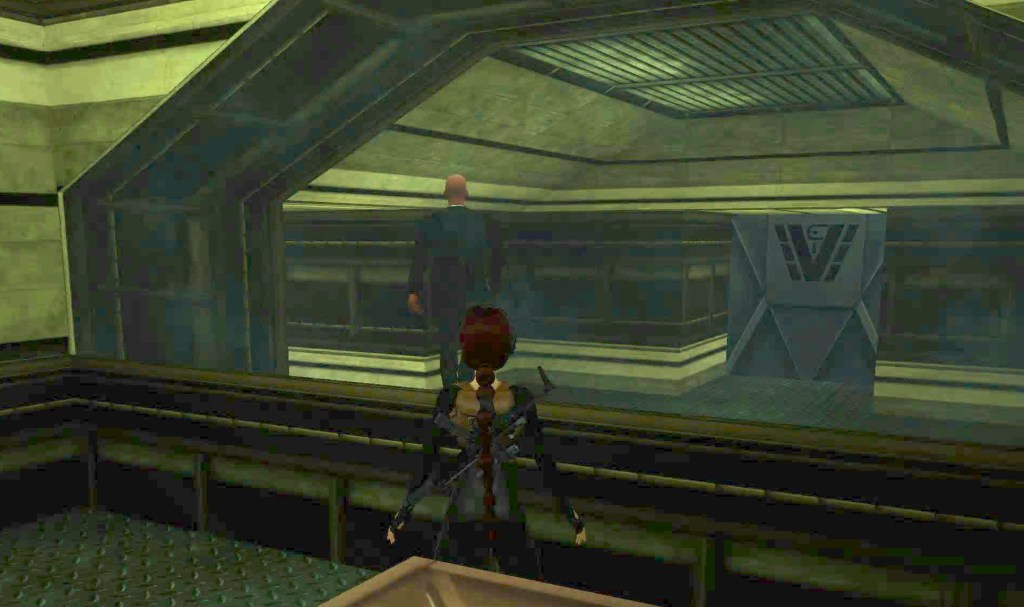
Once you combine the key, it is a simple matter of backtracking to the exit and opening the door – where the game ends with a cut scene of Lara escaping on a hang glider.
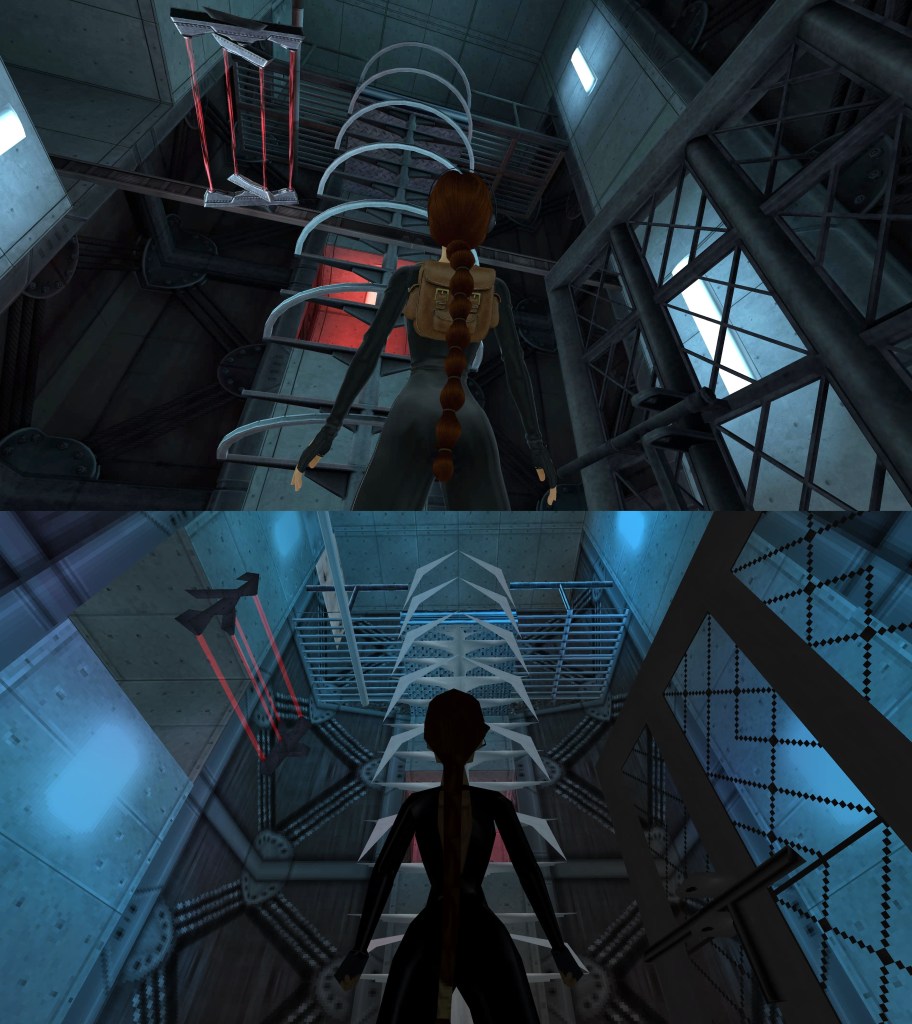
Overall, I thought that some of the puzzles and jumping tricks featured in these levels – especially in the elevator shafts and broken stairwell – were some of the hardest to pass through in the entire game. In fact, I’m going out on a limb here and will say that the Von Croy Building was the most difficult of all the locations featured in ‘Tomb Raider Chronicles.’

For those old enough to remember the original PlayStation game from 2000, it was a shame that back then the final level was ruined by numerous bugs and glitches – where one false save in the wrong place meant you had to start the entire stage from the beginning. If I recall correctly, there were doors that wouldn’t open and missing grappling hook ammo – meaning that the ‘Red Alert’ level was impossible to pass. The good news is that all of these issues have been sorted out in the remastered edition.

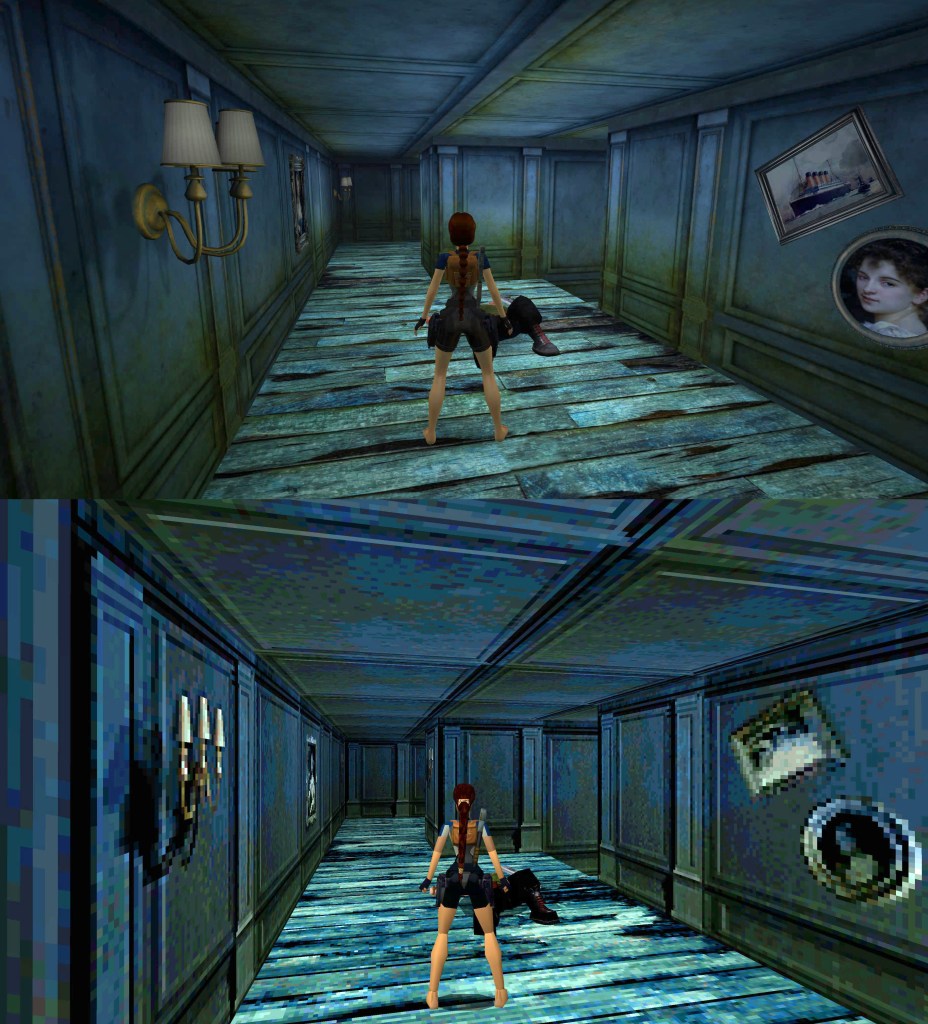
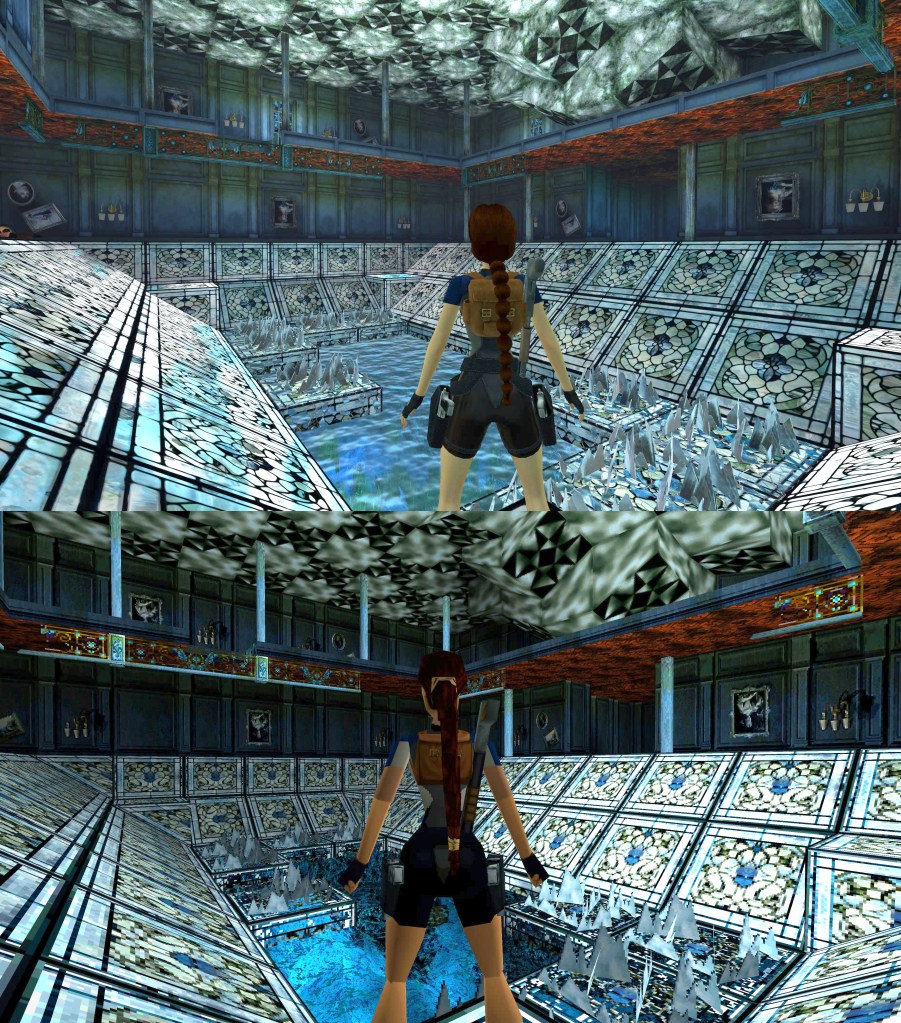
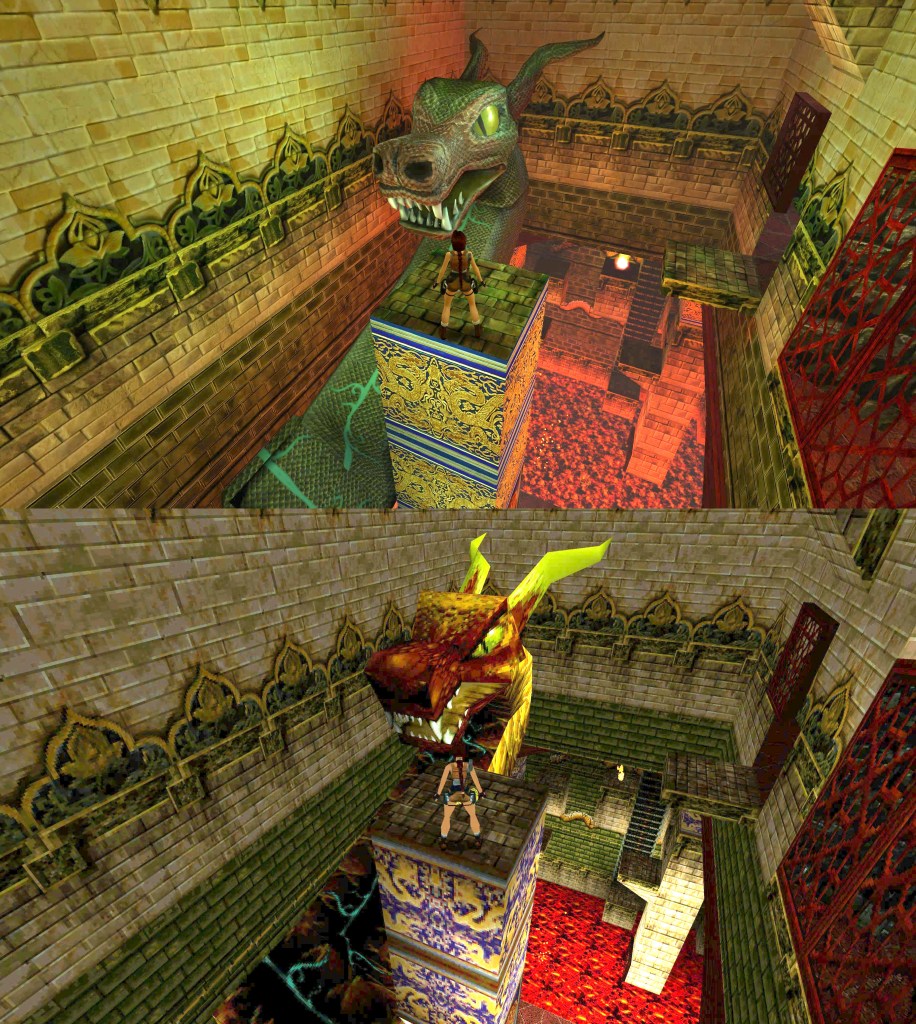
I will now present a few comparison screenshots – with the 2025 version on top, and the original from all those years ago featured on the bottom. I will pick the ones that best highlight the improvements made for the newer game.
I would rate ‘Tomb Raider Chronicles’ as an enjoyable – but lightweight – entry into the series. To be honest, after the Rome and Russian Submarine stories, the chances of me rating this release highly were not looking good – but the second half of the game set in Ireland and New York were quite strong and got it over the line.

I still think this remains one of the weaker Tomb Raider games, and with the exception of the Hydra fight in Rome and a rope swinging trick in the Ireland levels, I did not come across too many frustrating hurdles during my progress. There was the odd timed-switch run and one-off challenges here and there, but it felt like there were a few extra seconds afforded to these sprints when compared to similar tests in earlier titles.

At times, the narrative did feel more like deleted scenes or excess adventures that had been slapped together hastily to create a full game and cash in at the height of Lara Croft’s popularity – which would have been at around the turn of the century. But as I mentioned above, the second half of the game featured some good storytelling and unique surroundings, and it’s always better to finish strongly than to fade away.

My final score for this game is a handy 6.5* out of 10.

*As with all the other remastered Tomb Raider titles, the work that has gone in to update and modernise this game has been brilliant to say the least – and this certainly adds marks to the final score.

All screenshots are courtesy of Aspyr, Crystal Dynamics, PlayStation and Google Maps.
I couldn’t beat Tomb Raider III, so I picked on the butler instead.

‘Tomb Raider III’ is the only game in the series that I could not finish. I came close-ish though, as I made it all the way to Antarctica, but could not pass beyond the mine cart level.

So, if the prime version of myself couldn’t win over twenty years ago, then there’s no chance of me performing a miracle this time around! As a result, I have little choice but to bypass the third Lara Croft adventure and move onto the second remastered trilogy.

But not before having a little fun in the Croft Manor level…

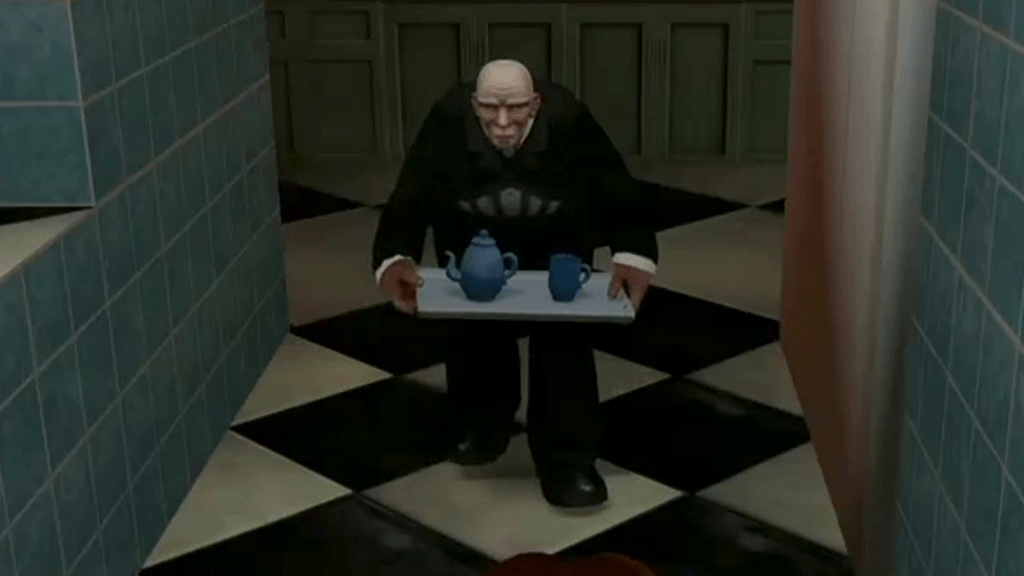
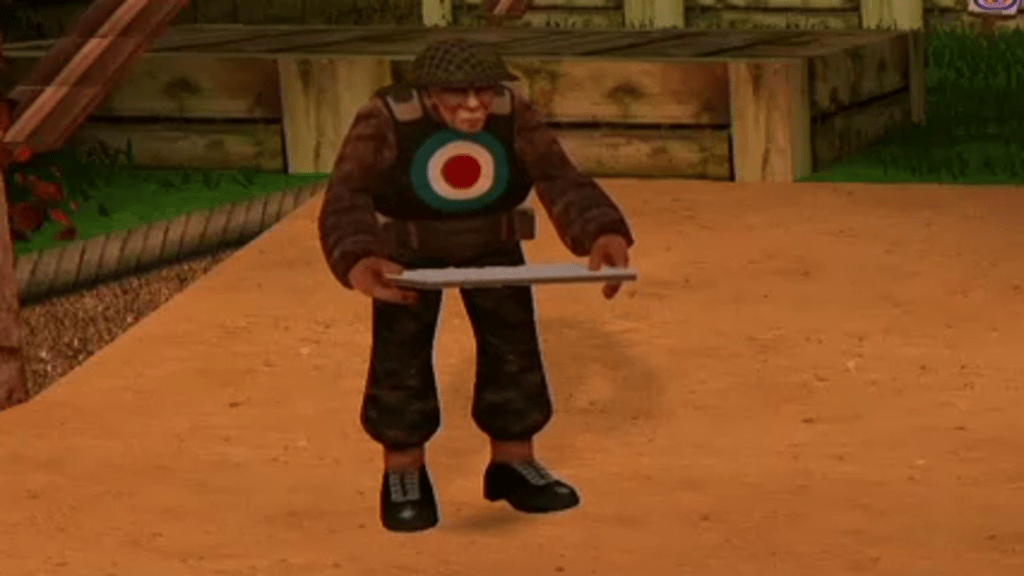
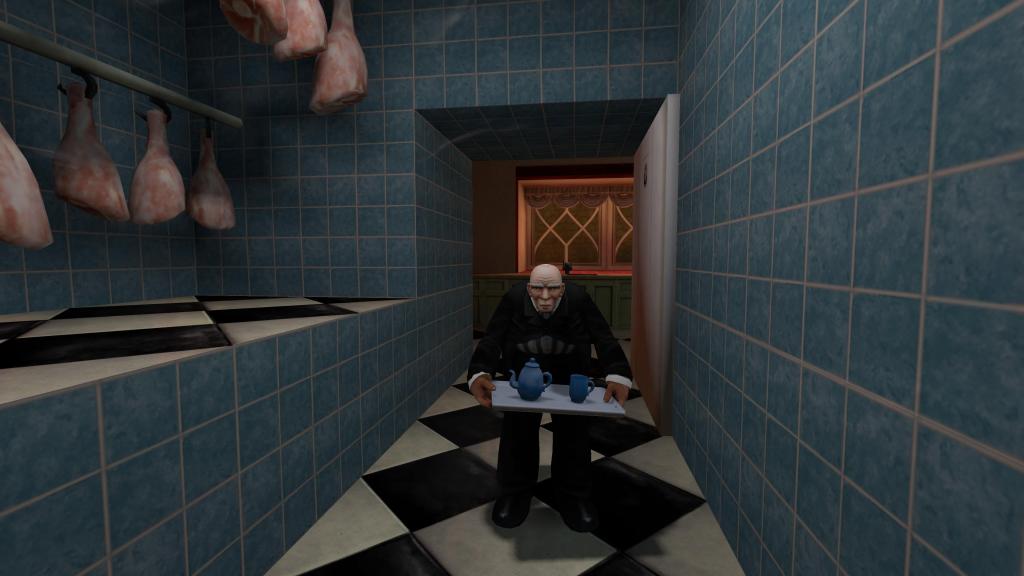
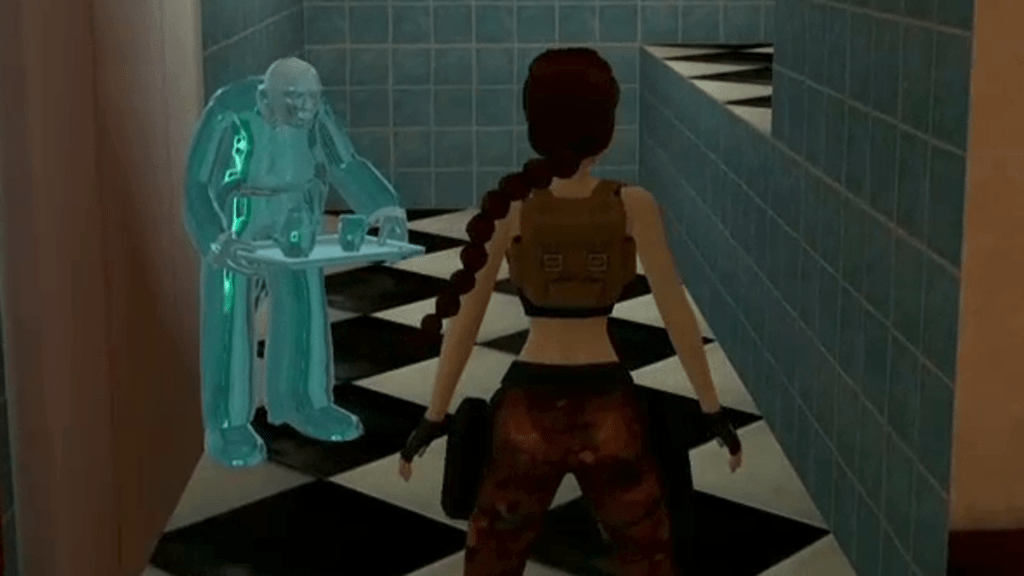
Enter Lara’s butler – a loyal but rather elderly chap – who follows his boss around the mansion while rattling a tray of crockery and letting off the occasional fart. Because he moves so slowly – as opposed to Lara’s speed and agility – it is possible to use this physical advantage and do all sorts of mean things to this fellow, with comedic results.

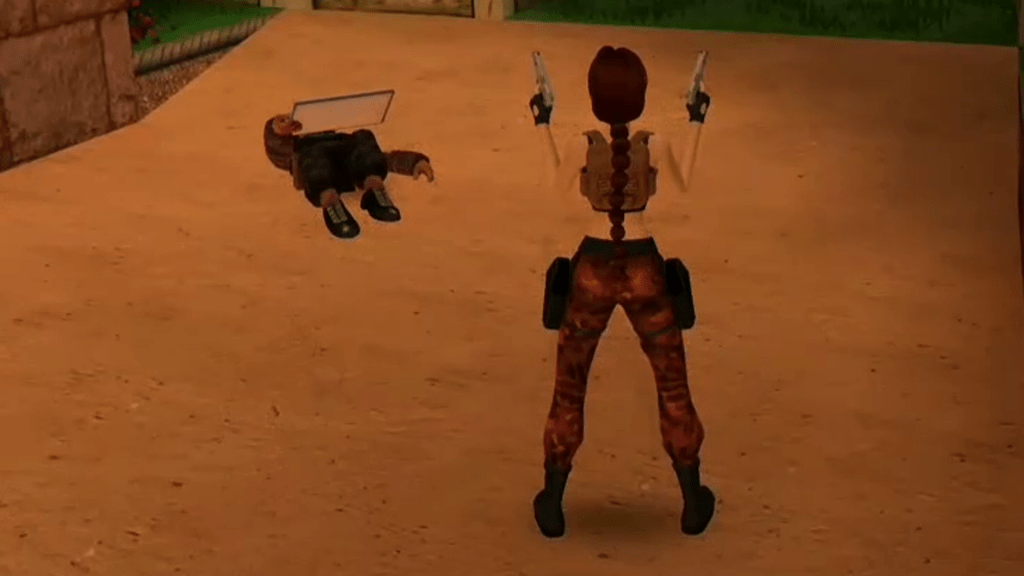
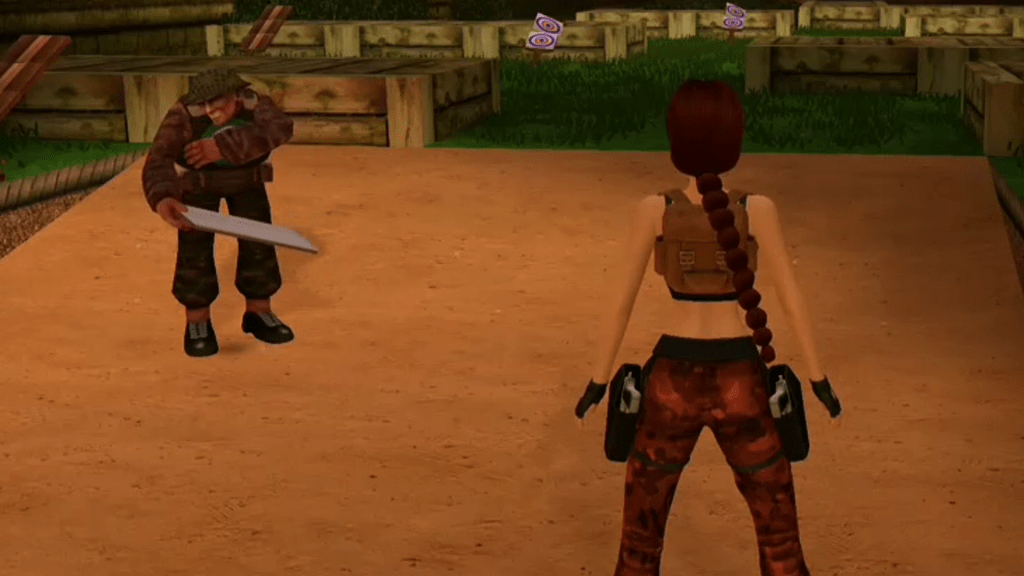
To be fair, changing into army fatigues and a helmet – plus having a target on his chest – whilst standing around the shooting range is asking for trouble. Lara can open fire on him if she chooses, but he will successfully repel the bullets by using his tray as a shield. He does eventually fall to the ground, but within seconds the old man will get back onto his feet and literally dust himself off.
The other prank you can play on the butler is to lure the fool into the freezer room, before leaping over him and locking him inside. When Lara reopens the door again to check on her faithful servant, she discovers him a little worse-for-wear.

I tried this a few times, and on one occasion the butler merged into the door before freezing, giving him a T-1000 appearance.

I made a short video of my bullying of the butler and you can check it out here.

As I recall, ‘Tomb Raider III’ is a pretty good game, especially the Nevada and Area 51 adventures. But even before reaching the final levels in Antarctica, there were some rough challenges – mainly in the London and Pacific Island stages – that were extremely difficult to navigate. There is no way that my fifty-year old reflexes can get through this game.

So, it’s onto the next remastered trilogy for me – five months after the game was released, but better late than never.

Screenshots courtesy of PlayStation, Crystal Dynamics and Aspyr.

I completed the new Tomb Raider II.

I first played ‘Tomb Raider II’ when it came out on PlayStation back in 1997, and in those days my reflexes were in their prime. A couple of months ago, I decided to tackle the remastered version that was released last year. Using the Easter break to my advantage, I put the hours in and finally made it through this challenging adventure.

As I have mentioned before when reviewing ‘Tomb Raider Remastered’, the improvements and enhancements to the graphics are outstanding. Now that I have finished the first two games, I can honestly say that they both played like their original versions, yet at times took on the appearance of a brand new release.

I will go through each location of ‘Tomb Raider II’ in order and share some thoughts, before getting into the comparisons between the original game and the remastered edition.

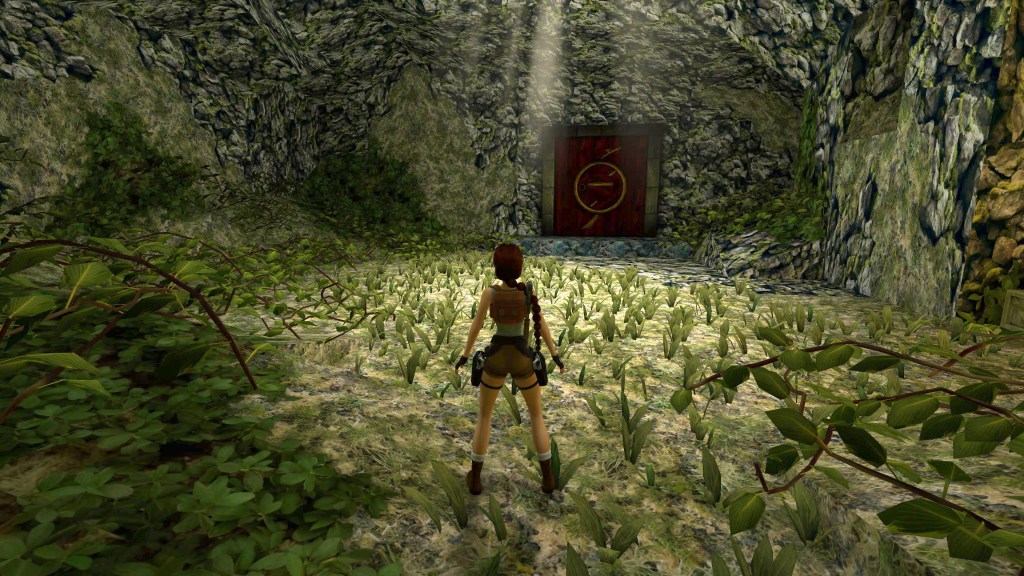
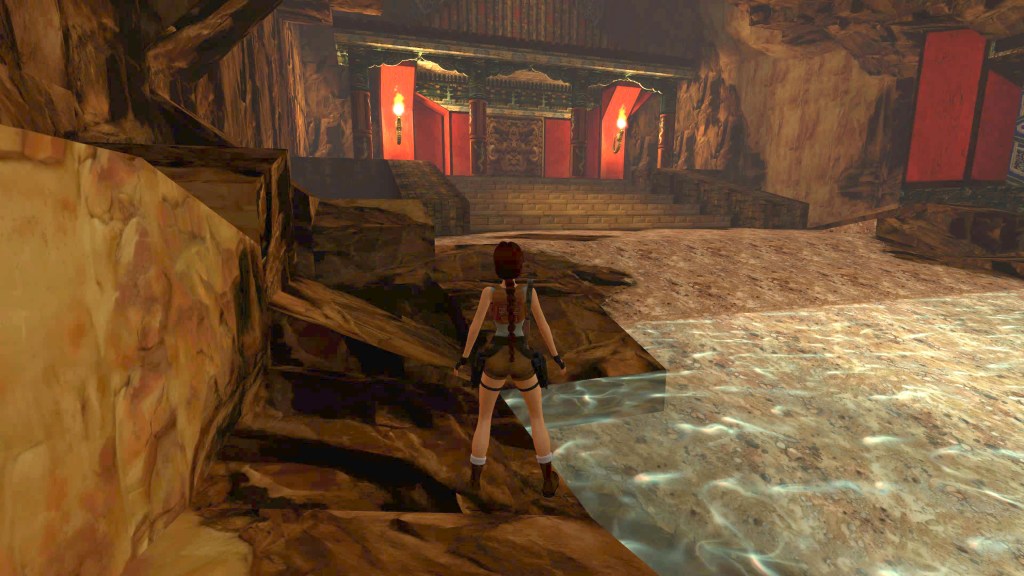
The adventure starts at the Great Wall of China, where Lara Croft has to find her way beneath a guard tower and into a cave system below.

This was a short level for me, as I forgot to drop down into the canyon where – if memory serves – a T-Rex or two are lurking in the darkness. There are a few other enemies around as well, such as aggressive tigers, swooping eagles and hard-to-see spiders. A number of deadly booby traps are scattered about too, so it’s not exactly a walk in the park.

The chapter concludes when you discover a mysterious door, where an easily-overwhelmed henchman reveals that a certain Marco Bartoli in Venice has the answers to what lies beyond.

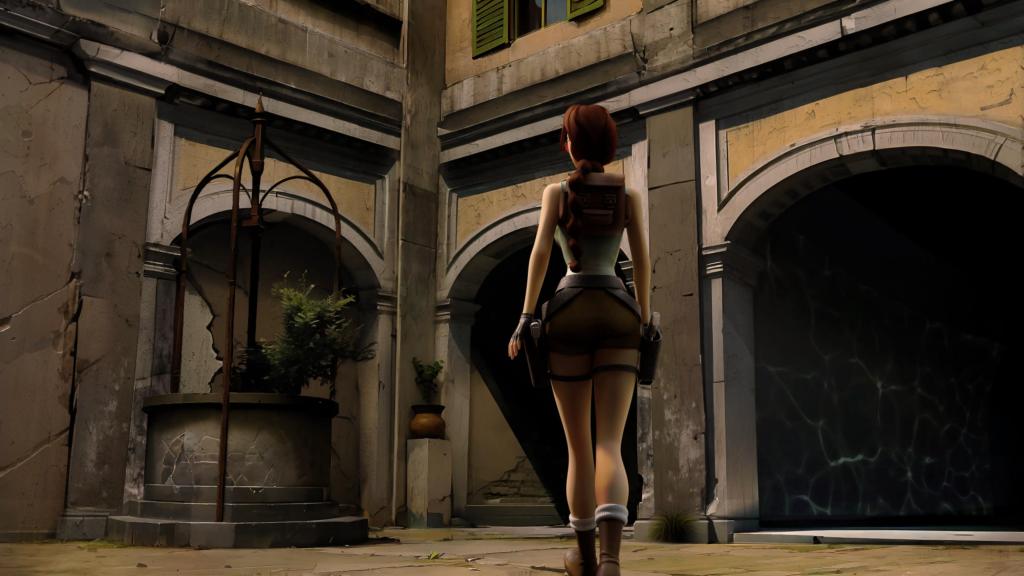
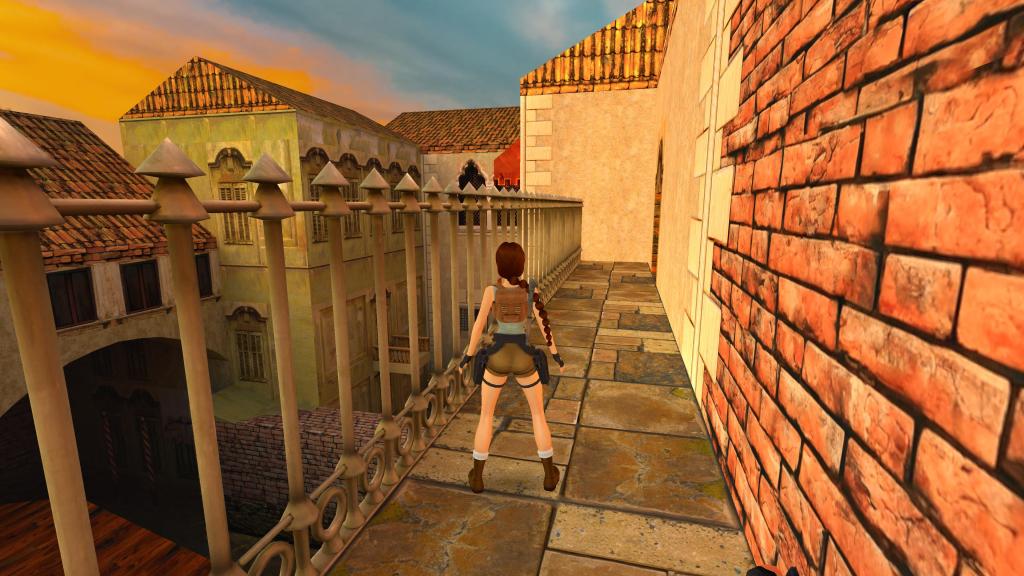
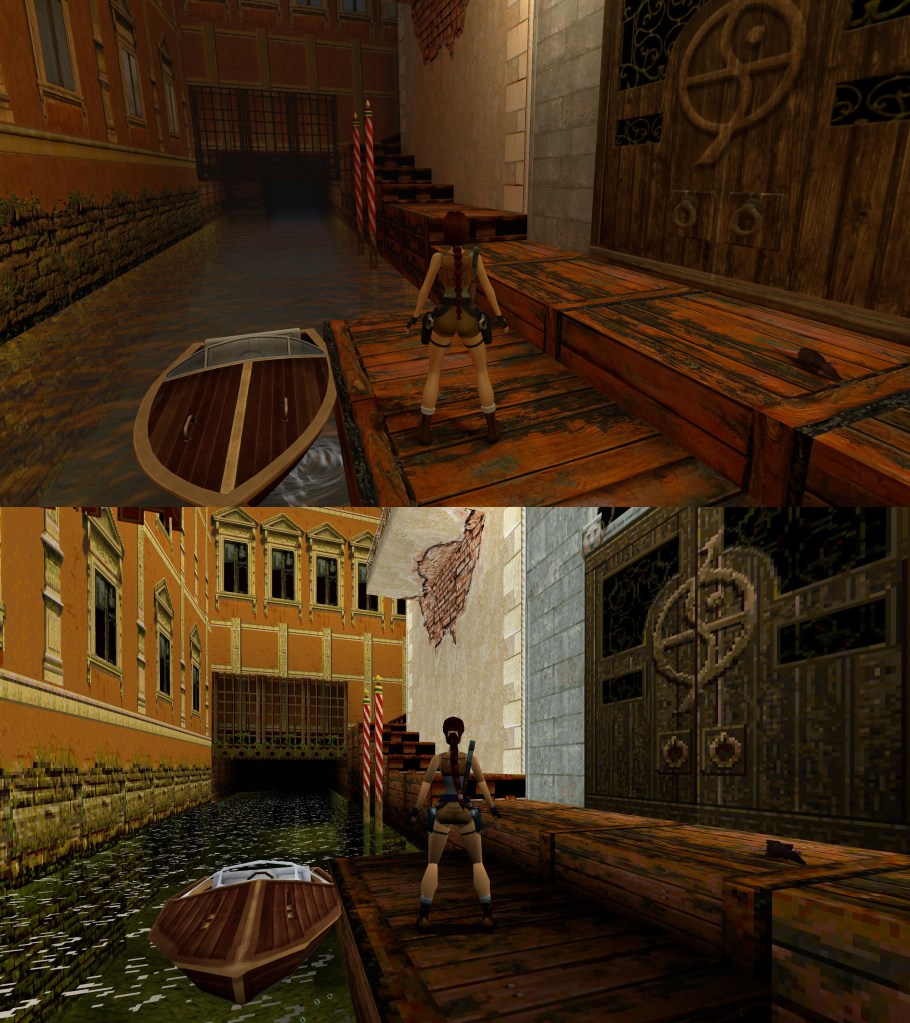
As I have already written a more detailed article about the Venice levels in this game, I will keep things brief here. There are three inter-connected chapters set in this city, relating to Lara finding her way to the elusive Marco Bartoli. Of course, this is a very powerful person, and at his disposal are dozens of thugs and assassins who are there to ensure that Lara does not achieve her goal – and it all plays out around the scenic canals and courtyards of this iconic location.

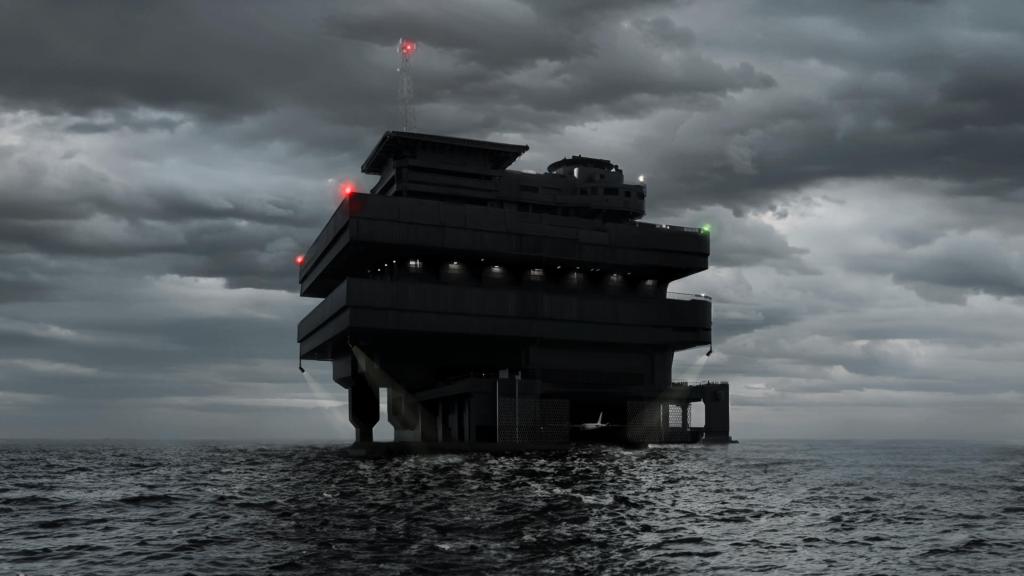
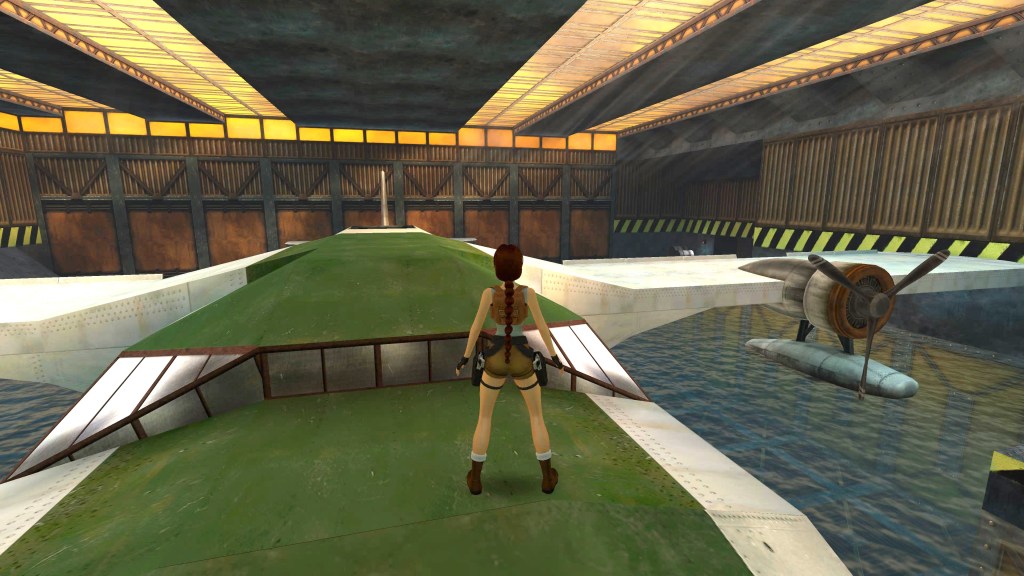
Lara does eventually catch up with Bartoli, and manages to sneak on board his seaplane en route to an offshore rig. But before she can confront her target, our heroine is captured and imprisoned, and this is where the next part of the story commences.

This chapter does not start ideally, as not only are you locked up but your weapons have been confiscated. Unfortunately, none of the bad guys have such problems and you are forced to run around for a short time hitting switches and opening doors while goons merrily open fire upon you. It is quite a stressful opening to the level – and I hated it to be honest – but the tables will quickly turn once you reacquire your guns.

I didn’t like these levels much, although I appreciated some of the sound effects used such as the occasional loud banging of metal and other vibrating noises. There are tons of bad guys roaming around here, with some hiding underwater in scuba gear firing their spear guns at you. The objectives and aesthetics of the three different stages are pretty much the same, and after a while you can’t wait to get off this stupid rig.

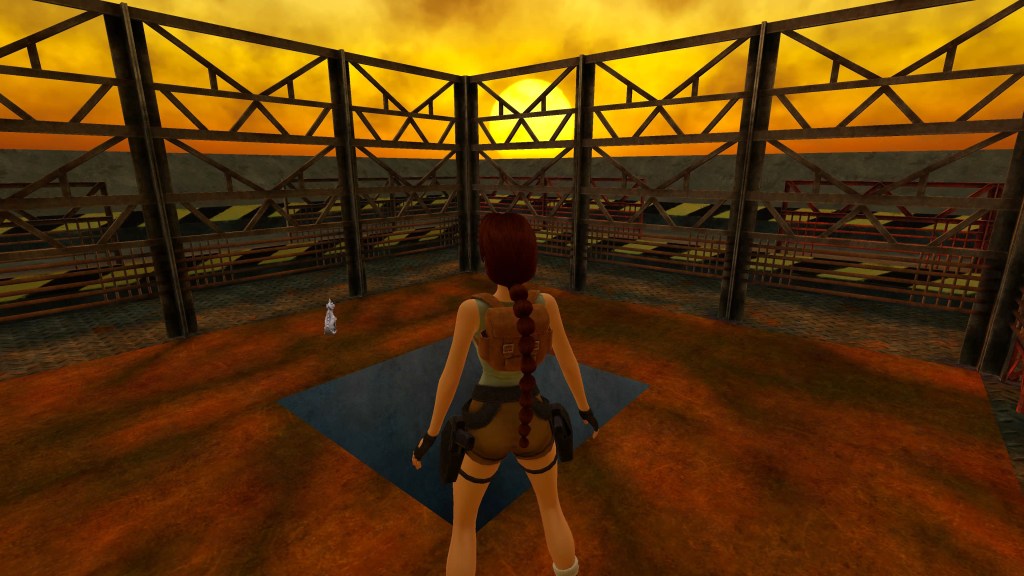
However, there was one brief respite when climbing a ladder all the way to the roof to catch a spectacular sunset – where it’s tempting to throw in a Daniel Andrews joke. Anyway, I could have stayed up here in relative safety all day, but there was the small matter of an adventure to complete.

Speaking of which, we eventually say goodbye to the dreary platform and head to the bottom of the ocean by hitching a ride on a mini submarine.

If you were hoping things would get a little easier, then think again. These underwater chapters were brutal, even though the locations were quite unique – if not a little eerie.

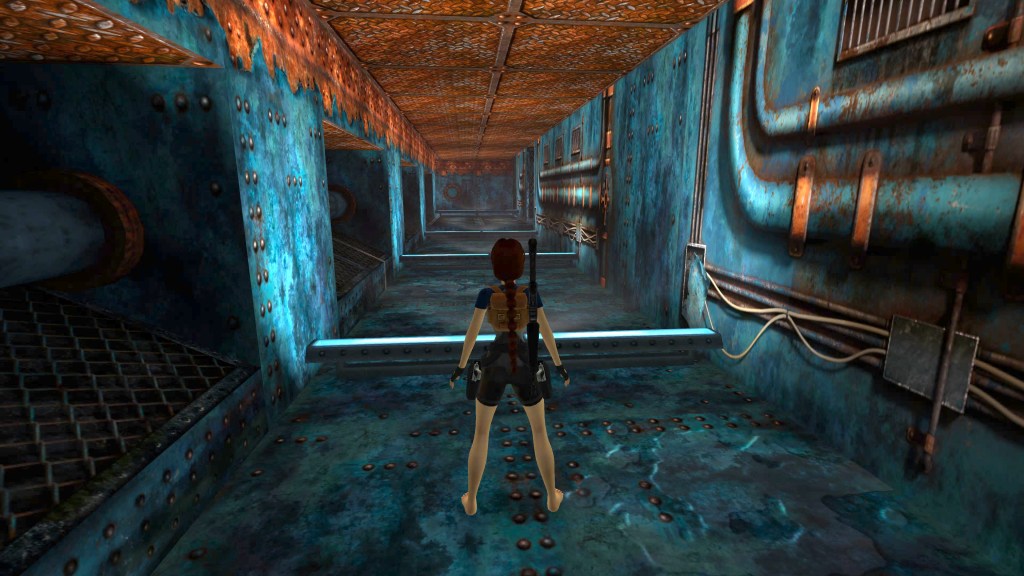
From struggling through the engine rooms, to exploring your way around the upside-down interior of the vessel, the perils continue at every turn. There must have been a garrison of Bartoli’s goons wandering around this wreck – called the Maria Doria – sitting at the bottom of the sea, which begs the following questions: How did they all get down there and is there enough air for everyone to breathe?

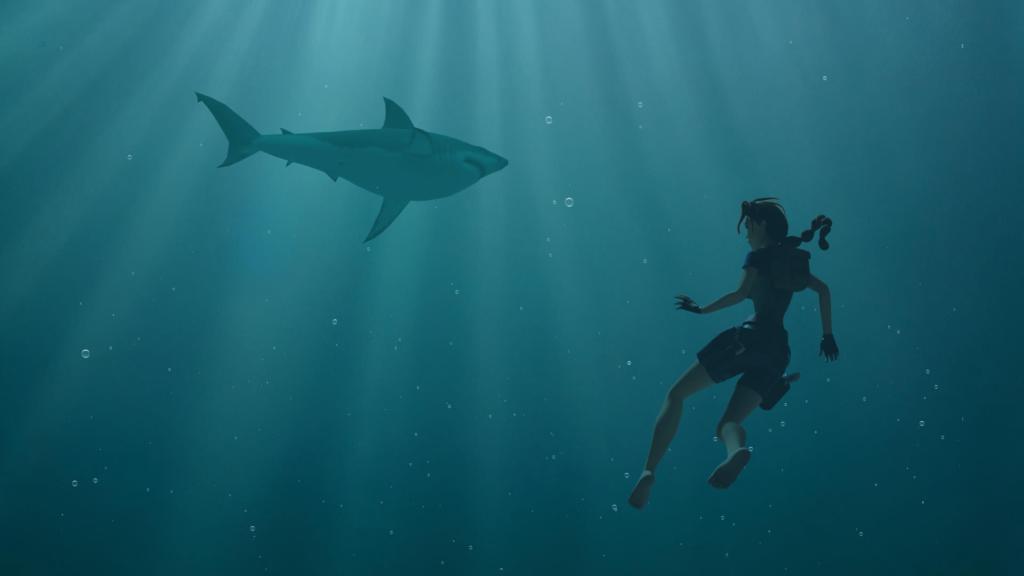
Every pocket of water you are forced to swim through is infested with sharks and barracudas, with even the odd giant eel popping up for a jump scare at one point. Eventually you make your way to the deck, which has somehow ended up in a giant cavern, where even more thugs and dangerous sea creatures await you.

The number of henchmen Bartoli has stationed at the bottom of the ocean is ridiculous, but casting science and logic aside, it does make for an exciting adventure! After many gun battles, Lara locates the artifact she was looking for – the Seraph – and then heads to Tibet to discover its true purpose.

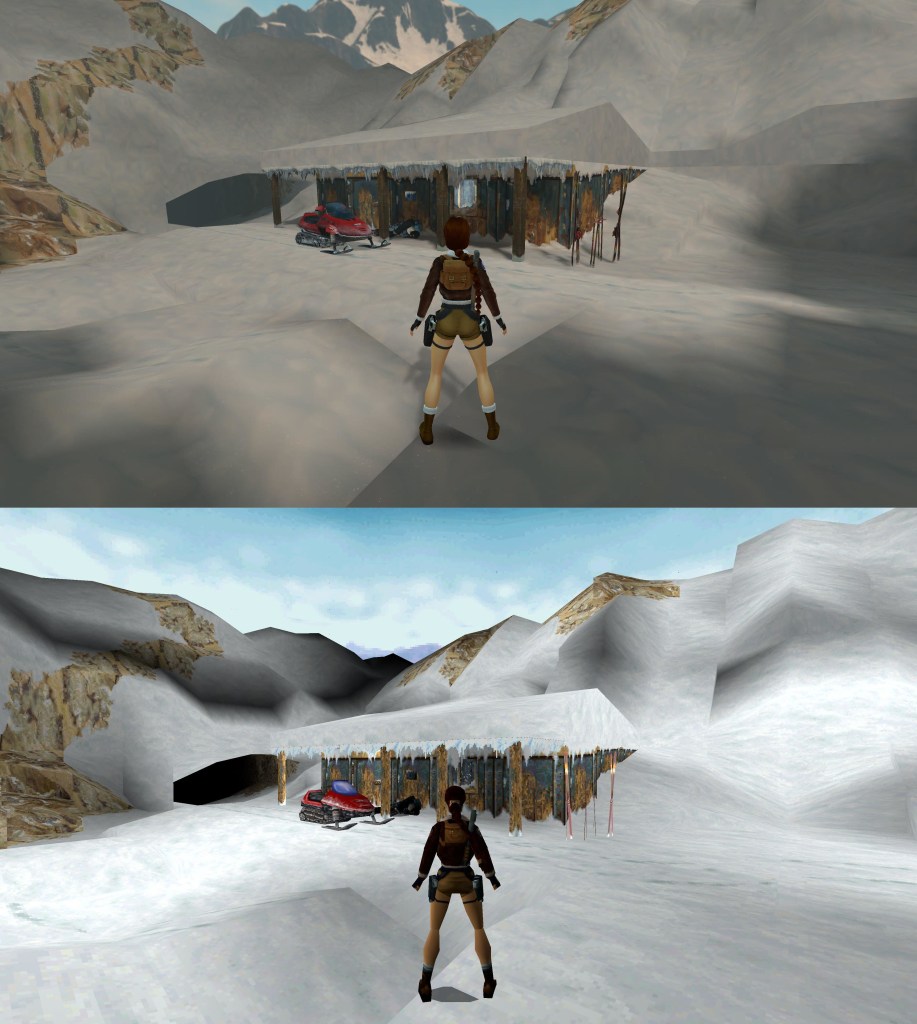
A little outdoor scenery proved to be a pleasant break from the claustrophobic offshore rig and Maria Doria levels. The Tibetan foothills was no easy ride though, with snow leopards and more of the Venetian bullies here to cause Lara some serious grief.

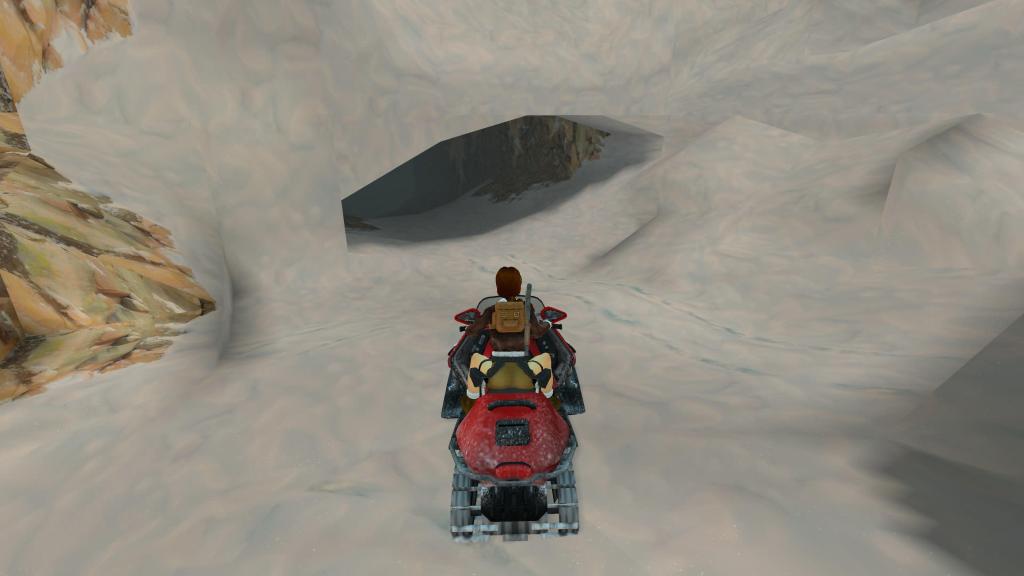
Riding a snowmobile was a lot of fun, even if the controls were a little clunky. It was also handy to learn that you can kill enemies simply by running them over – with that rule applying to both men and beasts!

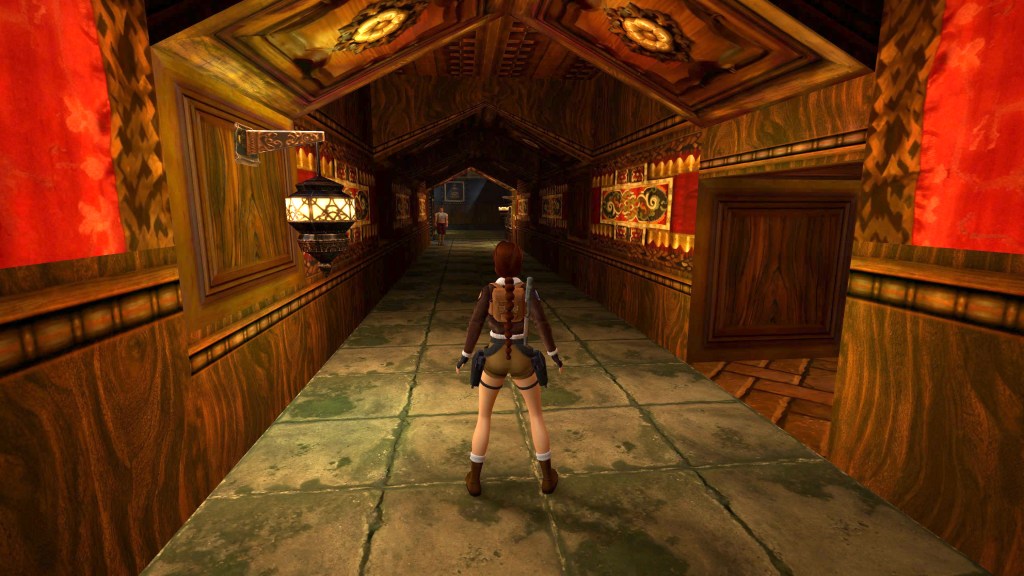
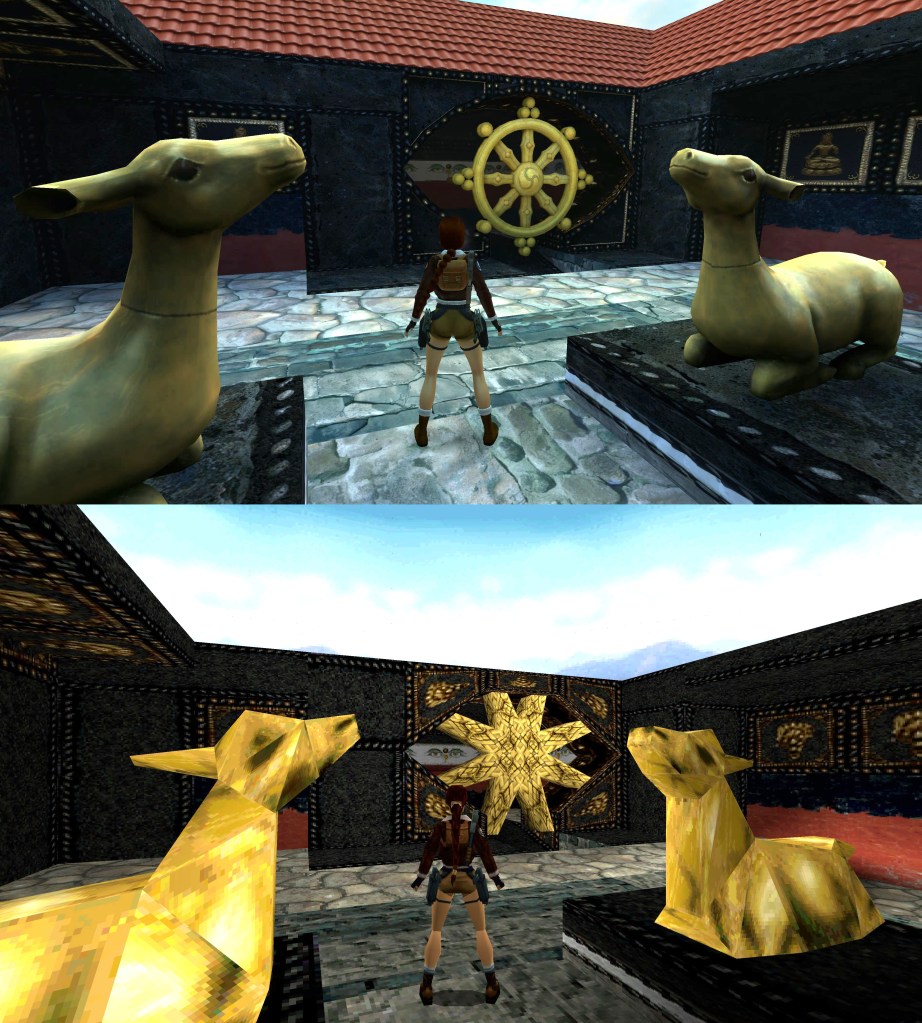
Lara then makes her way to the Barkhang Monastery – a memorable Tomb Raider level – where not only are the idols and statues recreated magnificently, but a never-before-seen type of gameplay is introduced into the series.

What I refer to is the dynamic between the Barkhang Monks and Bartoli’s goons who attack the holy place in great numbers. Quite simply, if Lara does not injure any of the monks – even though they glare at her menacingly – they will not go after her. Better still, these monks will take care of the Italian trespassers more often than not, despite the disadvantage of bringing sticks to a gun fight.

As I mentioned before, the effort that has gone into bringing this remote monastery to life is commendable – check out the screenshots below.

Sadly, the Barkhang Monastery would be the highlight of the Tibetan adventures, with the next two chapters taking us deep underground where more dangerous enemies are waiting for you in the shadows.

I really struggled through these levels, especially the Catacombs of the Tallion. It wasn’t just the constant onslaught of Bartoli’s henchmen and snow leopards this time around, but now we have abominable snowmen thrown into the mix – dozens of them!

But what was truly insane here was the lighting – or lack thereof – with your surroundings becoming literally pitch-black at times. These darkest areas also happened to be infested with growling yetis – making matters worse – and I ended up igniting my entire supply of flares just to see where I was going. I only mention this because my excessive use of this limited resource came back to bite me at a later stage.

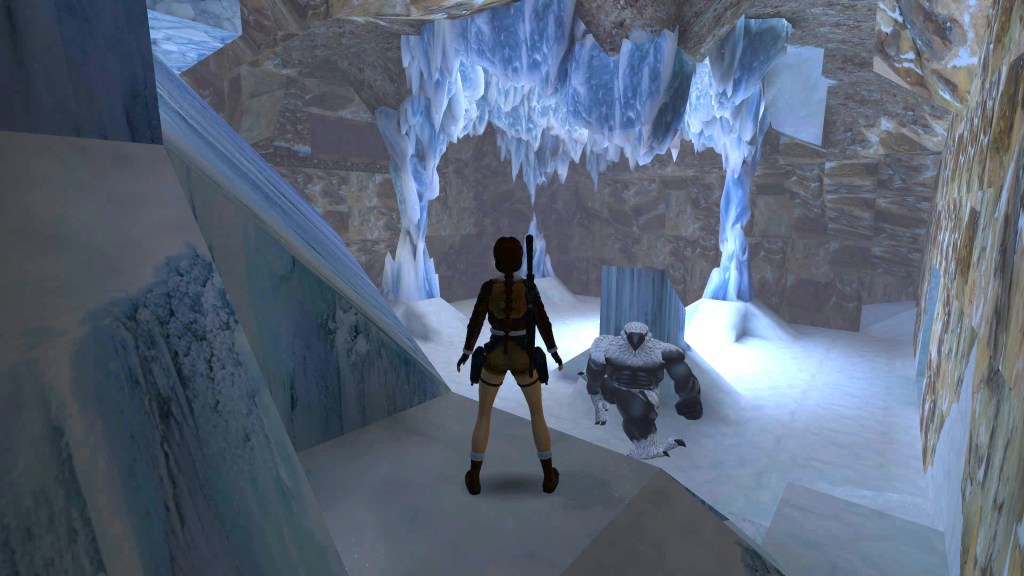
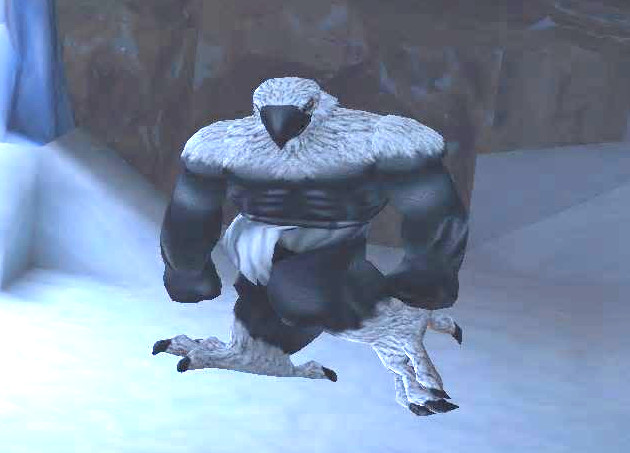
These annoying levels came to an end after battling a giant bird-like creature with an impressive six-pack. This dude might have been in great shape, but he was hardly a challenge as I picked him off with a machine gun from the safety of a high ledge. Too much weights, not enough speed work, perhaps?

Following this, we return to the door underneath the Great Wall of China, which is a nice roundabout way to continue the adventure.

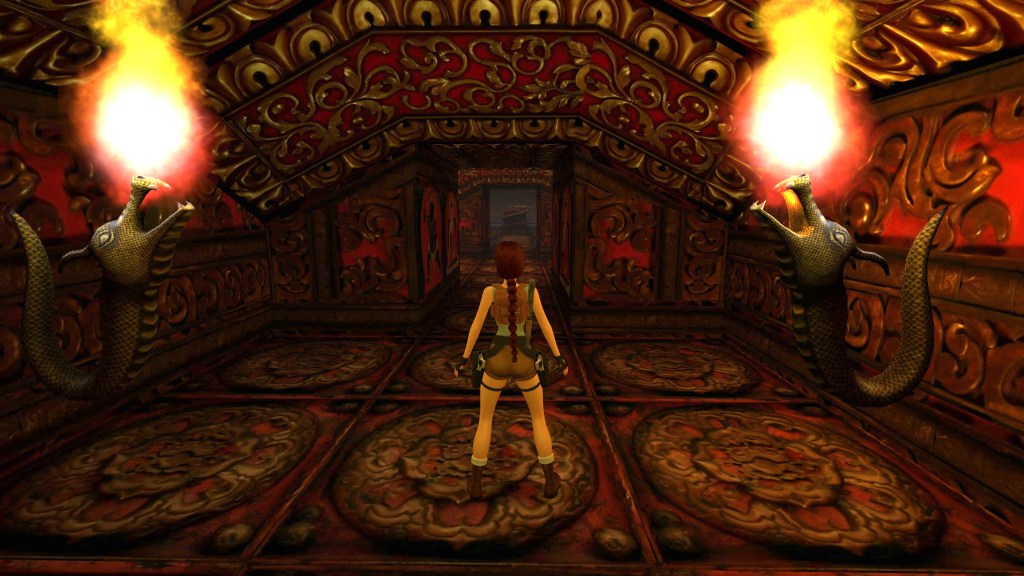
The Temple of Xian is what awaits Lara beyond the mysterious door, and it is quite a challenging level to navigate through. Interestingly, all the enemies here are animals; tigers, fish, birds and spiders – both small and large – but they are not the most difficult part. This level was designed as one giant booby-trapped maze, and you can meet your demise in any number of ways.

It is also quite dark at times, and I regretted wasting all my flares back in Tibet. I ended up using the light from the muzzle flash of the pistols to find switches and doors that were hidden in the darkness – which was not an ideal way to play the game.

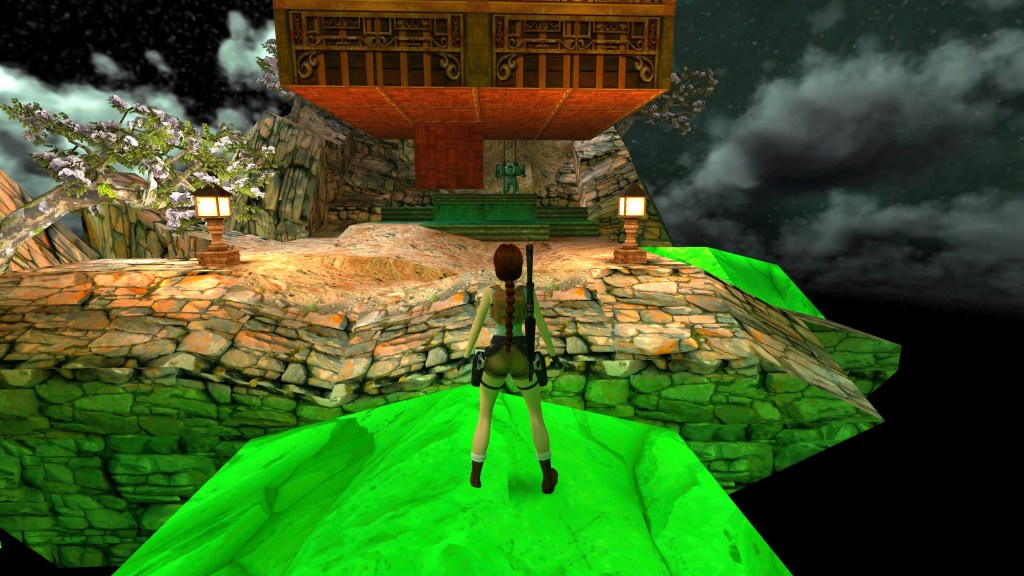
Having conquered the temple, the story then delves into a mystical realm known as the Floating Islands and it is quite a spectacle – and extremely dangerous too.

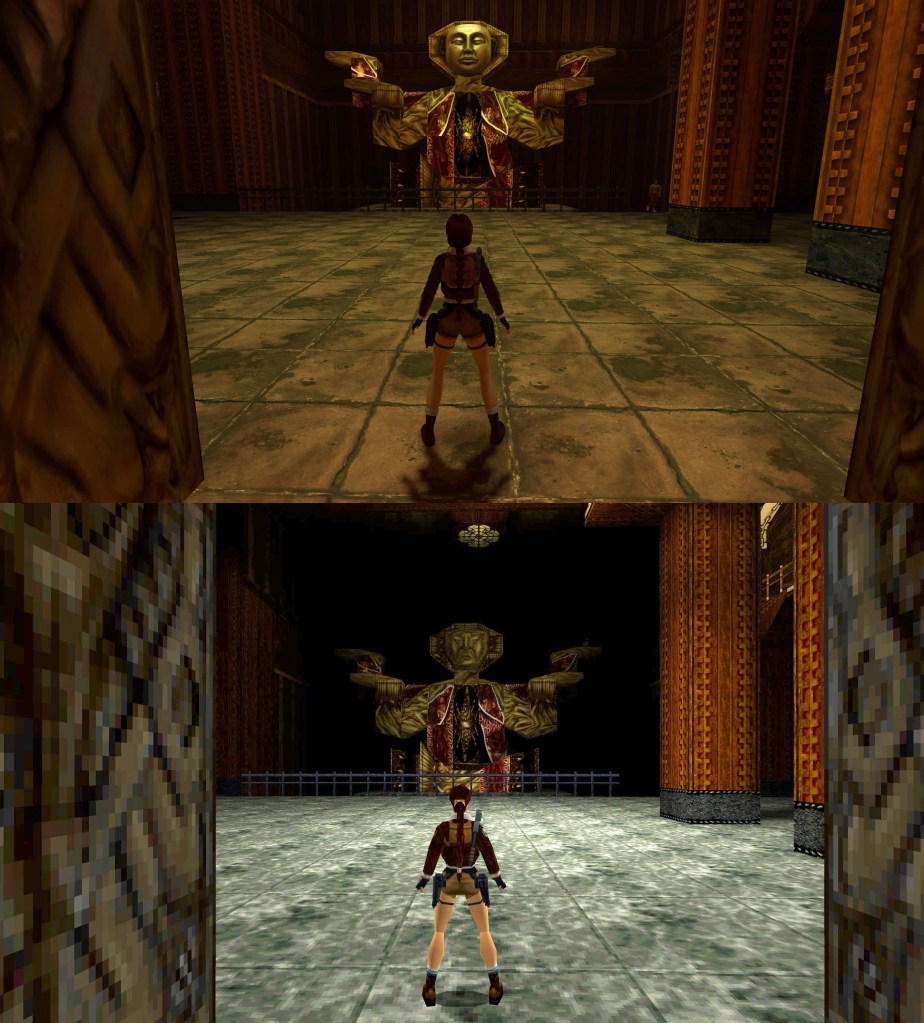
The design here is excellent, and the remastered version takes things to another level completely. As far as villains go, we meet some of the deadliest foes in the game – the jade statue guardians who come to life and attack Lara with lethal force. It is a good idea to save your grenade launcher for these guys because they don’t fight fairly; often coming at you two or three at a time.

We then move on to what is the final level, where Lara comes face-to-face with some extremely difficult opponents. There are a dozen or more of the jade statues to contend with, who are now being a nuisance by standing in front of important switches. Also, some newer Bartoli henchmen are around – cult members I believe – who are a lot tougher to kill and can inflict a ton of damage if not dealt with quickly.

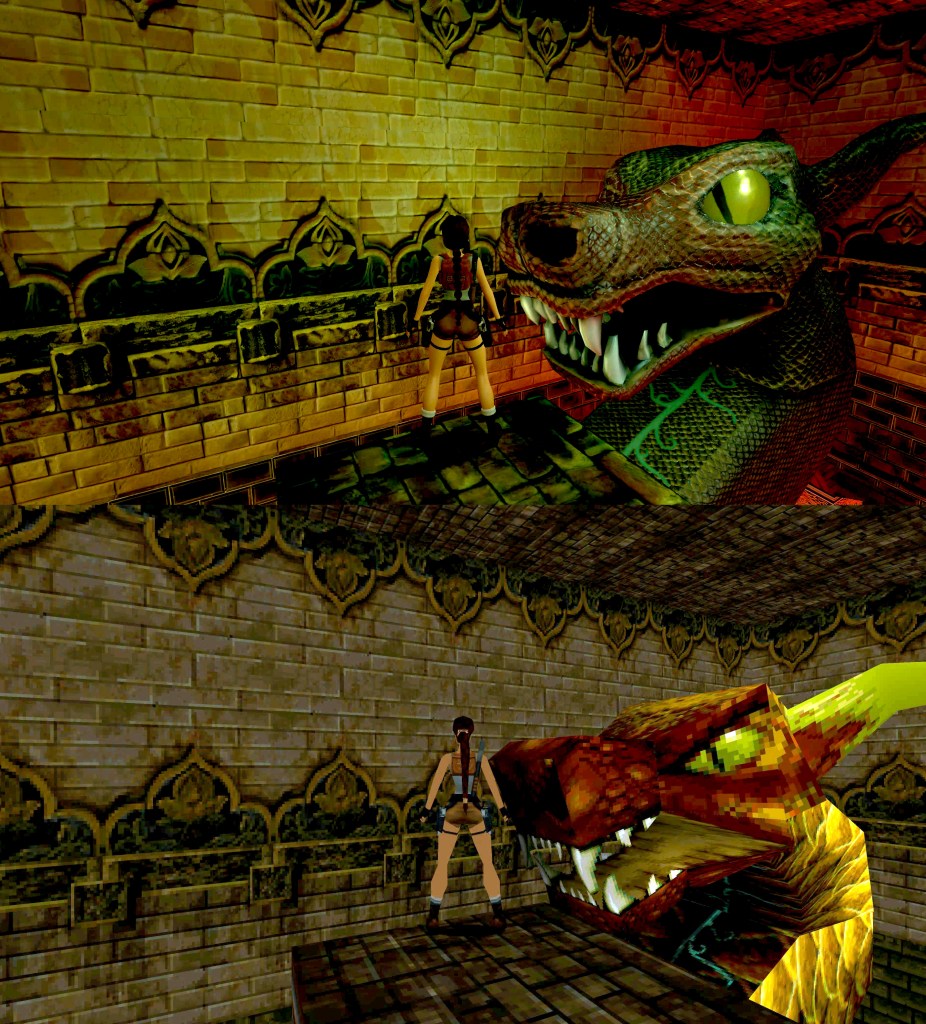
Then there is the final battle with Marco Bartoli, who has used the Dagger of Xian to transform himself into a fire-breathing dragon. If one uses the water passages correctly to swim under the beast and attack it from multiple angles, then this can be quite an easy fight. Well, it was for me anyway – and I’m not the best player going around!

There is a brief epilogue after killing the dragon, where the remainder of Bartoli’s goons come to Lara’s house to exact revenge for their fallen boss. There isn’t much to this – as you only need to grab the shotgun and more than enough ammo to take care of the intruders and their attack dogs.

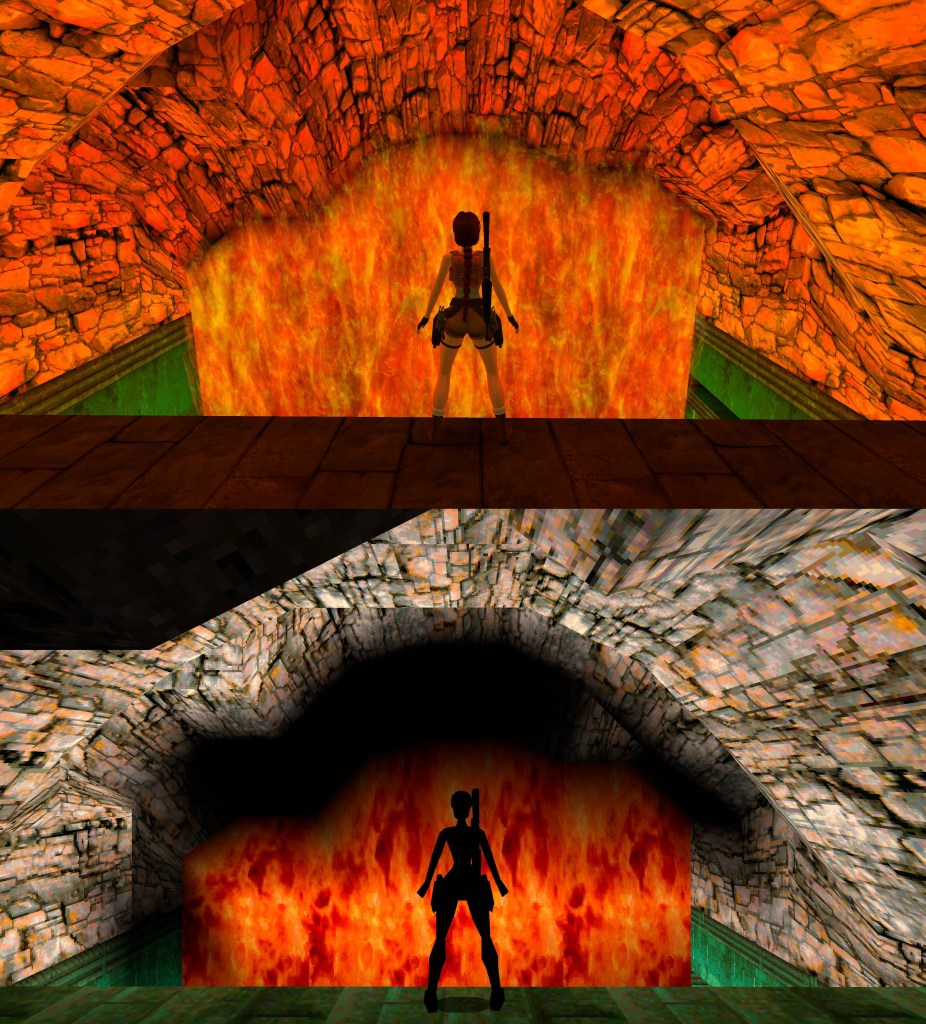
Before I get into my final thoughts on the game, I have selected some comparison shots between the new remastered version of ‘Tomb Raider II’ and the 1997 original. I have chosen photos that best show the differences between the two releases, with the 2024 edition featured on the top half of the screenshot, while the older version is shown below.

Overall, I really enjoyed playing this game – and a big part of giving this a positive review is the strong way in which the story concluded. Unlike the previous entry, whose last few levels became a bore and went off the boil, this game went the opposite way and finished off with a string of visually-enthralling chapters.

However, the last two Tibetan Levels – Catacombs of the Tallion and Ice Palace really annoyed the life out of me, with the lighting being the main issue. In fact, I stopped playing the game for a couple of weeks as a result. The offshore rig was alright, but was a little uninspiring, and the undersea levels were well-designed and planned but became too much of the same thing after a while.

Shooting my way around Venice was a novelty for me though, and I also give a lot of praise to the Barkhang Monastery stage, which was well mapped-out. As I mentioned before, the final chapters that were set underneath the Great Wall of China were top notch and ensured that the game finished on a high note.

Was it better than the original? No, but that is a hard act to follow. The difference here is that the best chapters in the first Tomb Raider game – St Francis’ Folly, Temple of Khamoon et al – reached stratospheric heights, whereas the top levels in the sequel – Barkhang Monastery and Floating Islands – are excellent at best.

Full marks to the team who upgraded the graphics, and for delivering an entertaining game that is set in some interesting locations across multiple continents. There were some levels here that I absolutely hated, but nevertheless I rate ‘Tomb Raider II Remastered’ a solid seven and a half out of ten.

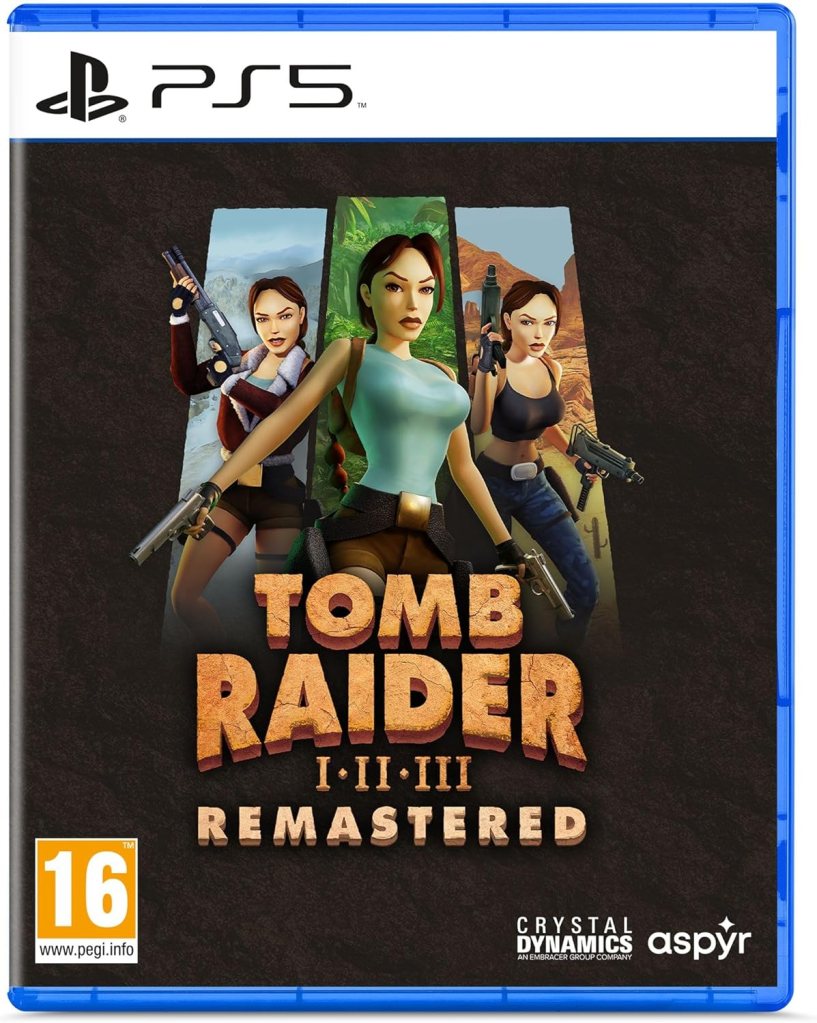
‘Tomb Raider I-III Remastered’ has been out for over a year now and is available to buy as a physical copy, or online at the PlayStation Store. I should also mention that a few months ago, the next three remastered episodes of the Tomb Raider series were released as a trilogy. Both are retailing for around $45 Australian dollars.

Screenshots courtesy of PlayStation, Crystal Dynamics and Aspyr.