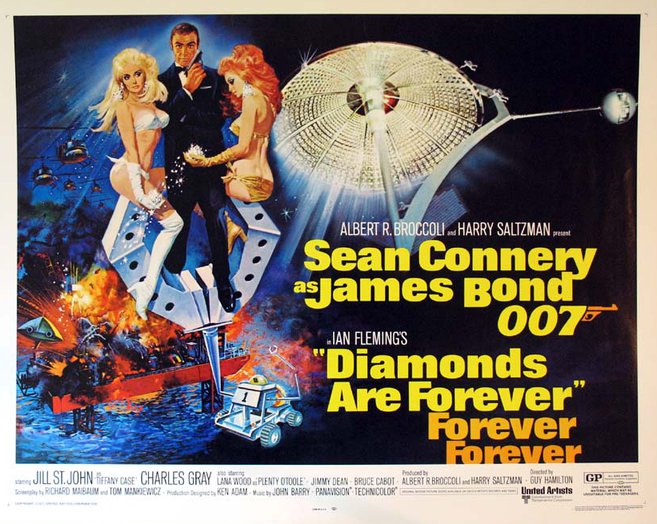
‘Diamonds Are Forever’ is often the first name that comes up when discussing the weakest entries into the James Bond series. There are other dubious titles as well, such as ‘Moonraker’ and ‘Die Another Day’, but Sean Connery’s comeback film from 1971 somehow remains in a category of its own.
Are these reviews fair? Does this movie deserve such a reputation? Well, this older version of myself decided to re-watch ‘Diamonds Are Forever’ for the first time in thirty years to find out.
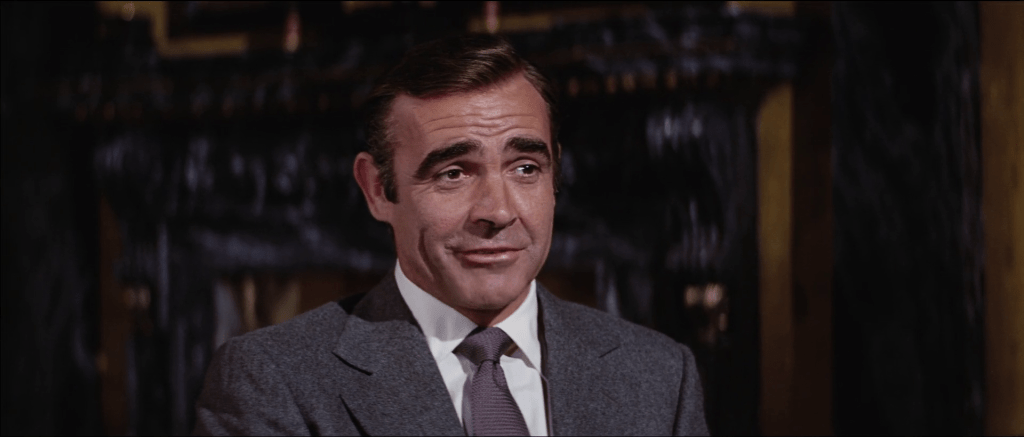
My recollection of ‘Diamonds Are Forever’ over time echoed on a couple of points; the first being that Sean Connery had aged a lot since his last Bond movie (only four years earlier) and my second observation was that some crazy stuff went down in this film. Now having watched it again, I think Connery looks good and the movie is far more insane than I remembered – which is a great thing!
I’m not sure what the production team were smoking at the time, as some of the places and situations James Bond finds himself in are outrageous – especially when compared to the other films in the series. The previous entry – ‘On Her Majesty’s Secret Service’ – is the polar opposite to this show, and it’s difficult to compare the movies in any way. For starters, ‘Diamonds Are Forever’ features a campy version of Blofeld as the main villain, two ‘flamboyant’ assassins leaving a trail of dead bodies, countless one-liners that feel better suited to a Burt Reynolds film, and to top it all off most of these capers take place in ‘Sin City’ itself – Las Vegas!
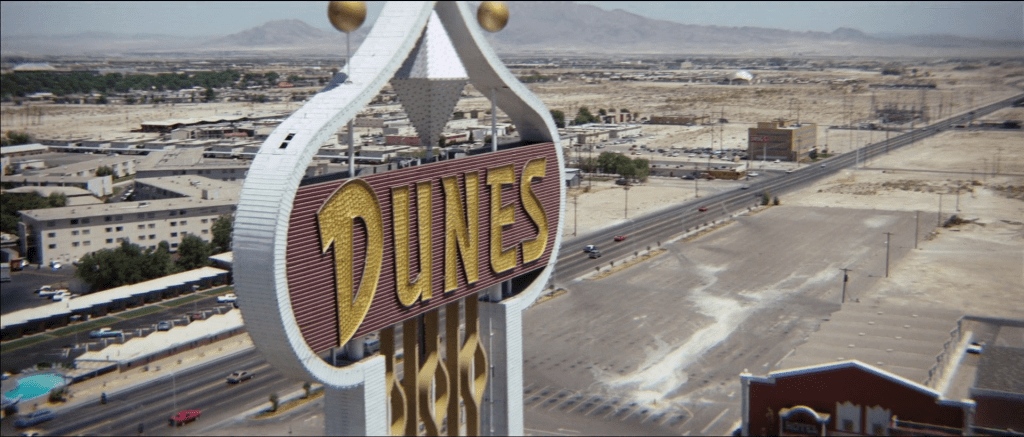
‘Diamonds Are Forever’ was Sean Connery’s sixth outing as James Bond, and he was paid a reported $1.25 million dollars for his efforts. Such a high figure for the time reflected the chaos caused by George Lazenby’s sudden departure – but that is another story. Behind the scenes, the screenplay was written by Richard Maibaum and Tom Mankiewicz – with the film being directed by Guy Hamilton and produced by Albert R Broccoli and Harry Saltzman.
John Barry provided the soundtrack, and I thought his modern score worked well with this movie. Shirley Bassey performed the title song, which is a rather catchy tune that follows the older style of opening themes but adds some newer nineteen-seventies sounds.
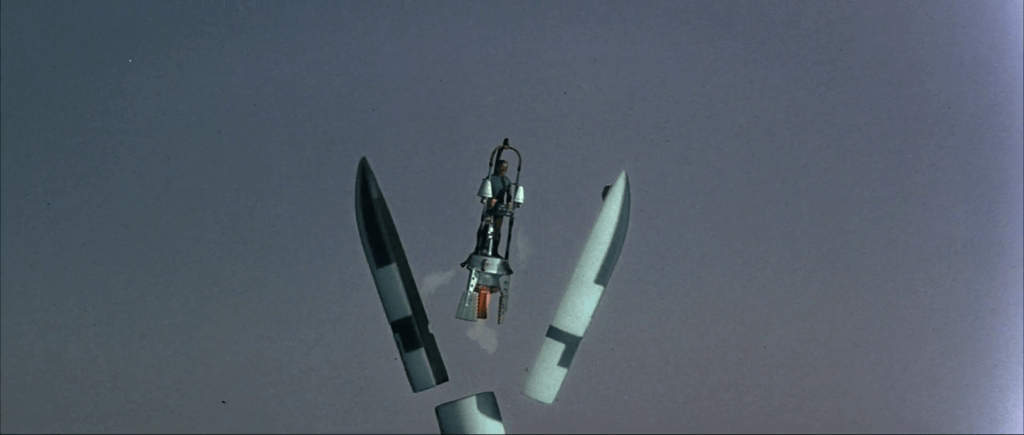
The film’s pre-credits sequence features Bond on the hunt for Ernst Stavro Blofeld. Having violently dealt with a couple of his minions, 007 eventually squares off with his old nemesis as he is about to undergo face-altering plastic surgery.
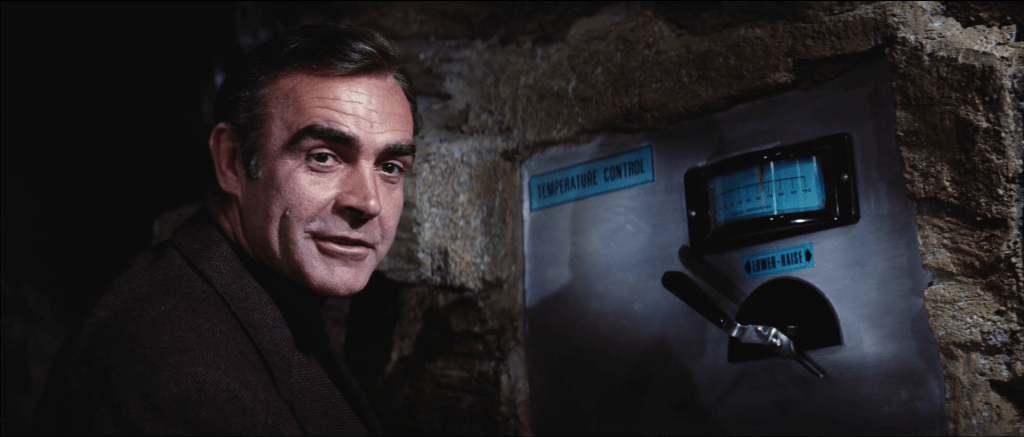
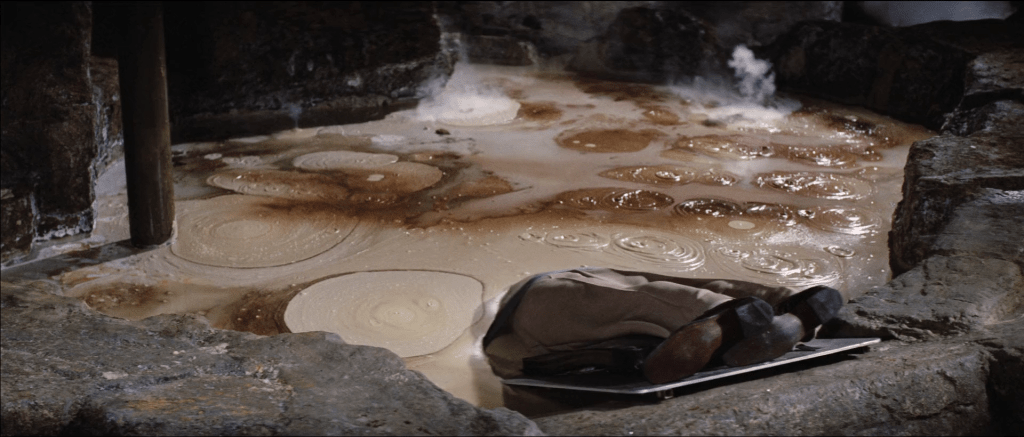
Once Blofeld is (seemingly) put away permanently, James Bond returns to active duty and is given an assignment to track illegal diamond shipments out of South Africa, and to discover who might be stockpiling them and why. Bond is sent to Amsterdam and goes undercover posing as the dangerous smuggler Peter Franks, before following the trail to the United States – Las Vegas and California specifically.

Of course it could never be as simple as thieves stealing precious gems, and the plot evolves into a SPECTRE operation where a satellite uses diamond-charged lasers to destroy targets on Earth.
As this film took such a sharp turn away from the usual James Bond formula, I won’t offer too many comments about the storyline or the style of the direction and editing. I think the more interesting aspects of ‘Diamonds Are Forever’ are the quirky characters and bizarre scenes that took place within this movie, so I will focus on some of these instead.

Let’s start with the casting of Charles Gray as Ernst Stavro Blofeld, whose campy portrayal of the super-villain is very different to what we saw from Telly Savalas and Donald Pleasence. This same actor had appeared in ‘You Only Live Twice’ as Bond’s contact in Tokyo, which makes him an odd choice to play the main bad guy here.
Gray is perhaps best known for ‘The Rocky Horror Picture Show’ – particularly the ‘The Time Warp’ song – where he delivers the famous line “It’s just a jump to the left.”
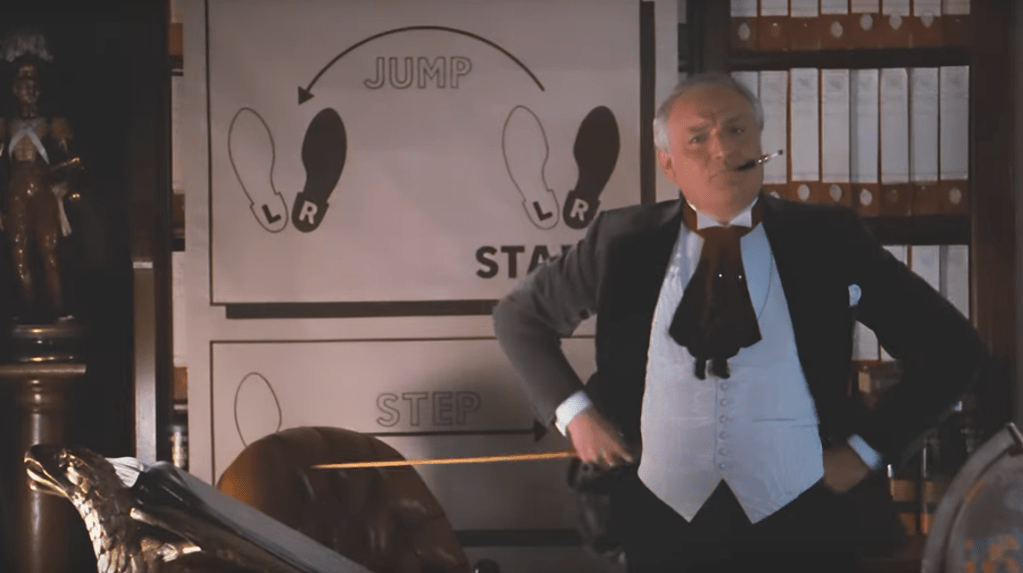
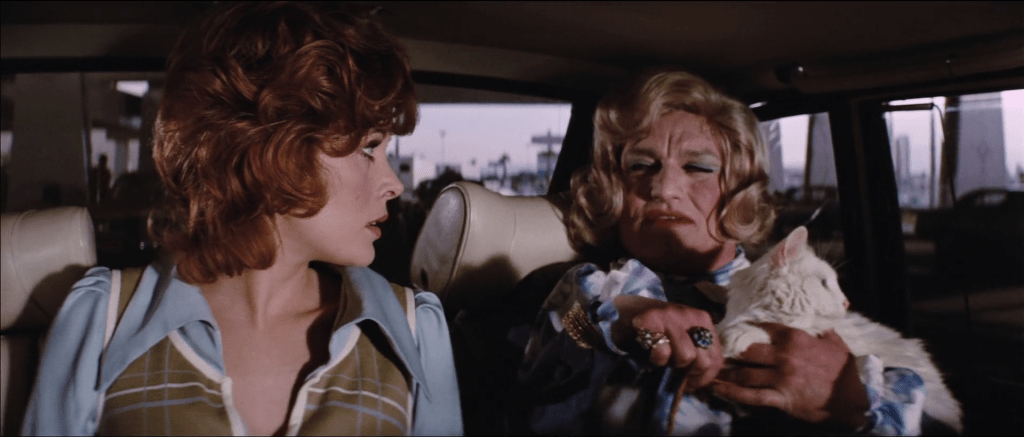
Gray turns out to be pretty good as Blofeld, as he projects considerable menace behind the appearance of a well-spoken British aristocrat. He delivers some cracking lines and in one scene is dressed up in drag (see photo above), making him the most ‘likeable’ incarnation of the SPECTRE boss we have seen.
Moving on, it is now time to discuss Mr Wint and Mr Kidd – two of the most memorable henchmen ever seen in a Bond movie.

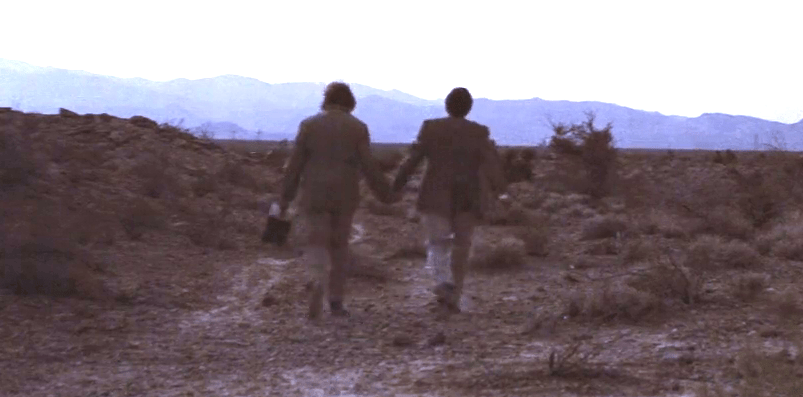
From walking hand-in-hand, to finishing each other’s sentences; what was going on between these two was evident after their opening scene in the film. This never-seen-before dynamic for a Bond movie added more layers to the bizarre treat that is ‘Diamonds Are Forever’.
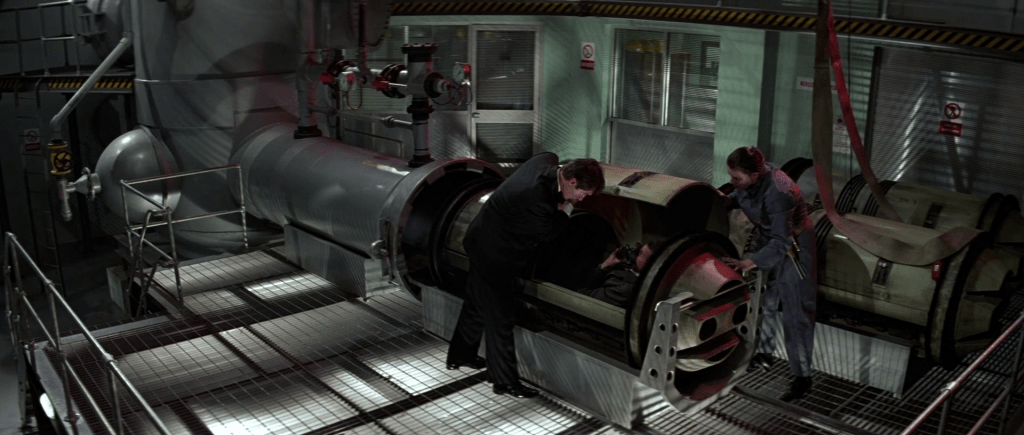
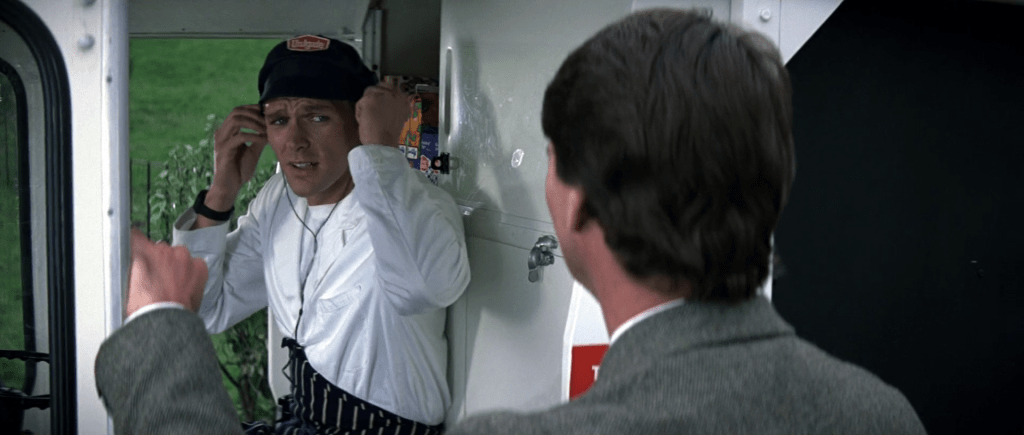
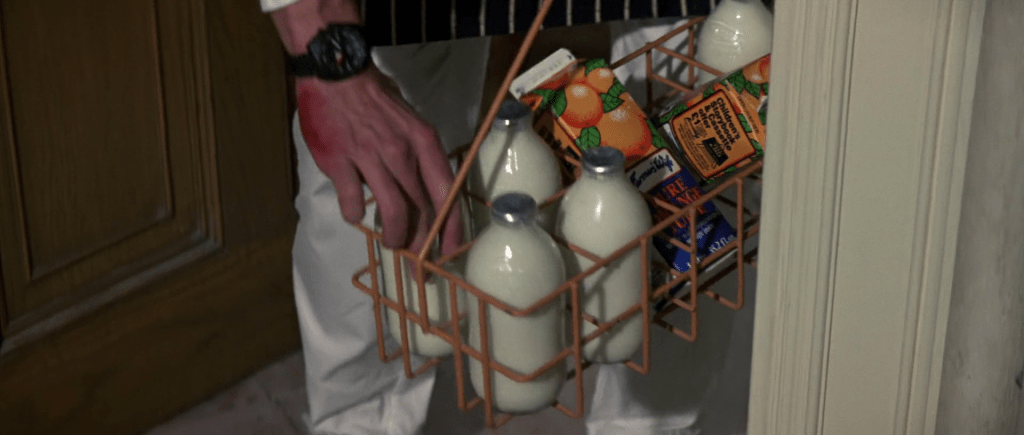
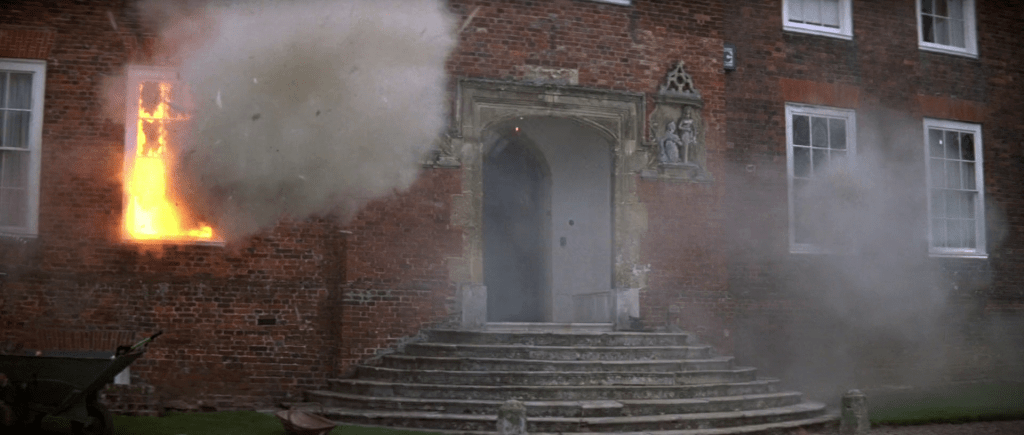
But make no mistake, this pair were ruthless killers and built up quite a body count throughout the movie. As far as the plot was concerned, Wint and Kidd were tasked with eliminating anyone who came in contact with the diamonds, and they did so via a number of effective measures – from scorpions to explosions.
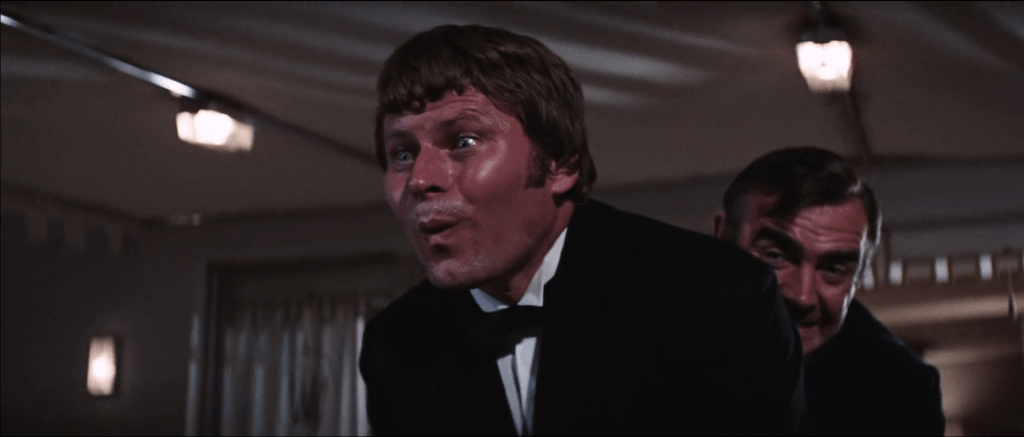
Mr Wint, seen in the photo above, was played by Bruce Glover who sadly passed away only a few weeks ago in March this year. He is the father of actor Crispin Glover.
Mr Kidd was played by jazz musician Putter Smith, and was cast in the role after director Guy Hamilton saw him performing on stage.
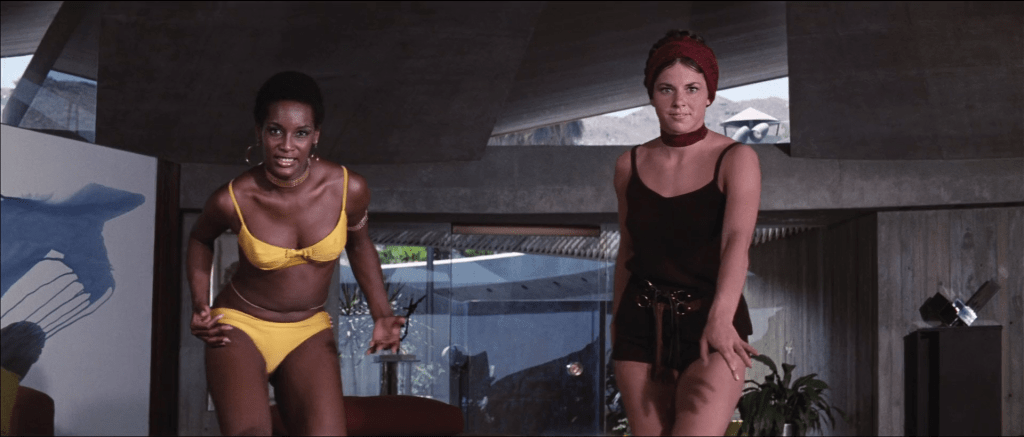
The list of memorable characters in this movie does not end there, for who could forget the weird fight scene between Bond and the fearsome duo of Bambi and Thumper?
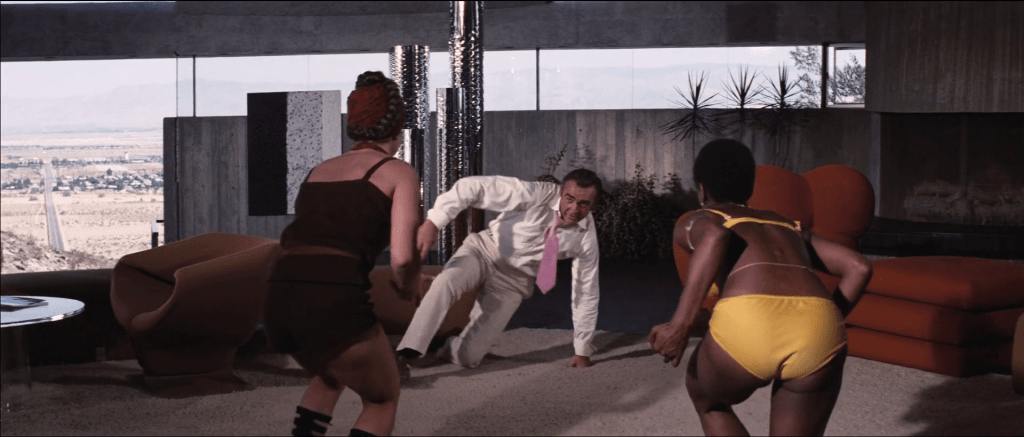
Just when you thought this film could not go any further off the rails, they come up with something like this. While this scene was completely bonkers, it added a ton more fun to what was already an enjoyable spectacle.
By this point, any idea that this was a run-of-the-mill 007 flick had long gone out the window.
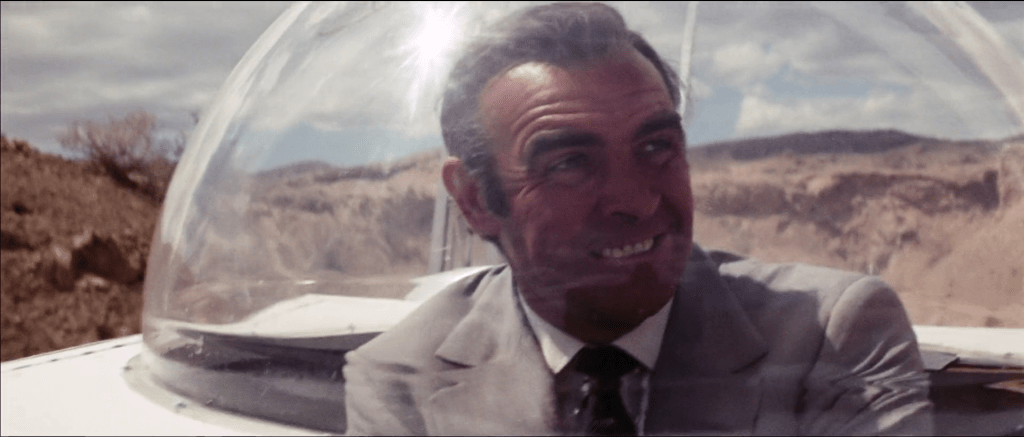
Then there is the moon buggy chase scene. Yes, you read that correctly.
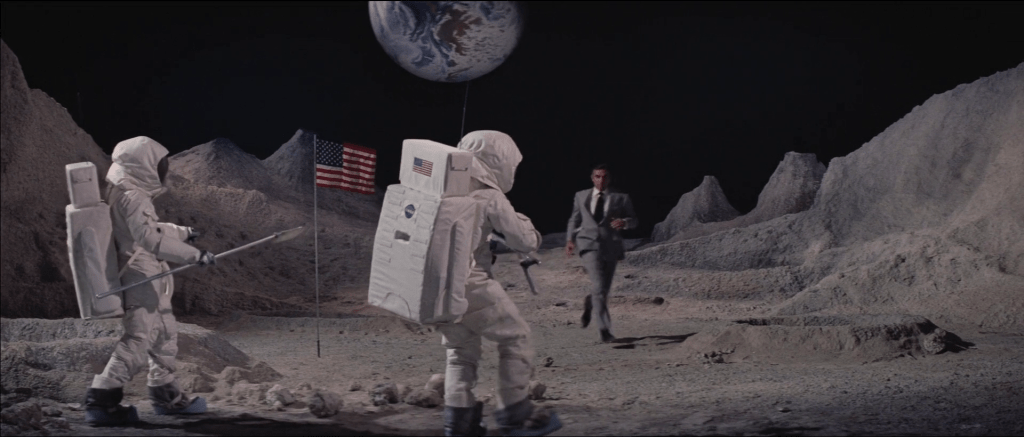

What happens here is Bond interupts a lunar landing simulation and steals the astronauts’ buggy, after which he is pursued through the Nevada desert by goons in cars and three-wheeler bikes.
We also have the mobsters working for Morton Slumber, the Las Vegas funeral director and part of the diamond smuggling operation. These are really cool characters, and I should point out that the thug in the back seat (see photo below) is played by horror movie legend Sid Haig.
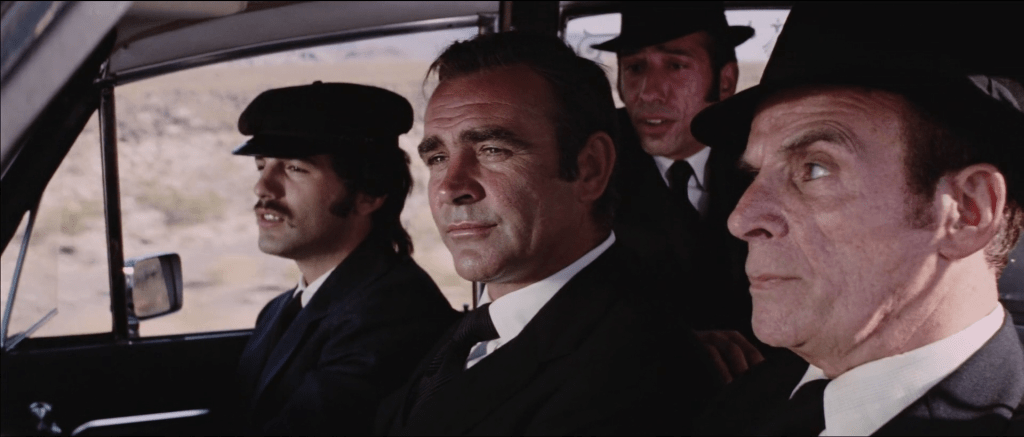

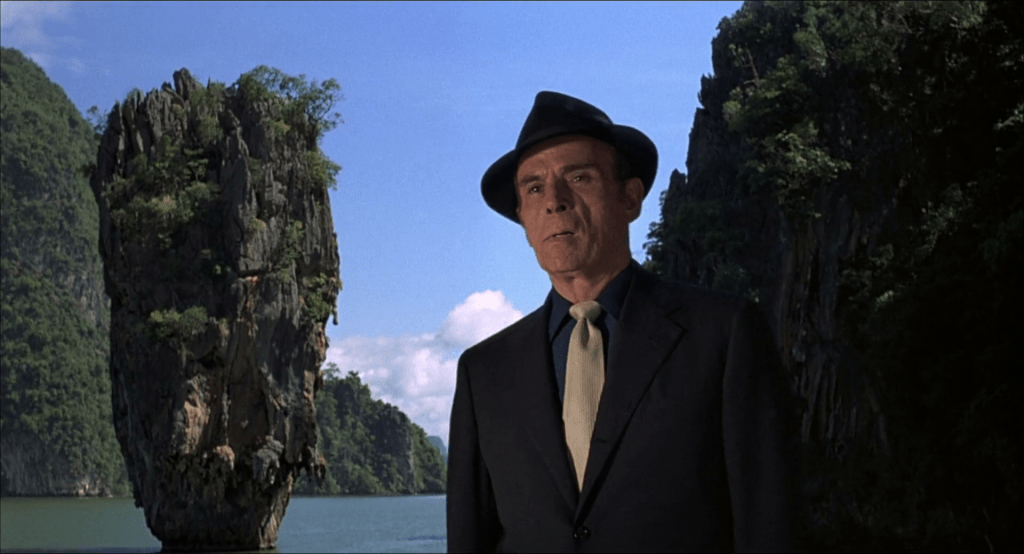
The main gangster, played by Marc Lawrence, is credited as ‘Slumber Inc Attendant’ in this film. However, he would appear three years later dressed in similar attire in the opening scene of ‘The Man With The Golden Gun’ – but this time the character was named as ‘Rodney’.
Is it the same antagonist in the Bond universe, or is this a case of casting the same actor to play the same type of role in two separate movies?
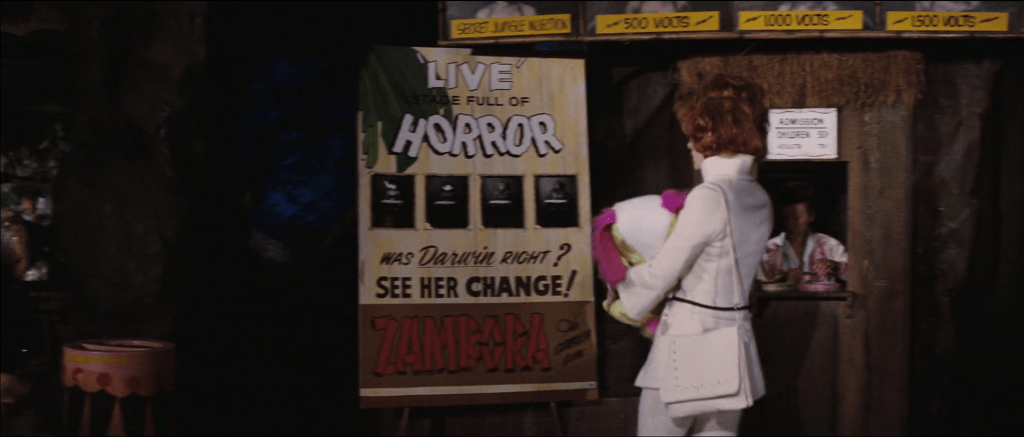
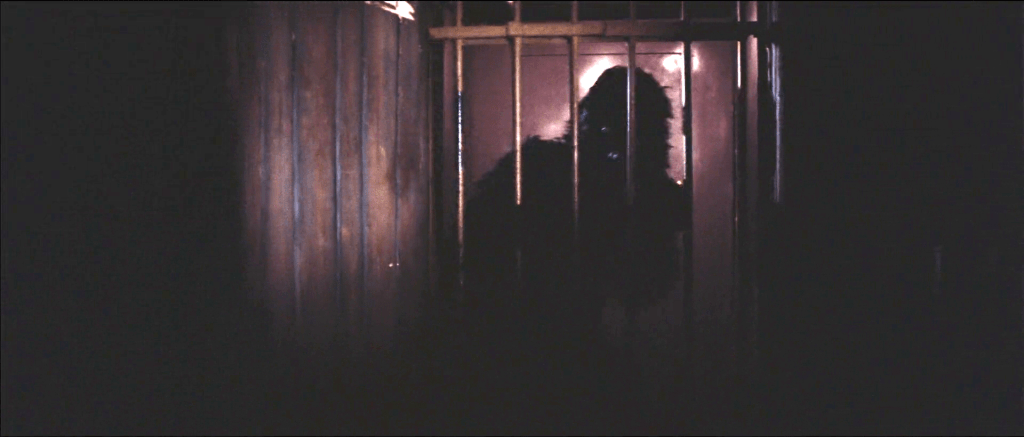
Then there is the infamous gorilla scene.
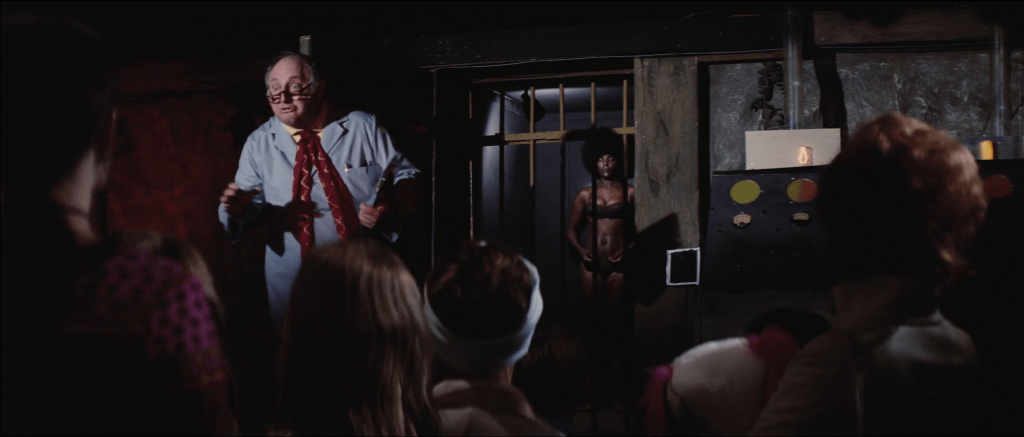
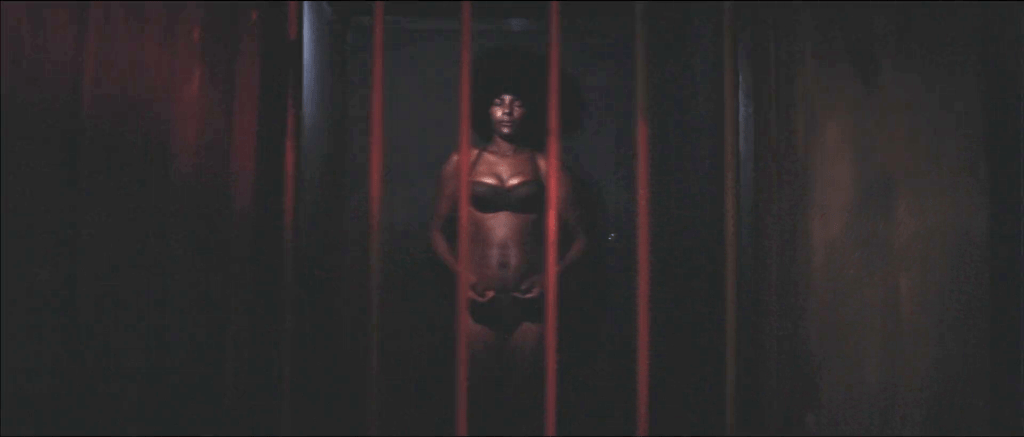
This is a great trick, provided it is taken with a grain of salt as the lightweight carnival act that it is supposed to be. However, in this day and age the idea of a black woman transforming into a primate – regardless of the context – would scare the wits out of any major movie studio.
And last but not least, I have to mention the Bond girls, especially Jill St John who starred as Tiffany Case. This character is quite a departure from 007’s previous love interests, and delivers some outrageous lines in this film, perhaps none more so than “Blow up your pants!” – which was directed toward a pesky kid at the Circus Circus casino.
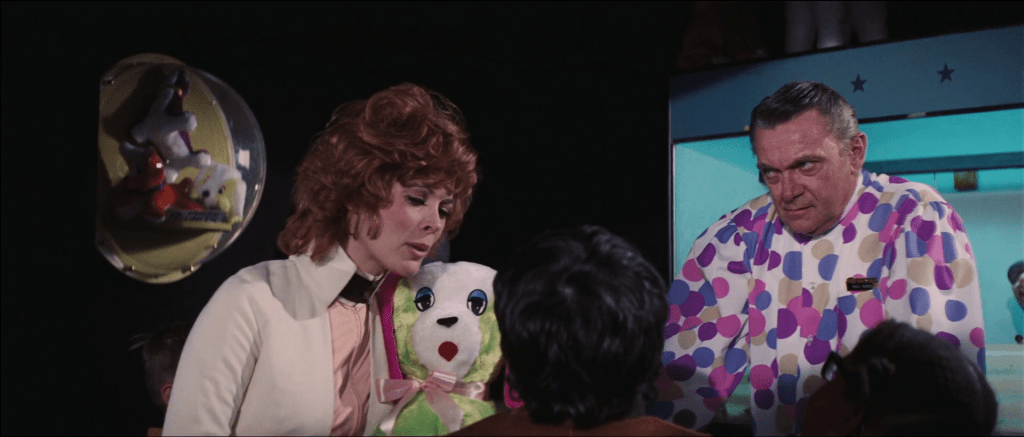

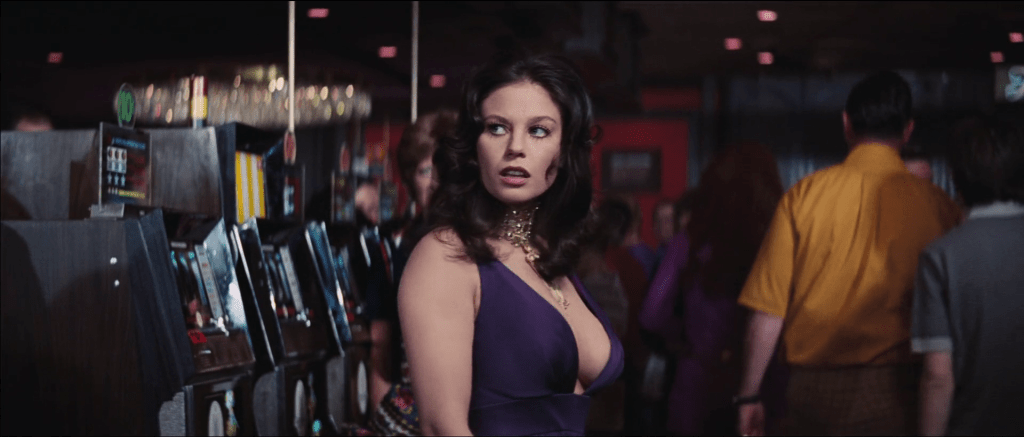
Interestingly, both actresses who starred in ‘Diamonds Are Forever’ – Jill St John and Lana Wood (who played Plenty O’Toole) – share an off-screen connection to the actor Robert Wagner. Lana Wood is the younger sister of Natalie Wood, who was famously married to Wagner until her drowning death in 1981. St John tied the knot with Robert Wagner in 1990 and they are still together today.

Moving on, I also have to mention some of the oversized and futuristic sets featured in this film. I felt a bit of a Stanley Kubrick vibe whilst appreciating these aesthetics, and I now have to wonder if the simulated moon landing scene in this movie was perhaps a nod to the master director.
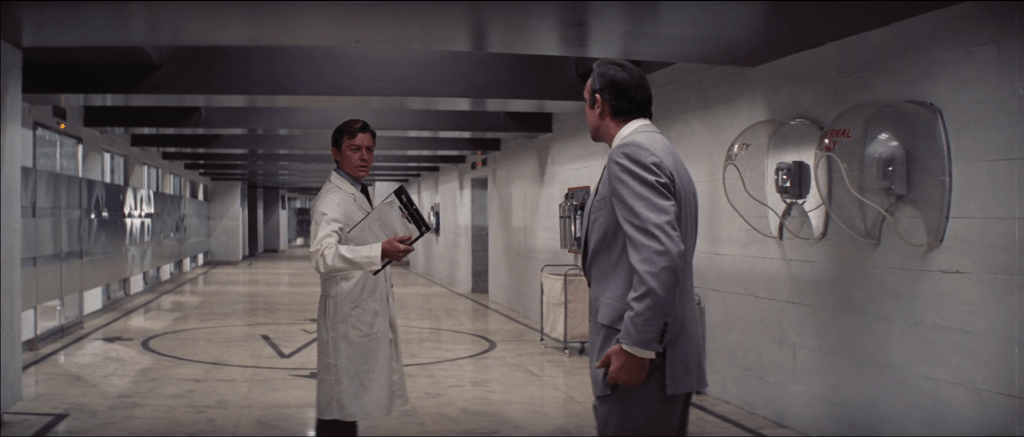

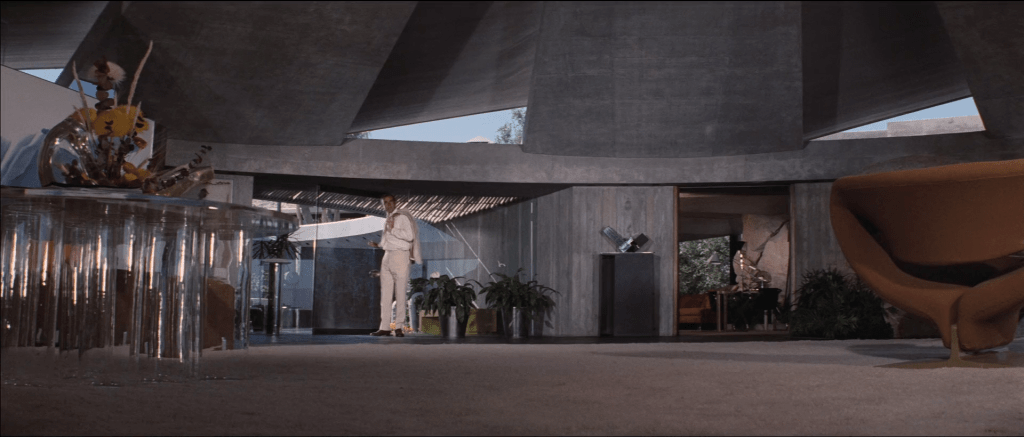

‘Diamonds Are Forever’ is somewhat of an anomaly in the James Bond series, as the original playbook was well and truly discarded, forever changing the way these films would be made. Part of this would have been the producers wanting to quickly move on from George Lazenby, doing so by re-hiring Connery and throwing caution to the wind when it came to the writing and casting of this movie.
It was a huge risk at the time, but one could argue that this dramatic change in direction worked as James Bond films went from strength-to-strength throughout the seventies and eighties, and are just as popular at the box office today.


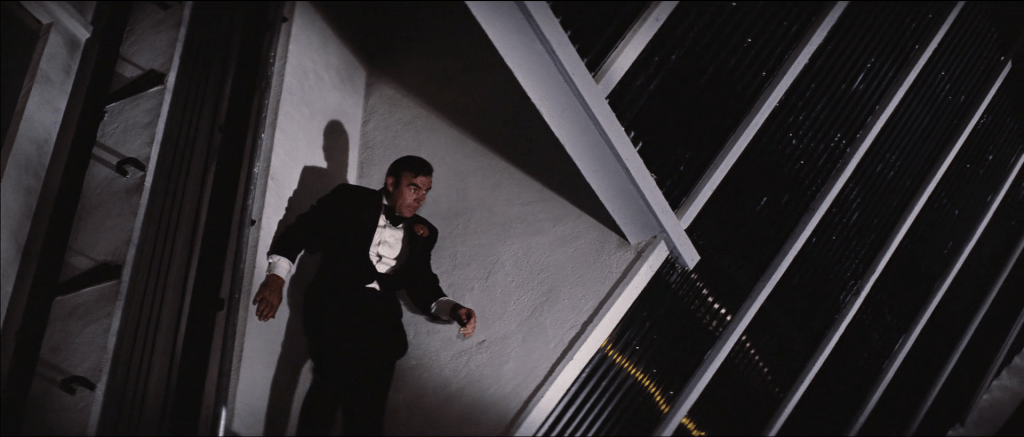


‘Diamonds Are Forever’ was not the movie I remembered from my previous viewing back in the early nineteen-nineties. I have to say that all these years later it was far more enjoyable and entertaining than I expected it to be, possibly as a result of experiencing it with an older and more appreciative mindset.
However, I still found a few issues, with some of the characters becoming a bit of a blur, due to so many things happening at once. For instance, the motivations of the part-time comedian Shady Tree and the delightful Plenty O’Toole were not entirely clear to me, and I got a little muddled with the fast pacing of this film. However, these are tiny gripes and I probably missed a few key plot points as I was laughing too hard.

Perhaps the most obvious flaws in this film come via some fairly ordinary dubbing, and this is most evident in the pre-credits sequence. Connery’s voice sounds too loud and out of place, and in one scene has been possibly sped up. Then there is the Japanese guy who manages to tell Bond that he needs to go to Cairo, despite being choked and having his mouth wide open at the time.

Some of the special effects are a bit slack as well; mainly the explosions that were added in post production. I don’t recall these types of shots being as noticeable in previous Bond films, but it didn’t detract from my overall enjoyment of the movie.
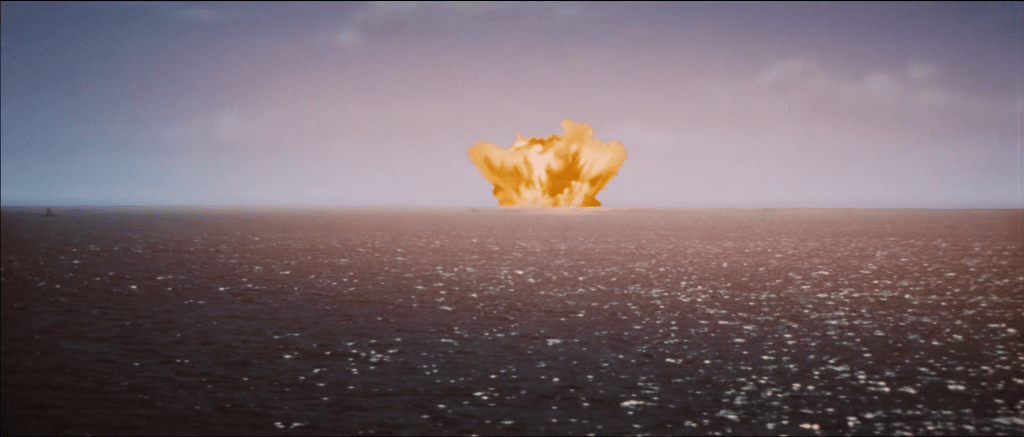

‘Diamonds Are Forever’ was one of the most entertaining flicks I have seen in a while. To be fair, I went into this with very low expectations – which might have swayed my opinion slightly – but nevertheless I found this to be an excellent entry into the Bond series.
This film is very self-aware; from the odd characters and loose dialogue, through to the strange locations and crazy action sequences. Avoiding the usual 007 settings such as the Bahamas, or a classic European city – not counting Amsterdam – also works an absolute treat.
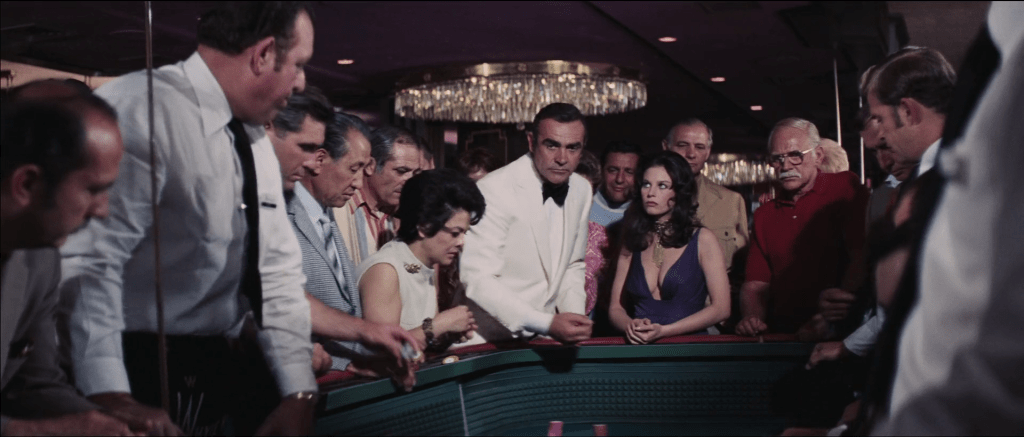
When Bond does visit the gaming floor of a casino, instead of playing Baccarat he tries his luck on the Craps table. In fact, there is very little class and style in this movie that you would normally associate with James Bond, with everything from the fight scenes to the car chases being bigger and louder than what we are used to seeing.
The historical significance of ‘Diamonds Are Forever’ should not be understated either, for this entry moved so far away from a winning formula – at great risk I might add – and ended up serving as a ‘reboot’ that paved the way for Roger Moore and a more lighthearted and action-comedic take on the dashing secret agent.
The best advice I could give anyone wanting to revisit this film is to take it on face value, and enjoy it for the outrageous caper that it is. If you try and compare it to any of the previous films in the series and hope for something similar, you will be disappointed – as I was back in my younger years.
I’m going to rate ‘Diamonds Are Forever’ purely on how much I enjoyed the film, and not take into consideration the essential ingredients needed for a James Bond feature, as everything is turned on its head here.
With that being said, I give this movie a score of 8 out of 10 – with an extra half a point added for the hovercraft!

All posters and screenshots courtesy of Eon Productions and United Artists.
Robert Wagner and Jill St John photograph is courtesy of Getty Images (2014)
Image from ‘The Rocky Horror Picture Show’ is courtesy of 20th Century Fox.












 Sean Carslake