The seventh season of the highly-acclaimed science fiction/horror anthology dropped on Netflix last week, but is it better than the last release or does the show continue its slide into fluffier, more lightweight material?
As the season came out only a few days ago, I will make sure that there are no spoilers here. However, I can say that the creators have hedged their bets a little, and by giving us six episodes instead of four or five has ensured that there is something for everyone – not to mention tick the necessary boxes for a Netflix production.
I will explain this in a little more detail during my episode-by-episode breakdown.

The season kicks off with ‘Common People’ which is reminiscent of some of the earlier Black Mirror episodes – which is a good thing. The characters are well-written and the acting is on point, with solid performances from Rashida Jones, Tracee Ellis Ross and Chris O’Dowd.
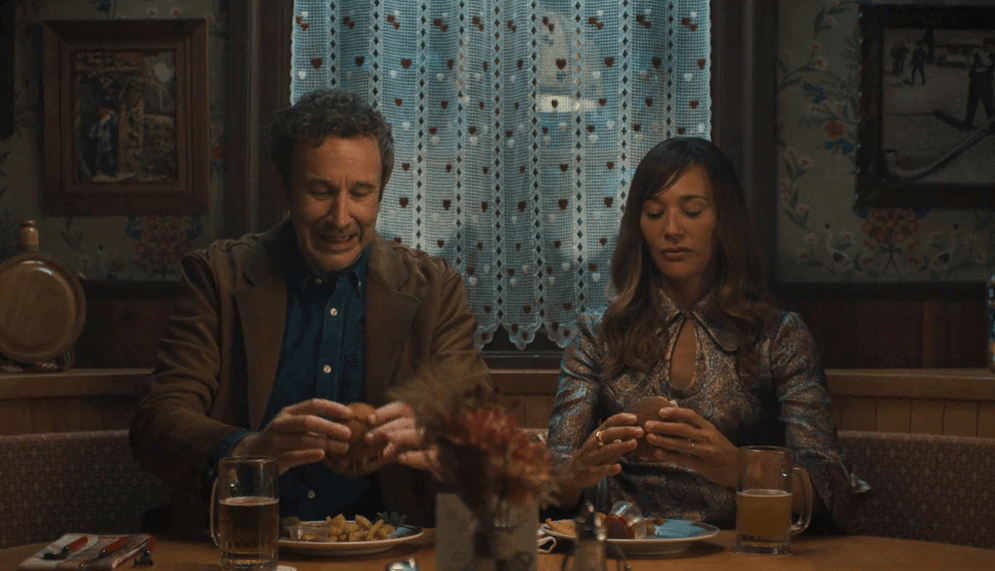
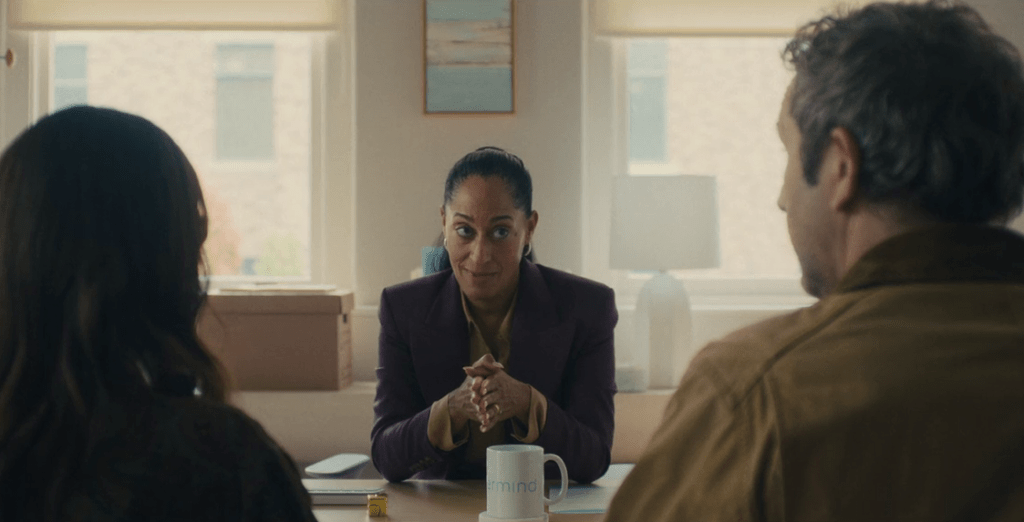
Without giving anything away, the story revolves around a couple who are forced into a contract with a ‘pharmaceutical tech’ company called Rivermind. This episode packs an emotional punch and I would rate it 9/10.
The second installment in the series is titled ‘Bete Noire’ and almost immediately one can feel the pressure and intensity drop after the season’s strong opening.
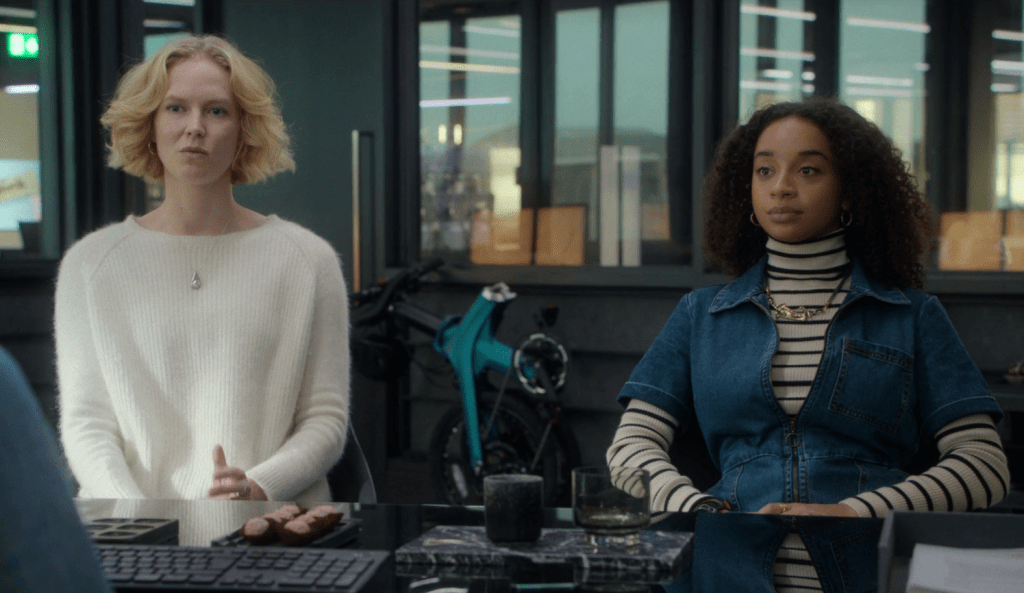
This drama takes place in the R&D department of a confectionery company, where Maria – a respected team leader – becomes unnerved after the appointment of Verity; a former schoolmate with a questionable past.
It’s a psychological piece with the added Black Mirror trademark of technological terror, and in truth it’s not a bad effort – but falls short with the characters and their motives in my view. It is definitely weaker than the preceding episode on almost every level, but is quite watchable – and therefore I would rate it 5/10.
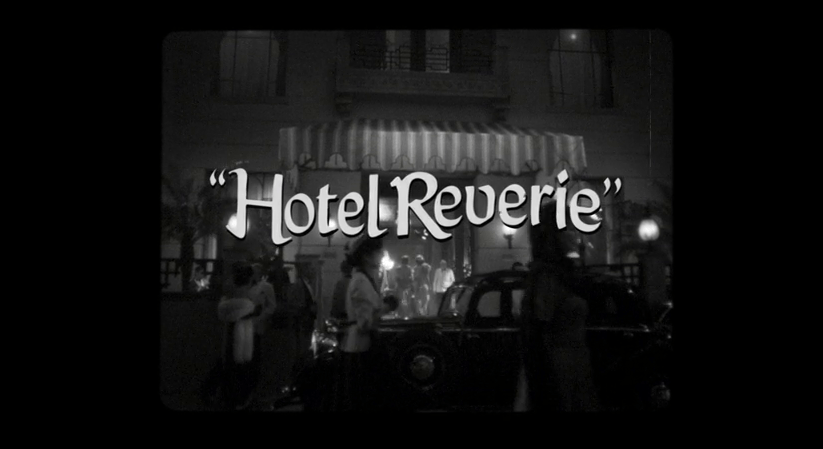
The third episode called ‘Hotel Reverie’ is an interesting one, with some cool concepts that question the modern issues of AI and deep-faking. However, I sense that this is the token ‘woke story’ that Netflix would have pushed for, and in my view was the least-enjoyable of the season. I don’t think I am being unreasonable in saying this was the weakest link in the series.
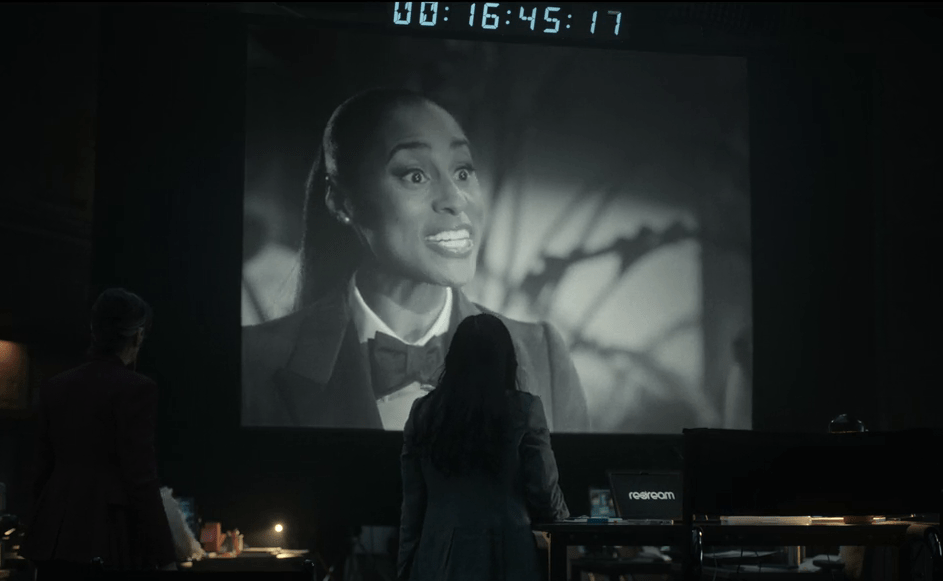
This episode is about a tech company called ReDream who are re-shooting an old British movie using their specialised AI programs. Again, I don’t want to spoil anything, but the issues of Hollywood gender-switching and race-swapping leading roles for remade films is obvious here. If this was supposed to be satirical, then I guess I may have missed the point by giving this a low score – but I didn’t feel that vibe. I also couldn’t help but sense this story was trying to emulate ‘San Junipero’ from season three – which was a great entry, unlike this one – so I give it a lower pass with 4/10.

After a two-episode sag, Black Mirror bounces back strongly with the fourth story – the disturbing digital nightmare that is ‘Plaything’.
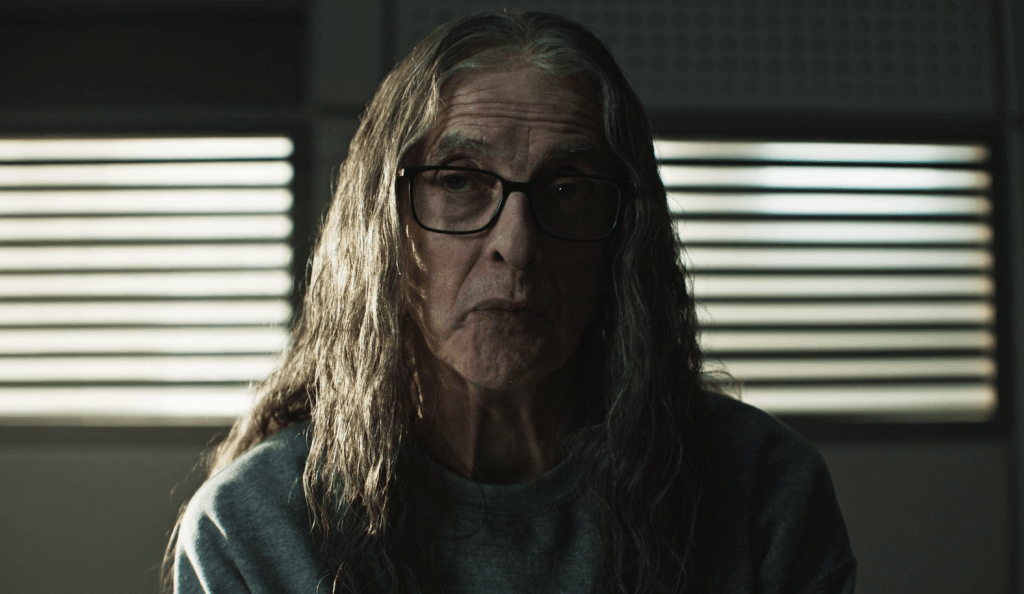
Starring former Doctor Who Peter Capaldi as computer geek Cameron Walker, this story is focused on an early 1990’s video game featuring sentient digital lifeforms called Thronglets. I believe this episode is connected to ‘Bandersnatch’ – with the character of Colin Ritman, played by Will Poulter returning to the Black Mirror-verse. I promised no spoilers, so I won’t say any more.
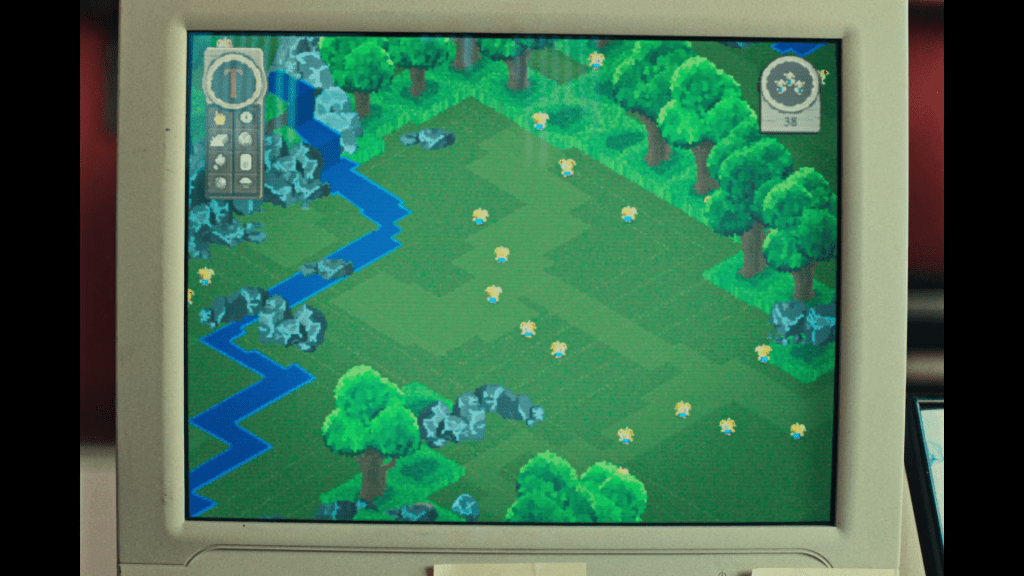
This is a straightforward – albeit troubling – tale by Black Mirror standards, but is nonetheless a solid entry into the series. With great performances by Capaldi and Poulter, as well as from Lewis Gribben who plays the younger version of Walker, I would rate this story easily above the previous two episodes but not quite as high as the first one – 8/10.
‘Eulogy’ is the fifth episode of the season, and explores – through intrusive technology – the ideas of long-lost love and emotional redemption, something that this franchise has always done rather well.
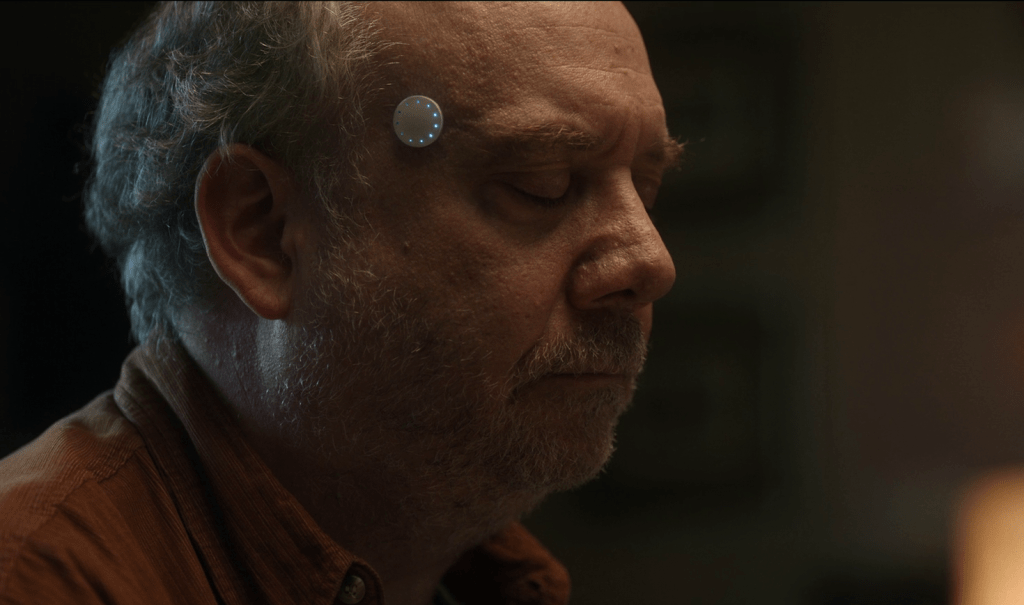
We have another well-established actor here in the lead role, with Paul Giamatti playing Phillip – an elderly loner who suddenly comes face-to-face with painful memories of losing the love of his life decades earlier. I would argue that Giamatti’s performance is a master-class; up there with the best of his career and certainly award-worthy.

In brief – and without going into too much detail – this tale is about an old man who is encouraged to use a new technology that immerses him within his old photographs, naturally stimulating memories long thought lost. Through these revelations, the story unfolds before our eyes, and does so with plenty of emotion and gravitas – 9/10!
And for the sixth and final episode, the show-runners have provided a real treat: – a movie-length sequel to the season four classic ‘USS Callister’.
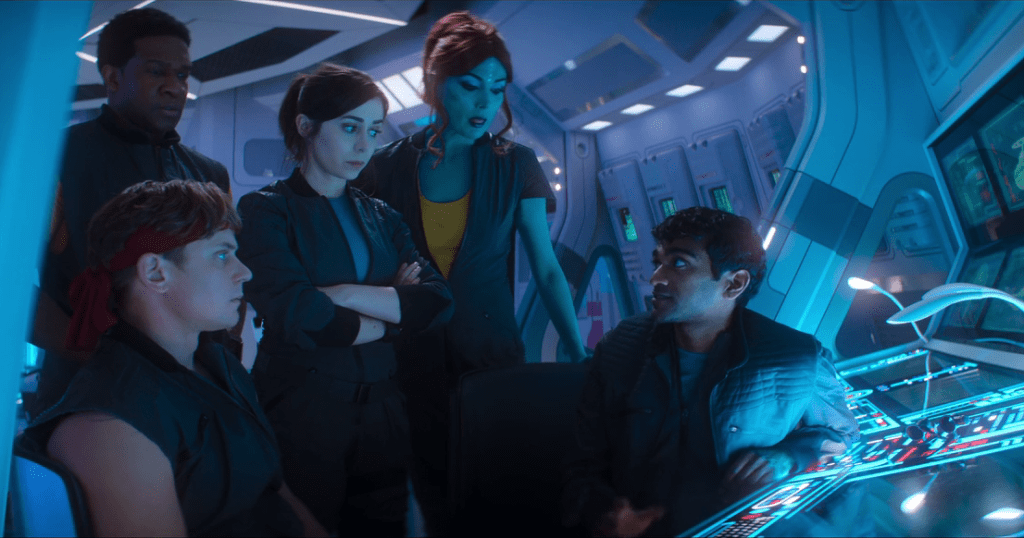
I won’t say much about this story, other than how much fun it was – and to insist that watching the original ‘USS Callister’ episode is essential before checking this out.
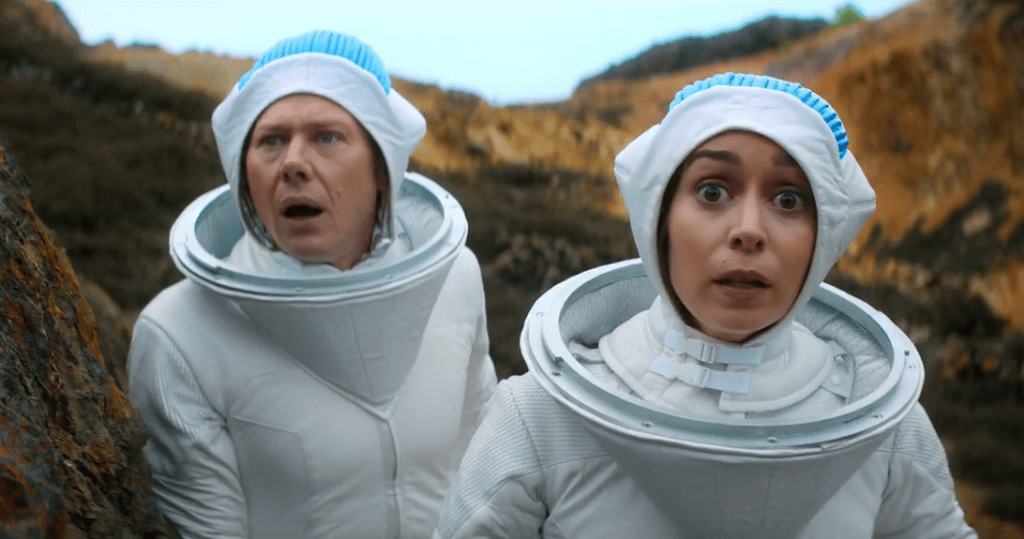
The cast from eight years ago return to reprise their roles, with Jesse Plemons, Cristin Milioti and Jimmi Simpson playing the main characters. To be honest, I don’t think this continuation of the story is as good as the original chapter, but it was an entertaining way to end this season of Black Mirror – and it gets an 8/10.
Rating the episodes in order of quality – according to me – would have ‘Eulogy’ on top with ‘Common People’ just behind it in second place. The nostalgia factor puts ‘USS Callister – Into Infinity’ as my third-best pick, with the solid ‘Plaything’ settling for fourth spot.
Then we have a little bit of daylight before fifth-placed ‘Bete Noire’ comes into play, followed by ‘Hotel Reverie’ crossing the finish line dead last. Again, the reason these two episodes are adrift of the pack is because I did not find them very engaging and were a bit of a struggle to watch, if I’m being honest.
On the whole, I think this is a better collection of stories than season six – where I rated the five episodes as two being good, one being average and two being sub-par. Here we have six episodes – two of which I considered to be excellent, two were very good and the remaining two received average scores. Therefore, I would give this season of Black Mirror an overall mark of 7.5/10.
I apologise for not giving specific examples when being critical of the plot or production of some episodes, but keeping this article spoiler-free was my main priority. There was simply no way I could explain any of my critiques without revealing important elements of the story and ruining the viewing experience for those yet to watch the show.
All seven seasons of Black Mirror are currently streaming on Netflix.
All screenshots courtesy of Netflix.
 Sean Carslake