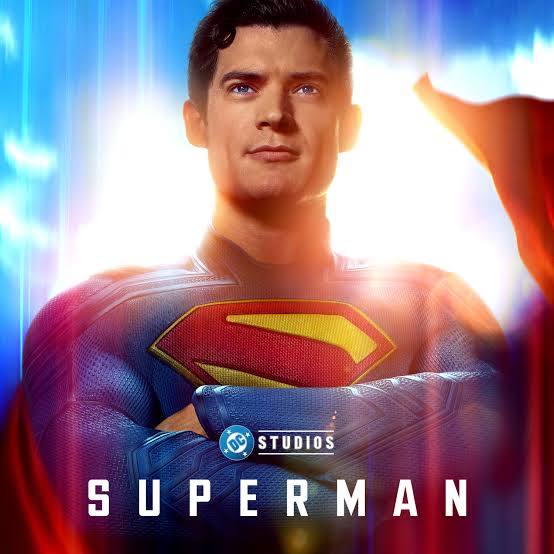
I watched ‘Superman’ – and it was okay

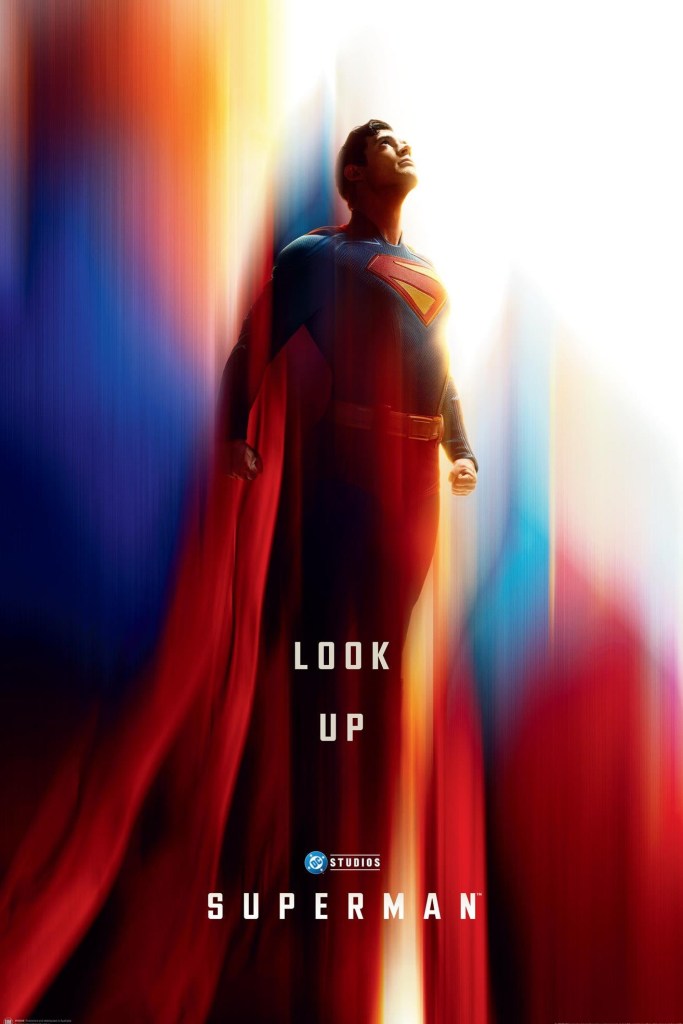
James Gunn’s ‘Superman’ was released in cinemas last week to mixed – yet in some ways consistent – reviews and has been vigorously broken down and analysed on numerous online channels and podcasts over the past few days.

I managed to catch a session of this movie yesterday and approached it with an open mind – not wanting to be overly-critical, but also not setting my expectations too high.

This is not a great movie; nor is it a disaster. In fact, a lot of the praise that this film has received can be justified, and likewise so can the flaws and weaknesses pointed out in some of the negative reviews. But overall – and this is my own verdict here – I would describe this reboot of Superman as being all over the place and a bit of a mess, yet it turned out to be a fun movie that I found quite likeable.
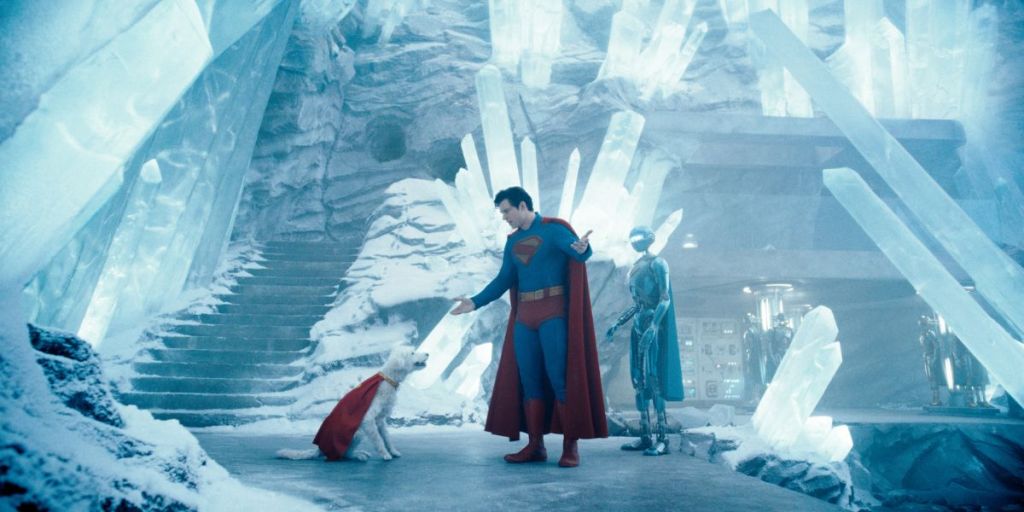
Without giving any elements of the plot away, I will tread carefully and provide an honest appraisal of what I experienced from this movie. Toward the end of this article, I will put up a spoiler warning and then offer a few more detailed remarks.

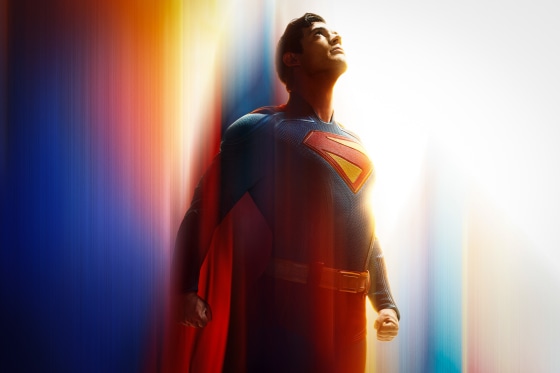
I will start positively by saying that David Corenswet was excellent as Superman. He looked and acted the part, but I think the way the film was written meant that his charm and charisma took a little while to shine through. But eventually it did.

Rachel Brosnahan as Lois Lane was also well-cast, as was Nicholas Hoult as Lex Luthor – but I don’t think the super villain’s part was penned as sharply as it could have been. The ideas were alright and some of Luthor’s schemes were decent, but the fast-paced screenplay often didn’t allow his moments of evil genius to settle before moving on to the next scenes.
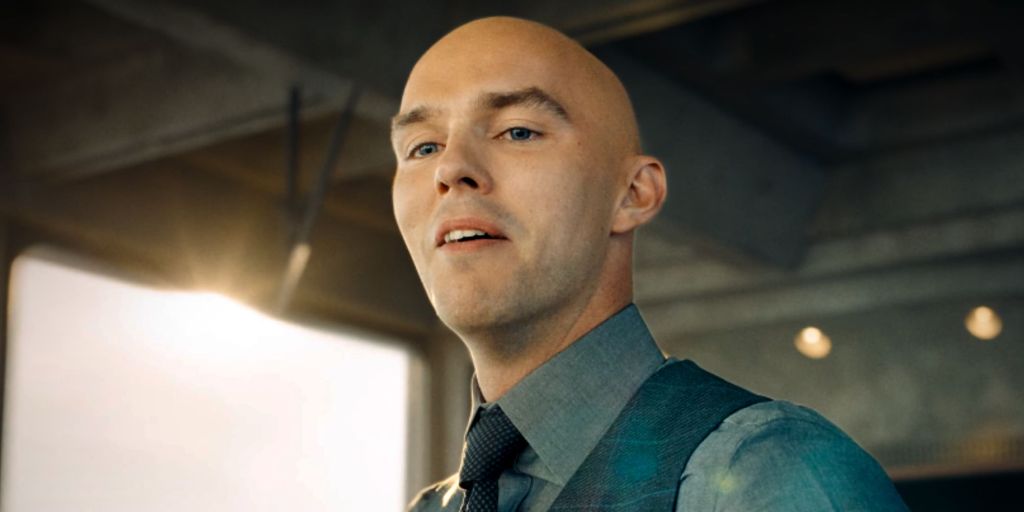
In fact, this a common criticism of James Gunn, mainly around moments of gravitas or emotionally-heavy exchanges in his films, in which he overuses levity – often in the form of a weak joke or some type of slapstick – to underline the scene. To be fair, this style can often work well in a film and it’s great to make the audience laugh – but it is not as effective as often as Gunn thinks it is and many times in this movie he fails to let these character-building scenes slow down a little and run their course.

You may have read similar criticisms in other reviews, and these are legitimate gripes. But to me these issues were a minor disappointment and fit nicely into my ‘it could have been better’ overview of this film. Whilst I think that Gunn overplayed the use of jokes in this movie, it was not a deal-breaker for me – for it was clear that his vision for Superman was aimed at a younger audience.

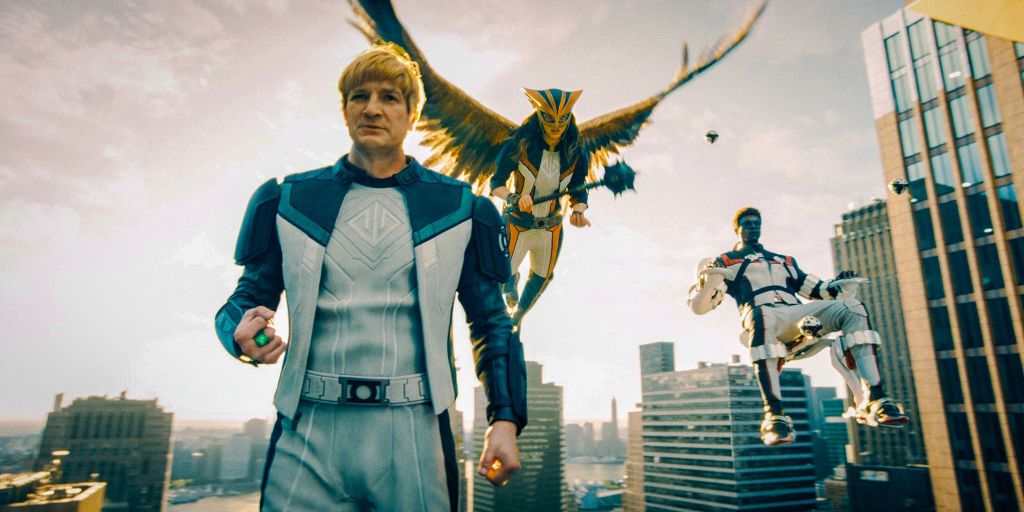
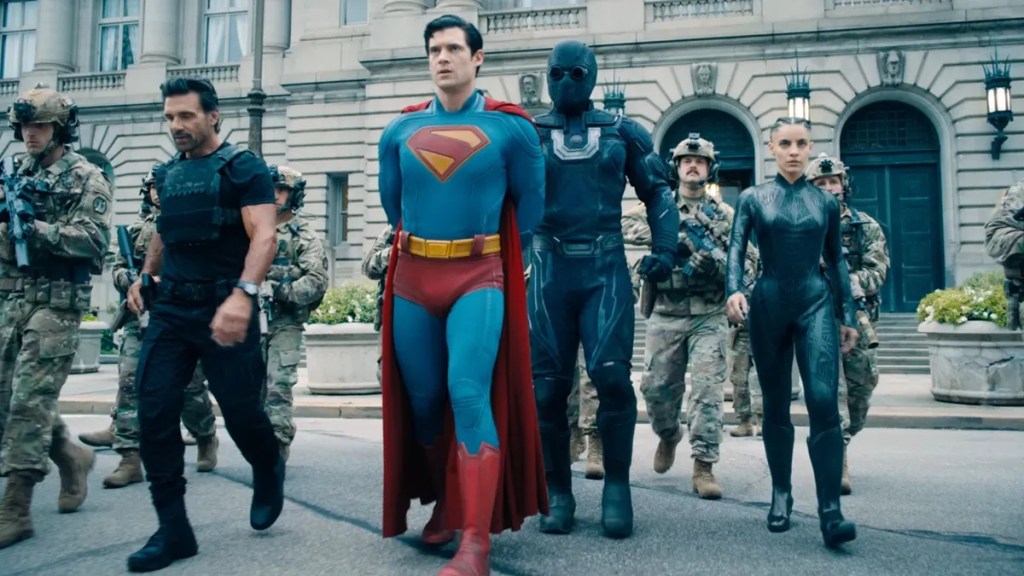
There has also been a lot of negative talk about how bloated and overflowing this film is with other meta human characters, such as the ‘Justice Gang’ and Luthor’s goon squad featuring Ultraman and The Engineer, not to mention the mysterious ‘Hammer of Boravia’ – but I’ll have more to say about this chap later. The main criticism that has been echoed around the internet is that it is hard for Superman to be the star of his own show with all these other powered-up folks running around, which is a fair call.
This all boils down to Gunn’s decision to start the movie right in the middle of a shit storm – which it is revealed was partly Superman’s fault – and simply pile all these characters into the story at breakneck speed and allow the audience to figure it out as it plays along. Sometimes jumping into the deep end works (note: ‘Pacific Rim’) and sometimes it doesn’t, but I am of the view that James Gunn set things up satisfactorily and there was ‘just’ enough continuity and reasoning to explain each rapidly-moving jump to the next.

Would I have preferred a little more time for the characters to develop, a touch of plot clarity, and perhaps some moments to build a solid platform in which to propel the film forward? Yes, of course – but I was somehow able to overlook these basic storytelling flaws and ended up enjoying the film. I guess if I was to offer up an explanation for my leniency, then it would be that the overall charm of this movie had somehow won me over.

The visuals and aesthetics were bright and colourful, the jokes – when on point – were good, the performances all around were convincing, and the overall story was serviceable.
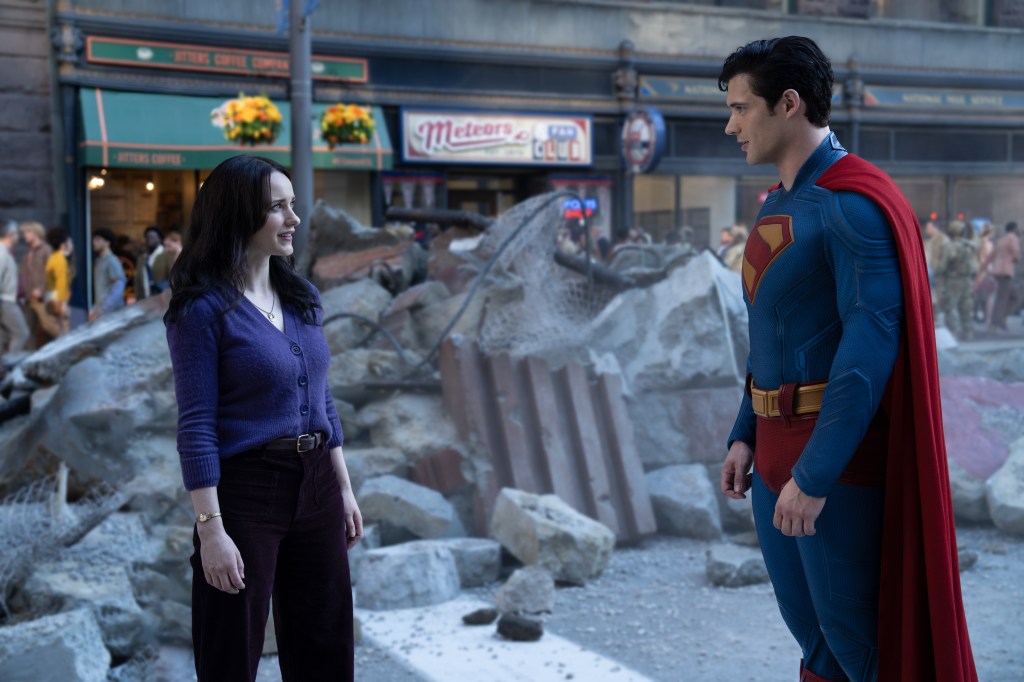
Therefore, I’m going to be a little generous here and give ‘Superman’ a six out of ten. I found it to be a very likeable movie; a risky take on a well-known and established superhero – one that I don’t think James Gunn was able to pull off completely.

However, I can’t go any deeper into my assessment of this film and offer a more detailed critique without mentioning spoilers, so consider this a fair warning for those who are yet to watch ‘Superman.’
**** SPOILER ALERT ****

Judging by what I wrote above the warning notice, it is safe to assume that I enjoyed the movie and was quite fair towards James Gunn’s treatment of such an iconic IP such as Superman. But it’s important to note that I described my final score as being a ‘generous’ six out of ten – when in truth if I was marking this correctly should have given it a five.

Again, I must underline that I liked this film, but it lost some serious marks over a number of issues – with the treatment of Superman’s true parents Jor-El and Lara topping the list. That entire scene regarding their damaged message, and it being interpreted in such a diabolical manner may have worked as a plot mechanism, but to not be debunked as a Luthor hoax at the end of the film and allowed to stand as fact was a serious own goal and a betrayal of Superman’s origin story.

The ‘Justice Gang’ worked okay for me, and I liked Nathan Fillion as Guy Gardner. Mister Terrific was a cool superhero and I don’t think he was bigger than Superman in this movie as other critics suggest. I couldn’t get my head around Hawk Girl, though – and if one of these extra superheroes could have had a spell on the sidelines to help ease the clutter then I would have nominated her.

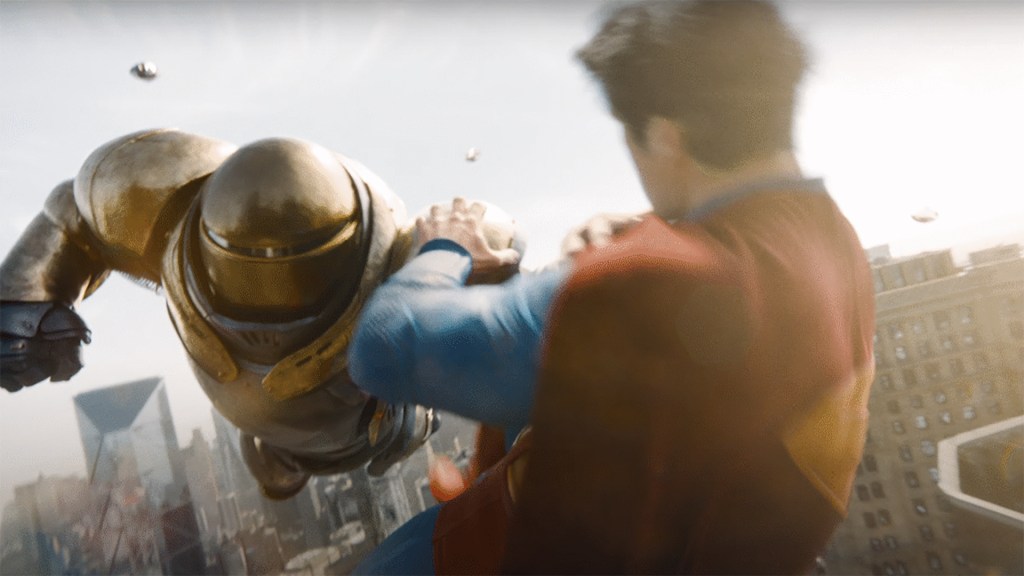
The ‘Hammer of Boravia’ came and went in an instant, yet was able to beat up Superman twice in the first ten minutes of the film before never seeing him again. I was hoping for a rematch at the end of the movie, but a scene inside Luthor’s control room clearly showed Ultraman being the man underneath this mysterious villain’s mask.
Now onto the humour, where – like much of the film’s content – it felt like it was thrown against a wall in the hope that some of it might stick. That does sound a little harsh, but that was exactly how hit and miss some of the gags were in this film. For example, I laughed aloud when Luthor’s guys released the baby Kaiju out of its box and made an offbeat remark as the tiny creature scurried away – along the lines of “Don’t worry. It will get bigger.” I thought Green Lantern knocking out the Boravian tanks with a giant middle finger was also pretty good. On the flip side, Superman’s robots were unfunny and the monkeys tapping away on the keyboards were a wide miss. I’m neither here nor there with Krypto, but the appearance of a drunken Supergirl at the end of the film to collect her dog was totally dumb.
Another scene that I would describe as ‘misplaced Gunn wit’ was the bizarre sequence where Superman and Lois are having a deep discussion in her apartment whilst the ‘Justice Gang’ are battling a giant alien outside the window. Seriously, would Superman sit there talking to his girlfriend instead of helping the other heroes fight the creature? I think you know the answer.

This film easily could have been a seven or an eight out of ten, had James Gunn toned down his style of movie-making and his trademark quirks – if only as a mark of respect for such a famous character as Superman. I think he could have satisfied both the younger and older demographics had he tightened things up a little and showed some more restraint with his liberal splashing of attempted comedy in almost every scene.

So, I’ve had my say – and I must admit that this was a very difficult film to review, but I hope that I have done so fairly and in an objective manner.

Again, ‘Superman’ gets a six out of ten from me – despite its flaws.

And as an end note, if I was to compare it to the other blockbuster film released this month – ‘Jurassic World Rebirth’, then James Gunn’s ‘Superman’ wins hands down!
All photos and screenshots are courtesy of DC, Warner Bros and various online sources.
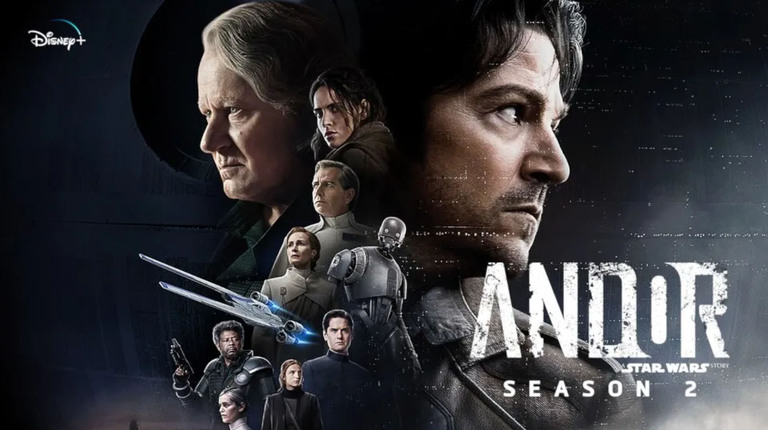
‘Andor’ Season Two – It’s big, it’s ambitious…and it’s slow.

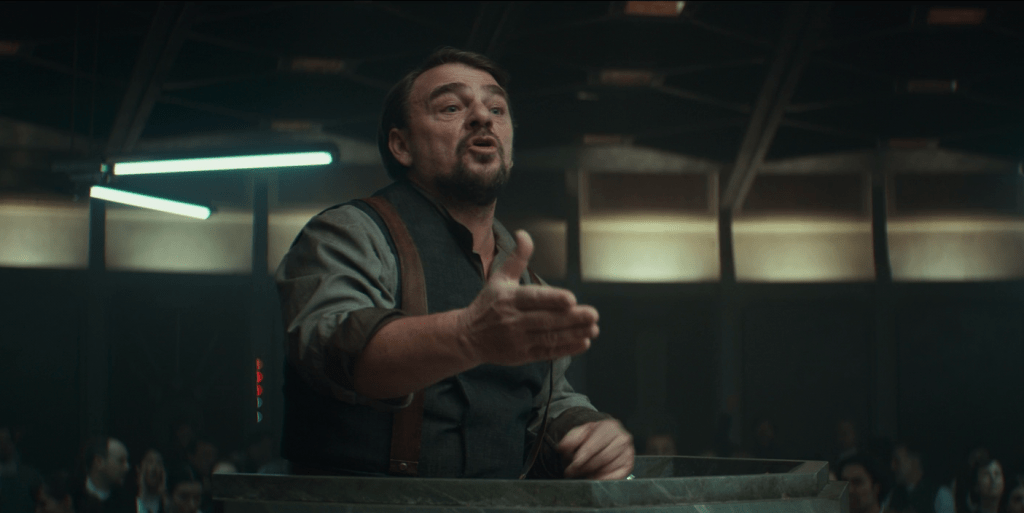
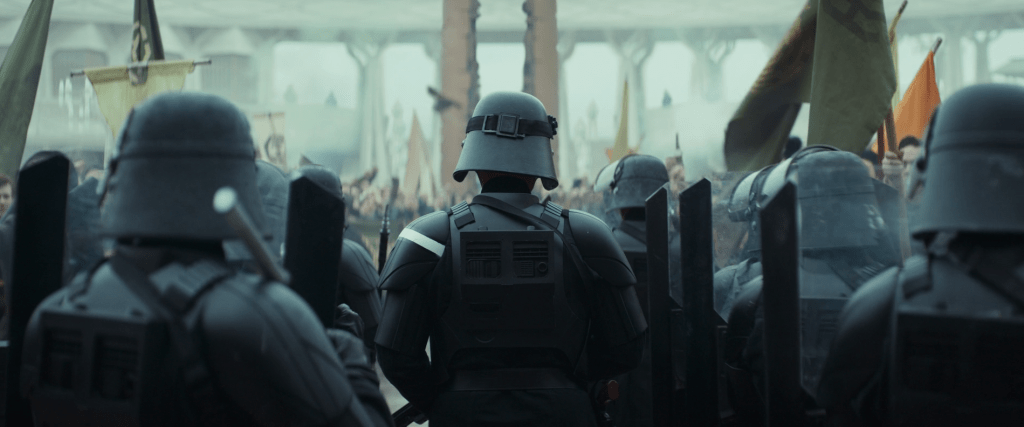
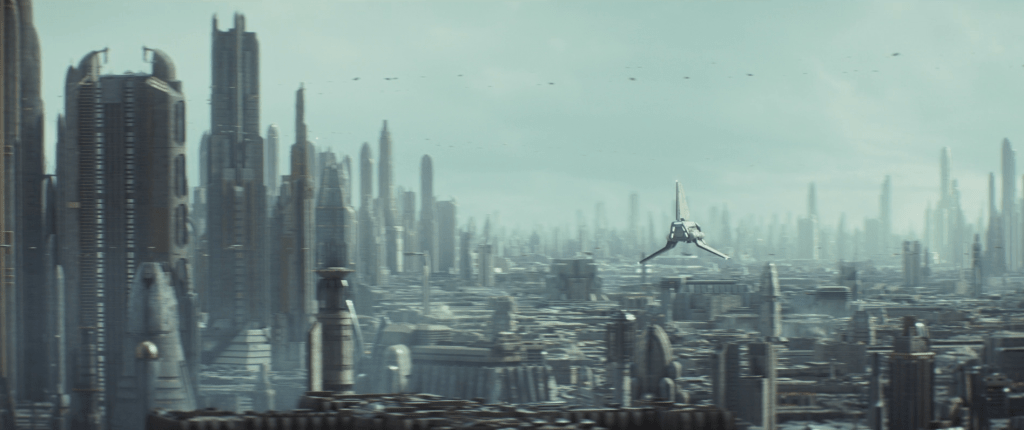
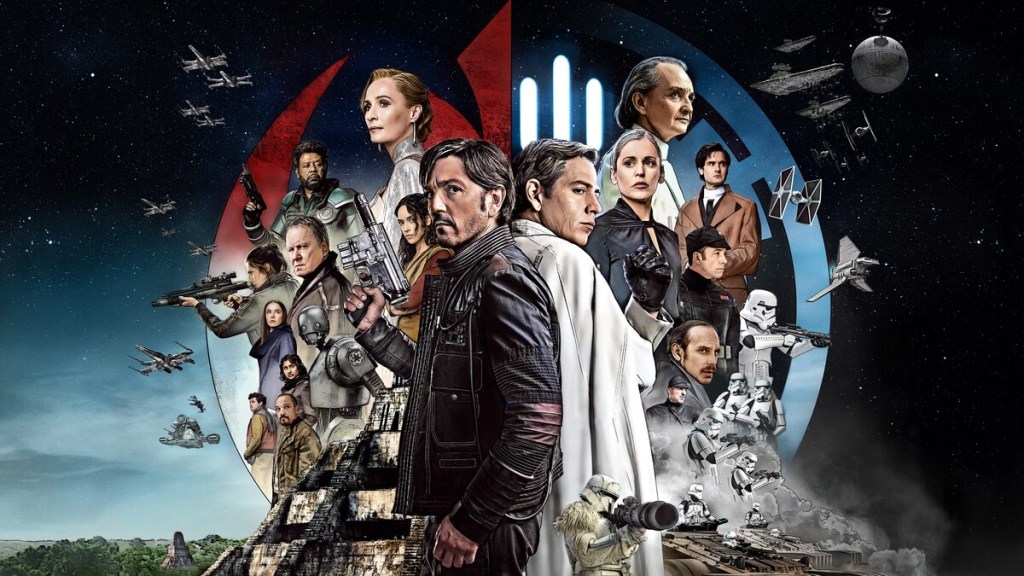
The second season of Disney’s acclaimed Star Wars show has now concluded, and I must say it was one of the most visually-impressive productions I have ever seen. Some serious money had been thrown at this project – around three hundred million dollars (US) by all accounts – and this was evident judging by the enormous sets and state-of-the-art special effects.

Before I go any further, I should point out that there may be some ‘slight’ spoilers ahead, but I won’t give anything major away.

Whilst the show is named after Cassian Andor, played by Diego Luna, it features an ensemble cast with a lot of time allowed for these characters to develop and explore their own places within the Star Wars universe. At the helm of this series is showrunner Tony Gilroy, whose attention-to-detail and amazing vision is evident in every episode.

This season was laid out in a rather unique style, with four chapters containing three episodes each. There was a time jump of one year from one story arc to the next – for example, week one gave us episodes one to three, before the second week aired parts four to six – and was set one year later. Twelve episodes in total covered the four-year period leading up to the events of ‘Rogue One’.

The new season kicks off in style with Cassian stealing a prototype Imperial Tie Fighter from a military base, and immediately the size of the outrageous visual effects budget is obvious. However, once this explosive sequence had concluded, the pacing began to drag and what took place in the first three episodes could have been told within half of that screen time.

I’m not being overly critical here, as the plot is moving and things are happening. It’s just that it felt to me like we were spending too much time admiring the scenery – even though it was quite impressive – with characters having deep conversations back and forth and situations lingering far longer than what was necessary.

For example, Cassian spends most of the first two episodes with a rebel cell who ambush him when he drops off the stolen tie fighter at an arranged rendezvous point. This entire sequence could have – and should have – been cut from the show completely. In fact, the first chapter felt like I was watching the fifth day of a test cricket match destined to be a draw – the skill and technique were all there, but few players were troubling the scorers.

As the timeline of the season moved a year forward through episodes four to six, I felt that the pacing dropped even further. Again, whilst things were definitely in motion, the show spent too much time looking at itself in the mirror – for lack of a better term – when it needed to be pressing onward. Again, the aesthetics of the show and the sharpness of the dialogue are not being questioned here – it’s just that what happened over these three episodes (4-6) could have easily been compressed into two.

Where was the show most sluggish? Well, over the course of the first half of the season I would have to say that the wedding of Mon Mothma’s daughter was the worst offender. Whilst there were some good moments within – particularly the fate of Mon’s friend Tay Kolma – it took up way too much time and I don’t think that the erratic dancing scene worked as well as it should have. I’m sure bigger Star Wars fans than I would argue otherwise.

The narrative involving the insurgents on the planet Ghorman was another part of the show that was slow-building and a little tedious – although the payoff in episode eight ended up being exceptional. These local rebels had an axe to grind with the Empire – and with good reason – but I felt that there were too many ‘secret town meetings’ and on a personal note I’m not sure that modelling everything about them on the French Resistance was necessary.

The story arc of week three, being episodes seven to nine, was when ‘Andor’ really kicked into gear and rewarded its fan base with some truly brilliant storytelling and execution. Episode eight was as gripping as anything I have seen before in Star Wars, but by golly it took a while to get there!

I was hoping that this momentum would carry through to the final three episodes, and it did to a certain degree – with the action taking a backseat and more thrilling and psychological elements coming to the fore. The game of cat-and-mouse between the ISB (Imperial Security Bureau) and the Coruscant-based rebels was enthralling to say the least, and the fates of agent Dedra Meero and the elusive Luthen Rael reached satisfying conclusions that were consistent with the Star Wars narrative moving forward.

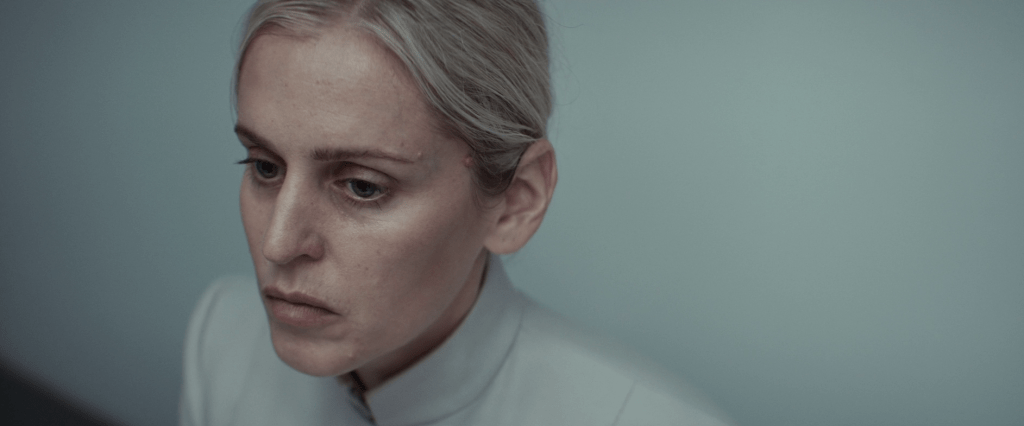
I should also add that the performances of both Denise Gough as the overly-ambitious Dedra and Stellan Skarsgard as the rebel spy/antiques dealer Luthen were outstanding across both seasons of ‘Andor’. Some Star Wars fans are claiming that Luthen Rael is by far the best character created in the Disney era to date, which is a fair call – but I personally would go with Baylan Skoll from ‘Ahsoka’.

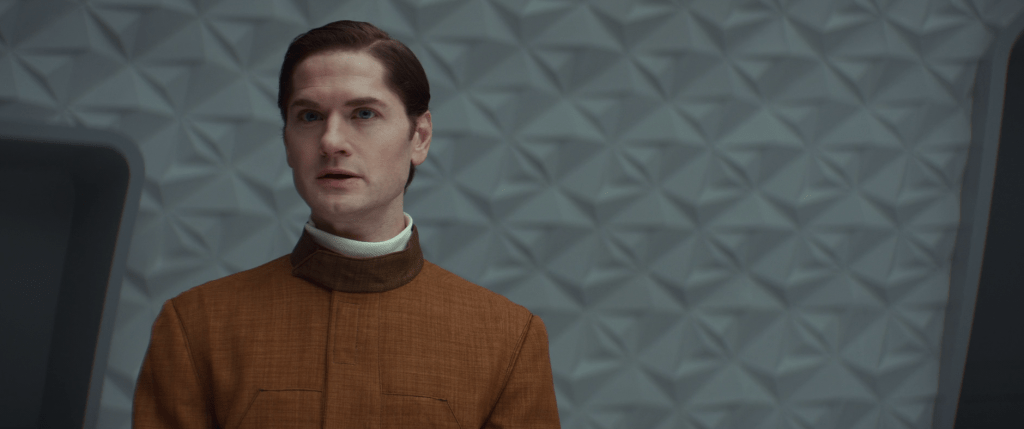
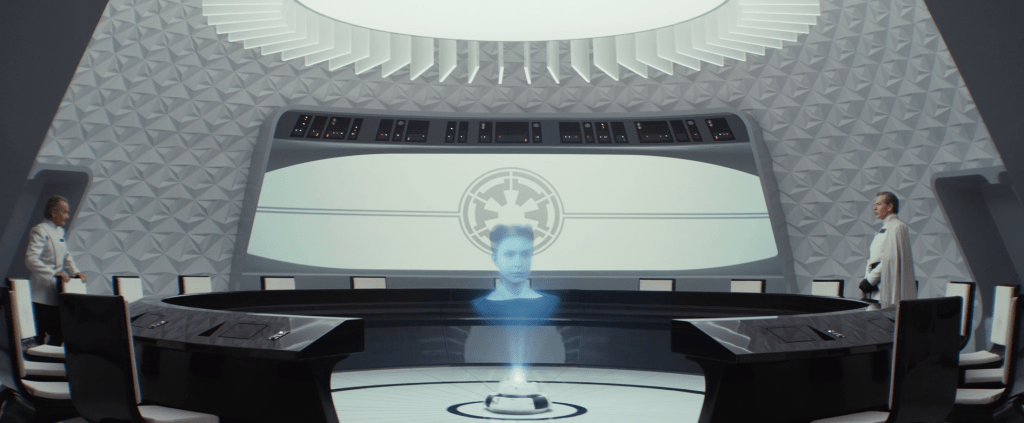
A welcome addition to the show was Director Orson Krennic – played by Ben Mendelsohn – who was of course a main antagonist in ‘Rogue One‘. In fact, the inner-workings of the Galactic Empire were brilliantly unveiled during this season, and was the most in-depth exploration that Star Wars fans have seen to date.

Another returning character was K2SO, and we get to see his origin story during the last few episodes of the series. He delivered some great lines here, just as he did in ‘Rogue One‘.

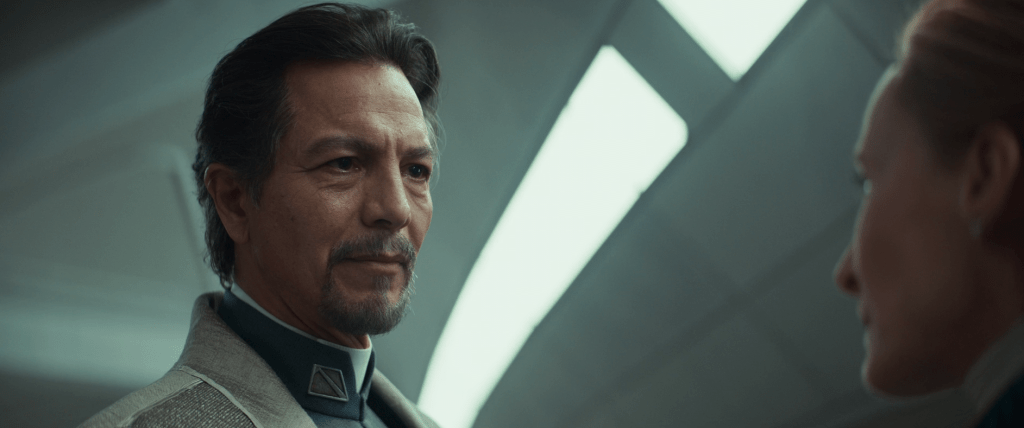
I didn’t pick up on the casting change for Bail Organa right away either, as I was waiting for Jimmy Smits to appear and wondered at first who Benjamin Bratt’s character was supposed to be. I can assure you it only took a few minutes for it to click, and to be honest I thought Bratt did a pretty good job.

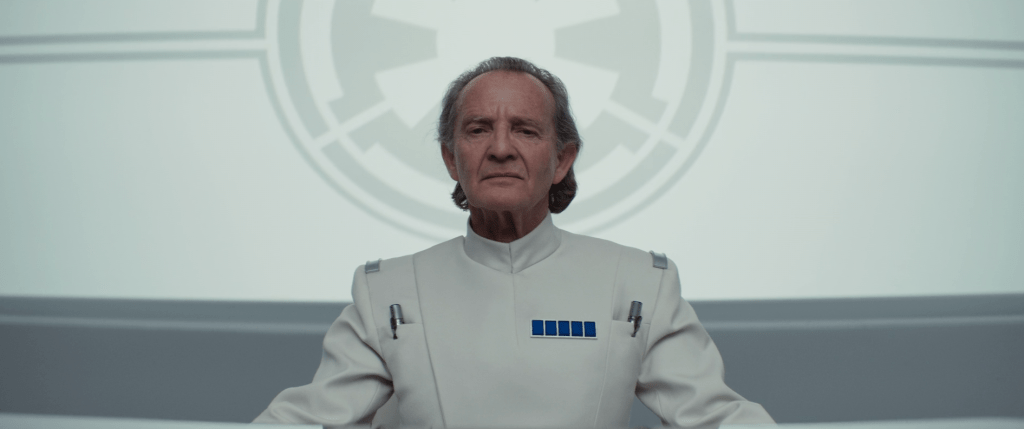
With the show featuring an extensive cast, I would be here all day if I wrote about every character and actor, so I will briefly add only a few more worthy mentions. Forest Whitaker returns as rebel outcast and extremist Saw Gerrera, Elizabeth Dulau stands out as Luthen’s assistant Kleya – with an enlarged role for this season, Kyle Soller is back as the weedy but sinister Syril Karn, and Anton Lesser portrays the cunning Major Partagaz.

The character development in this show is well above anything we have seen from Disney Star Wars, and the work here makes Rey, Finn and Poe from the sequel trilogy come across as cardboard cutouts. Mind you, it wouldn’t take much for that to happen.

The other outstanding attributes of ‘Andor’ are the visuals and art direction, which surpass even the Original Trilogy at times. As I mentioned earlier, a huge slice of the series’ budget must have been spent on special effects and physical sets. In all honesty, this would have to be one of the most eye-catching shows I have ever watched, with the attention-to-detail – right down to the pressing of buttons on control panels – being on a scale rarely seen these days.
However, I felt that these strengths fed directly into the moments when this show was at its weakest. By this I mean that the breathtaking settings and complex events taking place throughout the galaxy – often at the same time – were not easily whisked along by those in control. Instead, the narrative appeared stuck at times within certain scenes, and felt like it was lingering there far longer than was required and not propelling the story forward at a reasonable pace.

The first half of the season – comprising of episodes one to six – was painfully slow. This was a shame because there were brilliant moments taking place, but a lot of the effect was wasted when these scenes overstayed their welcome. Again, I refer specifically to Cassian’s run-in with the rebel crew during the first two episodes and the excessive drama surrounding the wedding of Mon Mothma’s daughter.

Quite simply, it took too many episodes to arrive at where the show needed to be – which is a fair criticism considering we already knew the fate of Cassian Andor before the series began, and all jeopardy concerning this character was off the board.

But I cannot dislike this show, no matter how much the pacing frustrated me. There are simply too many moments of brilliance contained within; whether it be the clever writing, the artistic and exceptional direction, or the aesthetics of this excellent production – right down to the smallest detail.

In a few months from now I might sit down and watch it all over again and see if I feel differently about it. I do recall enjoying the first season a lot more second time around, so perhaps the slow progression of the story might not bother me as much after another viewing.

I’m going to give this season a mark of eight out of ten, with the pacing issues costing it a perfect score.

‘Andor’ – Season Two is currently streaming on Disney Plus.

Photos and screenshots courtesy of Disney and Lucasfilm.

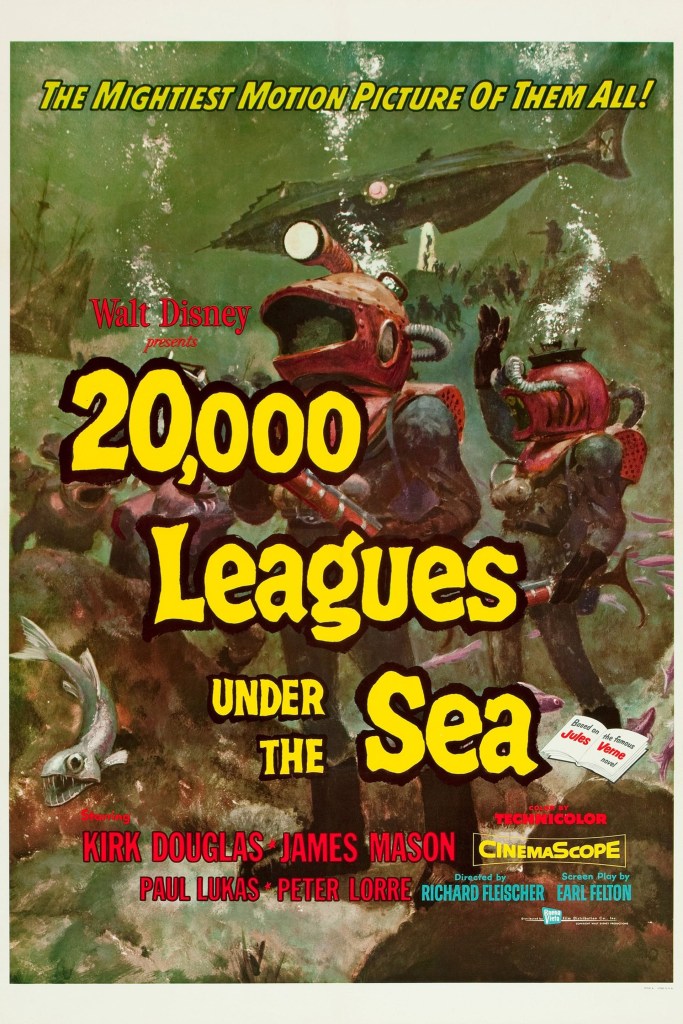
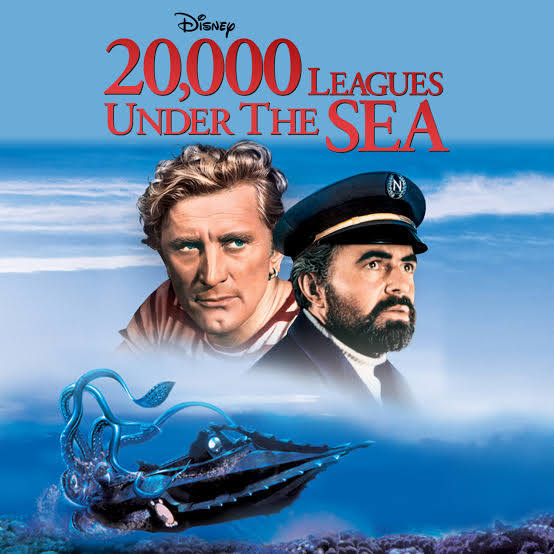
Disney’s ‘20,000 Leagues Under The Sea’ – A seventy-year-old classic!

Released all the way back in 1954, this film is truly a cinematic masterpiece. I’m not comparing this to ‘Casablanca’, ‘The Godfather’ or even ‘The English Patient’, for what I refer to here is the ambition and vision that ‘20,000 Leagues Under The Sea’ projects – impressive even by today’s standards.

Of course, this is an adaptation of Jules Verne’s 1870 novel of the same name, which is quite an enjoyable read. The film does differ from the book in a number of ways – particularly the ending – but does remain fairly true to the overall narrative.

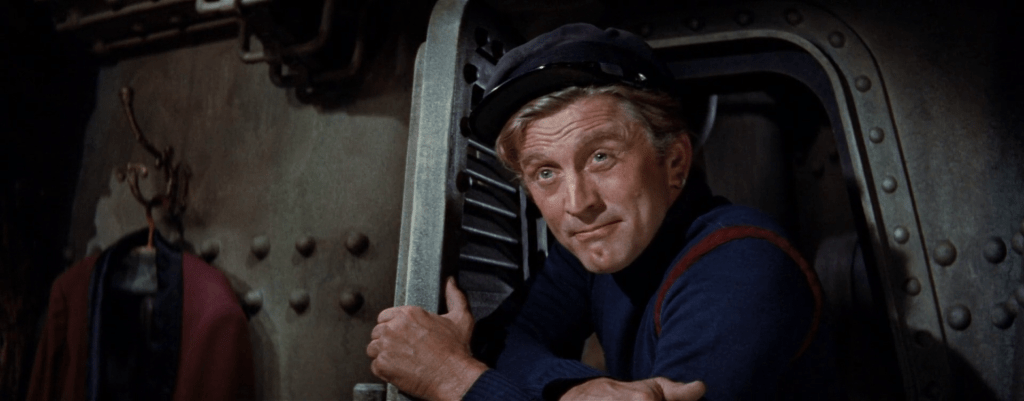
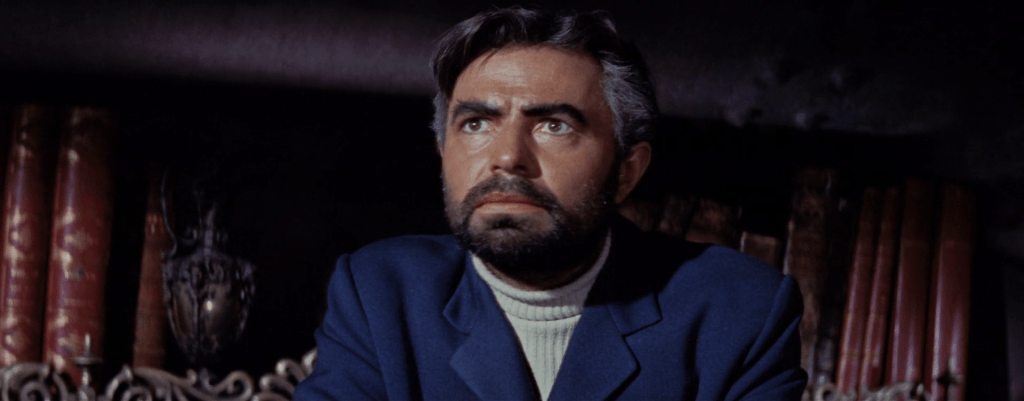
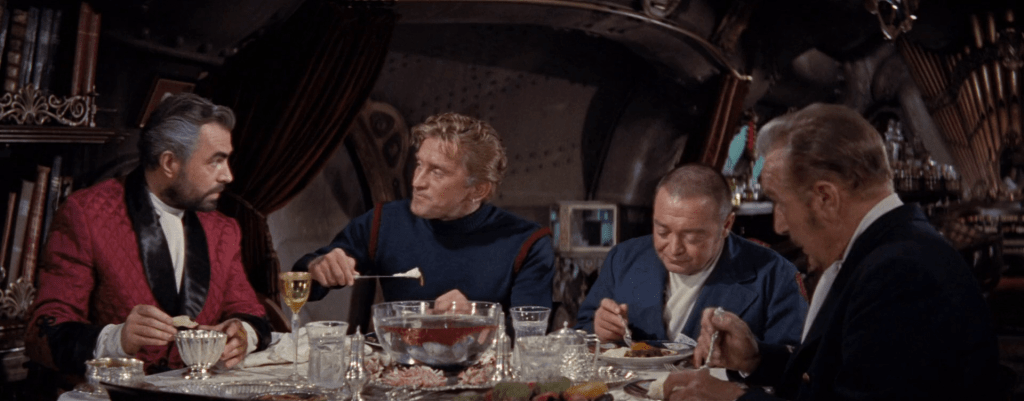
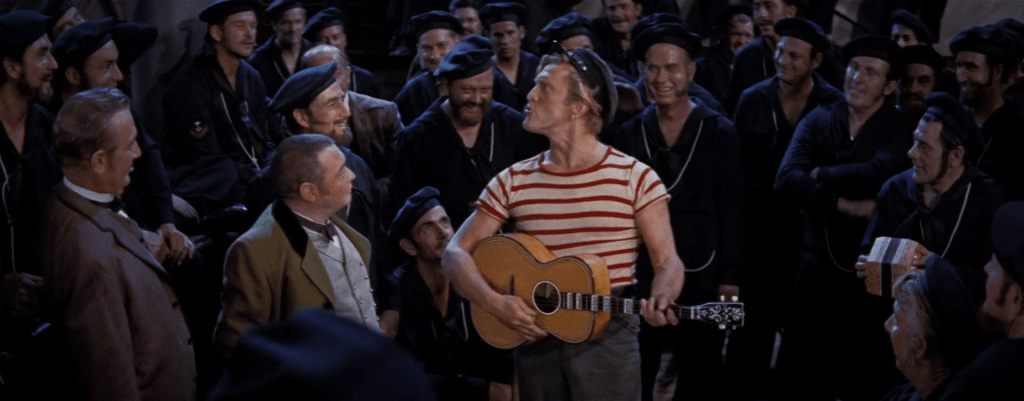
‘20,000 Leagues Under The Sea’ is headlined by two legendary actors, with Kirk Douglas playing the harpooner Ned Land and James Mason starring as the mysterious Captain Nemo. The film was directed by the reliable Hollywood helmsman Richard Fleischer, and was produced by Walt Disney Productions.

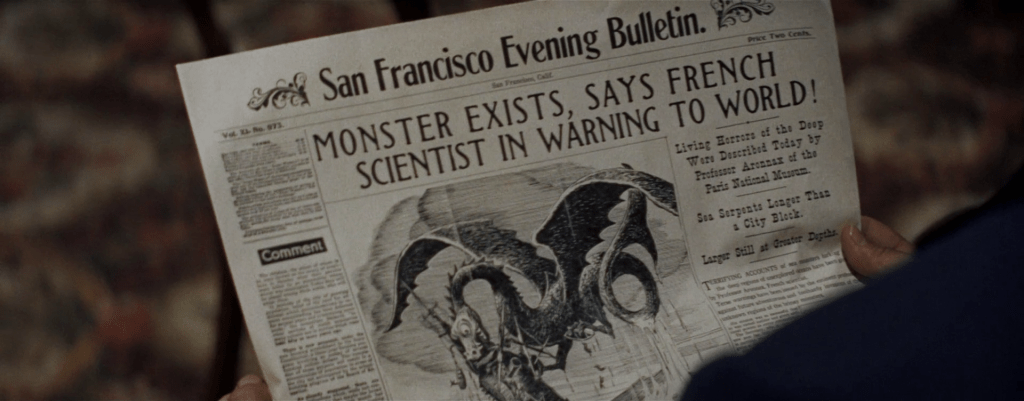
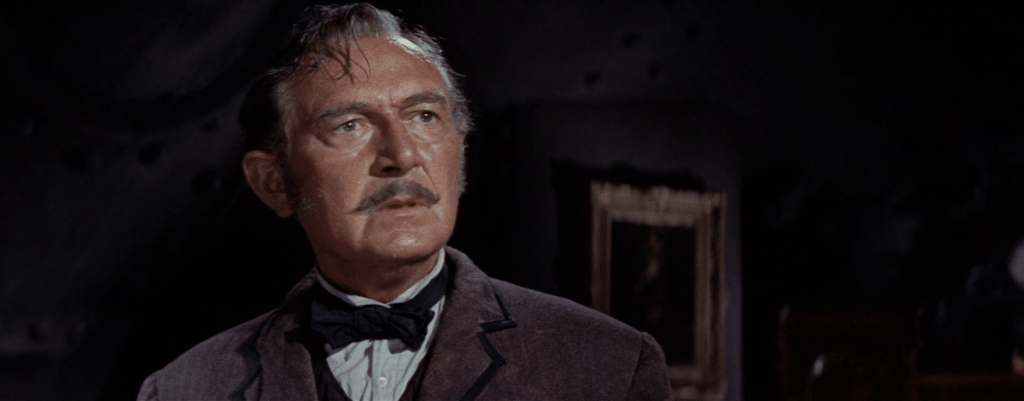
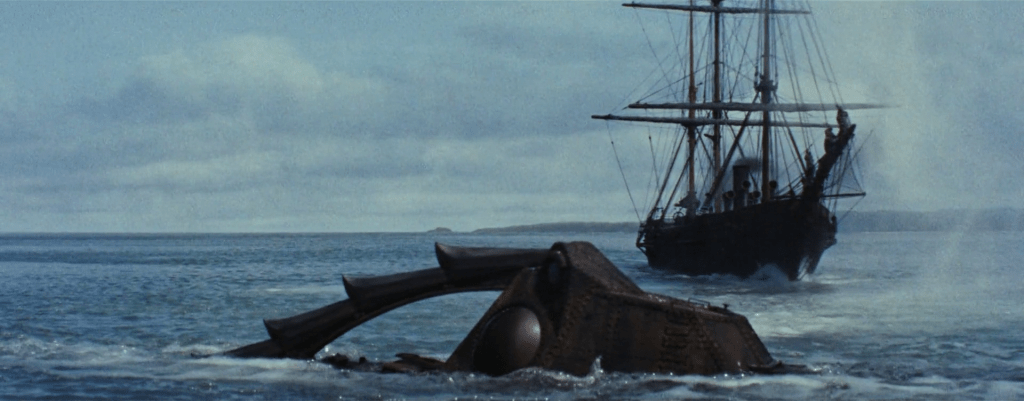
The movie begins with Professor Aronnax, a famous scientist (played by Academy Award winning actor Paul Lukas) being recruited by the US Navy to assist them in hunting a sea monster that has been destroying vessels. Eventually the naval frigate Aronnax is travelling aboard finds the creature and is promptly rammed and sunk by an enemy that was not all that it appeared to be.

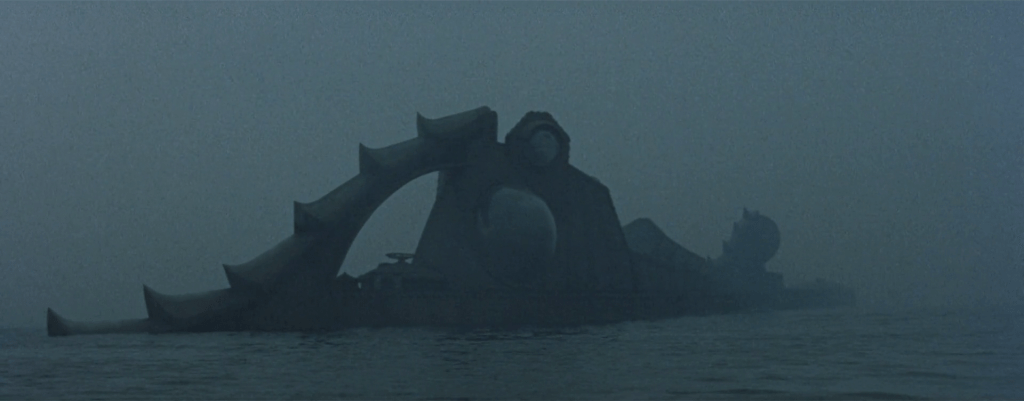
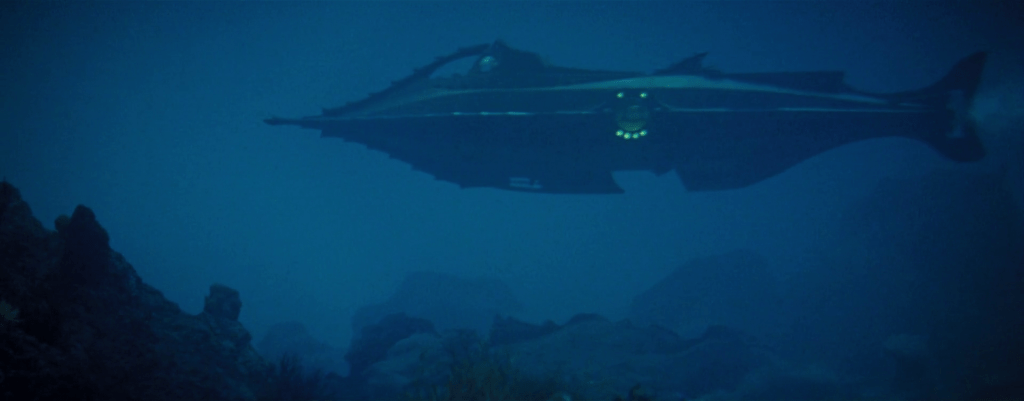
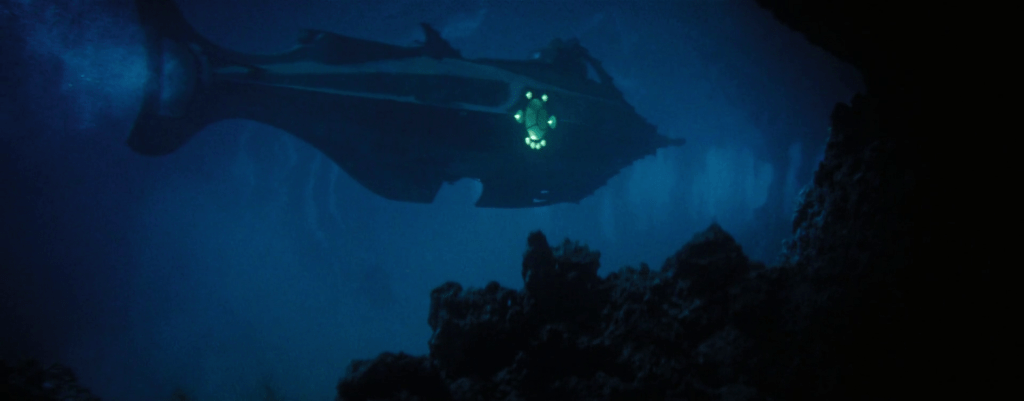
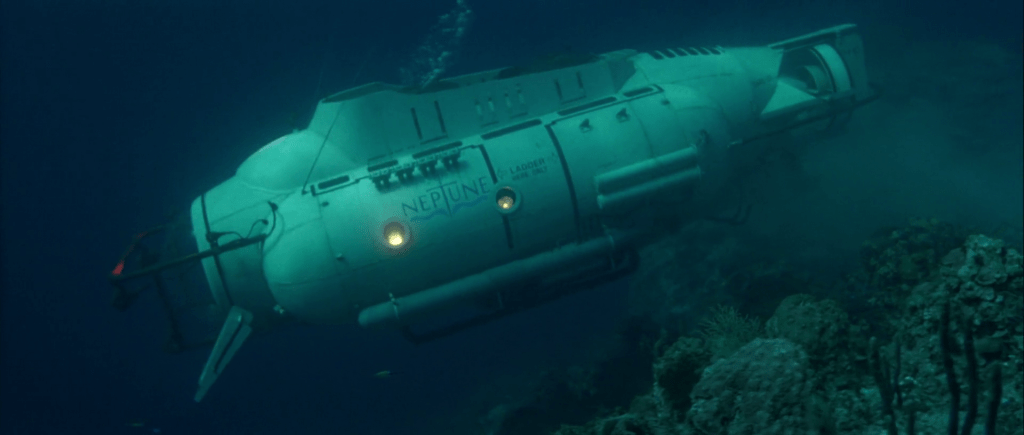
From this point, the film follows the adventures of the rogue submarine Nautilus, as told from the viewpoint of Professor Aronnax, his assistant Conseil, and fellow adventurer Ned Land. All three become ‘guests’ of Captain Nemo aboard his underwater ship as it carries out its mission in the deepest depths of the world’s oceans, whilst countless warships are hot on their tails.

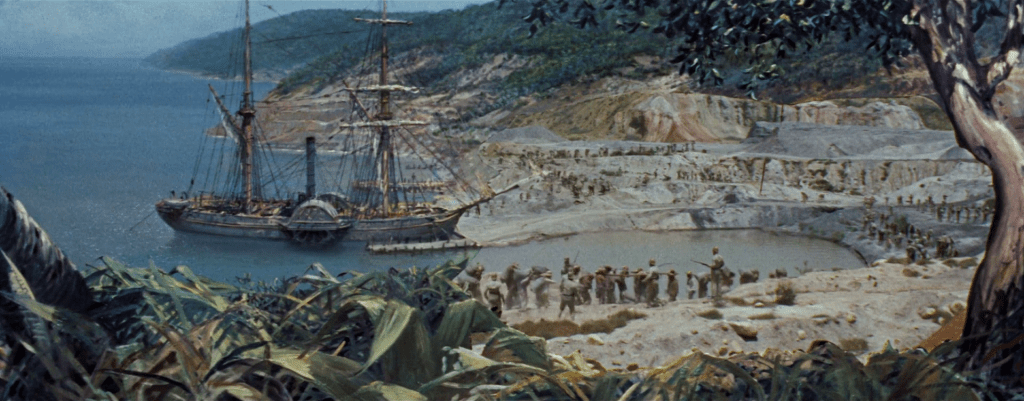
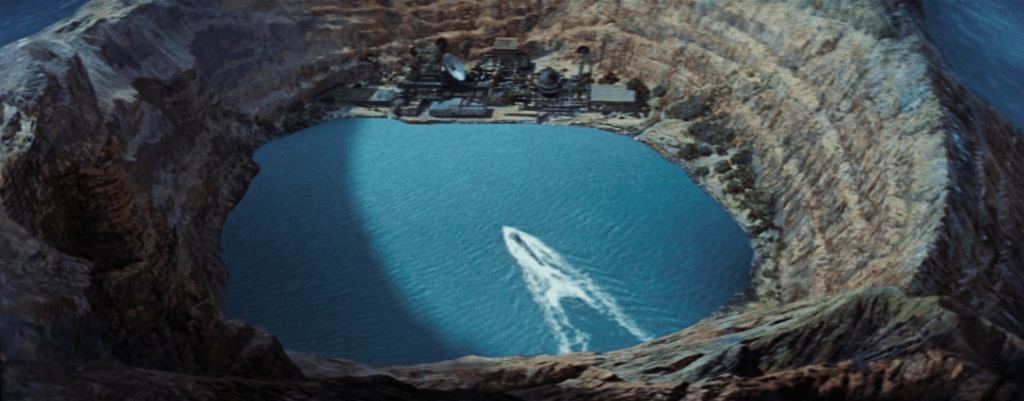
Captain Nemo’s motivations are explored a little in this film, although the book does offer more in the way of his interesting background story. But for the most part, the movie keeps things on a more adventurous and entertaining course, with the special effects and underwater filming being decades ahead of its time. In fact, ‘20,000 Leagues Under The Sea’ won the Academy Award for best special effects and art direction, and it’s easy to see why.

Perhaps the most memorable scene in the movie is when the Nautilus is attacked by a giant squid. The battle takes place during the night and in the middle of a vicious storm, which makes the sequence even more terrifying.

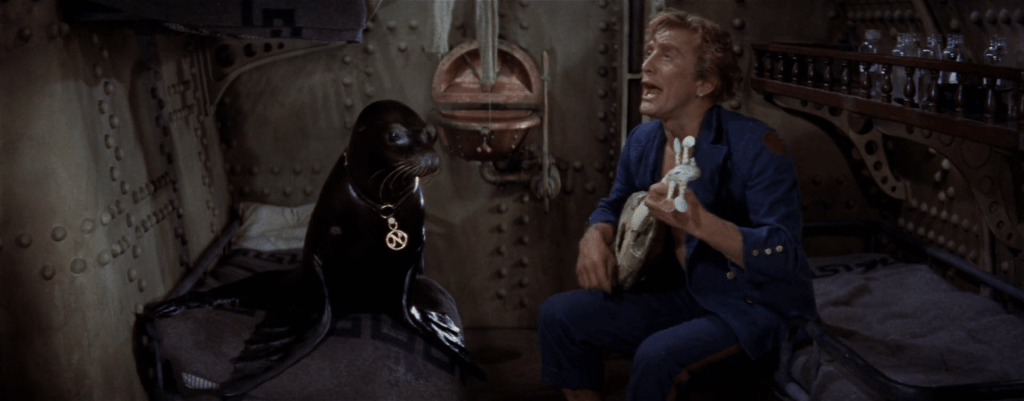
We are also treated to a couple of musical numbers from Kirk Douglas during lighter moments in the film, with one of his sea shanties being sung to Esmeralda – Captain Nemo’s pet sea lion.

‘20,000 Leagues Under The Sea’ is storytelling on an epic scale, much like many of the old Hollywood blockbusters from the golden age of cinema. It’s sad that they don’t make movies like this anymore, because with modern day CGI this story could easily be re-imagined into something special – and if produced correctly could earn millions of dollars.

Here’s how I think it should be done.

Firstly, a popular subcontinental actor would be cast as Nemo, for according to Verne’s original story this character is an exiled Indian prince named Dakkar. Then you would need some American star power, and three established Hollywood names could play Ned Land, Aronnax and Conseil. To top things off, I would have someone like Denis Villeneuve or Christopher Nolan as the director, and have the screenwriters keep the story as close to the original work as possible.

Yes, I am aware of what the wages bill alone would be, but surely it would clean up at the box office worldwide!

‘20,000 Leagues Under The Sea’ is available on Disney Plus, and I’m not sure but it might be showing on Amazon Prime Video as well – but perhaps at an extra cost. It really is worth watching, especially if you haven’t seen it before or did so many years ago, and I’m sure you will be surprised as to how a film so old can still look so good.

Many remakes and reboots have come and gone – even as recently as last year with the series ‘Nautilus‘ –  but the original 1954 classic is still the best interpretation of Jules Verne’s masterpiece. With two of Hollywood’s greatest leading men in Kirk Douglas and James Mason gracing our screens and special effects that were a generation ahead of its time, Disney’s immortal tour-de-force is in a class of its own.

All images courtesy of Walt Disney Productions and Buena Vista Productions.

‘For Your Eyes Only’ – An ageing Bond set to a disco beat!

My latest James Bond review takes me back to 1981, and to revisit a film that I had not seen in years – around thirty years in fact. I will be honest, ‘For Your Eyes Only’ was a movie that I could never get into when I was younger, so it will be interesting to see if I still think it’s crap, or if it manages to rise dramatically up the ranks.

‘For Your Eyes Only’ followed on from 1979’s far-fetched ‘Moonraker’, and promised a return to a more classic, grounded Bond adventure. Instead of space shuttles and laser guns, we now have a plot involving lost military equipment, with Greek smugglers and the good old KGB thrown into the mix.

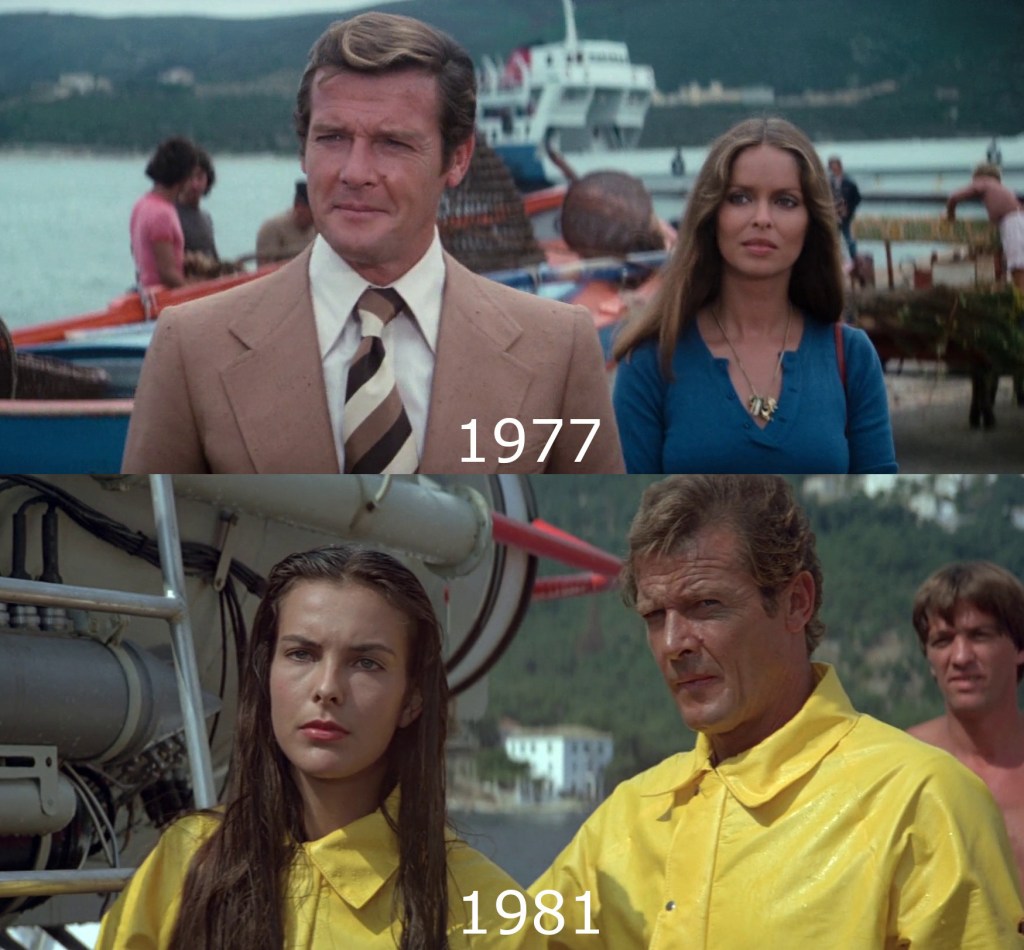
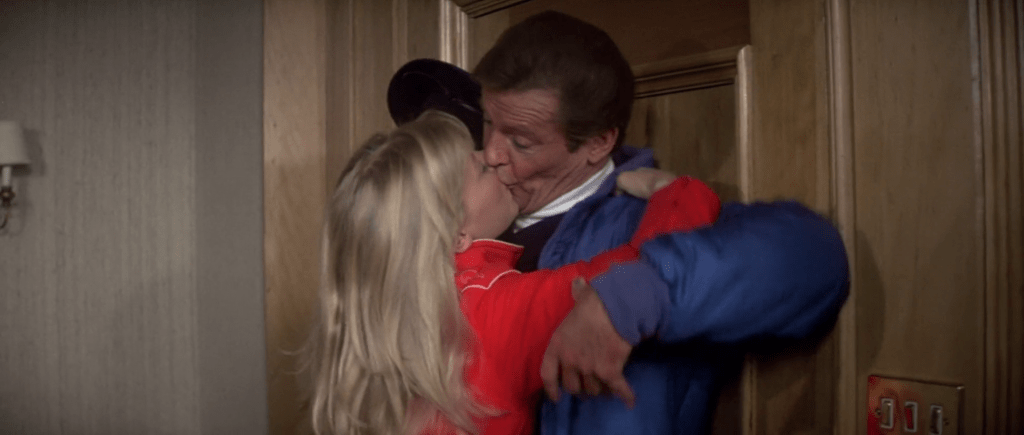
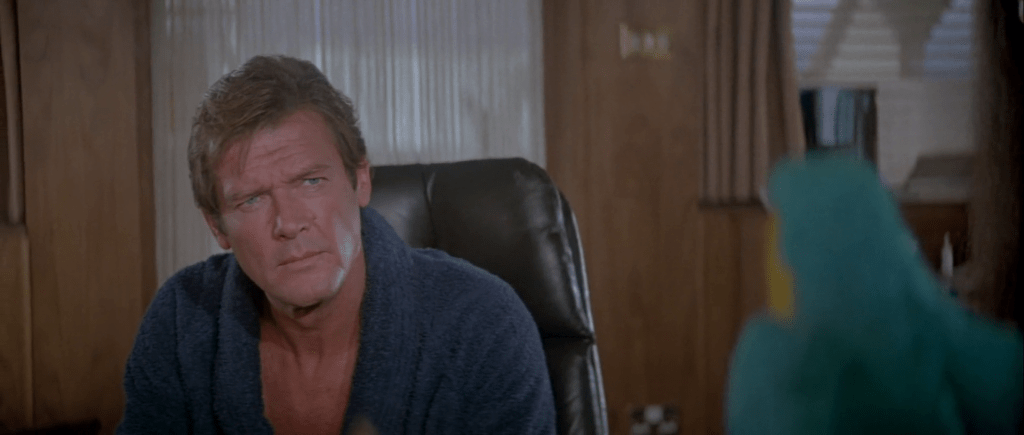
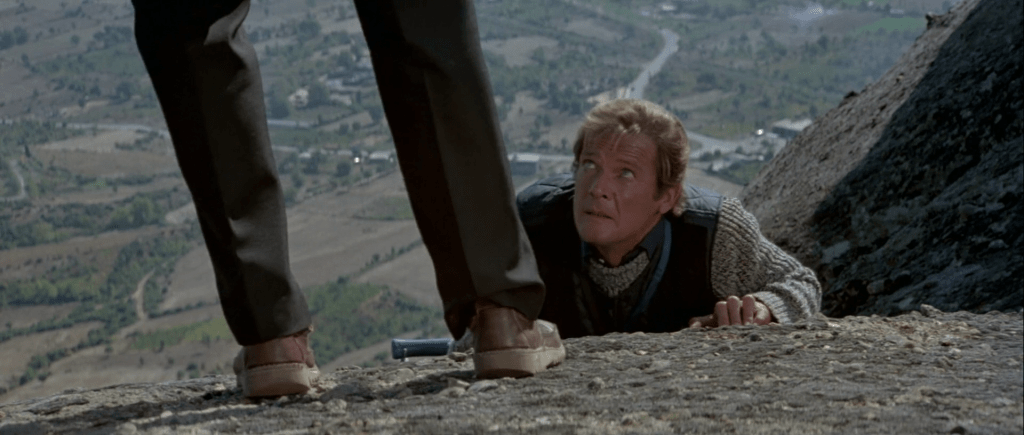
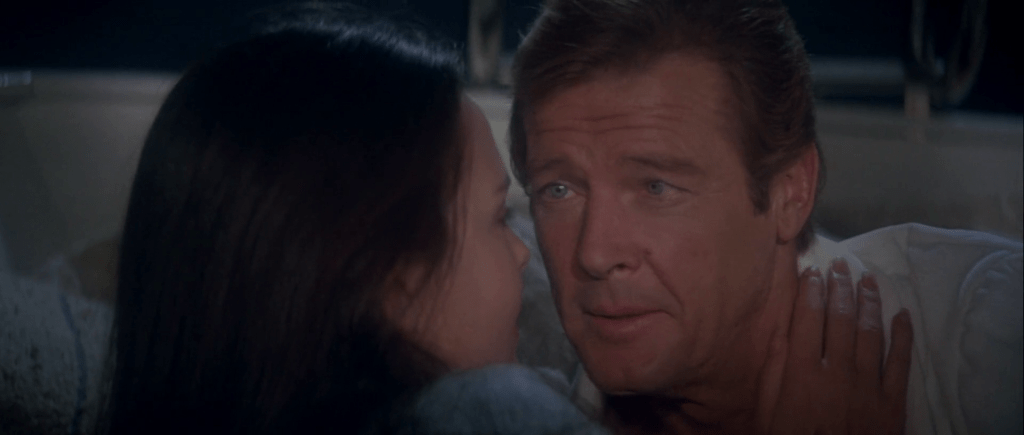
I think what initially put me off this film was the age of Roger Moore, who was really starting to wrinkle up. He was becoming less-believable as the suave secret agent – and what was more ridiculous were all the women half his age falling all over him. Moore was getting by purely on charisma and charm at this stage – as well as huge box office takings – and would actually go on to make two more Bond films after this.

If you compare the screenshots above – taken four years apart – one could argue that Moore was already showing his age in 1977’s ‘The Spy Who Loved Me’. He was around fifty then, which meant that he was aged fifty-three during the filming of ‘For Your Eyes Only’.

My other criticism of this movie would be the musical score, which was arranged by the legendary Bill Conti. The disco beats are so out of place at times, and they even ‘funk up’ the Bond theme itself, which I think dates the film instantly. Conti’s score is very similar to some of his work in ‘Rocky III’ – particularly the training scenes – and it doesn’t work in a Bond movie.

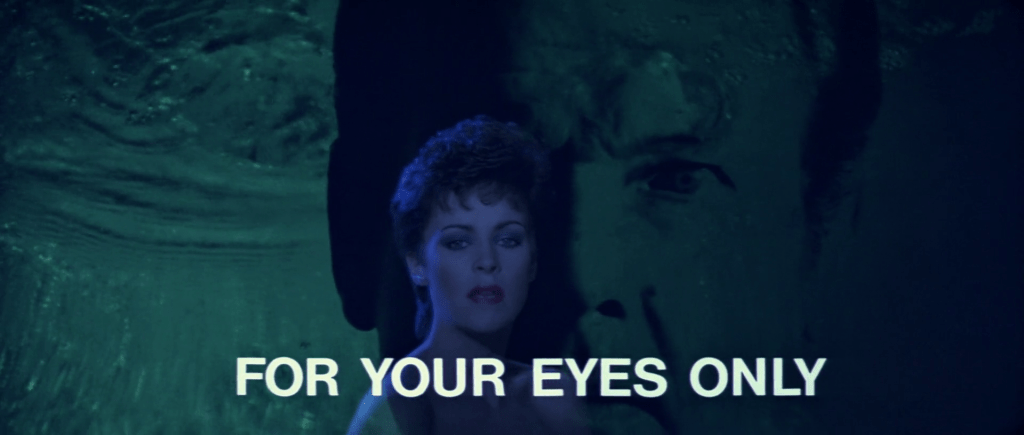
However, the theme song by Sheena Easton is a different story altogether. This would have to be one of the best Bond tunes of all time, and so popular was Easton during the early 1980’s that she actually appears in the opening sequence – the only singer ever to do so.

‘For Your Eyes Only’ was directed by John Glen – in his feature film debut – and would be the first of five consecutive Bond movies where he was at the helm. The screenplay was written by Bond stalwarts Richard Maibaum and Michael G Wilson, with Albert R Broccoli producing.

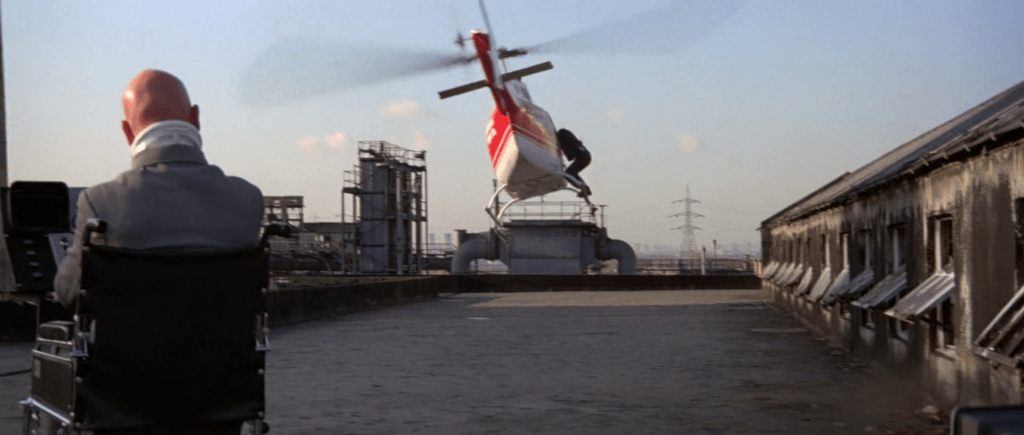
The film starts with an opening sequence featuring some impressive helicopter stunt-work and the implied return of an old Bond villain, although his name is never mentioned. As great as this scene is, I still can’t get my head around the ‘delicatessen in stainless steel’ line. I can only assume it was intended to be a joke, for I have no idea what it means.

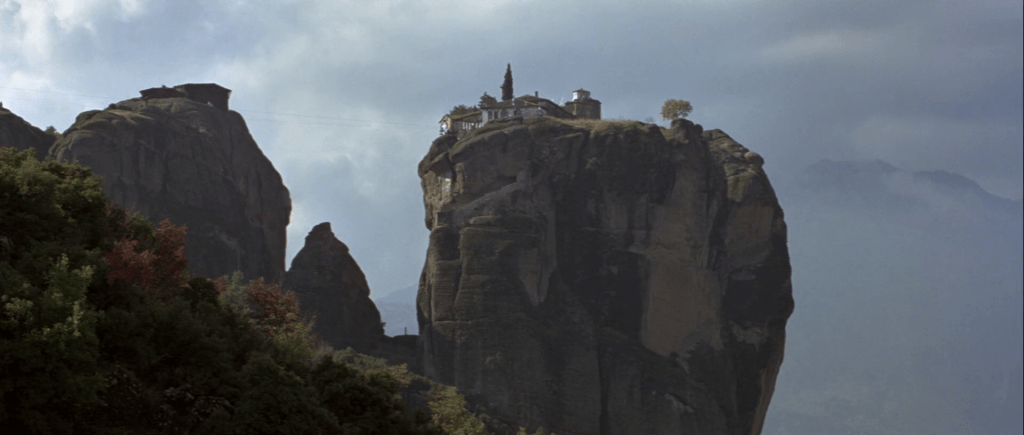
The locations in this film are superb, and the story moves between Spain, Cortina in Italy, and then onto the Greek Isles before the exciting finale at a mountain top monastery. Each setting features some incredible action sequences, with car chases, ski pursuits, underwater fights and insane rock-climbing all brilliantly brought to the big screen.

The cast supporting Roger Moore is solid. Carole Bouquet plays Melina Havelock, the love-interest who knows how to handle a crossbow. Topol and Julian Glover star as rival Greek smugglers Columbo and Kristatos respectively.

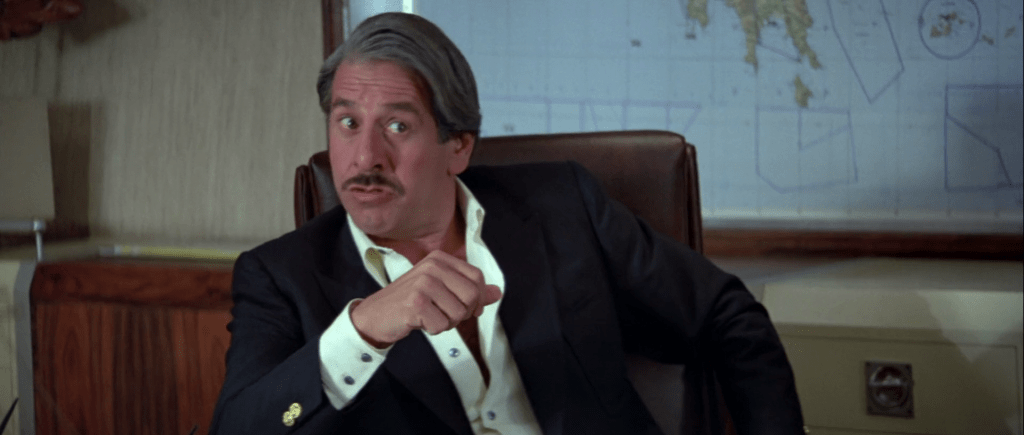
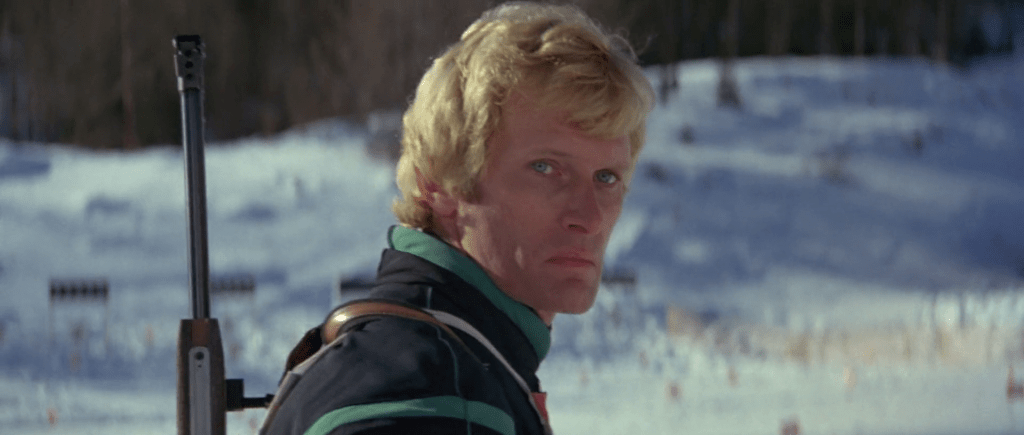
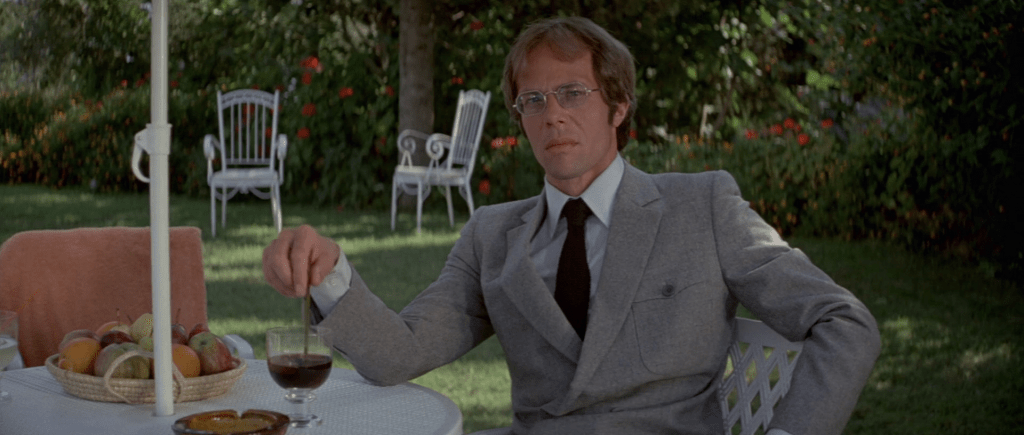
What gives this film added depth are the handful of secondary villains – or henchmen – who are quite ruthless and nasty, so a lot of credit must go to these actors, one of whom was Charles Dance in one of his earliest roles. In fact, the performances of Dance, John Wyman and Michael Gothard are simply superb, even though their characters have little to no dialogue.

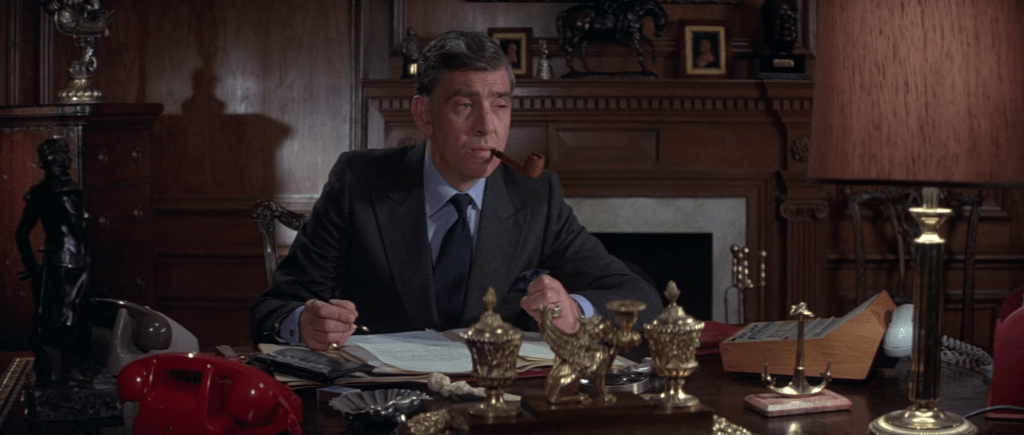
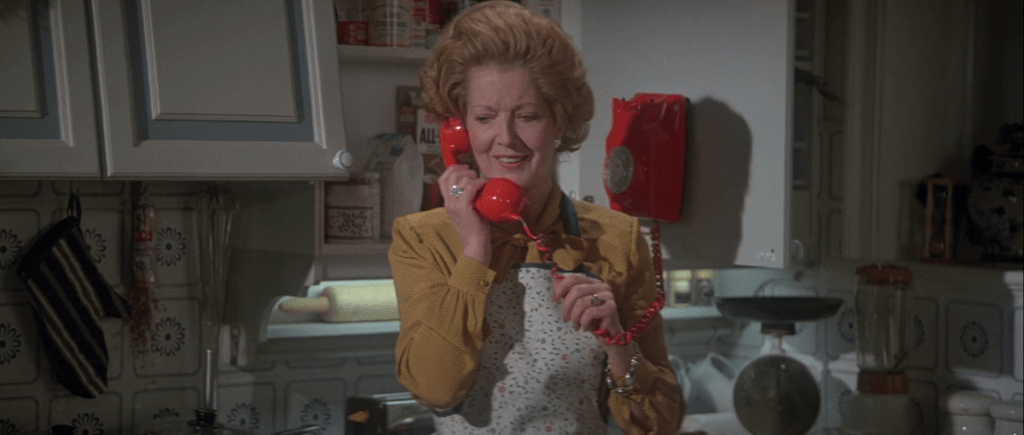
This film would also serve as a changing-of-the-guard for the character of ‘M’, with Bernard Lee – who had been in the role since ‘Dr No’ – passing away in 1981. For this movie, the boss of MI6 was Chief-of-Staff Bill Tanner (James Villiers), and ‘M’ would be reintroduced in the following movie ‘Octopussy’, where he was played by Robert Brown.

Moving onto the structure of the movie itself, the pacing and plot of this feature are brilliantly executed, and the direction of Glen – as well as the editing – brings everything together neatly. It must be said that there is a ton of action in this film – with chases and fights coming at almost every turn. The stunts on show here are second-to-none, with no CGI back in those days, so what you are seeing is real – except for the green-screen action close-ups of Roger Moore.

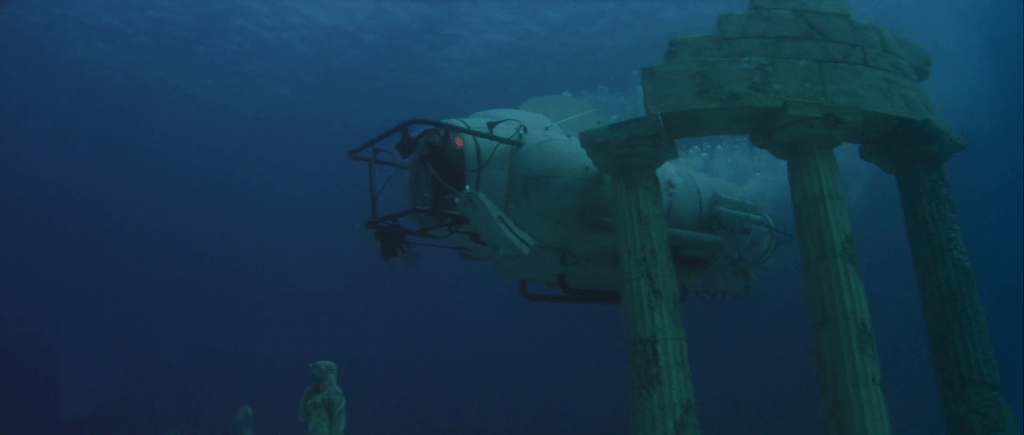
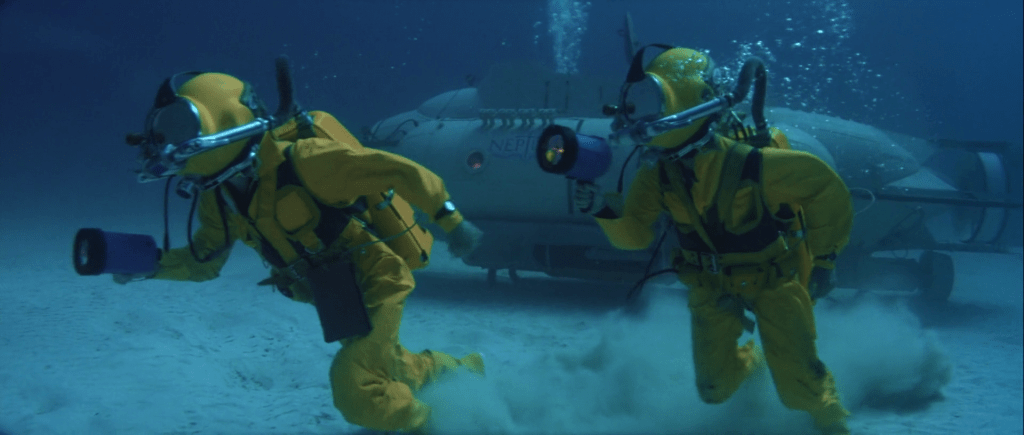
Of particular note are the underwater scenes, for they were outstanding and pretty much had everything – from submarines, to shipwrecks, to submerged temples and man-eating sharks. There was some incredible cinematography here, even by today’s standards.

It wouldn’t be a Bond movie without a few laughs thrown in, or at least attempted-laughs as is the case here. I felt that the gags were a little off in this film – or perhaps they are just dated – from odd lines such as the delicatessen remark to overacted and goofy near-misses.

The one moment that I found genuinely funny is when Bibi – a teenage ice-skater with a crush on James Bond – sneaks into his hotel room and throws herself at him. Of course, nothing happens but Bond’s throwaway line about ‘buying her an ice cream’ is priceless!

At the other end of the scale, the Margaret Thatcher spoof is ridiculous, although it probably got a few laughs back in the day. Let’s just say this scene hasn’t aged well.

But despite the hit-and-miss humour, ‘For Your Eyes Only’ gets top marks for its explosive sequences, stunning locations, exceptional villains and brilliant direction and cinematography. However, the bizarre-at-times disco/funk score, combined with a lead actor that was too old for the role, does take a little shine off what is otherwise an excellent movie.

Don’t get me wrong, I really like Roger Moore as Bond. However, there is no denying that he was showing his age in this movie.

So, after watching ‘For Your Eyes Only’ again for the first time in more than thirty years, my opinion of this film has risen considerably. It is nowhere near my favourite Bond outing, but it no longer resides in the same sphere as ‘Die Another Day’ or ‘Diamonds Are Forever’ – or dare I say it – ‘No Time To Die’.

This movie had thrills and high-octane stunts aplenty, and was able to seamlessly move from one location to the next without skipping a beat. Roger Moore is a top leading man, although I stand by my comments about his age, and the supporting cast deliver great performances in this film. The underwater scenes are amazing, the bad guys will get under your skin, and if you love disco music then you will enjoy the soundtrack as well.

I don’t like disco so much, but ‘For Your Eyes Only’ gets a solid 7.5 out of 10 from me.

Screenshots courtesy of Eon Productions.

The new season of Black Mirror – a spoiler-free review.

The seventh season of the highly-acclaimed science fiction/horror anthology dropped on Netflix last week, but is it better than the last release or does the show continue its slide into fluffier, more lightweight material?

As the season came out only a few days ago, I will make sure that there are no spoilers here. However, I can say that the creators have hedged their bets a little, and by giving us six episodes instead of four or five has ensured that there is something for everyone – not to mention tick the necessary boxes for a Netflix production.

I will explain this in a little more detail during my episode-by-episode breakdown.

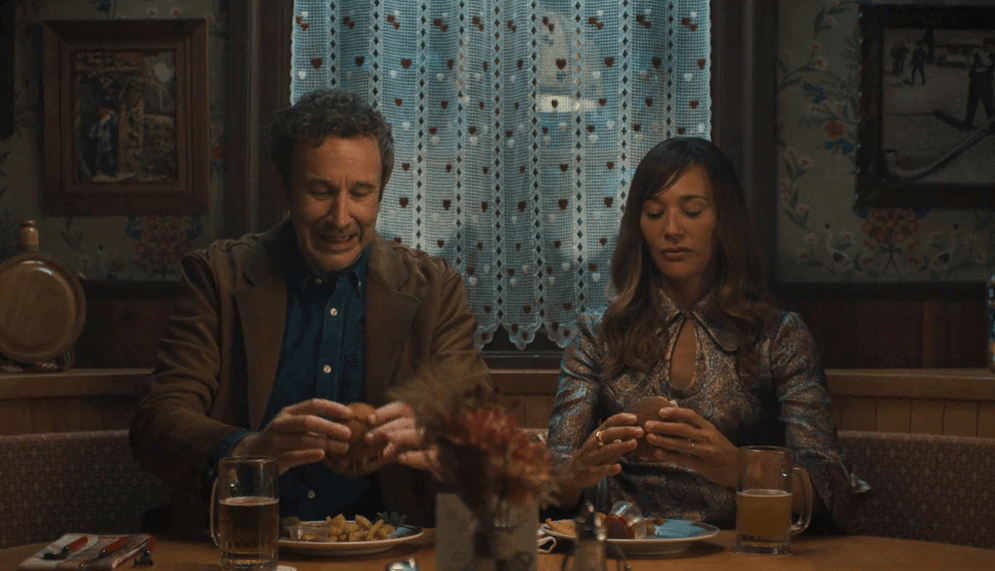
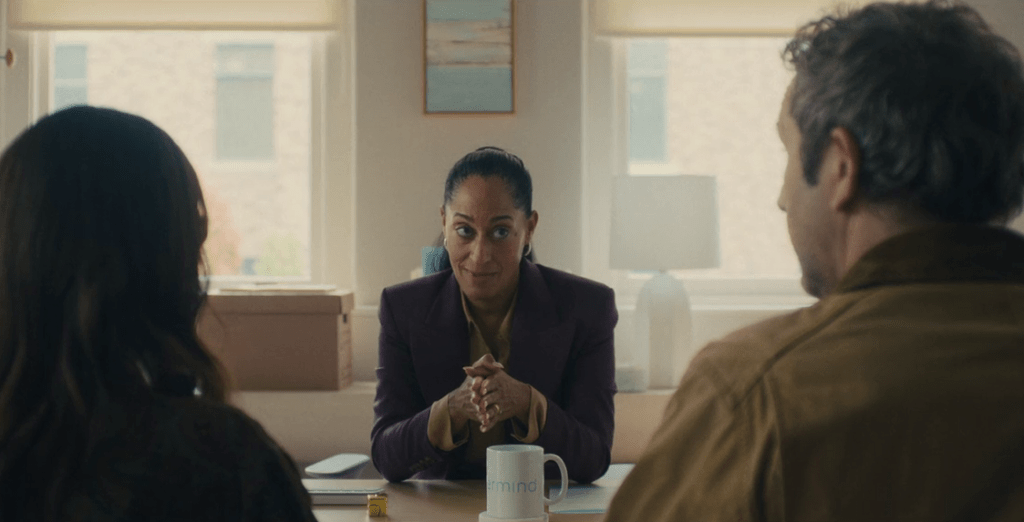
The season kicks off with ‘Common People’ which is reminiscent of some of the earlier Black Mirror episodes – which is a good thing. The characters are well-written and the acting is on point, with solid performances from Rashida Jones, Tracee Ellis Ross and Chris O’Dowd.

Without giving anything away, the story revolves around a couple who are forced into a contract with a ‘pharmaceutical tech’ company called Rivermind. This episode packs an emotional punch and I would rate it 9/10.

The second installment in the series is titled ‘Bete Noire’ and almost immediately one can feel the pressure and intensity drop after the season’s strong opening.

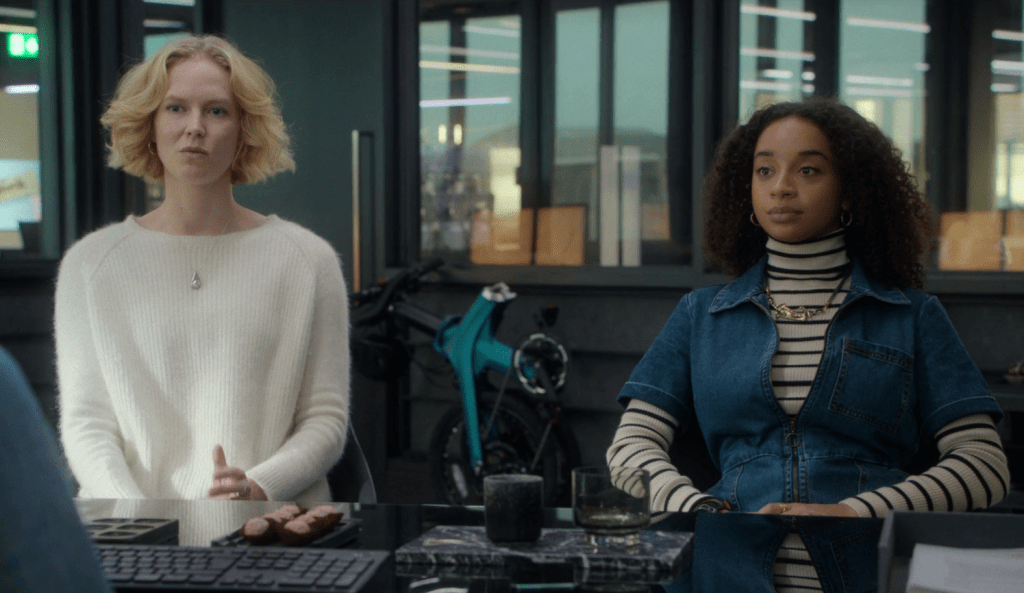
This drama takes place in the R&D department of a confectionery company, where Maria – a respected team leader – becomes unnerved after the appointment of Verity; a former schoolmate with a questionable past.

It’s a psychological piece with the added Black Mirror trademark of technological terror, and in truth it’s not a bad effort – but falls short with the characters and their motives in my view. It is definitely weaker than the preceding episode on almost every level, but is quite watchable – and therefore I would rate it 5/10.

The third episode called ‘Hotel Reverie’ is an interesting one, with some cool concepts that question the modern issues of AI and deep-faking. However, I sense that this is the token ‘woke story’ that Netflix would have pushed for, and in my view was the least-enjoyable of the season. I don’t think I am being unreasonable in saying this was the weakest link in the series.

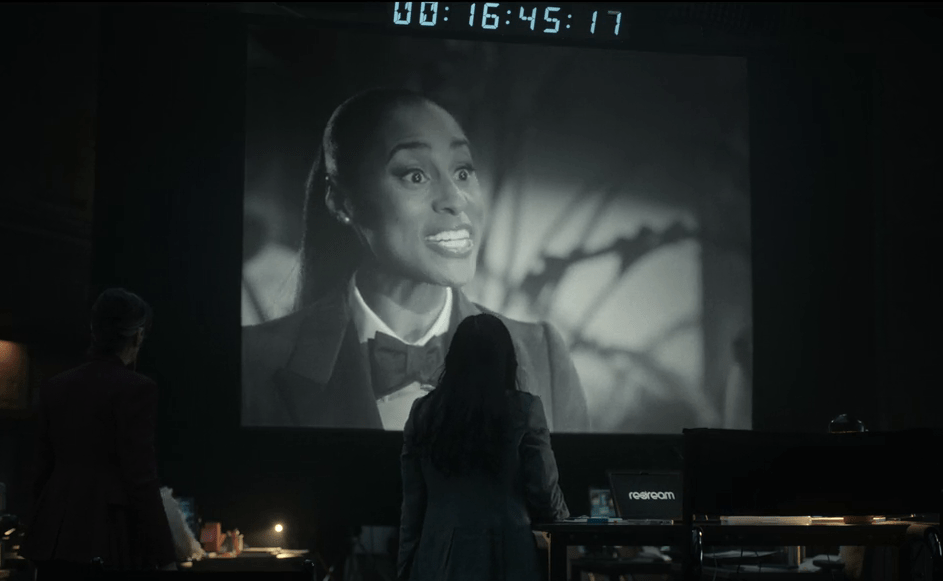
This episode is about a tech company called ReDream who are re-shooting an old British movie using their specialised AI programs. Again, I don’t want to spoil anything, but the issues of Hollywood gender-switching and race-swapping leading roles for remade films is obvious here. If this was supposed to be satirical, then I guess I may have missed the point by giving this a low score – but I didn’t feel that vibe. I also couldn’t help but sense this story was trying to emulate ‘San Junipero’ from season three – which was a great entry, unlike this one – so I give it a lower pass with 4/10.

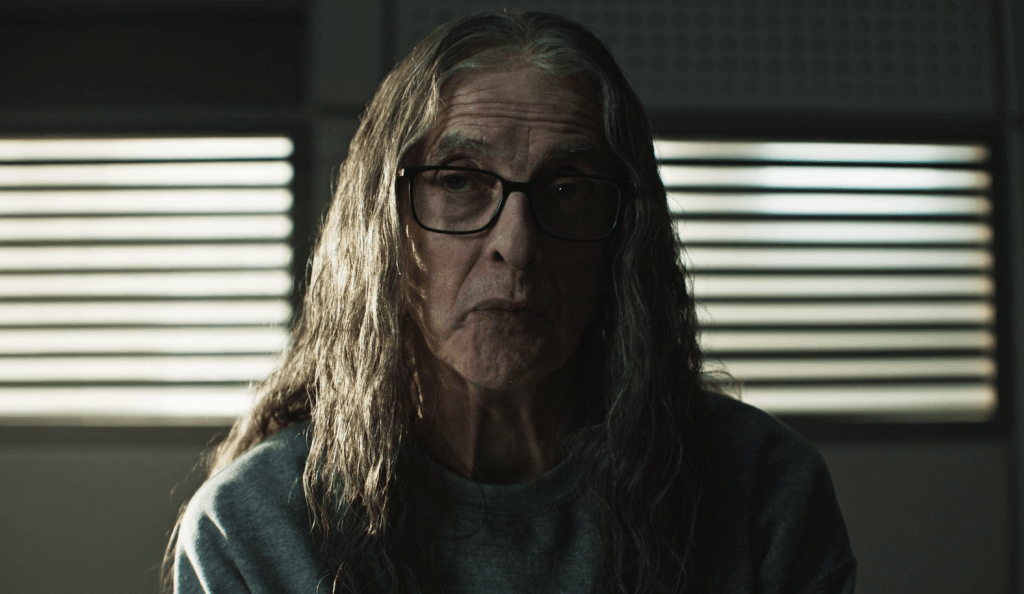
After a two-episode sag, Black Mirror bounces back strongly with the fourth story – the disturbing digital nightmare that is ‘Plaything’.

Starring former Doctor Who Peter Capaldi as computer geek Cameron Walker, this story is focused on an early 1990’s video game featuring sentient digital lifeforms called Thronglets. I believe this episode is connected to ‘Bandersnatch’ – with the character of Colin Ritman, played by Will Poulter returning to the Black Mirror-verse. I promised no spoilers, so I won’t say any more.

This is a straightforward – albeit troubling – tale by Black Mirror standards, but is nonetheless a solid entry into the series. With great performances by Capaldi and Poulter, as well as from Lewis Gribben who plays the younger version of Walker, I would rate this story easily above the previous two episodes but not quite as high as the first one – 8/10.

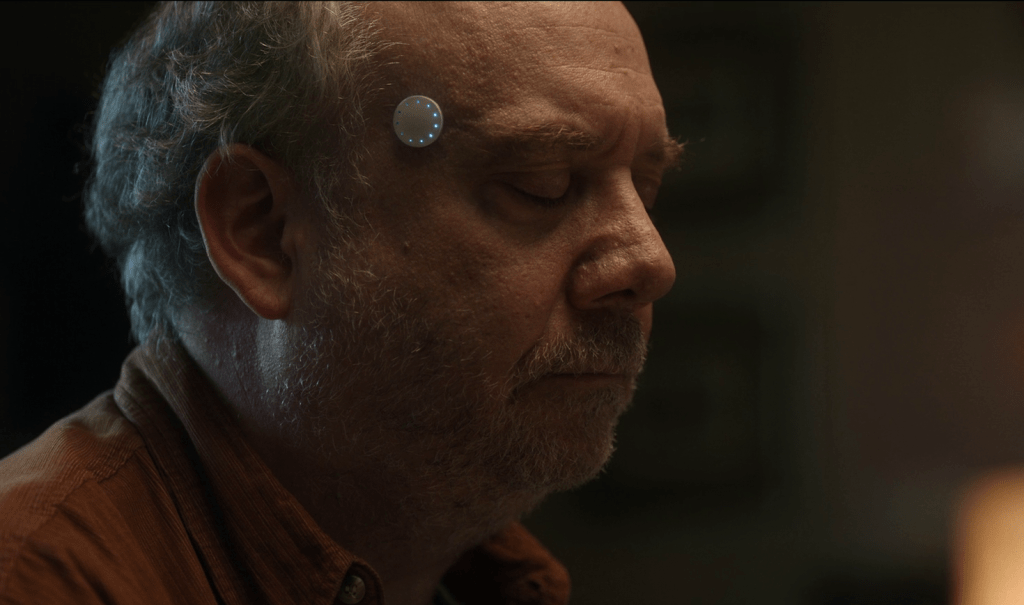
‘Eulogy’ is the fifth episode of the season, and explores – through intrusive technology – the ideas of long-lost love and emotional redemption, something that this franchise has always done rather well.

We have another well-established actor here in the lead role, with Paul Giamatti playing Phillip – an elderly loner who suddenly comes face-to-face with painful memories of losing the love of his life decades earlier. I would argue that Giamatti’s performance is a master-class; up there with the best of his career and certainly award-worthy.

In brief – and without going into too much detail – this tale is about an old man who is encouraged to use a new technology that immerses him within his old photographs, naturally stimulating memories long thought lost. Through these revelations, the story unfolds before our eyes, and does so with plenty of emotion and gravitas – 9/10!

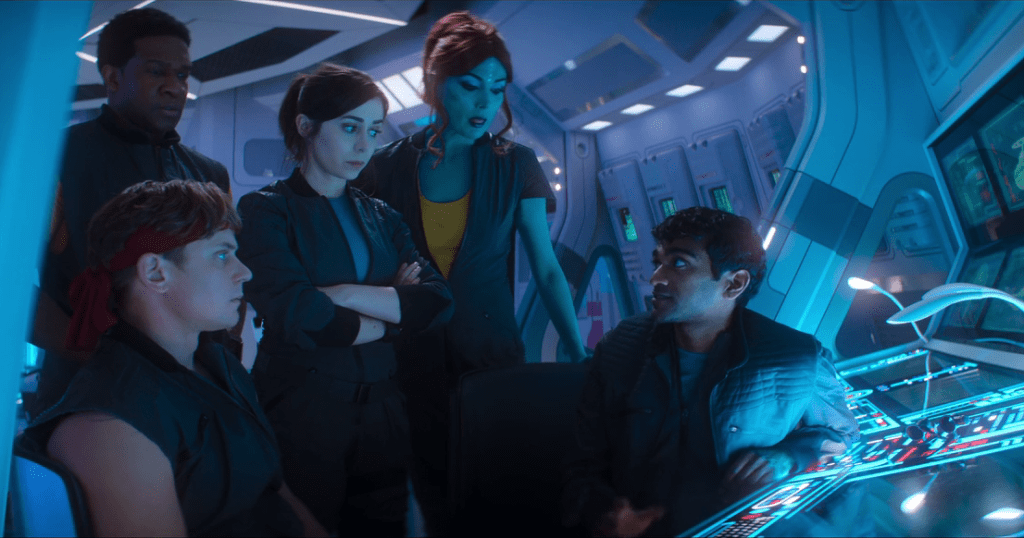
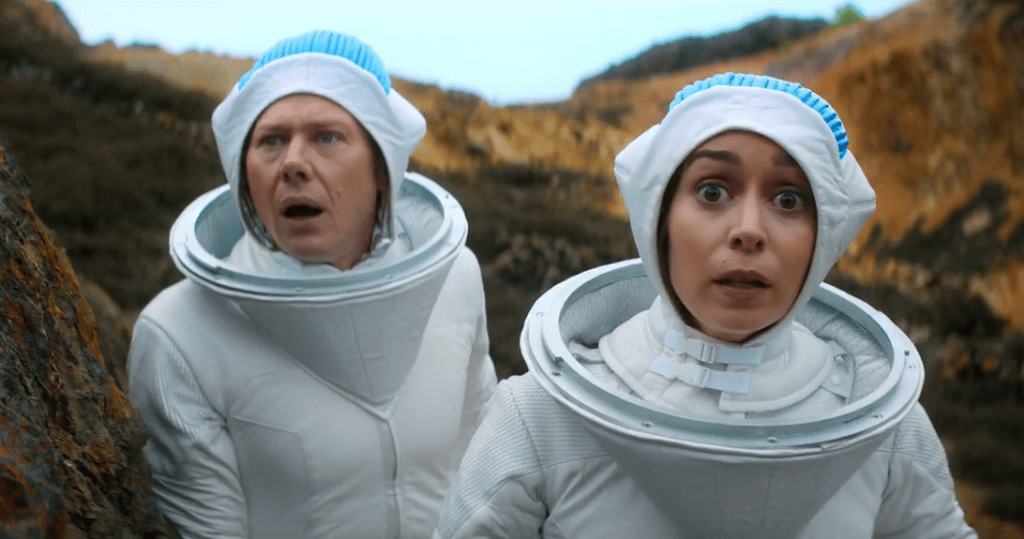
And for the sixth and final episode, the show-runners have provided a real treat: – a movie-length sequel to the season four classic ‘USS Callister’.

I won’t say much about this story, other than how much fun it was – and to insist that watching the original ‘USS Callister’ episode is essential before checking this out.

The cast from eight years ago return to reprise their roles, with Jesse Plemons, Cristin Milioti and Jimmi Simpson playing the main characters. To be honest, I don’t think this continuation of the story is as good as the original chapter, but it was an entertaining way to end this season of Black Mirror – and it gets an 8/10.

Rating the episodes in order of quality – according to me – would have ‘Eulogy’ on top with ‘Common People’ just behind it in second place. The nostalgia factor puts ‘USS Callister – Into Infinity’ as my third-best pick, with the solid ‘Plaything’ settling for fourth spot.

Then we have a little bit of daylight before fifth-placed ‘Bete Noire’ comes into play, followed by ‘Hotel Reverie’ crossing the finish line dead last. Again, the reason these two episodes are adrift of the pack is because I did not find them very engaging and were a bit of a struggle to watch, if I’m being honest.

On the whole, I think this is a better collection of stories than season six – where I rated the five episodes as two being good, one being average and two being sub-par. Here we have six episodes – two of which I considered to be excellent, two were very good and the remaining two received average scores. Therefore, I would give this season of Black Mirror an overall mark of 7.5/10.

I apologise for not giving specific examples when being critical of the plot or production of some episodes, but keeping this article spoiler-free was my main priority. There was simply no way I could explain any of my critiques without revealing important elements of the story and ruining the viewing experience for those yet to watch the show.

All seven seasons of Black Mirror are currently streaming on Netflix.

All screenshots courtesy of Netflix.

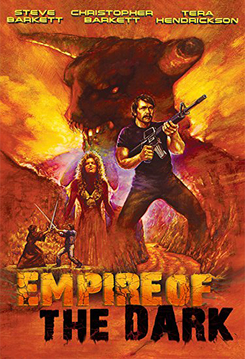
‘Empire of the Dark’ is pure B-Grade genius!

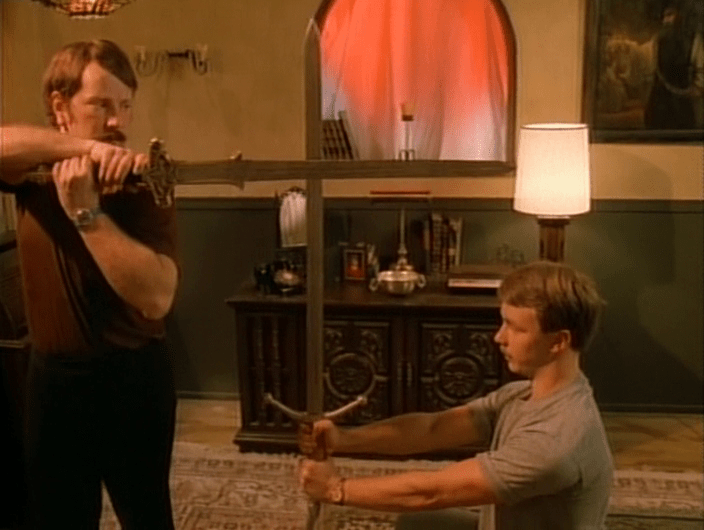
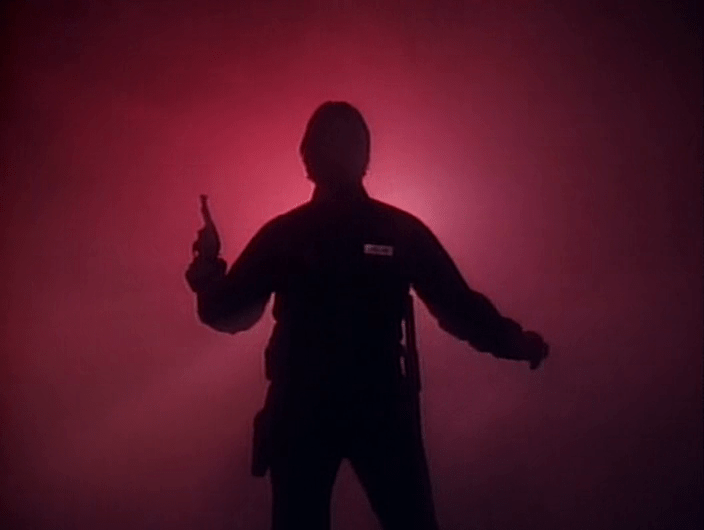
An out-of-shape middle-aged leading man takes on sword-wielding Satanic priests, demons, gun-toting villains and more in this 1991 horror/action thriller!

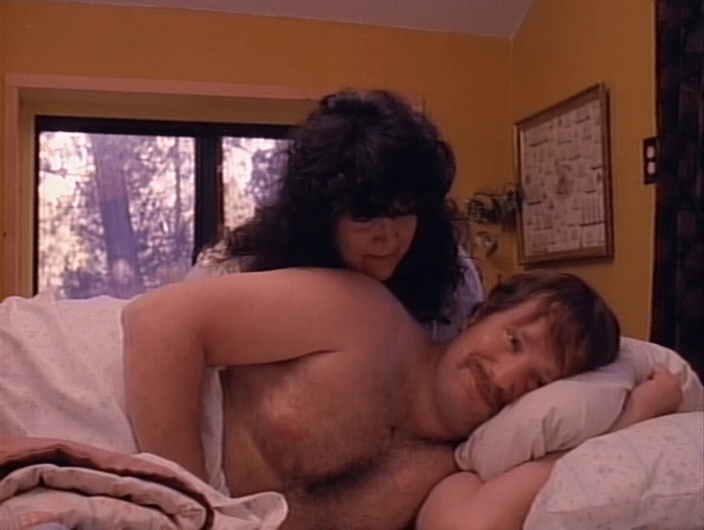
Written, directed by and starring Steve Barkett (who sadly passed away in 2023), this feature has all the hallmarks of a vanity project – re Neil Breen or John De Hart – but turns out to be a pretty solid flick. One simply needs to see beyond the flaws of this ambitious low-budget film to be able to enjoy the spectacle that it truly is.

Barkett stars as Richard Flynn, who while working as a cop, enters through a portal into Hell to rescue his ex-girlfriend’s baby son before he is sacrificed by devil worshippers. The film then skips twenty years to when Flynn is now a private eye, and is forced to battle the evil acolytes of Satan once again!

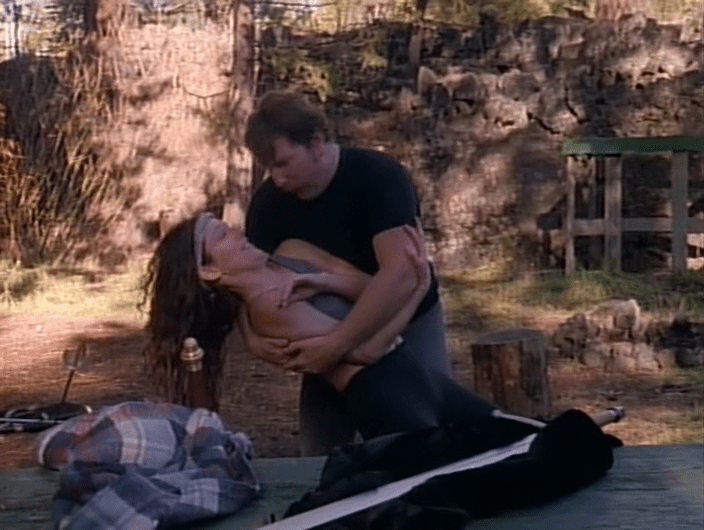
Barkett clearly considers himself to be an action man, and his screenplay and direction suggests as much, as he is constantly killing bad guys and romancing women way out of his league. However, he delivers a lot of tongue-in-cheek comments and one-liners, hinting that he is aware of his physical shortcomings, and decides to run with it anyway. What this does is bring a lot of charm and character to the film, and you end up really liking the guy and cheering him on.

The soundtrack to this movie – from composer John Morgan – is quite good, from the opening theme to the catchy incidental music featured throughout the film. I have watched bigger – and supposedly better – productions whose musical scores were nowhere near as memorable as this effort.

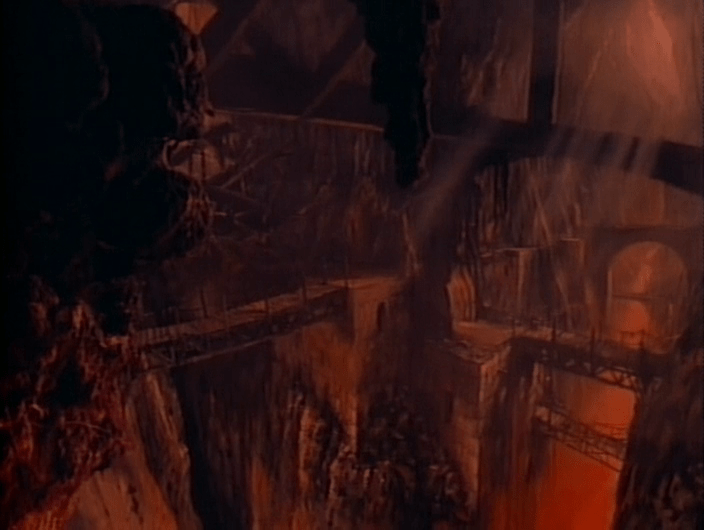
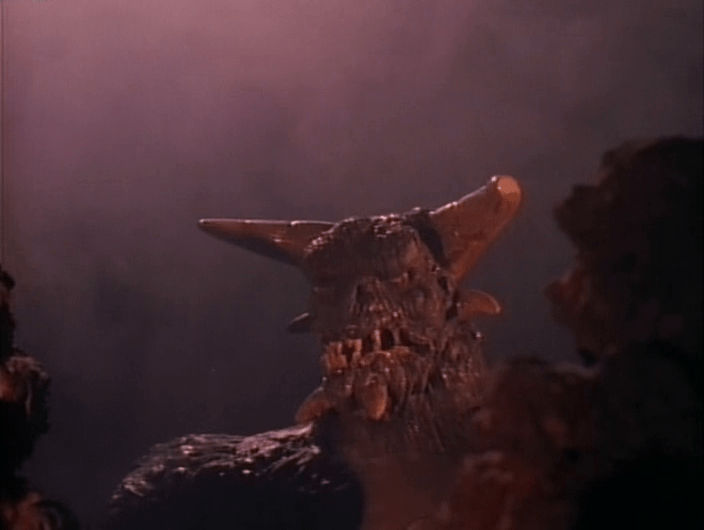
The special effects were decent in places, especially the modelling of the hellish caves and wooden bridges and platforms within the underground labyrinth. However, the stop-start animation that brought the main demon to life was a bit ‘how ya going’, as we say in Australia. Perhaps ‘questionable’ might be a more widely-recognised term, but you can appreciate what the film-makers were trying to do.

As far as action goes, ‘Empire of the Dark’ delivers the goods. There is an endless supply of hooded evil disciples trying to kill our hero, who fights them all off with either a gun or a sword, while less-than-gracefully executing moves that are awkward and sluggish yet somehow appear on screen as poetry in slow-motion. It’s comedy through and through, and Steve Barkett is right on point here; really hamming things up and breaking the fourth wall on at least one occasion.

‘Empire of the Dark’ has a 4.8 rating out of 10 at IMDB, and I think this is just about right. This is not a great movie, especially with the poor acting and ridiculous plot, but nor is it a complete dud. This film is watchable and quite entertaining, and as mentioned earlier it has a certain charm – or affability – that gets it across the line.

It’s a solid 3 out of 5 from me. Yes, it’s a ‘bad’ movie but it’s one you can laugh along with. I also think it’s a shame we didn’t see Steve Barkett in more mainstream movies over the years.

There was an episode of ‘So Bad It’s Good’ on YouTube a few years back, where they reviewed this movie and seemingly enjoyed it as well. It’s worth watching, so I’ve added the link below.

But if you are feeling a little more adventurous, the entire film is also available on YouTube. I’m not sure if the link will work due to age restrictions, but it is provided below – courtesy of Jacohsc Films YouTube Channel.

Screenshots courtesy of the Nautilus Film Company.

‘The Ultimate Warrior’ – a 1975 post-apocalyptic classic!

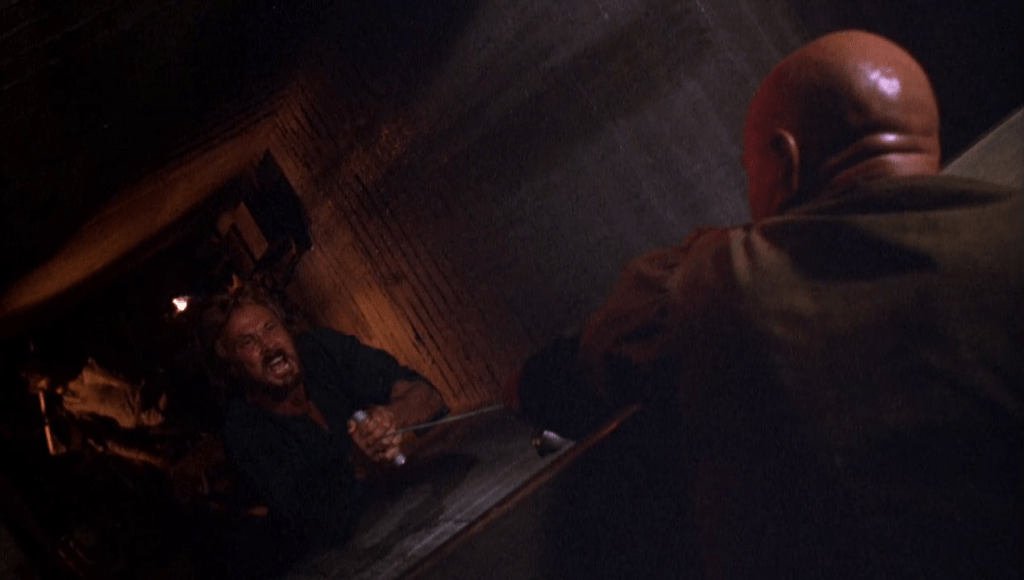
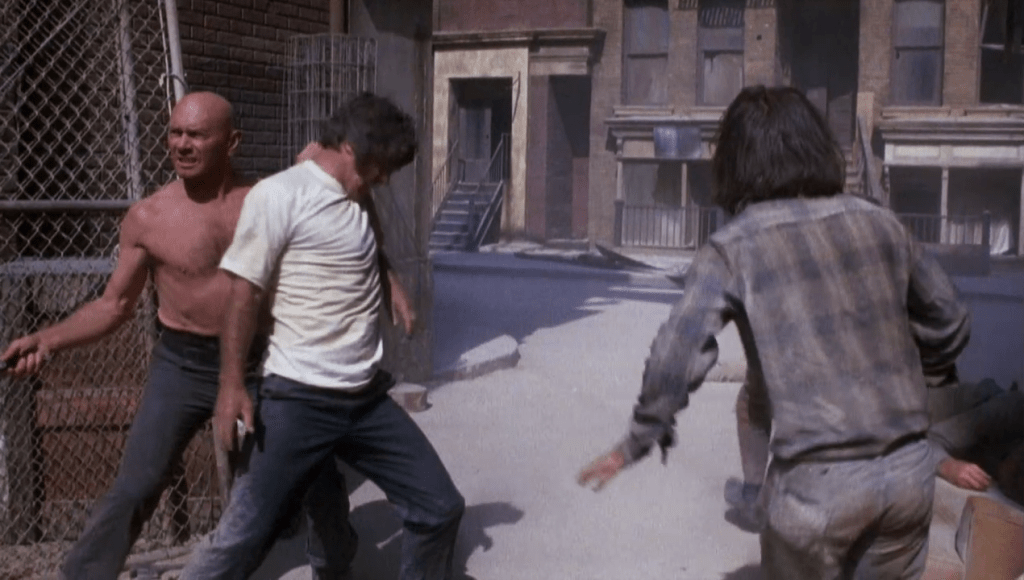
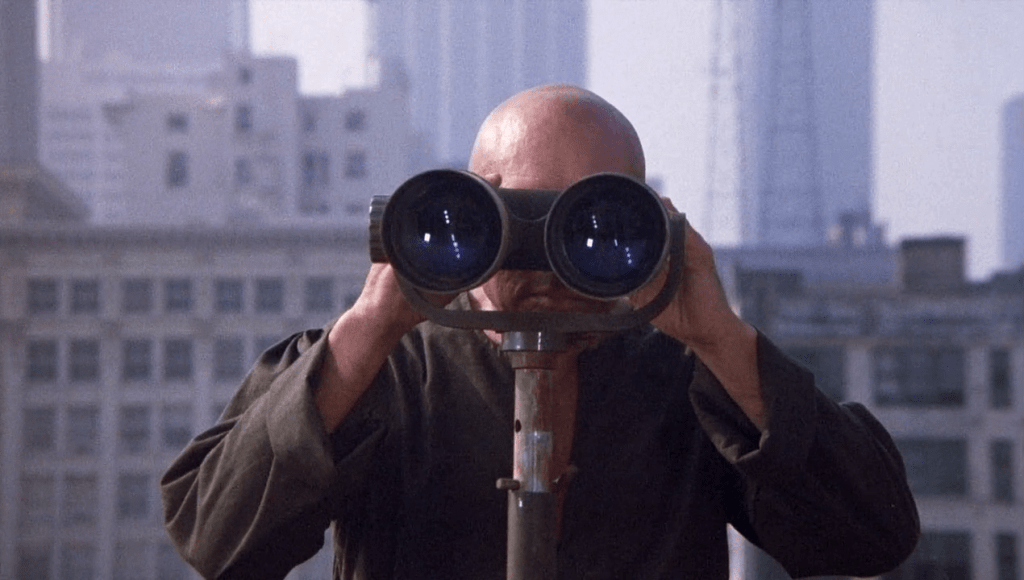
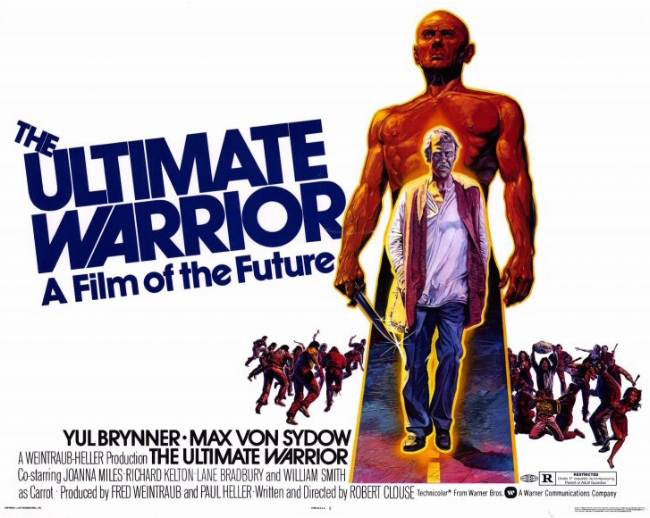
Starring the legendary Yul Brynner and Max Von Sydow, ‘The Ultimate Warrior’ is set in a futuristic New York City after a series of epidemics have decimated the world’s population.

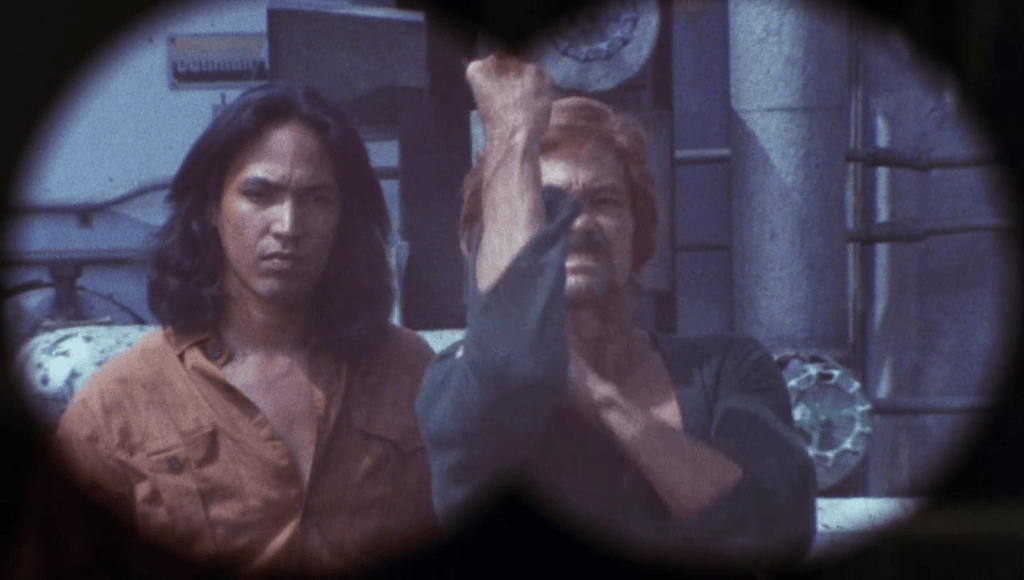
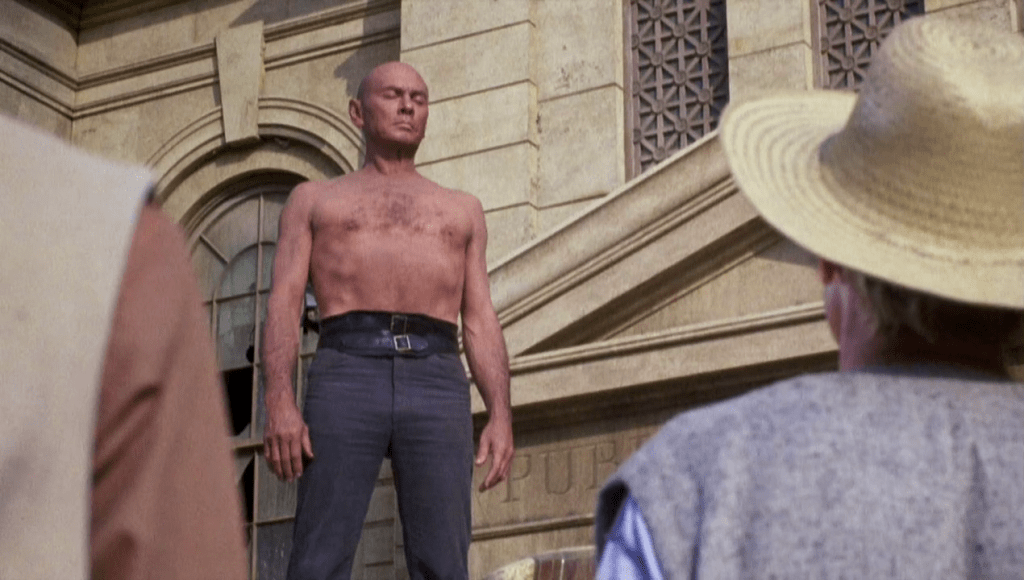
The story revolves around a mysterious warrior named Carson (Brynner) who is offered a place to live inside a safe compound by their leader Baron (Von Sydow) in return for him escorting some of the occupants to a safe haven outside of the city.

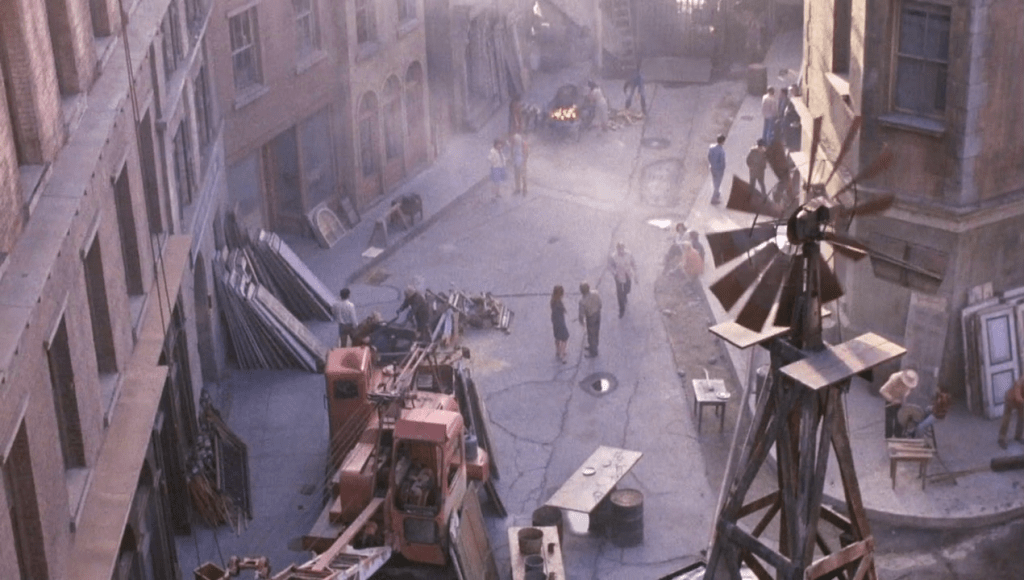
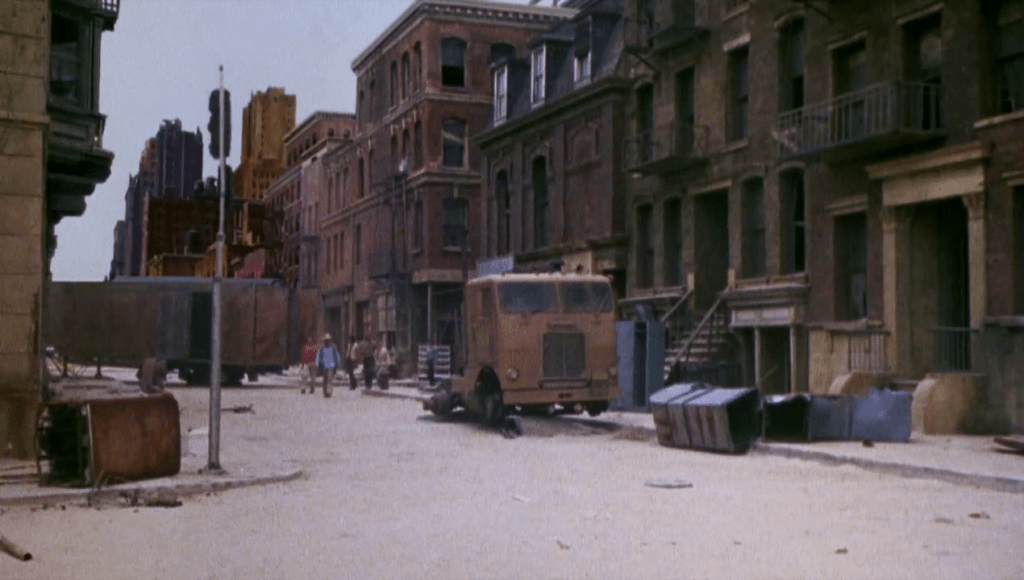
The movie is straight-forward enough and follows the typical plot and formula of other similar films of that era. It’s not one of the better known sci-fi efforts from this decade, but certainly stands up in terms of set design and cinematography.

There are lots of action scenes – particularly fighting – as the title suggests, with an ageing Brynner holding his own. I should also point out that the main antagonist in the film, ‘Carrot’ is played by William Smith – the gravelly-voiced bad guy starring in a number of movies and TV shows over the years.

This film may have slipped under the radar of most sci-fi fans, as it would have been overshadowed by some of the more famous movies released during the same period. However, it did make $9 million at the box office from a budget of around $800,000 – which is a pretty good return and perhaps an indication of Brynner’s star power.

If you enjoyed films such as ‘Soylent Green’ and ‘Escape from New York’ – with some knife fighting and red paint splashed about – then ‘The Ultimate Warrior’ is well worth checking out.

Screenshots courtesy of Warner Bros and Columbia Pictures.