Sydney to Adelaide road trip

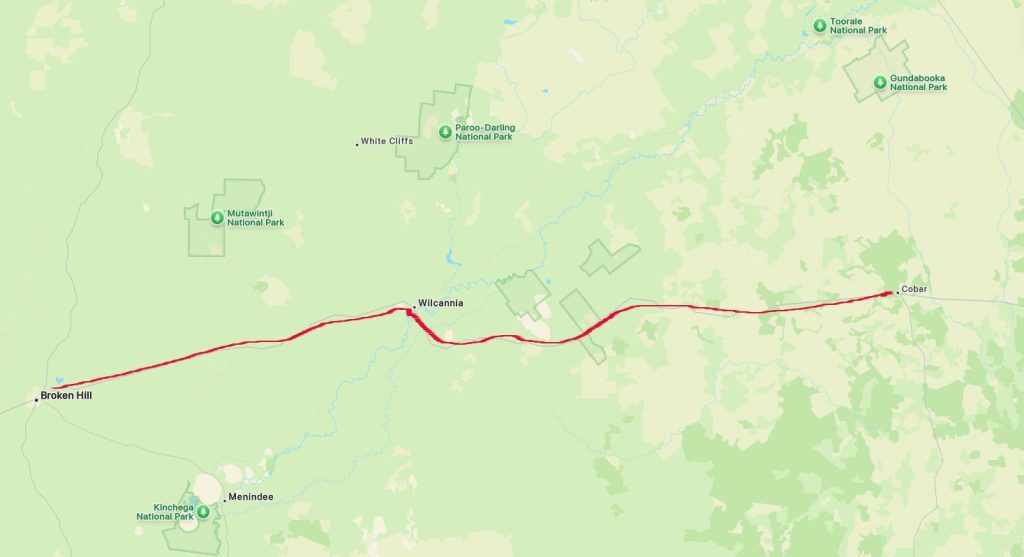
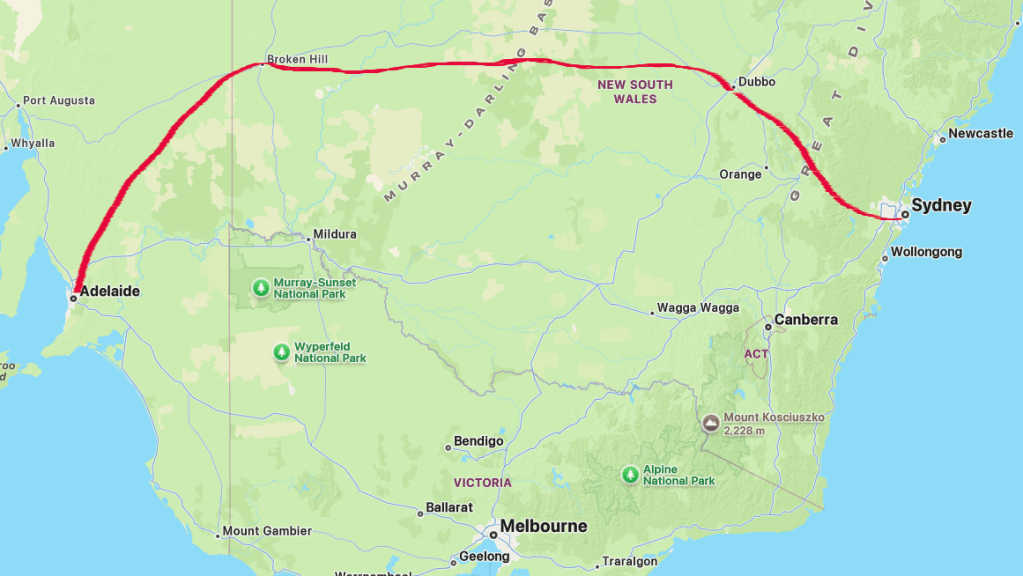
Driving from Sydney to Adelaide is an interesting choice for a family holiday, and is usually undertaken via both the Sturt and Mallee Highways – with the Southern NSW town of Hay considered to be the halfway point of this fourteen hour journey. However, there is another way – a northerly route marked in red on the map – passing through Broken Hill and the outback areas of NSW and South Australia.

The longer and rougher road was too much of a challenge to pass up, and we began our trip by heading west out of Sydney and toward the remote regions of the state, with overnight stops at the mining towns of Cobar and Broken Hill, before crossing the border into South Australia. We would eventually arrive in Adelaide three days after leaving home; having completed eighteen grueling hours of driving.
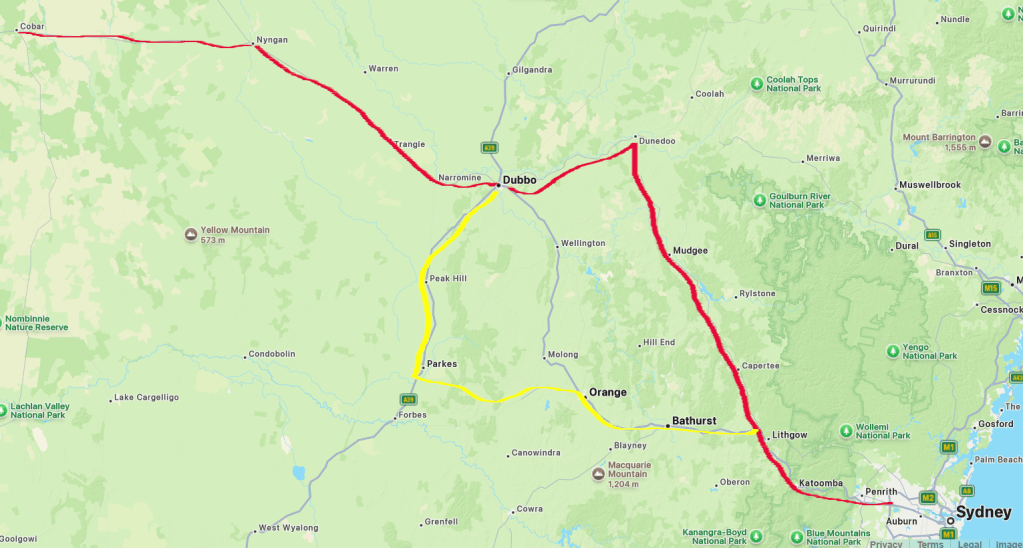
The first day required us to travel for eight hours from Sydney to Cobar, following the red route marked on the above map. In hindsight, the much easier drive would have been to take the section marked in yellow – driving through the larger towns of Bathurst, Orange and Parkes – instead of the ‘faster’ way via Mudgee.

Once you pass Dubbo in regional NSW – six hours from Sydney – the driving conditions change considerably, as decent-sized towns are now fair distances apart, with nothing but a two-lane highway stretching for miles in between. But there were plenty of highlights from these parts, as seen in the photos below.
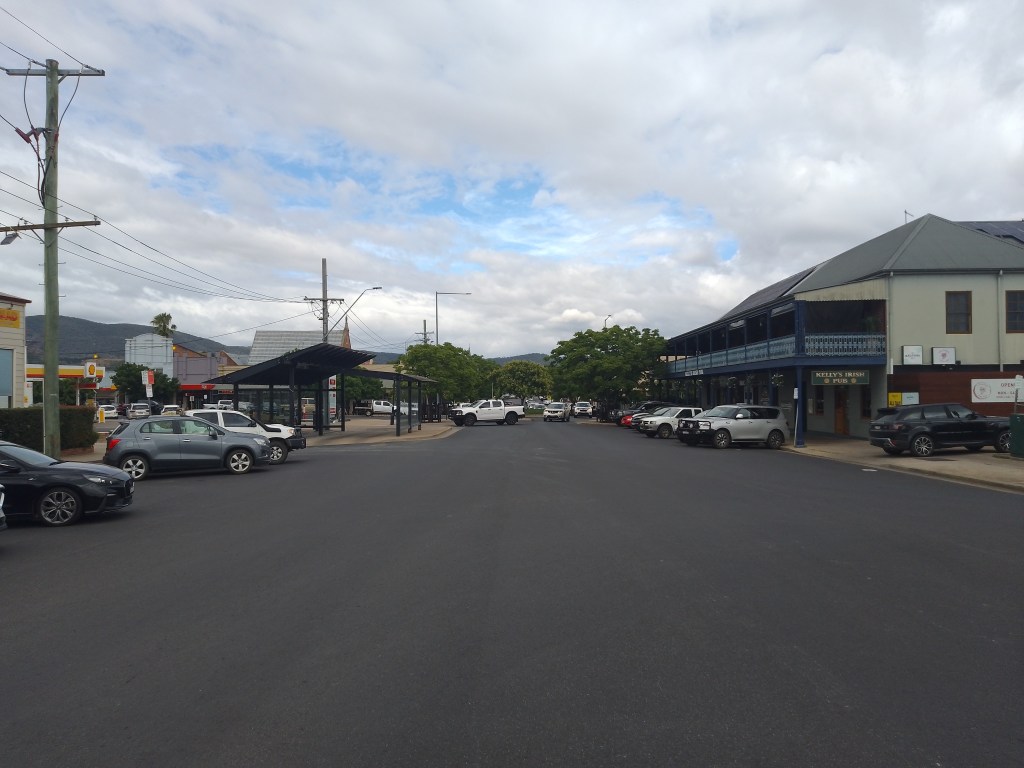
Our first stop was at Mudgee – three hours from Sydney.
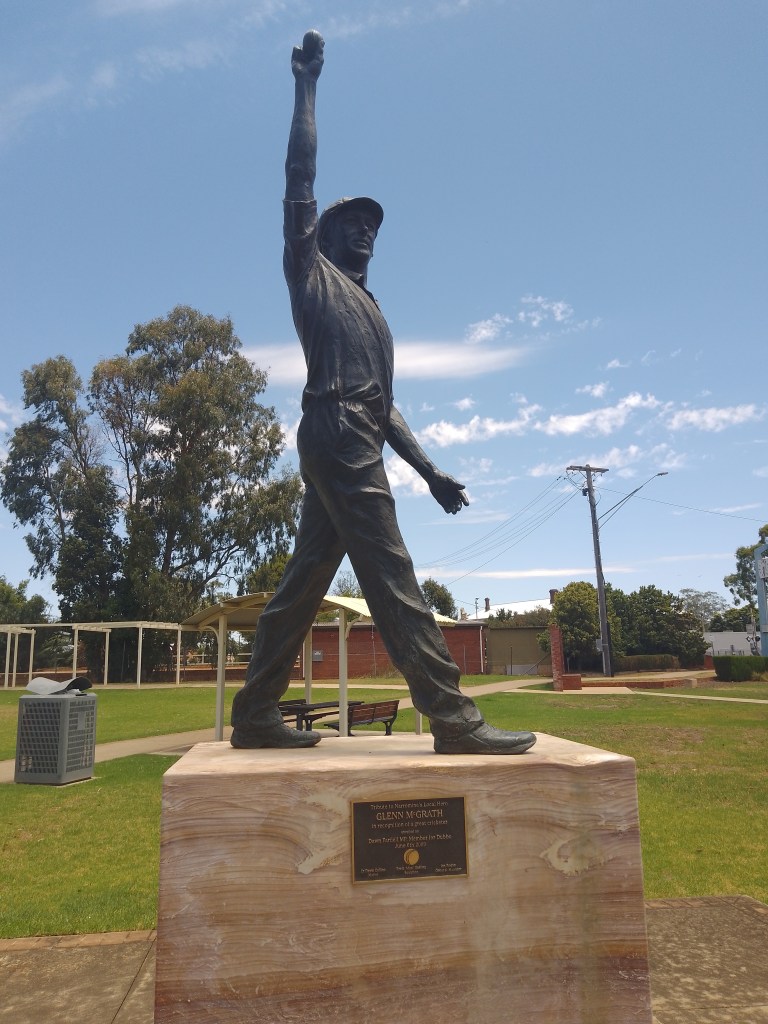
Glenn McGrath statue at Narromine.
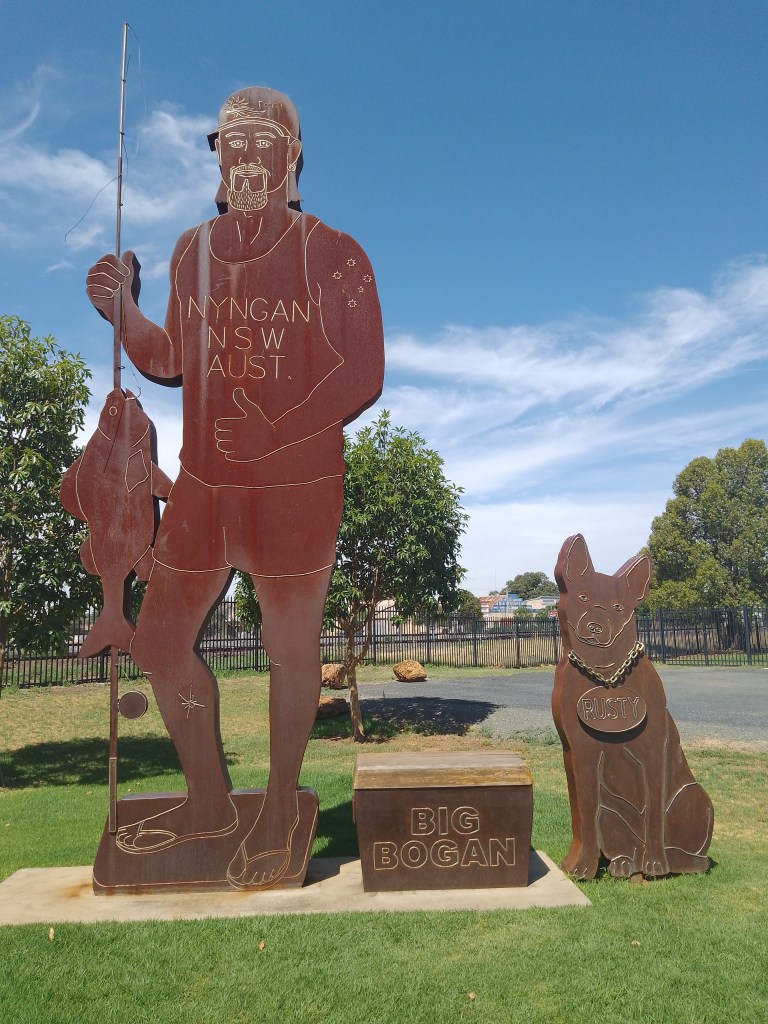
The Big Bogan at Nyngan.
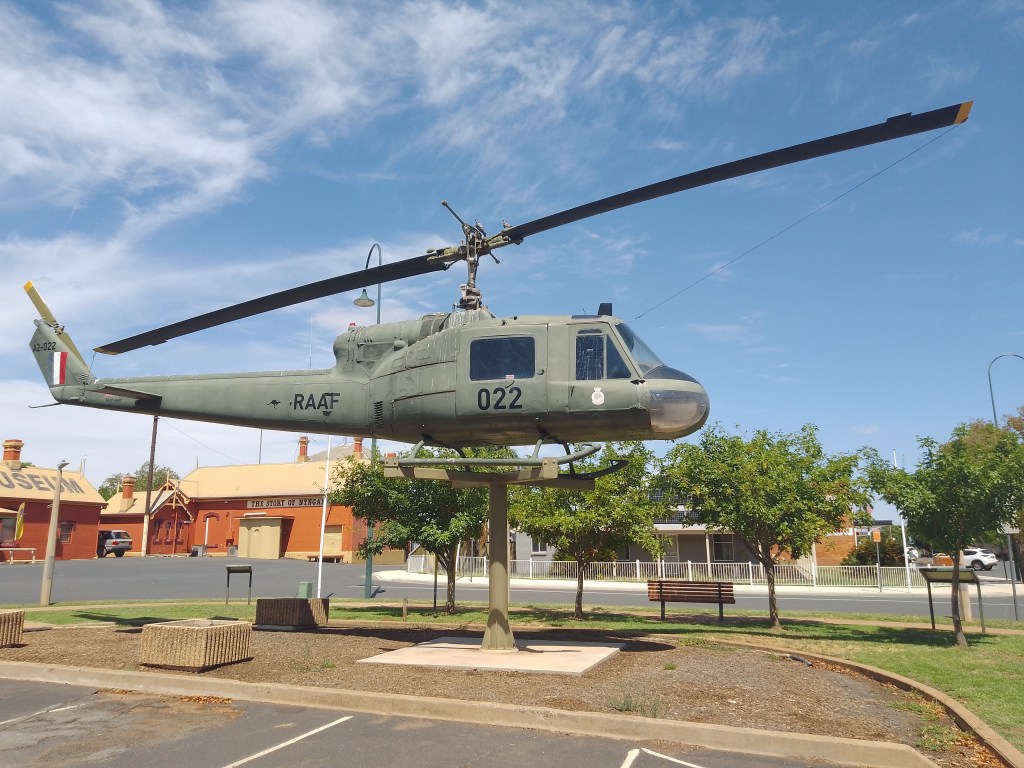
A mounted RAAF helicopter – also at Nyngan.
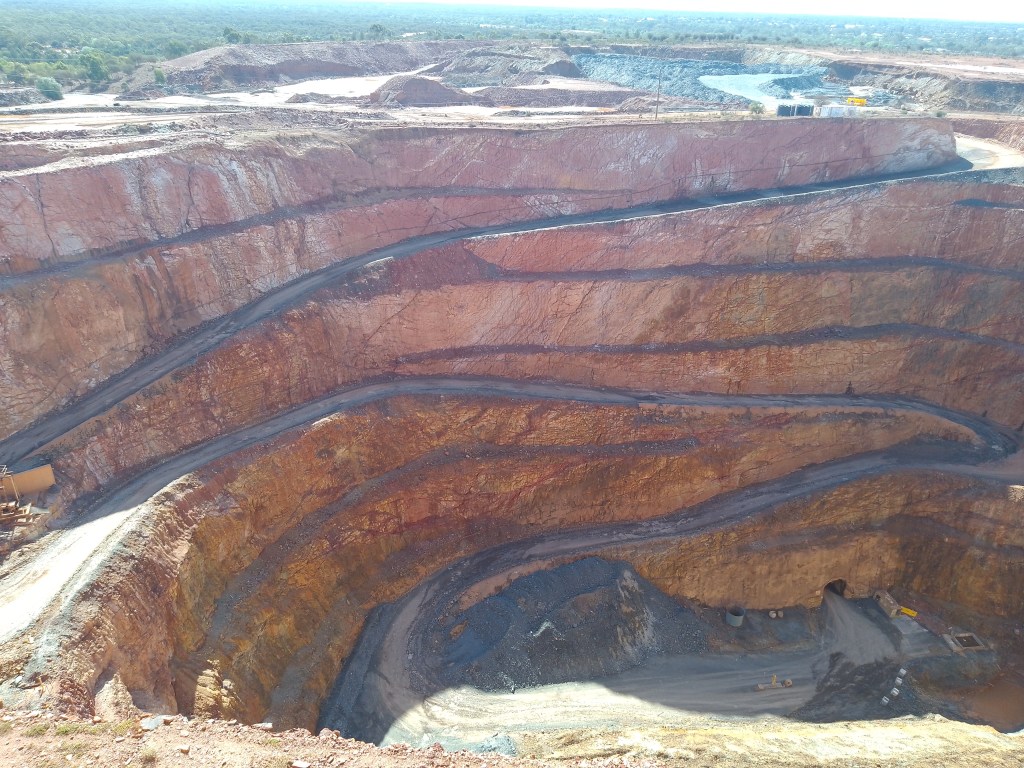
Fort Bourke Hill lookout – Cobar.

The second stage was a four-hour straight run from Cobar to Broken Hill, with only the town of Wilcannia and a remote rest stop positioned in between. I should point out to anyone planning a similar trip that the wildlife in these parts are ever-present; roaming very close to the highway – and sometimes wandering across – adding a little jeopardy to what is otherwise a route consisting of endless straights dissecting a rugged countryside.

There are literally thousands of wild goats lining both sides of the road, and they are often joined by kangaroos and emus – and even large pigs. Often I had to reduce my speed down from 110 km/h to 80, just in case any of these animals stepped out in front of the car. The holiday would have been instantly over had there been any collisions, so please keep this in mind if you are using the Barrier Highway between Cobar and Broken Hill.
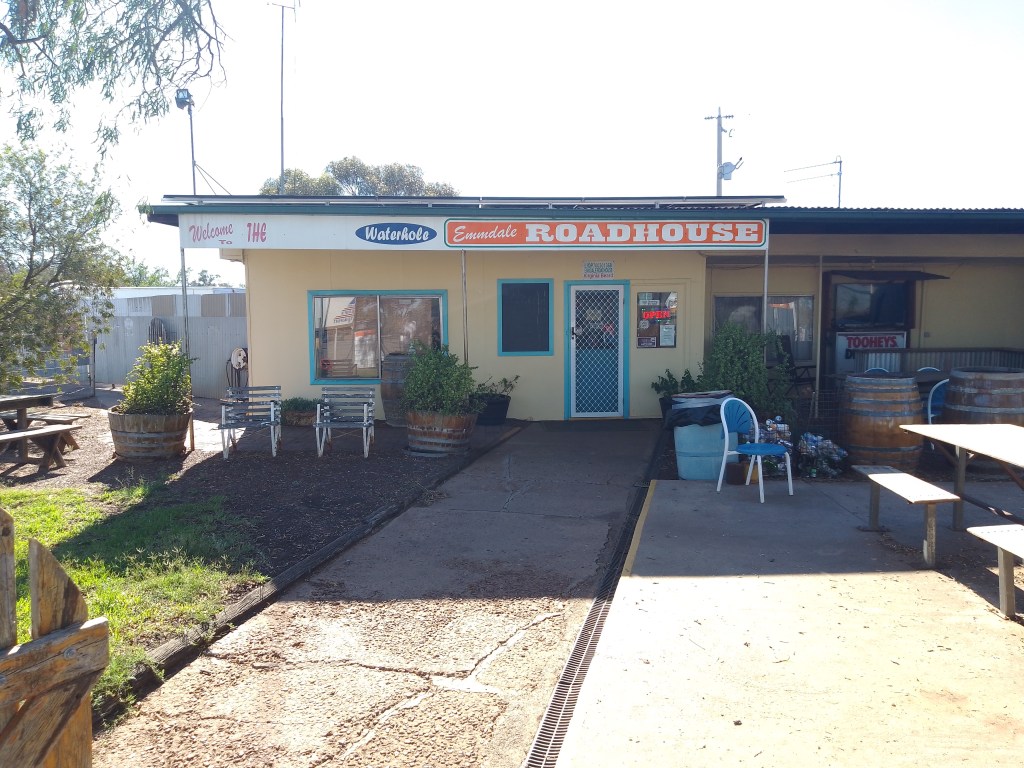
The very remote Emmdale Roadhouse.
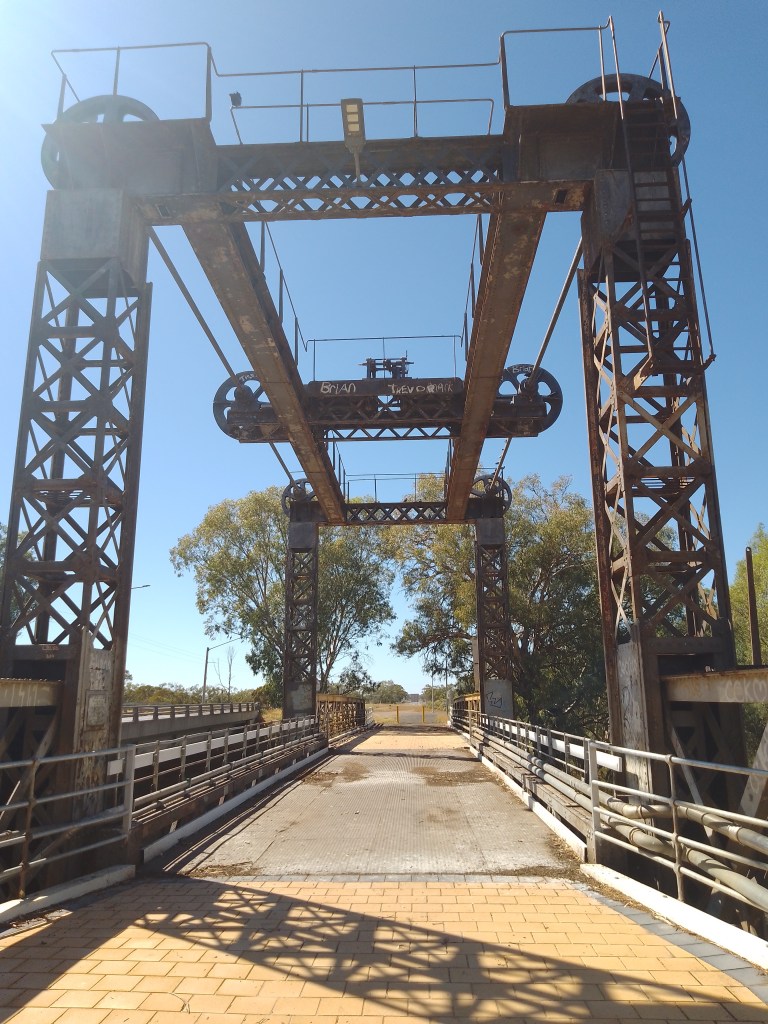
The old bridge – Wilcannia.
Emus crossing the road – forcing us to stop on a 110 km/h highway.
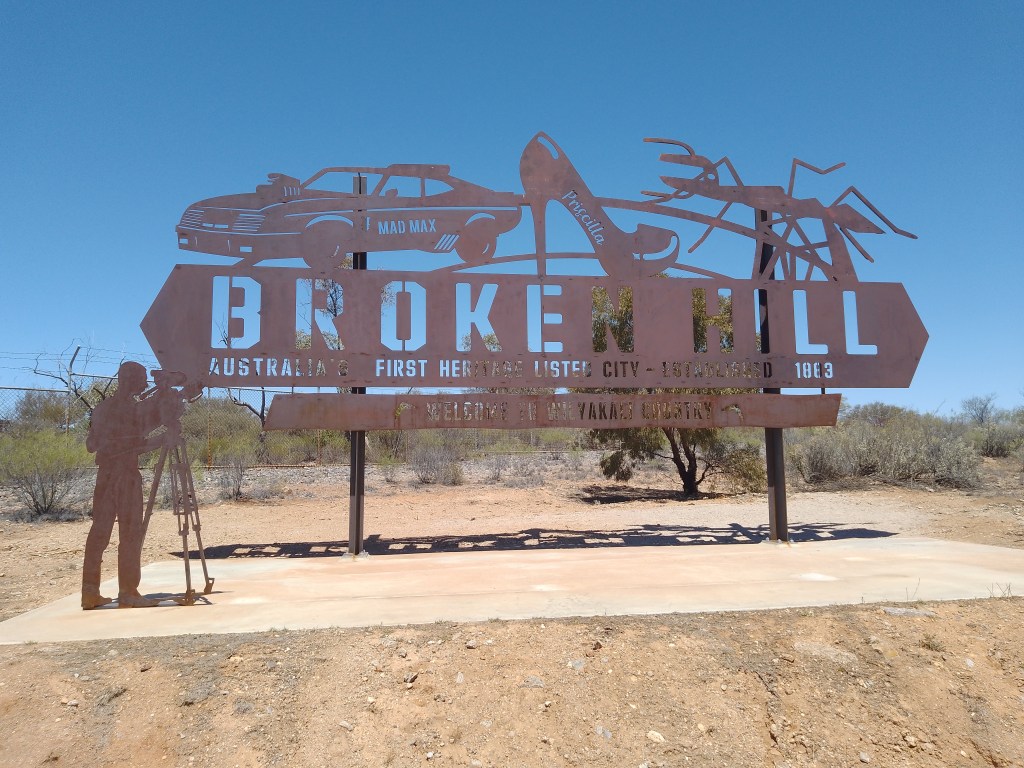
Welcome to Broken Hill sign.
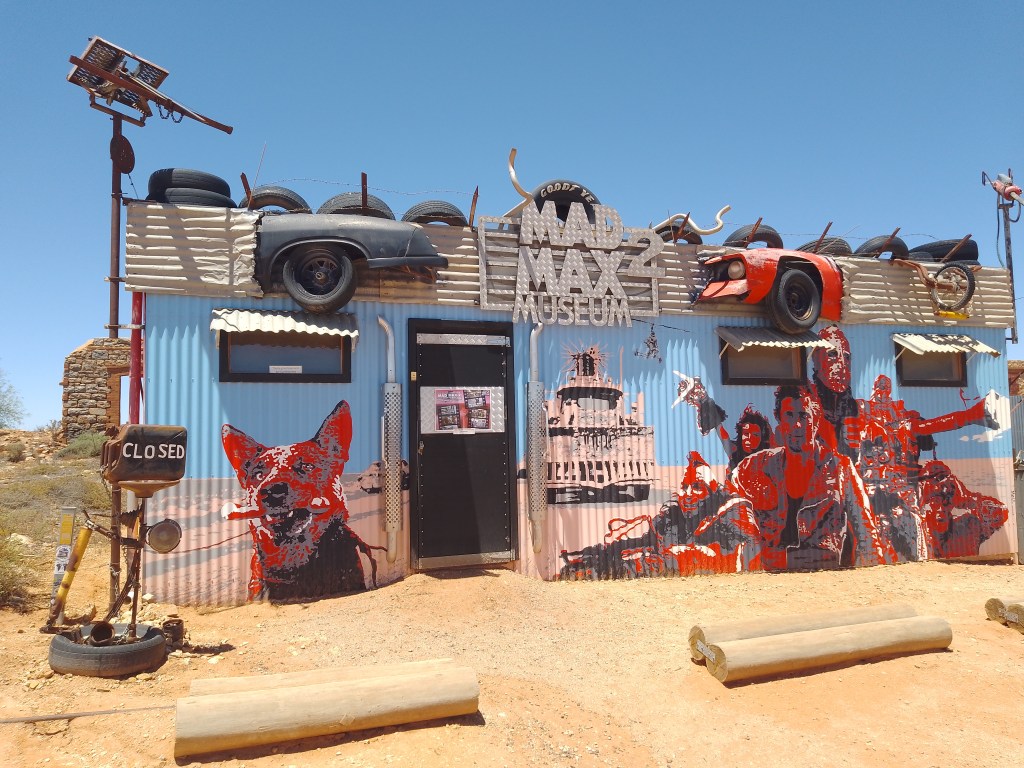
Mad Max 2 Museum, Silverton.
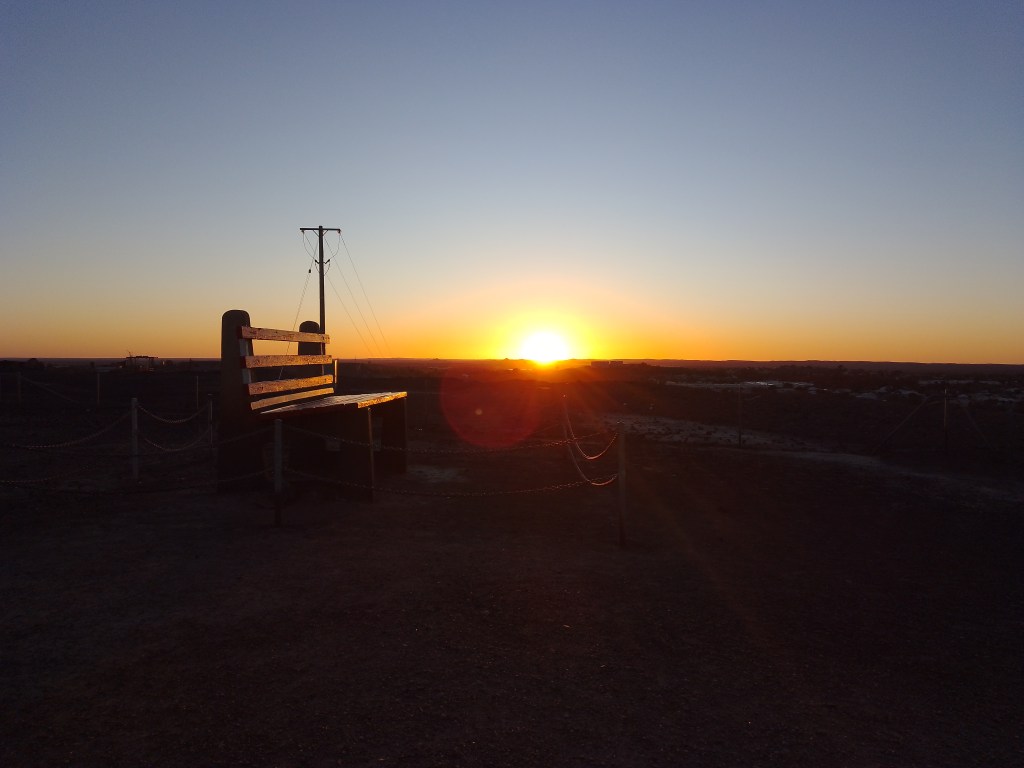
Broken Hill sunset.

The final part of the journey was a six-hour drive from The Silver City to Adelaide, but making sure to pass through Snowtown on the way. There were a couple of decent roadhouses and petrol stations along the remote highway areas of South Australia, so it’s a good idea to take a break at these places as there is not much else around.
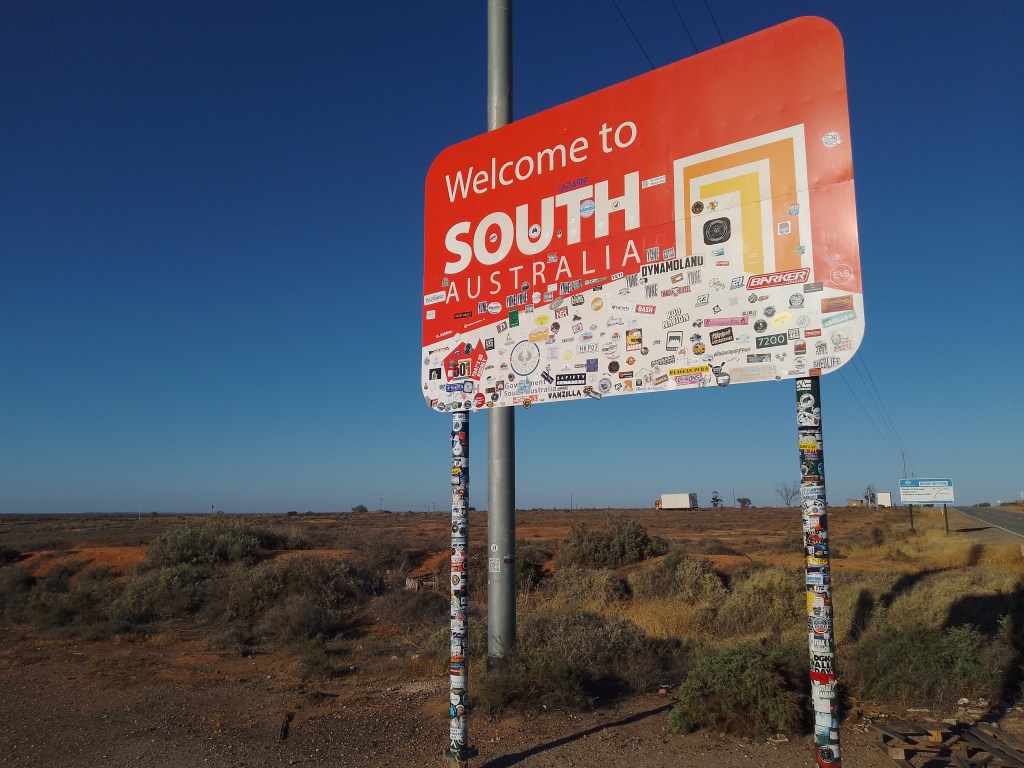
Outback border crossing at Cockburn.
Passing an Outback Train.
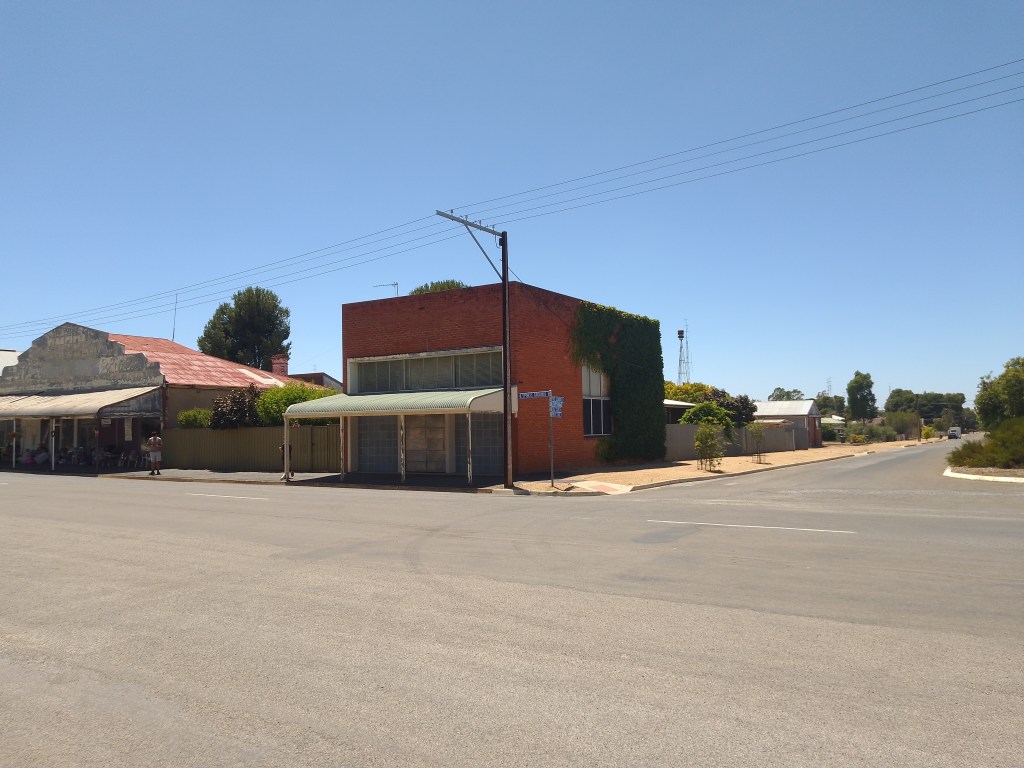
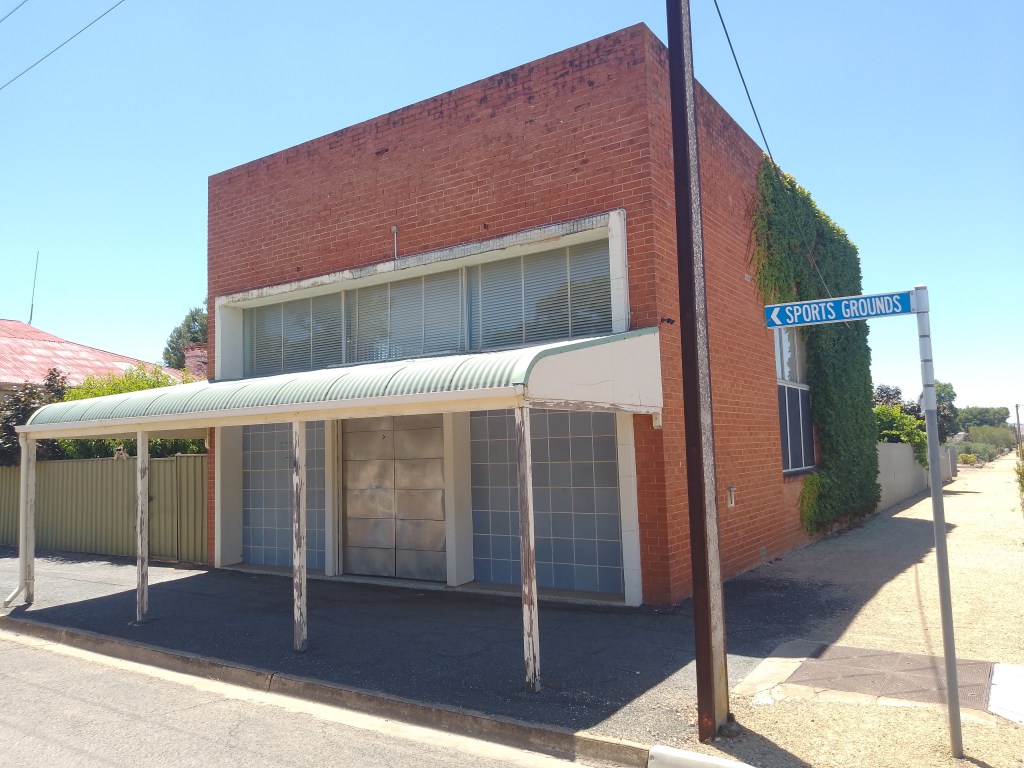
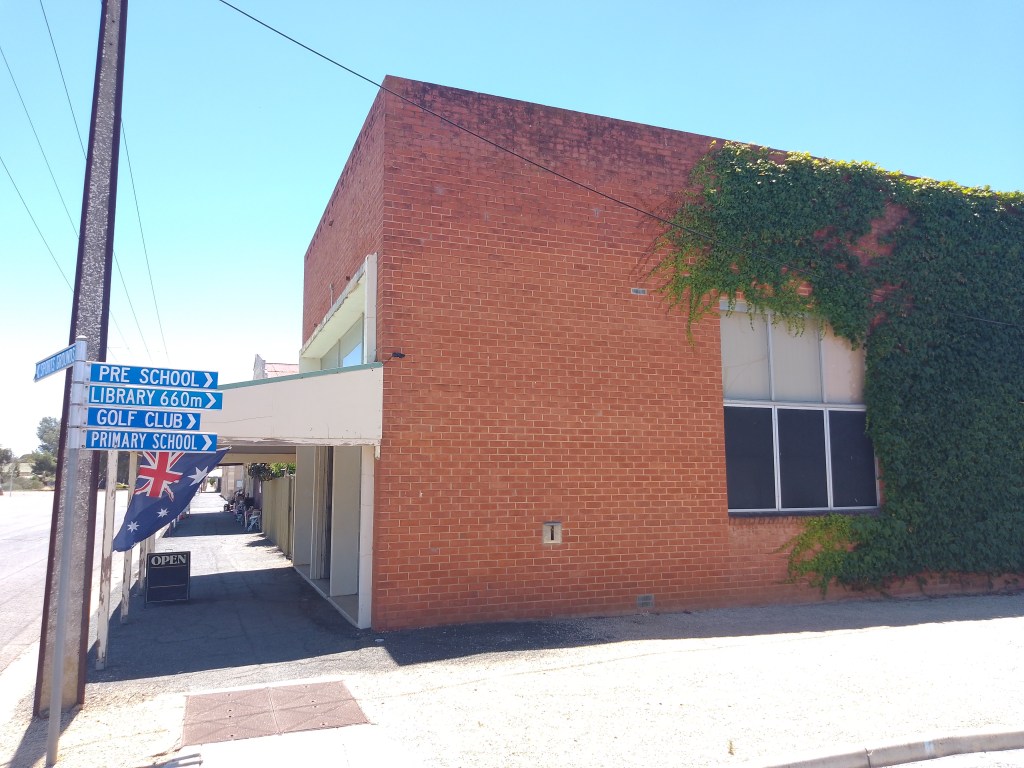
The infamous Snowtown Bank.

And after a three-day journey, we finally arrived in Adelaide.
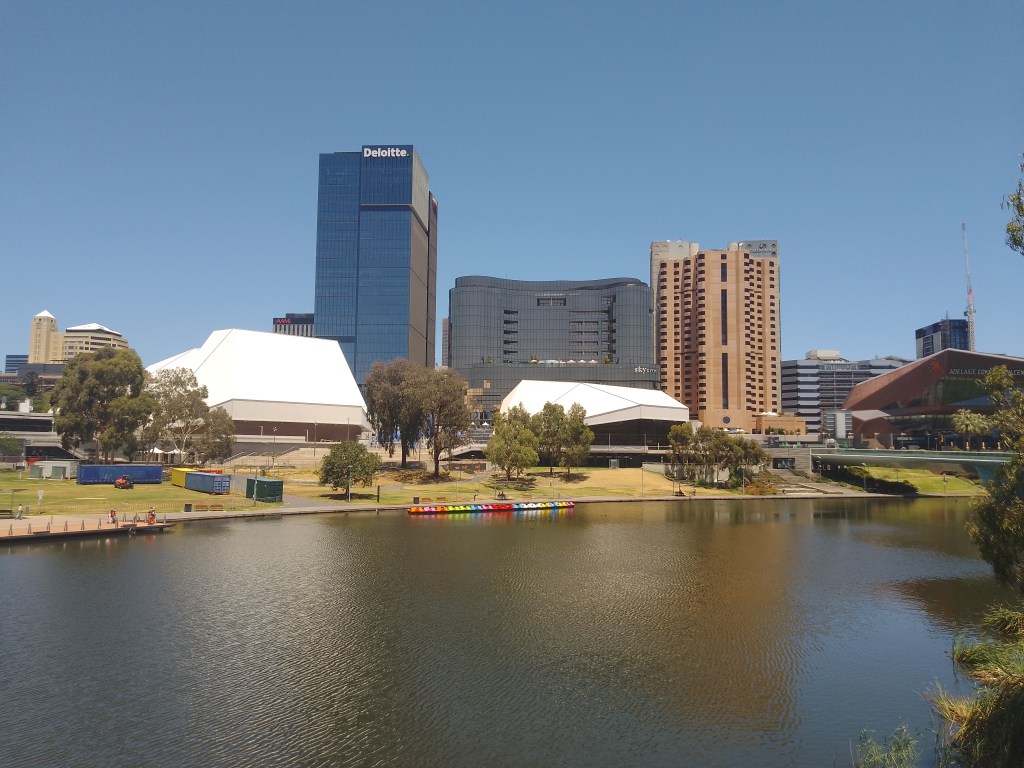
Of course the quicker and easier option is to fly here from Sydney, as it only takes an hour and a half, but doing it the long way certainly was a rewarding experience. Driving to Adelaide via Broken Hill is more of a once-in-a-lifetime trip, requiring a lot of planning and time management, but I would highly recommend it to anyone who has a sense of adventure.

For those not sure if their vehicles are up to the challenge; there is always the option of hiring a car from Sydney and returning it at Adelaide airport before flying back.

Stay tuned for my report on the return journey from Adelaide to Sydney via Victoria.

Snowtown, South Australia

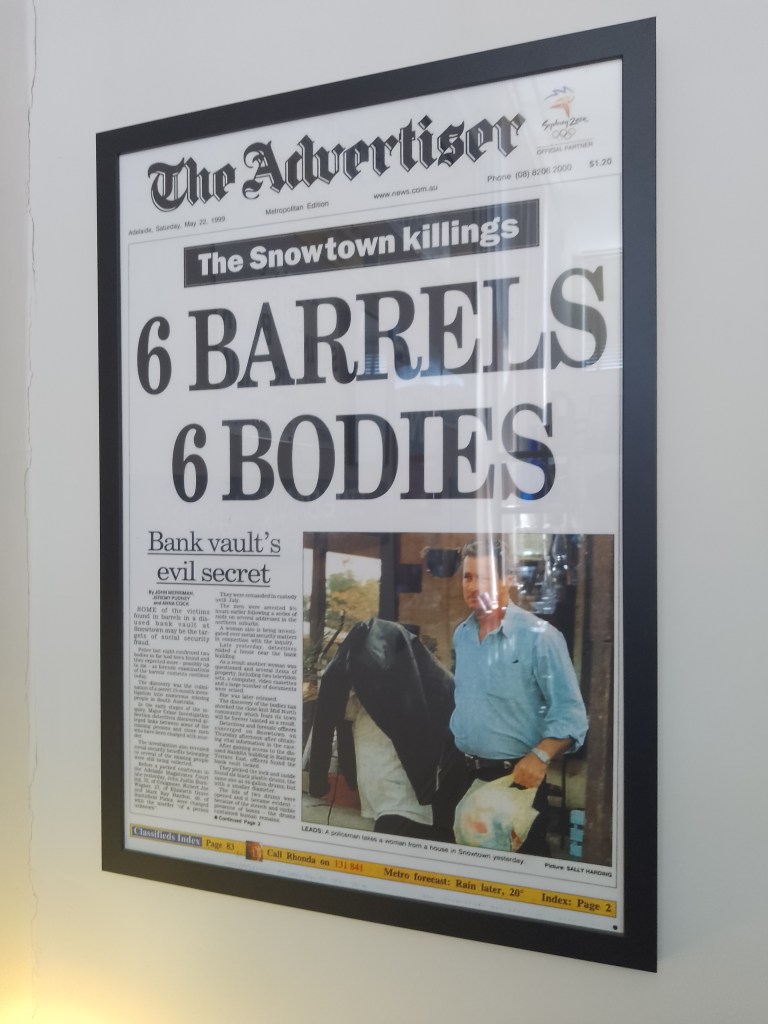
While driving from Sydney to Adelaide – via Broken Hill – I could not help but take a detour and visit the town forever etched in the pages of Australian history.

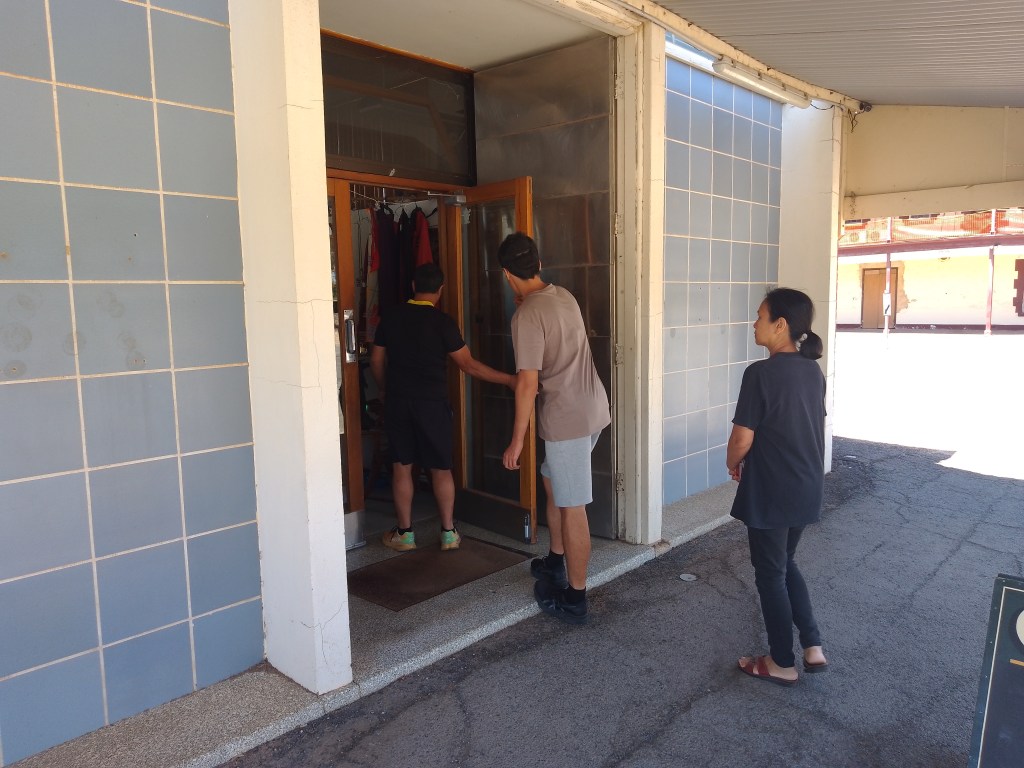
Just seeing the old bank building with my own eyes brought shivers down my spine, so imagine my surprise when the doors suddenly opened!

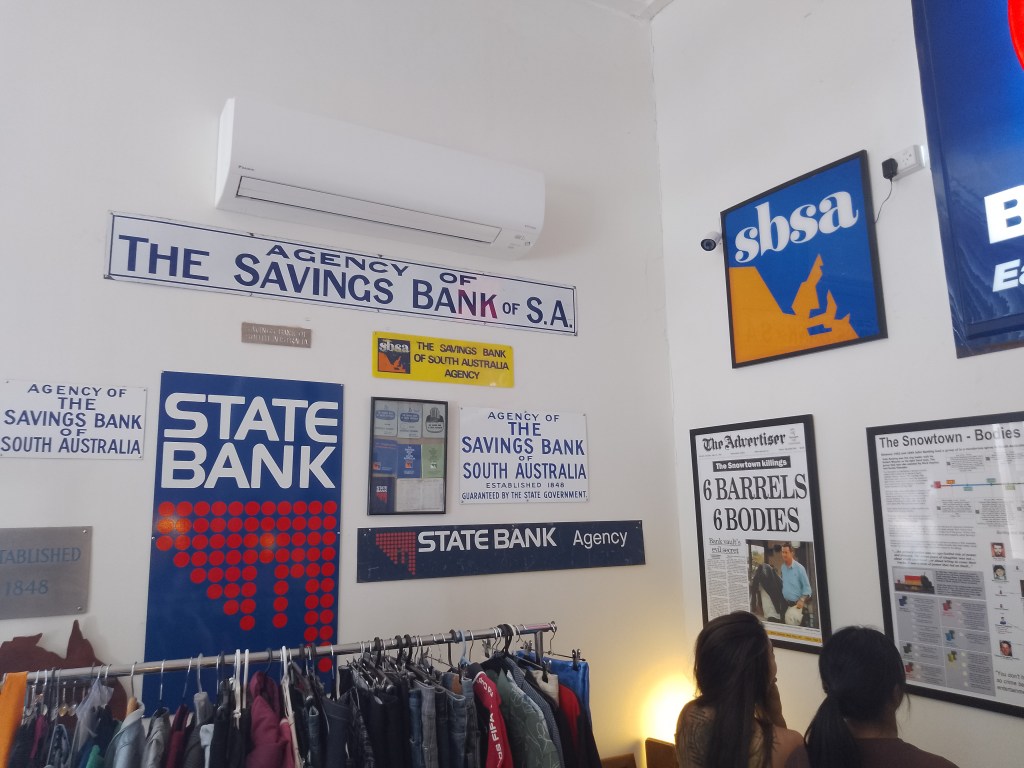
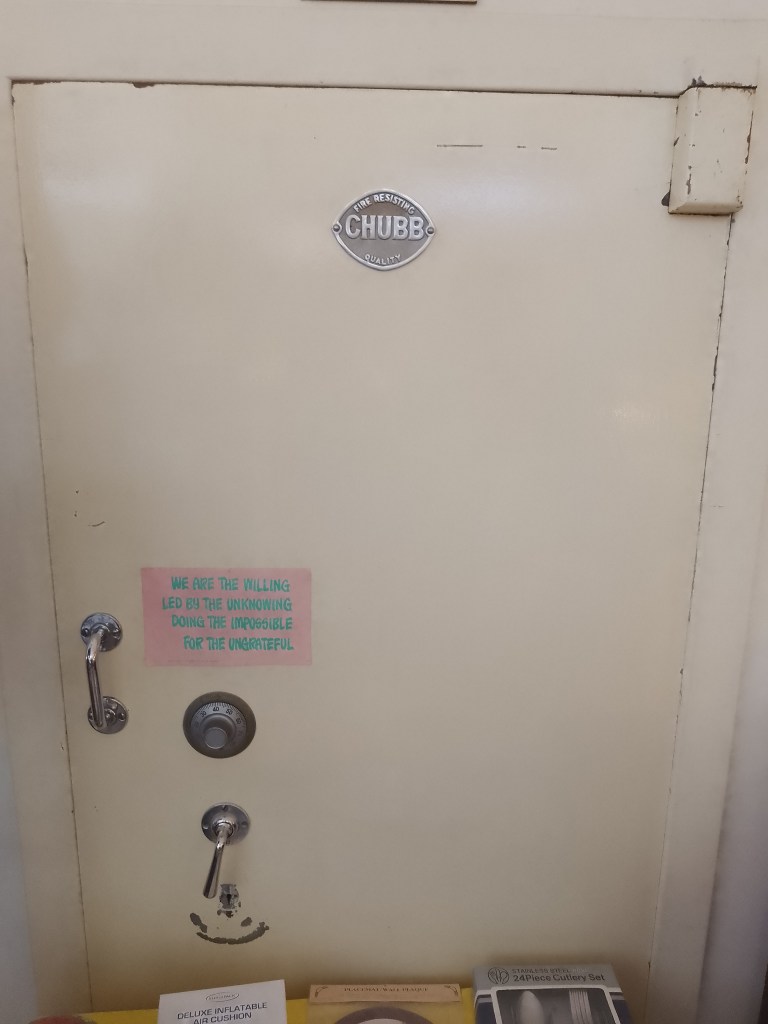
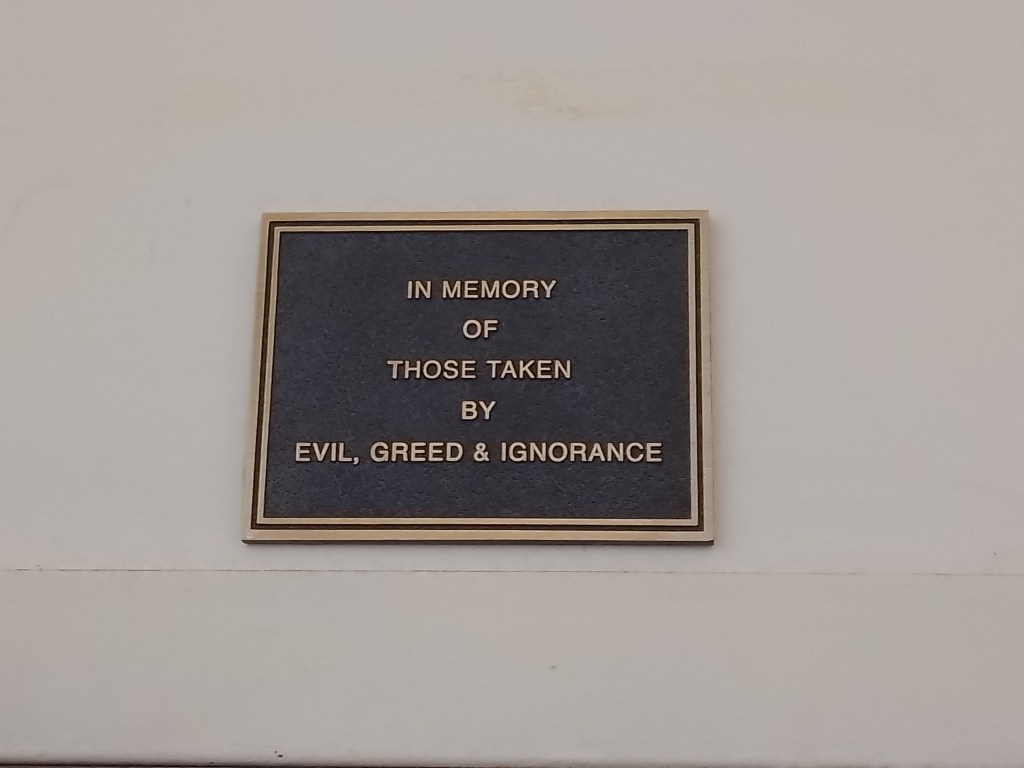
Decades after the horrific crime scene made international news, the old bank building is now a second-hand shop; with tributes and memorials featured within to those who suffered here all those years ago.

Being able to stand in front of the vault door was an unnerving experience, and according to the owner, many tourists are prepared to pay top dollar to have this heavy door opened just so they can walk inside. Apparently, some of the people who made this request were ghost hunters and true crime aficionados, with foreigners making up a large number of those seeking the ‘extra tour.’ My fascination with the macabre does not stretch that far, so I was more than content just to see it from the outside – and that was creepy enough.

In all honesty, my original plan was to drive to Snowtown and take a few photos of the bank – just to say ‘I was there’, but I never expected to be able to enter the building. I’m not exactly sure but I think the place opens at midday, because there were other people waiting around at this time as well – and when the doors opened they were inside in a flash!

The old Snowtown bank is worth a visit – especially if you are interested in crime stories – and there are a lot of interesting things to see inside, not to mention being a great second-hand store. Don’t forget to support the other local businesses there, such as the larger bric-a-brac shop next door – as well as a pub across the road and a local supermarket a few doors down.

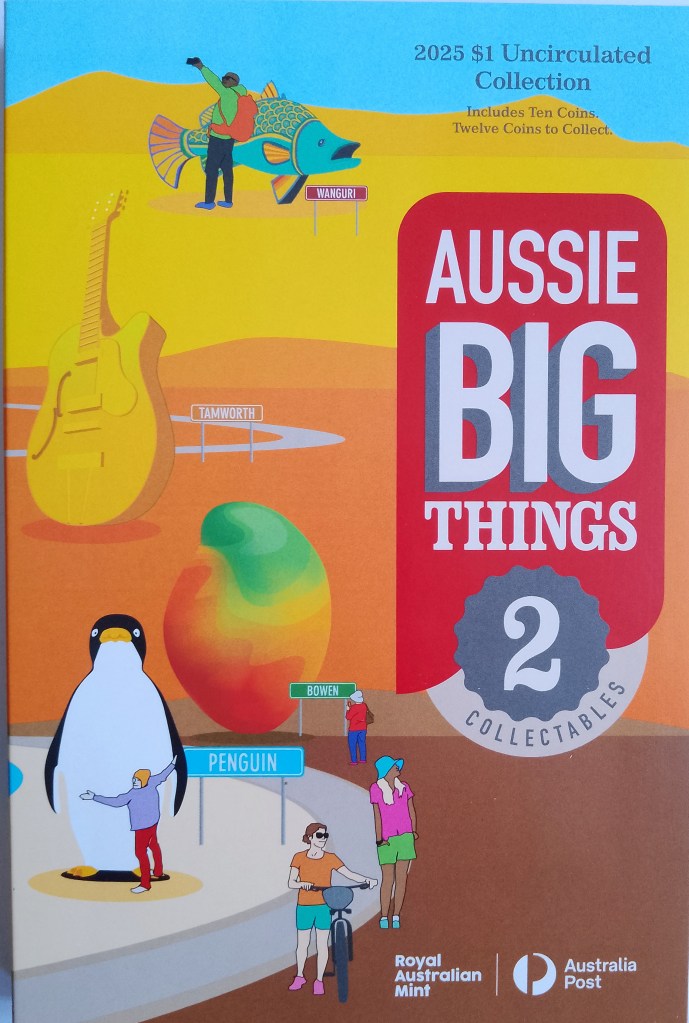
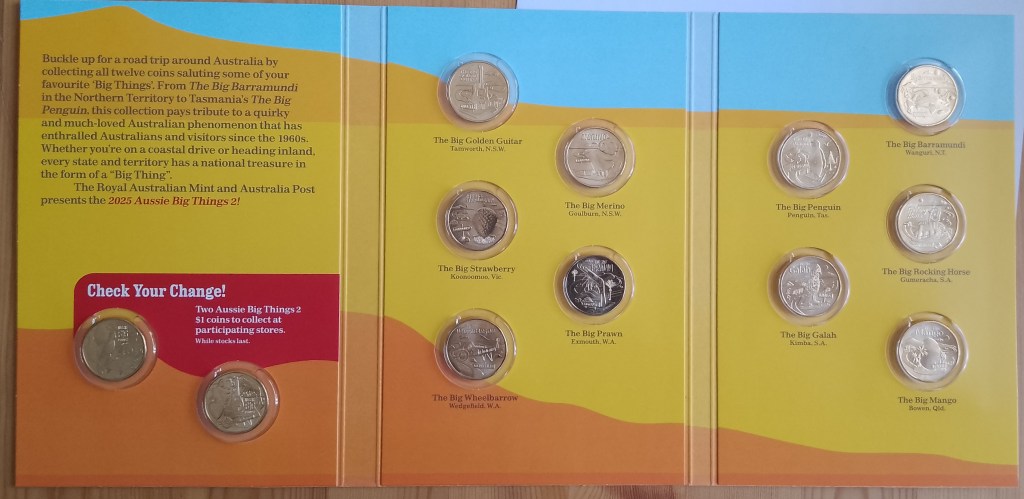
Aussie Big Things – Collection 2

If you don’t know what an ‘Aussie Big Thing’ is – these are large sculptures (or structures) of Australian flora and fauna, as well as iconic local symbols, that are positioned by major roads and highways to serve as tourist attractions.

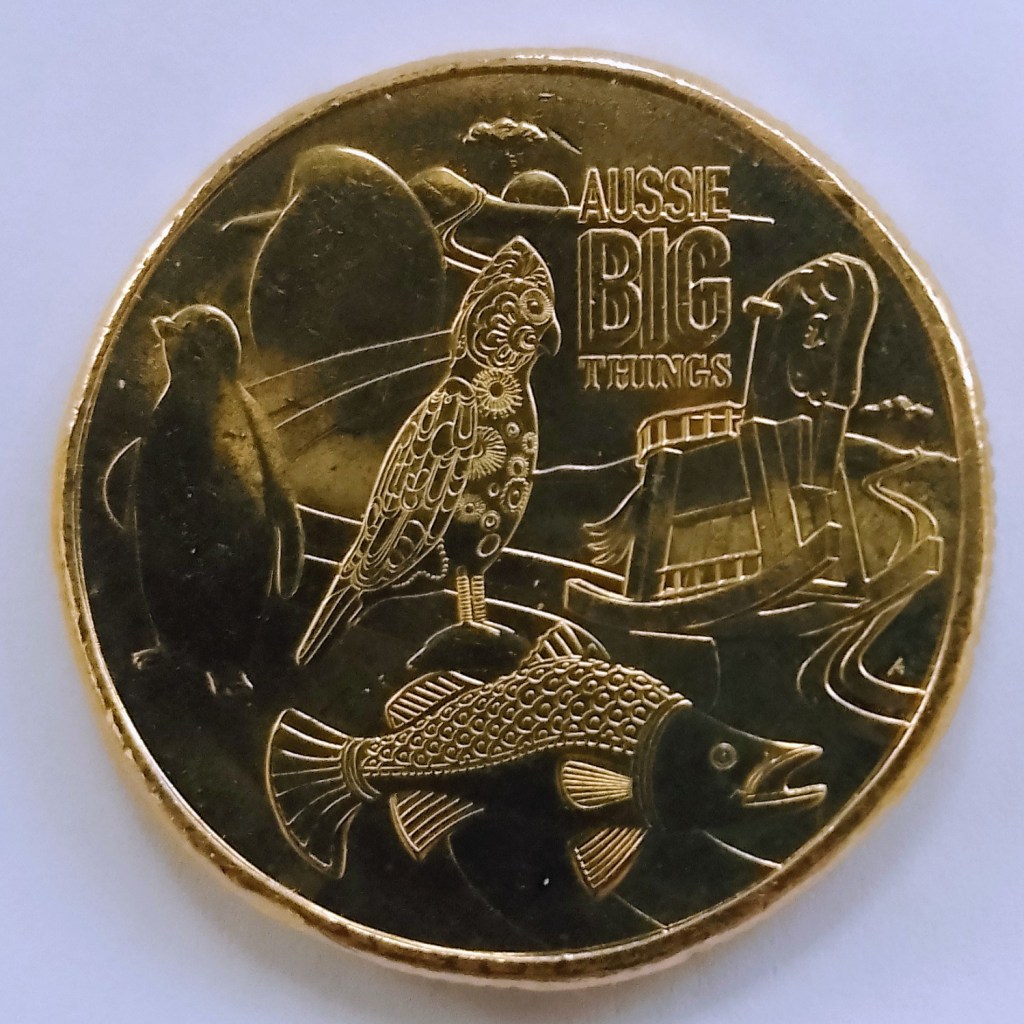
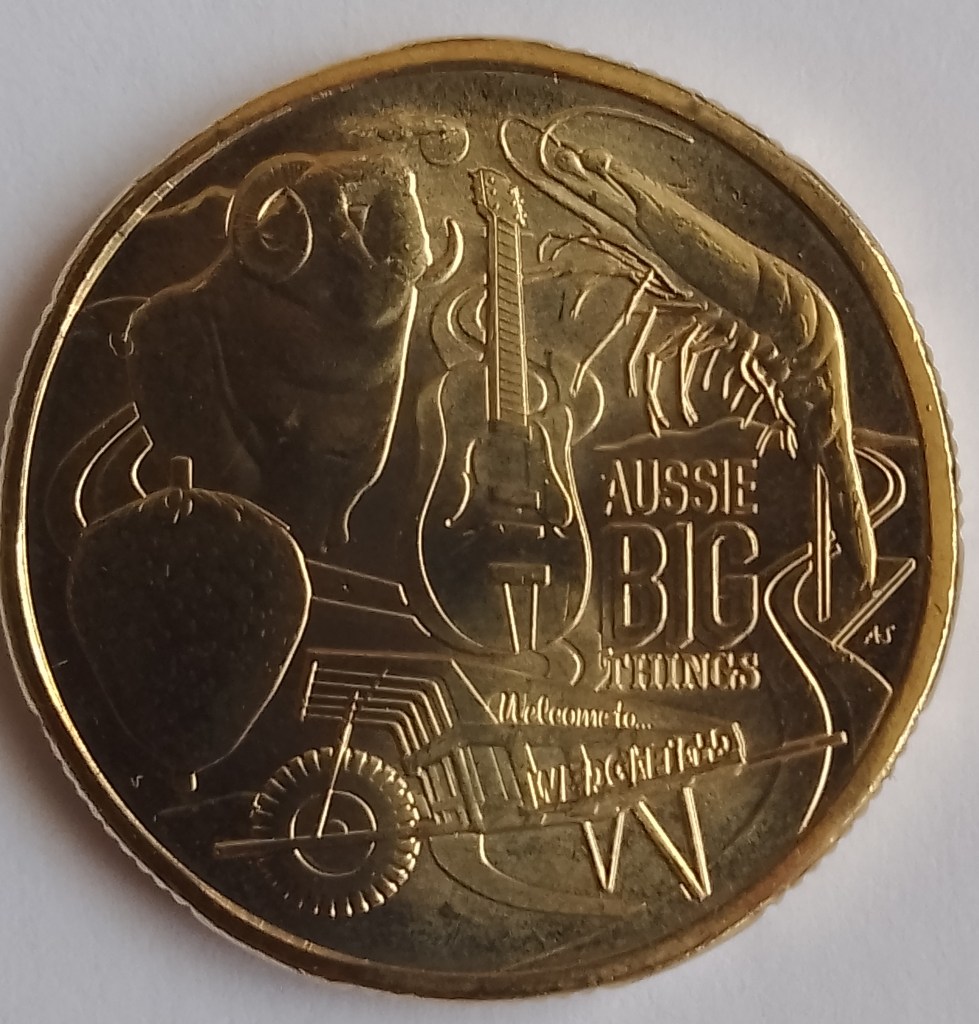
Despite the term ‘kitsch’ often being used to describe them, a number of these roadside gems are featured on one-dollar coins; with the first ‘Aussie Big Things’ collection being released back in 2023. The latest series – which I am going to show in detail shortly – came out in September 2025.

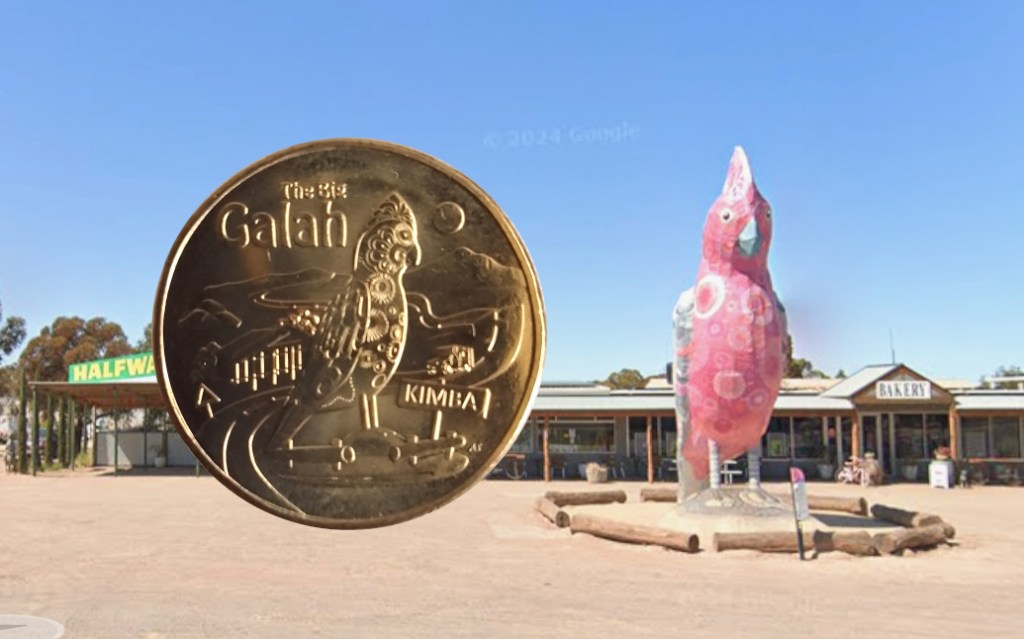
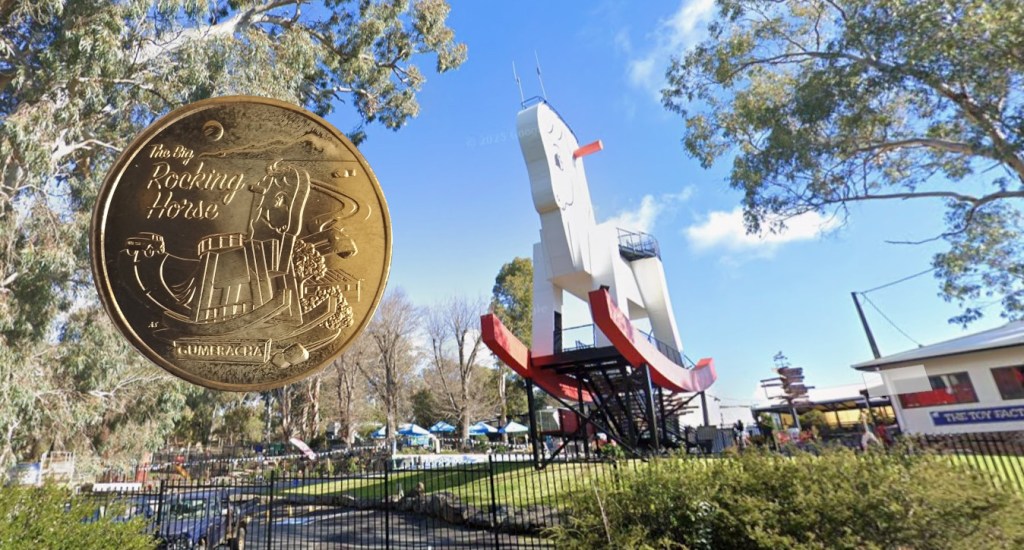
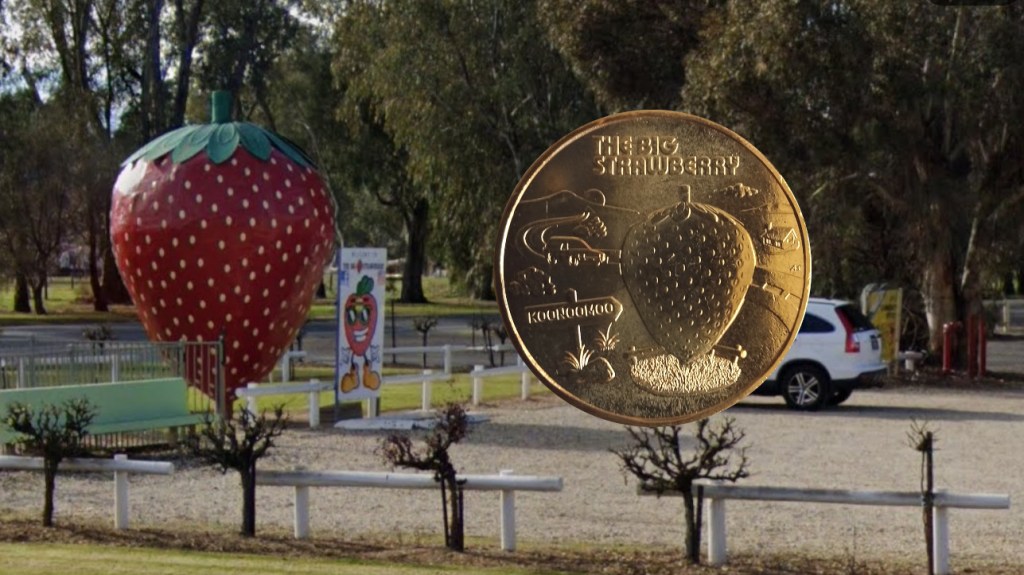
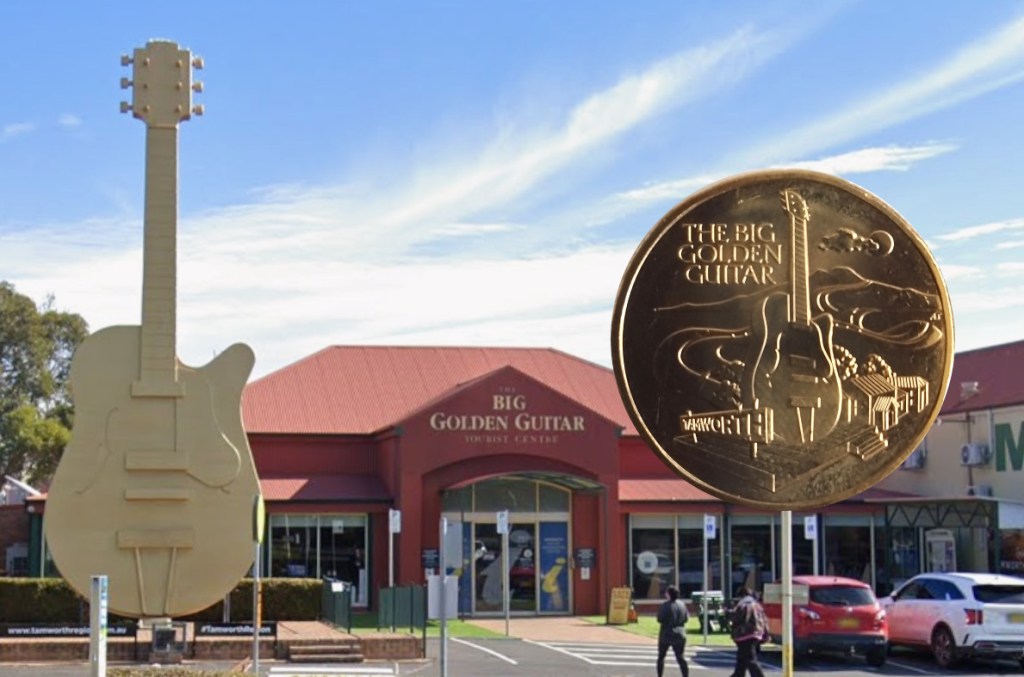
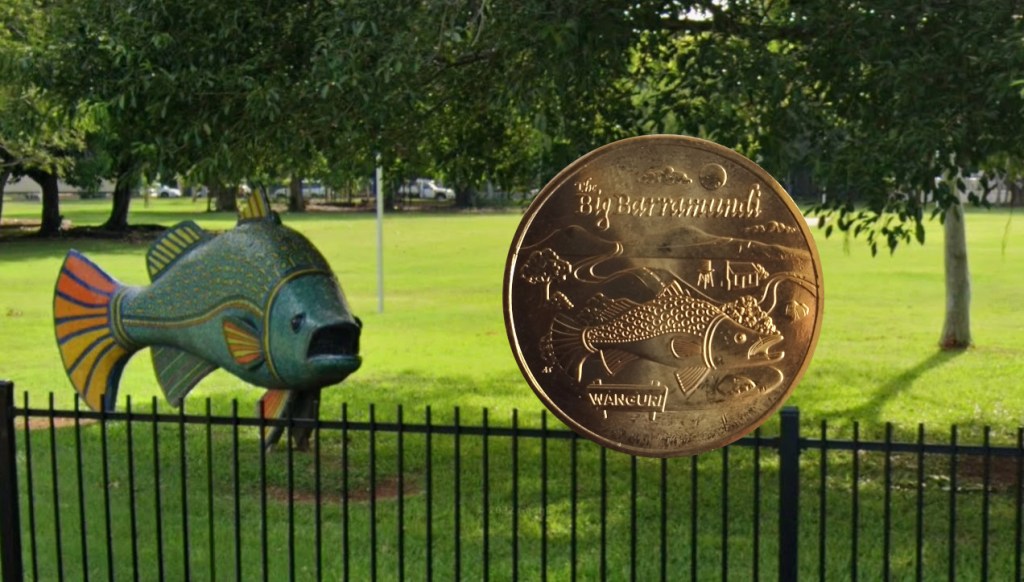
There are ten different ‘big things’ featured in the newest edition; and were chosen to represent every state and territory – except the ACT. To be honest, I think a couple of these attractions are a little lame, but nevertheless I have presented the photos of all ten places below – using Google Street View for consistency and showing the real location alongside the $1 coin for comparison.

THE BIG GALAH – Kimba, South Australia.

This attraction is positioned at the halfway point across Australia – from east to west.

THE BIG MANGO – Bowen, Queensland.

Some pranksters actually stole this entire mango a couple of years ago – if you want a good laugh then I suggest you look up the story.

THE BIG PRAWN – Exmouth, Western Australia.

This is a weak entry to be honest, as there is a ‘bigger’ Big Prawn in Ballina, NSW – as seen in the photo below.

THE BIG ROCKING HORSE – Gumeracha, South Australia.

It’s weird, but it’s BIG – I will give them that!

THE BIG STRAWBERRY – Koonoomoo, Victoria.
This is not big – compared to some of the others – but it’s big for a strawberry, I suppose.

THE BIG PENGUIN – Penguin, Tasmania.

According to the local tourism websites, this stands three metres high. Hmm…

THE BIG MERINO – Goulburn, NSW.

Now this is BIG! There’s also an awesome bakery across the street.

THE BIG GOLDEN GUITAR – Tamworth, NSW

For those unaware, Tamworth is Australia’s country music capital – our equivalent of Nashville.

THE BIG BARRAMUNDI – Wanguri, Northern Territory.

Be careful with this one, as I think it is on the property of a primary school – note the fence.

THE BIG WHEELBARROW – Wedgefield, Western Australia.
This is positioned in a remote mining town, so I guess it makes sense.
The Aussie Big Things – Collection 2 is available to purchase from post offices and coin dealers, and there’s a one-in-ten chance to find a coloured Big Strawberry coin. The set comes with a folder and sealed tube of uncirculated coins – and will set you back $34.

Screenshots courtesy of Google Maps.

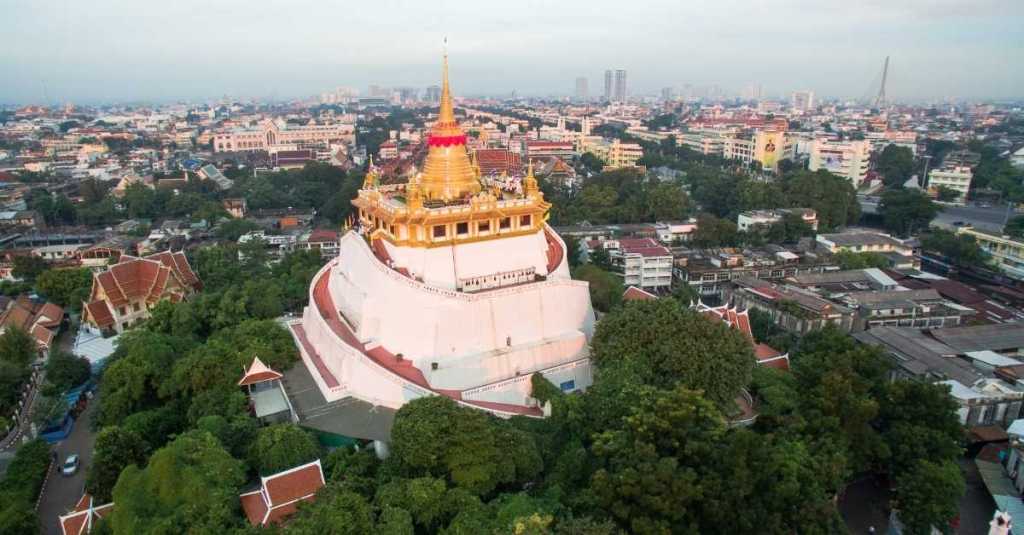
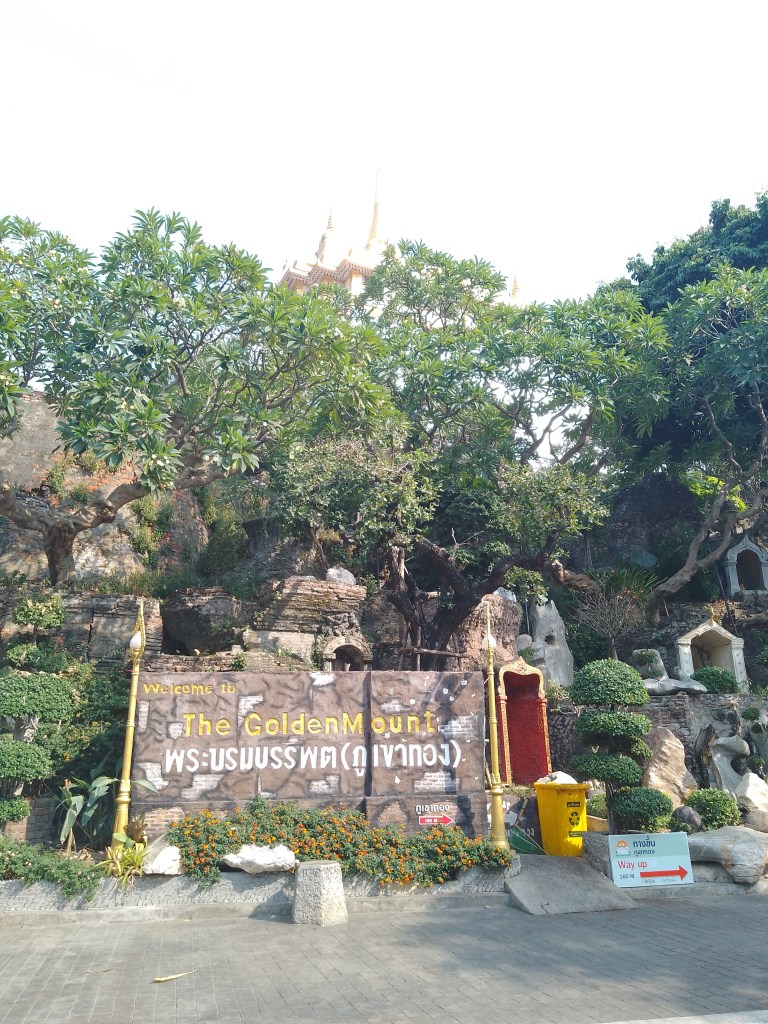
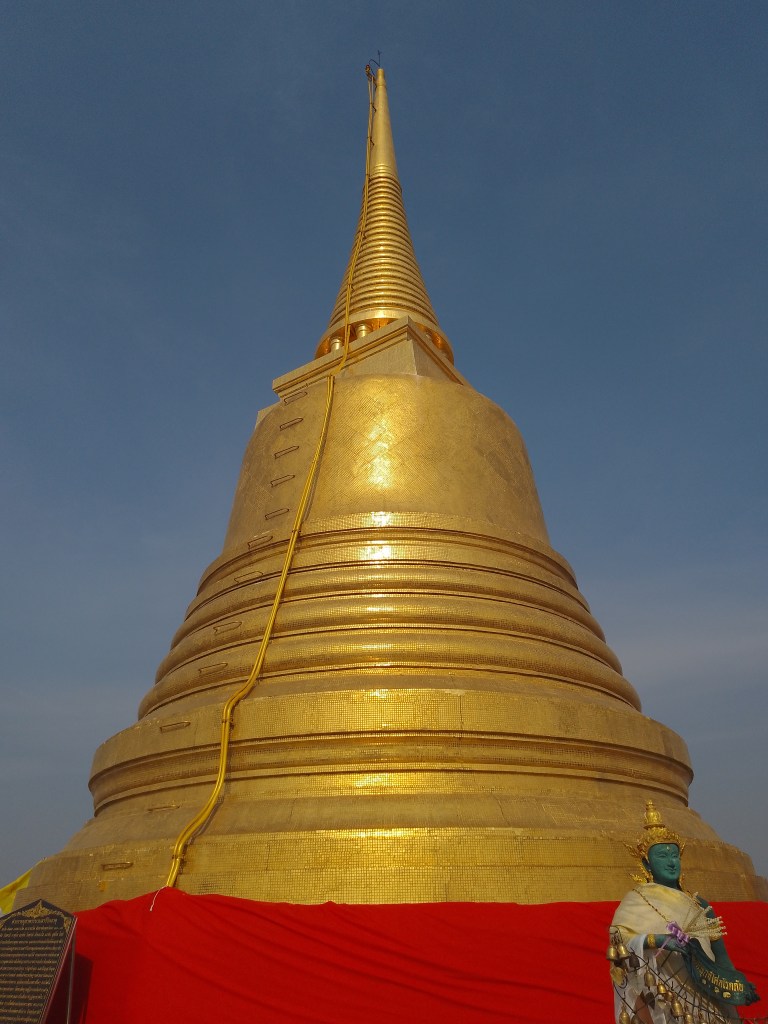
Wat Saket – Bangkok’s Golden Mount.

Wat Saket – or ‘The Golden Mount’ – is a little out-of-the-way from the regular tourist routes in Bangkok. There are no train stations nearby, so to get there it’s either a half-hour walk from the Grand Palace precinct, or a short tuk-tuk ride – whichever you prefer.

I was in Thailand back in January and made the decision to visit this place – doing so on foot via a conveniently-placed McDonald’s on the way – and it was certainly worth the effort.

There was a small entrance charge (for foreigners) of one-hundred Thai Baht, or around five dollars Australian. It’s no big deal as not only is the spectacle worth the price of entry, but the money is contributing to a good cause. I should also point out that most of the major temples around Bangkok sting tourists a similar admission fee.

The only way to the top is via a winding staircase that makes its way past misty waterfalls, and then onto a number of different landings. The first level features a large gong and an arrangement of bells, before the steps continue upward toward the temple itself.

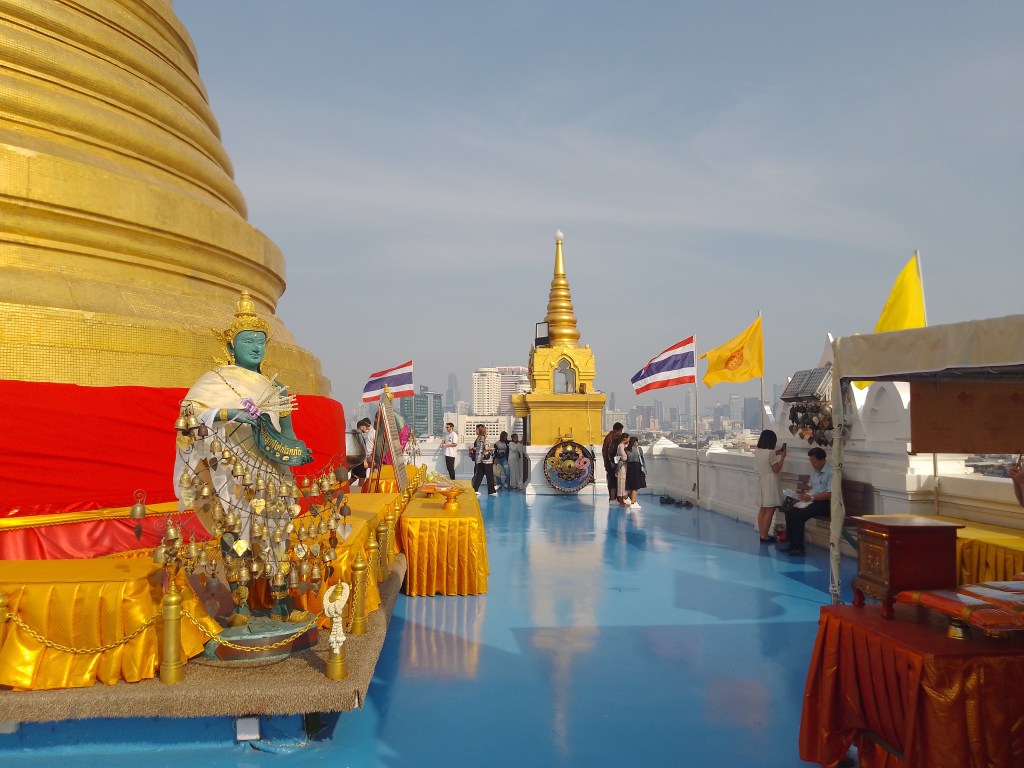
Situated at the end of the steep uphill slog is the entrance and ground floor of the temple, featuring an assortment of statues, artwork and other religious symbols. There is plenty to look at here, but the real attraction is waiting for you beyond the next flight of stairs. Of course, I’m talking about the spectacular rooftop.

Wat Saket was built atop the only hill in Bangkok, and as a result the panoramic view of the city is impressive. There’s usually a bit of smog about, but the river, modern skyline and surrounding temples and palaces can all be seen clearly.

But amidst the constant chanting of the monks, golden statues and breathtaking views, I did observe a few quirky and unusual things about this place – see below for some examples.

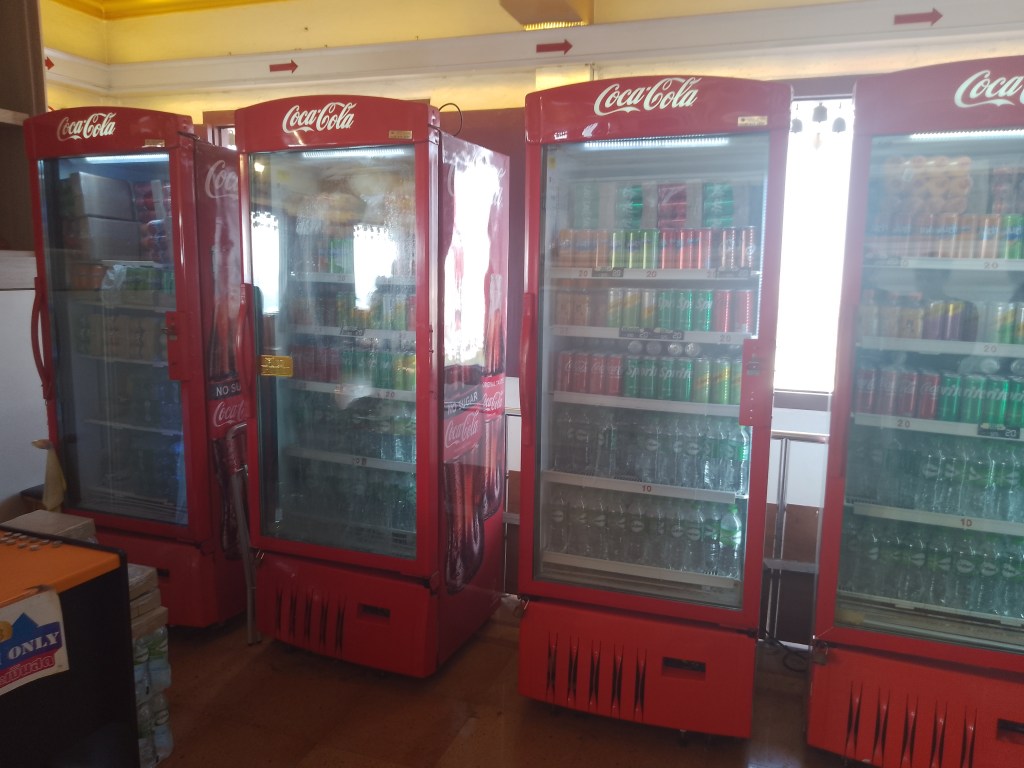
These modern wonders stood inside the temple and were only a few feet away from some sacred shrines and ancient displays – quite the juxtaposition. To be honest, I think it’s a great fundraiser for the monks to sell ice-cold drinks, as many tourists would be thirsty after walking up to the summit in the heat and humidity. Open the fridge door, grab your icy beverage, and pay the old man in robes sitting at the counter. It’s a little unusual, but I’m all for it!

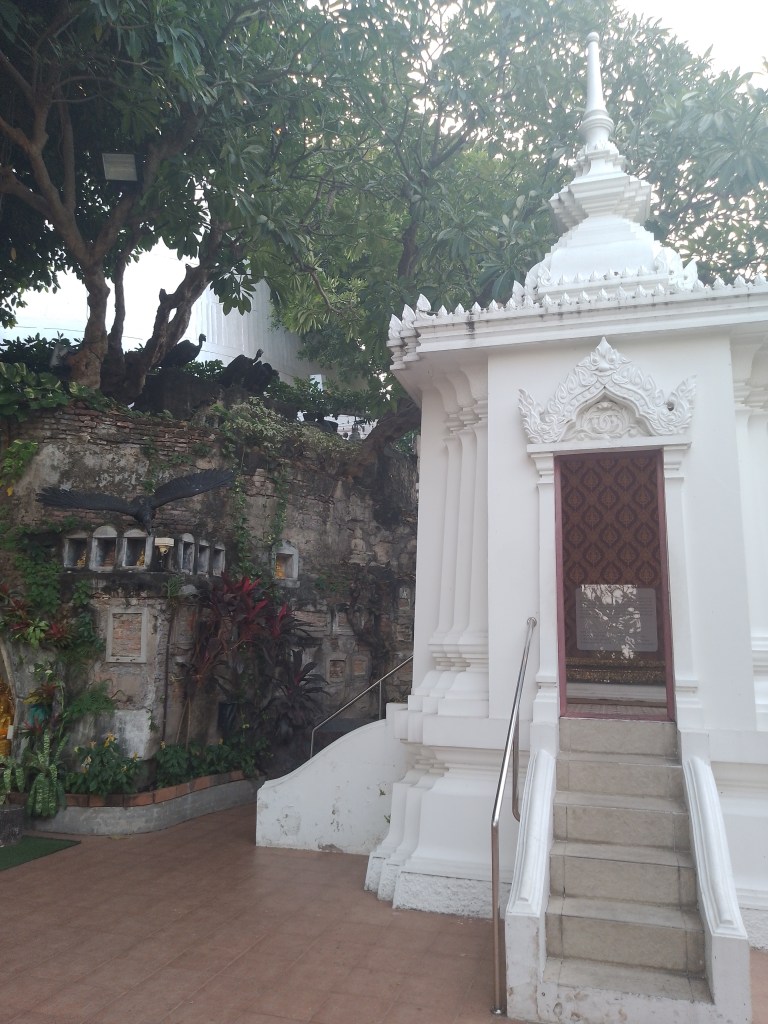
Near the base of the hill is a rather morbid depiction of vultures eating dead bodies. The birds are pecking away at victims of the many Cholera outbreaks that Bangkok suffered throughout the nineteenth century. Apparently, thousands of people were cremated at Wat Saket during these times, but it was impossible to keep up with demand, so corpses would begin to pile up everywhere. Of course, this is where the vultures enter the story – as seen in the display.

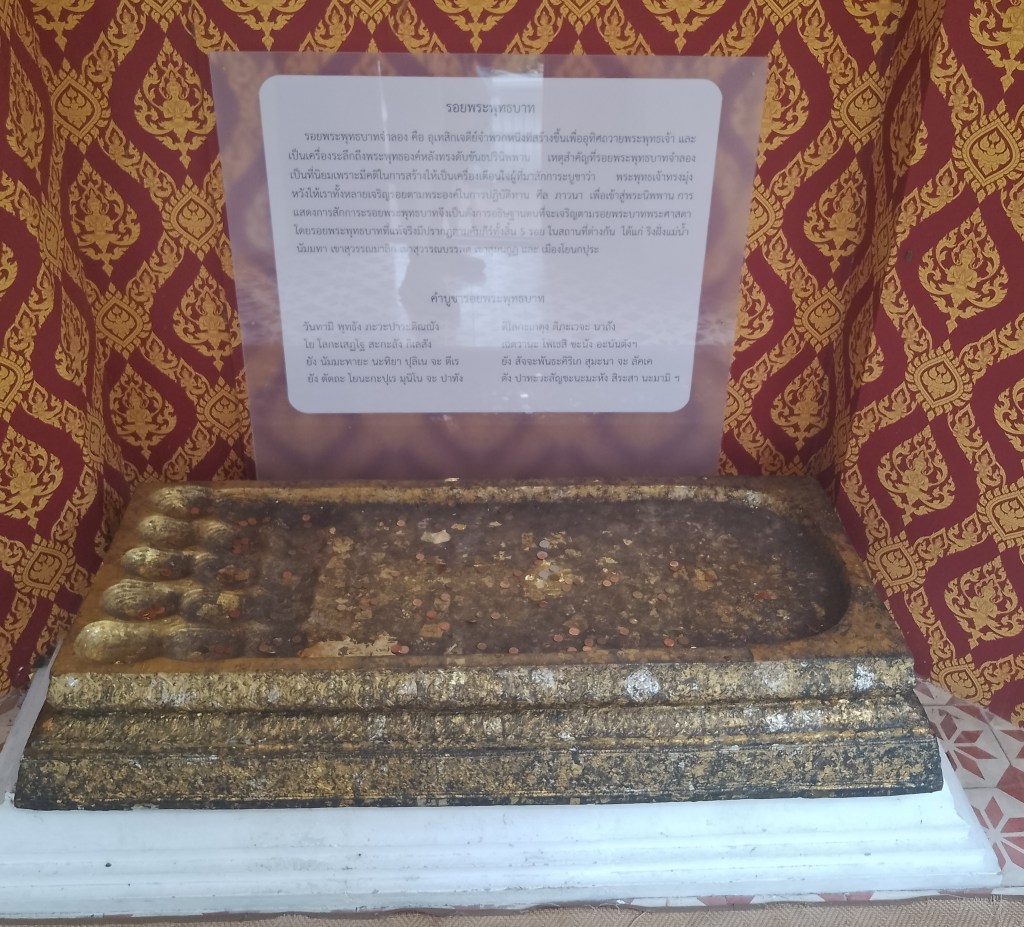
Next to the gruesome vulture statues is a small white pagoda, and within is something known as ‘Buddha’s footprint’. I had never seen anything like this before, and it was fascinating to learn that it is of great spiritual significance.

I was intrigued by this sign outside the temple, for although the instructions are clear, a lot of people ended up taking off their shoes. Could it be that the colour should have been green instead of red? I think this is what tricked most folks.

Wat Saket is a great place to visit when in Bangkok, especially as a ‘side mission’ away from the hectic crowds around the popular tourist hot spots. I did take some video footage while I was there and uploaded it to YouTube. It didn’t get anywhere near as many views as some of my other Thailand clips, but I’ll put the link below anyway.

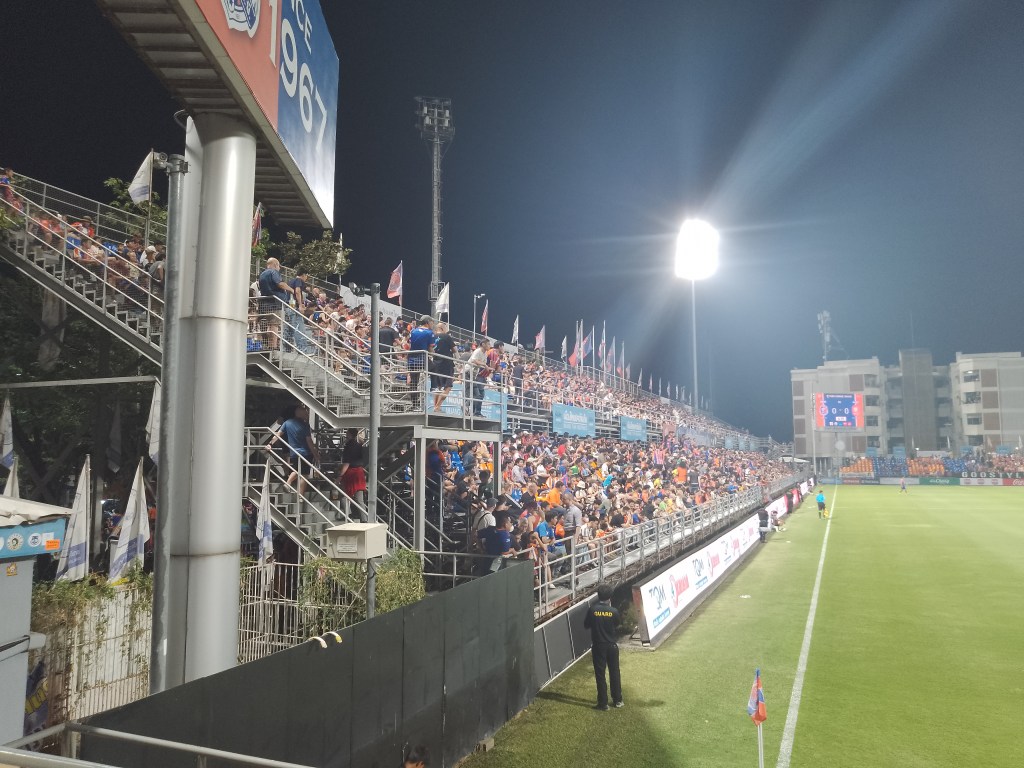
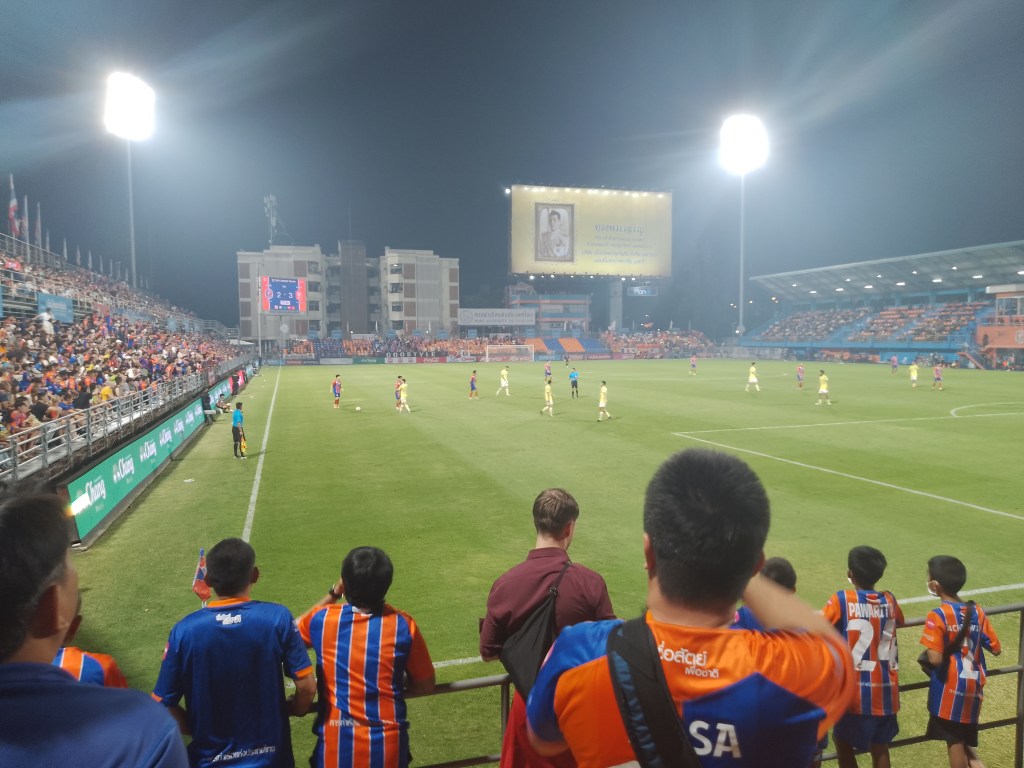
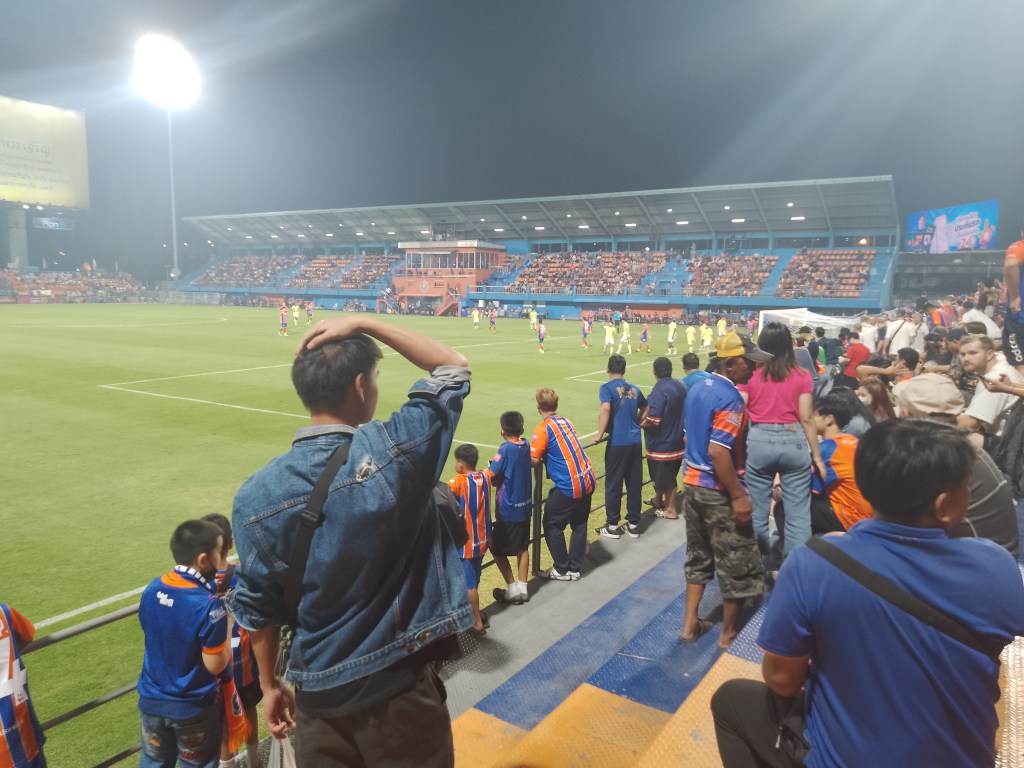
A night out at Port FC – Bangkok, Thailand.

When I was in Bangkok a couple of weeks ago, I studied the schedule for the Thai Premier League and discovered that a game was being played only two train stops away from my hotel.

Needless to say I went and checked it out.

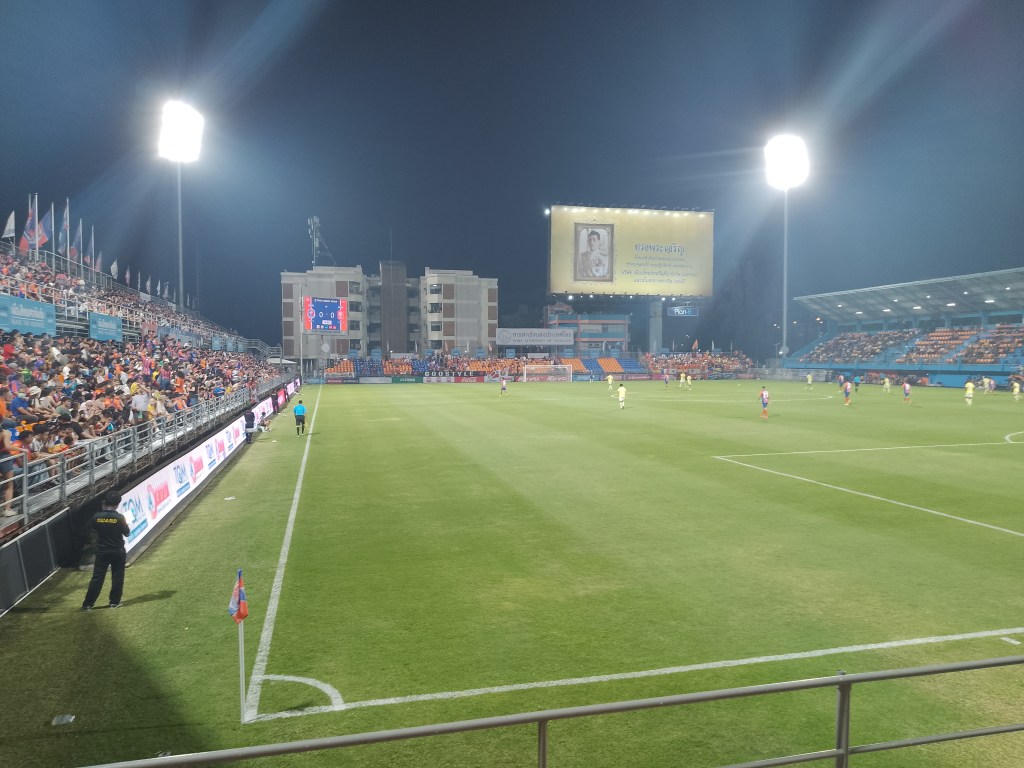
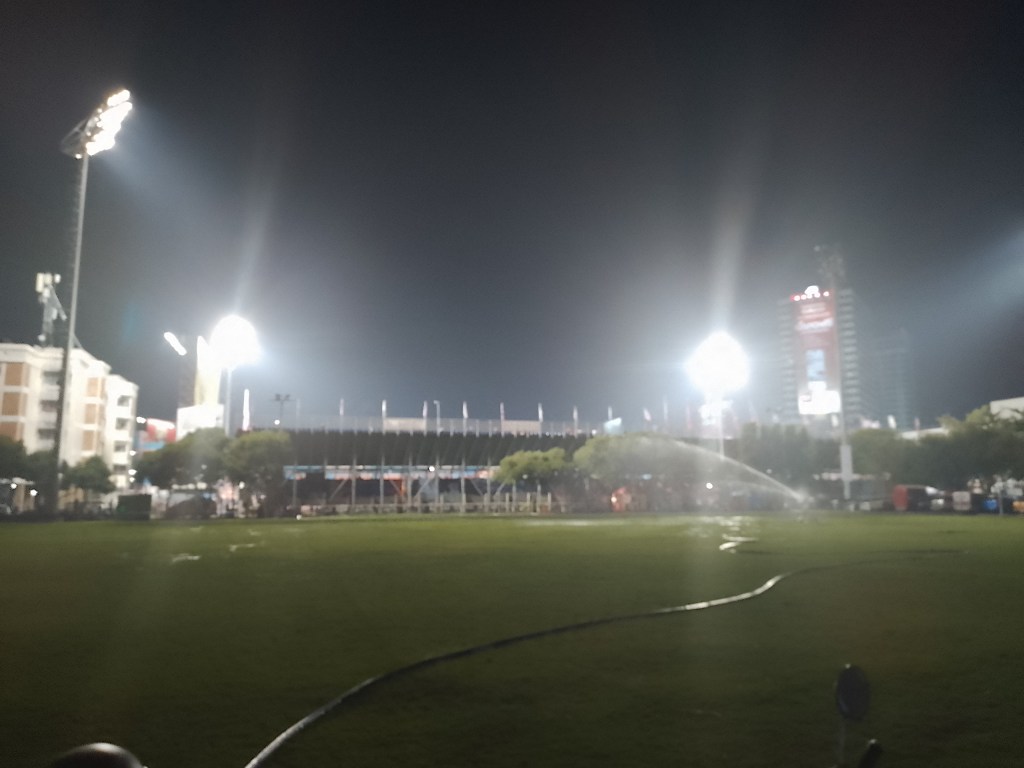
My destination was PAT Stadium, which is a compact venue that holds far less than 10,000 spectators – possibly closer to 5,000 – so it doesn’t take much to fill the place up and create a loud and vibrant atmosphere.

The local team here is Port FC, based in Bangkok’s port district, who are a reasonably successful side and currently sit around 3rd or 4th place on the league table.

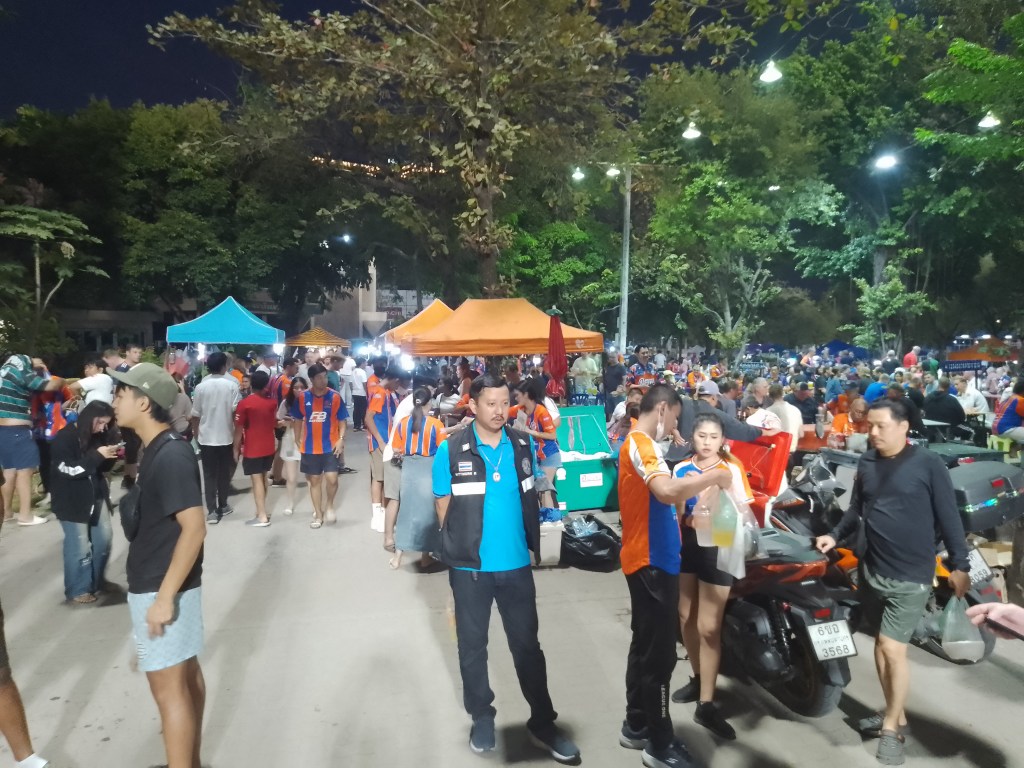
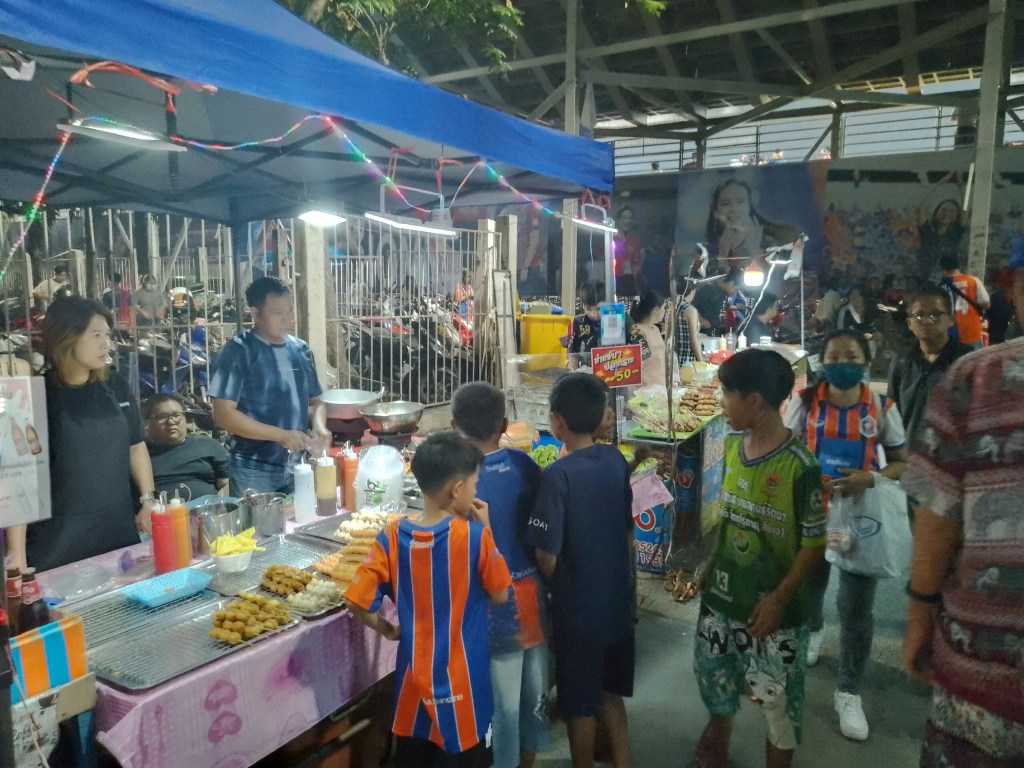
Outside the venue there were dozens of food vendors set up, and the beer sellers were doing a roaring trade. In fact, I observed that hundreds of people were in no hurry to catch the kick-off, as they were still sitting around outside the ground enjoying their drinks well after the game had commenced.

I also noted that even more folks left their seats just before half-time to resume their drinking session outside, which was a shame because in doing so they missed their team score a goal.

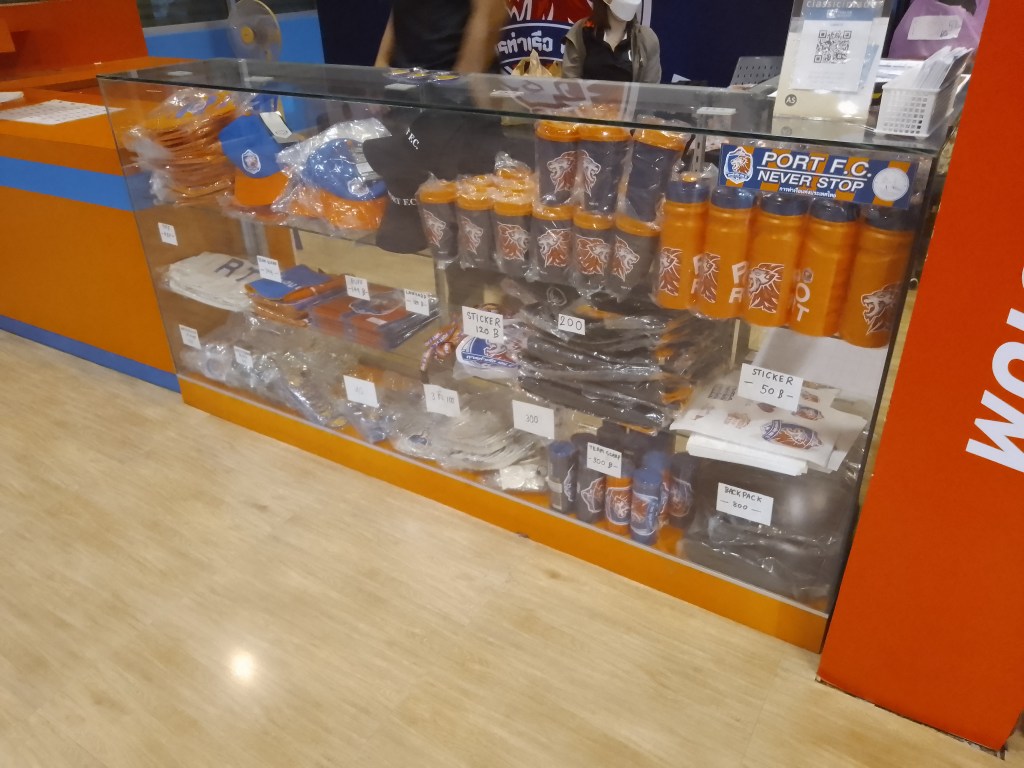
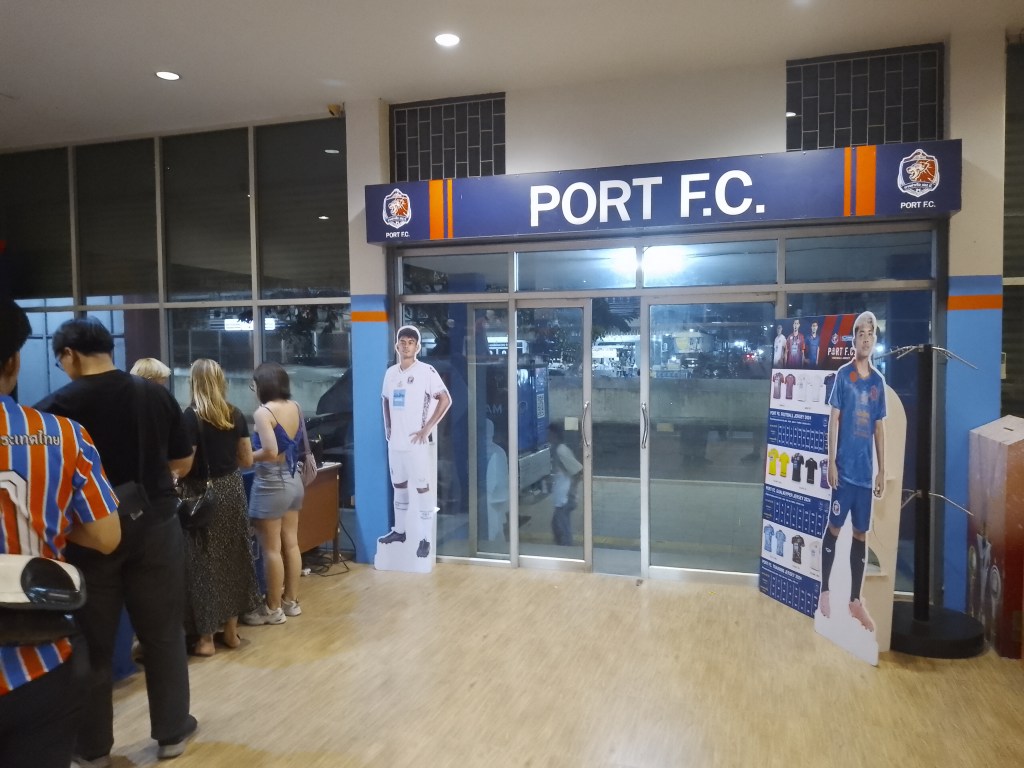
There was a great merchandise shop at the ground as well, and it was obvious that the club jerseys were a highly-sought-after item as almost everyone was wearing one.

The game itself was an entertaining affair, with Port FC fighting back from 3-1 down against Ratchaburi to salvage a 3-3 draw.

In my honest opinion, the standard of the competition is well below that of the A-League here in Australia (recent results in the Asian Champions League might suggest otherwise), but there was enough speed and individual skill on show to satisfy any football fan. The VAR was a real mess however, and was constantly stopping the game and taking ages to come up with a decision – not helped by the linesman (assistant referee) nearest to where I was sitting who didn’t have the best of games.

If I had to give my experience a score out of ten, it would be no lower than 9. This was an enjoyable night out; the crowd and atmosphere were brilliant, the fans were friendly and welcoming, and there was a ton of well-priced food and beverages available.

In fact, I liked it so much that I will make an effort to come back and watch another game next time I am in Bangkok.

“A feast of football!” as the late, great Les Murray would say.

I did create a short video of my experience – the link is below.

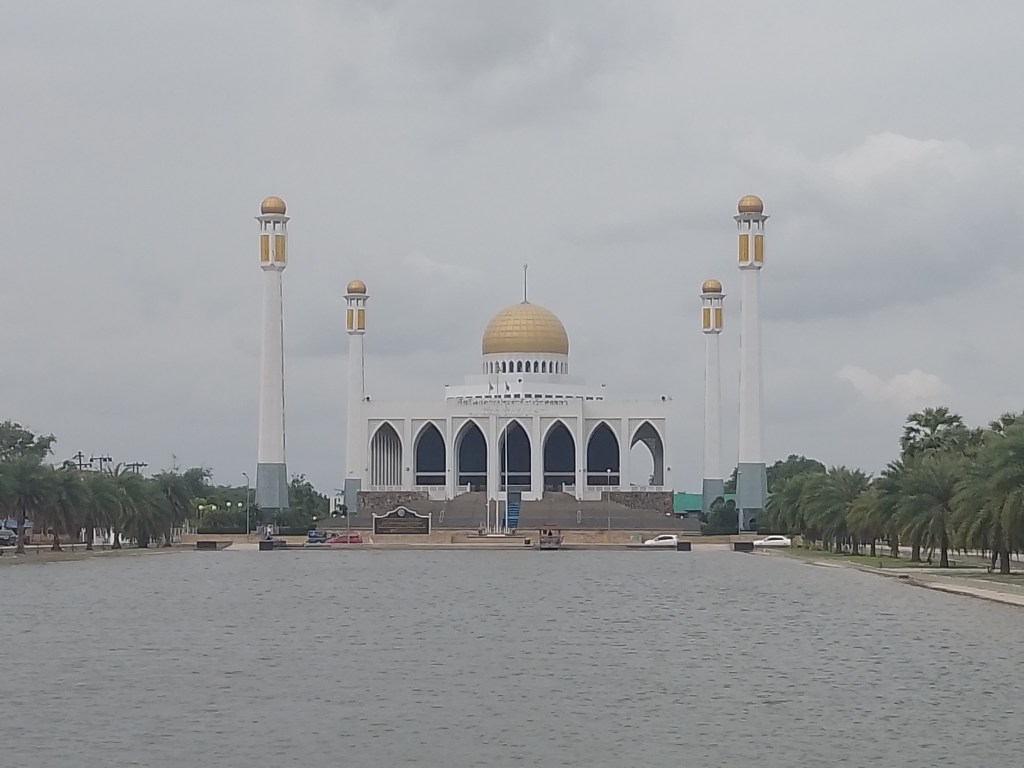
The Taj Mahal of Thailand

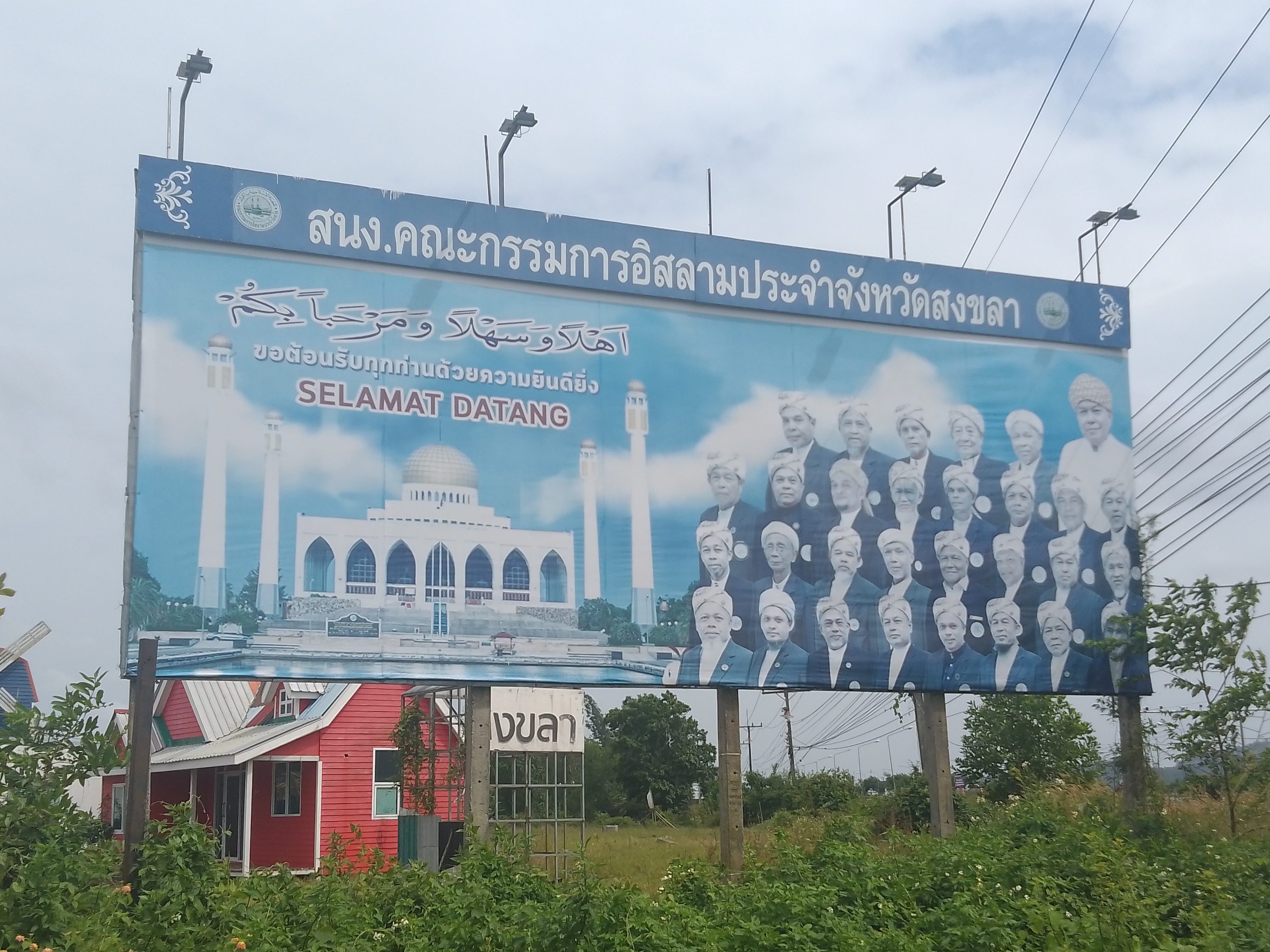
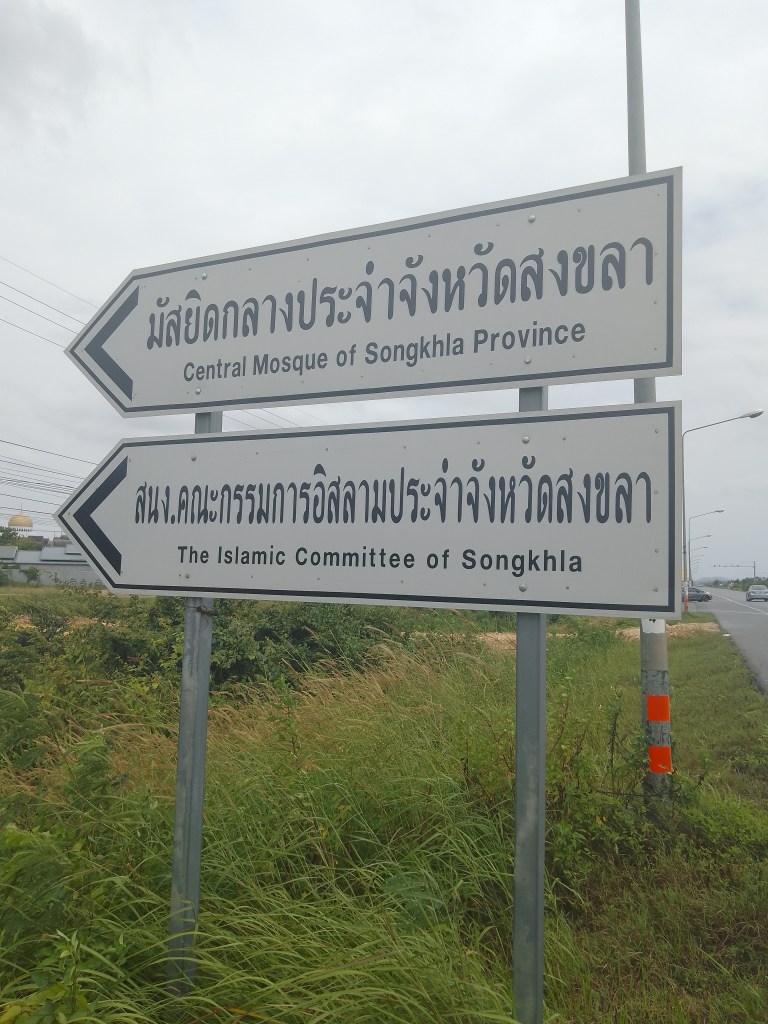
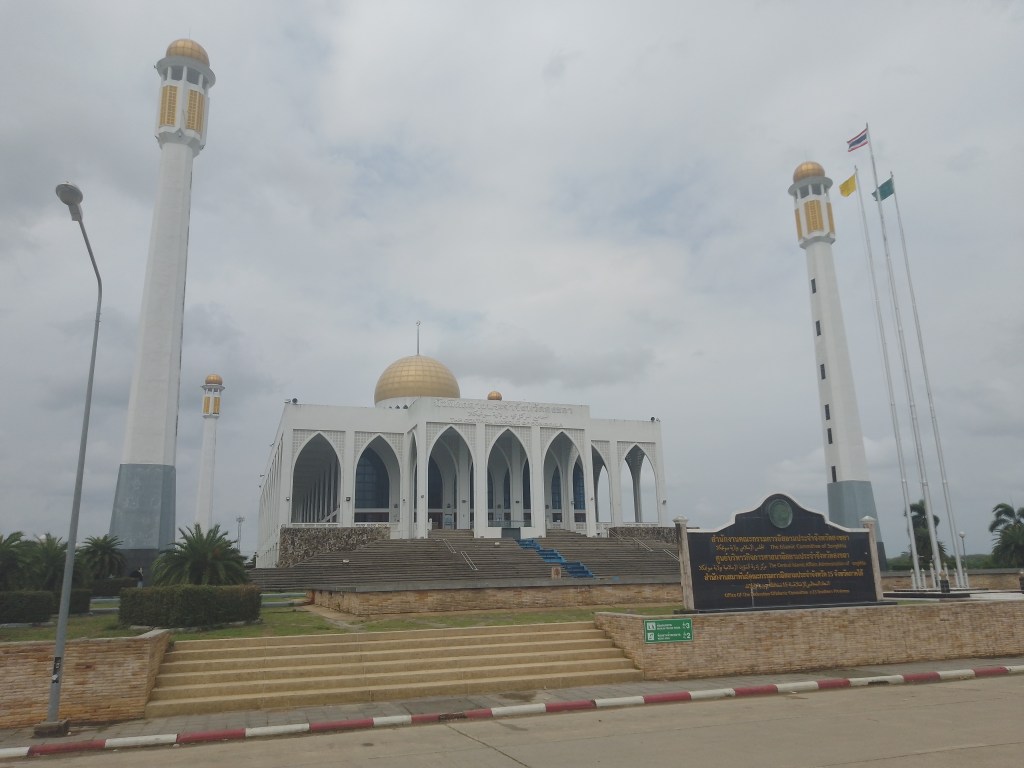
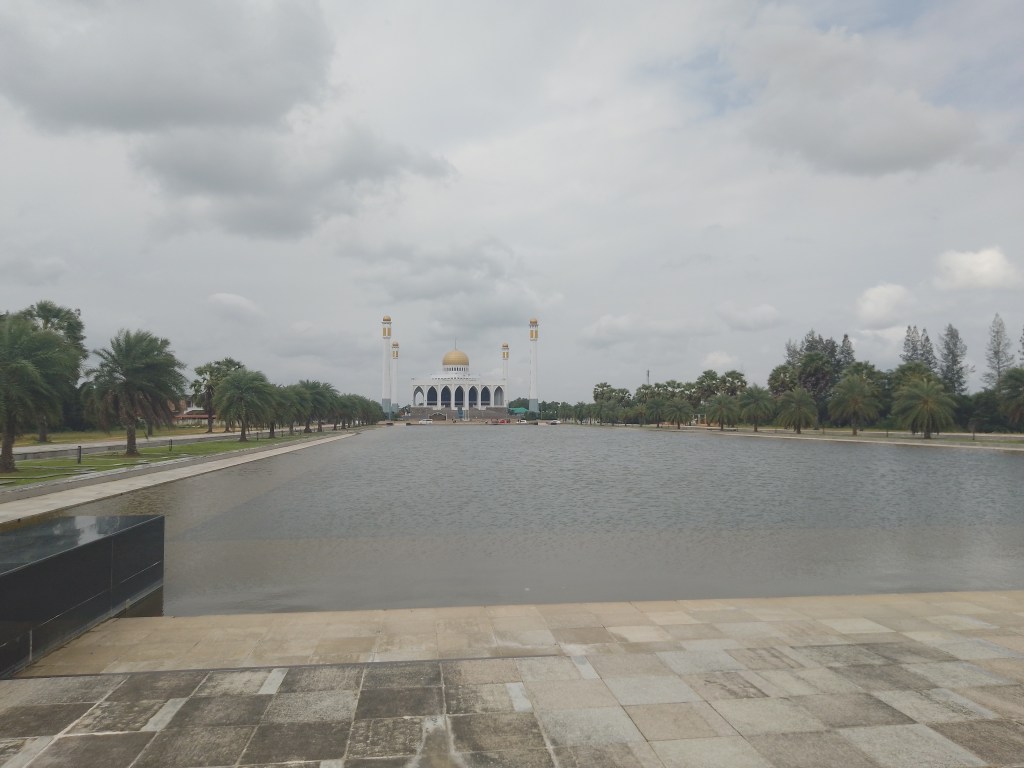
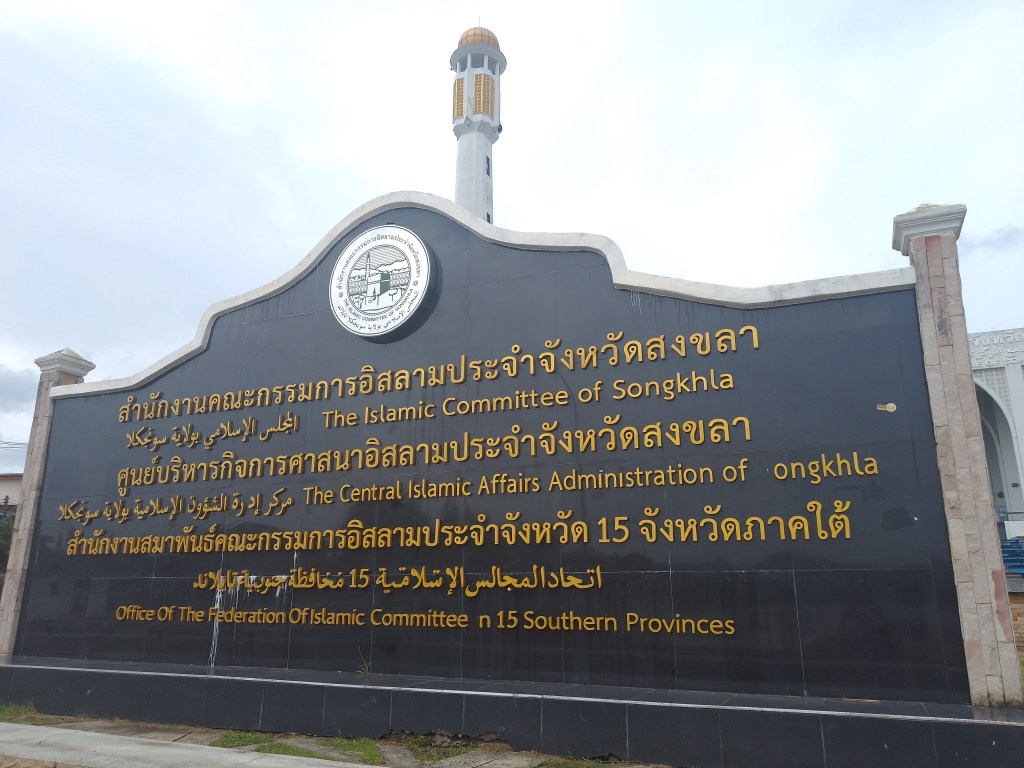
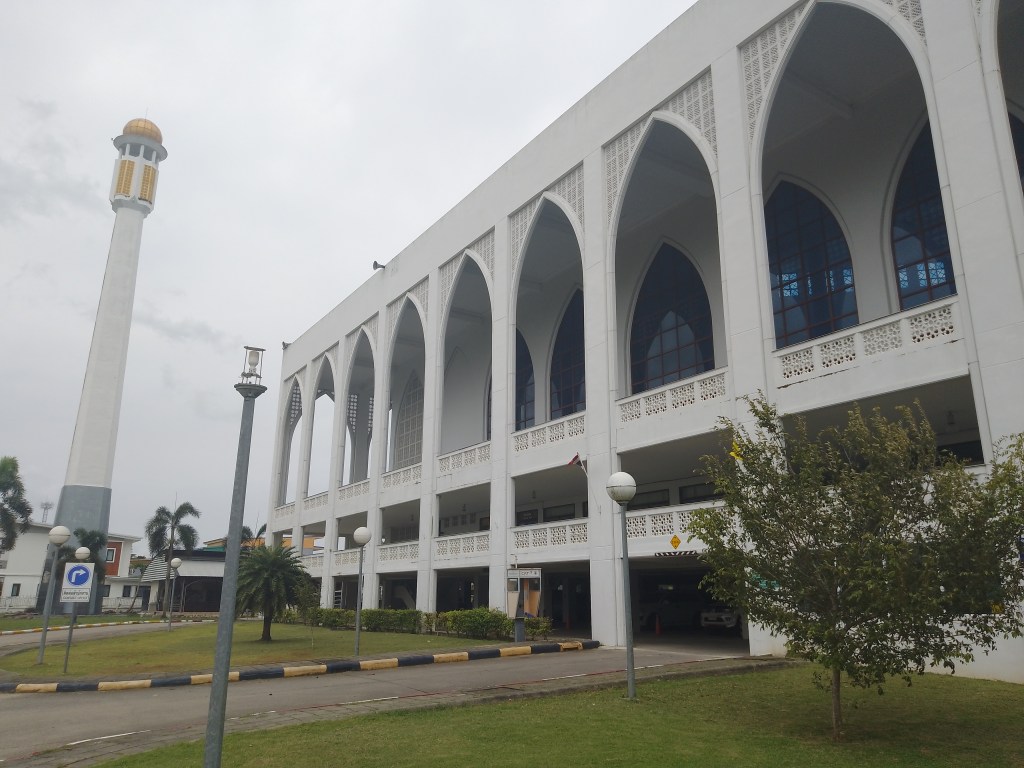
The Central Mosque of Songkhla, situated on the outskirts of Hat Yai, is not exactly a famous tourist attraction in Thailand – but it is well worth visiting.

The Mosque was a two hour walk (10km) from my hotel in mid-town Hat Yai, which in hindsight was perhaps a little too far to hike – especially as half that distance was alongside a busy highway with no footpaths.

However, being a typical Aussie, I toughed it out and reached my destination without too much trouble; and the long walk was definitely worth it!

I should point out that this is a place of worship and not Disneyland, so there is little else to do here except take photos and admire the grandness of the building.

Also, I’m not sure what the rules were, but I walked up to the main doors and upon seeing others not wearing shoes – unlike myself – I quickly turned around and scurried back to the road. There were a few strange looks thrown my way, but hopefully I didn’t offend anyone – and I’m sure the arrival of the Tourist Police minutes later was purely a coincidence.

So, if you happen to be in Southern Thailand – Hat Yai or Songkhla Town to be exact – then the Central Mosque should be on your list of places to visit.

I did take some video footage as well and uploaded it to my YouTube channel – link below.