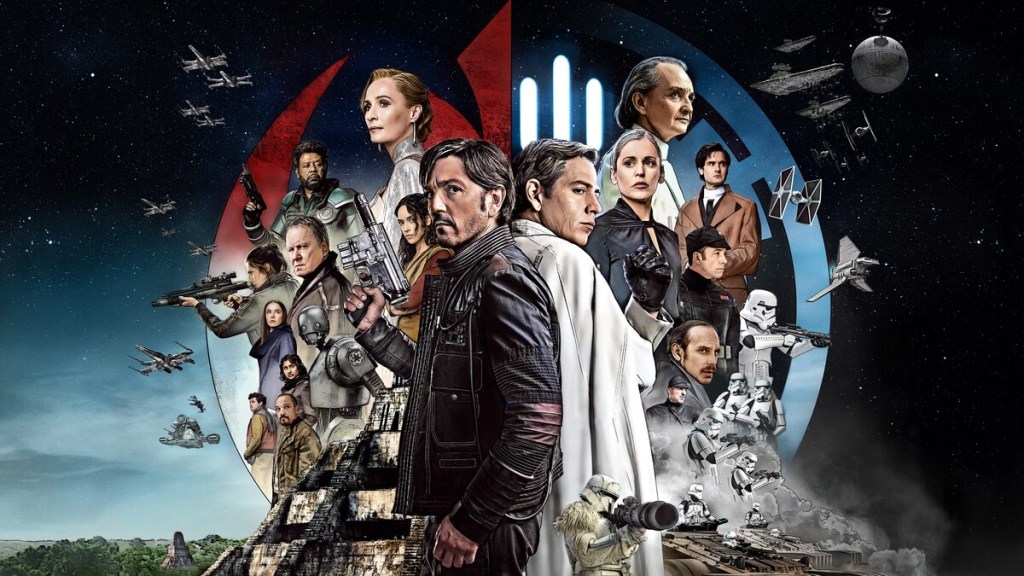
The second season of Disney’s acclaimed Star Wars show has now concluded, and I must say it was one of the most visually-impressive productions I have ever seen. Some serious money had been thrown at this project – around three hundred million dollars (US) by all accounts – and this was evident judging by the enormous sets and state-of-the-art special effects.
Before I go any further, I should point out that there may be some ‘slight’ spoilers ahead, but I won’t give anything major away.
Whilst the show is named after Cassian Andor, played by Diego Luna, it features an ensemble cast with a lot of time allowed for these characters to develop and explore their own places within the Star Wars universe. At the helm of this series is showrunner Tony Gilroy, whose attention-to-detail and amazing vision is evident in every episode.
This season was laid out in a rather unique style, with four chapters containing three episodes each. There was a time jump of one year from one story arc to the next – for example, week one gave us episodes one to three, before the second week aired parts four to six – and was set one year later. Twelve episodes in total covered the four-year period leading up to the events of ‘Rogue One’.

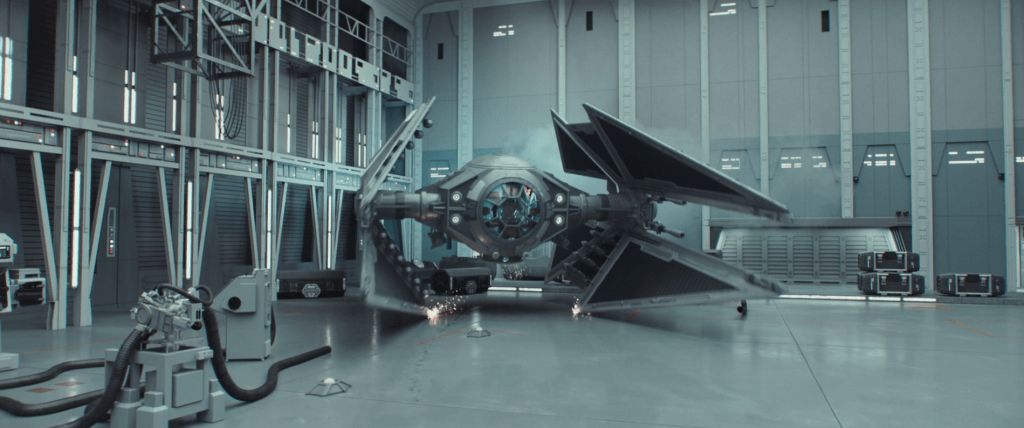
The new season kicks off in style with Cassian stealing a prototype Imperial Tie Fighter from a military base, and immediately the size of the outrageous visual effects budget is obvious. However, once this explosive sequence had concluded, the pacing began to drag and what took place in the first three episodes could have been told within half of that screen time.
I’m not being overly critical here, as the plot is moving and things are happening. It’s just that it felt to me like we were spending too much time admiring the scenery – even though it was quite impressive – with characters having deep conversations back and forth and situations lingering far longer than what was necessary.
For example, Cassian spends most of the first two episodes with a rebel cell who ambush him when he drops off the stolen tie fighter at an arranged rendezvous point. This entire sequence could have – and should have – been cut from the show completely. In fact, the first chapter felt like I was watching the fifth day of a test cricket match destined to be a draw – the skill and technique were all there, but few players were troubling the scorers.

As the timeline of the season moved a year forward through episodes four to six, I felt that the pacing dropped even further. Again, whilst things were definitely in motion, the show spent too much time looking at itself in the mirror – for lack of a better term – when it needed to be pressing onward. Again, the aesthetics of the show and the sharpness of the dialogue are not being questioned here – it’s just that what happened over these three episodes (4-6) could have easily been compressed into two.
Where was the show most sluggish? Well, over the course of the first half of the season I would have to say that the wedding of Mon Mothma’s daughter was the worst offender. Whilst there were some good moments within – particularly the fate of Mon’s friend Tay Kolma – it took up way too much time and I don’t think that the erratic dancing scene worked as well as it should have. I’m sure bigger Star Wars fans than I would argue otherwise.

The narrative involving the insurgents on the planet Ghorman was another part of the show that was slow-building and a little tedious – although the payoff in episode eight ended up being exceptional. These local rebels had an axe to grind with the Empire – and with good reason – but I felt that there were too many ‘secret town meetings’ and on a personal note I’m not sure that modelling everything about them on the French Resistance was necessary.
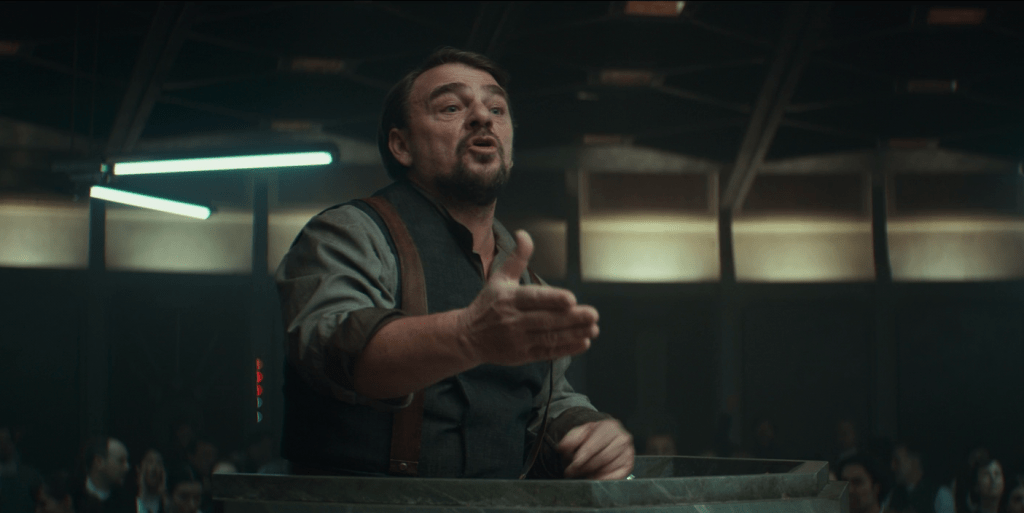
The story arc of week three, being episodes seven to nine, was when ‘Andor’ really kicked into gear and rewarded its fan base with some truly brilliant storytelling and execution. Episode eight was as gripping as anything I have seen before in Star Wars, but by golly it took a while to get there!
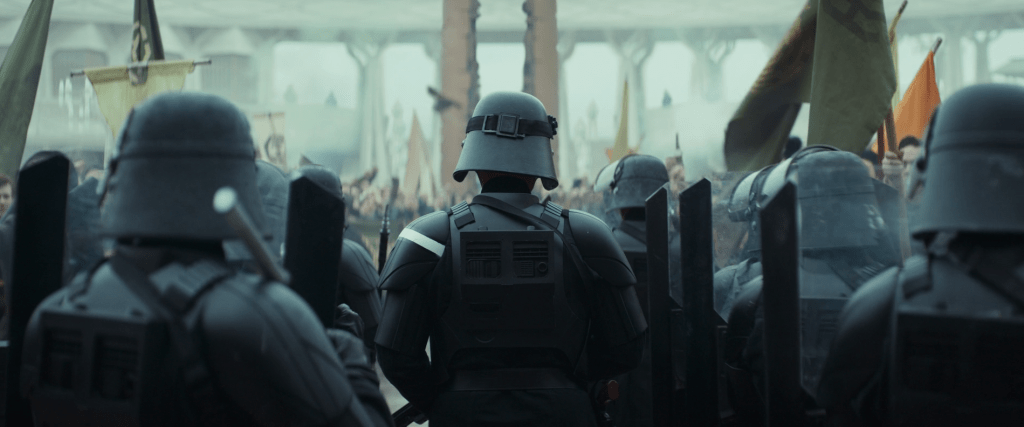
I was hoping that this momentum would carry through to the final three episodes, and it did to a certain degree – with the action taking a backseat and more thrilling and psychological elements coming to the fore. The game of cat-and-mouse between the ISB (Imperial Security Bureau) and the Coruscant-based rebels was enthralling to say the least, and the fates of agent Dedra Meero and the elusive Luthen Rael reached satisfying conclusions that were consistent with the Star Wars narrative moving forward.
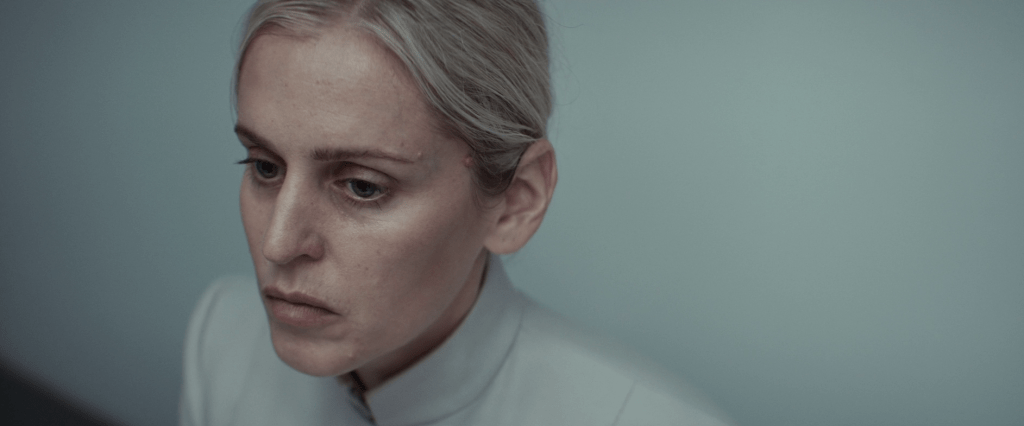
I should also add that the performances of both Denise Gough as the overly-ambitious Dedra and Stellan Skarsgard as the rebel spy/antiques dealer Luthen were outstanding across both seasons of ‘Andor’. Some Star Wars fans are claiming that Luthen Rael is by far the best character created in the Disney era to date, which is a fair call – but I personally would go with Baylan Skoll from ‘Ahsoka’.

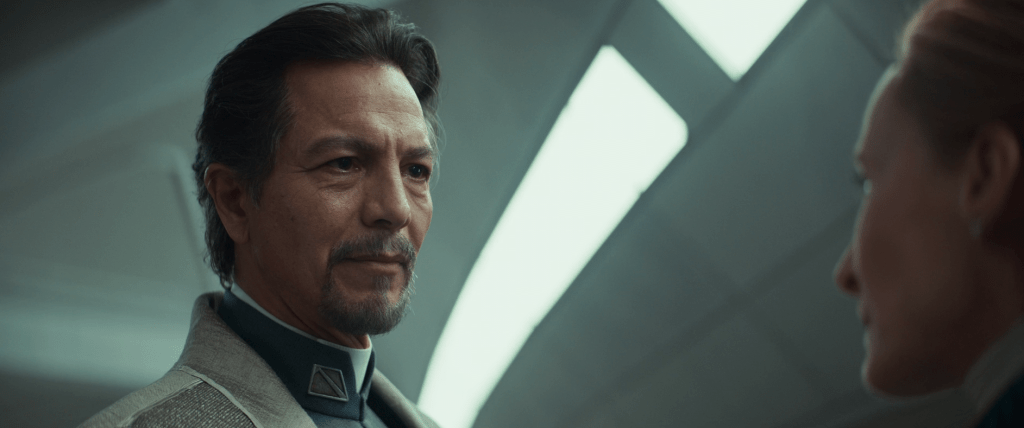
A welcome addition to the show was Director Orson Krennic – played by Ben Mendelsohn – who was of course a main antagonist in ‘Rogue One‘. In fact, the inner-workings of the Galactic Empire were brilliantly unveiled during this season, and was the most in-depth exploration that Star Wars fans have seen to date.

Another returning character was K2SO, and we get to see his origin story during the last few episodes of the series. He delivered some great lines here, just as he did in ‘Rogue One‘.

I didn’t pick up on the casting change for Bail Organa right away either, as I was waiting for Jimmy Smits to appear and wondered at first who Benjamin Bratt’s character was supposed to be. I can assure you it only took a few minutes for it to click, and to be honest I thought Bratt did a pretty good job.
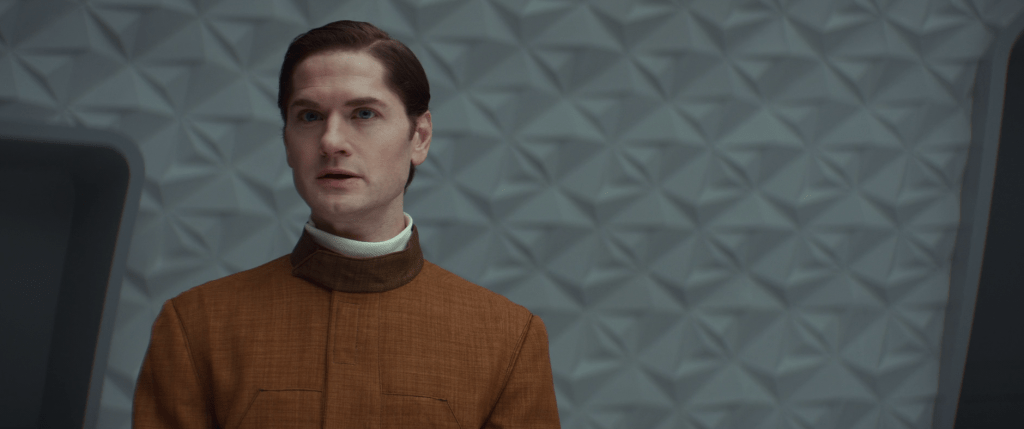
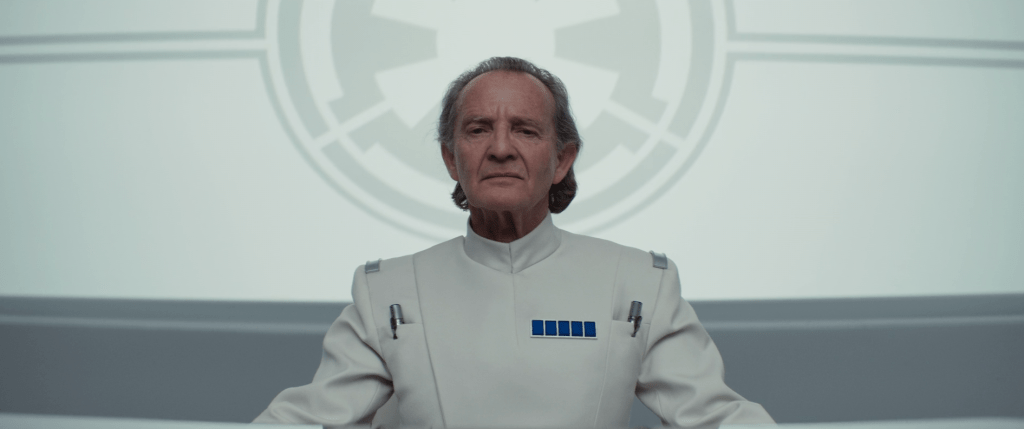
With the show featuring an extensive cast, I would be here all day if I wrote about every character and actor, so I will briefly add only a few more worthy mentions. Forest Whitaker returns as rebel outcast and extremist Saw Gerrera, Elizabeth Dulau stands out as Luthen’s assistant Kleya – with an enlarged role for this season, Kyle Soller is back as the weedy but sinister Syril Karn, and Anton Lesser portrays the cunning Major Partagaz.


The character development in this show is well above anything we have seen from Disney Star Wars, and the work here makes Rey, Finn and Poe from the sequel trilogy come across as cardboard cutouts. Mind you, it wouldn’t take much for that to happen.
The other outstanding attributes of ‘Andor’ are the visuals and art direction, which surpass even the Original Trilogy at times. As I mentioned earlier, a huge slice of the series’ budget must have been spent on special effects and physical sets. In all honesty, this would have to be one of the most eye-catching shows I have ever watched, with the attention-to-detail – right down to the pressing of buttons on control panels – being on a scale rarely seen these days.


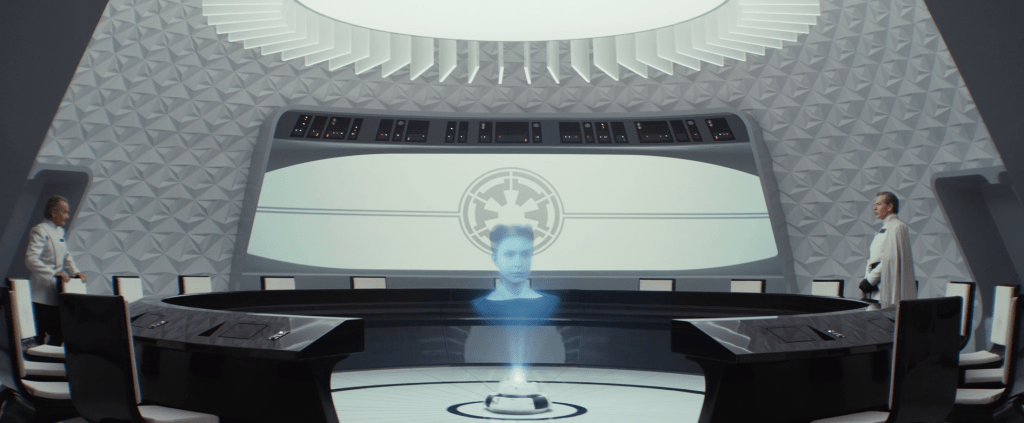

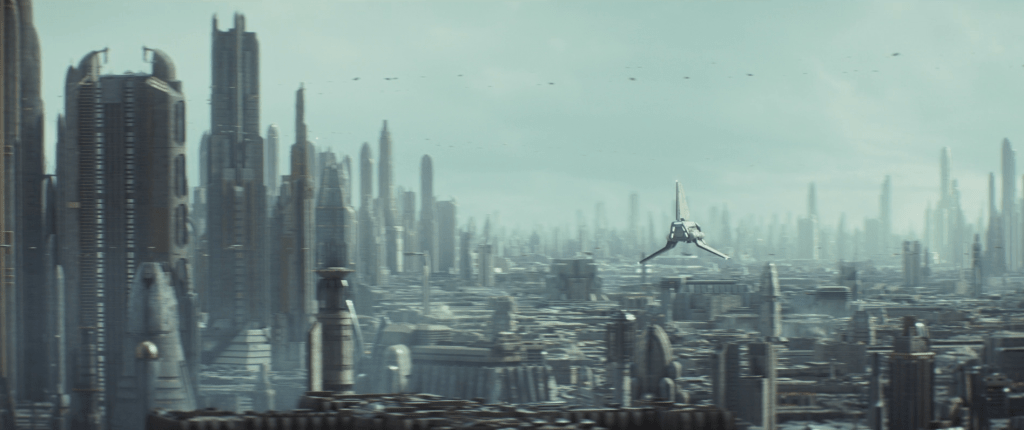
However, I felt that these strengths fed directly into the moments when this show was at its weakest. By this I mean that the breathtaking settings and complex events taking place throughout the galaxy – often at the same time – were not easily whisked along by those in control. Instead, the narrative appeared stuck at times within certain scenes, and felt like it was lingering there far longer than was required and not propelling the story forward at a reasonable pace.
The first half of the season – comprising of episodes one to six – was painfully slow. This was a shame because there were brilliant moments taking place, but a lot of the effect was wasted when these scenes overstayed their welcome. Again, I refer specifically to Cassian’s run-in with the rebel crew during the first two episodes and the excessive drama surrounding the wedding of Mon Mothma’s daughter.
Quite simply, it took too many episodes to arrive at where the show needed to be – which is a fair criticism considering we already knew the fate of Cassian Andor before the series began, and all jeopardy concerning this character was off the board.
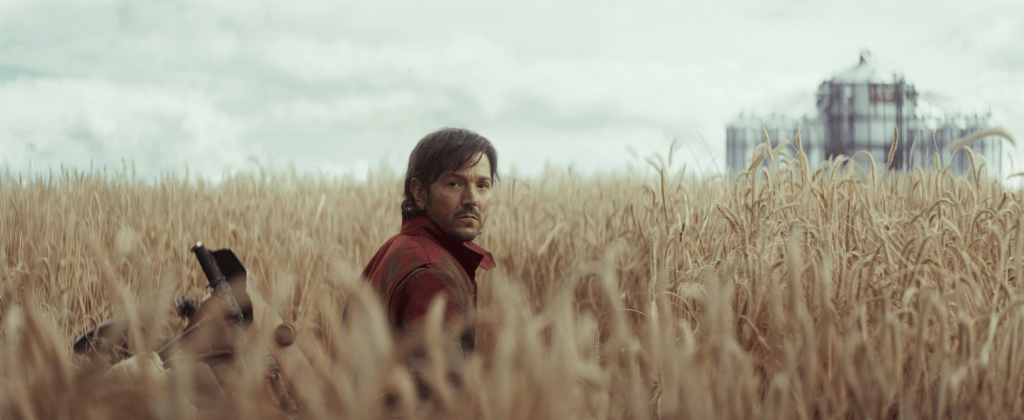
But I cannot dislike this show, no matter how much the pacing frustrated me. There are simply too many moments of brilliance contained within; whether it be the clever writing, the artistic and exceptional direction, or the aesthetics of this excellent production – right down to the smallest detail.
In a few months from now I might sit down and watch it all over again and see if I feel differently about it. I do recall enjoying the first season a lot more second time around, so perhaps the slow progression of the story might not bother me as much after another viewing.
I’m going to give this season a mark of eight out of ten, with the pacing issues costing it a perfect score.
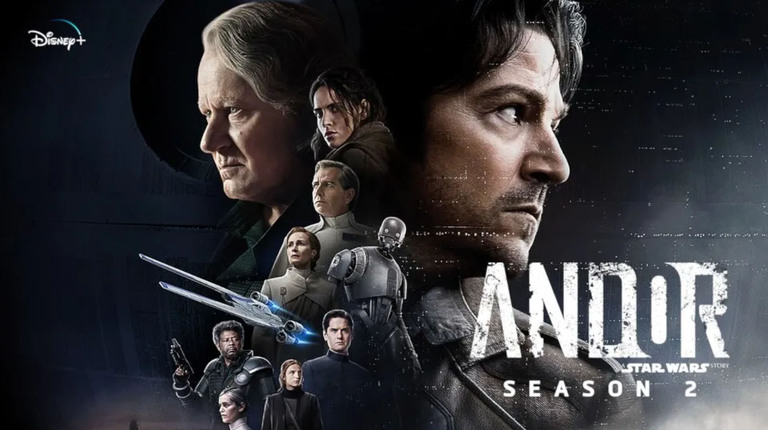
‘Andor’ – Season Two is currently streaming on Disney Plus.
Photos and screenshots courtesy of Disney and Lucasfilm.

 Sean Carslake