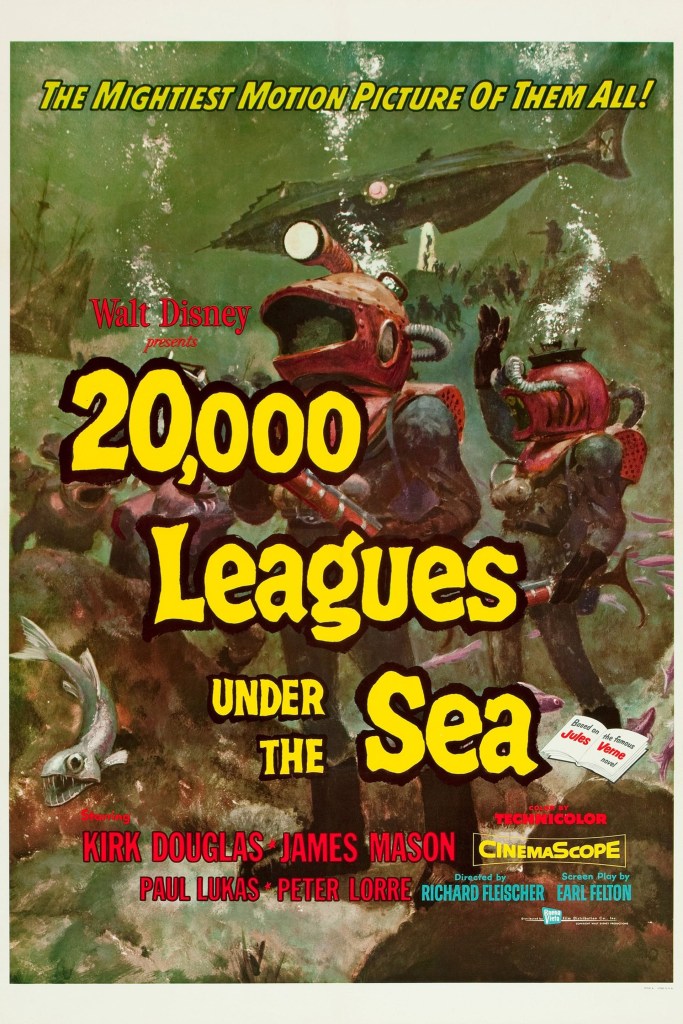
Released all the way back in 1954, this film is truly a cinematic masterpiece. I’m not comparing this to ‘Casablanca’, ‘The Godfather’ or even ‘The English Patient’, for what I refer to here is the ambition and vision that ‘20,000 Leagues Under The Sea’ projects – impressive even by today’s standards.
Of course, this is an adaptation of Jules Verne’s 1870 novel of the same name, which is quite an enjoyable read. The film does differ from the book in a number of ways – particularly the ending – but does remain fairly true to the overall narrative.
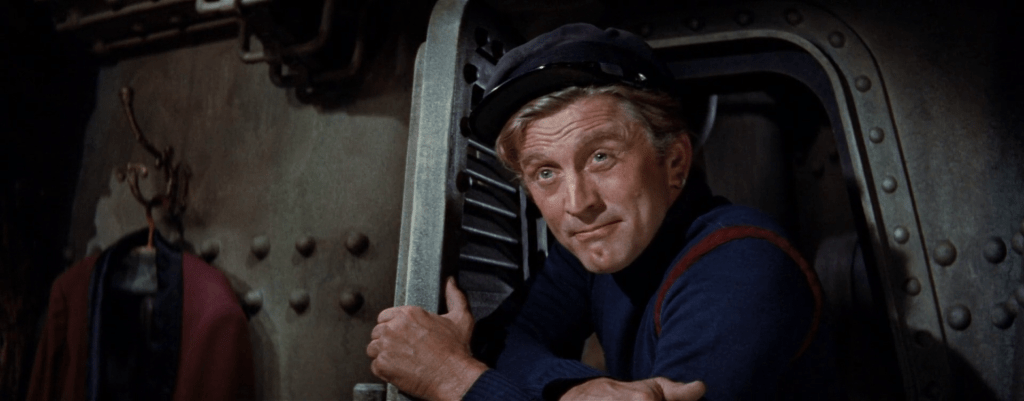

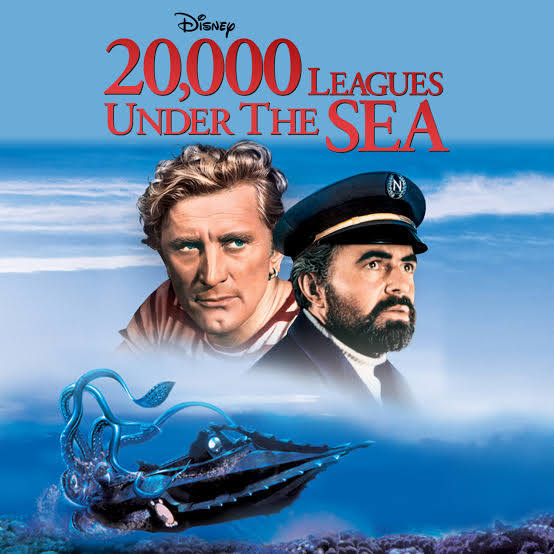
‘20,000 Leagues Under The Sea’ is headlined by two legendary actors, with Kirk Douglas playing the harpooner Ned Land and James Mason starring as the mysterious Captain Nemo. The film was directed by the reliable Hollywood helmsman Richard Fleischer, and was produced by Walt Disney Productions.
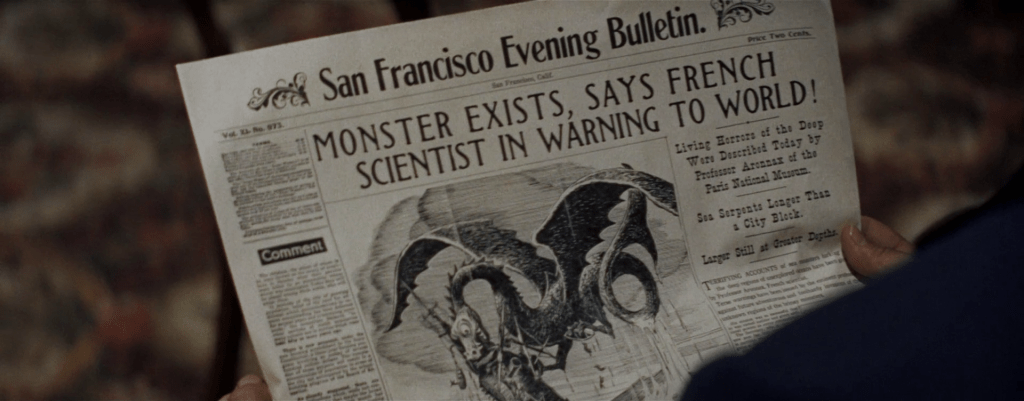
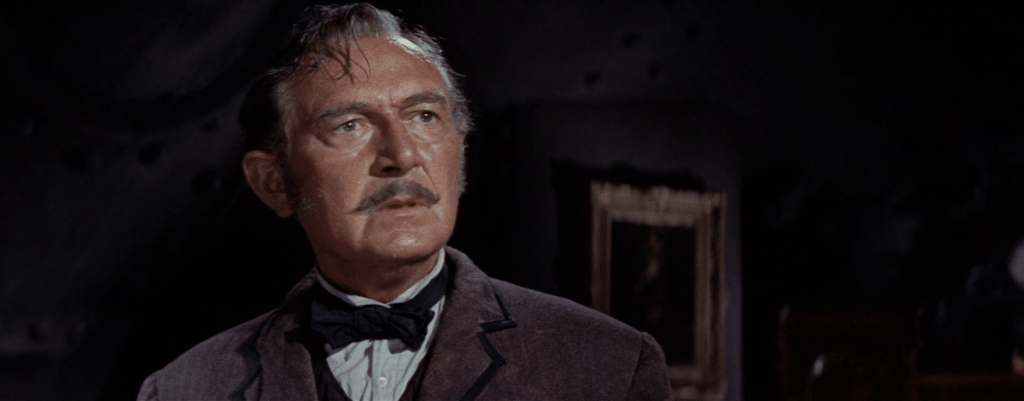
The movie begins with Professor Aronnax, a famous scientist (played by Academy Award winning actor Paul Lukas) being recruited by the US Navy to assist them in hunting a sea monster that has been destroying vessels. Eventually the naval frigate Aronnax is travelling aboard finds the creature and is promptly rammed and sunk by an enemy that was not all that it appeared to be.
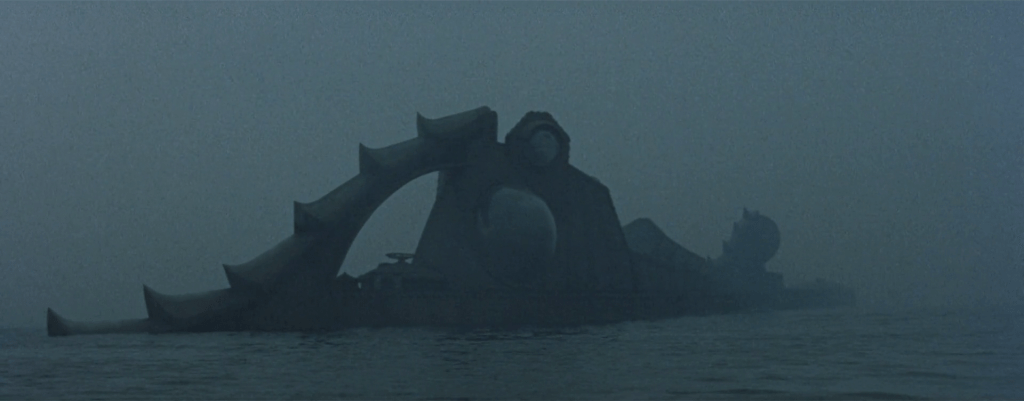
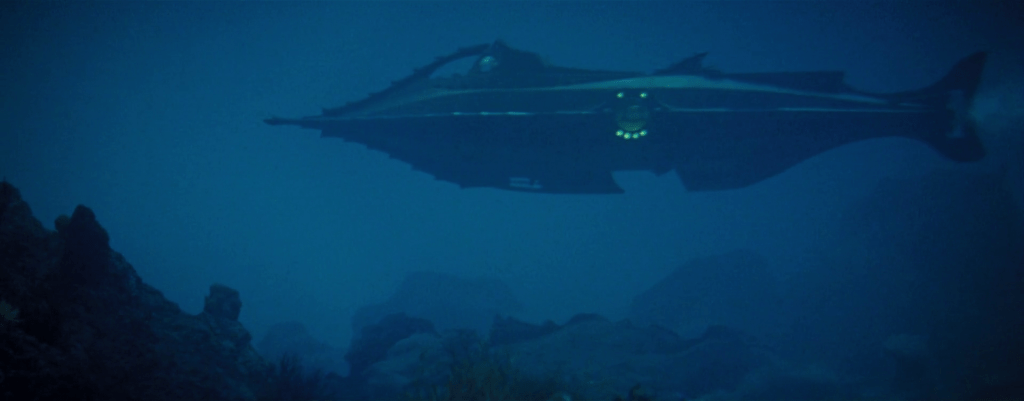
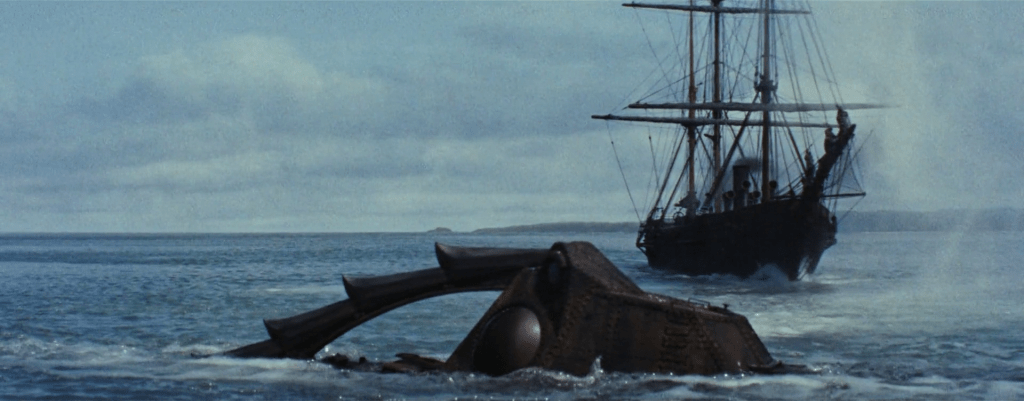
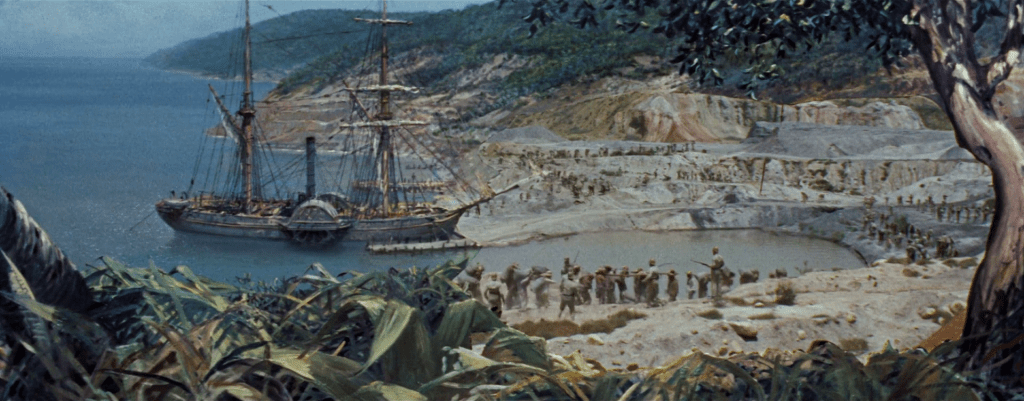
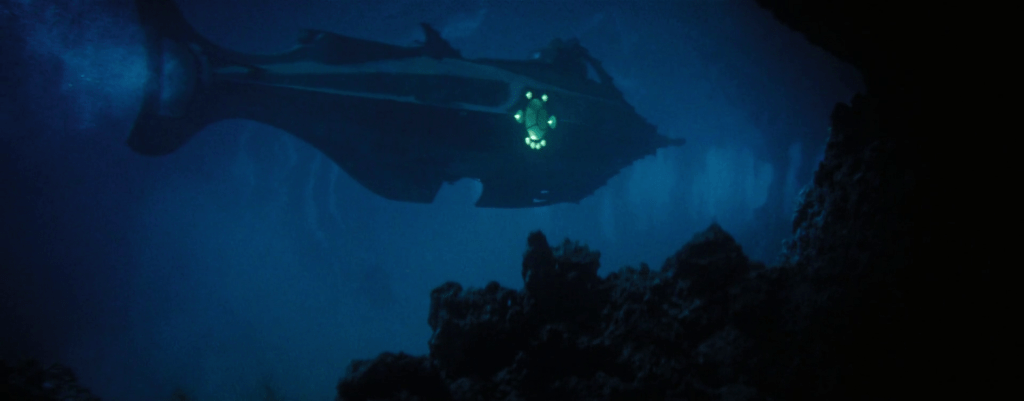
From this point, the film follows the adventures of the rogue submarine Nautilus, as told from the viewpoint of Professor Aronnax, his assistant Conseil, and fellow adventurer Ned Land. All three become ‘guests’ of Captain Nemo aboard his underwater ship as it carries out its mission in the deepest depths of the world’s oceans, whilst countless warships are hot on their tails.
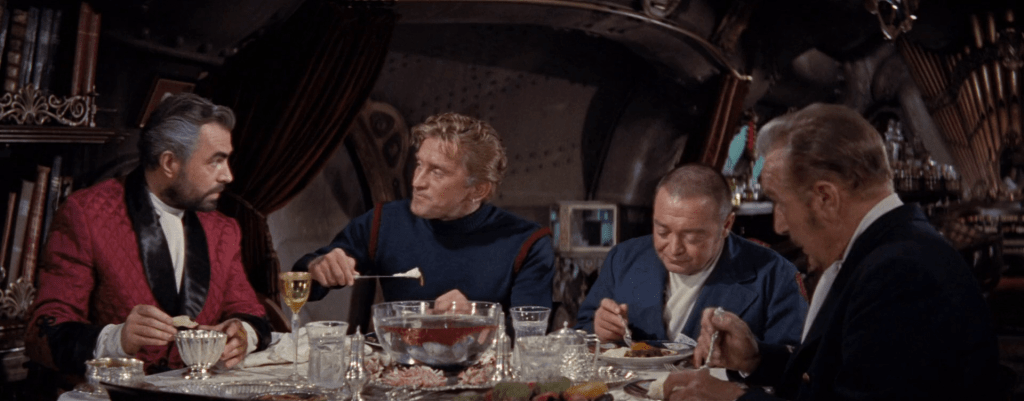
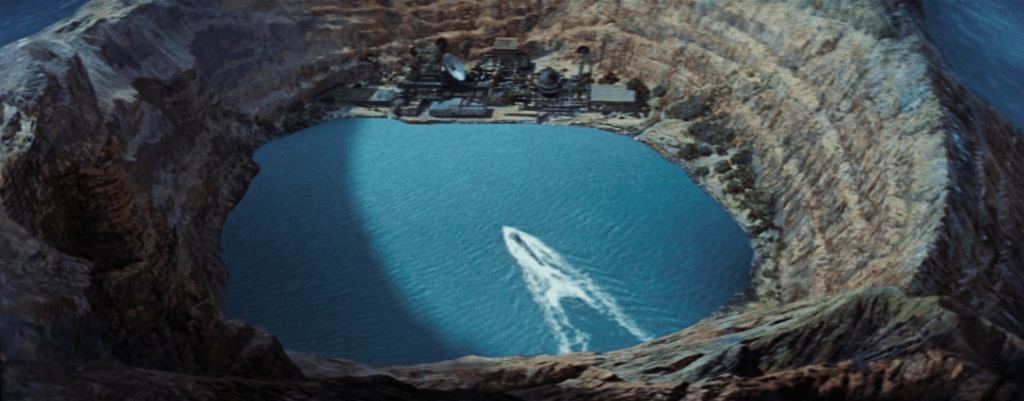
Captain Nemo’s motivations are explored a little in this film, although the book does offer more in the way of his interesting background story. But for the most part, the movie keeps things on a more adventurous and entertaining course, with the special effects and underwater filming being decades ahead of its time. In fact, ‘20,000 Leagues Under The Sea’ won the Academy Award for best special effects and art direction, and it’s easy to see why.


Perhaps the most memorable scene in the movie is when the Nautilus is attacked by a giant squid. The battle takes place during the night and in the middle of a vicious storm, which makes the sequence even more terrifying.


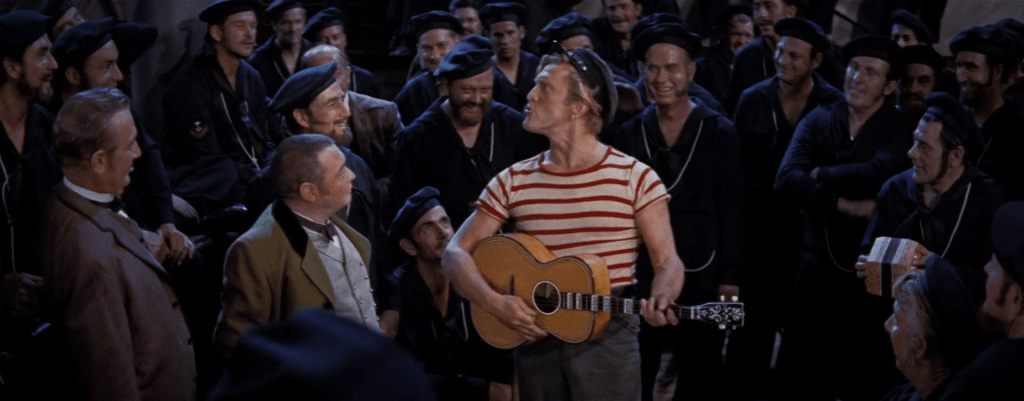
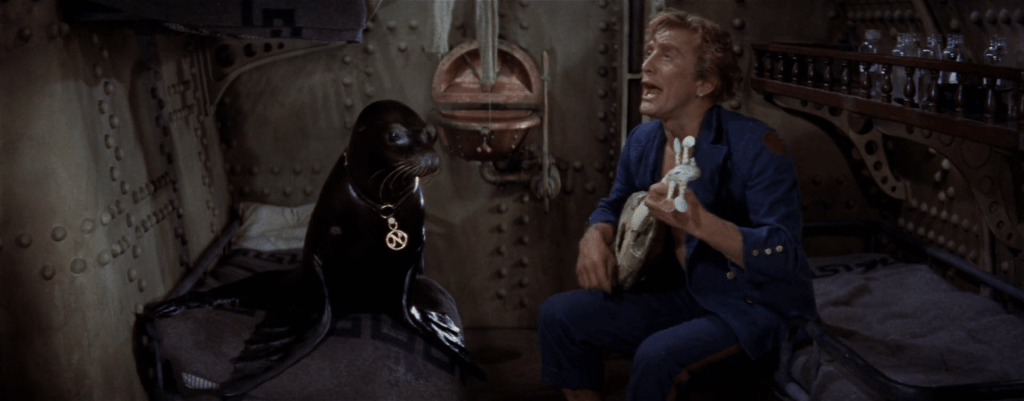
We are also treated to a couple of musical numbers from Kirk Douglas during lighter moments in the film, with one of his sea shanties being sung to Esmeralda – Captain Nemo’s pet sea lion.
‘20,000 Leagues Under The Sea’ is storytelling on an epic scale, much like many of the old Hollywood blockbusters from the golden age of cinema. It’s sad that they don’t make movies like this anymore, because with modern day CGI this story could easily be re-imagined into something special – and if produced correctly could earn millions of dollars.
Here’s how I think it should be done.
Firstly, a popular subcontinental actor would be cast as Nemo, for according to Verne’s original story this character is an exiled Indian prince named Dakkar. Then you would need some American star power, and three established Hollywood names could play Ned Land, Aronnax and Conseil. To top things off, I would have someone like Denis Villeneuve or Christopher Nolan as the director, and have the screenwriters keep the story as close to the original work as possible.
Yes, I am aware of what the wages bill alone would be, but surely it would clean up at the box office worldwide!
‘20,000 Leagues Under The Sea’ is available on Disney Plus, and I’m not sure but it might be showing on Amazon Prime Video as well – but perhaps at an extra cost. It really is worth watching, especially if you haven’t seen it before or did so many years ago, and I’m sure you will be surprised as to how a film so old can still look so good.
Many remakes and reboots have come and gone – even as recently as last year with the series ‘Nautilus‘ – but the original 1954 classic is still the best interpretation of Jules Verne’s masterpiece. With two of Hollywood’s greatest leading men in Kirk Douglas and James Mason gracing our screens and special effects that were a generation ahead of its time, Disney’s immortal tour-de-force is in a class of its own.
All images courtesy of Walt Disney Productions and Buena Vista Productions.
 Sean Carslake