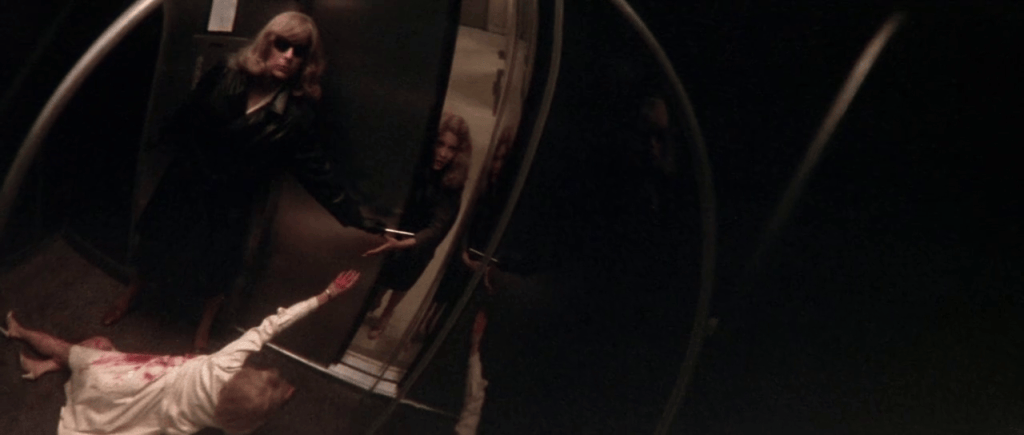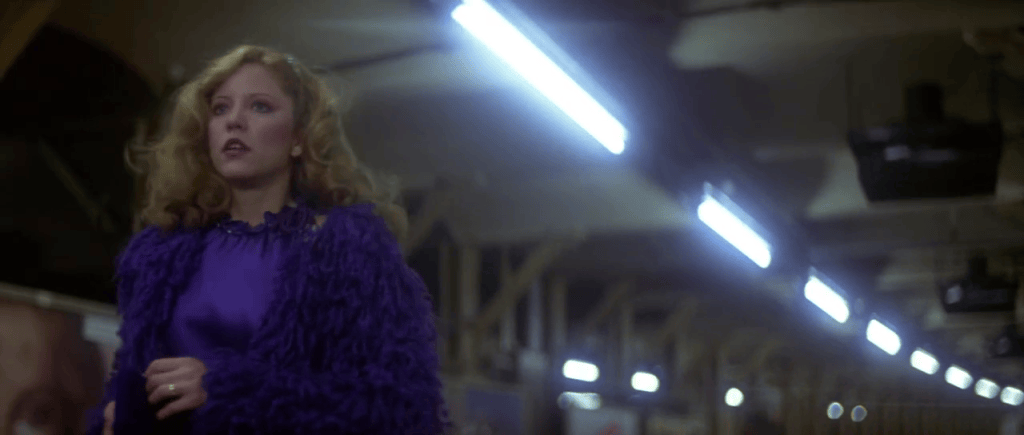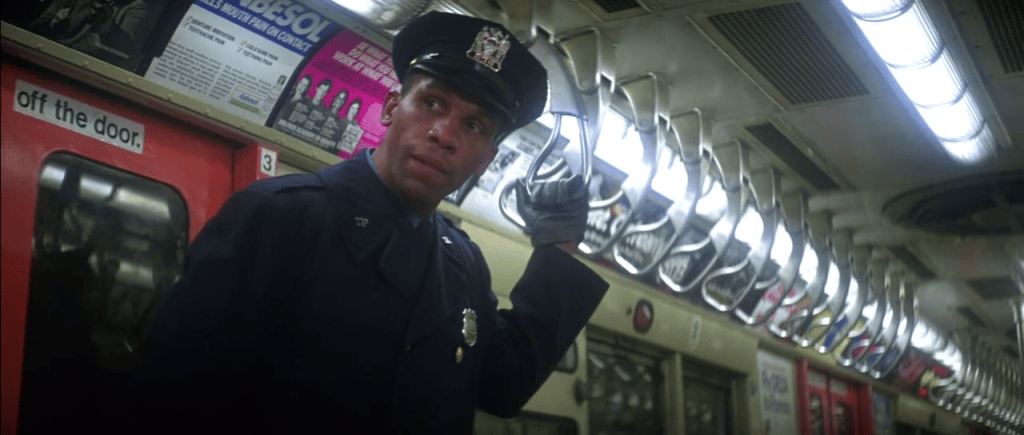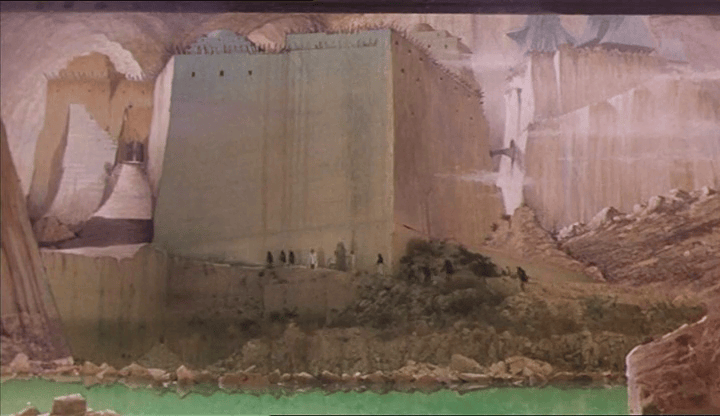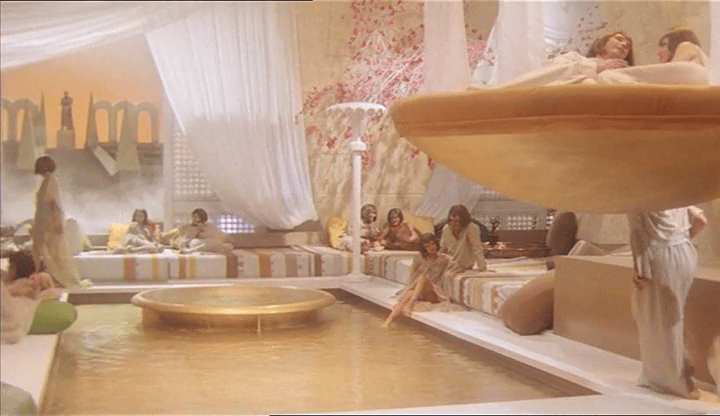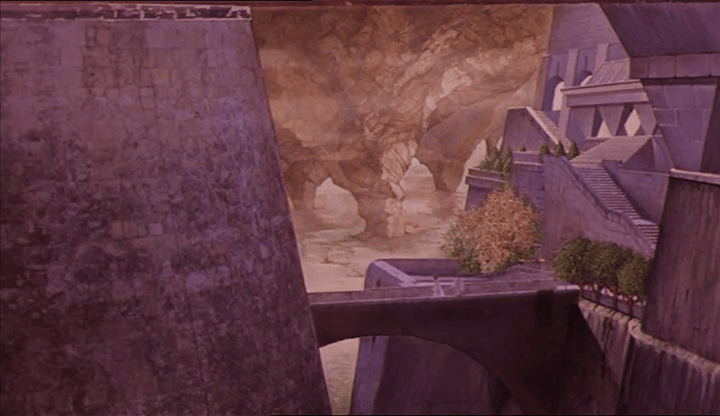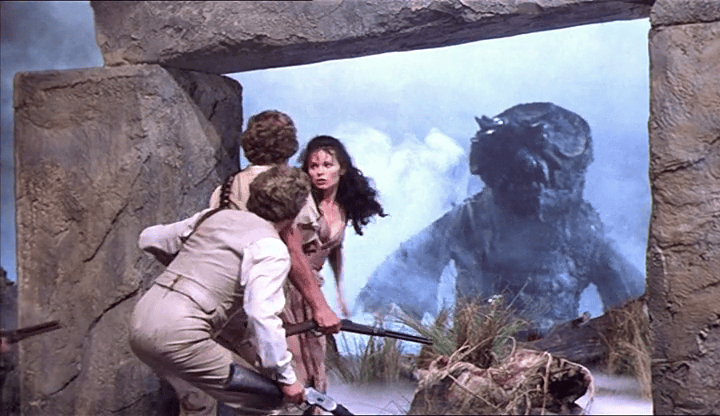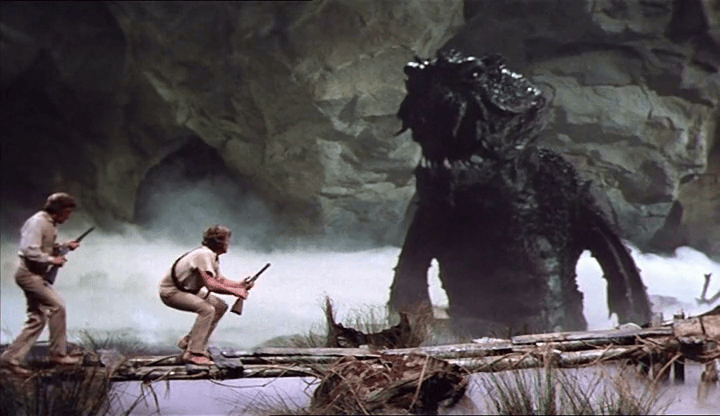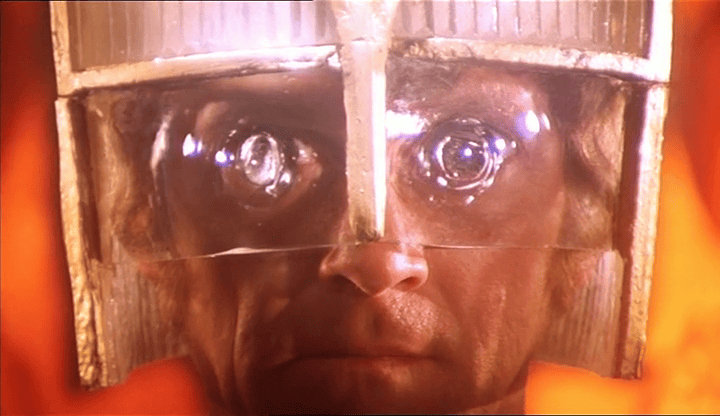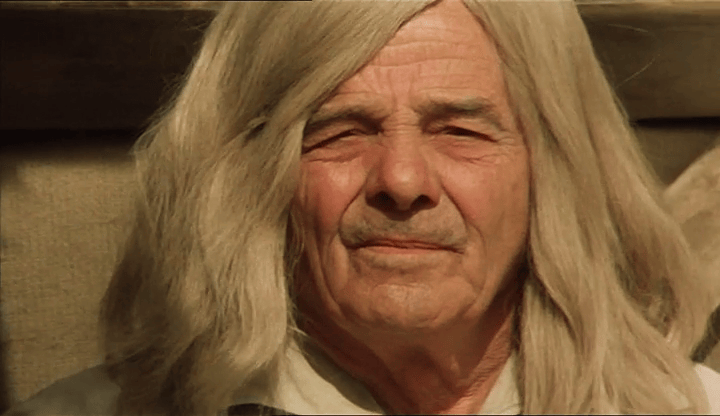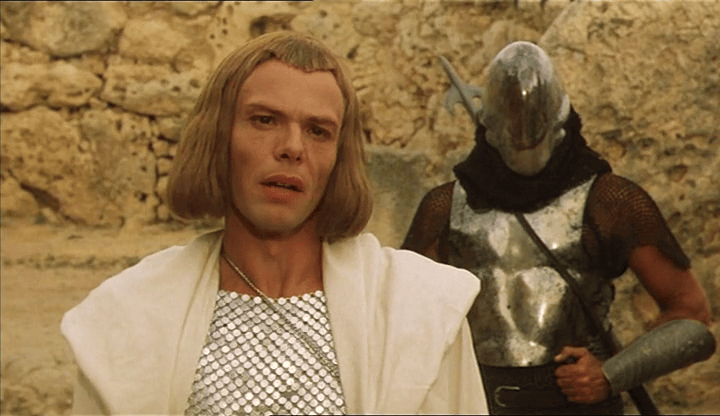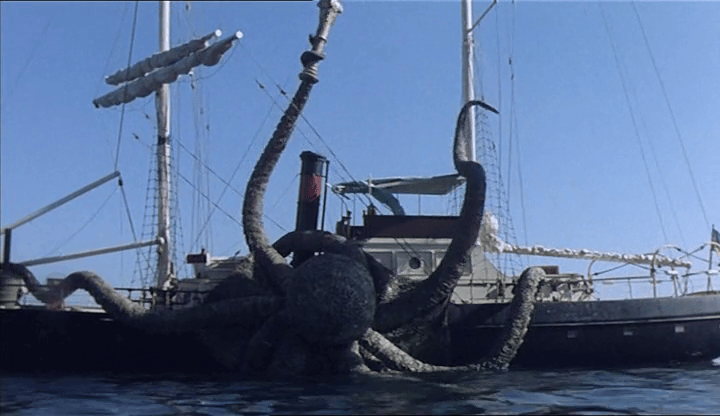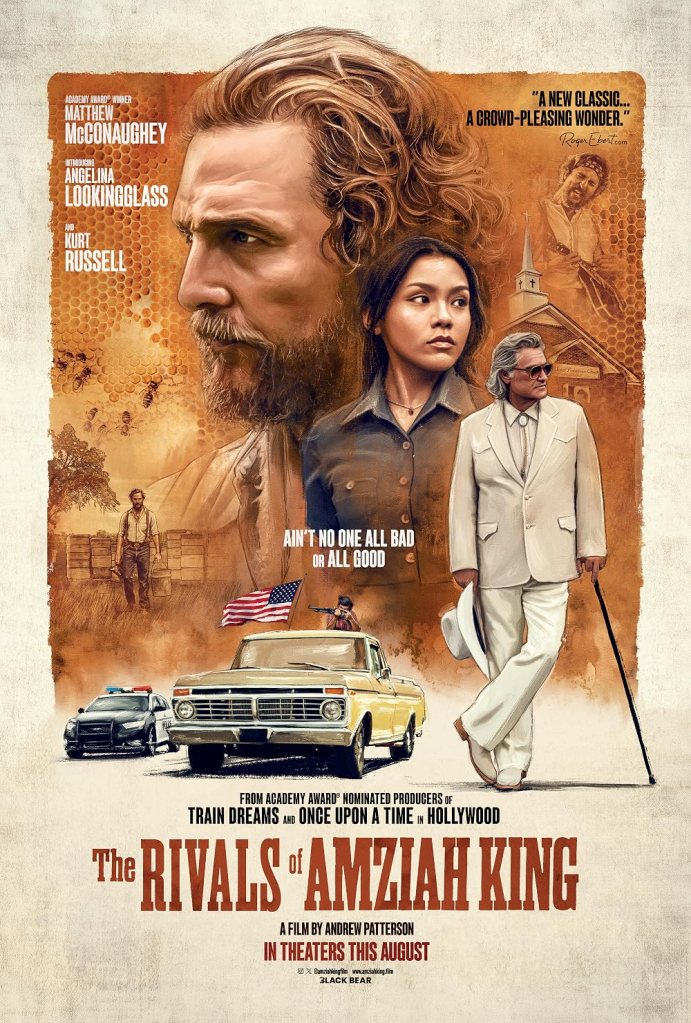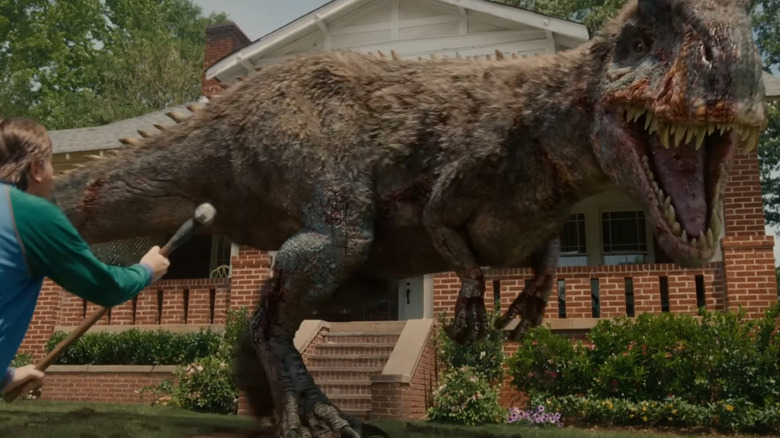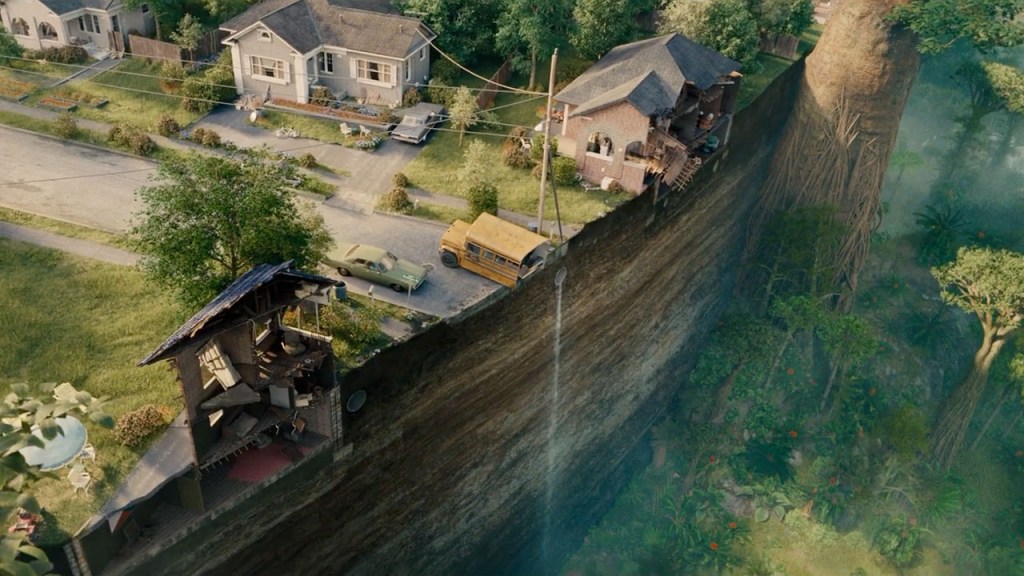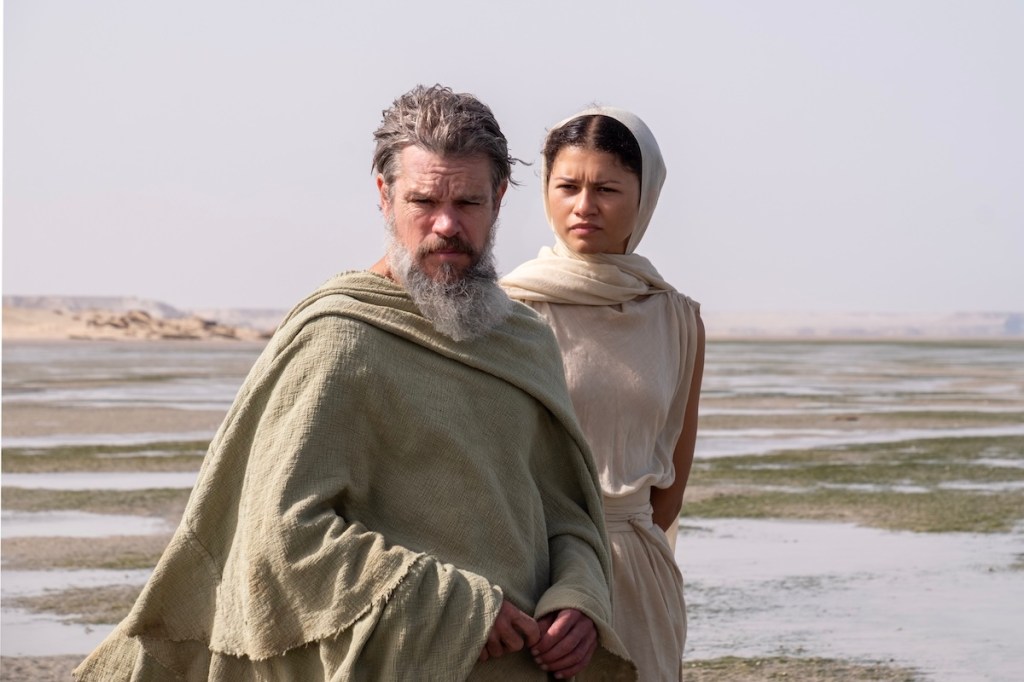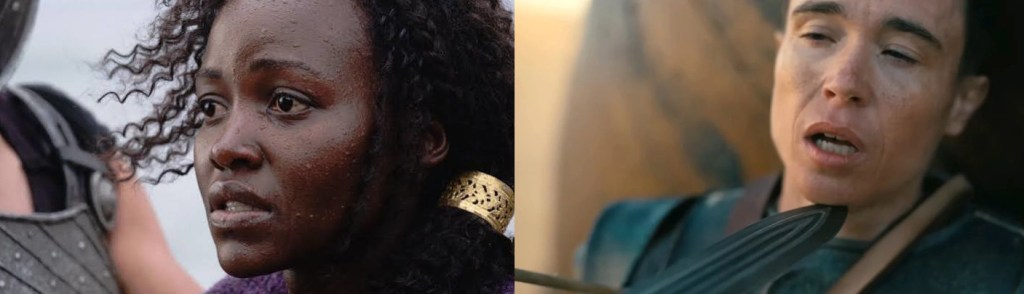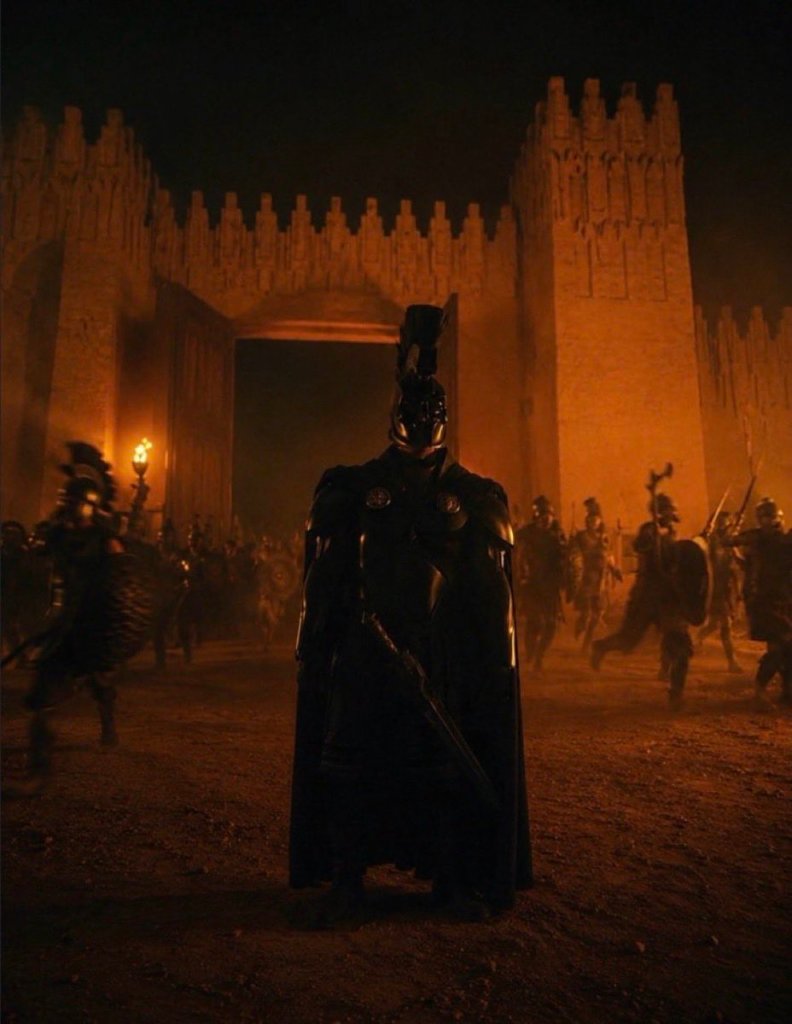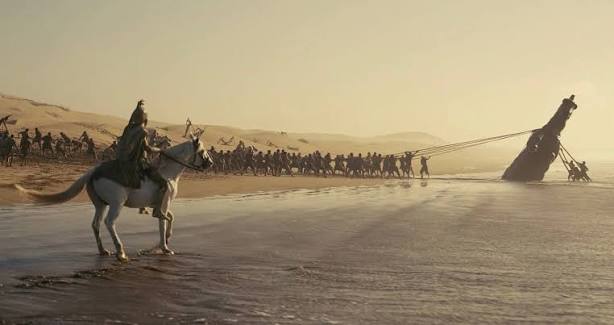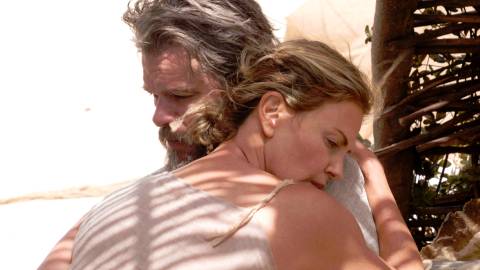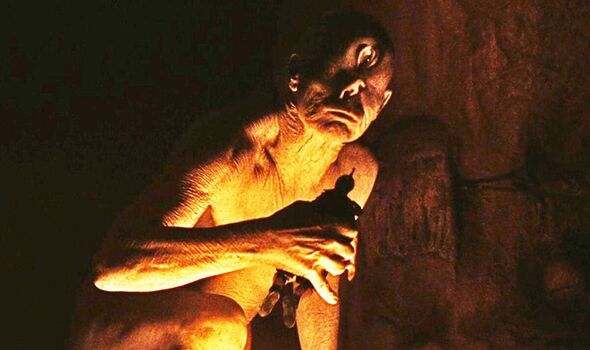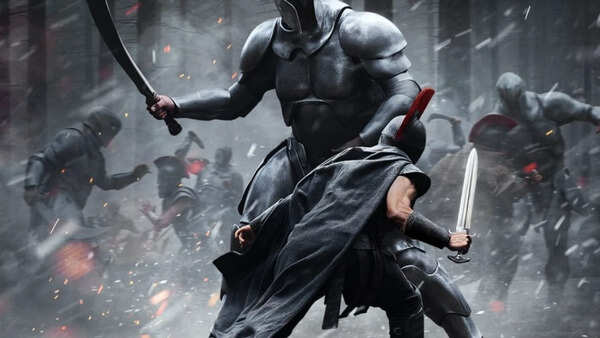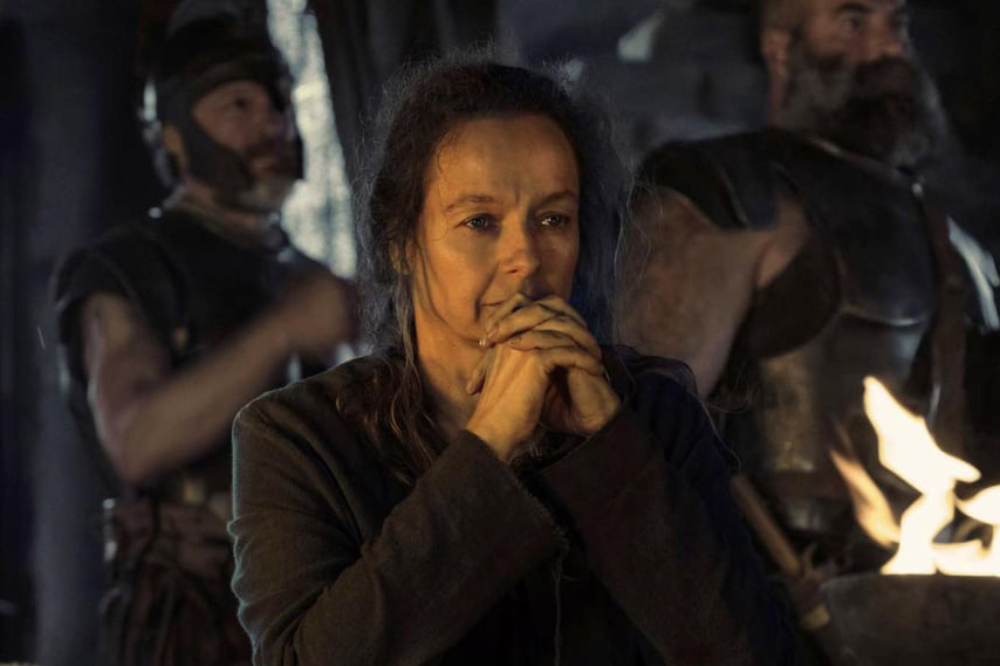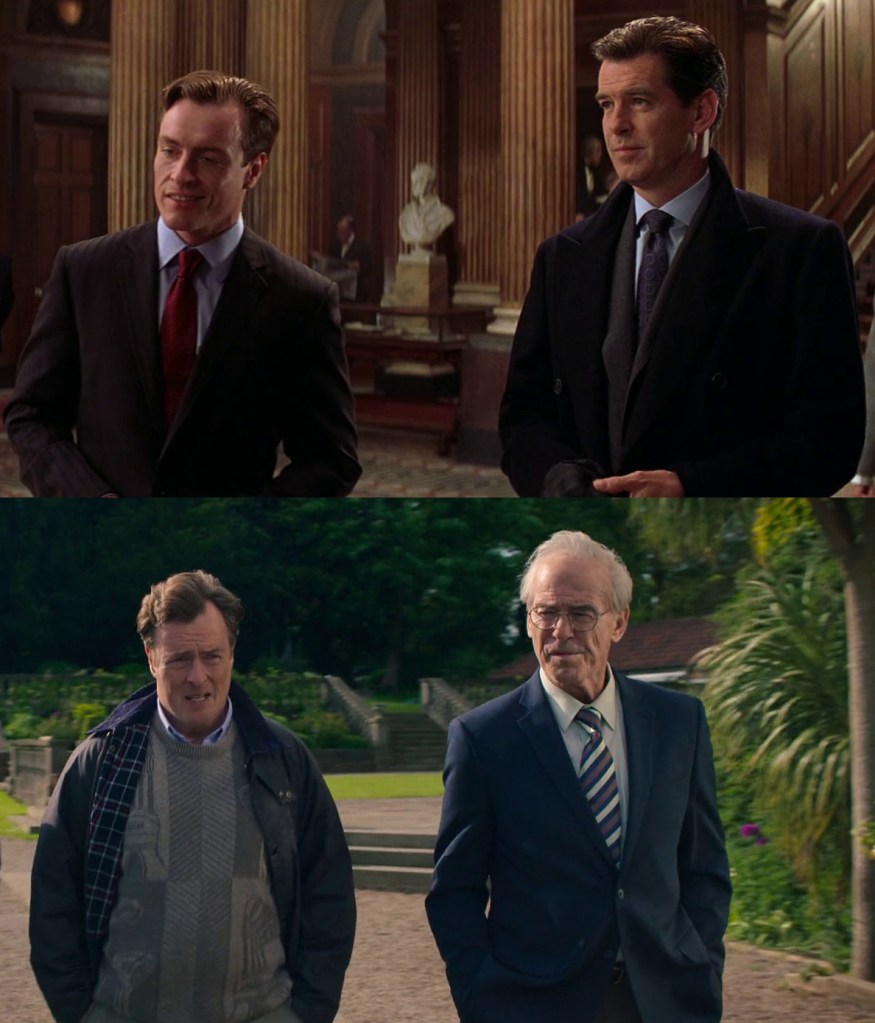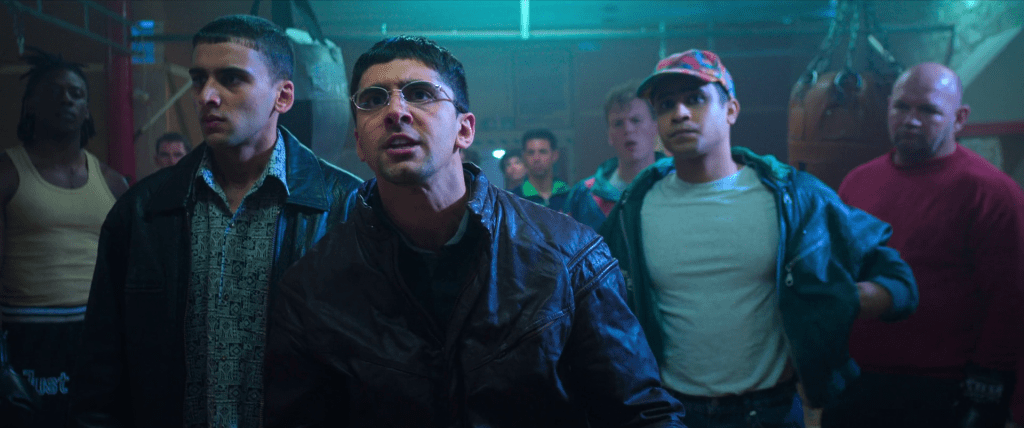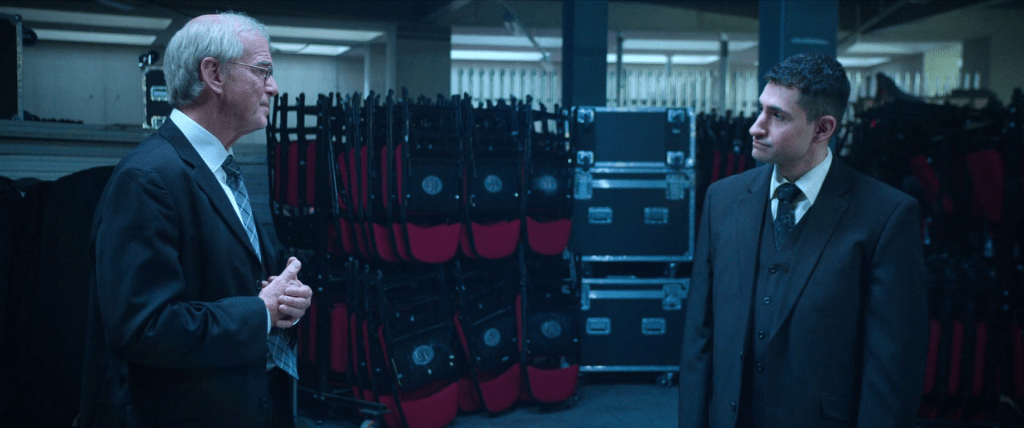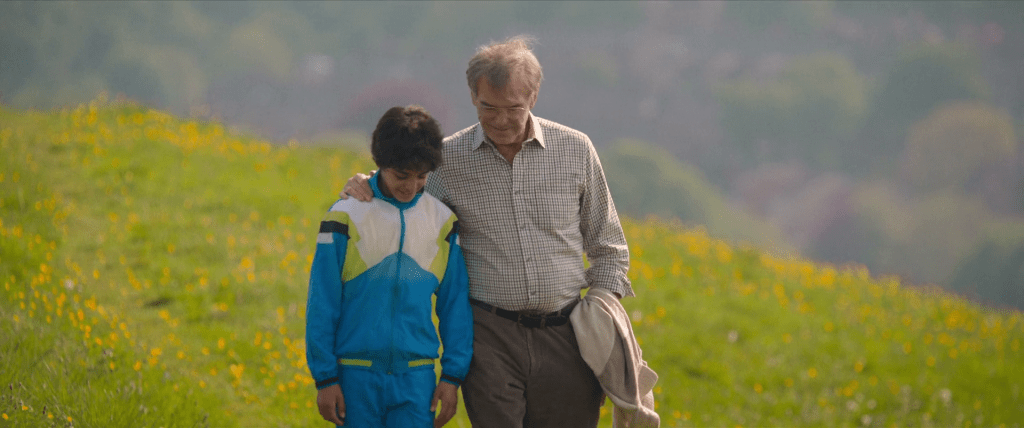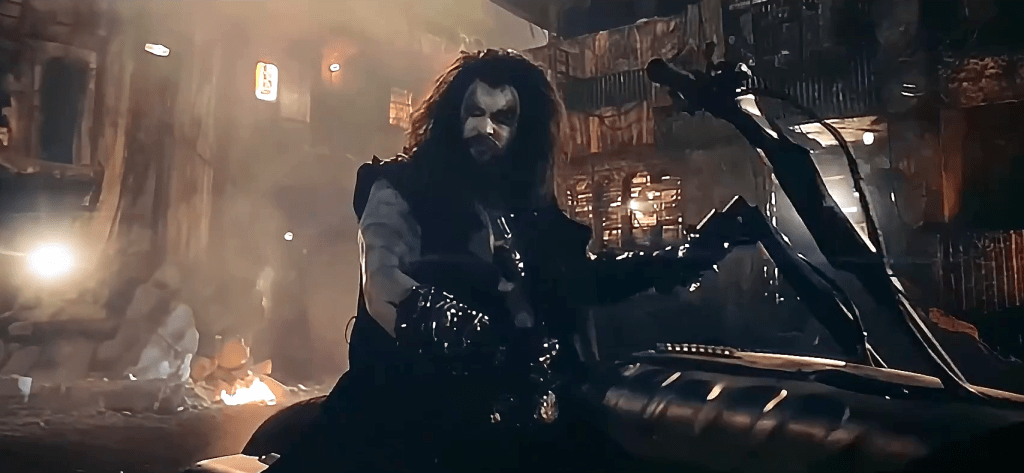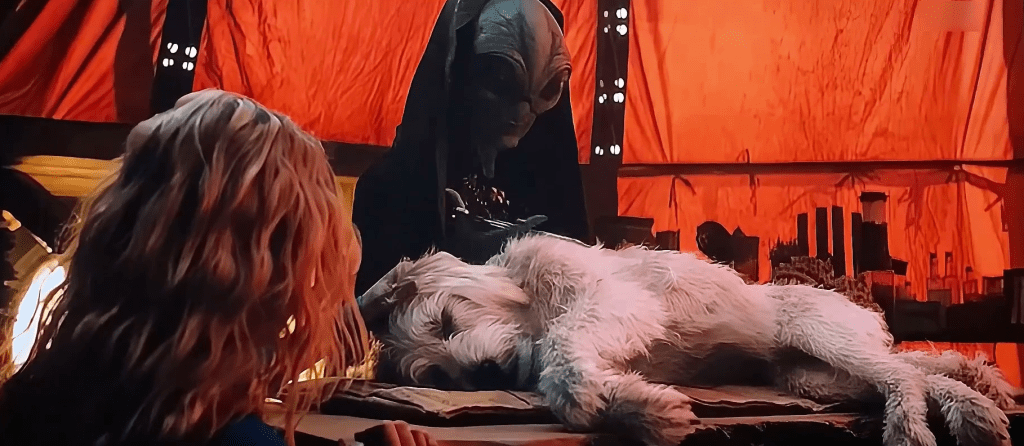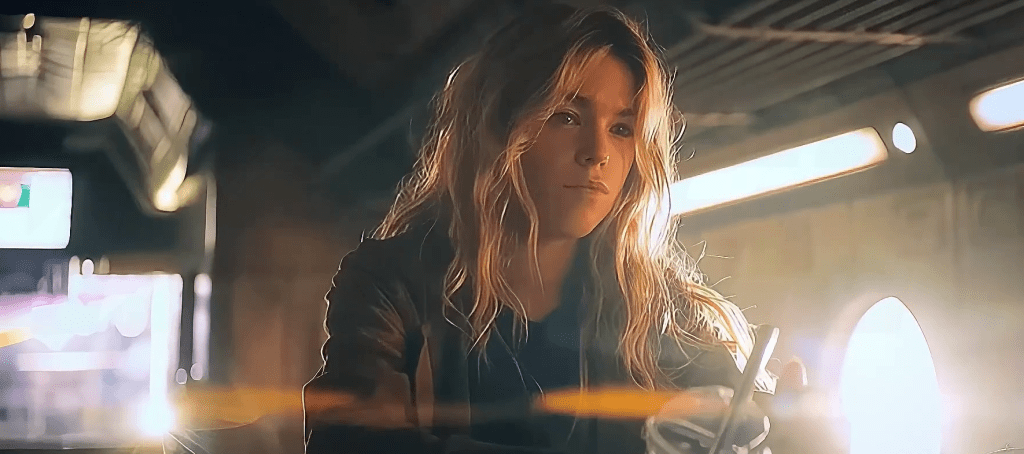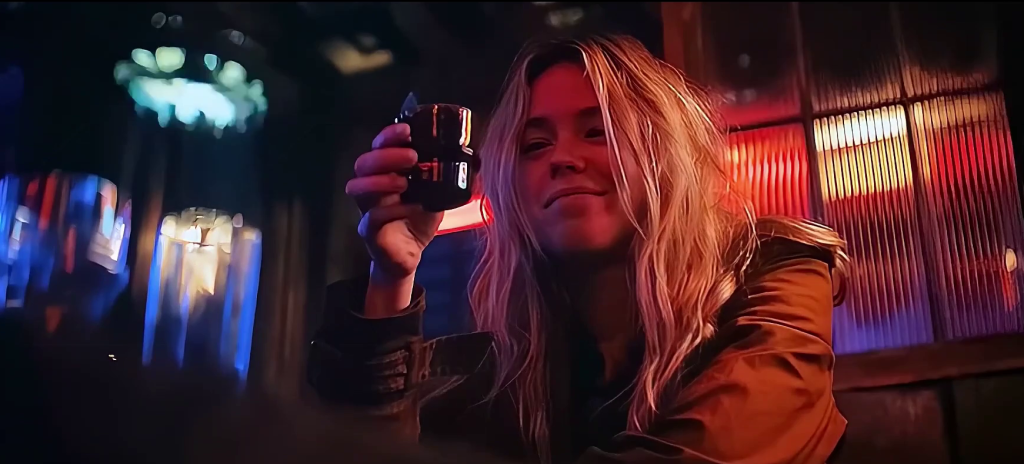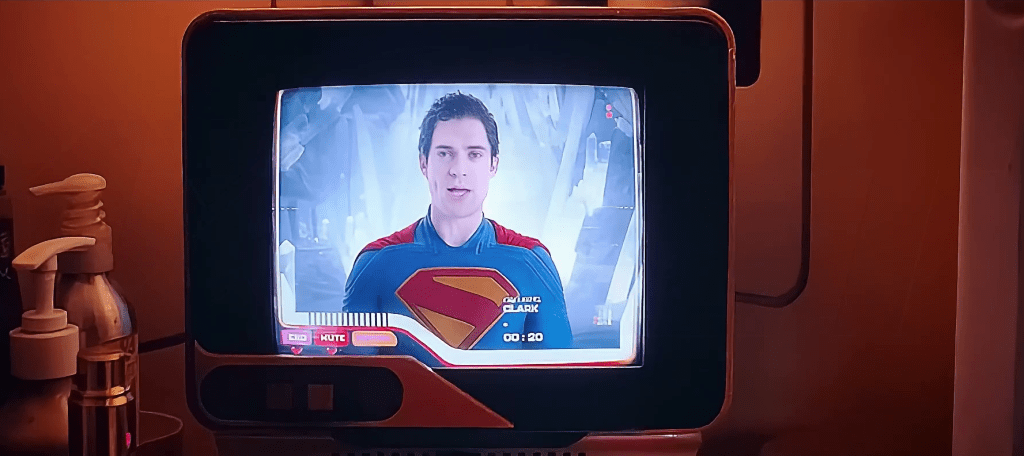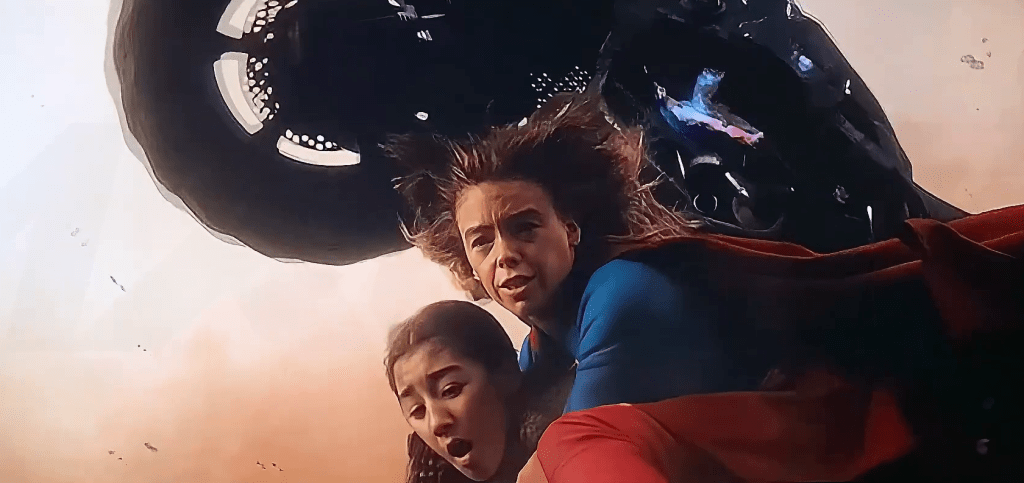
‘Masters of the Universe’ was great…and yet it bombed!

What can I say? I enjoyed this movie a lot more than I thought I would, but all the numbers are pointing toward ‘Masters of the Universe’ being a box office disaster – and that’s a real shame! This is not a perfect movie, but it was a ton of fun! In fact, the good far outweighs the bad in this film – so what has happened here?

The 2026 re-imagining of ‘Masters of the Universe’ is better than the 1987 version, but could it be that this is a long-forgotten franchise that either no one has heard of before, or very few people bother to remember? I think these factors played some part in this film’s less-than-favourable reception; not helped by the unexpected hits ‘Obsession’ and ‘Backrooms’ being released at the same time.

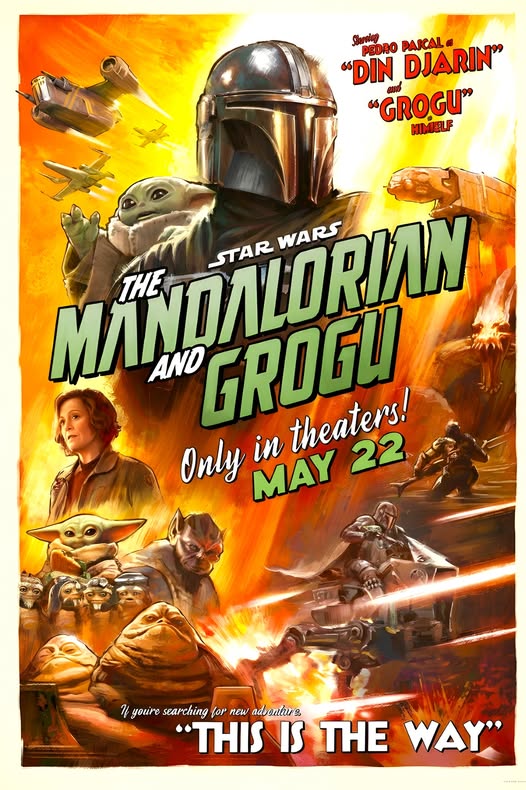
Personally, I enjoyed ‘Masters of the Universe’ all the way through – I was glued to the screen and there were many moments when I burst out laughing at some of the wacky scenes, which was in stark contrast to watching ‘The Mandalorian and Grogu’ a week or so ago, for I almost nodded off a couple of times during that fizzer of a show.

But the box office doesn’t lie and on a budget of $170-200 million dollars, this He-Man reboot/adventure has crawled its way to only $60 million worldwide! The Mando movie on the other hand has been criticised for its underwhelming performance yet has managed to rake in $300 million – but this is still pretty bad for Star Wars.

I’m not going to do a full review here, but rather share a few thoughts as to why I liked ‘Masters of the Universe’ so much.

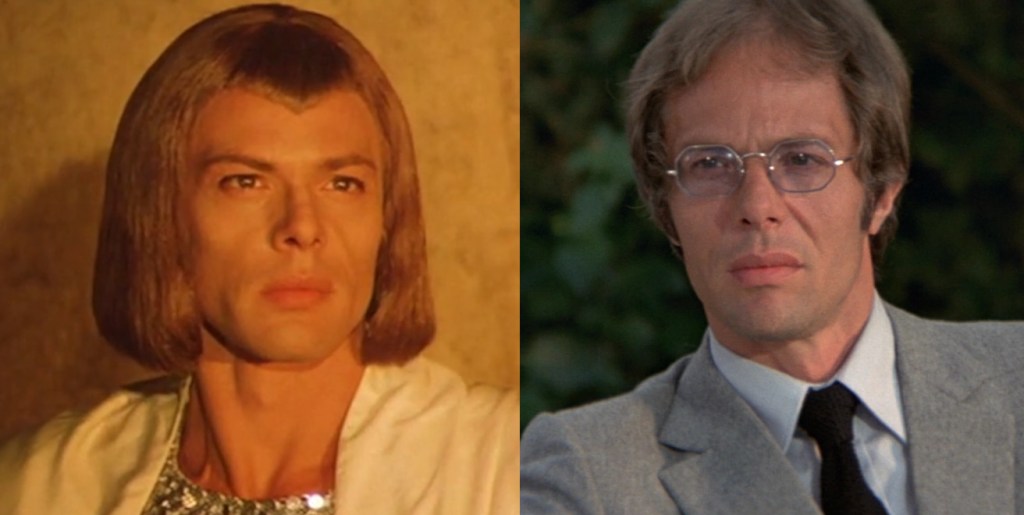
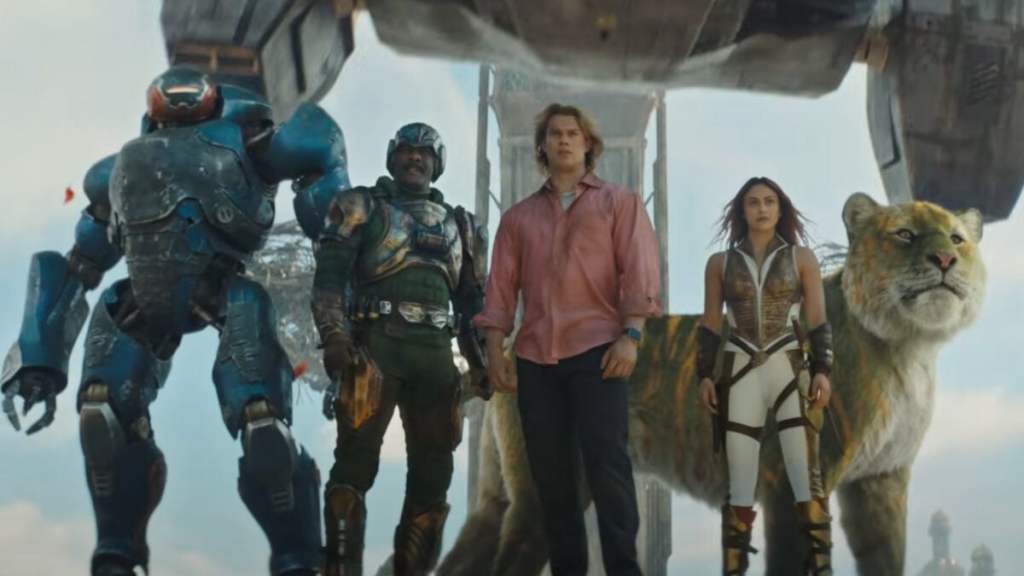
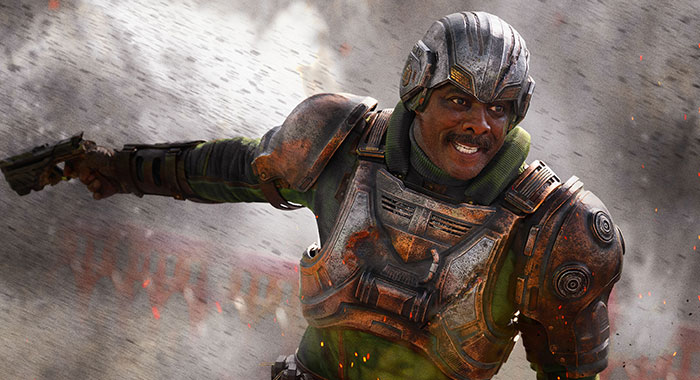
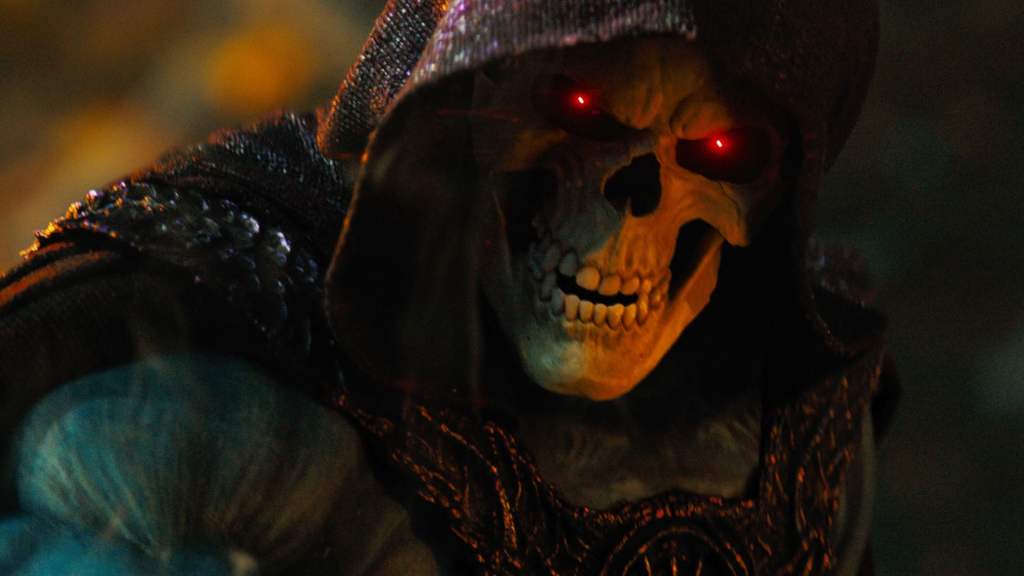
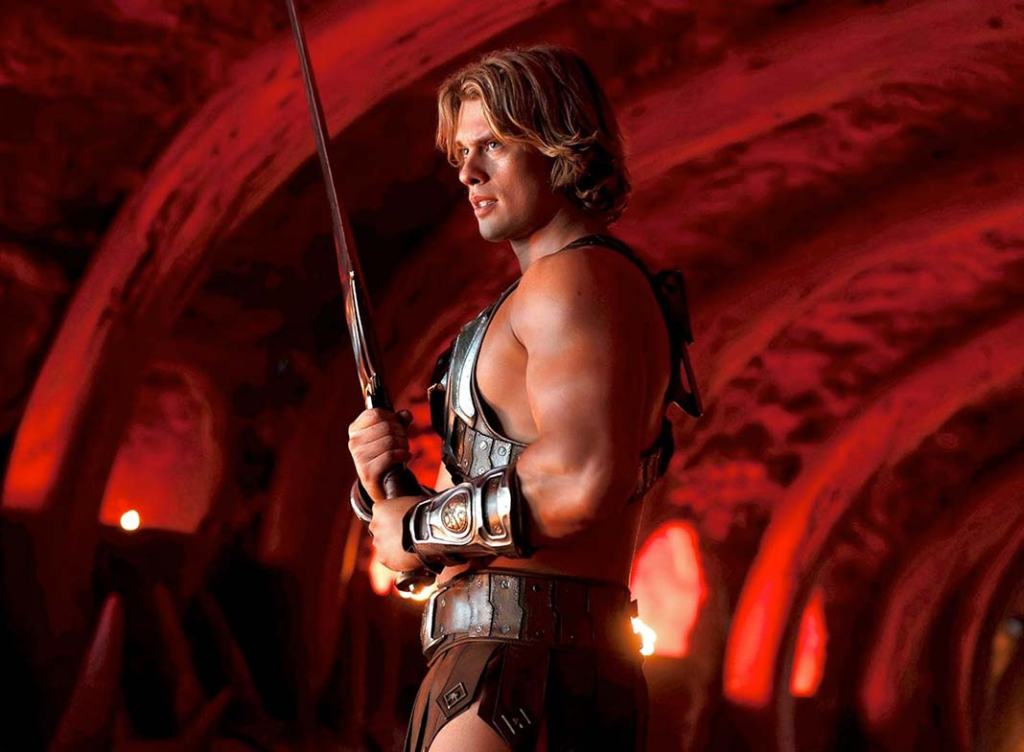
I’ll start by saying that this movie ticked a lot of boxes for me; the special effects were bright and sharp, the writing was a lot better than I expected – and above all it was just a rollicking two hours of entertainment. I thought the performances were pretty good too; especially Idris Elba as Man-at-Arms and (I can’t believe I’m about to write this) Jared Leto was awesome as Skeletor.

I do have to touch on some of the jokes and gags, as they constantly hit the mark throughout – some surprisingly so! There were times when the humour pushed the boundaries of a supposed family film; and I laughed aloud whenever the various nicknames Adam/He-Man had given to certain characters were brought up. The Dolph Lundgren cameo was priceless as well!

While I don’t have too many gripes with the movie overall, I do think there was a missed opportunity when the Queen song ‘Princes of the Universe’ was introduced during the final battle – the way it was cut and edited was strange as it omitted the iconic heavy guitar riff that would have been perfect for this pivotal moment.

There are no Oscars on the line here – which is maybe not a bad thing – so one needs to accept this movie for what it is and what it is intended to be: – just a loud, colourful, mindless-at-times thrill ride and charming dose of escapism that people of all ages can enjoy.

I walked out of the cinema with a smile on my face and was satisfied that I had got my money’s worth – which is something I rarely experience these days.

To that end, ‘Masters of the Universe’ exceeded my expectations, and I score it eight out of ten!

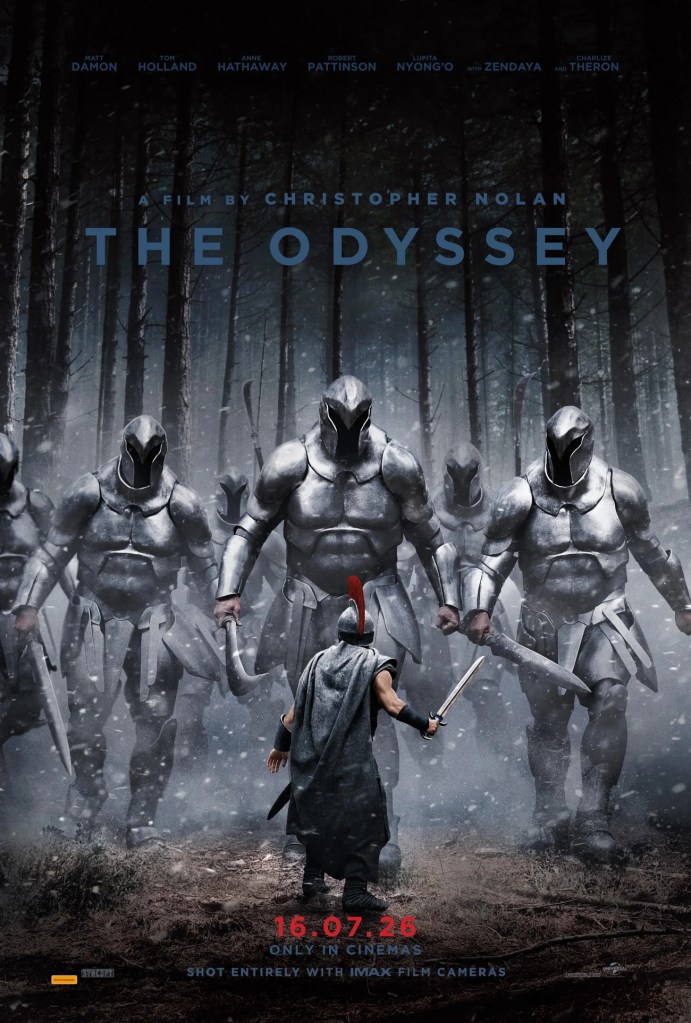
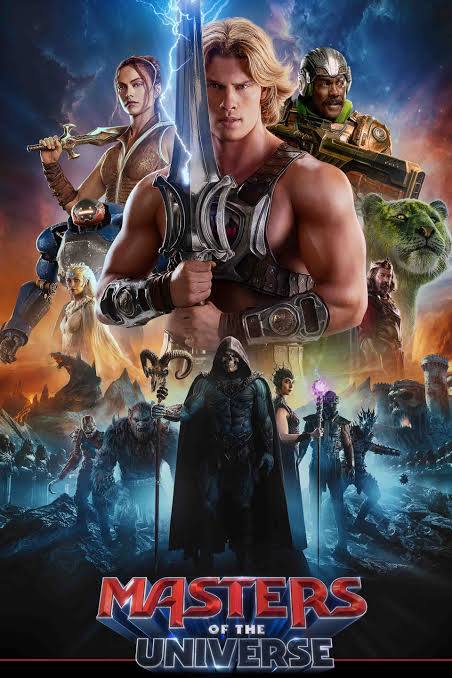
Posters and screenshots courtesy of Amazon MGM Studios and Sony Pictures

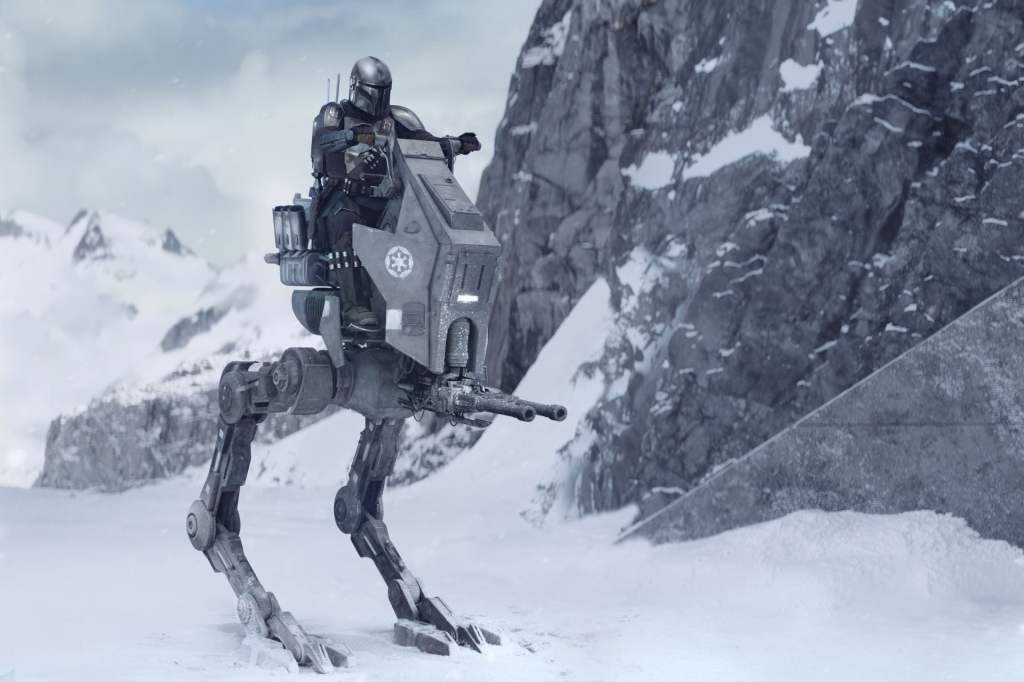
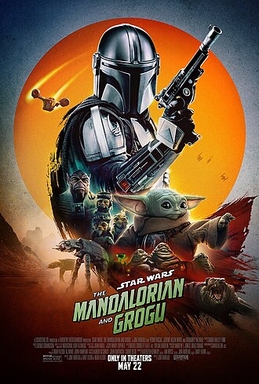
‘The Mandalorian and Grogu’ – my honest review

Disney Star Wars is in a sorry state – with most of their wounds self-inflicted through countless lightweight, woke and lore-breaking releases over the past decade. But it’s not as bad as some pundits constantly make out, as there were times when decent Star Wars moments have shone through within some of their less-than-average shows – such as the Baylan Skoll scenes in ‘Ahsoka’ and extensive parts of ‘Andor.’

I would rate ‘The Mandalorian’ Seasons One and Two as further examples of when Disney managed to get Star Wars just about right, but things would fall away sharply following the spin-off series ‘The Book of Boba Fett’ and this decline would continue into Season Three of ‘The Mandalorian.’

Which brings us around to ‘The Mandalorian and Grogu’ – a project that Disney played so safe with, that in Blackjack terms this would be the equivalent of standing on twelve.

This is a film made for kids – almost exclusively so. It is harmless and there is nothing in there that anyone could take offense from – unless weak writing and inconsistent pacing are what grinds your gears.

Personally, I found myself zoning out a lot throughout the movie – particularly during the second half – as it felt like I had seen it all before and was watching a re-run – but again, what I saw wasn’t necessarily ‘bad’ but bored me nonetheless. I am aware of other reviews claiming that this film plays out like three average episodes of what should have been Season Four strung together and repackaged into a theatrical-length release – and I would have to agree with those comments.

But let’s dive a little (spoiler-free) into the movie itself…

‘The Mandalorian and Grogu’ opens with a scene that sets the story up, where the New Republic have sent the heroic duo on an assignment to arrest an Imperial Warlord. This sequence is okay; lots of action with some lighter moments thrown in – before the main body of the movie plays out featuring Hutts, Stormtroopers and some characters from other Star Wars shows – as well as Sigourney Weaver.

The plot moves along quickly throughout the first act of the film, where Mando and Grogu set out to return Jabba the Hutt’s son Rotta – who has been enslaved as a gladiator – back to his family in exchange for information critical to the New Republic. I was still engaged with the adventure at this point, although the feeling that I had seen it all before was beginning to creep in…

For me, as an adult viewer and long-time Star Wars fan, I felt that the film dropped away from around the halfway point; grinding to a near halt for a good twenty minutes just before the finale. As for the ending itself – it consisted of little more than huge robots, some fighting and a squadron of X-Wings.

I did say this was going to be an honest review, so I will highlight a few things without writing an essay – trying my best to keep it brief and hopefully avoid any spoilers.

Firstly, the overall plot was serviceable, in that there were few inconsistencies – again, this would be the filmmakers playing it safe. In this current Star Wars climate, I will take that as a small win – remembering how shows like ‘The Acolyte’ and ‘Obi-Wan Kenobi’ were riddled with plot holes so large that you could drive a truck through them.

Secondly, the special effects looked a little off to me – and at times I thought I was watching an episode of ‘The Thunderbirds’ or ‘Space 1999’ with ships and puppets shaking about. I found it to be funny more than anything else – but was this the studio trying to limit production costs?

Also, I do have to touch on some of the finer aspects of the writing. Whilst already saying that the screenplay did its job to a degree; the writers’ refusal to take any risks or unveil any bold new ideas – and instead coat their beloved main characters in plot armour – is precisely why Star Wars fans are tuning out in their thousands. This seems to be a dynamic that Disney are unwilling to shake.

Finally, I must give a special shout out to Dave Filoni and his cameo in the film as a character called Trapper Wolf – yes, that’s what he named himself! Disney Star Wars is in safe hands with this guy, right?

Filoni jokes aside, as I stated earlier, ‘The Mandalorian and Grogu’ was not a ‘bad’ film – but rather a ‘nothing’ film. For those who have been Star Wars fans for decades, this offering will be considered by most to be more Disney slop, and I can’t argue with them there – but it’s nowhere near the worst of what’s been served up in recent years.

I can only defend this below par movie on two fronts; the fact that it played it by the numbers and tried not to destroy any more Star Wars lore – and that kids would have loved the end product. Make no mistake; this is a children’s film – whether or not the producers intended it to be – and I will therefore mark it accordingly.

‘The Mandalorian and Grogu’ gets five out of ten from me.

‘The Mandalorian and Grogu’ is currently in cinemas. All screenshots courtesy of Disney and Lucasfilm.

Was the 1976 version of ‘King Kong’ that bad?

It’s fair to say that monster movies have been well-represented in recent times, with Warner Bros’ ‘Monsterverse’ leading the way; supported by notable projects such as Apple TV’s ‘Monarch: Legacy of Monsters’ and the Japanese-made ‘Godzilla: Minus One.’

But back in 1976 we were given a blockbuster version of ‘King Kong’ that didn’t quite hit the heights it was expected to, and is rarely mentioned in terms of classic monster flicks. However, the film was remastered and released on Blu-ray a couple of years ago, which is more than enough incentive for me to go back and re-watch it for the first time in over two decades.

There was a lot of money thrown at this project back in the day, with a budget of around $US 24 million – and ‘King Kong’ would at least prove to be a commercial success by grossing just over $US 90 million at the box office. With Dino De Laurentiis producing and ‘The Towering Inferno’ director John Guillermin at the helm, hopes were high for this movie to be well-received critically, but things did not quite work out that way.

The cast was solid without featuring any major drawcards from that era, such as Charlton Heston or Robert Redford, preferring instead to have Charles Grodin, a young Jeff Bridges and Jessica Lange (in her film debut) playing the lead characters. Bridges and Lange would go on to become established and award-winning actors over the following decades, so those who made the casting decisions for ‘King Kong’ might have been onto something.

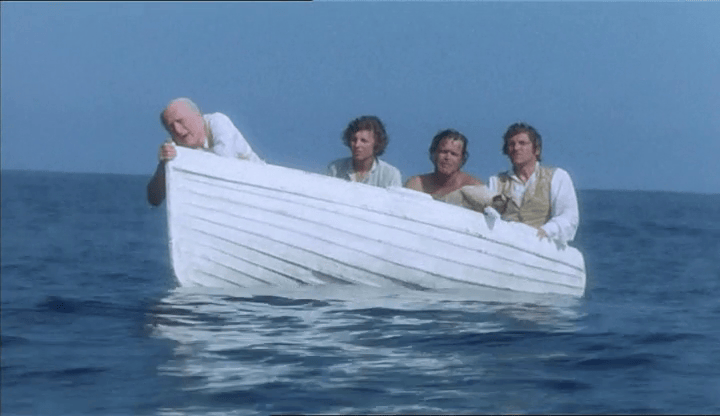
Interestingly, the actor standing behind Jeff Bridges in the photo above is none other than John Lone, who like Jessica Lange was also making his screen debut. Unfortunately, we don’t see a lot of Lone in this film as he plays a small role as the cook on the exploration vessel.

Before getting into the plot and themes of the movie, I should take a moment to mention the musical score composed by the legendary John Barry. This should have been a slam dunk, however Barry’s compositions in this film are little more than serviceable – and well below his usual high standards. Any movie wanting to reach classic status must have a memorable score and powerful theme music – but ‘King Kong’ falls short in these disciplines.

On a positive note, ‘King Kong’ remains fairly true to the storyline of the 1933 original, and is at its best during the scenes on Kong’s Island. In fact, the sets and scale of this spectacle are worthy of high praise, with the native village and defensive wall perhaps at the top of the list. The special effects used for the fog were also of a high standard, and looked quite convincing.

When Kong eventually turns up, some of the effects start to show signs of faltering, but I suppose they would have stood up to scrutiny back in the mid-seventies. Most of the action sequences still look alright though, but I wasn’t entirely sold on the Kong costume during facial close-ups – while the larger mechanical hand prop used to pick up Dwan (Yes – Jessica Lange’s character is named ‘Dwan’ and not ‘Dawn’) looked authentic more often than not.

Of course, there is the infamous scene where Kong gets a little frisky with his female captive…and the look on the big guy’s face says it all!

Two-thirds of the way through the film and it’s shaping up fairly well. The early scenes on the boat setting up the plot are solid, and the movie wastes little time arriving at the uncharted island and the introduction of Kong is neither too soon nor too late. Where the action falls short is not having enough monsters on the island for Kong to fight – except for a giant snake – and these elements were prominent in both the 1933 version and Peter Jackson’s 2005 movie.

Which brings us to the final act: – King Kong in New York City.

Who thought wheeling out Kong inside a petrol bowser was a good idea?

I can understand the argument that the film-makers were highlighting commercialism and corporate greed, but it comes across as a little cheesy and over-the-top for me. However, the humiliation ritual that followed was very well executed – the juxtaposition of Kong wearing a crown whilst imprisoned in a cage is clever and effective.

Of course, we all know what happens next – and I think the final act of the film suffers from the contemporary setting; especially the replacement of the iconic Empire State Building with the World Trade Center – which unfortunately has not aged well.

There was a sequence within this final act that I could not get my head around, when the main characters were on the run from a rampaging Kong and Dwan (Jessica Lange) insists on stopping at a bar for a drink. Don’t get me wrong, I’m all for moments of levity – but the timing of this was diabolical!

And the shot of Kong looking through the window when he finds them is just as outrageous! What a shocker! At this point, I was having fits of laughter.

But it’s not all bad, because some of the sequences with miniatures only moments earlier were quite impressive!

The film is struggling to hold it together at this point, but it is still an enjoyable spectacle. Unfortunately, the special effects throughout Kong’s battle with helicopters atop the World Trade Center are pushed well beyond their limits, and the scaling and perspective are terribly askew – see screenshot below.

In the lead-up to the rooftop showdown, there were a number of shots that appear to have been filmed inside one of the World Trade Center buildings, which now come across as sombre and haunting. I am also certain that the plaza where Kong falls to his death was filmed at the now-extinct complex.

Overall, I enjoyed the 1976 version of ‘King Kong’ having watched it through older and more critical eyes. I found it to be well-directed, neatly-paced and above all entertaining – not to mention keeping fairly true to the original story.

On the flip side, I don’t think the modern setting works; especially during the New York finale, but plays out reasonably well throughout most of the film. Some of the special effects shots were a little ordinary – and I’m still giggling over that window shot – but it worked most of the time, and I must keep in mind that the film was made in the nineteen-seventies.

‘King Kong’ certainly aimed high, and delivered on most of its promises, but ultimately fell short of being the classic movie the producers intended it to be. That being said, this film impressed me enough to give it seven out of ten!

All screenshots are courtesy of Dino De Laurentiis Corporation and Paramount Pictures.
‘Paranormal Farm’ Trilogy – campy but enjoyable!

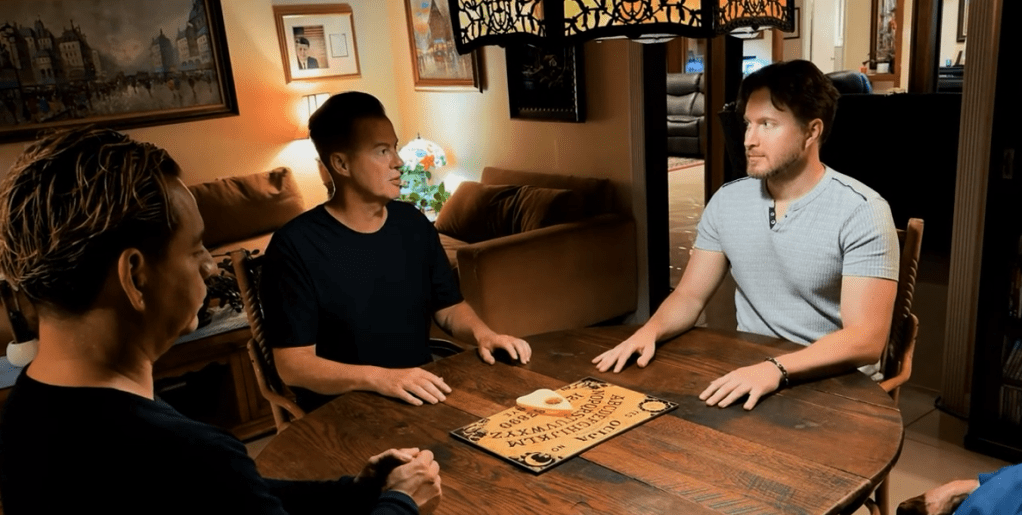
‘Paranormal Farm’ is a found footage horror film released back in 2017, and is the brainchild of independent filmmaker Carl Medland. I recall watching this on Amazon Prime Video a few years ago, and finding the show quite entertaining, especially as Medland was using little more than the camera on his mobile phone to bring this story to life.

Having recently learned that there was a trilogy of ‘Paranormal Farm’ movies, I took it upon myself to watch all three films over consecutive nights – and to say I was amazed and enthralled would be an understatement!

Before I continue any further with my glowing appraisal, I should point out that there are a few contentious plot issues – some wide enough to drive a truck through – and I am of the view that these were created deliberately. In fact, I am certain that Carl Medland is taking the mickey out of us – especially throughout both sequels – and the outrageous scenes featuring some truly bizarre behaviour from off-beat secondary characters would ultimately help his films gain cult status.

Therefore, this is not going to be one of my usual reviews and I will not deep-dive too much into the pros and cons of each episode. The simple fact that Medland has gone out and created something unique and original – putting a lot of time, money and effort into it – should be respected and admired.

While I am throwing compliments about, a special mention must go out to the actors who played Lucy and Darren – the farming couple whose property is the setting for the paranormal investigation – as they both have a natural screen presence, with weird mannerisms that keep the audience guessing as to their true intentions. This is countered by the performance of Medland, who spends most of the film recording himself on his phone while attempting to solve the spooky mystery, and doing so in a ‘big city’ manner that often rubs the country folks the wrong way. This is a strong dynamic.

There are a few well-crafted moments where nefarious villains creep up on Medland while he is recording – especially throughout the first film – and these movies are at their strongest during these scenes. However, when the main character’s reaction is to simply squeal and jog away, often turning around and moving back in the direction of where the threat was coming from, it does take away from what was a brilliantly-executed and genuinely frightening encounter.

Is this done on purpose? I think so – and this brings me back to using the term ‘campy’ in the heading, for at times I thought I was watching George Michael running about being chased by monsters and goons. What an absolute masterclass!

As far as the story is concerned, the mystery is solved at the end of the third film where an overly drawn out – and diabolical – scene plays out between the major characters. In many ways, it was a fitting end to the series and I was sitting on my sofa in total bewilderment whilst all was being revealed.

Despite its flaws and shortcomings, I cannot really fault the ‘Paranormal Farm’ series as it delivered an entertaining and eye-opening experience across all three films. The rural location featured was an inspired choice, with the clever use of disturbing mannequins and quirky storage sheds filled with junk adding to the eerie vibes and complementing Medland’s sharp direction.

I must say, for a guy who put an entire project together using only his mobile phone and editing software, Carl Medland has proven himself to be a talented filmmaker. Although Medland brought his colleague Mumtaz into the second and third films, along with a larger camera, I would say the original ‘Paranormal Farm’ is by far the superior product.

The ‘Paranormal Farm’ trilogy is available to watch on YouTube, but note that age restrictions apply in some countries. In any case, I have attached the link below.

Screenshots and posters are courtesy of Myspotlight Independent and MY Production Ltd.

Special thanks and appreciation to Carl Medland.

‘Sunday Lovers’ – The Roger Moore and Gene Wilder flop

Released in 1980 and featuring two leading men at the peak of their powers – with Roger Moore being the current James Bond and Gene Wilder arguably still in the prime of his career – this little-known film somehow ended up flopping heavily at the box office before vanishing without a trace.

‘Sunday Lovers’ was co-produced internationally, and is best described as an anthology of four separate romantic comedies, with the episodes set in various locations: – England, Paris, Los Angeles and Rome. Because the film was structured this way, Roger Moore and Gene Wilder did not share any screen time together – which may have impacted negatively upon the movie; perhaps not helped by a slightly misleading poster.

Overall, the film was savaged by critics, with a couple of the episodes in particular coming under heavy fire. With this in mind, the best way to explore ‘Sunday Lovers’ would be to separate it into the four different stories, beginning with the opening chapter starring Roger Moore.

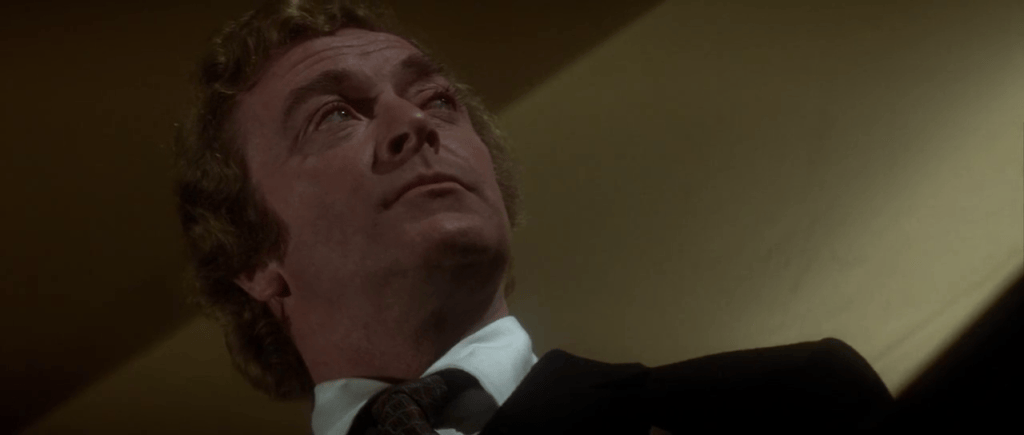
‘An Englishman’s Home’ features Moore as a chauffeur named Harry, who would assume the role of his aristocrat employer whenever he was out of town as a pretense to seduce young and impressionable air hostesses. Actually, impersonating his employer would be a more accurate description. Aided by his work colleague Parker – a complicit butler played by Denholm Elliott – Harry convinces an American stewardess named Donna back to ‘his’ castle for a little romance, only for the weekend to be thrown into disarray by an unexpected visitor.

Thanks to Roger Moore’s performance as Roger Moore, this story – despite its lecherous premise – can be easily passed off as lightweight and harmless – and is easily the best of the four episodes.

The film then moves on to the second story – ‘The French Method’ starring Italian actor Lino Ventura as a Parisian businessman who agrees to hook up his secretary with an American client in order to close an important deal.

Honestly, the misogynistic themes throughout this episode were too heavy – even for me – with an all-too-willing young woman adding to the overall discomfort. Despite the performances being solid and the story ending with the main character redeeming himself, the distinct lack of humour here – in contrast to the previous chapter – leaves it well short of a pass mark.

The third story is titled ‘Skippy’ and was written and directed by Gene Wilder, who also plays the titular character – a mentally-troubled middle-aged man named Skippy.

I actually watched this episode twice, and still can’t quite get a read on it. This is a strange one, for out of the four chapters featured in ‘Sunday Lovers’, I suppose this would be the closest to a love story, and yet so much of this tale is ambiguous and open to interpretation. My suspicion is that Gene Wilder wrote this as a feature-length screenplay, and having offered it up to this project needed to cut it down dramatically into a twenty-minute piece. As a result, I sense there is a lot of exposition missing.

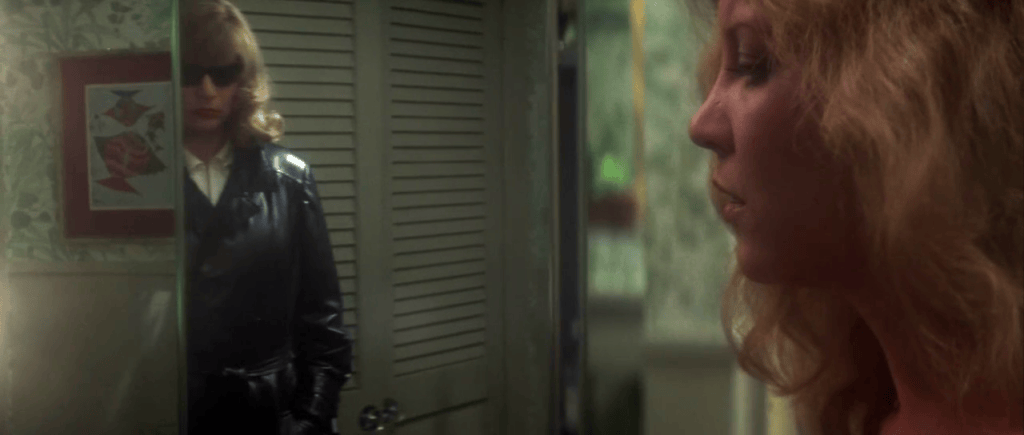
The story itself centres on Skippy – a man aged in his forties who has checked himself into a mental health facility – and his romantic escapades with a much younger woman named Laurie (played by Kathleen Quinlan) during a weekend release from the hospital. There are some trademark Wilder moments, such as his crazy dancing to Bee Gees songs, but seeing him naked throughout extended love scenes was definitely not on my bingo card. This story really was a mixed bag!

I enjoyed ‘Skippy’ to a degree, as there was just enough depth to get me invested in the characters; helped along by the madcap antics of Wilder, but brought down a peg or two by the excessive nudity. However, most reviewers and online commentators rate this story as a dumpster fire, with many saying it is the worst episode out of the four, but I did not quite see it that way.

The fourth and final chapter is titled ‘Armando’s Notebook’ and stars Ugo Tognazzi, who plays an Italian man named Armando who discovers an old notebook containing the telephone numbers of his former girlfriends. As his wife is away for the weekend, a bored Armando begins calling the names listed in the book, and of course – hi-jinks ensue!

Setting aside the willingness of the main character to cheat on his wife so easily, this story is really nothing more than a typical Italian romantic comedy/romp. Tognazzi’s performance is serviceable and there are a number of funny scenes; most notably a bizarre encounter with a woman possessing supernatural powers.

I would give this episode a pass mark, as it is quite entertaining yet mindless on so many levels.

Overall, ‘Sunday Lovers’ is a watchable film but will not have aged well with most modern audiences. Having Roger Moore and Gene Wilder attached to this project is what initially piqued my interest, and their respective stories are definitely worth watching. I maintain that Moore’s ‘An Englishman’s Home’ is the better of the four episodes, with Wilder’s ‘Skippy’ coming in second place. The Italian romp ‘Armando’s Notebook’ is next best – thanks to its comedic tones – with the Parisian tale ‘The French Method’ being the least enjoyable chapter.

‘Sunday Lovers’ or ‘Les Seducteurs’ used to be almost impossible to find, but fortunately – thanks to the wonders of the internet – the entire film can now be watched on YouTube.

I have added a link below to Don Alex’s YouTube Channel where not only can you watch the movie, but you can read some of the host’s insightful comments about the film – some of which differ from my own opinions. Regardless, if you are a fan of Roger Moore or Gene Wilder – or both – then I highly recommend you check out the film, even if you only watch their particular segments.

Again, the link is below – courtesy of Don Alex on YouTube.

Screenshots courtesy of Cinema International Corporation, United Artists and MGM.

A must-see video for fans of ‘A Clockwork Orange’

For many years I have been strangely fascinated with the filming locations for Stanley Kubrick’s 1971 masterpiece ‘A Clockwork Orange.’ There are a few spots that I can recall instantly, such as Thamesmead, Tagg’s Island and Brunel University, but most are scattered about London and its surrounds – and it takes a keen researcher to track each and every one of them down.

A year ago I discovered a YouTube video from Sean Clark – who does outstanding work with finding movie locations – and his ‘A Clockwork Orange’ presentation is so good that it’s off the charts! With a run time of around an hour, this guy finds just about every place Kubrick and his crew filmed – even the areas that have since been demolished or drastically remodelled.

There are a few other videos on this same topic out there, but Clark’s effort is by far the best and most concise. If you love ‘A Clockwork Orange’ then I strongly recommend that you watch his video – and I have provided a link below.

Footnote: In the video, the McDonald’s restaurant where the Chelsea Drugstore once stood has since closed – see photo below.

Special thanks to Sean Clark’s YouTube Channel.

My favourite movie scene from 2025

With 2026 now upon us, it is time to reflect back on the cinematic year that was 2025 and recall a little piece of movie magic that I found quite memorable. Well, not so much memorable – as in awesome – but rather a scene so dumb that it made me laugh uncontrollably when I first watched it.

If you haven’t already guessed; I’m referring to the ‘disappearing T-Rex’ sequence in ‘Jurassic World Rebirth’ – a trick that would make David Copperfield blush with envy. What is most impressive is that the scene itself lasts only as long as it takes for a rubber dinghy to self-inflate; so we are talking about four to five seconds.

As I work through the key moments, keep in mind a couple of things; the size of the Tyrannosaurus and its close proximity to the jetty – which stands only a few metres away. With that being said, I shall now present my case using selected frames in chronological order: – and remember, this entire sequence goes for only a few seconds.

T-Rex is asleep only a few feet away from where the girl is dragging the package.

She lets it rip! There’s an almighty hissing sound and the dinosaur is now awake.

The dinghy expands as the T-Rex watches on.

The rubber boat stands on its side for no more than a second as it inflates fully, momentarily obscuring the dinosaur from the frame.

Girl pushes the dinghy into the water, but hang on!…

…the Tyrannosaurus Rex is gone!

In most cases, I’m happy to just keep eating my popcorn and go with the flow in order for some Hollywood trickery to work, but that was ridiculous!

And then after the view switches to the girl’s family urging her on, it quickly pans back and now the T-Rex has reappeared further down the river – and look at the bloody size of it! How can something so big vanish in the blink of an eye with only a small tree and some long grass to use as cover?

I must give the film editors some credit, as they have managed to ‘jump the shark’ and create something that is ‘so bad it’s good’ at the same time!

Despite ‘Jurassic World Rebirth’ being a forgettable movie overall, this outrageous scene was easily my cinematic highlight from 2025 – and still cracks me up whenever I replay it.

Screenshots are courtesy of Universal Pictures.
‘Kingdom of the Spiders’ is a cool movie!

Headlined by the legendary William Shatner, this 1977 horror flick is surprisingly good: – with a decent story line and impressive use of thousands of live tarantulas. In fact, around one-tenth of the entire film’s budget was spent on handling so many spiders, which is an incredible statistic.

My understanding is that tarantulas are fairly docile creatures – especially around humans – so it was quite an achievement for the film-makers to have the spiders appear to chase or attack people in this movie. The use of off-screen fans were utilised to great effect to have the arachnids move in the direction and manner desired, and it certainly paid dividends with some wonderful yet frightening sequences being brought to the big screen.

The story is set in the town of Camp Verde, Arizona where livestock are suddenly dropping dead, and tests later reveal that this is due to lethal amounts of spider venom. The local vet ‘Rack’ Hansen (played by William Shatner) along with an arachnologist soon discover a massive spider hill on a local farm, and the decision is made to set it on fire. Big mistake!

But before we explore the consequences of upsetting thousands of spiders, I should point out that it wouldn’t be a William Shatner movie without a little romance – and the great man is in fine form here!

Anyway, the locals would pay a heavy price for attempting to destroy the spiders’ nest, as a swarm of angry tarantulas descend upon the town; even ambushing some of the folks by crawling into trucks and planes as part of their ultimate revenge!

But the most unnerving moments were saved for the film’s final act, and you have to appreciate how difficult it would have been to pull off some of these scenes. Remember: No CGI involved – only real tarantulas with the odd rubber spider thrown in.

Now as creepy as some of these screenshots are, the following sequence is perhaps the most disturbing in the entire movie. Credit goes to the very young actress here!

‘Kingdom of the Spiders’ is a solid film that builds suspense nicely throughout and goes out of its way to explain the aggressive – and rather unscientific – behaviour of the tarantulas, before delivering a truly exceptional ending that I will not spoil here.

The charismatic but serviceable performance of William Shatner helps the movie along, with second-billing going to the ridiculous number of hairy arachnids that share the screen with him. In summary, this is a movie worth watching, and despite being a low-budget production, I would still rate it seven out of ten!

Screenshots courtesy of Dimension Pictures and MeTV.

When David Warner lost his head

I’m referring to the late, great English actor – not the Australian cricketer.

David Warner, who sadly passed away in 2022, was an English actor who popped up in many films and TV shows over the decades. Perhaps his most famous roles would be the villainous Dillinger in ‘Tron’ (1982) and the overly-suspicious bodyguard Lovejoy in ‘Titanic’ (1997). Most movie buffs would probably recognise Warner – and say “Oh, that guy” – but wouldn’t know much else about him, which is unfortunate because he truly was a master of his craft.

However, it is Warner’s performance in the 1976 horror classic ‘The Omen’ that I wish to focus on, and in particular his character’s unforgettable demise.

*** BLOOD AND GORE ALERT ***

I’m about to show some rather spicy screenshots of a decapitation scene that is incredibly realistic, despite these practical effects being filmed almost fifty years ago.

So, let’s set the stage: – Robert Thorn (played by Gregory Peck) throws a mystical set of daggers away in a fit of rage, forcing his colleague Keith Jennings (David Warner) to walk along an alleyway and into a construction site to retrieve them. Of course, as soon as Jennings bends down to pick up the knives, we all know he’s in serious trouble.

The handbrake on a parked truck then slips, and the vehicle begins rolling toward the unsuspecting Jennings – who I have to say is in no hurry at all to pick up the sacred daggers.

Did you see the sheet of glass on the back of the truck? Well, that’s about to come into play…

*** LAST CHANCE TO LOOK AWAY ***

The director of ‘The Omen’ was Richard Donner, who would later helm ‘Superman’ in 1978, ‘The Goonies’ in 1985 and ‘Lethal Weapon’ in 1987, to name but a few of his works. To say that Donner knows a thing or two about camera angles and special effects would be a vast understatement, and this incredible death scene was shot from multiple sides – top, bottom, left and right – and most likely completed over a number of takes.

In the final cut of the movie, some of these sequences are even slowed down a little – a strong indication of how happy the editors were with both the realistic dummy of David Warner and the way these incredible shots turned out.

Even by today’s standards of film-making, I think this holds up pretty well.

I should also point out that the corresponding scene in the 2006 remake is also quite gruesome, with David Thewlis being the actor on the receiving end of a freak accident.

I have added a link below to the 1976 scene – courtesy of La Casita del Horror de Pipendorf YouTube channel.

To end on a brighter note, it was great to see David Warner’s likeness appear in ‘Tron: Ares’.

Shame about the rest of the movie.

Screenshots are courtesy of 20th Century Fox, The Walt Disney Company and Paramount Pictures.
David Warner’s portrait is courtesy of Rory Lewis Photography.

I was too harsh on John De Hart

A couple of years ago, I wrote a scathing (but accurate) article about the 1993 B-Movie ‘Champagne and Bullets’ – starring the amazing John De Hart.

For those not aware of this brilliant film, ‘Champagne and Bullets’ is an action/romance/revenge flick that was fully funded by Mr De Hart out of his own pocket. Not only was John the director, but he cast himself as the main star, and also sang most of the songs on the soundtrack. Needless to say, the end product was a masterpiece of poor cinema, and is regarded by fans of bad movies to be one of the all-time greats – with Wikipedia describing De Hart’s performance as “amateur and inexplicable.”

Anyway, I’m not sure what the reasons are, but my John De Hart write-up from 2023 has seen an increase in views over the past few days. With this in mind, perhaps it is time to share a few more thoughts about this one-time action star; focusing more on the man himself and being a little ‘nicer’ this time around.

So, let’s break down the indomitable screen presence of John De Hart – action star, romantic leading man and overall legend – beginning with how smooth this guy is with the ladies.
Romance is clearly one of John’s strongest suits, and he is well-known for punching above his weight. De Hart always follows the same successful routine; kicking things off with a classy dinner – as seen in the photo above – before moving on to more ‘comfortable surroundings.’

It’s all too easy for a man of such talents…

But even a superstar like John De Hart needs a little help sometimes – and it’s great to have a friend close by to hold your champagne flute just as things start to heat up!

I love your work, John – but that extra hand is creepy!

John De Hart is also a certified fashion icon, and throughout ‘Champagne and Bullets’ he graces our screens with some remarkable outfits. It’s best to simply let the pictures below do the talking, but I must say that his black leather costume – as seen in the second photo – is out of this world!
But perhaps the most impressive combination John wears in the movie would be his white and navy blue-striped wedding tracksuit.
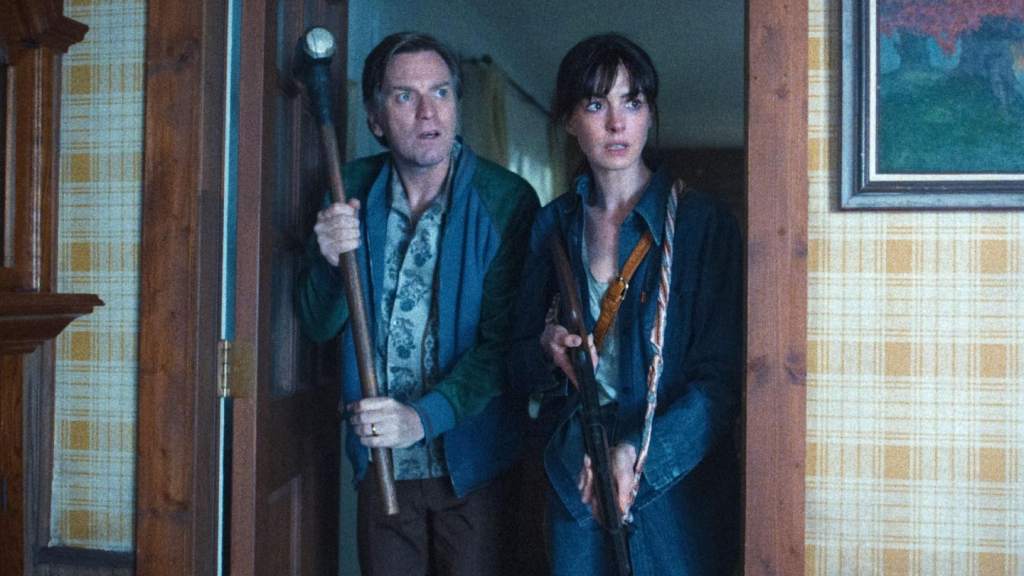
Despite his many talents, John De Hart is first and foremost an action man – whether it be fighting the forces of evil or taking to the stage to perform his signature hit song – ‘The Shimmy Slide.’ This man can do it all – hot damn!

When it comes to eliminating the villains, De Hart has a ‘particular set of skills’ at his disposal to get the job done. Be it a crossbow, a gun, or simply his lethal martial arts powers – John De Hart excels in all disciplines and the bad guys should know better than to mess with him!
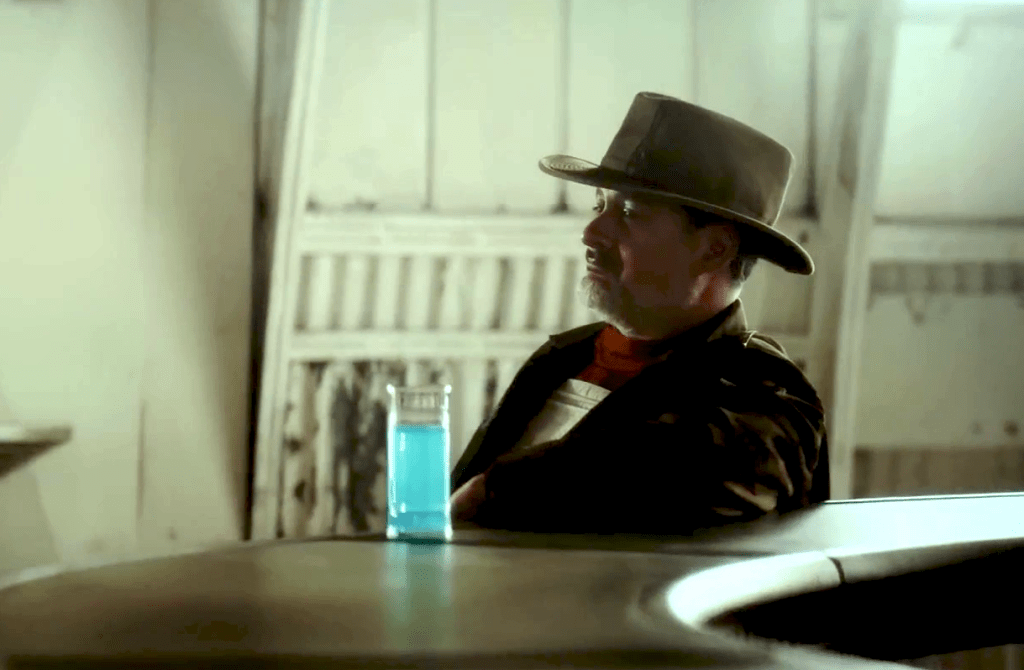
I will finish off this glowing tribute to one of Hollywood’s quiet achievers by touching on his remarkable acting ability. With a range on par with Pacino or Brando, John De Hart delivers a broad spectrum of emotions – and has been known to recite Shakespeare so flawlessly that even Sir Laurence Olivier would feel belittled by such raw power.

If you haven’t seen ‘Champagne and Bullets’ – which sadly turned out to be the only film John De Hart ever made* – then I strongly recommend that you do. It’s bad – really bad – yet has a magnetic appeal that makes it almost impossible to stop watching. De Hart himself is front-and-centre throughout most of this insanity, yet strangely enough comes across as a likeable guy who just seems to be ‘having a go’ – an attribute that we Aussies appreciate.

I happened to find the full movie on YouTube that has all the nudity blurred out, and trust me – that’s not a bad thing. I have added the link below, courtesy of DDF: Movie Day – but as it is age restricted, you might have to sign in to view it.

*Note: John De Hart made a cameo appearance in the 2006 film ‘The Champagne Gang.’