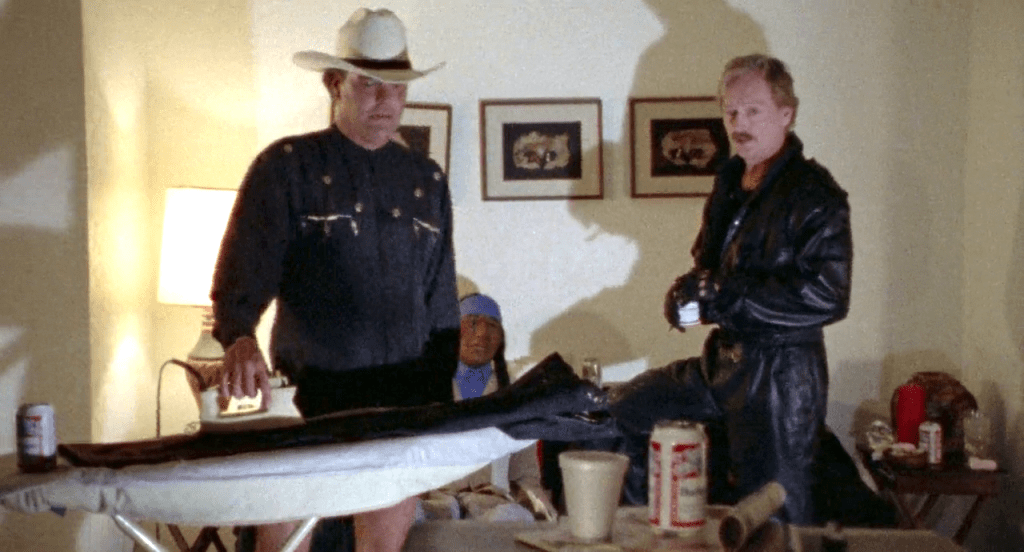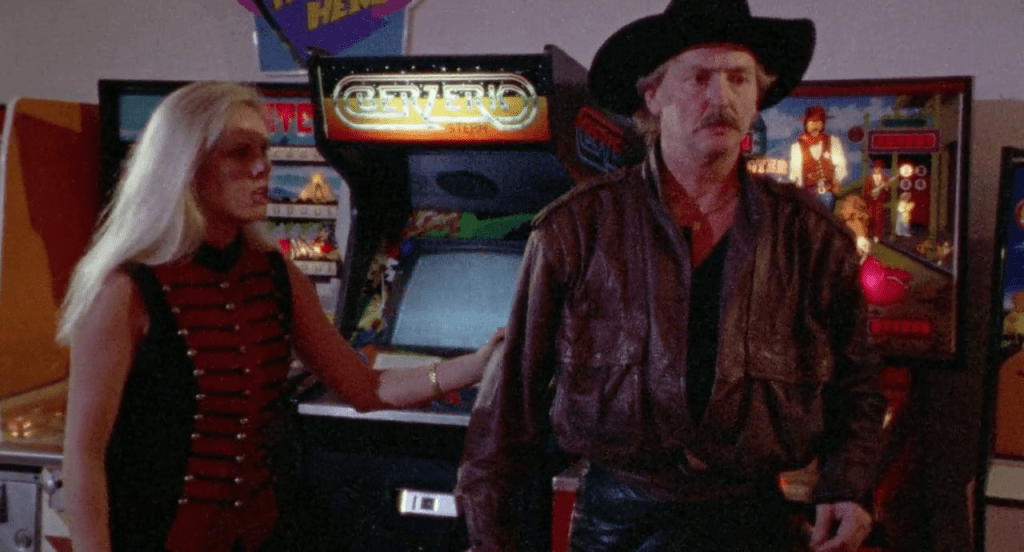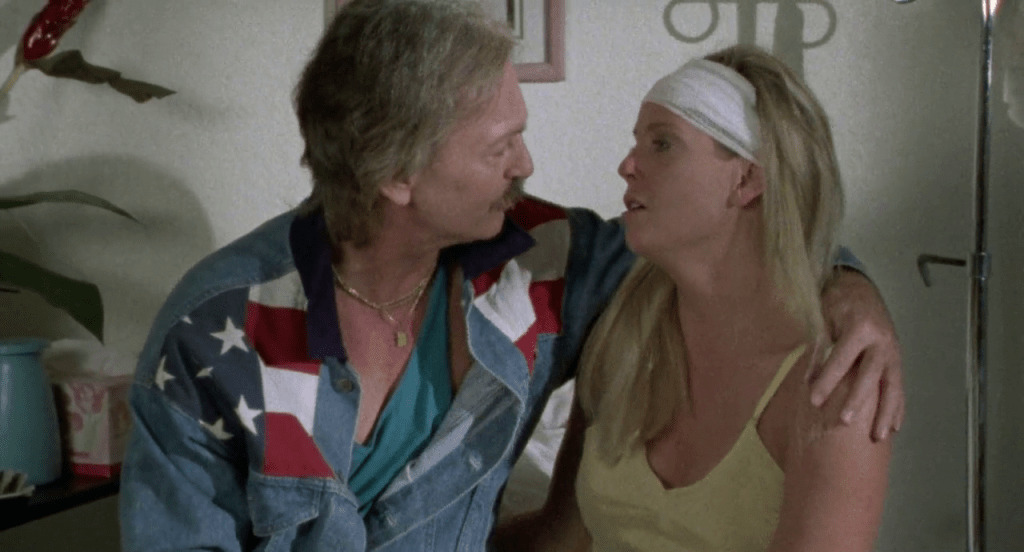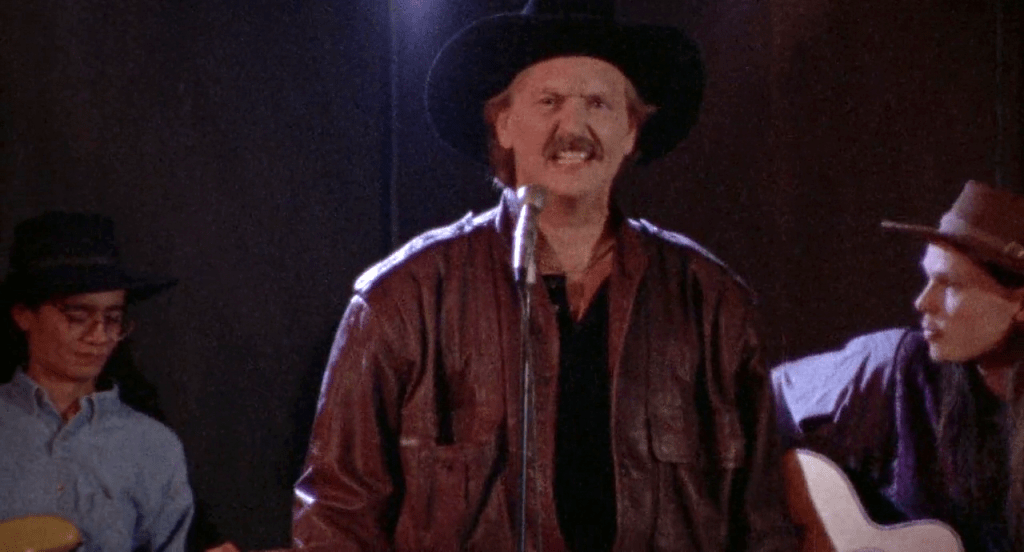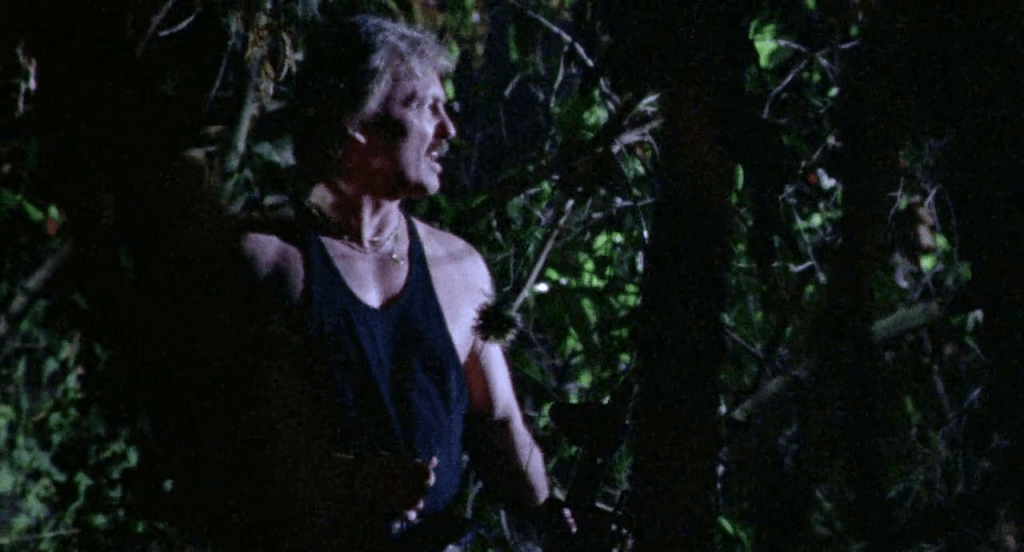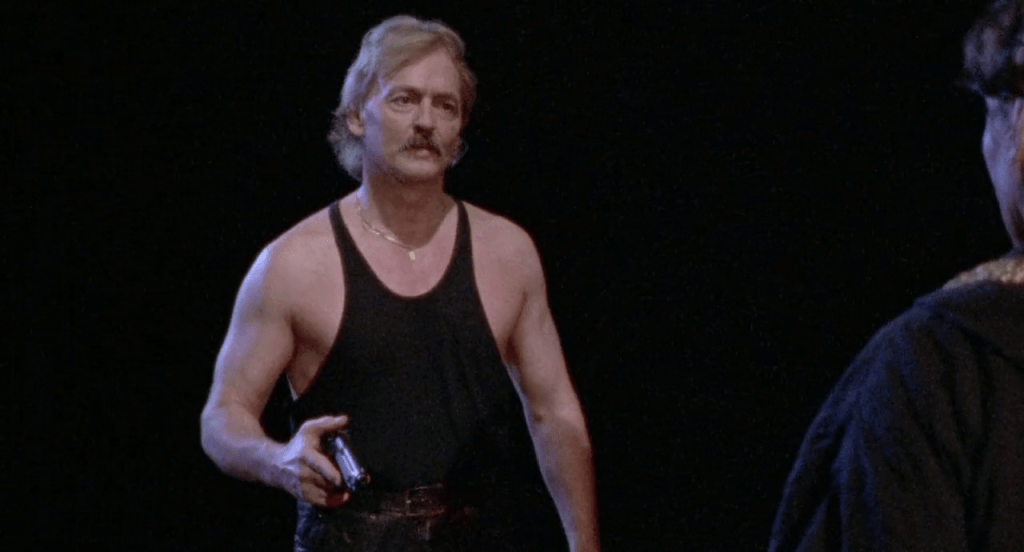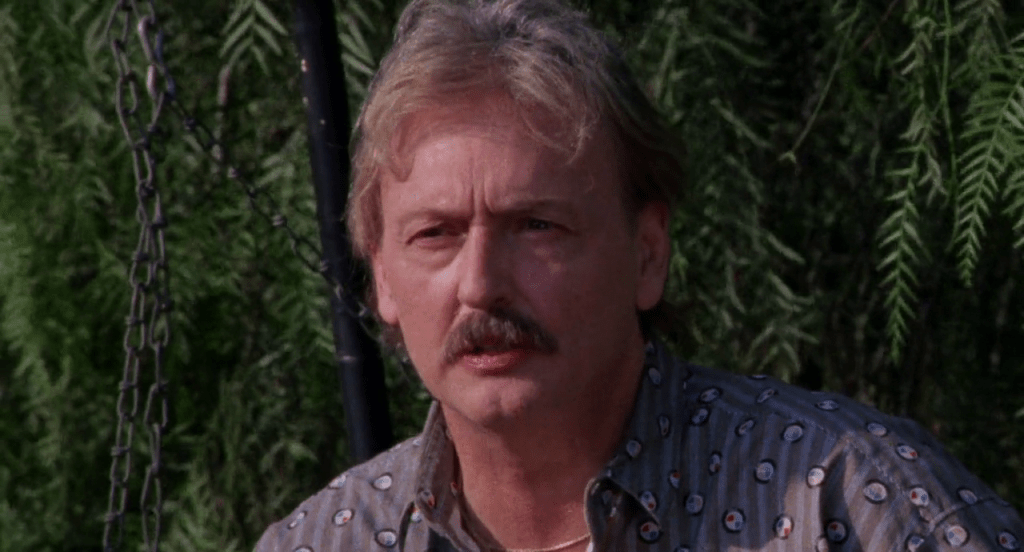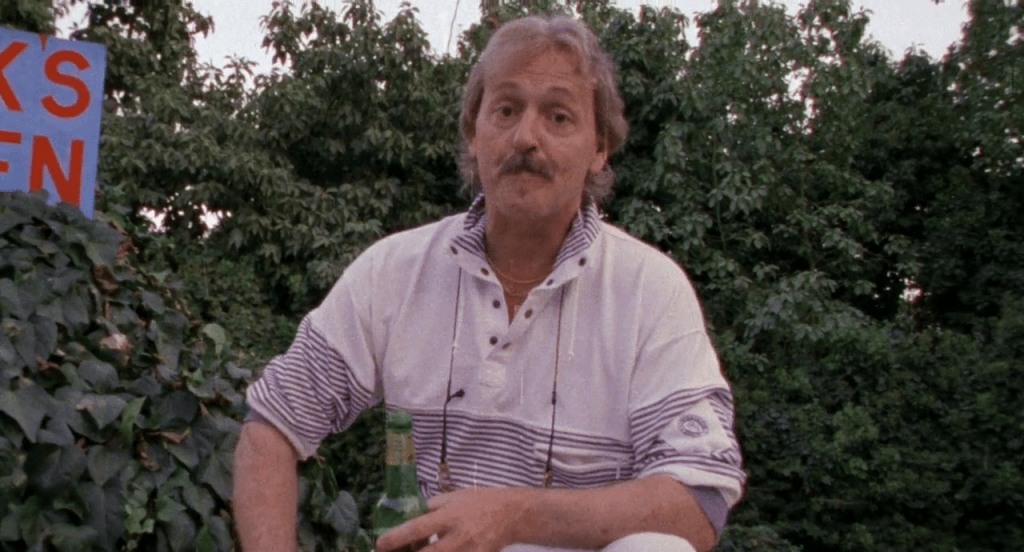
I watched ‘Superman’ – and it was okay

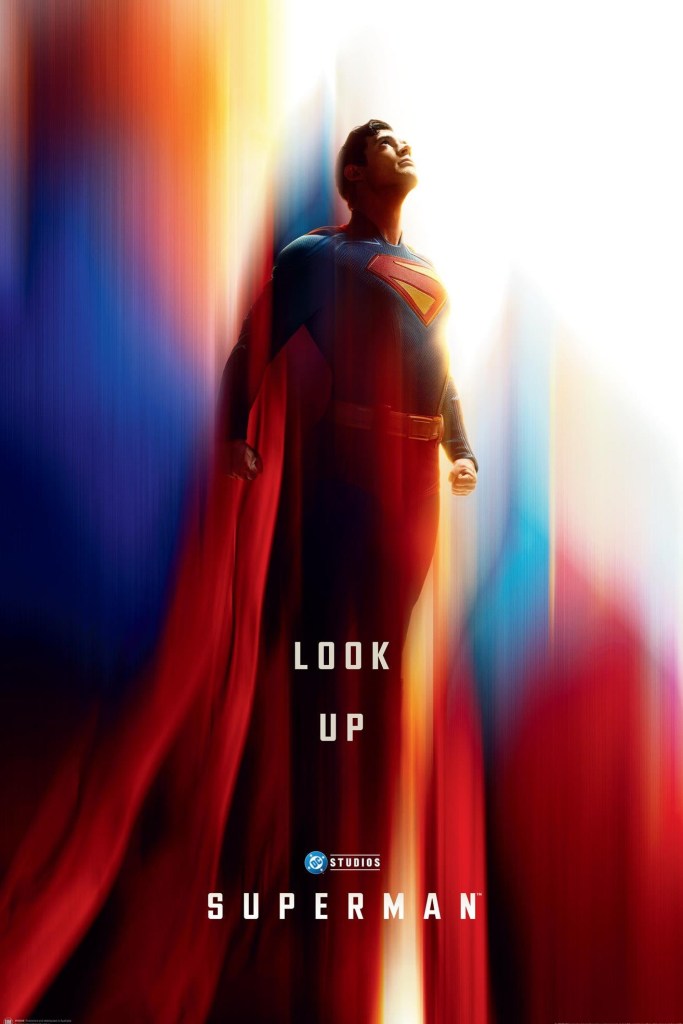
James Gunn’s ‘Superman’ was released in cinemas last week to mixed – yet in some ways consistent – reviews and has been vigorously broken down and analysed on numerous online channels and podcasts over the past few days.

I managed to catch a session of this movie yesterday and approached it with an open mind – not wanting to be overly-critical, but also not setting my expectations too high.

This is not a great movie; nor is it a disaster. In fact, a lot of the praise that this film has received can be justified, and likewise so can the flaws and weaknesses pointed out in some of the negative reviews. But overall – and this is my own verdict here – I would describe this reboot of Superman as being all over the place and a bit of a mess, yet it turned out to be a fun movie that I found quite likeable.

Without giving any elements of the plot away, I will tread carefully and provide an honest appraisal of what I experienced from this movie. Toward the end of this article, I will put up a spoiler warning and then offer a few more detailed remarks.

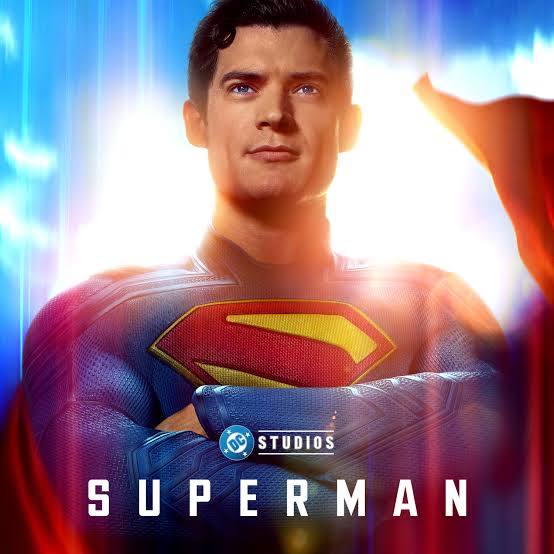
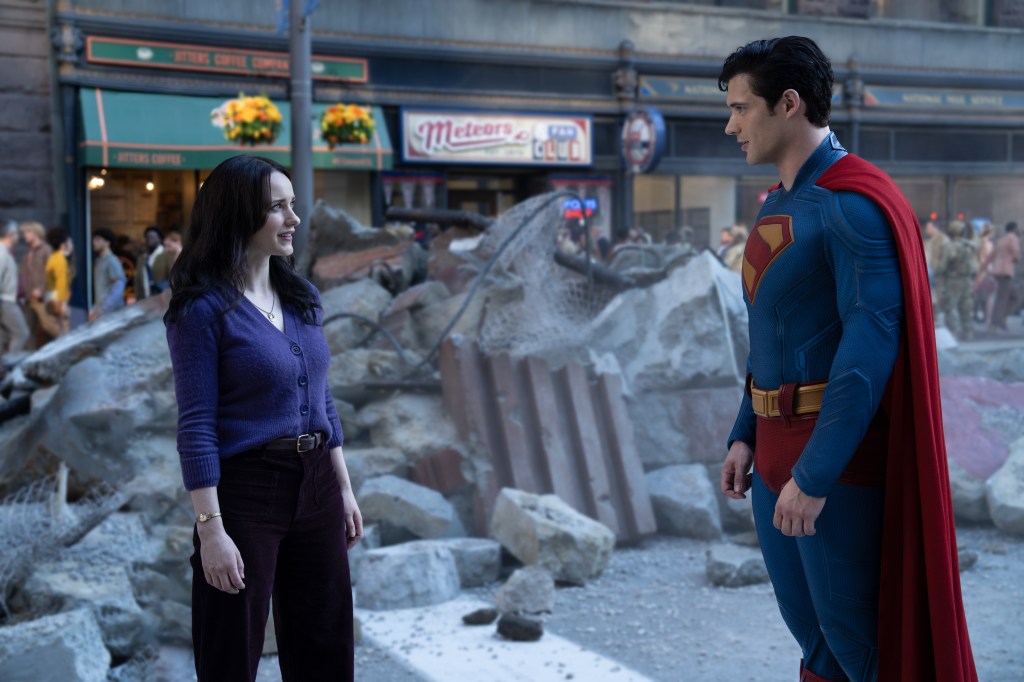
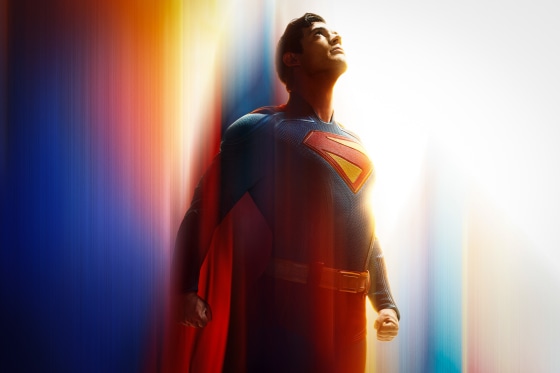
I will start positively by saying that David Corenswet was excellent as Superman. He looked and acted the part, but I think the way the film was written meant that his charm and charisma took a little while to shine through. But eventually it did.

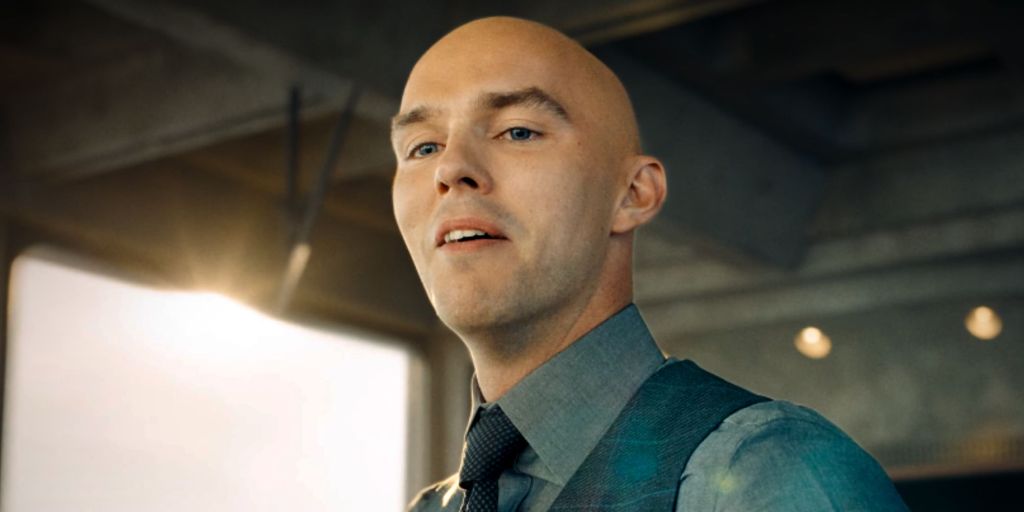
Rachel Brosnahan as Lois Lane was also well-cast, as was Nicholas Hoult as Lex Luthor – but I don’t think the super villain’s part was penned as sharply as it could have been. The ideas were alright and some of Luthor’s schemes were decent, but the fast-paced screenplay often didn’t allow his moments of evil genius to settle before moving on to the next scenes.

In fact, this a common criticism of James Gunn, mainly around moments of gravitas or emotionally-heavy exchanges in his films, in which he overuses levity – often in the form of a weak joke or some type of slapstick – to underline the scene. To be fair, this style can often work well in a film and it’s great to make the audience laugh – but it is not as effective as often as Gunn thinks it is and many times in this movie he fails to let these character-building scenes slow down a little and run their course.

You may have read similar criticisms in other reviews, and these are legitimate gripes. But to me these issues were a minor disappointment and fit nicely into my ‘it could have been better’ overview of this film. Whilst I think that Gunn overplayed the use of jokes in this movie, it was not a deal-breaker for me – for it was clear that his vision for Superman was aimed at a younger audience.
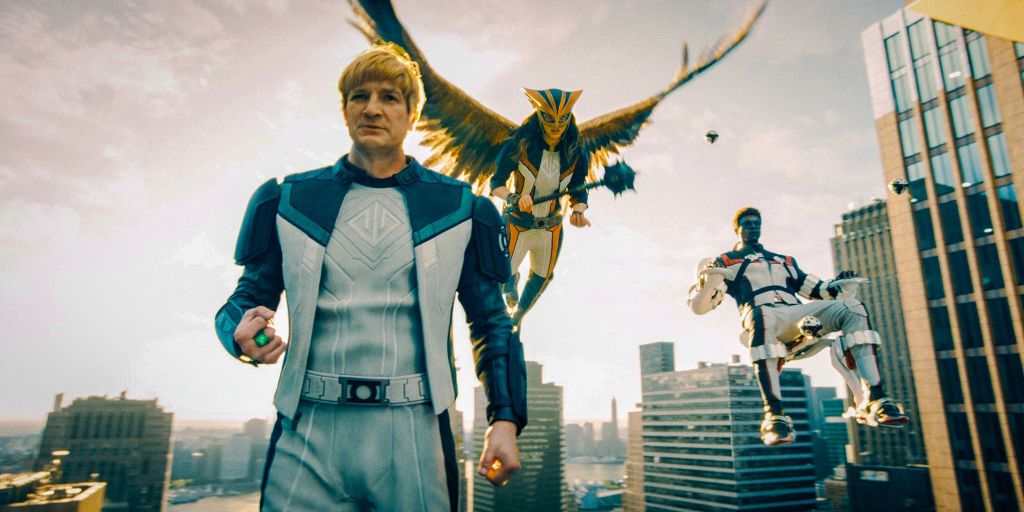
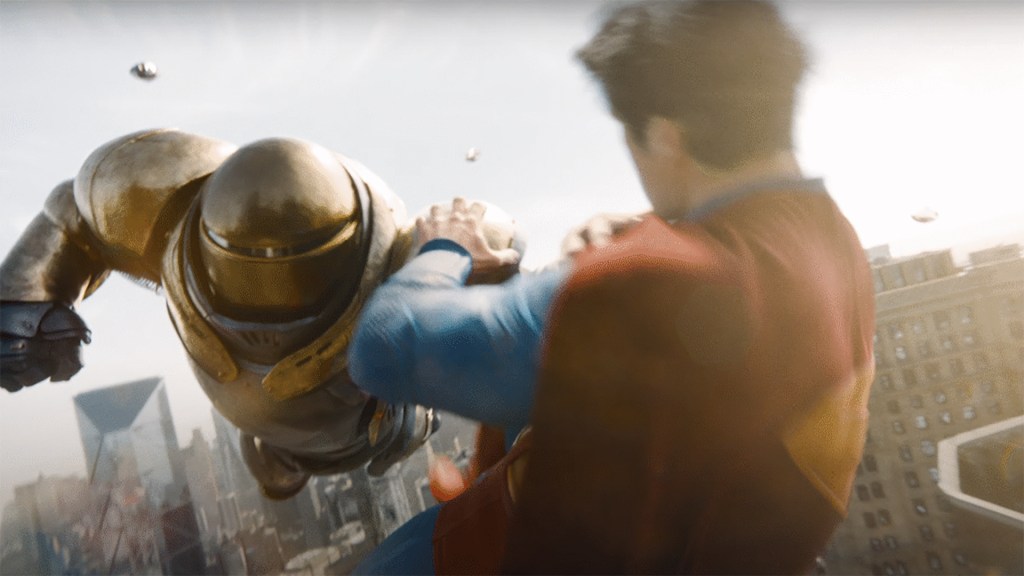
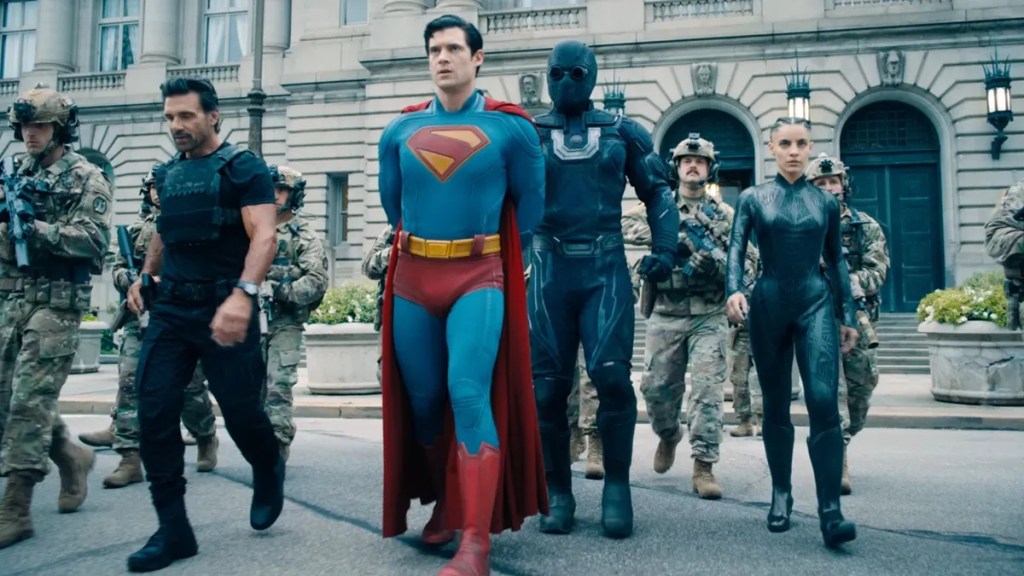
There has also been a lot of negative talk about how bloated and overflowing this film is with other meta human characters, such as the ‘Justice Gang’ and Luthor’s goon squad featuring Ultraman and The Engineer, not to mention the mysterious ‘Hammer of Boravia’ – but I’ll have more to say about this chap later. The main criticism that has been echoed around the internet is that it is hard for Superman to be the star of his own show with all these other powered-up folks running around, which is a fair call.

This all boils down to Gunn’s decision to start the movie right in the middle of a shit storm – which it is revealed was partly Superman’s fault – and simply pile all these characters into the story at breakneck speed and allow the audience to figure it out as it plays along. Sometimes jumping into the deep end works (note: ‘Pacific Rim’) and sometimes it doesn’t, but I am of the view that James Gunn set things up satisfactorily and there was ‘just’ enough continuity and reasoning to explain each rapidly-moving jump to the next.

Would I have preferred a little more time for the characters to develop, a touch of plot clarity, and perhaps some moments to build a solid platform in which to propel the film forward? Yes, of course – but I was somehow able to overlook these basic storytelling flaws and ended up enjoying the film. I guess if I was to offer up an explanation for my leniency, then it would be that the overall charm of this movie had somehow won me over.

The visuals and aesthetics were bright and colourful, the jokes – when on point – were good, the performances all around were convincing, and the overall story was serviceable.

Therefore, I’m going to be a little generous here and give ‘Superman’ a six out of ten. I found it to be a very likeable movie; a risky take on a well-known and established superhero – one that I don’t think James Gunn was able to pull off completely.

However, I can’t go any deeper into my assessment of this film and offer a more detailed critique without mentioning spoilers, so consider this a fair warning for those who are yet to watch ‘Superman.’

**** SPOILER ALERT ****

Judging by what I wrote above the warning notice, it is safe to assume that I enjoyed the movie and was quite fair towards James Gunn’s treatment of such an iconic IP such as Superman. But it’s important to note that I described my final score as being a ‘generous’ six out of ten – when in truth if I was marking this correctly should have given it a five.

Again, I must underline that I liked this film, but it lost some serious marks over a number of issues – with the treatment of Superman’s true parents Jor-El and Lara topping the list. That entire scene regarding their damaged message, and it being interpreted in such a diabolical manner may have worked as a plot mechanism, but to not be debunked as a Luthor hoax at the end of the film and allowed to stand as fact was a serious own goal and a betrayal of Superman’s origin story.

The ‘Justice Gang’ worked okay for me, and I liked Nathan Fillion as Guy Gardner. Mister Terrific was a cool superhero and I don’t think he was bigger than Superman in this movie as other critics suggest. I couldn’t get my head around Hawk Girl, though – and if one of these extra superheroes could have had a spell on the sidelines to help ease the clutter then I would have nominated her.

The ‘Hammer of Boravia’ came and went in an instant, yet was able to beat up Superman twice in the first ten minutes of the film before never seeing him again. I was hoping for a rematch at the end of the movie, but a scene inside Luthor’s control room clearly showed Ultraman being the man underneath this mysterious villain’s mask.

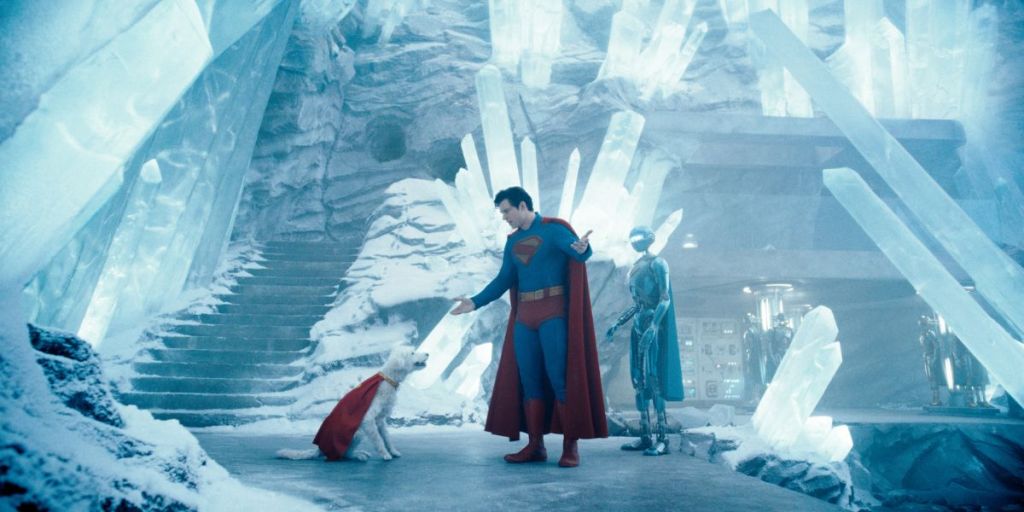
Now onto the humour, where – like much of the film’s content – it felt like it was thrown against a wall in the hope that some of it might stick. That does sound a little harsh, but that was exactly how hit and miss some of the gags were in this film. For example, I laughed aloud when Luthor’s guys released the baby Kaiju out of its box and made an offbeat remark as the tiny creature scurried away – along the lines of “Don’t worry. It will get bigger.” I thought Green Lantern knocking out the Boravian tanks with a giant middle finger was also pretty good. On the flip side, Superman’s robots were unfunny and the monkeys tapping away on the keyboards were a wide miss. I’m neither here nor there with Krypto, but the appearance of a drunken Supergirl at the end of the film to collect her dog was totally dumb.

Another scene that I would describe as ‘misplaced Gunn wit’ was the bizarre sequence where Superman and Lois are having a deep discussion in her apartment whilst the ‘Justice Gang’ are battling a giant alien outside the window. Seriously, would Superman sit there talking to his girlfriend instead of helping the other heroes fight the creature? I think you know the answer.

This film easily could have been a seven or an eight out of ten, had James Gunn toned down his style of movie-making and his trademark quirks – if only as a mark of respect for such a famous character as Superman. I think he could have satisfied both the younger and older demographics had he tightened things up a little and showed some more restraint with his liberal splashing of attempted comedy in almost every scene.

So, I’ve had my say – and I must admit that this was a very difficult film to review, but I hope that I have done so fairly and in an objective manner.

Again, ‘Superman’ gets a six out of ten from me – despite its flaws.

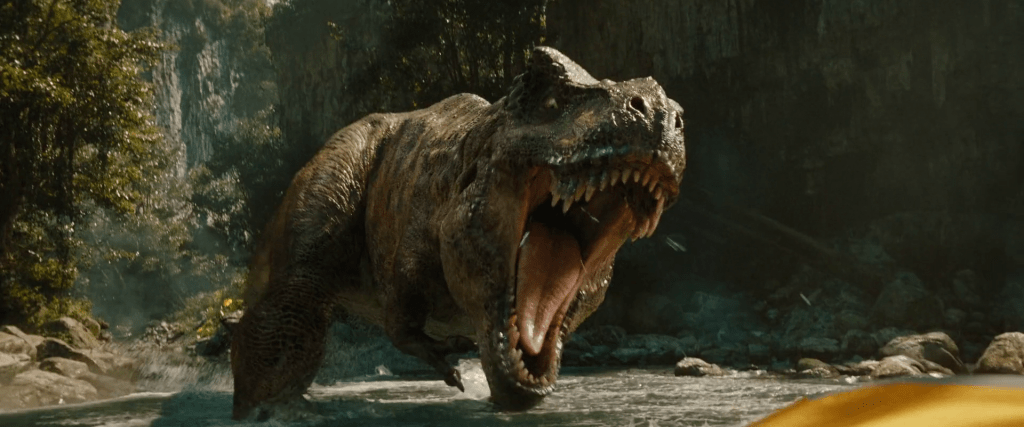
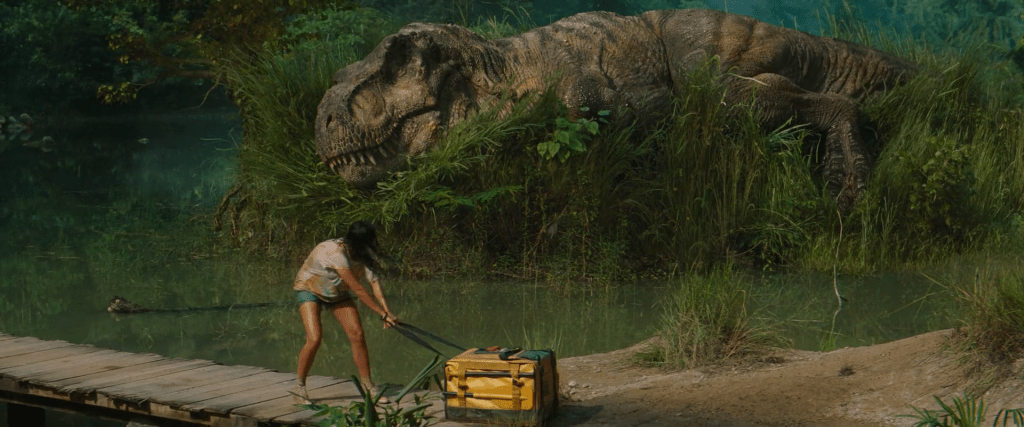
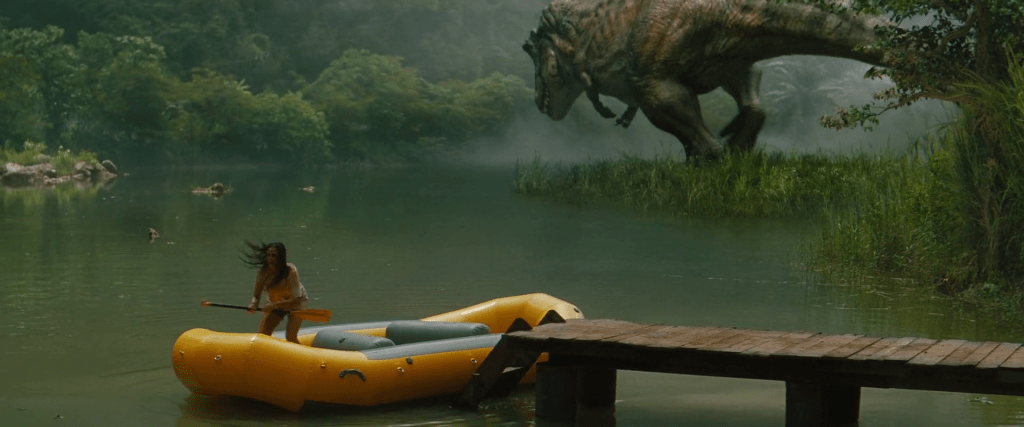
And as an end note, if I was to compare it to the other blockbuster film released this month – ‘Jurassic World Rebirth’, then James Gunn’s ‘Superman’ wins hands down!

All photos and screenshots are courtesy of DC, Warner Bros and various online sources.
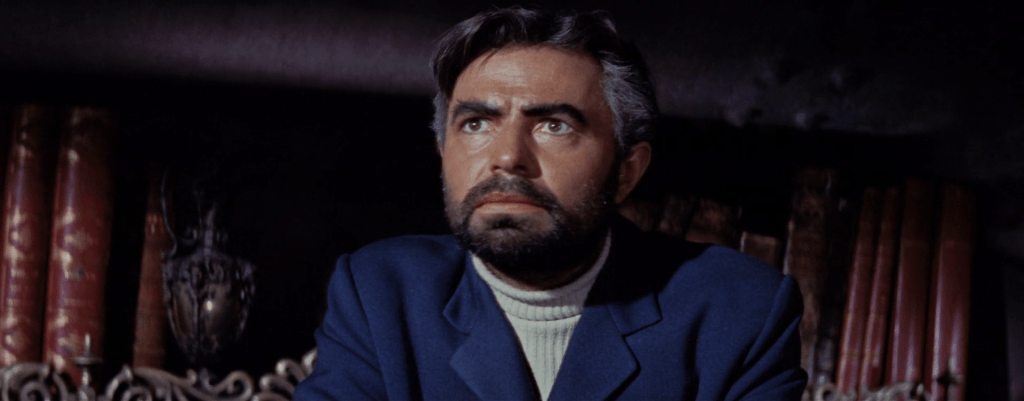
Disney’s ‘20,000 Leagues Under The Sea’ – A seventy-year-old classic!

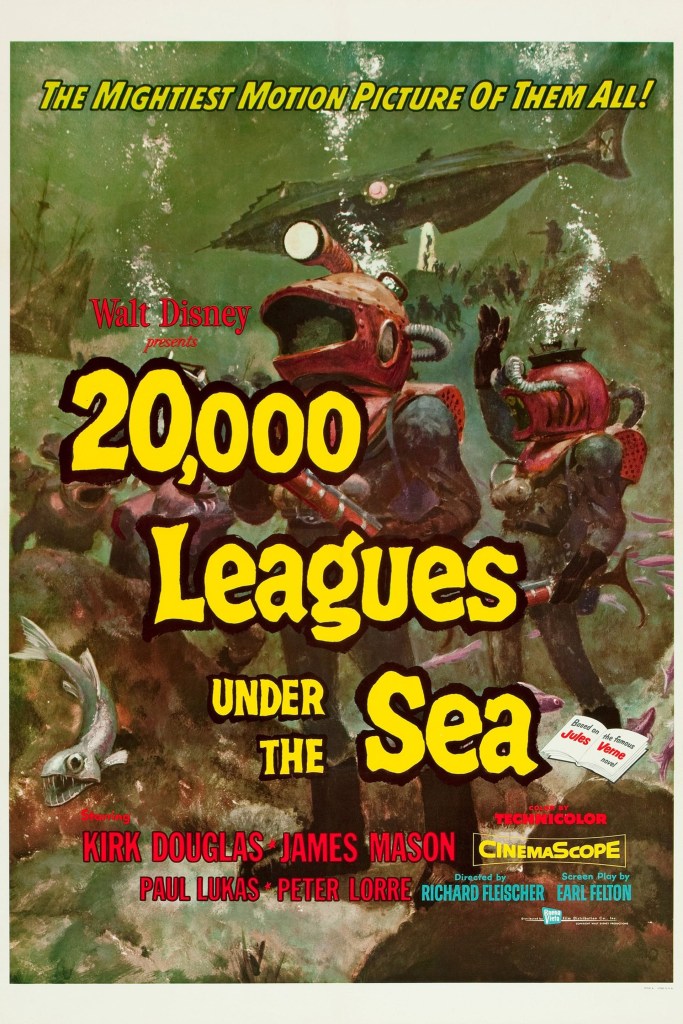
Released all the way back in 1954, this film is truly a cinematic masterpiece. I’m not comparing this to ‘Casablanca’, ‘The Godfather’ or even ‘The English Patient’, for what I refer to here is the ambition and vision that ‘20,000 Leagues Under The Sea’ projects – impressive even by today’s standards.
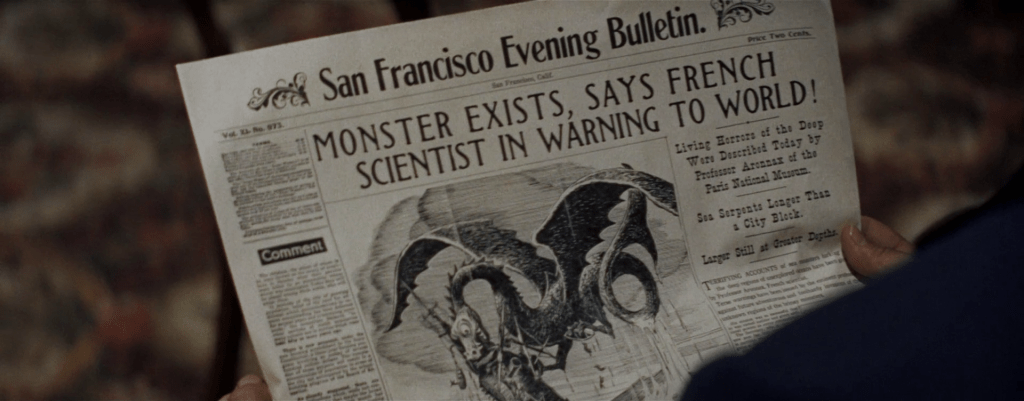
Of course, this is an adaptation of Jules Verne’s 1870 novel of the same name, which is quite an enjoyable read. The film does differ from the book in a number of ways – particularly the ending – but does remain fairly true to the overall narrative.
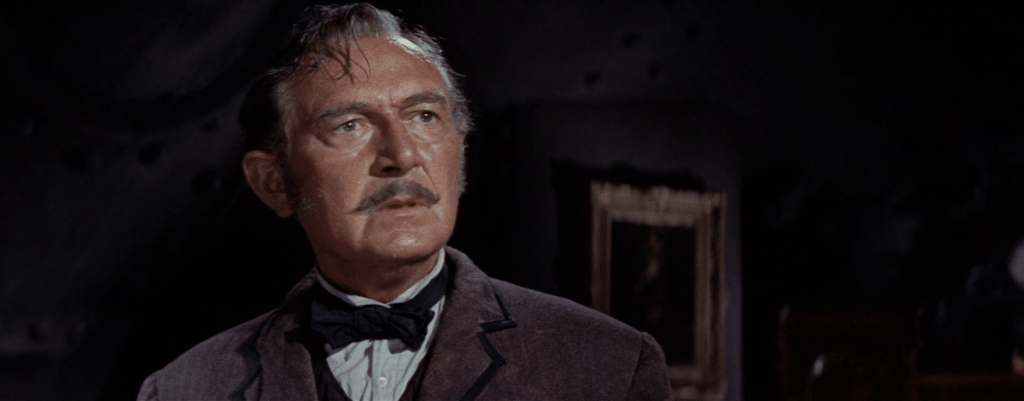
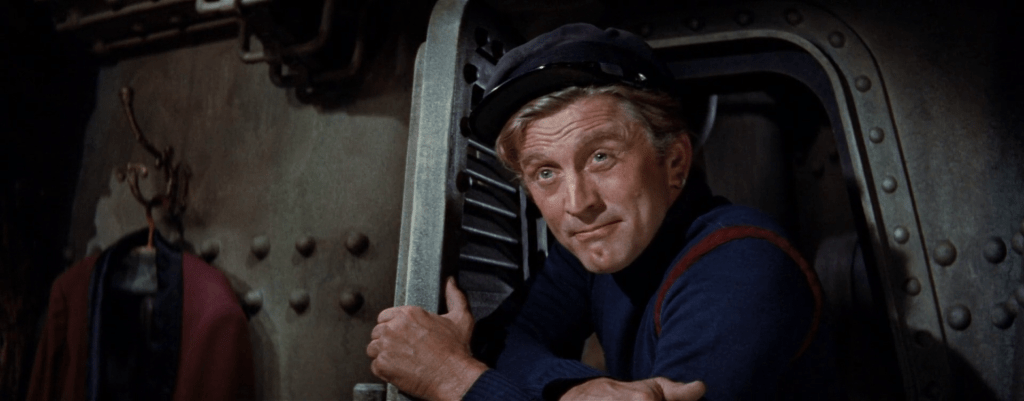
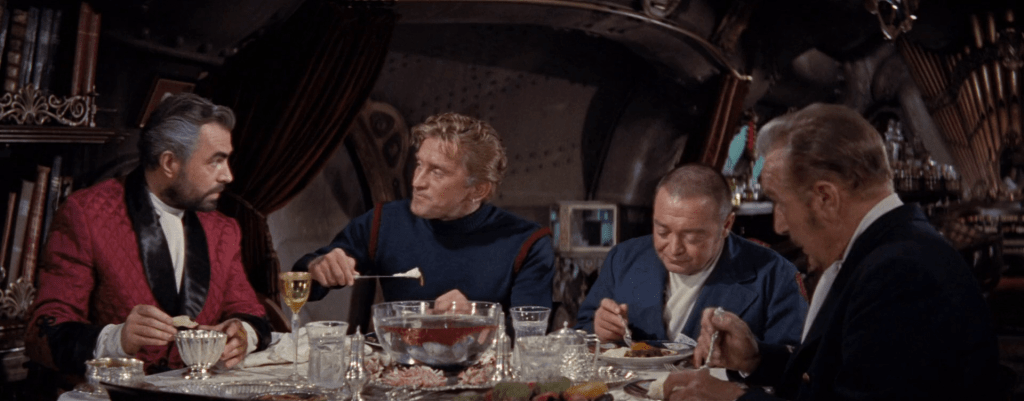
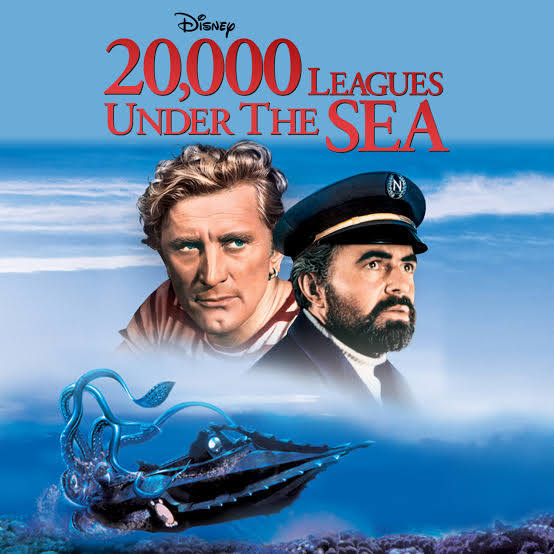
‘20,000 Leagues Under The Sea’ is headlined by two legendary actors, with Kirk Douglas playing the harpooner Ned Land and James Mason starring as the mysterious Captain Nemo. The film was directed by the reliable Hollywood helmsman Richard Fleischer, and was produced by Walt Disney Productions.

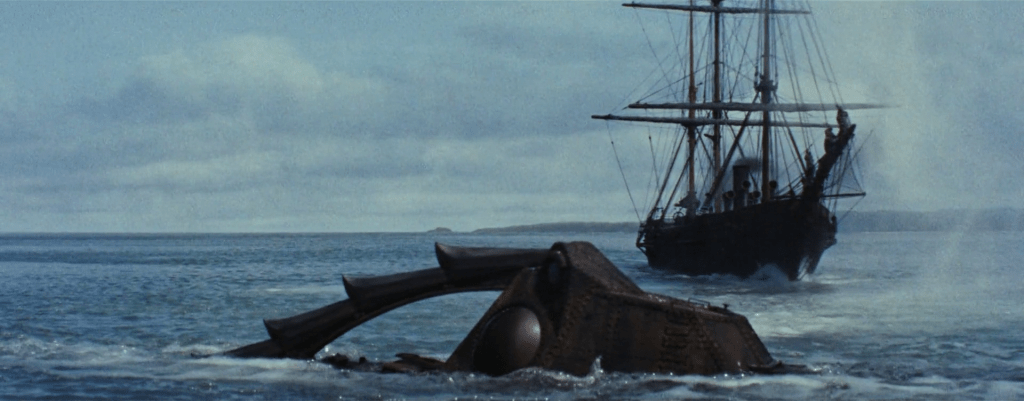
The movie begins with Professor Aronnax, a famous scientist (played by Academy Award winning actor Paul Lukas) being recruited by the US Navy to assist them in hunting a sea monster that has been destroying vessels. Eventually the naval frigate Aronnax is travelling aboard finds the creature and is promptly rammed and sunk by an enemy that was not all that it appeared to be.

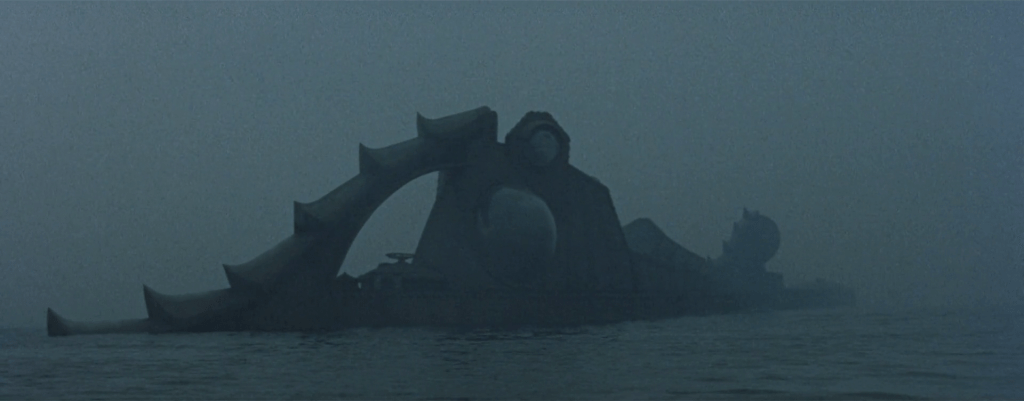
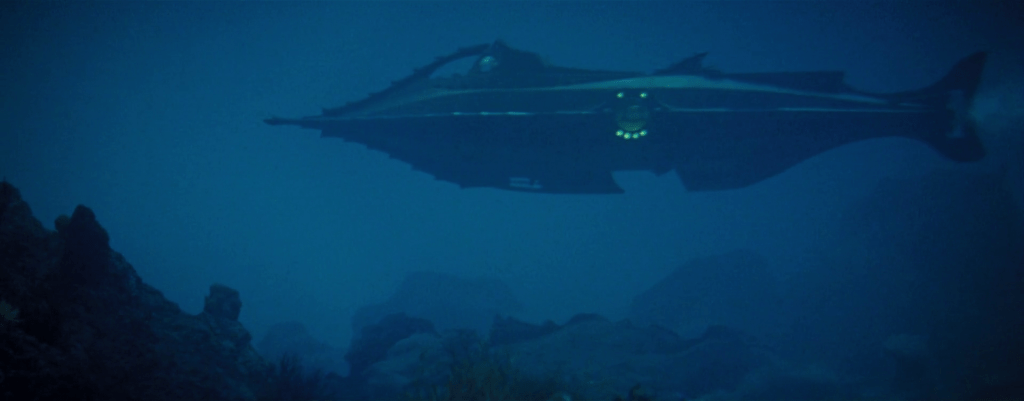
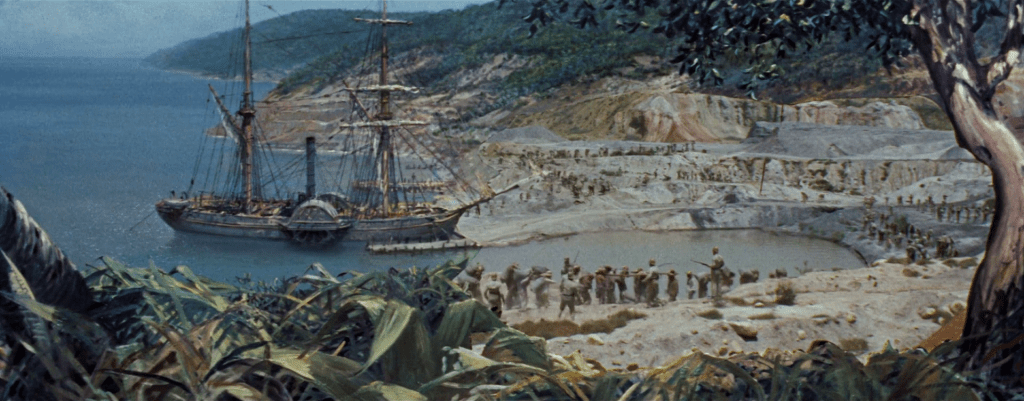
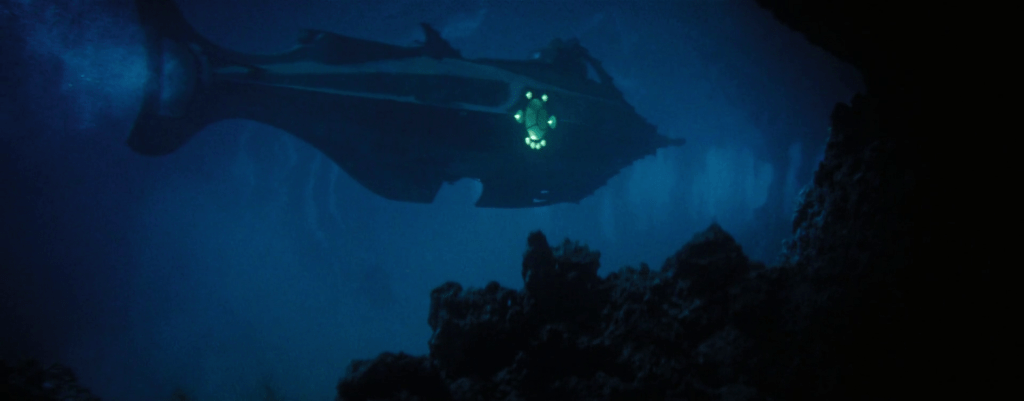
From this point, the film follows the adventures of the rogue submarine Nautilus, as told from the viewpoint of Professor Aronnax, his assistant Conseil, and fellow adventurer Ned Land. All three become ‘guests’ of Captain Nemo aboard his underwater ship as it carries out its mission in the deepest depths of the world’s oceans, whilst countless warships are hot on their tails.

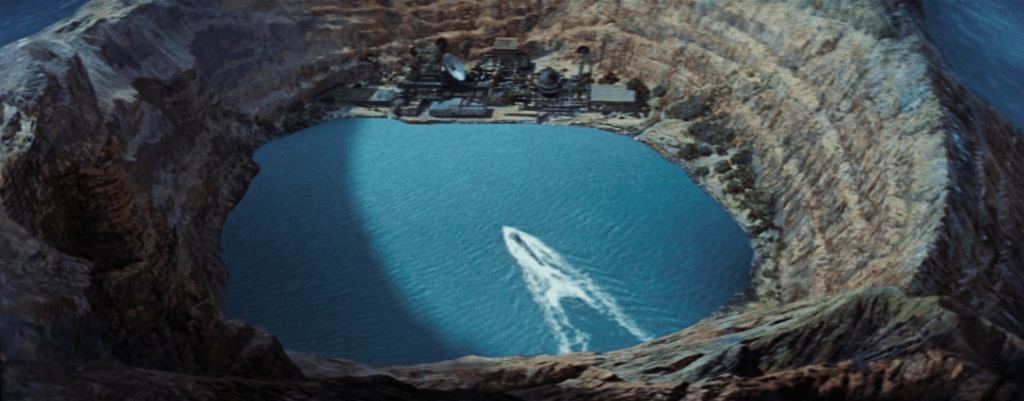
Captain Nemo’s motivations are explored a little in this film, although the book does offer more in the way of his interesting background story. But for the most part, the movie keeps things on a more adventurous and entertaining course, with the special effects and underwater filming being decades ahead of its time. In fact, ‘20,000 Leagues Under The Sea’ won the Academy Award for best special effects and art direction, and it’s easy to see why.

Perhaps the most memorable scene in the movie is when the Nautilus is attacked by a giant squid. The battle takes place during the night and in the middle of a vicious storm, which makes the sequence even more terrifying.

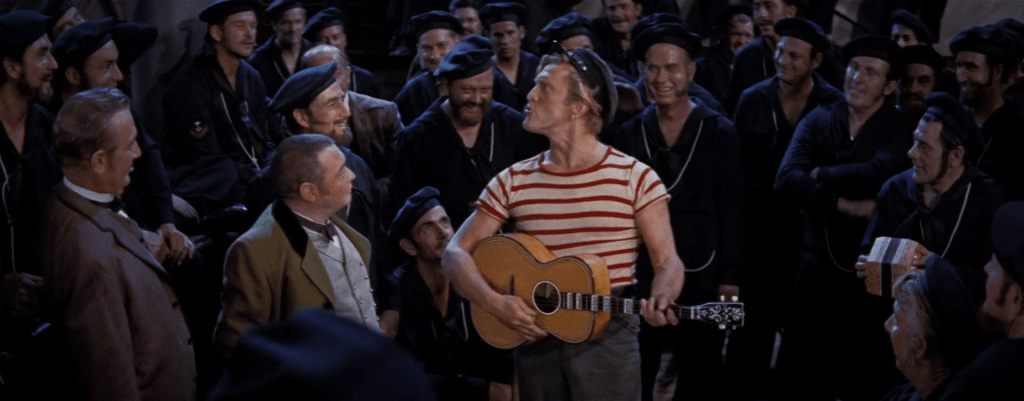
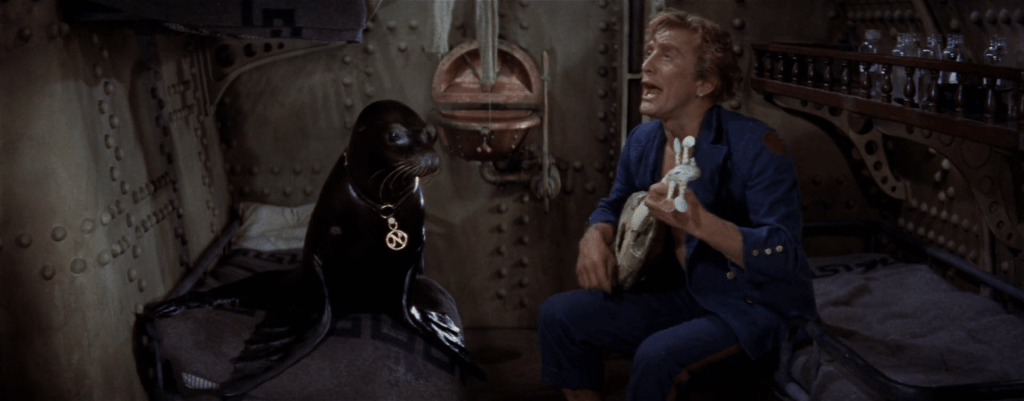
We are also treated to a couple of musical numbers from Kirk Douglas during lighter moments in the film, with one of his sea shanties being sung to Esmeralda – Captain Nemo’s pet sea lion.

‘20,000 Leagues Under The Sea’ is storytelling on an epic scale, much like many of the old Hollywood blockbusters from the golden age of cinema. It’s sad that they don’t make movies like this anymore, because with modern day CGI this story could easily be re-imagined into something special – and if produced correctly could earn millions of dollars.

Here’s how I think it should be done.

Firstly, a popular subcontinental actor would be cast as Nemo, for according to Verne’s original story this character is an exiled Indian prince named Dakkar. Then you would need some American star power, and three established Hollywood names could play Ned Land, Aronnax and Conseil. To top things off, I would have someone like Denis Villeneuve or Christopher Nolan as the director, and have the screenwriters keep the story as close to the original work as possible.

Yes, I am aware of what the wages bill alone would be, but surely it would clean up at the box office worldwide!

‘20,000 Leagues Under The Sea’ is available on Disney Plus, and I’m not sure but it might be showing on Amazon Prime Video as well – but perhaps at an extra cost. It really is worth watching, especially if you haven’t seen it before or did so many years ago, and I’m sure you will be surprised as to how a film so old can still look so good.

Many remakes and reboots have come and gone – even as recently as last year with the series ‘Nautilus‘ –  but the original 1954 classic is still the best interpretation of Jules Verne’s masterpiece. With two of Hollywood’s greatest leading men in Kirk Douglas and James Mason gracing our screens and special effects that were a generation ahead of its time, Disney’s immortal tour-de-force is in a class of its own.

All images courtesy of Walt Disney Productions and Buena Vista Productions.

‘Diamonds Are Forever’ shines brighter than I remembered.

‘Diamonds Are Forever’ is often the first name that comes up when discussing the weakest entries into the James Bond series. There are other dubious titles as well, such as ‘Moonraker’ and ‘Die Another Day’, but Sean Connery’s comeback film from 1971 somehow remains in a category of its own.

Are these reviews fair? Does this movie deserve such a reputation? Well, this older version of myself decided to re-watch ‘Diamonds Are Forever’ for the first time in thirty years to find out.

My recollection of ‘Diamonds Are Forever’ over time echoed on a couple of points; the first being that Sean Connery had aged a lot since his last Bond movie (only four years earlier) and my second observation was that some crazy stuff went down in this film. Now having watched it again, I think Connery looks good and the movie is far more insane than I remembered – which is a great thing!

I’m not sure what the production team were smoking at the time, as some of the places and situations James Bond finds himself in are outrageous – especially when compared to the other films in the series. The previous entry – ‘On Her Majesty’s Secret Service’ – is the polar opposite to this show, and it’s difficult to compare the movies in any way. For starters, ‘Diamonds Are Forever’ features a campy version of Blofeld as the main villain, two ‘flamboyant’ assassins leaving a trail of dead bodies, countless one-liners that feel better suited to a Burt Reynolds film, and to top it all off most of these capers take place in ‘Sin City’ itself – Las Vegas!

‘Diamonds Are Forever’ was Sean Connery’s sixth outing as James Bond, and he was paid a reported $1.25 million dollars for his efforts. Such a high figure for the time reflected the chaos caused by George Lazenby’s sudden departure – but that is another story. Behind the scenes, the screenplay was written by Richard Maibaum and Tom Mankiewicz – with the film being directed by Guy Hamilton and produced by Albert R Broccoli and Harry Saltzman.

John Barry provided the soundtrack, and I thought his modern score worked well with this movie. Shirley Bassey performed the title song, which is a rather catchy tune that follows the older style of opening themes but adds some newer nineteen-seventies sounds.

The film’s pre-credits sequence features Bond on the hunt for Ernst Stavro Blofeld. Having violently dealt with a couple of his minions, 007 eventually squares off with his old nemesis as he is about to undergo face-altering plastic surgery.

Once Blofeld is (seemingly) put away permanently, James Bond returns to active duty and is given an assignment to track illegal diamond shipments out of South Africa, and to discover who might be stockpiling them and why. Bond is sent to Amsterdam and goes undercover posing as the dangerous smuggler Peter Franks, before following the trail to the United States – Las Vegas and California specifically.

Of course it could never be as simple as thieves stealing precious gems, and the plot evolves into a SPECTRE operation where a satellite uses diamond-charged lasers to destroy targets on Earth.

As this film took such a sharp turn away from the usual James Bond formula, I won’t offer too many comments about the storyline or the style of the direction and editing. I think the more interesting aspects of ‘Diamonds Are Forever’ are the quirky characters and bizarre scenes that took place within this movie, so I will focus on some of these instead.

Let’s start with the casting of Charles Gray as Ernst Stavro Blofeld, whose campy portrayal of the super-villain is very different to what we saw from Telly Savalas and Donald Pleasence. This same actor had appeared in ‘You Only Live Twice’ as Bond’s contact in Tokyo, which makes him an odd choice to play the main bad guy here.

Gray is perhaps best known for ‘The Rocky Horror Picture Show’ – particularly the ‘The Time Warp’ song – where he delivers the famous line “It’s just a jump to the left.”

Gray turns out to be pretty good as Blofeld, as he projects considerable menace behind the appearance of a well-spoken British aristocrat. He delivers some cracking lines and in one scene is dressed up in drag (see photo above), making him the most ‘likeable’ incarnation of the SPECTRE boss we have seen.

Moving on, it is now time to discuss Mr Wint and Mr Kidd – two of the most memorable henchmen ever seen in a Bond movie.

From walking hand-in-hand, to finishing each other’s sentences; what was going on between these two was evident after their opening scene in the film. This never-seen-before dynamic for a Bond movie added more layers to the bizarre treat that is ‘Diamonds Are Forever’.

But make no mistake, this pair were ruthless killers and built up quite a body count throughout the movie. As far as the plot was concerned, Wint and Kidd were tasked with eliminating anyone who came in contact with the diamonds, and they did so via a number of effective measures – from scorpions to explosions.

Mr Wint, seen in the photo above, was played by Bruce Glover who sadly passed away only a few weeks ago in March this year. He is the father of actor Crispin Glover.

Mr Kidd was played by jazz musician Putter Smith, and was cast in the role after director Guy Hamilton saw him performing on stage.

The list of memorable characters in this movie does not end there, for who could forget the weird fight scene between Bond and the fearsome duo of Bambi and Thumper?

Just when you thought this film could not go any further off the rails, they come up with something like this. While this scene was completely bonkers, it added a ton more fun to what was already an enjoyable spectacle.

By this point, any idea that this was a run-of-the-mill 007 flick had long gone out the window.

Then there is the moon buggy chase scene. Yes, you read that correctly.

What happens here is Bond interupts a lunar landing simulation and steals the astronauts’ buggy, after which he is pursued through the Nevada desert by goons in cars and three-wheeler bikes.

We also have the mobsters working for Morton Slumber, the Las Vegas funeral director and part of the diamond smuggling operation. These are really cool characters, and I should point out that the thug in the back seat (see photo below) is played by horror movie legend Sid Haig.

The main gangster, played by Marc Lawrence, is credited as ‘Slumber Inc Attendant’ in this film. However, he would appear three years later dressed in similar attire in the opening scene of ‘The Man With The Golden Gun’ – but this time the character was named as ‘Rodney’.

Is it the same antagonist in the Bond universe, or is this a case of casting the same actor to play the same type of role in two separate movies?

Then there is the infamous gorilla scene.

This is a great trick, provided it is taken with a grain of salt as the lightweight carnival act that it is supposed to be. However, in this day and age the idea of a black woman transforming into a primate – regardless of the context – would scare the wits out of any major movie studio.

And last but not least, I have to mention the Bond girls, especially Jill St John who starred as Tiffany Case. This character is quite a departure from 007’s previous love interests, and delivers some outrageous lines in this film, perhaps none more so than “Blow up your pants!” – which was directed toward a pesky kid at the Circus Circus casino.

Interestingly, both actresses who starred in ‘Diamonds Are Forever’ – Jill St John and Lana Wood (who played Plenty O’Toole) – share an off-screen connection to the actor Robert Wagner. Lana Wood is the younger sister of Natalie Wood, who was famously married to Wagner until her drowning death in 1981. St John tied the knot with Robert Wagner in 1990 and they are still together today.

Moving on, I also have to mention some of the oversized and futuristic sets featured in this film. I felt a bit of a Stanley Kubrick vibe whilst appreciating these aesthetics, and I now have to wonder if the simulated moon landing scene in this movie was perhaps a nod to the master director.

‘Diamonds Are Forever’ is somewhat of an anomaly in the James Bond series, as the original playbook was well and truly discarded, forever changing the way these films would be made. Part of this would have been the producers wanting to quickly move on from George Lazenby, doing so by re-hiring Connery and throwing caution to the wind when it came to the writing and casting of this movie.

It was a huge risk at the time, but one could argue that this dramatic change in direction worked as James Bond films went from strength-to-strength throughout the seventies and eighties, and are just as popular at the box office today.

‘Diamonds Are Forever’ was not the movie I remembered from my previous viewing back in the early nineteen-nineties. I have to say that all these years later it was far more enjoyable and entertaining than I expected it to be, possibly as a result of experiencing it with an older and more appreciative mindset.

However, I still found a few issues, with some of the characters becoming a bit of a blur, due to so many things happening at once. For instance, the motivations of the part-time comedian Shady Tree and the delightful Plenty O’Toole were not entirely clear to me, and I got a little muddled with the fast pacing of this film. However, these are tiny gripes and I probably missed a few key plot points as I was laughing too hard.

Perhaps the most obvious flaws in this film come via some fairly ordinary dubbing, and this is most evident in the pre-credits sequence. Connery’s voice sounds too loud and out of place, and in one scene has been possibly sped up. Then there is the Japanese guy who manages to tell Bond that he needs to go to Cairo, despite being choked and having his mouth wide open at the time.

Some of the special effects are a bit slack as well; mainly the explosions that were added in post production. I don’t recall these types of shots being as noticeable in previous Bond films, but it didn’t detract from my overall enjoyment of the movie.

‘Diamonds Are Forever’ was one of the most entertaining flicks I have seen in a while. To be fair, I went into this with very low expectations – which might have swayed my opinion slightly – but nevertheless I found this to be an excellent entry into the Bond series.

This film is very self-aware; from the odd characters and loose dialogue, through to the strange locations and crazy action sequences. Avoiding the usual 007 settings such as the Bahamas, or a classic European city – not counting Amsterdam – also works an absolute treat.

When Bond does visit the gaming floor of a casino, instead of playing Baccarat he tries his luck on the Craps table. In fact, there is very little class and style in this movie that you would normally associate with James Bond, with everything from the fight scenes to the car chases being bigger and louder than what we are used to seeing.

The historical significance of ‘Diamonds Are Forever’ should not be understated either, for this entry moved so far away from a winning formula – at great risk I might add – and ended up serving as a ‘reboot’ that paved the way for Roger Moore and a more lighthearted and action-comedic take on the dashing secret agent.

The best advice I could give anyone wanting to revisit this film is to take it on face value, and enjoy it for the outrageous caper that it is. If you try and compare it to any of the previous films in the series and hope for something similar, you will be disappointed – as I was back in my younger years.

I’m going to rate ‘Diamonds Are Forever’ purely on how much I enjoyed the film, and not take into consideration the essential ingredients needed for a James Bond feature, as everything is turned on its head here.

With that being said, I give this movie a score of 8 out of 10 – with an extra half a point added for the hovercraft!

All posters and screenshots courtesy of Eon Productions and United Artists.

Robert Wagner and Jill St John photograph is courtesy of Getty Images (2014)

Image from ‘The Rocky Horror Picture Show’ is courtesy of 20th Century Fox.

‘Creed’ – The Rocky spin-off turns ten this year.

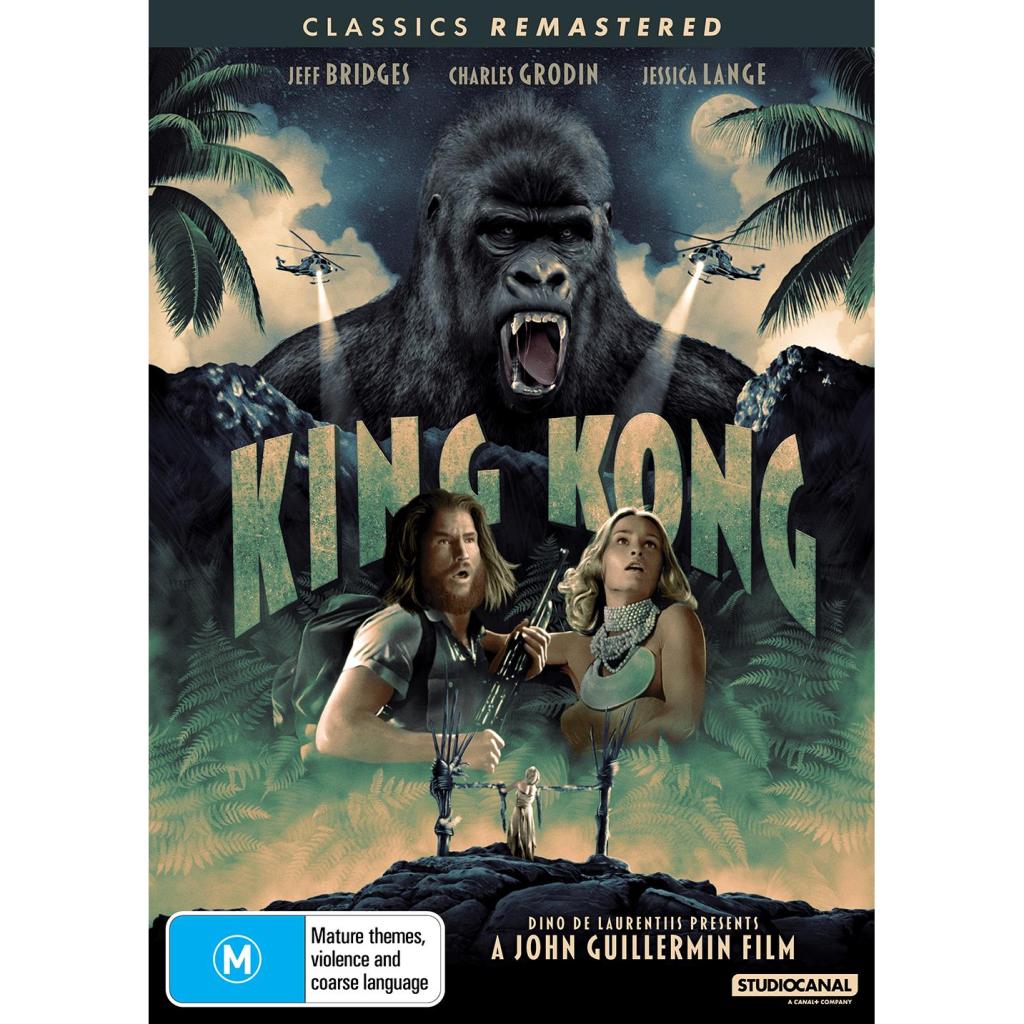
Directed by Ryan Coogler and starring Michael B Jordan and Sylvester Stallone, ‘Creed’ easily makes my list of the top five movies released over the past decade.

The film revolves around Adonis Johnson – the illegitimate son of Apollo Creed – who decides to follow his dream to become a professional boxer. His journey takes him from Los Angeles to Philadelphia, where he seeks out his father’s best friend Rocky Balboa to guide him.

I won’t go into great detail about the story, because I don’t want to spoil it for anyone who has not yet seen this film. However, what I can reveal is that this movie is a masterpiece and Coogler is a director at the top of his game. How ‘Creed’ was not nominated for Best Picture at the Oscars is beyond me, and how Sylvester Stallone did not win the Academy Award for his performance as an elderly Rocky Balboa is even more baffling.

Supporting Stallone and Jordan is a solid cast, with Tessa Thompson as Adonis’ love interest Bianca, Phylicia Rashad as Mary-Anne Creed, and Graham McTavish as Tommy Holiday – trainer/manager of the film’s antagonist Ricky Conlan.

There are a couple of real-life boxers appearing in the film, most notably British fighter Tony Bellew who does a great job playing the nasty and arrogant world title holder ‘Pretty’ Ricky Conlan. Former super-middleweight world champion Andre Ward also appears in a smaller role as Danny ‘Stuntman’ Wheeler.

The fight scenes in this movie are incredible, especially the Creed v Sporino bout that takes place in the middle of the film. What is amazing about this sequence is that it is filmed in one continuous shot – or at least appears to be – and the way the audio switches about depending on where the boxers are standing is pure genius.

It wouldn’t be a Rocky movie without a training montage, and this one is pretty good: – gritty, emotional, and powerful. Bill Conti’s famous ‘Gonna Fly Now’ theme is infused into the musical crescendo as the action transforms into an awe-inspiring slow motion sequence that tugs at the heartstrings. Truly incredible and must be seen to be believed.

Here’s some trivia about ‘Creed’ that you may not know: – Sylvester Stallone made a surprise appearance on the big screen at Goodison Park during the halftime break of an Everton game and asked the crowd to chant and cheer while a film crew recorded them. These sounds were later incorporated into the final act of the movie; during the intense ring walks and also throughout the Conlan v Creed title fight.

One does not have to be a boxing fan – nor someone who enjoyed the Rocky series back in the day – to really appreciate this movie. It is brilliantly written, masterfully directed, and the performances from the entire cast are powerful and convincing.

Almost a decade on, this movie has lost none of its original punch and has actually aged quite well. ‘Creed’ has since spawned two sequels that are quite appealing in themselves, but neither live up to the raw power and emotion of the first film.

It’s a perfect five out of five from me!

If you are still not convinced, below is a link to the training montage I mentioned earlier, courtesy of the Crucifixus YouTube channel. Although it works better when watching the film in its entirety, it remains quite powerful as a standalone scene.

Screenshots courtesy of MGM and New Line Cinema.

‘For Your Eyes Only’ – An ageing Bond set to a disco beat!

My latest James Bond review takes me back to 1981, and to revisit a film that I had not seen in years – around thirty years in fact. I will be honest, ‘For Your Eyes Only’ was a movie that I could never get into when I was younger, so it will be interesting to see if I still think it’s crap, or if it manages to rise dramatically up the ranks.

‘For Your Eyes Only’ followed on from 1979’s far-fetched ‘Moonraker’, and promised a return to a more classic, grounded Bond adventure. Instead of space shuttles and laser guns, we now have a plot involving lost military equipment, with Greek smugglers and the good old KGB thrown into the mix.

I think what initially put me off this film was the age of Roger Moore, who was really starting to wrinkle up. He was becoming less-believable as the suave secret agent – and what was more ridiculous were all the women half his age falling all over him. Moore was getting by purely on charisma and charm at this stage – as well as huge box office takings – and would actually go on to make two more Bond films after this.

If you compare the screenshots above – taken four years apart – one could argue that Moore was already showing his age in 1977’s ‘The Spy Who Loved Me’. He was around fifty then, which meant that he was aged fifty-three during the filming of ‘For Your Eyes Only’.

My other criticism of this movie would be the musical score, which was arranged by the legendary Bill Conti. The disco beats are so out of place at times, and they even ‘funk up’ the Bond theme itself, which I think dates the film instantly. Conti’s score is very similar to some of his work in ‘Rocky III’ – particularly the training scenes – and it doesn’t work in a Bond movie.

However, the theme song by Sheena Easton is a different story altogether. This would have to be one of the best Bond tunes of all time, and so popular was Easton during the early 1980’s that she actually appears in the opening sequence – the only singer ever to do so.

‘For Your Eyes Only’ was directed by John Glen – in his feature film debut – and would be the first of five consecutive Bond movies where he was at the helm. The screenplay was written by Bond stalwarts Richard Maibaum and Michael G Wilson, with Albert R Broccoli producing.

The film starts with an opening sequence featuring some impressive helicopter stunt-work and the implied return of an old Bond villain, although his name is never mentioned. As great as this scene is, I still can’t get my head around the ‘delicatessen in stainless steel’ line. I can only assume it was intended to be a joke, for I have no idea what it means.

The locations in this film are superb, and the story moves between Spain, Cortina in Italy, and then onto the Greek Isles before the exciting finale at a mountain top monastery. Each setting features some incredible action sequences, with car chases, ski pursuits, underwater fights and insane rock-climbing all brilliantly brought to the big screen.

The cast supporting Roger Moore is solid. Carole Bouquet plays Melina Havelock, the love-interest who knows how to handle a crossbow. Topol and Julian Glover star as rival Greek smugglers Columbo and Kristatos respectively.

What gives this film added depth are the handful of secondary villains – or henchmen – who are quite ruthless and nasty, so a lot of credit must go to these actors, one of whom was Charles Dance in one of his earliest roles. In fact, the performances of Dance, John Wyman and Michael Gothard are simply superb, even though their characters have little to no dialogue.

This film would also serve as a changing-of-the-guard for the character of ‘M’, with Bernard Lee – who had been in the role since ‘Dr No’ – passing away in 1981. For this movie, the boss of MI6 was Chief-of-Staff Bill Tanner (James Villiers), and ‘M’ would be reintroduced in the following movie ‘Octopussy’, where he was played by Robert Brown.

Moving onto the structure of the movie itself, the pacing and plot of this feature are brilliantly executed, and the direction of Glen – as well as the editing – brings everything together neatly. It must be said that there is a ton of action in this film – with chases and fights coming at almost every turn. The stunts on show here are second-to-none, with no CGI back in those days, so what you are seeing is real – except for the green-screen action close-ups of Roger Moore.

Of particular note are the underwater scenes, for they were outstanding and pretty much had everything – from submarines, to shipwrecks, to submerged temples and man-eating sharks. There was some incredible cinematography here, even by today’s standards.

It wouldn’t be a Bond movie without a few laughs thrown in, or at least attempted-laughs as is the case here. I felt that the gags were a little off in this film – or perhaps they are just dated – from odd lines such as the delicatessen remark to overacted and goofy near-misses.

The one moment that I found genuinely funny is when Bibi – a teenage ice-skater with a crush on James Bond – sneaks into his hotel room and throws herself at him. Of course, nothing happens but Bond’s throwaway line about ‘buying her an ice cream’ is priceless!

At the other end of the scale, the Margaret Thatcher spoof is ridiculous, although it probably got a few laughs back in the day. Let’s just say this scene hasn’t aged well.

But despite the hit-and-miss humour, ‘For Your Eyes Only’ gets top marks for its explosive sequences, stunning locations, exceptional villains and brilliant direction and cinematography. However, the bizarre-at-times disco/funk score, combined with a lead actor that was too old for the role, does take a little shine off what is otherwise an excellent movie.

Don’t get me wrong, I really like Roger Moore as Bond. However, there is no denying that he was showing his age in this movie.

So, after watching ‘For Your Eyes Only’ again for the first time in more than thirty years, my opinion of this film has risen considerably. It is nowhere near my favourite Bond outing, but it no longer resides in the same sphere as ‘Die Another Day’ or ‘Diamonds Are Forever’ – or dare I say it – ‘No Time To Die’.

This movie had thrills and high-octane stunts aplenty, and was able to seamlessly move from one location to the next without skipping a beat. Roger Moore is a top leading man, although I stand by my comments about his age, and the supporting cast deliver great performances in this film. The underwater scenes are amazing, the bad guys will get under your skin, and if you love disco music then you will enjoy the soundtrack as well.

I don’t like disco so much, but ‘For Your Eyes Only’ gets a solid 7.5 out of 10 from me.

Screenshots courtesy of Eon Productions.

‘Empire of the Dark’ is pure B-Grade genius!

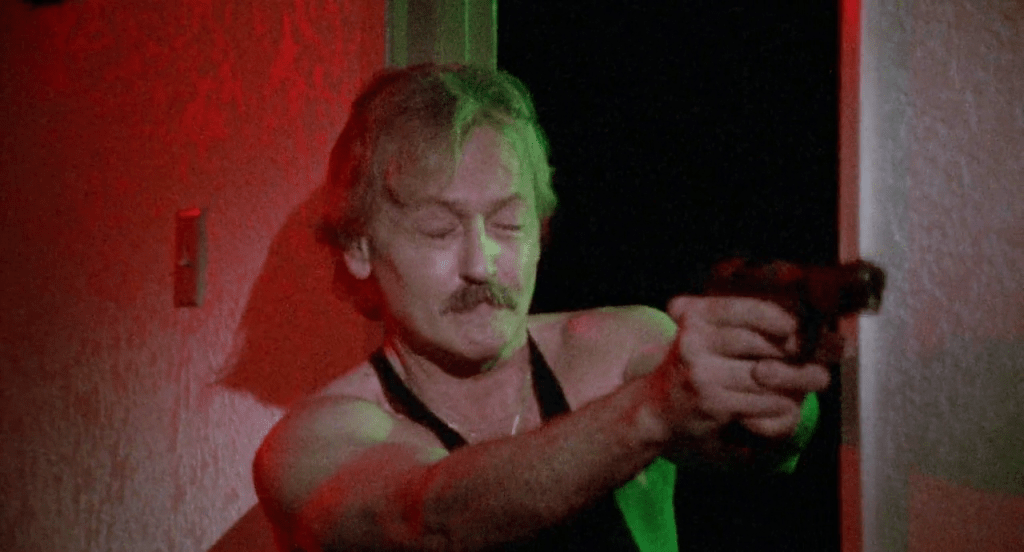
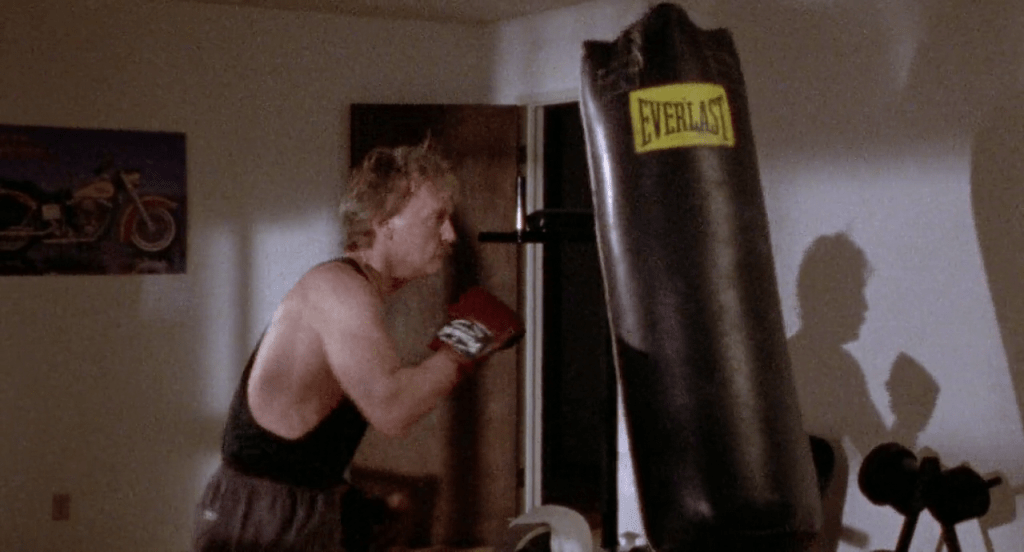
An out-of-shape middle-aged leading man takes on sword-wielding Satanic priests, demons, gun-toting villains and more in this 1991 horror/action thriller!

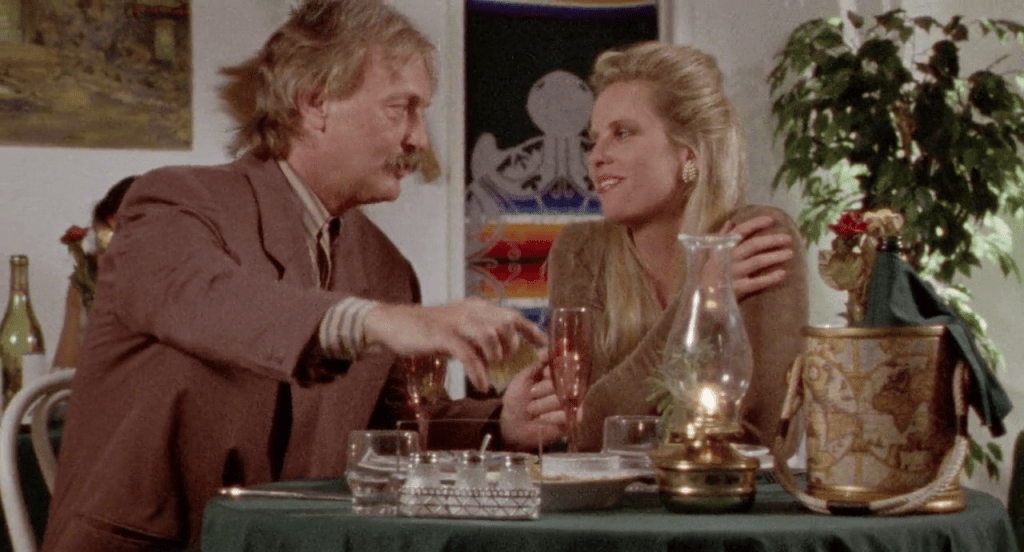
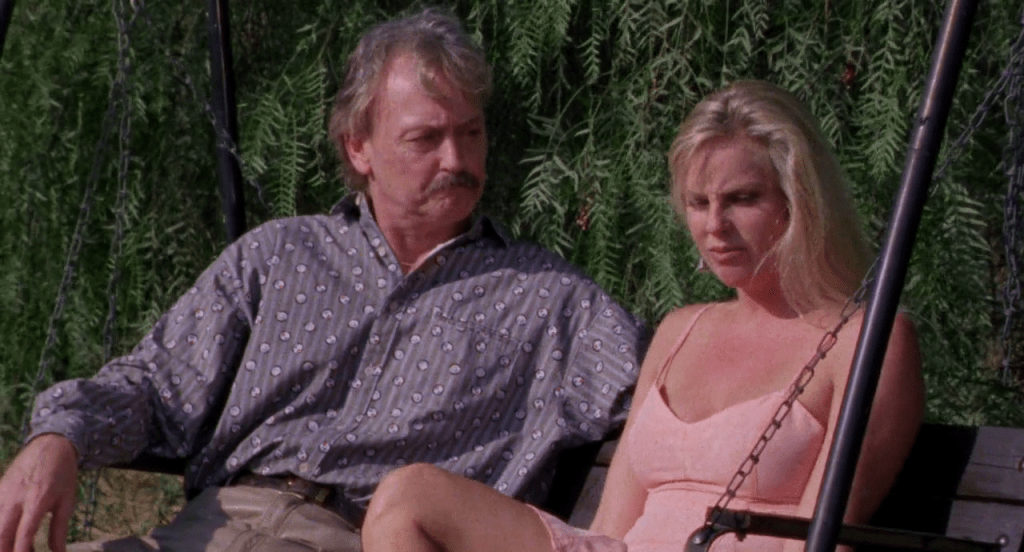
Written, directed by and starring Steve Barkett (who sadly passed away in 2023), this feature has all the hallmarks of a vanity project – re Neil Breen or John De Hart – but turns out to be a pretty solid flick. One simply needs to see beyond the flaws of this ambitious low-budget film to be able to enjoy the spectacle that it truly is.

Barkett stars as Richard Flynn, who while working as a cop, enters through a portal into Hell to rescue his ex-girlfriend’s baby son before he is sacrificed by devil worshippers. The film then skips twenty years to when Flynn is now a private eye, and is forced to battle the evil acolytes of Satan once again!

Barkett clearly considers himself to be an action man, and his screenplay and direction suggests as much, as he is constantly killing bad guys and romancing women way out of his league. However, he delivers a lot of tongue-in-cheek comments and one-liners, hinting that he is aware of his physical shortcomings, and decides to run with it anyway. What this does is bring a lot of charm and character to the film, and you end up really liking the guy and cheering him on.

The soundtrack to this movie – from composer John Morgan – is quite good, from the opening theme to the catchy incidental music featured throughout the film. I have watched bigger – and supposedly better – productions whose musical scores were nowhere near as memorable as this effort.

The special effects were decent in places, especially the modelling of the hellish caves and wooden bridges and platforms within the underground labyrinth. However, the stop-start animation that brought the main demon to life was a bit ‘how ya going’, as we say in Australia. Perhaps ‘questionable’ might be a more widely-recognised term, but you can appreciate what the film-makers were trying to do.

As far as action goes, ‘Empire of the Dark’ delivers the goods. There is an endless supply of hooded evil disciples trying to kill our hero, who fights them all off with either a gun or a sword, while less-than-gracefully executing moves that are awkward and sluggish yet somehow appear on screen as poetry in slow-motion. It’s comedy through and through, and Steve Barkett is right on point here; really hamming things up and breaking the fourth wall on at least one occasion.

‘Empire of the Dark’ has a 4.8 rating out of 10 at IMDB, and I think this is just about right. This is not a great movie, especially with the poor acting and ridiculous plot, but nor is it a complete dud. This film is watchable and quite entertaining, and as mentioned earlier it has a certain charm – or affability – that gets it across the line.

It’s a solid 3 out of 5 from me. Yes, it’s a ‘bad’ movie but it’s one you can laugh along with. I also think it’s a shame we didn’t see Steve Barkett in more mainstream movies over the years.

There was an episode of ‘So Bad It’s Good’ on YouTube a few years back, where they reviewed this movie and seemingly enjoyed it as well. It’s worth watching, so I’ve added the link below.

But if you are feeling a little more adventurous, the entire film is also available on YouTube. I’m not sure if the link will work due to age restrictions, but it is provided below – courtesy of Jacohsc Films YouTube Channel.

Screenshots courtesy of the Nautilus Film Company.

‘The Living Daylights’ – An underrated Bond film.

Following Roger Moore’s final appearance as James Bond in 1985’s ‘A View To A Kill’, the search was on to find the next actor to play agent 007. After an extensive auditioning process, Eon Productions decided on Pierce Brosnan, but he was unable to take the role due to a contractual situation with the television show ‘Remington Steele’ and NBC.

With the producers back to square one, they turned to Timothy Dalton; an actor who had been on their radar since the 1970’s. Eventually they would get their man, and a new incarnation of James Bond was ready to grace our screens.

The promotional material for ‘The Living Daylights’ suggested that the Bond franchise was heading into darker territory, moving away from the lighter tones of the Roger Moore era. I particularly like the phrase “The most dangerous Bond. Ever.” and Dalton’s expression on the poster was certainly encouraging for Bond fans hoping for a more serious turn.

‘The Living Daylights’ starts off with an explosive chase scene in Gibraltar, confirming Dalton’s standing as a great action man and proving that he was up to the task. It was an impressive sequence that set the plot of the movie up nicely, whilst keeping a fast pace and delivering plenty of thrills.

The film’s story revolves around the defection of KGB superior Giorgi Koskov, who makes contact with British Intelligence and personally requests James Bond to oversee his extraction from Bratislava to London.

It all sounds like a lifetime ago, when the Iron Curtain and Eastern Bloc countries were still around (in that form), but this part of the movie is quite entertaining – as well as nostalgic – and the method used to help Koskov escape to the West is most ingenious.

Of course, things never go so easily in the world of espionage, and before the British have a chance to find out everything Koskov knows, he is snatched back by a KGB agent posing as a milkman – and armed with explosive milk bottles!

At this point we are thirty-five minutes in, and so far so good. However, from here onward the pace of the film does slow a little, but the steely performance of Dalton and well-executed action scenes are more than enough to propel things along.

From Czechoslovakia to Vienna and then onto Afghanistan (and also Tangier) for the third and final act, the movie progresses neatly within an ideal running time of just over two hours.

Timothy Dalton is supported by a decent cast in this film with Dutch actor Jeroen Krabbe as Koskov, John Rhys-Davies as General Pushkin, Joe Don Baker as arms dealer Brad Whittaker and Maryam D’Abo as Kara Milovy.

The movie’s soundtrack is also impressive, and would be the final Bond film for composer John Barry. The main theme by Norwegian band a-ha has a great eighties beat, and there are two songs performed by The Pretenders – one of which is the haunting and moody ‘If There Was A Man’, that is played during the end credits.

‘The Living Daylights’ opened to reasonable reviews in June 1987, and did very well at the box office – earning $190 million from a $40 million budget – and easily eclipsing the takings from the previous Bond film ‘A View to a Kill’ released two years earlier.

I always found this to be a gritty and mature entry into the Bond series, but the seriousness of Dalton’s performance did take a little adjusting to – especially after more than a decade of Roger Moore’s humour and tongue-in-cheek antics.

My only criticism of the film is that the plot does become a little complex and the main villains come across as lightweight, even comical at times. That being said, the plans of these bad guys are a lot more grounded and realistic compared to previous Bond foes who usually wanted to take over the entire world.

This is one of my favourite Bond films, and I have grown to appreciate it even more over the years. I think what has helped raise this movie’s wider appeal – as well as cast Dalton’s portrayal of Bond in a new light – would be the success of Daniel Craig and his similar approach to the role in recent years.

Dalton would play James Bond one more time – in 1989’s ‘Licence To Kill’ – and I will share my thoughts on that film at a later date.

A link to the theatrical trailer for ‘The Living Daylights’ is below, courtesy of Rotten Tomatoes Classic Trailers YouTube Channel.

Screenshots and photos courtesy of United Artists and Eon Productions.

‘Soldier’ – The 1998 Kurt Russell cult-classic.

I will put this out there right away; this film was panned by critics and seriously bombed at the box office when it was released in 1998.

Directed by Paul W.S. Anderson (Mortal Kombat, Event Horizon, Resident Evil), the movie is based around the genetically modified – but ageing – futuristic soldier Sgt Todd 3465 (played by Russell) who is literally dumped like unwanted garbage onto a distant planet inhabited by scavengers and refugees.

I thought the film was okay when I first watched it around twenty-five years ago. The cast was pretty good – with Gary Busey and Jason Isaacs starring alongside Russell – and the special effects and battle scenes were more-than-passable.

Kurt Russell was in amazing shape for this film, as the requirements of his character dictated. Over his career, he would have been in decent condition for some of his roles – Snake Plissken in ‘Escape From New York’ springs to mind – but his physique in this movie is on another level. Check out the screenshots below.

But perhaps what is most intriguing about ‘Soldier’ are the references to ‘Blade Runner’, posing the question: – Are these two films set in the same cinematic universe?

I know this discussion is old hat for science-fiction aficionados, but I shall continue to present some evidence for those unaware of the possible connection.

The first thing I will point out is that David Peoples – the writer of ‘Soldier’ – also co-wrote the screenplay for ‘Blade Runner’. With that in mind, let’s move on to the film itself and see where the crossovers take place.

If you follow the arrows in the above capture you will note ‘Nexus’, ‘Tannhauser Gate’ and ‘Shoulder of Orion’ – and for most sci-fi fans, there is no explanation required here.

But for those unaware; the term ‘Nexus’ is used in ‘Blade Runner’ to categorise a series of replicants and the two places named are mentioned in Roy Batty’s famous monologue at the end of the film – which is one of the greatest passages in cinema history.

In this screenshot, you can see what looks like a ‘spinner’ from ‘Blade Runner’ among the rest of the garbage on the planet Arcadia 234.

There is also a conversation that takes place between the two settlers Mace and Sandra (played by Sean Pertwee and Connie Nielsen) who shelter Sgt Todd in their home. Once again, ‘Tannhauser Gate’ is mentioned.

However, if you once again look at Todd’s military record and focus on where the arrow is, you will see four references to characters Kurt Russell has played in other movies. In my opinion, this comedic touch all but removes any seriousness with the connections to ‘Blade Runner’.

For the record, and for those who aren’t movie buffs, I will explain exactly where these tongue-in-cheek commendation names originated from: – Russell played Gabriel Cash in ‘Tango and Cash’, Snake Plissken in ‘Escape from New York’ and ‘Escape from LA’, Jack O’Neil in ‘Stargate’, and R. J MacReady in ‘The Thing’ (but spelled incorrectly in the screenshot).

In one last piece of trivia regarding ‘Soldier’ – Kurt Russell’s son Wyatt played the twelve-year-old version of Todd 3465 in the movie.

My understanding is that ‘Soldier’ has become a little more appreciated over the years, which is good to know as it is a fairly solid sci-fi flick – and definitely worth watching.

It’s good value just for Kurt Russell alone, but looking back I have to say that this movie has more of a ‘Pitch Black’ or ‘Riddick’ vibe to it – and not so much ‘Blade Runner’.

As far as the action sequences are concerned, the combat scenes, firefights and explosions are right up there – a lot better than what we see today and less reliant on CGI effects.

I would have given this film a solid pass mark when it first came out, but now I’ve upped the score to a 3.5 out of 5.

See the official trailer below, courtesy of Rotten Tomatoes Classic Trailers YouTube Channel.

Screenshots and photos courtesy of Morgan Creek Productions and People.com

‘Never Say Never Again’ – The unofficial Bond film.

If you combine an ageing Sean Connery coaxed into returning one last time as agent 007, with the director of ‘The Empire Strikes Back’ and a legal loophole over the rights to the Ian Fleming novel ‘Thunderball’ – we end up with the 1983 James Bond movie ‘Never Say Never Again’.

It was an interesting time, as on the ‘official’ side of things Roger Moore had pretty much hung up his boots and American actor James Brolin was set to star in the next Bond film ‘Octopussy’. However, the folks at Eon Productions reacted nervously to Connery’s comeback, and sensing some serious competition quickly pushed Brolin aside and convinced the ever-reliable and established Moore to return to the role.

As it turned out, both ‘Octopussy’ and ‘Never Say Never Again’ were released in 1983, with the Roger Moore film coming out four months earlier and narrowly beating its rival at the box office. However, a number of critics at the time gave slightly higher reviews to the Connery flick, but for me both films are about on par.

‘Never Say Never Again’ was essentially a remake of the 1965 film ‘Thunderball’, but due to legal reasons could not use the opening gun barrel sequence nor famous guitar theme – however, the producers were allowed to use the number 007 as well as the names of characters created in the original work.

Casting-wise, it beat ‘Octopussy’ hands down – with Kim Basinger, Max Von Sydow, Edward Fox, Barbara Carrera and Rowan Atkinson starring.

With the master director Irvin Kershner calling the shots, the action scenes were impressive and eye-catching, including a strange video game sequence between Bond and the main villain Largo (played brilliantly by Klaus Maria Brandauer).

Overall, ‘Never Say Never Again’ is a good piece of lightweight entertainment, featuring plenty of thrills and spills – with a mature Connery in decent shape for the role. Incidentally, he was actually three years younger than rival 007 Roger Moore.

I’m not sure if anyone else picked up on this, but I always found the music to ‘Never Say Never Again’ a little odd – even comical at times – although the theme song performed by Lani Hall was certainly Bond-esque, albeit a little high-pitched.

The legal decision that allowed this movie to be made is an interesting story in itself, but one that I won’t go into too much detail here – as it is quite complicated and involves a ten-year statute and exclusive rights to ‘SPECTRE’ and the evil Ernst Stavro Blofeld – which explains their absence in the Roger Moore films, not counting the parody scene in ‘For Your Eyes Only’.

Interestingly, Largo’s yacht – called ‘Flying Saucer’ in the film – was actually the infamous ‘Nabila’ owned by Saudi arms dealer Adnan Khashoggi. The same boat would later be purchased by Donald Trump and renamed ‘Trump Princess’.

Below is a collection of screenshots from the movie – and yes, 007 is wearing overalls.

This would be the last time Sean Connery played James Bond, whereas Roger Moore – aged 57 at the time – would make his final appearance as 007 in ‘A View to a Kill’ in 1985.

Connery’s film career would go on to reach new heights throughout the late eighties with ‘Highlander’, ‘Indiana Jones and the Last Crusade’ and his Oscar-winning performance in ‘The Untouchables’. He would continue to find success over the next decade with hits such as ‘The Hunt for Red October’, ‘The Rock’ and ‘Entrapment’ – to name but a few.

Screenshots and images courtesy of Warner Bros and Taliafilm.

‘The Ultimate Warrior’ – a 1975 post-apocalyptic classic!

Starring the legendary Yul Brynner and Max Von Sydow, ‘The Ultimate Warrior’ is set in a futuristic New York City after a series of epidemics have decimated the world’s population.

The story revolves around a mysterious warrior named Carson (Brynner) who is offered a place to live inside a safe compound by their leader Baron (Von Sydow) in return for him escorting some of the occupants to a safe haven outside of the city.

The movie is straight-forward enough and follows the typical plot and formula of other similar films of that era. It’s not one of the better known sci-fi efforts from this decade, but certainly stands up in terms of set design and cinematography.

There are lots of action scenes – particularly fighting – as the title suggests, with an ageing Brynner holding his own. I should also point out that the main antagonist in the film, ‘Carrot’ is played by William Smith – the gravelly-voiced bad guy starring in a number of movies and TV shows over the years.

This film may have slipped under the radar of most sci-fi fans, as it would have been overshadowed by some of the more famous movies released during the same period. However, it did make $9 million at the box office from a budget of around $800,000 – which is a pretty good return and perhaps an indication of Brynner’s star power.

If you enjoyed films such as ‘Soylent Green’ and ‘Escape from New York’ – with some knife fighting and red paint splashed about – then ‘The Ultimate Warrior’ is well worth checking out.

Screenshots courtesy of Warner Bros and Columbia Pictures.