‘The Blind Date Ball’ has arrived

It’s that time of year again – when I offer yet another entry into the world of literature.

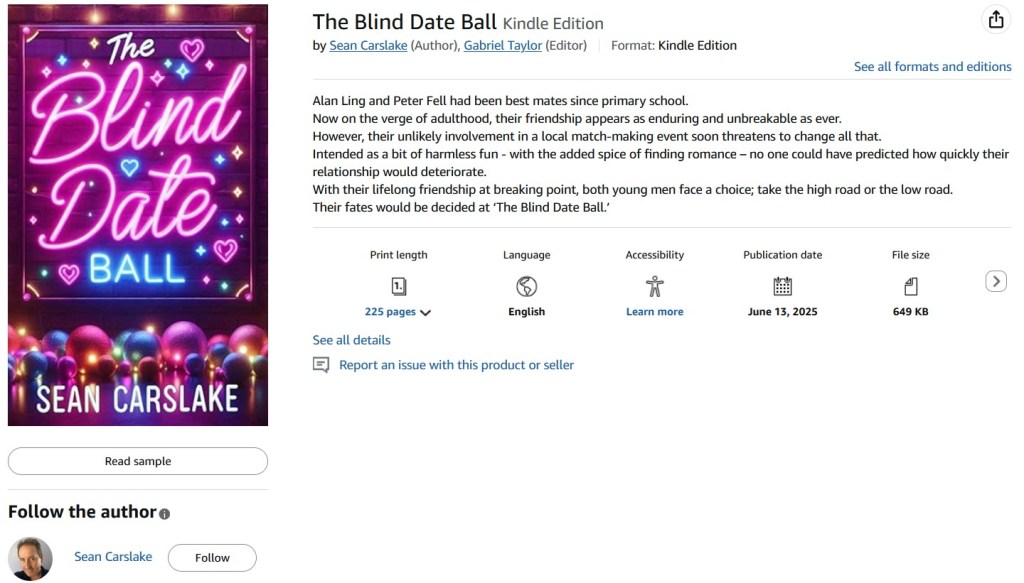
‘The Blind Date Ball’ is technically my tenth book, but I don’t really count ‘Lockdown Driver Wanted’ in that list – so I consider this to be publication number nine.

It is available for free on KDP Select, otherwise the kindle edition costs around the price of a cup of coffee. The story itself is a direct sequel to 2022’s ‘Nine Mile Beach‘, but can be read as a standalone novel.

I must say that if you are easily offended – such as being triggered by Trump hats and so forth – then this book might not be for you, as there are numerous slurs, derogatory terms and misogynistic themes contained within. In fact, the title was going to have ‘A Misogynist’s Tale’ added to it, so that might give you a better idea of what to expect. Personally, I don’t think it’s that bad, but I have to put the warnings out just to be sure.

‘The Blind Date Ball’ is currently available at the Kindle Store – see link below.

The Socceroos are on their way!

In the early hours of this morning, the mighty Socceroos beat Saudi Arabia 2-1 in Jeddah to secure their berth at the 2026 FIFA World Cup.

While not as nail-biting and exciting as the penalty shootout against Peru four years ago, I’m glad that this time around they qualified via the direct and easier path.

A special shout-out goes to coach Tony Popovic, whose record stands at 5 wins, 3 draws and 0 losses. To be honest, it was a little up and down at times, but he got the job done!
The final table shows that Australia qualified by two clear games and vastly superior goal difference, but there are a few interesting things to point out here.

  1. Bahrain – who finished last – managed a total of 6 points, of which 4 of those came courtesy of their two matches against the Socceroos.
  2. Indonesia secured 4th place – and passage through to the next qualifying round – which is a massive achievement for them, and note that they won 3 matches during this difficult stage.
  3. China flop yet again – finishing 5th – and were eliminated from the competition.
  4. Japan were almost unstoppable in this group, but the Socceroos had their measure – holding them to a draw in Tokyo and beating them last week in Perth.

This is six successful qualifying campaigns in a row! Bring it on next year!

All photos courtesy of Football Australia and various online sources.

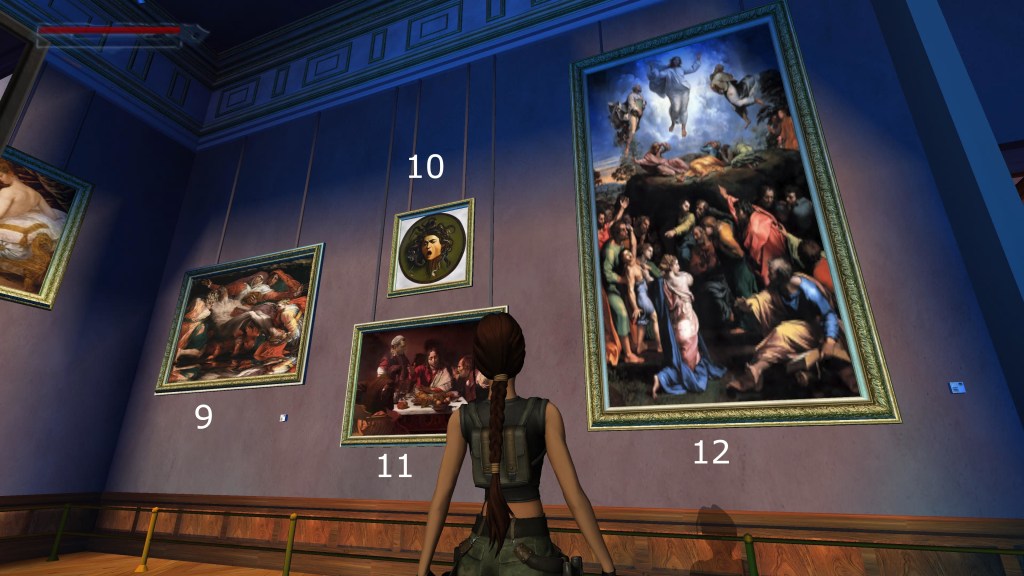
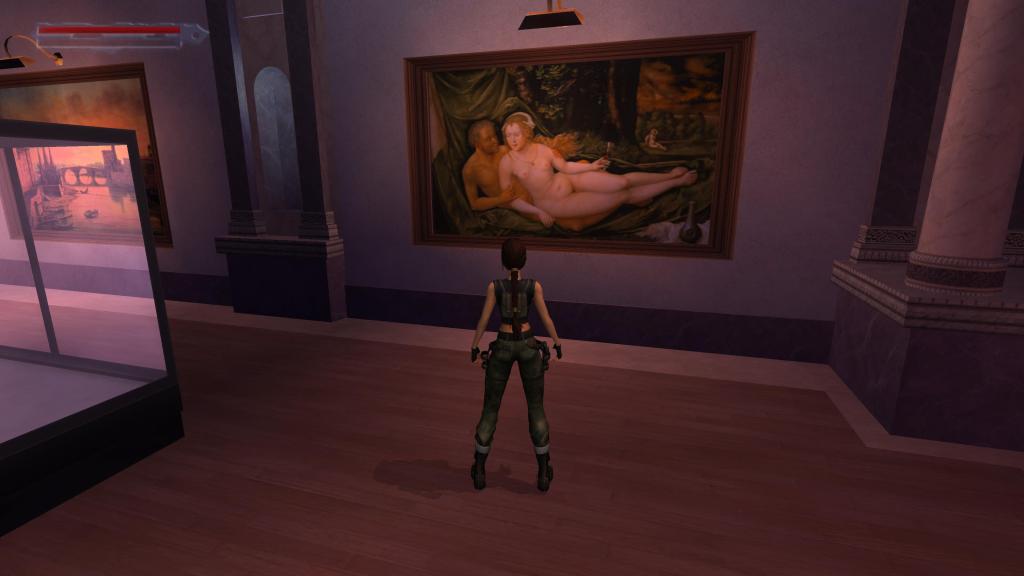
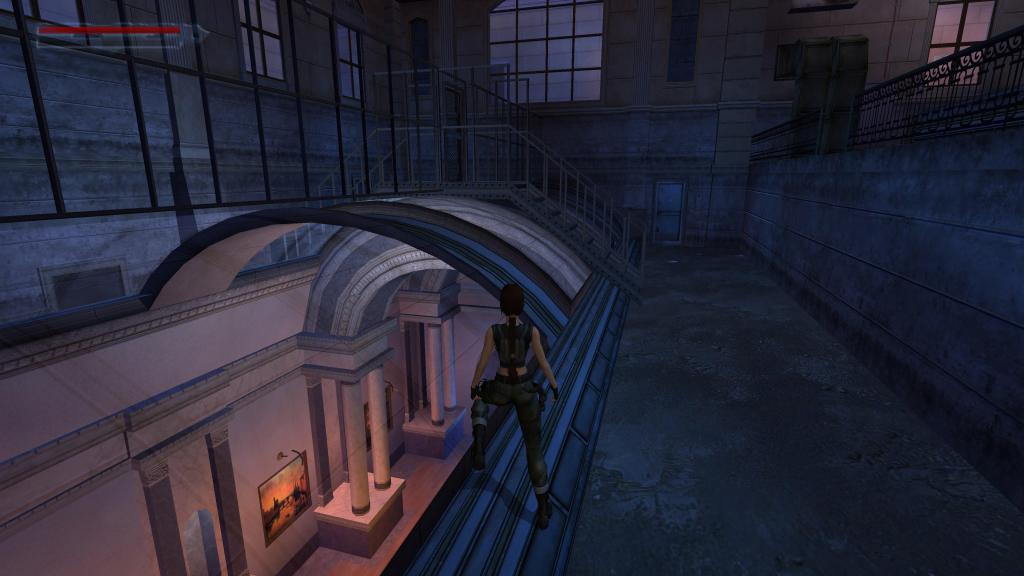
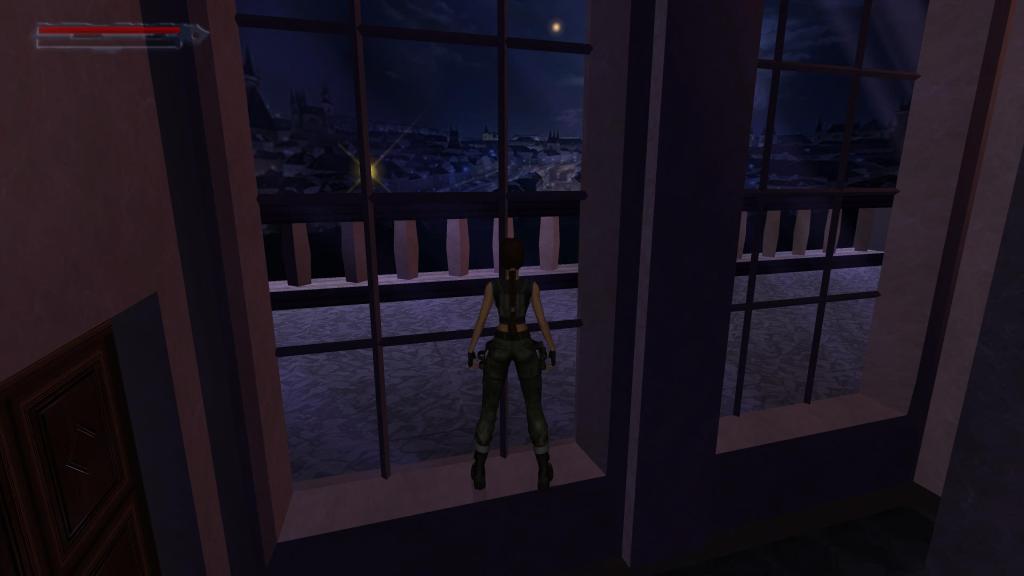
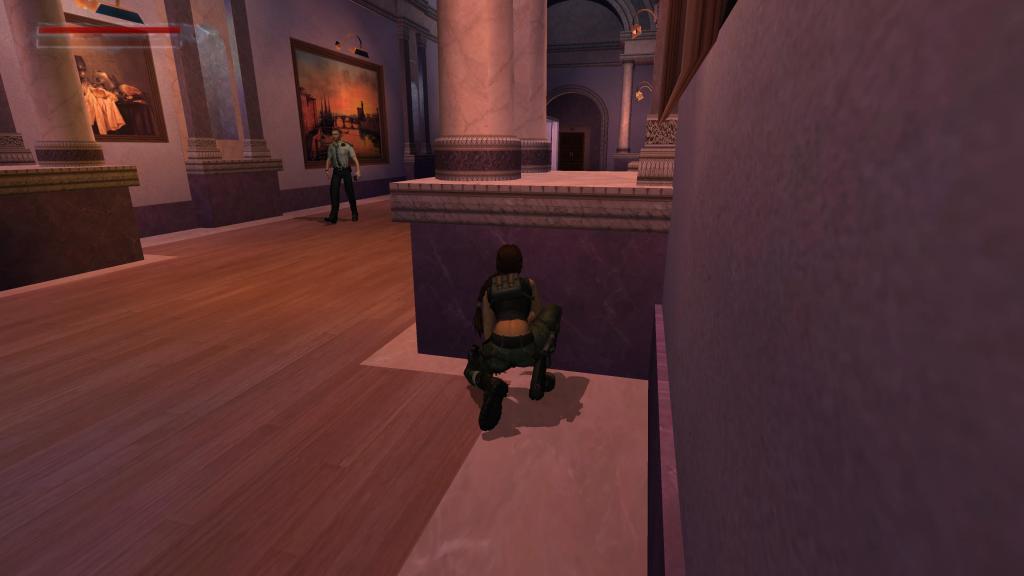
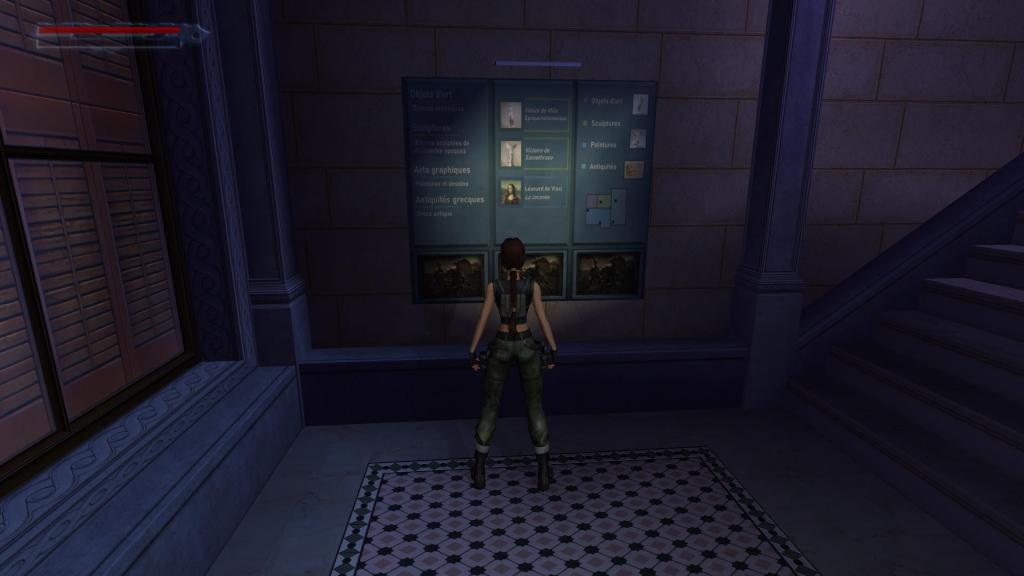
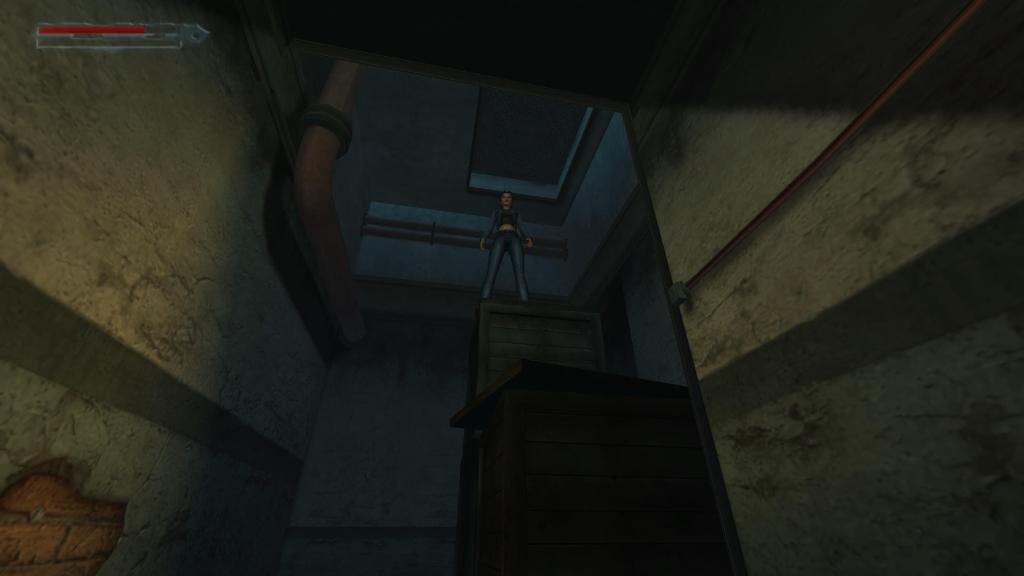
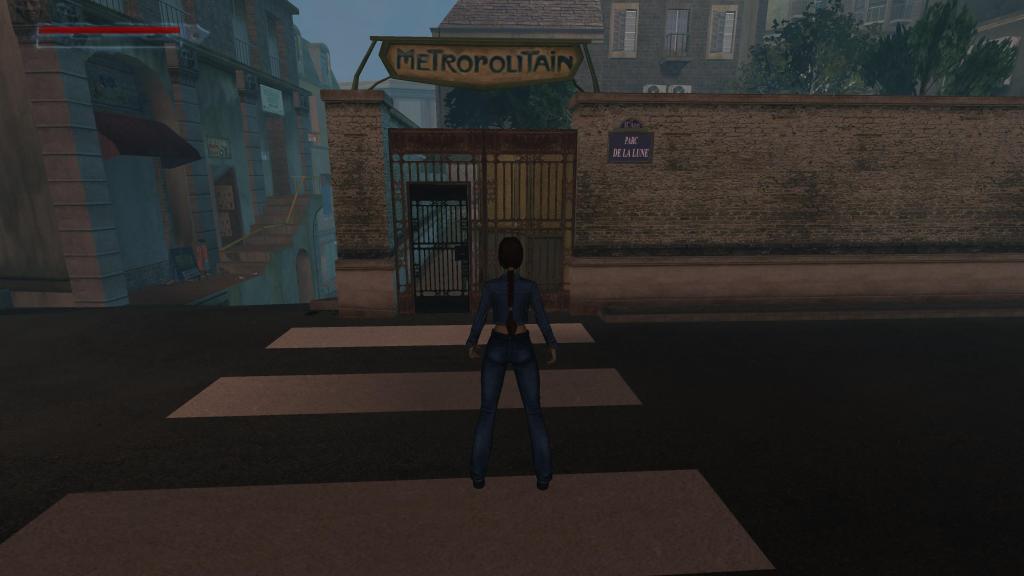
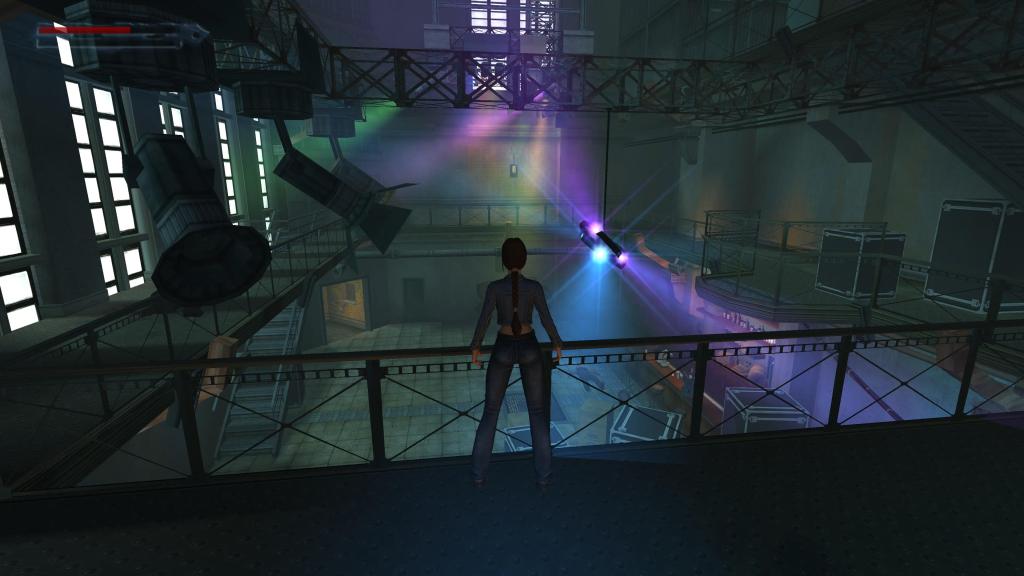
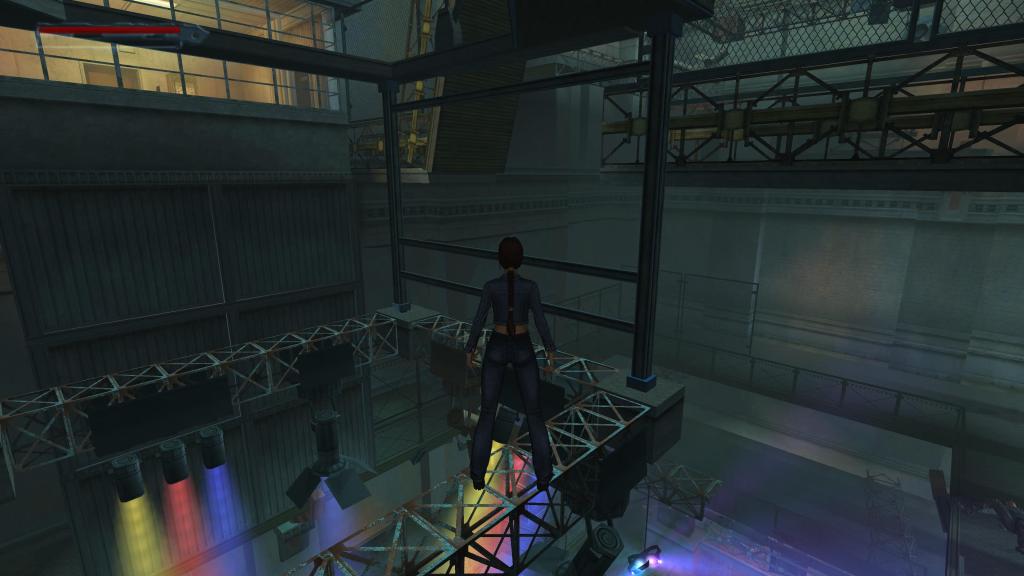
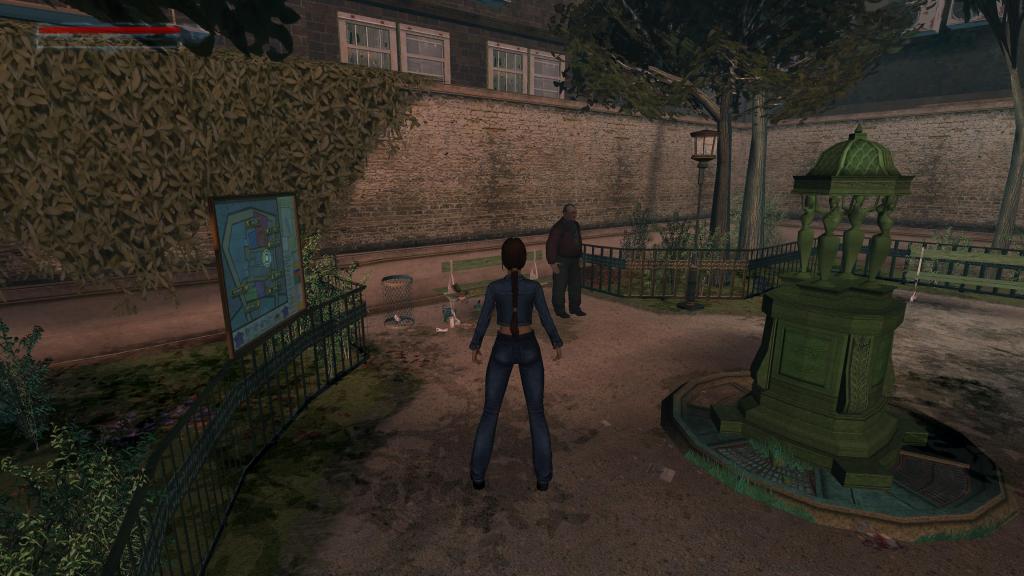
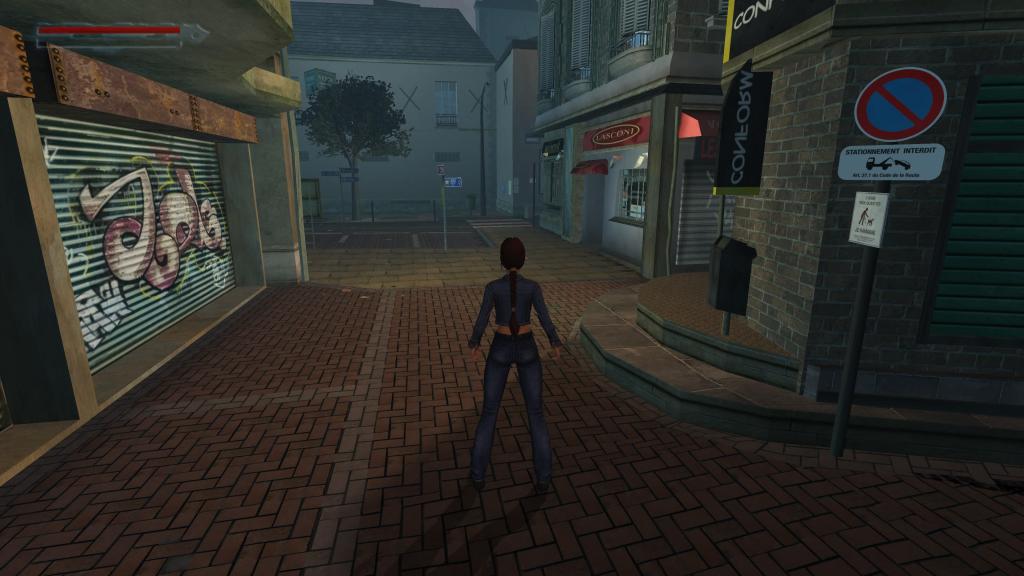
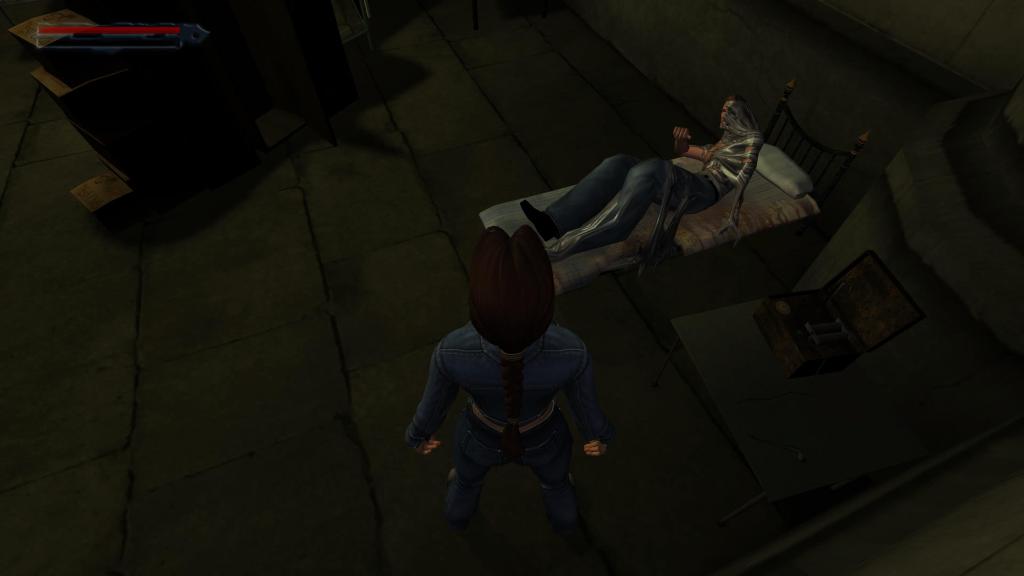
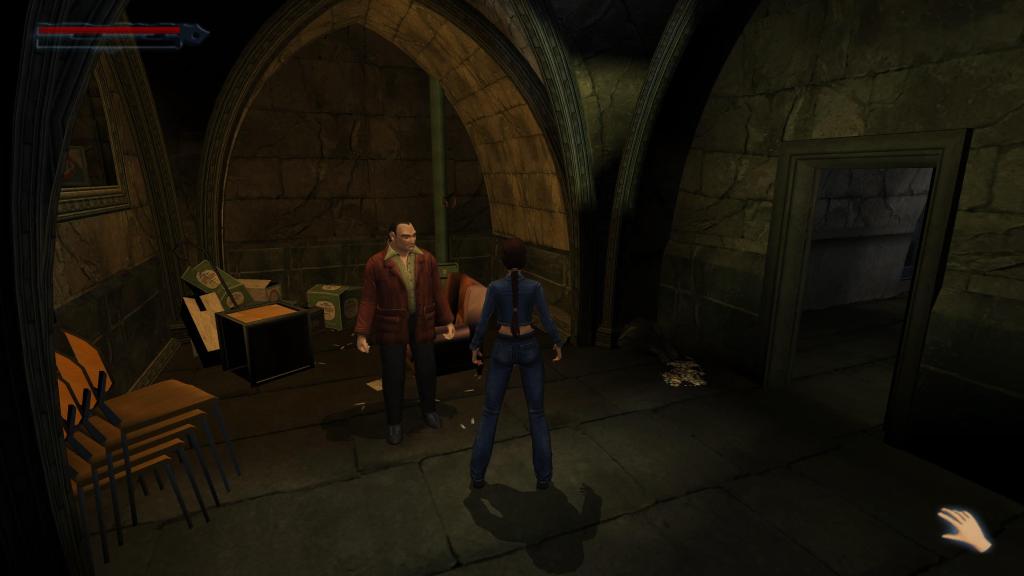
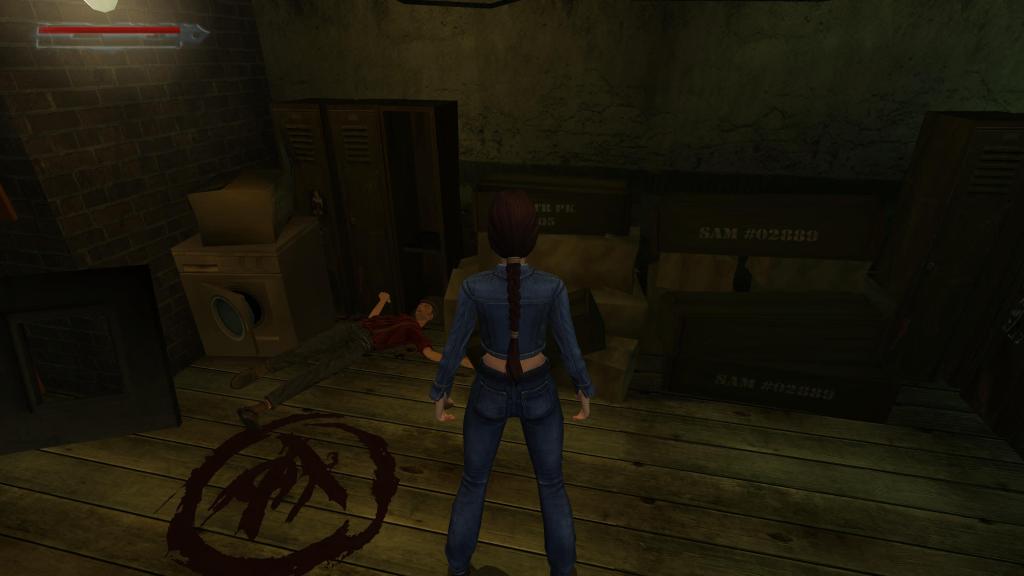
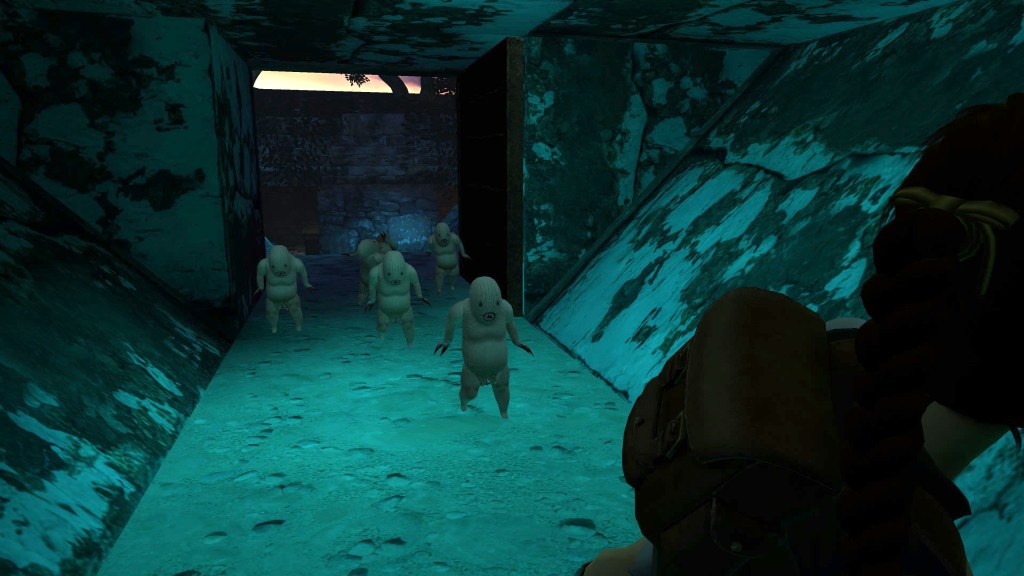
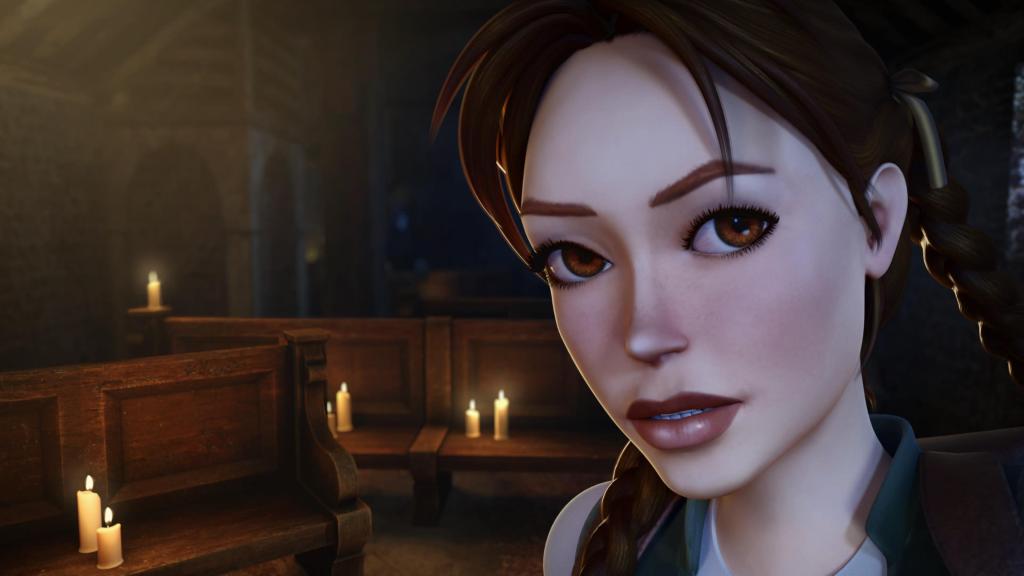
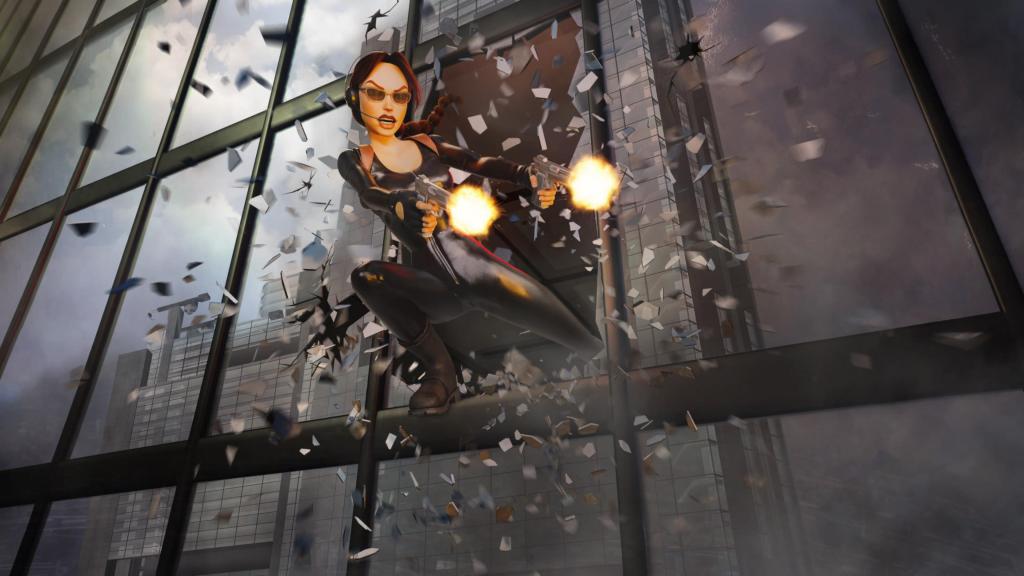
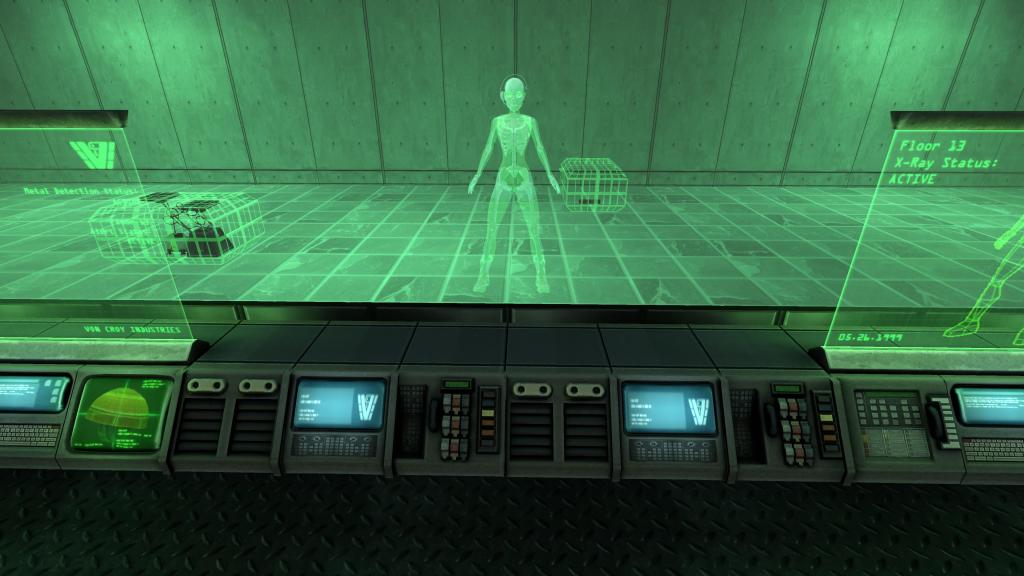
I couldn’t beat Tomb Raider III, so I picked on the butler instead.

‘Tomb Raider III’ is the only game in the series that I could not finish. I came close-ish though, as I made it all the way to Antarctica, but could not pass beyond the mine cart level.

So, if the prime version of myself couldn’t win over twenty years ago, then there’s no chance of me performing a miracle this time around! As a result, I have little choice but to bypass the third Lara Croft adventure and move onto the second remastered trilogy.

But not before having a little fun in the Croft Manor level…

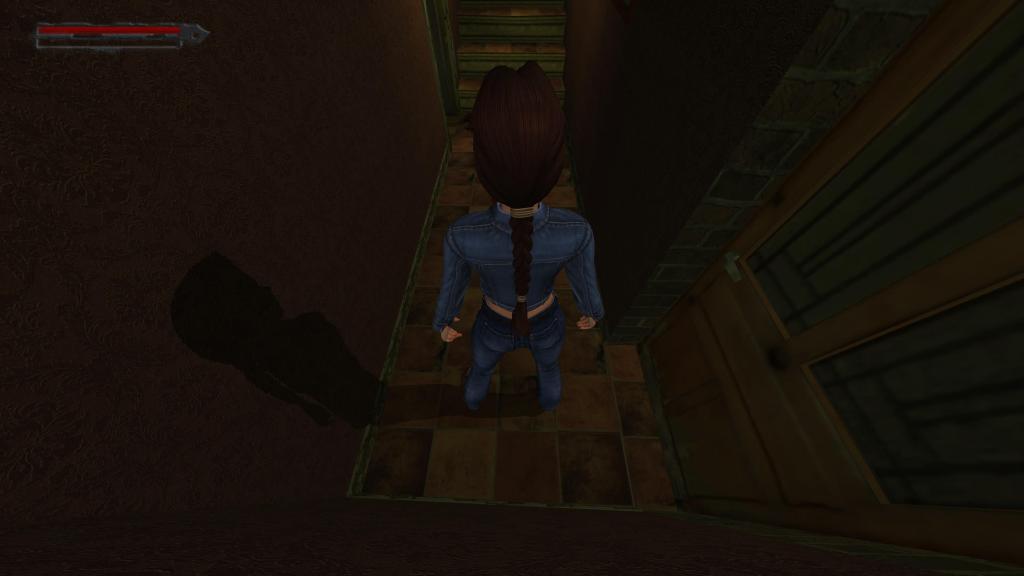
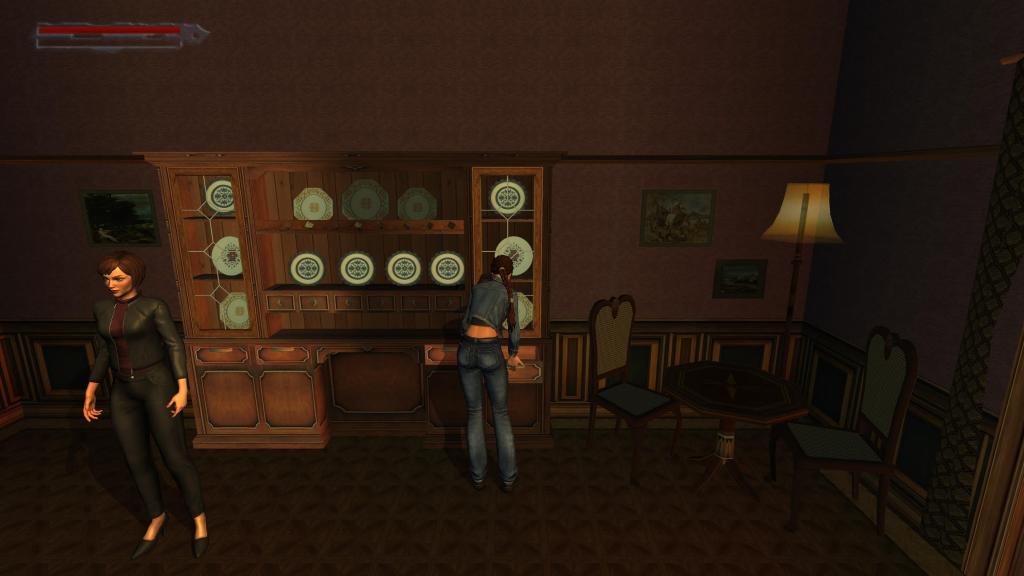
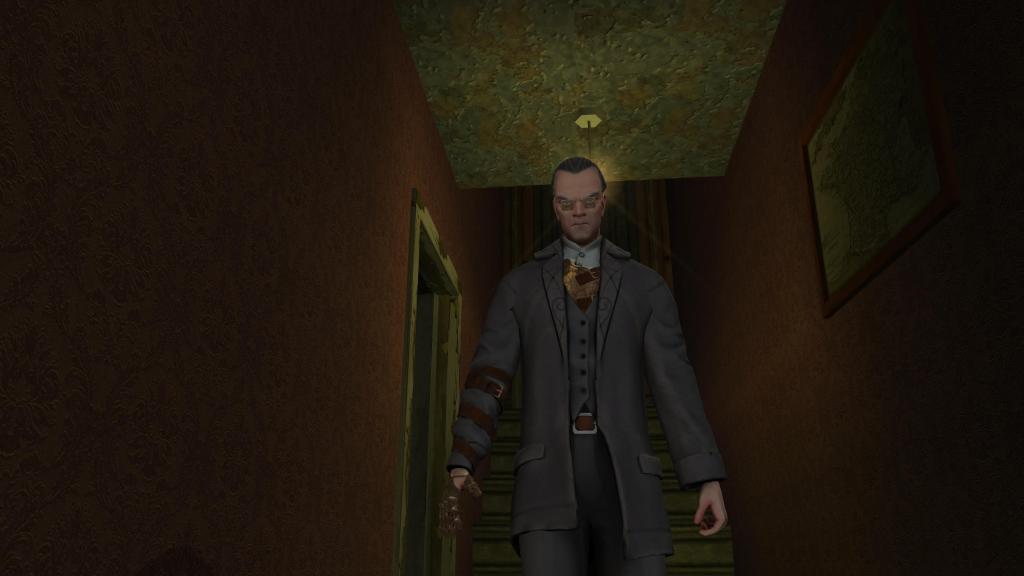
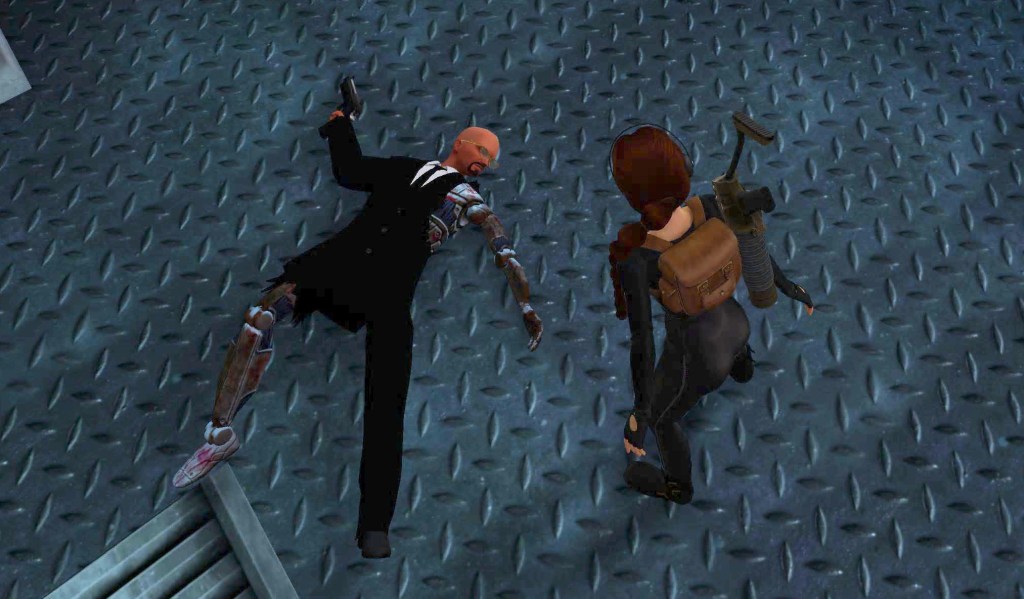
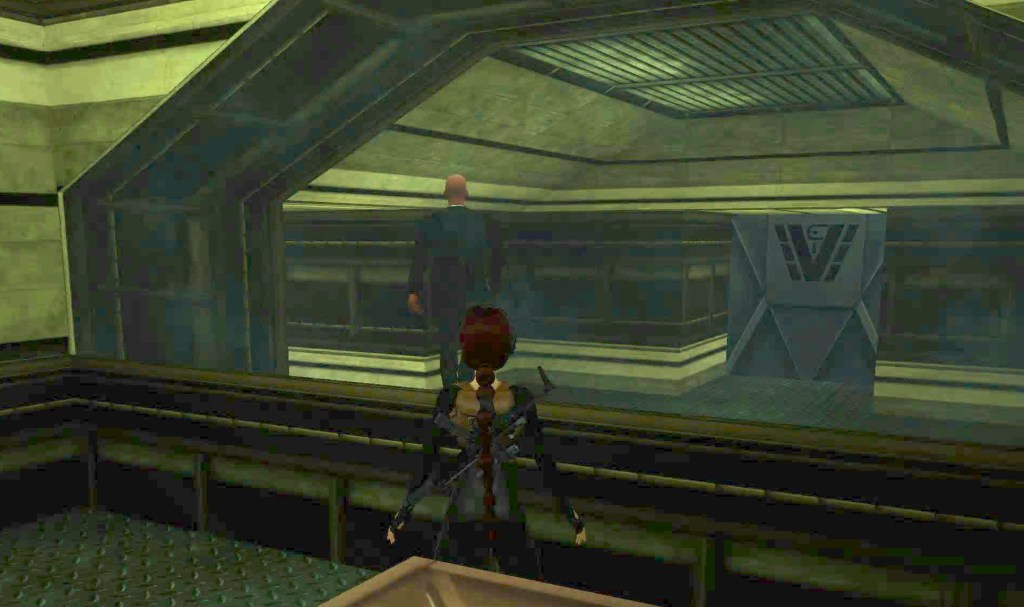
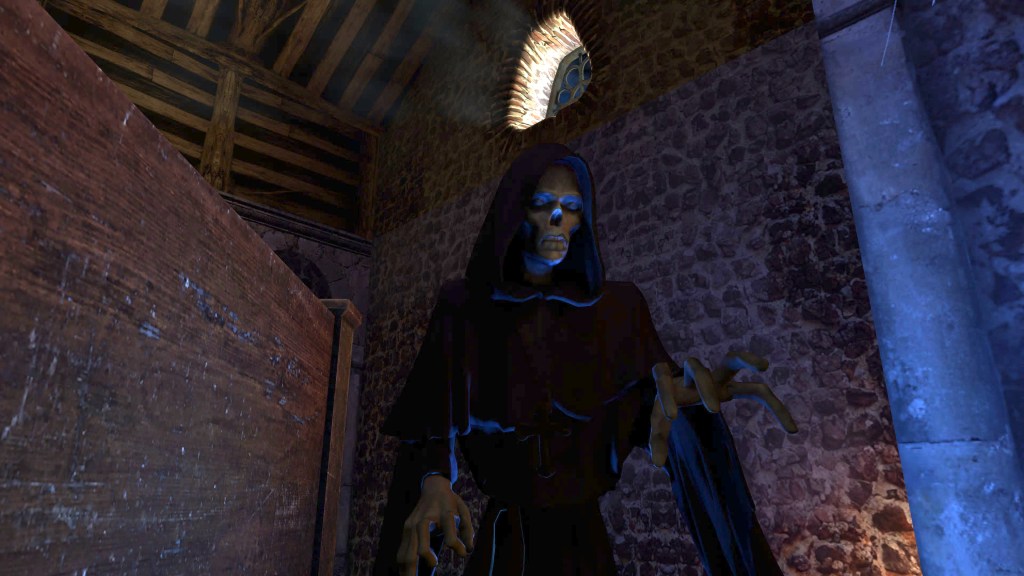
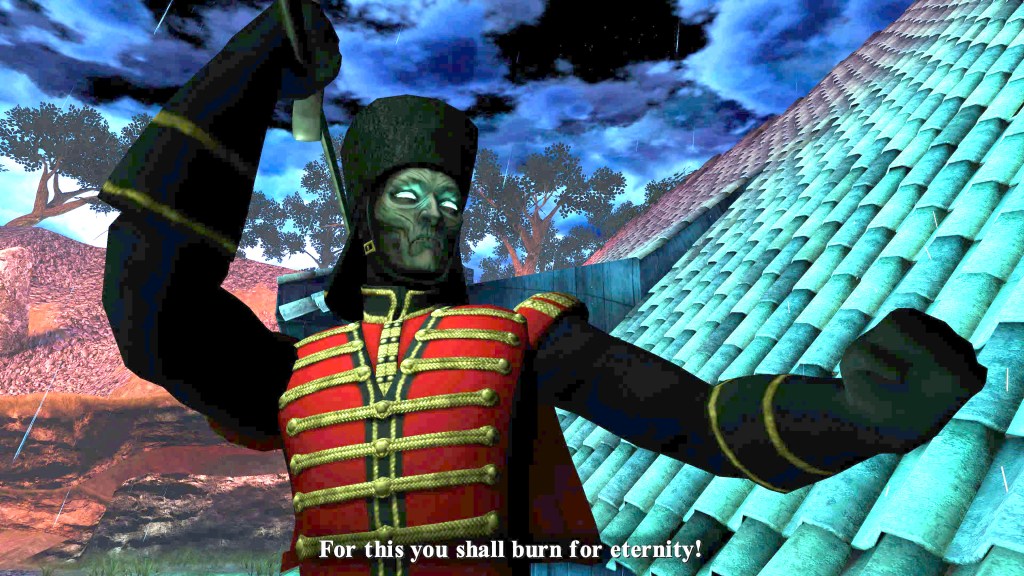
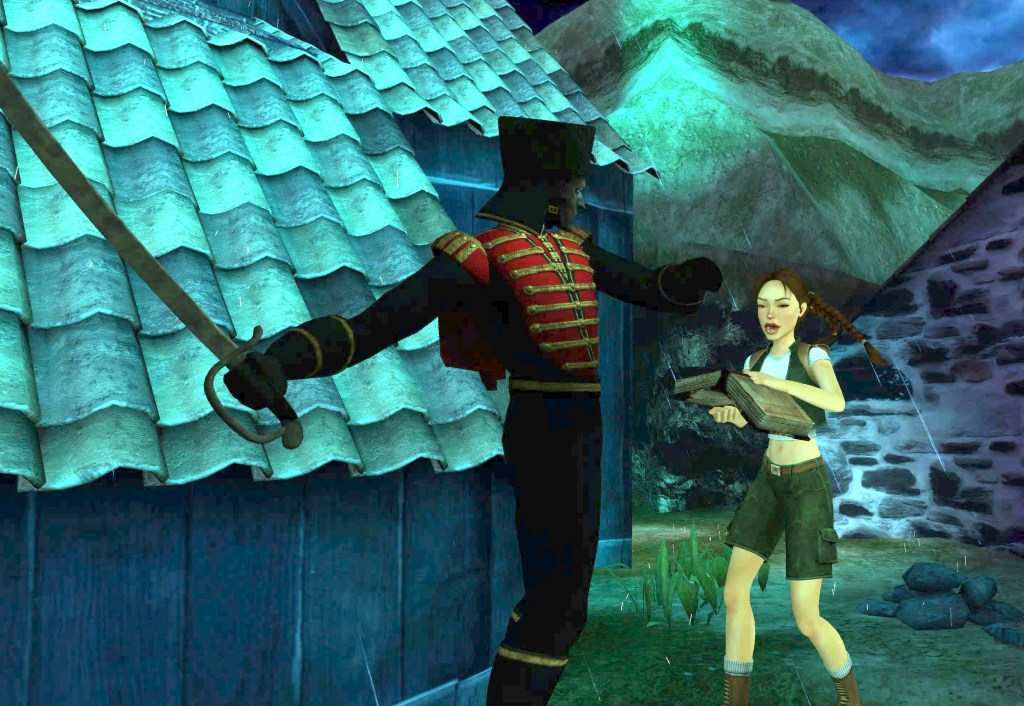
Enter Lara’s butler – a loyal but rather elderly chap – who follows his boss around the mansion while rattling a tray of crockery and letting off the occasional fart. Because he moves so slowly – as opposed to Lara’s speed and agility – it is possible to use this physical advantage and do all sorts of mean things to this fellow, with comedic results.
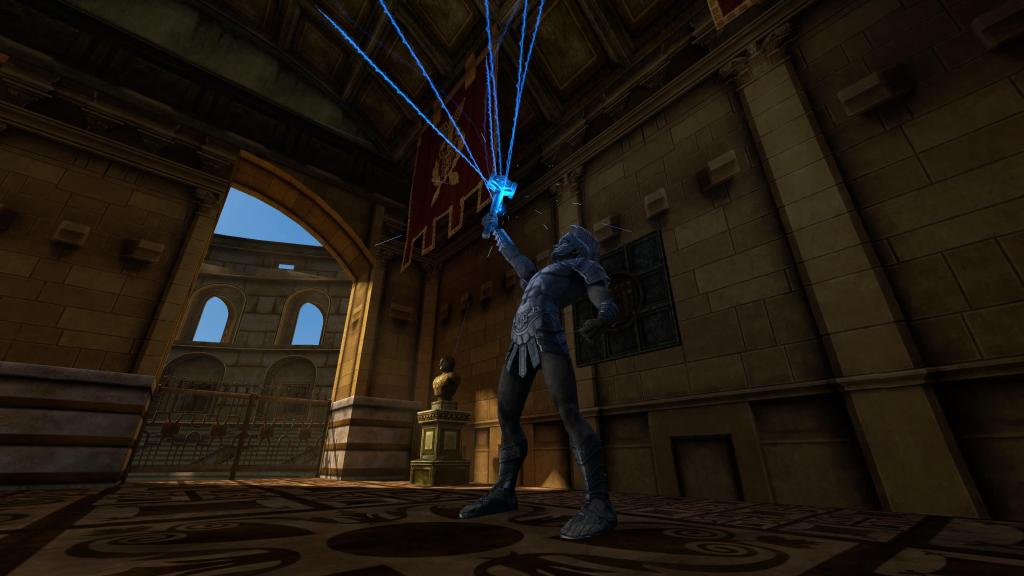
To be fair, changing into army fatigues and a helmet – plus having a target on his chest – whilst standing around the shooting range is asking for trouble. Lara can open fire on him if she chooses, but he will successfully repel the bullets by using his tray as a shield. He does eventually fall to the ground, but within seconds the old man will get back onto his feet and literally dust himself off.
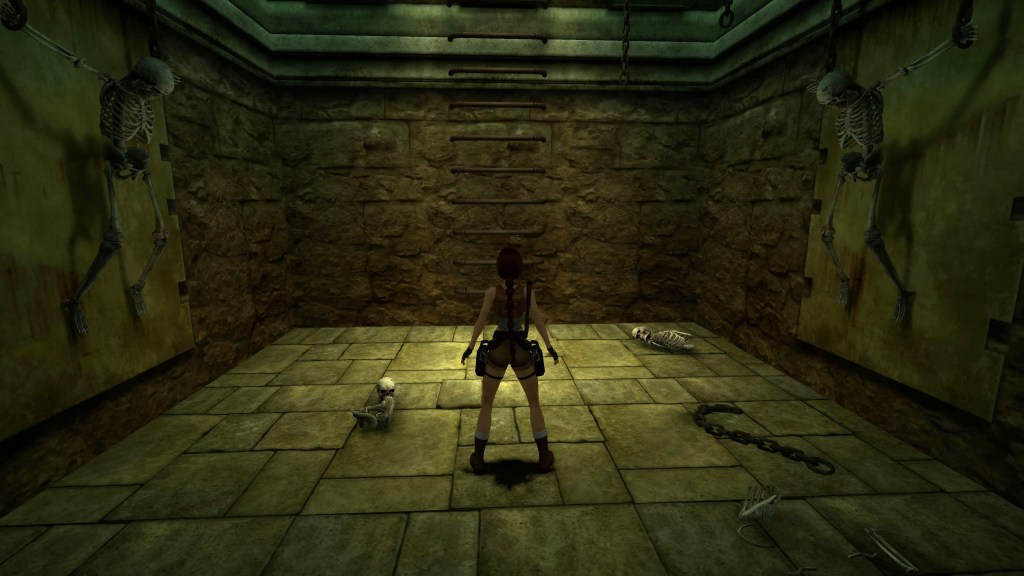
The other prank you can play on the butler is to lure the fool into the freezer room, before leaping over him and locking him inside. When Lara reopens the door again to check on her faithful servant, she discovers him a little worse-for-wear.

I tried this a few times, and on one occasion the butler merged into the door before freezing, giving him a T-1000 appearance.

I made a short video of my bullying of the butler and you can check it out here.

As I recall, ‘Tomb Raider III’ is a pretty good game, especially the Nevada and Area 51 adventures. But even before reaching the final levels in Antarctica, there were some rough challenges – mainly in the London and Pacific Island stages – that were extremely difficult to navigate. There is no way that my fifty-year old reflexes can get through this game.

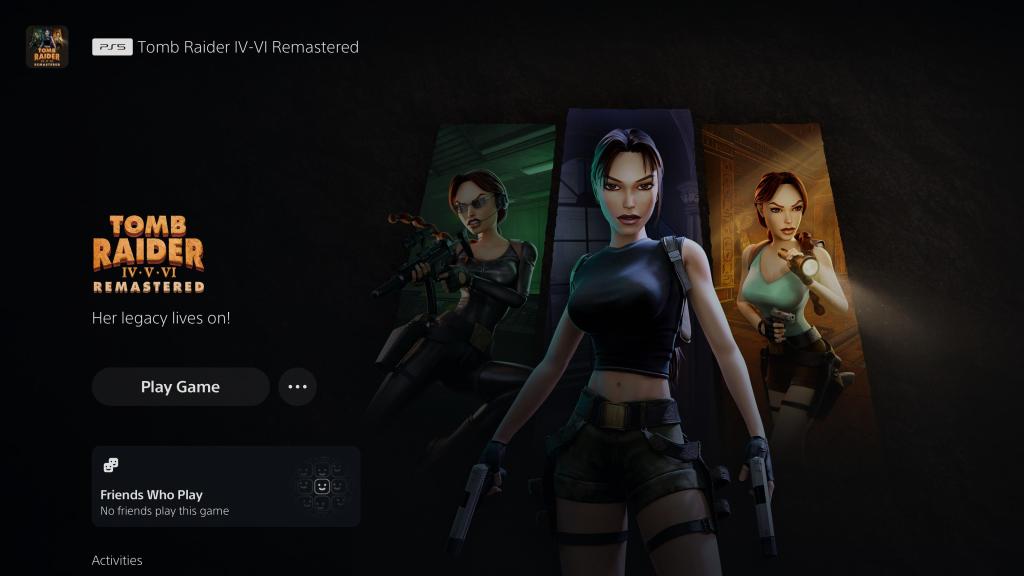
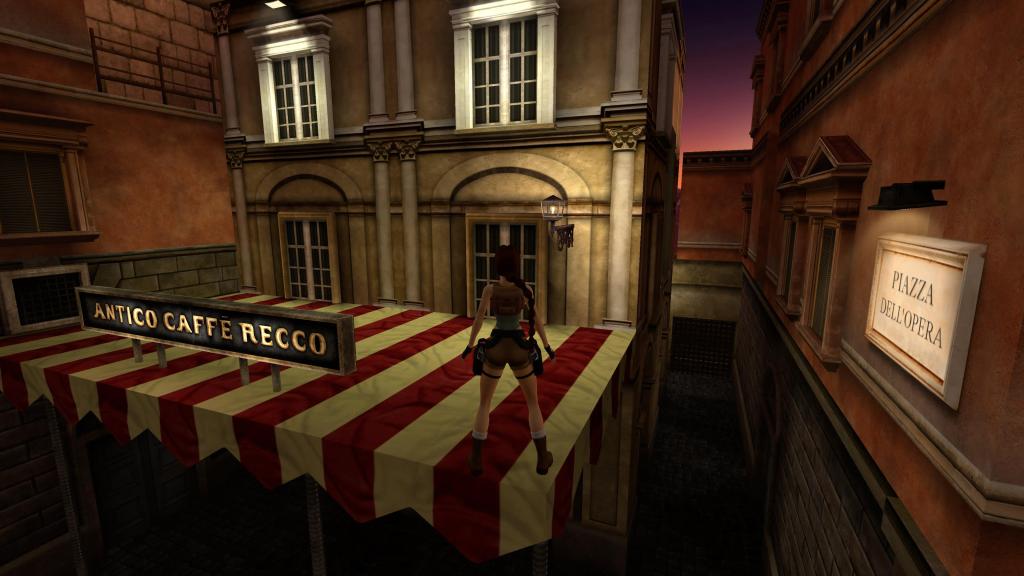
So, it’s onto the next remastered trilogy for me – five months after the game was released, but better late than never.

Screenshots courtesy of PlayStation, Crystal Dynamics and Aspyr.

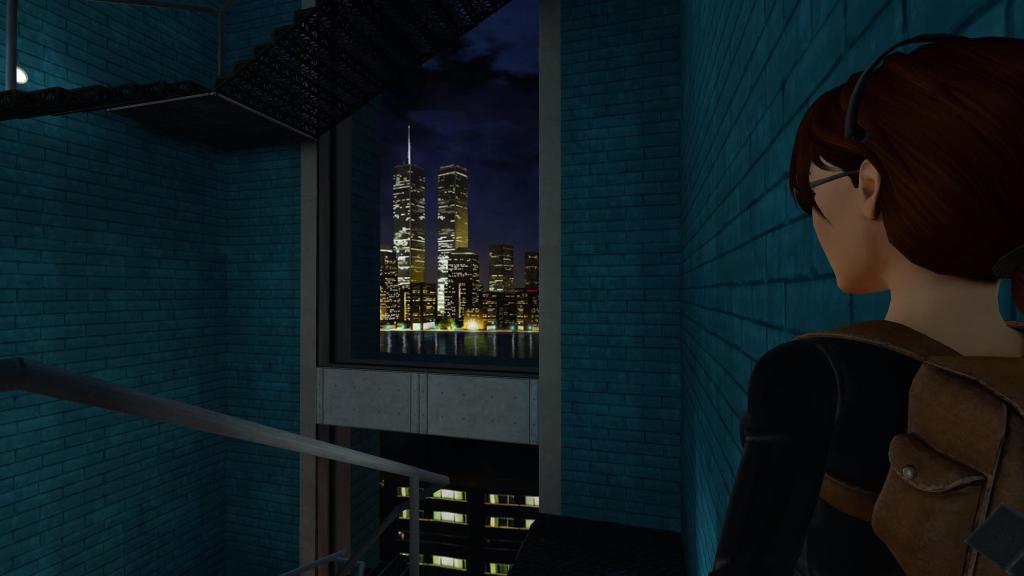
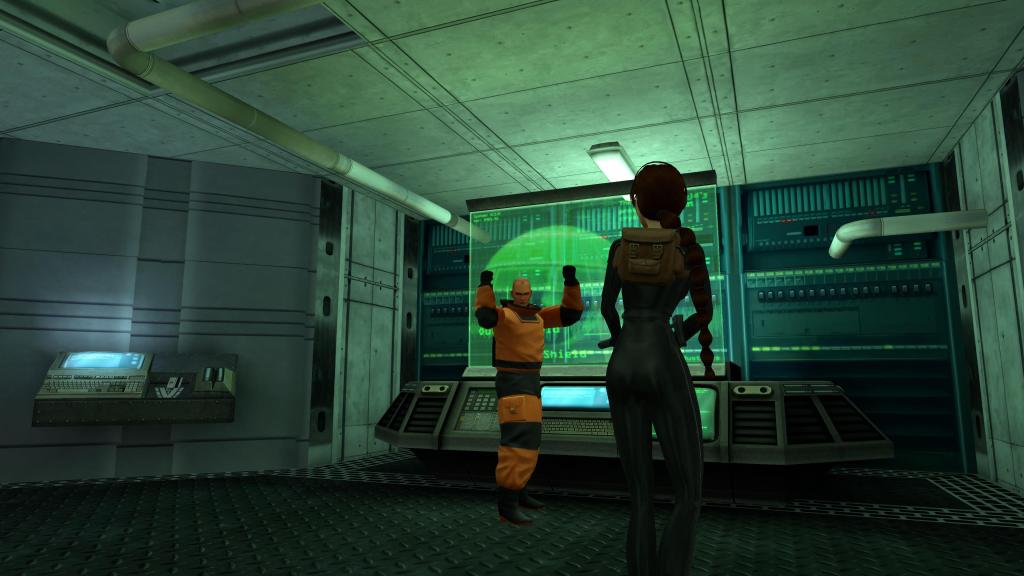
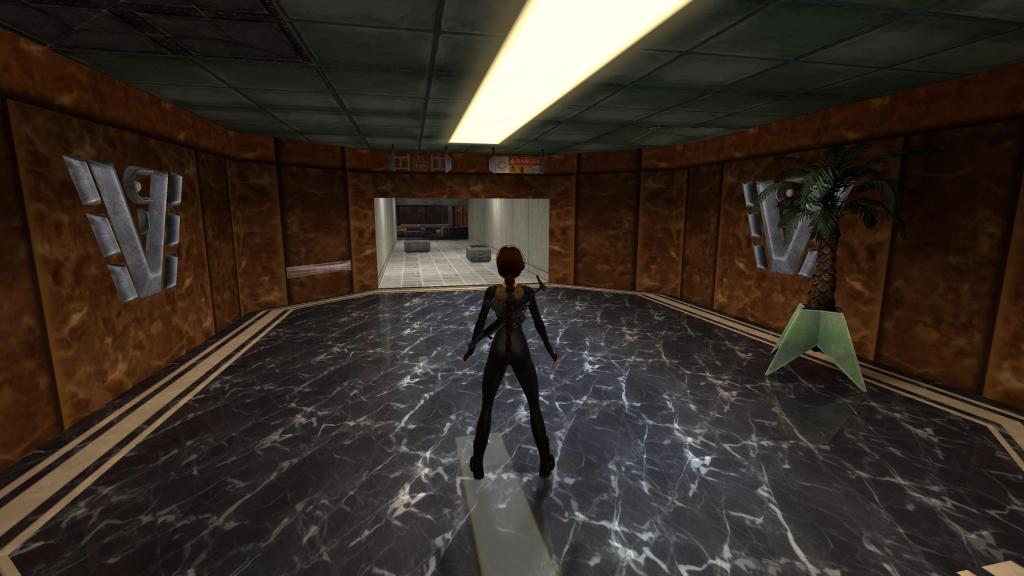
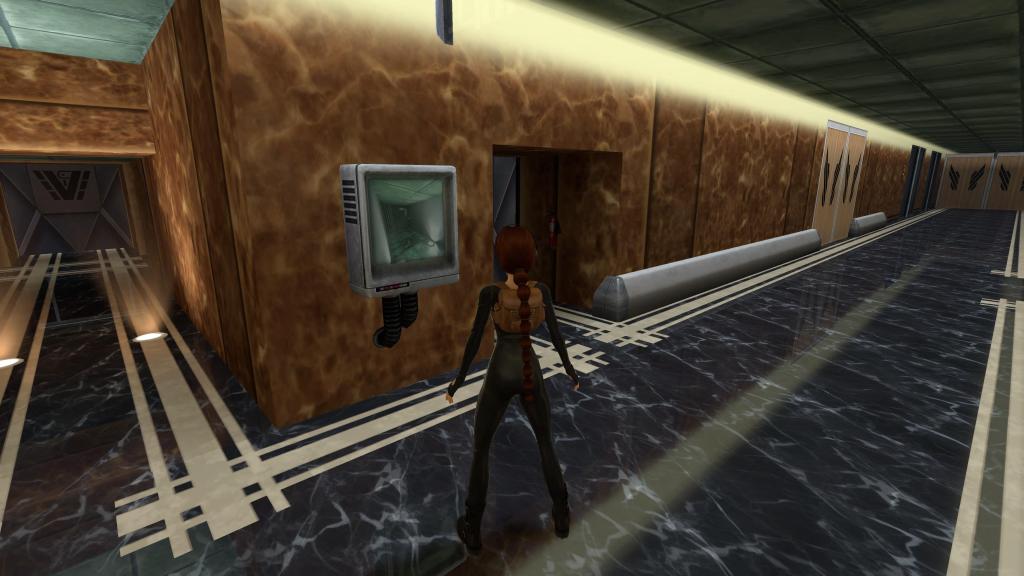
Tomb Raider II – Golden Mask bonus levels.

Despite being a Tomb Raider aficionado – going back to the original PlayStation games – I never played the extra levels offered on the PC versions until now, almost thirty years later when they were added onto the remastered editions on PS5.

A few weeks back I attempted the ‘Unfinished Business’ levels at the end of the first Tomb Raider game, but it ended in disaster as I could no longer tolerate any more Atlantis stages – and quit in a rather un-Australian manner.

Besides the insane difficulty, my major gripe with the bonus levels in Tomb Raider was that the story carried on through the much-hated Atlantis scenery, and a change in location was desperately needed in my opinion. There would be no such problems with the sequel, for the main game ended at the Great Wall of China, and the new adventure kicked off in the Bering Sea – two very different settings indeed.

I did a little research on Google Maps, based on the design of the title screen, and learned that the place circled in red and named ‘Melnikov Island’ is actually called Amukta Island – and this is where the campaign was to begin!

That was enough to pique my interest, and I immediately jumped into the game – or rather into an icy lake occupied by a Great White Shark.

The opening level of the bonus stages is called ‘Cold War’ and takes place at a remote Soviet base, where mercenaries have seemingly taken over and set out to kill Lara at every opportunity. Despite these orders, most of the goons are unwilling to shoot through wide gaps in bars – even when you stand there like a sitting duck.

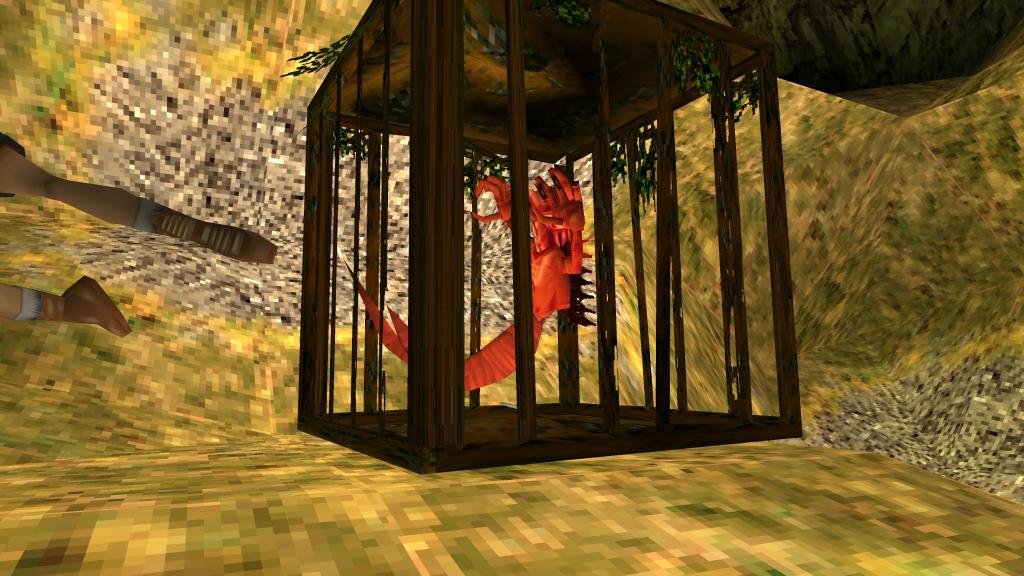
We also meet a new kind of ‘frenemy’ in the invisible, Predator-like entities that are first encountered below the base in an icy cavern. These guys operate in the same way as the Barkhang Monks from earlier in the game: – leave them alone and not only will they not attack you, but they will help fight the other bad guys!

Can you see the invisible man that I accidentally shot in the photo below?

‘Fool’s Gold’ is the name of the second stage, and is set primarily in a different section of the abandoned Soviet facility on the island. Once again, the mercenaries are everywhere and come at you with flame throwers and snowmobiles fitted with machine guns.

There are some great scenes here, and the remastered version brings out a lot of the detail. In particular, take note of the Soviet symbolism and propaganda all over the place.

Having shot through this level, the game progresses onto ‘Furnace of the Gods’ where the mystery behind the invisible entities is revealed. It turns out that these chaps are monk-like warriors who transform into humans during this stage, and do a great job helping Lara kill dozens of the heavily-armed thugs running about.

This level is more of a classic Tomb Raider challenge, moving away from the industrial setting of the Russian base, and into an underground area where a river of molten gold flows through cave systems and ancient temples.

The Golden Mask bonus levels are a roller-coaster of different settings – and climates – as we started with an icy tundra, then moved on to a volcanic underworld before emerging back outside into a tropical jungle for the final stage titled ‘Kingdom’.

The main enemies here are dozens of Sasquatches, which are versions of the Yetis we met in the Tibet stages of the main game, only without the white fur. They do attack in great numbers, but thanks to the daylight conditions they are fairly easy to spot and kill, as opposed to their cousins from earlier in the game who preferred to hide in the darkness.

The level does have a few areas where the use of flares are needed, and also features some temple settings where the ancient warriors and mercenaries come to blows once again.

The level concludes with the Golden Mask in Lara’s possession being placed into a mystical puzzle square, after which we get to meet a relative of another monster we fought earlier in the main story.

In WWE fashion, a different version of the bird creature from the Ice Palace in Tibet (with the impressive six-pack) makes a spectacular entrance by walking down a golden ramp and into battle with Lara.

I got a little closer to him this time – just to take a few screenshots – before backing off to a safe distance and shooting him dead with a machine gun to end the game.

Overall, these were pretty good levels and there was a fair mix of locations over a relatively short time span. The recycling of bad guys for the final stage was okay, I suppose – but it would have been better to meet some creatures that we had not seen before. However, to be fair – these were ‘bonus levels’.

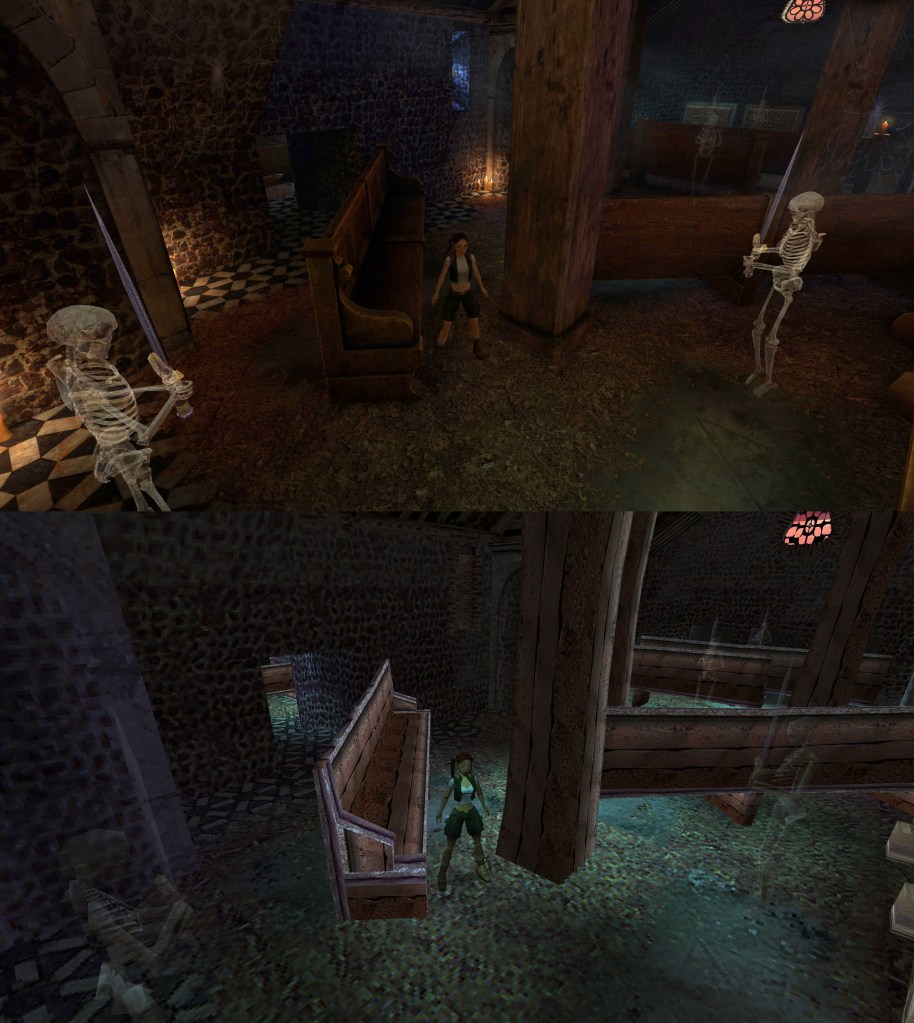
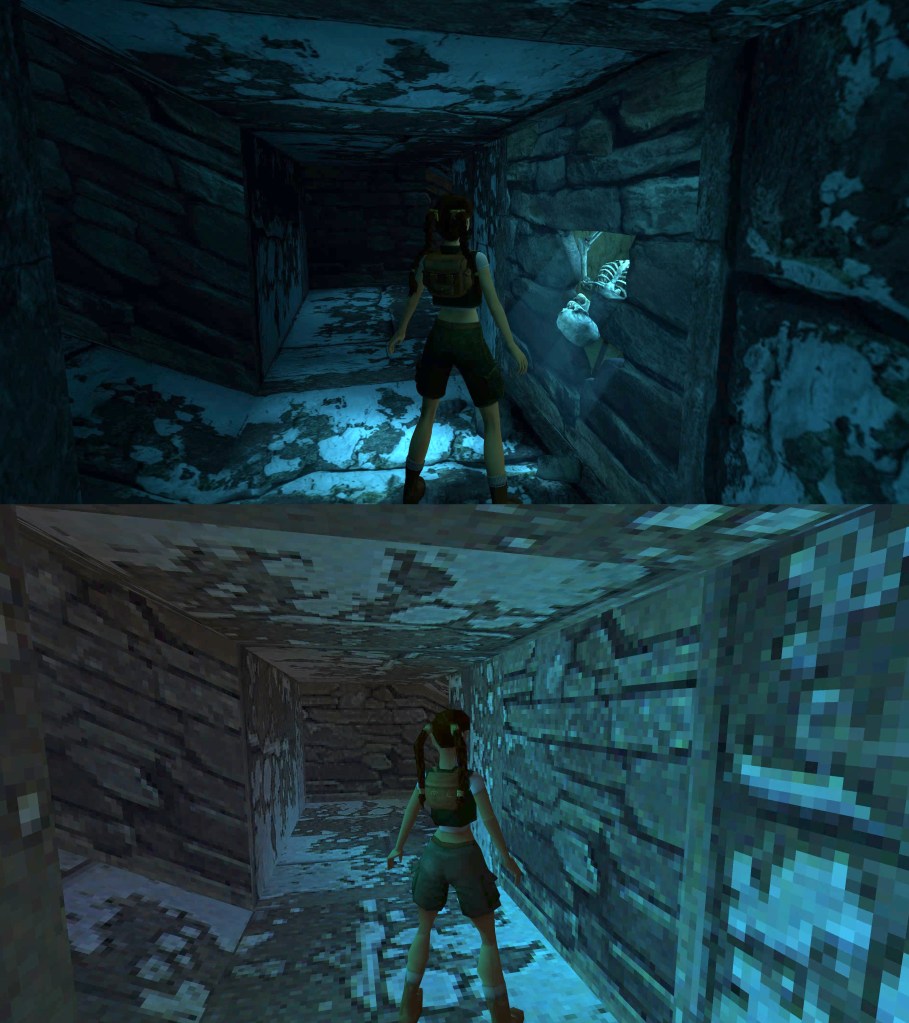
To wrap things up, here are a series of split screenshots comparing the 2024 remastered version to the 1997 original – with new on top and old on the bottom.

I suppose the best way to measure my reaction to the Golden Mask bonus levels is to say that I played them all the way through, unlike the Unfinished Business stages in the previous game. There were some great scenes throughout, and some challenging areas to navigate – so I would recommend any Tomb Raider fan who missed out on these additions twenty-five years ago to give them a crack!

As I mentioned earlier, the extra levels for the first three Tomb Raider games come with the Remastered Trilogy that is available at the PlayStation store.

Screenshots courtesy of PlayStation, Crystal Dynamics and Aspyr.

‘Bad Thoughts’ – What the heck, Netflix?!

I really don’t know what else to say about this show, other than it was completely over-the-top and insane – and probably the most disgusting and offensive thing I have ever seen.

This is not a criticism, by the way: – I am simply stating the facts!

‘Bad Thoughts’ is the creation of comedian Tom Segura, and the six-part series landed on Netflix around a week ago with an R-Rating (in Australia). This is comedy of the darkest and sickest variety, and is not for those with weak stomachs. In fact, I am still amazed that this show not only made it onto Netflix, but is being headlined on their streaming site!

This will be a very short article, as there is little about this series that I am willing to go into any detail over. So, in keeping it clean, there were only a few skits that I can mention here – such as the bizarre Steven Seagal story, the adventures of a depraved country and western singer named Rex Henley, and an ultra-violent visit to a coffee shop.

Apparently ‘Bad Thoughts’ has made quite an impact since its release – and this doesn’t surprise me at all.

If you have children at home and the whole family shares this streaming service, I highly recommend that you ensure the adult content filters are turned on. Believe me – you don’t want kids stumbling across this show by chance!

Posters and screenshots courtesy of Netflix and YMH Studios.

‘Andor’ Season Two – It’s big, it’s ambitious…and it’s slow.

The second season of Disney’s acclaimed Star Wars show has now concluded, and I must say it was one of the most visually-impressive productions I have ever seen. Some serious money had been thrown at this project – around three hundred million dollars (US) by all accounts – and this was evident judging by the enormous sets and state-of-the-art special effects.

Before I go any further, I should point out that there may be some ‘slight’ spoilers ahead, but I won’t give anything major away.

Whilst the show is named after Cassian Andor, played by Diego Luna, it features an ensemble cast with a lot of time allowed for these characters to develop and explore their own places within the Star Wars universe. At the helm of this series is showrunner Tony Gilroy, whose attention-to-detail and amazing vision is evident in every episode.

This season was laid out in a rather unique style, with four chapters containing three episodes each. There was a time jump of one year from one story arc to the next – for example, week one gave us episodes one to three, before the second week aired parts four to six – and was set one year later. Twelve episodes in total covered the four-year period leading up to the events of ‘Rogue One’.

The new season kicks off in style with Cassian stealing a prototype Imperial Tie Fighter from a military base, and immediately the size of the outrageous visual effects budget is obvious. However, once this explosive sequence had concluded, the pacing began to drag and what took place in the first three episodes could have been told within half of that screen time.

I’m not being overly critical here, as the plot is moving and things are happening. It’s just that it felt to me like we were spending too much time admiring the scenery – even though it was quite impressive – with characters having deep conversations back and forth and situations lingering far longer than what was necessary.

For example, Cassian spends most of the first two episodes with a rebel cell who ambush him when he drops off the stolen tie fighter at an arranged rendezvous point. This entire sequence could have – and should have – been cut from the show completely. In fact, the first chapter felt like I was watching the fifth day of a test cricket match destined to be a draw – the skill and technique were all there, but few players were troubling the scorers.

As the timeline of the season moved a year forward through episodes four to six, I felt that the pacing dropped even further. Again, whilst things were definitely in motion, the show spent too much time looking at itself in the mirror – for lack of a better term – when it needed to be pressing onward. Again, the aesthetics of the show and the sharpness of the dialogue are not being questioned here – it’s just that what happened over these three episodes (4-6) could have easily been compressed into two.

Where was the show most sluggish? Well, over the course of the first half of the season I would have to say that the wedding of Mon Mothma’s daughter was the worst offender. Whilst there were some good moments within – particularly the fate of Mon’s friend Tay Kolma – it took up way too much time and I don’t think that the erratic dancing scene worked as well as it should have. I’m sure bigger Star Wars fans than I would argue otherwise.

The narrative involving the insurgents on the planet Ghorman was another part of the show that was slow-building and a little tedious – although the payoff in episode eight ended up being exceptional. These local rebels had an axe to grind with the Empire – and with good reason – but I felt that there were too many ‘secret town meetings’ and on a personal note I’m not sure that modelling everything about them on the French Resistance was necessary.

The story arc of week three, being episodes seven to nine, was when ‘Andor’ really kicked into gear and rewarded its fan base with some truly brilliant storytelling and execution. Episode eight was as gripping as anything I have seen before in Star Wars, but by golly it took a while to get there!

I was hoping that this momentum would carry through to the final three episodes, and it did to a certain degree – with the action taking a backseat and more thrilling and psychological elements coming to the fore. The game of cat-and-mouse between the ISB (Imperial Security Bureau) and the Coruscant-based rebels was enthralling to say the least, and the fates of agent Dedra Meero and the elusive Luthen Rael reached satisfying conclusions that were consistent with the Star Wars narrative moving forward.

I should also add that the performances of both Denise Gough as the overly-ambitious Dedra and Stellan Skarsgard as the rebel spy/antiques dealer Luthen were outstanding across both seasons of ‘Andor’. Some Star Wars fans are claiming that Luthen Rael is by far the best character created in the Disney era to date, which is a fair call – but I personally would go with Baylan Skoll from ‘Ahsoka’.

A welcome addition to the show was Director Orson Krennic – played by Ben Mendelsohn – who was of course a main antagonist in ‘Rogue One‘. In fact, the inner-workings of the Galactic Empire were brilliantly unveiled during this season, and was the most in-depth exploration that Star Wars fans have seen to date.

Another returning character was K2SO, and we get to see his origin story during the last few episodes of the series. He delivered some great lines here, just as he did in ‘Rogue One‘.

I didn’t pick up on the casting change for Bail Organa right away either, as I was waiting for Jimmy Smits to appear and wondered at first who Benjamin Bratt’s character was supposed to be. I can assure you it only took a few minutes for it to click, and to be honest I thought Bratt did a pretty good job.

With the show featuring an extensive cast, I would be here all day if I wrote about every character and actor, so I will briefly add only a few more worthy mentions. Forest Whitaker returns as rebel outcast and extremist Saw Gerrera, Elizabeth Dulau stands out as Luthen’s assistant Kleya – with an enlarged role for this season, Kyle Soller is back as the weedy but sinister Syril Karn, and Anton Lesser portrays the cunning Major Partagaz.

The character development in this show is well above anything we have seen from Disney Star Wars, and the work here makes Rey, Finn and Poe from the sequel trilogy come across as cardboard cutouts. Mind you, it wouldn’t take much for that to happen.

The other outstanding attributes of ‘Andor’ are the visuals and art direction, which surpass even the Original Trilogy at times. As I mentioned earlier, a huge slice of the series’ budget must have been spent on special effects and physical sets. In all honesty, this would have to be one of the most eye-catching shows I have ever watched, with the attention-to-detail – right down to the pressing of buttons on control panels – being on a scale rarely seen these days.

However, I felt that these strengths fed directly into the moments when this show was at its weakest. By this I mean that the breathtaking settings and complex events taking place throughout the galaxy – often at the same time – were not easily whisked along by those in control. Instead, the narrative appeared stuck at times within certain scenes, and felt like it was lingering there far longer than was required and not propelling the story forward at a reasonable pace.

The first half of the season – comprising of episodes one to six – was painfully slow. This was a shame because there were brilliant moments taking place, but a lot of the effect was wasted when these scenes overstayed their welcome. Again, I refer specifically to Cassian’s run-in with the rebel crew during the first two episodes and the excessive drama surrounding the wedding of Mon Mothma’s daughter.

Quite simply, it took too many episodes to arrive at where the show needed to be – which is a fair criticism considering we already knew the fate of Cassian Andor before the series began, and all jeopardy concerning this character was off the board.

But I cannot dislike this show, no matter how much the pacing frustrated me. There are simply too many moments of brilliance contained within; whether it be the clever writing, the artistic and exceptional direction, or the aesthetics of this excellent production – right down to the smallest detail.

In a few months from now I might sit down and watch it all over again and see if I feel differently about it. I do recall enjoying the first season a lot more second time around, so perhaps the slow progression of the story might not bother me as much after another viewing.

I’m going to give this season a mark of eight out of ten, with the pacing issues costing it a perfect score.

‘Andor’ – Season Two is currently streaming on Disney Plus.

Photos and screenshots courtesy of Disney and Lucasfilm.

Disney’s ‘20,000 Leagues Under The Sea’ – A seventy-year-old classic!

Released all the way back in 1954, this film is truly a cinematic masterpiece. I’m not comparing this to ‘Casablanca’, ‘The Godfather’ or even ‘The English Patient’, for what I refer to here is the ambition and vision that ‘20,000 Leagues Under The Sea’ projects – impressive even by today’s standards.

Of course, this is an adaptation of Jules Verne’s 1870 novel of the same name, which is quite an enjoyable read. The film does differ from the book in a number of ways – particularly the ending – but does remain fairly true to the overall narrative.

‘20,000 Leagues Under The Sea’ is headlined by two legendary actors, with Kirk Douglas playing the harpooner Ned Land and James Mason starring as the mysterious Captain Nemo. The film was directed by the reliable Hollywood helmsman Richard Fleischer, and was produced by Walt Disney Productions.

The movie begins with Professor Aronnax, a famous scientist (played by Academy Award winning actor Paul Lukas) being recruited by the US Navy to assist them in hunting a sea monster that has been destroying vessels. Eventually the naval frigate Aronnax is travelling aboard finds the creature and is promptly rammed and sunk by an enemy that was not all that it appeared to be.

From this point, the film follows the adventures of the rogue submarine Nautilus, as told from the viewpoint of Professor Aronnax, his assistant Conseil, and fellow adventurer Ned Land. All three become ‘guests’ of Captain Nemo aboard his underwater ship as it carries out its mission in the deepest depths of the world’s oceans, whilst countless warships are hot on their tails.

Captain Nemo’s motivations are explored a little in this film, although the book does offer more in the way of his interesting background story. But for the most part, the movie keeps things on a more adventurous and entertaining course, with the special effects and underwater filming being decades ahead of its time. In fact, ‘20,000 Leagues Under The Sea’ won the Academy Award for best special effects and art direction, and it’s easy to see why.

Perhaps the most memorable scene in the movie is when the Nautilus is attacked by a giant squid. The battle takes place during the night and in the middle of a vicious storm, which makes the sequence even more terrifying.

We are also treated to a couple of musical numbers from Kirk Douglas during lighter moments in the film, with one of his sea shanties being sung to Esmeralda – Captain Nemo’s pet sea lion.

‘20,000 Leagues Under The Sea’ is storytelling on an epic scale, much like many of the old Hollywood blockbusters from the golden age of cinema. It’s sad that they don’t make movies like this anymore, because with modern day CGI this story could easily be re-imagined into something special – and if produced correctly could earn millions of dollars.

Here’s how I think it should be done.

Firstly, a popular subcontinental actor would be cast as Nemo, for according to Verne’s original story this character is an exiled Indian prince named Dakkar. Then you would need some American star power, and three established Hollywood names could play Ned Land, Aronnax and Conseil. To top things off, I would have someone like Denis Villeneuve or Christopher Nolan as the director, and have the screenwriters keep the story as close to the original work as possible.

Yes, I am aware of what the wages bill alone would be, but surely it would clean up at the box office worldwide!

‘20,000 Leagues Under The Sea’ is available on Disney Plus, and I’m not sure but it might be showing on Amazon Prime Video as well – but perhaps at an extra cost. It really is worth watching, especially if you haven’t seen it before or did so many years ago, and I’m sure you will be surprised as to how a film so old can still look so good.

Many remakes and reboots have come and gone – even as recently as last year with the series ‘Nautilus‘ –  but the original 1954 classic is still the best interpretation of Jules Verne’s masterpiece. With two of Hollywood’s greatest leading men in Kirk Douglas and James Mason gracing our screens and special effects that were a generation ahead of its time, Disney’s immortal tour-de-force is in a class of its own.

All images courtesy of Walt Disney Productions and Buena Vista Productions.

‘Diamonds Are Forever’ shines brighter than I remembered.

‘Diamonds Are Forever’ is often the first name that comes up when discussing the weakest entries into the James Bond series. There are other dubious titles as well, such as ‘Moonraker’ and ‘Die Another Day’, but Sean Connery’s comeback film from 1971 somehow remains in a category of its own.

Are these reviews fair? Does this movie deserve such a reputation? Well, this older version of myself decided to re-watch ‘Diamonds Are Forever’ for the first time in thirty years to find out.

My recollection of ‘Diamonds Are Forever’ over time echoed on a couple of points; the first being that Sean Connery had aged a lot since his last Bond movie (only four years earlier) and my second observation was that some crazy stuff went down in this film. Now having watched it again, I think Connery looks good and the movie is far more insane than I remembered – which is a great thing!

I’m not sure what the production team were smoking at the time, as some of the places and situations James Bond finds himself in are outrageous – especially when compared to the other films in the series. The previous entry – ‘On Her Majesty’s Secret Service’ – is the polar opposite to this show, and it’s difficult to compare the movies in any way. For starters, ‘Diamonds Are Forever’ features a campy version of Blofeld as the main villain, two ‘flamboyant’ assassins leaving a trail of dead bodies, countless one-liners that feel better suited to a Burt Reynolds film, and to top it all off most of these capers take place in ‘Sin City’ itself – Las Vegas!

‘Diamonds Are Forever’ was Sean Connery’s sixth outing as James Bond, and he was paid a reported $1.25 million dollars for his efforts. Such a high figure for the time reflected the chaos caused by George Lazenby’s sudden departure – but that is another story. Behind the scenes, the screenplay was written by Richard Maibaum and Tom Mankiewicz – with the film being directed by Guy Hamilton and produced by Albert R Broccoli and Harry Saltzman.

John Barry provided the soundtrack, and I thought his modern score worked well with this movie. Shirley Bassey performed the title song, which is a rather catchy tune that follows the older style of opening themes but adds some newer nineteen-seventies sounds.

The film’s pre-credits sequence features Bond on the hunt for Ernst Stavro Blofeld. Having violently dealt with a couple of his minions, 007 eventually squares off with his old nemesis as he is about to undergo face-altering plastic surgery.

Once Blofeld is (seemingly) put away permanently, James Bond returns to active duty and is given an assignment to track illegal diamond shipments out of South Africa, and to discover who might be stockpiling them and why. Bond is sent to Amsterdam and goes undercover posing as the dangerous smuggler Peter Franks, before following the trail to the United States – Las Vegas and California specifically.

Of course it could never be as simple as thieves stealing precious gems, and the plot evolves into a SPECTRE operation where a satellite uses diamond-charged lasers to destroy targets on Earth.

As this film took such a sharp turn away from the usual James Bond formula, I won’t offer too many comments about the storyline or the style of the direction and editing. I think the more interesting aspects of ‘Diamonds Are Forever’ are the quirky characters and bizarre scenes that took place within this movie, so I will focus on some of these instead.

Let’s start with the casting of Charles Gray as Ernst Stavro Blofeld, whose campy portrayal of the super-villain is very different to what we saw from Telly Savalas and Donald Pleasence. This same actor had appeared in ‘You Only Live Twice’ as Bond’s contact in Tokyo, which makes him an odd choice to play the main bad guy here.

Gray is perhaps best known for ‘The Rocky Horror Picture Show’ – particularly the ‘The Time Warp’ song – where he delivers the famous line “It’s just a jump to the left.”

Gray turns out to be pretty good as Blofeld, as he projects considerable menace behind the appearance of a well-spoken British aristocrat. He delivers some cracking lines and in one scene is dressed up in drag (see photo above), making him the most ‘likeable’ incarnation of the SPECTRE boss we have seen.

Moving on, it is now time to discuss Mr Wint and Mr Kidd – two of the most memorable henchmen ever seen in a Bond movie.

From walking hand-in-hand, to finishing each other’s sentences; what was going on between these two was evident after their opening scene in the film. This never-seen-before dynamic for a Bond movie added more layers to the bizarre treat that is ‘Diamonds Are Forever’.

But make no mistake, this pair were ruthless killers and built up quite a body count throughout the movie. As far as the plot was concerned, Wint and Kidd were tasked with eliminating anyone who came in contact with the diamonds, and they did so via a number of effective measures – from scorpions to explosions.

Mr Wint, seen in the photo above, was played by Bruce Glover who sadly passed away only a few weeks ago in March this year. He is the father of actor Crispin Glover.

Mr Kidd was played by jazz musician Putter Smith, and was cast in the role after director Guy Hamilton saw him performing on stage.

The list of memorable characters in this movie does not end there, for who could forget the weird fight scene between Bond and the fearsome duo of Bambi and Thumper?

Just when you thought this film could not go any further off the rails, they come up with something like this. While this scene was completely bonkers, it added a ton more fun to what was already an enjoyable spectacle.

By this point, any idea that this was a run-of-the-mill 007 flick had long gone out the window.

Then there is the moon buggy chase scene. Yes, you read that correctly.

What happens here is Bond interupts a lunar landing simulation and steals the astronauts’ buggy, after which he is pursued through the Nevada desert by goons in cars and three-wheeler bikes.

We also have the mobsters working for Morton Slumber, the Las Vegas funeral director and part of the diamond smuggling operation. These are really cool characters, and I should point out that the thug in the back seat (see photo below) is played by horror movie legend Sid Haig.

The main gangster, played by Marc Lawrence, is credited as ‘Slumber Inc Attendant’ in this film. However, he would appear three years later dressed in similar attire in the opening scene of ‘The Man With The Golden Gun’ – but this time the character was named as ‘Rodney’.

Is it the same antagonist in the Bond universe, or is this a case of casting the same actor to play the same type of role in two separate movies?

Then there is the infamous gorilla scene.

This is a great trick, provided it is taken with a grain of salt as the lightweight carnival act that it is supposed to be. However, in this day and age the idea of a black woman transforming into a primate – regardless of the context – would scare the wits out of any major movie studio.

And last but not least, I have to mention the Bond girls, especially Jill St John who starred as Tiffany Case. This character is quite a departure from 007’s previous love interests, and delivers some outrageous lines in this film, perhaps none more so than “Blow up your pants!” – which was directed toward a pesky kid at the Circus Circus casino.

Interestingly, both actresses who starred in ‘Diamonds Are Forever’ – Jill St John and Lana Wood (who played Plenty O’Toole) – share an off-screen connection to the actor Robert Wagner. Lana Wood is the younger sister of Natalie Wood, who was famously married to Wagner until her drowning death in 1981. St John tied the knot with Robert Wagner in 1990 and they are still together today.

Moving on, I also have to mention some of the oversized and futuristic sets featured in this film. I felt a bit of a Stanley Kubrick vibe whilst appreciating these aesthetics, and I now have to wonder if the simulated moon landing scene in this movie was perhaps a nod to the master director.

‘Diamonds Are Forever’ is somewhat of an anomaly in the James Bond series, as the original playbook was well and truly discarded, forever changing the way these films would be made. Part of this would have been the producers wanting to quickly move on from George Lazenby, doing so by re-hiring Connery and throwing caution to the wind when it came to the writing and casting of this movie.

It was a huge risk at the time, but one could argue that this dramatic change in direction worked as James Bond films went from strength-to-strength throughout the seventies and eighties, and are just as popular at the box office today.

‘Diamonds Are Forever’ was not the movie I remembered from my previous viewing back in the early nineteen-nineties. I have to say that all these years later it was far more enjoyable and entertaining than I expected it to be, possibly as a result of experiencing it with an older and more appreciative mindset.

However, I still found a few issues, with some of the characters becoming a bit of a blur, due to so many things happening at once. For instance, the motivations of the part-time comedian Shady Tree and the delightful Plenty O’Toole were not entirely clear to me, and I got a little muddled with the fast pacing of this film. However, these are tiny gripes and I probably missed a few key plot points as I was laughing too hard.

Perhaps the most obvious flaws in this film come via some fairly ordinary dubbing, and this is most evident in the pre-credits sequence. Connery’s voice sounds too loud and out of place, and in one scene has been possibly sped up. Then there is the Japanese guy who manages to tell Bond that he needs to go to Cairo, despite being choked and having his mouth wide open at the time.

Some of the special effects are a bit slack as well; mainly the explosions that were added in post production. I don’t recall these types of shots being as noticeable in previous Bond films, but it didn’t detract from my overall enjoyment of the movie.

‘Diamonds Are Forever’ was one of the most entertaining flicks I have seen in a while. To be fair, I went into this with very low expectations – which might have swayed my opinion slightly – but nevertheless I found this to be an excellent entry into the Bond series.

This film is very self-aware; from the odd characters and loose dialogue, through to the strange locations and crazy action sequences. Avoiding the usual 007 settings such as the Bahamas, or a classic European city – not counting Amsterdam – also works an absolute treat.

When Bond does visit the gaming floor of a casino, instead of playing Baccarat he tries his luck on the Craps table. In fact, there is very little class and style in this movie that you would normally associate with James Bond, with everything from the fight scenes to the car chases being bigger and louder than what we are used to seeing.

The historical significance of ‘Diamonds Are Forever’ should not be understated either, for this entry moved so far away from a winning formula – at great risk I might add – and ended up serving as a ‘reboot’ that paved the way for Roger Moore and a more lighthearted and action-comedic take on the dashing secret agent.

The best advice I could give anyone wanting to revisit this film is to take it on face value, and enjoy it for the outrageous caper that it is. If you try and compare it to any of the previous films in the series and hope for something similar, you will be disappointed – as I was back in my younger years.

I’m going to rate ‘Diamonds Are Forever’ purely on how much I enjoyed the film, and not take into consideration the essential ingredients needed for a James Bond feature, as everything is turned on its head here.

With that being said, I give this movie a score of 8 out of 10 – with an extra half a point added for the hovercraft!

All posters and screenshots courtesy of Eon Productions and United Artists.

Robert Wagner and Jill St John photograph is courtesy of Getty Images (2014)

Image from ‘The Rocky Horror Picture Show’ is courtesy of 20th Century Fox.

‘Creed’ – The Rocky spin-off turns ten this year.

Directed by Ryan Coogler and starring Michael B Jordan and Sylvester Stallone, ‘Creed’ easily makes my list of the top five movies released over the past decade.

The film revolves around Adonis Johnson – the illegitimate son of Apollo Creed – who decides to follow his dream to become a professional boxer. His journey takes him from Los Angeles to Philadelphia, where he seeks out his father’s best friend Rocky Balboa to guide him.

I won’t go into great detail about the story, because I don’t want to spoil it for anyone who has not yet seen this film. However, what I can reveal is that this movie is a masterpiece and Coogler is a director at the top of his game. How ‘Creed’ was not nominated for Best Picture at the Oscars is beyond me, and how Sylvester Stallone did not win the Academy Award for his performance as an elderly Rocky Balboa is even more baffling.

Supporting Stallone and Jordan is a solid cast, with Tessa Thompson as Adonis’ love interest Bianca, Phylicia Rashad as Mary-Anne Creed, and Graham McTavish as Tommy Holiday – trainer/manager of the film’s antagonist Ricky Conlan.

There are a couple of real-life boxers appearing in the film, most notably British fighter Tony Bellew who does a great job playing the nasty and arrogant world title holder ‘Pretty’ Ricky Conlan. Former super-middleweight world champion Andre Ward also appears in a smaller role as Danny ‘Stuntman’ Wheeler.

The fight scenes in this movie are incredible, especially the Creed v Sporino bout that takes place in the middle of the film. What is amazing about this sequence is that it is filmed in one continuous shot – or at least appears to be – and the way the audio switches about depending on where the boxers are standing is pure genius.

It wouldn’t be a Rocky movie without a training montage, and this one is pretty good: – gritty, emotional, and powerful. Bill Conti’s famous ‘Gonna Fly Now’ theme is infused into the musical crescendo as the action transforms into an awe-inspiring slow motion sequence that tugs at the heartstrings. Truly incredible and must be seen to be believed.

Here’s some trivia about ‘Creed’ that you may not know: – Sylvester Stallone made a surprise appearance on the big screen at Goodison Park during the halftime break of an Everton game and asked the crowd to chant and cheer while a film crew recorded them. These sounds were later incorporated into the final act of the movie; during the intense ring walks and also throughout the Conlan v Creed title fight.

One does not have to be a boxing fan – nor someone who enjoyed the Rocky series back in the day – to really appreciate this movie. It is brilliantly written, masterfully directed, and the performances from the entire cast are powerful and convincing.

Almost a decade on, this movie has lost none of its original punch and has actually aged quite well. ‘Creed’ has since spawned two sequels that are quite appealing in themselves, but neither live up to the raw power and emotion of the first film.

It’s a perfect five out of five from me!

If you are still not convinced, below is a link to the training montage I mentioned earlier, courtesy of the Crucifixus YouTube channel. Although it works better when watching the film in its entirety, it remains quite powerful as a standalone scene.

Screenshots courtesy of MGM and New Line Cinema.

I completed the new Tomb Raider II.

I first played ‘Tomb Raider II’ when it came out on PlayStation back in 1997, and in those days my reflexes were in their prime. A couple of months ago, I decided to tackle the remastered version that was released last year. Using the Easter break to my advantage, I put the hours in and finally made it through this challenging adventure.

As I have mentioned before when reviewing ‘Tomb Raider Remastered’, the improvements and enhancements to the graphics are outstanding. Now that I have finished the first two games, I can honestly say that they both played like their original versions, yet at times took on the appearance of a brand new release.

I will go through each location of ‘Tomb Raider II’ in order and share some thoughts, before getting into the comparisons between the original game and the remastered edition.

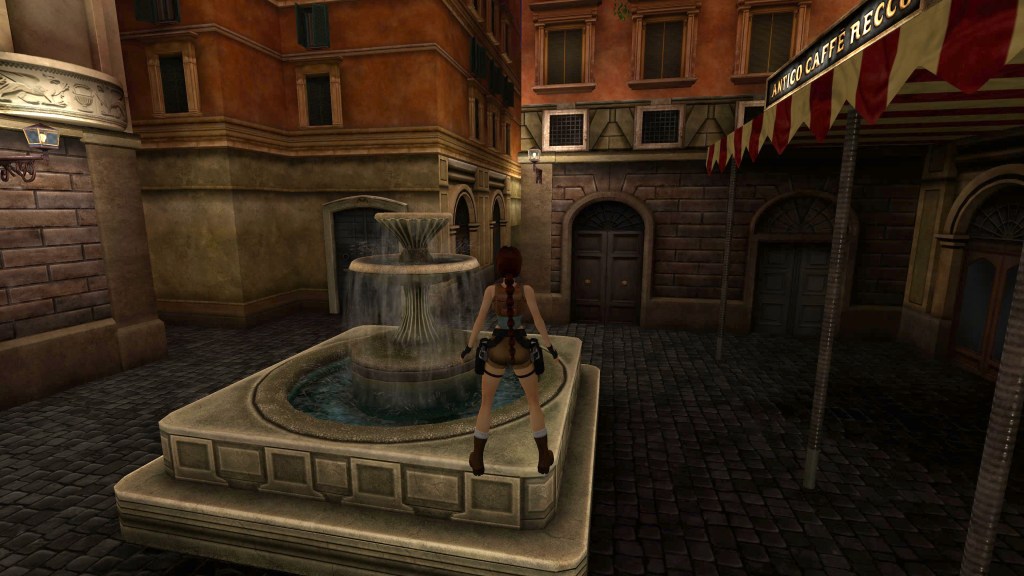
The adventure starts at the Great Wall of China, where Lara Croft has to find her way beneath a guard tower and into a cave system below.

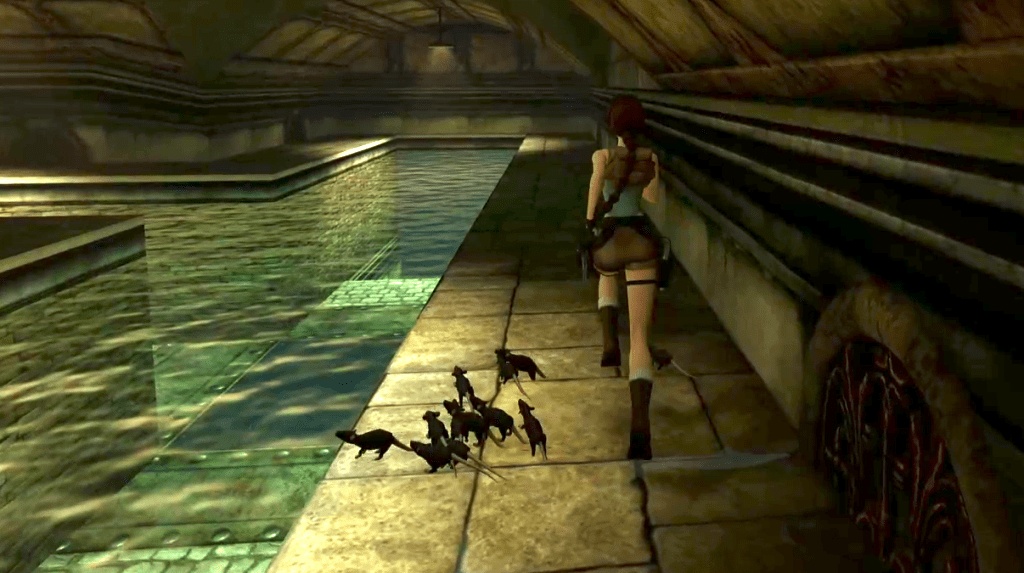
This was a short level for me, as I forgot to drop down into the canyon where – if memory serves – a T-Rex or two are lurking in the darkness. There are a few other enemies around as well, such as aggressive tigers, swooping eagles and hard-to-see spiders. A number of deadly booby traps are scattered about too, so it’s not exactly a walk in the park.

The chapter concludes when you discover a mysterious door, where an easily-overwhelmed henchman reveals that a certain Marco Bartoli in Venice has the answers to what lies beyond.

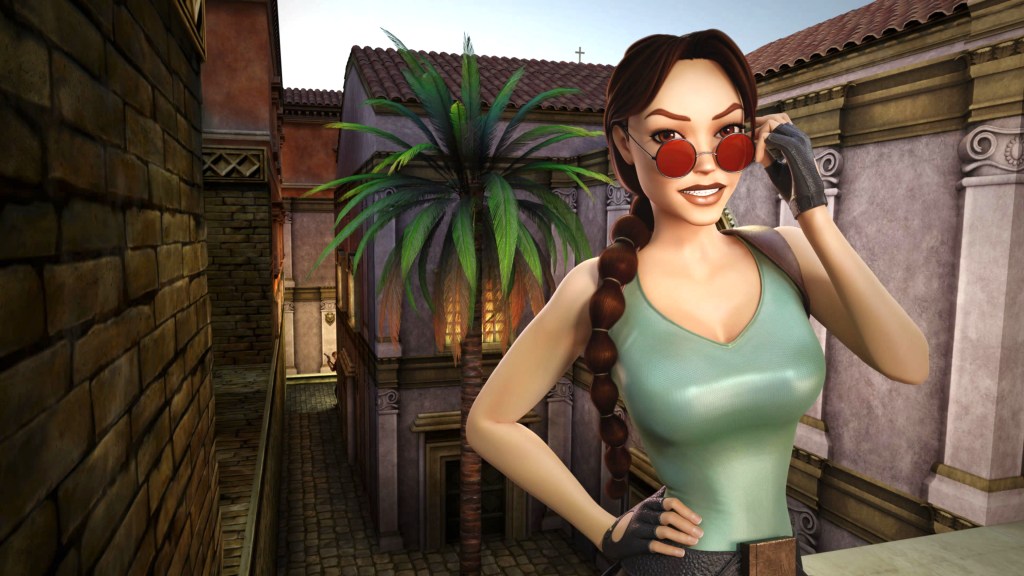
As I have already written a more detailed article about the Venice levels in this game, I will keep things brief here. There are three inter-connected chapters set in this city, relating to Lara finding her way to the elusive Marco Bartoli. Of course, this is a very powerful person, and at his disposal are dozens of thugs and assassins who are there to ensure that Lara does not achieve her goal – and it all plays out around the scenic canals and courtyards of this iconic location.

Lara does eventually catch up with Bartoli, and manages to sneak on board his seaplane en route to an offshore rig. But before she can confront her target, our heroine is captured and imprisoned, and this is where the next part of the story commences.

This chapter does not start ideally, as not only are you locked up but your weapons have been confiscated. Unfortunately, none of the bad guys have such problems and you are forced to run around for a short time hitting switches and opening doors while goons merrily open fire upon you. It is quite a stressful opening to the level – and I hated it to be honest – but the tables will quickly turn once you reacquire your guns.

I didn’t like these levels much, although I appreciated some of the sound effects used such as the occasional loud banging of metal and other vibrating noises. There are tons of bad guys roaming around here, with some hiding underwater in scuba gear firing their spear guns at you. The objectives and aesthetics of the three different stages are pretty much the same, and after a while you can’t wait to get off this stupid rig.

However, there was one brief respite when climbing a ladder all the way to the roof to catch a spectacular sunset – where it’s tempting to throw in a Daniel Andrews joke. Anyway, I could have stayed up here in relative safety all day, but there was the small matter of an adventure to complete.

Speaking of which, we eventually say goodbye to the dreary platform and head to the bottom of the ocean by hitching a ride on a mini submarine.

If you were hoping things would get a little easier, then think again. These underwater chapters were brutal, even though the locations were quite unique – if not a little eerie.

From struggling through the engine rooms, to exploring your way around the upside-down interior of the vessel, the perils continue at every turn. There must have been a garrison of Bartoli’s goons wandering around this wreck – called the Maria Doria – sitting at the bottom of the sea, which begs the following questions: How did they all get down there and is there enough air for everyone to breathe?

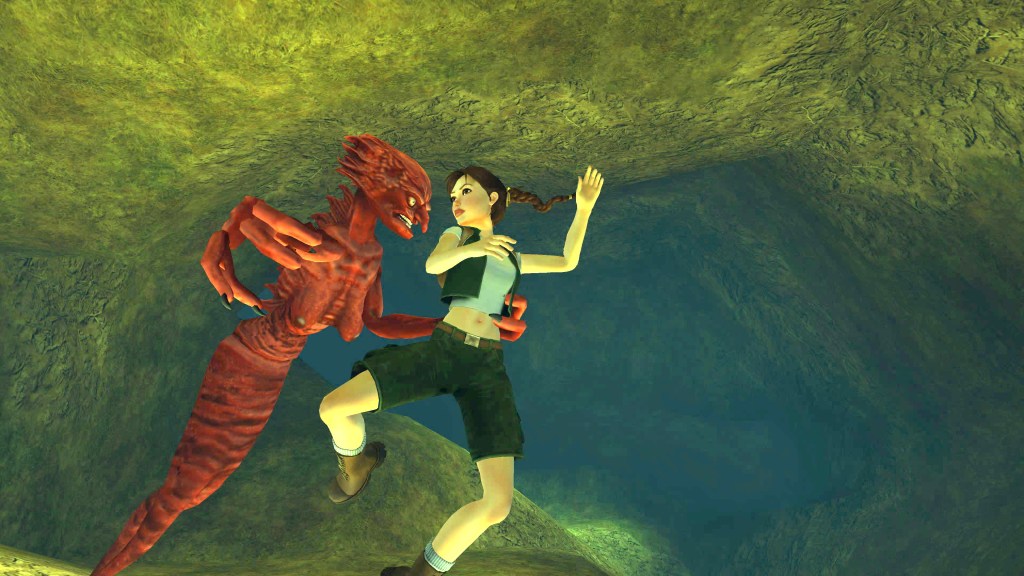
Every pocket of water you are forced to swim through is infested with sharks and barracudas, with even the odd giant eel popping up for a jump scare at one point. Eventually you make your way to the deck, which has somehow ended up in a giant cavern, where even more thugs and dangerous sea creatures await you.

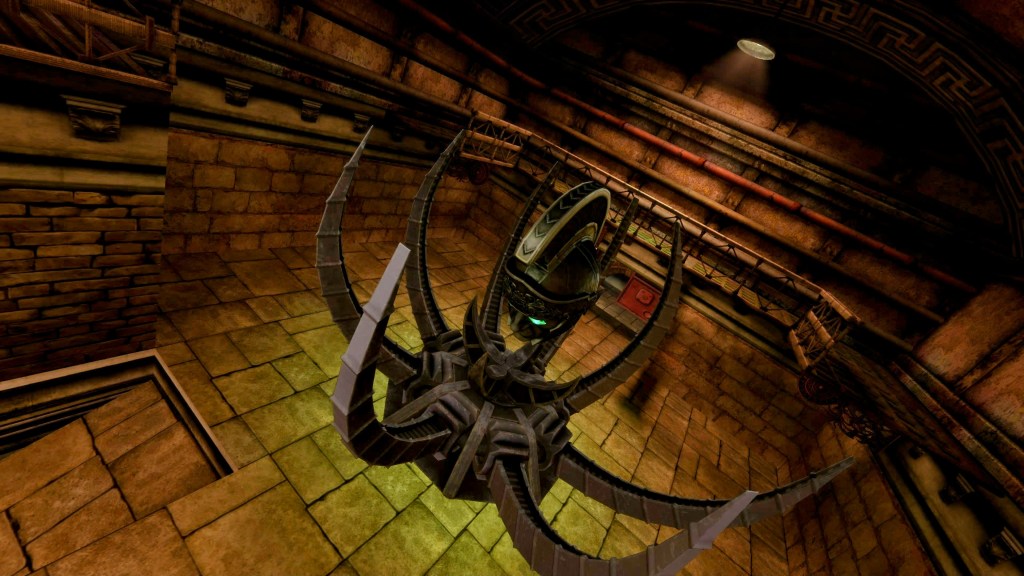
The number of henchmen Bartoli has stationed at the bottom of the ocean is ridiculous, but casting science and logic aside, it does make for an exciting adventure! After many gun battles, Lara locates the artifact she was looking for – the Seraph – and then heads to Tibet to discover its true purpose.

A little outdoor scenery proved to be a pleasant break from the claustrophobic offshore rig and Maria Doria levels. The Tibetan foothills was no easy ride though, with snow leopards and more of the Venetian bullies here to cause Lara some serious grief.

Riding a snowmobile was a lot of fun, even if the controls were a little clunky. It was also handy to learn that you can kill enemies simply by running them over – with that rule applying to both men and beasts!

Lara then makes her way to the Barkhang Monastery – a memorable Tomb Raider level – where not only are the idols and statues recreated magnificently, but a never-before-seen type of gameplay is introduced into the series.

What I refer to is the dynamic between the Barkhang Monks and Bartoli’s goons who attack the holy place in great numbers. Quite simply, if Lara does not injure any of the monks – even though they glare at her menacingly – they will not go after her. Better still, these monks will take care of the Italian trespassers more often than not, despite the disadvantage of bringing sticks to a gun fight.

As I mentioned before, the effort that has gone into bringing this remote monastery to life is commendable – check out the screenshots below.

Sadly, the Barkhang Monastery would be the highlight of the Tibetan adventures, with the next two chapters taking us deep underground where more dangerous enemies are waiting for you in the shadows.

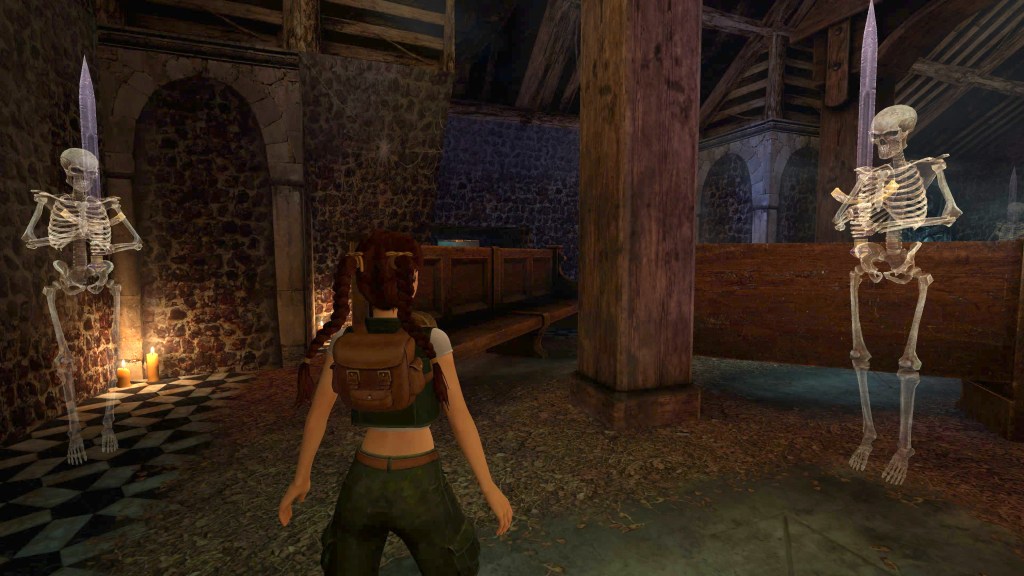
I really struggled through these levels, especially the Catacombs of the Tallion. It wasn’t just the constant onslaught of Bartoli’s henchmen and snow leopards this time around, but now we have abominable snowmen thrown into the mix – dozens of them!

But what was truly insane here was the lighting – or lack thereof – with your surroundings becoming literally pitch-black at times. These darkest areas also happened to be infested with growling yetis – making matters worse – and I ended up igniting my entire supply of flares just to see where I was going. I only mention this because my excessive use of this limited resource came back to bite me at a later stage.

These annoying levels came to an end after battling a giant bird-like creature with an impressive six-pack. This dude might have been in great shape, but he was hardly a challenge as I picked him off with a machine gun from the safety of a high ledge. Too much weights, not enough speed work, perhaps?

Following this, we return to the door underneath the Great Wall of China, which is a nice roundabout way to continue the adventure.

The Temple of Xian is what awaits Lara beyond the mysterious door, and it is quite a challenging level to navigate through. Interestingly, all the enemies here are animals; tigers, fish, birds and spiders – both small and large – but they are not the most difficult part. This level was designed as one giant booby-trapped maze, and you can meet your demise in any number of ways.

It is also quite dark at times, and I regretted wasting all my flares back in Tibet. I ended up using the light from the muzzle flash of the pistols to find switches and doors that were hidden in the darkness – which was not an ideal way to play the game.

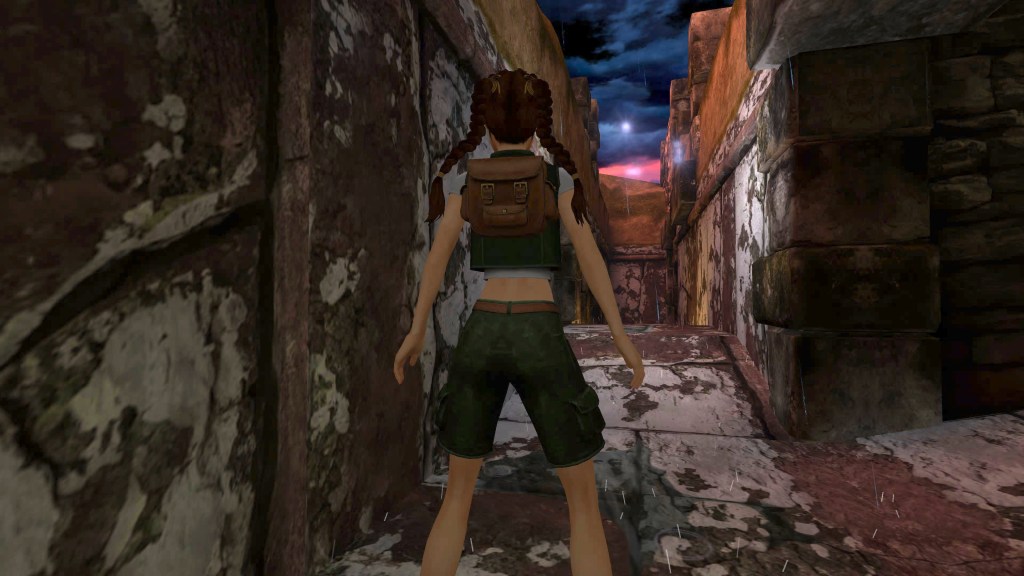
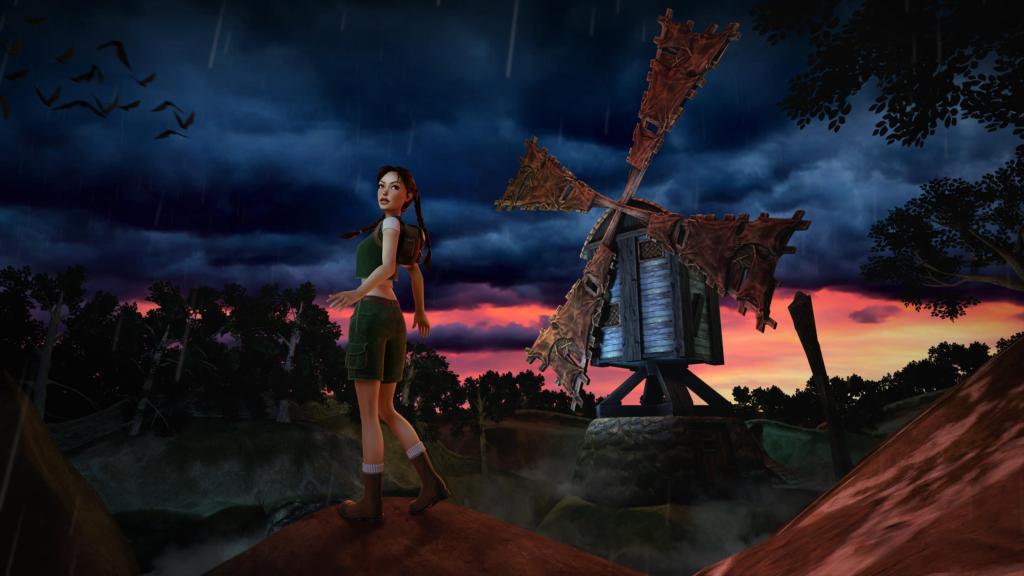
Having conquered the temple, the story then delves into a mystical realm known as the Floating Islands and it is quite a spectacle – and extremely dangerous too.

The design here is excellent, and the remastered version takes things to another level completely. As far as villains go, we meet some of the deadliest foes in the game – the jade statue guardians who come to life and attack Lara with lethal force. It is a good idea to save your grenade launcher for these guys because they don’t fight fairly; often coming at you two or three at a time.

We then move on to what is the final level, where Lara comes face-to-face with some extremely difficult opponents. There are a dozen or more of the jade statues to contend with, who are now being a nuisance by standing in front of important switches. Also, some newer Bartoli henchmen are around – cult members I believe – who are a lot tougher to kill and can inflict a ton of damage if not dealt with quickly.

Then there is the final battle with Marco Bartoli, who has used the Dagger of Xian to transform himself into a fire-breathing dragon. If one uses the water passages correctly to swim under the beast and attack it from multiple angles, then this can be quite an easy fight. Well, it was for me anyway – and I’m not the best player going around!

There is a brief epilogue after killing the dragon, where the remainder of Bartoli’s goons come to Lara’s house to exact revenge for their fallen boss. There isn’t much to this – as you only need to grab the shotgun and more than enough ammo to take care of the intruders and their attack dogs.

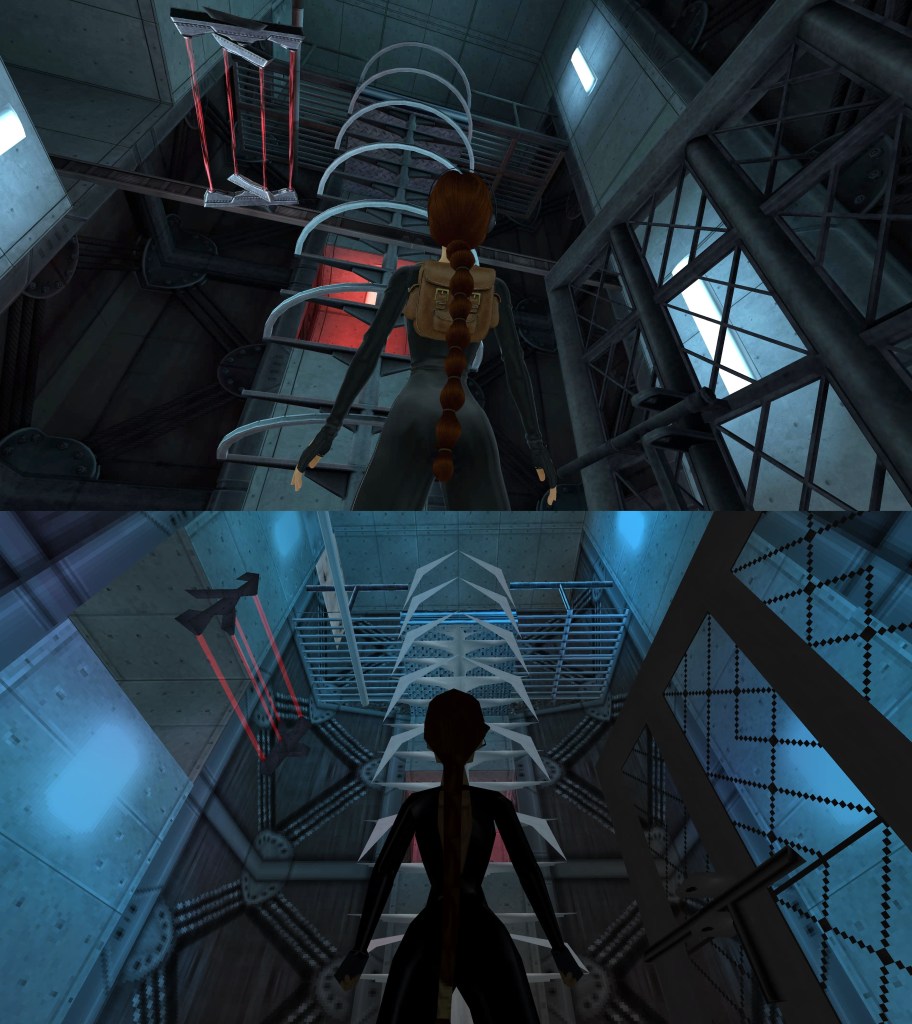
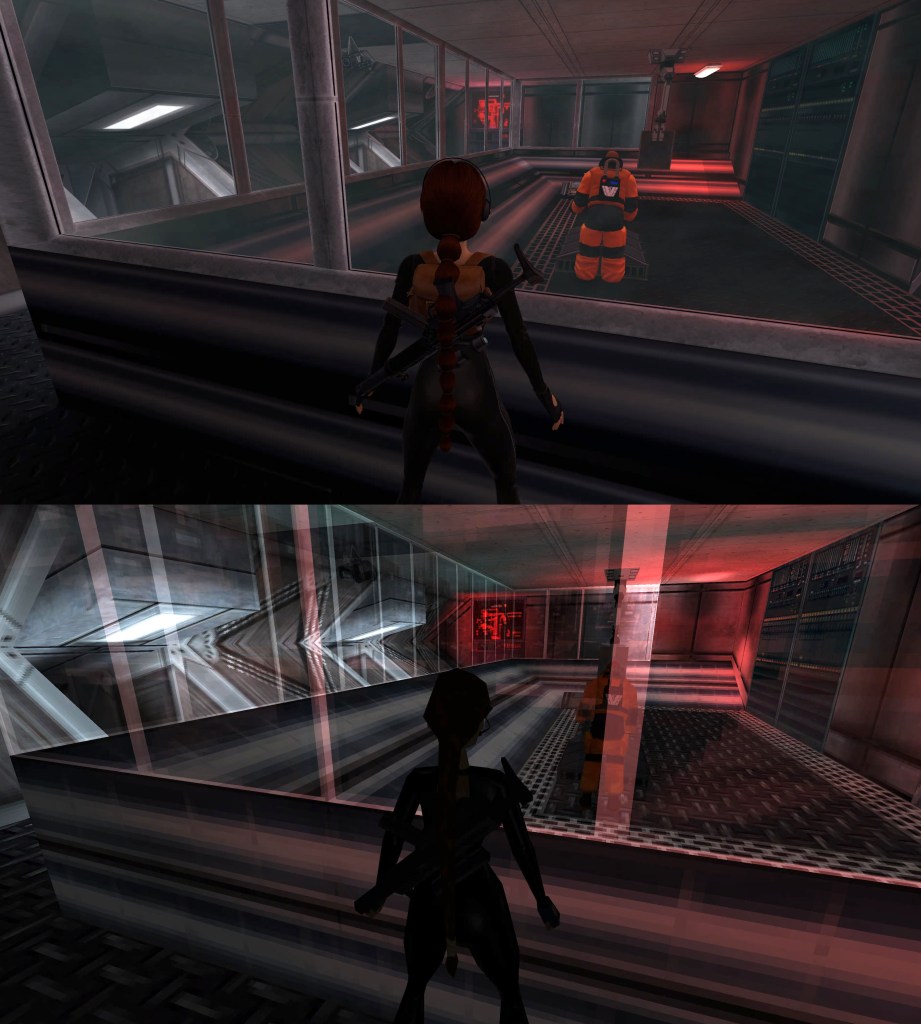
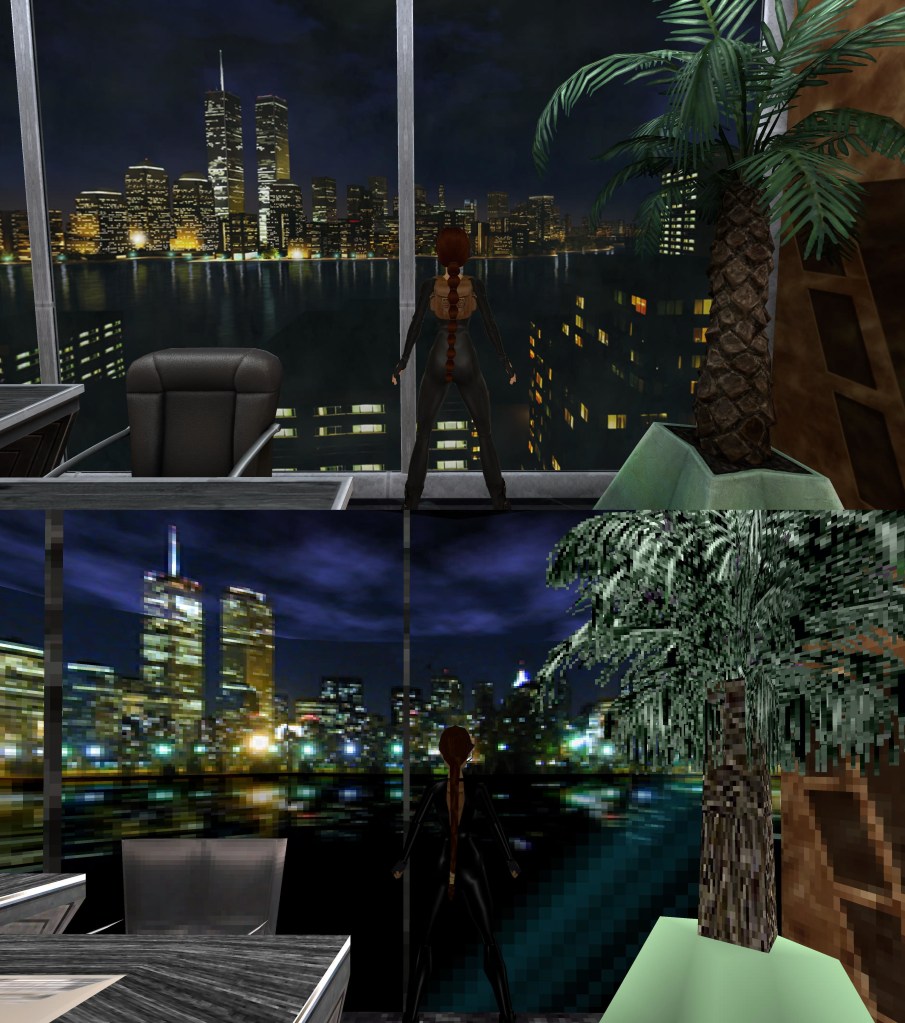
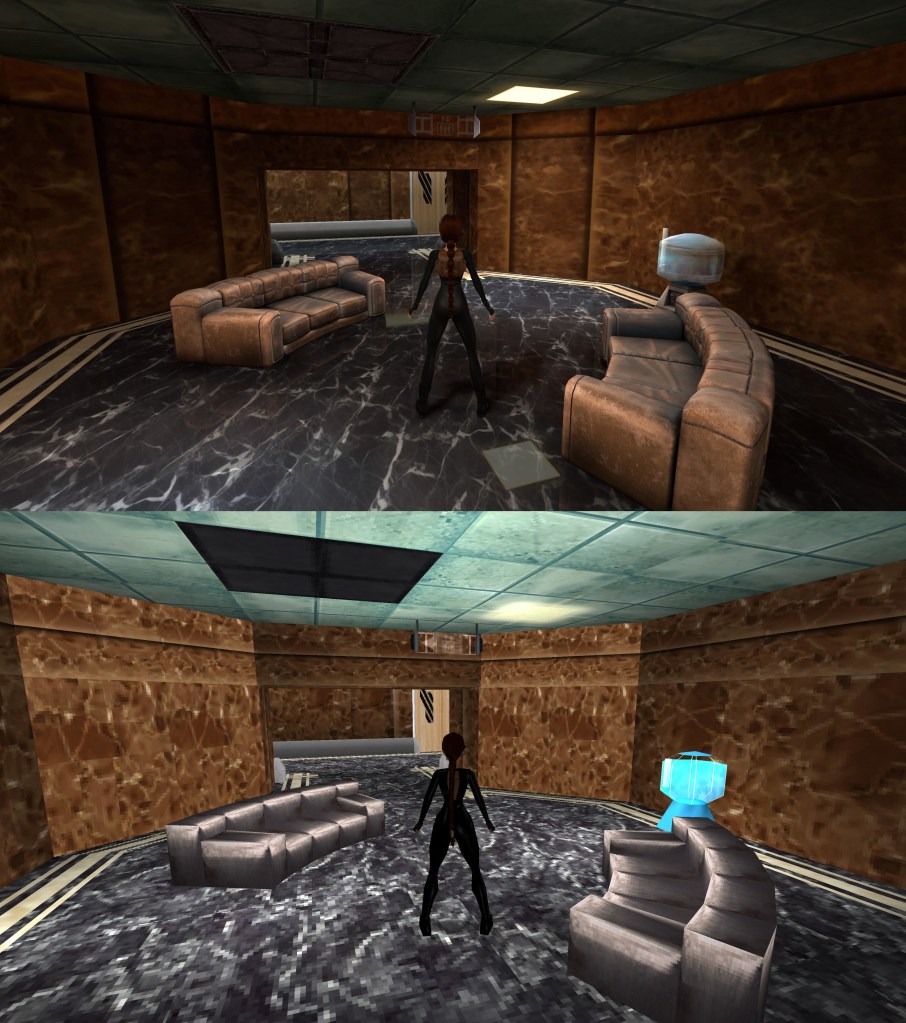
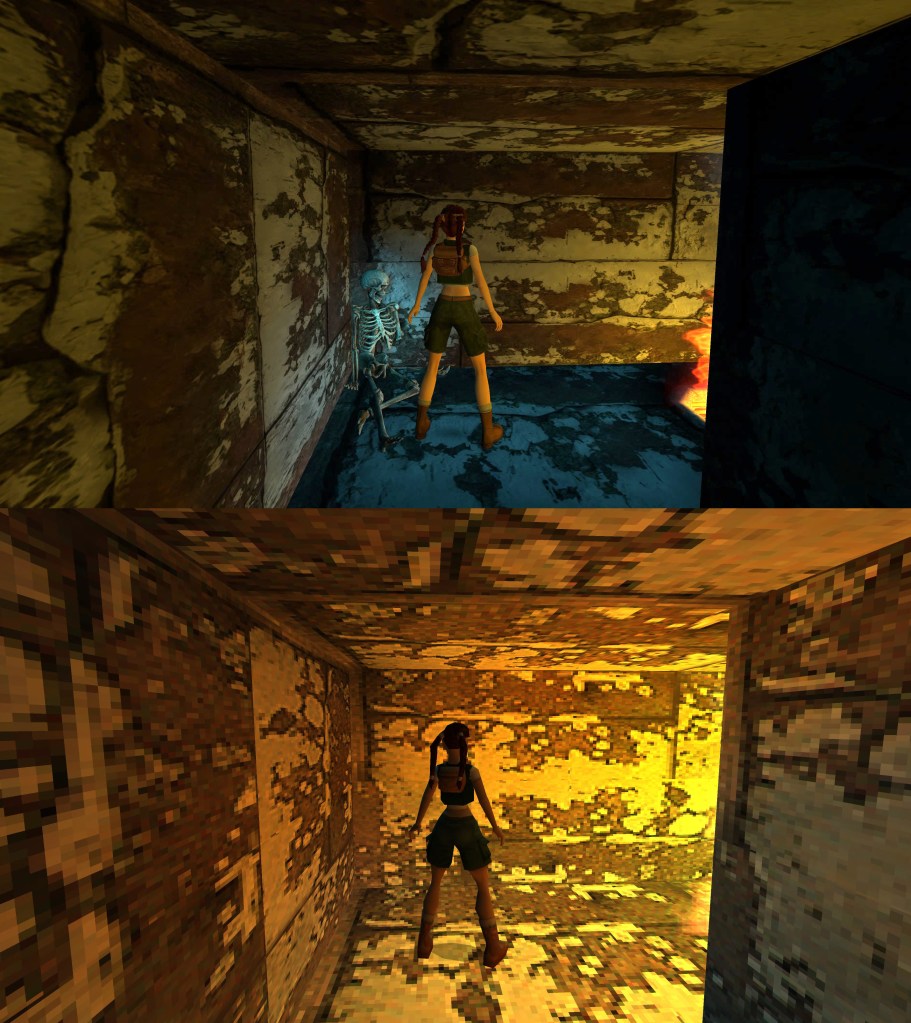
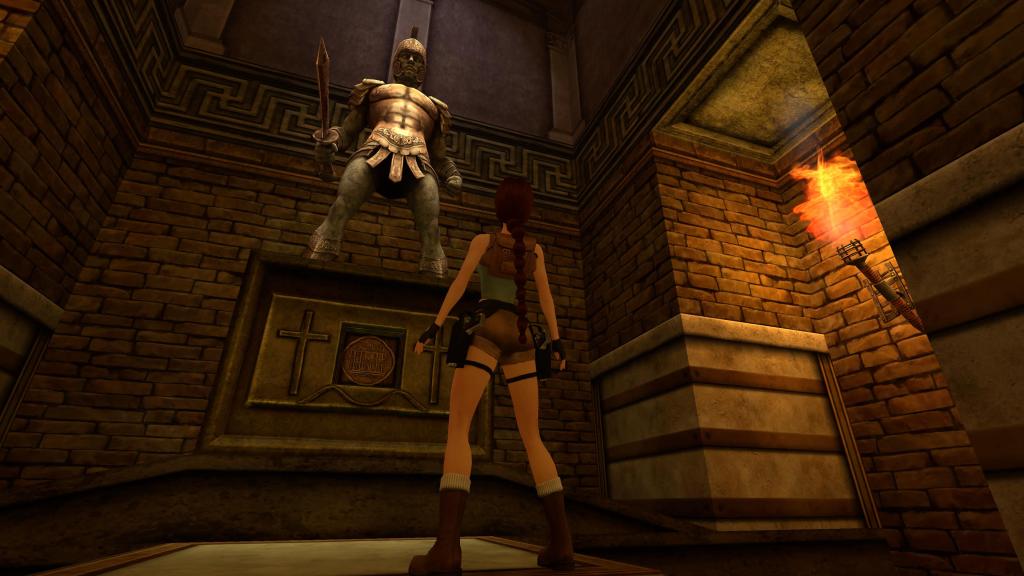
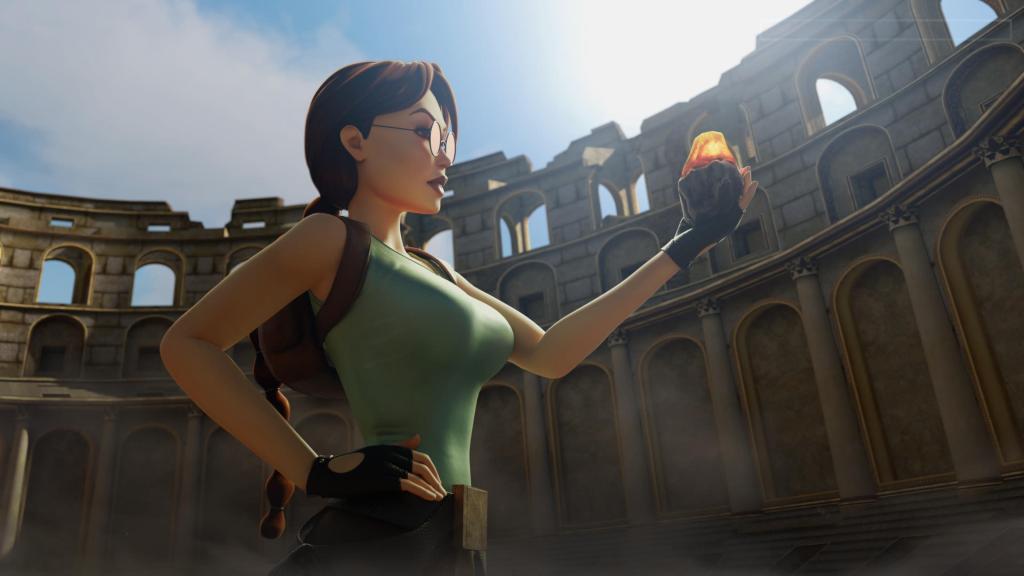
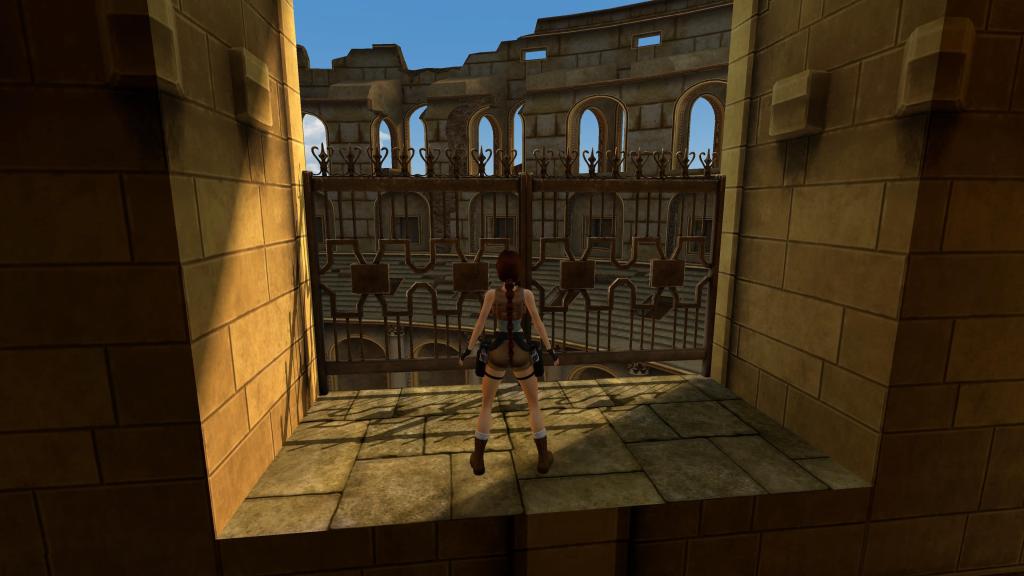
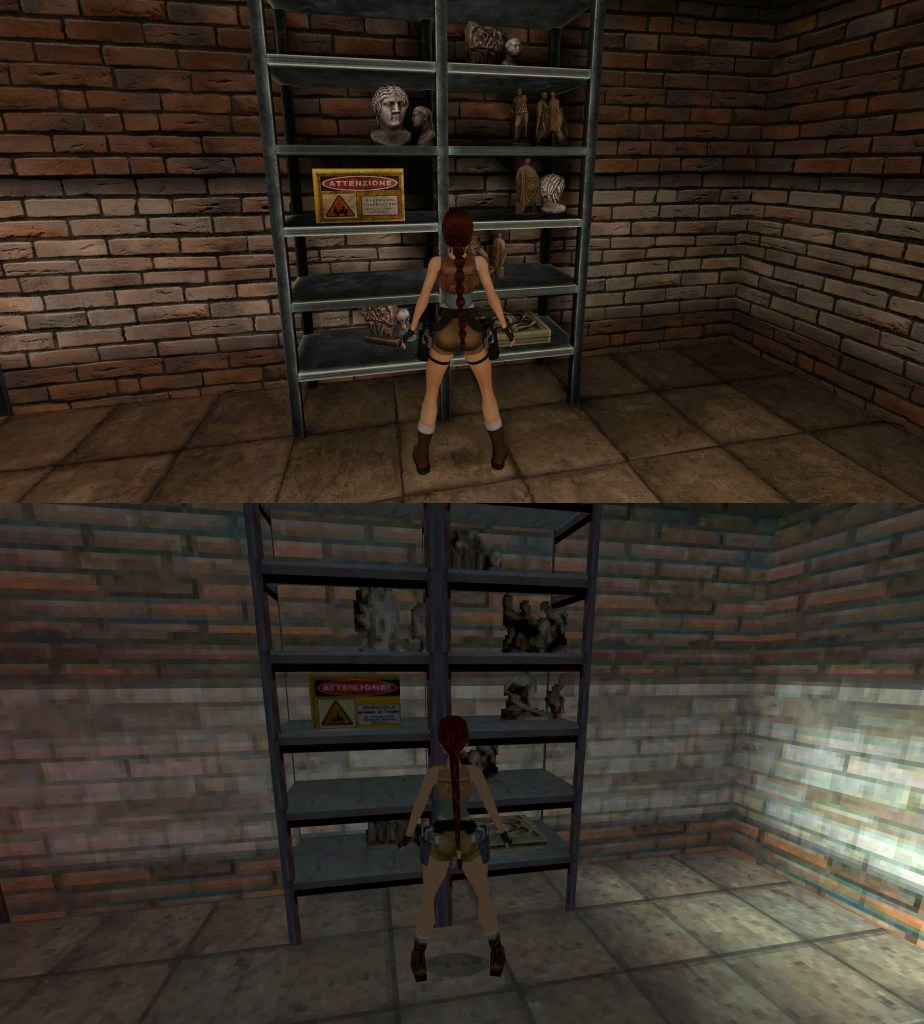
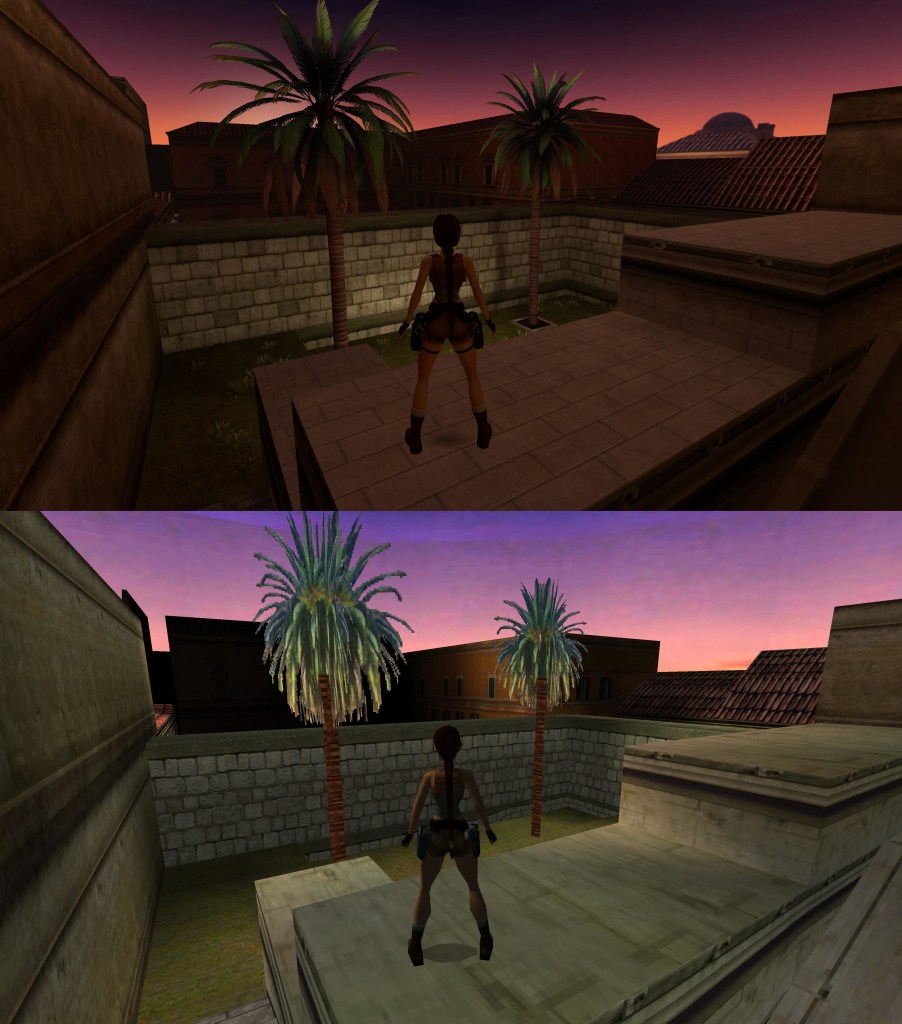
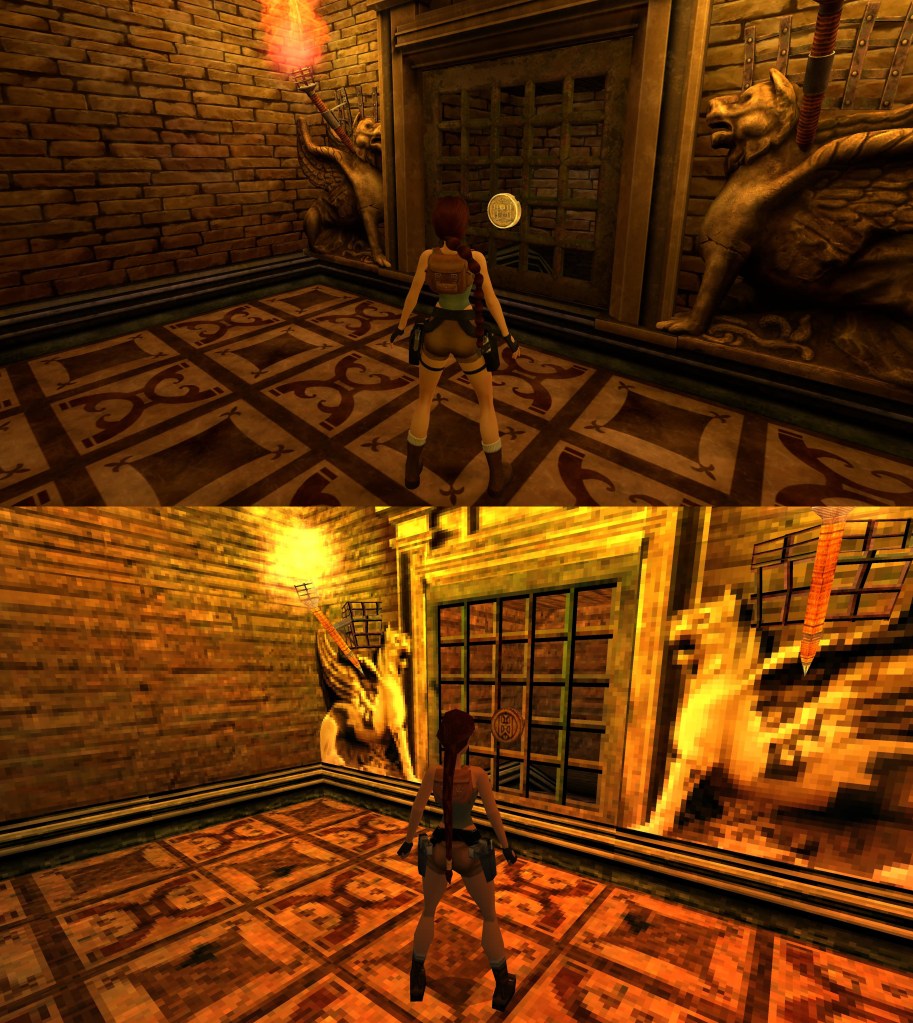
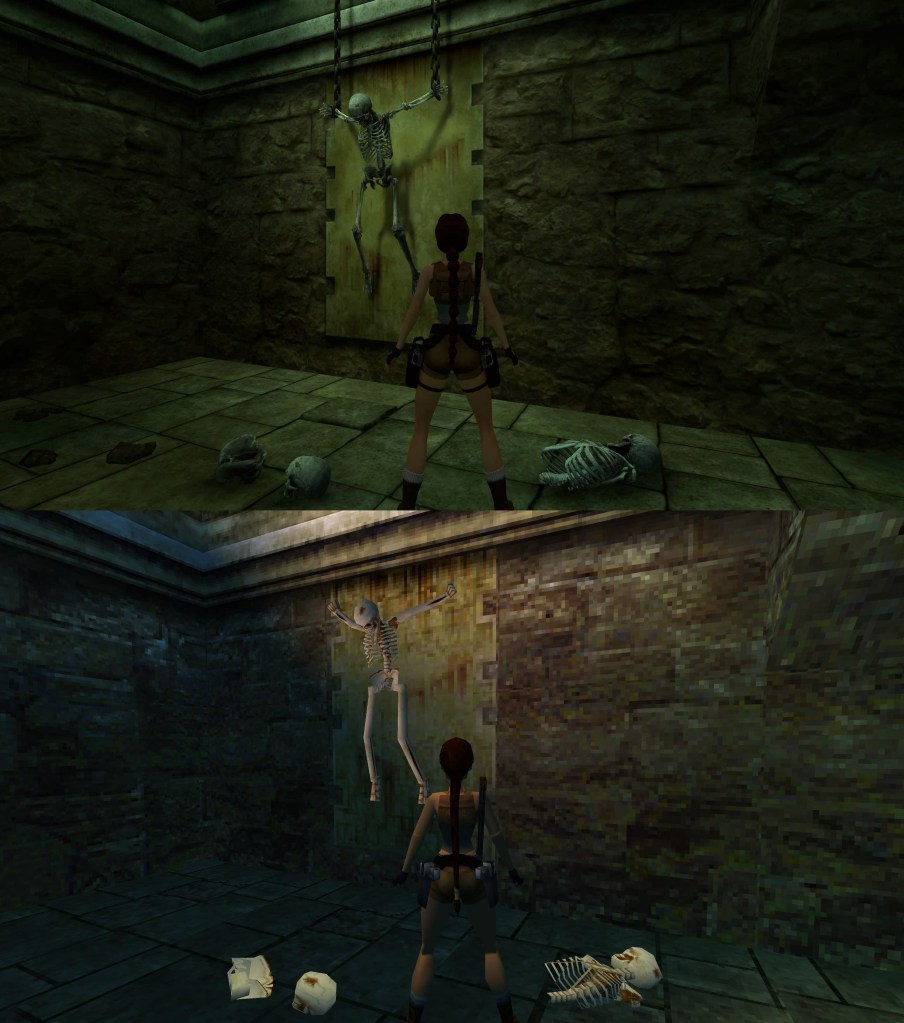
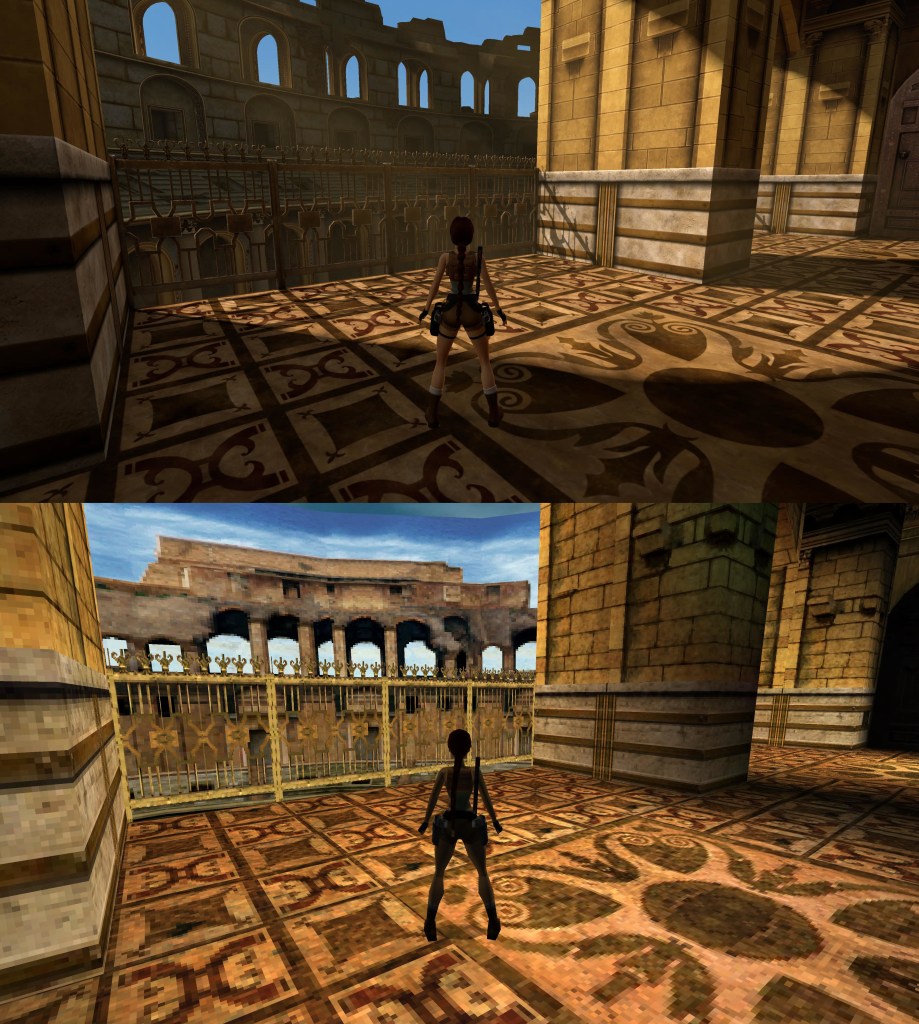
Before I get into my final thoughts on the game, I have selected some comparison shots between the new remastered version of ‘Tomb Raider II’ and the 1997 original. I have chosen photos that best show the differences between the two releases, with the 2024 edition featured on the top half of the screenshot, while the older version is shown below.

Overall, I really enjoyed playing this game – and a big part of giving this a positive review is the strong way in which the story concluded. Unlike the previous entry, whose last few levels became a bore and went off the boil, this game went the opposite way and finished off with a string of visually-enthralling chapters.

However, the last two Tibetan Levels – Catacombs of the Tallion and Ice Palace really annoyed the life out of me, with the lighting being the main issue. In fact, I stopped playing the game for a couple of weeks as a result. The offshore rig was alright, but was a little uninspiring, and the undersea levels were well-designed and planned but became too much of the same thing after a while.

Shooting my way around Venice was a novelty for me though, and I also give a lot of praise to the Barkhang Monastery stage, which was well mapped-out. As I mentioned before, the final chapters that were set underneath the Great Wall of China were top notch and ensured that the game finished on a high note.

Was it better than the original? No, but that is a hard act to follow. The difference here is that the best chapters in the first Tomb Raider game – St Francis’ Folly, Temple of Khamoon et al – reached stratospheric heights, whereas the top levels in the sequel – Barkhang Monastery and Floating Islands – are excellent at best.

Full marks to the team who upgraded the graphics, and for delivering an entertaining game that is set in some interesting locations across multiple continents. There were some levels here that I absolutely hated, but nevertheless I rate ‘Tomb Raider II Remastered’ a solid seven and a half out of ten.

‘Tomb Raider I-III Remastered’ has been out for over a year now and is available to buy as a physical copy, or online at the PlayStation Store. I should also mention that a few months ago, the next three remastered episodes of the Tomb Raider series were released as a trilogy. Both are retailing for around $45 Australian dollars.

Screenshots courtesy of PlayStation, Crystal Dynamics and Aspyr.