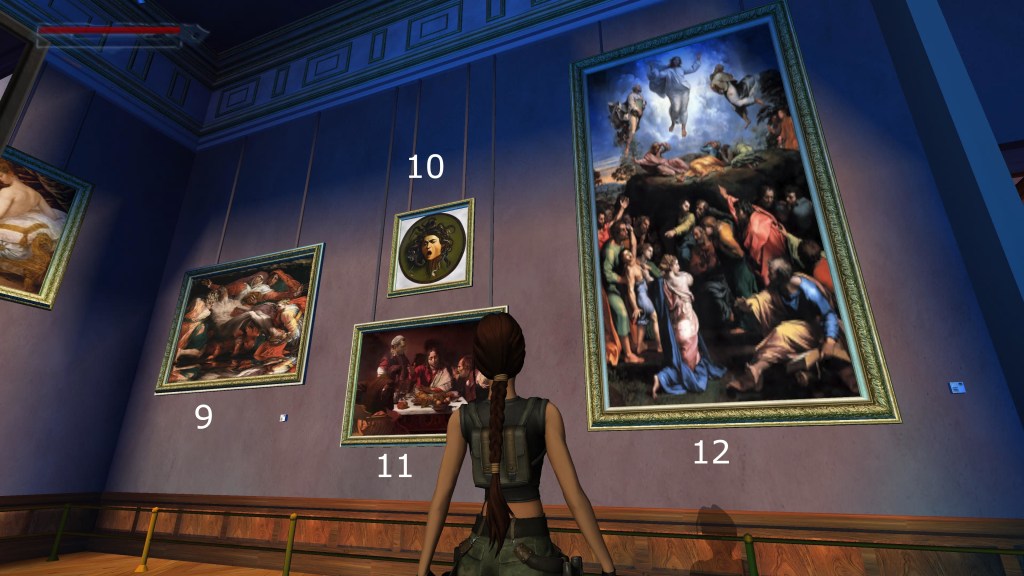
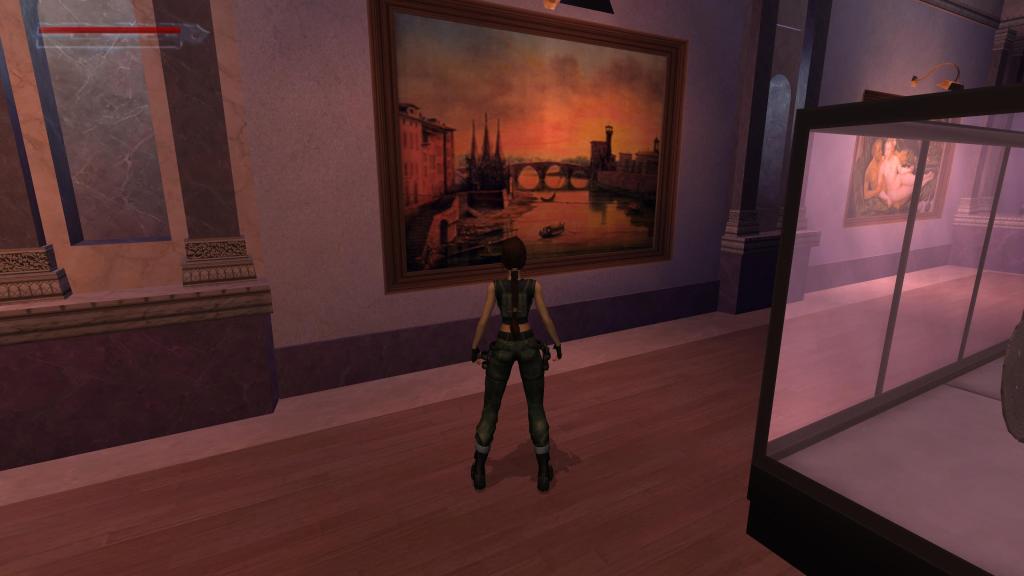
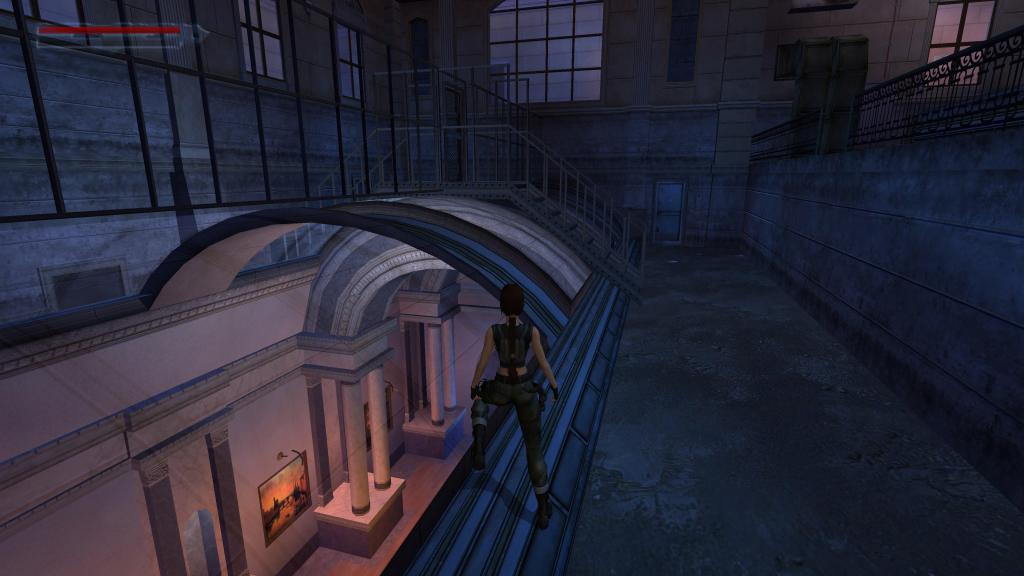
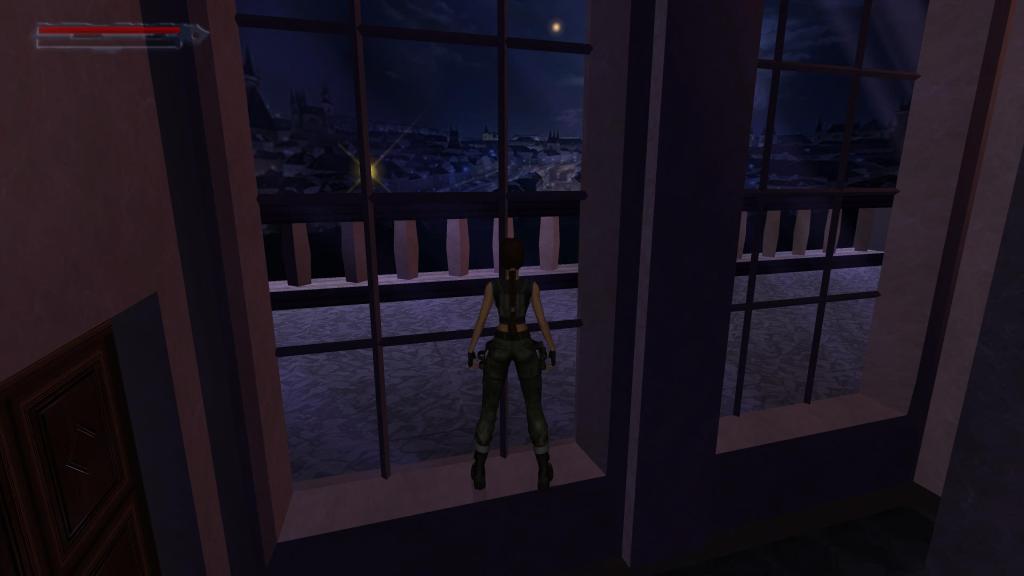
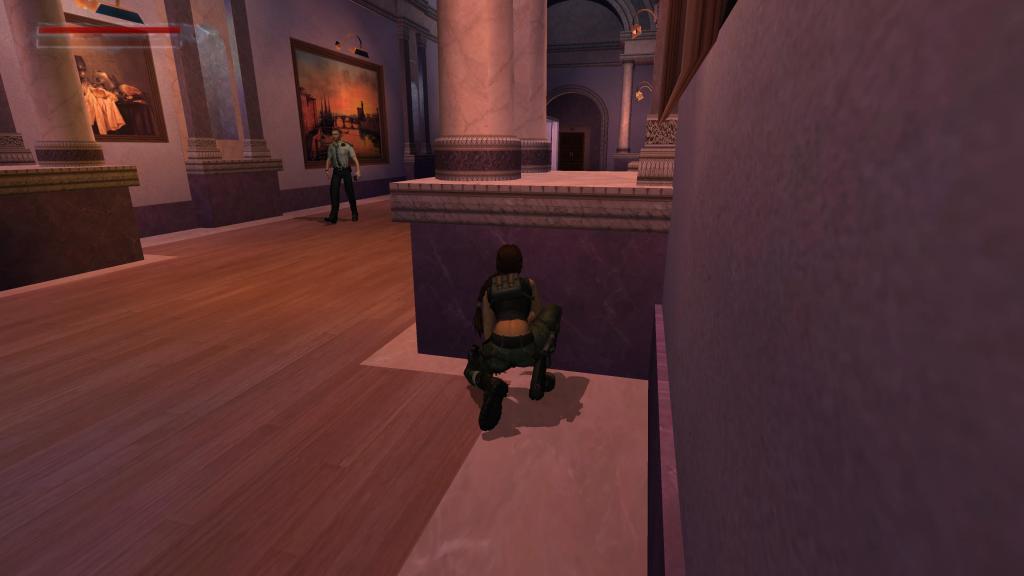
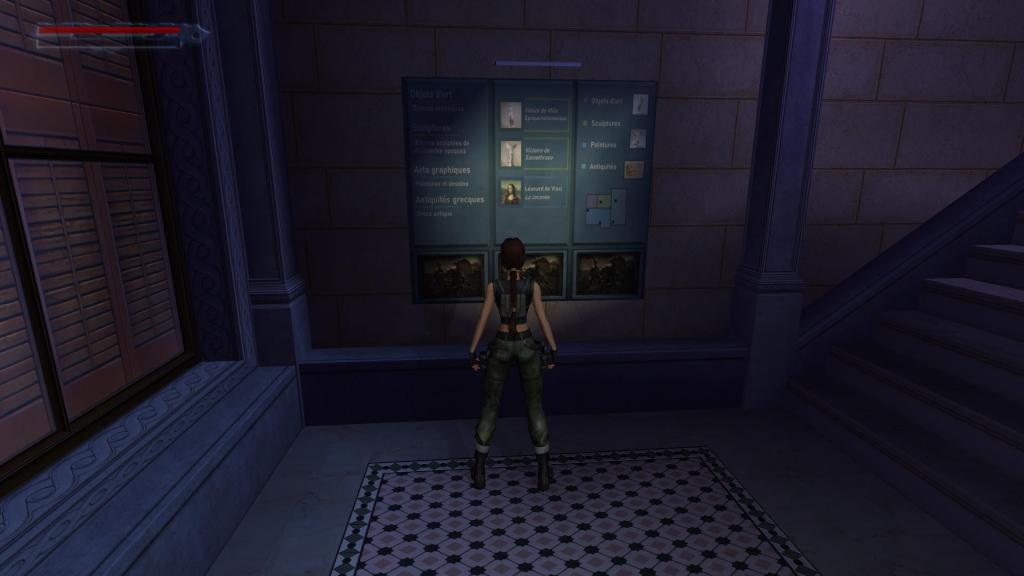
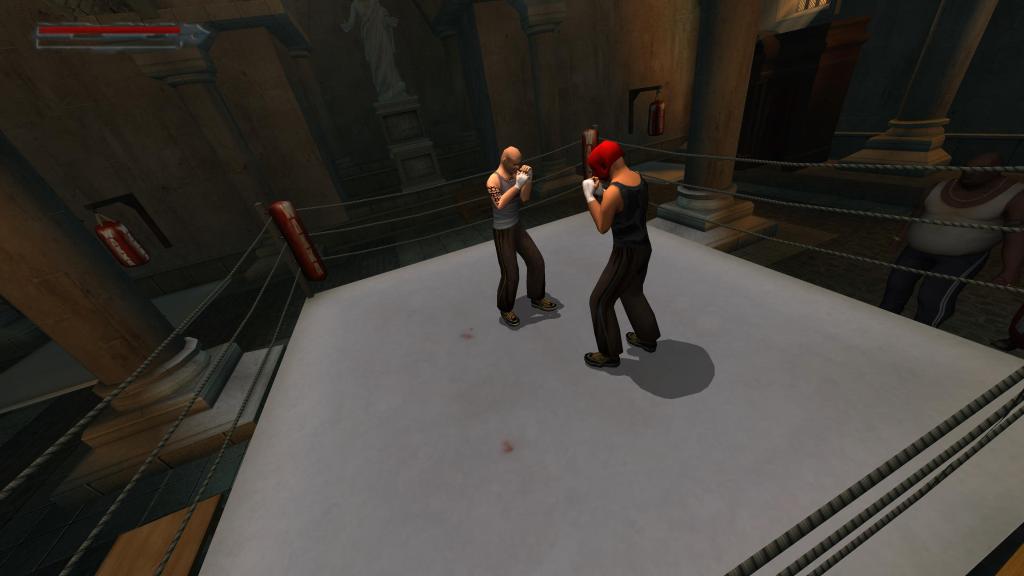
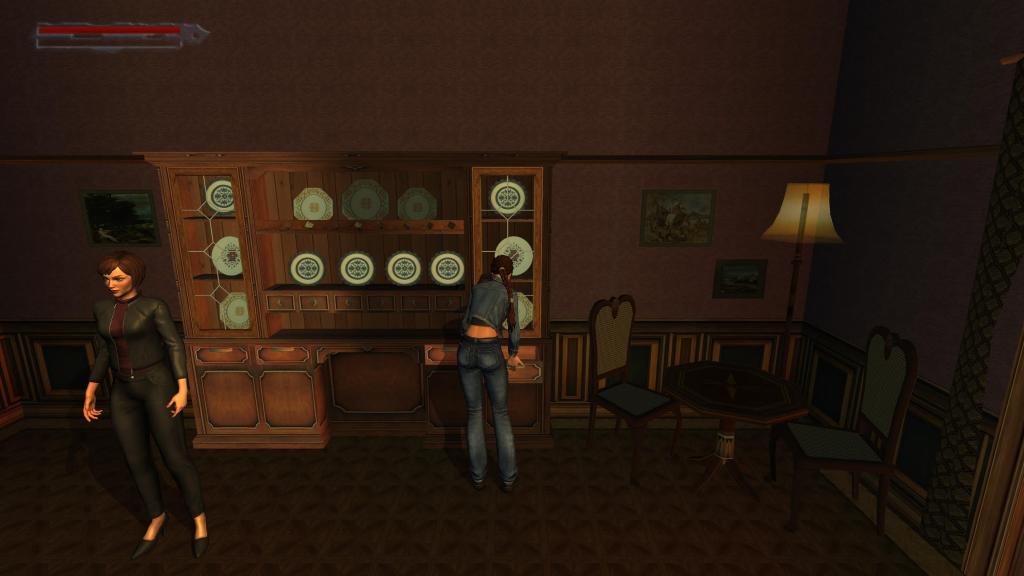
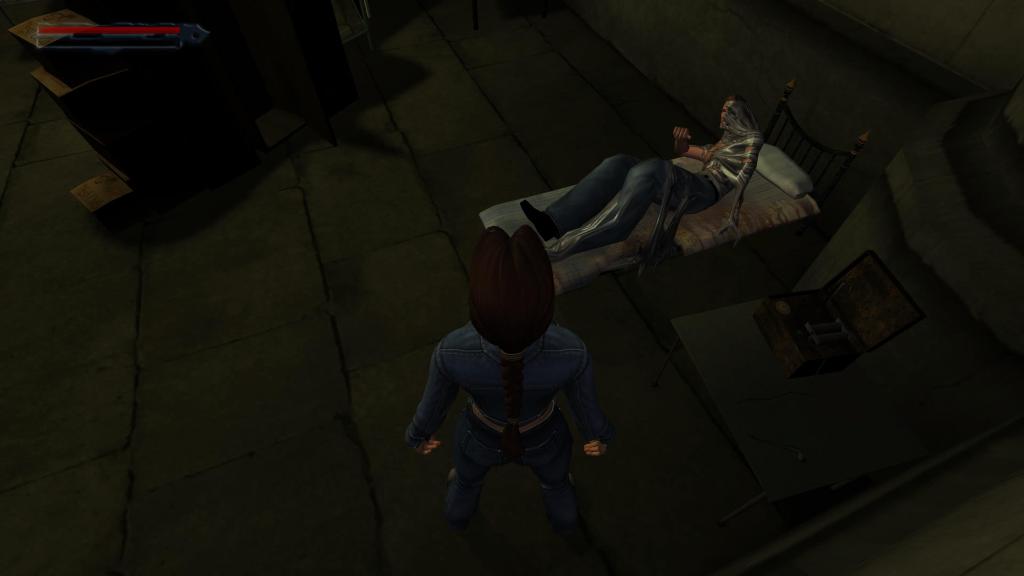
Tomb Raider Chronicles – Rome levels

Released back in 2000, ‘Tomb Raider Chronicles’ is the fifth installment in the adventures of Lara Croft, and structurally is very different from the previous games. By this I mean that the story is set out as a series of flashbacks – or mini prequels – as told by associates of Lara during cut scenes that connect the overall game.

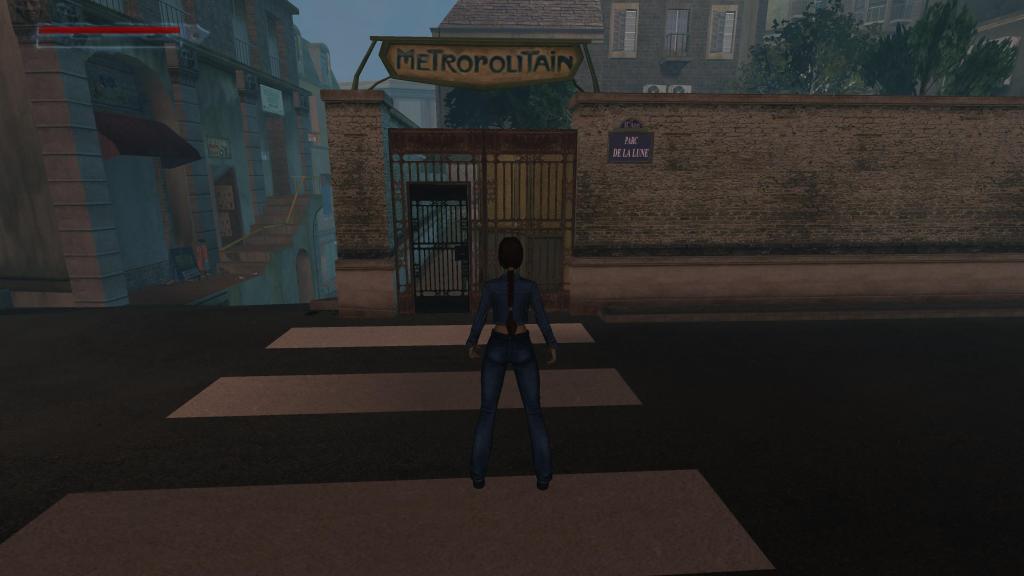
The first of these ‘trips down memory lane’ is of a caper that took place in The Eternal City, which appeared to be heavily inspired by the Venice levels in ‘Tomb Raider II’.

This story arc is broken into three chapters; the first of which is titled ‘Streets of Rome.’ So, let’s check it out…

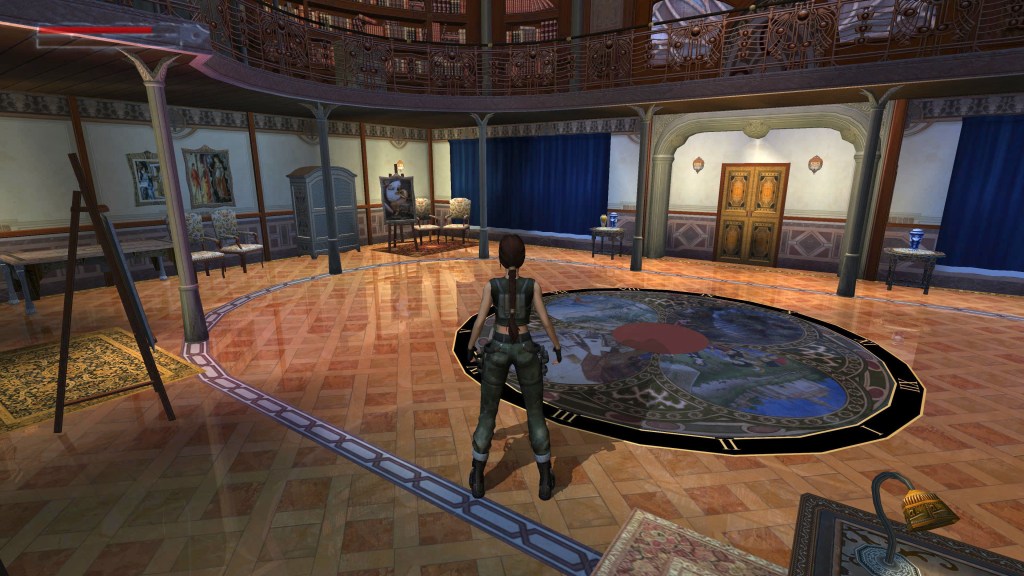
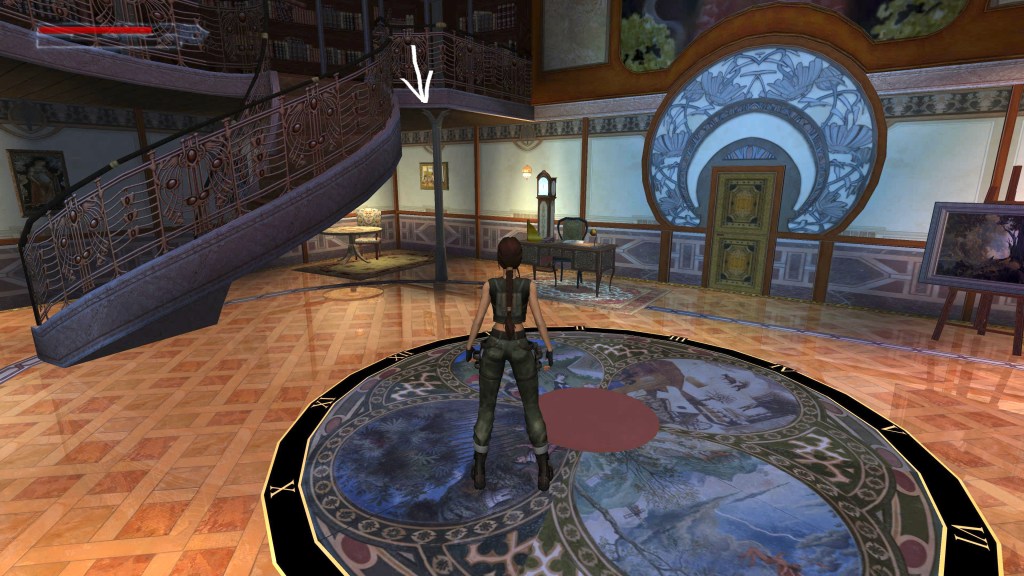
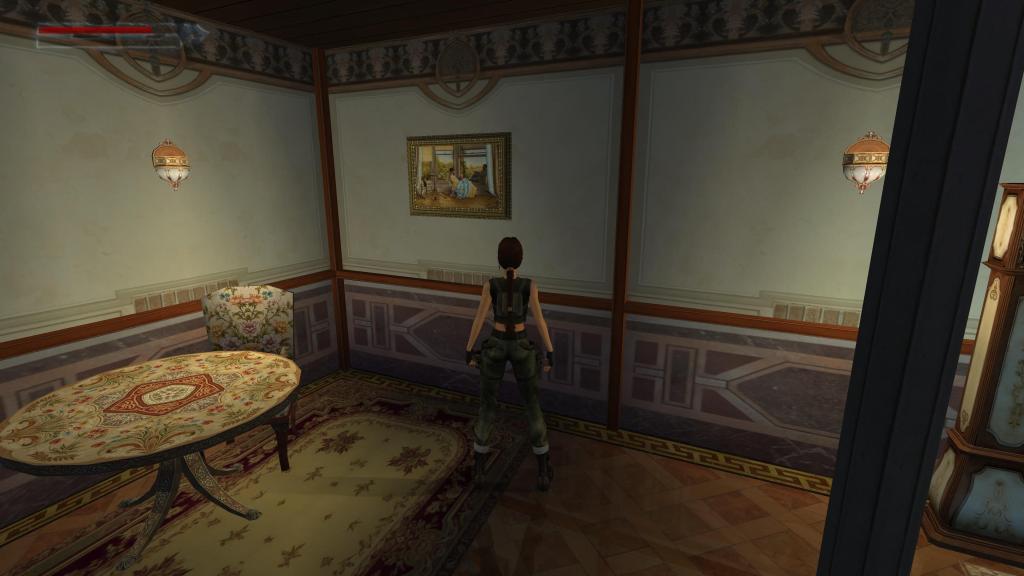
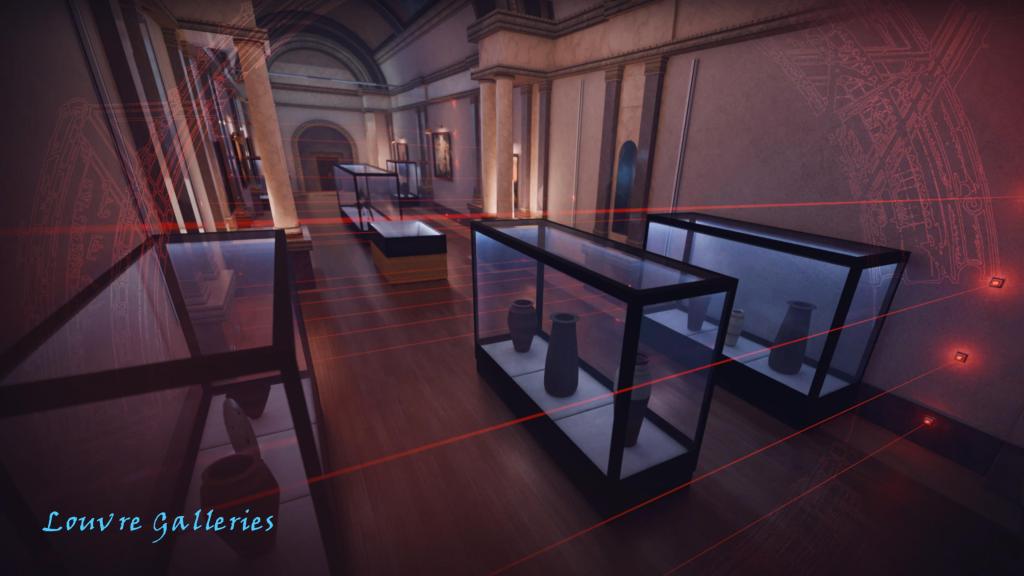
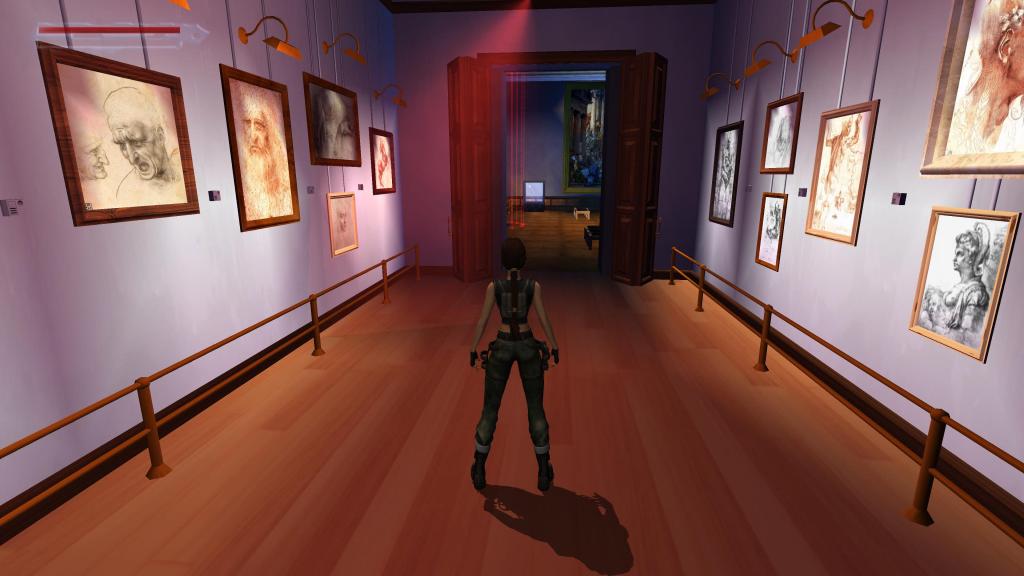
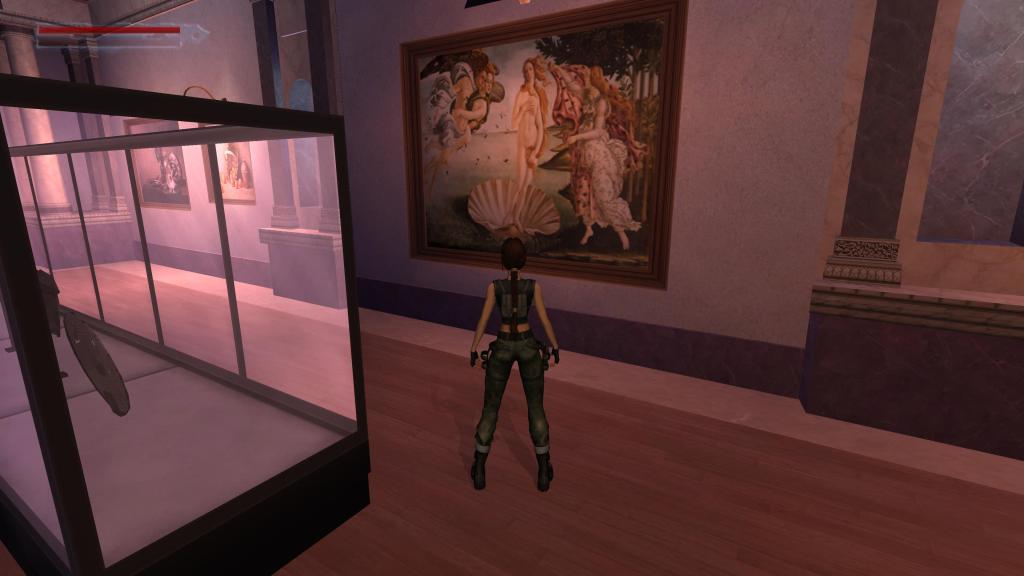
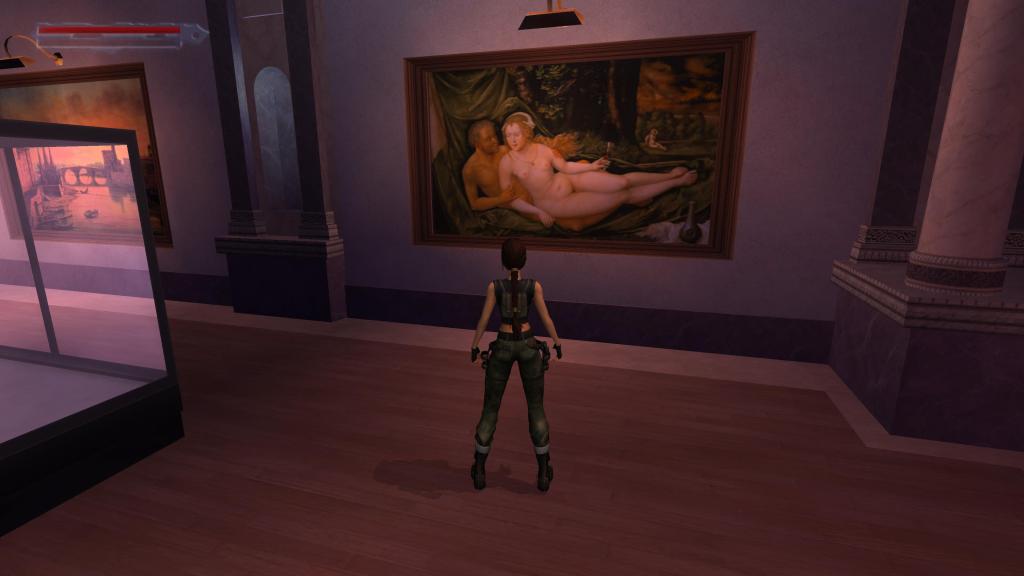
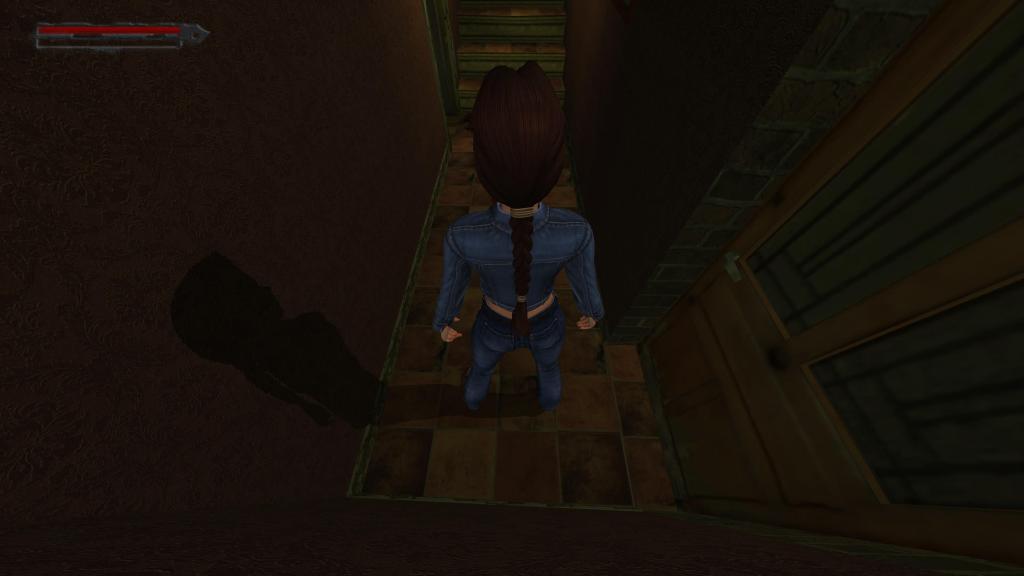
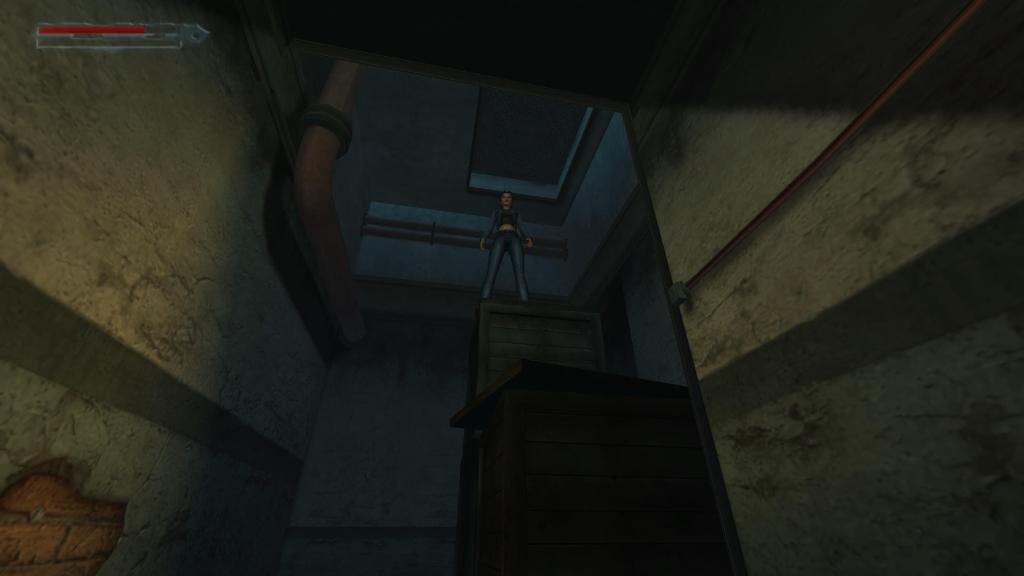
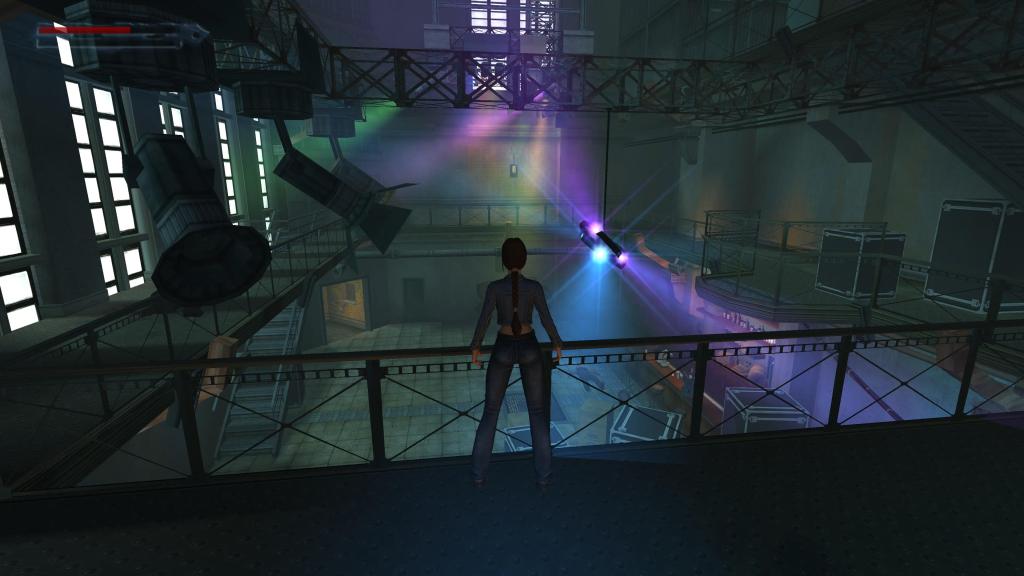
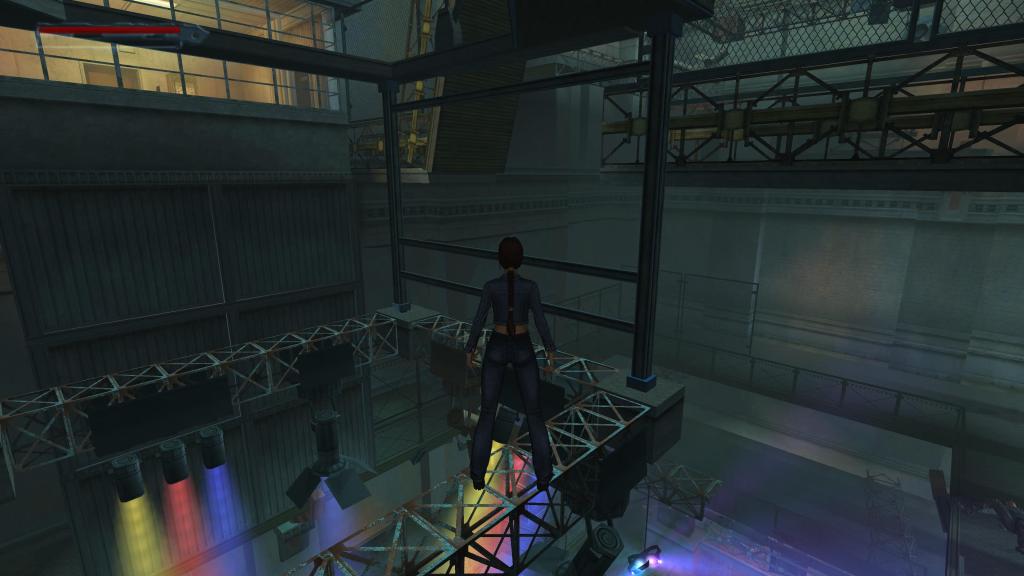
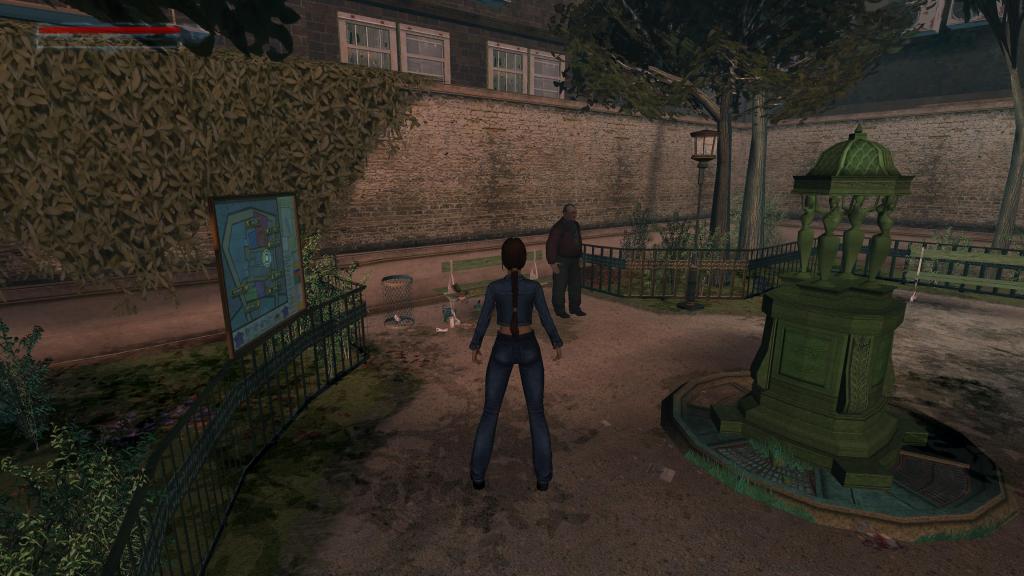
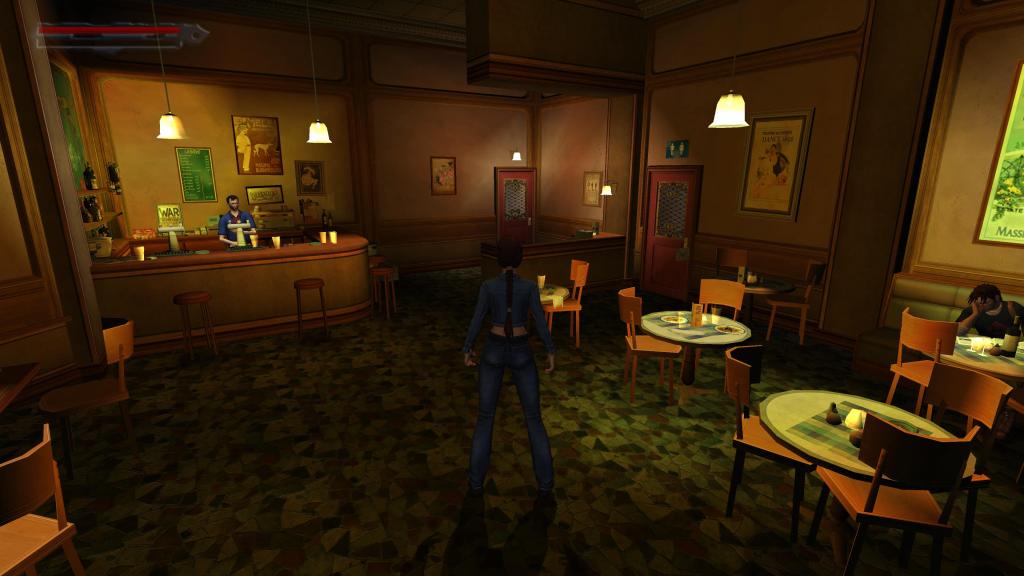
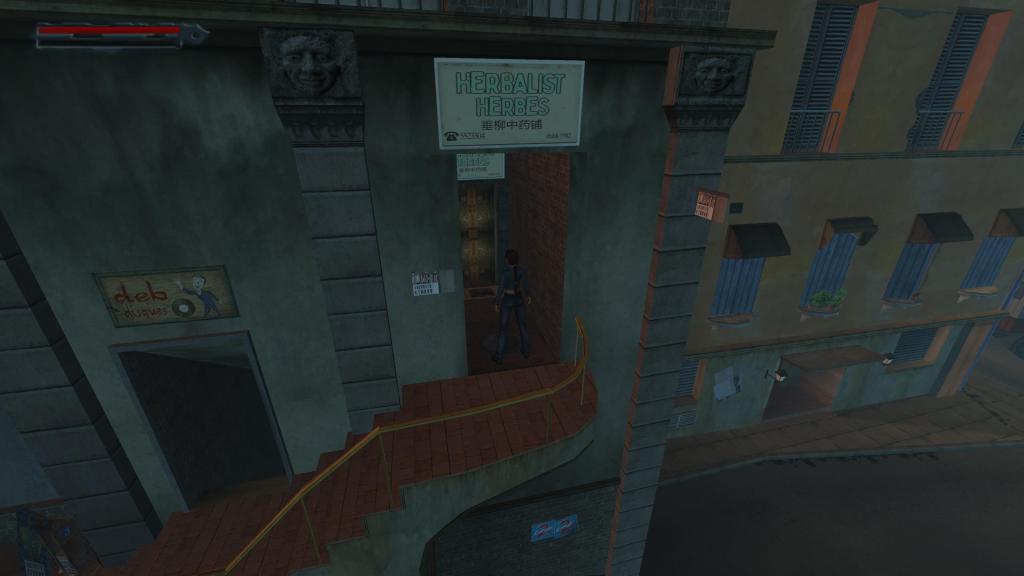
Design-wise, the game looks good – and the 2025 remastered edition is a marked improvement on the original release from twenty-five years ago.

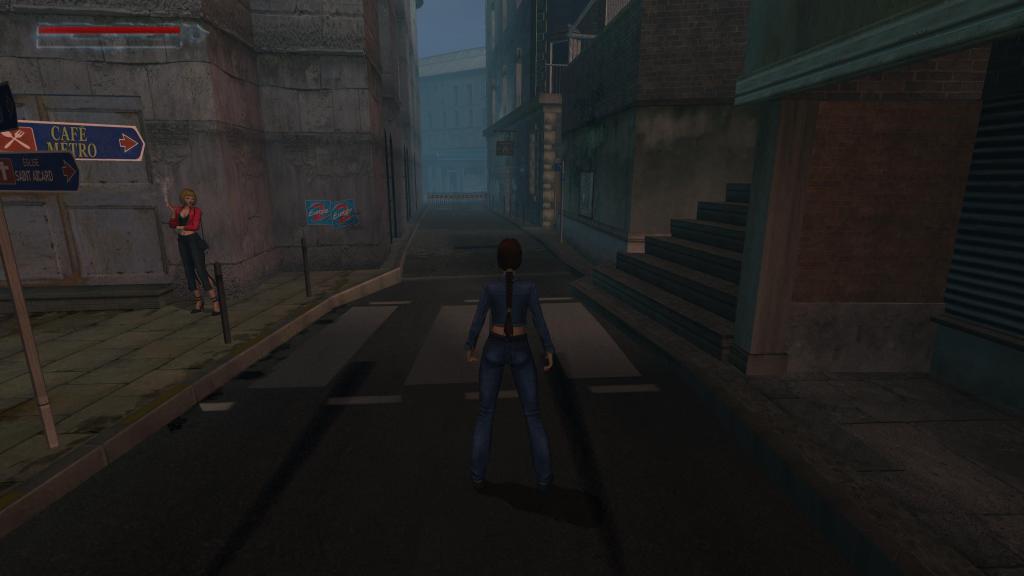
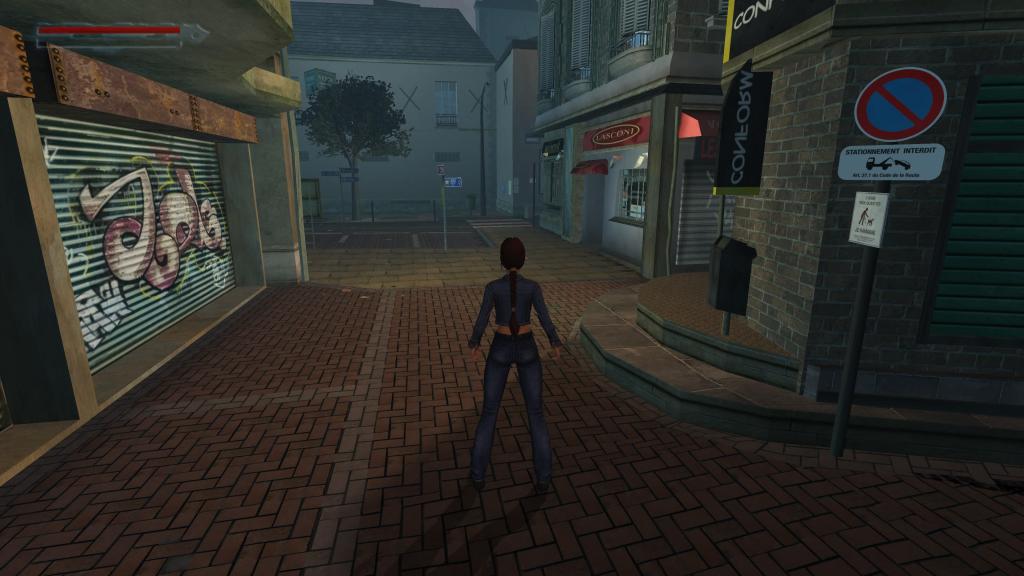
But one of the things that was ‘off’ about the Rome location was that there was no one else around – besides a couple of rogue dogs – and anyone who has visited this city would know this is impossible. It’s not only the desolate surrounds that are incorrect, but the audio as well; as Lara is exploring in the vicinity of the Colosseum – where there would be thousands of tourists and a ton of traffic – yet distant bells and the odd bird are the only sounds you can hear.

The opening level is a short one, and is little more than cobbled lanes and courtyards with the odd switch to be pulled. This area plays out as a maze, and you find yourself running around in circles until the pathway to another section is discovered.

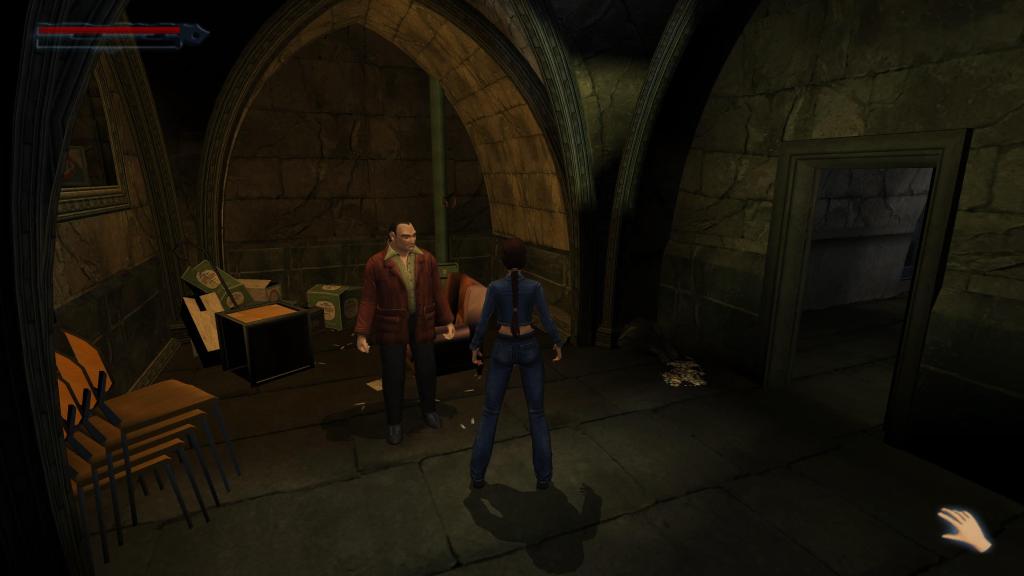
This short chapter concludes when Lara encounters two old foes in Pierre and Larson – both of whom she would later kill in the original Tomb Raider game – before the story quickly moves on to the next stage.

‘Trajan Markets’ is where the story starts to get interesting; opening up a mysterious part of Rome where mechanical monsters, hordes of rats and deadly statues await!

Again, the layout is very maze-like, but there are a few ‘touristy’ highlights of note – without the tourists, of course.

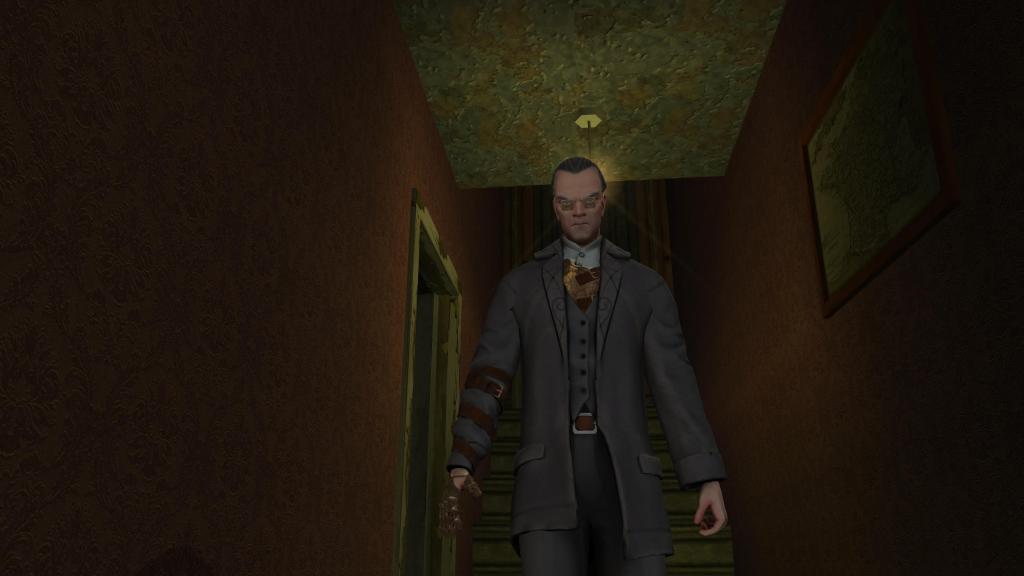
‘Trajan Markets’ eventually turns the full circle and ends where it began, with Larson once again ambushing Lara outside of the temple door visited at the end of the previous stage. However, this time around there is one noticeable difference – that being, the mechanical hydra clunking into life to defend the entrance.

I couldn’t help but think Tomb Raider had ‘jumped the shark’ with these deadly robots – I mean, who built them and why? How did the hydra heads move from above the door to the ground below?

In any case, after an epic battle against this metallic, flame-throwing fiend – the temple door opens up to reveal the entrance to the next level.

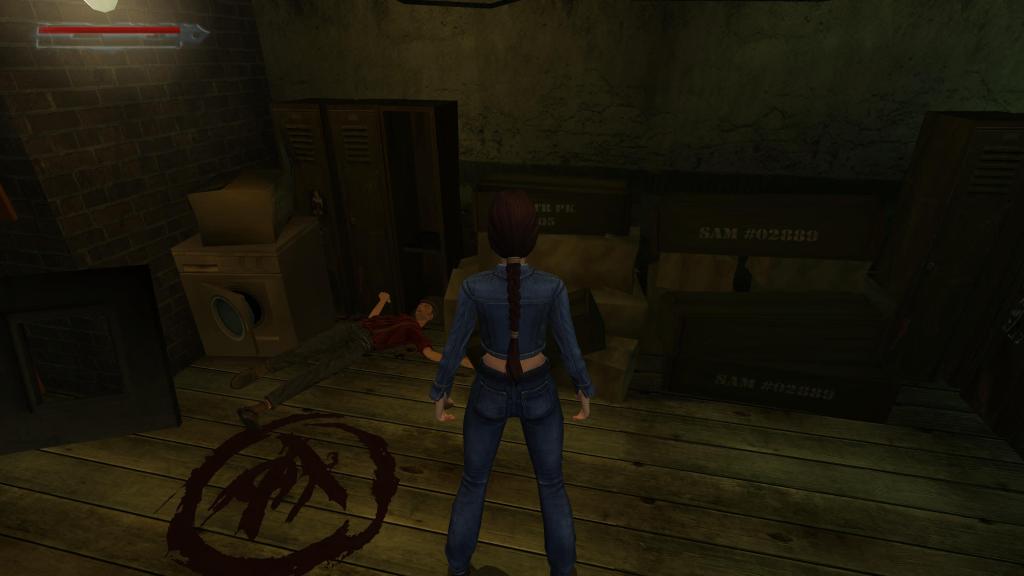
‘The Colosseum’ is the third and final chapter in the Rome story – featuring some impressive torture chambers, underground caves and battles against ancient gladiators, lions and more lethal statues coming to life.

But I have to point out again that there is no way these types of shenanigans could be going on at the Colosseum in broad daylight without any tourists being around.

The Rome levels were a breeze to get through, with the only major delay being the fight with the hydra. On the whole, it was probably a little too easy and the areas to explore were quite limited – but on a positive note it was well-designed and the aesthetics were good.

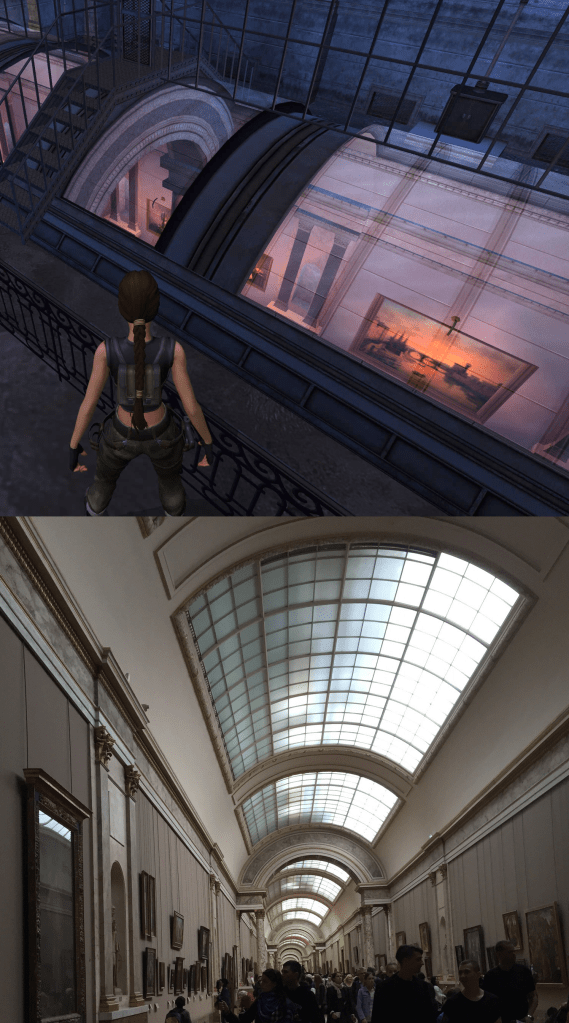
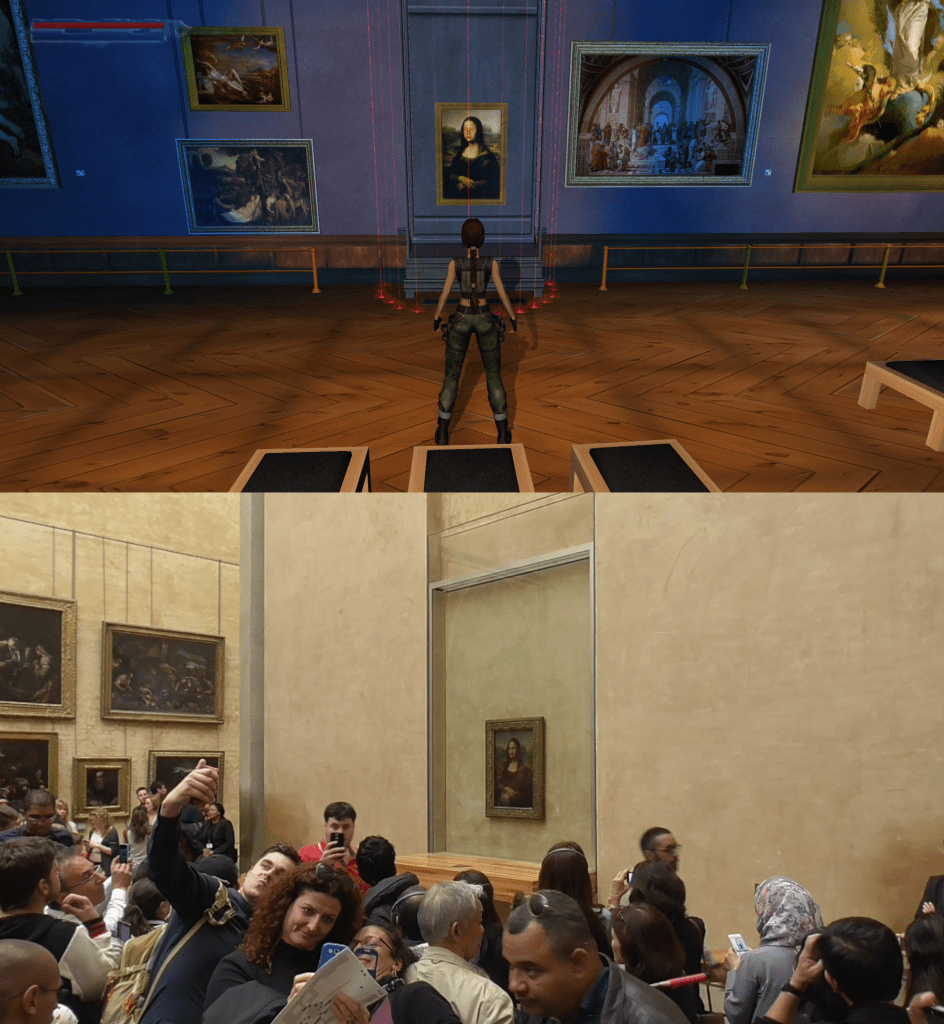
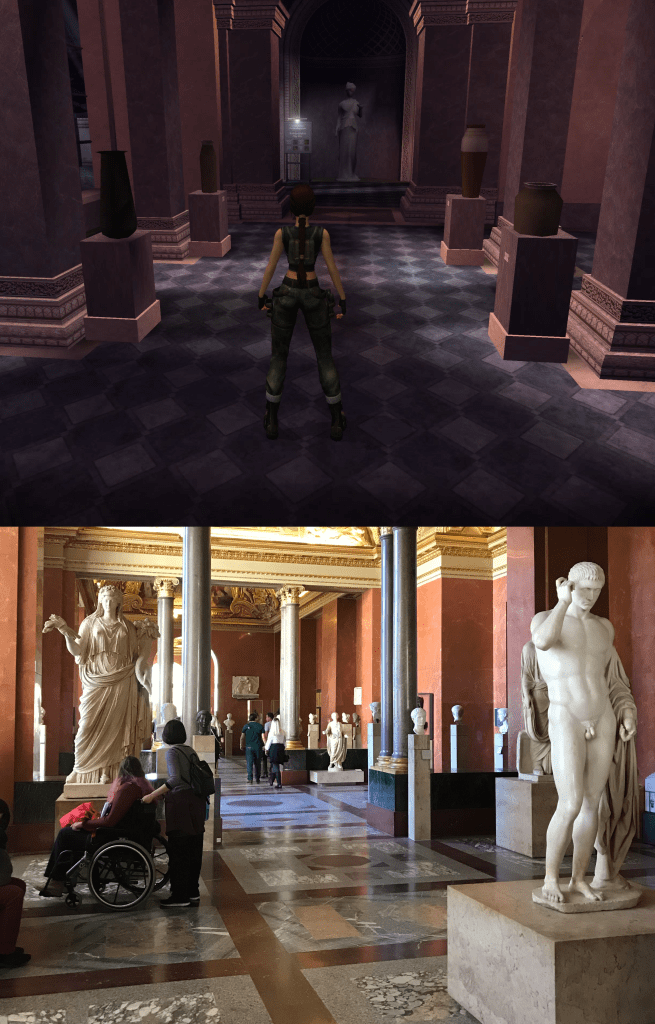
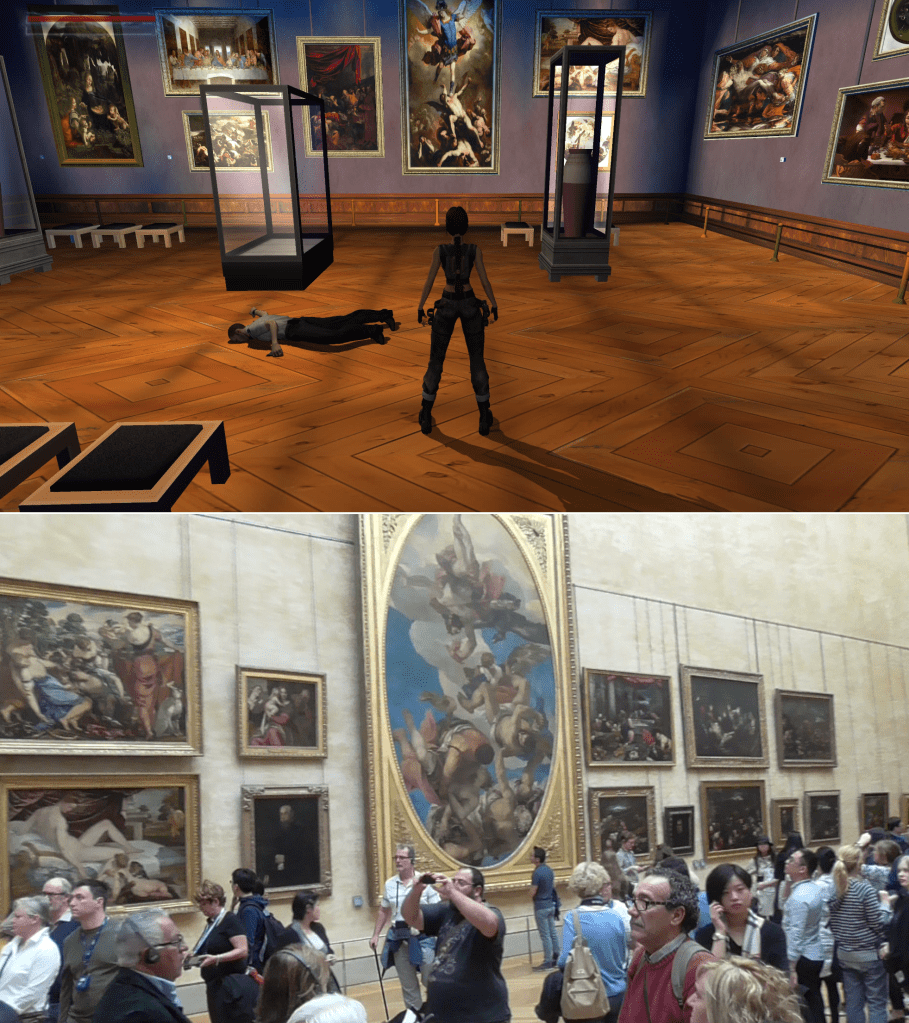
As always, I like to present a few split screenshots to compare the difference between the original PlayStation game from 2000 to the remastered 2025 edition – with the new version on top and the old graphics being on the bottom.

The Rome levels of ‘Tomb Raider Chronicles’ were a little hit and miss for me, with the limited area on offer and ease to pass through being the biggest issues. I also can’t get my head around choosing a busy city like Rome as a setting and expecting us to believe that the place was deserted.

However, I do recall playing the original game all those years ago, and accept that there are far more difficult levels to come – so to have the opening story being light on challenges is perhaps not such a bad thing.

‘Tomb Raider Trilogy Remastered – IV, V and VI’ is available at the PlayStation Store.

All screenshots and images courtesy of Aspyr, Crystal Dynamics and PlayStation.

Wow! This was 35 years ago – and I was there!

The date was June 24th, 1990 – and the occasion was Tasmania vs Victoria in a State-of-Origin match played at North Hobart Oval. The only reason I found out about this anniversary was through social media posts from the Tasmania Devils AFL team – who were reminding everyone that today marks exactly thirty-five years since that famous day.

And it was such an emotional moment in Tasmanian history that the local television channel failed to spell ‘origin’ correctly when presenting the final scores!

But as I mentioned in the heading, my seventeen-year-old self was actually there at the game. In fact, I was standing behind the goals at the bowling club end – and I have indicated my approximate location in the screenshot below.

The television coverage is too blurry – being of VHS quality – to pinpoint me exactly, but I would have been hard to spot even if the footage was clear and sharp. This is because I would have blended in amongst those around me with my mullet hairstyle and Japara jacket – both being Tasmanian fashion statements at the time!

The game showcased a number of local footballers who had moved interstate to play for AFL clubs on the mainland. Some of these players included Doug Barwick, Paul Hudson and Shane Fell* – who are pictured above.

*Fell was not a born-and-raised Tasmanian, but met the eligibility requirements to represent the state – and just so happened to be one of my favourite players at the time.

The Victorian squad – whilst containing great players such as Gary Ayres, Chris Langford, John Longmire and Tony Liberatore – was in truth considered to be their B team. I believe their strongest side was playing a match against South Australia that same weekend, and featured superstars like Gary Ablett, Tony Lockett, Dermott Brereton and so forth.

However, the Victorians did consider the game against Tasmania to be serious enough to have the legendary Ted Whitten make the trip to Hobart. Seated next to him is David Parkin – who was no slouch himself – with another heavyweight of the game in Ron Barassi also present.

Below is a shot of both Whitten and Barassi reacting after being heckled by the crowd. On a side note, the kids who have snuck into the frame remind me of ‘Village Of The Damned‘ – creepy!

The ground was absolutely packed – and the atmosphere was incredible – with an ‘official’ attendance of 18,600. But I reckon a few thousand more strolled in when the gates were opened and free entry was allowed at three-quarter time.

Remember that I mentioned Japara jackets before? Well, I can count as many as five in the last photo, including the guy standing at the back.

The Tasmania Devils AFL club uploaded a highlights video to their YouTube channel, and it’s worth checking out. Watching it again really brought back some memories, and I’m sure it would be the same for others who were at North Hobart Oval on that famous day.

For those reading this article who aren’t from Australia and are unfamiliar with this football code and our sporting culture, it’s still worthwhile having a look at the video – if only for curiosity’s sake.

See link below.

Screenshots courtesy of ABC. Video courtesy of Tasmania Devils AFL YouTube channel.

The ‘Doomsday Plane’ – routine or conspiracy?

This Boeing 747-E4B that is operated by the US Air Force was the highest tracked plane on Flightradar24 today. The reason why is because this is the so-called ‘Doomsday Plane’ – rumoured to take off in times of war or potential danger, and keep safe various national security secrets and protocols while remaining in the air.

Right away, I would point out that it makes no sense for a plane on such a mission to be easily followed on a public flight tracking app. I mean, if I can see it – then so too could every enemy of the United States.
All that aside, perhaps we should look at what the aircraft actually did today – where it began its journey and where it ended up.

At around 5pm local time, the plane took off from Barksdale Air Force Base in Shreveport, Louisiana. You can determine this from the first screenshot – with Shreveport clearly named and the abbreviation of ‘BAD’ for Barksdale.

The flight then travelled east and performed two square-shaped laps of a large area covering parts of North Carolina and southern Virginia, before continuing its journey north toward Chesapeake Bay.

The plane dropped altitude in readiness to land, as seen by the colour change in the flight path. In the above screenshot, it is positioned over Baltimore and appears to turn west to perhaps then fly south – possibly on its way to Washington DC.

As soon as the plane landed, the destination then popped up on the screen – being Andrews Air Force Base (ADW) in Maryland, not far from Washington.

The ‘Doomsday Plane’ was airborne for four hours today – but what do we make of this? Was it ordered into the air and told to stay there until it was given permission to land? Does this explain the laps over Virginia and North Carolina – waiting for the threat to pass – or was it some type of exercise? Or is it a decoy plane for Air Force One?

In any case, for those interested in this kind of thing – it is easy to download Flightradar24 or any other flight tracking app, and then search for ‘ORDER01’ to see if it is on assignment. Personally, I think that if this really was a ‘Doomsday Plane’ then none of us would be allowed to know its location at any given time – so I lean toward this flight being some kind of routine mission or exercise.

But I could be wrong…

‘The Blind Date Ball’ has arrived

It’s that time of year again – when I offer yet another entry into the world of literature.

‘The Blind Date Ball’ is technically my tenth book, but I don’t really count ‘Lockdown Driver Wanted’ in that list – so I consider this to be publication number nine.

It is available for free on KDP Select, otherwise the kindle edition costs around the price of a cup of coffee. The story itself is a direct sequel to 2022’s ‘Nine Mile Beach‘, but can be read as a standalone novel.

I must say that if you are easily offended – such as being triggered by Trump hats and so forth – then this book might not be for you, as there are numerous slurs, derogatory terms and misogynistic themes contained within. In fact, the title was going to have ‘A Misogynist’s Tale’ added to it, so that might give you a better idea of what to expect. Personally, I don’t think it’s that bad, but I have to put the warnings out just to be sure.

‘The Blind Date Ball’ is currently available at the Kindle Store – see link below.

The Socceroos are on their way!

In the early hours of this morning, the mighty Socceroos beat Saudi Arabia 2-1 in Jeddah to secure their berth at the 2026 FIFA World Cup.

While not as nail-biting and exciting as the penalty shootout against Peru four years ago, I’m glad that this time around they qualified via the direct and easier path.

A special shout-out goes to coach Tony Popovic, whose record stands at 5 wins, 3 draws and 0 losses. To be honest, it was a little up and down at times, but he got the job done!
The final table shows that Australia qualified by two clear games and vastly superior goal difference, but there are a few interesting things to point out here.

  1. Bahrain – who finished last – managed a total of 6 points, of which 4 of those came courtesy of their two matches against the Socceroos.
  2. Indonesia secured 4th place – and passage through to the next qualifying round – which is a massive achievement for them, and note that they won 3 matches during this difficult stage.
  3. China flop yet again – finishing 5th – and were eliminated from the competition.
  4. Japan were almost unstoppable in this group, but the Socceroos had their measure – holding them to a draw in Tokyo and beating them last week in Perth.

This is six successful qualifying campaigns in a row! Bring it on next year!

All photos courtesy of Football Australia and various online sources.
I couldn’t beat Tomb Raider III, so I picked on the butler instead.

‘Tomb Raider III’ is the only game in the series that I could not finish. I came close-ish though, as I made it all the way to Antarctica, but could not pass beyond the mine cart level.

So, if the prime version of myself couldn’t win over twenty years ago, then there’s no chance of me performing a miracle this time around! As a result, I have little choice but to bypass the third Lara Croft adventure and move onto the second remastered trilogy.

But not before having a little fun in the Croft Manor level…

Enter Lara’s butler – a loyal but rather elderly chap – who follows his boss around the mansion while rattling a tray of crockery and letting off the occasional fart. Because he moves so slowly – as opposed to Lara’s speed and agility – it is possible to use this physical advantage and do all sorts of mean things to this fellow, with comedic results.

To be fair, changing into army fatigues and a helmet – plus having a target on his chest – whilst standing around the shooting range is asking for trouble. Lara can open fire on him if she chooses, but he will successfully repel the bullets by using his tray as a shield. He does eventually fall to the ground, but within seconds the old man will get back onto his feet and literally dust himself off.
The other prank you can play on the butler is to lure the fool into the freezer room, before leaping over him and locking him inside. When Lara reopens the door again to check on her faithful servant, she discovers him a little worse-for-wear.

I tried this a few times, and on one occasion the butler merged into the door before freezing, giving him a T-1000 appearance.

I made a short video of my bullying of the butler and you can check it out here.

As I recall, ‘Tomb Raider III’ is a pretty good game, especially the Nevada and Area 51 adventures. But even before reaching the final levels in Antarctica, there were some rough challenges – mainly in the London and Pacific Island stages – that were extremely difficult to navigate. There is no way that my fifty-year old reflexes can get through this game.

So, it’s onto the next remastered trilogy for me – five months after the game was released, but better late than never.

Screenshots courtesy of PlayStation, Crystal Dynamics and Aspyr.

Tomb Raider II – Golden Mask bonus levels.

Despite being a Tomb Raider aficionado – going back to the original PlayStation games – I never played the extra levels offered on the PC versions until now, almost thirty years later when they were added onto the remastered editions on PS5.

A few weeks back I attempted the ‘Unfinished Business’ levels at the end of the first Tomb Raider game, but it ended in disaster as I could no longer tolerate any more Atlantis stages – and quit in a rather un-Australian manner.

Besides the insane difficulty, my major gripe with the bonus levels in Tomb Raider was that the story carried on through the much-hated Atlantis scenery, and a change in location was desperately needed in my opinion. There would be no such problems with the sequel, for the main game ended at the Great Wall of China, and the new adventure kicked off in the Bering Sea – two very different settings indeed.

I did a little research on Google Maps, based on the design of the title screen, and learned that the place circled in red and named ‘Melnikov Island’ is actually called Amukta Island – and this is where the campaign was to begin!

That was enough to pique my interest, and I immediately jumped into the game – or rather into an icy lake occupied by a Great White Shark.

The opening level of the bonus stages is called ‘Cold War’ and takes place at a remote Soviet base, where mercenaries have seemingly taken over and set out to kill Lara at every opportunity. Despite these orders, most of the goons are unwilling to shoot through wide gaps in bars – even when you stand there like a sitting duck.

We also meet a new kind of ‘frenemy’ in the invisible, Predator-like entities that are first encountered below the base in an icy cavern. These guys operate in the same way as the Barkhang Monks from earlier in the game: – leave them alone and not only will they not attack you, but they will help fight the other bad guys!

Can you see the invisible man that I accidentally shot in the photo below?

‘Fool’s Gold’ is the name of the second stage, and is set primarily in a different section of the abandoned Soviet facility on the island. Once again, the mercenaries are everywhere and come at you with flame throwers and snowmobiles fitted with machine guns.

There are some great scenes here, and the remastered version brings out a lot of the detail. In particular, take note of the Soviet symbolism and propaganda all over the place.

Having shot through this level, the game progresses onto ‘Furnace of the Gods’ where the mystery behind the invisible entities is revealed. It turns out that these chaps are monk-like warriors who transform into humans during this stage, and do a great job helping Lara kill dozens of the heavily-armed thugs running about.

This level is more of a classic Tomb Raider challenge, moving away from the industrial setting of the Russian base, and into an underground area where a river of molten gold flows through cave systems and ancient temples.

The Golden Mask bonus levels are a roller-coaster of different settings – and climates – as we started with an icy tundra, then moved on to a volcanic underworld before emerging back outside into a tropical jungle for the final stage titled ‘Kingdom’.

The main enemies here are dozens of Sasquatches, which are versions of the Yetis we met in the Tibet stages of the main game, only without the white fur. They do attack in great numbers, but thanks to the daylight conditions they are fairly easy to spot and kill, as opposed to their cousins from earlier in the game who preferred to hide in the darkness.

The level does have a few areas where the use of flares are needed, and also features some temple settings where the ancient warriors and mercenaries come to blows once again.

The level concludes with the Golden Mask in Lara’s possession being placed into a mystical puzzle square, after which we get to meet a relative of another monster we fought earlier in the main story.

In WWE fashion, a different version of the bird creature from the Ice Palace in Tibet (with the impressive six-pack) makes a spectacular entrance by walking down a golden ramp and into battle with Lara.

I got a little closer to him this time – just to take a few screenshots – before backing off to a safe distance and shooting him dead with a machine gun to end the game.

Overall, these were pretty good levels and there was a fair mix of locations over a relatively short time span. The recycling of bad guys for the final stage was okay, I suppose – but it would have been better to meet some creatures that we had not seen before. However, to be fair – these were ‘bonus levels’.

To wrap things up, here are a series of split screenshots comparing the 2024 remastered version to the 1997 original – with new on top and old on the bottom.

I suppose the best way to measure my reaction to the Golden Mask bonus levels is to say that I played them all the way through, unlike the Unfinished Business stages in the previous game. There were some great scenes throughout, and some challenging areas to navigate – so I would recommend any Tomb Raider fan who missed out on these additions twenty-five years ago to give them a crack!

As I mentioned earlier, the extra levels for the first three Tomb Raider games come with the Remastered Trilogy that is available at the PlayStation store.

Screenshots courtesy of PlayStation, Crystal Dynamics and Aspyr.

‘Bad Thoughts’ – What the heck, Netflix?!

I really don’t know what else to say about this show, other than it was completely over-the-top and insane – and probably the most disgusting and offensive thing I have ever seen.

This is not a criticism, by the way: – I am simply stating the facts!

‘Bad Thoughts’ is the creation of comedian Tom Segura, and the six-part series landed on Netflix around a week ago with an R-Rating (in Australia). This is comedy of the darkest and sickest variety, and is not for those with weak stomachs. In fact, I am still amazed that this show not only made it onto Netflix, but is being headlined on their streaming site!

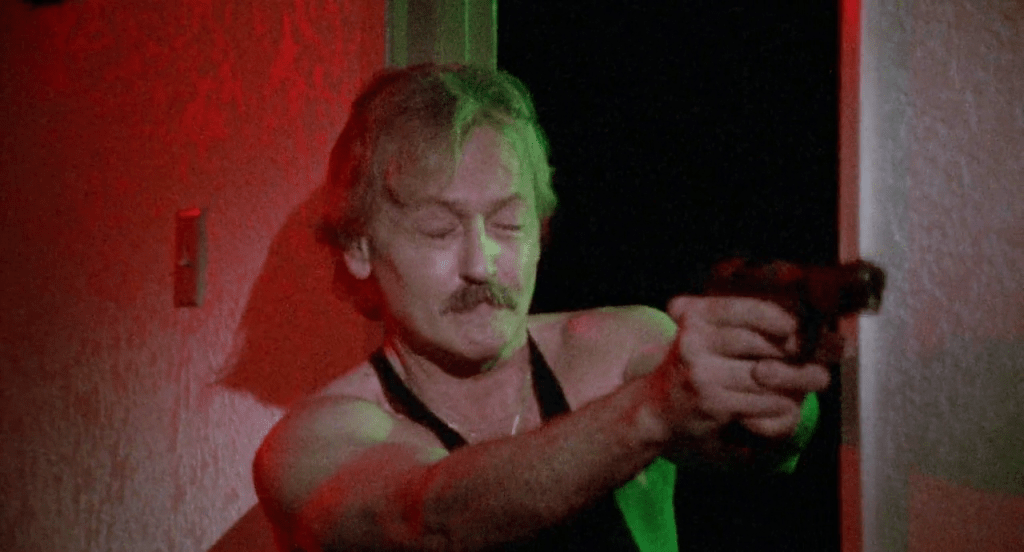
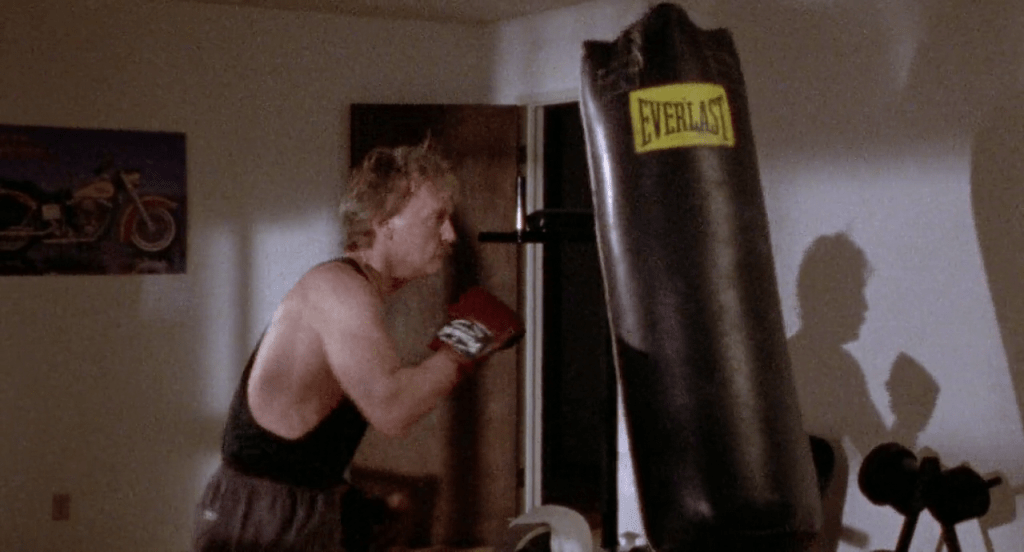
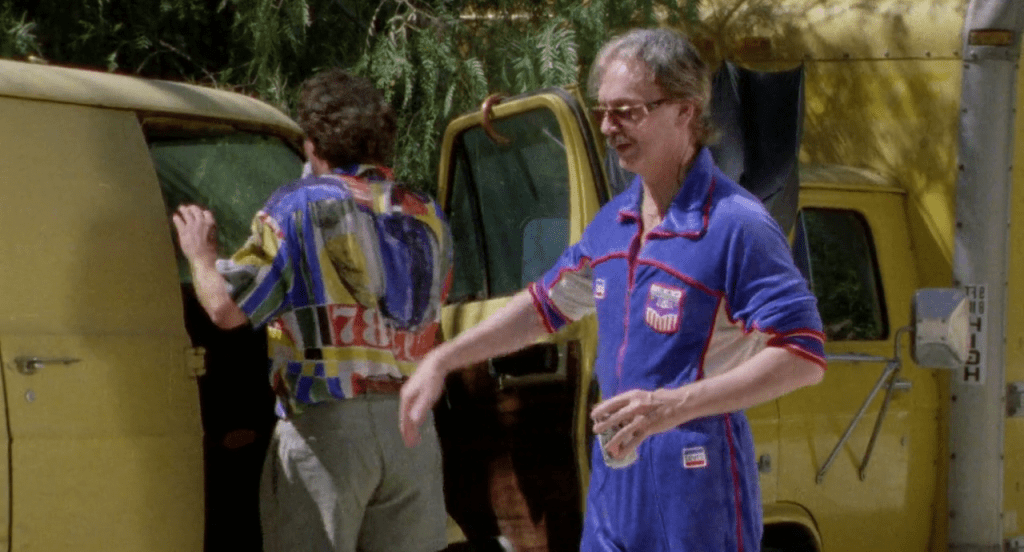
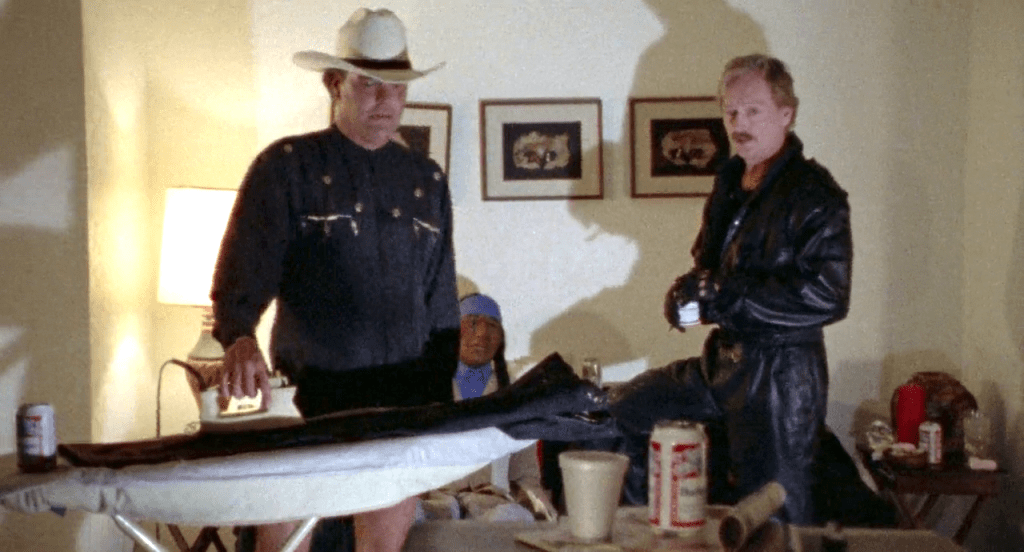
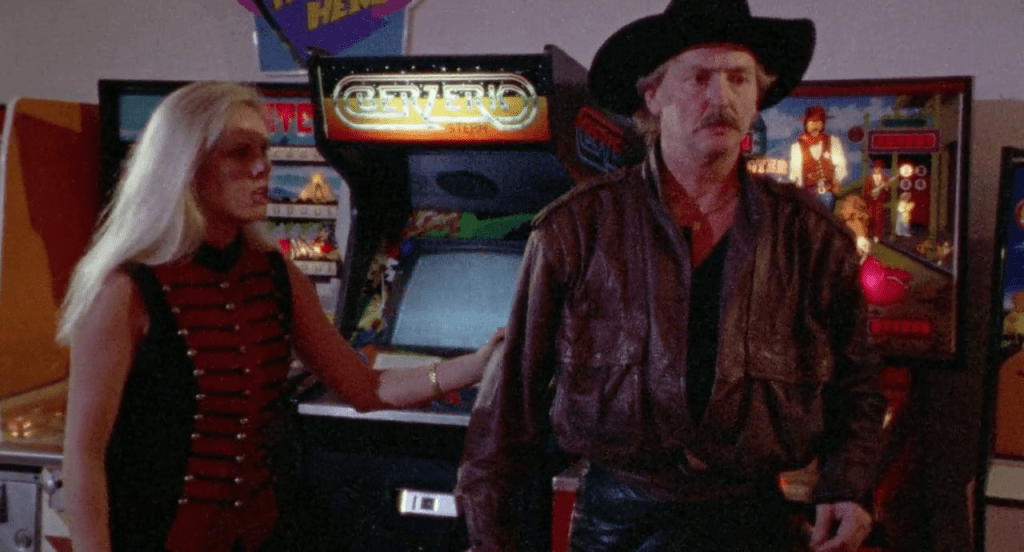
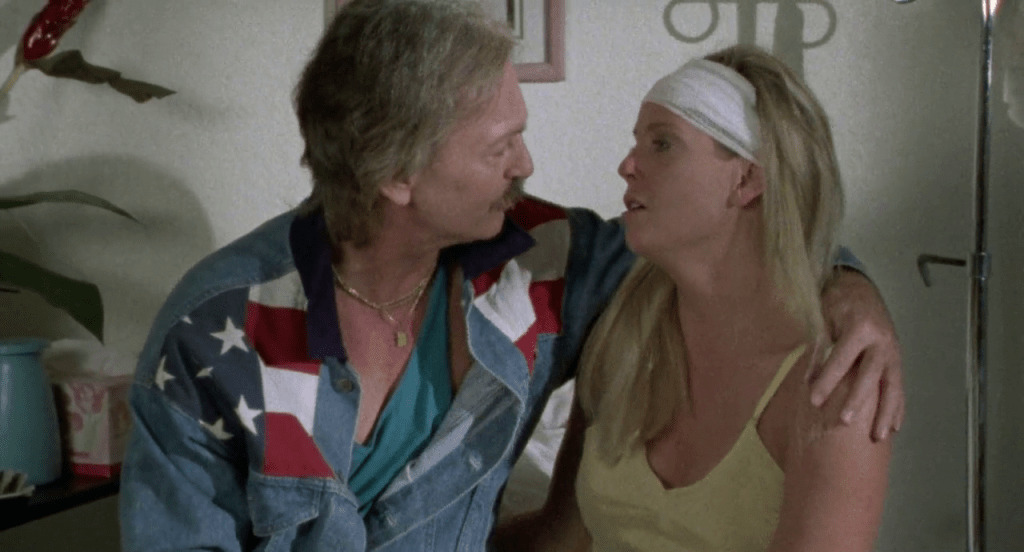
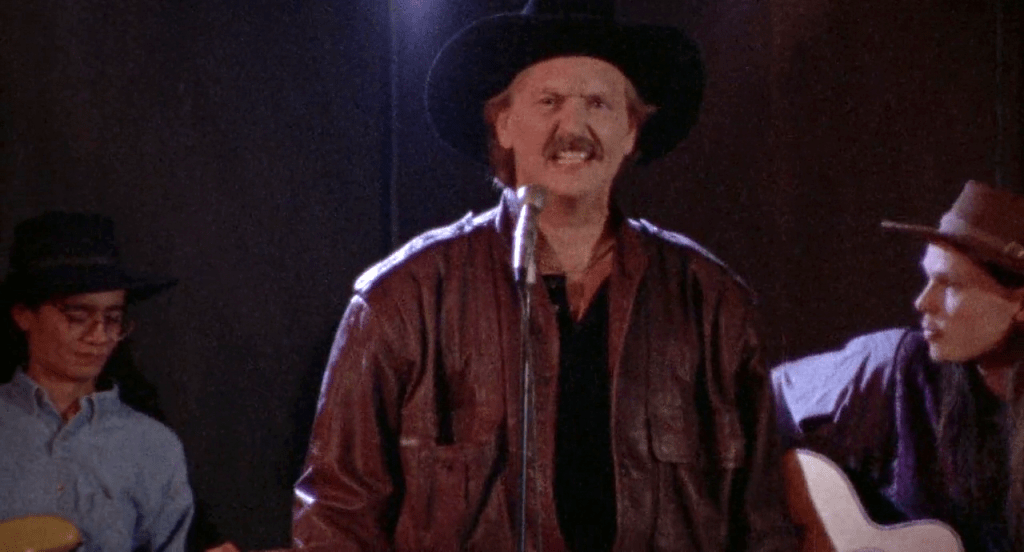
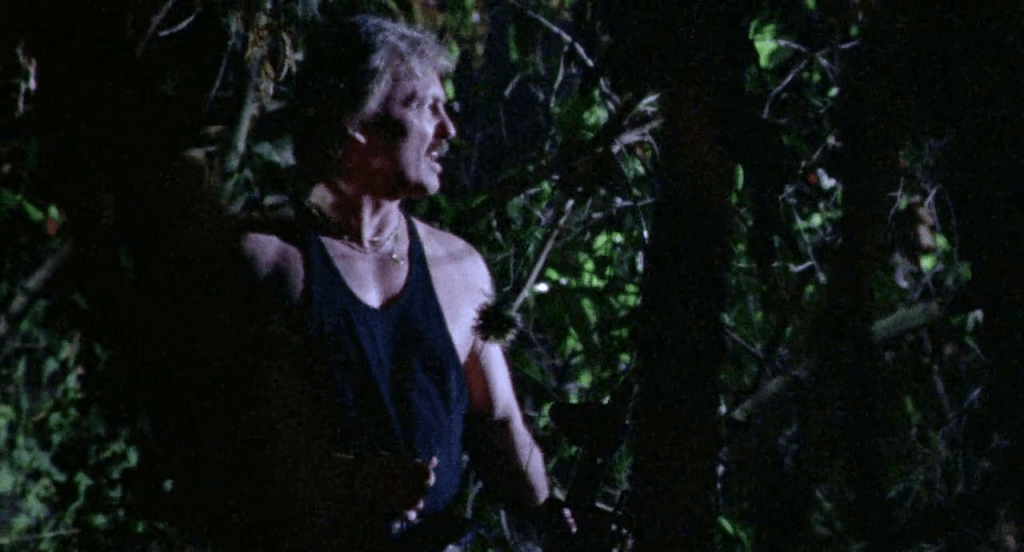
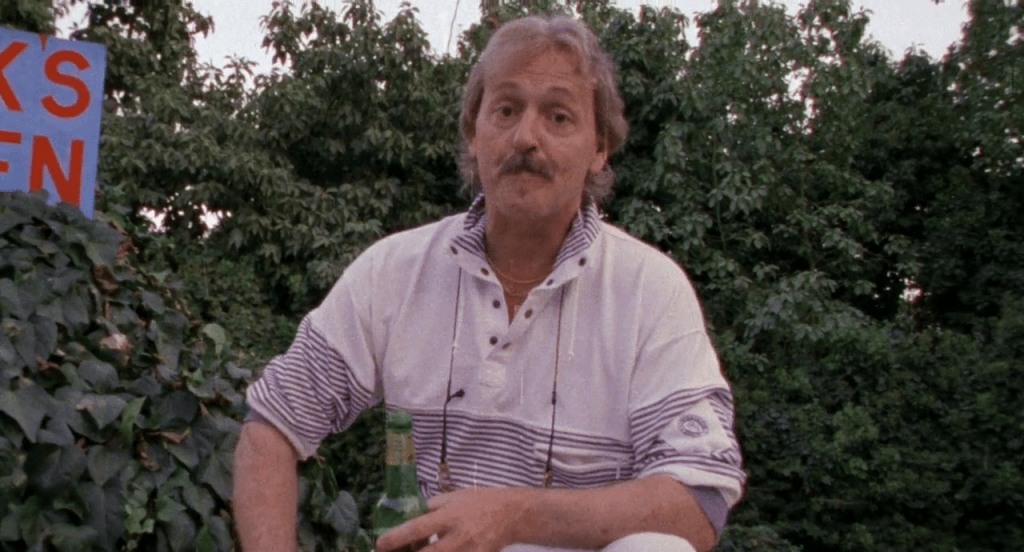
This will be a very short article, as there is little about this series that I am willing to go into any detail over. So, in keeping it clean, there were only a few skits that I can mention here – such as the bizarre Steven Seagal story, the adventures of a depraved country and western singer named Rex Henley, and an ultra-violent visit to a coffee shop.

Apparently ‘Bad Thoughts’ has made quite an impact since its release – and this doesn’t surprise me at all.

If you have children at home and the whole family shares this streaming service, I highly recommend that you ensure the adult content filters are turned on. Believe me – you don’t want kids stumbling across this show by chance!

Posters and screenshots courtesy of Netflix and YMH Studios.

‘Andor’ Season Two – It’s big, it’s ambitious…and it’s slow.

The second season of Disney’s acclaimed Star Wars show has now concluded, and I must say it was one of the most visually-impressive productions I have ever seen. Some serious money had been thrown at this project – around three hundred million dollars (US) by all accounts – and this was evident judging by the enormous sets and state-of-the-art special effects.

Before I go any further, I should point out that there may be some ‘slight’ spoilers ahead, but I won’t give anything major away.

Whilst the show is named after Cassian Andor, played by Diego Luna, it features an ensemble cast with a lot of time allowed for these characters to develop and explore their own places within the Star Wars universe. At the helm of this series is showrunner Tony Gilroy, whose attention-to-detail and amazing vision is evident in every episode.

This season was laid out in a rather unique style, with four chapters containing three episodes each. There was a time jump of one year from one story arc to the next – for example, week one gave us episodes one to three, before the second week aired parts four to six – and was set one year later. Twelve episodes in total covered the four-year period leading up to the events of ‘Rogue One’.

The new season kicks off in style with Cassian stealing a prototype Imperial Tie Fighter from a military base, and immediately the size of the outrageous visual effects budget is obvious. However, once this explosive sequence had concluded, the pacing began to drag and what took place in the first three episodes could have been told within half of that screen time.

I’m not being overly critical here, as the plot is moving and things are happening. It’s just that it felt to me like we were spending too much time admiring the scenery – even though it was quite impressive – with characters having deep conversations back and forth and situations lingering far longer than what was necessary.

For example, Cassian spends most of the first two episodes with a rebel cell who ambush him when he drops off the stolen tie fighter at an arranged rendezvous point. This entire sequence could have – and should have – been cut from the show completely. In fact, the first chapter felt like I was watching the fifth day of a test cricket match destined to be a draw – the skill and technique were all there, but few players were troubling the scorers.

As the timeline of the season moved a year forward through episodes four to six, I felt that the pacing dropped even further. Again, whilst things were definitely in motion, the show spent too much time looking at itself in the mirror – for lack of a better term – when it needed to be pressing onward. Again, the aesthetics of the show and the sharpness of the dialogue are not being questioned here – it’s just that what happened over these three episodes (4-6) could have easily been compressed into two.

Where was the show most sluggish? Well, over the course of the first half of the season I would have to say that the wedding of Mon Mothma’s daughter was the worst offender. Whilst there were some good moments within – particularly the fate of Mon’s friend Tay Kolma – it took up way too much time and I don’t think that the erratic dancing scene worked as well as it should have. I’m sure bigger Star Wars fans than I would argue otherwise.

The narrative involving the insurgents on the planet Ghorman was another part of the show that was slow-building and a little tedious – although the payoff in episode eight ended up being exceptional. These local rebels had an axe to grind with the Empire – and with good reason – but I felt that there were too many ‘secret town meetings’ and on a personal note I’m not sure that modelling everything about them on the French Resistance was necessary.

The story arc of week three, being episodes seven to nine, was when ‘Andor’ really kicked into gear and rewarded its fan base with some truly brilliant storytelling and execution. Episode eight was as gripping as anything I have seen before in Star Wars, but by golly it took a while to get there!

I was hoping that this momentum would carry through to the final three episodes, and it did to a certain degree – with the action taking a backseat and more thrilling and psychological elements coming to the fore. The game of cat-and-mouse between the ISB (Imperial Security Bureau) and the Coruscant-based rebels was enthralling to say the least, and the fates of agent Dedra Meero and the elusive Luthen Rael reached satisfying conclusions that were consistent with the Star Wars narrative moving forward.

I should also add that the performances of both Denise Gough as the overly-ambitious Dedra and Stellan Skarsgard as the rebel spy/antiques dealer Luthen were outstanding across both seasons of ‘Andor’. Some Star Wars fans are claiming that Luthen Rael is by far the best character created in the Disney era to date, which is a fair call – but I personally would go with Baylan Skoll from ‘Ahsoka’.

A welcome addition to the show was Director Orson Krennic – played by Ben Mendelsohn – who was of course a main antagonist in ‘Rogue One‘. In fact, the inner-workings of the Galactic Empire were brilliantly unveiled during this season, and was the most in-depth exploration that Star Wars fans have seen to date.

Another returning character was K2SO, and we get to see his origin story during the last few episodes of the series. He delivered some great lines here, just as he did in ‘Rogue One‘.

I didn’t pick up on the casting change for Bail Organa right away either, as I was waiting for Jimmy Smits to appear and wondered at first who Benjamin Bratt’s character was supposed to be. I can assure you it only took a few minutes for it to click, and to be honest I thought Bratt did a pretty good job.

With the show featuring an extensive cast, I would be here all day if I wrote about every character and actor, so I will briefly add only a few more worthy mentions. Forest Whitaker returns as rebel outcast and extremist Saw Gerrera, Elizabeth Dulau stands out as Luthen’s assistant Kleya – with an enlarged role for this season, Kyle Soller is back as the weedy but sinister Syril Karn, and Anton Lesser portrays the cunning Major Partagaz.

The character development in this show is well above anything we have seen from Disney Star Wars, and the work here makes Rey, Finn and Poe from the sequel trilogy come across as cardboard cutouts. Mind you, it wouldn’t take much for that to happen.

The other outstanding attributes of ‘Andor’ are the visuals and art direction, which surpass even the Original Trilogy at times. As I mentioned earlier, a huge slice of the series’ budget must have been spent on special effects and physical sets. In all honesty, this would have to be one of the most eye-catching shows I have ever watched, with the attention-to-detail – right down to the pressing of buttons on control panels – being on a scale rarely seen these days.

However, I felt that these strengths fed directly into the moments when this show was at its weakest. By this I mean that the breathtaking settings and complex events taking place throughout the galaxy – often at the same time – were not easily whisked along by those in control. Instead, the narrative appeared stuck at times within certain scenes, and felt like it was lingering there far longer than was required and not propelling the story forward at a reasonable pace.

The first half of the season – comprising of episodes one to six – was painfully slow. This was a shame because there were brilliant moments taking place, but a lot of the effect was wasted when these scenes overstayed their welcome. Again, I refer specifically to Cassian’s run-in with the rebel crew during the first two episodes and the excessive drama surrounding the wedding of Mon Mothma’s daughter.

Quite simply, it took too many episodes to arrive at where the show needed to be – which is a fair criticism considering we already knew the fate of Cassian Andor before the series began, and all jeopardy concerning this character was off the board.

But I cannot dislike this show, no matter how much the pacing frustrated me. There are simply too many moments of brilliance contained within; whether it be the clever writing, the artistic and exceptional direction, or the aesthetics of this excellent production – right down to the smallest detail.

In a few months from now I might sit down and watch it all over again and see if I feel differently about it. I do recall enjoying the first season a lot more second time around, so perhaps the slow progression of the story might not bother me as much after another viewing.

I’m going to give this season a mark of eight out of ten, with the pacing issues costing it a perfect score.

‘Andor’ – Season Two is currently streaming on Disney Plus.

Photos and screenshots courtesy of Disney and Lucasfilm.

Disney’s ‘20,000 Leagues Under The Sea’ – A seventy-year-old classic!

Released all the way back in 1954, this film is truly a cinematic masterpiece. I’m not comparing this to ‘Casablanca’, ‘The Godfather’ or even ‘The English Patient’, for what I refer to here is the ambition and vision that ‘20,000 Leagues Under The Sea’ projects – impressive even by today’s standards.

Of course, this is an adaptation of Jules Verne’s 1870 novel of the same name, which is quite an enjoyable read. The film does differ from the book in a number of ways – particularly the ending – but does remain fairly true to the overall narrative.

‘20,000 Leagues Under The Sea’ is headlined by two legendary actors, with Kirk Douglas playing the harpooner Ned Land and James Mason starring as the mysterious Captain Nemo. The film was directed by the reliable Hollywood helmsman Richard Fleischer, and was produced by Walt Disney Productions.

The movie begins with Professor Aronnax, a famous scientist (played by Academy Award winning actor Paul Lukas) being recruited by the US Navy to assist them in hunting a sea monster that has been destroying vessels. Eventually the naval frigate Aronnax is travelling aboard finds the creature and is promptly rammed and sunk by an enemy that was not all that it appeared to be.

From this point, the film follows the adventures of the rogue submarine Nautilus, as told from the viewpoint of Professor Aronnax, his assistant Conseil, and fellow adventurer Ned Land. All three become ‘guests’ of Captain Nemo aboard his underwater ship as it carries out its mission in the deepest depths of the world’s oceans, whilst countless warships are hot on their tails.

Captain Nemo’s motivations are explored a little in this film, although the book does offer more in the way of his interesting background story. But for the most part, the movie keeps things on a more adventurous and entertaining course, with the special effects and underwater filming being decades ahead of its time. In fact, ‘20,000 Leagues Under The Sea’ won the Academy Award for best special effects and art direction, and it’s easy to see why.

Perhaps the most memorable scene in the movie is when the Nautilus is attacked by a giant squid. The battle takes place during the night and in the middle of a vicious storm, which makes the sequence even more terrifying.

We are also treated to a couple of musical numbers from Kirk Douglas during lighter moments in the film, with one of his sea shanties being sung to Esmeralda – Captain Nemo’s pet sea lion.

‘20,000 Leagues Under The Sea’ is storytelling on an epic scale, much like many of the old Hollywood blockbusters from the golden age of cinema. It’s sad that they don’t make movies like this anymore, because with modern day CGI this story could easily be re-imagined into something special – and if produced correctly could earn millions of dollars.

Here’s how I think it should be done.

Firstly, a popular subcontinental actor would be cast as Nemo, for according to Verne’s original story this character is an exiled Indian prince named Dakkar. Then you would need some American star power, and three established Hollywood names could play Ned Land, Aronnax and Conseil. To top things off, I would have someone like Denis Villeneuve or Christopher Nolan as the director, and have the screenwriters keep the story as close to the original work as possible.

Yes, I am aware of what the wages bill alone would be, but surely it would clean up at the box office worldwide!

‘20,000 Leagues Under The Sea’ is available on Disney Plus, and I’m not sure but it might be showing on Amazon Prime Video as well – but perhaps at an extra cost. It really is worth watching, especially if you haven’t seen it before or did so many years ago, and I’m sure you will be surprised as to how a film so old can still look so good.

Many remakes and reboots have come and gone – even as recently as last year with the series ‘Nautilus‘ –  but the original 1954 classic is still the best interpretation of Jules Verne’s masterpiece. With two of Hollywood’s greatest leading men in Kirk Douglas and James Mason gracing our screens and special effects that were a generation ahead of its time, Disney’s immortal tour-de-force is in a class of its own.

All images courtesy of Walt Disney Productions and Buena Vista Productions.