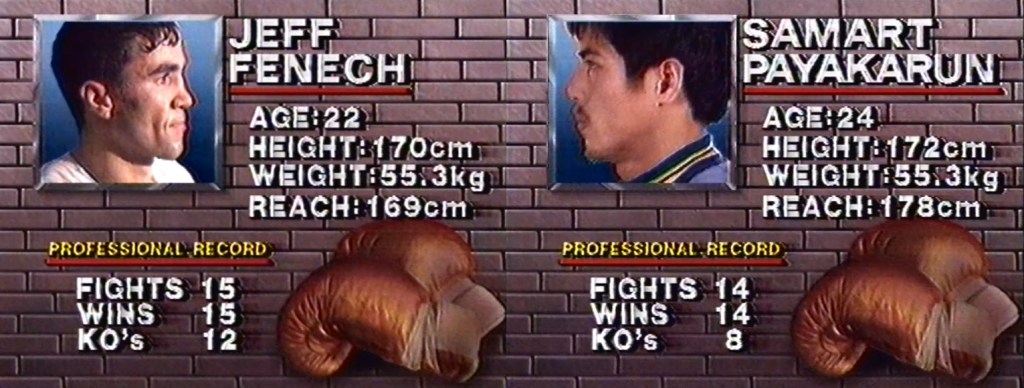
Jeff Fenech v Samart Payakarun – A memorable chapter in Australian boxing history.

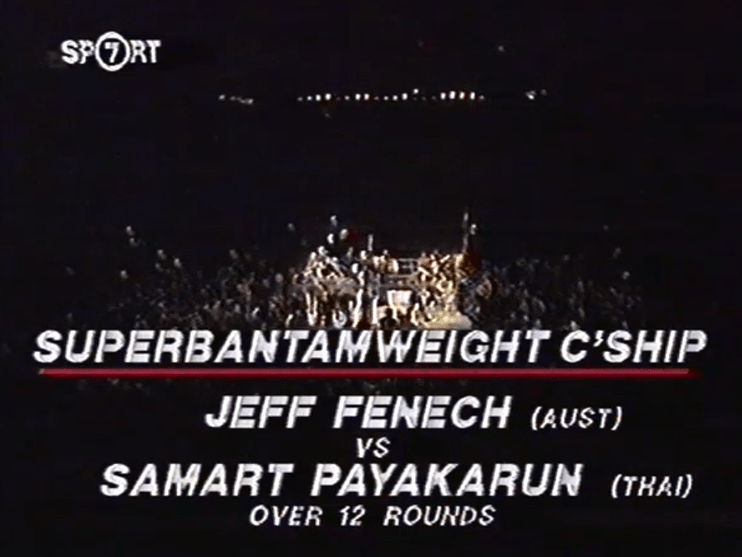
On the 8th of May 1987, an eagerly-anticipated and much-hyped boxing match took place in Sydney, Australia.

The bout was for the WBC Super-Bantamweight title between the local fighter Jeff Fenech and the reigning champion Samart Payakarun (often spelled ‘Payakaroon’) from Thailand.

While Fenech was already a sporting hero in Australia – having come close to an Olympic medal in Los Angeles before turning pro and winning the IBF Bantamweight title a year later – his Thai opponent was highly regarded and most pundits had the Aussie as an underdog, despite the fight taking place in his hometown.

The fact that the event was held in Sydney and not Bangkok would indicate that somehow the Australian promoters were able to scrap together enough money to lure the Thai champion to fight outside of his own country. This is where the story became outrageous, because as soon as Payakarun was paid, he and his entire team placed a ‘double-or-nothing’ bet on him winning the fight. Not only that, but to appease the disappointed crowd come fight night, the Thai boxer was prepared to put on a Muay Thai kickboxing show following his victory – presumably after a defeated Fenech was stretchered out of the ring.

Samart Payakarun certainly did come into the fight with a reputation that preceded him, for he was the biggest star in Thai martial arts before turning to professional boxing. Since making the switch, his most impressive performance was a fifth round knockout of Mexican champion Lupe Pintor in a chaotic Bangkok stadium, claiming the WBC Super-Bantamweight title.

I remember there being reports at the time that Payakarun had been given the ‘Ring Magazine Fighter of the Year’ award – perhaps as a ploy by the promoters and local media to build-up the fight – but this was incorrect. Instead, the Thai had been awarded a far lesser accolade; something along the lines of an ’emerging talent’ recognition, following his upset win over Pintor. Either way, Payakarun had successfully defended his title twice and had been champion for over a year, so he meant business when he came to Sydney.

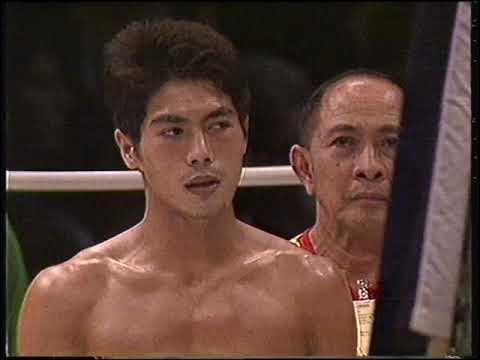
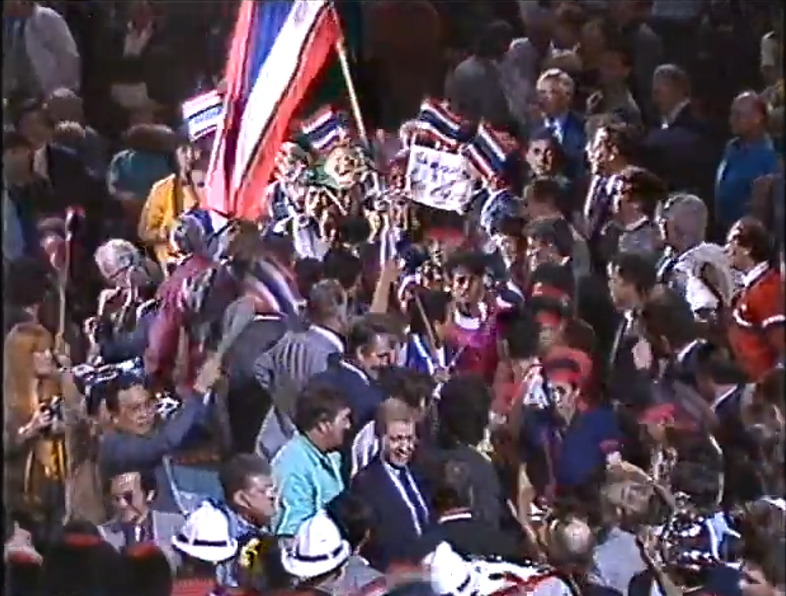
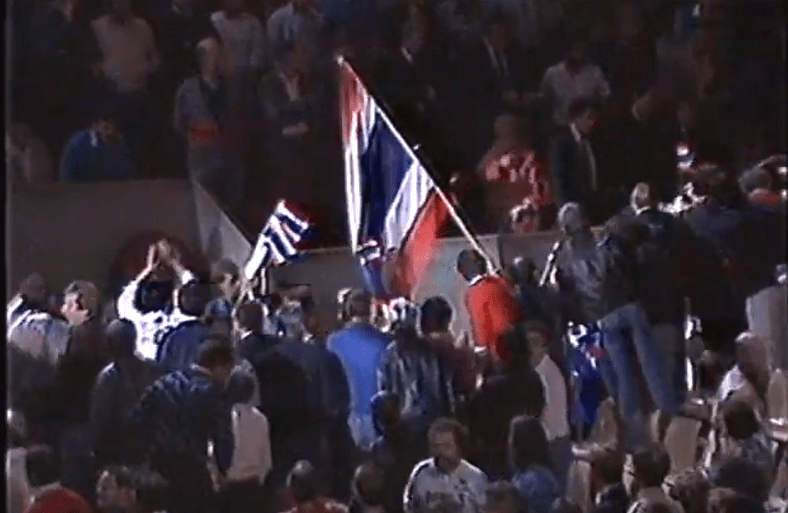
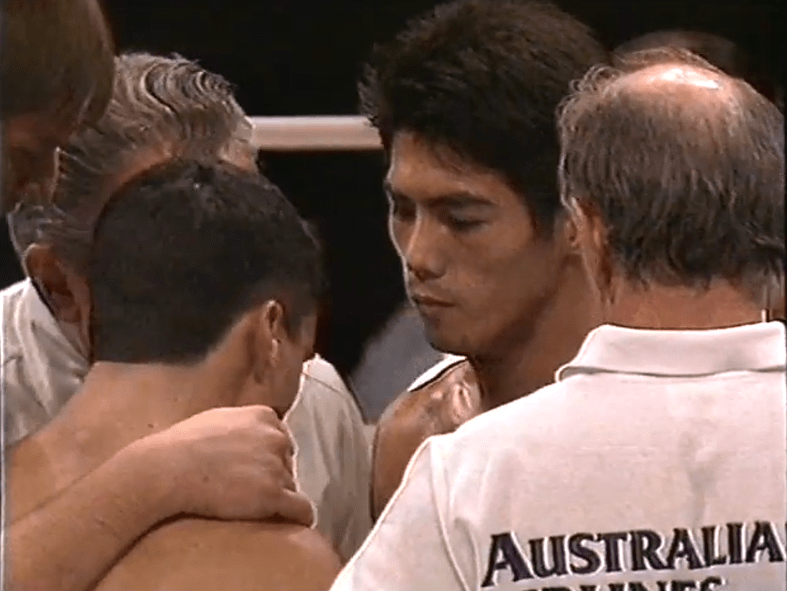
There was a large (and vocal) Thai contingent at the fight, and once Payakarun entered the ring he hardly took his eyes off Fenech, and this was clear when the two boxers received their final instructions from the referee.

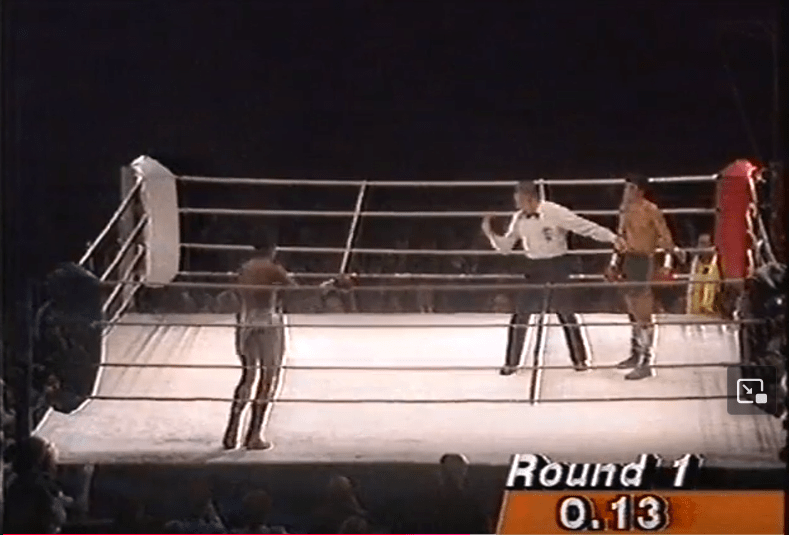
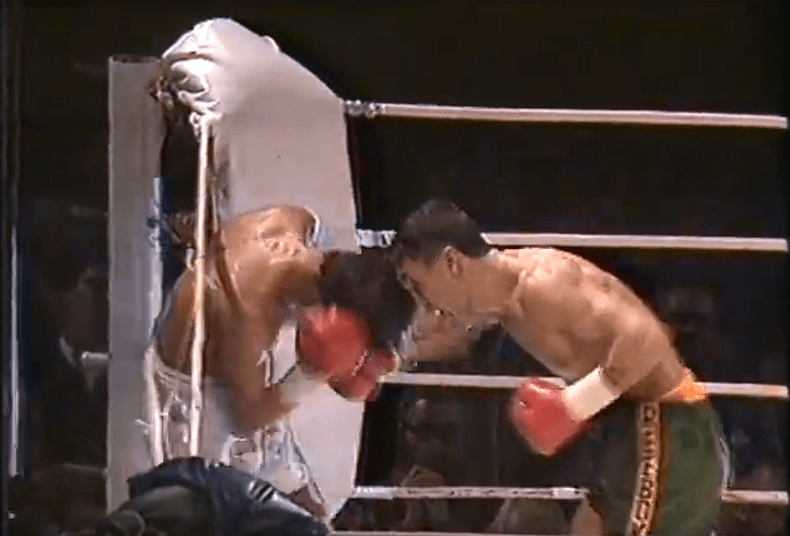
The fight started with Fenech as the aggressor, with the Thai cleverly using his speed and reach advantage to keep out of trouble. Nearing the end of the first round, the Australian walked into a straight right from Payakarun and suffered a flash knockdown – but this would prove to be the champion’s only highlight of the bout.

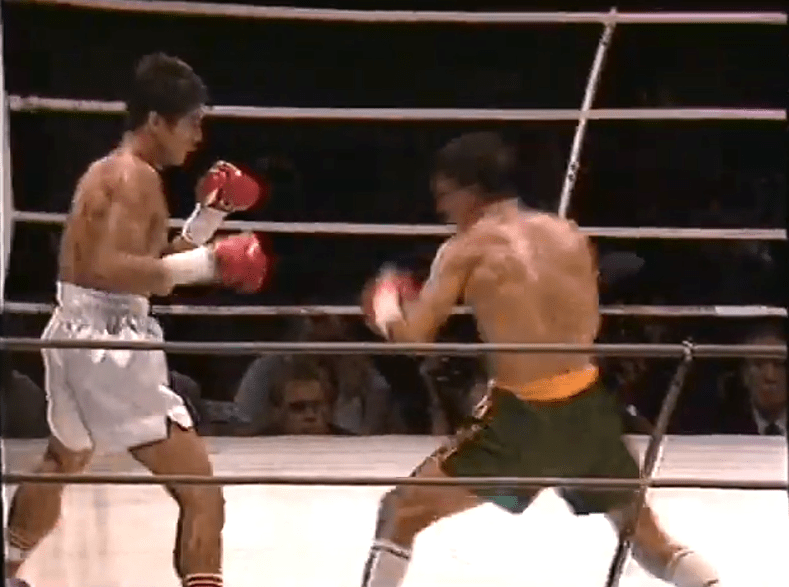
From the second round onward it was all Jeff Fenech, as Payakarun struggled to keep a comfortable fighting distance, and slowly but surely ‘The Marrickville Mauler’ began to wear his opponent down.

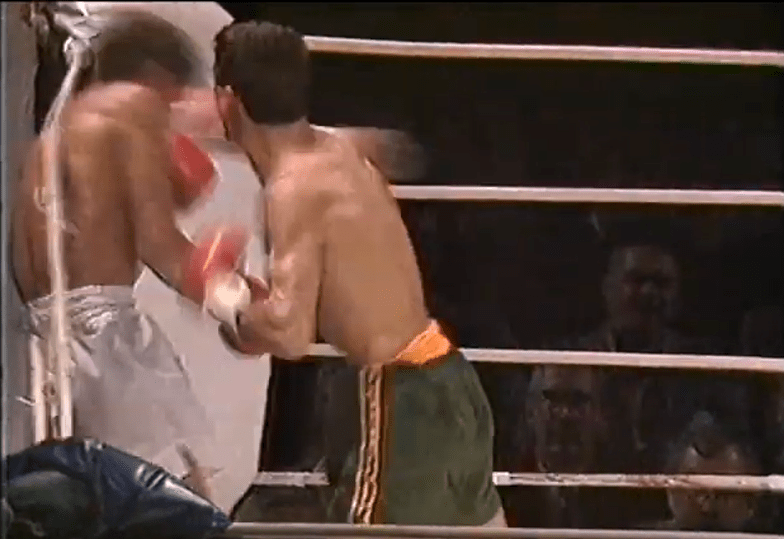
To give credit to Payakarun – he came to fight and stood right in front of Fenech the entire time – but this would prove to be his undoing. After copping a great amount of punishment in the second and third rounds, the Thai would ultimately collapse into unconsciousness late in the fourth, handing Fenech his second world title.

There were stories after the fight claiming that a humiliated Payakarun returned to Thailand and became a monk. If this was true, then it did not happen immediately after losing to Fenech as the rumours suggested, for the Thai boxer returned to the ring two more times – winning both fights by knockout – before ‘retiring’ in early 1988.

Payakarun made a comeback five years later, culminating in a title fight for the WBA Featherweight belt where he was stopped in the eighth round. Following this, Samart Payakarun changed career paths entirely and became a successful singer and actor in Thailand.

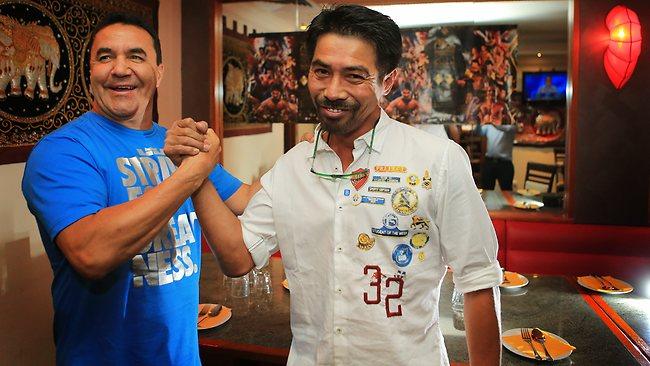
To end the story on a friendlier note, the above photo was taken in 2013 when Fenech and Payakarun came face-to-face again – but on this occasion the Thai master was in Australia promoting a kickboxing event.

I should also point out that the legendary Gus Mercurio (facing the camera) was part of the Seven Sports commentary team – and was a brilliant boxing pundit – not to mention the father of Paul Mercurio from ‘Strictly Ballroom’ fame.

Jeff Fenech vs Samart Payakarun can be watched on YouTube, and there is a link below to the full fight – courtesy of Rewind YouTube channel.

Note: The fight starts at around 25 minutes into the video.

Photos courtesy of Seven Sport, Fox Sports and Rewind YouTube Channel.

Top 5 Australian sporting fails of 2024.

Before we get into this, I should point out that these shockers are my personal top five. I don’t keep a close eye on sports such as basketball, rugby or golf – and I’m sure they would have provided a few dud performances over the past year – so my list does have a limited scope.

However, I’m confident that we will all agree on who claimed the number one spot for 2024 – but we’ll get to that disaster later…

So, let’s count them down.

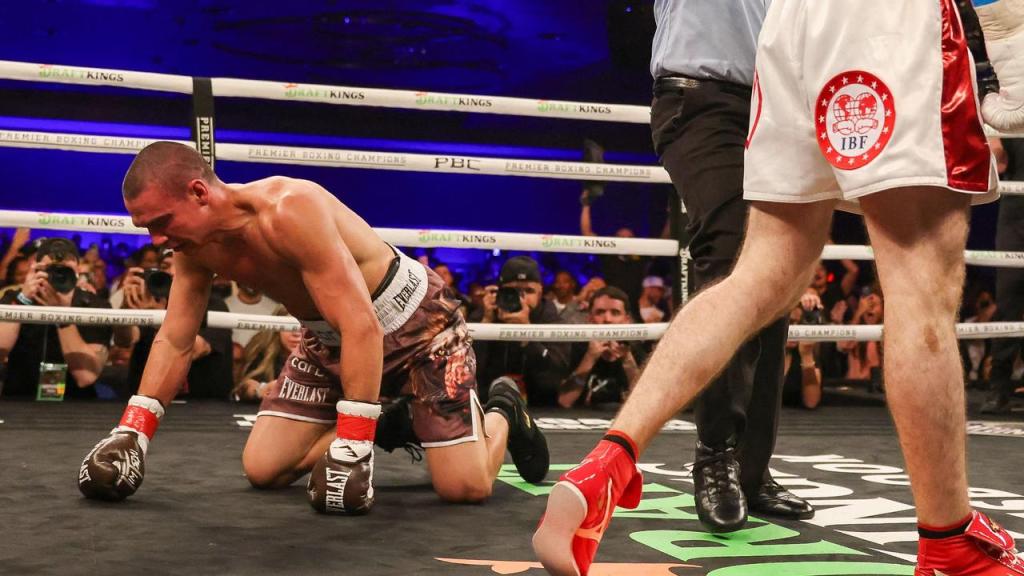
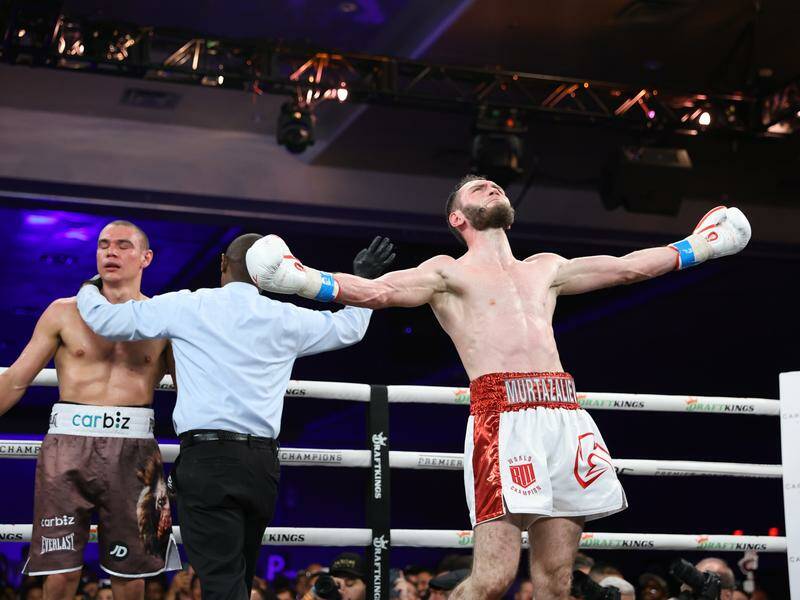
5. Tim Tszyu vs Bakhram Murtazaliev.

This was a really weird fight, and the result of poor preparation and management, rather than any fault of Tszyu himself. It was evident after only a couple of rounds that Tim might have bitten off more than he could chew – and the powerful Russian ended up making short work of the Australian.

It actually pains me to include this in my top five, as I have a soft spot for Aussie boxing – but in all fairness this non-event had to be squeezed in somewhere.

4. GWS Giantsenormous choke in the AFL finals.

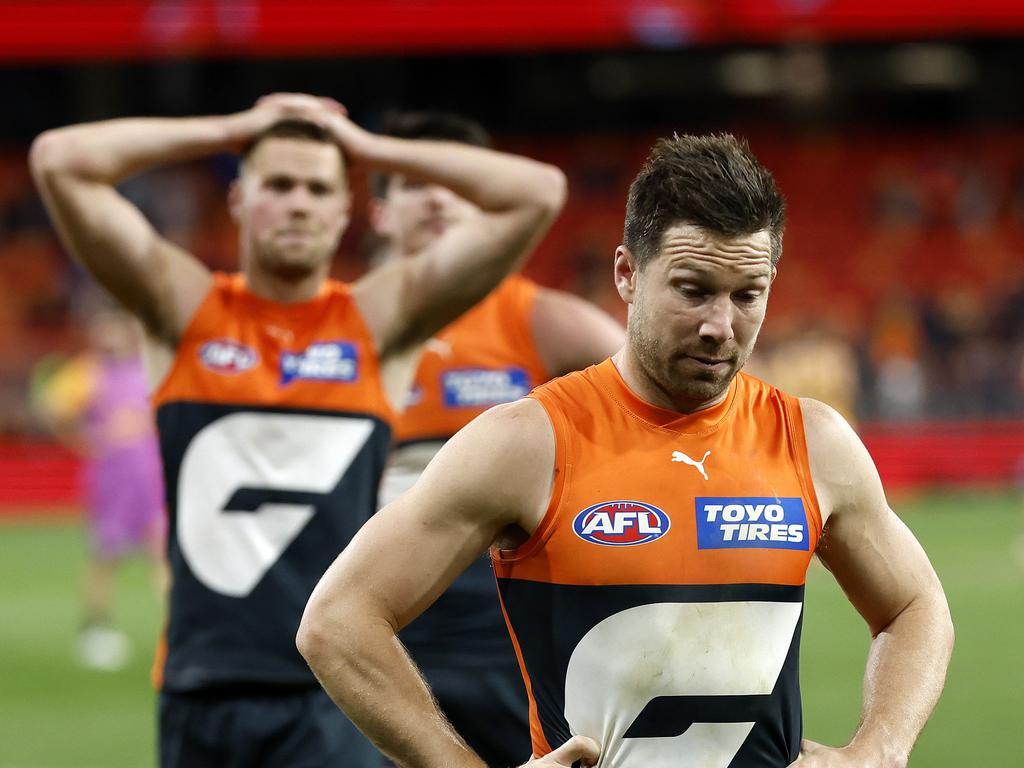
This should make everyone’s list of sporting failures for 2024, because the Giants actually fell asleep two weeks in a row – and during their most important matches of the season!

In week one of the finals, GWS blew a 28 point lead against cross-town rivals Sydney, but to be fair here – the dangerous Swans were hanging on and always looked like making a rush towards the end of the game – and did so to win by four points.

That being said, there can be no excuses for the following week.

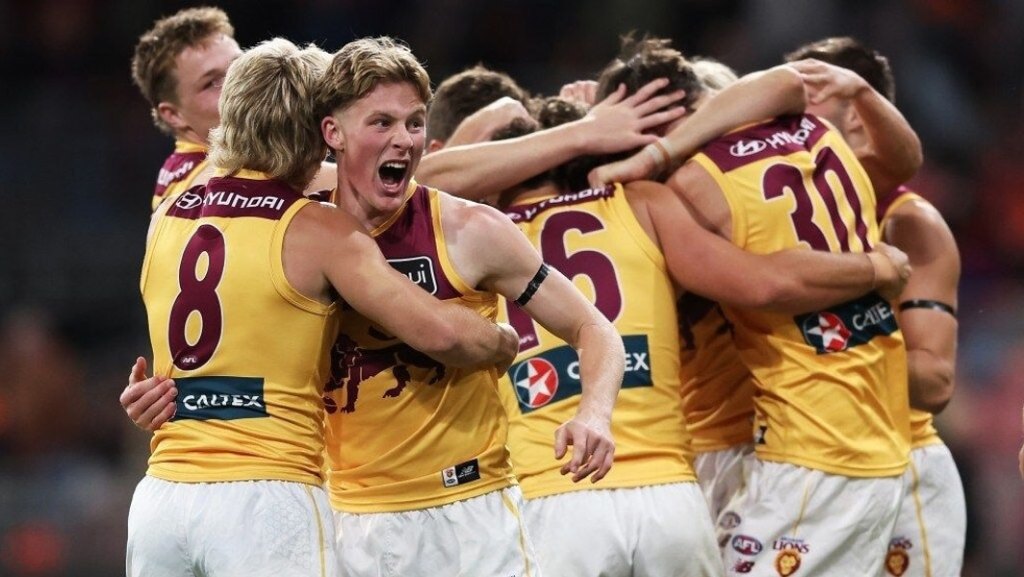
With home ground advantage against Brisbane in a knockout semi-final, the Giants amassed a 44 point lead at one stage in the third quarter – only to allow the Lions to kick eleven out of the next twelve goals in the game and run out five point winners.

Their social media post after the match said it all…

3. Socceroos 0 – Bahrain 1

This should have been a certain three points on the way to the 2026 World Cup, but instead set the Socceroos on a much longer and shakier path to qualification.

The match was a home game – being played on the Gold Coast – and it was an abysmal spectacle with the Bahrain players constantly faking injury and time-wasting in an effort to secure a 0-0 draw.

As fate would have it, they went one better than that and managed to score via an own goal very late in the game, presenting the tiny gulf nation with arguably their greatest footballing moment – and marking the beginning of the end for Australian coach Graham Arnold.

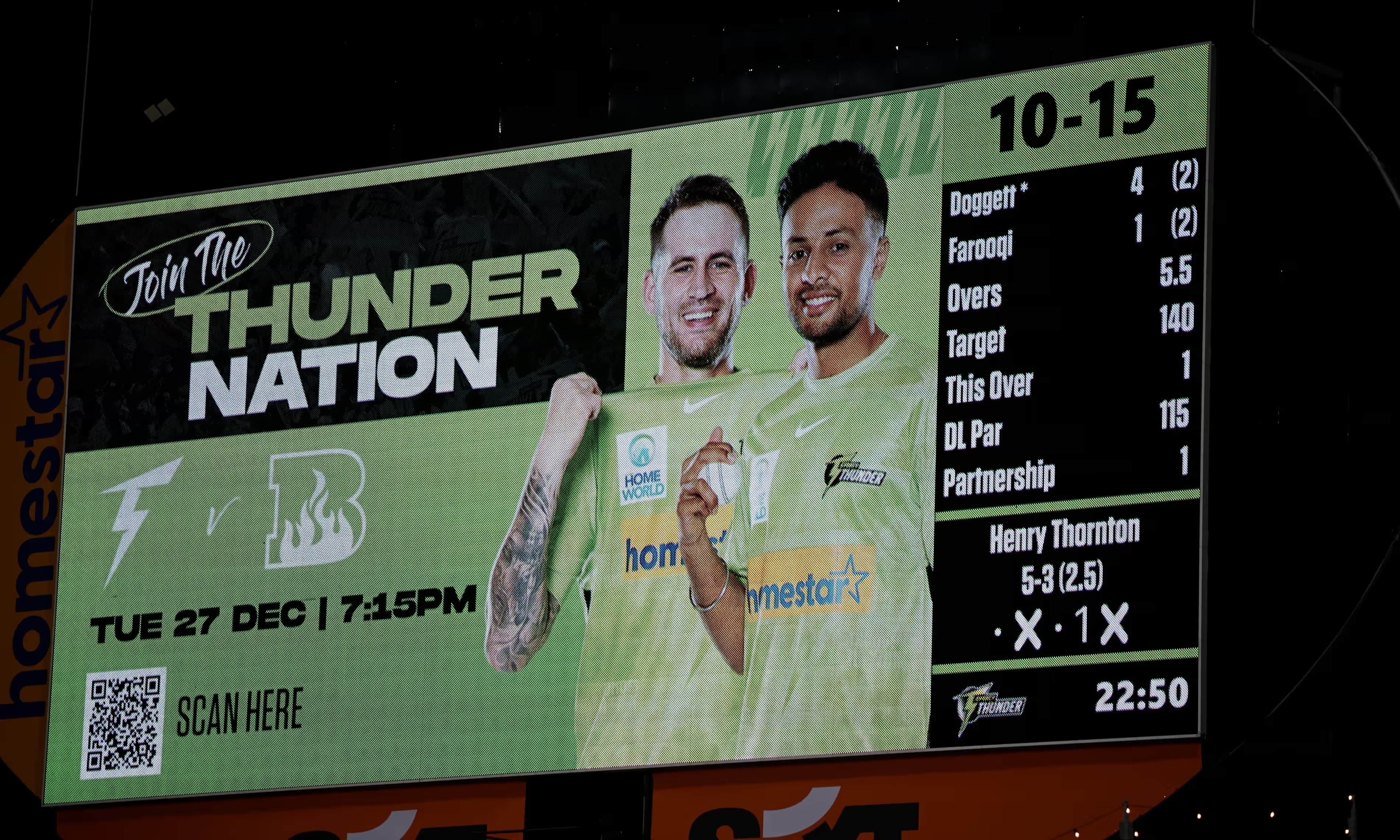
2. Sydney Thunder bowled out for 15.

For those who do not follow or understand cricket; believe me when I tell you that this is a massive sporting disaster – about as bad as it gets! I can’t really give too much perspective by comparing it to other sports – only to suggest that it may equate to an NBA team scoring less than 30 points in a game or a pro golfer hitting a round of 200.

Being bowled out for such a low score at this level of cricket is a once-in-a-decade moment, and in any other year the Sydney Thunder would have clinched the number one spot.

However, Australian ‘sport’ produced something else truly extraordinary in 2024 – at the Olympic Games no less – and there’s no prize for guessing who it is!

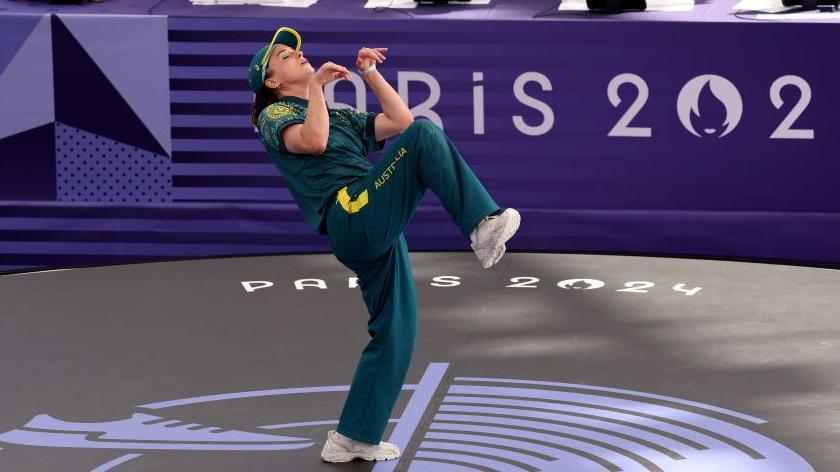
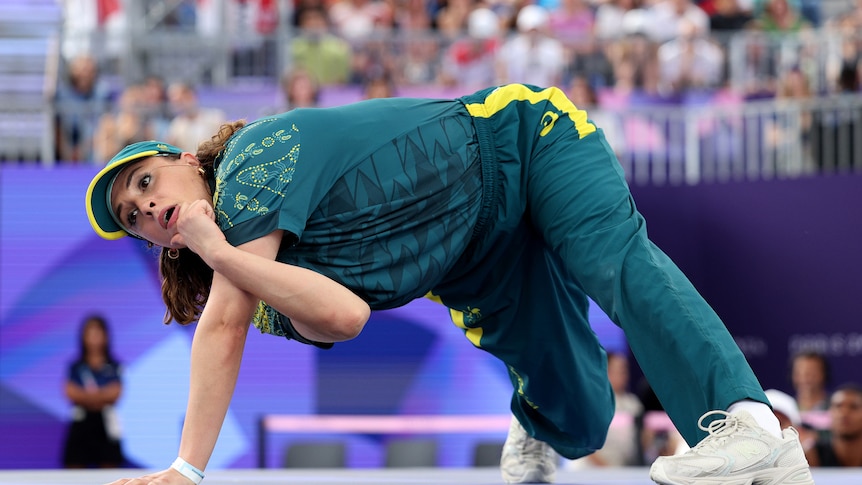
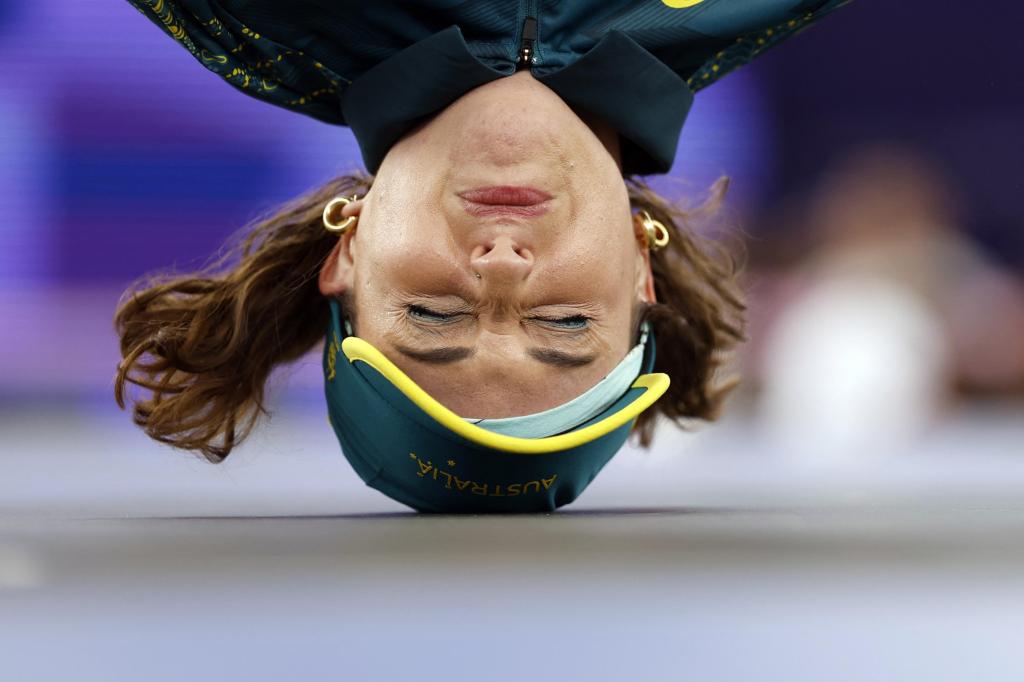
1. Raygun

I’m going to leave this here, as Raygun has put together a legal team who are very protective of her image and ‘special’ dance moves.

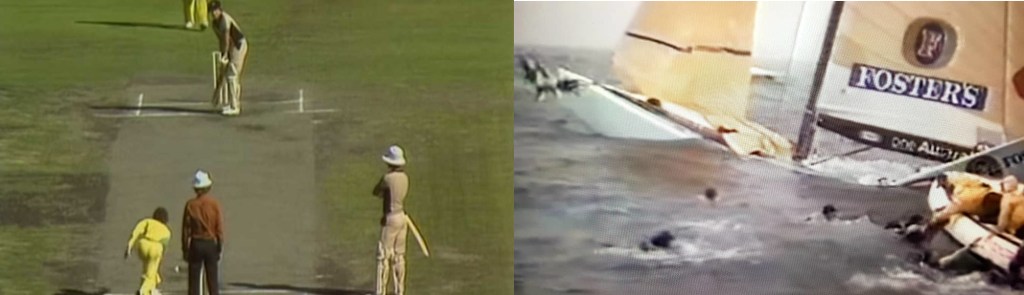
All I can do is offer my own opinion and say that her performance was a national embarrassment – worse than the 1981 underarm incident and our America’s Cup yacht sinking in 1995.

************************************

I’m sure most Aussies would agree with at least three of my picks belonging in the top five. I did try and keep it as high-profile and mainstream as possible, choosing efforts that made back page headlines in most newspapers around the country.

Let’s hope 2025 is a great year for Aussie sport!

Photos courtesy of Code Sports, Daily Mail, The Guardian, Cricinfo, BBC, ABC and CNN.

Van Diemen’s Land artwork by John Glover

John Glover was born in England in 1767 and migrated to Van Diemen’s Land (Tasmania) in 1831. Glover was already an established painter before moving to Tasmania, and would go on to create some of his most famous works during his later years there.

Glover’s paintings can be found in a number of museums and art galleries across Australia. There is an annual art competition named in his honour that takes place in the Tasmanian town of Evandale, near to where he lived, as well as a statue of the artist in one of the local parks.

I have highlighted four of his most famous works; a couple of which should be familiar to anyone from the Apple Isle.

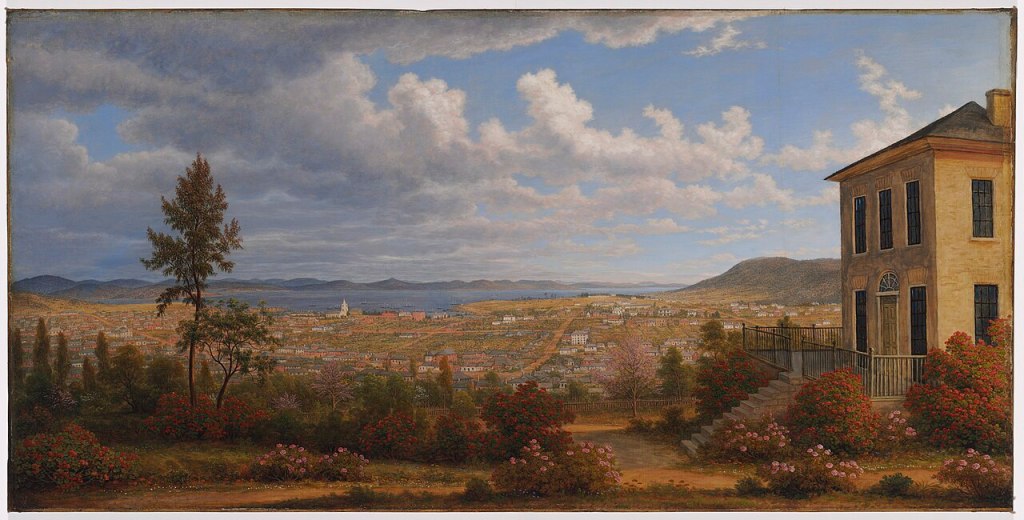
‘Hobart Town taken from the garden where I used to live.’ (1832) – State Library of NSW.

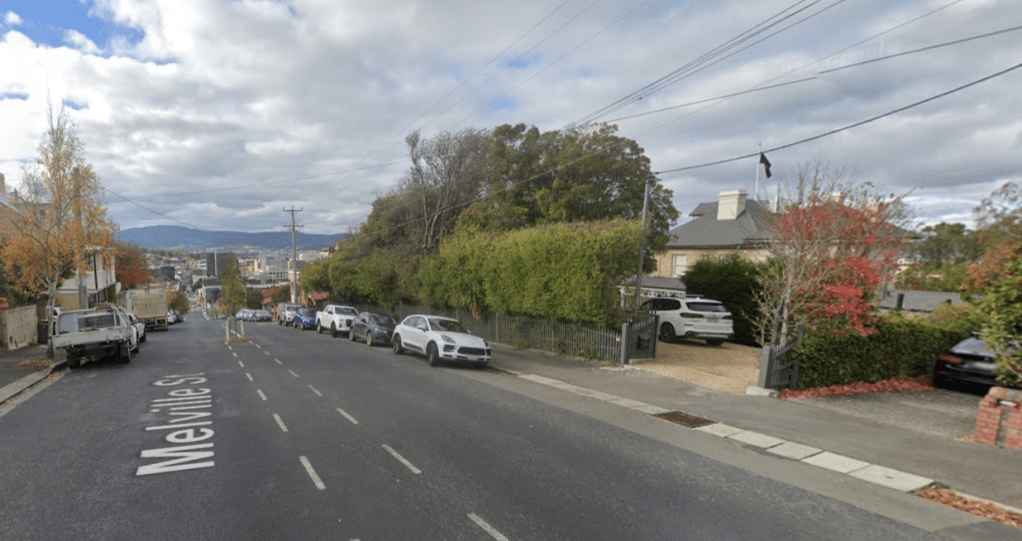
This is the modern day view of Glover’s home – known as Stanwell Hall – situated on Melville Street, West Hobart. It is the building with the flag flying and you can still see the sandstone walls, although it has undergone some renovations over the years.

‘A view of the artist’s house and garden, in Mills Plains, Van Diemen’s Land.’ (1835) – Art Gallery of South Australia.

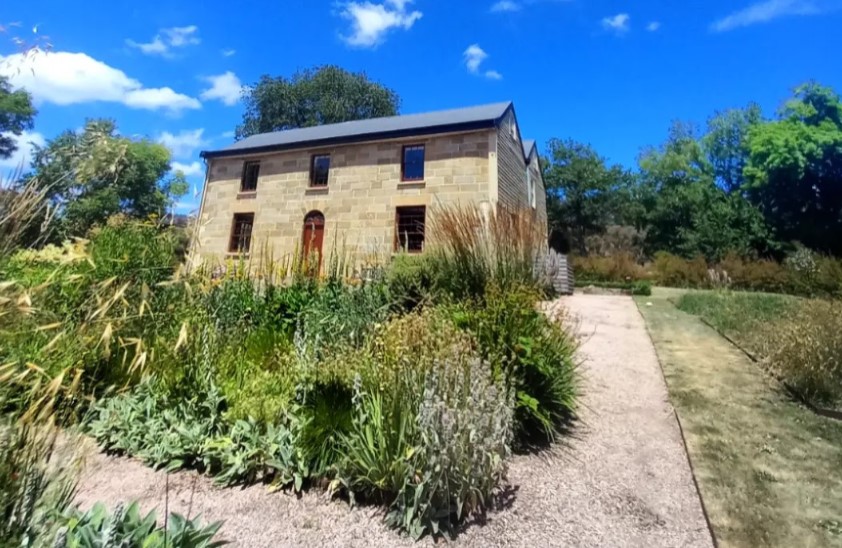
Here is a recent photo of Glover’s homestead at Deddington, Tasmania.

‘Natives on the Ouse River, Van Diemen’s Land.’ (1838) – Art Gallery of NSW.
‘Mount Wellington and Hobart Town from Kangaroo Point.‘ (1831-33) – National Gallery of Australia.

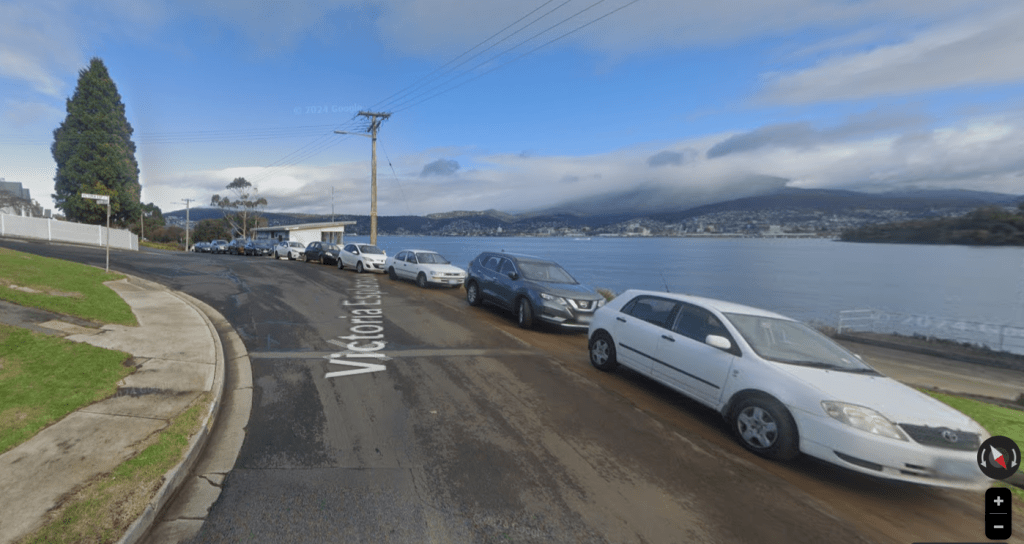
This location at Bellerive is near to where Glover would have found his inspiration. Any local would tell you that his interpretation of Mount Wellington (kunanyi) is slightly exaggerated and it seems he has taken some liberty with elevation as well – but these factors make this painting all the more impressive.

There is a lot more information about John Glover available online, including a decent Wikipedia biography and a website for ‘Glover Country’ in Deddington, Tasmania.

See links below.

https://en.wikipedia.org/wiki/John_Glover_(artist)

https://www.glovercountry.com.au/

Photos courtesy of Wikipedia, Google Maps and other online sources.

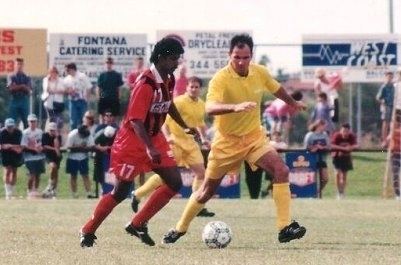
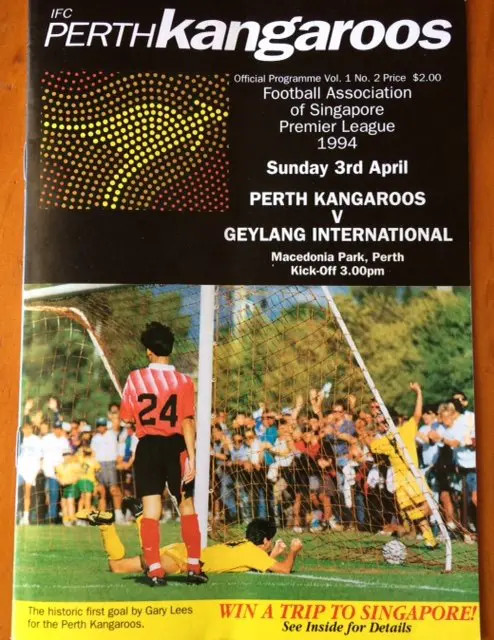
Perth Kangaroos – Australia’s footballing trailblazers.

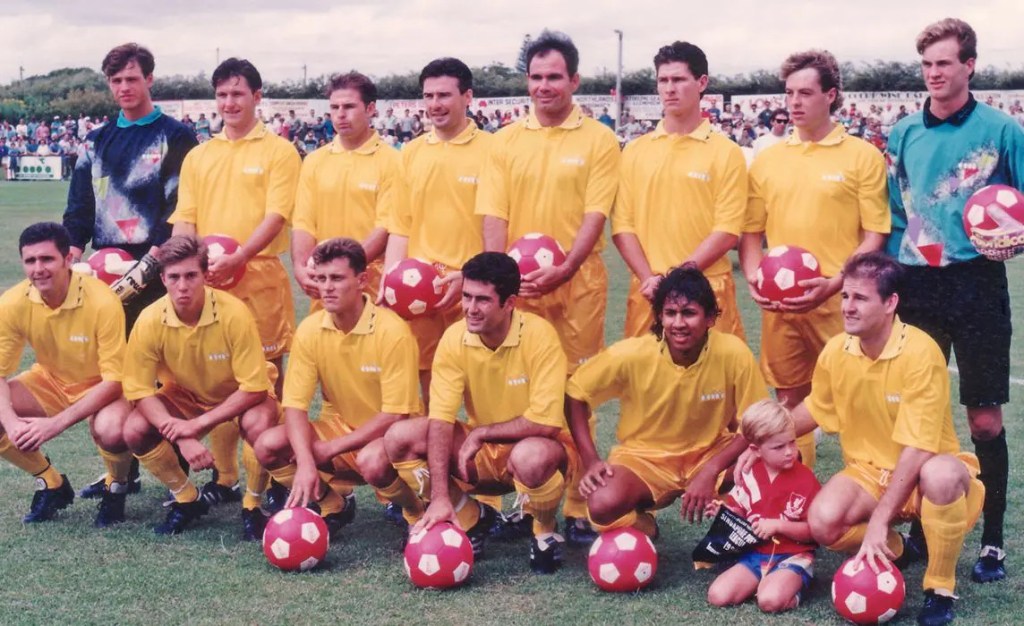
In 1994, an unusual chapter in Australian sporting history was written when football (soccer) teams from both Perth and Darwin entered the Singapore National League – known as the FAS Premier League.

At the time, it was near impossible for a team from Perth to gain entry into the National Soccer League, with high costs and logistics surrounding travel being the main reasons. With this being the case, a business consortium called Global Football Australia created the Perth Kangaroos and entered them into the Singapore competition – with a long-term aim of joining the Australian NSL.

On the field, the team was a tremendous success and easily won the league while remaining undefeated, with the Darwin Cubs finishing in second place. However, despite giving free tickets away to home games, the crowds did not come in the numbers the club owners would have hoped, and the venture ended up being a financial disaster.

The Perth Kangaroos were disbanded after one season and control of the club was handed over to the state’s governing body. However, all was not lost as the Kangaroos had laid the ground work for a Perth team to be admitted into the National Soccer League in 1996. From the ashes of this groundbreaking club rose the Perth Glory, who would find great success in the twilight years of the NSL before becoming a foundation club of the A-League.

There are some great articles about the Perth Kangaroos that go into a lot more detail about the history of this unique sporting team and its legacy.

Links are below…

https://www.theguardian.com/sport/blog/2014/mar/27/the-forgotten-story-of-perth-kangaroos

https://www.footballwa.net/perthkan.html

Photos are courtesy of The Guardian, alchetron.com and Football Australia.